Vintage Chairs

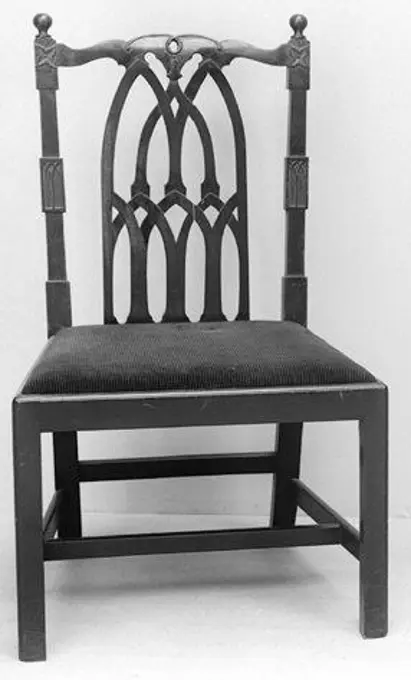
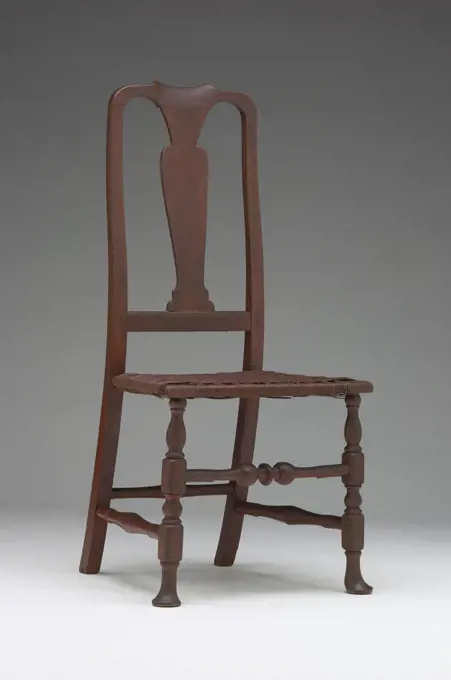
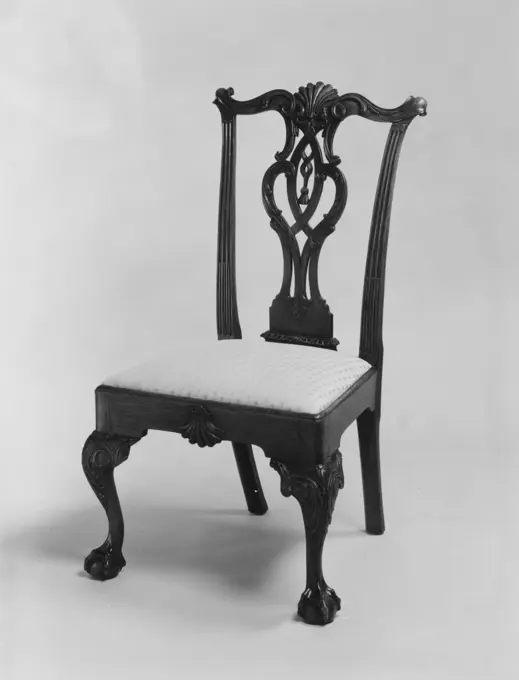
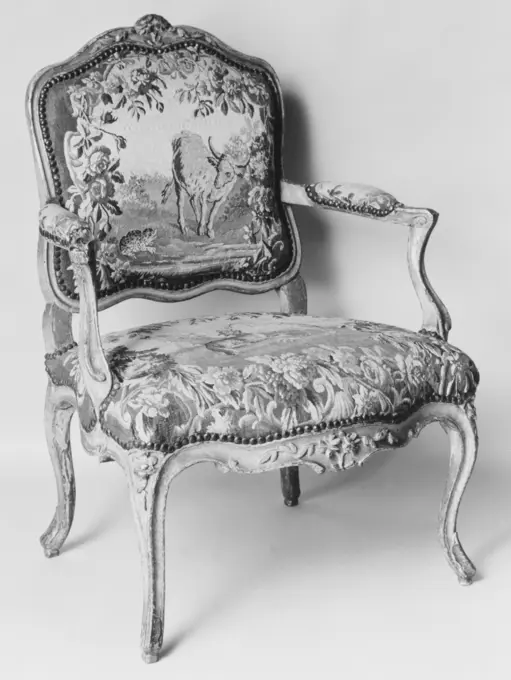
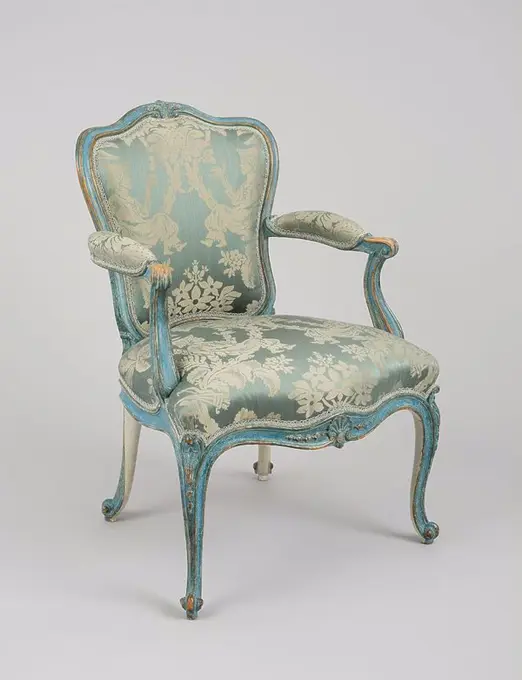
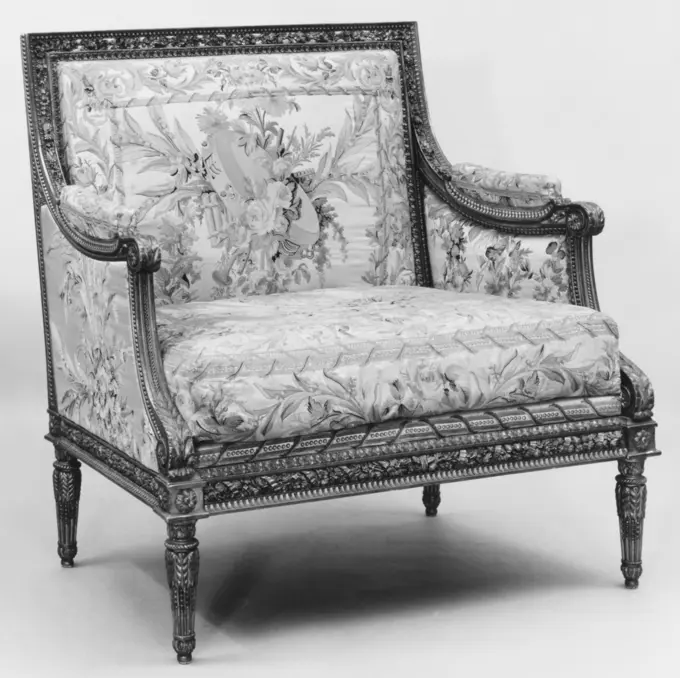
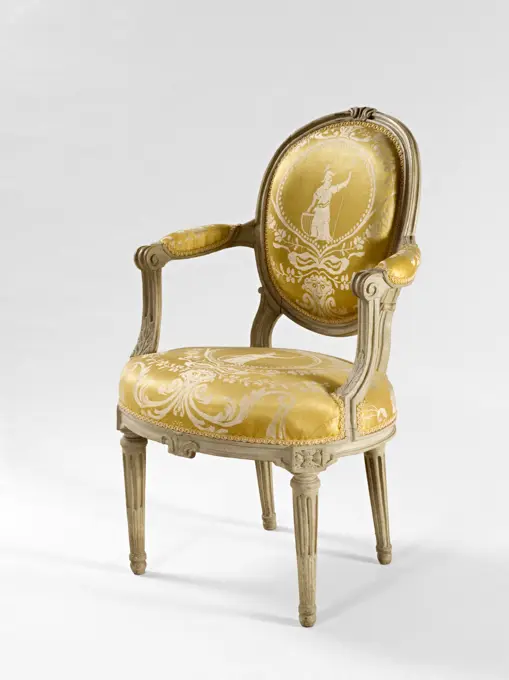
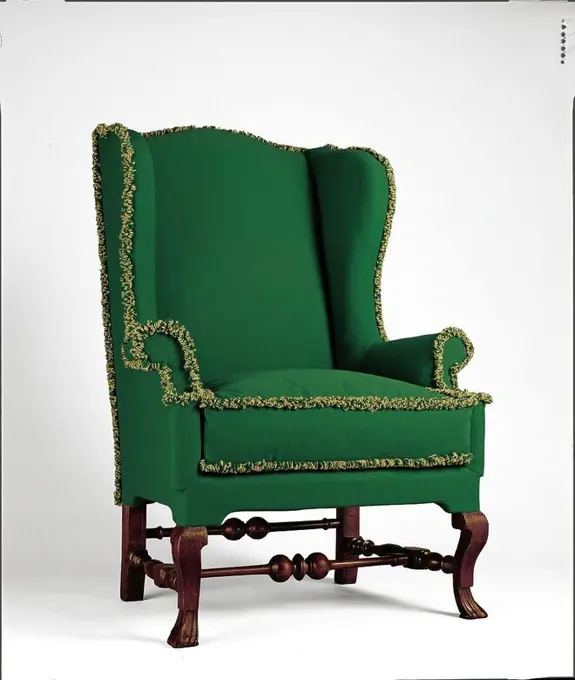
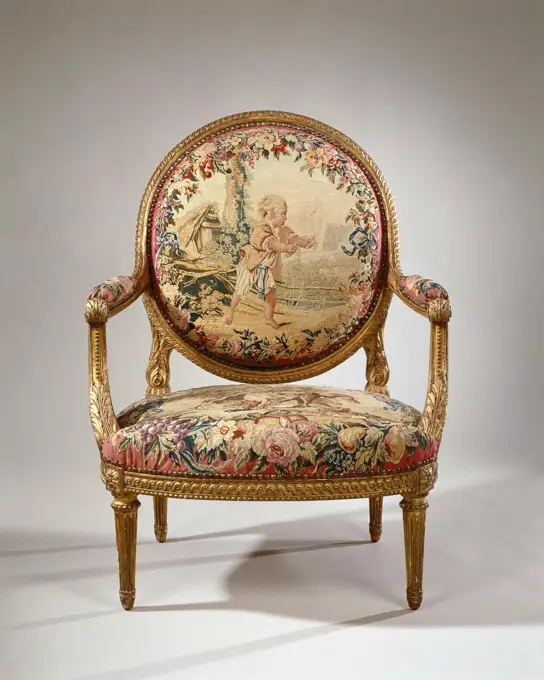
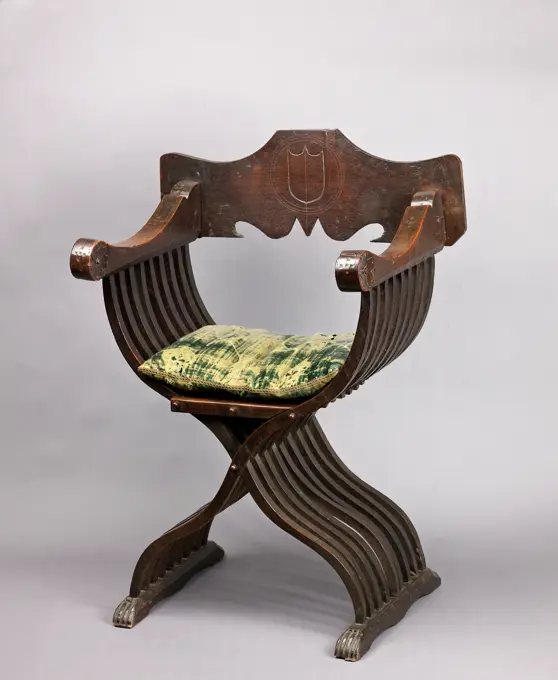
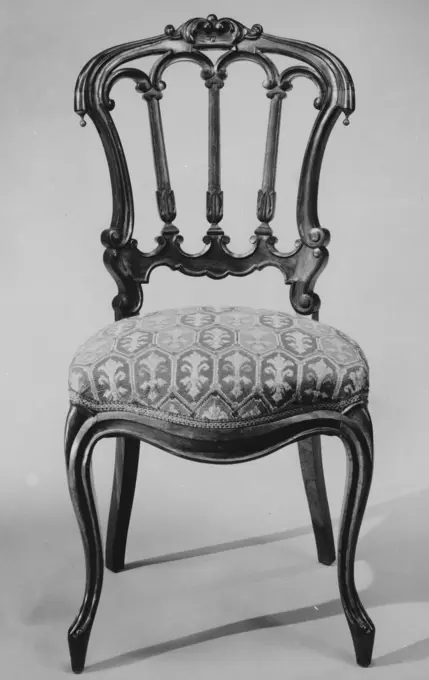
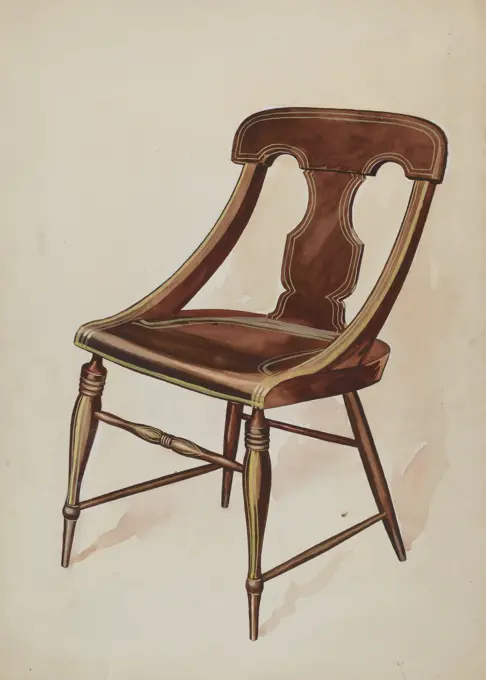
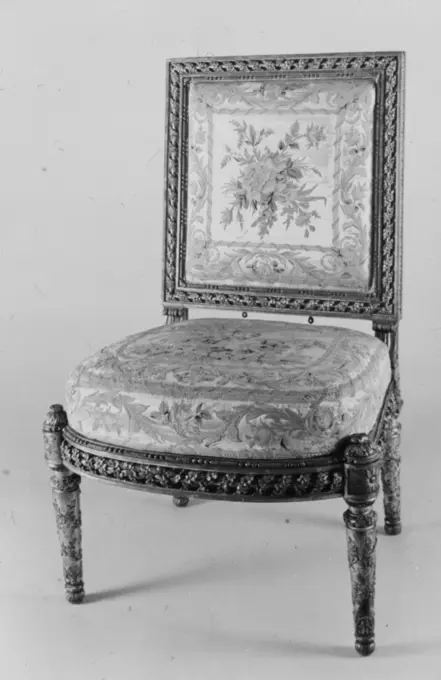
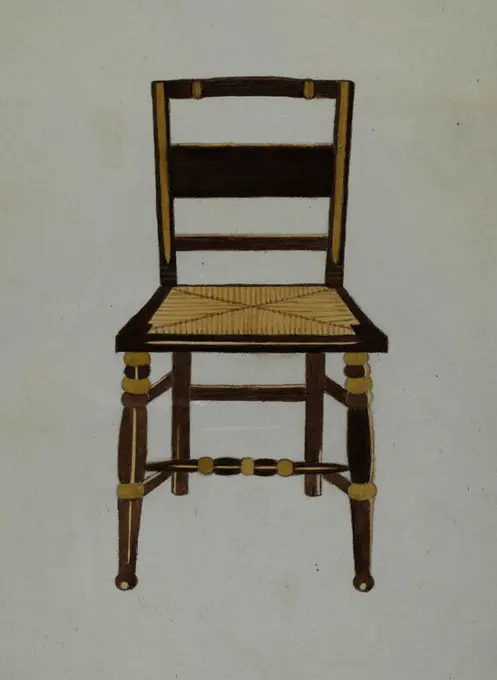
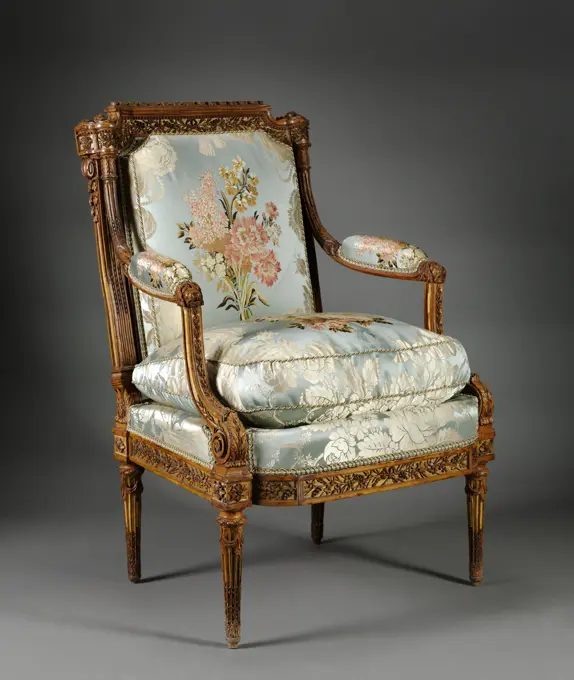
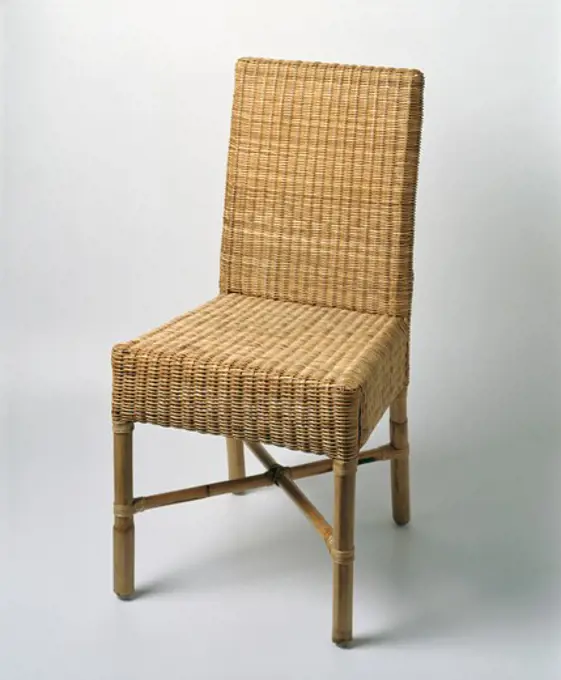
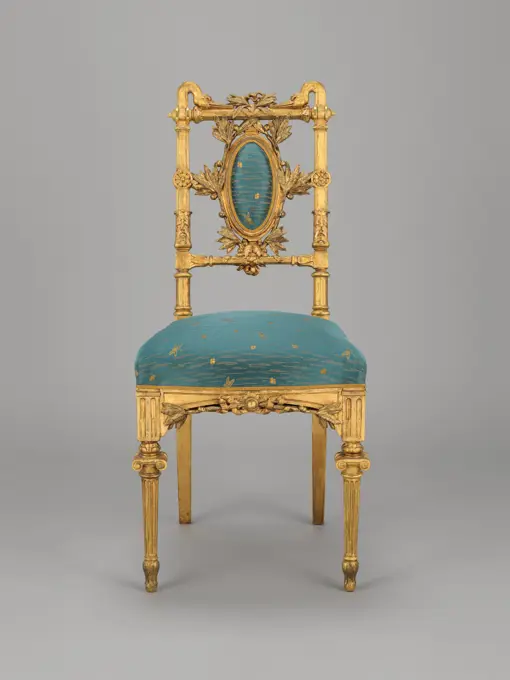
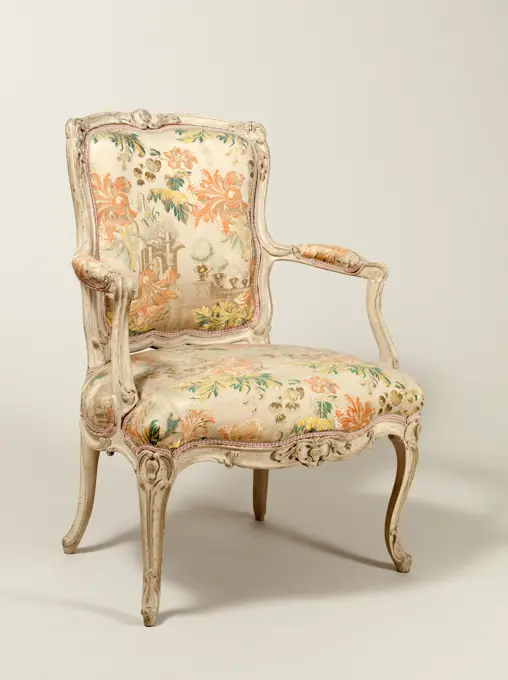
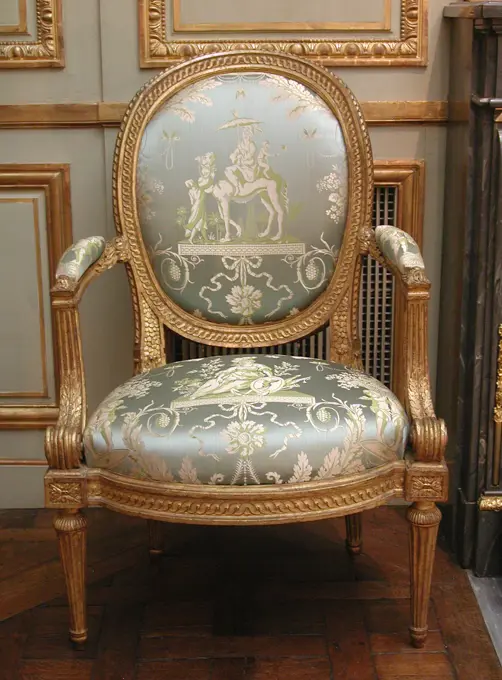
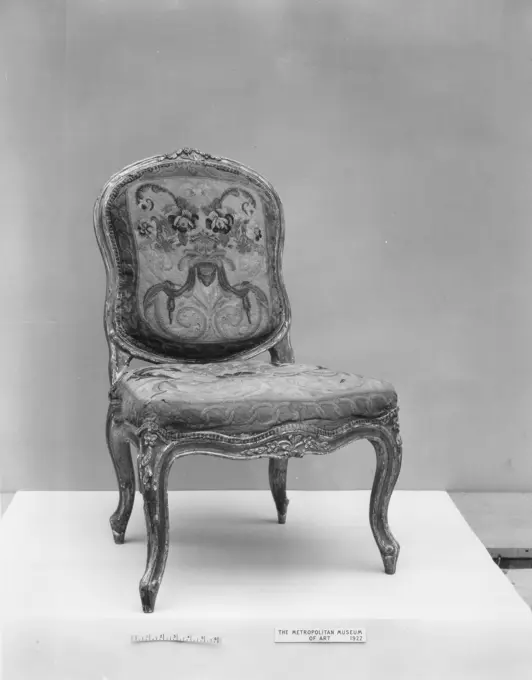
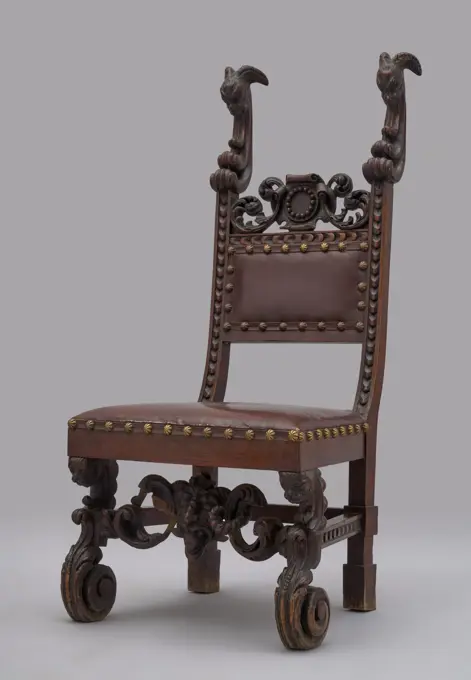
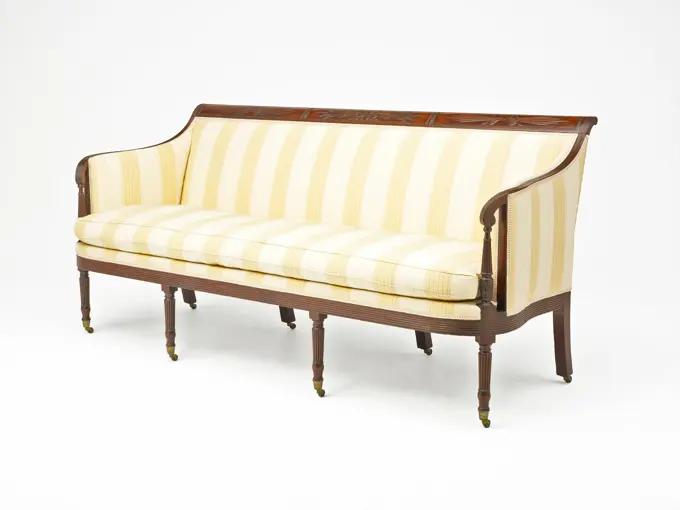
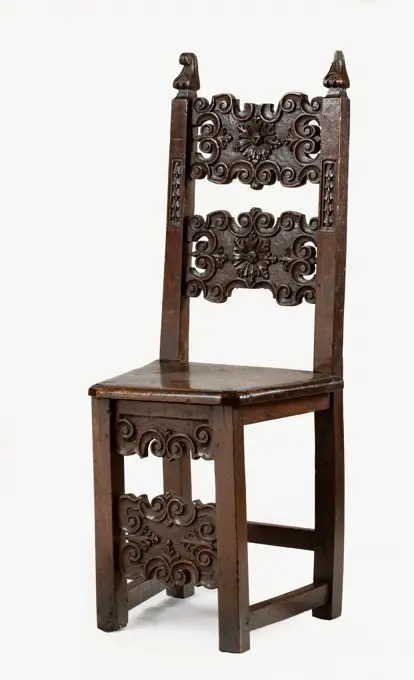
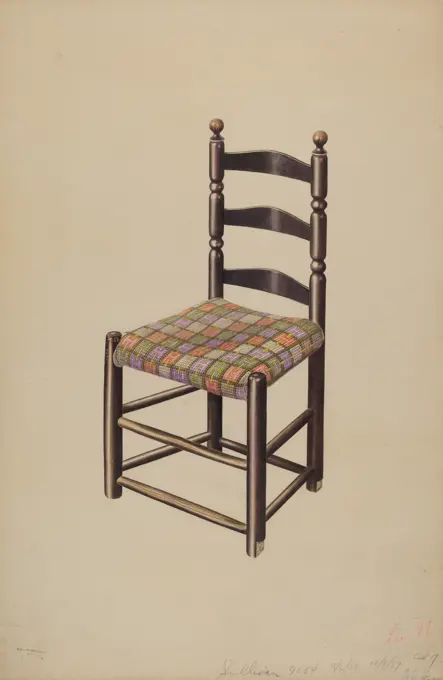
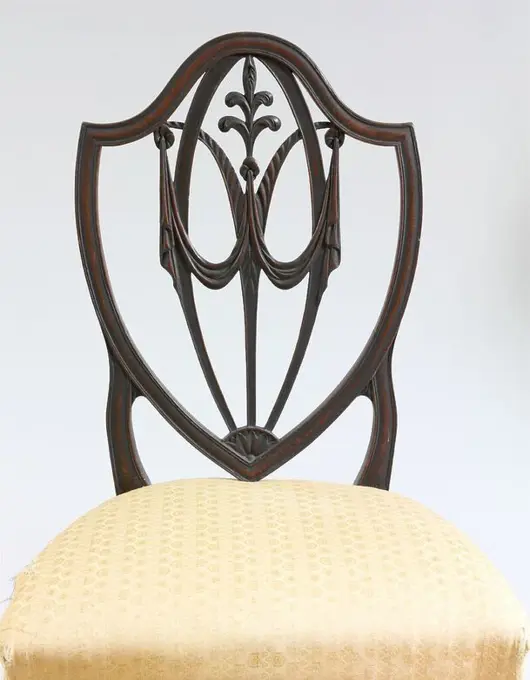
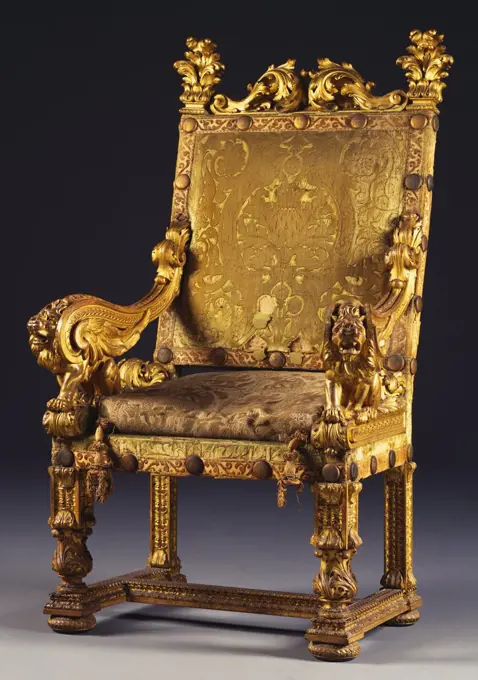
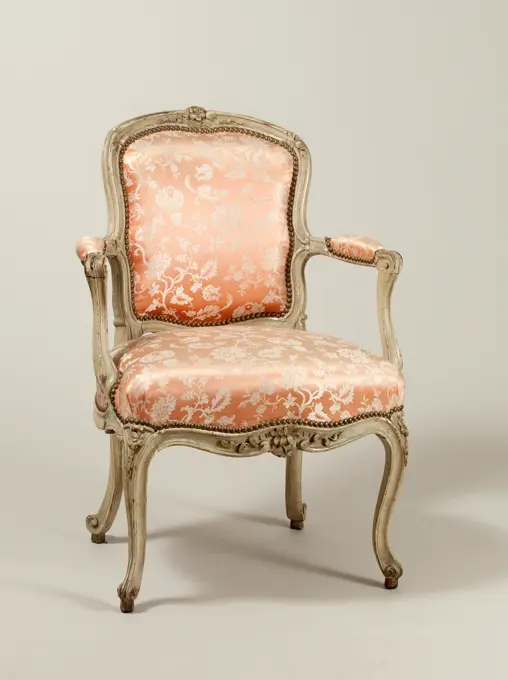
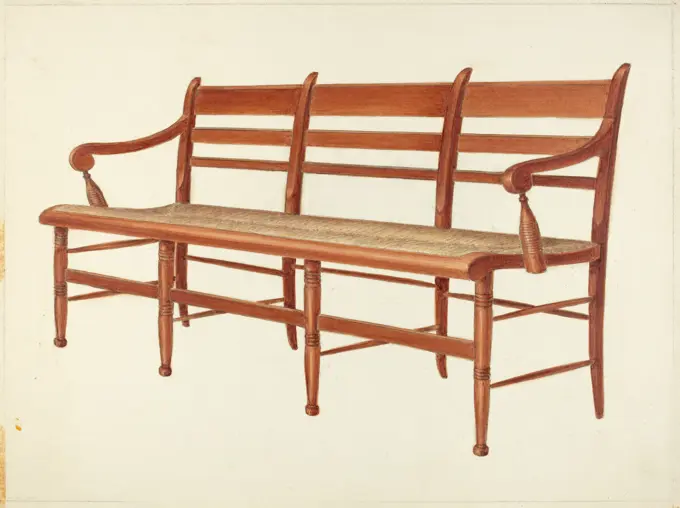
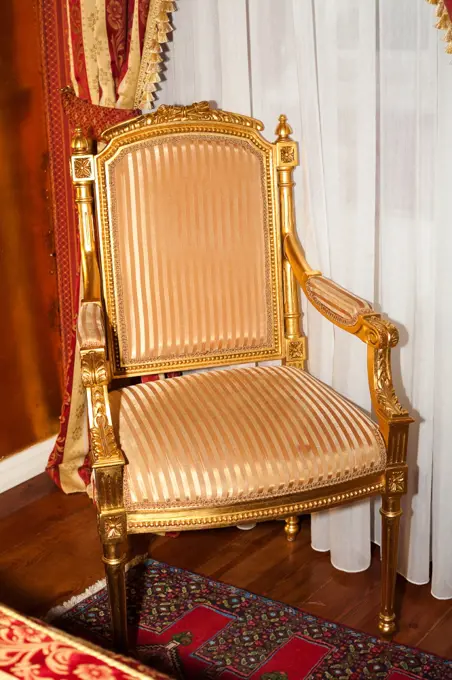
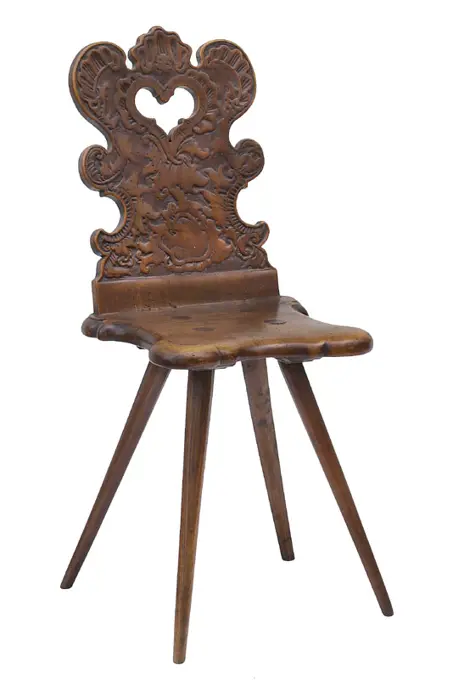
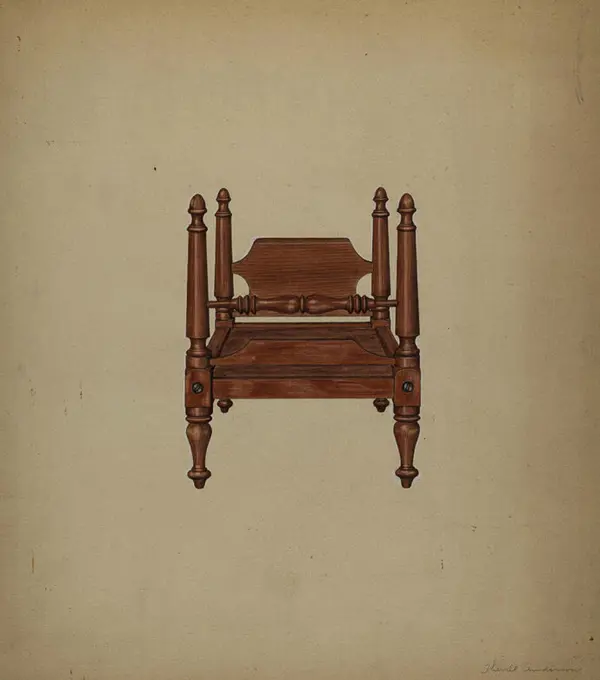
An assortment of antique chairs with intricate designs and upholstery, showcasing classic craftsmanship and historical styles from different periods.

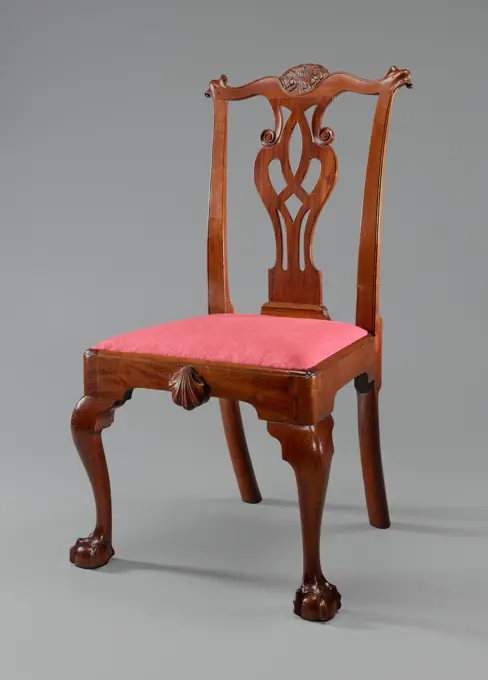
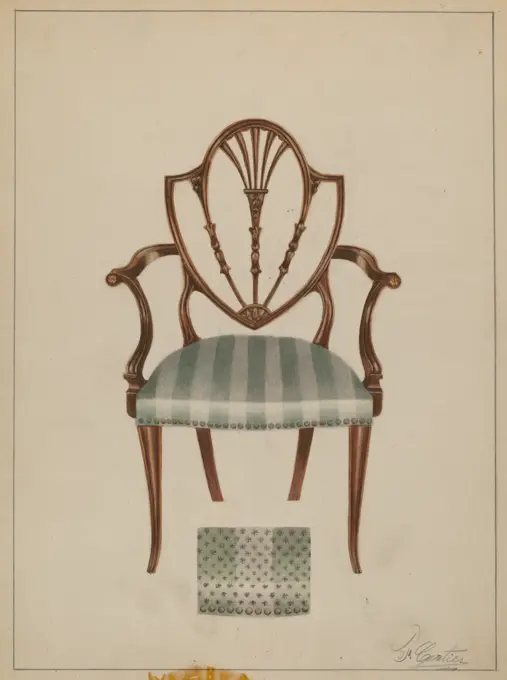
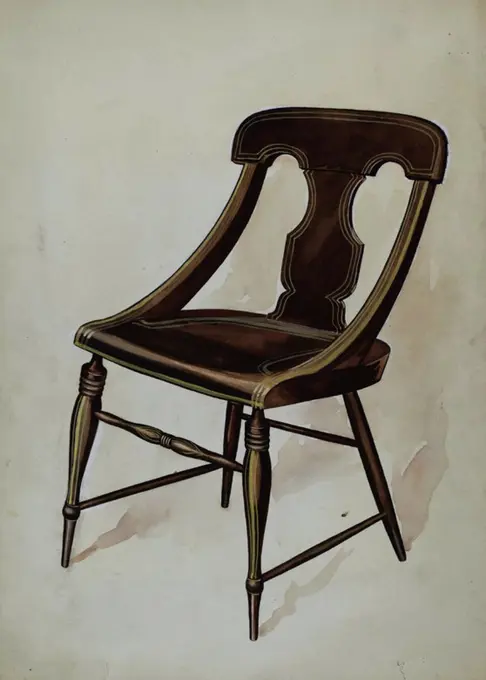
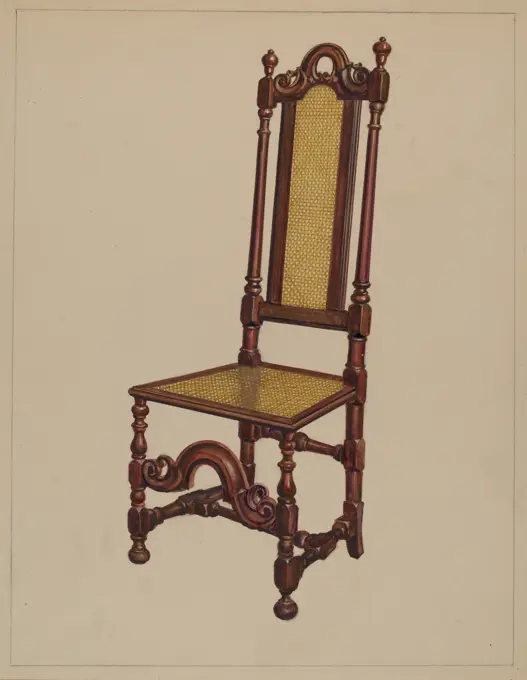
Iron wood chair and rattan -stretched seat (series of 4 seats), Anonymous, 1725 - 1750 Chair (series of four identical seats BK-1994-A, B, C, D) of ironwood with rattan-stretched seat. Faint backwards bent hind legs and overhoeks placed S-shaped front legs that end in Leeuklauws and are decorated at the top with shell motifs. The cross has scalloped side sports and a scalloped cross -sport. The hind legs are connected by a second transverse sport under the session. The lower edge of the seating rules on front and sides is made up of two S-Voluten with a shell motif in the middle. The high back has scalloped styles and a wide baluster -shaped center leaf that is crowned by a shell from which leaf clocks depend on leaf voltuten, and that is decorated from below with a standing leaf clock on a pedestal. Where the styles touch the center leaf, they end up with leaf motifs decorated volutes. Indonesia wood (plant material). ironwood. rattan Chair (series of four identical seats BK-1994-A, B
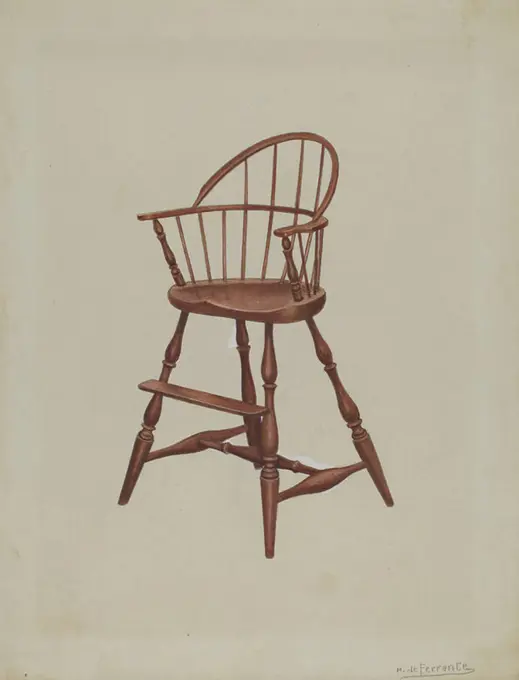
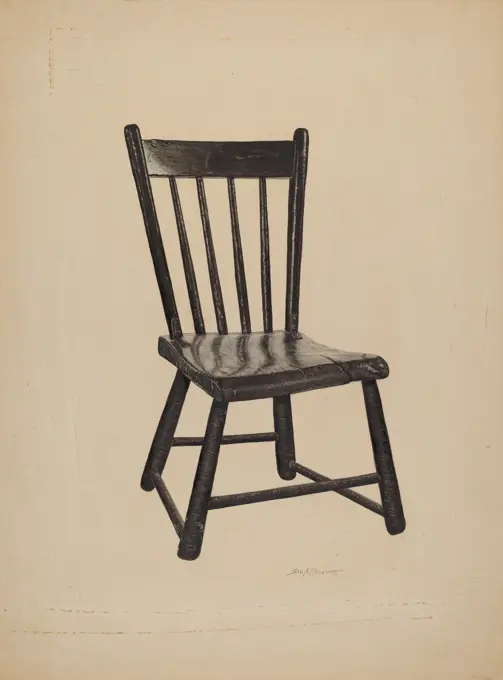
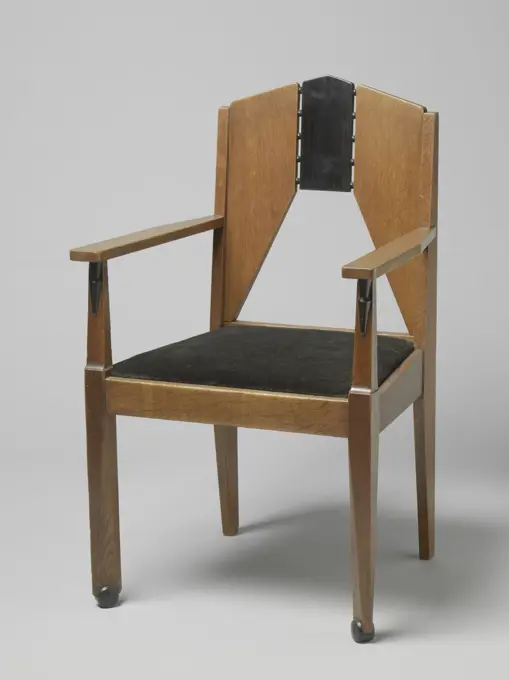
Arm chair with trapezoidal open space in the backrest, fa. J.J. Side & Co., c. 1920 - c. 1930 Arm chair of oak -wood resting on four legs. The front legs are chamfered and rest on black stained discs with convex sides. The front legs continue in the army tits and contain a sculpted black stained drop shape just below the armrest. The hind legs continue in the backstyles and broaden from below, after which they narrow up at the height of the center. The backrest is composed of three panels. These are formed in such a way that a triangular shape has been created on the top and an open trapezoidal shape has been created on the bottom. The two outer panels are connected to the black -stained center panel by means of five beads on each side. The seat is covered with black trijp. Amsterdam wood (plant material). oak (wood). textile materials Arm chair of oak -wood resting on four legs. The front legs are chamfered and rest on black stained discs with convex sides. The front legs continue in SideChairArm chair of black lacquered and chopped walnut, anonymous, c. 1675 - c. 1700 Arm chair of black -lacked and black -chopped walnut. The furniture has a covered seat and peace on overhoeks placed legs in the form of S-Voluten. There is a vase at the intersection of the X-shaped cross. The armrest stars are S-shaped. The armrests turn outside and end in a volute, which is decorated with Acanthus and clock cords as well as the back. The high back shows a chain scale motif on a ribbed ground in the middle, flanked by flared colonets and s-volutes. Netherlands wood (plant material). walnut (hardwood) lacquering Arm chair of black -lacked and black -chopped walnut. The furniture has a covered seat and peace on overhoeks placed legs in the form of S-Voluten. There is a vase at the intersection of the X-shaped cross. The armrest stars are S-shaped. The armrests turn outside and end in a volute, which is decorated with Acanthus and clock cords as well as the back. The high back shows a chain scArm chair covered with tapisserie with vases with fruit and foliage, anonymous, c. 1700 - c. 1725 Arm chair resting on S-shaped legs on Hoeven, in motion ending in a volute in the sitting window rules, which in the middle show a shell motif with leaf fillets against a checkered background. They are, like the X-shaped cross, the S-shaped armrest stars, the backs' backs and the volutes of the further straight armrests decorated with cutting work, predominantly with leaf motifs. The armrests, seats and rectangular back window are covered with instructed tapisserie, with vases with fruits and flowers. France wood (plant material). walnut (hardwood). ketting: cotton (textile). inslag: wool. inslag: silk tapestry Arm chair resting on S-shaped legs on Hoeven, in motion ending in a volute in the sitting window rules, which in the middle show a shell motif with leaf fillets against a checkered background. They are, like the X-shaped cross, the S-shaped armrest stars, the backs' backs and the voUpholsteredArmchairPair of Side Chairs. American; New England, Northeastern Massachusetts. Date: 1755-1790. Dimensions: 96.2 × 53.7 × 41.9 cm (37 7/8 × 21 1/8 × 16 1/2 in.). Mahogany. Origin: New England. Museum: The Chicago Art Institute, Chicago, USA.Ferdinand Cartier, Armchair, 1935 1942 ArmchairChair (painted). Dated: c. 1937. Dimensions: overall: 36.6 x 26.2 cm (14 7/16 x 10 5/16 in.) Original IAD Object: 19 1/4"wide, 18"high-seat-top; Seat 16 1/4"high. Medium: watercolor, graphite and some heightening on paper. Museum: National Gallery of Art, Washington DC. Author: Lillian Causey.Harry Eisman, Side Chair, 1936 Side ChairChair (part of a set) ca. 1760-75 British. Chair (part of a set) 191517Sidechair, Maple, birch, 40 1/8 × 13 7/8 × 14 in. (101.9 × 35.2 × 35.6 cm), Compared tochairswhose backposts are spindle-turned on a lathe, the backposts of this chairwere sawn out. This fabrication method enabled the chairmaker to replicate the serpentine profile of more expensive mid-eighteenth-century black walnut chairs. This chair belongs to a group that shares distinctive features, including the chamfered edges on the corners of the front legs, the collar at the top of the front feet, and the ridges and grooves at the center of the side and back stretchers. Thus far, a more specific regional origin has not been established for thisgroup. , Made in New England, North America, American, 18thcentury, FurnitureDesign for a Chair. Artist: Attributed to Gillows (British, 19th century). Dimensions: sheet: 7 5/16 x 7 5/8 in. (18.5 x 19.3 cm). Date: ca. 1820. Museum: Metropolitan Museum of Art, New York, USA.Side Chair ca. 1770 American. Side Chair. American. ca. 1770. Mahogany. Made in Philadelphia, Pennsylvania, United StatesChair. Dated: 1937. Dimensions: overall: 29.2 x 22.7 cm (11 1/2 x 8 15/16 in.) Original IAD Object: none given. Medium: watercolor, gouache, colored pencil, and graphite on paperboard. Museum: National Gallery of Art, Washington DC. Author: Arsen Maralian.Two chairsArmchair (part of a set of nine) mid-18th century Tapestry woven at Aubusson. Armchair (part of a set of nine) 239171Pair of SideChairsArmchair. Thomas Chippendale; English, 1718-1779; London, England. Date: 1768. Dimensions: 90.2 × 62.2 × 55.9 cm (35 1/2 × 24 1/2 × 22 in.). Painted oak, modern upholstery. Origin: England. Museum: The Chicago Art Institute, Chicago, USA.Small settee (part of a set) ca. 1785 Georges Jacob French. Small settee (part of a set) 236073Jean-René Nadal (1733-1783). Armchair. Beech, around 1770. Paris, Carnavalet museum. Small dimensions and light pace, this convertible armchair is emblematic of the production of Jean-René Nadal (1733-1785). It is decorated in the center of the front crosspiece of the belt, from an acanthus sheet in an apron taken up in a staple at the top of the hanger. The belt is also molded with a simple throat between two listels. Its narrowness contributes to the visual lightness of the seat. The only other sculpted ornaments are the rosette of the connection deception and an acanthus sheet rising on the assistant consoles. Armchair, Hetre, furniture, fabric, 18th centurySide Chair 1796-1806 Gilbert Gaw. Side Chair 15301Easy chair. Culture: American. Dimensions: 47 1/2 x 32 3/4 x 20 3/4 in. (120.7 x 83.2 x 52.7 cm). Date: 1730-40.The fully upholstered easy chair was introduced to the colonies in the early eighteenth century, with initial models emerging from Boston. As textiles were costly and upholstering required considerable labor, easy chairs were expensive and, accordingly, were found exclusively in wealthy homes. They were usually placed in the best bed chamber rather than the parlor, with upholstery fabric chosen to match the bed hangings. Museum: Metropolitan Museum of Art, New York, USA.Armchair 17th century Flemish. Armchair. Flemish. 17th century. Walnut. Woodwork-FurnitureSide Chair. Dated: c. 1936. Dimensions: overall: 29 x 22.5 cm (11 7/16 x 8 7/8 in.) Original IAD Object: 4'7"high, 19" long, 14"wide.. Medium: watercolor, colored pencil, and graphite on paperboard. Museum: National Gallery of Art, Washington DC. Author: Bernard Gussow.Armchair. Designed by Arthur Heygate Mackmurdo (English, 1851-1942) for Pownall Hall, Cheshire; Made by E. Goodall and Company; Upholstery: Designed by Herbert P. Horne (English, 1864-1916), made by Simpson and Godlee (English, active about 1884); Manchester, England. Date: 1880-1890. Dimensions: 78.7 × 59.7 × 49.5 cm (31 × 23 1/2 × 19 1/2 in.). Satinwood and brass, with original printed cotton upholstery. Origin: Manchester. Museum: The Chicago Art Institute, USA.Side chair ca. 1735 British. Side chair. British. ca. 1735. Walnut, mahogany, parcel-gilt, needlework. Woodwork-Furnitureold traditional chair isolated on white background, object for your designChair 02Askowska, Maria. Armchair of gold-plated beech wood, resting on conical-shaped legs. The armchair belongs to an amele. On the coated curved sitting window and the coated oval back window are applied to a pink-part shows within flower wreaths (Tapisserie de Beauvais). See also: BK-16657-A / B and D / F.Folding armchair (sedia a Savonarola type) 15th century (textile); 19th century (chair, with various earlier parts) Italian. Folding armchair (sedia a Savonarola type) 460614SideChairArmchair of walnut with a lining of gros and petitpoint .. Armchair (of a pair), with a lining of gros and petitpoint. The overhoeks placed stretched s-shaped legs finish in flat boxing hooves and carry decorations of sliced acanthus leaf on the swellings. The same motive occurs on the S-shaped curved armrest tricks, which supports the faint arched armrests, ending in a volute. Trapezoidal sitting room. The upholstery shows birds and a men's and women's figure. See: BK-1955-43-B; modern chairs; At a: cladding might also be old.Armchair. Culture: American. Dimensions: 42 1/2 x 32 1/2 x 21 in. (108 x 82.6 x 53.3 cm). Date: 1750-65. Museum: Metropolitan Museum of Art, New York, USA.beautiful antique padded chair isolated on white backgroundSide Chair ca. 1855 American. Side Chair 1634Lillian Causey, Chair (painted), c 1937 Chair (painted)James Fisher, Chair (Samuel Chase), 1935 1942 Chair (Samuel Chase)Retro style armchair isolated on whiteantique leather chair isolated on white backgroundArm chair, part of a divan de Milieu, Gebroeders Horrix, c. 1852 Arm chair belonging to a set of six arm chairs of mahogany with a triangular base, together forming a round sofa. Blared silk upholstery with passement. The two front legs, the hind legs, rules, struts, armrests and the crowning of the backrest, are bent, profiled and almost all end in a volute. The armresters close the backrest arch -shaped and form a triangular crown that, just like the front line and the swellings of the front legs, exhibits shell -shaped acanthus leaves. The Hague wood (plant material). mahogany (wood). silk Arm chair belonging to a set of six arm chairs of mahogany with a triangular base, together forming a round sofa. Blared silk upholstery with passement. The two front legs, the hind legs, rules, struts, armrests and the crowning of the backrest, are bent, profiled and almost all end in a volute. The armresters close the backrest arch -shaped and form a triangular crown that, just like the front liRocking Chair with Rawhide Seat. Dated: c. 1938. Dimensions: overall: 35 cm (13 3/4 in.) Original IAD Object: 37 1/2"high; 18"wide. See data sheet for details.. Medium: watercolor, colored pencil, gouache and graphite on paper. Museum: National Gallery of Art, Washington DC. Author: Frank M Keane.Rolland Livingstone, Corner Chair, 1941 Corner ChairSheraton StyleChairMagnus S Fossum, Chair, c 1936 ChairArmstoel Kops-Amoublement, Anonymous, c. 1793 - C. 1795 Arm chair from the heads aublement, painted of white and blue-gray beech wood. The seating rules and sills of the back window show stabbed braid tire with rosettes. Vase -shaped struts with flinged cannelures support the armrests with pillows, which overflow with an acanthus leaf in the Tuscan columns of the back window. The upholstery shows floral motifs on light blue satin soil, held on the back by griffins. Ordered for the Nieuwe Gracht 74 building, Haarlem. See: BK-15614, 15615-A/P, 15616-A/B. furniture worker: Netherlandsdesigner: Amsterdam wood (plant material). beech (wood). silk. paint (coating) Arm chair from the heads aublement, painted of white and blue-gray beech wood. The seating rules and sills of the back window show stabbed braid tire with rosettes. Vase -shaped struts with flinged cannelures support the armrests with pillows, which overflow with an acanthus leaf in the Tuscan columns of the back window. The upholsSide chair (one of a pair) (part of a set) ca. 1775-80 Georges Jacob French. Side chair (one of a pair) (part of a set) 202146Armchair (part of a set) ca. 1754-56 Frame by Nicolas-Quinibert Foliot This piece is part of a set of twelve armchairs and two settees ordered in Paris in 1753 by Baron Johann Ernst Bernstorff, Danish ambassador to the court of Versailles between 1744 and 1751. After returning to Denmark, Bernstorff commissioned this seat furniture for the tapestry room of his new residence in Copenhagen that was hung with four wall tapestries of the Amours des Dieux series woven at the Beauvais Manufactory. This chair illustrates how French furniture and furnishings were imported all over Europe for the enrichment of palaces and mansions far from Paris. The tapestry covers are woven with animal and bird subjects after designs by the painter Jean-Baptiste Oudry (1686-1755).. Armchair (part of a set). French, Paris. ca. 1754-56. Carved and gilded beech; wool and silk tapestryFlorence Truelson, Rocker with Black Horse hair Seat, c 1937 Rocker with Black Horse-hair SeatFauteuil, e.g.c. Shrudad, 1910 - 1927  Netherlands oak (wood). rosewood (wood). wool  Netherlands oak (wood). rosewood (wood). woolChair. Dated: 1935/1942. Medium: watercolor, graphite, and colored pencil on paper. Museum: National Gallery of Art, Washington DC. Author: Genevieve Sherlock.Fire Screen, c. 1750. France, 18th century. Wood and velvet panel; overall: 109.9 x 77.5 x 38.8 cm (43 1/4 x 30 1/2 x 15 1/4 in.).Chair, Art Nouveau, with parchment covered back and seat ...Armchair (Fauteuil) (2 of 2), c. 1785. Nicolas-Denis Delaisement (French). Boxwood ; overall: 98.2 x 69.9 x 68.3 cm (38 11/16 x 27 1/2 x 26 7/8 in.).Infant's High Chair. Dated: c. 1937. Dimensions: overall: 29.2 x 22.6 cm (11 1/2 x 8 7/8 in.) Original IAD Object: 35"high; Seat 21"high x 15 1/2"wide. Medium: watercolor, colored pencil, graphite, and heightening on paperboard. Museum: National Gallery of Art, Washington DC. Author: Mario De Ferrante.Close-up of wicker dining-chairRocking chair isolated on white backgroundWindsor Chair. Dated: c. 1936. Dimensions: overall: 30.4 x 22.7 cm (11 15/16 x 8 15/16 in.) Original IAD Object: 3'high. Seat 16"wide, 18"deep.. Medium: watercolor, colored pencil, and graphite on paper. Museum: National Gallery of Art, Washington DC. Author: Gerald Bernhardt.None Given. Dated: 1935/1942. Dimensions: overall: 30.4 x 22.8 cm (11 15/16 x 9 in.) Original IAD Object: approx 3 1/2'tall x 1 3/4' wide. Medium: watercolor, colored pencil and gouache on paper. Museum: National Gallery of Art, Washington DC. Author: American 20th Century.Side chair ca. 1870 Herter Brothers William H. Vanderbilt, son of Cornelius Commodore” Vanderbilt, inherited a vast fortune and a lucrative transport business, which he expanded exponentially, becoming one of the wealthiest men in America. In 1879, to mark his elevated social and economic status, he built a mansion that spanned an entire city block on Fifth Avenue, between Fifty-First and Fifty-Second Streets. He commissioned Herter Brothers, one of the premier cabinetmaking firms in New York City, to decorate and furnish his home. In devising distinct decorative schemes for each room of the mansion, Herter Brothers drew inspiration from a wide range of historical styles and utilized expensive, exotic materials.Originally fashioned by Herter Brothers for Vanderbilt’s previous residence, this side chair, one of a pair, was incorporated in the boudoir of his new mansion on Fifth Avenue. While Vanderbilt desired to construct a completely new and modern residence, the boudoir was part of Rocking Chair. Dated: 1935/1942. Dimensions: overall: 45.8 x 35.7 cm (18 1/16 x 14 1/16 in.) Original IAD Object: none given. Medium: watercolor, gouache, colored pencil, and pen and ink on paperboard. Museum: National Gallery of Art, Washington DC. Author: Amos C. Brinton.Anonymous. Cabriolet armchair. Beech. Paris, Carnavalet museum. 50254-11 Cabriolet chair, stretch, furniture, floral motif, furnitureRawhide Bottomed Chair. Dated: 1940. Dimensions: overall: 35.5 x 26.5 cm (14 x 10 7/16 in.) Original IAD Object: 2'4"high; 1'4"deep; 1'6"wide. Medium: watercolor, colored pencil, graphite and pen and ink on paper. Museum: National Gallery of Art, Washington DC. Author: Rafaela Gomez.RoundaboutchairArmchair (one of four) (part of a set) ca. 1770 Louis Delanois French. Armchair (one of four) (part of a set) 236094Side chair (one of a pair, part of a set) mid-18th century Italian, Venice. Side chair (one of a pair, part of a set) 194937Chair struck; Radziwi , Micha Piotr (1853-1903); 1880 (1880-00-00-1880-00-00);Sofa c 1814-1817 New York. Mahogany with maple secondary woods . Workshop of Michael Allison. Coated chair, part of the cup-amicublement, from white and blue gray painted beech wood and resting on conical legs. The rules and sills of the back window, with Tuscan fluted columns as back styles, exhibit stroke braid with rosettes. Finish with rosettes and acanthus leaves. The upholstery shows on light blue satin ground floral motifs, held by griffones. Ordered for the new landscape 74, Haarlem. See: BK-15615-A / P, BK-15614, BK-15616-A / b.Chair. unknown, authorUnknown, Armchair (Fauteuil à la Reine) (one of pair), 18th century, wood.Bench (USA); Made by Peter Times; cast and painted ironSILLA CON ADORNOS DE PORCELANA- ESTILO VICTORIANO- SIGLO XIX. Location: VICTORIA AND ALBERT MUSEUM. LONDON. ENGLAND.Chinese style wooden chairHigh Chair 1700-1800 American. High Chair 4272SideChair. Designer Victor Proetz, American, 1897-1966 Maker: Angelo Piano, American, born Italy, 1875-after 1930Sydney Roberts, Kitchen Chair, c 1940 Kitchen ChairHide-bottom High-seat Chair. Dated: c. 1939. Dimensions: overall: 34.5 x 24.5 cm (13 9/16 x 9 5/8 in.) Original IAD Object: 3'5"high; 17"wide; 15"deep.. Medium: watercolor, colored pencil, graphite, and pen and ink on paper. Museum: National Gallery of Art, Washington DC. Author: Dorothy Johnson.ArmchairComb and bow spindle-back rockingarmchairComb Back Chair. Dated: c. 1940. Dimensions: overall: 45.7 x 35.6 cm (18 x 14 in.) Original IAD Object: 32"high; 18"wide. Comb 5"high. Medium: watercolor, colored pencil and pen and ink on paperboard. Museum: National Gallery of Art, Washington DC. Author: Claude Marshall.Arm Chair late 15th century North Italian. Arm Chair. North Italian. late 15th century. Wood. Made in Etsch River Valley, Italy. Woodwork-FurnitureJohn Sullivan, Chair, 1937 ChairSide Chair. Culture: American. Dimensions: 39 3/4 x 22 x 17 1/2 in. (101 x 55.9 x 44.5 cm). Date: 1770-1800. Museum: Metropolitan Museum of Art, New York, USA.An Italian giltwood open armchair of 17th century style, with padded back and seat covered in green-cut velvet. 19th century.Armchair. Dated: c. 1936. Dimensions: overall: 29.3 x 23.3 cm (11 9/16 x 9 3/16 in.) Original IAD Object: 36"high, 22 1/2"wide. Medium: watercolor, colored pencil, and graphite on paperboard. Museum: National Gallery of Art, Washington DC. Author: Nicholas Gorid.Ursula Lauderdale, Rocker, c 1940 RockerEtienne Meunier. Cabriolet armchair. Beech, around 1750. Paris, Carnavalet museum. 50254-4 Cabriolet chair, stretch, furniture, floral motif, furnitureWilbur M Rice, Ox Cart Chair, c 1939 Ox Cart ChairAmerican 20th Century, Settee, 1935 1942 SetteeFootstool 1810-20 American. Footstool. American. 1810-20. Mahogany, tulip poplar. Made in New York, New York, United StatesHigh back chair covered with orange velor. Oak chair, partly glued with rosewood, resting on four legs. Rejuvenate the short round front legs and are painted black; The hind legs have one sloping side. The high trapezoidal seat is located just above the ground and is completely covered with orange velor. The high back runs up narrower and has been caught in two styles that protrude. The back is also covered with orange velor and is deposited with a beige trim on the sides.chair in the gold room of the hotelButaca con brazos de madera tallada y dorada, tapizada en damasco de seda, 1833, diseñada por Bonaventura Planella i Conxello. Llotja de Mar, Barcelona.Board chair. unknown, creatorDoll Bed. Dated: c. 1938. Dimensions: overall: 34.3 x 30.7 cm (13 1/2 x 12 1/16 in.). Medium: watercolor and graphite on paperboard. Museum: National Gallery of Art, Washington DC. Author: Therkel Anderson.beautiful and rich couch on white backgroundSide chair ca. 1870-80 Edward Welby Pugin Inventiveness and an entrepreneurial spirt define the mentality of late nineteenth-century furniture manufacturers. The original design for this chair was by the famed Gothic Revival architect E.W. Pugin for the Granville Hotel in 1870. Capitalizing on the notoriety of the Pugin name and the taste for the revival of medieval forms and decorations, a number of contemporaneous church furniture manufactures reproduced Pugins chair for their clients. They uniquely made slight adjustments to the design to adapt it for mass production and avoid patent infringement. Arguably, their interpretation of the chair is a more precise and refined design. While the proportions of the more traditionally crafted Granville model are bulky and rustic, this mass produced design has an elegance and grace to its lines, demonstrating the brilliant sophistication in design and industrial production capacity that some manufactures had attained. Indeed embodying an enteDecorative chair object as a furniture item in viewRafaela Gomez, Rawhide Bottomed Chair, 1940 Rawhide Bottomed ChairChair designed by William Holman Hunt (1827-1910) English painter and one of the founders of the Pre-Raphaelite Brotherhood. Made from mahognay and sycamore wood, inlaid with ebony and ivory. Dated 1859