Vintage Children's Clothing Accessories

A selection of historical children's garments including bonnets and sleeves, featuring delicate lace and fabric details, reflecting historical fashion trends.

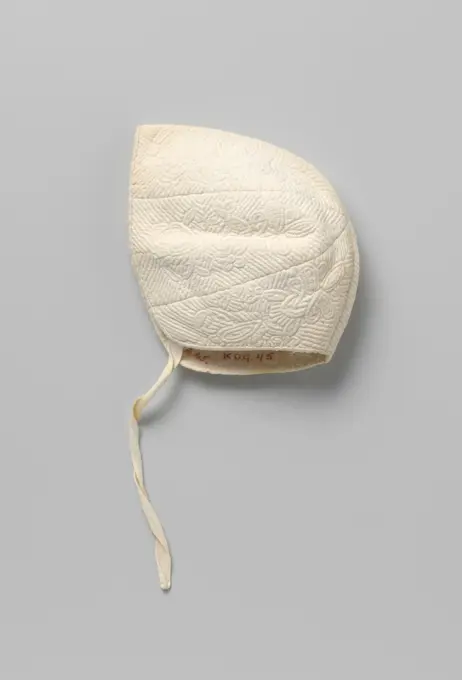
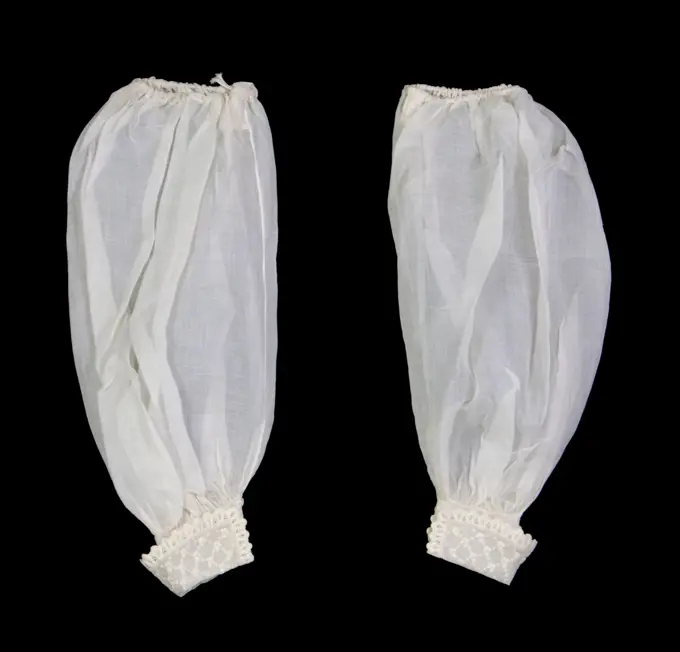
Sleeve of white linen with lace cuff, c. 1750 - c. 1800 Sleeve of white linen with lace cuff, for child. Part of a Frisian children's costume. Netherlands whole: Linen (Material). Sleeve of white linen with lace cuff, for child. Part of a Frisian children's costume. Netherlands whole: Linen (Material).
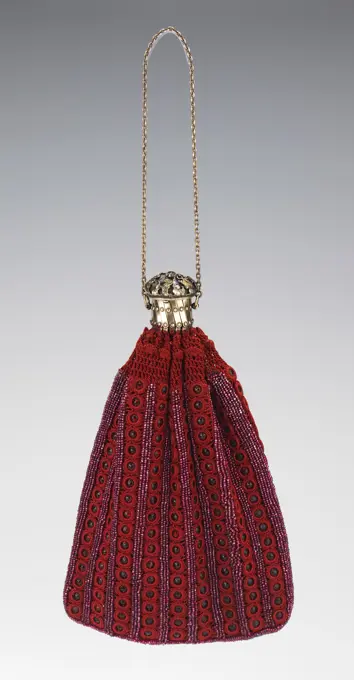
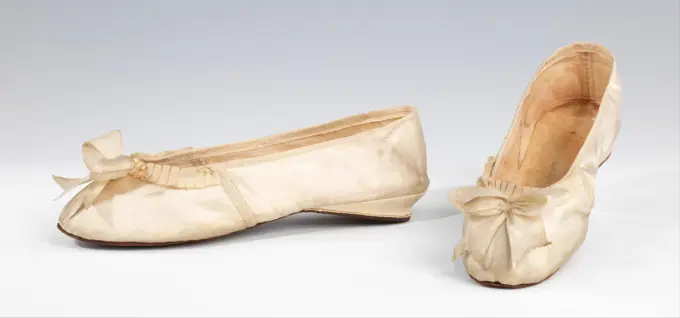
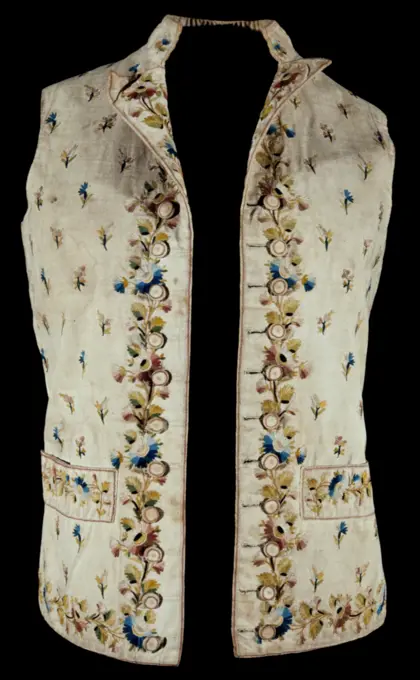
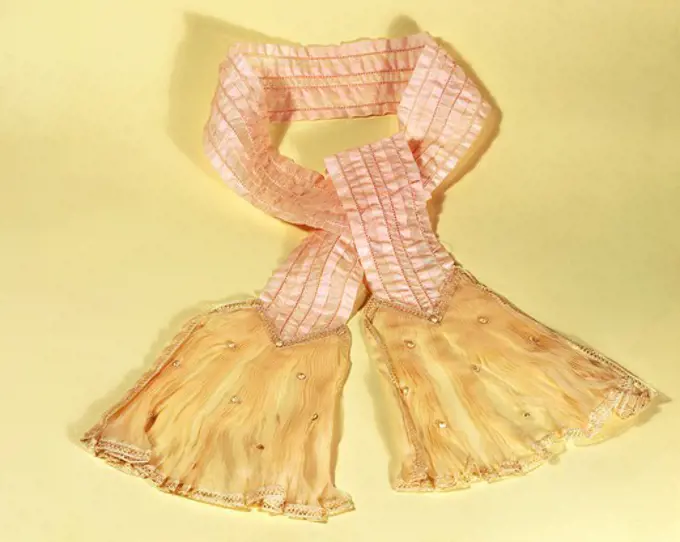
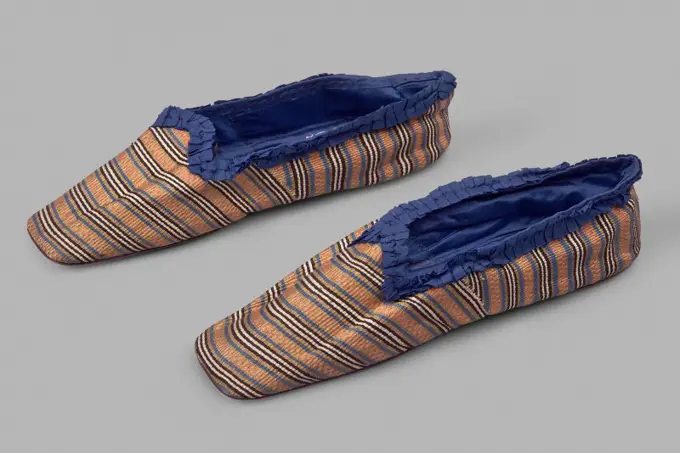
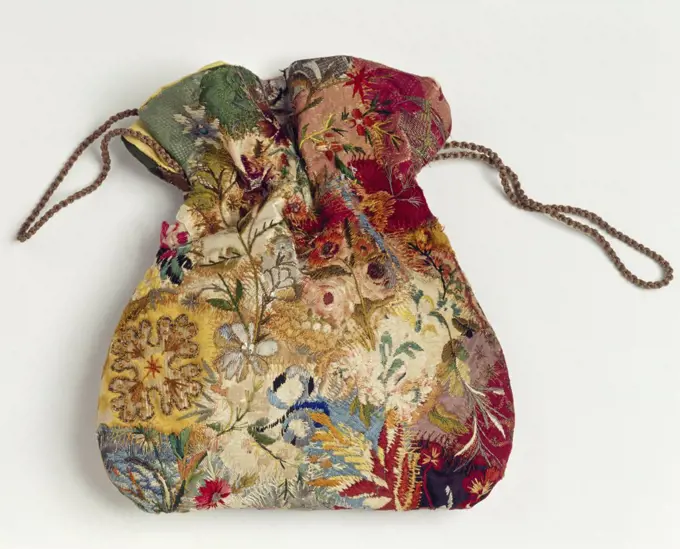
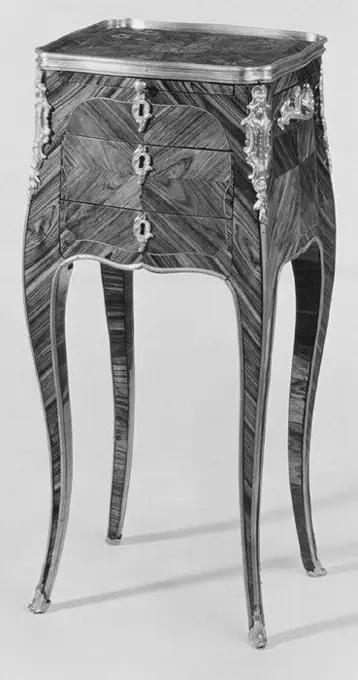
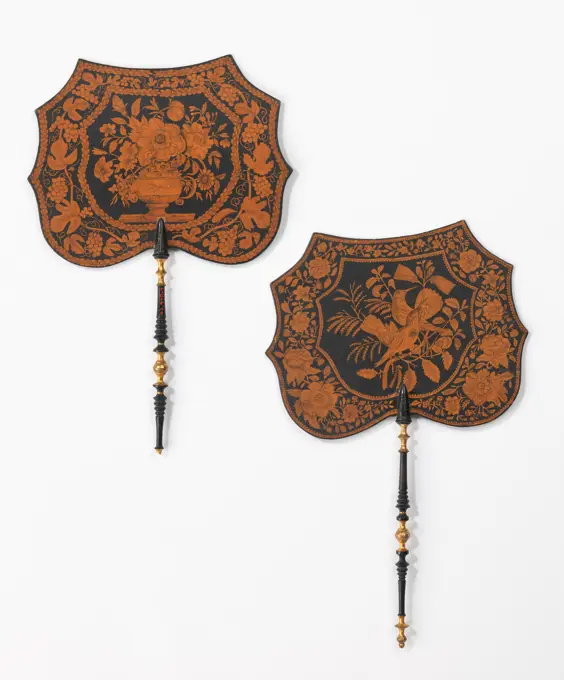
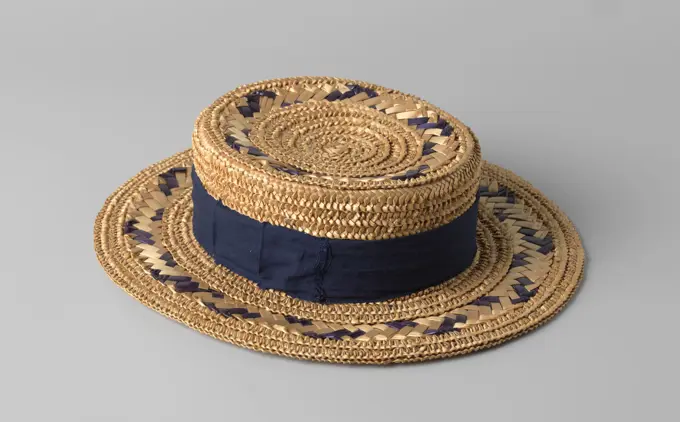
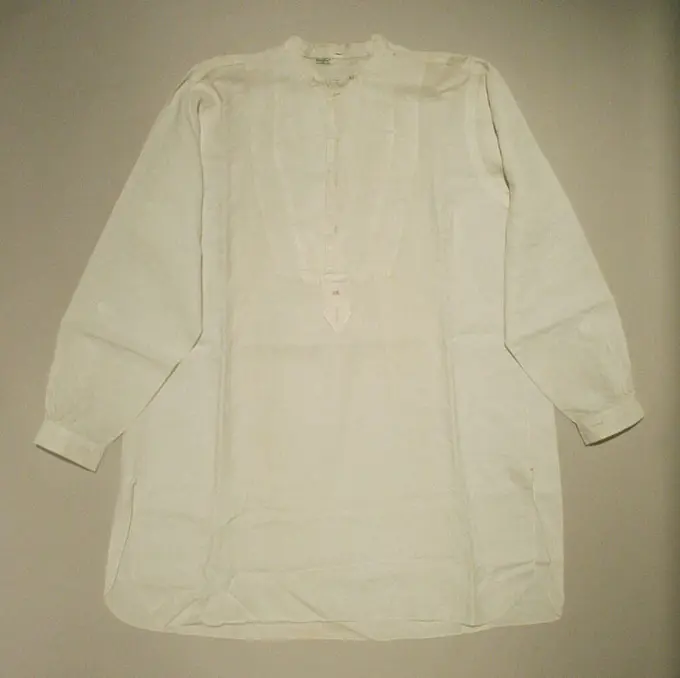
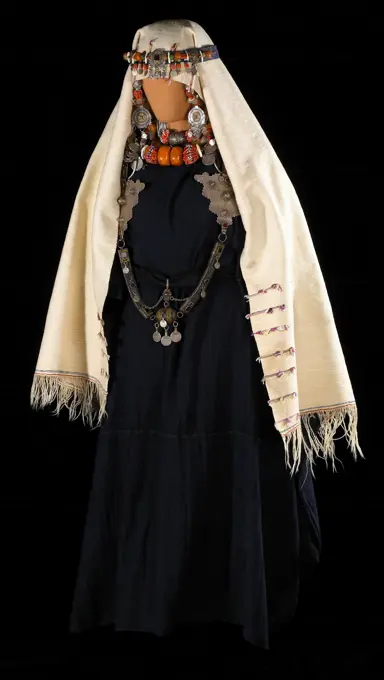
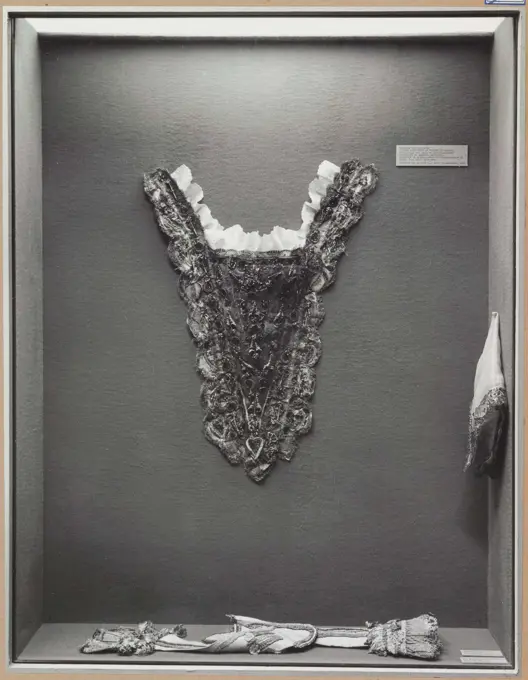
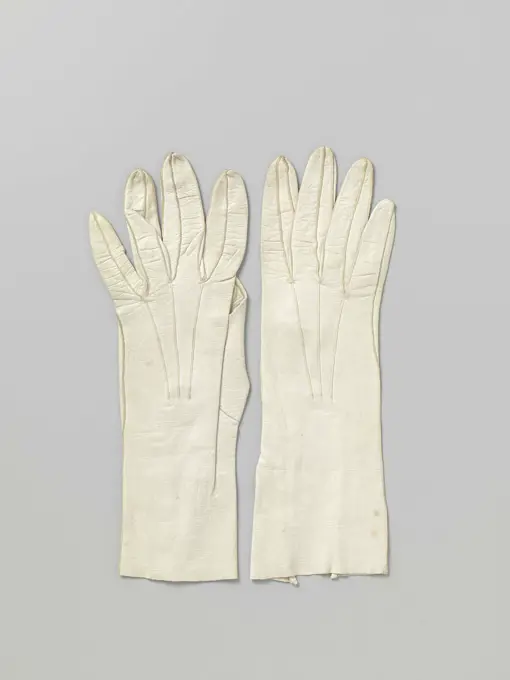
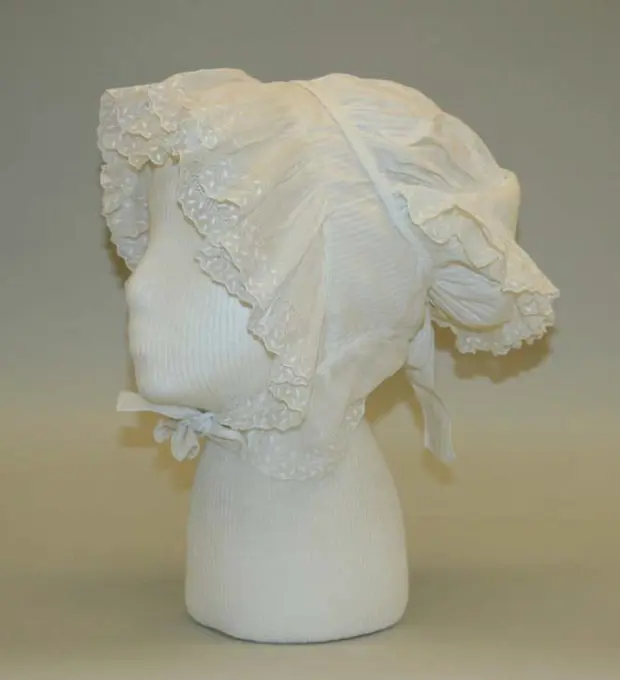
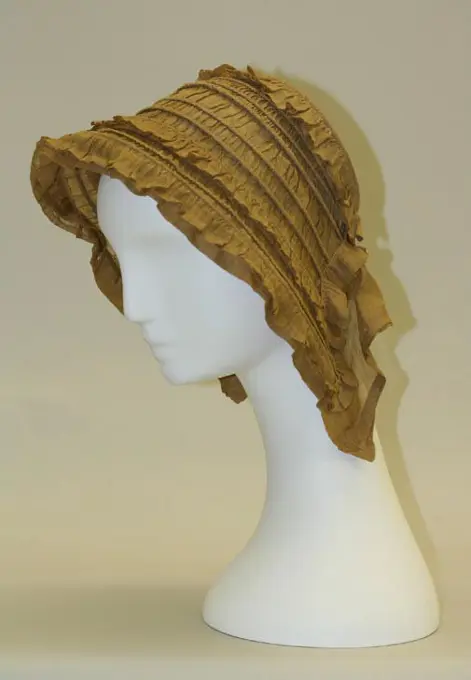
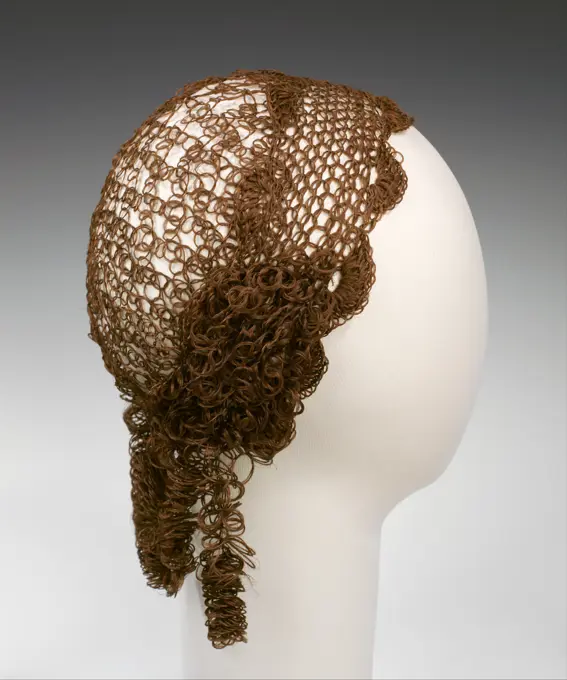
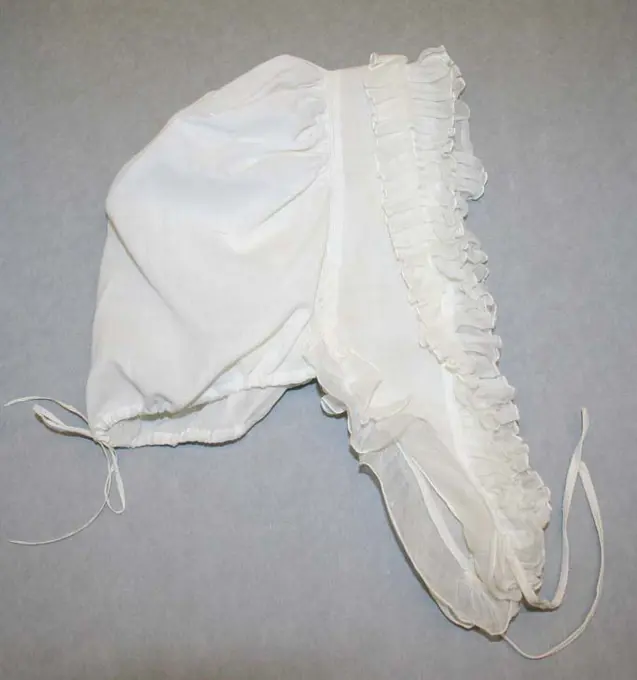
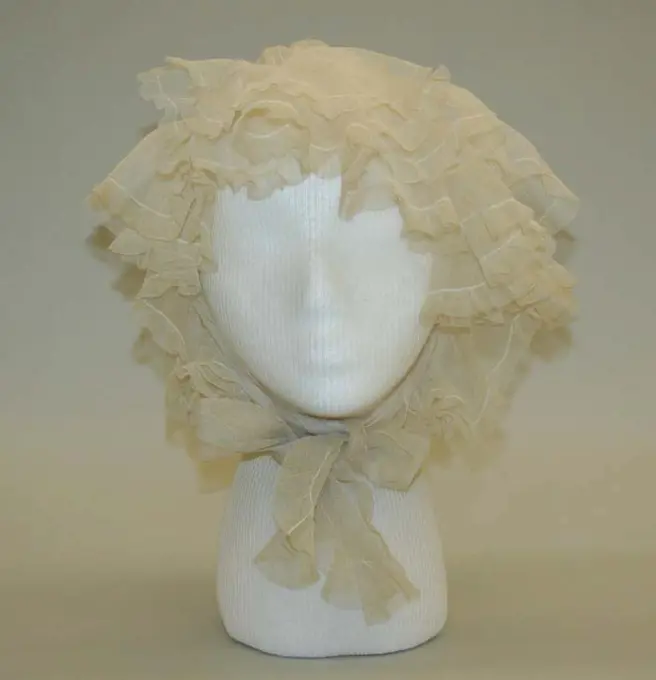
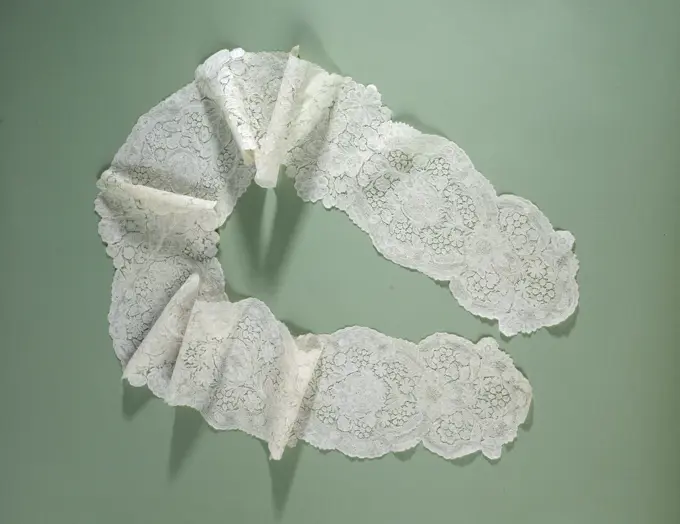
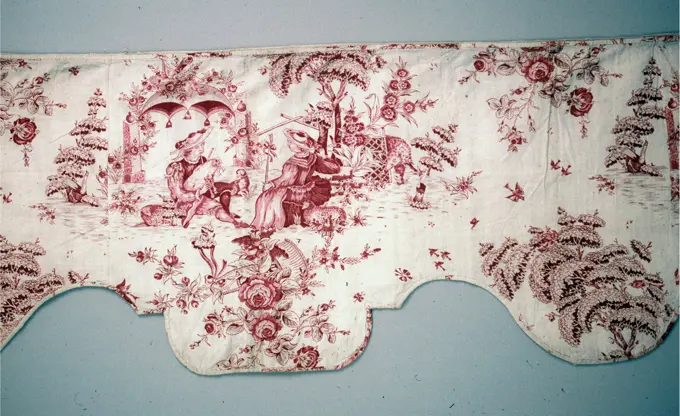
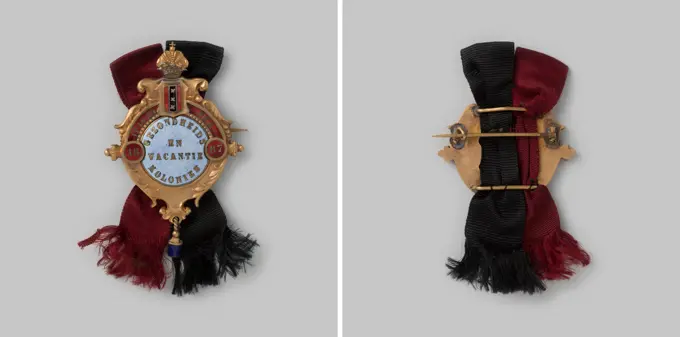
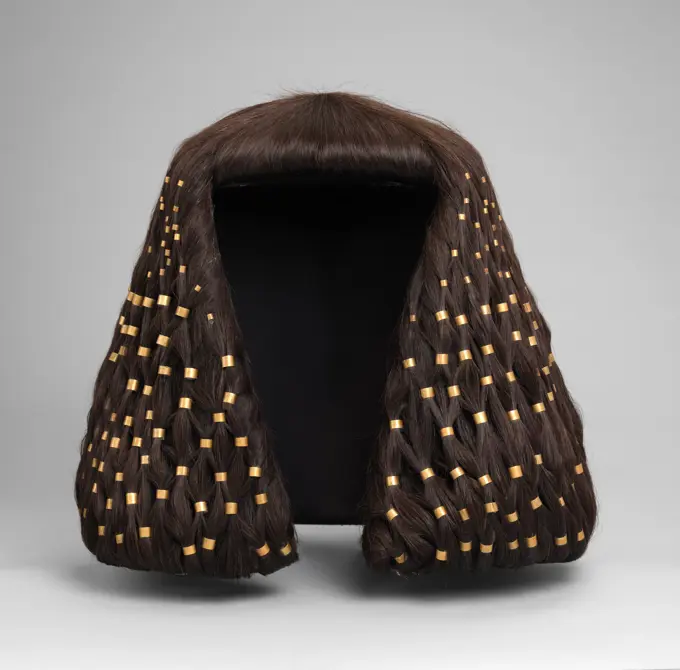
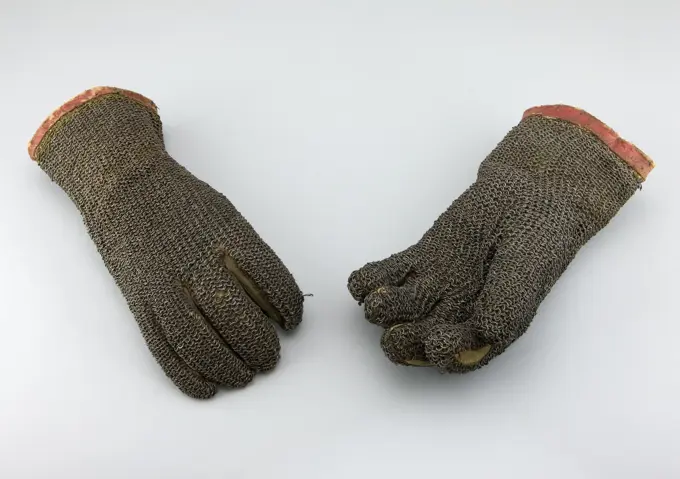
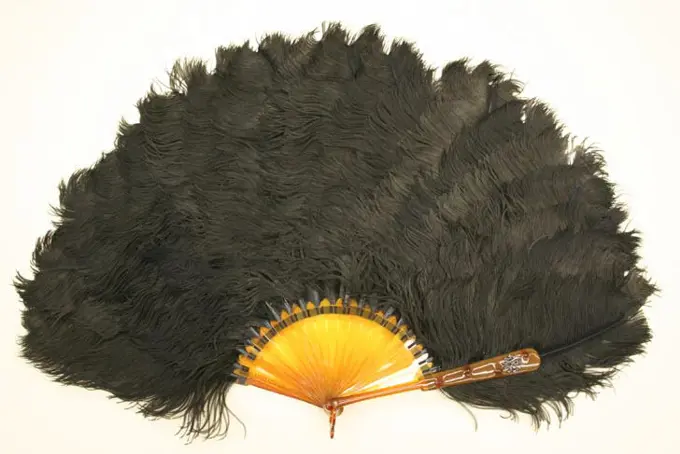
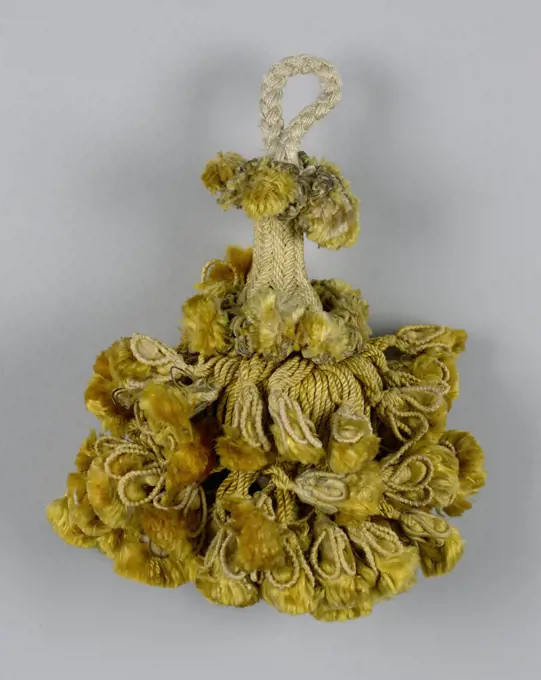
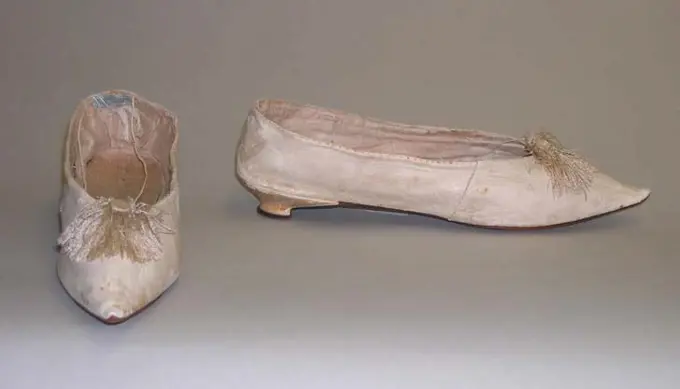
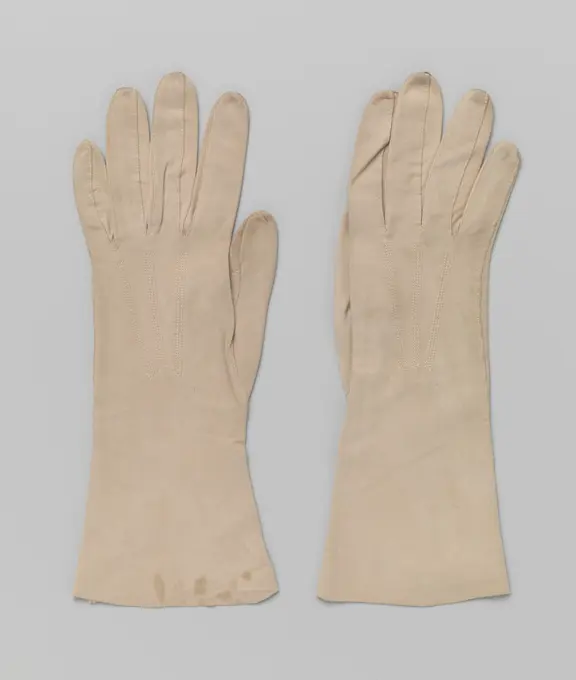
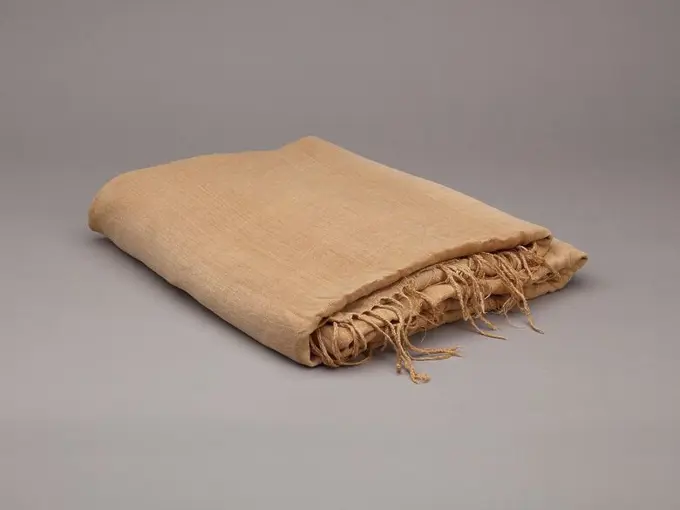
Sheet, linen mark, coarse spin, loose weave. Dimensions: L. 515 cm (202 3/4 in); w. 142 cm (55 7/8 in). Dynasty: Dynasty 18, early. Reign: reign of Thutmose II-Early Joint reign. Date: ca. 1492-1473 B.C.. Museum: Metropolitan Museum of Art, New York, USA.Stays 1825-35 American. Stays 173438Fragment; silk, woolTorsoBag third quarter 19th century American. Bag 156810Pompon from dick edge with spitsavals associated with a parasol. Pompon from black climbing side: Chantilly side. Spitsovale fields are on eight sectors with a blank mesh fond, flanked by narrow spitsovals. The surrounding arises partly from climbing drinks, partly from astone list; The fillings consist of a flowerwear. Heart-shaped medallions and an edge of Eike leaves form wide tubes; A rose caught in two leaves forms small slot.Evening slippers 1805-15 European Simple but elegant slippers typify the styles around 1810, as this pair in cream silk demonstrates. The extremely short vamp and rounded toe are particularly notable characteristics of this date. The heel was becoming vestigial in the first quarter of the century, and although low by modern standards, the variety seen here was one of the higher types produced at the time. With the simplicity of the design, one can especially appreciate the thoughtful use of three widths of matching ribbon - used as binding, edge ruffle, and bow - to trim the shoes.. Evening slippers 156188Back of the ornate;  4. Exercise of the 18th century (1775-00-00-1800-00-00);Vest, c. 1750, 24 x 18 in. (60.96 x 45.72 cm), France, 18th centuryKap of Calèche (Thérèse) from padded black rips side, originally supported by three (one missing) ribs, lined with black silk and trimmed with black lace, anonymous, c. 1775 - c. 1783 Hood of Calèche from padded black rips side. Around the face is a 1 cm wide ribbon brought as a tunnel for a thin, metal () Balein. At the bottom of the hood a tunnel so that a black satin ribbon can be attracted to closing under the chin. A loss strip is wrinkled to this, which falls to the shoulders. At the front of the hood a wide -ranging edge side. Halfway through the hood a tunnel from which the Balein is missing. The hood is closed at the back by Midddel van Vrinken from one central point in the middle. The material of the filling is yet unknown. Netherlands (possibly) whole:. Lining: Silk. Filling: Satin. ribbon: Hood of Calèche from padded black rips side. Around the face is a 1 cm wide ribbon brought as a tunnel for a thin, metal () Balein. At the bottom of the hood a tunnel so that a black satiBaby shirt with one sleeve, G. Glas, c. 1888 - c. 1894 Baby shirt with one sleeve on pattern paper. Deventer whole: Paper. sewing Baby shirt with one sleeve on pattern paper. Deventer whole: Paper. sewingRight glove from natural corner leather. Right glove from natural sea leather, three radiating cords on the back.Ribbon honored to soldiers who fought against the Belgians, Anonymous, in or after 1832 ribbon (material) Ribbon with three green one between two white (or: faded orange) jobs.  silkDouble collar of white silk bobbin with applicated bobbin ornaments, anonymous, c. 1830 - c. 1835 Double collar of white silk bobbin with applied bobbin ornaments, such as violets. Normandy silk. bobbin lace Double collar of white silk bobbin with applied bobbin ornaments, such as violets. Normandy silk. bobbin laceTobacco pouch -Bonnet ca. 1838 American or European. Bonnet 113095Fashion, Italy, 20th century. Pink gros-grain silk scarf tie with frills in plisse' organza, 1890-1900.Women's court shoes. unknown, authorDrawstring pouch bag fully embroidered, French manufacture, fashion accessories, Italy, 19th century.Abayah 19th century. Abayah 86273Sharf of a white-baking earthenware, with a beet red pressure decor on the inside and outside, c. 1500 - c. 1899 fragment   earthenware. glazeCap -Work and writing table (table en chiffonière) ca. 1755-65 Adrien-Faizelot Delorme. Work and writing table (table en chiffonière) 207393Undersleeves ca. 1855 American. Undersleeves 169454Amauti -Fan 1837 Christiana Hummer. Fan 157927Textile Swatch Textile Swatch, 1950s to 1960s. Silk, 22 3/4 x 16 3/4 in. (57.8 x 42.5 cm).    1950s to 1960sChildren's hat of white cotton with Zaans Sticwork, made up of six jobs and with one bow band, anonymous A white hat with stitched ornaments (children's calendar, so -called monastery work). Part of a Frisian children's costume. Coming from Schiermonnikoog.  cotton (textile) embroidering A white hat with stitched ornaments (children's calendar, so -called monastery work). Part of a Frisian children's costume. Coming from Schiermonnikoog.  cotton (textile) embroideringWoman's Drawers. Dated: c. 1939. Dimensions: overall: 45.7 x 31.8 cm (18 x 12 1/2 in.). Medium: watercolor and graphite on paperboard. Museum: National Gallery of Art, Washington DC. Author: Jean Peszel.Piece 16th-17th century Italian. Piece 223411Straw hat made of beige, with blue piping braided straw tire, anonymous, c. 1920 Straw hat made of beige, with blue piping braided straw tire, with blue ribbon. Oval, flat. Beige headband of canvas. France whole:. Band: Sailcloth braiding Straw hat made of beige, with blue piping braided straw tire, with blue ribbon. Oval, flat. Beige headband of canvas. France whole:. Band: Sailcloth braidingShirt. Culture: American. Date: ca. 1887. Museum: Metropolitan Museum of Art, New York, USA.Headcover (Amendil), 20th century, 68 x 39 1/2 in. (172.72 x 100.33 cm) (without fringe), Wool, silk, cotton; weft-faced weave with supplementary additions, Morocco, 20th centuryGlove from white cotton. Right glove from white cotton. Unworn couple with brand label attached to it and price tag from the Bijenkorf present.Showcase with lace; Halls of crafts 1963..Cape, Medium: silk and wool, Moire cape with self-covered buttons. Cape of Irish poplin; chartreuse green and magenta fine stripes; trimmed down front and shoulders with self-covered buttons; lined with white China silk., 1846, woven textiles, CapeBonnet ca. 1895 American. Bonnet 169112Fringe (Spain); silk. Left gloves from white calf leather and closure with four pearly buttons. Short model, probably originally long and later cut.Cap early 19th century American. Cap 82054Bonnet 1845-50 American or European. Bonnet 113312Left glove from green spotted suede. Left glove from green spotted suede. On the back three radiating cords of black and green silk. At the split two mother-of-pearl buttons, deposited with a beige leather trim.Right glove from green spotted suede. Left glove from green faithed suede. On the back three radiating cords of black and green silk. At the split two mother-of-pearl buttons, deposited with a beige leather trim.Bliżej Kultury unknownA pair of women's slippers unknownSector of a parasoldek of dark blue cotton, with a border of Batist embroidered with wold wire, c. 1885 - c. 1900 Sector of a parasold deck of dark blue cotton, with a border of Batist embroidered with wold wire. Nijmegenfrance whole: Cotton (textile). Rand: Cotton (textile). Embroidery Rand: Wool embroidering Sector of a parasold deck of dark blue cotton, with a border of Batist embroidered with wold wire. Nijmegenfrance whole: Cotton (textile). Rand: Cotton (textile). Embroidery Rand: Wool embroideringGlove of Brown Suede, Alexandrine (shop company), c. 1900 - c. 1915 Left glove from brown suede. On the hand three erratically shaped thickened cords up to the hood. Maker: ParisNetherlands whole: Suede Left glove from brown suede. On the hand three erratically shaped thickened cords up to the hood. Maker: ParisNetherlands whole: SuedeCap ca. 1813 American. Cap 82164Cap ca. 1850 American This headpiece is an elaborate example of the Victorian custom of creating jewelry and other accessories from the hair of loved ones. Designed in the style of a mid-nineteeenth-century snood, this cap approximates a hairstyle of the day. Unusual in its concept, it may have been meant to be worn completely over the wearer's hair or perhaps under a hat.. Cap. American. ca. 1850. hairBonnet ca. 1812 American. Bonnet 106037Cap. Culture: Slovak. Date: third quarter 19th century. Museum: Metropolitan Museum of Art, New York, USA.Cap 1790-1804 American. Cap 116435Parasol fourth quarter 19th century American or European. Parasol 79931Model Sheet from a Foundation Deposit for Hatshepsut's Temple ca. 1479-1458 B.C. New Kingdom. Model Sheet from a Foundation Deposit for Hatshepsut's Temple. ca. 1479-1458 B.C.. Linen. New Kingdom. From Egypt, Upper Egypt, Thebes, Deir el-Bahri, Temple of Hatshepsut, Foundation Deposit 2a (B), MMA excavations, 1921-22. Dynasty 18For Pantofli unknownWomans hatBrabant lace, spindles, linen. Between 1700 and 1730. Galliera, fashion museum of the city of Paris. Brabant lace, female, woman, flower, linenWedding shawl 1866 American. Wedding shawl. American. 1866. woolValance, Le Jouer de Cornemuse (The Bagpipe Player); France; cottonEvening bonnet. Culture: probably French. Date: ca. 1880.This evening hat features a dramatic use and placement of whole birds. Rather than being integrated into the shape of the hat, the birds, combined with the vertical point d'esprit are used to create a dramatic sense of upward movement and height. Museum: Metropolitan Museum of Art, New York, USA.Dyed Thread Swatches (USA); Made for Deerfield Society of Blue and White Needlework (American, 1896-1926) (United States); cotton, paperBOTAS Y TURBANTE BOABDIL (1459/1528). Location: ALCAZAR / MUSEO DEL EJERCITO-COLECCIÓN. Toledo. SPAIN. BOABDIL O MUHAMMAD V (1459-1528).Wedding gloves. Culture: French. Manufacturer: Préville (French). Date: 1842.A rare example made by the French glove manufacturer Préville, these wedding gloves are noteworthy for their design. The leatherwork replicating a lace pattern at the cuffs is an unusual and refined touch. Only a very thin and soft kidskin would allow for the level of cutwork detail necessary to create the lace effect. The appearance of the finished gloves indicates the quality of the materials used to make them. Museum: Metropolitan Museum of Art, New York, USA.Tassel 17th century Italian. Tassel. Italian. 17th century. Linen. Textiles-TrimmingsRight glove from beige crocheted in silk. Right glove from beige ajour crocheted in silk, no closureTassel; silk, metal thread, wooden coreInsigne of the Health and Vacancy Colonies Association in Amsterdam 1887 ,, 1887 history medal Messing brooch on attached red-black ribbon, in the form of a drop-shaped crowned cartouche, on which blue and red enamelled fields with inscriptions under a red and black emailed Amsterdam coat of arms, with a small blue enamelled bottle-shaped hanger.  brass (alloy). textile materialsHat 1887 French. Hat 113266Accessory set 1820-40 American. Accessory set 157842Bicycle plate, proof of payment of bicycle load. 17 more or less rectangular images with left and right a narrowed end with a vertical slot in (to attach to the bike). The inscription is slightly ranging: bicycle load or RWB; the year; Almost always the Netherlands.Hat 5th-8th century This hat was made using the "sprang" technique, which creates a network of stitches that allows the hat to expand to fit over the head. The hat can then be drawn tight at the top. Akhmim (former Panopolis) was a major weaving site in Byzantine Egypt. Although frequently found in cemeteries, hats like this example are rarely recognizably depicted and thus their use is poorly understood.. Hat 443611Pair of mules, anonymous, c. 1700 - c. 1715 Mil made of green floral with gold brocade, leather soles, flat square noses and long front pieces. Netherlands silk. leather. Mil made of green floral with gold brocade, leather soles, flat square noses and long front pieces. Netherlands silk. leather.Undersleeves 1855 American. Undersleeves 169253Collar 1700-1942 American. Collar 119202Pocket 18th century probably American. Pocket 110120Wig rings of Sithathoryunet, on a modern wig ca. 1887-1813 B.C. Middle Kingdom Two boxes in the jewelry niche of Sithathoryunet's tomb seem to have held her ceremonial wigs. The wooden boxes and hair had completely decomposed, but 1,251 gold rings in two sizes that had decorated one of the wigs were preserved. They have been placed on a modern wig in an arrangement suggested by a wooden head that the Metropolitan Museum excavated at Lisht, another Middle Kingdom royal cemetery. A gold crown and a pectoral with the name of Amenemhat III, both in the Egyptian Museum, Cairo, were packed in the same box with the ornamented wig.. Wig rings of Sithathoryunet, on a modern wig. ca. 1887-1813 B.C.. Gold. Middle Kingdom. From Egypt, Fayum Entrance Area, Lahun, Tomb of Sithathoryunet (BSA Tomb 8), BSAE excavations 1914. Dynasty 12Pair of Dueling Gauntlets 1550-1700 Europe. Steel, brass, buff leather, and Morocco leather cuff .Elodie () first quarter 19th century French. Elodie () 236798Hat of silver gray straw, decorated with dark purple gaze de Soie and a dash of purple colored feathers, C. van der Hand, c. 1880 - c. 1883 Hat of silver gray straw. Sides wide, front with a notch, back -fold pleated and out of nothing. Small, standing, flattened cone -shaped ball. Decoration of dark purple gaze de Soie, draped on the edge and in ruffles under the edge. Tuft of purple feathers in front of the edge. Address on the black silk lining, faded gold letters: C. van der Hand (or: Hant). Netherlands whole:. whole: Silk. whole: Gauze. Decoration: Hat of silver gray straw. Sides wide, front with a notch, back -fold pleated and out of nothing. Small, standing, flattened cone -shaped ball. Decoration of dark purple gaze de Soie, draped on the edge and in ruffles under the edge. Tuft of purple feathers in front of the edge. Address on the black silk lining, faded gold letters: C. van der Hand (or: Hant). Netherlands whole:. whole: Silk. whole: Gauze. Decoration:Fan 1890s American or European. Fan. American or European. 1890s. plastic, feathers, metal, glassTassel, Medium: silk, copper wire, linen, wooden core, Skirt of yellow silk threads in two lengths, twisted and looped and holding ornamental tassels. Two collars of similar tassels. Head, cylindrical and broadening toward the base, is wrapped in yellow threads. Loop of white silk threads braided into a cord., Spain, 18th century, trimmings, TasselSewing instruction book samples, USA, 1829, sample books, Sewing instruction book samplesBlack leather shoe. Model with lighter point nose, high tracer and low heel. The shoe is made up of three blades: a front piece and a two-part heel piece, with the spacing belts with a angular strain on the heel. The heel is entirely leather. The shoe is partly lined with white corner leather.Feathered Bag 15th-early 16th century Inca. Feathered Bag. Inca. 15th-early 16th century. Cotton, feathers. Peru. Textiles-FeatherworkMoney Vest. Dated: c. 1939. Dimensions: overall: 24.5 x 35.4 cm (9 5/8 x 13 15/16 in.). Medium: watercolor and graphite on paperboard. Museum: National Gallery of Art, Washington DC. Author: Rose Campbell-Gerke.Fan of black ostriches on a closed, turtle frame with a black satin bow, anonymous, c. 1890 - c. 1910 Waaier of black ostriches on a closed, turtle frame (17 legs) on which - through the fan ring - a black satin bow. Netherlands (possibly) sheet:. frame:. frame: Satin. fan ring:. Striklint: Satin cutting Waaier of black ostriches on a closed, turtle frame (17 legs) on which - through the fan ring - a black satin bow. Netherlands (possibly) sheet:. frame:. frame: Satin. fan ring:. Striklint: Satin cuttingBonnet 1858-62 American. Bonnet 113289Polygonal vase with long neck. unknown, craftsmanShirt of Mail and Plate. Culture: Iranian or Turkish. Dimensions: H. 39 1/4 in. (99.7 cm); W. at shoulders 19 in. (48.26 cm); L. of metal plate at waist 8 1/2 in. (21.59 cm); W. of metal plate at waist 10 1/2 in. (26.67 cm); Wt. 25 lb. 10 oz. (11.61 kg). Date: 15th-16th century.Acording to a Venetian ambassador writing in about 1478, the Ak-Koyunlu (White Sheep Turkoman) wore armor of "iron in little squares and wrought with gold and silver tacked together with small mail." Armor of this type seems to have been used throughout eastern Anatolia, Persia, and the Caucasus. This example is inscribed with generalized phrases extolling the power and glory of the ruler ("Glory to our lord . the sultan . the king") similar to those found on the Ak-Koyunlu turban helmets also in the Museum's collection (04.3.209, .214, .432). Designed for use in battle, the armor is more elaborately decorated than most and was probably also used for ceremonial purposes. Museum: Metropolitan Museum of Art, New Wedding slippers 1786 British. Wedding slippers 104730Ball shoe of white satin with bows on the forwards, square nose and three-quarter heel. Ball shoe of white satin with bows on the forwards, square nose and three-quarter heel.Man's Sack Coat. Dated: c. 1938. Dimensions: overall: 35.8 x 29.2 cm (14 1/8 x 11 1/2 in.) Original IAD Object: 34" long. Medium: watercolor and graphite on paperboard. Museum: National Gallery of Art, Washington DC. Author: Edith Miller.Gloves 1804-15 French. Gloves 119625Men's Haori with the birth of Akihito. Haori for a man with an adornment to the lining of the map of Japan and Korea, with a circular image of the imperial palace in Tokyo with the statue of Kusunoki masashige, images of newspaper clippings, lanterns, a partying crowd with flags and banners , three double-decker aircraft and six ships in stylized waves. It represents the festivities on the occasion of the birth of the Tsugu No Miya, the future Emperor Akihito on December 23, 1933. Black glossy silk (habutae) with hand-painted and stenciled yuzen decoration. Five family weapons (Mon) of Klazuring (Katabami).Glove from liver colored nail. Left glove from liver-colored sea leather. On the back decorated with three stitched thickened linesStockings ca. 1860 American. Stockings 174765Glass mosaic fragment 3rd-4th century A.D. Roman This fragment is a rare example of a Late Roman type of mosaic glass in which slices of mosaic canes were added to an almost colorless, translucent background.. Glass mosaic fragment. Roman. 3rd-4th century A.D.. Glass; cast. Late Imperial. GlassGreen cover with green woolen fringe., Anonymous, c. 1700 - c. 1800 Green cover (from a fire basket) With green wool fringe. At the cover, a cover (BK-1992-21-A), a strip (BK-1992-21-C) and a strip of fringe (BK-1992-21-D) is kept. Netherlands (possibly) silk. wool Green cover (from a fire basket) With green wool fringe. At the cover, a cover (BK-1992-21-A), a strip (BK-1992-21-C) and a strip of fringe (BK-1992-21-D) is kept. Netherlands (possibly) silk. woolShoes 1760s American or European. Shoes 112650Redingote. unknown, author