Vintage Children's Clothing Accessories

A selection of historical children's garments including bonnets and sleeves, featuring delicate lace and fabric details, reflecting historical fashion trends.

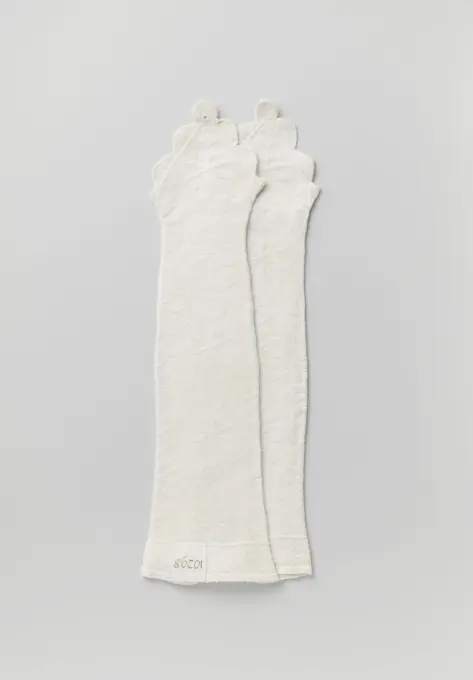
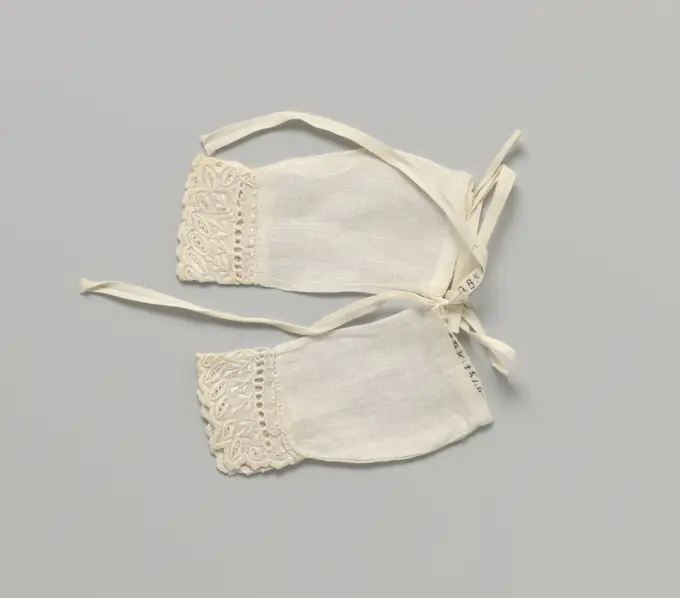
Sleeve of white linen with lace cuff, c. 1750 - c. 1800 Sleeve of white linen with lace cuff, for child. Part of a Frisian children's costume. Netherlands whole: Linen (Material). Sleeve of white linen with lace cuff, for child. Part of a Frisian children's costume. Netherlands whole: Linen (Material).
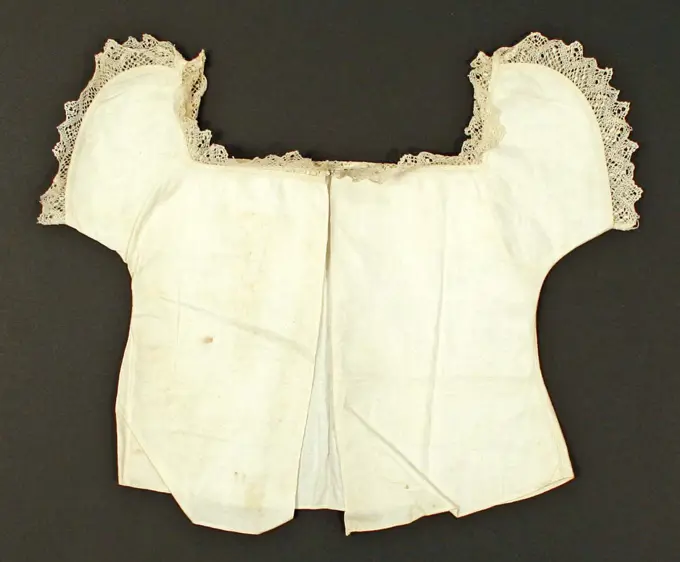
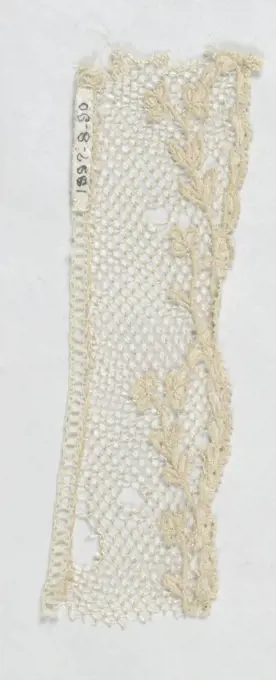
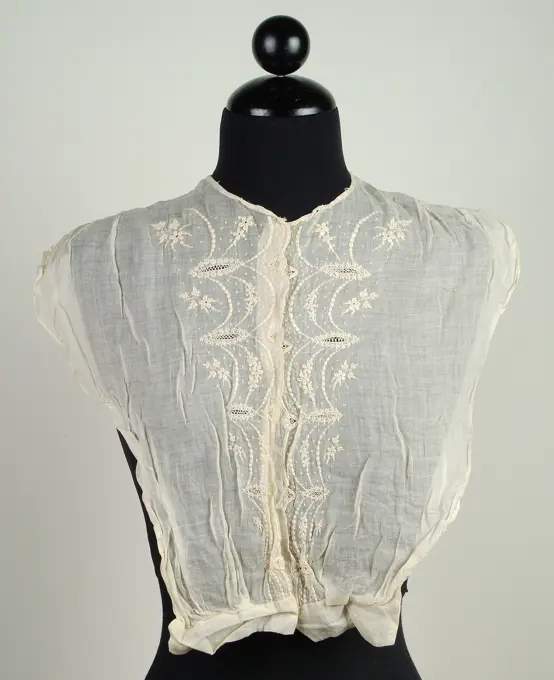
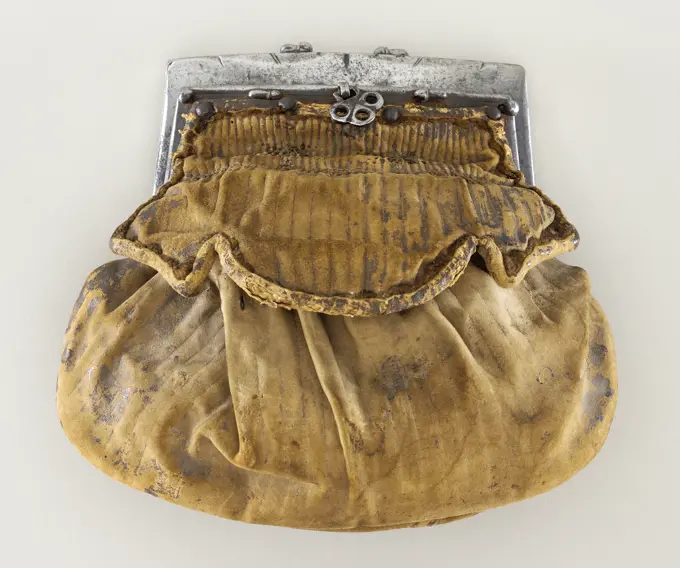
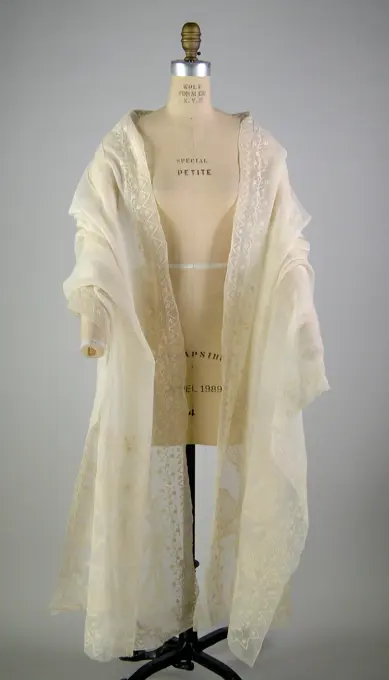
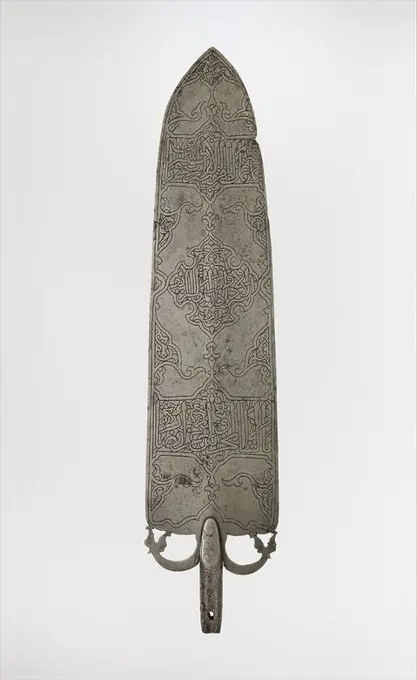
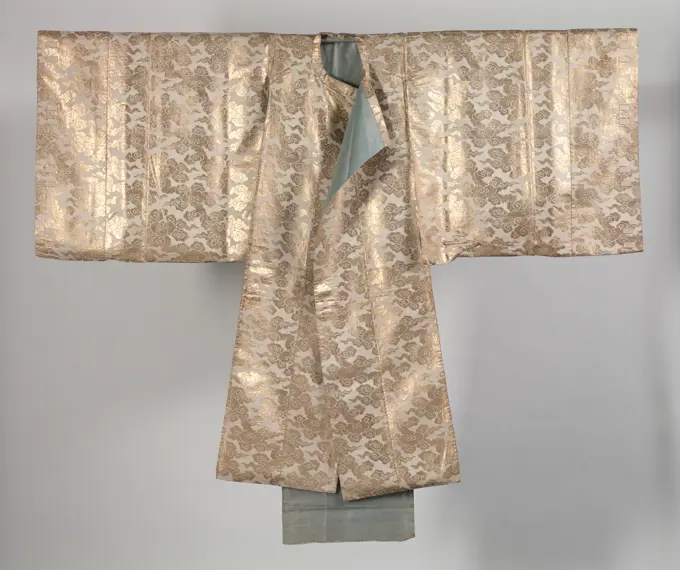
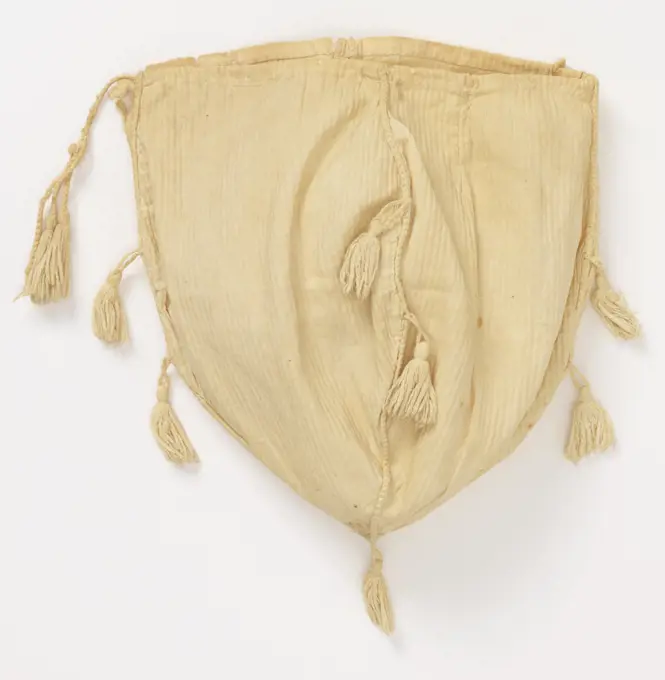
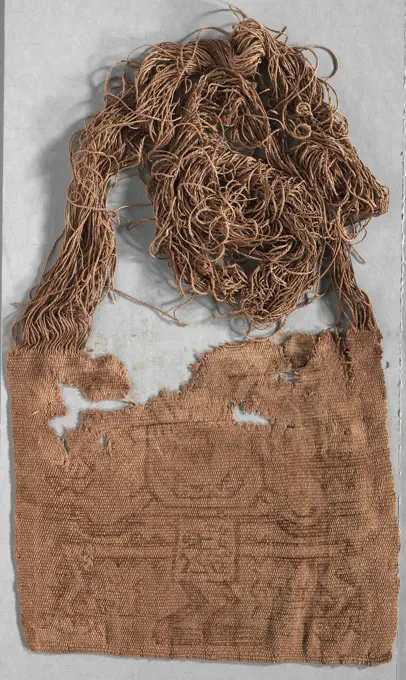
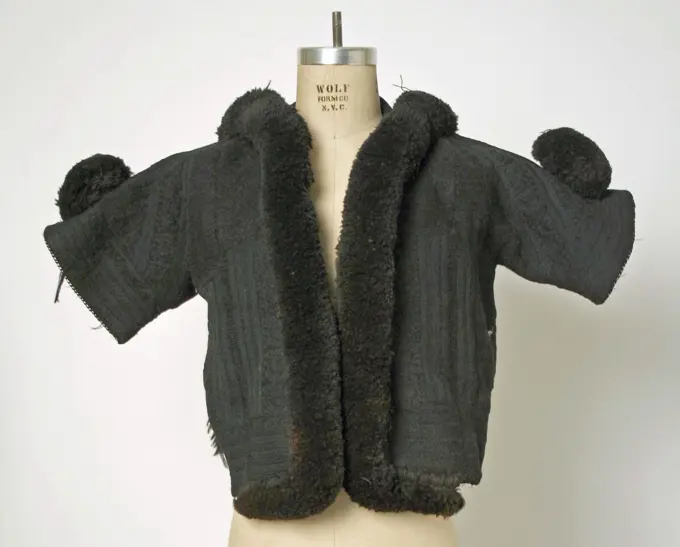
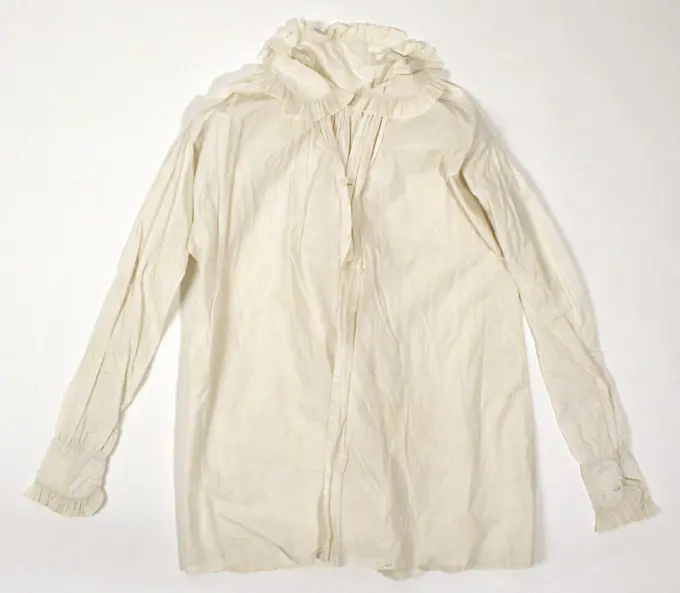
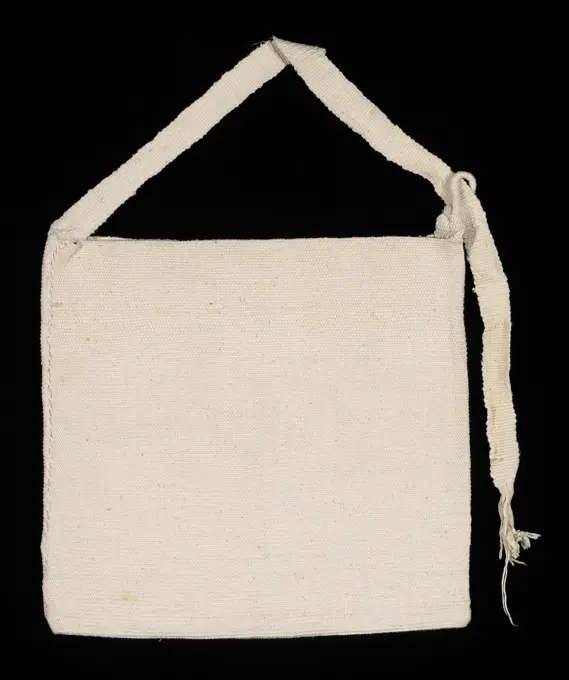
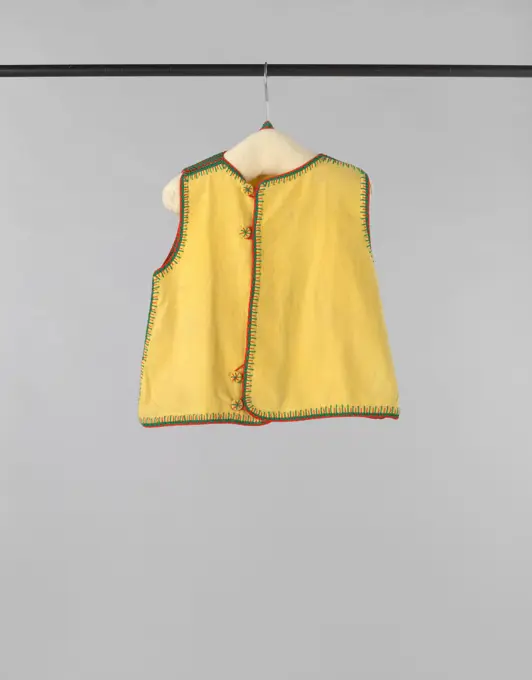
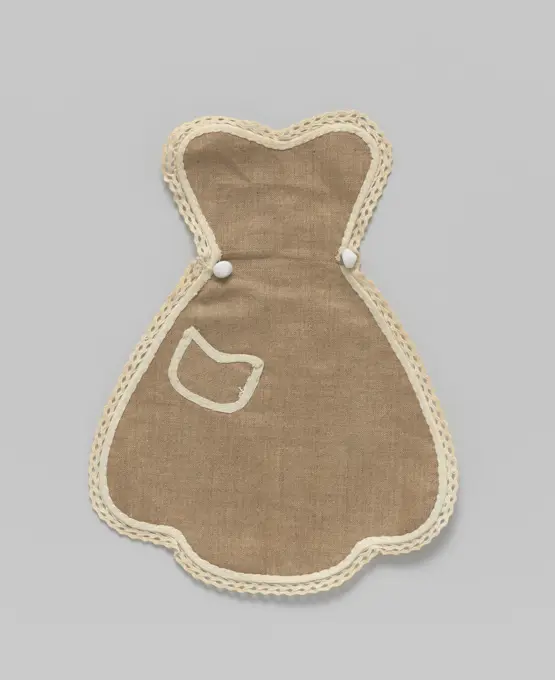
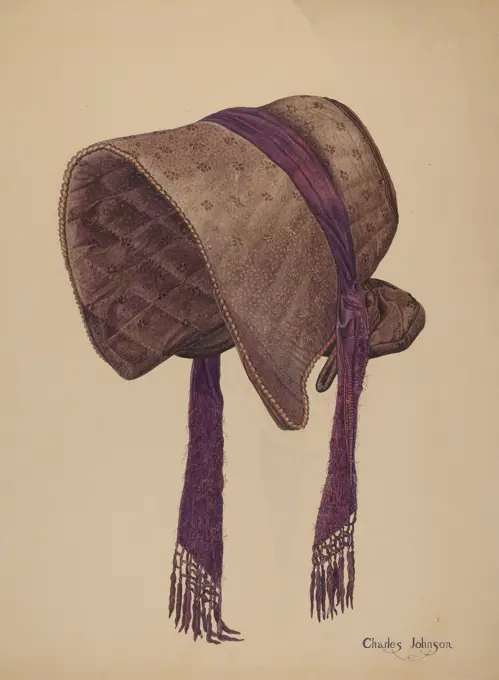
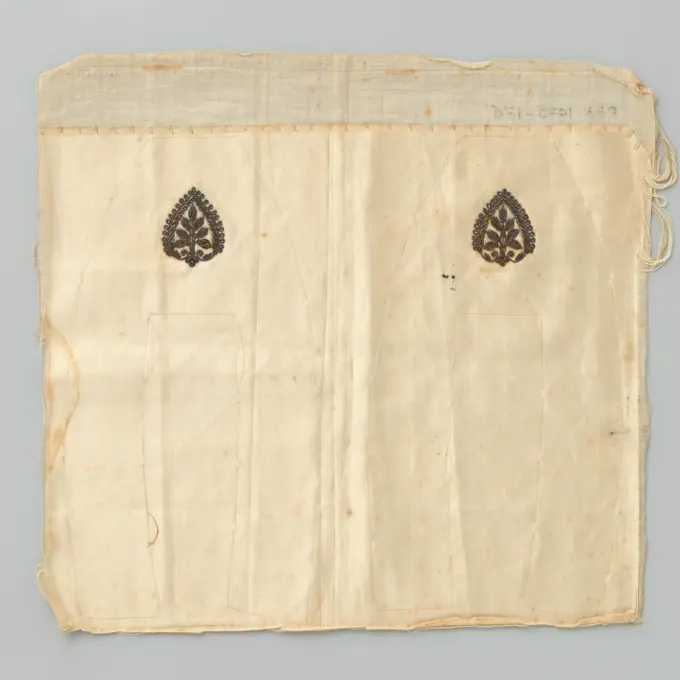
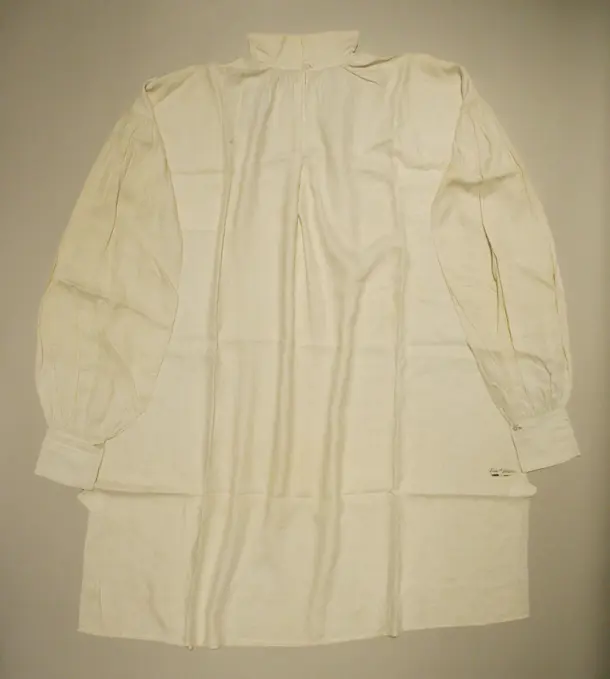
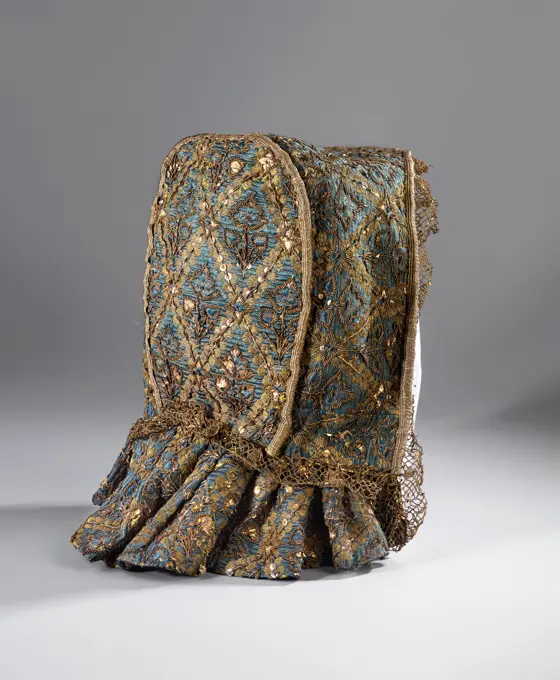
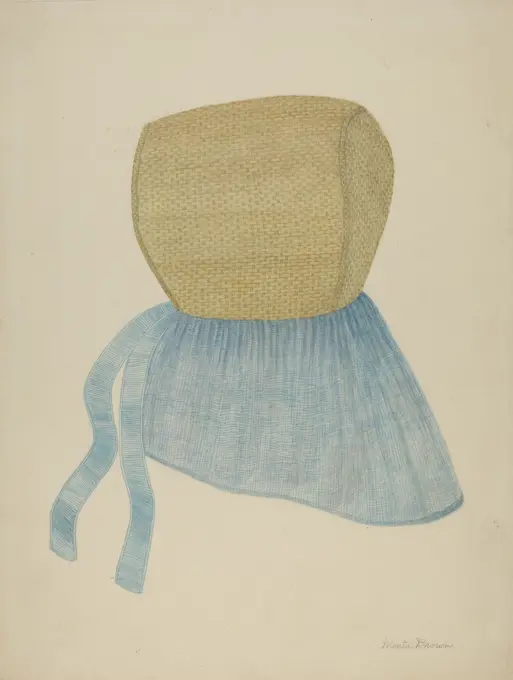
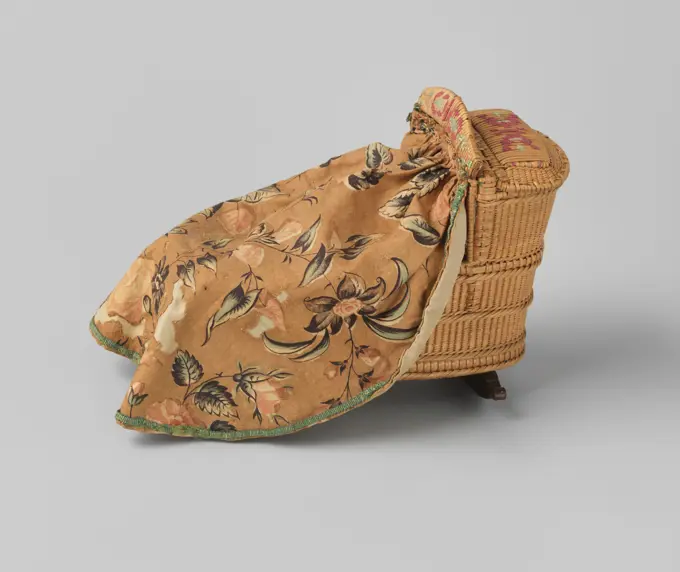
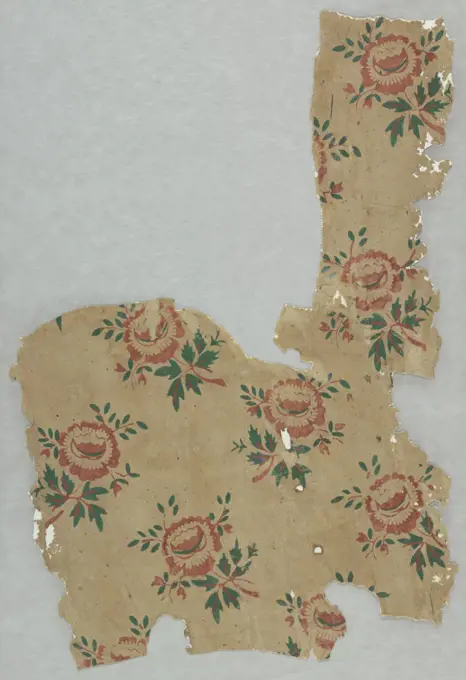
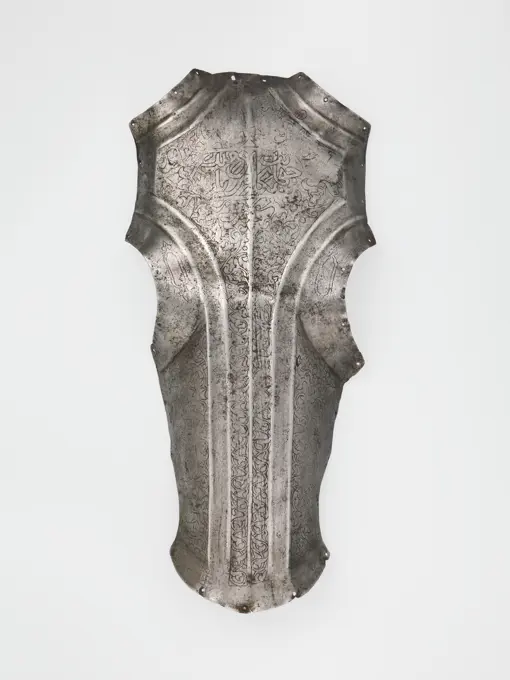
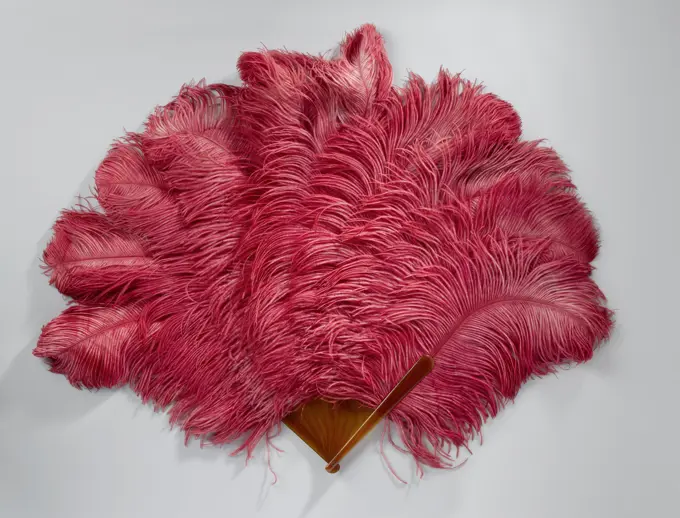
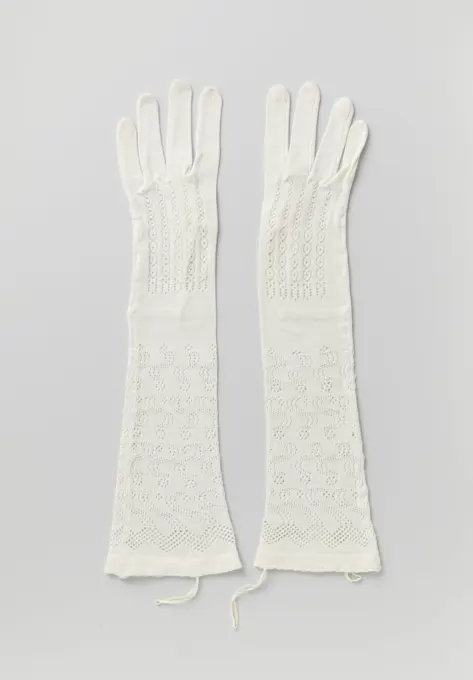
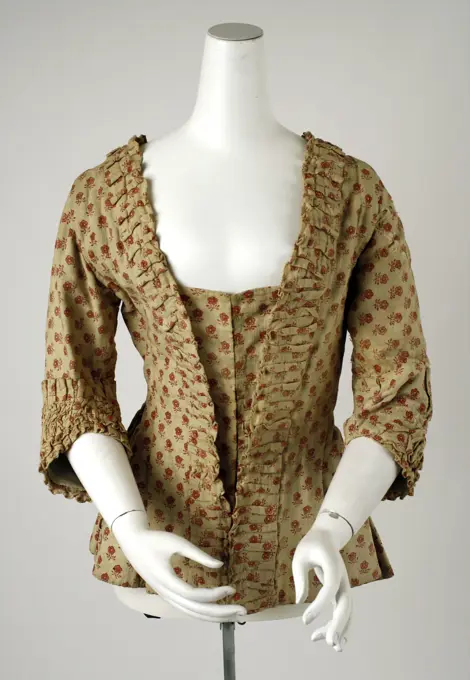
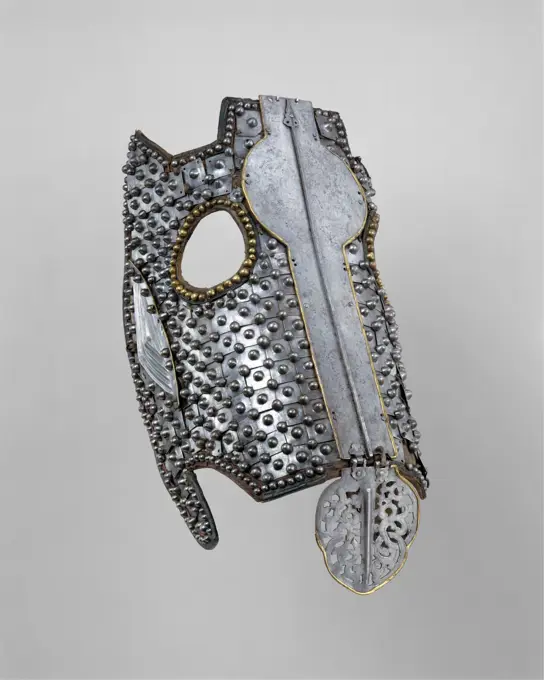
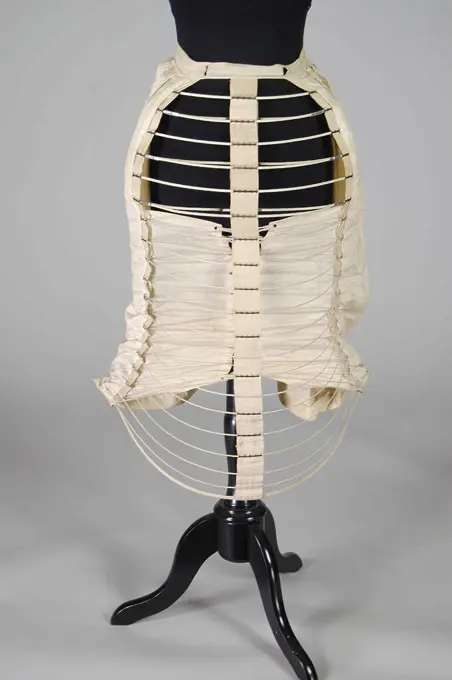
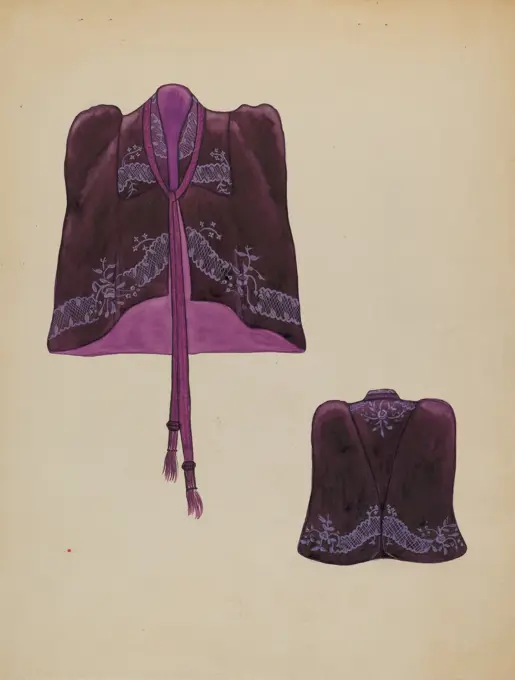
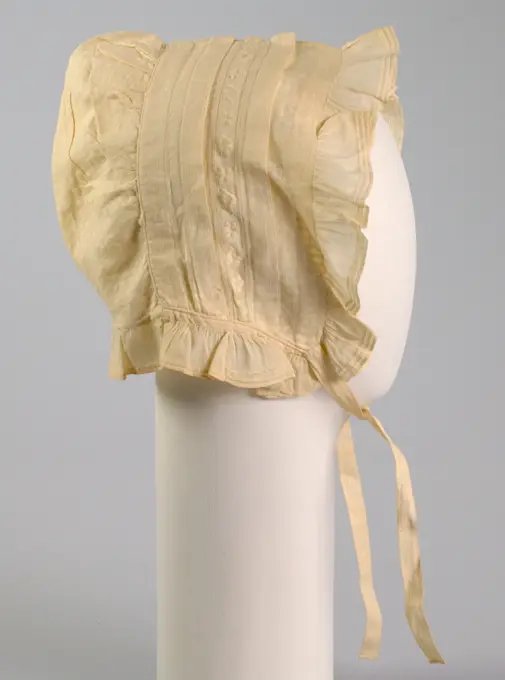
Nightcap ca. 1850 American. Nightcap 169198Sleeve of white linen with lace cuff, c. 1750 - c. 1800 Sleeve of white linen with lace cuff, for child. Part of a Frisian children's costume. Netherlands whole: Linen (Material). Sleeve of white linen with lace cuff, for child. Part of a Frisian children's costume. Netherlands whole: Linen (Material).Children's hat in Fries Knitting, trimmed from the front with Rijsselse side, c. 1800 - c. 1900 Children's hat in Fries Knitting. Set from the front with Rijssel side. Label with the No. 16. Friesland cotton (textile). Lille lace / knitting Children's hat in Fries Knitting. Set from the front with Rijssel side. Label with the No. 16. Friesland cotton (textile). Lille lace / knittingBonnet ca. 1890 American. Bonnet. American. ca. 1890. Silk, linenShirt 1880-81 American. Shirt 103763Sleeves (Ireland); linenVest 1901 American. Vest 100057Waist 1855-65 American. Waist 104492Church cope. unknown, authorFragment, Medium: linen on silk Technique: appliqué on net ground, Needle ground in small floral designs., France, late 18th century, lace, FragmentChemisette ca. 1850 American. Chemisette. American. ca. 1850. CottonSash 1800-1941 Japan. Sash 128661Shirt. Culture: American or European. Date: first quarter 19th century. Museum: Metropolitan Museum of Art, New York, USA.Man's Purse. Spain, circa 1580. Costumes; Accessories. Leather, metal, silverStole ca. 1810 American. Stole 169447Miser's Purse (France); silk, metalVest 1901 American. Vest 100059Mitaine of knitted white cotton, c. 1700 - c. 1750 Mitaine made of white knitted cotton, with a broken pattern of grid work with floral pattern. Netherlands whole: Cotton (textile) knitting / embroidering Mitaine made of white knitted cotton, with a broken pattern of grid work with floral pattern. Netherlands whole: Cotton (textile) knitting / embroideringField Ensign. Culture: Egyptian or Syrian. Dimensions: L. 20 1/4 in. (51.5 cm); W. 4 5/8 in. (11.7 cm); Wt. 1 lb. 12 oz. (802.0 g). Date: ca. 1500-1511.Ensigns like this one often served as finials for standards, which were carried like flags to identify army units on the battlefield and in military reviews before the sultan. This ensign bears a Koranic inscription and the name of a Syrian emir, Sayfi al-Din Tarabay, who is recorded to have commissioned a mausoleum in Cairo in 1503-4.This is probably one of the many ensigns that were taken as booty by the Ottomans when they defeated the Mamluks in 1517. Museum: Metropolitan Museum of Art, New York, USA.Noh Costume (Kariginu), 1800-1850. Japan, Edo period (1615-1868). Silk, compound weave; metal thread; overall: 168.3 x 195.6 cm (66 1/4 x 77 in.).Shirt of Willem Frederik. Many Dutch burghers wore white linen undergarments, often decorated with lace. Because it was expensive to clean, white linen was a status symbol in the 17th century. This shirt with an embroidered red crown probably belonged to Willem Frederik, the son of Ernst Casimir. The rounded scalloping of the lace and the length of the shirt suggest it was made in 1640. Willem Frederik was then 27.Mitaine of white knitted cotton, c. 1750 - c. 1800 Mitaine made of white knitted cotton, triangular ridge with round crocheted scoops. Stripped pattern of grid with window and flowers. Zaanstreek whole: Cotton (textile) knitting Mitaine made of white knitted cotton, triangular ridge with round crocheted scoops. Stripped pattern of grid with window and flowers. Zaanstreek whole: Cotton (textile) knittingMiser's Purse (France); silk, steel beadsCollar -Bag, Medium: cotton Technique: plain weave, White bag made up of four triangular pieces with cotton braid and tassels on seams and tassel at the bottom. Cotton braided drawstring., USA, ca. 1800, costume & accessories, BagMummy Bundle "Mask", 200 BC-1. Peru, South Coast, Ica Valley, Ocucaje site, Paracas style (700 BC-AD1). Warp-faced cloth, painted: cotton; overall: 71 x 29.2 cm (27 15/16 x 11 1/2 in.).Ensemble late 19th-early 20th century Albanian. Ensemble 85847Evening slippers 1855-65 British. Evening slippers 168919Back of a chasuble. unknown, authorShirt 1870s American. Shirt. American. 1870s. linenPoke bonnet ca. 1860 American. Poke bonnet 98076Green silk cover with wool frills. Green silk cover with green wool frills. A second coveration is stored in the cover (BK-1992-21-B), a strip (BK-1992-21-C) and a strip of frills (BK-1992-21-D).Shirt 1815-25 British. Shirt 105229Man's bag, 20th century, 14 3/4 x 13 3/4 in. (37.5 x 34.93 cm)32 x 1 in. (81.28 x 2.54 cm) (object part, strap), Cotton; knitting, weaving, Guatemala, 20th century, Men in Chichicastenango no longer wear traje as everyday clothing, but their ceremonial traje is among the most spectacular in the Guatemala highlands. Loosely patterned after a Spanish matador's costume, the heavy woolen jacket and pants are opulently embroidered in silk or sedalina (synthetic silk) floss. One large red tzute is carefully arranged as a head covering, while additional tzutes may be worn over the shoulders or used to carry ritual objects or candles.Dalmatica made of silk fabric unknownPetticoat 1840s American or European. Petticoat. American or European. 1840s. horsehair, cottonCap of machine tulle decorated with tambouring and tracing and trimmed with a border bobbin, anonymous, c. 1830 Cap from Machinale Tulle with round hat -bottomed base that is decorated with tambouring work in the form of rosettes and leaves. The hat ball has been wrinkled on a forehead strip that is decorated with simple motifs in De -Stopwerk (TuledoorStop). This strip is trimmed with two strips, which are trimmed with bobbin. Two ribbons of cotton serve as kinner tires. Netherlands whole:. edge:. Lint: Cotton (textile) Cap from Machinale Tulle with round hat -bottomed base that is decorated with tambouring work in the form of rosettes and leaves. The hat ball has been wrinkled on a forehead strip that is decorated with simple motifs in De -Stopwerk (TuledoorStop). This strip is trimmed with two strips, which are trimmed with bobbin. Two ribbons of cotton serve as kinner tires. Netherlands whole:. edge:. Lint: Cotton (textile)Children'shes made from two dust cloths (A) with a loose crocheted belt (B), Harmina Catharina Baruch-Ponstijn, c. 1947 Sleeveless toddler jacket made from two solid yellow dust cloths. Netherlands Sleeveless toddler jacket made from two solid yellow dust cloths. NetherlandsWings of a flanker of the militia of Amsterdam, ca. 1820, anonymous, c. 1820  Shoulder cover, hemisphere, damaged from which filling protrudes, with an epaulette with a triangular side. Here a buttonhole. The whole of dark blue sheet. On the Wings White Galon, red gieswood. Epaulet with white galon, red gieswood. AmsterdamNetherlands cloth   AmsterdamShirt 1775-90 American. Shirt 128789Glove belonging to the equipment of a juice of the 1st Department of Noord-Hollandse Schutterij, c. 1800 - c. 1830  A glove of white leather. Coming from the equipment of a juice of the 1st Department of Noord-Hollandse Schutterij. Glove belongs to a few, but one is missing. Netherlands leatherMail Cape (Bishop's Mantle). German. Date: 1500-1590. Dimensions: . Steel and brass. Origin: Germany. Museum: The Chicago Art Institute, Chicago, USA.Apron of brown linen trimmed with edge white lace, anonymous, c. 1850 - c. 1920 There is a Konian button of white plastic on both sides. A bag is sewn. Europe Linen (Material). Buttons: sewing There is a Konian button of white plastic on both sides. A bag is sewn. Europe Linen (Material). Buttons: sewingCharles Johnson, Coal Scuttle Bonnet, 1940 Coal Scuttle BonnetBall shoe or bridal shoe, not yet sewn or so -called, of cream -colored satin with gold borbel, anonymous, c. 1820 Ball shoe or bridal shoe, not yet sewn or so -called, made of cream -colored satin with gold boring. Model: Hackless model with square nose; Only in detail indicated with driving wire on a rectangular piece of satin that is attached to a lining of mul. On the cover sheet a palmet in a pointed arch is embroidered of, among other things, Cannetille-Gold thread. Fashion of the restoration. The Netherlands Netherlands (possibly) satin. embroidering Ball shoe or bridal shoe, not yet sewn or so -called, made of cream -colored satin with gold boring. Model: Hackless model with square nose; Only in detail indicated with driving wire on a rectangular piece of satin that is attached to a lining of mul. On the cover sheet a palmet in a pointed arch is embroidered of, among other things, Cannetille-Gold thread. Fashion of the restoration. The Netherlands Netherlands (possibly) satin. Miser's purse, Medium: silk, steel Technique: crocheted, Crocheted yellowish-green silk heavily ornamented with cut steel beads in various diamond patterns. Two faceted steel rings control side closure; steel drops at each end., France, 18th century, costume & accessories, Miser's pursePair or gloves. Right glove from beige pigsuede. Three stitched seams on the backMitaine van Wit Ajour Knitwerk, with cut -off thumb, Anonymous, c. 1913 Left mitaine from white cotton ajour knitwork. Three quarters of the arm length with cut -off thumb. From top to bottom with different speeds of open knitting sign, wide tracks with zigzag lines, honeycomb and moesjes are separated by listwork with eyes. From above and below with dots Netherlands (possibly) whole: Cotton (textile) knitting Left mitaine from white cotton ajour knitwork. Three quarters of the arm length with cut -off thumb. From top to bottom with different speeds of open knitting sign, wide tracks with zigzag lines, honeycomb and moesjes are separated by listwork with eyes. From above and below with dots Netherlands (possibly) whole: Cotton (textile) knittingPouch fourth quarter 17th century European. Pouch 169685Shirt 19th century American. Shirt 90592Twenty recipient;  End of the 18th century (1791-00-00-1800-00-00);Society for the Encouragement of Fine Arts (Warsaw - 1860-1940) - collection, bonnet, embroidery, Judaica, clothing, women's clothes, Jewish clothingCase National Sports Products Factory FremaEvening bag made of glass breathing, with three-embroidered silver-colored silk flowers on either side. Evening bag made of glass batteries in a shield form, along which the entire edge has a pleated strip. The front and back of the bag are embroidered with three silver-colored flowers from Vlosroed. The bag has a glass breathing handle and is also lined with glass balls.Plain dark brown skirt, anonymous, c. 1850 - c. 1920 The skirt closes with a hook and eye of metal. Netherlands textile materials. metal The skirt closes with a hook and eye of metal. Netherlands textile materials. metalFragment 16th-17th century Spanish. Fragment 230309Children's hat with a slider in which two tires are strung, made of white wool, decorated with a blue flan stitch; Behind and for two bow ribbons, anonymous, c. 1800 - c. 1900 White wool children's hat, bottom hat with a slider in which two tires are strung. The seams are finished with a blue flannel region. Two chin bands. Netherlands wool White wool children's hat, bottom hat with a slider in which two tires are strung. The seams are finished with a blue flannel region. Two chin bands. Netherlands woolSlip bag. 1880. GAL2001.186.XMantle 1880s European. Mantle 107666Gloves ca. 1670 British. Gloves 104696Collar (Pelerine) with raised board and embroidery in relief, c. 1850 - c. 1930  Collar with raised board and embroidery in relief. The edges are equipped with a straight pearl edge and above it a meandering pearl edge. Above that a continuous floral motif. West-Europa cotton (textile)Section of bedskirt printed with game birds 1830s British or American. Section of bedskirt printed with game birds. British or American. 1830s. Cotton. Textiles-Printed. Bracket bag in a rounded shape, made of blue, green, black and beige satin with large woven flowers and horizontal stripes on both sides. Between the front and back of the bag a narrow job of the same fabric, with a yellow board along the seams. The ivory bow-shaped bracket is from celluloid, on which on both sides embossed a Buddha in the middle of two elephants who kneel through their front legs. On top of the bracket a clipping cutter and two eyes, to which as a handle a switch chain of the same material as the bracket. Lining of yellow change side.Mona Brown, Shaker Straw Bonnet, c 1937 Shaker Straw BonnetReticle. 1890. GAL1958.68.16Textile Swatches Onondaga Silk Company, Inc. (1925-1981). , 1948-1959. Silk, a-e: 25 x 3 1/2 in. (63.5 x 8.9 cm).    1948-1959Ann Gene Buckley, Hat, c 1937 HatSidewall (possibly USA); block-printed and flocked; 1959-135-1Mitaine of white knitted cotton, c. 1750 - c. 1800 Mitaine of white knitted cotton, with a pattern of zigzag stripes between which a flower consisting of four hearts. Hand ridge with seven scoops. West-Europa whole: Cotton (textile) knitting Mitaine of white knitted cotton, with a pattern of zigzag stripes between which a flower consisting of four hearts. Hand ridge with seven scoops. West-Europa whole: Cotton (textile) knittingSiercraft for an evening mantle of mixed side with rose hedge, Martha Berkers, 1915 Ornamental piece for an evening mantle of natural -colored mixed side - bobbin in combination with needle side - Brussels Duchesse. There are roses on a wide -spread braid that usually support on two leaves. An intermediate ornament consists of single and double volutes and many small flowers. Lock linen (material) mixed lace / mixed Brussels Ornamental piece for an evening mantle of natural -colored mixed side - bobbin in combination with needle side - Brussels Duchesse. There are roses on a wide -spread braid that usually support on two leaves. An intermediate ornament consists of single and double volutes and many small flowers. Lock linen (material) mixed lace / mixed BrusselsCrib. Crib of reed with red silk lined, containing a buckwheat cap bed and equipped with a wallpaper of printed cotton. NOTE: A bobbin is missing. Sun furniture.Sidewall, Block-printed, Irregular pieced portion showing rose spray in staggered lines facing alternately to right and left. Printed in red and green on ungrounded unbleached paper. Parts 'a' and 'b' are joined together., USA, 1825-40, Wallcoverings, SidewallRaw sausages, in a pile (overhead view)Chalice Cover (Italy); silk, metalUndersleeves (USA); cotton embroidery on cotton foundationBonnet 1848-52 American or European. Bonnet 113333Tulle sleeve with four intermediate sinks and a double rough of Mechelse side, anonymous, c. 1815 - c. 1820 Sleeve made of machine -made tulle with four intermediate sorts of tulle extensions and a double ruffle from Mechelse side as a cuff with a pattern of symmetrical volute leaves interspersed by a rosette between stems around a rasterveld. The sleeve has a long slender cut and can be strung from above with a strap. Netherlands Intermediate session:. Ruch:. hook: Metal Mechlin (lace) Sleeve made of machine -made tulle with four intermediate sorts of tulle extensions and a double ruffle from Mechelse side as a cuff with a pattern of symmetrical volute leaves interspersed by a rosette between stems around a rasterveld. The sleeve has a long slender cut and can be strung from above with a strap. Netherlands Intermediate session:. Ruch:. hook: Metal Mechlin (lace)Sjabraak of a Hussars Regiment, Anonymous, c. 1790 - c. 1795  Sjabrak belonging to the equipment of a Hussars Regiment, the Timmerman Regiment is reportedly 1793-95. Sjabraak of red sheet with black and gold galon with 4 red embroidered lions. This inventory number was added to the group of Snouckaert van Schauburg collection in May 1900. It did not get a number because in 1900 it was still at the Paris exhibition in the pavilion of the 'Hussards Hongrois'. Netherlands cloth. leather. embroideringShaffron (Horse's Head Defense) early 16th century Turkish or Iranian The engraved decoration includes quotations in Persian from Bustan, a famous collection of virtuous stories by the thirteenth-century poet Sa'di: "May the world comply with your wishes and heaven be your friend; May the creator of the world be your guardian.". Shaffron (Horse's Head Defense) 24257Undersleeves mid-19th century American or European. Undersleeves 120056Baby's Cap (Italy); silk, metal threadSleeping shades. Black mechanical whipped cream on cream taffeta, cream of silk cream. Ivory tip and mast, sculpted ivory handle. Chantilly black hand, lining in ivory black silk taffeta and Ivory Pongé. Ivory mast, sculpted ivory tip and handle. Black handle on black taffeta, black taffeta lining and cream ponted. Sun in guilloche silver, needles, tip, mast and sculpted ivory handle. Around 1860. Galliera, fashion museum of the city of Paris. Stylized flowers, plant patterns and shells Chantilly mechanics, cover, sculpt ivory, shadow handle, mat, grip, second empireFragment 16th century Italian. Fragment 230524Chasuble made of silk fabric unknownGloves third quarter 19th century American. Gloves 169922Capote of imitation Chantilly Kant, decorated with yellow fabric flowers, M.S. van der Voort, c. 1890 Capote of black lace and yellow flowers. The hood with diadem -shaped bracket and a rear opening has kinne tires. The Chantilly imitation side with a pattern of flower branches is put on the back of loops, and is folded at the snare tires that end in a sewn bow. Along the Schaich a triple edge of bright yellow flowers. The address is stamped on the inside of the hat: M.S. van der Voort / 36 Reguliersgracht / Amsterdam. Regulatory giddom . Capote of black lace and yellow flowers. The hood with diadem -shaped bracket and a rear opening has kinne tires. The Chantilly imitation side with a pattern of flower branches is put on the back of loops, and is folded at the snare tires that end in a sewn bow. Along the Schaich a triple edge of bright yellow flowers. The address is stamped on the inside of the hat: M.S. van der Voort / 36 Reguliersgracht / Amsterdam. Regulatory giddom .Men Haori with two ships, 1920 - 1940 Haori for a man with a decoration on the lining of two sailing ships, one to Chinese model, the other European. Black rough silk (tsumugi) with painted yuzen decoration. Only embroidered family crest (Mon) from Wisteria (Fuji). Japan silk painting Haori for a man with a decoration on the lining of two sailing ships, one to Chinese model, the other European. Black rough silk (tsumugi) with painted yuzen decoration. Only embroidered family crest (Mon) from Wisteria (Fuji). Japan silk paintingBonnet 1838-40 American. Bonnet 104215Tassel (Italy); linenRemnant of Wings for Schutters, Anonymous, c. 1840  Remnant of shoulder patch consisting of an almost square piece of red sheet. The piece consists of two parts. Finely stitched on the red side, roughly stitched on the other side. The part has buttonholes. A more or less rectangular piece of blue sheet is stitched on the red piece of sheet. The piece of red sheet is almost separate from the piece of blue sheet. The object has been eaten. Netherlands cloth   NetherlandsFolding range with bright pink ostriches on a frame of plastic with turtle motif, Duveloy, c. 1900 - c. 1925 Folding range with bright pink ostriches on a frame of 10 contiguous legs of plastic with turtle motif. Paris sheet:. frame: painting Folding range with bright pink ostriches on a frame of 10 contiguous legs of plastic with turtle motif. Paris sheet:. frame: paintingGlove of white knitted cotton with ajour tissue, c. 1925 - c. 1935 Right glove of white cotton with ajour mechanical knit; so-called "kulier" tissue. West-Europa whole: Cotton (textile) knitting Right glove of white cotton with ajour mechanical knit; so-called "kulier" tissue. West-Europa whole: Cotton (textile) knittingArceli Dans, watercolour, 1992, 'Lace'Caraco 18th century Belgian. Caraco 90468White sleeves at the ends with needle side, anonymous, c. 1850 - c. 1920  Netherlands textile materials  Netherlands textile materialsShaffron (Horse's Head Defense) 15th-17th century Tibetan or Mongolian This shaffron is an excellent example of what appears to be a standard form, consisting mainly of a leather ground covered with small square iron plates, which are sewn to the ground by leather laces threaded through a single hole and a small boss at the corner of each plate. Shaped iron plates are laced down the center and at each cheek. The leaf-shaped finial of the vertical rib attached to the central iron panel is very similar to those found on Tibetan cane shields, leather arm defenses, and leather boxes.. Shaffron (Horse's Head Defense) 26569Bustle. Culture: American. Date: 1868-69. Museum: Metropolitan Museum of Art, New York, USA.Stock 1834 American. Stock 168553Baby stocking, sucker, knitted from white cotton, G. Glas, c. 1888 - c. 1894 Baby stocking, suckless, knitted with white cotton. Deventer whole: Cotton (textile) knitting Baby stocking, suckless, knitted with white cotton. Deventer whole: Cotton (textile) knittingCharles Criswell, Cape, 1935 1942 CapeTassel 18th century French. Tassel 213581