Vintage Children's Clothing

A collection of vintage children's clothing including a cotton hat, a spencer, and ornate chasubles with delicate embroidery and lace detailing.
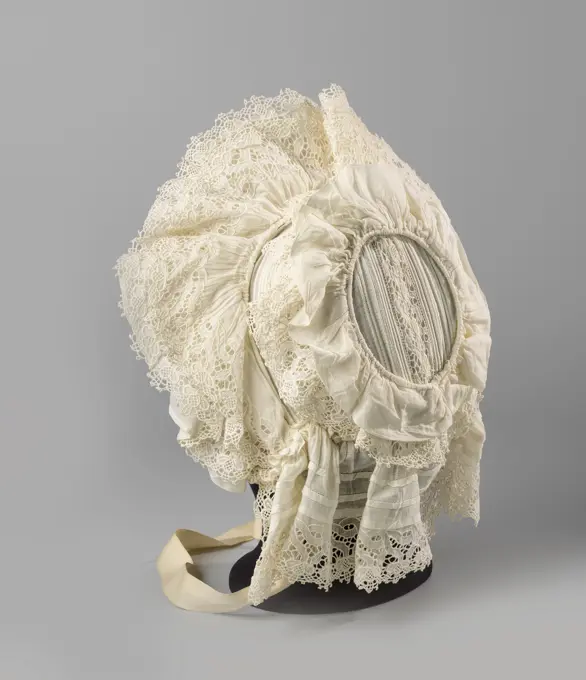
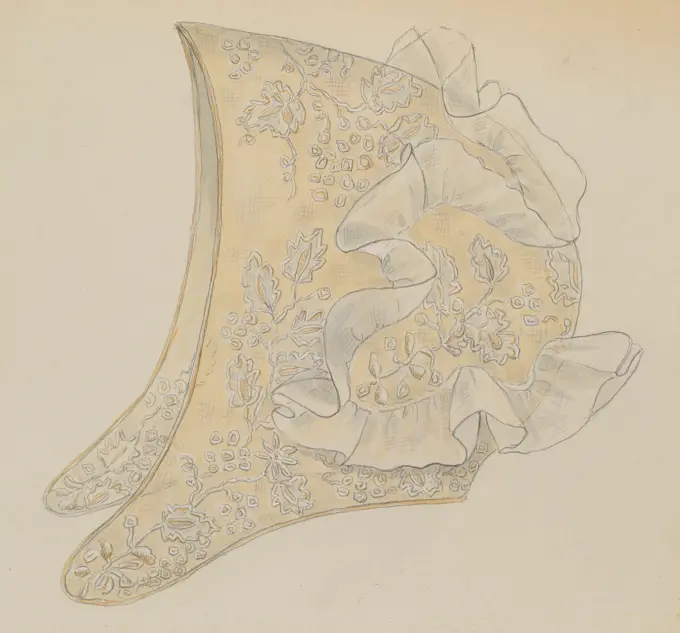
Lofelhoed from Batisit, ajour worked strips, white satin kinnebands, anonymous, c. 1910 Children's canopy hat from Batisit, Ajour worked strips, white satin interior tires. A smooth headband has been put on the flat oval bottom. Dressed strips have been put along the front opening and along the neckline. Embroidery strip with a pattern of a pendulum on the straight side, around which a branch winds with a flower hanging into the scallops. Open arches are set under this flower row. Switzerland Completely: Batiste. whole: Satin Children's canopy hat from Batisit, Ajour worked strips, white satin interior tires. A smooth headband has been put on the flat oval bottom. Dressed strips have been put along the front opening and along the neckline. Embroidery strip with a pattern of a pendulum on the straight side, around which a branch winds with a flower hanging into the scallops. Open arches are set under this flower row. Switzerland Completely: Batiste. whole: Satin
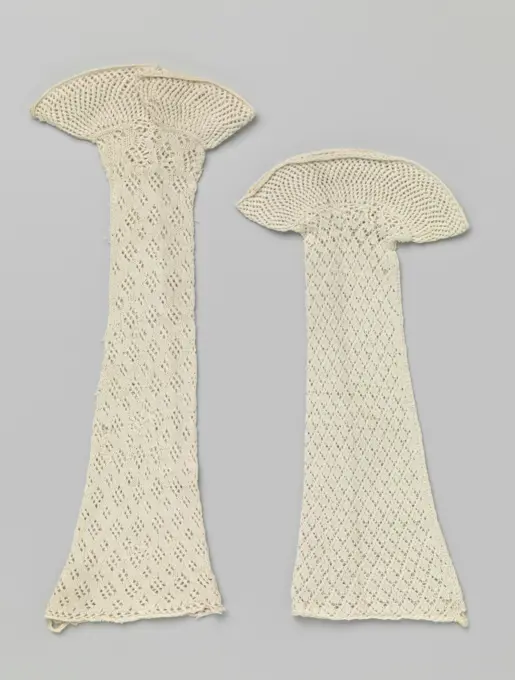
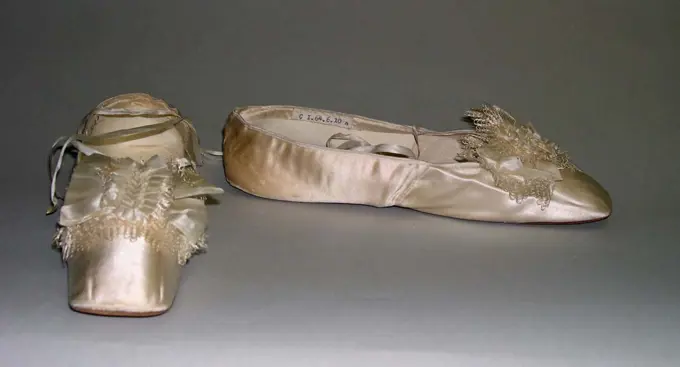
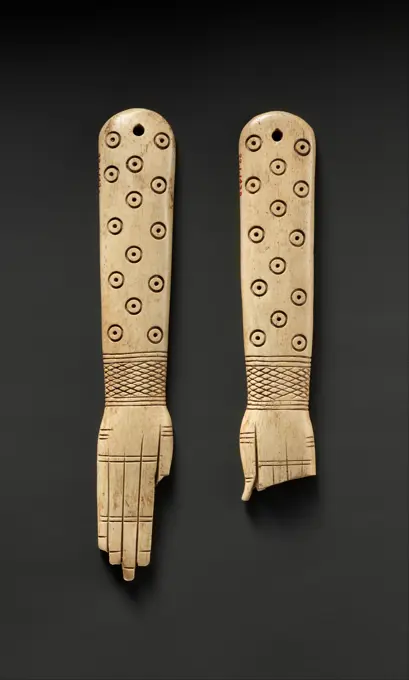
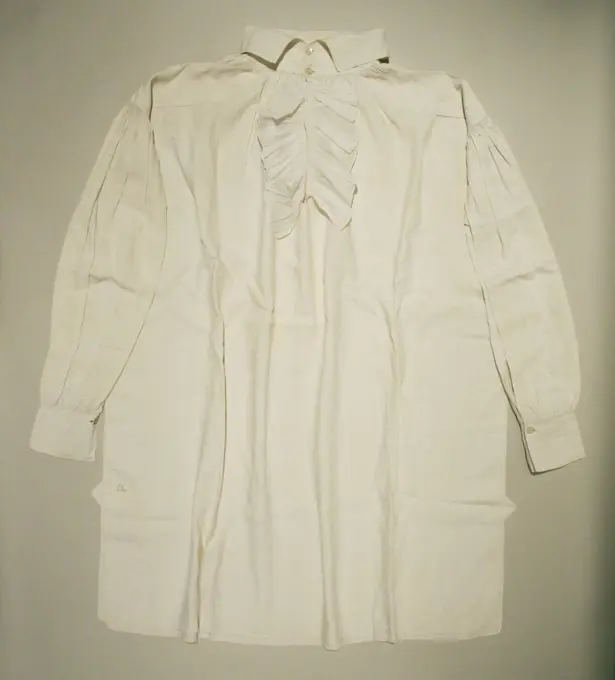
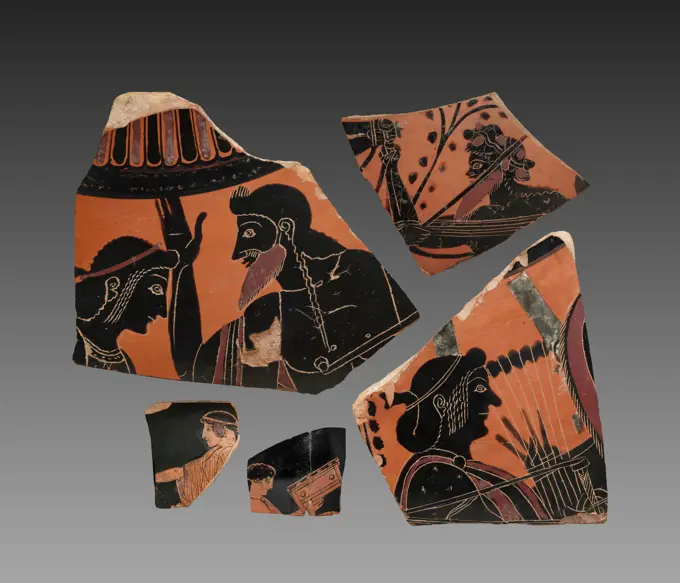
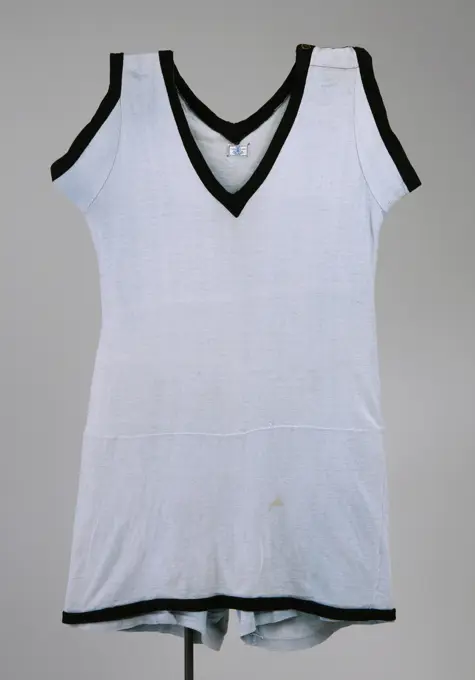
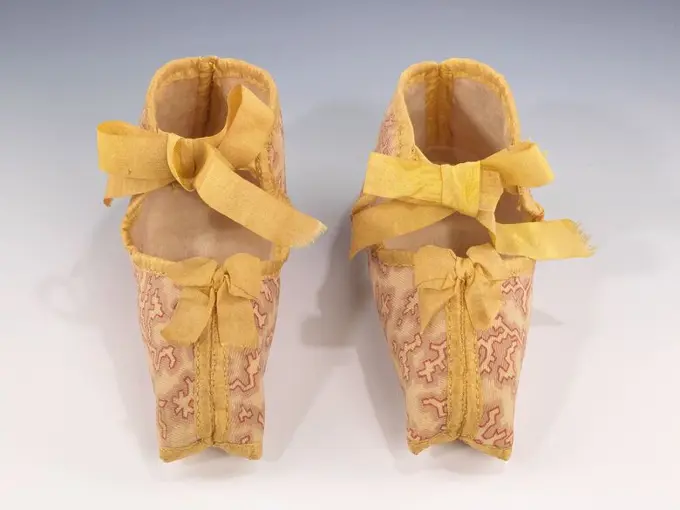
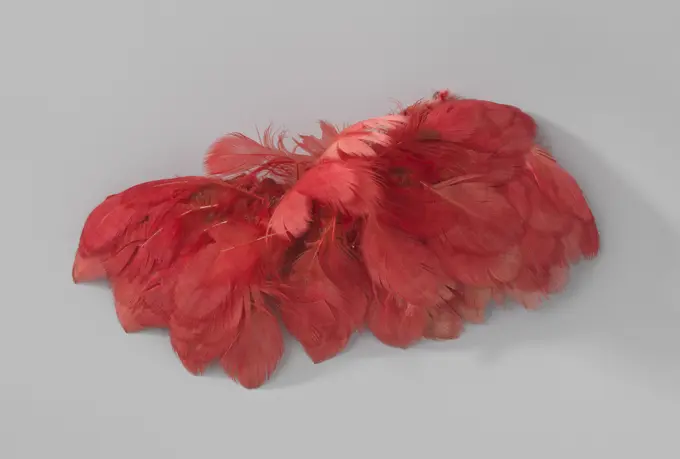
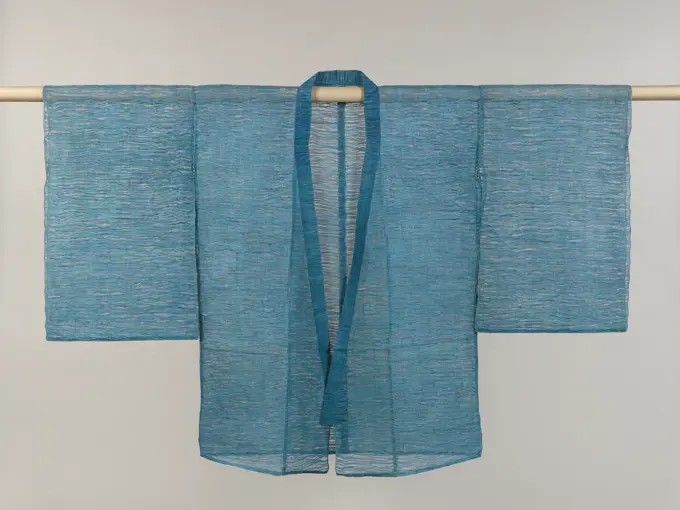
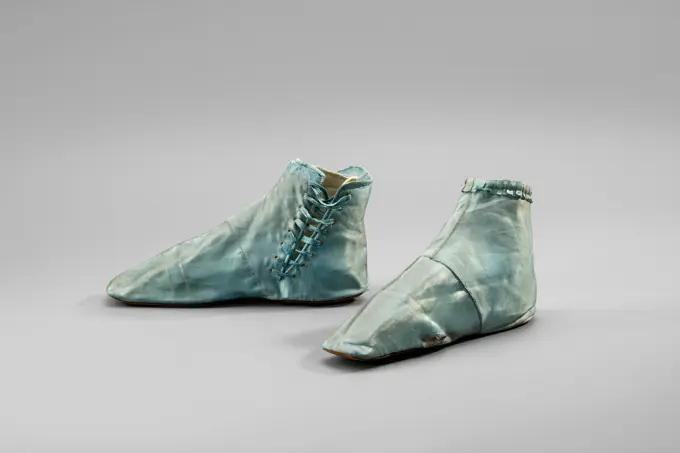
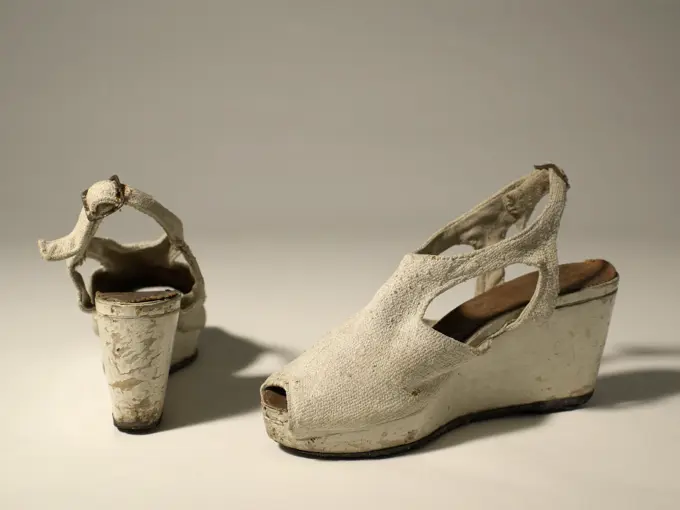
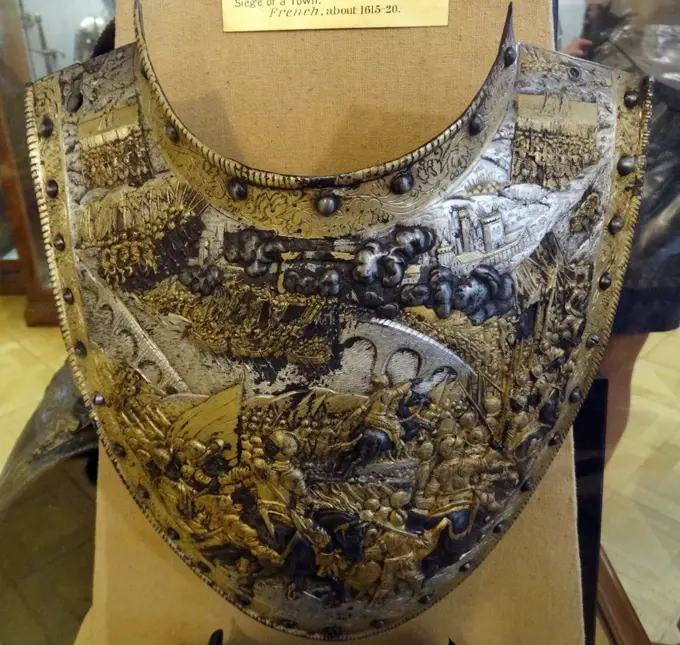
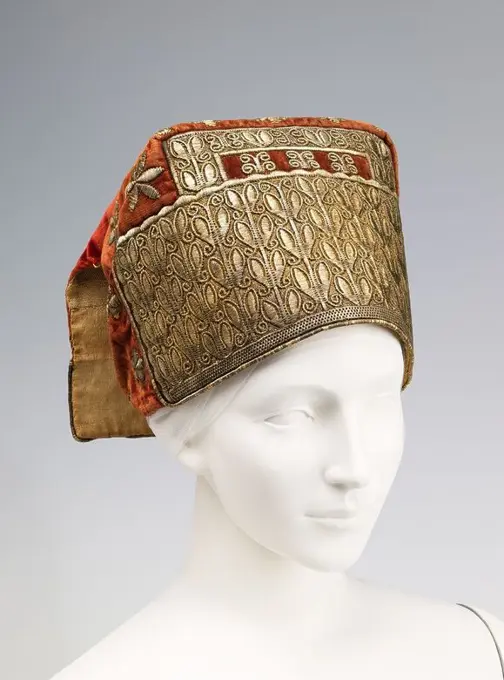
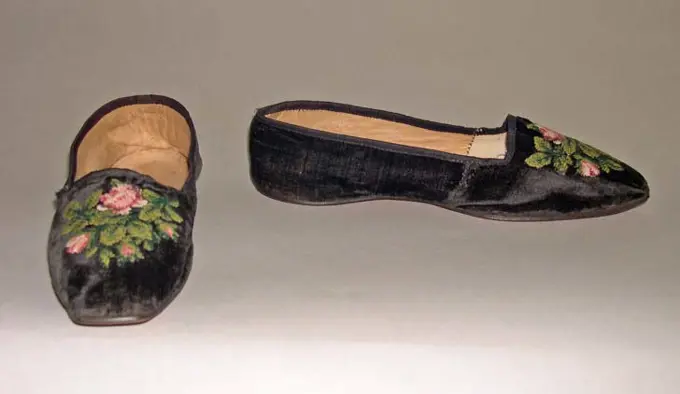
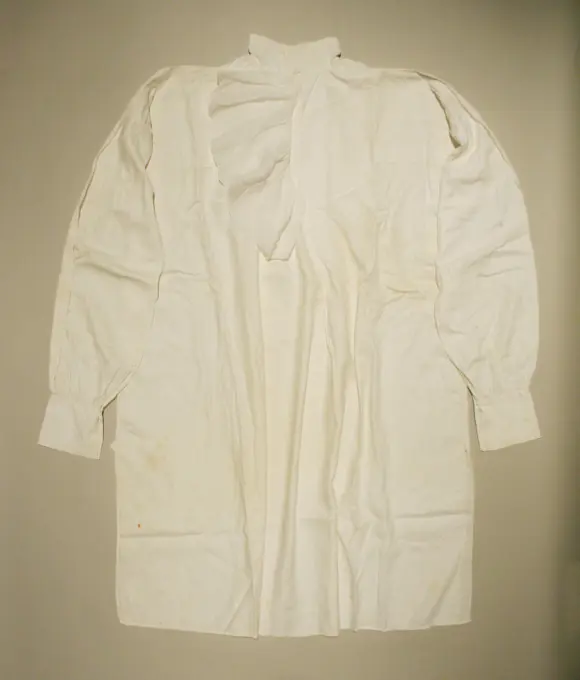
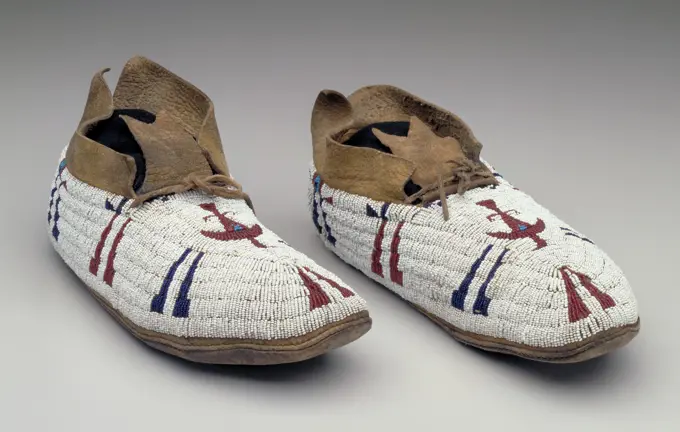
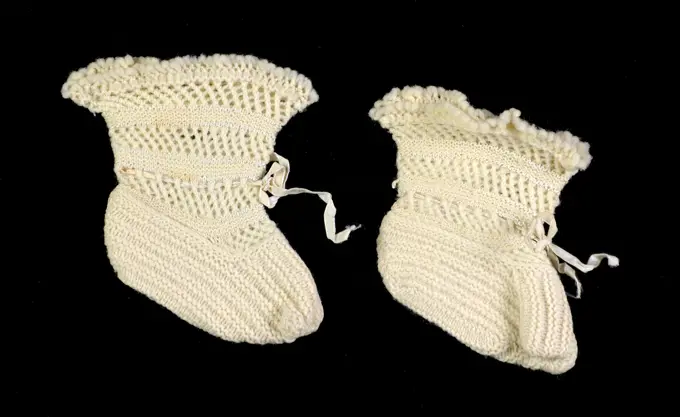
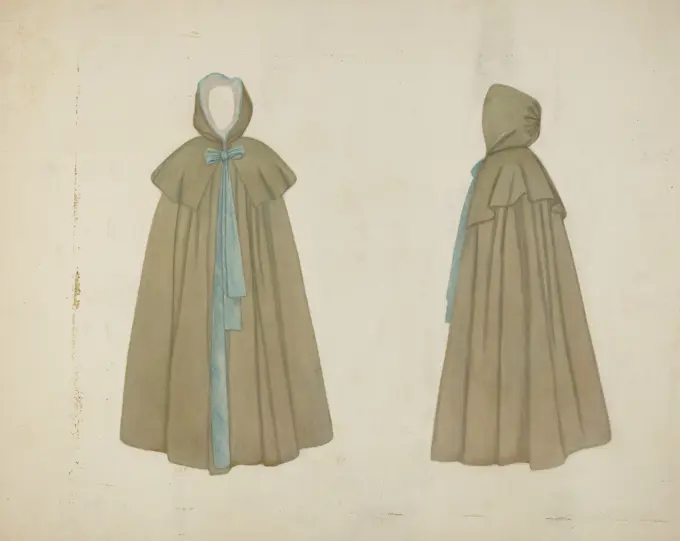
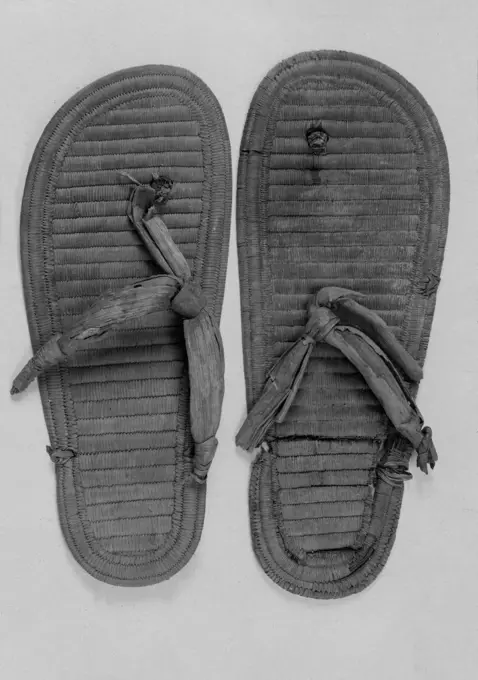
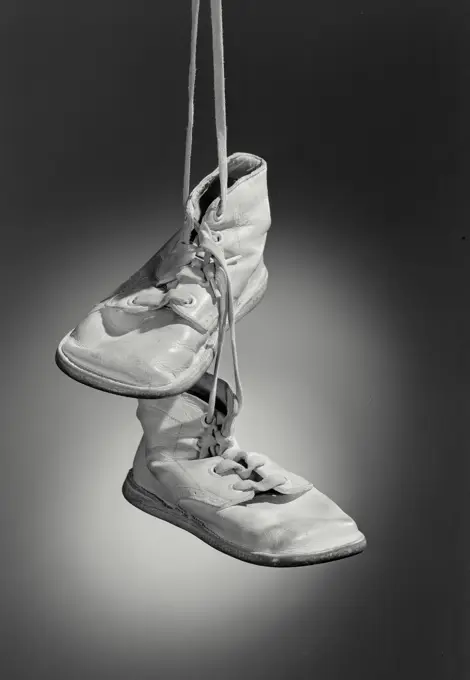
Folding range with a support part of white ostriches on an unprocessed frame of blond turtle, anonymous, c. 1900 - c. 1910 Folding range with a support part of white ostriches on an unprocessed frame of blond turtle (). The frame has 18 consecutive legs, on which a fan ring of blond turtle (). Netherlands (possibly) sheet:. frame: cutting Folding range with a support part of white ostriches on an unprocessed frame of blond turtle (). The frame has 18 consecutive legs, on which a fan ring of blond turtle (). Netherlands (possibly) sheet:. frame: cuttingBliżej Kultury unknownJessie M Benge, Cap, 1935 1942 CapEnsemble 1852-56 American. Ensemble 90864Bliżej Kultury unknownWreath from Adam Mickiewiczs Funeral in Kraków J. Z.Cap ca. 1830 British. Cap 116416Mitaine of white knitted cotton in Ajour, Anonymous, c. 1850 - c. 1945 Mitaine of white knitted cotton in ajour, with a diamond pattern and with a clocking strip of the hand. Unreadable marked. Europe cotton (textile) knitting Mitaine of white knitted cotton in ajour, with a diamond pattern and with a clocking strip of the hand. Unreadable marked. Europe cotton (textile) knittingCape -Tassel 16th century French. Tassel 213561Slippers 1840-59 European. Slippers 112783Pair of clappers ca. 1900-1640 B.C. Middle Kingdom Clappers are among the earliest percussion instruments in ancient Egypt. This pair of clappers, straight and shaped like a pair of hands and forearms, belongs to a type that was most commonly used in the Middle Kingdom. The fingers, fingernails, and joints are all indicated by incised lines; a broad bracelet adorns each wrist. The roundel ornaments decorating the forearms are typical of Middle Kingdom clappers, but their significance is unclear. The striking sides are flat and undecorated.. Pair of clappers 546840Shirt 1830-40 British. Shirt 90678Brisé fan, Ostrich feathers, tortoise shell sticks, silk ribbon, Brisé fan. Natural-colored, uncurled ostrich feathers applied to sticks which are tortoise shell to the shoulder; the remainder to the tip is whale bone to which the feathers are attached with thread. Brown satin ribbon., USA, 1880-1900, costume & accessories, Brisé fanFive Fragments from Four Painted Vases, c. 520-430 BC. Greece, Attic. Ceramic; overall: 1.2 x 0.7 cm (1/2 x 1/4 in.).Bathing costume - Oberon OberonBall shoe of white velvet, decorated with embroidered palm flowers with tendrils, in or before 1890 Ball shoe of white velvet. Pump, with pointed nose and medium heel, which is set right, but runs behind Hol. Embroidery of red and yellow silk and silver thread of palm flowers with tendrils. Symmetrical on the noses. The heel is covered with velvet. maker: England (possibly)maker: Amsterdam (possibly) Velvet (Fabric Weave). Embroidery: Silk. Embroidery: Silver thread embroidering Ball shoe of white velvet. Pump, with pointed nose and medium heel, which is set right, but runs behind Hol. Embroidery of red and yellow silk and silver thread of palm flowers with tendrils. Symmetrical on the noses. The heel is covered with velvet. maker: England (possibly)maker: Amsterdam (possibly) Velvet (Fabric Weave). Embroidery: Silk. Embroidery: Silver thread embroideringSheet, linen mark, coarse spin, loose weave ca. 1492-1473 B.C. New Kingdom. Sheet, linen mark, coarse spin, loose weave 549014Woman's Shoes (Mules). Germany or Italy, 1770-1780. Costumes; Accessories. Silk plain weave with silk supplementary weft-float patterning, silk plain-weave trim, and leatherFlask and stopper, Glass, straw, cork, Flat, oval glass flask covered in woven straw; conical cork stopper., Possibly Asia, late 19th century, containers, Decorative Arts, Flask and stopperBootees. Culture: American. Date: 1840-50.Atypical of most surviving baby shoes, the pair here is made from a patterned cotton print. The small geometric coral design is very distinctive of the 1840s, and printed cottons of this type were used extensively for women's day dresses. These handmade shoes could well have been fashioned from leftover scraps. The construction of the shoes is meticulous, with every edge bound in silk tape before assembly. Museum: Metropolitan Museum of Art, New York, USA.Muiltje with cover leaf of leather on which flowers are embroidered with white and blue silk, heel with white glacé leather, anonymous, c. 1750 Mile with cover sheet of leather on which flowers are embroidered with white and blue silk, chop with white glacé leather. Netherlands whole: Leather. Embroidery: Silk embroidering Mile with cover sheet of leather on which flowers are embroidered with white and blue silk, chop with white glacé leather. Netherlands whole: Leather. Embroidery: Silk embroideringVoorn with cuff from Rijsselse Kant, Anonymous, c. 1860 - c. 1880 Foreign with cuff from Rijsselse Kant. The balloon model has a long smooth cuff with intermediate sinks and a strip of Rijssel side. The sleeve is embroidered with flowers and the cuff with stars and leaves. The three sides intermediate sinks in the cuff each consist of a row of round holes between stripes. The tulle in the cuff is of a finer quality than that of the sleeve and is decorated with stars and a sewn ribbon in the form of coffee beans. The collar of the cuff is sculpted with a row of bent flower branches. The cuff has three knots West-Europa batiste. knoop: mother of pearl Lille lace / embroidering Foreign with cuff from Rijsselse Kant. The balloon model has a long smooth cuff with intermediate sinks and a strip of Rijssel side. The sleeve is embroidered with flowers and the cuff with stars and leaves. The three sides intermediate sinks in the cuff each consist of a row of round holes between stripes. The tulCage crinoline ca. 1878 American. Cage crinoline 174736Wrapper ca. 1854 American. Wrapper. American. ca. 1854. woolSchoen van rood leer in miniatuurformaat.Shoe of red leather. Thumbnail format, guild test (). No left / right difference. Low inward-facing heel, which is not flat on the ground. Flat square nose. High tray with tongue, which the belts close. Side opening between front and back. White cutouts of a cupid in a laurel wreath and pomegranates.Slippers 1850s American. Slippers 112834Shoulder -long, curled and powdered allone -unplug, or infolio bush, knotted of coarse linen supported by a net of coarse -knotted rope, lined with a cap of glinded linen, anonymous, c. 1700 - c. 1720 Shoulder -long wig of curled (people) Knoted her on coarse linen supported by a net of coarse -tied rope, lined with a cap made of glinded linen. The net is trimmed all around with a blue/white striped cotton strap. In the middle at the bottom of the cap a tunnel with cotton cord to put on to head for a closing fit. The hanging strands of curled hair are held together with linen straps. The pipe curls in the middle are held in place by a linen strip, which hangs on the cap with tires. Divorce in the middle with curls to the left and right. Remains of powder (flour). The hair is planted from front to back with three layers of curls on top of each other. Netherlands haircut:. Hood: Linen (Material). Just: Rope. Lining: Linen (Material) Shoulder -long wig of curled (people) Knoted her on coaWomans hatBonnet ca. 1835 American. Bonnet 104214Woman's Reticule. England, 19th century. Costumes; Accessories. Patterned silk, silk satin, glass beads, shellSaccos 1802 Russian. Saccos 228799Flat Collar with Plain Linen Jabot and Needle Lace, c. 1690 - c. 1699 Flat collar - col Rabat - with plain linen bef on which a wide strip is sewn from natural -colored needle side: Venetian rose side. The lace has a symmetrical pattern with tendrils on which there are multifaceted flowers and leaves. The motifs are connected by an irregular soil with potented bars. The strip is wrinkled at the back of the collar. The sides are finished with a straight picot edge with arcs. Northern NetherlandsVenice linen (material) Venetian rose point Flat collar - col Rabat - with plain linen bef on which a wide strip is sewn from natural -colored needle side: Venetian rose side. The lace has a symmetrical pattern with tendrils on which there are multifaceted flowers and leaves. The motifs are connected by an irregular soil with potented bars. The strip is wrinkled at the back of the collar. The sides are finished with a straight picot edge with arcs. Northern NetherlandsVenice linen (material) VeneA pair of appendages unknownEvening bonnet. Culture: American. Date: ca. 1802.A well-preserved example of early 19th century headwear, this bonnet typifies a classic high-style shape of the period. The rich velvet and silk ribbon used would perfectly suit a formal evening ensemble, as opposed to the lighter cottons and linens frequently used in day bonnets and caps. Both the use of velvet and the orientation of the ribbons slightly mimic a Gothic Renaissance turban style which was well-liked at the time. Museum: Metropolitan Museum of Art, New York, USA.Stockings late 18th century French. Stockings 121563Bag late 19th century China. Bag 70616Stockings 1860-70 American. Stockings 173732Theatrical skirt with designs from Buddhist jewelry. Culture: China. Dimensions: Overall: 39 x 54 in. (99.1 x 137.2 cm). Date: 18th century.The pattern of this skirt--part of a theatrical ensemble with matching jacket 30.76.22--features peony leaves and flowers on the shoulders, above a band of scrollwork that resolves into a pair of confronting dragons. The lower part of the pattern consists of suspended beads, punctuated by various auspicious motifs--endless knots, swastikas (wan in Chinese, meaning "ten thousand" and signifying eternality), bats, coins, musical stones, and ribbons. These decorations are often found on Buddhist jewelry (yingluo) usually worn by a bodhisattva. Museum: Metropolitan Museum of Art, New York, USA.Children's apron with long sleeves and back with two knots of beige linen, along the sleeve, neck and hem trimmed with farm children, mills and ships, M. Insinger (attributed to), c. 1926 - c. 1930 Children's apron of linen fell with ribbon on which folkloric representations in red, white and blue. Marked: 127 m.i. Netherlands linen (material) Children's apron of linen fell with ribbon on which folkloric representations in red, white and blue. Marked: 127 m.i. Netherlands linen (material)Manchet van naaldkant genaaid op het middenstuk van een blauw-roze satijnen band.Cuff from natural-colored coniferous lace - Brussels gauze side - sewn on the center piece of a satin tire. The band is pink on one side and on the other side blue. The side is sewn on the blue part, in which a narrow edge is bent over the edge and is secured to the pink portion. On the other long side of the band, the lace does not run all the way to the edge. The lace pattern consists along the top and bottom of trapezoidal fields between which diamond-shaped fields are formed. In each trapezoidal field on one side, there is always one rosette flower and semi-religious lobes with circles are in the opposite fields. The diamond-shaped fields are filled with diamond-shaped grids.Sultan.Sultan, painted multi-colored on a rocaille basis. Signature with an x in underglazing blue.IIturgical clothing  dalmatica unknownCandle base Industry school in. JózefHelmet probably 19th century Abor, Burmese. Helmet 32071Cap made of braided silver colored satin decorated with imitation pearls and stras, caroline reboux, c. 1951 - c. 1953 Cap made of braided silver -colored satin decorated with imitation pearls and stras. Paris, 1951-3. Paris satin. imitation pearl. paste (glass) braiding / sewing Cap made of braided silver -colored satin decorated with imitation pearls and stras. Paris, 1951-3. Paris satin. imitation pearl. paste (glass) braiding / sewingToefl rose kippen veren.Tuft rose chicken feathers, presumably risen from BK-1973-264-a.Noh Costume (Mizugoromo) Japan 19th century The mizugoromo (literally, "water garment") is a type of three-quarter-length overgarment made specifically for the Noh stage, where it is worn for many types of roles: male and female, old and young, priest and layman. This mizugoromo, strikingly modern in appearance, is made of an intentionally distressed plain-weave cloth, termed yore in Japanese. Yore, a very open textile with displaced wefts that are not perpendicular to the warps, gives a ragged or threadbare impression to the garment. For this reason, the yore mizugoromo is frequently worn for roles of suffering ghosts or the destitute.Womens small shoes. unknown, authorBlack leather shoe. Model: flat round nose that slightly rises. Built up from a leaf, with separately designed locking belts, which is sewn at each other at the heel. A high plates, with an extension. The heel is entirely leather. The entire shoe is made of leather and with blue ribbon.Pair of white canvas sandals, open ends; Bridle closed by a metal loop at the rear, white painted white painted wood, 1940-1944. Galliera, fashion museum of the city of Paris. Accessory, white, shoe, female, haute couture, pair, sandal, canvasJap of voile with colorful star flowers. .Men's vest of Woolen Tweed, in blue, green with red window, part of a hunting suit (), Anonymous, c. 1910 - c. 1920 Men's vest of Woolen Tweed, in blue, green with a red window. Possibly part of a hunting costume (). Short vest, the front buildings cut away in points. Fairly high neck with collar and lapel. Four bags with slanted flaps. Six buttons. Lining of light yellow satinet. On the left an inner pocket that can be closed with a knot. Back of dirt -green satinet, straps with buckle on which 'solid' and with nameplate, on which in handwriting: 'Jhr. Mr. H. Gevers'. West-Europa wool. tweed Men's vest of Woolen Tweed, in blue, green with a red window. Possibly part of a hunting costume (). Short vest, the front buildings cut away in points. Fairly high neck with collar and lapel. Four bags with slanted flaps. Six buttons. Lining of light yellow satinet. On the left an inner pocket that can be closed with a knot. Back of dirt -green satinet, straps with buckle on which 'solid' and witA pair of satin wedding shoes unknownChild's Shoe. Dated: c. 1937. Dimensions: overall: 17.3 x 22.1 cm (6 13/16 x 8 11/16 in.). Medium: watercolor and graphite on paper. Museum: National Gallery of Art, Washington DC. Author: Frances Cohen.Shoes 1890-1900 American. Shoes 102311Mourning hat ca. 1888 West's American. Mourning hat 156248Box for snuff or tobacco in the form of a shoe, Jacob Worms, c. 1780 - c. 1786 Shoe made of dark brown leather in box form. Guild test. Snuif or tobacco box (). Sharp pointed nose, slightly rising, very flat heel. On the lid A and G, between which a round grisaillet behind glass: Mandolin playing woman sitting in Bergère in landscape. Around crossings. Amsterdam gegeeh: leather. glass   Amsterdam Shoe made of dark brown leather in box form. Guild test. Snuif or tobacco box (). Sharp pointed nose, slightly rising, very flat heel. On the lid A and G, between which a round grisaillet behind glass: Mandolin playing woman sitting in Bergère in landscape. Around crossings. Amsterdam gegeeh: leather. glass   AmsterdamDickey ca. 1830 American or European. Dickey 120946Bonnet 1887-90 American or European. Bonnet 113027Fan 1895 American. Fan 120662Wooden Combs forWeavingSlippers ca. 1790 probably British. Slippers 99786Military cap 1881-82 American. Military cap 175616Complete Gorget, composed of two plates. The surface decoration is made of embossing in high relief, engraving, gold and silver plating and russeting. The design is representative of the Siege of a Town. French, 1615-1620.Hat. Culture: Russian. Date: fourth quarter 18th century.Headdresses, or kokoshniks had the greatest abundance of ornamentation of any type of garment in Russia. They were most often made of damask woven with gilt metallic threads or velvet with gold embroidery. The wealthy peasant class often decorated their kokoshniks with pearls and gemstones. Their decorative elements were representative of the regions in which they were made. Those from the North were embellished with the river pearls that were plentiful in that area while goose down and woolen embroideries were more popular in the South. The headdresses worn by maidens exposed their hair, considered a prize possession in Russian culture. They were often accompanied by a venchik, a forehead covering made of fabric or metal. Married women were required to cover their hair entirely lest they be considered immodest. Museum: Metropolitan Museum of Art, New York, USA.Rosette bow in pink silk. Rosette bow in pink silk, part of costume. Possibly associated with the swords.Slippers 1844 American. Slippers. American. 1844. silk, leather, woolShirt 1800-1825 American. Shirt 90675Pair of Arm Guards. Culture: Indian. Dimensions: Arm guard (a); L. 12 1/2 in. (31.8 cm); W. 4 1/2 in. (11.4 cm); Wt. 20.1 oz. (569.8 g); arm guard (b); L. 12 1/2 in. (31.8 cm); W. 4 3/8 in. (11.1 cm); Wt. 1 lb. 3.5 oz. (552.8 g). Date: 17th century. Museum: Metropolitan Museum of Art, New York, USA.Bliżej Kultury unknownJoseph Goldberg, Woman's Shoe, 1935 1942 Woman's ShoeWomen's shoes; Schröder, C. P. (Berlin; Fabryka Footwear; Ca 1850); around 1850 (1840-00-00-1860-00-00);Kabaja, anonymous, c. 1904 - c. 1908 Kabaja of cotton with leaf and floral pattern in blue and red on pink stock. Malang cotton (textile) Kabaja of cotton with leaf and floral pattern in blue and red on pink stock. Malang cotton (textile)Pair of Moccasins, c. 1890, 10 3/8 x 4 x 4 1/4 in. (26.35 x 10.16 x 10.8 cm) (a, left)10 1/2 x 4 x 4 1/4 in. (26.67 x 10.16 x 10.8 cm) (b, right), Animal hide, beads, United States, 19th century, The Tsistsistas are known for their well-crafted footwear, which often have beaded images drawn from traditional life. A red bird has been beaded on the upper portion of the moccasins shown here, referencing the Thunderbird, a being that is important in the Tsistsistas cosmos. Beaded on the other moccasins is a red cross, which does not represent Christianity, instead symbolizes the Morning Star, another figure in Tsistsistas traditions.Anonymous, shoe, 1750. Beijing of pink salmon pink with white and green stripes, ribbon of border pink silk, white leather heel. Palais Galliera, fashion museum of the city of Paris.loriga of iron scales, 13th century, Álava Armory Museum, Vitoria, Basque Country, Spain.HatEnsemble 19th century. Ensemble 126486Miser's purse 1840-60 American. Miser's purse 157827In the Image, parasol from 1923, Moulin model.Nancy Crimi, Shoes, 1935 1942 ShoesFascinator 1860s American. Fascinator 100015Close-up of headphones on a tree stumpClose up of multicolored Indian corn on gray studio backgroundToreador cape fourth quarter 19th century Alejandro Velasco Spanish This object was collected by Stewart Culin (1858-1929) during a collection expedition in 1922. Culin was the Brooklyn Museum's first Curator of Ethnology, serving from 1903 to 1929. Possessing an insatiable curiosity and appetite for collecting objects of all kinds, Culin conducted over twenty worldwide collecting expeditions between 1901 and 1928. The trips covered American Indian territories, New England, Asia, India, Great Britain, and all of Eastern and Western Europe. The seven expeditions between 1917 and 1928 were specifically focused on collecting regional textiles and costumes from Eastern and Western Europe and, to a lesser extent, New England. Culin's goals for these trips were not just to expand the Museum's holdings, but also to preserve their cultural contexts. He did so through amassing photographs, notebooks, and ephemera which documented the social, commercial, and cultural circumstances surrounding thMen's moccasins made from buffalo hide that have painted and decorated with beaded designs of the BlackfeetTripod Vessel Depicting Figure in Butterfly Headdress and Mountain Motif. Mexico, Basin of Mexico, Teotihuacan, Teotihuacan, 350-450 CE. Ceramics. Stuccoed ceramic with postfire applied pigmentEmbroidered Headdress, 1700s. Germany, Schleswig, 18th century. Embroidery, velvet ground embroidered with gold and silver thread; edged with gold lace; overall: 39.4 x 28.6 cm (15 1/2 x 11 1/4 in.).Bootees American 1840-60Bonnet 1880s French. Bonnet 84643Clogs 1730-40 British. Clogs 112638Doll's Clothing, Eskimo Art, USA, Washington DC, Smithsonian Institution (National Museum of Natural History)Francis Bruner, Shaker Cape, c 1936 Shaker CapePair of Sandals ca. 1580-1479 B.C. Second Intermediate Period-Early New Kingdom These sandals, along with a second, similar pair (22.3.20a, bwere found in the chamber of a pit tomb used ultimately for the burial of a 21st Dynasty (ca. 1100 B.C.) charioteer named Itamun (see 26.3.1a, b). They come, however, from an earlier burial that was pushed aside for the tomb's new occupant.The soles of the sandals are formed of tightly woven papyrus in narrow rows, with three outer bands defining the shape. The thongs are made of thicker strips of flattened reeds.. Pair of Sandals. ca. 1580-1479 B.C.. Woven papyrus. Second Intermediate Period-Early New Kingdom. From Egypt, Upper Egypt, Thebes, Unfinished Temple ("Seankhkare") Valley, Pit Tomb MMA 1008/1016 (Mond 8), MMA excavations, 1920-21. Dynasty 17-18Crinoline 1850s American or European. Crinoline 123979Shoe for a Child. Culture: British. Dimensions: L. 6 in. (15.2 cm). Date: 16th century. Museum: Metropolitan Museum of Art, New York, USA.Vintage photograph. Close-up of children's shoes hanging from shoelacesTop of Beer CanHat ca. 1805 American or European. Hat 112662