Vintage Children's Clothing

A collection of vintage children's clothing including a cotton hat, a spencer, and ornate chasubles with delicate embroidery and lace detailing.
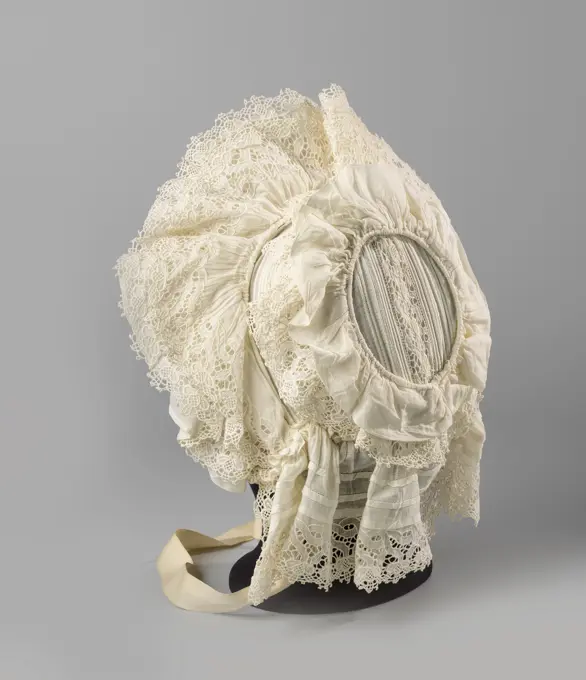
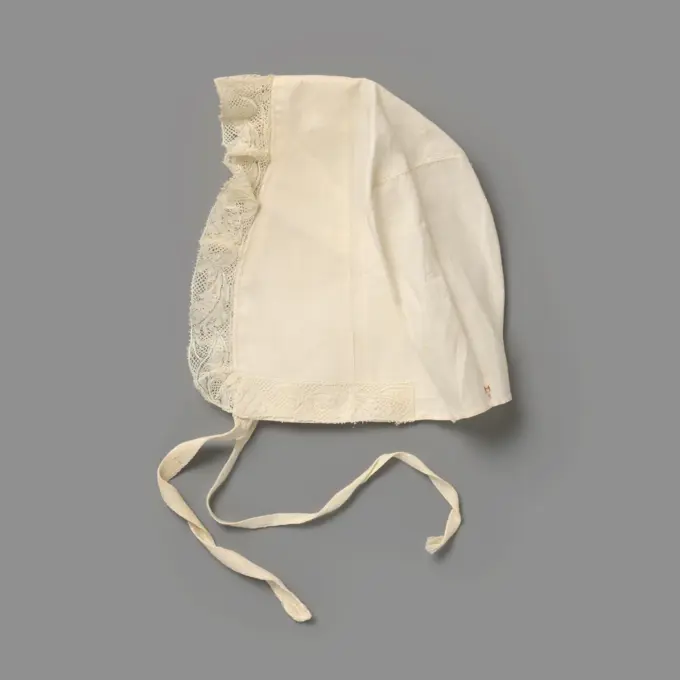
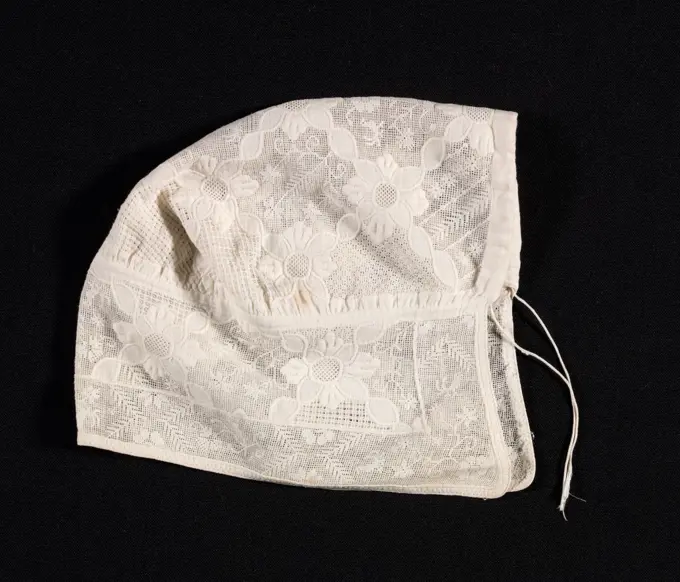
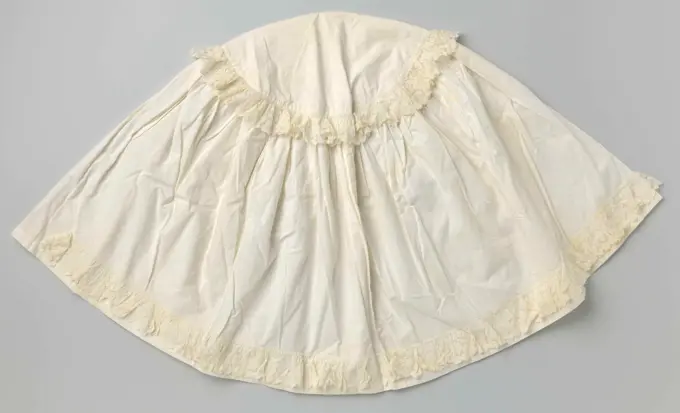
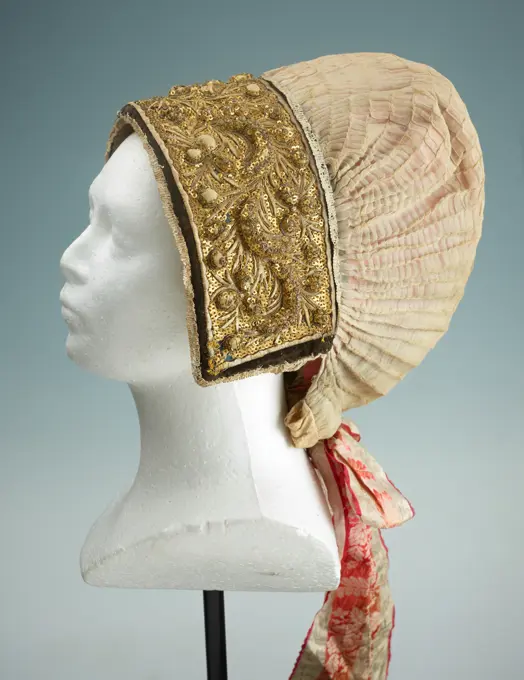
Lofelhoed from Batisit, ajour worked strips, white satin kinnebands, anonymous, c. 1910 Children's canopy hat from Batisit, Ajour worked strips, white satin interior tires. A smooth headband has been put on the flat oval bottom. Dressed strips have been put along the front opening and along the neckline. Embroidery strip with a pattern of a pendulum on the straight side, around which a branch winds with a flower hanging into the scallops. Open arches are set under this flower row. Switzerland Completely: Batiste. whole: Satin Children's canopy hat from Batisit, Ajour worked strips, white satin interior tires. A smooth headband has been put on the flat oval bottom. Dressed strips have been put along the front opening and along the neckline. Embroidery strip with a pattern of a pendulum on the straight side, around which a branch winds with a flower hanging into the scallops. Open arches are set under this flower row. Switzerland Completely: Batiste. whole: Satin
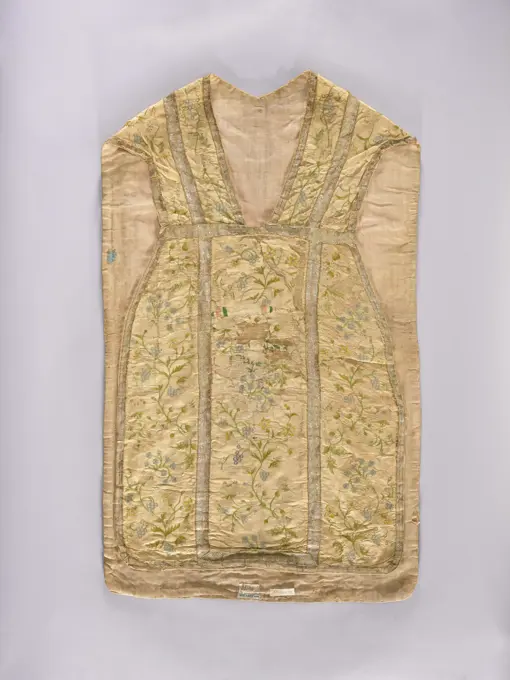
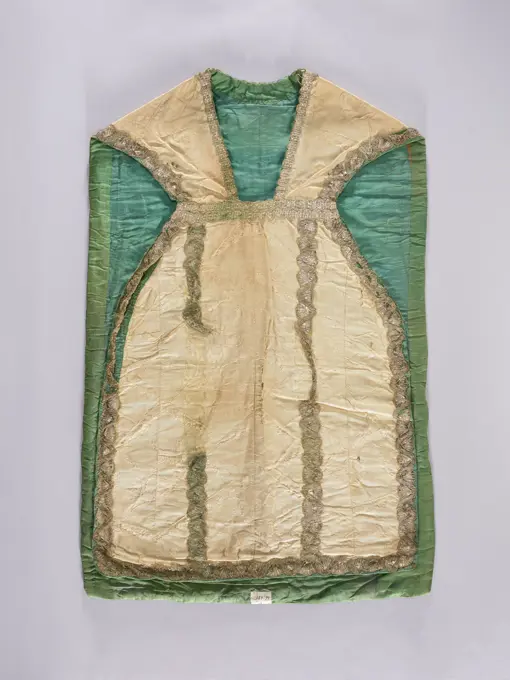
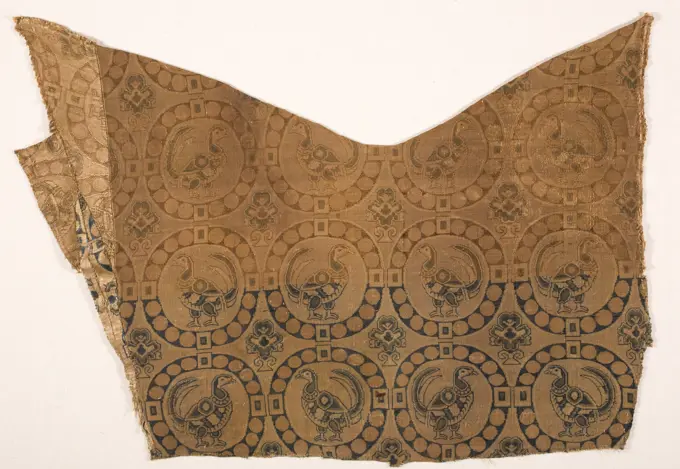
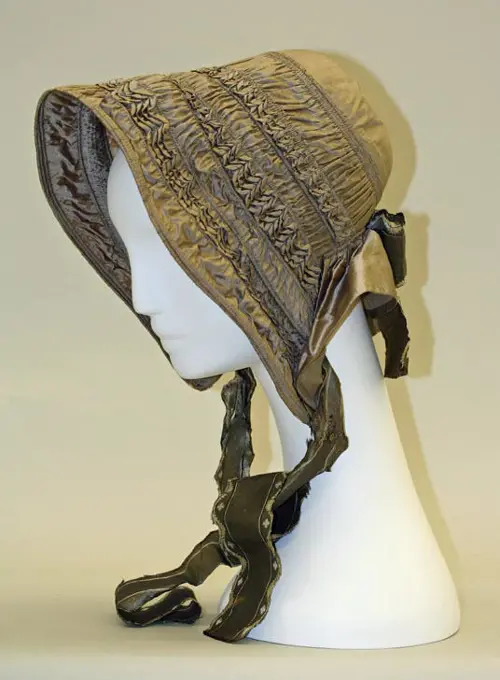
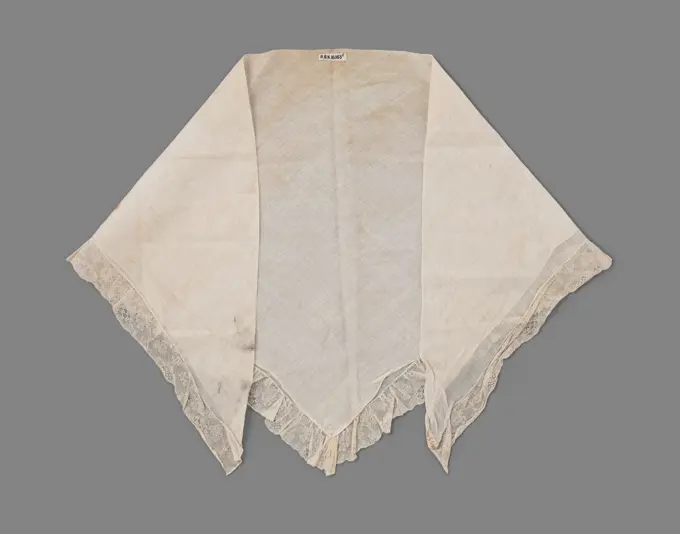
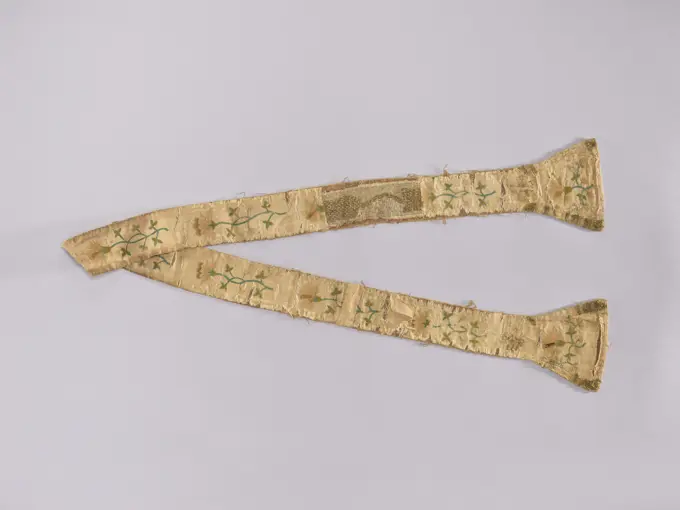
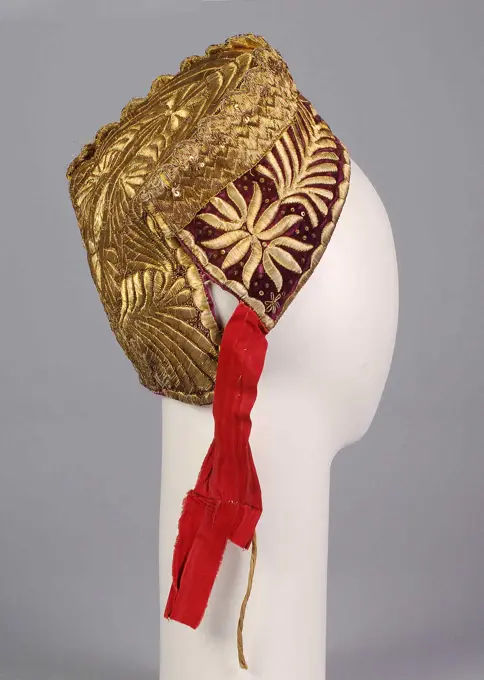
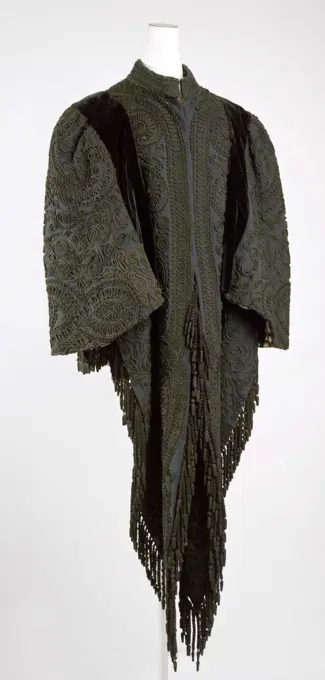
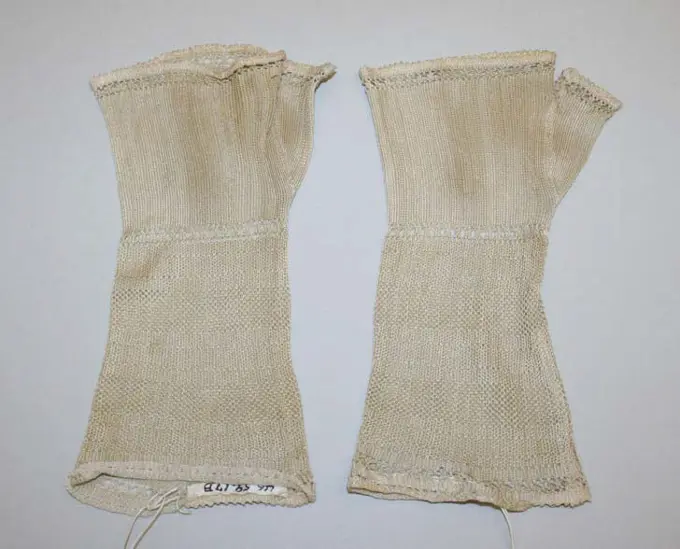
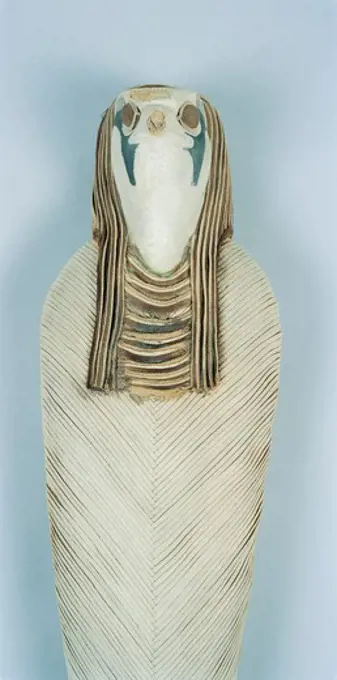
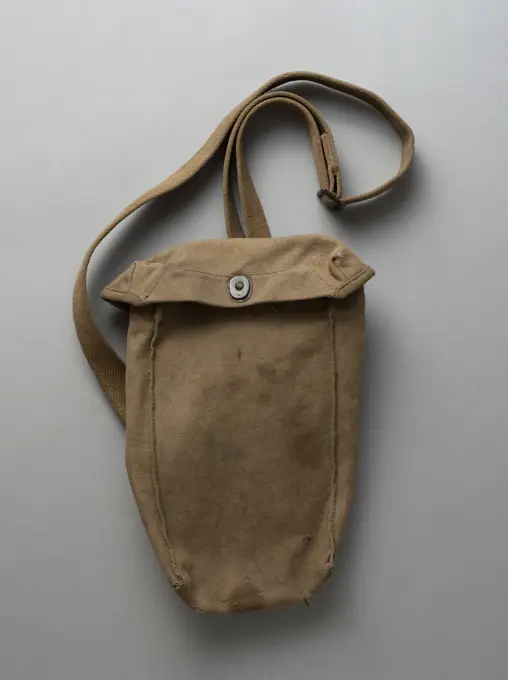
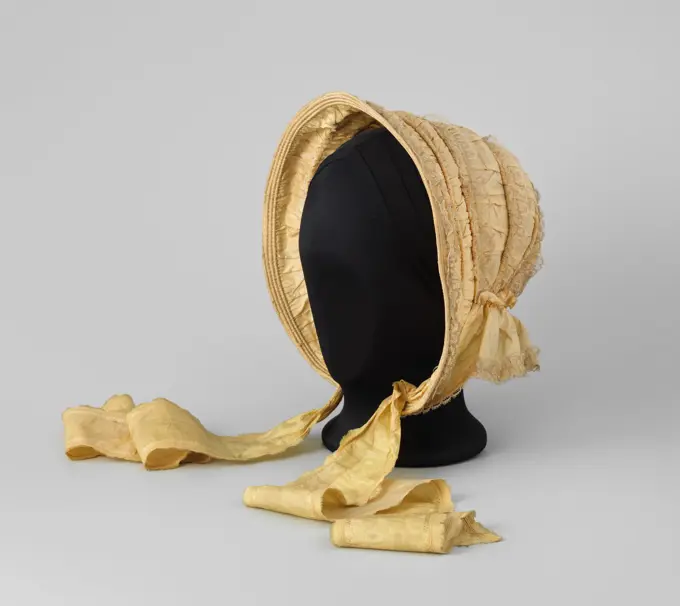
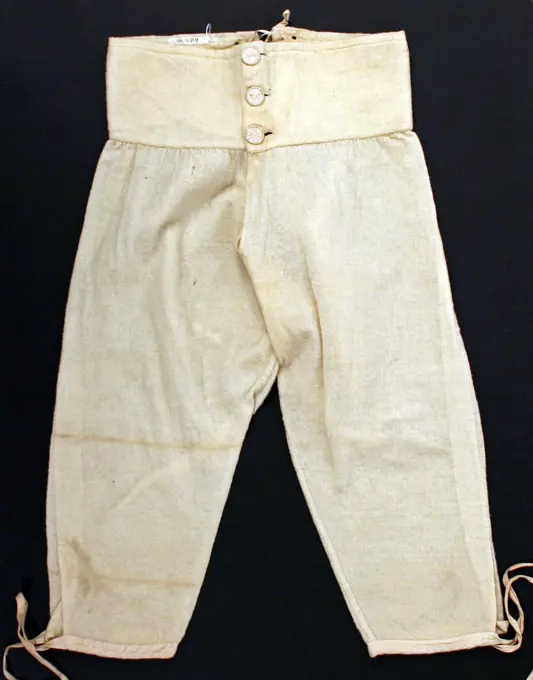
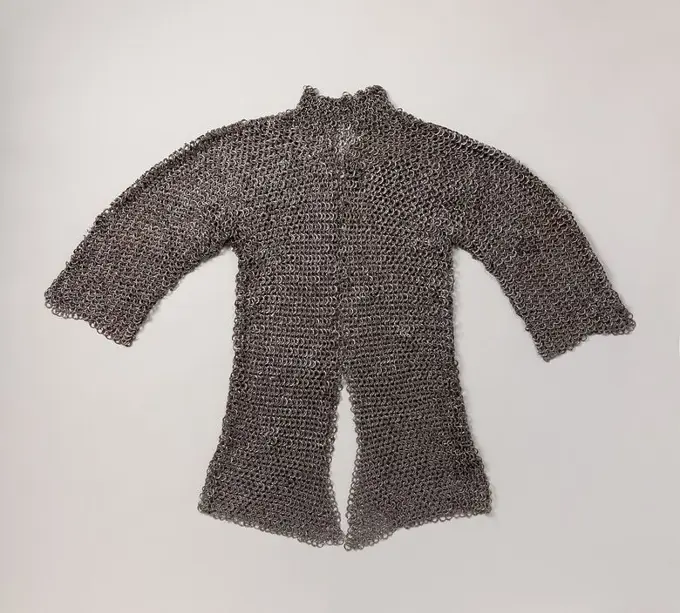
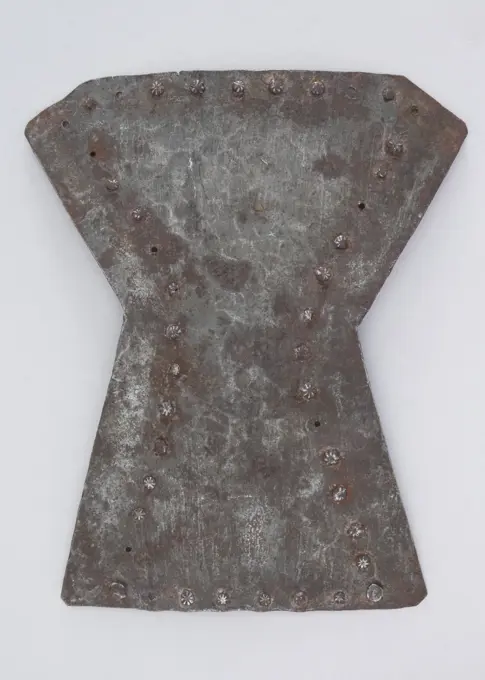
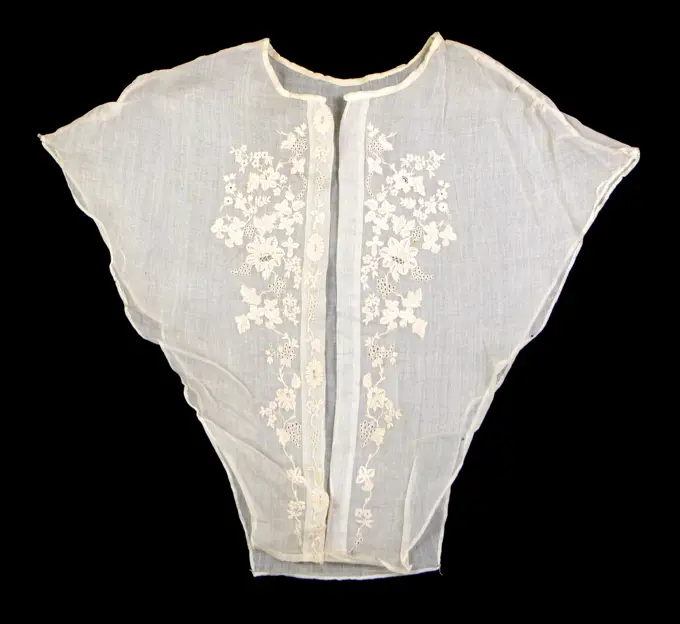
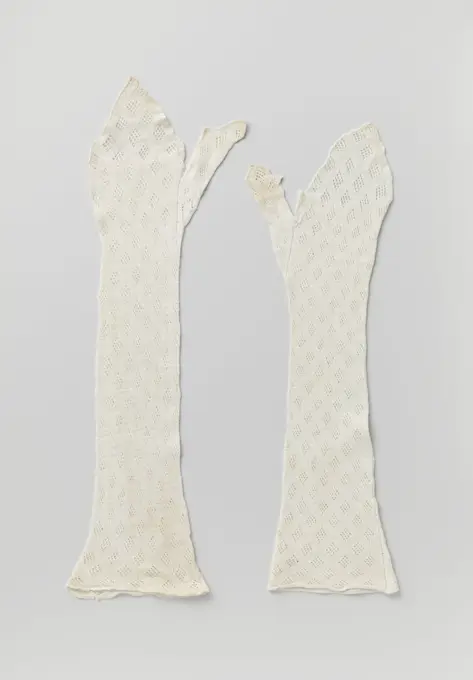
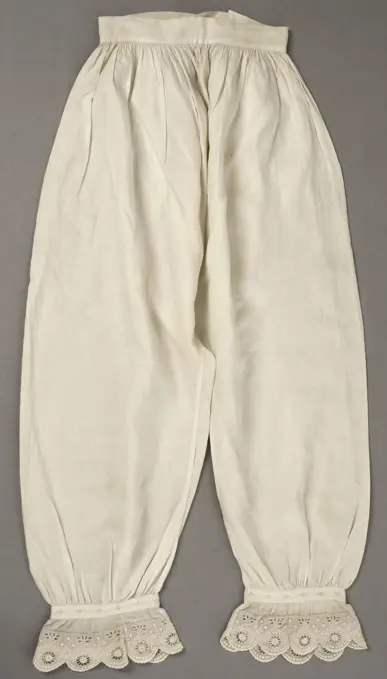
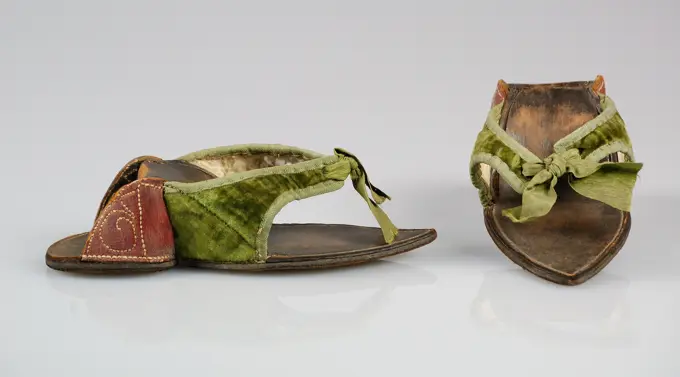
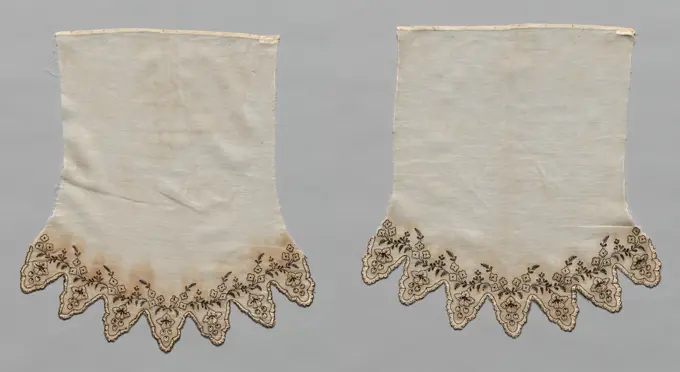
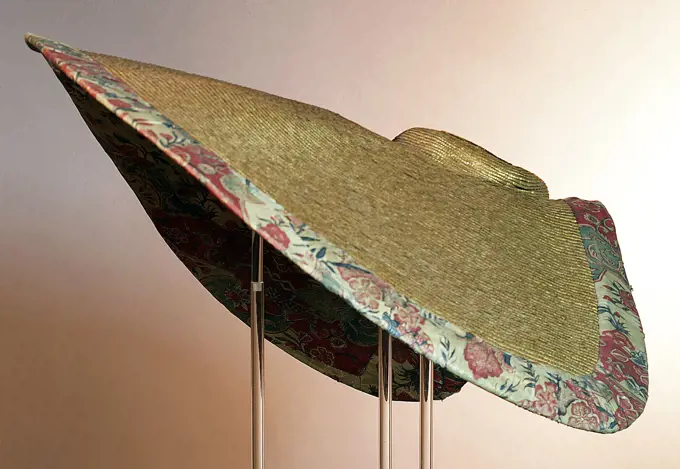
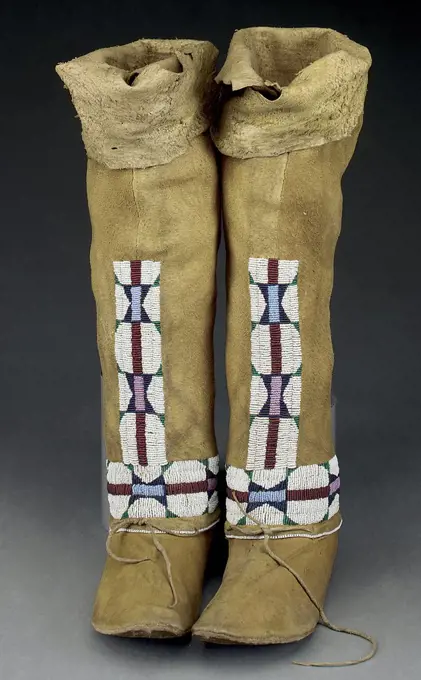
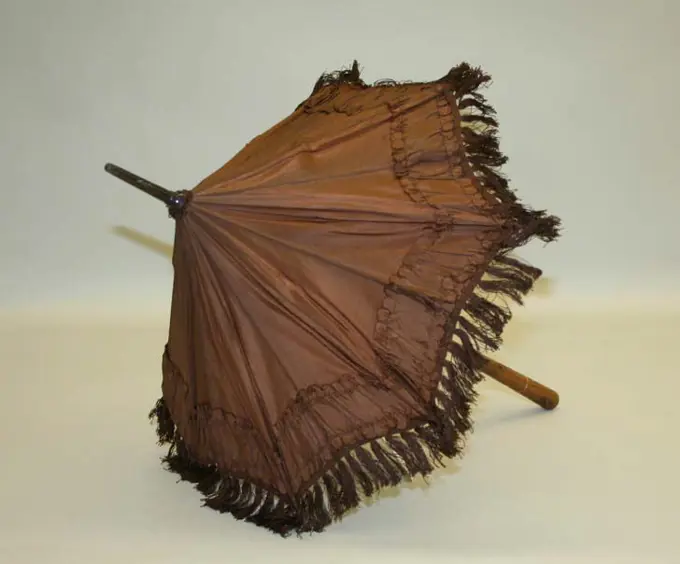
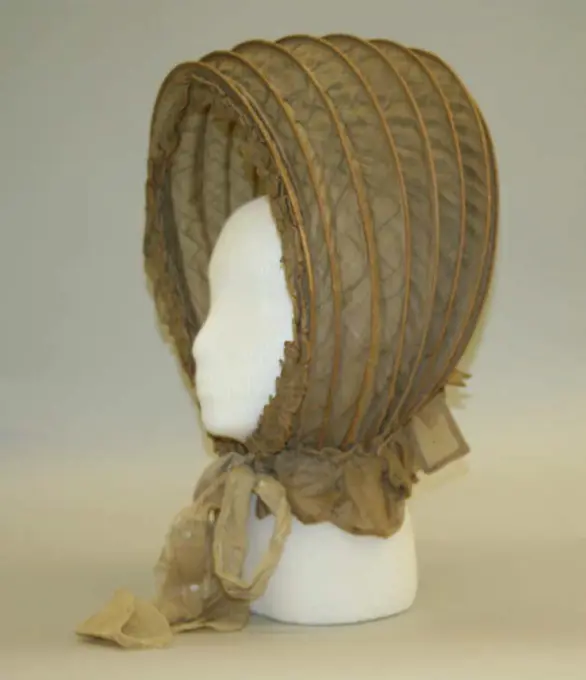
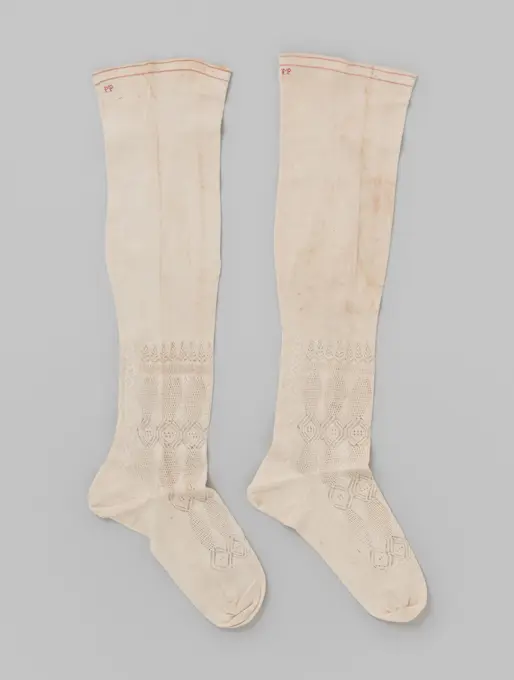
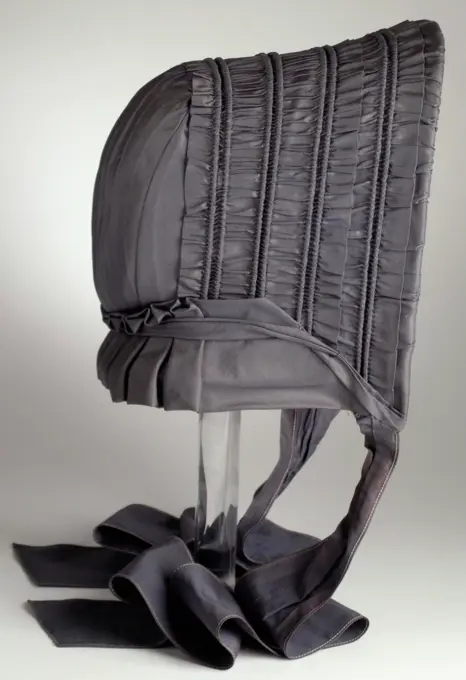
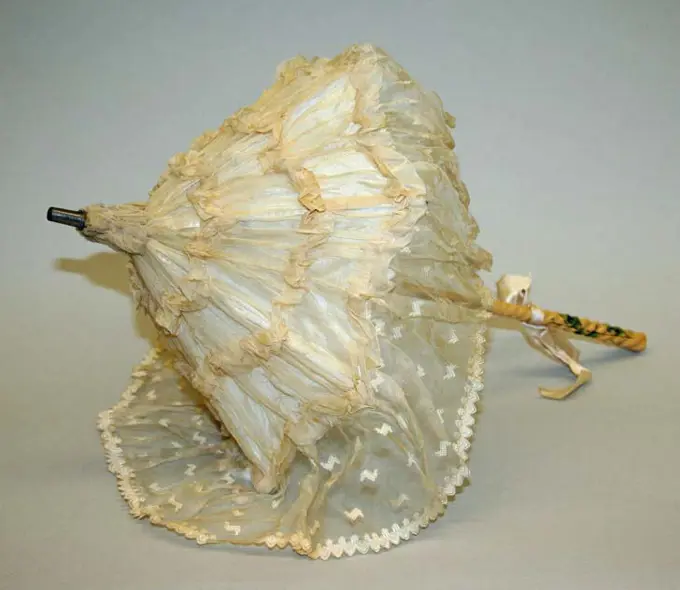
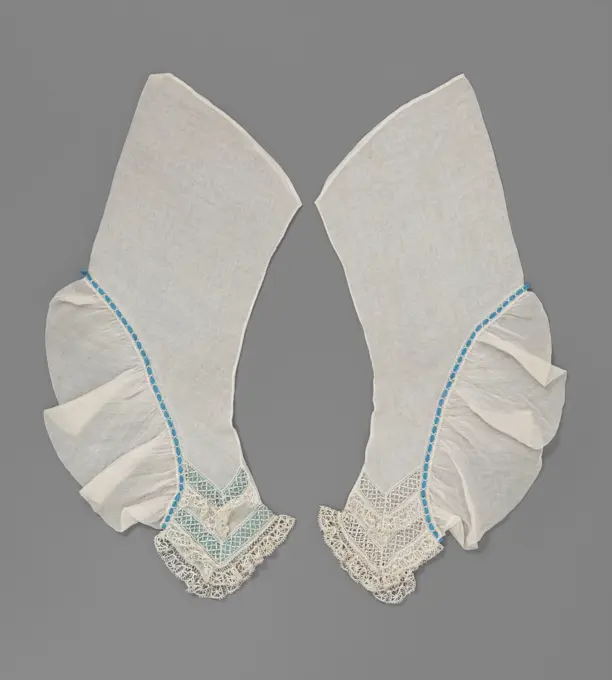
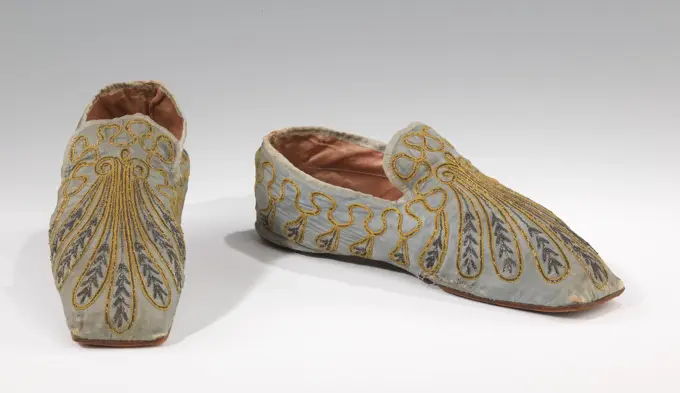
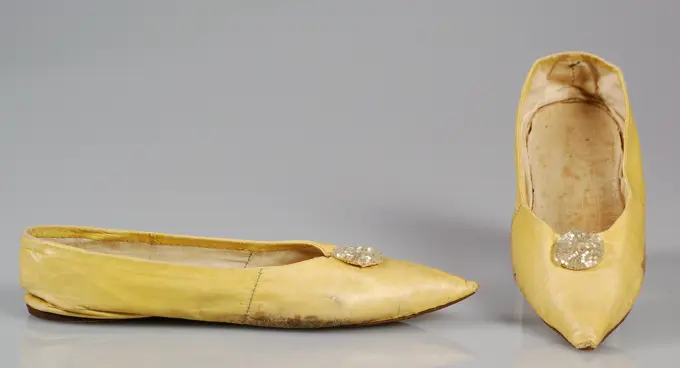
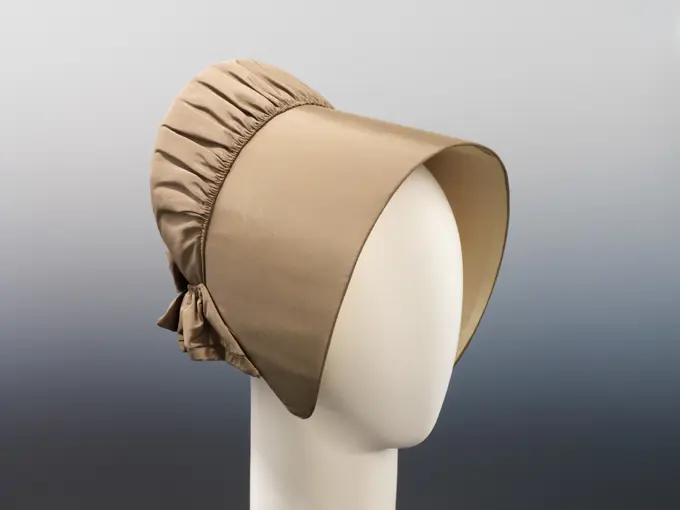
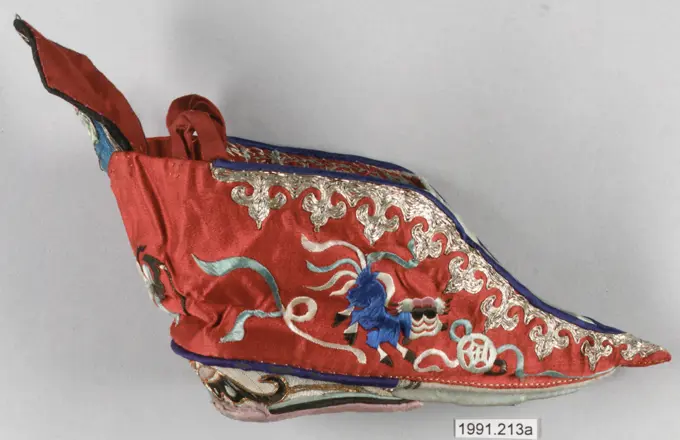
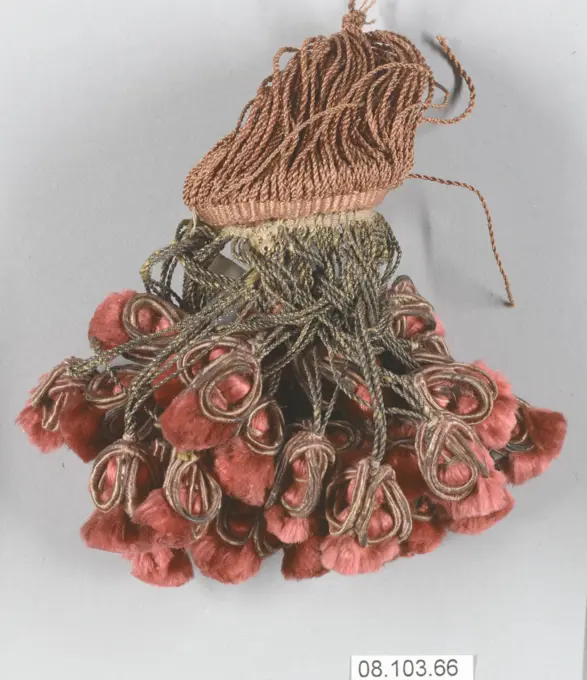
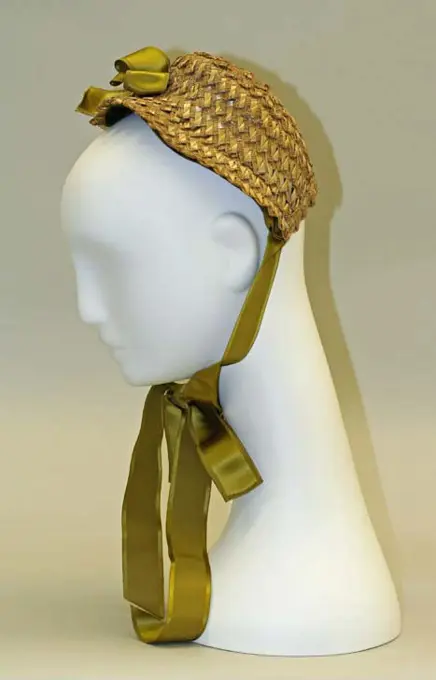
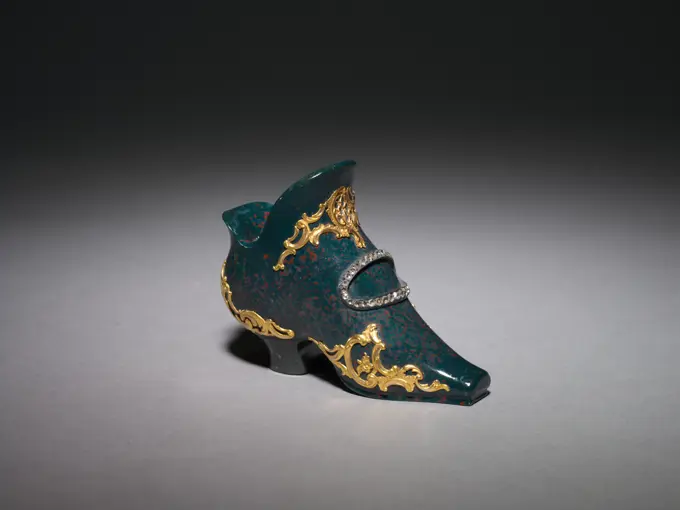
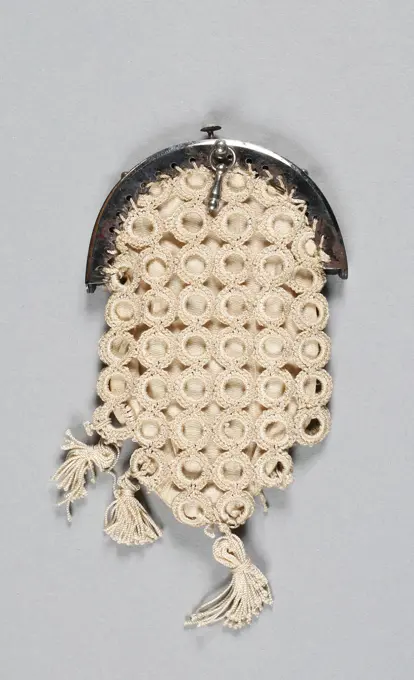
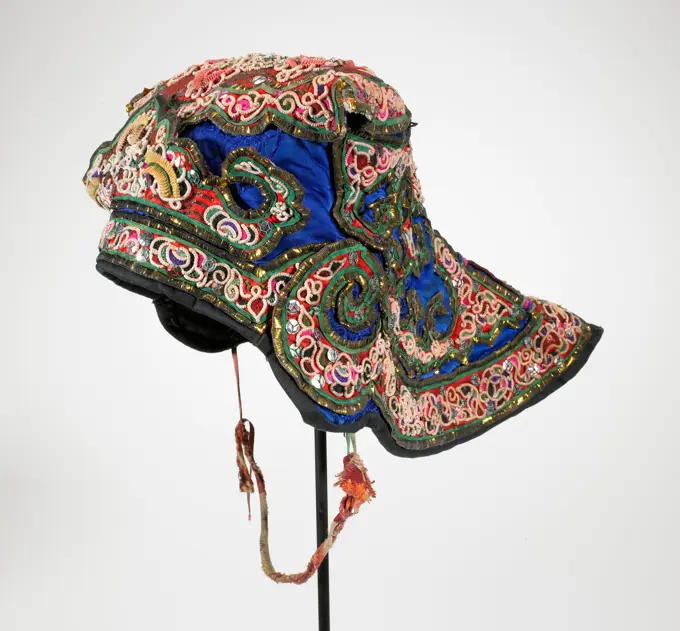
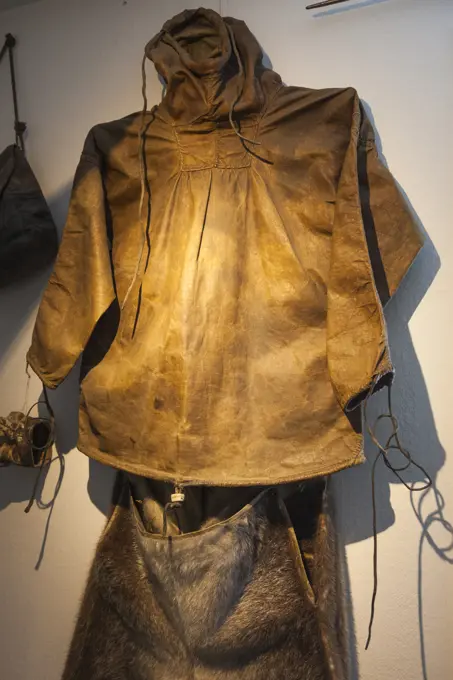
Children's hat of white cotton () Said with lace and numbered in Red Cross stitch with H8; one bow tire, anonymous Linen baby under hats, with side front and sides gem h8.  cotton (textile). Linen baby under hats, with side front and sides gem h8.  cotton (textile).Spencer. Culture: probably British. Date: 1804-14. Museum: Metropolitan Museum of Art, New York, USA.Chasuble. unknown, authorChasuble;  18th century (1701-00-00-1800-00-00);Lofelhoed from Batisit, ajour worked strips, white satin kinnebands, anonymous, c. 1910 Children's canopy hat from Batisit, Ajour worked strips, white satin interior tires. A smooth headband has been put on the flat oval bottom. Dressed strips have been put along the front opening and along the neckline. Embroidery strip with a pattern of a pendulum on the straight side, around which a branch winds with a flower hanging into the scallops. Open arches are set under this flower row. Switzerland Completely: Batiste. whole: Satin Children's canopy hat from Batisit, Ajour worked strips, white satin interior tires. A smooth headband has been put on the flat oval bottom. Dressed strips have been put along the front opening and along the neckline. Embroidery strip with a pattern of a pendulum on the straight side, around which a branch winds with a flower hanging into the scallops. Open arches are set under this flower row. Switzerland Completely: Batiste. whole: SatinPurse ca. 1795 British. Purse 117186Mitts 1820s probably French. Mitts 119627Poke bonnet. Culture: American. Date: ca. 1830. Museum: Metropolitan Museum of Art, New York, USA.Headdress -Sub -sleek of dotted tulle, anonymous, c. 1850 - c. 1900 Underemen of tulle with a recommended, fanning cuff. The sleeve is decorated with moes and strips of sewn tulle. The seam between sleeve and cuff is lined with a satin ribbon. West-Europa lint: satin Underemen of tulle with a recommended, fanning cuff. The sleeve is decorated with moes and strips of sewn tulle. The seam between sleeve and cuff is lined with a satin ribbon. West-Europa lint: satinTextile Fragment with Pheasant in Pearl Roundels. Central Asia, Soghdiana, 680-900 A.D.. Textiles; fragments. Silk weft-faced compound twill (samite)Pair of undersleevesBonnet ca. 1851 American. Bonnet 110149Fichu van Linnenbatist, square and on two sides trimmed with Flandres à Cinq Trous Kloskant, Anonymous, c. 1775 - c. 1800 Fichu van Linnenbatist, square and on two sides trimmed with Flandres à Cinq Trous Kloskant. Model: Square, folded and fixed in three places at the tip with stitches. Equipped with a piece of bias tape on which written with ink 'ms. G. Vis'. Decoration: wrinkled strip of bobbin. Sculpted and provided with floral motifs on a coarse fond. Flanderszaanstreek whole: Linen (Material). Side: Silk bobbin lace Fichu van Linnenbatist, square and on two sides trimmed with Flandres à Cinq Trous Kloskant. Model: Square, folded and fixed in three places at the tip with stitches. Equipped with a piece of bias tape on which written with ink 'ms. G. Vis'. Decoration: wrinkled strip of bobbin. Sculpted and provided with floral motifs on a coarse fond. Flanderszaanstreek whole: Linen (Material). Side: Silk bobbin laceBliżej Kultury unknownHat made of cotton batist decorated with moesjes, anonymous, c. 1800 - c. 1850 Cotton batist's hat decorated with moesjes. On the hat is a wrinkled strip of batist that is decorated with tambooering, and whose scallops is trimmed with a feston stitch. The hat closes by means of a cord that has been strung by the slider. Netherlands cotton (textile) Cotton batist's hat decorated with moesjes. On the hat is a wrinkled strip of batist that is decorated with tambooering, and whose scallops is trimmed with a feston stitch. The hat closes by means of a cord that has been strung by the slider. Netherlands cotton (textile)Stole. unknown, authorHat 19th century Russian. Hat. Russian. 19th century. Cotton, metal, linen, paperNine bell-shaped cushion covers with ball galon for garden bench made of green-white-printed heavy cotton with pattern of iris or lily bluvenes in pointed-in-so-growing stems in the style of William Morris ,, c. 1890 - c. 1900 Nine bell-shaped cushion covers with ball galon for garden bench made of green-white-printed heavy cotton with pattern of iris or lily bluvenes in Spitsovale growing up stems in the style of William Morris. Pattern: Large symmetrical irises or lilies with green, outlined white and light green petals on bottle green soil. They are in staggered rows within Spitsovaal rising double white outlined stems with twice a three -sheet at the nodes. England cotton (textile) printing Nine bell-shaped cushion covers with ball galon for garden bench made of green-white-printed heavy cotton with pattern of iris or lily bluvenes in Spitsovale growing up stems in the style of William Morris. Pattern: Large symmetrical irises or lilies with green, outlined white and light green peMantle 1885-87 probably German. Mantle 107713Shirt 1800-1850 American. Shirt 103172Mitts probably French 1820sMummy of a hawk, 1st-2nd century a.d.Bonnet 1853 American. Bonnet 104226War 1939-1945. Transport bag for Right's Rights of US PM. General Leclerc Museum of Hauteclocque and the Liberation of Paris, Jean Moulin Museum. 75311-24 American army, armament, military equipment, war 1939-1945, war 39-45, object, bag, canvas bag, Second World WarCap 19th century British. Cap 98194Luifelhoed van gele tafzijde.Canopy hat from yellow taft, decorated with white lace, colored silk 'blonde'. Semi-round sphere low against the head, wrinkled strip in the neck, 'bavolette'. In the sphere four, three hoops in the canopy. Two yellow moire ribbons.Bonnet ca. 1815 American. Bonnet 169842Pinafore 1860-69 American. Pinafore 104405Cap ca. 1850 American. Cap 168492Drawers early 19th century British. Drawers 91403Bliżej Kultury unknownChasuble;  XVII/18th century (1691-00-00-1701-00-00);Mail Shirt. Culture: possibly Iranian. Dimensions: H. 31 7/8 in. (81.0 cm); W. 54 in. (137.0 cm); W. of chest 15 11/16 in. (40.0 cm); Diam. (outside) of body links 9/16 in. (14.3 mm); Diam. (inside) of body links 13/32 in. (10.2 mm); Diam. (outside) of solid collar links 15/32 in. (12.2 mm); Diam. (inside) of solid collar links 11/32 in. (8.9 mm); Diam. (outside) of riveted collar links 13/32 in. (10.2 mm); Diam. (inside) of riveted collar links 3/16 in. (5.1 mm); Wt. 12 lb. 4 oz. (5562.0 g). Date: 16th century or later.Each ring of this mail shirt is stamped with the same Arabic inscription, "Allah, Muhammad, 'Ali, Fatima, Hasan, Husayn," referring to God, Muhammad, and the Prophet's immediate family, known as the "people of the cloak," who the Shi'a consider the holy family of Islam. Worn close to the warrior's body, their names had a talismanic value, offering spiritual as well as corporeal protection. Museum: Metropolitan Museum of Art, New York, USA.Slobkous of sand -colored linen cotton, on which four beige knots and a linen belt with metal buckle under the foot, c. 1900 - c. 1930 Slobkous of sand -colored linen cotton, on which four beige knots and a linen belt with metal buckle under the foot. Unsurbed but reinforced with cotton biesen. Netherlands whole: Cotton (textile). Buttons:. Buckle: Metal. Bies: Cotton (textile) Slobkous of sand -colored linen cotton, on which four beige knots and a linen belt with metal buckle under the foot. Unsurbed but reinforced with cotton biesen. Netherlands whole: Cotton (textile). Buttons:. Buckle: Metal. Bies: Cotton (textile)Brigandine Plate 1400-1450 Italian This is part of a large find of medieval armor discovered in 1840 in the ruins of the fortress of Chalcis, on the Greek island of Euboea (then a Venetian colony called Negroponte). The fortress had been captured and destroyed by the Turks in 1470. Now divided largely between the Ethnological Museum, Athens, and The Metropolitan Museum of Art, the Chalcis hoard contains many rare and unusual elements of fourteenth- and fifteenth-century armor. Of particular importance are the variety of headpieces and the many fragments of brigandines (armor for the torso constructed of small plates riveted to layers of fabric), some of which retain portions of their original velvet covering. The Chalcis armor provides a unique picture of the armament used in the Aegean, one of the easternmost military outposts of the Venetian empire.. Brigandine Plate 34344Chemisette ca. 1850 American. Chemisette. American. ca. 1850. CottonMitaine of white knitted cotton, anonymous, c. 1800 - c. 1820 Left mitaine made of white knitted cotton with an open thumb, decorated with a pattern of ajour checks. West-Europa whole: Cotton (textile) knitting Left mitaine made of white knitted cotton with an open thumb, decorated with a pattern of ajour checks. West-Europa whole: Cotton (textile) knittingHelmet of Mail 19th century Persian. Helmet of Mail 32109Purse (France); silk, metalEnsemble ca. 1880 probably American. Ensemble. probably American. ca. 1880. no medium availableDrawers 1840s American. Drawers. American. 1840s. linenSandal of white embroidered rips side, anonymous, c. 1735 - c. 1755 Sandals of white rips side, with chenille embroidery of flowers and tendrils in blazing colors, plain green omboard. No left/right difference. Very flat heels with cerise leather exaggerated. The wide forefoot ends slightly pointed, and has cruciate straps, buckle closure. Buckle no longer present. West-Europa Sole: Leather. whole: Silk embroidering Sandals of white rips side, with chenille embroidery of flowers and tendrils in blazing colors, plain green omboard. No left/right difference. Very flat heels with cerise leather exaggerated. The wide forefoot ends slightly pointed, and has cruciate straps, buckle closure. Buckle no longer present. West-Europa Sole: Leather. whole: Silk embroideringParasol with a deck -free linen on which in the same color (open) embroidery, lined with purple side, on a Konian light wooden stick, anonymous, c. 1908 Parasol of Écressliglig Linen with white embroidery. Each sector is straightened straight and provided with a machine-border, while open embroidery ('richelieu work') is applied in the form of winding stems, on which six-leaf rosette flowers and open leaves. Furthermore wide varied berries. Purple silk lining. Eight ribs. Wooden cone -shaped button with copper applique with portrait of a lady. A cord is tied with two sides brushes on the stick. Netherlands deck: Linen (Material). Lining: Silk. Stok: Wood (plant material). Button: Copper (Metal). Cord and brushes: embroidering / cutting / inlay (process) / braiding Parasol of Écressliglig Linen with white embroidery. Each sector is straightened straight and provided with a machine-border, while open embroidery ('richelieu work') is applied in the form of winding stems, on which six-leafMiser's purse, Medium: silk, steel Technique: crocheted, Soft green colored crocheted silk ornamented with cut steel beads in diamond pattern. Two hexagonal rings of cut steel control side closing. Cut steel drops, in faceted ball shape, at each end., France, early 19th century, costume & accessories, Miser's purseCorset cover. Culture: American. Date: 1860. Museum: Metropolitan Museum of Art, New York, USA.Pattens early 18th century British. Pattens 169033Aumonière. XIXth.Gloves early 18th century probably American. Gloves 119816Girl hat of linen, batist and gene nettle cloth, trimmed with two riding and bobbin, anonymous, c. 1890 - c. 1909 A baby hat of linen, batist and gene nettle cloth with horseshoe -shaped or round ball (for girls), decorated with bobbin strips. Belle Époque. Netherlands (possibly) linen (material). batiste. buckram. Bobbi Lace / Valenciennes Lace A baby hat of linen, batist and gene nettle cloth with horseshoe -shaped or round ball (for girls), decorated with bobbin strips. Belle Époque. Netherlands (possibly) linen (material). batiste. buckram. Bobbi Lace / Valenciennes LaceTrousers. Culture: Italian. Date: 16th century. Museum: Metropolitan Museum of Art, New York, USA.Bliżej Kultury unknownSunbonnet 1850 American. Sunbonnet 116794Embroidered Sleeves, 19th century. America, 19th century. average: 42.7 x 39.1 cm (16 13/16 x 15 3/8 in.).Cap, 1800s. Germany, 19th century. Linen; overall: 20.3 x 15.2 x 12.7 cm (8 x 6 x 5 in.).Evening hat ca. 1895 Madame Tierce. Evening hat 169657Large semi-circular sun hat, natural colored ribbon straw, edge of pleated chintz, sun hat hat headgear women's clothing clothes regional straw cotton, to 240.0 (without cushion) textile Large semi-circular sun hat natural-colored band straw low flat ball very wide rim lining of chintz and edge of pleated sits sits woman's head coveringA Pair of Southern Arapaho Beaded Hide Hightop Moccasins Native American Art . Bonnet coiffure from green velvet, tulle and machining decorated with gold-colored metal frills, leaves and beads. Model: Cap with tire from Laiton around an interior of coarse mesh white tulle. Decoration: The Laiton band is covered by a three cm wide edge of draped green velvet. On both sides it is velvet decorated with a number of golden leaves. Also equipped with an ornament from gold-plated glass drops on the right. Left and right approx. 14 cm long, dependent green velvet slippers, which are deposited with approx. Six cm long gold-colored metal fringes, ending in facet cut metal beads.Parasol ca. 1835 American. Parasol 107303Hat 1830s French. Hat 113314Fall of batist with machining, for a taboo. Batist Trap With a Mechanical Side for a Taboo in a Boudoir.Armored Saddle 1600-1650 France. Wood, leather, canvas .Calash early 19th century American. Calash 116745Shirt, long, made of linen, anonymous, c. 1590 - c. 1596  Shirt, long, made of linen. The shirt is amazed, one sleeve is missing, collar (6.2 cm) with the right iron hook probably new and split-v-neck (18.6 cm deep).  linen (material)   Nova Zembla. Saving HuysStocking of white cotton, with ajour knitted and embroidered geometric decoration of Klink and rubbed, c. 1800 - c. 1900 Pair of white cotton stockings. Bold decoration of the instep to halfway through the tibia, 'pattes'. Pattern of alternating crossbands with diamond shapes and stretched hexagons and ends in a row of small pine trees. Brand B and embroidered brands MP. Netherlands (possibly) whole: Cotton (textile) knitting / embroidering Pair of white cotton stockings. Bold decoration of the instep to halfway through the tibia, 'pattes'. Pattern of alternating crossbands with diamond shapes and stretched hexagons and ends in a row of small pine trees. Brand B and embroidered brands MP. Netherlands (possibly) whole: Cotton (textile) knitting / embroideringShirt American 1820sShawl 1870-90 probably American. Shawl 168327Burse for viaticum with a stole, embroidered unknownFragment, Medium: cotton Technique: printed, Fragment with serpentine stripes in grey, pink and yellow with secondary ornamentation in white and red., England or USA, ca. 1850, printed, dyed & painted textiles, FragmentWoman's Bonnet. United States, mid-19th century. Costumes; Accessories. SilkChalice cover, Medium: silk, metal Technique: embroidered, Conical-shaped cover for a chalice made in four sections. Red velvet, embroidered in gold in a stylized plant design. Fringe and tassels of silk and gold. Lined with green silk., Italy, 16th-early 17th century, costume & accessories, Chalice coverBonnet Irish ca. 1840Cape 1878 American. Cape 103881Mummy Bundle "Mask", 200 BC-1. Peru, South Coast, Ica Valley, Ocucaje site, Paracas style (700 BC-AD 1). Plain warp-faced cloth, painted; overall: 71.7 x 20.9 cm (28 1/4 x 8 1/4 in.).Parasol ca. 1890 American. Parasol 107564Black cape unknownBatist lower sleeve with blue satin ribbon and lace cuff, anonymous, c. 1850 - c. 1900 Onderemen of cotton batist with a recommended strip that runs from the elbow to the wrist. Between the sleeve and this strip a border side, through which a blue satin ribbon is woven. Cuff with two Entre-Deux from Kloskant. In between, a bordered bobbin side. On the cuff also a recommended strip of bobbin. West-Europa Batiste. board:. ribbon: Satin bobbin lace Onderemen of cotton batist with a recommended strip that runs from the elbow to the wrist. Between the sleeve and this strip a border side, through which a blue satin ribbon is woven. Cuff with two Entre-Deux from Kloskant. In between, a bordered bobbin side. On the cuff also a recommended strip of bobbin. West-Europa Batiste. board:. ribbon: Satin bobbin lacePair of Shoes. UnknownSlippers 1835-45 French While plain black or white satin slippers were favored for eveningwear in the second quarter of the 19th century, daywear shoes, particularly house slippers, could be more colorful and ornate. The appealing embroidery on this pair of tabbed slippers transforms an otherwise mundane object and reflects the lingering taste for neoclassical designs. Curiously, the heavy sole and small wedge heel suggest that they were intended for public wear, as opposed to domestic confinement, however shoes where generally considered excessively immodest and inappropriate for walking and visiting at this time.. Slippers 156121Slippers 1795-1810 possibly American. Slippers. possibly American. 1795-1810. LeatherBonnet ca. 1850 American Reason for Special 4000: Shows simplicity of form and exquisite workmanship that Quaker hats were renowned for, indicated by fine stitching across crown and beautiful curve of brim. Instead of the deep pleats often used by Quakers, this model is gathered where the crown meets the brim, giving the illusion of being pleated. While Quaker fashion followed the trends of the day, Quaker bonnets kept to a plainer style with only minor changes. Designed in a capote style, these bonnets followed an 1840s sensibility in the angle of the brim with little or no change in the depth. The stiffness and tan color are distinctive features of Quaker bonnets. Given such reasons, Quaker bonnets are difficult to date. Accession records note "belonged to Mrs. John J. Merritt, great grandmother of Winthrop Trowbridge who lived at 114-116 Columbia Heights from 1827-1871". Bonnet 156819Slippers late 19th century China. Slippers. China. late 19th century. Silk satin embroidered with silk and metallic thread. Qing dynasty (1644-1911). Textiles-CostumesTassel 16th century French. Tassel. French. 16th century. Silk and metal thread. Textiles-TrimmingsSpencer. Culture: American. Date: 1818-19. Museum: Metropolitan Museum of Art, New York, USA.Bourse. Gal1969.88.3Overshoe -Bonnet 1880s American or European. Bonnet 113221Underwear China 19th centuryARTE AFRICANO. REINOS NEGROAFRICANOS. BAMBARA. Pueblo de raza melanoafricana, perteneciente al grupo mandé. Habitan entre Guinea, Senegal, Mauritania y Costa de Marfil. MARIONETA ANTROPOMORFA. Realizada en madera, piel y ropa. Utilizada en distintas ceremonias. MALI (pueblo bambara). AFRICA. Museu Etnològic. Barcelona. Cataluña.Miniature Shoe, c. 1895-1900. House of Fabergé (Russian, 1842-1918), attributed to Mikhail Evlampievich Perkhin (Russian, 1860-1903). Bloodstone, gold, diamonds, silver; overall: 7.2 x 8.9 x 3.4 cm (2 13/16 x 3 1/2 x 1 5/16 in.).Model Sheet from a Foundation Deposit for Hatshepsut's Temple ca. 1479-1458 B.C. New Kingdom. Model Sheet from a Foundation Deposit for Hatshepsut's Temple. ca. 1479-1458 B.C.. Linen. New Kingdom. From Egypt, Upper Egypt, Thebes, Deir el-Bahri, Temple of Hatshepsut, Foundation Deposit 2a (B), MMA excavations, 1921-22. Dynasty 18Shoe of golden corner with straight cut nose and without heel and cross tires of brown ribbon.Shot from Golden Corn Leather. Left / Right Equal. Model: Right Cut Nose. No whole. Crocklet lines from brown ribbon. White Leather Lining, For The Toe With Linen. Slight Damage to The NoseStocking of ajour knitted white cotton with wide board, c. 1900 - c. 1910 Stocking of Ajour knitted white cotton with wide board, knitted right-welded. Hand knitted, yellowed compared to A-1. Surabaya whole: Cotton (textile) knitting Stocking of Ajour knitted white cotton with wide board, knitted right-welded. Hand knitted, yellowed compared to A-1. Surabaya whole: Cotton (textile) knittingWallet. XIXth. GAL1981.113.23Fragment green Zijddamast, Anonymous, c. 1700 - c. 1725 Three fragments of green silk damask. The pattern consists of a large sunflower with two poppies tied together on either side, a rough side of which. Originally a kazuifel. France (possibly) silk damask Three fragments of green silk damask. The pattern consists of a large sunflower with two poppies tied together on either side, a rough side of which. Originally a kazuifel. France (possibly) silk damaskChild's Hat, 8 x 7 x 7 in. (20.32 x 17.78 x 17.78 cm), Cotton, metal, ChinaGreenland, Qaqortoq, Qaqortoq Museum, kayak room (PR) (Editorial Use Only)Hauberk, 1400s. European, 15th century. Steel and brass rings; diameter: 0.6 cm (1/4 in.); overall: 52.1 cm (20 1/2 in.).Czepiec unknown