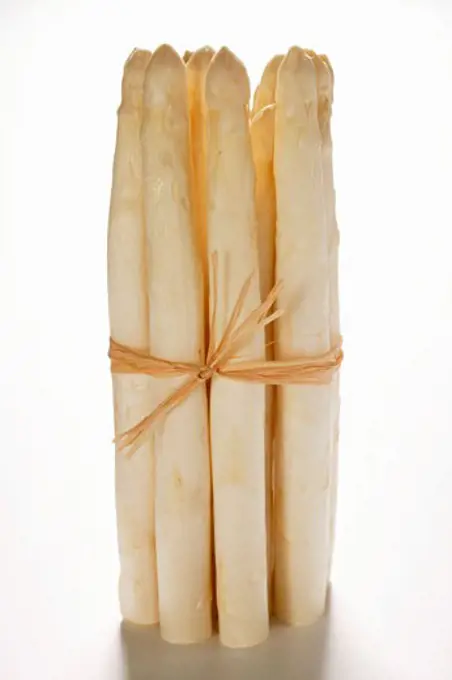
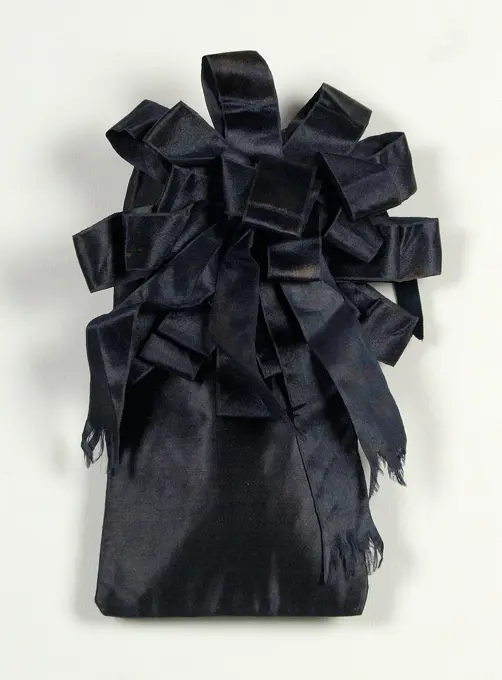
Vintage Clothing Items

Historical textile items including cotton stockings, gloves, and table covers showcasing elegant design and craftsmanship from the 19th century.

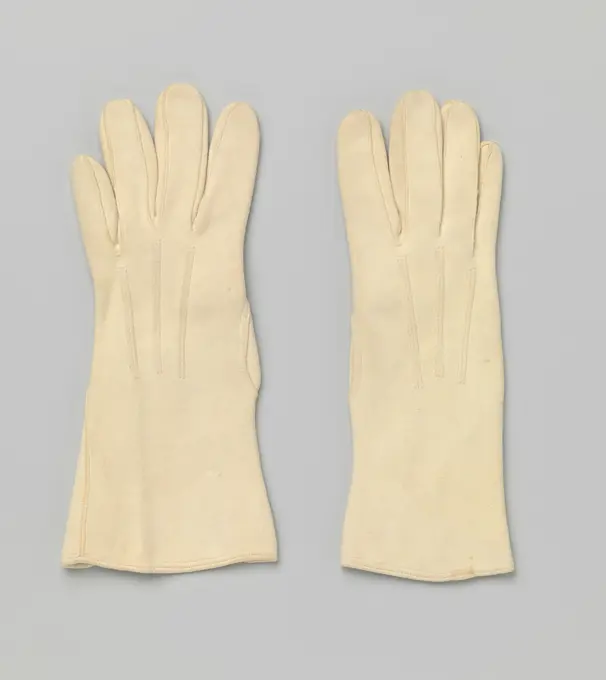
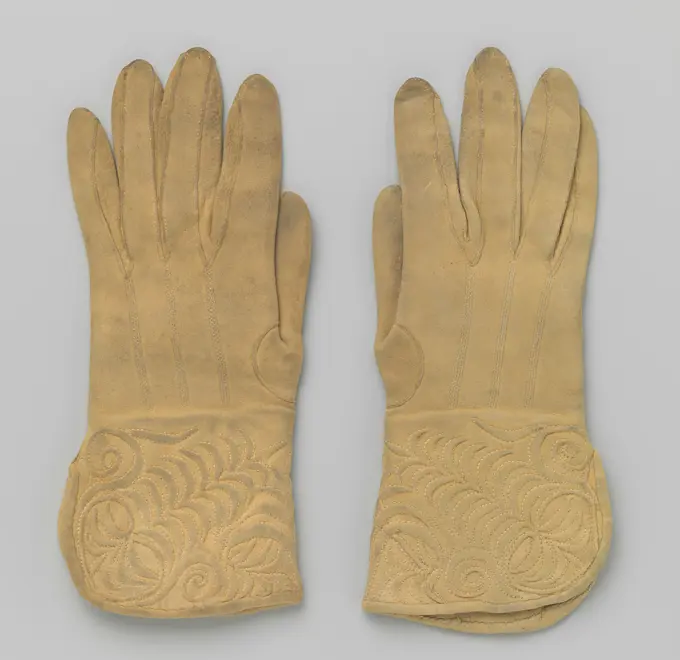
Pair of gloves, anonymous, c. 1910 - c. 1920 Left glove from Beige Varkensuede. Three stitched seams on the back West-Europa whole: Suede Left glove from Beige Varkensuede. Three stitched seams on the back West-Europa whole: Suede
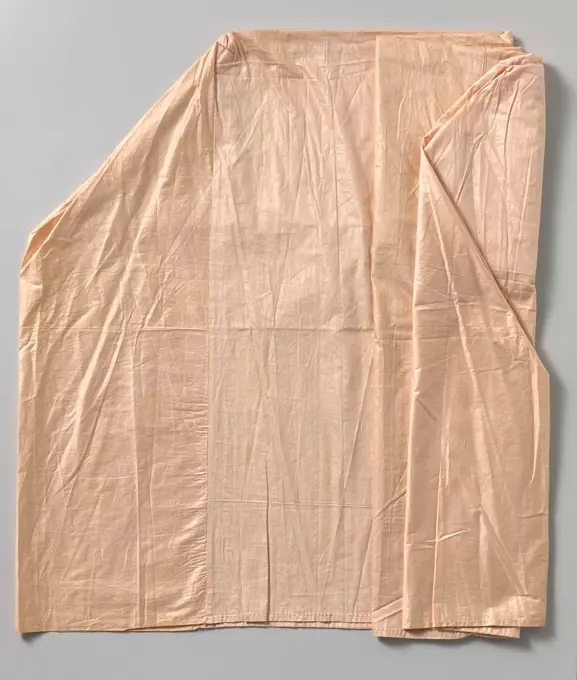
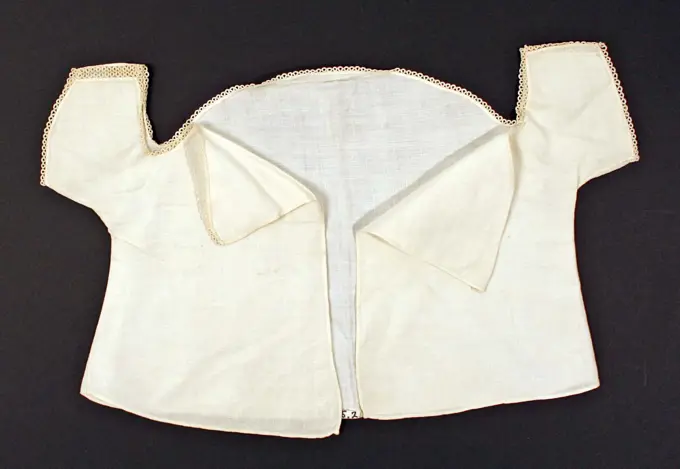
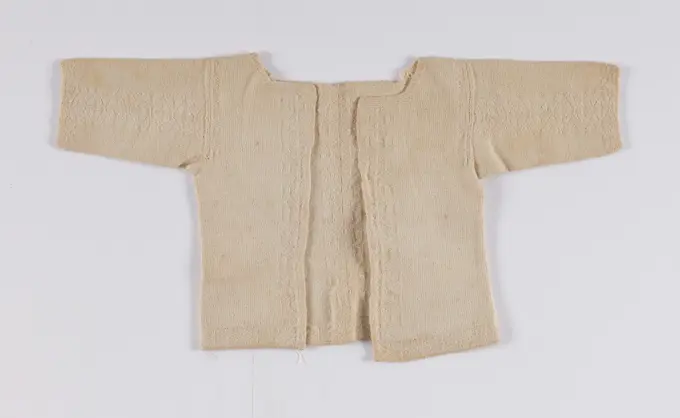
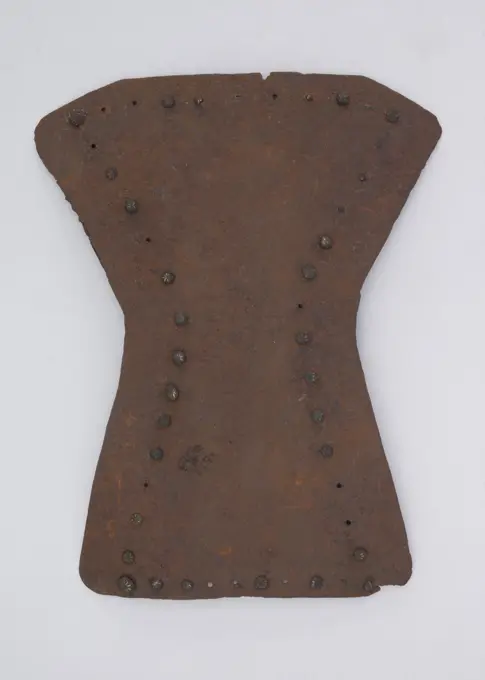
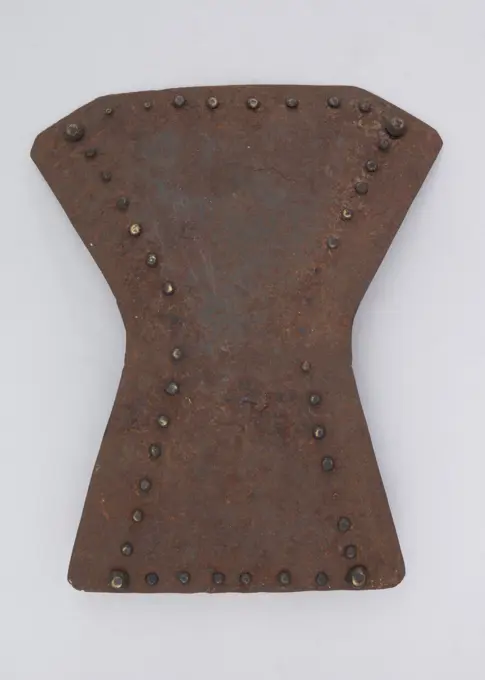
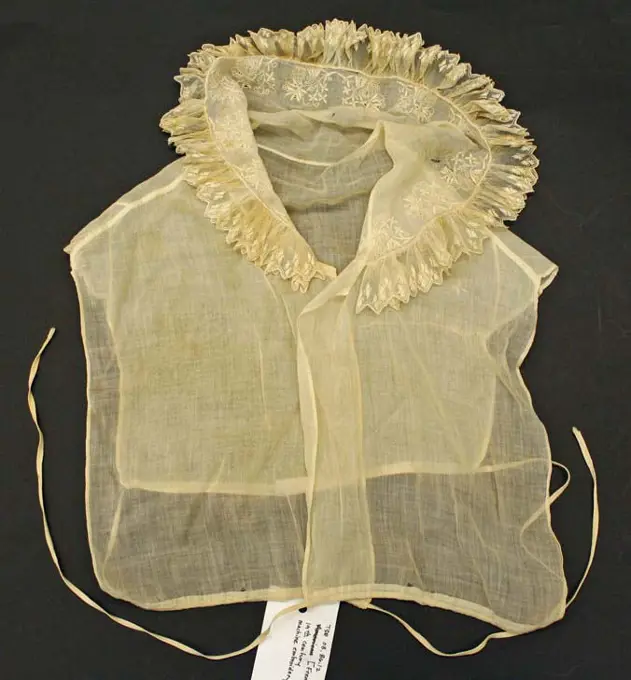
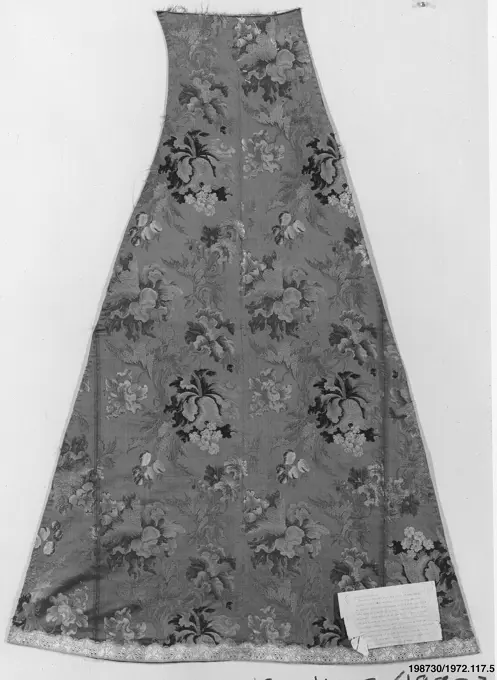
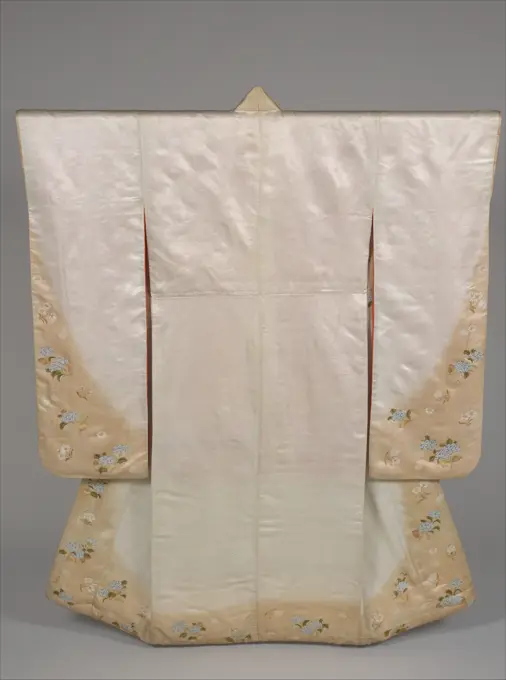
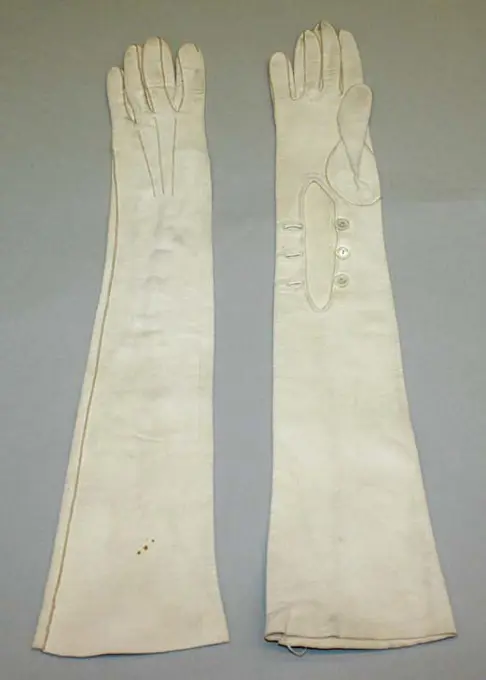
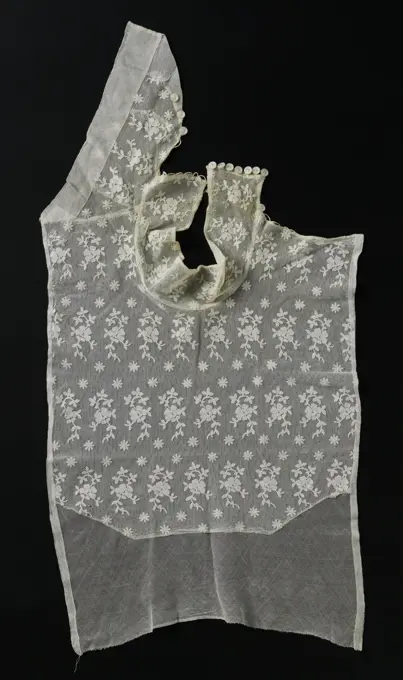
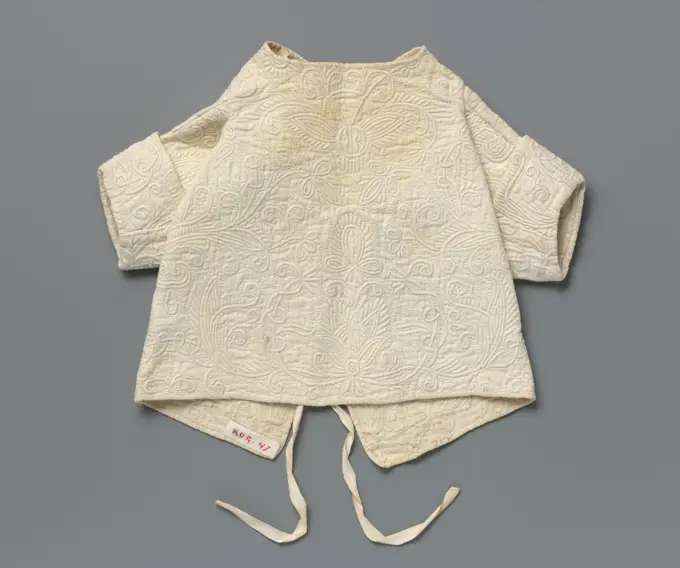
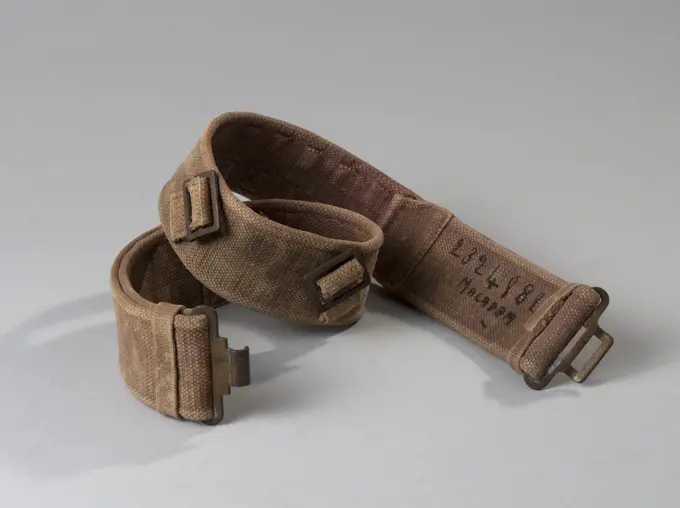
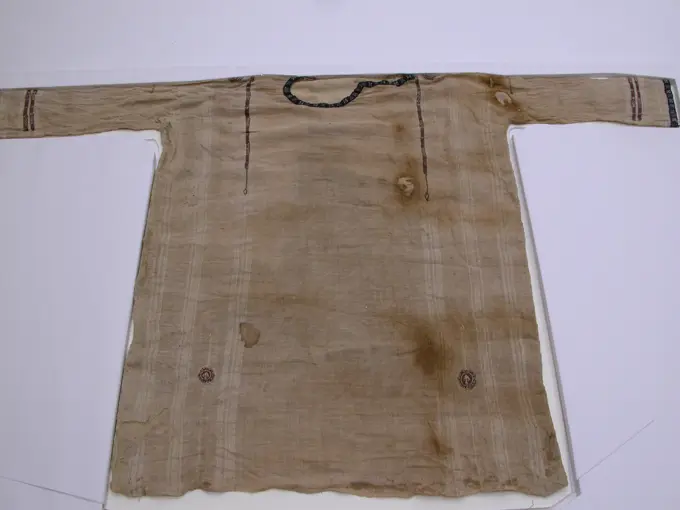
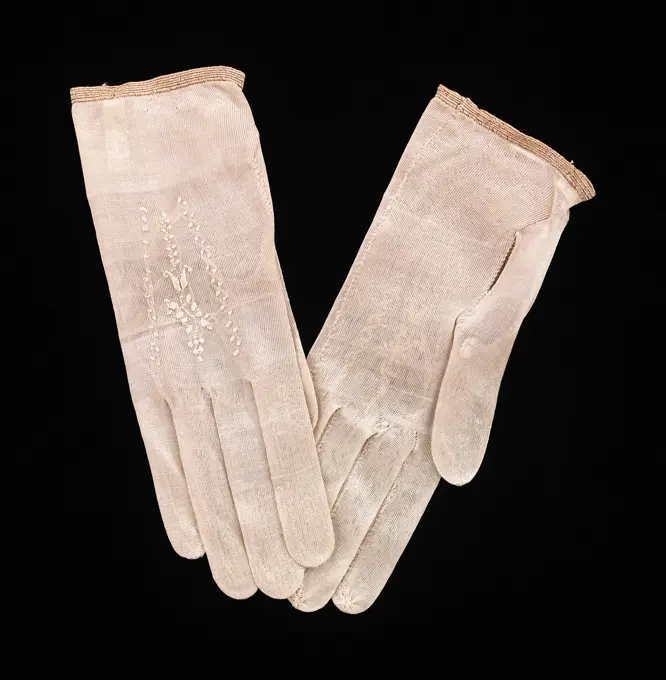
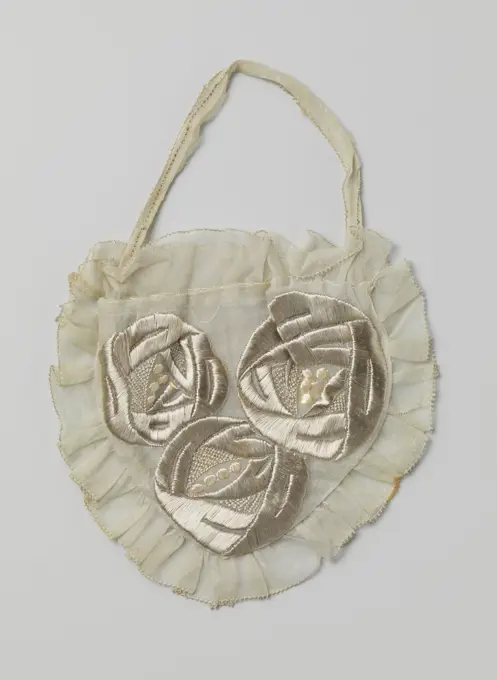
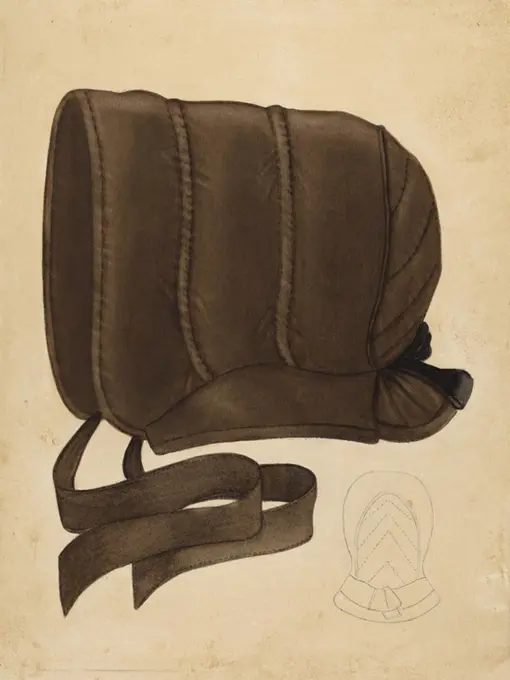
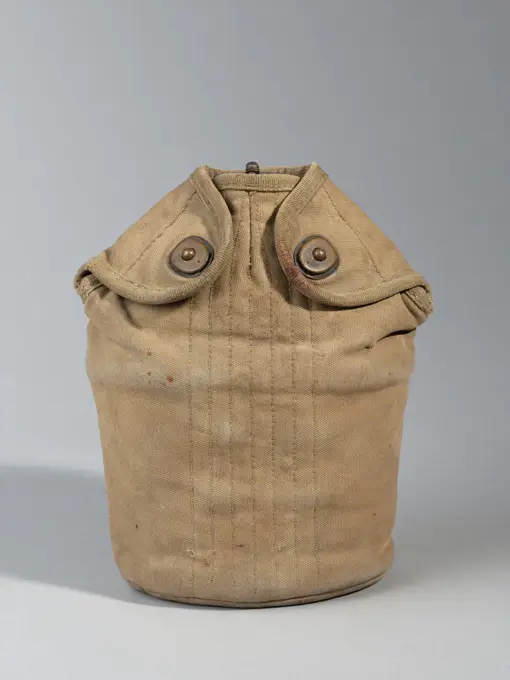
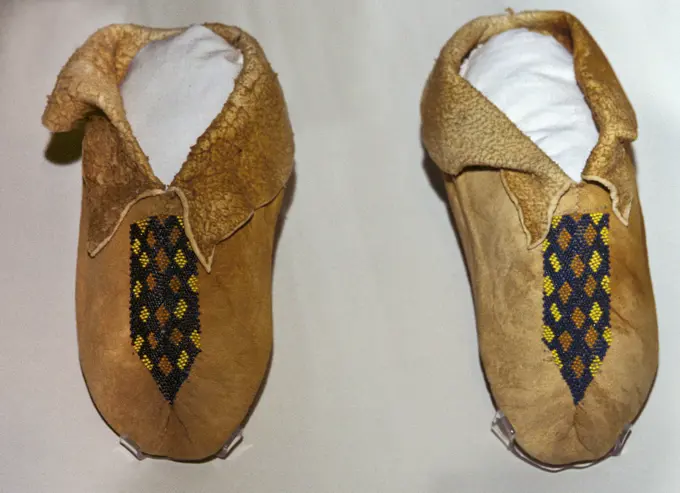
Stocking of plain white cotton jersey, with board in ajour decorative stitch of rows of fan -shaped motifs, scalloped edge, c. 1830 - c. 1840 Stocking of plain white cotton jersey, with border in ajour decorative stitch of rows of fan -shaped motifs, scalloped edge. Marked in red cross stitch: '12' and 'WM 12' Netherlands whole: Cotton (textile). knitting Stocking of plain white cotton jersey, with border in ajour decorative stitch of rows of fan -shaped motifs, scalloped edge. Marked in red cross stitch: '12' and 'WM 12' Netherlands whole: Cotton (textile). knittingTable cover or cover of pink cotton. Table cover or cover of pink cotton.Glove, gala glove, of white wax leather with closing of mother -of -pearl buttons, M. Laimböck, c. 1930 Left gloves of white wax leather, with closing of four mother -of -pearl knots. Close -fitting model, over the entire upper arm. Under the elbow a pointed ornamental stitching. Address: Gant Lavable/ Laimböck/ Tyrol, Amsterdam/ K. Hofverlemonmier/ 6 3/4. Amsterdam whole: Chamois (Animal Material). Buttons: Mother of Pearl Left gloves of white wax leather, with closing of four mother -of -pearl knots. Close -fitting model, over the entire upper arm. Under the elbow a pointed ornamental stitching. Address: Gant Lavable/ Laimböck/ Tyrol, Amsterdam/ K. Hofverlemonmier/ 6 3/4. Amsterdam whole: Chamois (Animal Material). Buttons: Mother of PearlGlove, gala glove, of white wax leather with closing of mother -of -pearl buttons, c. 1930 Right gloves of white wax leather, with closing of four mother -of -pearl buttons. Close -fitting model, over the entire upper arm. Under the elbow a pointed ornamental stitching. Address: Gant Lavable/ Laimböck/ Tyrol, Amsterdam/ K. Hofverlemonmier/ 6 3/4. Amsterdam whole: Chamois (Animal Material). Buttons: Mother of Pearl Right gloves of white wax leather, with closing of four mother -of -pearl buttons. Close -fitting model, over the entire upper arm. Under the elbow a pointed ornamental stitching. Address: Gant Lavable/ Laimböck/ Tyrol, Amsterdam/ K. Hofverlemonmier/ 6 3/4. Amsterdam whole: Chamois (Animal Material). Buttons: Mother of PearlGlove of white cotton knitted, anonymous, c. 1850 - c. 1900 Knitted glove of white cotton with open fingertips. Three double tendon stripes on the back. West-Europa whole: Cotton (textile) knitting Knitted glove of white cotton with open fingertips. Three double tendon stripes on the back. West-Europa whole: Cotton (textile) knittingPair or gloves. Left glove from white corner leather. On the back Dire Radiating cords. At the wrist a split with a white glass knot.Body of Wit Netteldoek, Anonymous, 1850 - 1910 The body closes with 5 metal hooks. Part of Wit Neteldoek dress. Netherlands Buckram. brackets: Metal The body closes with 5 metal hooks. Part of Wit Neteldoek dress. Netherlands Buckram. brackets: MetalPair of gloves, anonymous, c. 1910 - c. 1920 Left glove from Beige Varkensuede. Three stitched seams on the back West-Europa whole: Suede Left glove from Beige Varkensuede. Three stitched seams on the back West-Europa whole: SuedeRug or baptismal rug with tambooering, anonymous, c. 1840 Dress with embroidery. Rectangular model. The pattern has wide thrown blocks of nine poesjes within an edge of stripped leaves. The interior limit of the edge is corrugated and the outdoor border has alternated flower vines by kashmir motifs. The rug has a wrinkled strip along the edge. The pattern of the strip has a scallop with arches and rosettes. The rug is lined with ledzijds and a strip of tulle on which the brand letters: TBLL. Netherlands silk. embroidering Dress with embroidery. Rectangular model. The pattern has wide thrown blocks of nine poesjes within an edge of stripped leaves. The interior limit of the edge is corrugated and the outdoor border has alternated flower vines by kashmir motifs. The rug has a wrinkled strip along the edge. The pattern of the strip has a scallop with arches and rosettes. The rug is lined with ledzijds and a strip of tulle on which the brand letters: TBLL. Netherlands silk. embroideringSlobkous of sand -colored linen cotton, on which four beige knots and a linen belt with metal buckle under the foot, anonymous, c. 1900 - c. 1930 Slobkous of sand -colored linen cotton, on which four beige knots and a linen belt with metal buckle under the foot. Unsurbed but reinforced with cotton biesen. Netherlands whole: Cotton (textile). Buttons:. Buckle: Metal. Bies: Cotton (textile) Slobkous of sand -colored linen cotton, on which four beige knots and a linen belt with metal buckle under the foot. Unsurbed but reinforced with cotton biesen. Netherlands whole: Cotton (textile). Buttons:. Buckle: Metal. Bies: Cotton (textile)Shirt 1874 American. Shirt 103766Baby's robe. unknown, authorFrivolité bag, flat, square model of dark green satin with scattered dots and a black ribbon in a tunnel along the top edge. Frivolité bag, flat, square model of dark green satin with scattered dots and a black ribbon in a tunnel along the top edge.Infant's JacketBrigandine Plate Italian 1350-1450 This is part of a large find of medieval armor discovered in 1840 in the ruins of the fortress of Chalcis, on the Greek island of Euboea (then a Venetian colony called Negroponte). The fortress had been captured and destroyed by the Turks in 1470. Now divided largely between the Ethnological Museum, Athens, and The Metropolitan Museum of Art, the Chalcis hoard contains many rare and unusual elements of fourteenth- and fifteenth-century armor. Of particular importance are the variety of headpieces and the many fragments of brigandines (armor for the torso constructed of small plates riveted to layers of fabric), some of which retain portions of their original velvet covering. The Chalcis armor provides a unique picture of the armament used in the Aegean, one of the easternmost military outposts of the Venetian empire.Bundle of white asparagusMitaine of white knitted cotton, c. 1750 - c. 1800 Mitaine made of white knitted cotton with a blown pattern of wide and narrow zigzig straps and snow stars. The part that falls over the palm is subdivided into five scallops. No thumb. Zaanstreek whole: Cotton (textile) knitting Mitaine made of white knitted cotton with a blown pattern of wide and narrow zigzig straps and snow stars. The part that falls over the palm is subdivided into five scallops. No thumb. Zaanstreek whole: Cotton (textile) knittingSleeve Fragments; silk, metallicGlove made of gray blue knitted silk and wool. Left glove from coarse light gray knitted silk and wool. Roughed inside.Shirt mid-19th century American. Shirt 90676Glove from white thick corner leather. Left glove from white thick leather leather, on the back three radiating cords, split with clasp with two buttons of mother-of-pearl. Address: Stamped Z .. Austria, Tyrol, possibly fa. Laimböck, ca. 1910-1930.Shirt French ca. 1865Fichu of natural -colored silk, triangular and on two sides trimmed with passion of gold thread, anonymous, c. 1740 - c. 1760 Fichu of natural -colored silk, triangular and trimmed along two sides with a passion of gold thread. Model: A strip of passion has been put along the unfinished side along the two sides (machine). On the long side, a hem is fixed with irregular stitching stitches. Decoration: A stacked ornament with leaf and floral motifs in the point. The passion is trimmed with a frills of closed loops. Netherlands (possibly) whole: Silk. Passement:. Passement: embroidering Fichu of natural -colored silk, triangular and trimmed along two sides with a passion of gold thread. Model: A strip of passion has been put along the unfinished side along the two sides (machine). On the long side, a hem is fixed with irregular stitching stitches. Decoration: A stacked ornament with leaf and floral motifs in the point. The passion is trimmed with a frills of closed loops. Netherlands (posBrigandine Plate 1400-1450 Italian This is part of a large find of medieval armor discovered in 1840 in the ruins of the fortress of Chalcis, on the Greek island of Euboea (then a Venetian colony called Negroponte). The fortress had been captured and destroyed by the Turks in 1470. Now divided largely between the Ethnological Museum, Athens, and The Metropolitan Museum of Art, the Chalcis hoard contains many rare and unusual elements of fourteenth- and fifteenth-century armor. Of particular importance are the variety of headpieces and the many fragments of brigandines (armor for the torso constructed of small plates riveted to layers of fabric), some of which retain portions of their original velvet covering. The Chalcis armor provides a unique picture of the armament used in the Aegean, one of the easternmost military outposts of the Venetian empire.. Brigandine Plate 27677Glove of gray, beige chamois leather, anonymous, c. 1900 - c. 1915 Left glove of gray, beige chamois leather. Three radiating cords on the back. West-Europa whole: Chamois (Animal Material) Left glove of gray, beige chamois leather. Three radiating cords on the back. West-Europa whole: Chamois (Animal Material)Glove of brown shine cotton, anonymous, c. 1900 - c. 1925 Right glove of brown shine cotton with three radiating cords on the hand. Split with two press studs. West-Europa whole: Cotton (textile) Right glove of brown shine cotton with three radiating cords on the hand. Split with two press studs. West-Europa whole: Cotton (textile)Chemisette 18th century-19th century French. Chemisette 98257Piece 1730s French. Piece 229396Long-Sleeved Kimono (Furisode) with Hydrangeas and Cherry Blossoms early 20th century Japan A furisode is a robe with long, fluttering sleeves worn by young, unmarried women. The white satin of this furisode is dyed beige around the hem, collar-line (eri), and lower sections of the sleeves. Delicate cherry blossoms, symbols of spring, and blue hydrangeas, which usually bloom in June, are painted on the beige ground. Similar compositions appear in Meiji period kimono-pattern books, such as the Collection of Shōuns Patterns (1901).. Long-Sleeved Kimono (Furisode) with Hydrangeas and Cherry Blossoms 61846Glove of white knitted silk, c. 1800 - c. 1850 Left glove of white silk, with oval -shaped openings on the inside sides of the fingertips, on the back three radiating cords ending in flowers. Netherlands whole: Silk knitting Left glove of white silk, with oval -shaped openings on the inside sides of the fingertips, on the back three radiating cords ending in flowers. Netherlands whole: Silk knittingInner garment (nagajuban) 19th century Japan. Inner garment (nagajuban) 73690Light yellow side with breathed vertical stripes, in which alternately an oval -shaped motif, c. 1780 - c. 1800 Light yellow silk with a browned verical stripes, in which alternately an oval -shaped motif with a brown border and a blue 'eye', interspersed with small zigzag stitches. Netherlands whole: Silk knitting Light yellow silk with a browned verical stripes, in which alternately an oval -shaped motif with a brown border and a blue 'eye', interspersed with small zigzag stitches. Netherlands whole: Silk knittingGloves ca. 1900 French. Gloves 99147Witte Batist's hat with getting up and lace strips and two bow ribbons of the fabric; On the back of a rosette of white embroidery, anonymous, c. 1876 - c. 1880 Baby's hands, decorative hat, striped cotton and batist with a round ball and with embroidery and lace. A double side strip for the facial opening. Amsterdam cotton (textile). batiste. embroidering Baby's hands, decorative hat, striped cotton and batist with a round ball and with embroidery and lace. A double side strip for the facial opening. Amsterdam cotton (textile). batiste. embroideringBag, 20th century, 11 3/8 x 17 7/8 in. (28.9 x 45.4 cm), Synthetic, Thailand, 20th centuryPair of gloves with encrusted crochet design, c. 1910 - c. 1915 Right glove from cream -colored district. On the back three radiating cords and with machine crocheted. West-Europa whole: district crocheting Right glove from cream -colored district. On the back three radiating cords and with machine crocheted. West-Europa whole: district crochetingGlove from white knitted cotton with ajour fabric. Right glove from white cotton with ajour machine-knit; ZGN. "Kulier" tissue.While White unknownGuimpe lace plaque on mechanical tulle with roses and stars, anonymous, c. 1900 - c. 1909 Guimpe made of natural -colored lace -ups, machine embroidery on mechanical tulle. The board closes from behind with a row of seven knots, while the closure extends to the left shoulder. The front is wide and deep. The pattern consists of rows of roses interspersed by two rows of stars. Netherlands knoop: mother of pearl embroidering Guimpe made of natural -colored lace -ups, machine embroidery on mechanical tulle. The board closes from behind with a row of seven knots, while the closure extends to the left shoulder. The front is wide and deep. The pattern consists of rows of roses interspersed by two rows of stars. Netherlands knoop: mother of pearl embroideringSleeved undergarment, late 19th century, 24 x 60 in. (61 x 152.4 cm), Bamboo, China, 19th centuryGlove from J.R. Thorbecke, c. 1850  Glove belonging to official costume of J.R. Thorbecke as Minister of the Interior. Netherlands leatherUnsurtered children's jacket with sleeve with wide cover and three times two bow tires of white cotton, decorated with Zaans stitching with floral motifs, anonymous Unfarted children's jacket with sleeve with wide cover and three times two bow tires of white cotton, decorated with Zaans stitching with floral motifs.  cotton (textile) embroidering Unfarted children's jacket with sleeve with wide cover and three times two bow tires of white cotton, decorated with Zaans stitching with floral motifs.  cotton (textile) embroideringShirt. Culture: British. Date: 1830-40. Museum: Metropolitan Museum of Art, New York, USA.Stocking of plain knitted white cotton with ajour board, children's size, anonymous, c. 1840 - c. 1850 Stocking of plain knitted white cotton with ajour board, children's size. Marked in Red Cross stitch: '3rvg 3'. Part of a few. Netherlands whole: Cotton (textile) knitting / embroidering Stocking of plain knitted white cotton with ajour board, children's size. Marked in Red Cross stitch: '3rvg 3'. Part of a few. Netherlands whole: Cotton (textile) knitting / embroidering. Right glove from brown suede and black leather. Lined with nylon.Measuring tape on dressmakers modelFragment 17th century Italian. Fragment 230298Right glove of green spotted suede, c. 1910 - c. 1925 Left glove of green facade suede. On the back three radiating cords of black and green silk. At the split two mother -of -pearl snaps, trimmed with a beige leather trim. Netherlands whole: Leather. Buttons: Mother of Pearl. Cords: Silk Left glove of green facade suede. On the back three radiating cords of black and green silk. At the split two mother -of -pearl snaps, trimmed with a beige leather trim. Netherlands whole: Leather. Buttons: Mother of Pearl. Cords: SilkSpencer 1814-20 American or European. Spencer 108015Chemisette fourth quarter 19th century American. Chemisette. American. fourth quarter 19th century. CottonBody of Black Serge, Anonymous, 1870 - 1880 Serge body. Belonging to Pop BK-15444. Netherlands serge Serge body. Belonging to Pop BK-15444. Netherlands serge. Right (men) Gloves of leather with very wide caps, lined with blue satin, embroidered with silver thread and trimmed with silver frills. Frills of loops, deer () Leather, silver embroidery around the thumb.Morning cap ca. 1875 American. Morning cap 170372War 1939-1945. British belt pattern 1937. General Leclerc Museum of Hauteclocque and the Liberation of Paris, Jean Moulin Museum. 75314-16Fire brigade field cap MODUSKosode. Culture: Japan. Dimensions: 57 1/4 × 48 3/4 in. (145.4 × 123.8 cm). Museum: Metropolitan Museum of Art, New York, USA.Child's Tunic with Tapestry-Weave Ornament and Applied Bands 6th-9th century This charming child's tunic is decorated with a combination of purple tapestry-weave ornament and applied blue-ground, weft-pattern bands. Groupings of self-bands (ornamental bands of multiple, undyed weft threads) enliven the linen ground. The vestigial clavi and double sleeve bands are decorated with figure-eight knots and circles; the petite roundels consist of an ivy leaf surrounded by a running wave border. The applied blue bands are decorated with quincunx. Weft-pattern bands like those seen here became increasingly popular in the sixth and seventh centuries and are thought to be modeled on silk textiles with repeating patterns, which were cut into strips and applied to clothing.. Child's Tunic with Tapestry-Weave Ornament and Applied Bands. 6th-9th century. Linen, wool. Attributed to Egypt. TextilesYoung woman's bodice, 20th century, 9 x 25 in. (22.86 x 63.5 cm), Cotton; tie-dye, India, 20th centuryGloves 1840-60 American. Gloves 156405Child's Cap (possibly France); cotton, linenApron 1860 American. Apron 168379Bonnet ca. 1815 American. Bonnet 169843price tag label isolated on white backgroundMitts. Culture: British. Date: ca. 1770. Museum: Metropolitan Museum of Art, New York, USA.Gaiter. Pair of Widoter French army after the war. COUNTED MACHINE, LEATHER, PAINT, aluminum, 1950 museum. Museum of General Leclerc de Hauteclocque and the Liberation of Paris, Jean Moulin Museum. 78985-14Sleeve of white silk, long, smooth and cut around, with two embroidered dust buttons, anonymous, c. 1750 - c. 1800 Sleeve of white silk, long, smooth and cut around, with two embroidered dust buttons. Netherlands (possibly) silk embroidering / sewing Sleeve of white silk, long, smooth and cut around, with two embroidered dust buttons. Netherlands (possibly) silk embroidering / sewingWoman's MantlePair of Sleeves, 14 3/8 x 6 1/4 in. (36.51 x 15.88 cm) (each), Cotton, ChinaTextile Swatches Onondaga Silk Company, Inc. (1925-1981). , 1948-1959. Silk, a: 21 1/2 x 18 1/4 in. (54.6 x 46.4 cm).    1948-1959green women bag at hand isolated on white backgroundPair or Gloves with Double Cuff. Right glove from liver-colored artificial silk, with double hood, the bottom of which is red-brown and stuck slightly. Fringed with striped trim in yellow and red-brown. On the hand three radiating cords. Split with push button.Glove from white cotton. Right glove from white knitted cotton, men's model.Gloves of deer leather () With wide, pinned caps decorated with a symmetrical embossed motif, men's model. Left gloves of honorary leather () With wide, pinned covers decorated with a symmetrical embossed designed motif, men's model.Cap 18th century probably French. Cap 104294Suit 1855-65 French. Suit 103293Ensemble. Culture: American. Date: 1866-67. Museum: Metropolitan Museum of Art, New York, USA.Evening bag made of glass batist, with three embroidered silver -colored sides, anonymous, c. 1920 Evening bag made of glass batist in a shield shape, along which the entire edge a pleated strip. The front and back of the bag are embroidered with three silver-colored flowers from Vloszijd. The bag has a handle of glass batist and is also lined with glass batist. Netherlands (possibly) whole:. Embroidery: Silk embroidering Evening bag made of glass batist in a shield shape, along which the entire edge a pleated strip. The front and back of the bag are embroidered with three silver-colored flowers from Vloszijd. The bag has a handle of glass batist and is also lined with glass batist. Netherlands (possibly) whole:. Embroidery: Silk embroideringA man figurine Troger, Simon (1693 1768)Dust coat -Black Silk Tricot Mourning Glove With Two press studs, Anonymous, c. 1920 - c. 1950 Left glove of black silk jersey with slightly woven stripes pattern. A split with two press studs at the wrist. West-Europa (possibly) whole: Silk. Left glove of black silk jersey with slightly woven stripes pattern. A split with two press studs at the wrist. West-Europa (possibly) whole: Silk.Man's Boots (Hessian). probably England, circa 1820. Costumes; Accessories. Silk plain weave with weft float patterning and silk supplementary warp and weft patterning (brocade), and leatherCape ca. 1842 American. Cape 84392soft leather brown gloves isolated on white Sample (Dress Trimming). England or France. Date: 1815-1835. Dimensions: 50.48 × 40.64 cm (19 7/8 × 16 in.). Silk, plain weaves and silk, stain weaves; pieced; backed with linen, plain weaves; sized; cotton() batting; mounted to cotton, plain weave; sized. Origin: France. Museum: The Chicago Art Institute, Chicago, USA.Silk Bonnet. Dated: c. 1940. Dimensions: overall: 30.2 x 22.6 cm (11 7/8 x 8 7/8 in.). Medium: watercolor and graphite on paperboard. Museum: National Gallery of Art, Washington DC. Author: American 20th Century.Right glove of dark brown leather, c. 1900 - c. 1915 Right glove of dark brown leather. France whole: Leather Right glove of dark brown leather. France whole: LeatherUS M-42 can (Enamel Canteen). Canvas and felt sewn machine, black painted brass, iron, aluminum, enameled steel, plastic material, ink. 1942-1945. General Leclerc Museum of Hauteclocque and the Liberation of Paris, Jean Moulin Museum. 78980-18 American army, can, US-42 can, military equipment, felt, war 1939-1945, war 39-45, Second World War, canvasFragment of a tunic, anonymous, c. 400 - c. 699 Fragment of a tunic (), Consisting of a lane red and a job blue fabric with a wide and two narrow natural stripes. On the red fabric there are two strips with vase-shaped ornament with in it and next to it animal and plant motifs, including Haas, Lion, Bird, Flower with three sofa leaves. Fragment of a neck opening with an bording rope. Egypt Necklace and impact: Wool tapestry Fragment of a tunic (), Consisting of a lane red and a job blue fabric with a wide and two narrow natural stripes. On the red fabric there are two strips with vase-shaped ornament with in it and next to it animal and plant motifs, including Haas, Lion, Bird, Flower with three sofa leaves. Fragment of a neck opening with an bording rope. Egypt Necklace and impact: Wool tapestryBllet shoesPair of Shawnee child's moccasins made from deer hide and decorated with beadwork on the top frontsBreastplate with Fauld. Spanish; Inscription: Armorer's mark near right gusset. Date: 1480-1520. Dimensions: Without Fauld: 39.4 × 35.6 cm (15 1/2 × 14 in.)H. with Fauld: 41.9 cm (16 1/2 in.)Wt. 7 lb. 9 oz. Steel and leather. Origin: Flanders. Museum: The Chicago Art Institute, Chicago, USA.Blazer 1890s American. Blazer 91985Baby's Shoe. Dated: c. 1937. Dimensions: overall: 10.9 x 21.6 cm (4 5/16 x 8 1/2 in.). Medium: watercolor and graphite on paper. Museum: National Gallery of Art, Washington DC. Author: William Frank.Fingered Gauntlet for the Left Hand. Wolfgang Grosschedel; Southern German, Landshut, active 1551-1562. Date: 1525-1550. Dimensions: L. 33.7 cm (13 1/4 in.). Steel and leather, etched. Origin: Landshut. Museum: The Chicago Art Institute, USA.Tie unknownWoman's BustleJubka;  End of the 18th century (1791-00-00-1805-00-00);Brandt, Józef (painter - 1841-1915) - collection, gift (provenance), caftans, geometric ornamentsPair of old work glovesWig bag 1830-40 probably British. Wig bag 170547Evening Slipper. Dated: c. 1937. Dimensions: overall: 33.4 x 25.3 cm (13 1/8 x 9 15/16 in.). Medium: watercolor, graphite, and colored pencil on paper. Museum: National Gallery of Art, Washington DC. Author: William Kieckhofel.