Vintage Footwear and Artifacts

Historical artifacts including vintage shoes, decorative buckles, and ancient fragments, showcasing intricate designs from different eras.

Swan group (Swan Group). Set of miniature vases: "Pyxis". Ceramics with black figures, without incisions, purplish red highlights, 550-540 BC. AD Museum of Fine Arts of the City of Paris, Petit Palais. 99932-16 Antiquity, ceramic with black figures, rehabilitated red purplish, vieme life VI 6th 6th 6th century before av. JC, ancient
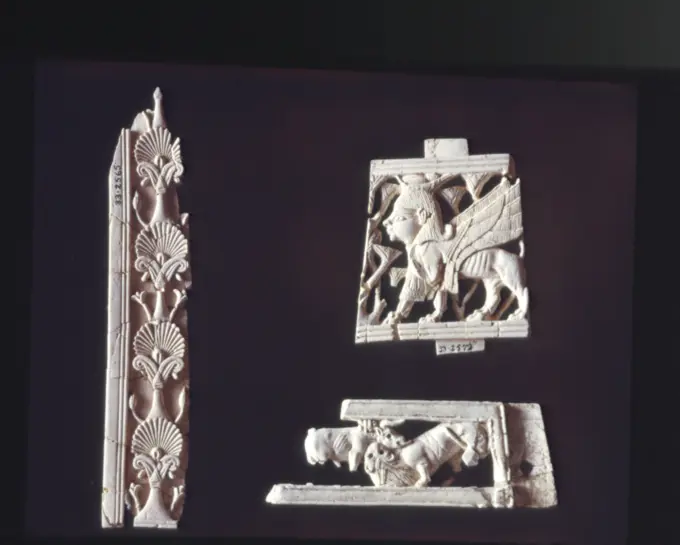
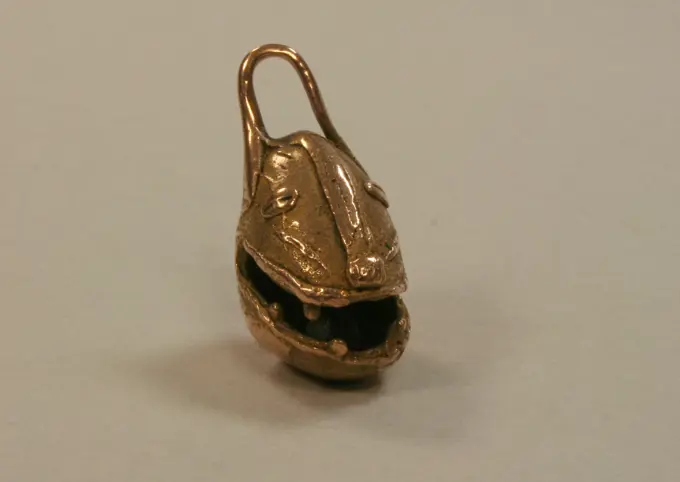
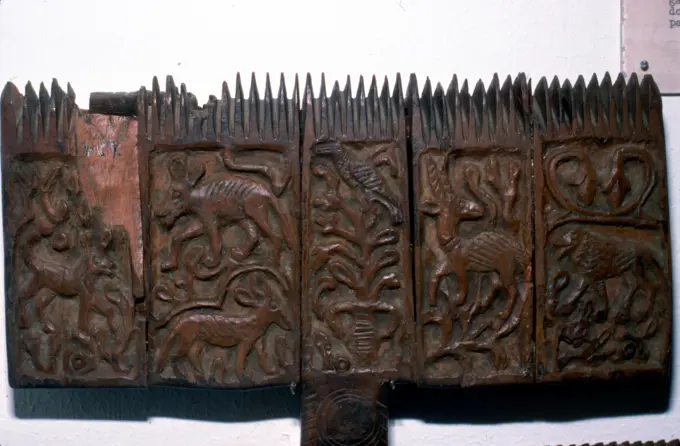
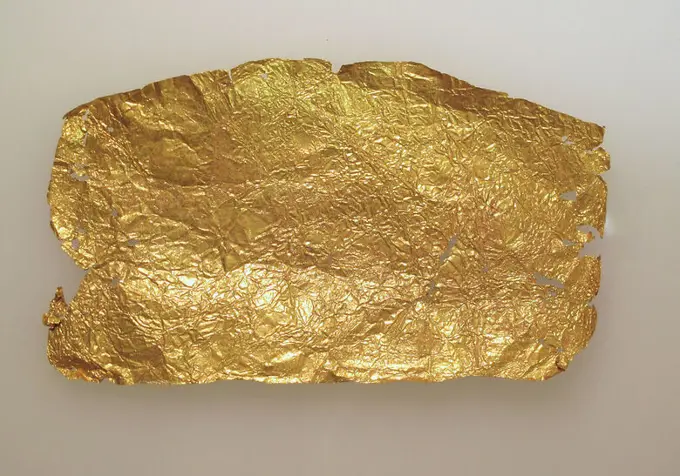
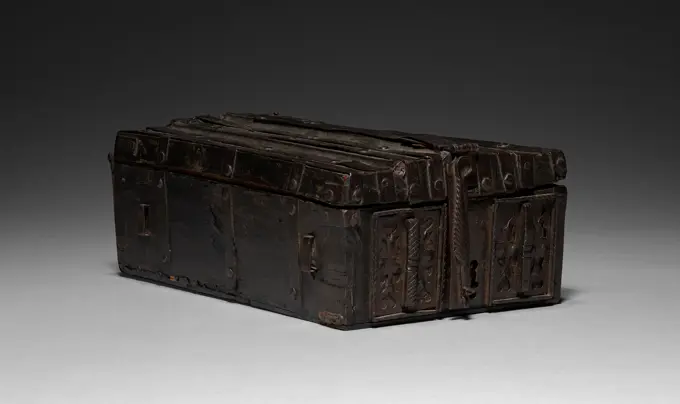
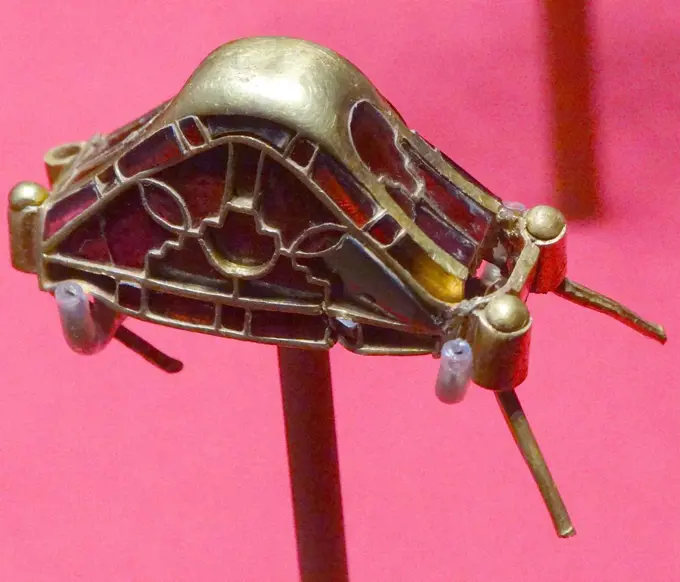
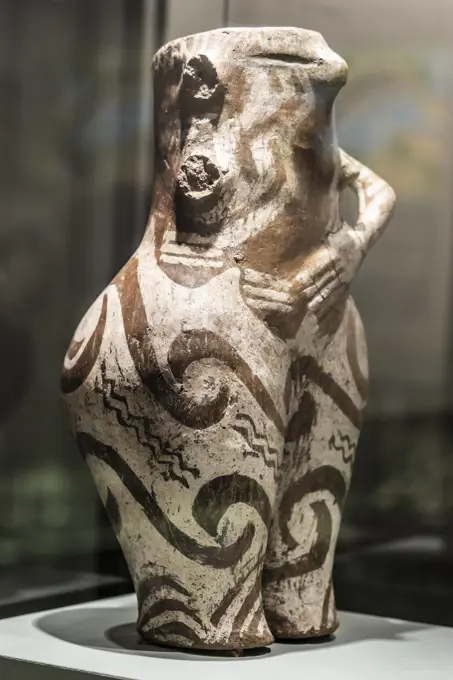
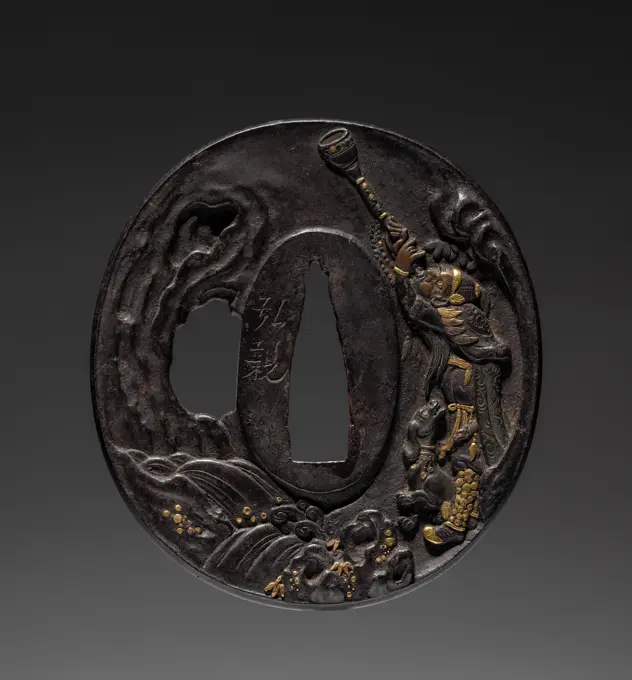
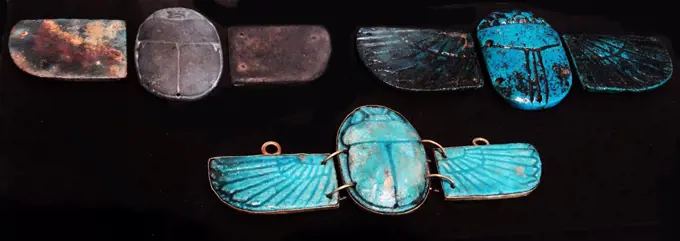
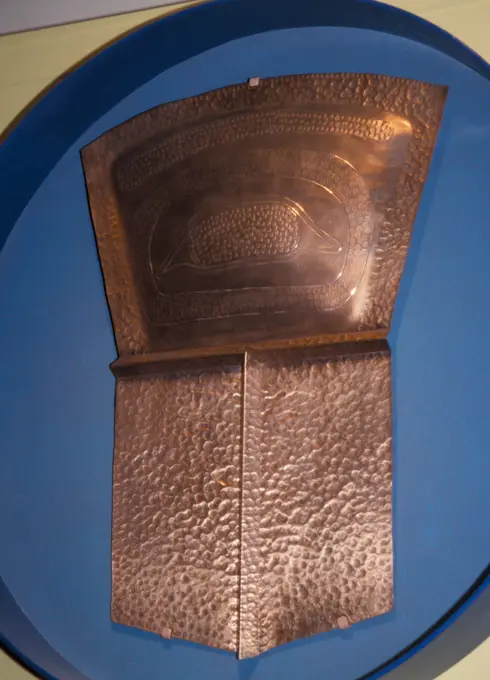
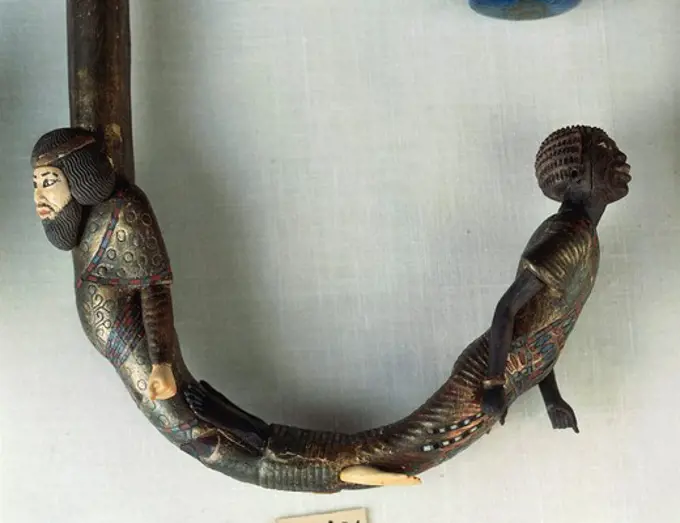
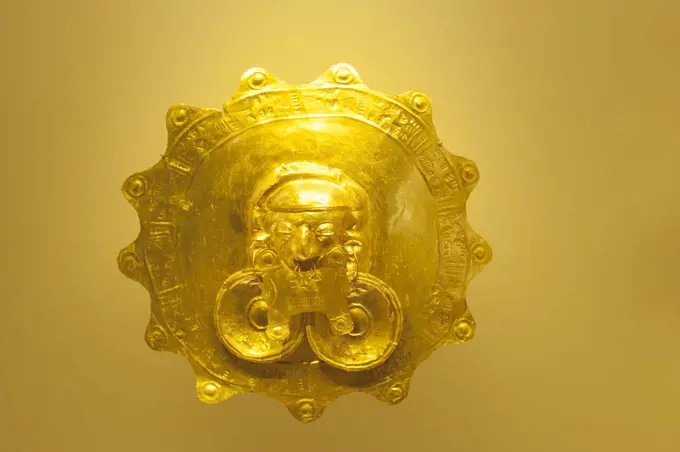
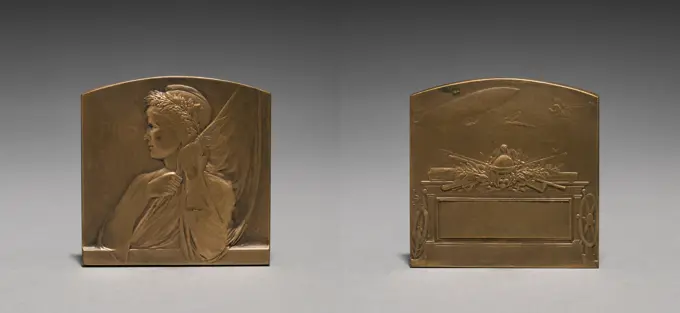
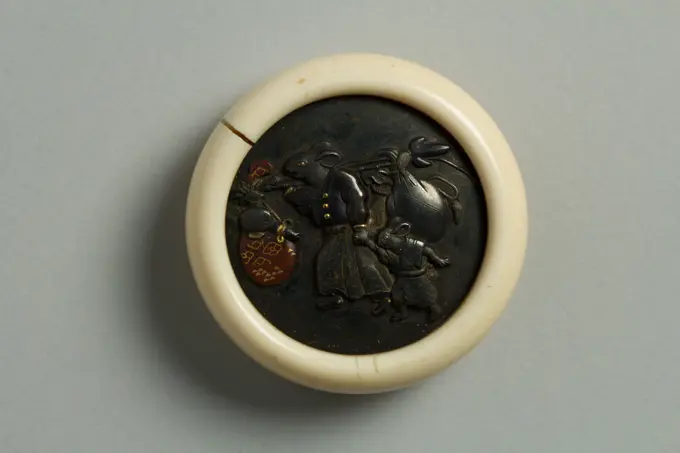
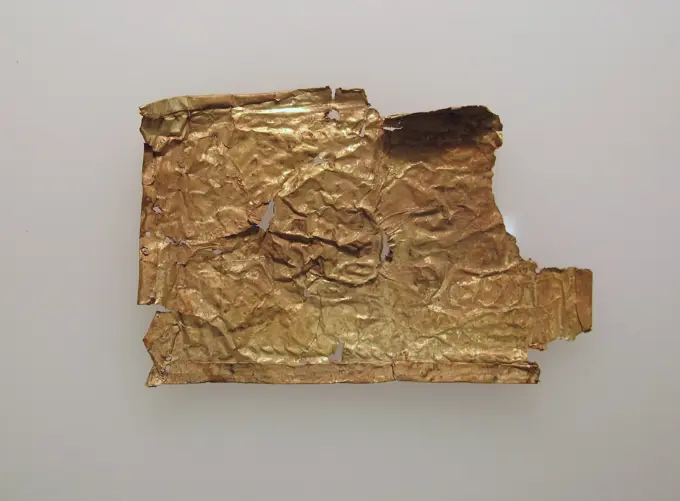
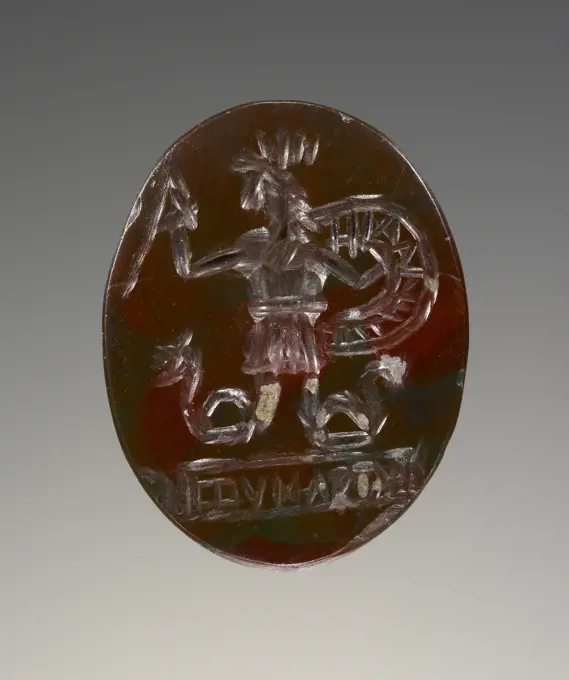
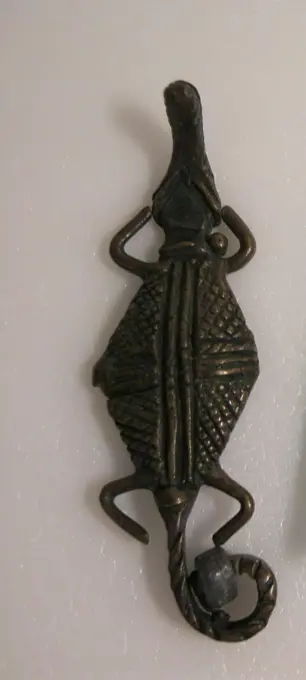
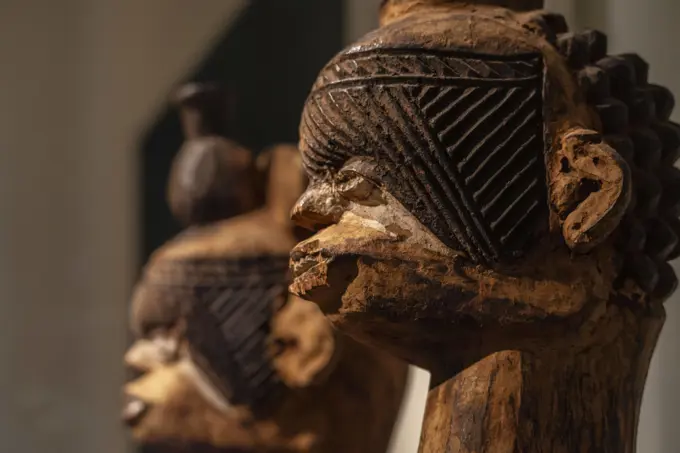
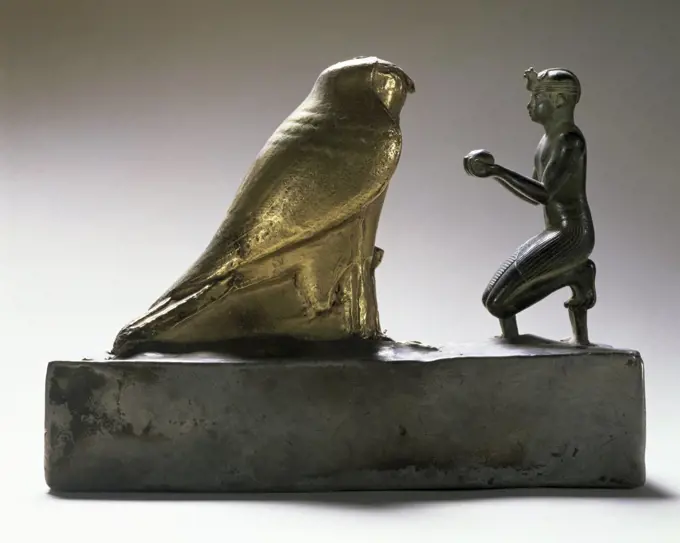
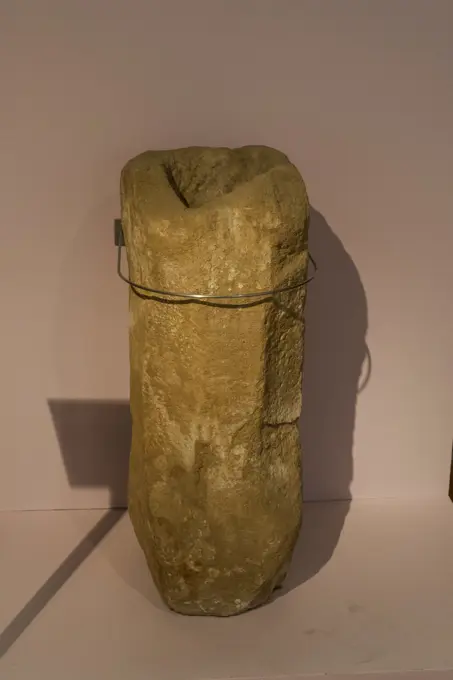
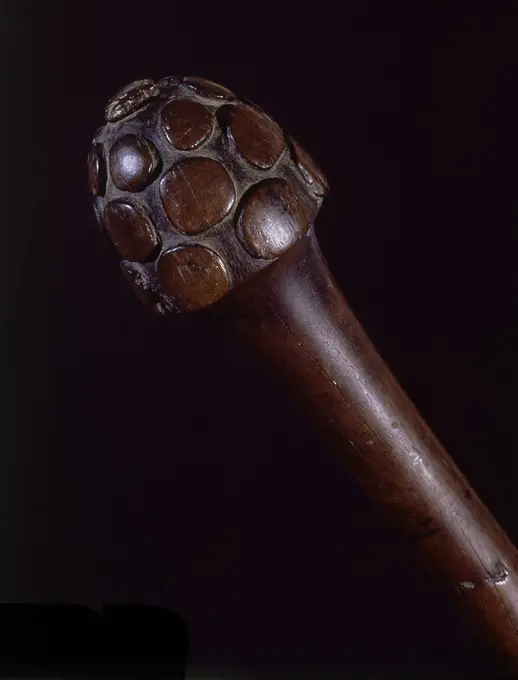
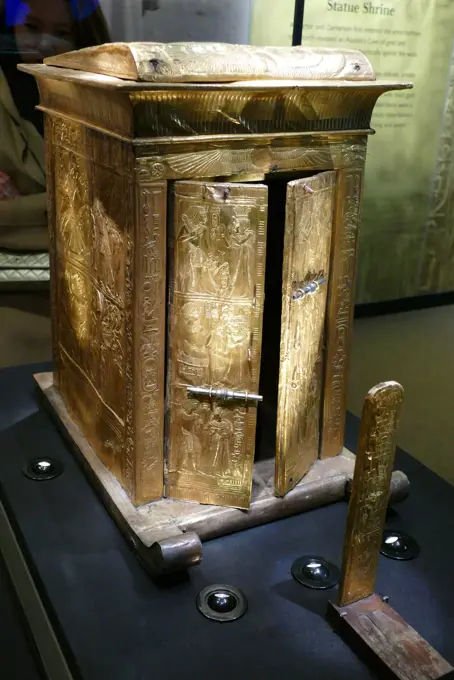
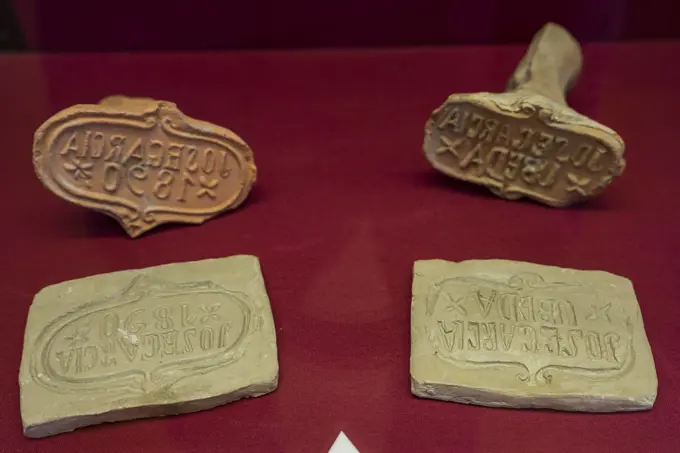
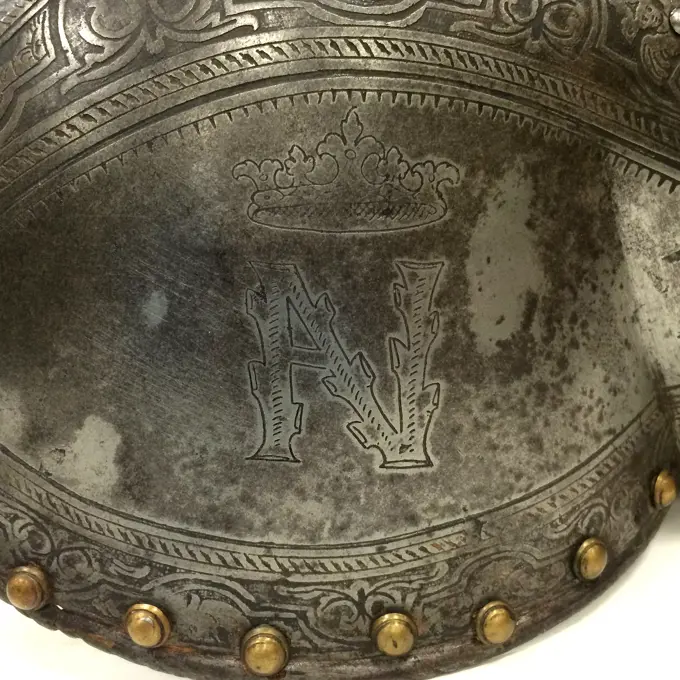
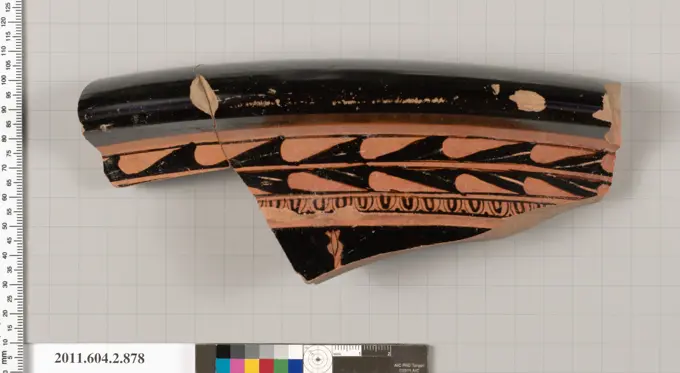
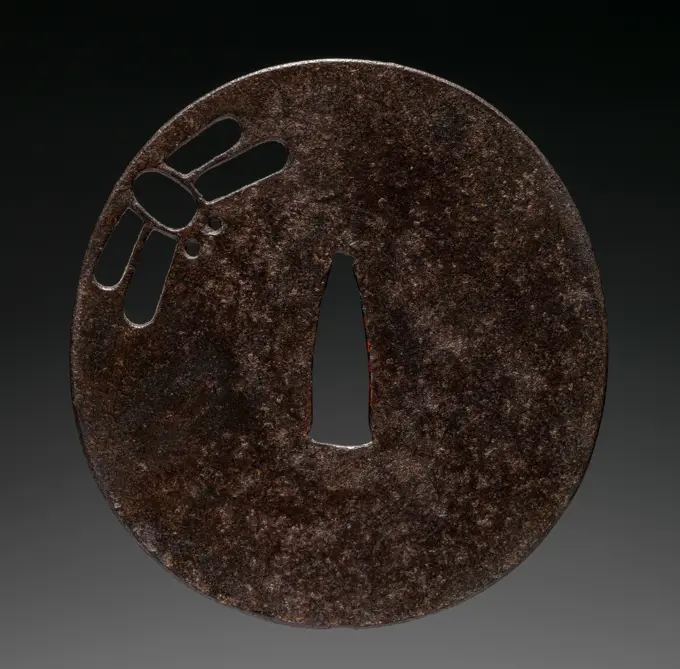
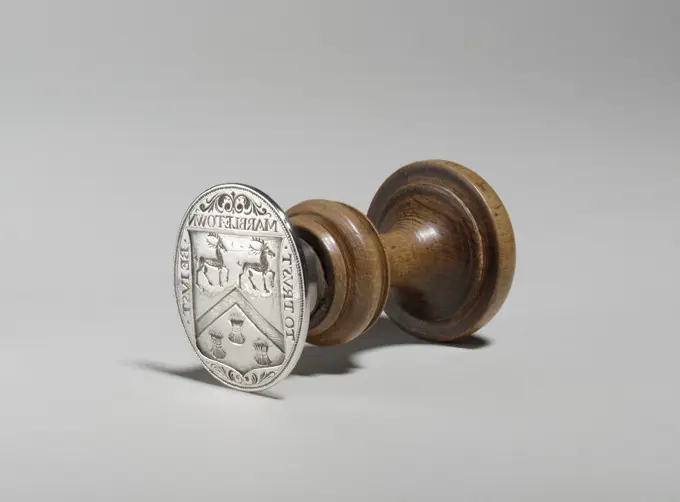
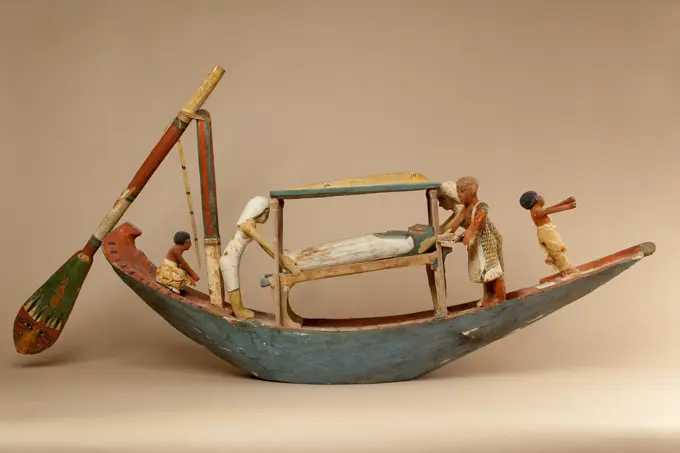
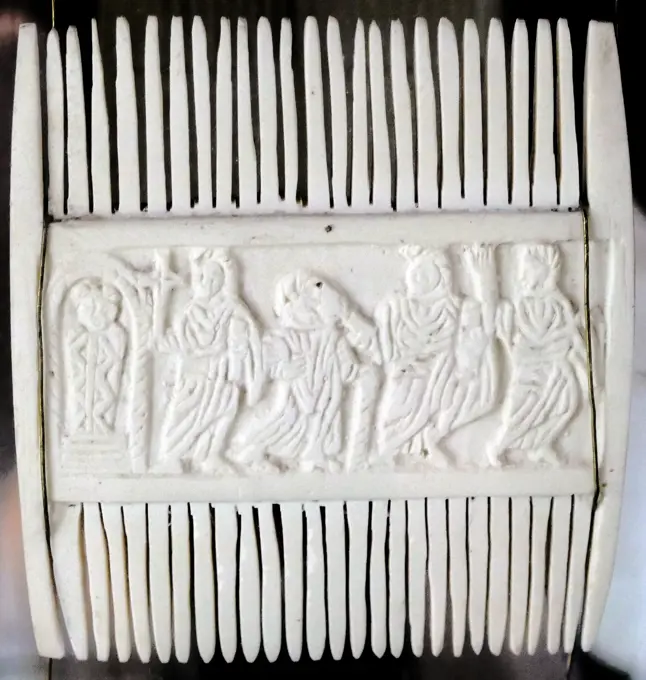
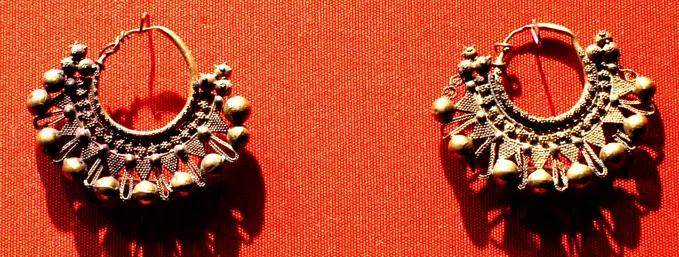
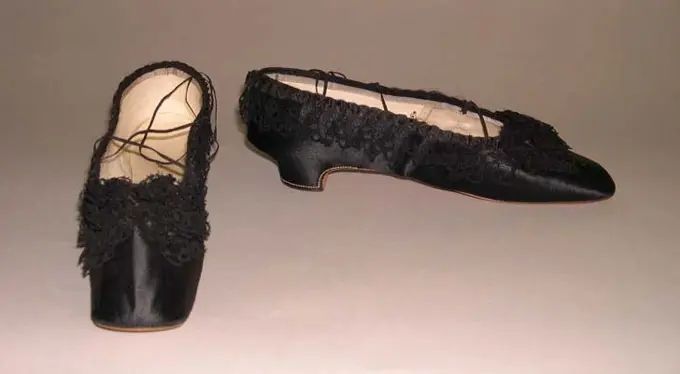
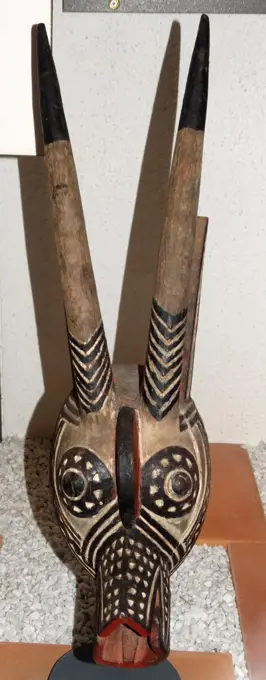
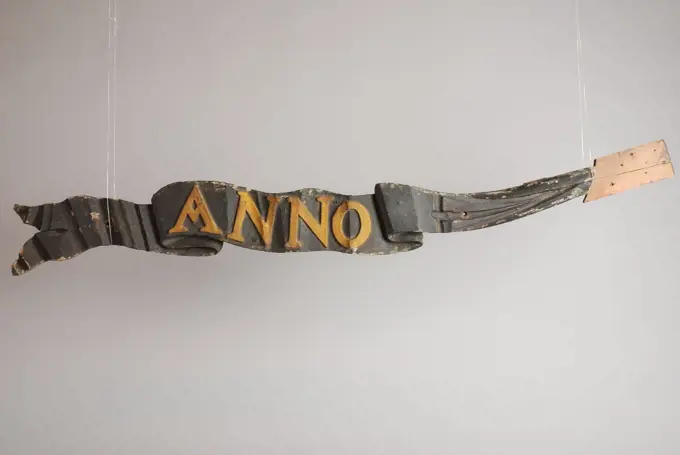
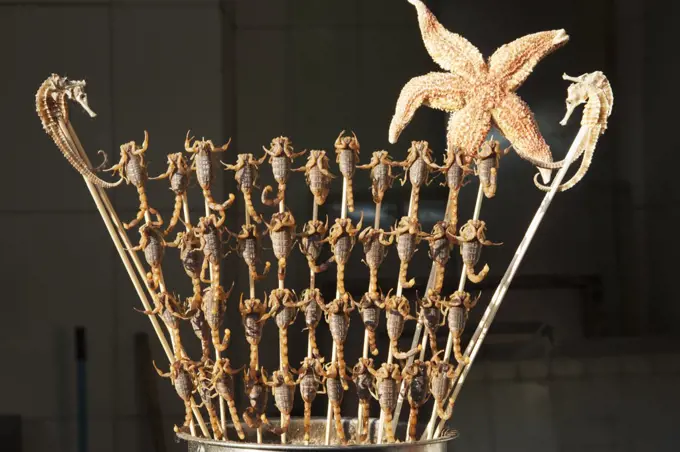
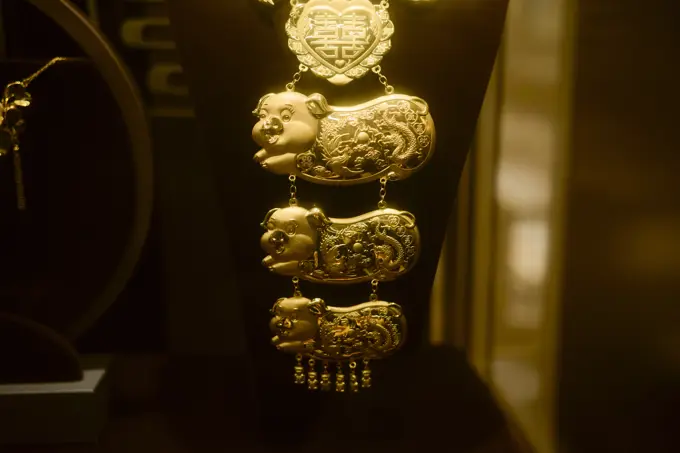
Canada, Quebec, Montreal, Pointe-a-Calliere Archeological Museum. Underground museum, historic artifact display of pottery jug.Ivory plaques from Samaria, 9th-8th cen. BC.CACIQUE QUIMBAYA-TERRACOTA PRECOLOMBINA-. Location: PRIVATE COLLECTION. QUITO. ECUADOR.Pair of tassels 17th century Italian. Pair of tassels. Italian. 17th century. Linen. Textiles-TrimmingsDoorplate (USA); Designed by Louis Henry Sullivan (American, 1856-1924); Overall: 24.5 x 9 x 6.5 cm (9 5/8 x 3 9/16 x 2 9/16 in.)Bell A.D. 900-1520 Greater Chiriquí This bell, in the form of a mammals head, possibly a deer or canine, is made of gold or likely a gold alloy with some copper. The resonator, which is 2 cm high, comprises the head of the animal, and its mouth is indicated by the resonators opening. The suspension loop, which is 1.1 mm thick at its highest point and which extends from the sides of the head and projects well above it, is suggestive of the ears of the animal. Cast through the lost wax method, all of the surface details were first created in wax and then attached to the wax model that formed the basic shape of the head. These added details include: the suspension loop, which appears to flow directly out of the head; the elliptical eyes, each with a horizontal slit at its center; a feature that suggests a nose, comprised of a strip that runs from the top of the head to the top edge of the resonator opening, incised and curling back at one end; and six short stubs that protrude from the Coptic woodcarving with animals, 6th-7th century. Artist: Unknown.PLATA DEL TESORO DE TIVISSA. (ciento. 5ª-3ª BC). La cultura ibérica. Península Ibérica, Cataluña, España. M.A.C.Pinchushion Made 1820 United States. Cover wool, plain knitting; ribbon silk, plain weave .Dagger, c. 1880. Melanesia, Papua New Guinea, Sepik River region, 19th century. Cassowary bone; overall: 33.6 x 4.6 cm (13 1/4 x 1 13/16 in.). This dagger is decorated with an incised human face and a geometric pattern.Frontlet of gold leaf. Dimensions: Other: 2 5/16 × 4 1/8 in. (5.8 × 10.5 cm). Museum: Metropolitan Museum of Art, New York, USA.Coffret with Woodcut of Saint Veronica's Vernicle, Coffret: c. 1515; Woodcut: c. 1509. Woodcuts by Hans Burgkmair the Elder (German, 1473-1531). Wood, leather, iron, textile, woodcut with stenciled coloring; overall: 28 x 18.5 x 10 cm (11 x 7 5/16 x 3 15/16 in.); sheet with print: 29 x 19 cm (11 7/16 x 7 1/2 in.). This remarkable object is thought to have functioned as a traveling case to keep small valuables and books, as well as a provisional altar. Made in France around 1515, the interior lid is affixed with a devotional woodcut made in Germany, imported, and colored for the purpose. Featuring an image of the veil of St. Veronica, the text at the bottom of the woodcut guides the user in prayer to the holy image of Christs face which has been miraculously imprinted on the veil, an action that held promise of indulgences (a reduction in ones punishment for sins). Presumably, the owner carried the box on a journey, retrieved a prayer book from inside, and propped it open in order toCarving from the south-east Solomon Islands, in the South Pacific. Dated 20th CenturyPommel cap, decorated with cloisonné garnets. from the Staffordshire Hoard. The Staffordshire Hoard is a collection of Anglo-Saxon. Discovered in a field near the village of Hammerwich, near Lichfield, in Staffordshire, England, in 2009. it consists of over 3, 500 items, dated to the 7th or 8th centuries, placing the origin of the items in the time of the Anglo-Saxon kingdom of Mercia.weibliches anthropomorphes Gefäß weibliches anthropomorphes Gefäß Copyright: xZoonar.com/Tolox 22682405Sword Guard, early 1800s. Japan, Edo period (1615-1868). Iron; diameter: 6.4 cm (2 1/2 in.).Asia, China, Yichang. Flying lizards, medicines for saleEgyptian Winged scarabs. Faience, and gold. Late Period (715-332 BC)Tlingit warriors body armour made from pounded copperExcise box of Iberian Culture, Valladolid Museum - Provincial Museum of Antiquities, Autonomous Community of Castile and Leon, Spain.Handle of Tutankhamen's walking stick depicting two prisonersGolden Artifact From Yotoco Malagana Tribe In The Gold Museum In La Candelaria, The Old Town Of Bogota, ColombiaMedal. Jules Prosper Legastelois (French, 1855-1931). Bronze; overall: 4.8 x 4.8 cm (1 7/8 x 1 7/8 in.).Netsuke of Mother Hare and Son Carrying the Emblem of the Gods of Luck 19th century Japan. Netsuke of Mother Hare and Son Carrying the Emblem of the Gods of Luck. Japan. 19th century. Ivory with metal disc. Edo (1615-1868) or Meiji period (1868-1912). NetsukePlaque, thin gold leaf Cypriot. Plaque, thin gold leaf 242628Buckle; metalEngraved Gem; Roman Empire; 2nd - 4th century; Red and green jasper; 1.8 x 1.4 cm (11,16 x 9,16 in.)Montefortino helmet. Bronze. Iberian Culture, 4th-2nd centuries BC. From La Horca Hill, Toya (Peal de Becerro, Jaen province, Andalusia, Spain). National Archaeological Museum. Madrid. Spain.Goldweight Crocodile, 19th-20th century, 1/4 x 13/16 x 2 3/8 in. (0.64 x 2.06 x 6.03 cm), Brass, Ghana, 19th-20th centuryCylinder seal and modern impression: goddess leading a worshiper to a seated deity; bull god. Culture: Old Assyrian Trading Colony. Dimensions: 0.87 in. (2.21 cm). Date: ca. 20th-19th century B.C..Although engraved stones had been used as early as the seventh millennium B.C. to stamp impressions in clay, the invention in the fourth millennium B.C. of carved cylinders that could be rolled over clay allowed the development of more complex seal designs. These cylinder seals, first used in Mesopotamia, served as a mark of ownership or identification. Seals were either impressed on lumps of clay that were used to close jars, doors, and baskets, or they were rolled onto clay tablets that recorded information about commercial or legal transactions. The seals were often made of precious stones. Protective properties may have been ascribed to both the material itself and the carved designs. Seals are important to the study of ancient Near Eastern art because many examples survive from every peMEB MEB, Barcelona, Catalonia, Spain LicenseRF Copyright: xZoonar.com/Tolox 23171531Galoshes 1820-39 probably Central American Between 1820 and 1850, the introduction of rubber to the European and American markets and development of the rubber shoe industry effected the gradual replacement of pattens and clogs by galoshes. Made in Central or South America for the Western market prior to the development of the vulcanization process in the late 1830s, the earliest type of galoshes, like these from the collection, would become soft and gummy in hot weather and hard and brittle in the cold. Sometimes plain, this pair is stamped with elaborate foliate motif and has the additional option of a leather sole for increased durability and utility.. Galoshes 156378King Taharga Offering a Libation  Egyptian Art  Musee du Louvre, Paris Sculpture of a fish. From a collection of animals symbolising life and the universe. The fish symbolises fertility and the water world. From Mexico and made from volcanic rock.PEDESTAL VISIGODO DE PILA BAUTISMAL- SIGLO VII - MARMOL- RELIEVE CON FORMAS GEOMETRICAS. Location: MEZQUITA-INTERIOR. CORDOBA. SPAIN.A bracket with a man's head  treasury, Wawel cathedral, Krakowaltar foot from the 10th century, Laguardia, Vitoria-Gasteiz Museum of Sacred Art, María Inmaculada Cathedral, Álava, SpainMACANA DE LAS ISLAS DE VAVAO-OCEANIA - MAZA DE MADERA - EXPEDICION MALASPINA. Location: MUSEO DE AMERICA-COLECCION. MADRID. SPAIN.Two jade discs, bi Shang dynasty, 12th-11th century BC.Gilded wooden shrine with depictions of Tutankhamun and Ankhesenamun. From the tomb of King Tutankhamun. 1326 BCSpade from Board ofRevenue.  Mint: Board of Revenue Artist: UnknownFragment. Dimensions: 19.75 in. high 8.00 in. wide (50.16 cm high 20.32 cm wide). Date: 3rd-4th century. Museum: Metropolitan Museum of Art, New York, USA.Schädel einer der elftausend Jungfrauen Skull of one of the eleven thousand virgins, 13th century, Relics Room, Monastery of Santa Maria de San Salvador de Canas, Canas, La Rioja, Spain Copyright: xZoonar.com/Tolox 22946168Plate;  19th century (1801-00-00-1900-00-00);potter s seals potter s seals, Archeological Museum. Úbeda, Jaén province, Andalusia, Spain Copyright: xZoonar.com/BartomeuxBalaguerxRotgerx 21702701Right Shoulder Defense (Pauldron) ca. 1570 Italian. Right Shoulder Defense (Pauldron). Italian. ca. 1570. Steel. Armor for Man-Scale ArmorTerracotta fragment of a bell-krater (bowl for mixing wine and water) 460-450 B.C. Greek, Attic Below the rim, laurel leaves, then an egg pattern with dots in the interstices; top of a sceptre with a floral finial. Terracotta fragment of a bell-krater (bowl for mixing wine and water). Greek, Attic. 460-450 B.C.. Terracotta; red-figure. Classical. VasesTomb of Arnold van der Sluis or Heusden, Knight (c. 1245-1296), Anonymous, c. 1296 - c. 1325 Part of the tomb of Ridder Arnold van der Sluis van Heusden. The section contains three Gothic arches and half a bow. Meuse Area limestone   Bern (Gelderland) Part of the tomb of Ridder Arnold van der Sluis van Heusden. The section contains three Gothic arches and half a bow. Meuse Area limestone   Bern (Gelderland)Sword Guard (Tsuba) with Dragonfly, c. 1615-1868. Japan, possibly Edo period (1615-1868). Iron; diameter: 8.6 cm (3 3/8 in.).Cáliz, siglo XIV. Museo parroquial de Traiguera.Seal ca. 1704 Jacob Boelen American Governments, universities, and other organizations commissioned silversmiths to supply official silver, such as seals with which to stamp important documents. Surviving records in Marbletown, New York, indicate that the silversmith Jacob Boelen was hired in 1704 to make the town seal. In the upper register of its shield are two deer, symbolizing the mountainous hunting region around Marbletown. In the lower register, three sheaves of wheat allude to the surrounding lowland, fertile and well suited to the cultivation of grain. The town's name and motto "BE JUST / TO TRUST" are engraved around the edges.. Seal. American. ca. 1704. Silver, wood. Made in New York, New York, United StatesHopi ceremonial gourd rattle painted with designs to signify a successful corn planting and plenty of rain to water the crops. Dried corn kernels are put inside the gourd to create a rattling soundShaman's Rattle, Thunderbird, Pacific North-West Coast Indian. Artist: Unknown.fragment of an incense burner, bronze, late period, Egypt, collection of the British Museum.gold alloy, copper and silver votive figurines. MexicanButton, Paper, metal foil, threat, paillettes, Folding envelope of paper with tie closure; used as a case for ten circular buttons., On card 14, France, late 18th century, costume & accessories, Decorative Arts, ButtonSet of natural mineral gemstones of a certain typeatalaje de carro, siglo IV, villa Romana de Carranque, Museo de los Concilios y la Cultura Visigoda, Iglesia de San Román,Toledo, Castilla-La Mancha, Spain.VAGINA - ESCULTURA EN MADERA. Author: DAVID JOHN NASH (1945-). Location: FUNDACION SANTANDER CENTRAL HISPANO. MADRID. SPAIN.Shoe Sign. Dated: 1939. Dimensions: overall: 50 x 38 cm (19 11/16 x 14 15/16 in.) Original IAD Object: 8" long. Medium: watercolor and graphite on paperboard. Museum: National Gallery of Art, Washington DC. Author: Albert Ryder.El Pendo spoonbill, pisciform spoonbill, Upper Magdalenian, El Pendo, Escobedo,Museum of prehistory and archeology (MUPAC), Santander, Cantabria, Spain.Eskimo Carving, Ivory Tobacco Pipes, Alaska and Canada, 19th Century.  Artist: Unknown.Madrid, M.A.N. Arte prehistórico. Sandalias de la cueva de los Murciélagos. 3400 a.c.Jacob Drielenburgh, Coin weight box, two slides, weights, balance, coin weight box weight box coin weight weight wood brass iron, Coin weight box with balance weights and name in ink on the cover and date Amsterdam 1659.Phytomorphic vessel depicting a fruit known as guaba or pacay. Ceramic. Piece from the excavations of Bishop Baltasar Martinez de Companon (1785). Chimu-Inca culture. Late Horizon (1470-1532 AD). Peru. Museum of the Americas. Madrid, Spain. Mug;  XIXW (1801-00-00-1900-00-00);Folding fan with decorative shellsPendant, c. 800 - 1100, 6 1/2 x 5 1/2 in. (16.51 x 13.97 cm), Gold, Panama, Pre-ColumbianAgate cylinder seal of Darius I depicting king hunting lion from chariot and god Ahura MazdaCarved boulder with the scene of 'the immortal's realm', Qianlong period, Late 18th century, 4 3/4 × 5 3/8 × 1 1/2 in. (12.1 × 13.7 × 3.8 cm), Turquoise, China, 18th centuryModel boat of Ukhhotep ca. 1981-1802 B.C. Middle Kingdom One of two funerary boats bearing the name of Ukhhotep, this vessel carries a mummy on a canopied bier with a leopard skin spread on its roof. The deceased is accompanied by two female mourners, probably his relatives, in the guise of the goddesses Isis and Nephthys. There are two attendant priests, each dressed in a leopard-skin garment that indicates their office; one holds an open scroll inscribed with a formulaic funerary offering requesting bread, beer, and cool water for Ukhhotep.. Model boat of Ukhhotep. ca. 1981-1802 B.C.. Wood, paint. Middle Kingdom. From Egypt, Middle Egypt, Khashaba excavations, 1910-11; Probably from Meir, Tomb of Ukhhotep. Dynasty 12belt clasp belt clasp, Arroyo del Ojanco, Visigothic era, Archeological Museum. Úbeda, Jaén province, Andalusia, Spain Copyright: xZoonar.com/BartomeuxBalaguerxRotgerx 21702743Carved and gilded wooden unicorn figurine bearing the Royal Arms. Dated 19th CenturyMounted Plaque with Shi'ite Invocation. Northern or Western India, 17th-18th century. Sculpture; plaques. IvoryPear wood candy form in the form of a nude child, Anonymous, 1800 - 1900 Pear wood candy form in the form of a nude child. Netherlands pear (wood) Pear wood candy form in the form of a nude child. Netherlands pear (wood)Ivory comb engraved with a scene representing the miracle of healing the blind and of the resurrection of Lazarus.Crescent-shaped earrings with balls and granulation A.D. 2nd century Roman Period Earrings consisting of a hoop with a crescent-shaped array of granulated triangles and additional filagree and granulation are known from Egypt and Syria and considered mid to late Roman.. Crescent-shaped earrings with balls and granulation 547943Slippers 1850s probably French. Slippers 112818Kolam mask. Animal masks such as this were used to represent demonic characters during the ritualistic Kolam (masquerade) dances. Made from painted kaduru or ruk-attana wood, Sri Lanka, 1771-1900.Coin display, Museo Nacional de Arte Romano, national museum of Roman art, Merida, Extremadura, Spain, EuropeOuagadou style antelope mask by the Mossi People of Burkina. Dated 1931Button, Paper, metal foil, thread, paillettes, Folding envelope of paper with tie closure; used as a case for ten circular buttons., On card 14, France, late 18th century, costume & accessories, Decorative Arts, ButtonRetro style pocket watch in hand on black backgroundTwo carved ribbons with text ANNO and 1820, wood carving sculpture visual material wood paint blank metal, ANNO bridge bridge connection drawbridge Delfshaven kolk Rotterdam Originating from the wooden drawbridge built over the Kolk in Delfshaven in 1820.Wallet. 1880. GAL1990.122.1Scorpions and starfish for sale at a market stall, Wangfujing, Dongcheng District, Beijing, ChinaChatelaine; Made by G. Parvis; white metal, gilded metal, enamelGolden ornate charms with pig designs hang elegantly on a dark display stand. Guangzhou, Guangdong, ChinaFemale head featuring an elaborate and tall hairstyle. From West Africa, Ibo People, 19th Century.Stone cup of man with beard and mustache in a cupboard, anonymous, 800 - 900 Stone cup of man with beard and mustache (a) in a cupboard (B). The cup itself is gilded and laid in a cupboard covered with a glass plate. The bottom of the cupboard is covered with a layer of cotton wool. Middle Java gilding (material). glass. gilding Stone cup of man with beard and mustache (a) in a cupboard (B). The cup itself is gilded and laid in a cupboard covered with a glass plate. The bottom of the cupboard is covered with a layer of cotton wool. Middle Java gilding (material). glass. gildingHistory of navigation. Utensils used in the old ships. Museum of History and Navigation. Riga. Latvia.An Egyptian sceptre with an ankh (life) symbol. (715-332 BC).Sword Guard, early 1800s. Japan, Edo period (1615-1868). Iron; diameter: 7.4 cm (2 15/16 in.).Antique Chinese lion door knocker on red doorRELICARIO CON UN CLAVO DE LA CRUZ DE CRISTO. Location: CONVENTO DE LAS CLARISAS / MUSEO DE ARTE SACRO. MONFORTE DE LEMOS. LUGO. SPANIEN.MADRID. November 19, 2008. View of some of the 230 objects rescued from the "Titanic" and selected by a North American company that are exhibited for the first time in Spain in an exhibition that aims to offer its visitors a journey through the tragedy and the stories of the passengers of the famous ship that sank in 1912. Photo: Ernesto Agudo. Archdc.Metal plaquet;  19th century (1801-00-00-1900-00-00);Gold Sceptre (21mm in length and weighing 27g). Recovered from Mapungubwe Hill. Northern Province. South Africa.  Photographed at the Mapungubwe Museum. University of Pretoria.Keramische Lampe Keramische Lampe Copyright: xZoonar.com/BartomeuxBalaguerxRotgerx 22556756Germany, Cologne. Roman Germanic Museum (aka Romisch-Germanisches), comedy theatre mask.