Vintage Footwear and Artifacts

Historical artifacts including vintage shoes, decorative buckles, and ancient fragments, showcasing intricate designs from different eras.

Swan group (Swan Group). Set of miniature vases: "Pyxis". Ceramics with black figures, without incisions, purplish red highlights, 550-540 BC. AD Museum of Fine Arts of the City of Paris, Petit Palais. 99932-16 Antiquity, ceramic with black figures, rehabilitated red purplish, vieme life VI 6th 6th 6th century before av. JC, ancient
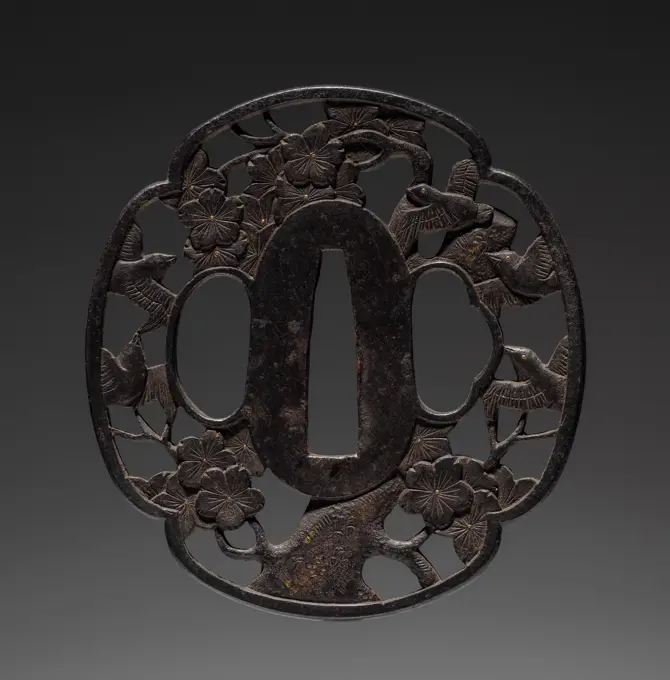
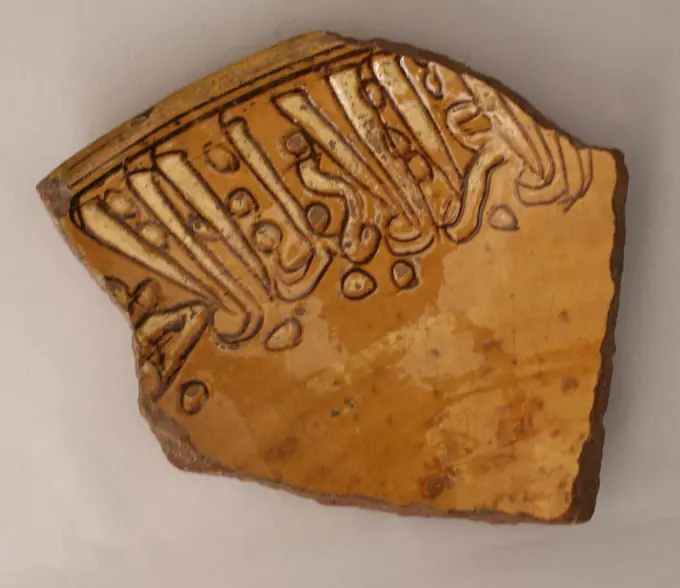
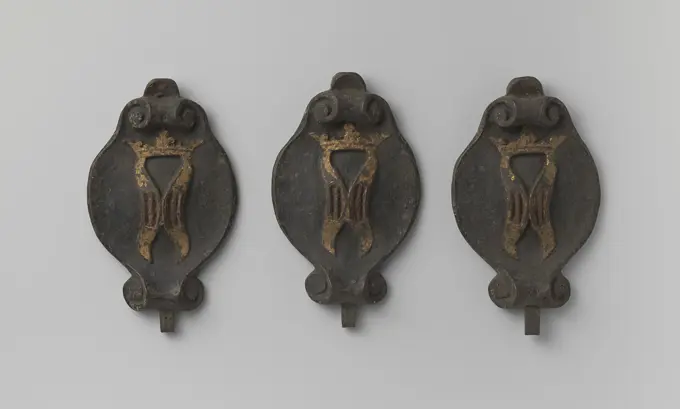
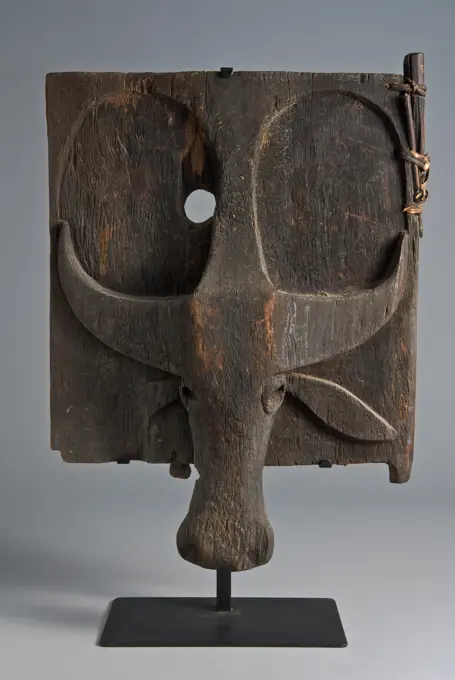
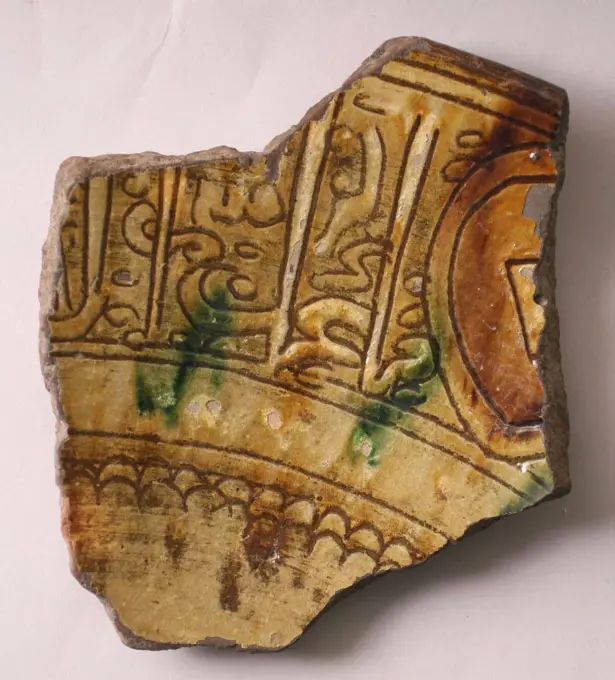
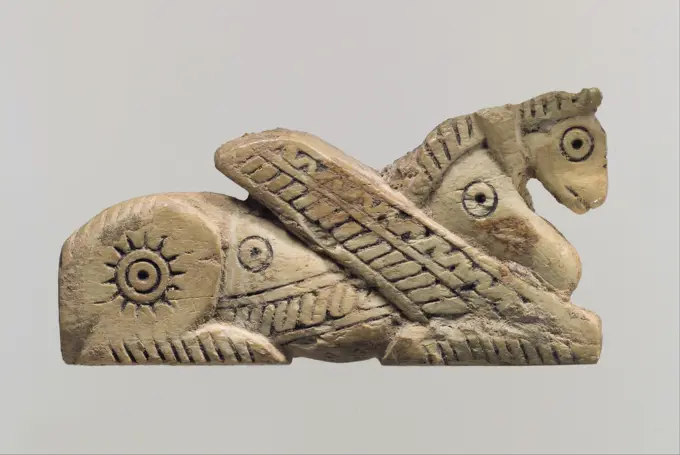
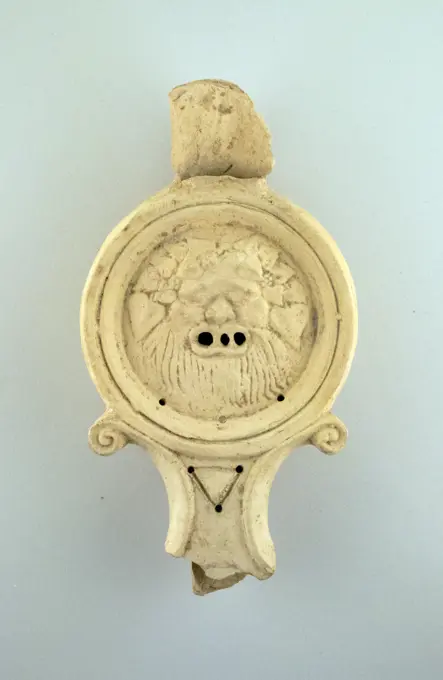
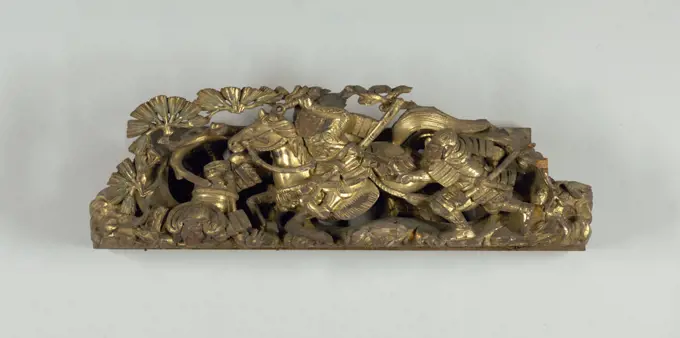
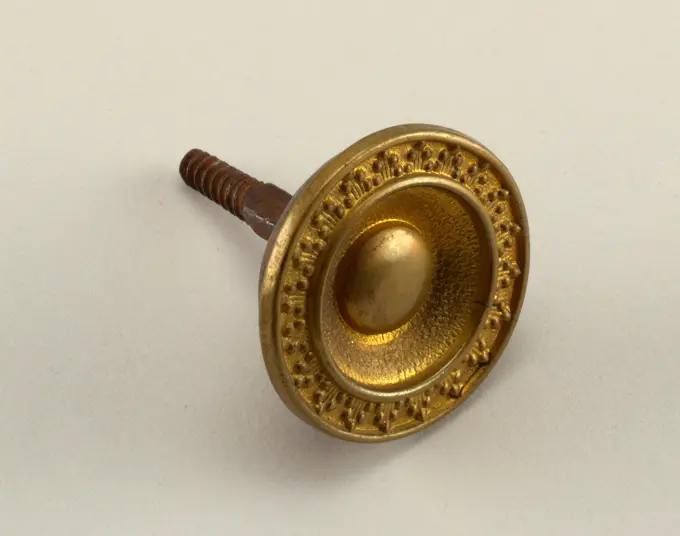
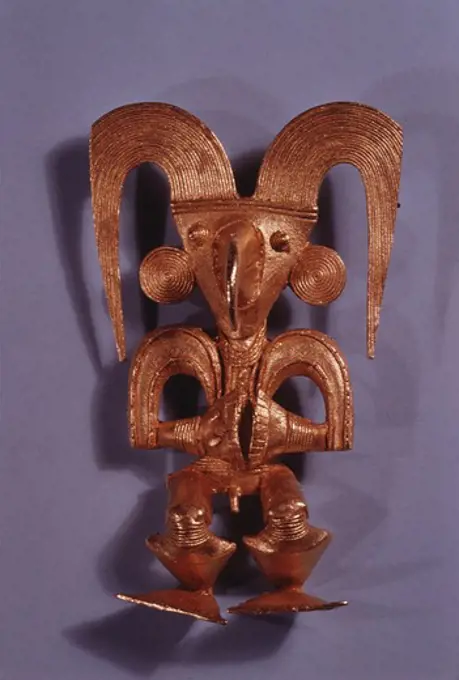
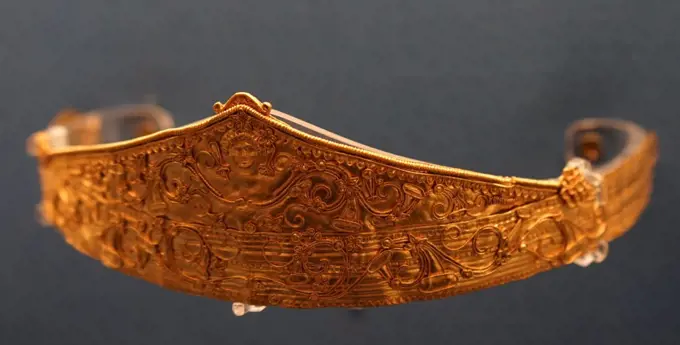
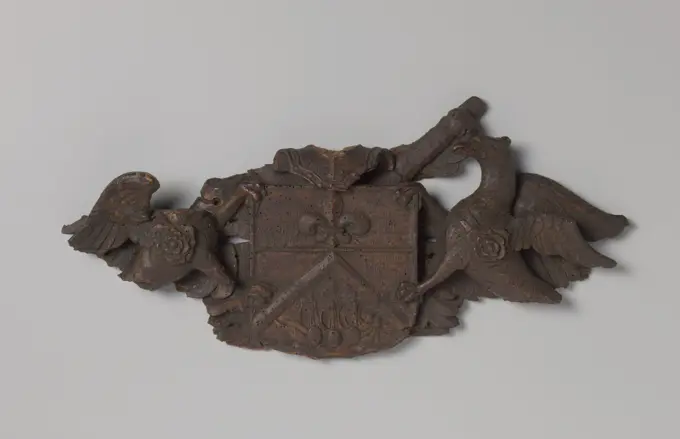
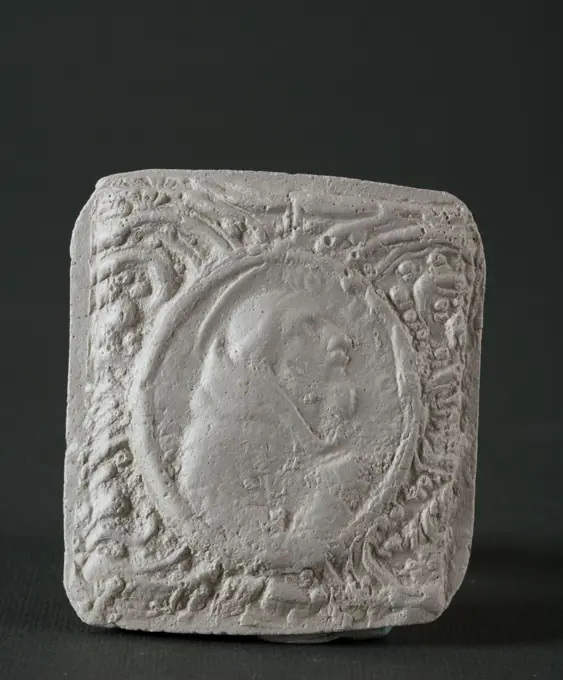
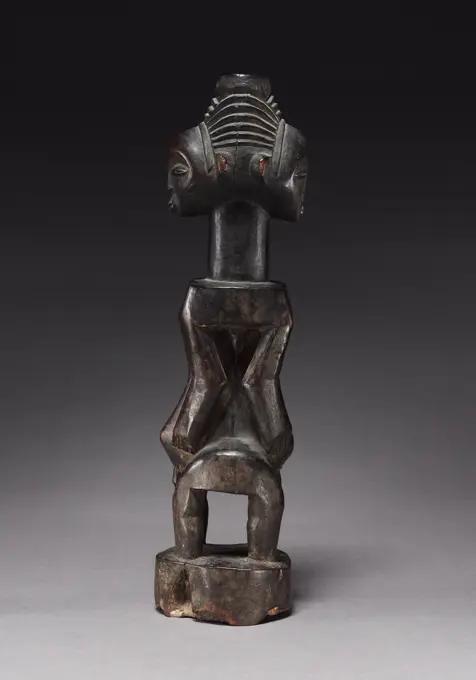
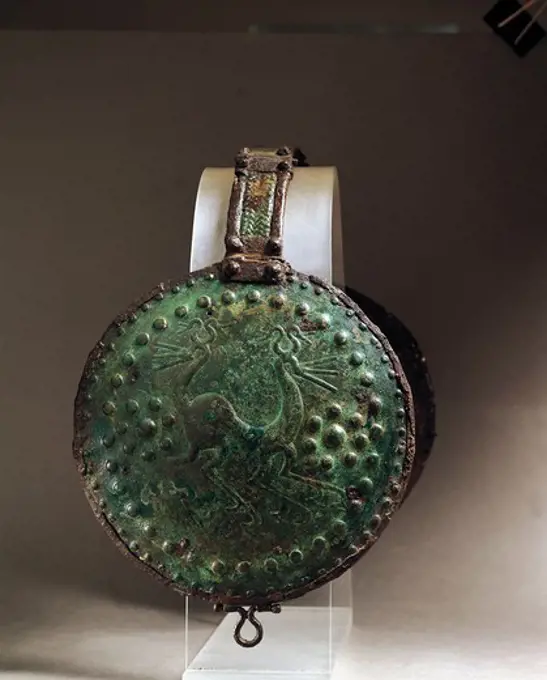
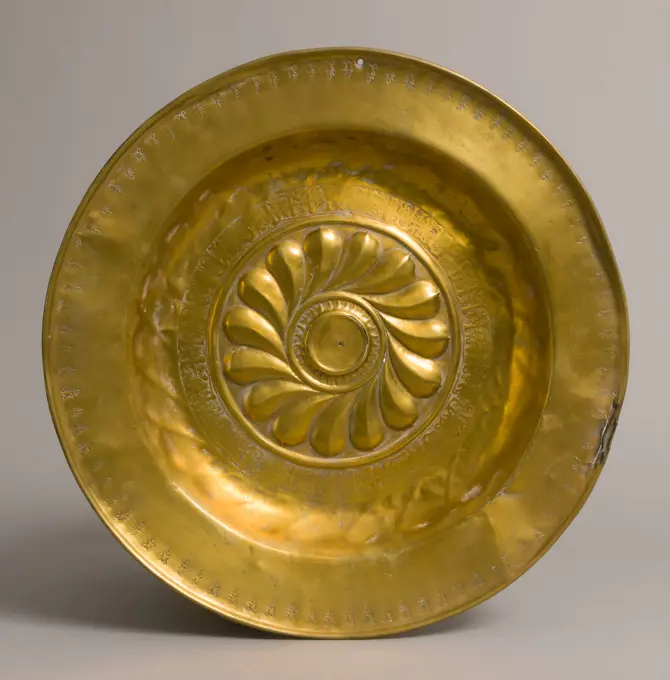
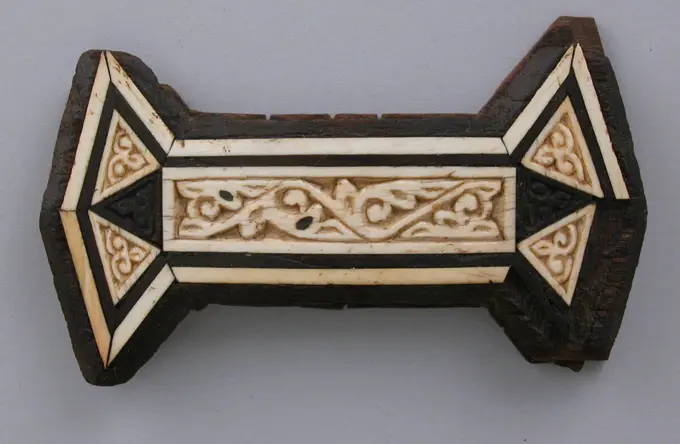
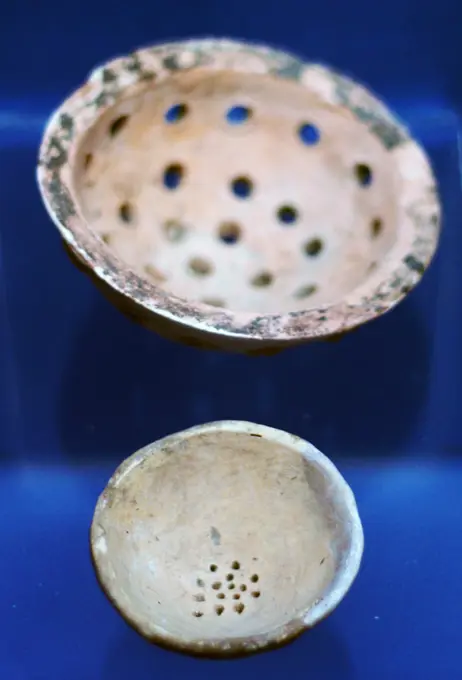
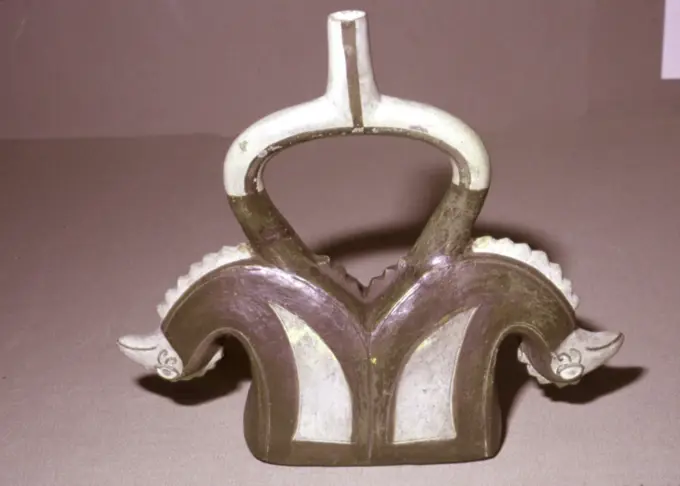
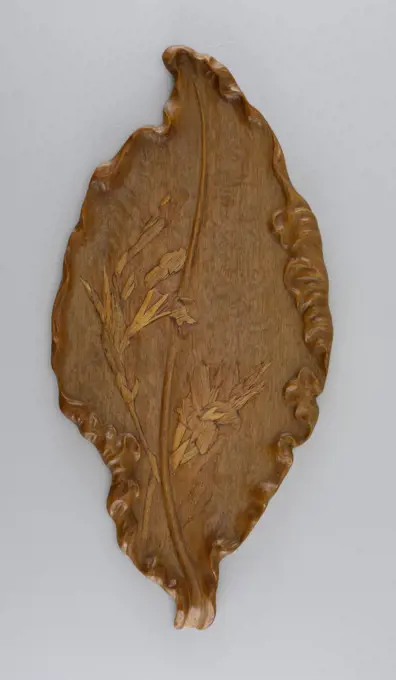
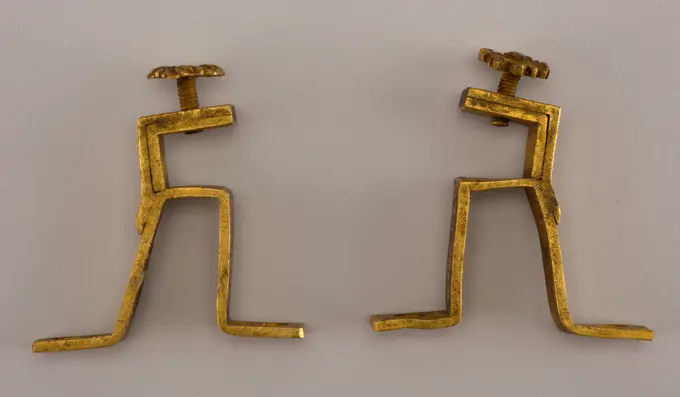
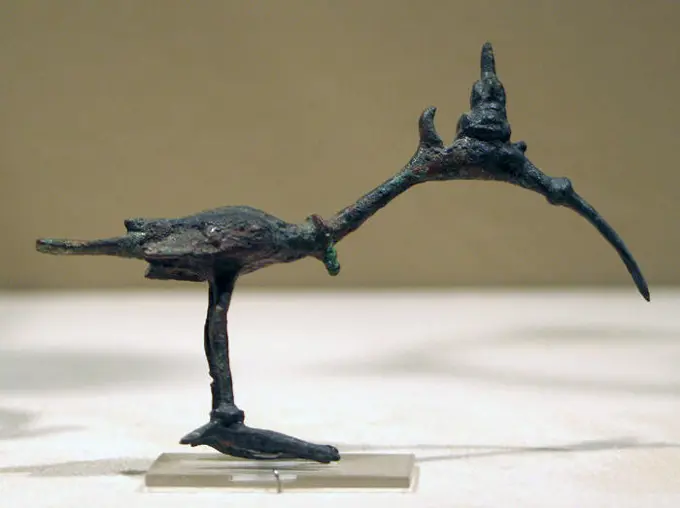
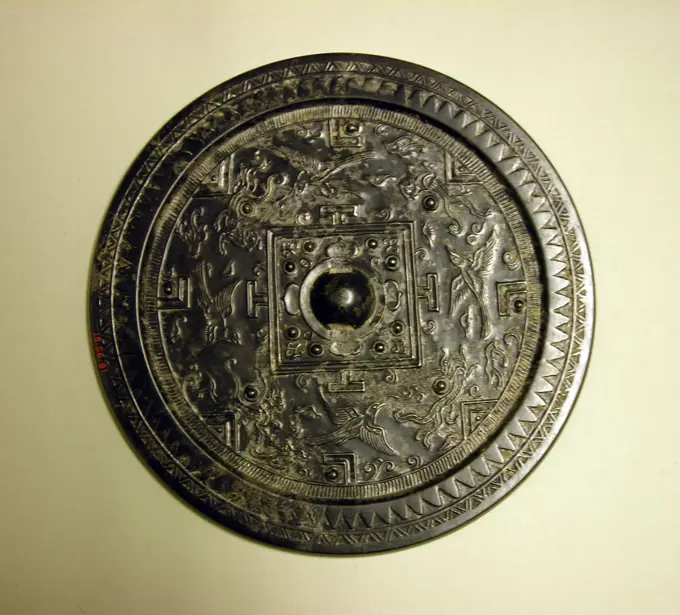
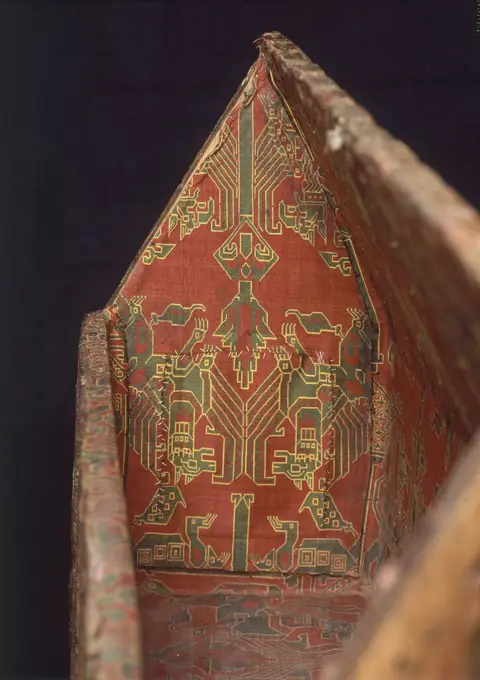
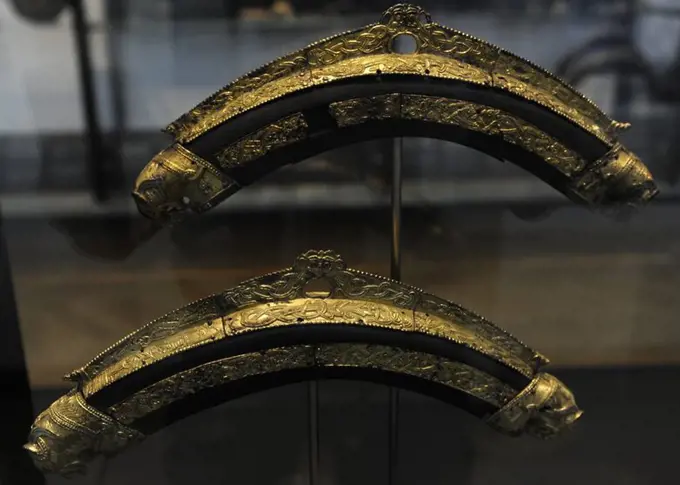
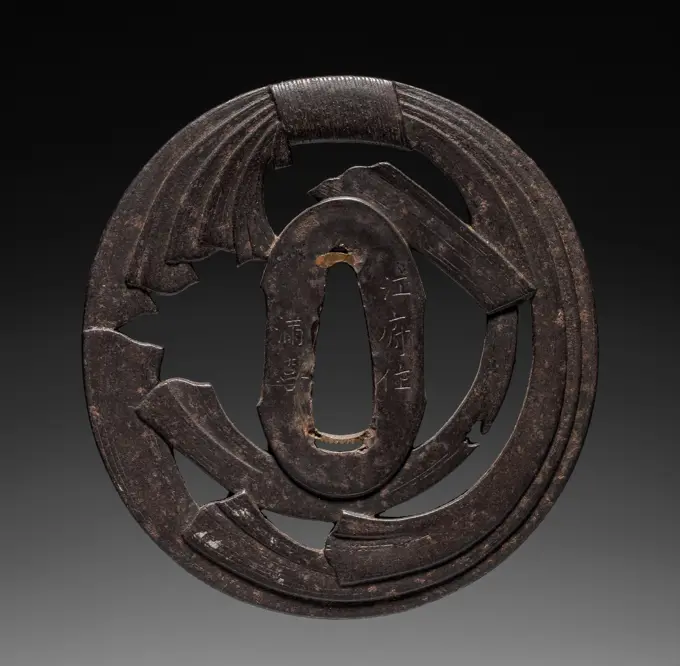
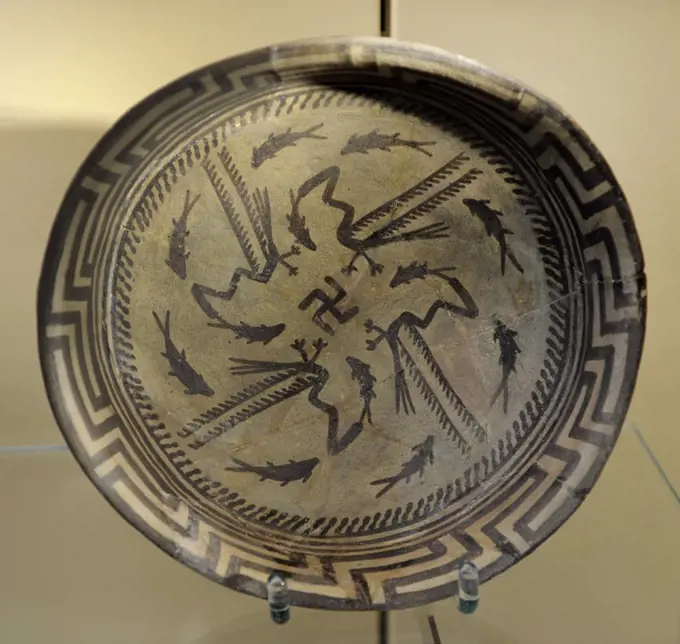
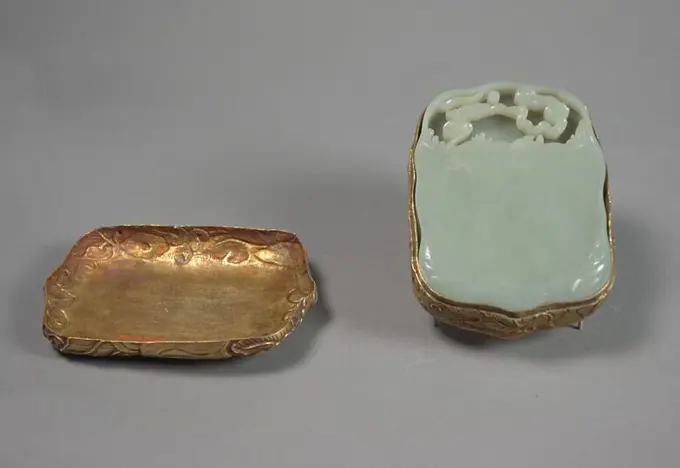
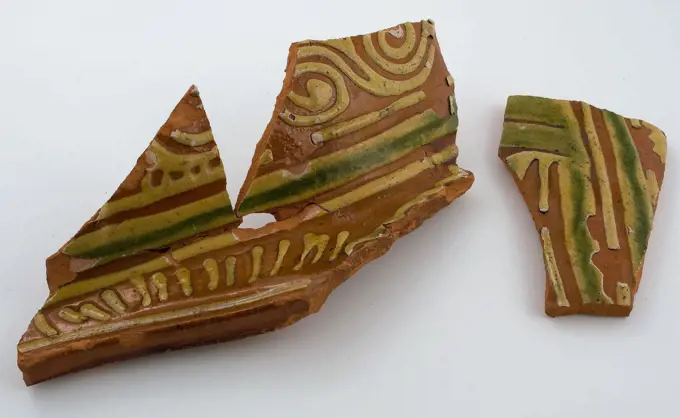
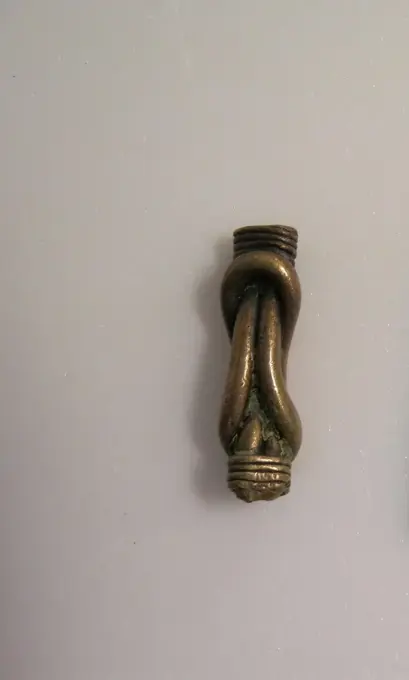
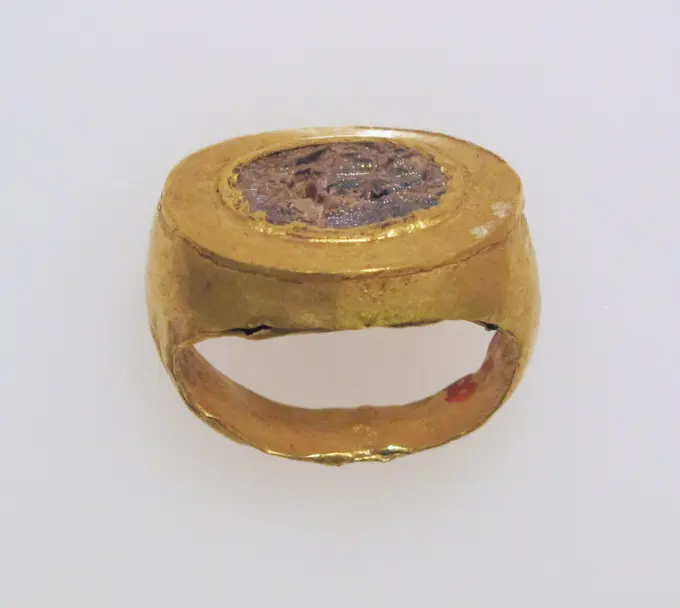
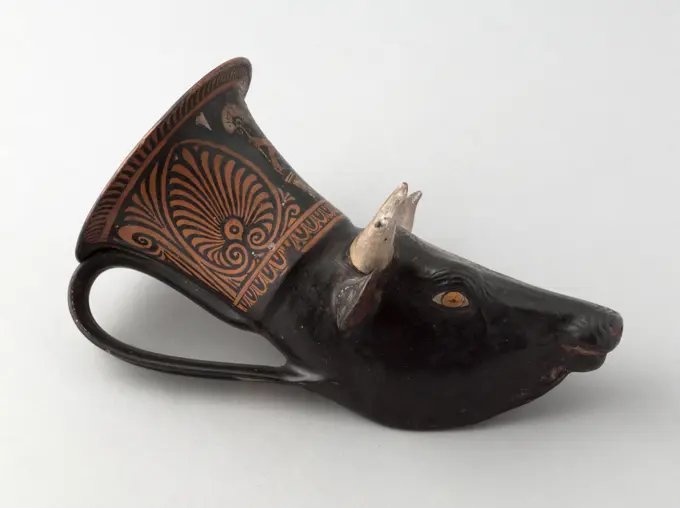
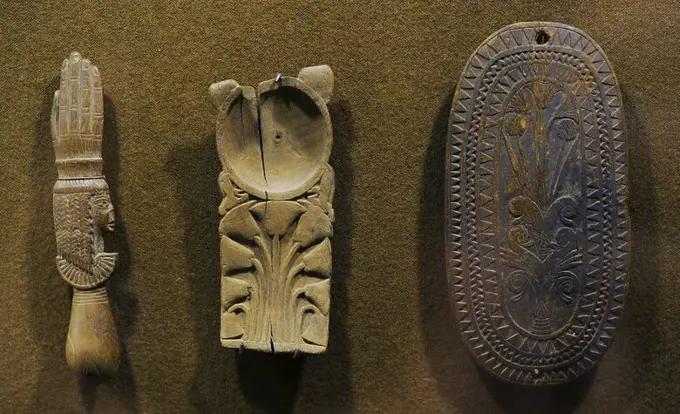
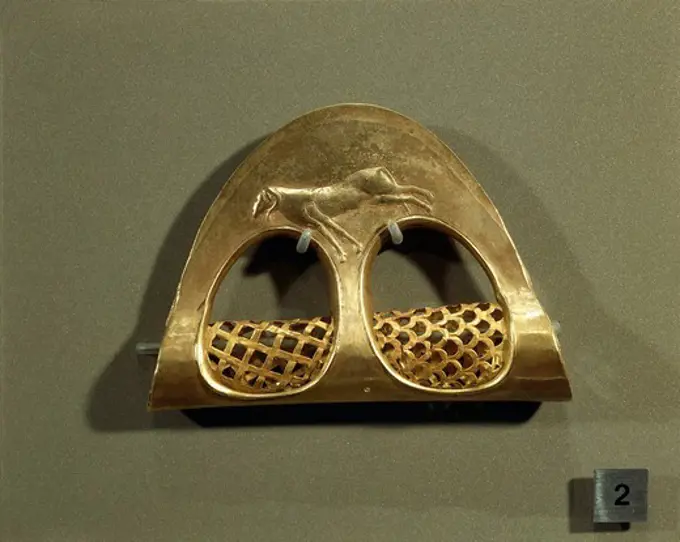
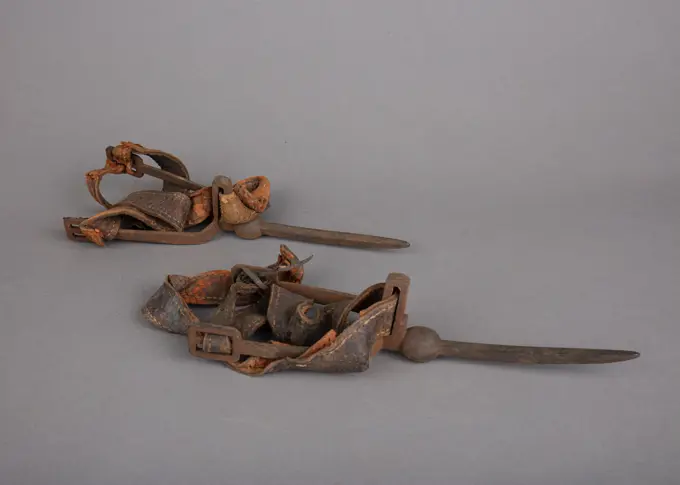
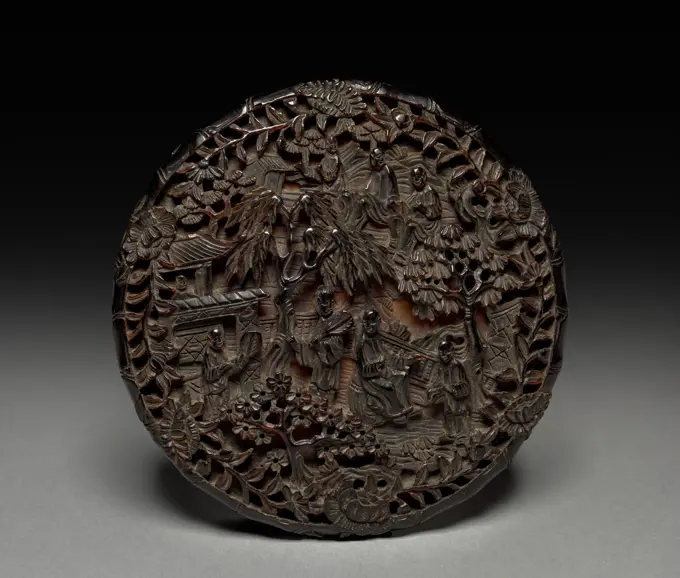
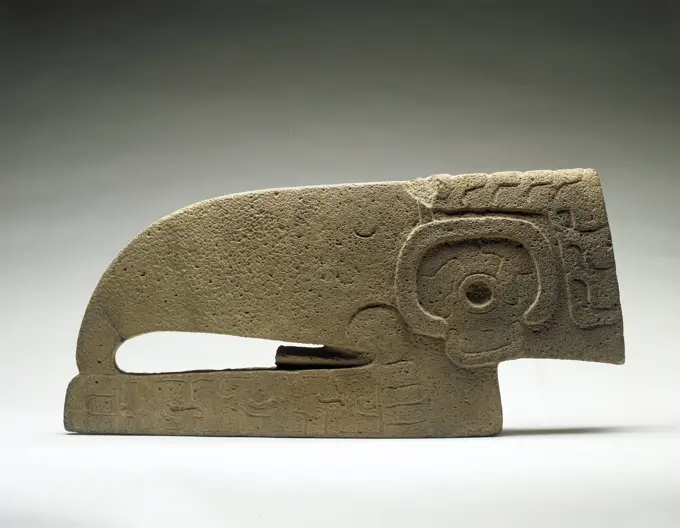
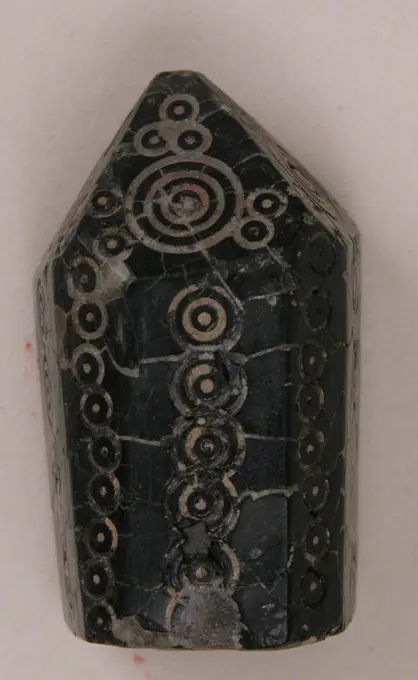
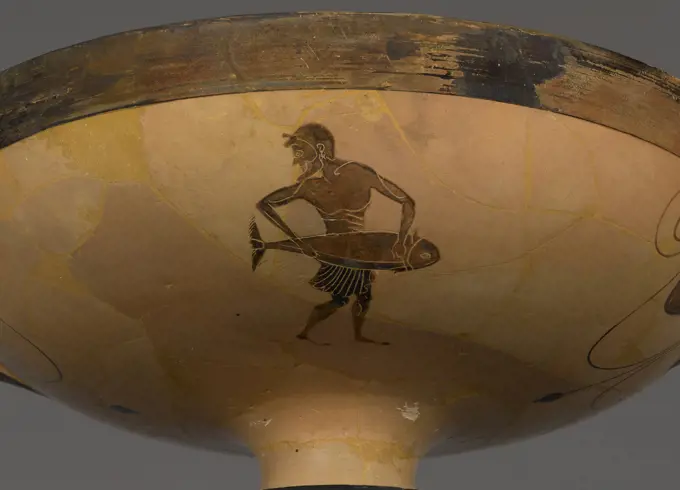
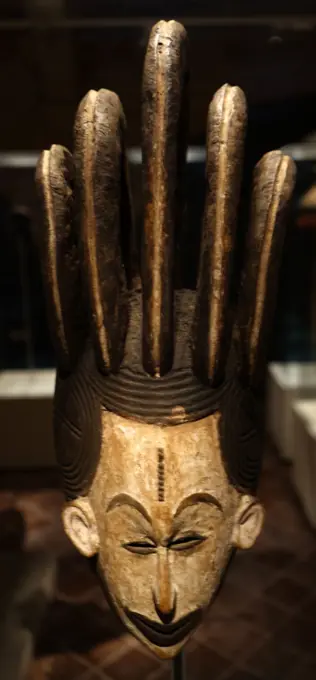
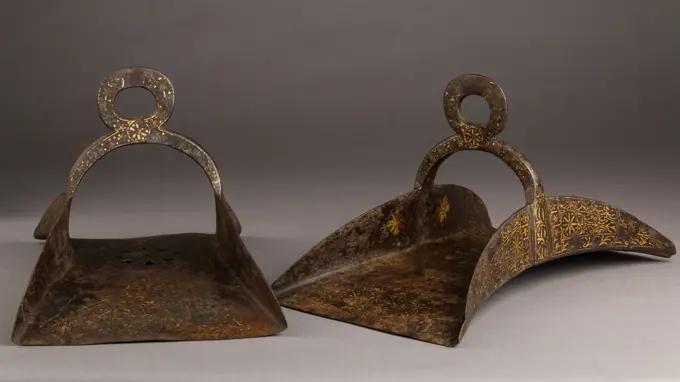
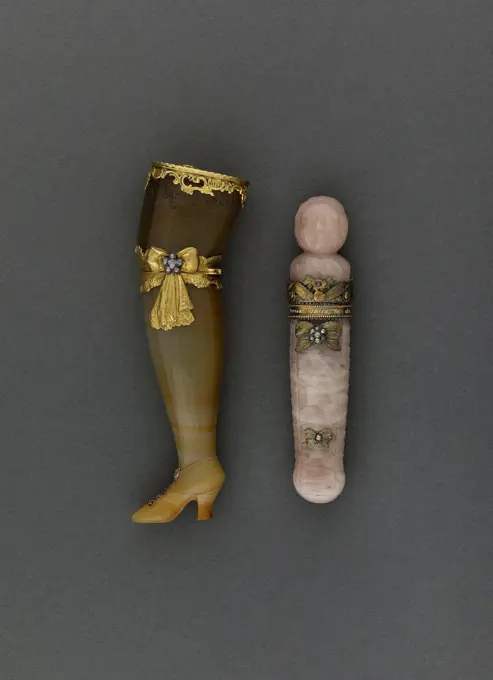
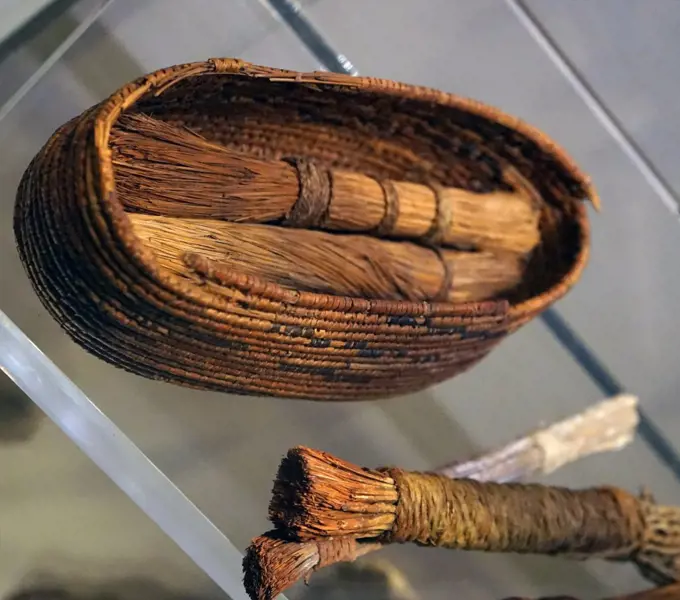
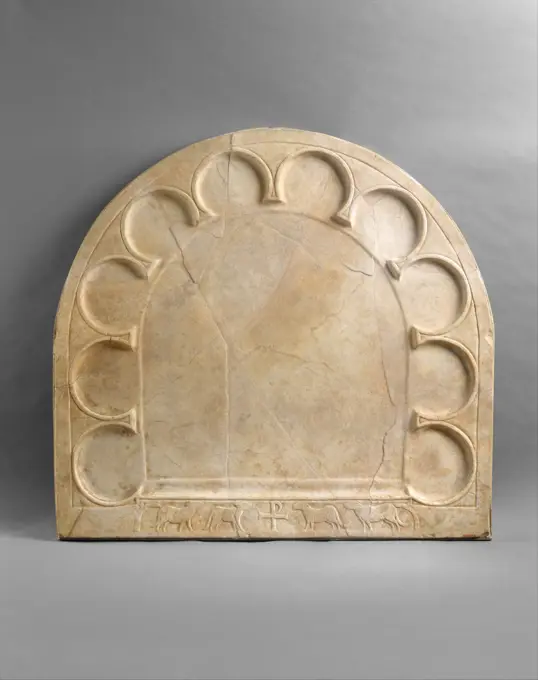
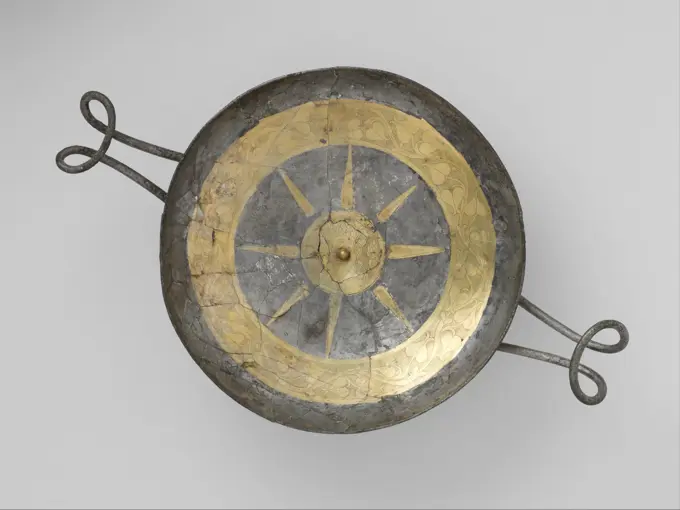
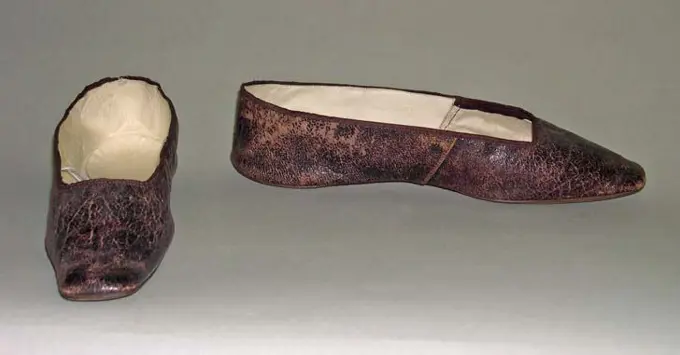
Shoes 1840s Italian. Shoes 112712PullFragment 14th-15th century. Fragment 445499Three shields with a representation of a double, crowned weaving coil. The shields have a wide field with rollerwork top and bottom. Two gold-plated weaver coils are shown on the field with a gold-leafed crown above above.GranaryDoorFragment 14th-15th century. Fragment 456226Amulet of the Goddess Isis. Egyptian. Date: 1070 BC-656 BC. Dimensions: 2.5 × 0.6 × 0.6 cm (1 × 1/4 × 1/4 in.). Lapis Lazuli. Origin: Egypt. Museum: The Chicago Art Institute, Chicago, USA. Author: Ancient Egyptian.Fragment of a terracotta column-krater, joins 1997.388a-eee. Culture: Greek, Attic. Dimensions: 4 1/4 x 4 1/2in. (10.8 x 11.4cm). Date: ca. 560-540 B.C..One side, Hephaistos on a donkey accompanied by satyrs and maenadsUnder one handle, satyrs filling a krater, satyrs and maenadsUnder the opposite handle, satyr filling a vase at a volute-krater, maenad with wineskinBelow, Herakles driving the cattle of Geryon. Museum: Metropolitan Museum of Art, New York, USA.Head of a pin in form of a winged horse ca. 8th-7th century B.C. Iran This winged horse carved in the round has a compact and simplified form, with an emphasis on decorative patterning. The head is small in proportion to the body and the neck appears to wear a collar. Hatched and zig-zag patterns indicate the mane, wing, underbelly, and the lower edges of the legs, while dot and circle motifs mark the eye, shoulder, belly and thigh. The flattened rear has a drilled hole that originally held a metal pin. Pins of this type, made of a recumbent animal joined to a pin in another material, have been found throughout western Iran and can be compared to the well-known bronze and iron lion pins from Hasanlu, of which there are eight in the collection of the Metropolitan Museum (61.100.10-.15; 63.109.5; 63.109.6). This suggests that the Surkh Dum pin was not imported, but rather made in Luristan, and thus its distinctive carving style can be assigned to the region. In three weeks of excavation Swan group (Swan Group). Set of miniature vases: "Pyxis". Ceramics with black figures, without incisions, purplish red highlights, 550-540 BC. AD Museum of Fine Arts of the City of Paris, Petit Palais. 99932-16 Antiquity, ceramic with black figures, rehabilitated red purplish, vieme life VI 6th 6th 6th century before av. JC, ancientBronze batillum (incense shovel) late 1st-early 2nd century A.D. Roman With short handle.. Bronze batillum (incense shovel) 246908Terracotta lamp in the form of a satyr's mask. Terracotta lamp in the form of a satyr's mask. Terracotta. TerracottasTerracotta fragments of a kylix (drinking cup) 470 B.C. Greek, Attic Interior, satyr holding snake. Terracotta fragments of a kylix (drinking cup) 667549Carving, wood, carved, gilded, painted, Deep wood carving, two sections of wood riveted together, one section forming the back. Polychromed and gold-lacquered. A scene in a battle between the Heike and the Genji: three Japanese warriors, one mounted on a horse, one running and one fallen; pine branches spreading above., ca. 1750, Decorative Arts, CarvingPlaque with Dragon Design 1100 BCE-900 BCE China. Jade .Stirrup 19th or early 20th century Peruvian This slipper stirrup, cast in bronze, mimics in metal the shape, the aspect and decoration of a traditional leather boot.Introduced to South America by the Spaniards in the 16th century, horses soon became an important element in the lives of many local populations, of both colonial and native origin. As a horse would be highly valued by its owner, the latter would likely cover it with beautiful and elaborated tack, especially during festivals or other celebrations. Close stirrups, or regular stirrups covered with a leather hood called a tapadero, are still regularly used in South America, as they protect the riders feet when riding in the bushes.. Stirrup. Peruvian. 19th or early 20th century. Copper alloy. Equestrian Equipment-StirrupsPair of Woman's Boots with Tying Ribbon Made 900 CE-1000 China. Outer boot silk, complementary weft twill weave with inner warps; seam trim cord silk, oblique interlacing; ribbon and top boot edge binding silk, simple and complex gauze weave; lined with silk, plain weave; liningís upper edge facing silk, twill damask weave; sole silk, plain weave; tying ribbon twill weave self-patterned by areas of twill weave .Pair of Stirrups. Culture: Mameluk, possibly Egypt. Dimensions: Stirrup (a); H. 8 in. (20.3 cm); W. 8 1/2 in. (21.6 cm); D. 14 1/4 in. (36.2 cm); Wt. 2 lb. 6.5 oz. (38.5 g); stirrup (b); H. 7 3/4 in. (19.7 cm); W. 8 3/8 in. (21.3 cm); D. 14 1/4 in. (36.2 cm); Wt. 2 lb. 7.8 oz. (1128.3 g). Date: 18th century.Stirrups with long rectangular footplates and wide flaring sides are found in most of the Islamic world, but in 18th and 19th-century Egypt examples with particularly large proportions, like this pair, seem to have been especially in fashion. Bigger than the foot itself, their back corners used as spurs, they were particularly favored by Mameluke cavalrymen. These examples are decorated overall with geometric and vegetal designs painted in gold. Museum: Metropolitan Museum of Art, New York, USA.BANDEJA PLATA DORADA S XVII. Location: CATEDRAL DE CRISTO SALVADOR-MUSEO. AVILA. SPAIN.Pipe 15th-16th century Aztec. Pipe. Aztec. 15th-16th century. Ceramic. Mexico, Mesoamerica. Ceramics-Implementstwo deer on reindeer antler, Upper Palaeolithic Magdalenian, Museo de la evolución humana, MEH, Burgos , Spain.Knob Knob; brassornate bridle associated with Abu Abdallah (Boabdil) 1482 -149 the Muslim ruler of Granada, Spain. Abu Abdallah Muhammad XII c. 1460-1533, known in Europe as Boabdil, was the 22nd and last Nasrid ruler of the Emirate of Granada in Iberia.Papayan Style Male Figure Pendant Pre-Columbian GoldGranaryDoorGold diadem with elaborate filigree decoration. From the Santa Eufemia Treasure. Dated 340 BCCartouche in auricular style, anonymous, 1659  Central fragment of cartouche top line of cut and gilded lindenhout with coat of arms of Maerten Harpertsz Tromp. Belongs to SK-L-4558 or SK-L-4660. Netherlands linden gildingAnonymous / "Golden earthenware dish", XV- XVI centuries, Ceramics (Terracotta decorated in blue and metallic reflections), Diameter: 40 cm.Multiple Nozzle Oil LampBell (fragment; Medallion with St. Antoni Padewski in Semi Progress) Auxiliary Church of the Parish Church in Muszyna Złock, Szczawnik Near MuszynaDragon Pendant 400 BCE-200 BCE China. Jade .perforated and decorated goat metacarpus and engraved rib, paleolithic art, La Garma A, Ribamontan al Monte, Museum of prehistory and archeology (MUPAC), Santander, Cantabria, Spain.Janus Figure, late 1800s-early 1900s. Central Africa, Democratic Republic of the Congo, Hemba people. Wood; overall: 30.8 x 7.9 x 7.3 cm (12 1/8 x 3 1/8 x 2 7/8 in.).Italy, Abruzzo, Alfedena, Medium-Adriatic bronze disk from an armorLEGON (AZADA TRIANGULAR).(EXPOSICION EL LEGADO CIENTIFICO DE AL-ANDALUS)(DEPOSITO: MUSEO PARROQUIAL LIETOR).Dish early 16th century German. Dish. German. early 16th century. Brass. Metalwork-BrassDetail of Celtic Iron Age goldwork, 6th century BC. Artist: UnknownFragment 14th century. Fragment 445551ESCULTURA. Author: Julio Gonzalez. Location: EXPOSICION ANTOLOGICA. MADRID. SPAIN.Fragment of a Bowl 14th-15th century. Fragment of a Bowl 446303Olmec, Ancient Cultures, The Americas, jade, Ceremony, National Museum of Anthropology and History, Mexico City, MexicoPanel 14th-15th century. Panel 445055clay Sieves or strainers were used in cooking and beer preparation in ancient Iraq. Excavated at Ur, Sumerian, 2100-2000 BCBobbin Lace Edging for Cap, 18th century. Belgium, Brussels, 18th century. Lace, bobbin: linen; average: 6.4 x 39.4 cm (2 1/2 x 15 1/2 in.).Moche vessel in form of two birds. 400-700 AD PERU.Staff Head(), c. 400-700. Colombia or Panama, International style, 5th-8th Century. Cast gold; overall: 8.3 x 7.2 x 2.4 cm (3 1/4 x 2 13/16 x 15/16 in.). The two-headed beast that crouches on the top of this object-perhaps a staff finial (head)-holds a human head or perhaps a mask between its paws. The silken surface and simple, elegant design identify the finial as of the International style, so-called because it crossed ancient boundaries and is found in Colombia as well as Costa Rica and Panama.BRAZALETE CON DECORACION INCISA PROCEDENTE DE LA CUEVA DE LOS MURCIELAGOS ZUHEROS CORDOBA- 4250 AC. Location: MUSEO ARQUEOLOGICO-COLECCION. CORDOBA.LUCERNAS. Location: BANCO EXTERIOR-COLECCION. MADRID. SPAIN.Tray, Emile Gallé, French, 1846 - 1904, Etablissement Gallé, French, 1904-1931, Walnut, various wood inlays, Carved leaf form with inlaid decoration of iris flowers on leafy stems., ca. 1890, tableware designs, Decorative ArtsBracketBird ca. 500 B.C.-A.D. 300 Indonesia (Java, Lumajang, Pasiran). Bird. Indonesia (Java, Lumajang, Pasiran). ca. 500 B.C.-A.D. 300. Bronze. Bronze and Iron Age period. MetalworkMirror with board game design and mythical creatures 1st century BC-1st century AD China. Mirror with board game design and mythical creatures. China. 1st century BC-1st century AD. Bronze with black patina. Han dynasty (206 B.C.-A.D. 220). MirrorsMiddle Ages. Jewels. 12th-13th Centuries. Museum of History and Navigation. Riga. Latvia.PRIMITIVA ARQUETA S MILLAN-TEJIDO LLAMADO SARGA-S XI-. Location: MONASTERIO DE YUSO. Rioja. SPAIN.Viking Art. Northern Europe. Two fine collars for carriage horses were found buried near the burial mound Bjerringhoj. National Museum of Denmark.Sword Guard, early 1800s. Japan, Edo period (1615-1868). Iron; diameter: 7.4 cm (2 15/16 in.).Mesopotamian. Samarran culture. (ca 5500-4800 BC). Iraq. The Samarra bowl, 5000 a.C. Decorated with the swastika in the center of the design. Pergamon Museum. Museum Island. Berlin. Germany.Votive Plaque ca. 8th century or later Tibet. Votive Plaque. Tibet. ca. 8th century or later. Clay. SculptureInk palette. Culture: China. Dimensions: Ink pallet: H. 4 3/16 in. (10.6 cm); W. 3 1/16 in. (7.8 cm); D. 9/16 in. (1.5 cm)Water horn: H. 1 5/8 in. (2.7 cm); L. 11 in. (27.9 cm); Th. 1 1/16 in. (4.1 cm). Date: 19th century. Museum: Metropolitan Museum of Art, New York, USA.Slippers 1850s French. Slippers 112722Icelandic Women's brooches, ornamented similarly to that from Viking Age Scandinavia. The most frequent finds are womens brooches, which were used to fasten the over-tunics at the shoulders. 9th century.Hook Buckle in the Shape of Three Raptors' Heads 6th-5th century B.C. North China and south-central Inner Mongolia. Hook Buckle in the Shape of Three Raptors' Heads 59470cap, handmade ceramic, first millennium BC, Huesca museum, Aragon community, Spain.Some edge fragments of pottery fire dome with silt decoration, fire dome fire clock heating soil finding ceramics earthenware glaze clay largest shard, hand-turned glazed decorated baked ring of fire Fragments of fire dome. Red shard on the top glazed Decorated in sludge technique Decoration consists of green and yellow lines in the kink yellow stripes and loops The fragment is too small to get picture of the complete representation Edge fragment with right cut side archeology Rotterdam City triangle Oostplein underground pit indigenous pottery fire extinguishing heating kitchen room Soil discovery Rotterdam underground pit Oostplein from large waste pit 1976.Goldweight Knot, 19th-20th century, 1 1/4 x 7/16 x 1/4 in. (3.18 x 1.11 x 0.64 cm), Brass, Ghana, 19th-20th centuryRing with glass paste. Ring with glass paste 243670Europe, Italy, Campania, Naples, National Archaeological MuseumGroup of menzies. Rhyton in the shape of a cow's head. Red figures. Taranto, around 340 BC. AD Museum of Fine Arts of the City of Paris, Petit Palais. 59533-14 Greek antiquity, drink, ceramic, red figure, large Greece, 4th 4th 4th 4th 4th century AV.J-.C., Libations, molding, ancient period, pottery, container, rhyton, ritual, head, cow, vase to drink , Ancient vase, Greek vase, animalToiletries made of wood. New Kingdom (14th-11th BC). Egypt. The State Hermitage Museum. St. Petersburg. Russia.Bronze ritual wine vessel from the Western Zhou Dynasty. Dated 11th Century BCEgyptian Combs in Wood. New Kingdom (1550-1070 BC)Gold axe decorated with lattice motif and with relief depicting ram, from Byblos, Temple of the Obelisks, LebanonPair of Prick Spurs late 19th-early 20th century probably Algerian The prick spurs traditionally used in most of the Islamic world evolved directly from late Antique examples. They consist of straight U-shaped branches bearing a very long prick with sometimes a disc at its base. The flat loop at the top of the heel is used for attaching the strap going around the ankle. This pair, cast in iron, belongs to a mass produced type that was used by Spahi units in French North Africa.. Pair of Prick Spurs. probably Algerian. late 19th-early 20th century. Iron, leather. Equestrian Equipment-SpursBaluster with stabbed C and S-Voluten, Anonymous, c. 1740 - c. 1760 S-shaped baluster with stabbed C and S-Voluten with rocaille shells. Northern Netherlands wood (plant material) S-shaped baluster with stabbed C and S-Voluten with rocaille shells. Northern Netherlands wood (plant material)Fragrance Box, 1700s. China, Qing dynasty (1644-1911). Tortoiseshell; diameter: 8.6 cm (3 3/8 in.).Hacha, c. 600-900 CE, 10 x 21 x 2 1/2 in. (25.4 x 53.34 x 6.35 cm) (depth varied), Stone, 7th-10th century, Players of Mesoamerican ballgames wore u-shaped yokes around their hips made of cotton, wood, or leather to deflect the rubber ball in this no-hands team sport. Yokes made of carved stone were worn in opening and closing ceremonies for the game. Hachas were ornaments that attached to players' yokes during these ceremonies. The notch at the bottom of the hacha allowed it to sit atop the yoke encircling the player's hips. The ring around the eye of this bird hacha identifies it as a parrot or macaw, a possible reference to the supreme ball players known as the Hero Twins. They are the main characters of the Popol Vuh, the Maya creation story. The Popol Vuh is an important source of information on many ballgame-related objects throughout Mesoamerica.Sombrero on DeckFragment of the carton;  indefinite (0-00-00-0-00-00);Basket, 20th century, 5/16 x 3/8 x 3/8 in. (0.8 x 1.0 x 1.0 cm), Natural plant fibers, United States, 20th century, In the early 1900s, many Euro-American women traveling through the Southwest region of the United States became infatuated with miniature Native American baskets, and some became avid collectors. Native women basket makers responded to this demand by creating ever-smaller baskets, utilizing the same harvesting, processing, and coiling techniques as those for personal use. Creating tightly woven, tiny baskets in an expanding range of designs and styles for their new clientele required the same levels of expertise and knowledgebut perhaps even more dexterity and skill.Treasure of Tutankhamen, royal diadem made of gold, precious stones and vitreous pastes, with Nekhbet (vulture) and Uadjet (cobra) on the forehead, deities of Upper and Lower Egypt from New KingdomPanel 14th-15th century. Panel 445112Chess Piece, Pawn 9th-11th century Caliphal decrees prohibited the playing of chess (the pieces of which are customarily figural) for iconoclastic reasons as early as the eighth century. It is likely that chess pieces of the abstract type, such as those exhibited here, replaced the figural ones in order to circumvent those decrees.The dot-in-circle motif recalls designs presumed to be of magical significance, most likely an abstract eye to ward off the evil-eye, which serves an apotropaic function. Easily reproduced with a tool and visible in many cultures and times, this symbol may have lost its meaning, and become simply a decorative pattern, or may have one that we have not yet discovered.. Chess Piece, Pawn. 9th-11th century. Jet. Attributed to Western Islamic Lands. Gaming piecesanthropomorphic pipe, Luzon mountain range, 19th century, Anthropology National Museum, Madrid, Spain.Fingered Gauntlet for the Left Hand. Southern German, Nuremberg. Date: 1610-1630. Dimensions: L. 31.8 cm (12 1/2 in.). Steel. Origin: Nuremberg. Museum: The Chicago Art Institute, Chicago, USA.Fan Holder. Egypt, New Kingdom (1569 - 1081 BCE). Tools and Equipment. WoodFragment 14th-15th century. Fragment 446331Wine Cup with a Fishmonger; Attributed to an artist close to the Theseus Painter (Greek (Attic), active about 510 - about 490 B.C.); Athens, Greece; about 525 - 500 B.C; Terracotta; 8.5 × 26.7 cm (3 3,8 × 10 1,2 in.)Mummy pectoral inscribed for Sener. Faience. New Kingdom. 19th-20th Dynasty (1292-1076 BC). Egyptian Museum of Turin. Italy.Wooden Mmwo mask used to commemorate female ancestors; Igbo tribe; Nigeria; West Africa 20th centuryPair of Stirrups 18th century Mamluk, possibly Egypt Stirrups with long rectangular footplates and wide flaring sides are found in most of the Islamic world, but in 18th and 19th-century Egypt examples with particularly large proportions, like this pair, seem to have been especially in fashion. Bigger than the foot itself, their back corners used as spurs, they were particularly favored by Mamluke cavalrymen. These examples are decorated overall with geometric and vegetal designs painted in gold.. Pair of Stirrups. Mamluk, possibly Egypt. 18th century. Iron, gold. Equestrian Equipment-StirrupsGerman anonymous. Student in the shape of a leg, agate, gold and silver frame with diamonds, mid -18th century or 19th century. Baby -shaped Baby, pink quartz, gold and silver frame with diamonds, mid -18th century or 19th century. Paris, Cognacq-Jay museum. 56696-3 Agate, silver, baby swaddling, diamond, etui, leg, mount, object, gold, pink quartzPaint brushes made of palm fibre, stained with ancient paint and bitumenTabletop 400-600 Byzantine Small tabletops like this one were used to celebrate feasts for the dead at grave sites; this commemorative practice was known throughout the Roman and early Byzantine worlds. The tables were often supported on bases, similar to the example displayed below, which were elaborately carved with messages promising mankind's salvation. Here, at the lower edge of the table, four sheep, representing the blessed according to Matthew 25:33-40, flank a Christogram, a monogram composed of the first two letters of Christ's name in Greek, chi (X) and rho (P). Such tables are often called sigma tables due to their resemblance to the late form of the Greek letter.. Tabletop 468213Silver-gilt cup (one of a pair) 4th-3rd century B.C. Greek, South Italian It is remarkable that these delicate thin-walled cups have survived in reasonably good condition, given that their bowls were hammered from a sheet of silver rather than cast.. Silver-gilt cup (one of a pair). Greek, South Italian. 4th-3rd century B.C.. Silver, gold. Late Classical or Hellenistic. Gold and SilverKnightly board Knightly board. An element for defense of the medieval soldier Copyright: xZoonar.com/ValeryxxSibrikovx 2494317Episcopal seal, red and yellow stamped wax, 13th century, Huesca Diocesan Museum, Aragon community, Spain.BumpFigurine of Chthonic ErosSword Guard (Tsuba) with Birds in Cherry, c. 1615-1868. Japan, possibly Edo period (1615-1868). Iron; diameter: 6.8 cm (2 11/16 in.).Pipe bowl Liver law, Wilhelm Schulz