Vintage Glass Bottles

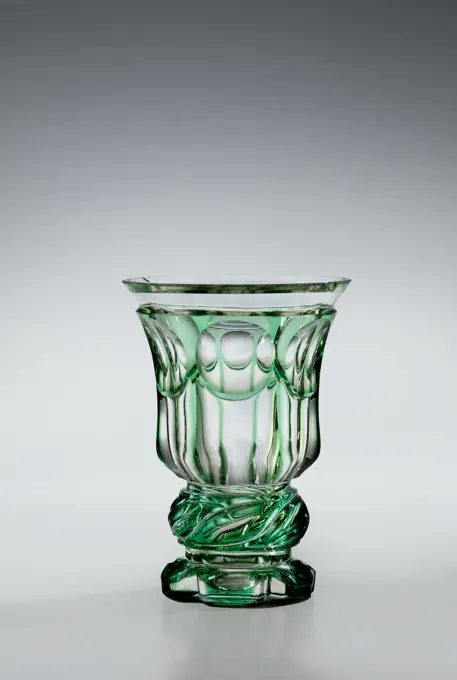
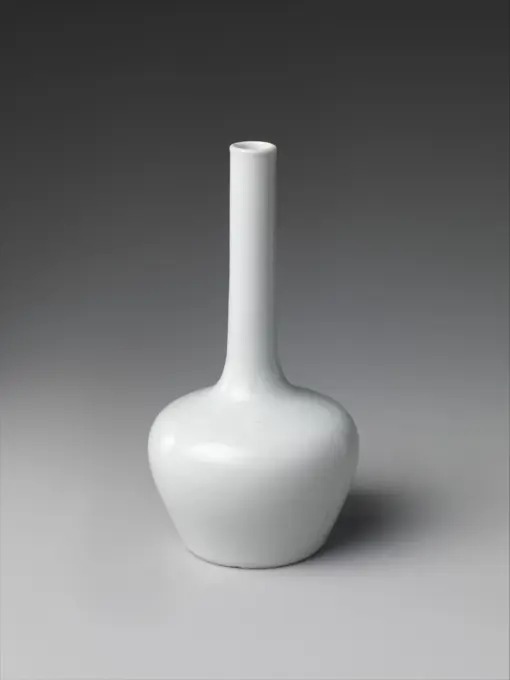
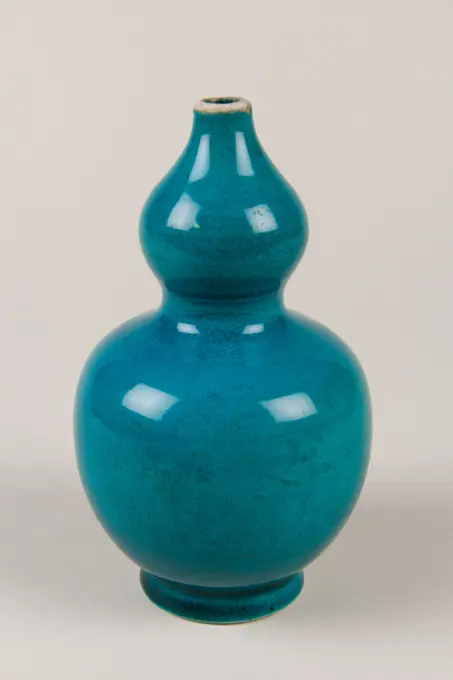
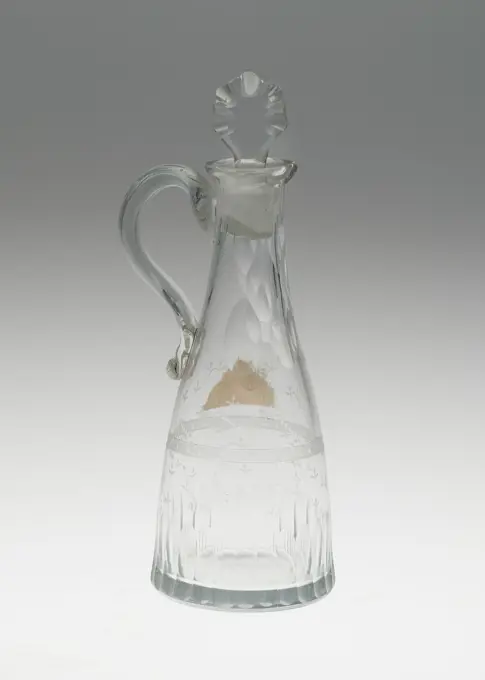
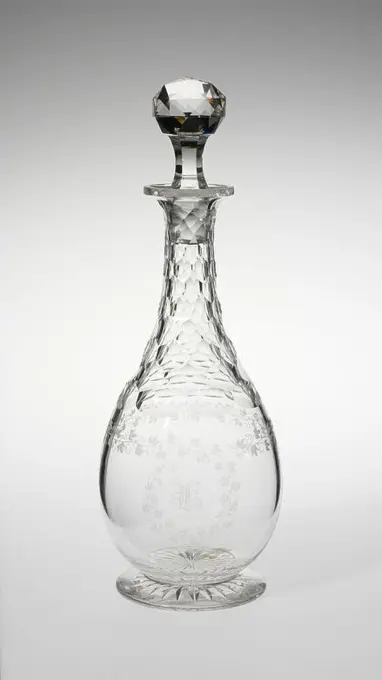
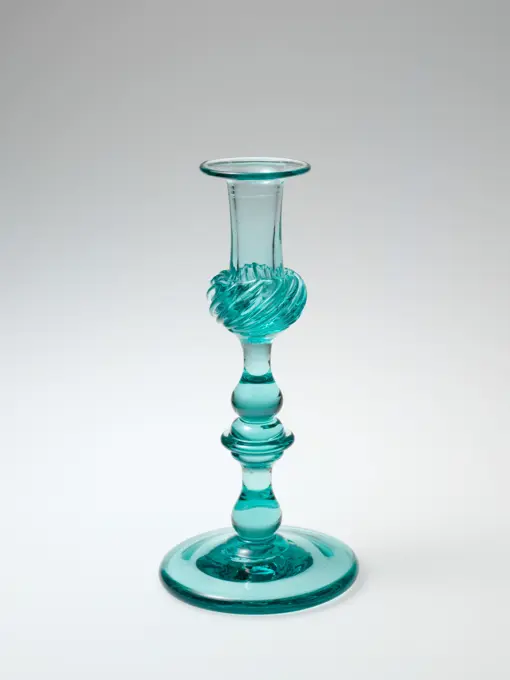
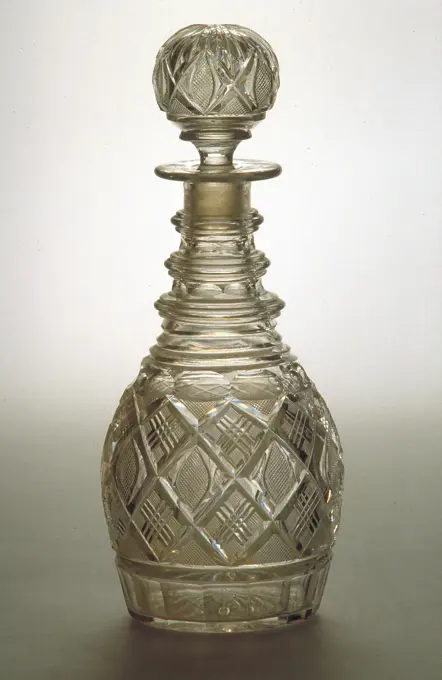
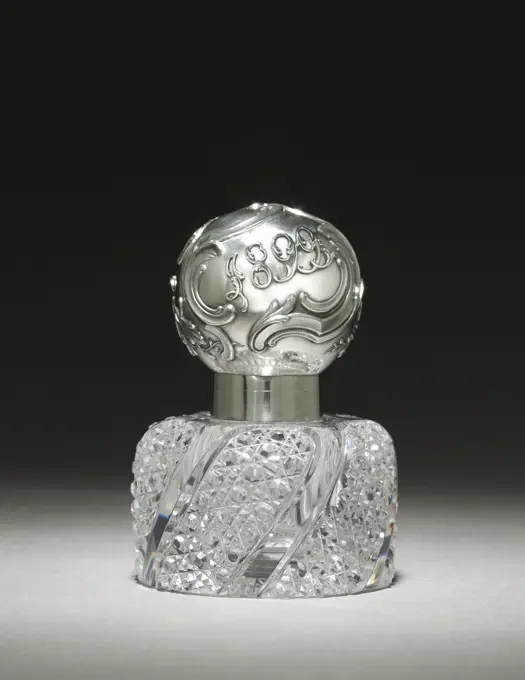
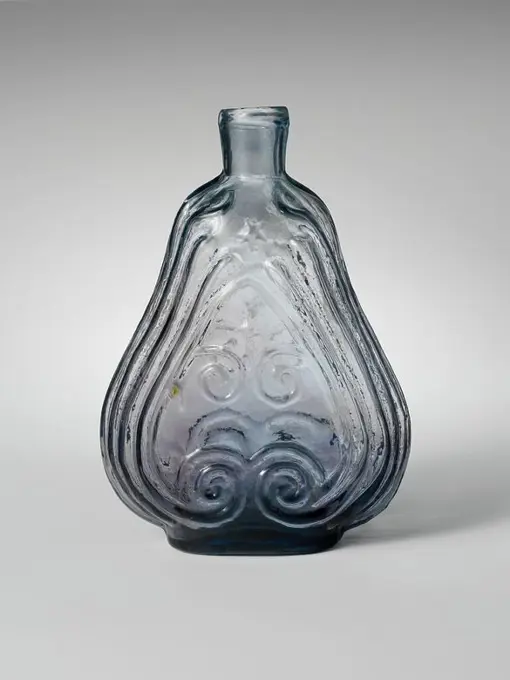
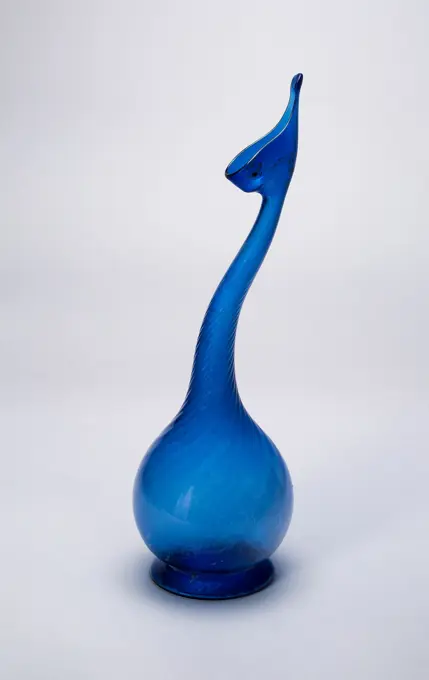
A collection of vintage glass bottles and decanters showcasing intricate designs and various colors, symbolizing elegance and classic craftsmanship.
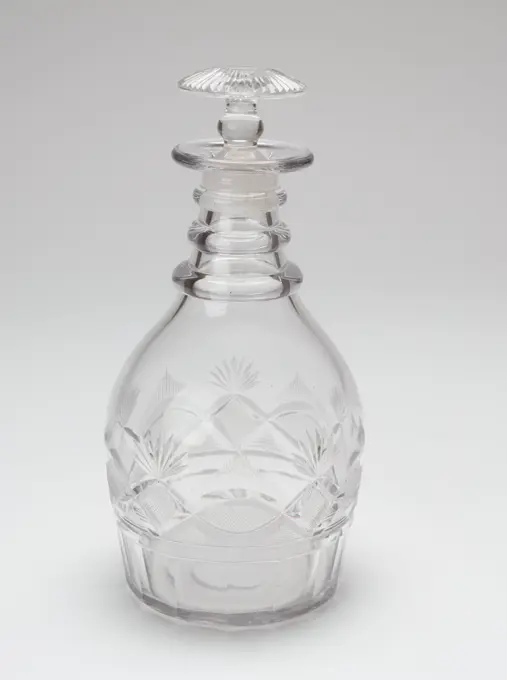
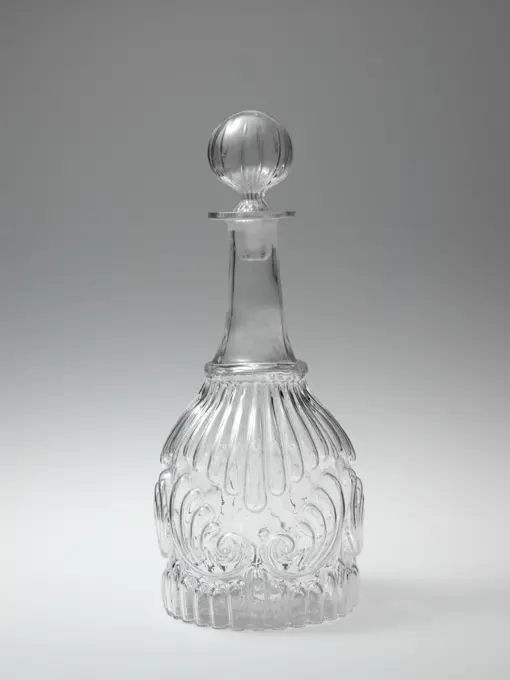
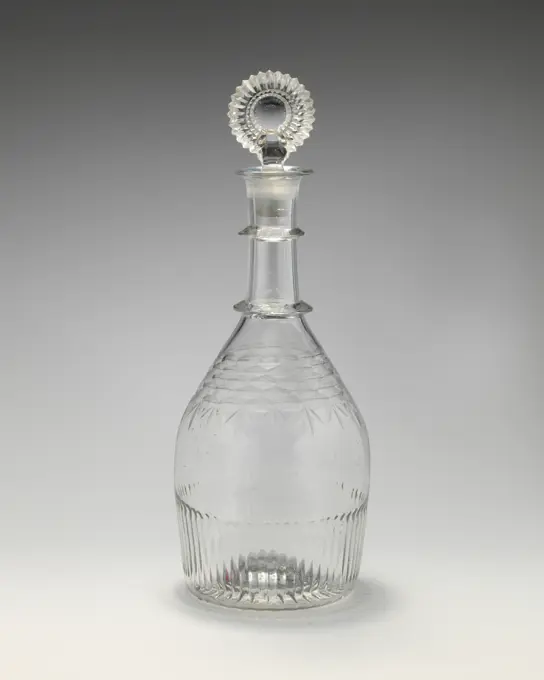
Decanter, one of a pair, 1820-1830, 10in. (25.4cm), Lead glass, United States, 19th century
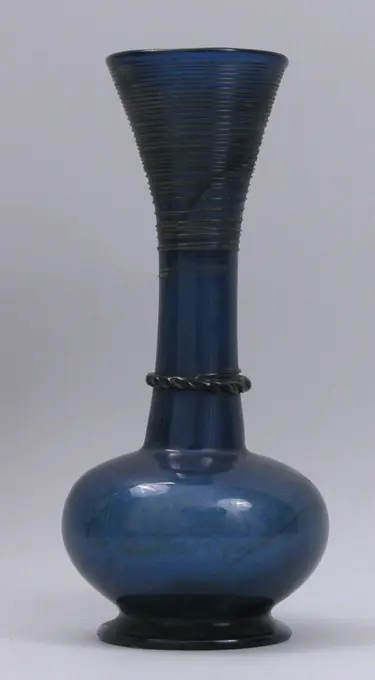
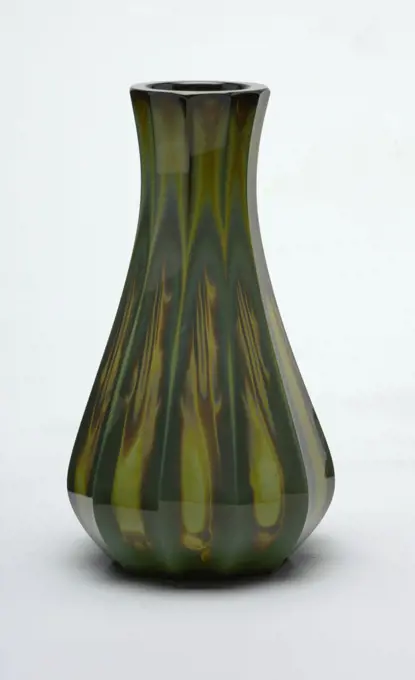
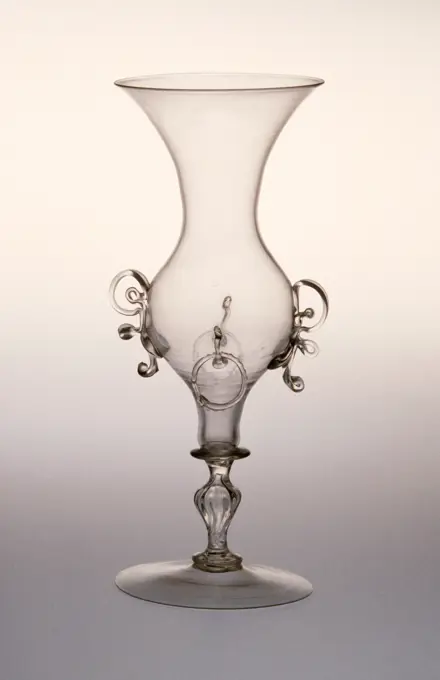
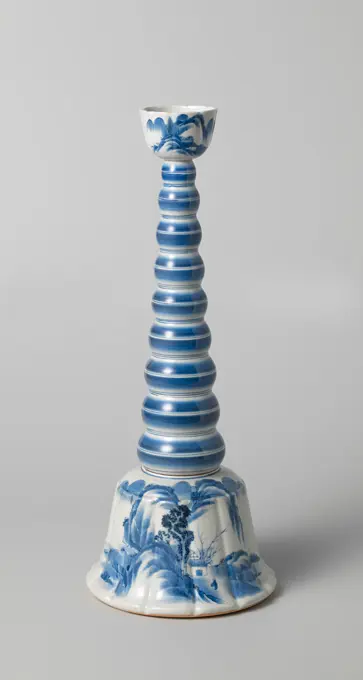
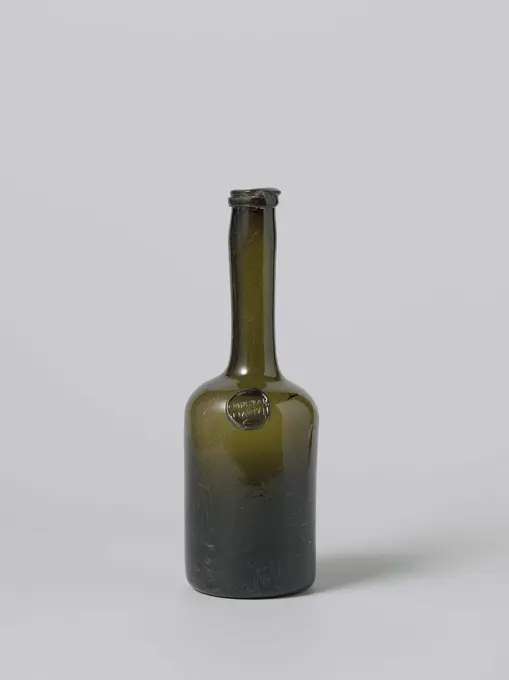
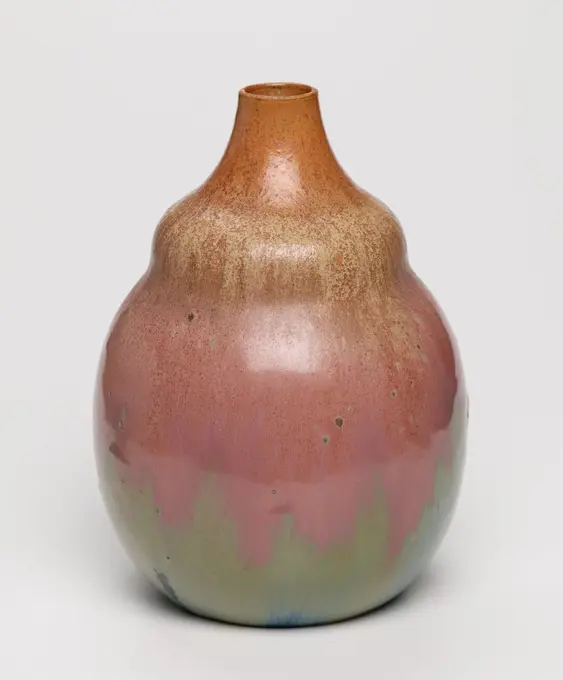
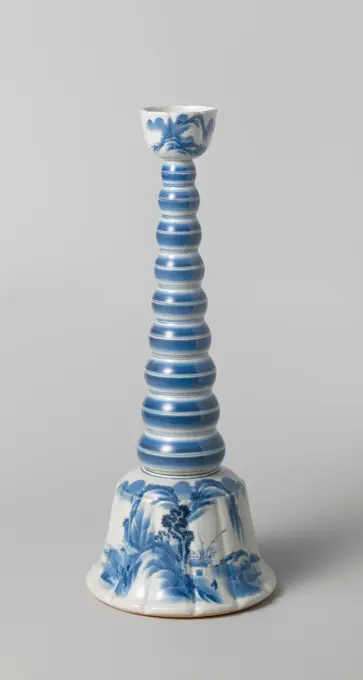
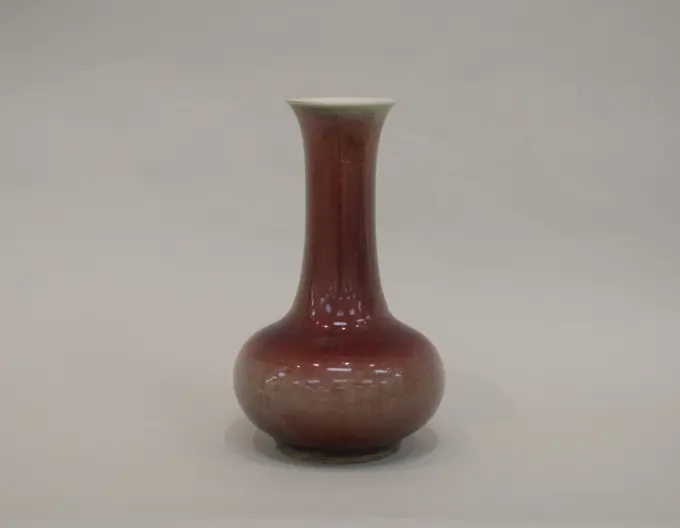
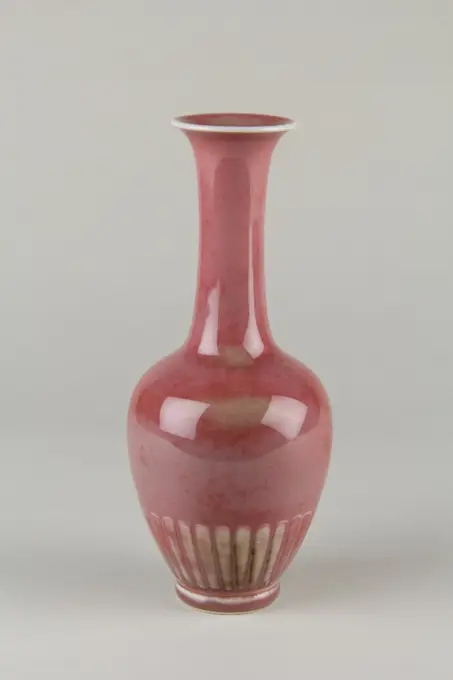
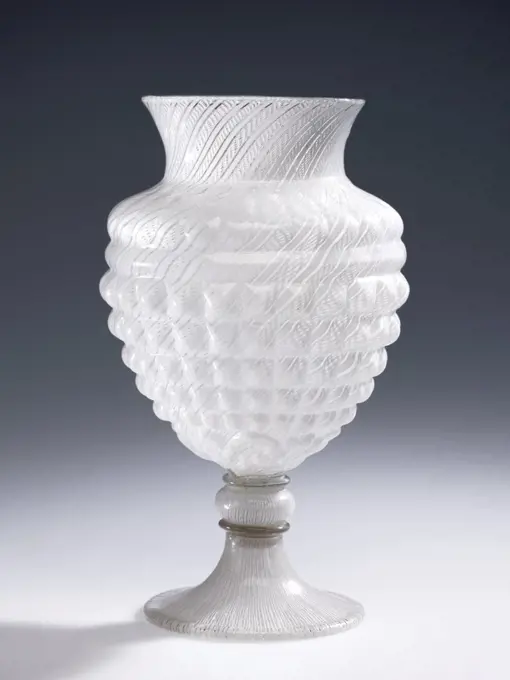
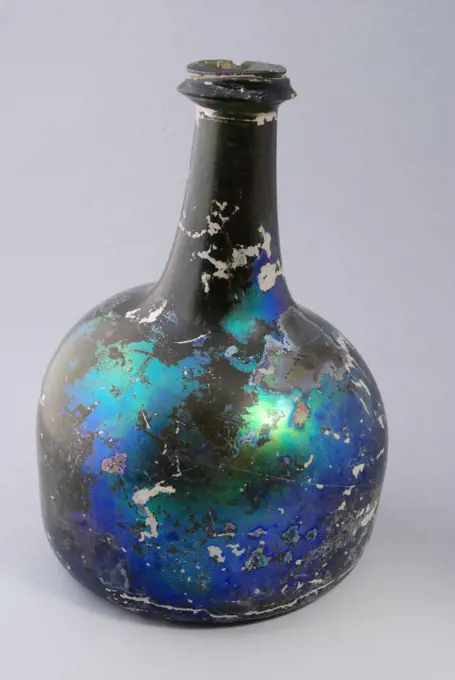
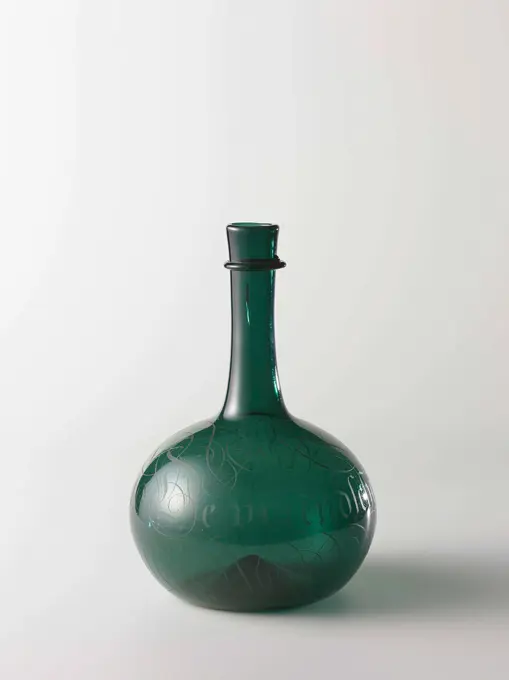
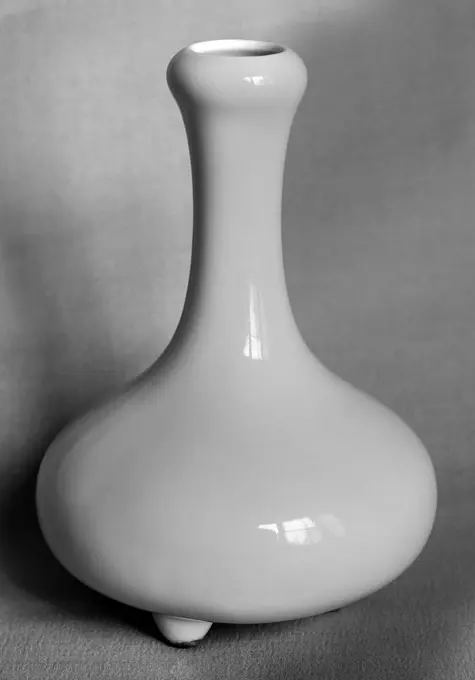
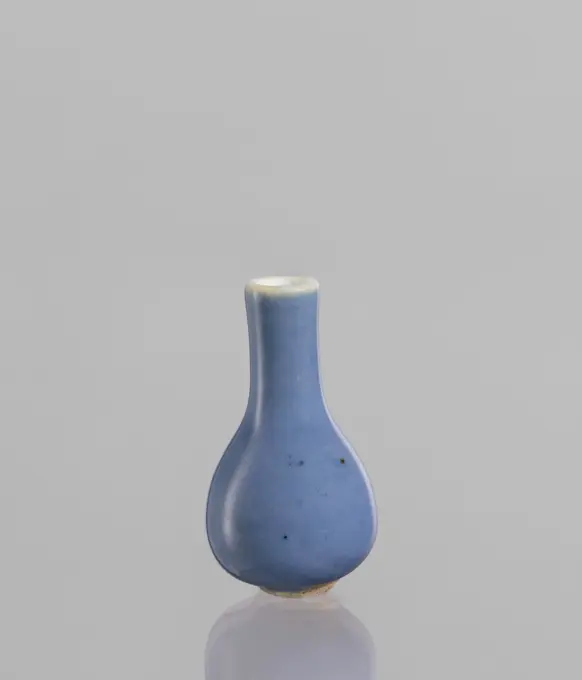
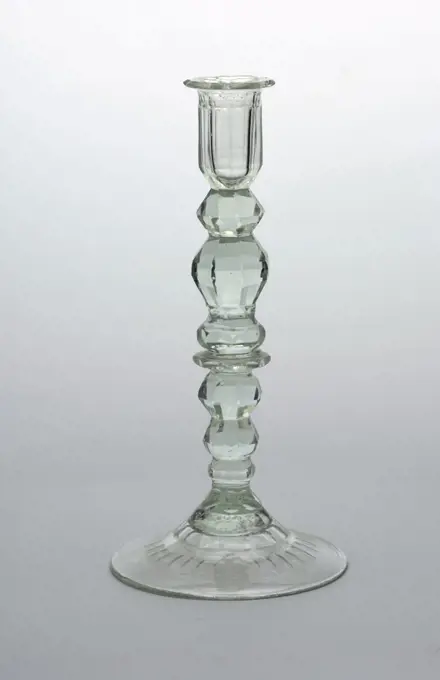
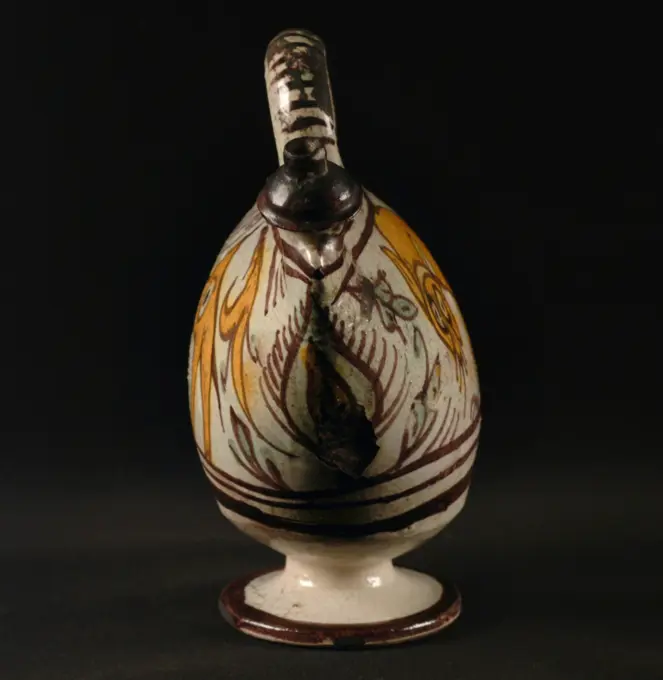
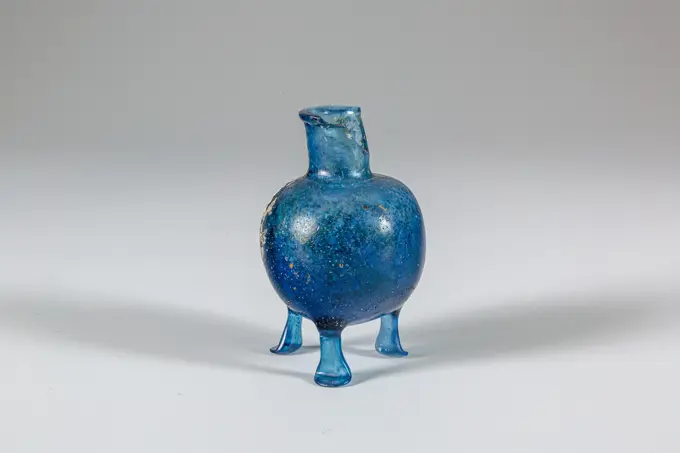
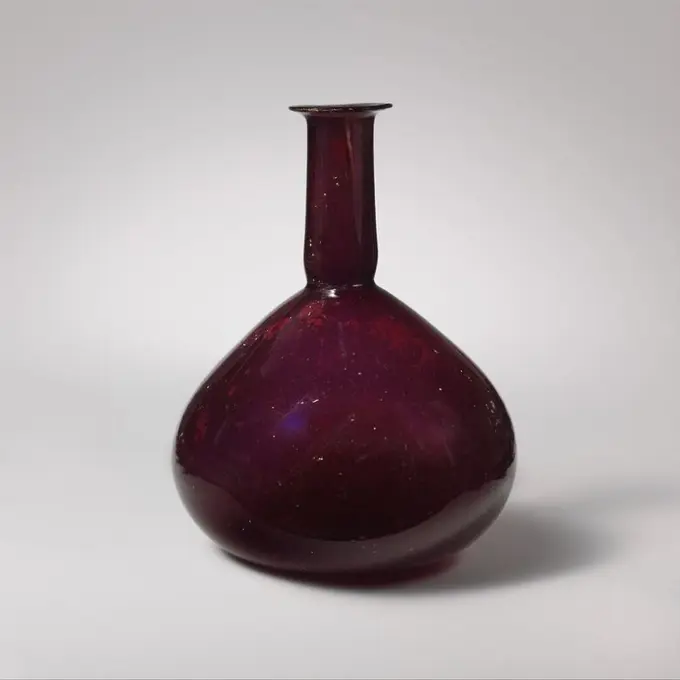
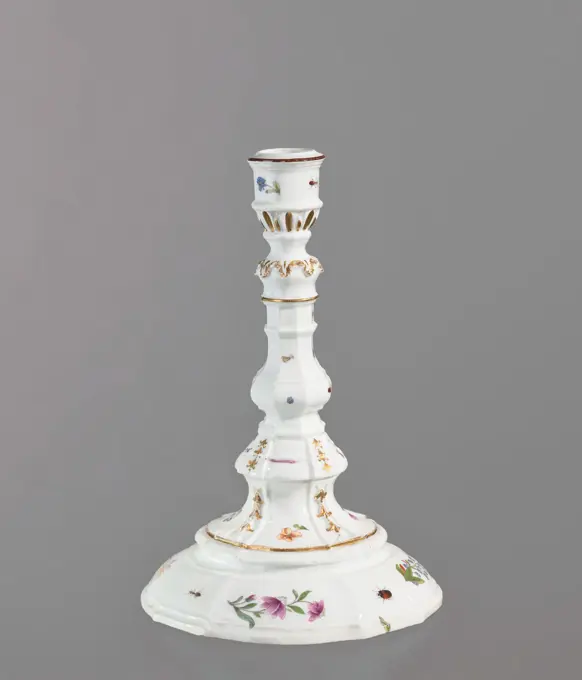
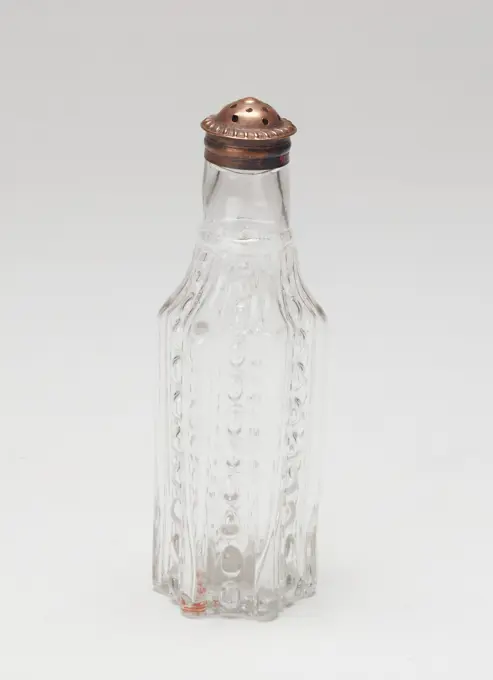
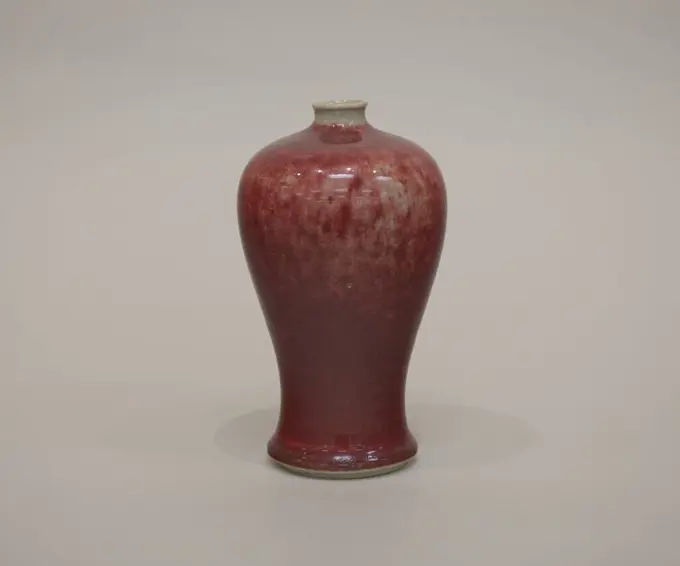
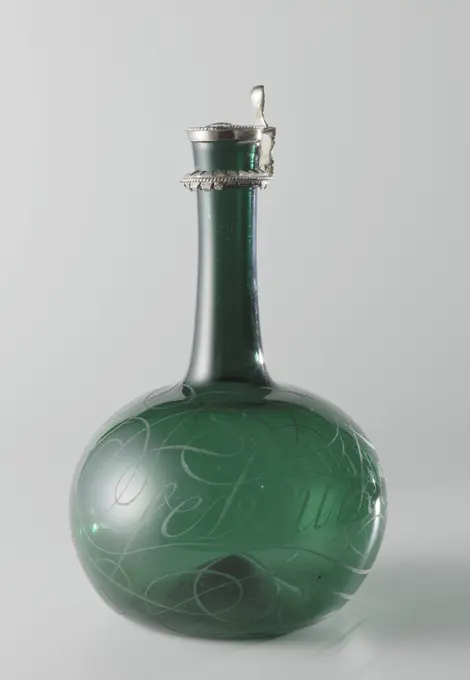
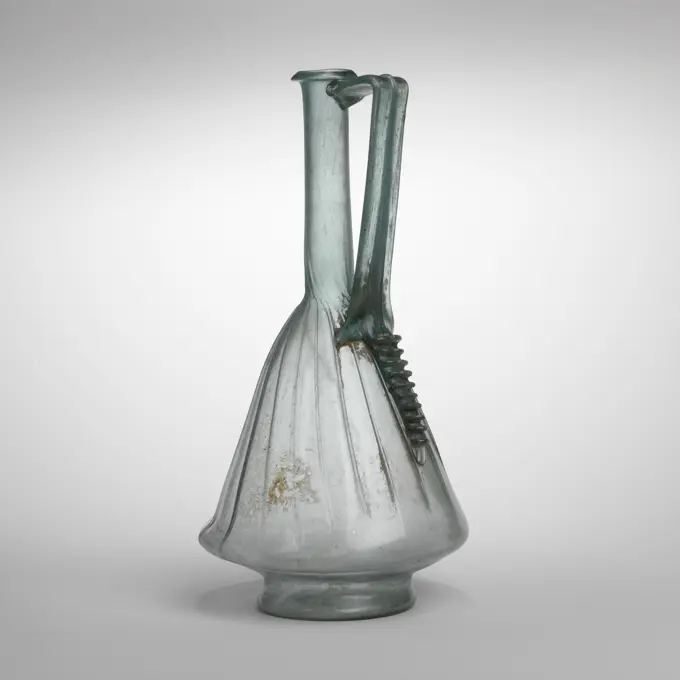
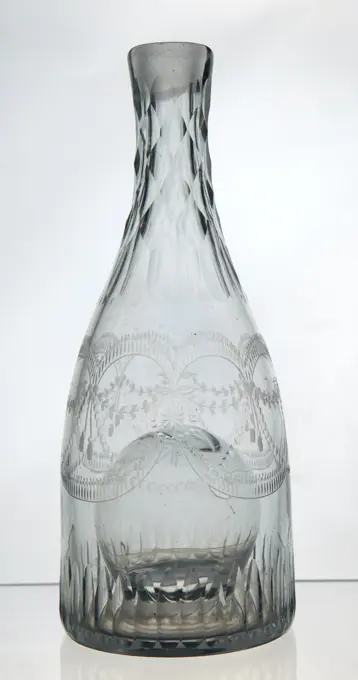
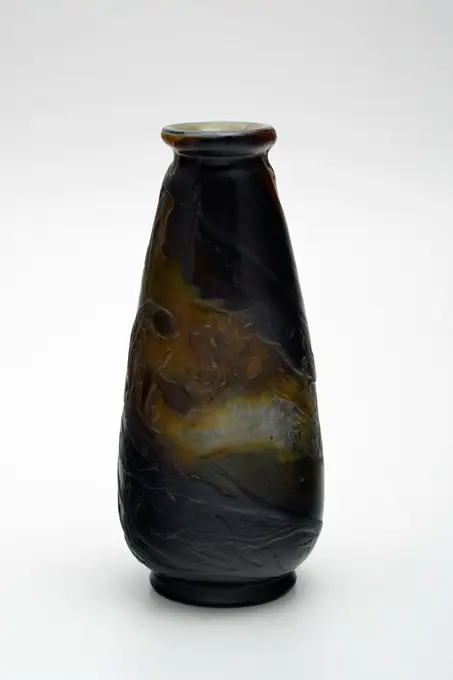
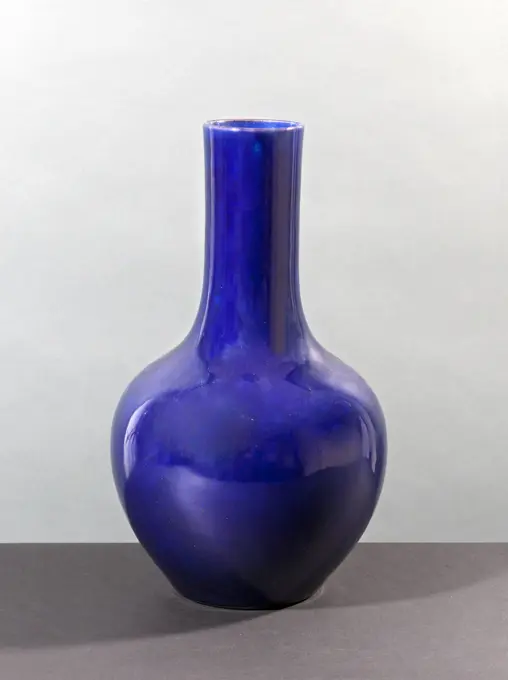
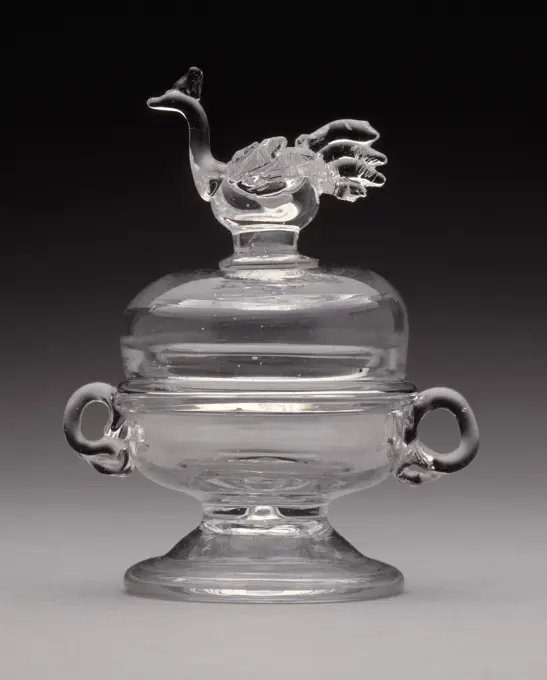
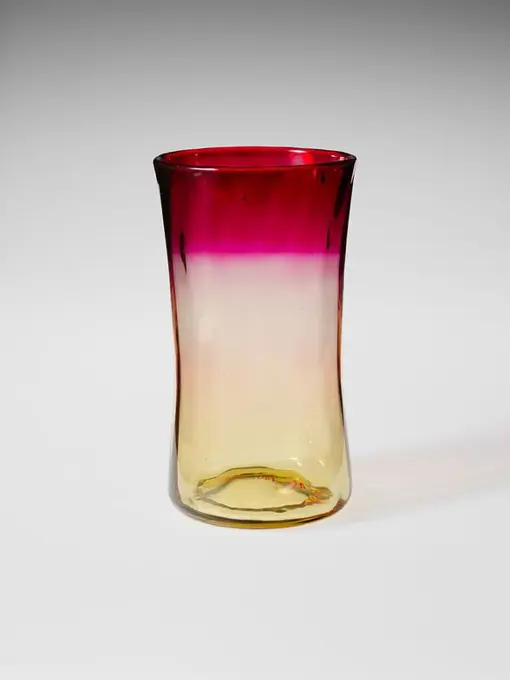
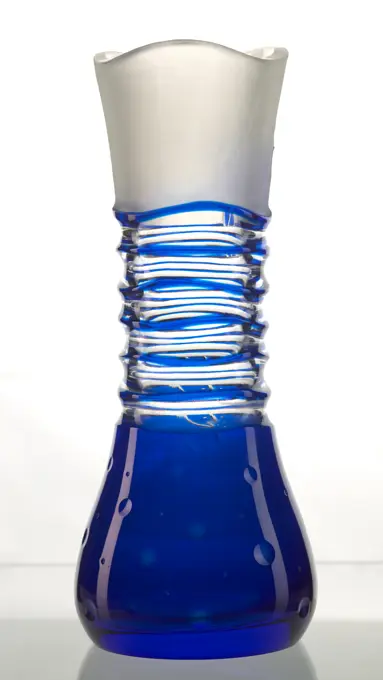
Maker Unknown, Bottle, c. 1810-c. 1850, aquamarine glass.Decanter 1825-45 Probably Boston & Sandwich Glass Company. Decanter. American. 1825-45. Blown-molded glass. Made in Sandwich, Massachusetts, United StatesDecanter, one of a pair, 1820-1830, 10in. (25.4cm), Lead glass, United States, 19th centuryBottle probably 18th-19th century. Bottle 444761Bottle Bottle; Ireland; glassVase, Tiffany Glass and Decorating Company, American, 1892 - 1900, Mold-blown favrile glass, Agate glass vase. Olive and ochre with faceted sides., New York, NY, USA, ca. 1899, glasswares, Decorative Arts, VaseDecanter and stopper, Cut and engraved blown glass, Bulbous, lightly blown body, 2 neck rings-knotched, everted lip, row of faint molded vertical fluting bottom of sides, above engraved with a rose, thistle and shamrock; target shaped stopper with waffle pattern; bottom: pontil mark surrounded by maker's mark (faint) and light fluting to edge., Belfast, Ireland, ca. 1800, glasswares, Decorative Arts, Decanter and stopperDrinking Glass (Tazza). Italy, Venice, circa 1550-1650. Furnishings; Serviceware. GlassBottle, dark blue glass, Dark blue vase with long neck, short bulbous body, with two applied handle at base of neck to body (one handle broken), Iran, 17th-18th century, glasswares, Decorative Arts, BottleBeaker. Nieokreślona huta, factoryGlass perfume bottle. Culture: Roman. Dimensions: Overall: 5 9/16 in. (14.1 cm)Diam.: 3 5/8 x 1 3/8 in. (9.2 x 3.5 cm). Date: 1st-2nd century A.D..Translucent yellow green.Uneven rim folded out, over, and in; flaring mouth; cylindrical neck, expanding slightly downwards, with tooled indent around base; bulbous body; flat bottom.Intact; pinprick and larger bubbles, with a few glassy inclusions; limy encrustation and iridescent weathering on interior. Museum: Metropolitan Museum of Art, New York, USA.Close-up of a wine bottle, FranceVase.   Maker: Frederick Hurten Rhead, American, born England, 1880-1942Candlestick with a conical bulb stem and candleholder and base with a water landscape.Candlestick of porcelain with conical stem with nine annular thickenings and a head-shaped candle holder with ribbed wall and lobed edge. Painted in underglaze blue. The annular nodules with blue tires. The cup with a continuous river landscape with pavilions, trees, rocks and boats on the water. Blue White.Cylindrical bottle for 'Constantia wine'. Green glass bottle with free wide and short belly and long neck. The seal is located on the bulge bulge just below the start of the neck. Constan / Tia Wyn is in a round. Constantia wine was and is a famous wine from the Constantia Buitenplaats (later Large Constantia) in Cape Town, South Africa. The bottle is brawbed on the coast of Ghana. The mouthpiece of the bottle is uneven.Pencil box. Nieokreślona huta, factoryVase. Culture: China. Dimensions: H. 8 1/4 in. (21 cm). Date: 19th century. Museum: Metropolitan Museum of Art, New York, USA.Vial. Conical foot of purple glass. Sideways flattened, ring-shaped body, passing in a short, slightly bent neck with a pairing blue edge. Two ribbed purplish wires on the narrow sides.Can with oval and circles, c. 1725 - c. 1775 Can of clear, colorless glass. Konian foot. Flattened spherical body ends in a straight neck with a outstanding edge and pour. C-shaped handle. On the flattened sides of the body a rosette of oval in a circle, surrounded by an oval edge. A rosette of circles on the narrow sides. Oval and circles on the neck. Bohemia glass grinding / glassblowing Can of clear, colorless glass. Konian foot. Flattened spherical body ends in a straight neck with a outstanding edge and pour. C-shaped handle. On the flattened sides of the body a rosette of oval in a circle, surrounded by an oval edge. A rosette of circles on the narrow sides. Oval and circles on the neck. Bohemia glass grinding / glassblowingVase. Artist: Louis Comfort Tiffany (American, New York 1848-1933 New York). Culture: American. Dimensions: H. 16 in. (40.6 cm). Date: ca. 1908. Museum: Metropolitan Museum of Art, New York, USA.Vase, 19th century, August Delaherche, French, 6 3/8 × 4 9/16 × 4 9/16 in. (16.19 × 11.59 × 11.59 cm), Glazed stoneware, 19th century, The artistic movement known as Art Nouveau was deeply influenced by Japanese aesthetics and, insofar as it impacted the production of French ceramics, developed along two different paths. One lead to the highly refined painting represented by the graceful figure of a woman in the snow adorning Georges de Feures vase. The other direction, taken by small pottery workshops or individual ceramicists such as Delaherche, emphasized simple forms enlivened by the experimental application of glazes.Vase. Culture: American. Decorator: Probably cut by Fredolin Kreischmann (1845-1898). Dimensions: H. 12 1/4 in. (31.1 cm). Maker: Tiffany Glass and Decorating Company (American, 1892-1902). Date: ca. 1895-98.This vase features cased and cut decoration on a virtually colorless glass form. The blue-white opalescent rim is the result of the vessel having been reintroduced into the hot furnace. Tiffany's master of this type of ornamentation was Fredolin Kreischmann (or Kreischman), a highly skilled glass cutter and engraver whom Tiffany hired during the early years of his production of blown-glass vases. Kreischmann had perfected his technique while employed at the leading proponent of this method, the British firm Thomas Webb, in Stourbridge. In the five years that Kreischmann worked for Tiffany before his death in 1898 he created some of the most breathtaking pieces known from the firm.This vase exhibits a delicacy and fluidity not often associated with cut glass. Two of Tiffany's favoVase with decoration of dragons among clouds (one of a pair) China The technique of incising a very delicate pattern into the surface of a porcelain vessel before covering it with a thick glaze, which obscures the underlying decoration, became popular in the early fifteenth century and was used thereafter. The long, elegant necks and bulbous bodies of these miniature vases most likely derive from an Islamic glass prototype introduced to China centuries earlier.. Vase with decoration of dragons among clouds (one of a pair) 653045Bottle first half of the 19th century China. Bottle 47375Cruet 18th-19th century Italian, Venice (Murano). Cruet. Italian, Venice (Murano). 18th-19th century. Glass. Glass. Glass .Vase. unknown, craftsmanDecanter. Culture: American. Dimensions: H. 19 in. (48.3 cm). Maker: Boston & Sandwich Glass Company (American, 1825-1888, Sandwich, Massachusetts). Date: ca. 1867. Museum: Metropolitan Museum of Art, New York, USA.Candlestick with a conical bulb voice and candleholder and base with a water landscape. Candlestick of porcelain with conical stem with nine annular thickenings, bell-shaped base with a ribbed wall and a cup-shaped candle holder with ribbed wall and lobed edge. Painted in underglaze blue. The annular nodules with blue tires. The foot and cup with a continuous river landscape with pavilions, trees, rocks and boats on the water. On the top of the foot a deepened circle where the upper part of the candlestick is placed. Blue White.Bottle China. Bottle. China. Porcelain with ox-blood glaze. Qing dynasty (1644-1911), Kangxi period (1662-1722). CeramicsBottle China. Bottle 52921Daumengglas; Non -like Lona Huta; XVII-XVIII century (1601-00-00-1800-00-00);. Carafe squeezed in a leaf motif. Spherical body with rhombic studs blown in the form. Low, twinely strangled neck, overtorning in a funnel-shaped mouth with an octagonal edge, deposited with a blue thread. On either side a C-shaped ear with blue kam ornamentSnuff Bottle China. Snuff Bottle 41641Pair of OilLamps. Maker, possibly by: Boston and Sandwich Glass Works, American, 1826-88Filigrana Umbo Vase; Unknown; Venice, Italy, Veneto, Europe; 1580 - 1600; Free- and mold-blown colorless (slightly gray) glass with lattimo canes; Object: H: 21.2 cm (H:  8 5/16 in.)Decanter early 19th century Irish, probably Belfast. Decanter. Irish, probably Belfast. early 19th century. Glass. GlassLid, anonymous, c. 1600 - c. 1699 Lid with button, with diamond engravure: three roses and ornament.  glass Lid with button, with diamond engravure: three roses and ornament.  glassGoblet with Cover 1685-1695 Bohemia. Glass .Belly bottle, clock model, belly bottle bottle holder soil find glass, neck with imposed all-round sharp glass thread (two chips ) and wrapping lip chip archeology packagingGlass flask ca. 3rd century A.D. Roman Colorless.Plain, vertical rim; funnel-shaped neck; pushed-in shoulder; squat, globular body; large kick in bottom, with pontil scar.Intact; many pinprick bubbles and blowing striations; deep pitting and brilliant iridescent weathering.. Glass flask. Roman. ca. 3rd century A.D.. Glass; blown. Late Imperial. GlassBottle with a spherical body, anonymous, c. 1675 - c. 1700 Insented soul, slightly flattened spherical body, transfersing to a lashing neck with a high -placed ring. Northwest Europe glass glassblowing Insented soul, slightly flattened spherical body, transfersing to a lashing neck with a high -placed ring. Northwest Europe glass glassblowingGlass serving bottle (1676). Maker: Willem van HeemskerkAmphora. East Mediterranean or Italy, second or third quarter of the 1st century. Furnishings; Serviceware. Glass with splash decorationBottle with the inscription: The friendship is' s Levens Sout. Inserted soul. Bol-shaped body, long slim neck with imposed ring around the neck. On body glared inscription: "The friendship is" S Levens Sout. " Under the engraving the 'Petit' signature and on the bottom 'M Petit Schryfmr a Leyden Anno 1687'.Tripod vase late 18th century China. Tripod vase. China. late 18th century. Porcelain with clair de lune glaze (Jingdezhen ware). Qing dynasty (1644-1911). CeramicsFlakonik. unknown, craftsmanCandlestick, glass, Tall shaft with series of faceted knops; faceted nozzle with cut and shape everted rim; domed base spreading to flat circular rim, cut with facets at top and with circular row of printies on underside, notched around bottom outer rim; pontil mark; glass greenish, light, bubbly., Europe, 1750-1800, glasswares, Decorative Arts, candlestick, candlestickPilgrim Bottle, 1889. Tin-glazed earthenwareTIBOR CHINO S XIX IMITACION MING. Location: PALACIO REAL-CERAMICA. MADRID. SPAIN.Glass bottle with three feet mid-1st century A.D. Roman Translucent deep cobalt blue.Solid rim with horizontal everted lip; cylindrical neck; sloping shoulder; globular body with three solid rods around base, drawn out and tooled, ending in splayed and pinched feet; slightly rounded bottom with irregular indent.Broken, with large hole in rim and neck and most of two legs missing, but body complete; many pinprick bubbles and blowing striations; some pitting and one patch of thick iridescent weathering on exterior, soil encrustation, weathering, and brilliant iridescence on interior.. Glass bottle with three feet. Roman. mid-1st century A.D.. Glass; blown and tooled. Early Imperial. GlassMei ping flask - snuff bottle with spoon. unknown, craftsmanGlass perfume bottle. Culture: Roman. Dimensions: H.: 4 1/2 in. (11.4 cm). Date: 1st century A.D..Translucent purple.Everted, rounded rim; cylindrical neck, with horizontal tooled indent around base; broad, conical body, curving in sharply at base; slightly concave bottom.Intact; many bubbles; little weathering on exterior, soil encrustation, weathering, and iridescence on interior. Museum: Metropolitan Museum of Art, New York, USA.Candlestick. Koenigliche Porcellain Fabrique, Meissen (1710-1763), factoryVase probably 18th-19th century. Vase 443105Caster, 18th-19th century, 5 3/8 x 1 3/4 x 1 3/4 in. (13.65 x 4.45 x 4.45 cm), Glass, brass, United States, 18th-19th centuryDecanter (one of a pair) late 18th century Cork Glass Company. Decanter (one of a pair). Irish, Cork. late 18th century. Glass. GlassPear-shaped bottle vase with three shishi, anonymous, c. 1700 - c. 1724 Bottle -shaped vase of porcelain with pear -shaped abdomen and long, straight neck, painted in underly glaze blue and red. On the wall three times a shishi (lion dog), almost completely black. Underglaze blue and copper red. China porcelain. glaze. cobalt (mineral). copper (metal) painting / vitrification Bottle -shaped vase of porcelain with pear -shaped abdomen and long, straight neck, painted in underly glaze blue and red. On the wall three times a shishi (lion dog), almost completely black. Underglaze blue and copper red. China porcelain. glaze. cobalt (mineral). copper (metal) painting / vitrificationBell.   Maker: Wood and Hughes, American, active 1840-99Prunus Vase. Culture: China. Dimensions: H. 7 in. (17.8 cm); W. 3 1/2 in. (8.9 cm); Diam. of rim: 1 in. (2.5 cm); Diam. of foot: 2 7/8 in. (7.3 cm). Museum: Metropolitan Museum of Art, New York, USA.Romano-German glass goblet with shell decoration, 300 AD GERMANY.Candlestick 1830-55 American. Candlestick. American. 1830-55. Blown glass. Made in New Jersey, United StatesTea Whisk-shaped Sake Bottle with Willow Design. Japan, Edo period, early 18th century. Ceramics. Koishiwara ware; stoneware with iron and wood ash glazes and yellow slipCaster And Cover (Ireland); glassFlask, Blown glass, Green cast to glass, and bubbles in body. Circular base, concave, brought up into straight flattened sides converging slightly toward top, which is developed into a cylindrical neck and applied lip. Applied loop handles, terminating in reversed ribbon-like ornament., Netherlands, mid-18th century, glasswares, Decorative Arts, FlaskDecanterOrange Lustre Vase,  1914Bottle vase with a green brown glaze, Yaheita (Yaheiji ), Yaheita (Yaheiji ), c. 1675 - c. 1699 Bottle -shaped vase of stoneware with a printed spherical body and a narrow, slightly spreading neck, covered with a green brown glaze. On the bottom an old label with 'W567'. Marked on the underside with a manufacturer brand (Yaheita). BIBEN. Japan stoneware. glaze vitrification Bottle -shaped vase of stoneware with a printed spherical body and a narrow, slightly spreading neck, covered with a green brown glaze. On the bottom an old label with 'W567'. Marked on the underside with a manufacturer brand (Yaheita). BIBEN. Japan stoneware. glaze vitrificationInkwell, c. 1899. House of Fabergé (Russian, 1842-1918). Cut glass and silver; overall: 13 x 9 cm (5 1/8 x 3 9/16 in.).Scroll flask. Culture: American. Dimensions: H. 6 3/4 in. (17.1 cm). Date: 1840-50. Museum: Metropolitan Museum of Art, New York, USA.Bottle, anonymous, 1684 Soul inserted. Spherical body, transfer in a slender neck, around which a drip ring has been laid. On the body, italian letters are calligraphy 'use elck thing to use.' And at the bottom of the bottom 'c a t h r i n a follows your father's raed; Because use use of all's bestaet, keeping the Middel-Maet '. Around the pontil brand 'Willem van Heemskerk.aes 71.ao.1684. To lead.' The bottle has a silver lid mounted around the drip ring, made of a silver coin with and profil the statues of Queen Christina of Sweden and the edge of the Regina 'Regina Christina' and on the reverse an arm that sticks out of a cloud and holds a crown and stops A inscription that is unnecessarily read with 'et Auctat'. glassblower: Low CountriesLeiden glass. stop: silver (metal) glassblowing Soul inserted. Spherical body, transfer in a slender neck, around which a drip ring has been laid. On the body, italian letters are calligraphy 'use elck thing to use.' And at the bottom of the bottomSnuff Bottle China Qing dynasty (1644-1911), Qianlong period (1736-95)Probably Keene (Marlboro Street) Glass Works, Decanter and Stopper, c. 1815-c. 1817, colorless lead glass.Glass jug mid-1st-early 2nd century A.D. Roman Translucent blue green; handle in same color.Solid rim, folded out, down, round, and in, with beveled upper surface forming sloping collar; tall, cylindrical neck, with slight horizontal indent at base; bell-shaped body with side flaring to hollow, slightly bulging flange, then tapering sharply in; hollow, outsplayed base ring; pushed-in bottom; strap handle with single central rib that has a long, downward notched trail that extends down side, applied to top of body, drawn up and outwards in a straight line, then turned in and down, and trailed off on top of neck and underside of rim.On body, nineteen vertical ribs from flange to neck, and partially extending with a twist on to lower neck.Intact, but internal cracks across bottom; pinprick and elongated bubbles in neck and handle; slight dulling, faint iridescence, and small patches of weathering.This vessel belongs to a very distinctive group of attractive, tall-necked jugs that were proMiniature vase 18th century China. Miniature vase. China. 18th century. Porcelain with copper red glaze (Jingdezhen ware). Qing dynasty (1644-1911). CeramicsVase (France); Designed by Emile Gallé (French, 1846-1904); Manufactured by Gallé (France); glassCandlestick, Cornelis Knuysting (possibly), 1789 - 1791 Silver candlestick, in Louis XIV style. The channeled trunk runs out wider upwards and is closed by a rosette list on which three garlands hang. Rotterdam silver (metal) Silver candlestick, in Louis XIV style. The channeled trunk runs out wider upwards and is closed by a rosette list on which three garlands hang. Rotterdam silver (metal)Pilgrimage Jug with Christian Symbols. Byzantine; Jerusalem. Date: 578 AD-636 AD. Dimensions: 15 × 9.1 × 7 cm (5 7/8 × 3 9/16 × 2 3/4 in.). Glass, mold-blown technique. Origin: Jerusalem, Latin Kingdom of. Museum: The Chicago Art Institute, Chicago, USA.Flash for cooling drinksGoblet, c. 1920. Probably by Harry Powell (British, 1835-1922), Whitefriars Glasshouse (British). Glass; diameter: 11.9 cm (4 11/16 in.); overall: 18.4 cm (7 1/4 in.).Vase late 18th century China. Vase. China. late 18th century. Porcelain with copper red glaze (Jingdezhen ware). Qing dynasty (1644-1911), Qianlong period (1736-95). CeramicsHunting Scenes ca. 1730 German, Silesia. Hunting Scenes 195880RELICARIO CRISTAL ROCA CON LECHE DE LA VIRGEN. Location: CONVENTO DE LAS CLARISAS / MUSEO DE ARTE SACRO. MONFORTE DE LEMOS. LUGO. SPANIEN.CandlestickTumbler after 1886 Probably Hobbs, Brockunier and Company. Tumbler 9118Vase with a verse of Edgar Allan Poe. Acquired by the artist on the Paris World Fair 1900Jar probably 19th century Italian, Venice (Murano). Jar. Italian, Venice (Murano). probably 19th century. Glass. GlassSling glass with bell -shaped calyx, anonymous, c. 1750 - c. 1775 Slinger glass with conical foot and straight trunk. In the trunk a multiple opaque white pendulum. Klock -shaped chalice with a thick bottom in which a wreath of 8 air bubbles is stabbed. England glass glassblowing Slinger glass with conical foot and straight trunk. In the trunk a multiple opaque white pendulum. Klock -shaped chalice with a thick bottom in which a wreath of 8 air bubbles is stabbed. England glass glassblowingHandled Vessel in Arhcaistic Style Made 1760-1830 China. Rock crystal with carved decoration .Infant Feeding Bottle. England. Date: 1835-1845. Dimensions: 19.7 × 8.1 × 4.8 cm (7 3/4 × 3 3/16 × 1 7/8 in.). Glass. Origin: England. Museum: The Chicago Art Institute, Chicago, USA.Lid;  19th century (1801-00-00-1900-00-00);Snuff Bottle with Orchids late 18th-early 19th century China. Snuff Bottle with Orchids 41219Epergne. England. Date: 1770-1785. Dimensions: 54 × 37.5 × 39.5 cm (21 1/4 × 14 3/4 × 15 9/16 in.). Glass; colorless, free blown and cut. Origin: England. Museum: The Chicago Art Institute, Chicago, USA.Vase. Outdoor and interior blue monochrome covered porcelain. Provenance: China. Paris, Cernuschi museum. 78840-7 Asian art, Chinese art, art of living, fine ceramic, Ching dynasty, Qing dynasty, tsing dynasty, porcelain, vaseSugar Bowl from a Child's Tea Set. John Frederick Amelung (attributed to) (Germany, Hanover, active United States, Maryland, Baltimore, 1741-1798). Germany, 1760-1800. Furnishings; Serviceware. GlassCup Salviati, companion of Venice in MuranoTumbler. Culture: American. Dimensions: H. 4 3/16 in. (10.6 cm); Diam. 2 1/4 in. (5.7 cm). Maker: Probably New England Glass Company (American, East Cambridge, Massachusetts, 1818-1888). Date: ca. 1883-88. Museum: Metropolitan Museum of Art, New York, USA.Please complete Aquarius: Wazon Dajwska, little bitter, economic gluta IrenaSwan-necked flask Made 1701-1801 Iran. Glass, partially mold blown . IslamicVase decorated in blue, purple, yellow and white with scratched stylized decor, plateel bakery De Distel, c. 1915 Vase of earthenware, rejuvenating upstairs, decorated in blue, purple, yellow and white with scratched stylized decor. Amsterdam earthenware scoring Vase of earthenware, rejuvenating upstairs, decorated in blue, purple, yellow and white with scratched stylized decor. Amsterdam earthenware scoring