Vintage Glass Chalices and Goblets

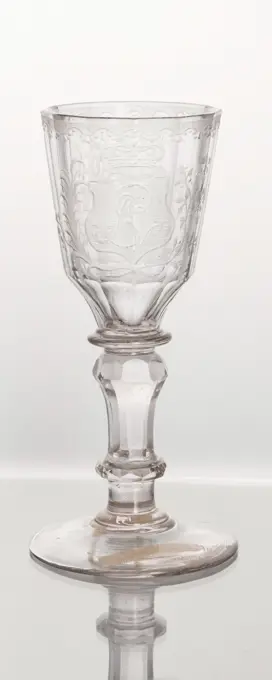
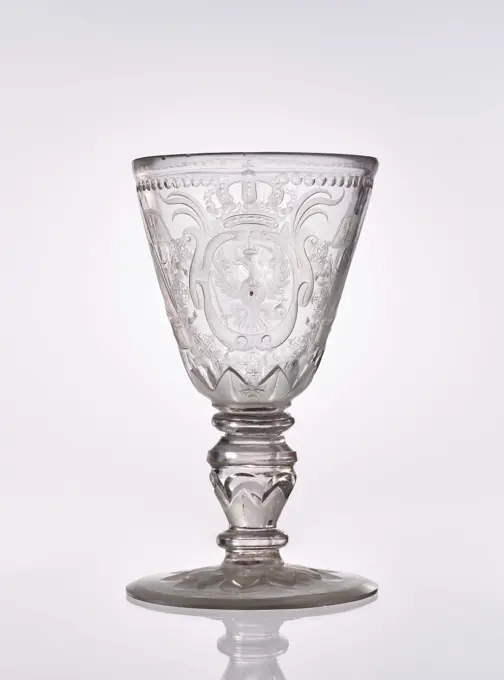
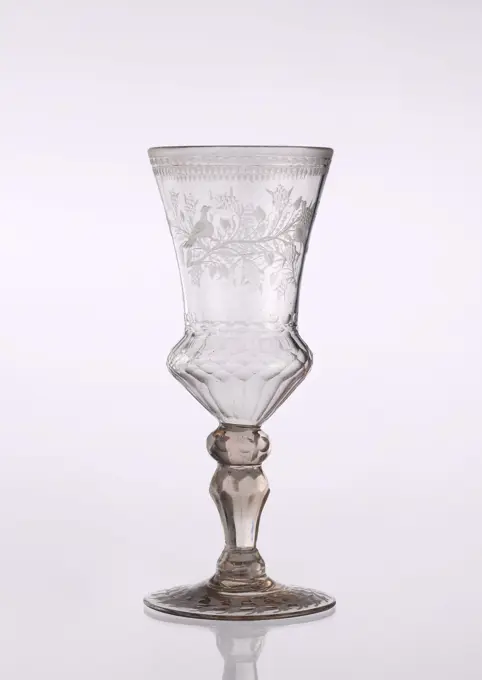
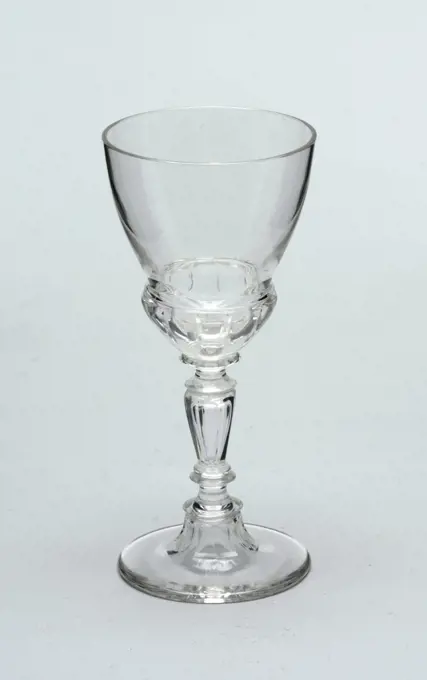
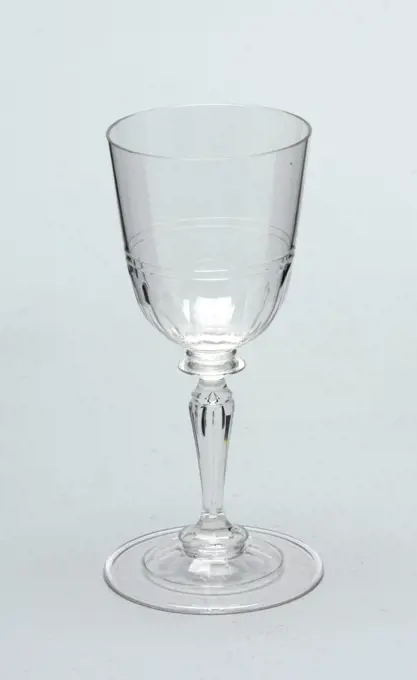
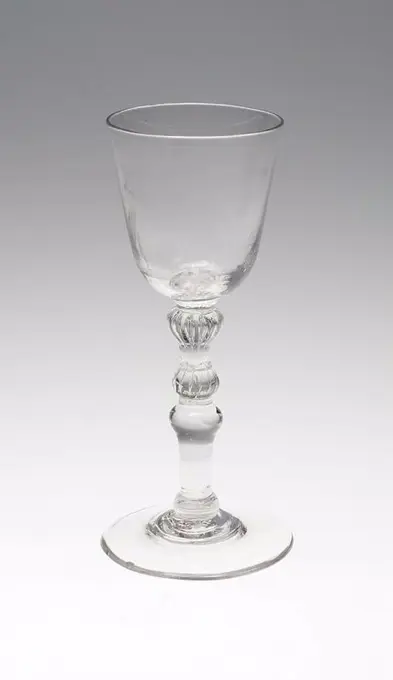
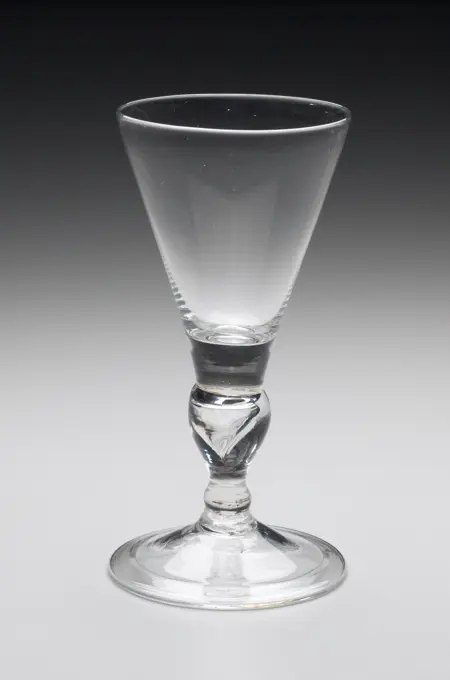
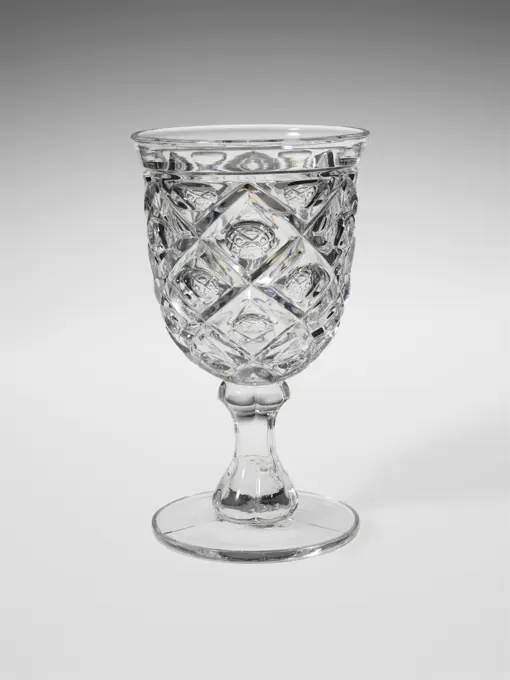
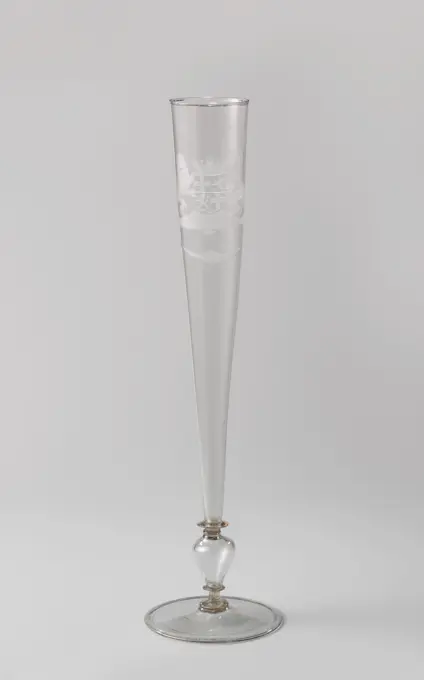
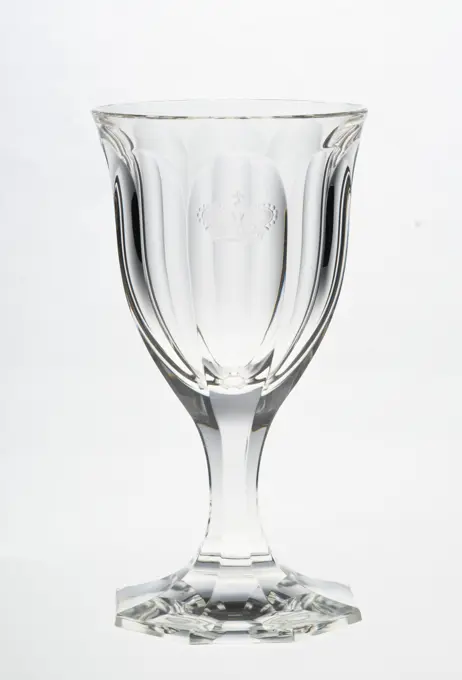
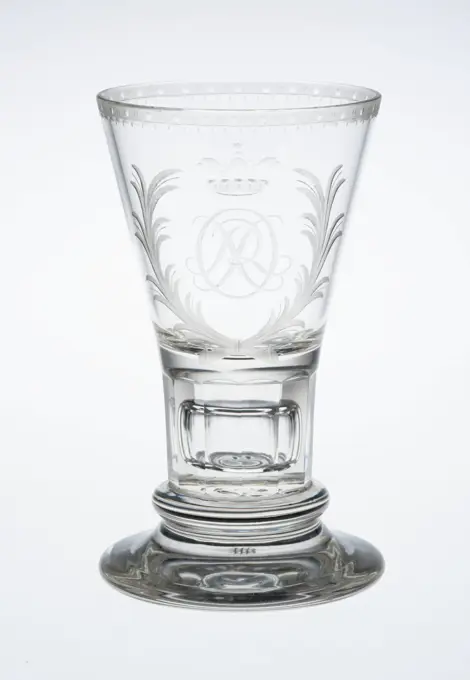
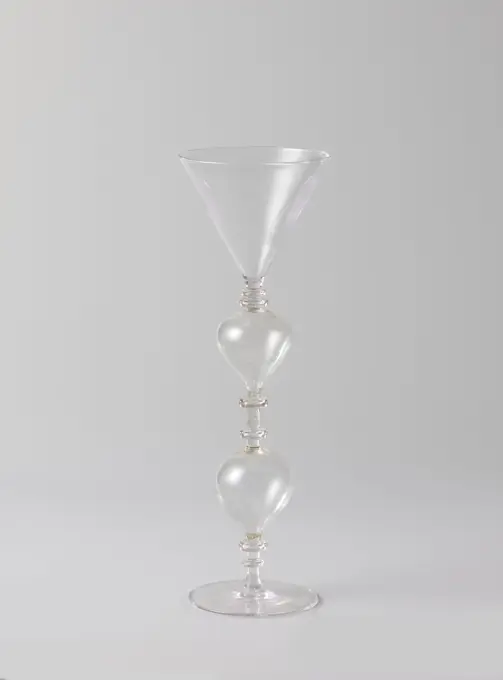
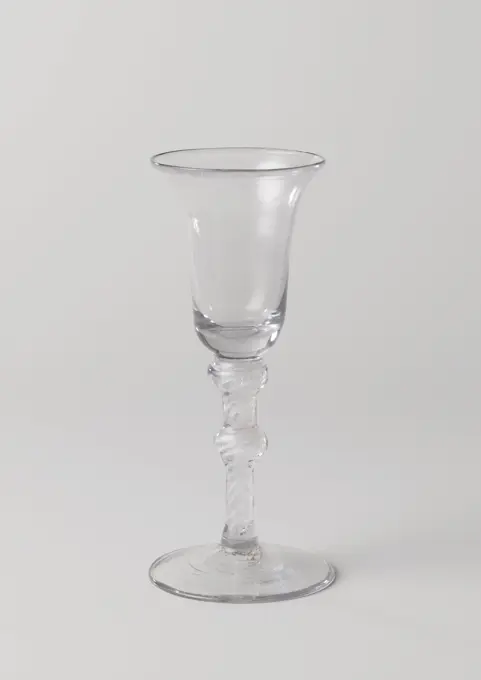
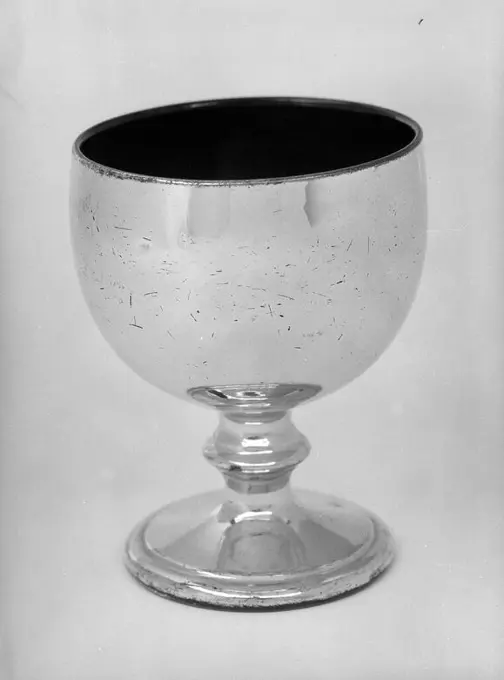
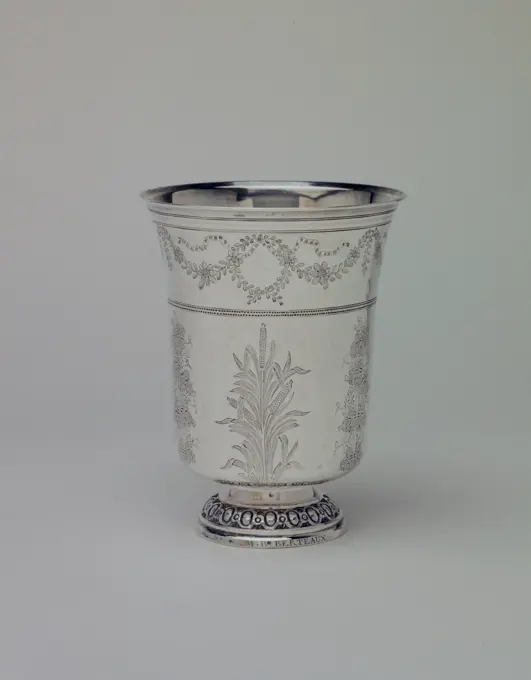
A collection of antique glass chalices and goblets featuring intricate designs, engravings, and historical insignias. Vintage styles evoke elegance and craftsmanship.

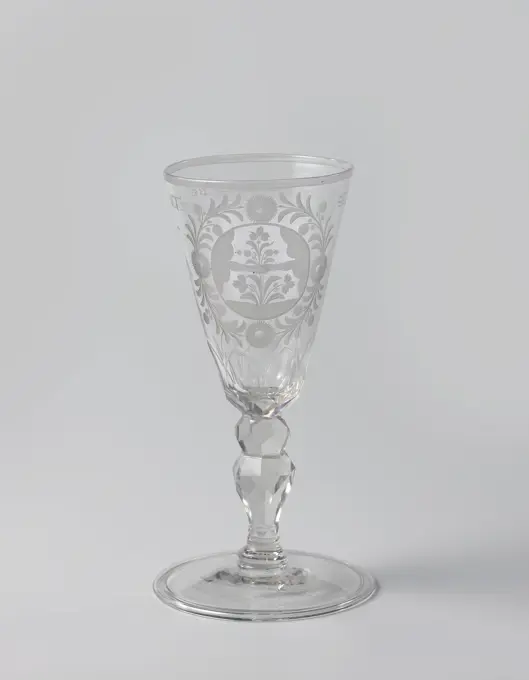
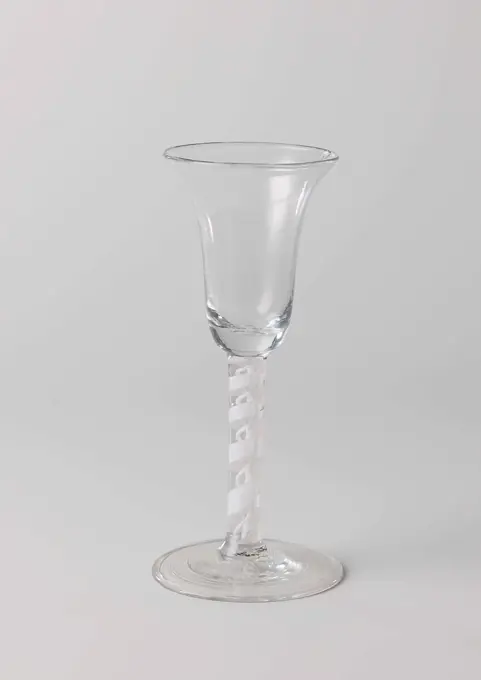
Jar with three empty cartouches, anonymous, c. 1725 - c. 1750 Cup of clear, colorless glass. On the chalice, three roared empty cartouches. Lid with ornaments, cracked. Bohemia glass grinding / glassblowing Cup of clear, colorless glass. On the chalice, three roared empty cartouches. Lid with ornaments, cracked. Bohemia glass grinding / glassblowing
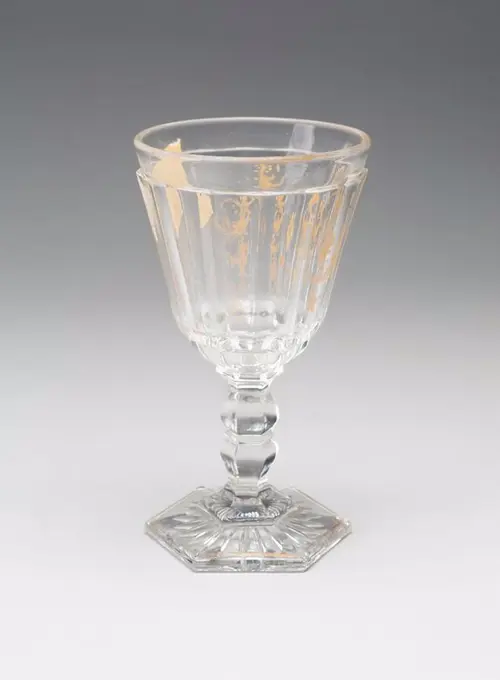
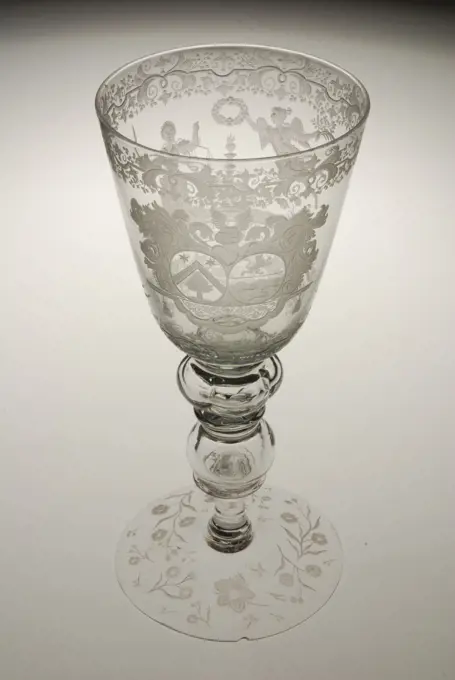
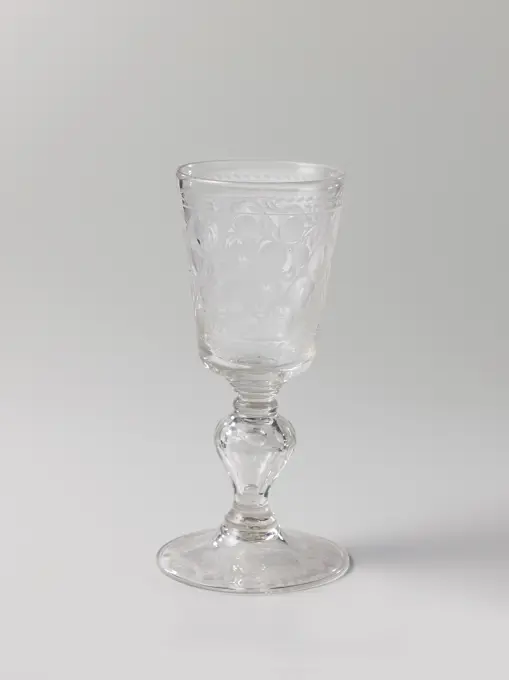
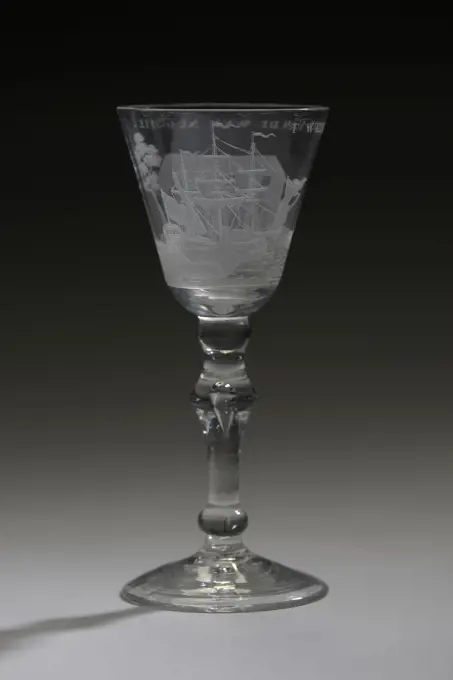
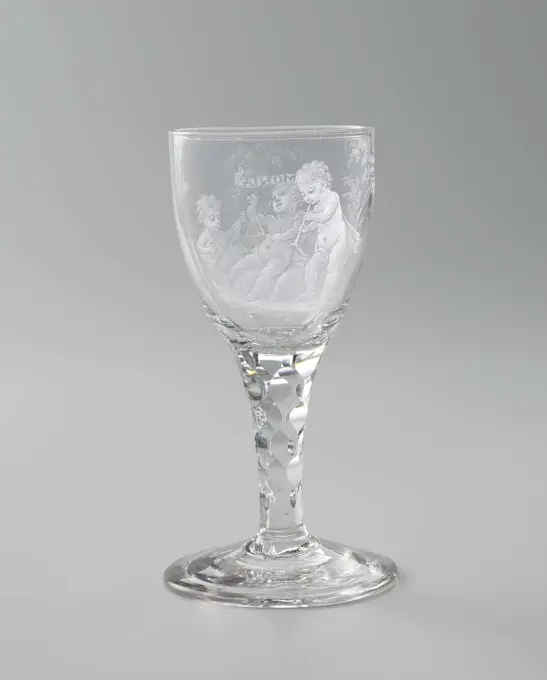
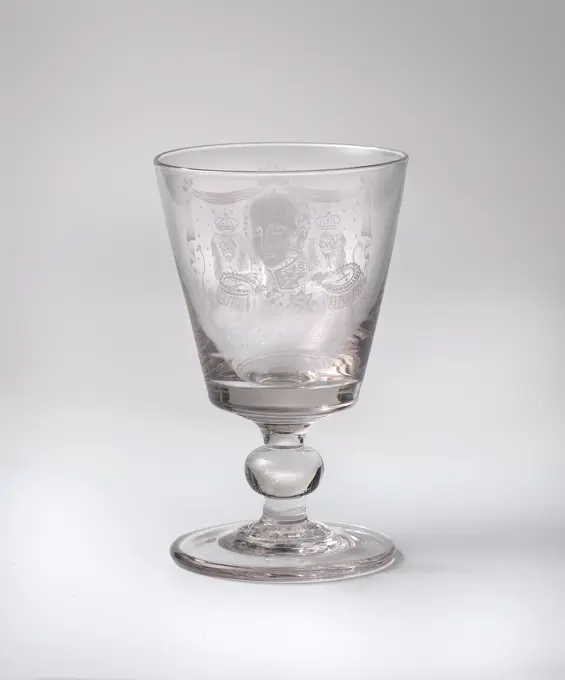
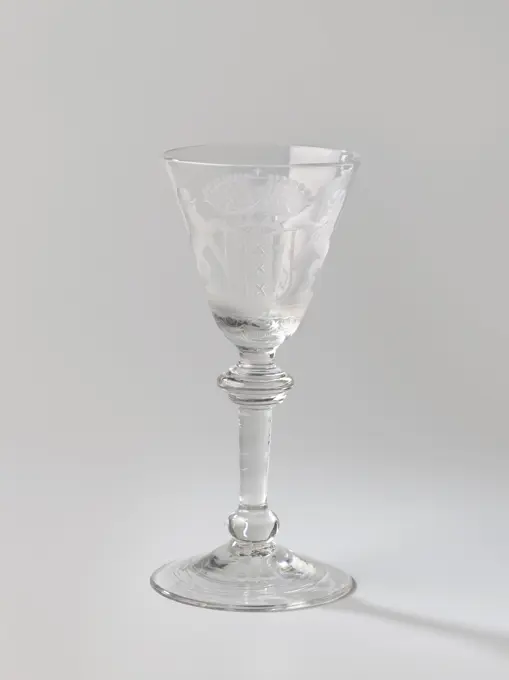
Chalice glass with the coat of arms of the city of Amsterdam, c. 1750 - c. 1775 Conical foot. Straight trunk with a smooth and a compound knot. Funnel -shaped chalice with a rounded bottom. On the chalice, on a pedal -shaped pedestal with a hanging lambrequin with frills, the crowned weapon of the city of Amsterdam, flanked by two lions. A radiant sun on the downside. glassblower: Low CountriesNorthern Netherlands glass glassblowing  Amsterdam Conical foot. Straight trunk with a smooth and a compound knot. Funnel -shaped chalice with a rounded bottom. On the chalice, on a pedal -shaped pedestal with a hanging lambrequin with frills, the crowned weapon of the city of Amsterdam, flanked by two lions. A radiant sun on the downside. glassblower: Low CountriesNorthern Netherlands glass glassblowing  AmsterdamChalip glass with a portrait of Pieter Adriaansz. van der Werff and a face on Leiden, Anonymous, c. 1725 - c. 1750 Vaulted foot. Balus -shaped trunk with three knots. Funnel -shaped chalice with a slightly outstanding mouth edge and a rounded bottom. On the chalice the siege of Leiden in 1573. In the foreground an army camp where an angel, armed with a sword, determines the outcome of the battle that takes place in the background for the city walls. On the right the Marekerk. Under the image: vt. Sancherib.a.ierusalem 2.reg.19. On the downside, on a pedestal, the portrait of the mayor of Leiden Pieter Adriaansz. van der Werff, above which the inscription: Dits van de Werf who stood Pal/ so in Leiden Wal/ for Church and Religion/ and damped with Syn mouth Baldus War List/ Pest Hunger Burger Twist/ and jerked out of that fire/ Vrijheit of the country . glassblower: Low CountriesNorthern Netherlands glass glassblowing  Leiden Vaulted foot. Balus -shaped trunk with three knots. Funnel -shaWine Glass 1765-1775 England. Glass; blown and stipple engraved .Jar with three empty cartouches, anonymous, c. 1725 - c. 1750 Cup of clear, colorless glass. On the chalice, three roared empty cartouches. Lid with ornaments, cracked. Bohemia glass grinding / glassblowing Cup of clear, colorless glass. On the chalice, three roared empty cartouches. Lid with ornaments, cracked. Bohemia glass grinding / glassblowingJar with the inscription: the Remonstrantsche Societeyt. Bagic of bright, colorless glass, engraved with two hoses, which have flocked into the tails and heads. There are two pigeons on it. In the circle formed by the hoses, state: Estote Prudentes / UT Serpentes / Simplices / UT / Colombae./ °. 1620. On the back: the Remonstrantsche Societeyt *.Goblet 1755-1765 Russia. Glass .Chalice glass with a boy with flute and a girl with a mandolin, anonymous, c. 1760 - c. 1780 Conical foot. Balus -shaped, facet -cut trunk, three knots. Conical chalice rounded at the bottom. On the chalice, in a landscape with trees, a whistle playing, sitting boy. At his feet a mandolin () Playing girl. glassblower: EnglandThe Hague glass grinding / glassblowing Conical foot. Balus -shaped, facet -cut trunk, three knots. Conical chalice rounded at the bottom. On the chalice, in a landscape with trees, a whistle playing, sitting boy. At his feet a mandolin () Playing girl. glassblower: EnglandThe Hague glass grinding / glassblowingBokaal with the weapon of Holland. Jar on cut baluster trunk. On the chalice the weapon of Holland between two lions.Kelkglas with the inscription: Hansje in the basement. Low foot with beaten edge. Baluster-shaped, hollow strain with two flat discs. Regularly removing chalice, which is rounded to the bottom. On the chalice, it is scalloped 'Hansje in the basement in Italian letters.'.Wine glass with the arms of William IV, anonymous, c. 1733 - c. 1750  Wine glass made of clear, colorless glass. On the chalice in Radgravure Het Wapen van Willem IV, Prince of Orange, surrounded by the spell of the order of the garter 'Honi soit qui mal y Pense'. Above that on the 'Vivat Oranje' edge. glassblower: EnglandNorthern Netherlands glass glassblowing coat of arms (symbol of sovereignty). Glass; cut and stipple engraved .Bokaal with two accomplished hands and the inscription: De Vrint Schap, Anonymous, c. 1725 - c. 1750 Flat. Facetted baluster tribe with two knots. Conical chalice with faceted, rounded soil. On the chalice, in a round medallion surrounded by four leaf branches, connected by four round flowers, two collapsed hands that emerge from clouds, for a flowering plant. On either side of the medallion, along the mouth edge the text: the Vrint shelf. glassblower: BohemenNorthern Netherlands glass grinding / glassblowing Flat. Facetted baluster tribe with two knots. Conical chalice with faceted, rounded soil. On the chalice, in a round medallion surrounded by four leaf branches, connected by four round flowers, two collapsed hands that emerge from clouds, for a flowering plant. On either side of the medallion, along the mouth edge the text: the Vrint shelf. glassblower: BohemenNorthern Netherlands glass grinding / glassblowingGoblet. France. Date: 1825-1850. Dimensions: 16.2 × 8.9 cm (6 3/8 × 3 1/2 in.). Glass with gold decoration. Origin: France. Museum: The Chicago Art Institute, Chicago, USA.Chalice engraved on the occasion of the 50th anniversary of Pieter de Mey and Geertruida van der Hey, wine glass drinking glass drinking utensils tableware holder lead glass glass, with fire-rounded edge LIFE COMPLETES THAT GOD TAKES 50 YEARS BY LOVE heraldic souvenir glass 50-year marriage wedding Rotterdam Frits Philips Collection EindhovenKelkglas with a boy and a girl with a goat. Conical foot. Straight, faceted trunk. Funnel-shaped, rugged on the bottom. On the chalice, between low trees, a boy holding a girl around the waist. A goat jumps into her. On the right an urn on a high, square base.Chalice glass with sunflowers, leaf branches and circles, c. 1725 - c. 1750 Vaulted foot. Hollow baluster tribe with a knot and three discs. Conical chalice with rounded soil. On the chalice diagonal tires with sunflowers and leaf branches, interspersed with tires with four circles. Bohemia glass glassblowing Vaulted foot. Hollow baluster tribe with a knot and three discs. Conical chalice with rounded soil. On the chalice diagonal tires with sunflowers and leaf branches, interspersed with tires with four circles. Bohemia glass glassblowingKelkglas with two handshaking boys. Vaulted foot. Baluster trunk with a knot and air bubbles. Conical, rugged on the bottom. On the chalice, in a landscape with trees, two boys, shaking each other's hand. The left boy has a filled glass in this. Above the show a banderle with the text: Friendship. On the down side a second banderolle with the text: present to the scalching of the VVVV 10 Feb. 1770 Joh Colla.Wine Glass. Germany, Hirschberg Valley. Date: 1735-1745. Dimensions: 21 x 8.7 cm (8 1/4 x 3 7/16 in.). Glass; engraved and gilt decoration. Origin: Schleswig. Museum: The Chicago Art Institute, Chicago, USA.Chalice, engraved with representation and inscription 't Welvaren van de Wijn Negotie, wine glass drinking glass drinking utensils tableware holder lead glass glass, kelk 228 gram free blown and shaped radgraving goblet wineglass in clear colorless lead glass Pontil mark under round light ascending hollow base On convex knot massive inverted balustere with elongated air bubble in baluster to rounded knot. Round-shaped funnel-shaped chalice with fire-rounded rim'T WELVAREN VAN HET WIJNNEGOTIE. (engraved top chalice) wine buyers guild wine trade trading before servingBokaal with performances concerning agriculture and animal husbandry, anonymous, c. 1725 - c. 1750 Bokaal with conical foot. Baluster tribe with five knots and two elongated luch bells. On the conical chalice tape and leaf work with fruit garlands and alternately a bird on its nest and a pyramid and cartouches in which performances concerning agriculture and animal husbandry. Urgent base with border turned down. glassblower: Low CountriesNorthern Netherlands glass glassblowing Bokaal with conical foot. Baluster tribe with five knots and two elongated luch bells. On the conical chalice tape and leaf work with fruit garlands and alternately a bird on its nest and a pyramid and cartouches in which performances concerning agriculture and animal husbandry. Urgent base with border turned down. glassblower: Low CountriesNorthern Netherlands glass glassblowingGlass; Non -like Lona Huta; XVII/18th century (1680-00-00-1710-00-00);Bokaal with the coat of arms of the province of Utrecht, Anonymous, c. 1680 - c. 1700 Vaulted foot with turned around. Stam with two hollow, five -lobe knots. On the conical chalice the Wapen van Utrecht and as a heart shield the city coat of arms. Lid with engraved edge. glassblower: Low CountriesNorthern Netherlands glass glassblowing Vaulted foot with turned around. Stam with two hollow, five -lobe knots. On the conical chalice the Wapen van Utrecht and as a heart shield the city coat of arms. Lid with engraved edge. glassblower: Low CountriesNorthern Netherlands glass glassblowingWine Glass. England. Date: 1661-1704. Dimensions: 12.7 cm (5 in.). Glass. Origin: England. Museum: The Chicago Art Institute, Chicago, USA.Glass; Non -like Lona Huta; 2. PO. 18th century (1750-00-00-1800-00-00);Kelkglas with flower vines. Vaulted foot. Baluster trunk with two discs. Conical chalice with rounded soil. Flower drinks and berries engraved on the chalice.Cordial glass. unknown, glass worksSalt. United States, 1815-1840. Furnishings; Serviceware. Blown glassGoblet. Poczdam (huta szkła ; 1674-1736), creatorGoblet. Urzecze (huta zwierciadlana ; 1737-1846), creator, Naliboki (huta szkła ; 1722-1862), creatorWine glass, anonymous, 1733 Glass jar decorated in radio work. The foot is trumpet -shaped, strongly eroded in the middle. The trunk is composed of four smooth nodes between which a cutting piece with one bubble and a thick nod with two rows of air bubbles. The chalice is Konisch with two curves on the falls. The cutting work of the chalice: row of four arches with a figure standing on a pedestal. Man with phaces in the left and horn of abundance in the right hand. Crowned figure with sword in the left and reins of the lion behind him in the right hand. Gesture man with heart in the left and book in the right hand; Next to him a stork with a ball pulled in. A warrior with a wreath in every hand. Above each figure: three weapons hung on a ribbon. The weapons of Arkel in the swallow. South Holland, Gorinchem (with Arkel) and the Republic of the United Netherlands. Two hands together above Gorinchem. glassblower: Low CountriesNorthern Netherlands glass glassblowing Glass jar decorated in No. 176, Ludwig Lobmeyr, Austrian, 1829 - 1917, J. & L. Lobmeyr GmbH, Vienna, Austria, founded ca. 1935, Mouth-blown crystal, hand-cut and polished, Mouth-blown crystal, hand-cut and polished, ca. 1880, glasswares, Decorative Arts, Dessert wine glass, Dessert wine glassNo. 132, Professor Josef Storck, Austria, 1830 - 1902, J. & L. Lobmeyr GmbH, Vienna, Austria, founded ca. 1935, Meyr's Neffen, Adolf, Mouth-blown crystal, facet-cut and polished, Mouth-blown crystal wine glass, facet-cut and polished (without engraving)., Austria, 1870, glasswares, Decorative Arts, Wine glass, Wine glass. Vaulted foot with pontital brand. Baluster-shaped strain with two nodi. An air bubble has been stabbed in the trunk. Hopper shaped, closed with slightly curved edge at the bottom. The curvature of the foot, the trunk and the bottom of the chalice are sharpened in facets. On the chalice, the crowned weapon of Stadholder Prince Willem IV is engraved, surrounded by the garter of the order of the same name with the saying 'Honi Soit Qui Mal Y Pense' and twigs with orcharges. Around the weapons of the seven provinces are engraved.Wine Glass. England or Netherlands. Date: 1765-1775. Dimensions: 17.5 × 6.7 cm (6 7/8 × 2 5/8 in.). Glass; blown and stipple engraved. Origin: England. Museum: The Chicago Art Institute, Chicago, USA.Chalice glass with curved chalice with honeycomb motif, anonymous, c. 1550 - c. 1600 Flat base with turned around. Hollow, rejuvenating tribe. Curved chalice, optically blown into a honeycomb motif. Low Countries glass glassblowing Flat base with turned around. Hollow, rejuvenating tribe. Curved chalice, optically blown into a honeycomb motif. Low Countries glass glassblowingWineGlassSlinger glass with bell-shaped chalice. Slinger glass with flat foot and straight trunk. In the trunk opask white garlands around winding, white network spiral. Bell-shaped chalice.Silversmith's art, Italy, 18th century. Silver chalice decorated with stylized leaf motifs.Rummer, c. 1800-1820, 4 1/2 x 3 x 3 in. (11.43 x 7.62 x 7.62 cm), Glass, England, 18th-19th centuryTumbler 1830-70 American With the development of new formulas and techniques, glass-pressing technology had improved markedly by the late 1840s. By this time, pressed tablewares were being produced in large matching sets and innumerable forms. During the mid-1850s, colorless glass and simple geometric patterns dominated. Catering to the demand for moderately-priced dining wares, the glass industry in the United States expanded widely, and numerous factories supplied less expensive pressed glassware to the growing market. At the Exhibition of the Industry of All Nations at New Yorks Crystal Palace in 1853, for example, the New England Glass Company exhibited 130 pieces of one design, "consisting of bowls, tumblers, champagnes, wines, and jelly glasses." This object belongs to one such service. Although the glass manufactory is not known, the glassware is very typical of the large services that were very popular with Americas middle class in the nineteenth century.. Tumbler 9106Kelkglas with the arms of the Heemskerk family and Monogram WGM. Kelkglas of clear, colorless glass. At the conical foot. The baluster-shaped strain has three knots, a flat knot and a bond with air bubbles. The funnel-shaped cuppe has a rounded bottom. A swan is shown on the chalice for a harvest with the neck a shield with Monogram WGM (water grape lake). On the other side the crowned family crest of Lennep with a griffin on either side.Cordial Glass. Culture: American. Dimensions: H. 3 1/4 in. (8.3 cm). Maker: New England Glass Company (American, East Cambridge, Massachusetts, 1818-1888). Date: 1865-70. Museum: Metropolitan Museum of Art, New York, USA.Bokaal with ornaments, flowers, leaf vines and two windows, anonymous, c. 1700 - c. 1730 Slightly curved foot. Helding baluster tribe with red spirals, three schjiven and a flat button. On the conical chalice ornaments, flowers, leaf vines and two windows. A leaf wreath on the foot. Bohemia glass grinding / glassblowing Slightly curved foot. Helding baluster tribe with red spirals, three schjiven and a flat button. On the conical chalice ornaments, flowers, leaf vines and two windows. A leaf wreath on the foot. Bohemia glass grinding / glassblowingSlinger glass with a man and woman at the table. Conical foot. Straight trunk with double white garland around a white stocking. Funnel-shaped, rugged on the bottom. On the chalice, a woman with hat and a man with hat sitting at a table. The man with beer glass and pipe, his right hand resting on a tobacco bag. On the right below the show signed G Hoolaart ft.Bokaal with a company on a terrace and inscription: Vivat, the wine purchase. Vaulted foot of silver plated copper. Baluster trunk with three buttons and an elongated air bubble. On the colok-shaped chalice an engraved representation of a gentleman and a lady with a servant on a terrace and inscription: Vivat, the / wine purchase.Goblet. Nuremberg, Germany. Date: 1675-1699. Dimensions: 32.9 x 11.3 cm (12 15/16 x 4 7/16 in.). Glass. Origin: Nuremberg. Museum: The Chicago Art Institute, Chicago, USA.Kelkglas with funnel-shaped chalice. Kelkglas on conical foot. Balustroid strain with inserted air bubbles. Funnel-shaped, rugged on the bottom.Wine Goblet. Culture: American. Dimensions: H. 4 1/8 in. (10.5 cm); Diam. 2 in. (5.1 cm). Maker: Boston & Sandwich Glass Company (American, 1825-1888, Sandwich, Massachusetts). Date: ca. 1867. Museum: Metropolitan Museum of Art, New York, USA.Tumbler. Culture: American. Dimensions: H. 4 3/16 in. (10.6 cm); Diam. 2 5/8 in. (6.7 cm). Date: 1830-70.With the development of new formulas and techniques, glass-pressing technology had improved markedly by the late 1840s. By this time, pressed tablewares were being produced in large matching sets and innumerable forms. During the mid-1850s, colorless glass and simple geometric patterns dominated. Catering to the demand for moderately-priced dining wares, the glass industry in the United States expanded widely, and numerous factories supplied less expensive pressed glassware to the growing market. At the Exhibition of the Industry of All Nations at New York's Crystal Palace in 1853, for example, the New England Glass Company exhibited 130 pieces of one design, "consisting of bowls, tumblers, champagnes, wines, and jelly glasses." This object belongs to one such service. Although the glass manufactory is not known, the glassware is very typical of the large services that were very po. Engraver David Wolff specialized in representations of themes such as friendship, freedom or - in this case - harmony. His glasses feature scenes of boys dancing, playing or making music. Because Wolff used little contrast in his work, it was sometimes difficult to read his highly sophisticated scenes. However, they became clear as soon as the glass was filled with red wine.Compote - Maple Leaf PatternCup; Non -like Lona Huta; 2. PO. 18th century (1750-00-00-1800-00-00);Lincoln Drape Goblet Goblet; USA; glassGoblet. Czechy, creatorSlinger glass with trumpet -shaped chalice, anonymous, c. 1750 - c. 1775 Slinger glass with conical foot and slightly flared trunk. Multiple air spiral in the trunk. Stam continuous in trumpet -shaped chalice. England glass glassblowing Slinger glass with conical foot and slightly flared trunk. Multiple air spiral in the trunk. Stam continuous in trumpet -shaped chalice. England glass glassblowingGlass; Lobmeyr, J. & L. (Vienna; 1823-); 1920-39 (1920-00-00-1939-00-00);Kelkglas met bladvoluten, anonymous, c. 1850 - c. 1875 Small chalice glass with flat base. Small -up stem with knot. Horn -shaped chalice with wavy edge. The chalice and the foot are painted in enamel with white leaf fillets. Mounted piping along the edges. France glass glassblowing / gilding Small chalice glass with flat base. Small -up stem with knot. Horn -shaped chalice with wavy edge. The chalice and the foot are painted in enamel with white leaf fillets. Mounted piping along the edges. France glass glassblowing / gildingMasonic cup. unknown, authorChalip glass with a portrait of Willem II, Anonymous, 1847 Flat. Stam with massive, spherical knot. Conical chalice with flattened underside. On the chalice a portrait of King Willem II in the military outfit. On the downside, under a canopy, the crowned weapon of the Netherlands, stopped by two crowned lions. Under the weapon the motto: Je Maintiendrai. Signed on the foot: N L Hoevenaar 1847. glassblower: FranceNetherlands glass glassblowing Flat. Stam with massive, spherical knot. Conical chalice with flattened underside. On the chalice a portrait of King Willem II in the military outfit. On the downside, under a canopy, the crowned weapon of the Netherlands, stopped by two crowned lions. Under the weapon the motto: Je Maintiendrai. Signed on the foot: N L Hoevenaar 1847. glassblower: FranceNetherlands glass glassblowingGlass; Lobmeyr, J. & L. (Vienna; 1823-); 1920-39 (1920-00-00-1939-00-00);Glass; Crystal and mirror glassworks (Urzecze; 1737-1846); 18th century (1701-00-00-1800-00-00);Ale Glass. England. Date: 1680-1690. Dimensions: H. 12.7 cm (5 in.). Glass. Origin: England. Museum: The Chicago Art Institute, Chicago, USA.Jar with two hollow balusters, anonymous, c. 1600 - c. 1700 Flat base with turned around. The trunk made up of two hollow balusters and three discs. Funnel -shaped chalice rounded at the bottom. Low Countries glass glassblowing Flat base with turned around. The trunk made up of two hollow balusters and three discs. Funnel -shaped chalice rounded at the bottom. Low Countries glass glassblowingCup;  1920-39 (1920-00-00-1939-00-00);Wineglass ca. 1720-40 British. Wineglass. British. ca. 1720-40. Glass. GlassCupGlass; Non -like Lona Huta; XVIII/19th century (1780-00-00-1810-00-00);Wine glass, Baccarat, 1846 - c. 1860 Vaulted foot with a ground star on the bottom. In facet stam with a double white-blue spiral. Above that a hollow knot between two discs. Funnel -shaped chalice decorated at the bottom with melted millefiori (flowers) in different colors of glass and with the wheel engraved leaf vines. Paris glass. millefiori glass glassblowing / grinding Vaulted foot with a ground star on the bottom. In facet stam with a double white-blue spiral. Above that a hollow knot between two discs. Funnel -shaped chalice decorated at the bottom with melted millefiori (flowers) in different colors of glass and with the wheel engraved leaf vines. Paris glass. millefiori glass glassblowing / grindingAperitif Glass, one of five, c. 1920, 7 3/8 x 2 1/2 in. (18.73 x 6.35 cm), Aventurine glass, Italy, 20th centuryGlass; Lobmeyr, J. & L. (Vienna; 1823-); 1920-39 (1920-00-00-1939-00-00);. Conical foot with beaten edge. Baluster-shaped strain with three buttons and air bubbles. Funnel-shaped chalice with rounded bottom. On the chalice a three-master on a matted soil, flanked by leaf branches. On the reverse monogram of the Dutch East India Company, VOC, under the inscription: the sailing of the Oostyndyese Kompanie. The glass in venegated with lid. However, the lid is not originally.. Bagic on faceted baluster trunk. The chalice is thickened from below and faceted. On the chalice some houses and a merchant from which: 't.faaren from our Vaaderland.Wineglass late 17th century German, Potsdam. Wineglass. German, Potsdam. late 17th century. Glass. GlassGoblet 1850-60 American With the development of new formulas and techniques, glass-pressing technology had improved markedly by the late 1840s. By this time, pressed tablewares were being produced in large matching sets and innumerable forms. During the mid-1850s, colorless glass and simple geometric patterns dominated. Catering to the demand for moderately-priced dining wares, the glass industry in the United States expanded widely, and numerous factories supplied less expensive pressed glassware to the growing market. At the Exhibition of the Industry of All Nations at New Yorks Crystal Palace in 1853, for example, the New England Glass Company exhibited 130 pieces of one design, "consisting of bowls, tumblers, champagnes, wines, and jelly glasses." This object belongs to one such service. Although the glass manufactory is not known, the glassware is very typical of the large services that were very popular with Americas middle class in the nineteenth century.. Goblet 4102Egg Cup 1830-70 American With the development of new formulas and techniques, glass-pressing technology had improved markedly by the late 1840s. By this time, pressed tablewares were being produced in large matching sets and innumerable forms. During the mid-1850s, colorless glass and simple geometric patterns dominated. Catering to the demand for moderately-priced dining wares, the glass industry in the United States expanded widely, and numerous factories supplied less expensive pressed glassware to the growing market. At the Exhibition of the Industry of All Nations at New Yorks Crystal Palace in 1853, for example, the New England Glass Company exhibited 130 pieces of one design, "consisting of bowls, tumblers, champagnes, wines, and jelly glasses." This object belongs to one such service. Although the glass manufactory is not known, the glassware is very typical of the large services that were very popular with Americas middle class in the nineteenth century.. Egg Cup. American. Flute glass with the weapon of Utrecht, Anonymous, c. 1680 - c. 1700 Flute glass with the weapon of Utrecht, including a garland. glassblower: Low CountriesNorthern Netherlands glass glassblowing Flute glass with the weapon of Utrecht, including a garland. glassblower: Low CountriesNorthern Netherlands glass glassblowingGlass;  1920-39 (1920-00-00-1939-00-00);Glass; Lobmeyr, J. & L. (Vienna; 1823-); 1920-39 (1920-00-00-1939-00-00);. .Tumbler 1850-60 American With the development of new formulas and techniques, glass-pressing technology had improved markedly by the late 1840s. By this time, pressed tablewares were being produced in large matching sets and innumerable forms. During the mid-1850s, colorless glass and simple geometric patterns dominated. Catering to the demand for moderately-priced dining wares, the glass industry in the United States expanded widely, and numerous factories supplied less expensive pressed glassware to the growing market. At the Exhibition of the Industry of All Nations at New Yorks Crystal Palace in 1853, for example, the New England Glass Company exhibited 130 pieces of one design, "consisting of bowls, tumblers, champagnes, wines, and jelly glasses." This object belongs to one such service. Although the glass manufactory is not known, the glassware is very typical of the large services that were very popular with Americas middle class in the nineteenth century.. Tumbler 9091Goblet 1850-70. Goblet. 1850-70. Pressed glassGlassGlass goblet 4th-6th century A.D. Roman Translucent light blue.Rounded and thickened rim with slight inward lip; funnel-shaped body with slightly concave sides, then turned in horizontally to applied solid stem; tooled out, splayed, circular foot; concave bottom with pontil scar at center.Intact; some pinprick and larger bubbles; dulling and faint iridescent weathering.. Glass goblet. Roman. 4th-6th century A.D.. Glass; blown. Late Imperial or Early Byzantine. GlassChalip glass with strain with hollow balusters and discs, C.H.F. Müller, c. 1865 - c. 1870 Flat base with turned around. The trunk made up of two hollow balusters and three connecting pieces with two discs each. Funnel -shaped chalice. Hamburg glass glassblowing Flat base with turned around. The trunk made up of two hollow balusters and three connecting pieces with two discs each. Funnel -shaped chalice. Hamburg glass glassblowingCupSling glass with bell -shaped calyx, anonymous, c. 1750 - c. 1775 Slingerlas with conical foot and balust raw trunk. In the trunk, white garlands around network spiral. Bell -shaped chalice. England glass glassblowing Slingerlas with conical foot and balust raw trunk. In the trunk, white garlands around network spiral. Bell -shaped chalice. England glass glassblowingGoblet. Culture: British (American market). Dimensions: H. 4 1/2 in. (11.4 cm); Diam. 3 3/8 in. (8.6 cm). Date: 1800-1830. Museum: Metropolitan Museum of Art, New York, USA.Mug. Culture: American. Dimensions: H. 3 1/2 in. (8.9 cm). Maker: James Gillinder and Sons (American, 1861-ca. 1930). Date: 1876. Museum: Metropolitan Museum of Art, New York, USA.Sugar bowl ca. 1780-85 British. Sugar bowl 192022Louis-Joseph Thomas. "Cup". Money. 1801-1809. Museum of Fine Arts of the City of Paris, Petit Palais. 74381-31 Money, silverware, gobletCup with cover; Zchlin (glassworks; 1736-1890); 1740-1750 (1740-00-00-1760-00-00);herbyFunnel (part of a set) 1728-30 French, Paris. Funnel (part of a set) 206446Vase, c. 1900. Firm of Theodore B. Starr (American, 1837-1907). Silver; overall: 30 cm (11 13/16 in.); diameter of mouth with rim: 13.2 cm (5 3/16 in.); diameter of base: 13.4 cm (5 1/4 in.).Creamer 1850-70 American. Creamer 2632Compote. Culture: American. Dimensions: H. 5 3/4 in. (14.6 cm); Diam. 8 5/8 in. (21.9 cm). Maker: Adams and Company. Date: 1870-90. Museum: Metropolitan Museum of Art, New York, USA.Glass; Lobmeyr, J. & L. (Vienna; 1823-); 1920-39 (1920-00-00-1939-00-00);Chelle glasses with three anjelieren, theresienthaler Christmasall glass factory, c. 1900 - c. 1910 Flat base, slender, swelling trunk, bowl -shaped chalice, on which three purple -red Anjelieren. Along the edge of the foot and the chalice a gilded piping. Theresienthal glass glassblowing / gilding Flat base, slender, swelling trunk, bowl -shaped chalice, on which three purple -red Anjelieren. Along the edge of the foot and the chalice a gilded piping. Theresienthal glass glassblowing / gildingClaret Glass c 1824-1840 New Jersey. This unusually colored glass was perhaps part of a set belonging to the family of George Dummer, who founded the Jersey Glass Company. Alternatively, it is also possible that this glass is European, likely Danish. The United States continued to import a great deal of European glass throughout the 19th century. In fact, the Dummers started out as resellers of imported glass, and it is conceivable that they continued to sell European glass alongside wares of their own manufacture.. Blown glass . Jersey Glass Company (Manufacturer)CupGlass; Non -like Lona Huta; 1. PO. 18th century (1700-00-00-1750-00-00);