Vintage Glass Chalices

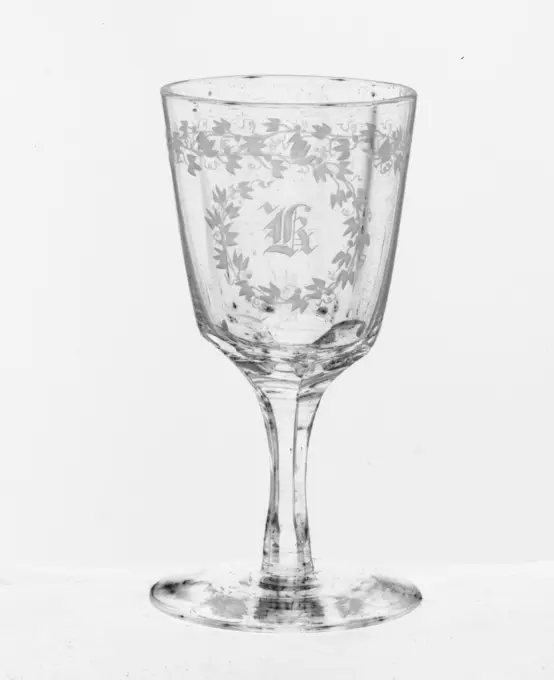
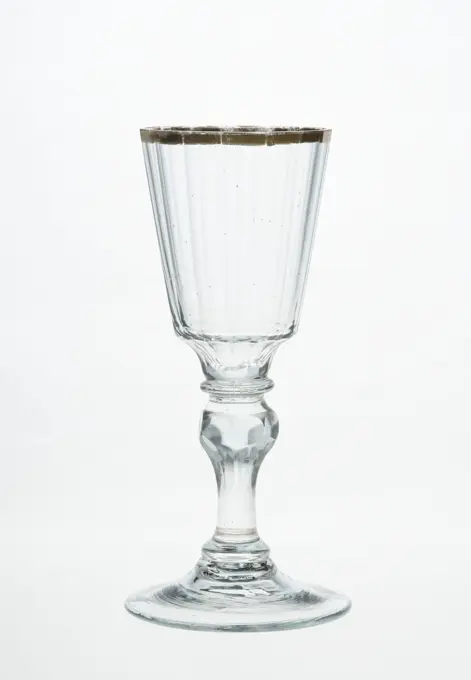
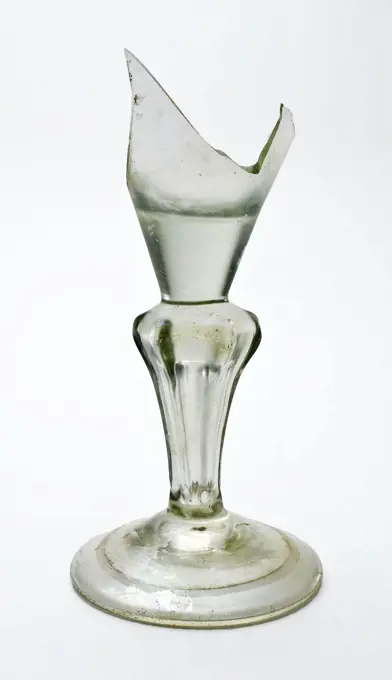
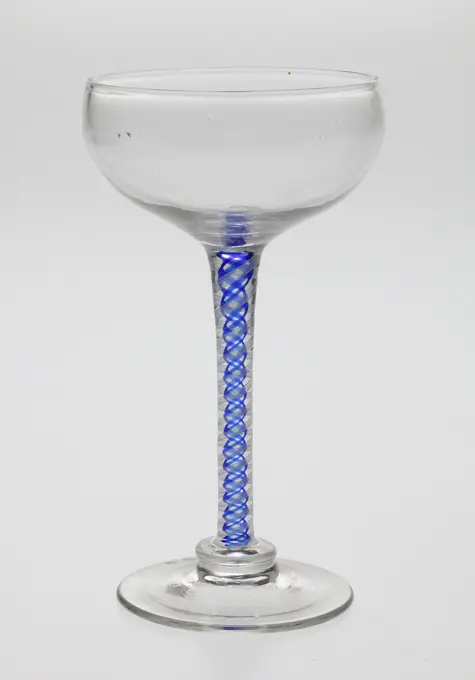
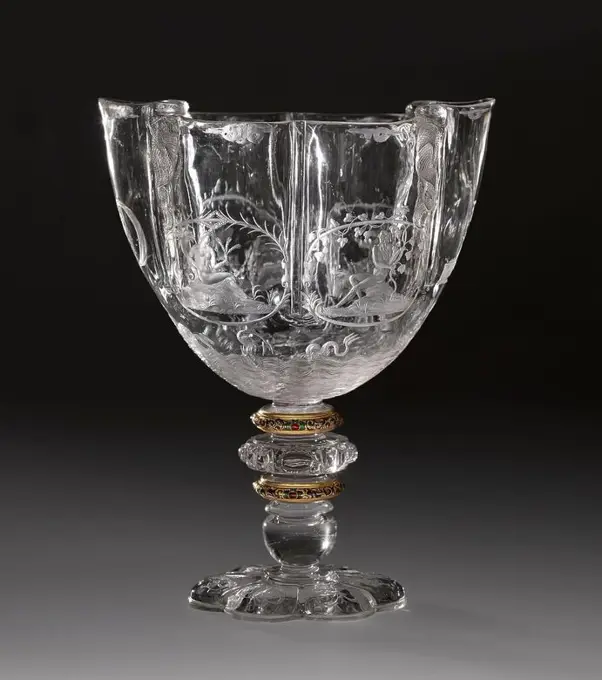
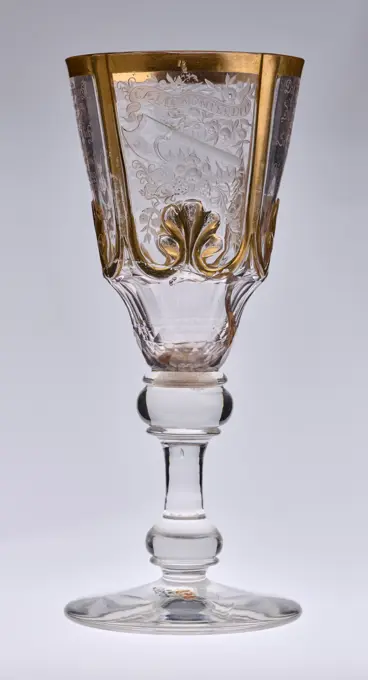
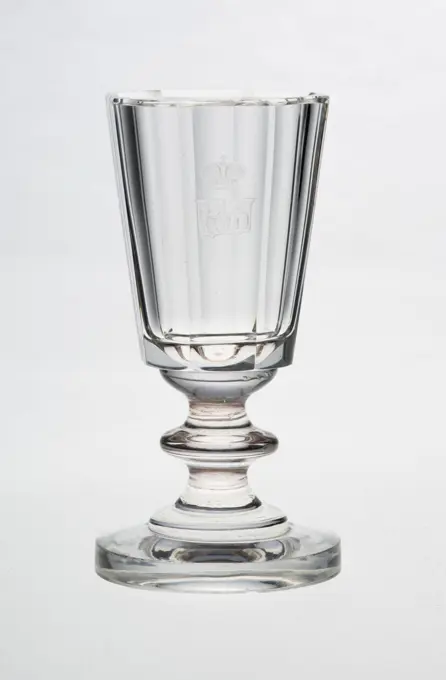
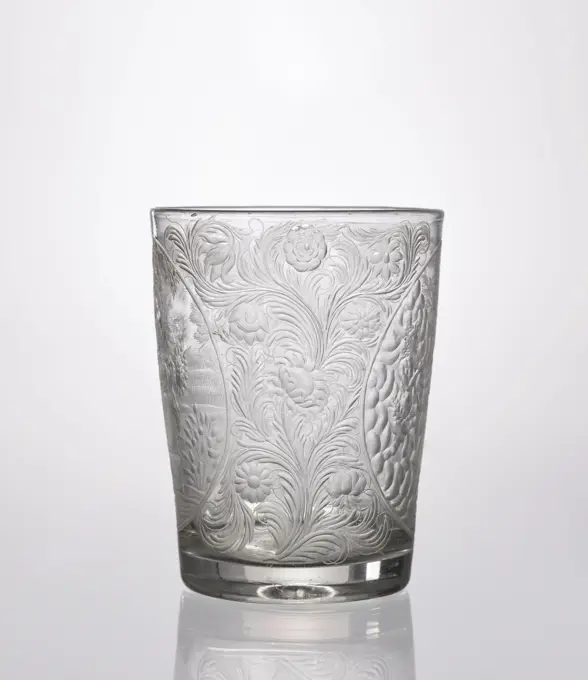
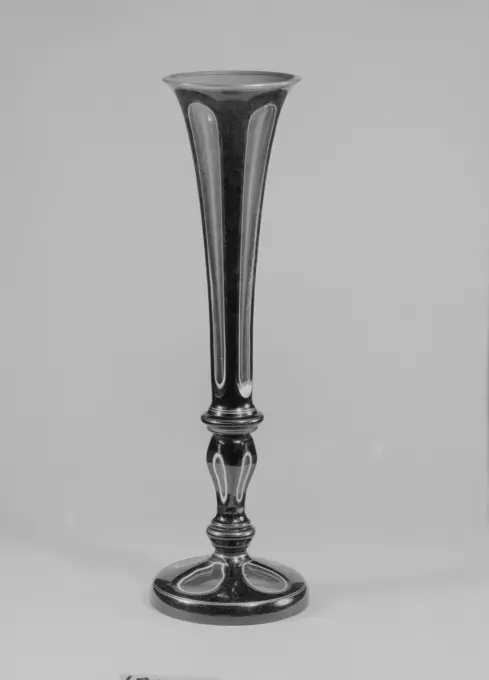
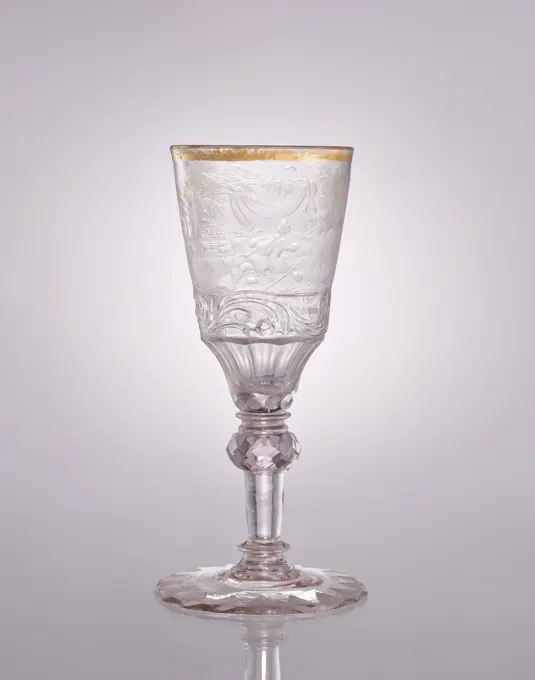
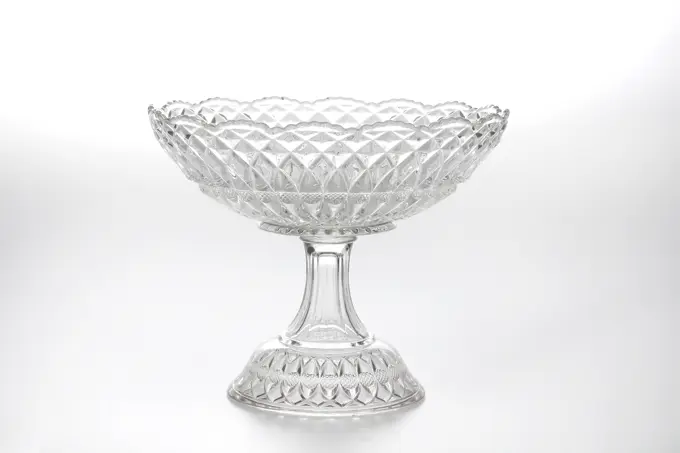
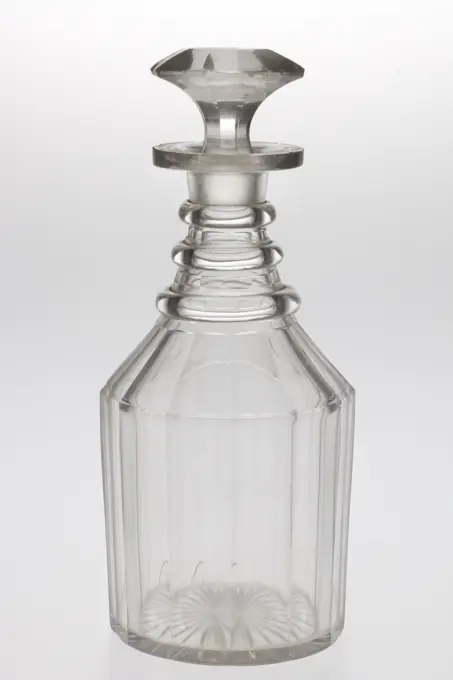
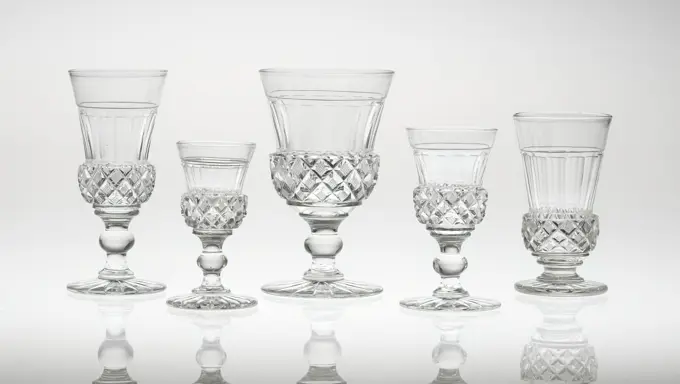
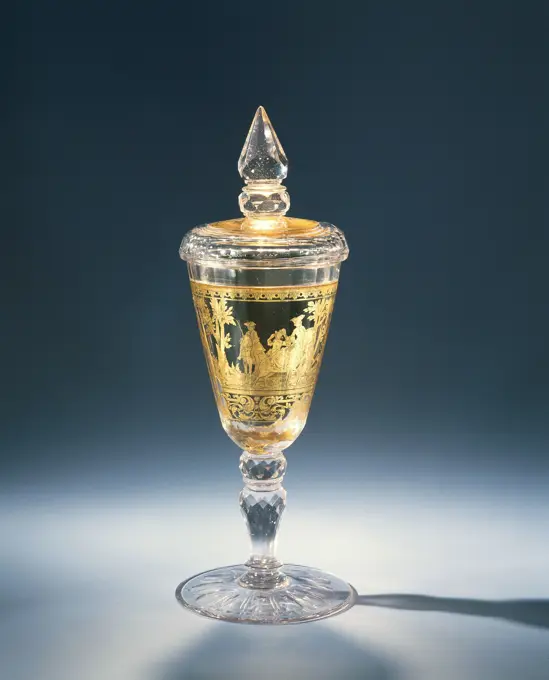
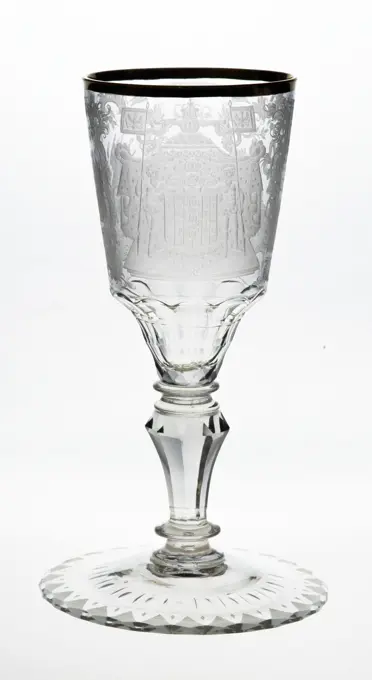
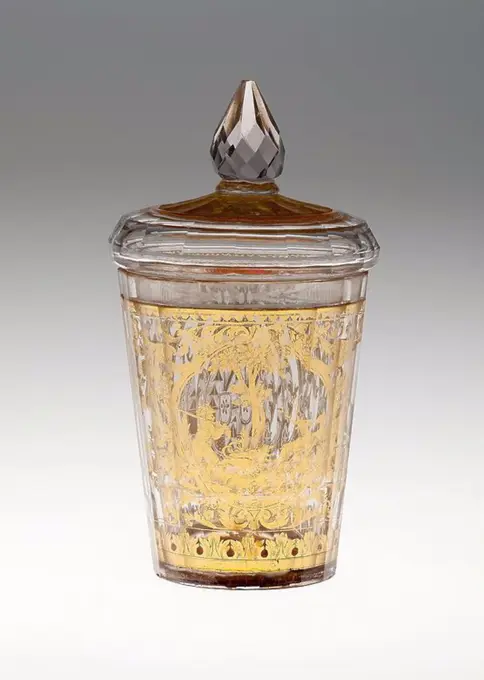
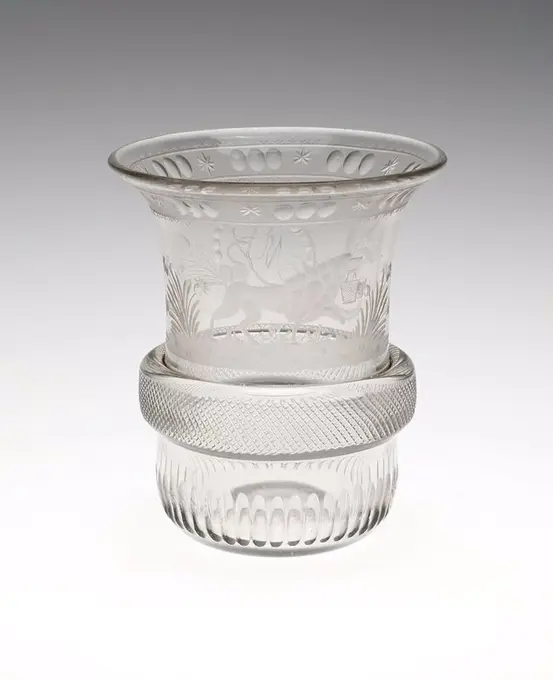
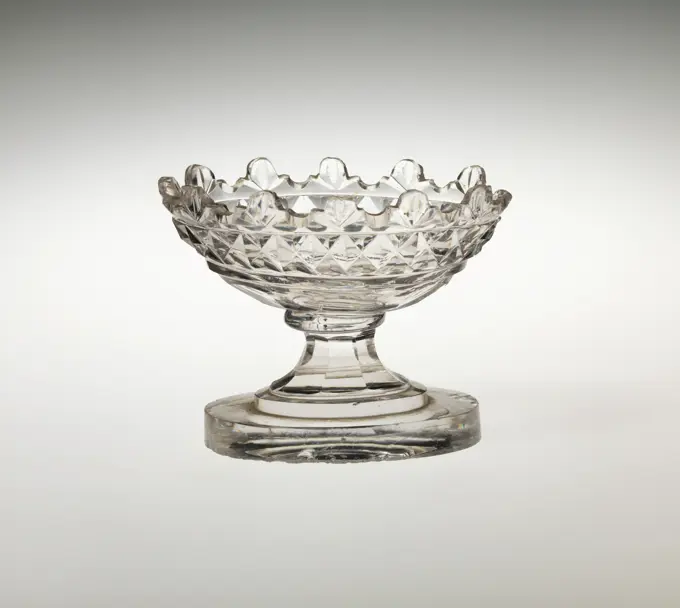
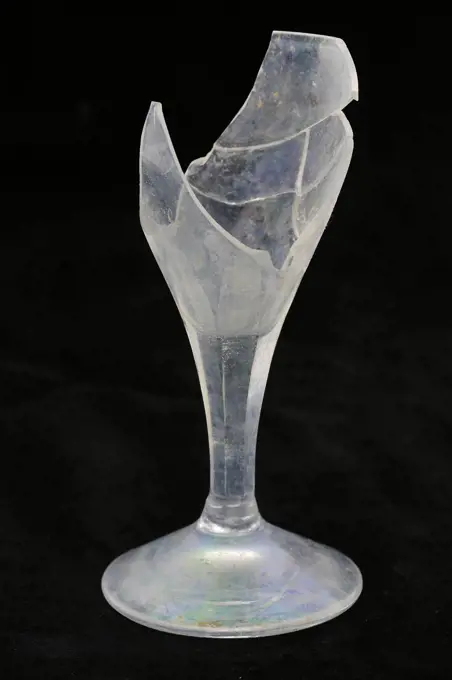
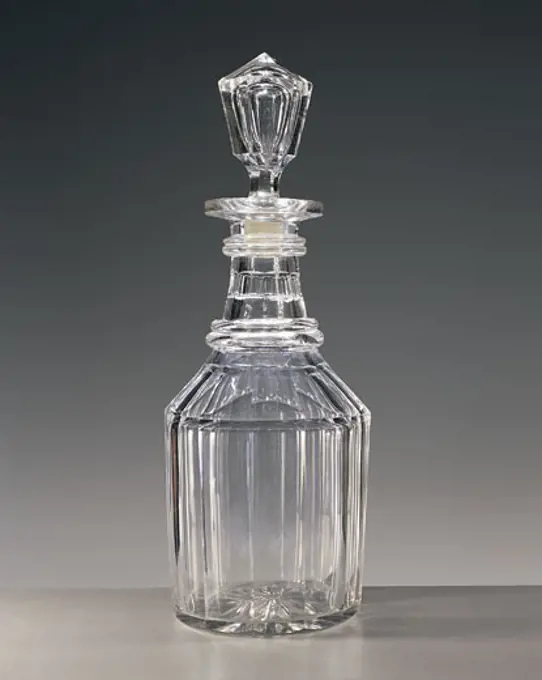
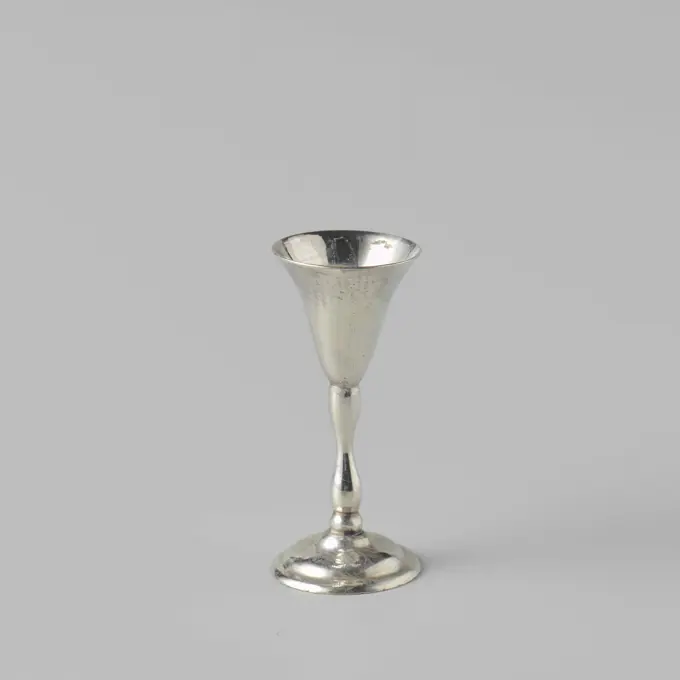
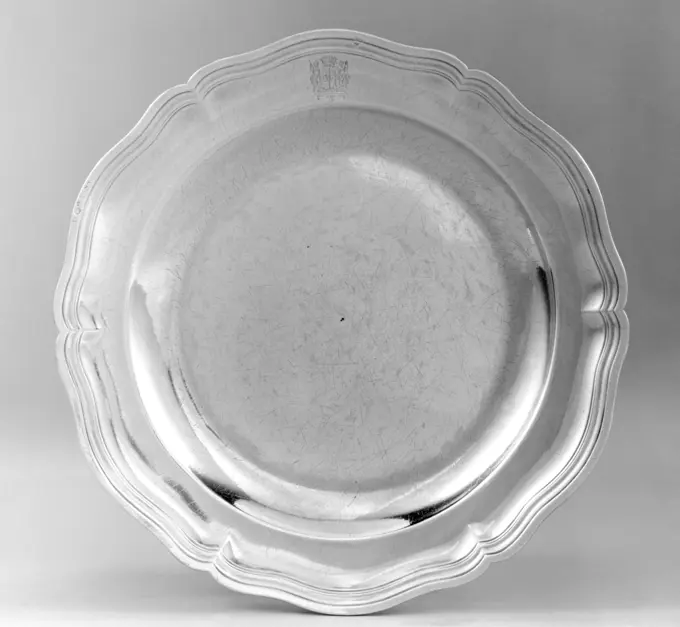
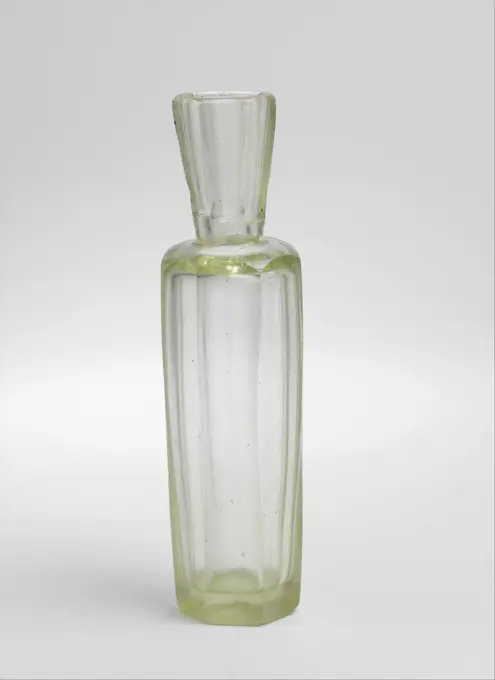
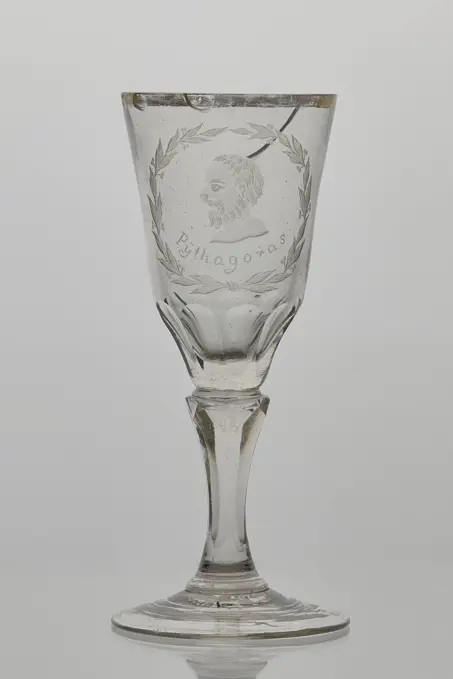
A collection of ornate vintage glass chalices featuring intricate engravings and designs, showcasing various styles from different centuries.

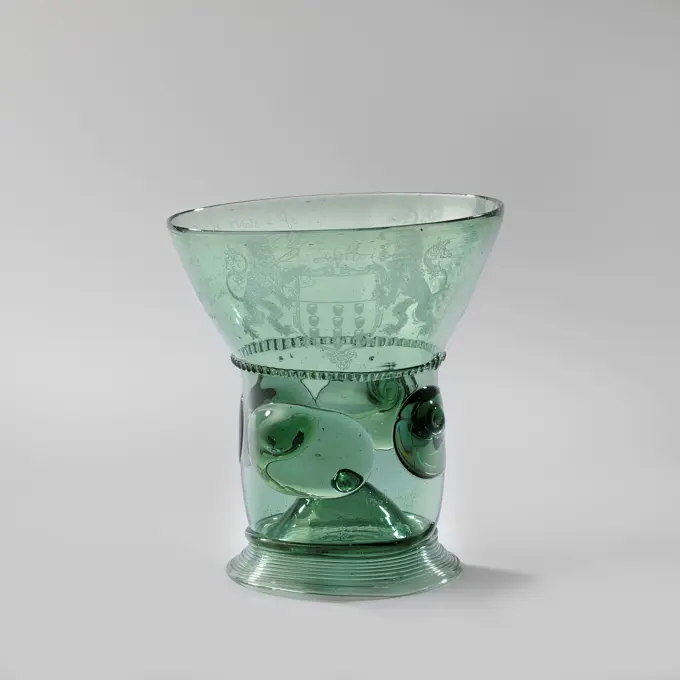
Bokaal with the weapon of Anna van Hannover, Anonymous, c. 1750 - c. 1759 Bokaal with conical foot. Baluster tribe with three knots and a disc. In the buttons several small and a large, elongated bubble. On the conical chalice the coat of arms of Princess Anna van Hannover (1709-1759). glassblower: Low CountriesNorthern Netherlands glass glassblowing Bokaal with conical foot. Baluster tribe with three knots and a disc. In the buttons several small and a large, elongated bubble. On the conical chalice the coat of arms of Princess Anna van Hannover (1709-1759). glassblower: Low CountriesNorthern Netherlands glass glassblowing
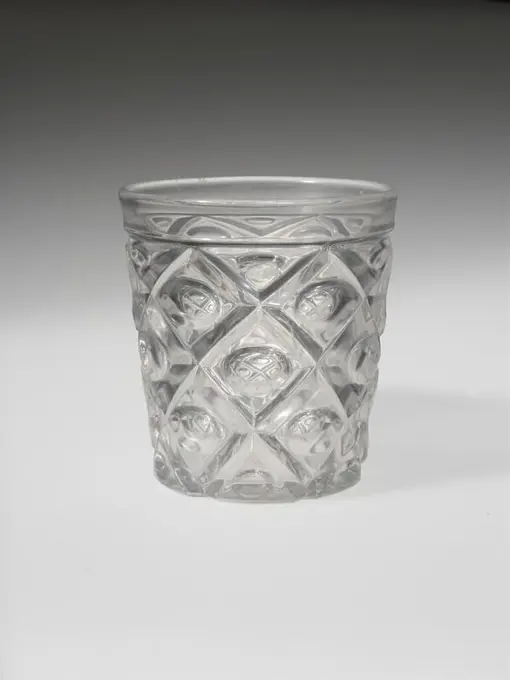
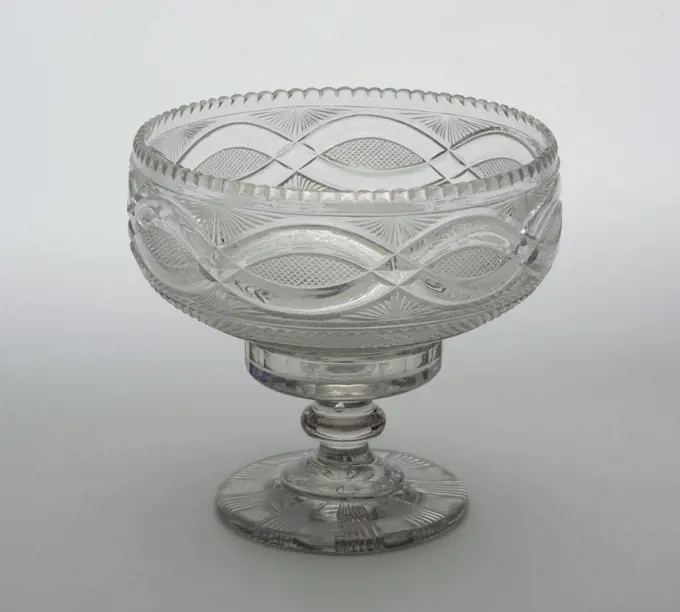
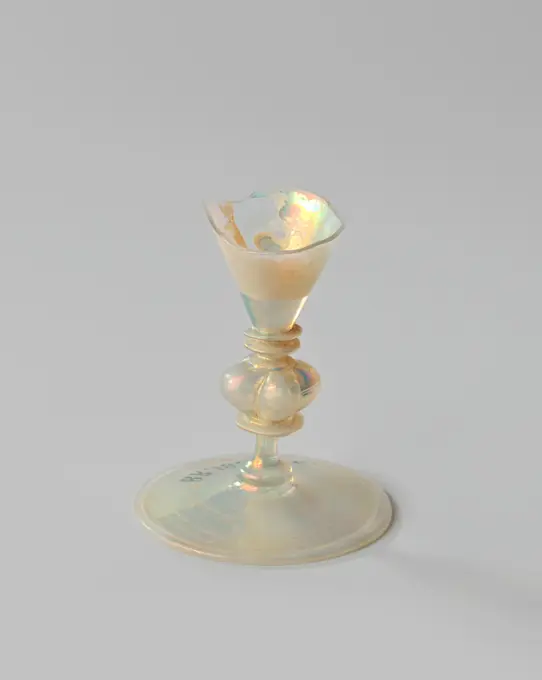
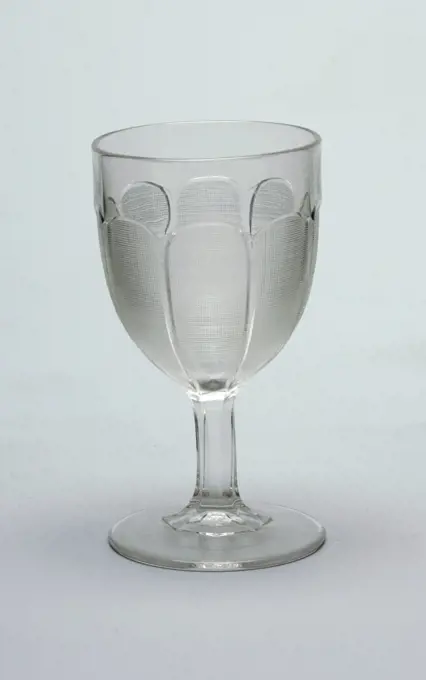
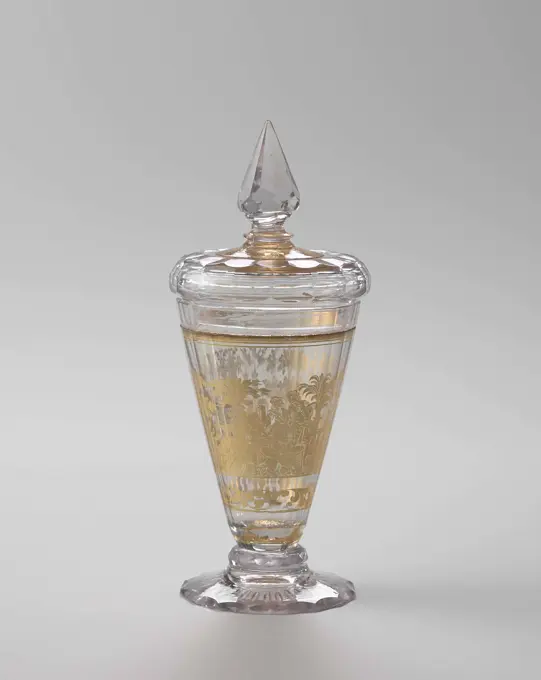
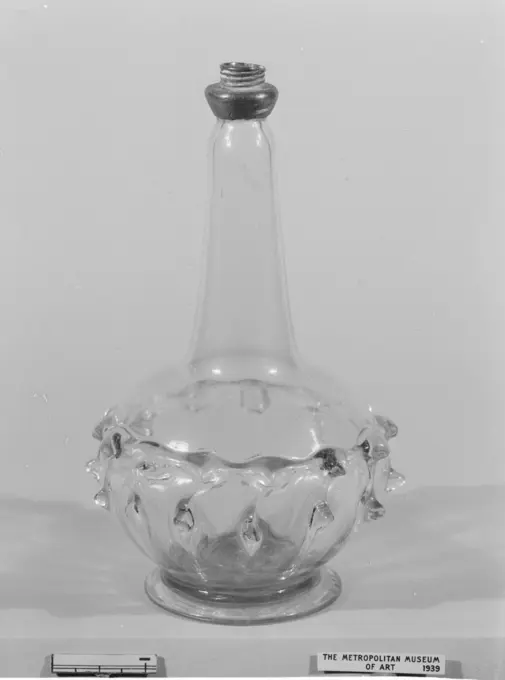
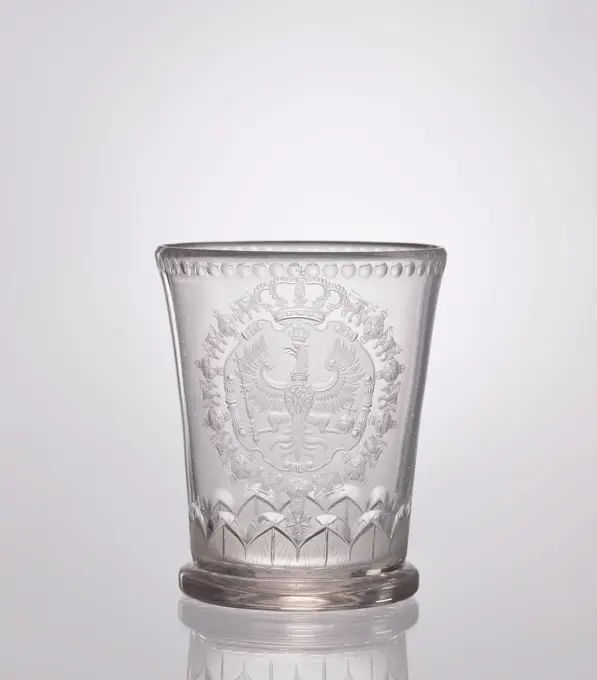
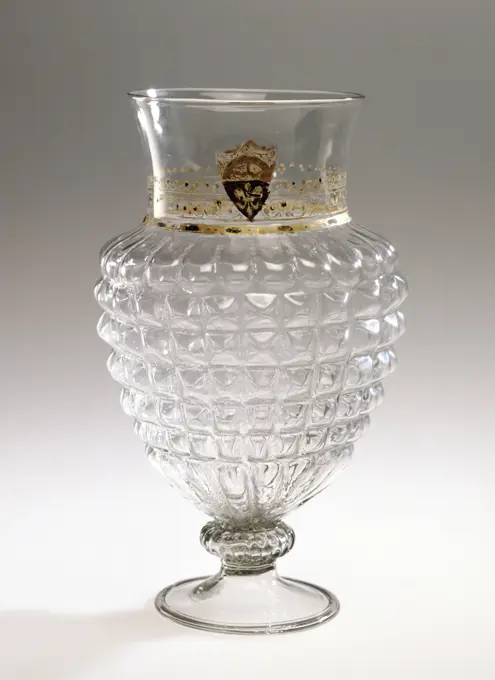
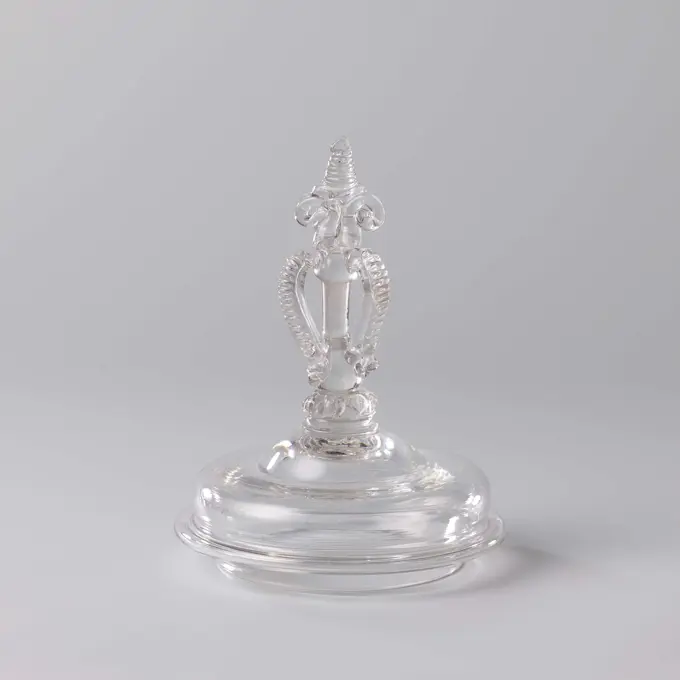
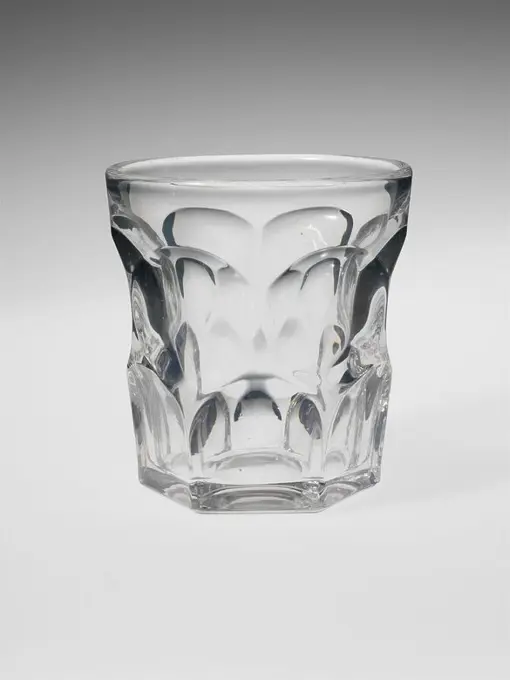
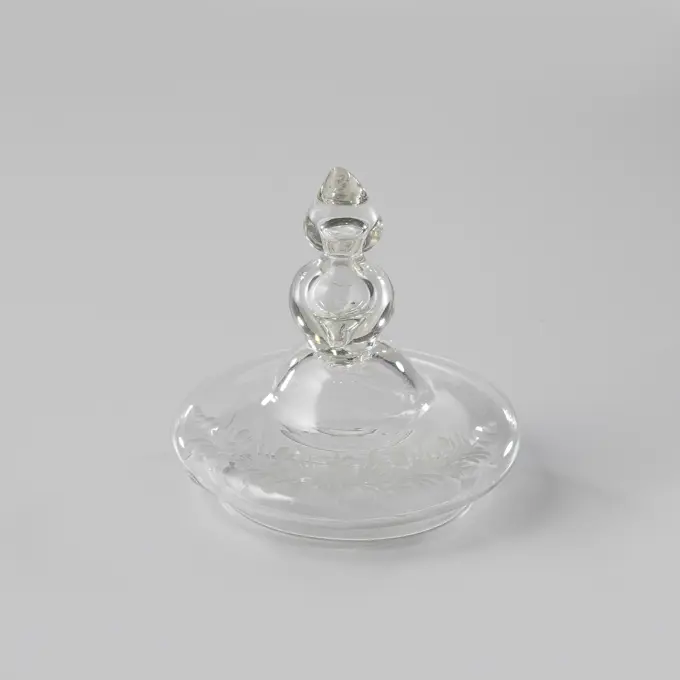
Jar And Lid (England); glassWine Goblet ca. 1867 Boston & Sandwich Glass Company. Wine Goblet 9977Glass;  around 1770 (1760-00-00-1780-00-00);Water glass Bohemian 1720-30 The engraved scenes represent activities of the four seasons. This side is wintera couple enjoying tobacco and a cup of chocolate. The glass probably once had a silver mount around the foot.Fragment of foot, trunk and part of chalice glass with Silesian trunk in clear colorless glass, drinking glass drinking utensils tableware holder soil find glass, hand-blown in the form blown Fragment of foot stem and part of goblet of chalice in clear colorless glass The glass is made of three parts: foot stem and chalice. pontil mark underneath hollow upward base with foot rim folded downwards. The stem is pseudo-facetted in the form blown with six facets so called Silesian tribe (á la façon d'Angleterre) with an enclosed elongated air bubble. The chalice has deep solid bottom and is made of thick glass. Archeology Rotterdam rail tunnel drink Soil discovery: rail tunnel Rotterdam.Champagne glass - Tiffany Glass Company Tiffany Glass CompanyWine Glass 1860-70 New England Glass Company. Wine Glass 9940Wineglass with arms of William V, Prince of Orange 1700-1735 Dutch or Flemish. Wineglass with arms of William V, Prince of Orange. Dutch or Flemish. 1700-1735. Clear glass. GlassTumbler. Culture: American. Dimensions: H. 3 7/8 in. (9.8 cm); Diam. 3 1/2 in. (8.9 cm). Date: 1850-60.With the development of new formulas and techniques, glass-pressing technology had improved markedly by the late 1840s. By this time, pressed tablewares were being produced in large matching sets and innumerable forms. During the mid-1850s, colorless glass and simple geometric patterns dominated. Catering to the demand for moderately-priced dining wares, the glass industry in the United States expanded widely, and numerous factories supplied less expensive pressed glassware to the growing market. At the Exhibition of the Industry of All Nations at New York's Crystal Palace in 1853, for example, the New England Glass Company exhibited 130 pieces of one design, "consisting of bowls, tumblers, champagnes, wines, and jelly glasses." This object belongs to one such service. Although the glass manufactory is not known, the glassware is very typical of the large services that were very popuPitcher, c. 1835, Attributed to Boston and Sandwich Glass Company, American, Sandwich, Massachusetts, 1825-1888, 8 1/4 x 8 x 5 1/8 in. (21 x 20.3 x 13 cm), Blown and molded glass, United States, 19th centuryGlass;  1920-39 (1920-00-00-1939-00-00);Goblet (Switzerland); glassNo. 100 Wine Decanter With Stopper; Designed by Ludwig Lobmeyr (Austrian, 1829 - 1917); Manufactured by J. & L. Lobmeyr GmbH (Austria); Austria; mouth-blown crystal, cut and polishedMaker Unknown, Pitcher, c. 1820-35, colorless lead glass.No. 168 Rhine Wine Glass; Designed by Ludwig Lobmeyr (Austrian, 1829 - 1917); Manufactured by J. & L. Lobmeyr GmbH (Austria); Austria; mouth-blown crystal, facet-cut and polishedVigil Light. Culture: American. Dimensions: H. 3 1/2 in. (8.9 cm); Diam. 3 in. (7.6 cm). Maker: Richards and Hartley Flint Glass Co. (ca. 1870-1890). Date: ca. 1888. Museum: Metropolitan Museum of Art, New York, USA.Cart; Non -like Lona Huta; 2. W. 18th century (1725-00-00-1750-00-00);Bowl, Glass, Drum-shaped bowl with scalloped edge, the base tapering to a flat bottom, tall stem with central knop, wide flat circular base cut on the bottom with raised flutes; sides of bowl cut with facets at the bottom, bands of prismatic cutting and small diamonds above, a wide band of interlocking loops surrounded by small diamonds and fan cutting., Ireland, ca. 1820, glasswares, Decorative Arts, BowlFoot, trunk and part of the chalice of a chalice glass, anonymous, c. 1650 - c. 1700 Flat base with turned around. The trunk made up of a hollow, four -lobe baluster and three discs. Part of the funnel -shaped chalice is missing. Soil find. Low Countries glass glassblowing Flat base with turned around. The trunk made up of a hollow, four -lobe baluster and three discs. Part of the funnel -shaped chalice is missing. Soil find. Low Countries glass glassblowingGlass, Glass, Goblet decorated with eight elongated scallops infilled with hatching, 19th century, glasswares, Decorative Arts, GlassWorkshop of the Sarachi; Annibale Fontana (Designer) () / 'Cup with the Four Seasons'. 1570 - 1600. Rock crystal / Hyaline quartz, Enamel, Gold. Museum: Museo del Prado, Madrid, España.Bowl, Glass, Round body on short foot, 2 fan-shaped handles extending up from scalloped lip; body cut with design of vertical sections each with an oval panel of small diamonds, thin vertical fluting sections around lip, rayed flutes on handles; cutting very sharp., Ireland, ca. 1810-30, glasswares, Decorative Arts, BowlCup; Karlsthal (Huta Szk 1760-1780 (1760-00-00-1780-00-00);Glass;  around 1840 (1830-00-00-1860-00-00);Wing glass with ashesian chalice, anonymous, c. 1550 - c. 1650 Wing glass on flat foot. Hollow, ribbed and twisted baluster -shaped tribe with three nodi. A wing in the shape of a seahouses of blue and colorless glass on both sides. Zeslobbish chalice with ribs and an imposed wire on the underside. Venice Glass. frame: Silver (Metal) glassblowing Wing glass on flat foot. Hollow, ribbed and twisted baluster -shaped tribe with three nodi. A wing in the shape of a seahouses of blue and colorless glass on both sides. Zeslobbish chalice with ribs and an imposed wire on the underside. Venice Glass. frame: Silver (Metal) glassblowingGlass; Weissbach (Glassworks; 1617-1754), workshop of the Master of Glass Kouli (CA 1700); 1690-1700 (1690-00-00-1700-00-00);Koepke Julia, Dar (provenance), symbolic scenes, Silesia (Habsburgs - 1526-1740)Inner box. Inner box of matted glass.Bottle with the inscription: qui a loisir, il fait panier. Inserted soul. Bol-shaped body, long slim neck with imposed ring around the neck. On the underside a second layer of glass blown into shape with ribs pinched into a network pattern. On the body interrupted inscription: 'Qui a loisir, il fait panier'.Jar and lid, Glass, Slender urn-shaped body, cut with shallow diamond pattern all over, a row of thin fluting top edge, wider fluting at base; fluted stem on square base cut with star on bottom; tall bell-shaped cover cut with shallow diamonds and prismatic rings, faceted finial., England, ca. 1830, glasswares, Decorative Arts, Jar and lidChalip glass with the portrait of Hendrik Hooft Daniëlsz, Anonymous, c. 1780 - in or before 1798 Conical foot. In facets sharpened, widening strain, transfer in a curved chalice. On the chalice the portrait of Hendrik Danielsz. Hooft (1716- 1794), mayor of Amsterdam, left on the left by a Lauertak and on the right by a branch of Eikeloof, which are connected under. Above the portrait Henrik Hooft Danielsz. Mayor of the city of Amsterdam. glassblower: EnglandNorthern Netherlands glass grinding / glassblowing Conical foot. In facets sharpened, widening strain, transfer in a curved chalice. On the chalice the portrait of Hendrik Danielsz. Hooft (1716- 1794), mayor of Amsterdam, left on the left by a Lauertak and on the right by a branch of Eikeloof, which are connected under. Above the portrait Henrik Hooft Danielsz. Mayor of the city of Amsterdam. glassblower: EnglandNorthern Netherlands glass grinding / glassblowingGlass; Non -like Lona Huta; XVIII/19th century (1780-00-00-1810-00-00);Cup on foot with lid of Zwischegold glass. Light conical foot with cut decoration. Faceted disc, multi-faceted, conical chalice. On the chalice, top a stylized edge leaves, in gold leaf and engraved a fountain with a water-spitting dolphin for a balustrade with garden vases, a Galante Scene and a Chinese garden wall on which a basket of flowers. With associated lid (BK-NM-10754-269-2).Egg glass; Fraget, Józef (Warsaw; Silver and Plated Products Factory; 1824-1945); before 1868 (1820-00-00-1867-00-00);Wineglass ca. 1730 Bohemian. Wineglass. Bohemian. ca. 1730. Zwischengold glass. GlassMug 1860-70 Bryce, Walker and Company. Mug. American. 1860-70. Pressed glass. Made in Pittsburgh, Pennsylvania, United StatesBottle late 17th century Spanish. Bottle. Spanish. late 17th century. Glass. GlassGoblet 1843 Bohemian. Goblet 207905Glass; Potsdam (glassworks; 1674-1736); after 1713 (1713-00-00-1723-00-00);Fryderyk Wilhelm I (King of Prussia - 1688-1740), coats of arms, monograms, orders, rulersTwo Vases, Saracchi (workshop of), c. 1570 - c. 1585 Pear -shaped vase of rock crystal with curved lid and standing on a high base. Gold and email frame. Decorated with tritons in the middle of waves, ships and dragons in grinding work. Malib Gold (Metal). frame:. frame: Pear -shaped vase of rock crystal with curved lid and standing on a high base. Gold and email frame. Decorated with tritons in the middle of waves, ships and dragons in grinding work. Malib Gold (Metal). frame:. frame:Umbo Vase.Bottle with Allegorical Figures. Germany, circa 1740-1760. Furnishings; Accessories. Free-blown and engraved glassVase ca. 1855 American. Vase. American. ca. 1855. Blown aventurine overlay glass. Made in United StatesVase;  1. PO. 19th century (1801-00-00-1850-00-00);CupGoblet. Kotlina Jeleniogórska (ośrodek rytownictwa ; ca 1600- ), glass engraver, Karlsthal (huta szkła ; 1754-post 1874), creatorCompote - No. 204 or Bowtie PatternSmall dish on foot, anonymous, c. 1700 - c. 1899   glass   glassDecanter -Pulque Glass 1700-1799 México. Glass .Goblet (Ireland); glassSherry glass, from a set of four, c. 1830, 4 1/4 x 2 3/8 x 2 3/8 in. (10.8 x 6.03 x 6.03 cm), Cut glass, France (), 19th centuryCock from Zwischengoldglas, Anonymous, c. 1720 - c. 1740 Funnel -shaped, frequently faceted chalice rounded at the bottom. Facetted lid with a button made up of a faceted nodus and a cone. The medallion in the soil repeats itself in the lid. Bohemia glass glassblowing / grinding Funnel -shaped, frequently faceted chalice rounded at the bottom. Facetted lid with a button made up of a faceted nodus and a cone. The medallion in the soil repeats itself in the lid. Bohemia glass glassblowing / grindingCup; Huta Szk A (Batorów; 1770-2014); 4. W. 18th century (1775-00-00-1800-00-00);Covered Beaker with Coat of Arms and Hunting Scene. Bohemia, Czech Republic. Date: 1725-1735. Dimensions: 22 × 7.3 cm (8 5/8 × 2 7/8 in.). Glass with engraved gold leaf decoration. Origin: Bohemia. Museum: The Chicago Art Institute, Chicago, USA.Glass;  around 1840 (1830-00-00-1860-00-00);Decanter -Winecup.   Maker: Robert and William Wilson, American, active 1824-46Creamer 1860-80. Creamer 2629GobletCompote. Culture: American. Dimensions: 9 1/4 × 10 1/4 in. (23.5 × 26 cm). Manufacturer: Probably New England Glass Company (American, East Cambridge, Massachusetts, 1818-1888); Possibly Cape Cod Glass Works (1858-69). Date: 1855-70. Museum: Metropolitan Museum of Art, New York, USA.A bowl for herring Glassworks HydrangeaDecanter -Cann 1750 George Hanners Jr.. Cann 5343Wine Glass 1765-70 British. Wine Glass. British. 1765-70. Non-lead glass. Made in EnglandBeaker. Germany. Date: 1805-1825. Dimensions: 10.8 x 9.1 cm (4 1/4 x 3 9/16 in.). Glass. Origin: Germany. Museum: The Chicago Art Institute, Chicago, USA.Lid of a jar with button in the shape of a crown. Lid of a jar, vaulted, with a high button in the form of a crown formed from four ribbed loops and ending in a ribbed button with a volute on either sideSalt 1818 Pellatt & Green William Bayard (1761-1826) commissioned this table service (2008.594.1-.53) in 1818 for his daughter Harriet (1799-1875) and her husband Stephen Van Rensselaer IV (1789-1868) from Pellatt & Green, Londons premier glasshouse. The fine lead glass and deep Regency cutting would have created a brilliant sparkle in their candlelit dining room, in Albany, New York. The set originally included dozens of drinking glasses, for claret, ale, and champagne, as well as decanters, wine coolers, tumblers, and finger glasses, all “elegantly cut in diamonds & Rings” according to the surviving bill of sale (2008.594.54a,b). In addition to its elegance and quality, the service is extremely rare in its documentation to the specific American family who owned it and to the English glasshouse that made it.. Salt 20252Fragments of glass goblet with facet cut stem, drinking glass drinking utensils tableware holder soil find glass, blown in shape Goblet. Clear and colorless glass Light iridescent oily discoloration Heavy base of thick glass. Stem sharpened to seven facets continuously to the base of the chalice. Constructed from five fragments of archeology Valckensteyn Poortugaal Albrandswaard drink wine serve serving Soil discovery: castle Valckensteyn in Poortugaal now Albrandswaard 1961-1962.glass dish on the wood backgroundClose-up of a glass decanter, EnglandTumbler. Culture: American. Dimensions: H. 3 3/4 in. (9.5 cm); Diam. 3 in. (7.6 cm). Maker: Probably Hobbs, Brockunier and Company (1863-1891). Date: after 1886. Museum: Metropolitan Museum of Art, New York, USA.Drinking glass. Funnel-shaped drinking glass on a high baluster-shaped strain. The foot is round and vaulted. Drinking glass is equal to five other copies (BK-NM-11177-181-B-III, BK-NM-11177-181-B-IV, BK-NM-11177-BV, BK-NM-11177-181-B -Vi, BK-NM-11177-181-B-VIII). The drinking glasses are on a tray (BK-NM-11177-181-B-i) with a pouring gun (BK-NM-11177-181-B-II). The tray is on a folding table (BK-NM-11177-181-A).Plate 1767-68 Louis-Joseph Lenhendrick. Plate 200206Standing cup early 18th century Engraved by Georg Friedrich Killinger. Standing cup. German, Nuremberg. early 18th century. Glass. Engraved by Georg Friedrich Killinger (German, active 1694, died 1726). GlassSalt 1815-40 American. Salt 7051Flute glass, C.H.F. Müller, c. 1875 Flute glass with high conical base with ribs blown in the shape. The hollow trunk is made up of five flattened bulbs with optical blown, ribbed ribs. A smooth ring above and below the trunk. The chalice is high and funnel -shaped. Hamburg glass glassblowing Flute glass with high conical base with ribs blown in the shape. The hollow trunk is made up of five flattened bulbs with optical blown, ribbed ribs. A smooth ring above and below the trunk. The chalice is high and funnel -shaped. Hamburg glass glassblowingGlass; Lobmeyr, J. & L. (Vienna; 1823-); 1920-39 (1920-00-00-1939-00-00);Tumbler. Culture: American. Dimensions: H. 3 13/16 in. (9.7 cm); Diam. 3 in. (7.6 cm). Maker: Probably Hobbs, Brockunier and Company (1863-1891). Date: after 1886. Museum: Metropolitan Museum of Art, New York, USA.GlassMug. Culture: American. Dimensions: H. 3 3/8 in. (8.6 cm); Diam. 2 3/4 in. (7 cm). Date: 1820-40. Museum: Metropolitan Museum of Art, New York, USA.Faceted Bottle 10th-11th century This unusually tall, graceful bottle is a fine example of cold-cut glass. The makers used the lapidary technique of wheel-cutting to create facets on the surface. As this technique was common in the medieval period throughout the Islamic world, from Egypt to Iran, it is virtually impossible to establish a specific origin for objects made in this way.. Faceted Bottle 447745Dish Paul Segay 1772-74 Changes in tastes and dining customs are reflected in the quantity and variety of plate made for the dinner table. The late seventeenth century saw the introduction of the so-called service à la française, in which a profusion of differently shaped dishes was carefully arranged in a symmetrical pattern during each course. Thus, silver moved from decorative displays on sideboards to the table, where its role was primarily functional. Diners would help themselves from the platters, dishes, and tureens that were within reach. Identical plates were set around the edge of the table for the individual guests. This dining practice was favored until it was replaced by the so-called service à la russe in the mid-nineteenth century. As the eighteenth century progressed, porcelain and other ceramic dinner services became increasingly popular; however, the silver dinner service never lost its prestige. Daughter of one of the founders of the Weyerhaeuser Timber Company, CathGlassFlash;  around 1830 (1820-00-00-1840-00-00);Cann ca. 1810 Alfred Welles. Cann 5373Service: wine glass Ludwig Moser & SonsTumbler. Culture: American. Dimensions: H. 3 3/4 in. (9.5 cm); Diam. 3 7/16 in. (8.7 cm). Date: 1830-70.With the development of new formulas and techniques, glass-pressing technology had improved markedly by the late 1840s. By this time, pressed tablewares were being produced in large matching sets and innumerable forms. During the mid-1850s, colorless glass and simple geometric patterns dominated. Catering to the demand for moderately-priced dining wares, the glass industry in the United States expanded widely, and numerous factories supplied less expensive pressed glassware to the growing market. At the Exhibition of the Industry of All Nations at New York's Crystal Palace in 1853, for example, the New England Glass Company exhibited 130 pieces of one design, "consisting of bowls, tumblers, champagnes, wines, and jelly glasses." This object belongs to one such service. Although the glass manufactory is not known, the glassware is very typical of the large services that were very popLid of a jar, with a house and two gentlemen and the inscription: the prosperity of Dese Heyse. A floral owl on the lid.Glass; Weissbach (glassworks; 1617-1754), Weiberge (glassworks; post 1702-1754), Jeleniogórska Valley (engraving center; Ca 1600-); 1780-1790 (1780-00-00-1790-00-00);Cruet, 18th-19th century, 5 7/8 x 2 x 2in. (14.9 x 5.1 x 5.1cm), Glass, United States, 18th-19th centuryCandlestickVijzel with Stamper, Frederik van Strant (I) (attributed to), after 1706 - Before 1727 Pijzel with pestle. The shape of the auger is concave cup -shaped. In the middle of the outer wall, the mortar has an imposed tire. Two buttons are attached to this band. The auger is marked: stk. = Amsterdam, Mt. = Frederik van Strant I, crowned o and an ax. The pestle has thickened ends and is profiled in the middle. The pestle is marked with a dolphin. Amsterdam silver (metal) Pijzel with pestle. The shape of the auger is concave cup -shaped. In the middle of the outer wall, the mortar has an imposed tire. Two buttons are attached to this band. The auger is marked: stk. = Amsterdam, Mt. = Frederik van Strant I, crowned o and an ax. The pestle has thickened ends and is profiled in the middle. The pestle is marked with a dolphin. Amsterdam silver (metal)Cup with a coverBeaker 1725-1735 Bohemia. Ruby glass .Glass Huta KrysztaLarge Beaker (Humpen); Southern Bohemia, Czech Republic; early 17th century; Free-blown colorless (pinkish-gray) glass with diamond-point engraving; 45.6 cm (17 15,16 in.)Chess piece on white background. Chess piece on whiteLucas Stender, Brandy bowl with eight-lobed body, with two ears in the shape of shielded lions, brandy bowl bowl holder silver, ears) 22,1, Lightly ribbed octobbly body with driven tendril ornament at the ribs. Placed cast ears in the shape of two lions holding coat of arms on which engraved crowned hammer and MIK mastersign SL town hall Rotterdam yearletter M church religionStem Cup Japan. Stem Cup 52258Berkmeier with the weapons of the Blois family and Stad Schoonhoven, Anonymous, 1663 Low, spun base, deeply inserted soil. The straight, from above open trunk, which is set with four large flat studs, is blown as a whole with the funnel -shaped chalice. On the chalice, the weapon of the Blois family on one and that of the city of Schoonhoven is engraved on the other, as well as the following texts: Under the text the date 'Anno 1663'. On the tribe the signature 'Molenyser' and on the other side 'M'. Glassblower: Germanyrotterdam glass glassblowing Low, spun base, deeply inserted soil. The straight, from above open trunk, which is set with four large flat studs, is blown as a whole with the funnel -shaped chalice. On the chalice, the weapon of the Blois family on one and that of the city of Schoonhoven is engraved on the other, as well as the following texts: Under the text the date 'Anno 1663'. On the tribe the signature 'Molenyser' and on the other side 'M'. Glassblower: Germanyrotter