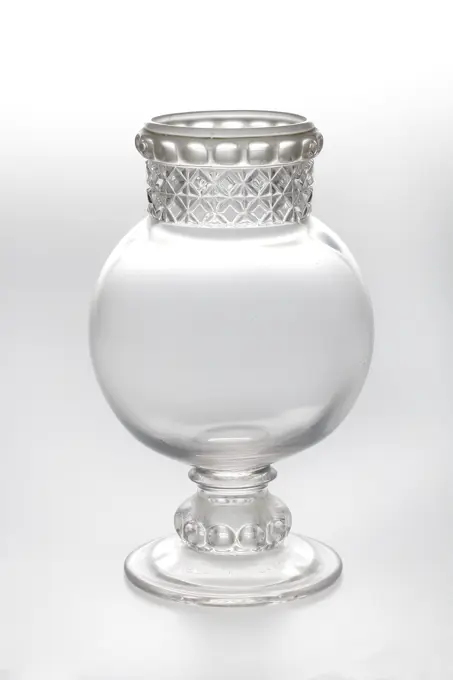
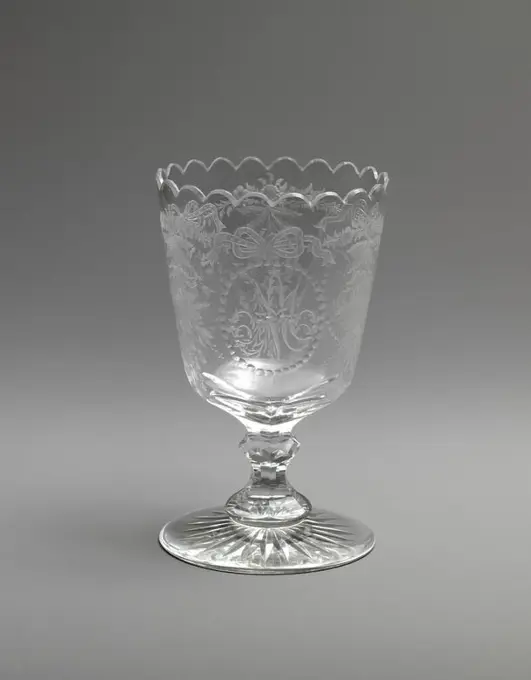
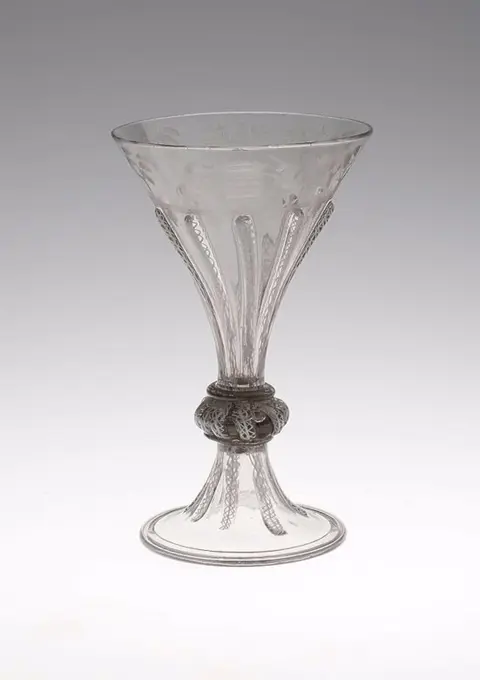
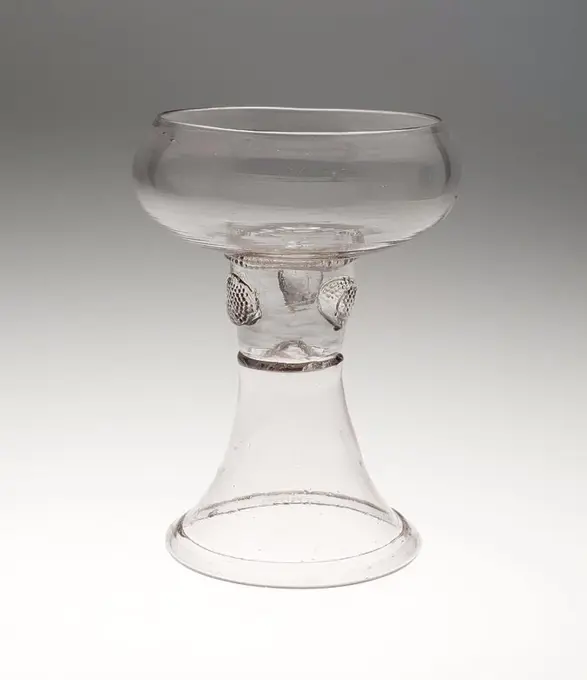
Vintage Glass Chalices

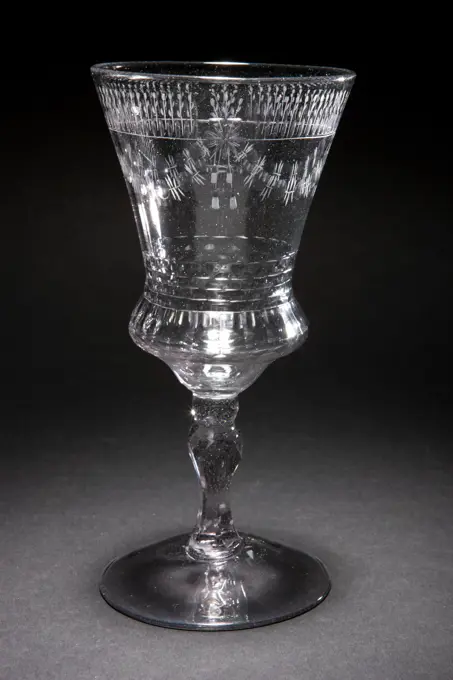
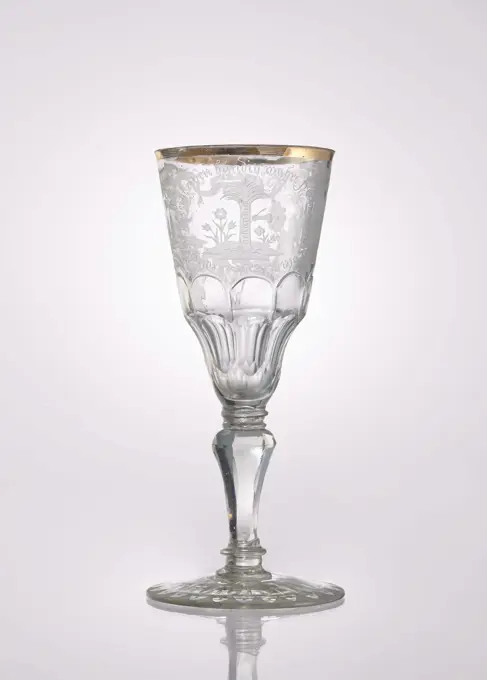
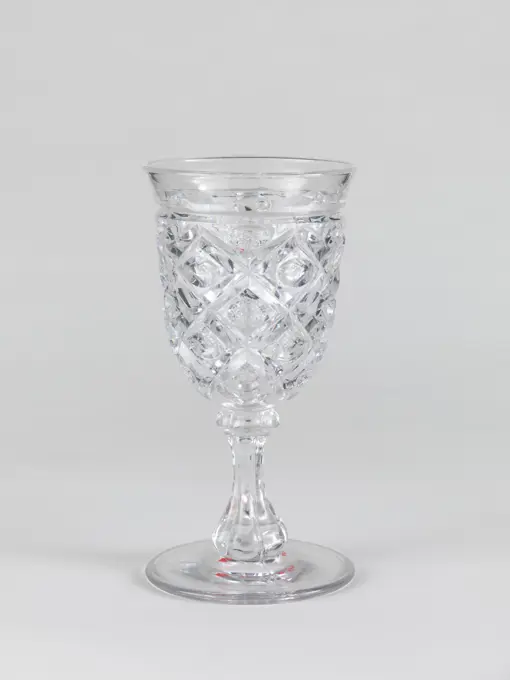
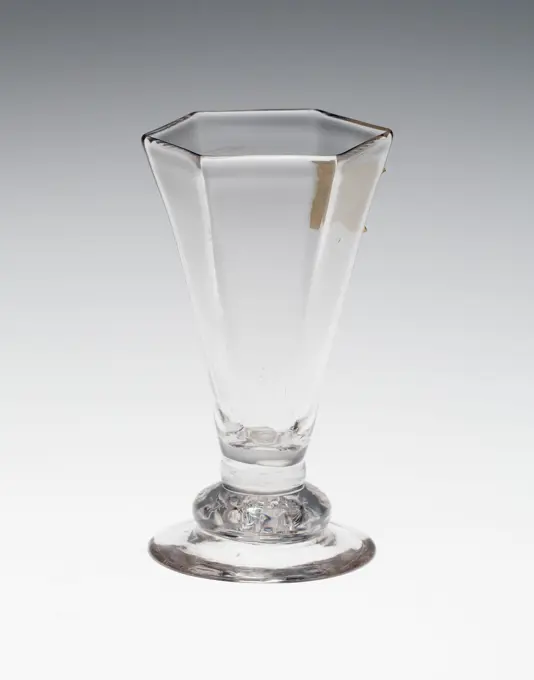
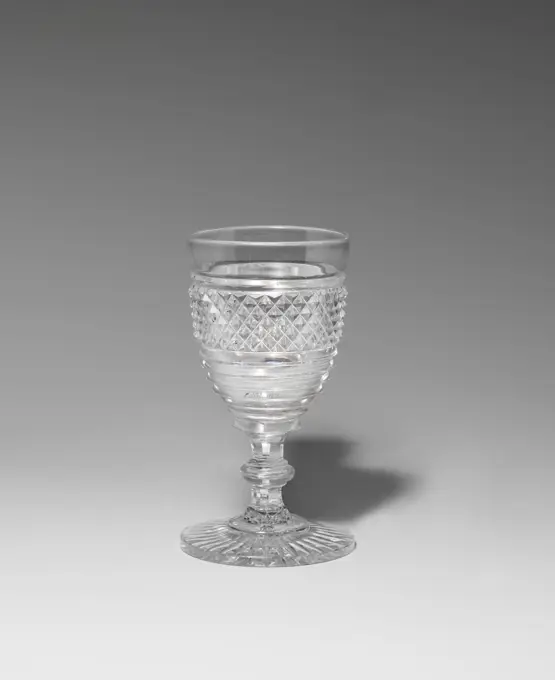
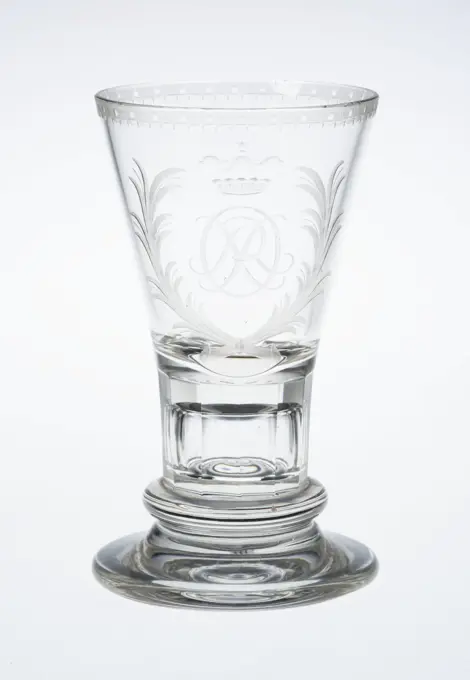
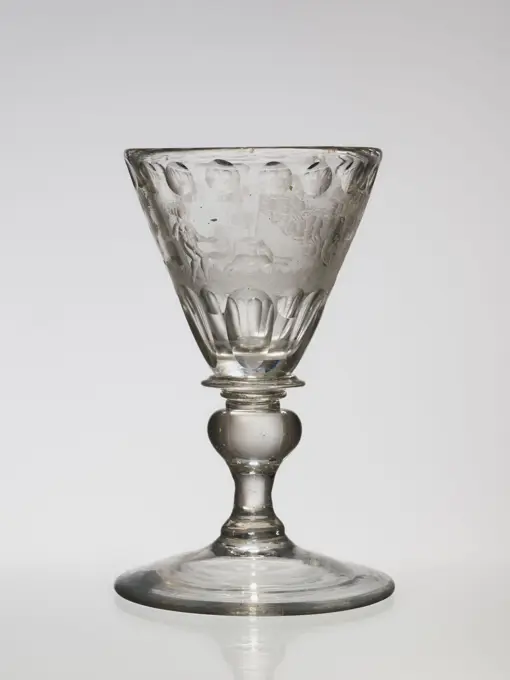
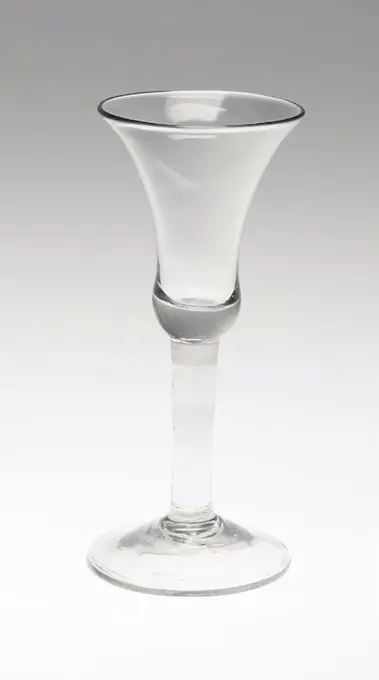
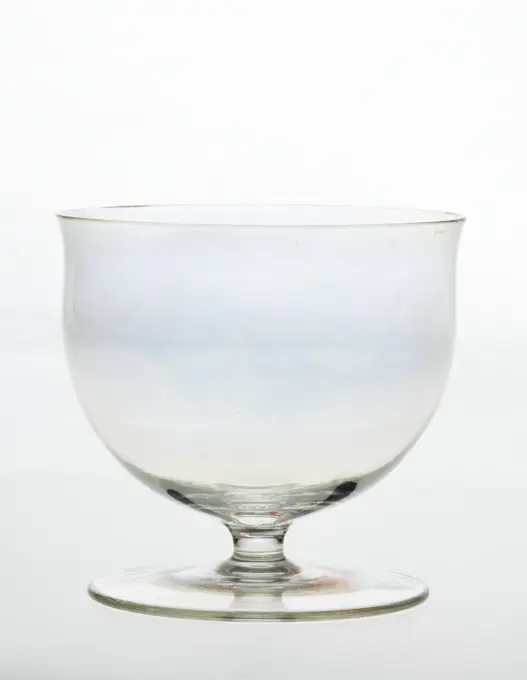
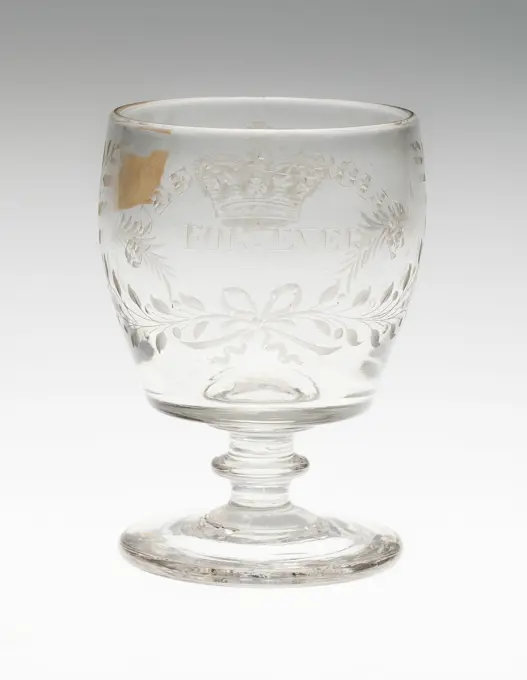
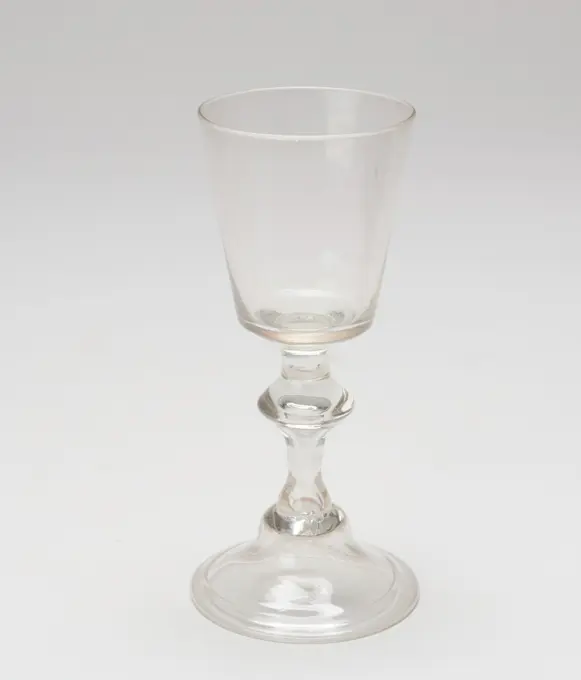
A collection of ornate vintage glass chalices featuring intricate engravings and designs, showcasing various styles from different centuries.

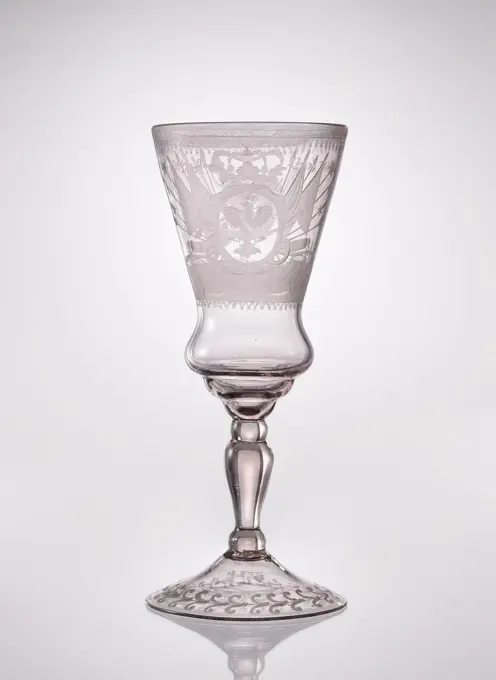
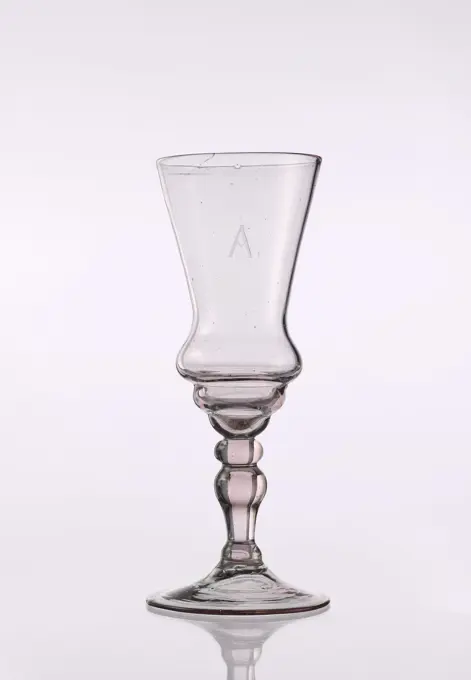
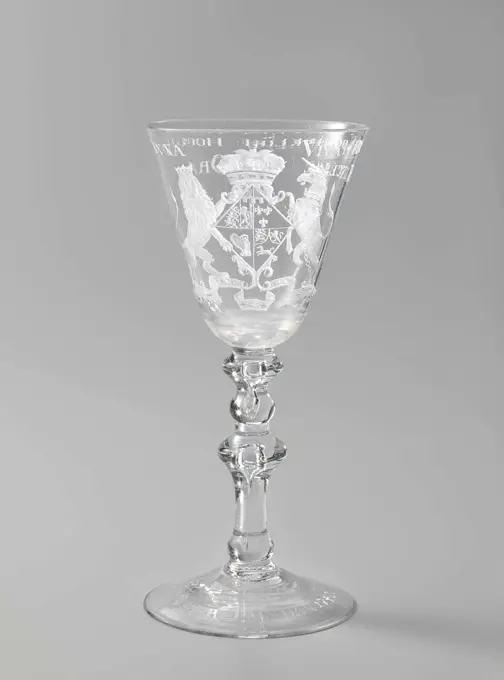
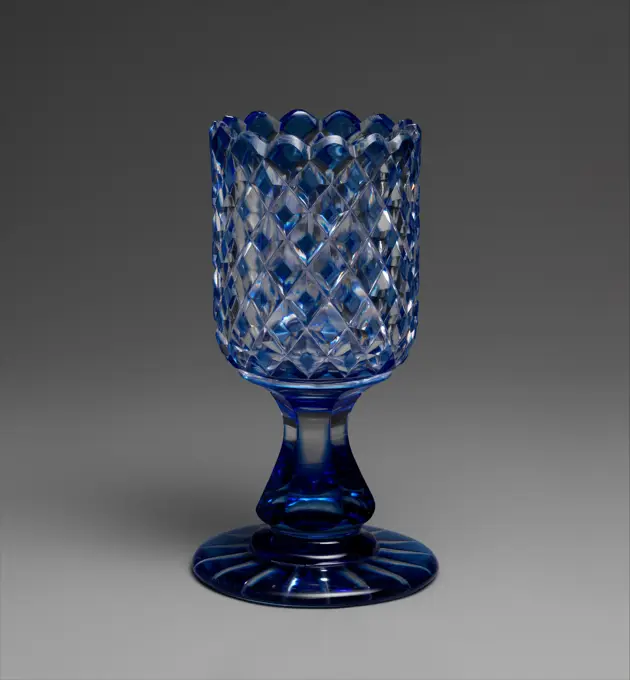
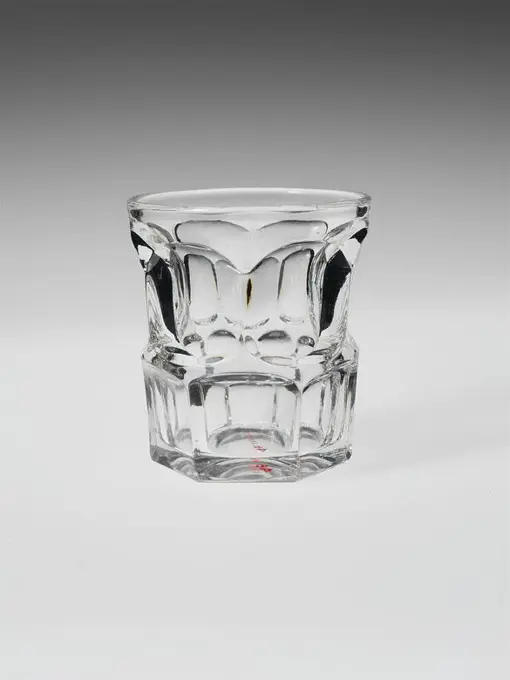
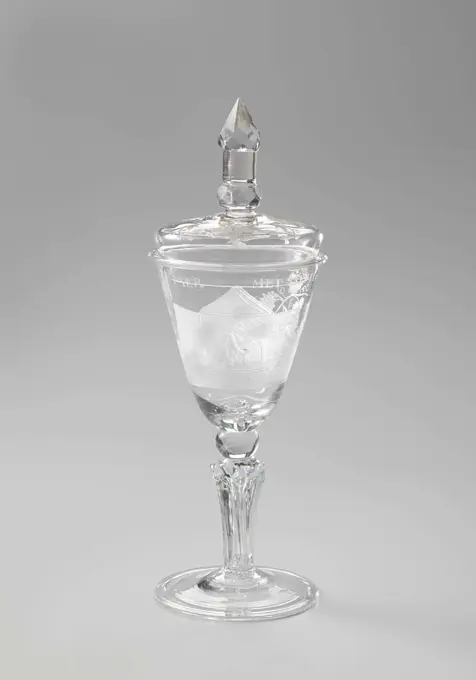
Bokaal with the weapon of Anna van Hannover, Anonymous, c. 1750 - c. 1759 Bokaal with conical foot. Baluster tribe with three knots and a disc. In the buttons several small and a large, elongated bubble. On the conical chalice the coat of arms of Princess Anna van Hannover (1709-1759). glassblower: Low CountriesNorthern Netherlands glass glassblowing Bokaal with conical foot. Baluster tribe with three knots and a disc. In the buttons several small and a large, elongated bubble. On the conical chalice the coat of arms of Princess Anna van Hannover (1709-1759). glassblower: Low CountriesNorthern Netherlands glass glassblowing
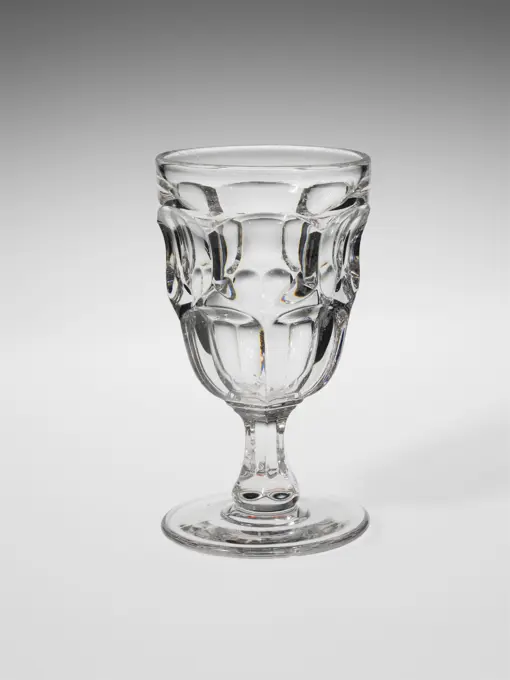
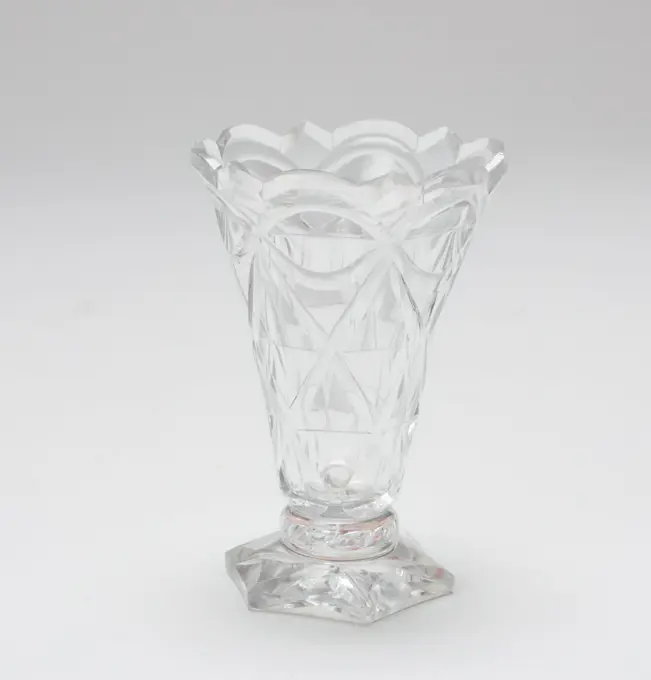
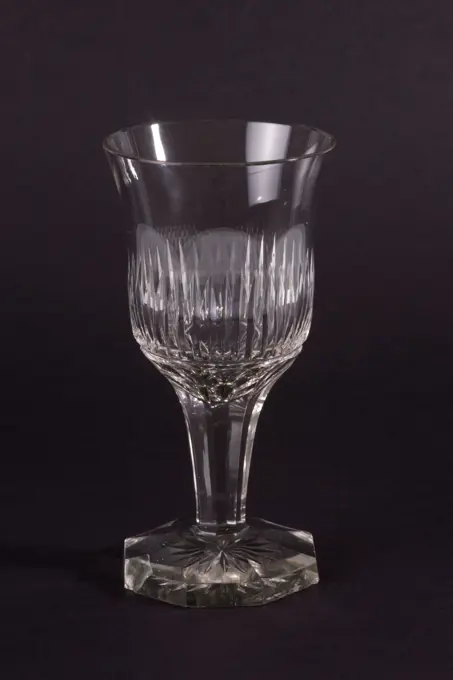
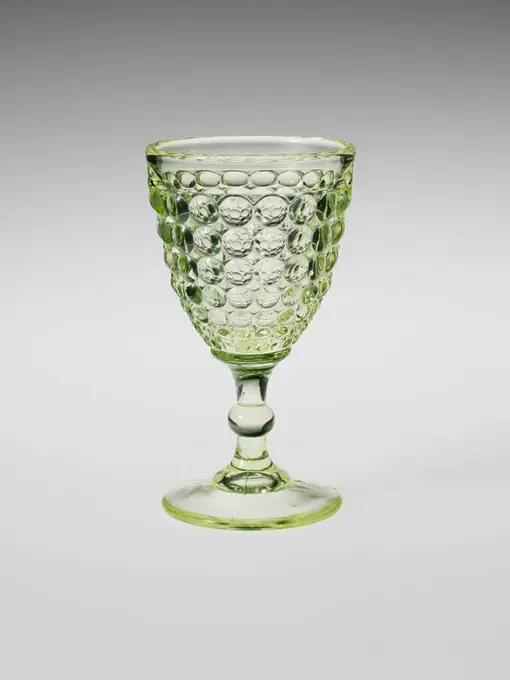
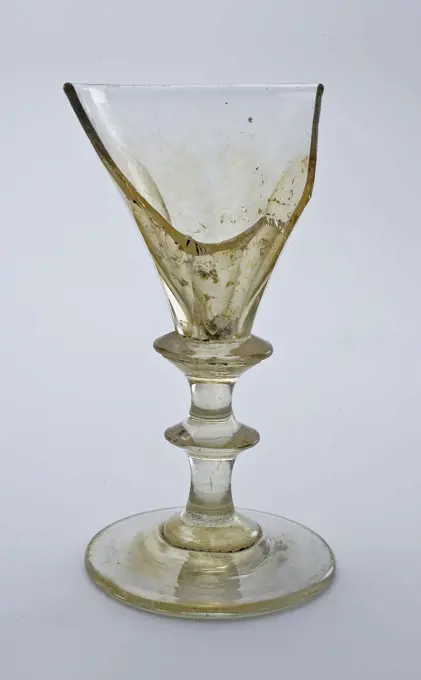
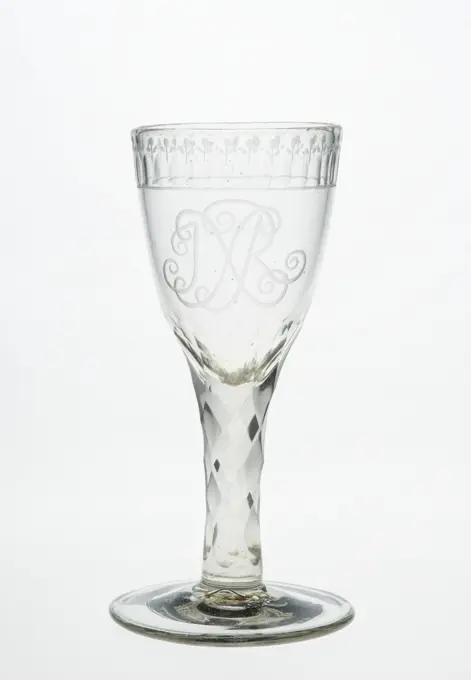
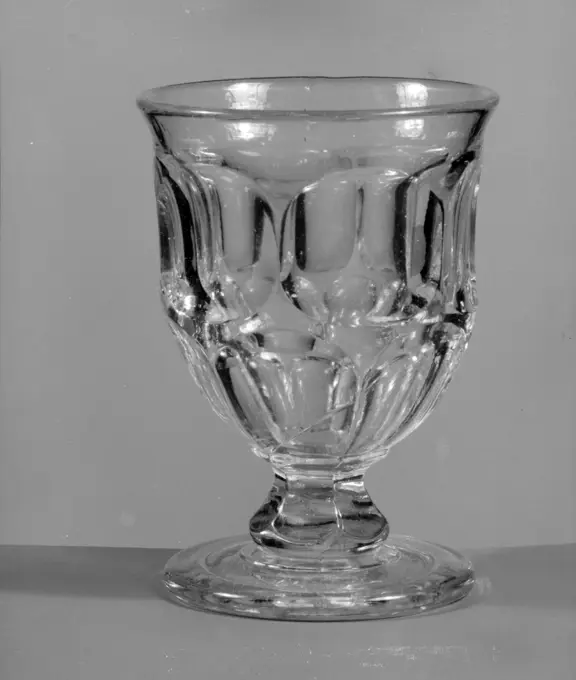
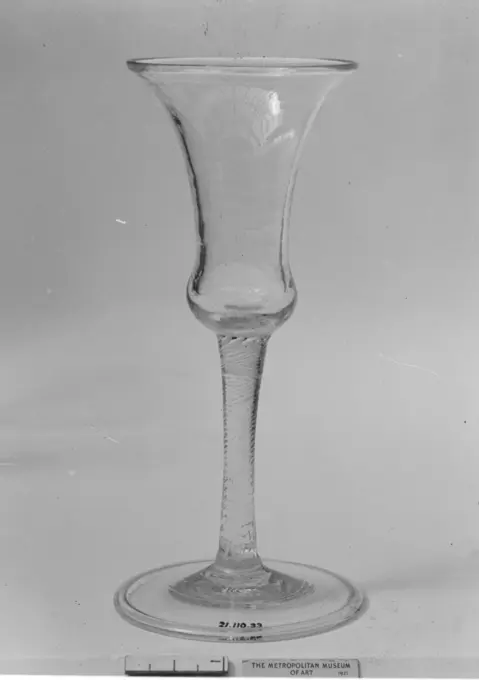
Chalip glass with the weapon of Holland, Anonymous, c. 1675 - c. 1700 Flat base with turned around and pontil brand. Hollow, baluster -shaped trunk with two discs. Funnel -shaped chalice. The crowned weapon of Holland, supported by two standing lions, is engraved on the chalice. A small bird is depicted on the downside, just below the edge. On the foot, two tifles are engraved with a rose. glassblower: Low CountriesRotterdam glass glassblowing Flat base with turned around and pontil brand. Hollow, baluster -shaped trunk with two discs. Funnel -shaped chalice. The crowned weapon of Holland, supported by two standing lions, is engraved on the chalice. A small bird is depicted on the downside, just below the edge. On the foot, two tifles are engraved with a rose. glassblower: Low CountriesRotterdam glass glassblowingBokaal with the weapon of Anna van Hannover, Anonymous, c. 1750 - c. 1759 Bokaal with conical foot. Baluster tribe with three knots and a disc. In the buttons several small and a large, elongated bubble. On the conical chalice the coat of arms of Princess Anna van Hannover (1709-1759). glassblower: Low CountriesNorthern Netherlands glass glassblowing Bokaal with conical foot. Baluster tribe with three knots and a disc. In the buttons several small and a large, elongated bubble. On the conical chalice the coat of arms of Princess Anna van Hannover (1709-1759). glassblower: Low CountriesNorthern Netherlands glass glassblowingCupKelkglas with a three-master and the VOC monogram. Kelkglas of clear, colorless glass. Conical foot. The baluster-shaped strain with three nodi. The chalice is bell-shaped. On the chalice, in a crowned coat of arms with a cartouche consisting of rollerwork and palm branches, the monogram of the VOC. A three-master on the other side.Cup; Naliboki (glassworks; 1722-1862), Urzecze (Huta Zwierciadlana; 1737-1846); around 1770 (1760-00-00-1770-00-00);Korzon from Kulwieciów Jadwiga, Prószyńska, Wanda from Korzonie (Ca 1863-1950), Dar (provenance), coats of arms, souvenirs, symbolic scenesWine glass. Kotlina Jeleniogórska (ośrodek rytownictwa ; ca 1600- ), glass engraver, Karlsthal (huta szkła ; 1754-post 1874), creator, Weiberberge (huta szkła ; post 1702-ante 1754), creator, Weissbach (huta szkła ; 1617-ante 1754), creatorBowl with an ornament edge. Vaulted foot. Baluster-shaped strain with three knots, a tear, and an extended air bubble. Bell-shaped chalice with thickened bottom with air bubbles. On the chalice, along the mouth edge, a symmetrical ornament edge consisting of band work, volutes, rosettes, tendrils and bells.Wine glass 1850-60 American With the development of new formulas and techniques, glass-pressing technology had improved markedly by the late 1840s. By this time, pressed tablewares were being produced in large matching sets and innumerable forms. During the mid-1850s, colorless glass and simple geometric patterns dominated. Catering to the demand for moderately-priced dining wares, the glass industry in the United States expanded widely, and numerous factories supplied less expensive pressed glassware to the growing market. At the Exhibition of the Industry of All Nations at New Yorks Crystal Palace in 1853, for example, the New England Glass Company exhibited 130 pieces of one design, "consisting of bowls, tumblers, champagnes, wines, and jelly glasses." This object belongs to one such service. Although the glass manufactory is not known, the glassware is very typical of the large services that were very popular with Americas middle class in the nineteenth century.. Wine glass 9944Wine Glass 1745-1755 England. Glass .Wine Glass. Ireland, Cork. Date: 1820-1830. Dimensions: 11.3 × 5.9 cm (4 7/16 × 2 5/16 in.). Glass. Origin: Cork. Museum: The Chicago Art Institute, Chicago, USA. Author: Cork Glasshouses.Goblet. Niderlandy, creator. In 1689 Stadtholder William III was crowned King of England. On this glass, he is shown wearing the English royal crown. The inscription reads: William Rex’ (King William).Bowl with a forest landscape with deer. Large jar with a wink foot and baluster-shaped, faceted trunk. High octagonal funnel-shaped chalice on which a forest landscape with a herd of deer is engraved. Under the show an edge Akanthus.Salt cellar, 18th-19th century, 3 1/4 x 3 x 3in. (8.3 x 7.6 x 7.6cm), Glass, United States, 18th-19th centuryWine Glass 1600-1699 England. Glass .Bokaal with a scissors sleeper, a woodvester and a boy, anonymous, c. 1680 - c. 1700 Vaulted foot with turned around. Strain with a hollow, ribbed button and a hollow, four -lobe button; Both between discs. Conical chalice with rounded soil. On the chalice, a scissors sleeper, a woodvester and a boy. Lid with a button in the shape of a ring. Low Countries glass glassblowing Vaulted foot with turned around. Strain with a hollow, ribbed button and a hollow, four -lobe button; Both between discs. Conical chalice with rounded soil. On the chalice, a scissors sleeper, a woodvester and a boy. Lid with a button in the shape of a ring. Low Countries glass glassblowingBokaal with the inscription: The Remonstrant Societeyt, Anonymous, c. 1715 - c. 1740 Cup of clear, colorless glass, engraved with two snakes, which have hurled the tails and heads. There are two pigeons on it. In the circle formed by the snakes, it says: Estote Prudentes/ Ut Serpentes/ Simplices/ UT/ Colombae./ a °. 1620. On the back: the Remonstrant Societeyt*. glassblower: EnglandNorthern Netherlands glass glassblowing Cup of clear, colorless glass, engraved with two snakes, which have hurled the tails and heads. There are two pigeons on it. In the circle formed by the snakes, it says: Estote Prudentes/ Ut Serpentes/ Simplices/ UT/ Colombae./ a °. 1620. On the back: the Remonstrant Societeyt*. glassblower: EnglandNorthern Netherlands glass glassblowingBokaal with a three-master and the inscription: it's sailing of the East Indise Komp:. Cup with conical foot with beaten edge. Faceted baluster trunk with button and large, inserted air bubble. Bell-shaped chalice with solid, faceted soil. A wreath of inserted air bubbles in the soil. On the chalice an East Indies-Verdaar above: it is sailing the East Indise Komp: and the monogram of the VOC room of Amsterdam A // VOC between branches.Celery Vase 1830-70 New England Glass Company. Celery Vase. American. 1830-70. Pressed glass. Made in East Cambridge, Massachusetts, United StatesGoblet 1830-70 American With the development of new formulas and techniques, glass-pressing technology had improved markedly by the late 1840s. By this time, pressed tablewares were being produced in large matching sets and innumerable forms. During the mid-1850s, colorless glass and simple geometric patterns dominated. Catering to the demand for moderately-priced dining wares, the glass industry in the United States expanded widely, and numerous factories supplied less expensive pressed glassware to the growing market. At the Exhibition of the Industry of All Nations at New Yorks Crystal Palace in 1853, for example, the New England Glass Company exhibited 130 pieces of one design, "consisting of bowls, tumblers, champagnes, wines, and jelly glasses." This object belongs to one such service. Although the glass manufactory is not known, the glassware is very typical of the large services that were very popular with Americas middle class in the nineteenth century.. Goblet 4103Wine glass with a ship, anonymous, c. 1725 - c. 1750 goblet Light conical foot. Baluster tribe with two knots. Conical chalice, with radgravure: on the one hand a ship on calm sea, pre -stem to the right, on the other hand the VOC monogram of Amsterdam surrounded by a wreath. Inscription along the top edge: 't Welvaren van' t Schip Watervliet and D: Cap't Willem Houthuysen. glassblower: NetherlandsNorthern Netherlands glass glassblowing sailing-ship, sailing-boatKelkglas with an ornament edge. Kelkglas with an engraved tire, consisting of bandwork, volutes, branches, bells and parrots on an etched tulle pattern.Glass, from a syllabub set, 1750-1780, Unknown Anglo-Irish, 4 x 2 7/8 x 2 7/8 in. (10.16 x 7.3 x 7.3 cm) (approximately), Lead and non-lead glass, England or Ireland, 18th centurySling glass with bell -shaped calyx, anonymous, c. 1750 - c. 1775 Slinger glass with conical foot and baluster -shaped trunk. In the trunk, white garlands around network spiral. Bell -shaped chalice. England glass glassblowing Slinger glass with conical foot and baluster -shaped trunk. In the trunk, white garlands around network spiral. Bell -shaped chalice. England glass glassblowingEmpty glass                            CupCup; Kurokawa, Yoshikatsu (1867-1949), Kuhn & Komor (Sreber label; 1869-1919); beginning of the 20th century (1901-00-00-1910-00-00);Cup; Non -like Lona Huta; 1. PO. 18th century (1700-00-00-1750-00-00);Kelkglas with a presentation of charity. Conical foot. Breading, faceted trunk, undervantage in a curved chalice. On the chalice, in a landscape with trees, the charity (charitas), suggested as a woman, who chests a nude child. Two naked boys from the woman.Lidded goblet with the alliance arms of William IV and Anne of Hanover, anonymous, 1747 Klok -like curved foot. Baluster tribe with button and bubble. On the conical chalice on one side the engraved weapon of Stadholder Prince William IV (1711-1751) and his wife Anna van Hannover (1709-1759) and the text Honi.Soit. Qui.Mal.y.pense. And your Maintiendrai 17-47. On the other side of the Bokaal the weapons of the seven united provinces and the text Utrupus.IMMota.mari Standt Foedere Juncti. Foot and lid engraved with flowers and sheets. Cover with faceted, pear -shaped button with bubble. glassblower: Low CountriesNorthern Netherlands glass glassblowing Klok -like curved foot. Baluster tribe with button and bubble. On the conical chalice on one side the engraved weapon of Stadholder Prince William IV (1711-1751) and his wife Anna van Hannover (1709-1759) and the text Honi.Soit. Qui.Mal.y.pense. And your Maintiendrai 17-47. On the other side of the Bokaal the weapons of the seven united prGoblet. Urzecze (huta zwierciadlana ; 1737-1846), creator, Naliboki (huta szkła ; 1722-1862), creatorCordial or Sweetmeat Glass 1775-1785 England. Glass .Claret 1818 Pellatt & Green William Bayard (1761-1826) commissioned this table service (2008.594.1-.53) in 1818 for his daughter Harriet (1799-1875) and her husband Stephen Van Rensselaer IV (1789-1868) from Pellatt & Green, Londons premier glasshouse. The fine lead glass and deep Regency cutting would have created a brilliant sparkle in their candlelit dining room, in Albany, New York. The set originally included dozens of drinking glasses, for claret, ale, and champagne, as well as decanters, wine coolers, tumblers, and finger glasses, all “elegantly cut in diamonds & Rings” according to the surviving bill of sale (2008.594.54a,b). In addition to its elegance and quality, the service is extremely rare in its documentation to the specific American family who owned it and to the English glasshouse that made it.. Claret 20253Chalice glass with flower branches and birds, anonymous, c. 1675 - c. 1700 Konical base with changed edge and pontil brand. Hollow, baluster -shaped trunk with two discs. Funnel -shaped chalice. Flower branches and birds are engraved on the chalice. glassblower: Low CountriesNorthern Netherlands glass glassblowing Konical base with changed edge and pontil brand. Hollow, baluster -shaped trunk with two discs. Funnel -shaped chalice. Flower branches and birds are engraved on the chalice. glassblower: Low CountriesNorthern Netherlands glass glassblowingAle glass mid-18th century British. Ale glass. British. mid-18th century. Glass. GlassGlass; Lobmeyr, J. & L. (Vienna; 1823-); 1920-39 (1920-00-00-1939-00-00);Chalip glass with the coat of arms of the province of Zeeland, Anonymous, c. 1750 - c. 1775 Slightly curved foot. The baluster -shaped trunk has a band with air bubbles and two knots. The conical chalice has a rounded bottom. On the chalice, above a banderolle with the text Luctor et Emergo, an asymmetrical shield is surrounded by rocailles with the crowned weapon of the province of Zeeland, flanked by two climbing lions. glassblower: NetherlandsNorthern Netherlands glass glassblowing  Zeeland Slightly curved foot. The baluster -shaped trunk has a band with air bubbles and two knots. The conical chalice has a rounded bottom. On the chalice, above a banderolle with the text Luctor et Emergo, an asymmetrical shield is surrounded by rocailles with the crowned weapon of the province of Zeeland, flanked by two climbing lions. glassblower: NetherlandsNorthern Netherlands glass glassblowing  ZeelandCup; Non -like Lona Huta; 1. W. 18th century (1700-00-00-1725-00-00);Wineglass. Culture: British. Dimensions: Overall (confirmed): 7 3/4 × 3 × 3 in. (19.7 × 7.6 × 7.6 cm). Date: ca. 1740-1800. Museum: Metropolitan Museum of Art, New York, USA.Candy dish - Dominion PatternGlass;  20th century (1920-00-00-1940-00-00);Chalip glass with an allegory on the trade, anonymous, c. 1750 - c. 1775 Konical foot with pontil brand. The trunk built from a double baluster with rows of air bubbles inserted. Funnel -shaped chalice with rounded bottom. On the chalice, an allegory is engraved on the trade, proposed by a bust of a winged Mercury above a Rococo volute with leaf vines. To the right of the volute a river mouth with merchandise on the bank in the form of a bale and a ton. On the other side of the river a village view with a church tower and mills. glassblower: EnglandNetherlands glass glassblowing Konical foot with pontil brand. The trunk built from a double baluster with rows of air bubbles inserted. Funnel -shaped chalice with rounded bottom. On the chalice, an allegory is engraved on the trade, proposed by a bust of a winged Mercury above a Rococo volute with leaf vines. To the right of the volute a river mouth with merchandise on the bank in the form of a bale and a ton. On the other side of the riveSpoon holder. Culture: American. Dimensions: H. 3 in. (7.6 cm). Maker: Louis Friedrich Vaupel (1824-1930). Manufacturer: New England Glass Company (American, East Cambridge, Massachusetts, 1818-1888). Date: ca. 1876.Louis Vaupel was one of the most skilled glass engravers working in the United States during the third quarter of the nineteenth century. Trained in Germany, Vaupel immigrated to America in 1850, and began work at the New England Glass Company where he quickly became designer and head of the engraving shop. The wheel-engraved decoration on this spoon holder, bearing sprays of roses and morning glories and floral festoons, is of exceptional quality. Museum: Metropolitan Museum of Art, New York, USA.Salt cellar, 18th-19th century, 2 x 2 7/8 x 2 7/8in. (5.1 x 7.3 x 7.3cm), Glass, United States, 18th-19th centuryCup on foot with Hebrew's inscription, Anonymous, 1857 Light conical foot, a cut star on the bottom. Funnel -shaped, rounded and faceted chalice, on which in a garland of flower vines, coming from a Cornucopia, a Hebrew text is engraved in: At the place of prayer you do not see any wine, unless to make a separation between holy and unconscious, And when a difficult student (you) makes the yoke heavy, turn your eye to the (zen) cup (filled with) grape blood. Signed under the text d:. On the downside in a shield -shaped cartouche of leaf vines (a gift from love, Daniel to David Henriquez di Castro 1857). Glassblower: Franceamsterdam glass grinding / glassblowing Light conical foot, a cut star on the bottom. Funnel -shaped, rounded and faceted chalice, on which in a garland of flower vines, coming from a Cornucopia, a Hebrew text is engraved in: At the place of prayer you do not see any wine, unless to make a separation between holy and unconscious, And when a difficult student (you) makeWineglass (one of three). Culture: British, London. Dimensions: Height: 4 7/8 in. (12.4 cm). Maker: James Powell and Sons. Manufacturer: Whitefriars Glassworks (British, 1834-1980). Date: ca. 1880. Museum: Metropolitan Museum of Art, New York, USA.Goblet Engraved with Hunting Scenes. Bohemia, Czech Republic. Date: 1675-1685. Dimensions: H. 16.5 cm (6 1/2 in.). Glass. Origin: Bohemia. Museum: The Chicago Art Institute, Chicago, USA.Prunted Beaker (Roemer). Northern Germany. Date: 1700-1725. Dimensions: 17.8 x 11.1 cm (7 x. 4 3/8 in.). Glass. Origin: Northern Germany. Museum: The Chicago Art Institute, Chicago, USA.No. 126 White Wine Glass; Designed by Ludwig Lobmeyr (Austrian, 1829 - 1917); Manufactured by J. & L. Lobmeyr GmbH (Austria); Austria; mouth-blown crystal, hand-painted goldWine glass with two dogs in a carriage drawn by two hares, c. 1750 - c. 1775 Vaulted foot. Baluster tribe with buttons, the upper with a row of air bubbles. Conical chalice with rounded soil. On the engraved representation of two dogs in a cart, which is propelled by two hares. Along the mouth edge the text: zoo.mut.men.zyn.vyanden.goed.goed. glassblower: Low CountriesNorthern Netherlands glass glassblowing Vaulted foot. Baluster tribe with buttons, the upper with a row of air bubbles. Conical chalice with rounded soil. On the engraved representation of two dogs in a cart, which is propelled by two hares. Along the mouth edge the text: zoo.mut.men.zyn.vyanden.goed.goed. glassblower: Low CountriesNorthern Netherlands glass glassblowingBokaal with a poem by Goethe, Anonymous, 1860 Flat. Convex strain, curved chalice. Clock -shaped lid with a faceted button. Between two vases filled with flowers and fruits a poem by Goethe: Willst du Immer weiter Schweissen/ Sieh, das Gute lies so nah,/ lerne nur das glück ergreifen,/ denn das glück ist ever da/ göthe/ above and under the poem Flower and leaf vines and a butterfly. Under the left vase the signature and the year DHDC. 1860. Glassblower: Franceamsterdam glass grinding / etching / glassblowing Flat. Convex strain, curved chalice. Clock -shaped lid with a faceted button. Between two vases filled with flowers and fruits a poem by Goethe: Willst du Immer weiter Schweissen/ Sieh, das Gute lies so nah,/ lerne nur das glück ergreifen,/ denn das glück ist ever da/ göthe/ above and under the poem Flower and leaf vines and a butterfly. Under the left vase the signature and the year DHDC. 1860. Glassblower: Franceamsterdam glass grinding / etching / glassblowingCompote - Maple Leaf PatternKelkglas with Hanover Anna weapon. Vaulted foot. Baluster trunk with three buttons and two air bubbles. Conical chalice with rounded soil. On the chalice the weapon of Princess Anna van Hanover and the inscription "Vivat her cooninklike Hoogheyd Anna Princesse van Oranje". At the foot: "William Meyer London 1740".Covered Diamond-Engraved Armorial Marriage Goblet. England. Date: 1695-1714. Dimensions: 46.9 × 15.6 15.6 cm (18 1/2 × 6 1/8 × 6 1/8 in.). Diamond-engraved lead glass. Origin: England. Museum: The Chicago Art Institute, Chicago, USA.WIne Glass and Cover. Germany, Schleswig. Date: 1735-1745. Dimensions: 8.6 x 8.3 cm (8 3/8 x 3 1/4 in.). Glass; engraved and gilt decoration. Origin: Schleswig. Museum: The Chicago Art Institute, Chicago, USA.Chalip glass with a rooster and a chicken and the inscription: Utinam sic Semper, c. 1725 - c. 1750 Chalice glass made of clear, colorless glass. On the chalice an engraved representation of a rooster that covers a chicken and the inscription: Utinam Sic Semper. Northern Netherlands glass glassblowing Chalice glass made of clear, colorless glass. On the chalice an engraved representation of a rooster that covers a chicken and the inscription: Utinam Sic Semper. Northern Netherlands glass glassblowingSugar Bowl with Cover. New England Glass Company (United States, Massachusetts, East Cambridge, 1818-1888). Probably Ashburton, circa 1840. Furnishings; Serviceware. Pressed glass, Ashburton patternWine Glass. England or Netherlands. Date: 1755-1785. Dimensions: 17.5 × 7.9 cm (6 7/8 × 3 1/8 in.). Glass; cut and stipple engraved. Origin: England. Museum: The Chicago Art Institute, Chicago, USA.Wineglass 1750-1800 British, possibly Bristol. Wineglass. British, possibly Bristol. 1750-1800. Glass. GlassWine Glass. England. Date: 1775-1785. Dimensions: 17.8 cm (7 in.). Glass. Origin: England. Museum: The Chicago Art Institute, Chicago, USA.Glass;  20th century (1901-00-00-2000-00-00);Wine glass with a dish of grapes, anonymous, 1799 Conical foot. Balus -shaped trunk with two knots. Conical chalice rounded at the bottom. On the chalice a bowl on foot with a grape voucher above two crossed palm branches. Along the mouth edge: the growth and bloeyen van Vreeden oord. Under the show the text: Vreede and Vriendee. Signed on the underside of the foot: pr. Luyten Fecit 1799. Glassblower: Englanddraggle (POSSIBLY) glass glassblowing Conical foot. Balus -shaped trunk with two knots. Conical chalice rounded at the bottom. On the chalice a bowl on foot with a grape voucher above two crossed palm branches. Along the mouth edge: the growth and bloeyen van Vreeden oord. Under the show the text: Vreede and Vriendee. Signed on the underside of the foot: pr. Luyten Fecit 1799. Glassblower: Englanddraggle (POSSIBLY) glass glassblowingGlassGlass;  20th century (1901-00-00-2000-00-00);Scale on foot, with arches and stars, anonymous, c. 1725 - c. 1750 Flat, faceted foot. Facet cut, baluster -shaped trunk with four discs. Wide, oval chalice with facet -cut soil. On the chalice a continuous pattern of arches under a clear, sharpened band with stars. This kind of glass mainly served for serving candies. Bohemia glass glassblowing / grinding Flat, faceted foot. Facet cut, baluster -shaped trunk with four discs. Wide, oval chalice with facet -cut soil. On the chalice a continuous pattern of arches under a clear, sharpened band with stars. This kind of glass mainly served for serving candies. Bohemia glass glassblowing / grindingBeaker 17th century Dutch, possibly Groningen. Beaker. Dutch, possibly Groningen. 17th century. Silver gilt. Metalwork-SilverChalice glass with leaf vines and circles, anonymous, c. 1700 - c. 1725 Clear, colorless glass chalice glass with leaves and circles engraved on the chalice. Bohemia glass glassblowing Clear, colorless glass chalice glass with leaves and circles engraved on the chalice. Bohemia glass glassblowingChalice glass with the weapon of Veere, Anonymous, c. 1725 - c. 1750  Vaulted foot. Balus -shaped trunk with five buttons, air bubbles and a double tire of air bubbles. Bell -shaped chalice. On the chalice, on two symmetrical leaves held together by a flower challenge, the crowned weapon of Veere flanked by two climbing lions. The name of the city is engraved under the weapon. glassblower: Low CountriesNorthern Netherlands glass glassblowing coat of arms (as symbol of the state, etc.) (+ city; municipal) VeereGoblet 1865-75 American. Goblet. American. 1865-75. Pressed glass. Made in United StatesChalice glass with an ornament edge, anonymous, c. 1725 - c. 1750 Chalk glass with an engraved ornament edge. glassblower: EnglandNorthern Netherlands glass glassblowing Chalk glass with an engraved ornament edge. glassblower: EnglandNorthern Netherlands glass glassblowingGoblet Commemorating Queen Caroline 1815-1825 England. Glass .Wine glass, 18th-19th century, 5 7/8 in. (14.9 cm), Glass, United States, 18th-19th centuryDecanter with Stopper, 18th-19th century, 10 1/4 x 4 1/2 x 4 1/2in. (26 x 11.4 x 11.4cm), Glass, United States, 18th-19th centuryGlass;  1920-39 (1920-00-00-1939-00-00);Lamp chimney -Bokaal with the inscription: t Welvaeren van de Gaende and Komende Scheepe, Anonymous, c. 1700 - c. 1725 Bokaal with an engraved representation of two sailing frigates and the inscription 't Welvaeren van de Gaende and Komende Scheepe. The chalice is conical with a thick massive bottom. The trunk is massive with bubble and two knots, the top of which is wide. Flat base with turned around. glassblower: EnglandNorthern Netherlands glass glassblowing Bokaal with an engraved representation of two sailing frigates and the inscription 't Welvaeren van de Gaende and Komende Scheepe. The chalice is conical with a thick massive bottom. The trunk is massive with bubble and two knots, the top of which is wide. Flat base with turned around. glassblower: EnglandNorthern Netherlands glass glassblowingWine Glass 1850-60 American With the development of new formulas and techniques, glass-pressing technology had improved markedly by the late 1840s. By this time, pressed tablewares were being produced in large matching sets and innumerable forms. During the mid-1850s, colorless glass and simple geometric patterns dominated. Catering to the demand for moderately-priced dining wares, the glass industry in the United States expanded widely, and numerous factories supplied less expensive pressed glassware to the growing market. At the Exhibition of the Industry of All Nations at New Yorks Crystal Palace in 1853, for example, the New England Glass Company exhibited 130 pieces of one design, "consisting of bowls, tumblers, champagnes, wines, and jelly glasses." This object belongs to one such service. Although the glass manufactory is not known, the glassware is very typical of the large services that were very popular with Americas middle class in the nineteenth century.. Wine Glass 9945Beaker 1755-57 Johann Leonhard Allmann. Beaker 206208Roemer with three rows of raspberry prunts, anonymous, c. 1675 - c. 1700 High, concave base of wounded glass wire. Inserted soil. Cylindrical shaft blown on one piece with bowl -shaped chalice. On shaft three rows of Braamnoppen. The transition from the chalice to the shaft indicated by a ribbed thread. Germany glass glassblowing High, concave base of wounded glass wire. Inserted soil. Cylindrical shaft blown on one piece with bowl -shaped chalice. On shaft three rows of Braamnoppen. The transition from the chalice to the shaft indicated by a ribbed thread. Germany glass glassblowingBowl; glassKan, anonymous, c. 1690 - c. 1700 Can on curved foot with turned around. Short trunk, consisting of a hollow, ribbed nodus. Craved body transfer in a wide -spreading neck with pinched spout. A corrugated thread around the neck. S-shaped ear, set with a pinched comb ornament Venice glass glassblowing Can on curved foot with turned around. Short trunk, consisting of a hollow, ribbed nodus. Craved body transfer in a wide -spreading neck with pinched spout. A corrugated thread around the neck. S-shaped ear, set with a pinched comb ornament Venice glass glassblowingPitcher American 1850-60 With the development of new formulas and techniques, glass-pressing technology had improved markedly by the late 1840s. By this time, pressed tablewares were being produced in large matching sets and innumerable forms. During the mid-1850s, colorless glass and simple geometric patterns dominated. Catering to the demand for moderately-priced dining wares, the glass industry in the United States expanded widely, and numerous factories supplied less expensive pressed glassware to the growing market. At the Exhibition of the Industry of All Nations at New Yorks Crystal Palace in 1853, for example, the New England Glass Company exhibited 130 pieces of one design, "consisting of bowls, tumblers, champagnes, wines, and jelly glasses." This object belongs to one such service. Although the glass manufactory is not known, the glassware is very typical of the large services that were very popular with Americas middle class in the nineteenth century. View more. Pitcher. Chalip glass with the weapon of Anna van Hannover, Anonymous, c. 1735 - c. 1750 Chalice glass with conical foot. Baluster tribe with five knots and air bubbles. On the conical chalice an engraved representation of the crowned weapon of Anna van Hannover (1709-1759) between two laurel branches. glassblower: Low CountriesNorthern Netherlands glass glassblowing Chalice glass with conical foot. Baluster tribe with five knots and air bubbles. On the conical chalice an engraved representation of the crowned weapon of Anna van Hannover (1709-1759) between two laurel branches. glassblower: Low CountriesNorthern Netherlands glass glassblowingMiskelk, Jacobus Carrenhoff, c. 1820 The base of the Ronde Miskelk has a straight -walled base. It is made up of a concave, above which a vaulted part. Along the underside of the vaulted part and around the narrowest point, cable edges run in opposite directions. The egg -shaped nodus, the lower part of which is decorated with grunts, rests on a profiled, rejuvenating pedestal; Above it a rinse -shaped part, articulated by a cable border, above it again a cable border, flanked by profiles, then a concave on which the vaulted cuppa rests. The lower part of the cuppa is caught in a countercuppa, decorated with grunts above which an openwork gallery of pointed arches, closed at the top by a traffic jam. The cuppa is gilded on the inside. A cross is engraved on the foot. Amsterdam silver (metal) gilding The base of the Ronde Miskelk has a straight -walled base. It is made up of a concave, above which a vaulted part. Along the underside of the vaulted part and around the narrowest point, casalver, glass, Flat circular tray with raised vertical rim cut with diamonds; tall stem with central knop; domed base with wide flat circular foot; ground pontil mark bottom., Ireland, ca. 1790, glasswares, Decorative Arts, salverBokaal van Zwischengoldglas, with Joseph thrown into the well by his brothers, Anonymous, c. 1730 - c. 1750 Flat. Double cuff, smooth baluster -shaped trunk with a smooth nodus; Foot, cuff and trunk of silver. Funnel -shaped, versatile chalice with rounded bottom. On the chalice, between an edge of festons and leaf work and a border scales, Joseph, which is thrown into the well by his brothers and the inscription: Joseph. Is thrown from.sin.broeders.inde.put gen.2. Kitrand approx. 1 cm below the top edge. On the underside of the foot: Af Bonebakker & Son Ab & Z III. Marked on the foot. glassblower: BohemenAmsterdam glass. silver (metal) glassblowing / grinding Flat. Double cuff, smooth baluster -shaped trunk with a smooth nodus; Foot, cuff and trunk of silver. Funnel -shaped, versatile chalice with rounded bottom. On the chalice, between an edge of festons and leaf work and a border scales, Joseph, which is thrown into the well by his brothers and the inscription: Joseph. Is thrown froPitcher 1850-70 American With the development of new formulas and techniques, glass-pressing technology had improved markedly by the late 1840s. By this time, pressed tablewares were being produced in large matching sets and innumerable forms. During the mid-1850s, colorless glass and simple geometric patterns dominated. Catering to the demand for moderately-priced dining wares, the glass industry in the United States expanded widely, and numerous factories supplied less expensive pressed glassware to the growing market. At the Exhibition of the Industry of All Nations at New Yorks Crystal Palace in 1853, for example, the New England Glass Company exhibited 130 pieces of one design, "consisting of bowls, tumblers, champagnes, wines, and jelly glasses." This object belongs to one such service. Although the glass manufactory is not known, the glassware is very typical of the large services that were very popular with Americas middle class in the nineteenth century.. Pitcher 5715Glass;  1920-39 (1920-00-00-1939-00-00);Roemer with a row of braam buds. Roemer on high, conical, spun base from a wire. The spherical chalice and the strain that is occupied with four bramnops are blown separately. The transition from the chalice to the trunk is indicated by a ribbed wireWine Glass. Culture: American. Dimensions: H. 3 7/8 in. (9.8 cm); Diam. 2 1/4 in. (5.7 cm). Maker: Adams and Company. Date: 1870-90. Museum: Metropolitan Museum of Art, New York, USA.Roemer with vines. Roemer with inserted bottom, from a wire spun foot. The spherical chalice and the trunk that is busy with three bramnops are blown separately. A wine rank is engraved on the chalice with the wheel. The transition from the chalice to strain is indicated by a ribbed wire.Fragment of foot, trunk and part of calyx of chalice, wine glass drinking glass drinking utensils tableware holder soil find glass, free blown and shaped cut Fragment of foot stem and part of chalice of chalice in clear colorless glass. Cut-down pontilemark under slightly ascending flat foot. Solid trunk on flat knot to sharp knot (2x) to trumpet-shaped chalice facetted at the bottom. About half of the calyx is missing archeologyCup;  4 18th century (1760-00-00-1785-00-00);Egg Cup 1830-70 American With the development of new formulas and techniques, glass-pressing technology had improved markedly by the late 1840s. By this time, pressed tablewares were being produced in large matching sets and innumerable forms. During the mid-1850s, colorless glass and simple geometric patterns dominated. Catering to the demand for moderately-priced dining wares, the glass industry in the United States expanded widely, and numerous factories supplied less expensive pressed glassware to the growing market. At the Exhibition of the Industry of All Nations at New Yorks Crystal Palace in 1853, for example, the New England Glass Company exhibited 130 pieces of one design, "consisting of bowls, tumblers, champagnes, wines, and jelly glasses." This object belongs to one such service. Although the glass manufactory is not known, the glassware is very typical of the large services that were very popular with Americas middle class in the nineteenth century.. Egg Cup. American. Wineglass first half 18th century Dutch or Flemish. Wineglass. Dutch or Flemish. first half 18th century. Glass. GlassCup;  1920-39 (1920-00-00-1939-00-00);Glass;  1920-39 (1920-00-00-1939-00-00);Celery vase 1850-55 Brooklyn Flint Glass Company American New York City was an important center for machine-cut luxury glass in the middle of the nineteenth century. This partial group (2014.626.1a,b -.7) of blue-cut-to-clear glass is extraordinarily rare and perhaps even experimental when it was made in the 1850s. This is the only known blue plated cut glass attributed to the Brooklyn Flint Glass Works. The diamond pattern is thought to have been executed by Joseph Stouvenel, a highly skilled glass cutter whose works were exhibited at the New York Exhibition of 1853-54 and published during the period.. Celery vase 667481Tumbler. Culture: American. Dimensions: H. 2 15/16 in. (7.5 cm); Diam. 2 5/8 in. (6.7 cm). Date: 1830-70.With the development of new formulas and techniques, glass-pressing technology had improved markedly by the late 1840s. By this time, pressed tablewares were being produced in large matching sets and innumerable forms. During the mid-1850s, colorless glass and simple geometric patterns dominated. Catering to the demand for moderately-priced dining wares, the glass industry in the United States expanded widely, and numerous factories supplied less expensive pressed glassware to the growing market. At the Exhibition of the Industry of All Nations at New York's Crystal Palace in 1853, for example, the New England Glass Company exhibited 130 pieces of one design, "consisting of bowls, tumblers, champagnes, wines, and jelly glasses." This object belongs to one such service. Although the glass manufactory is not known, the glassware is very typical of the large services that were very po. translation of inscription: Within the year with love