Vintage Glass Containers

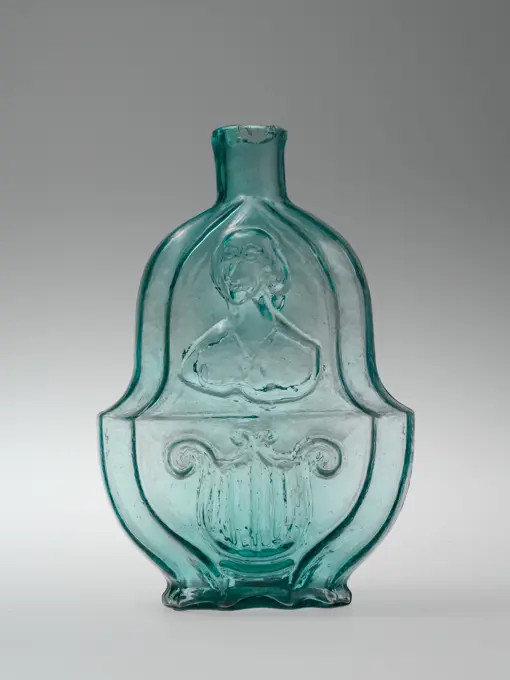
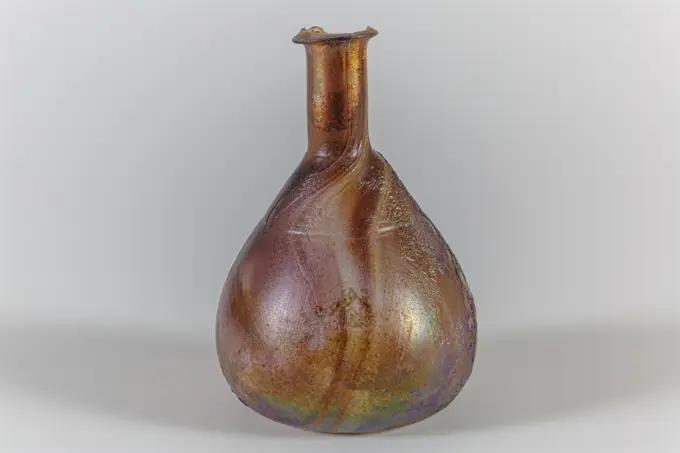
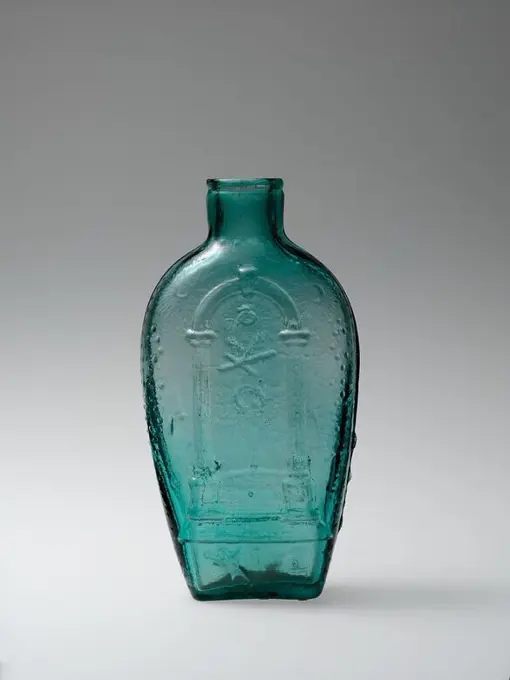
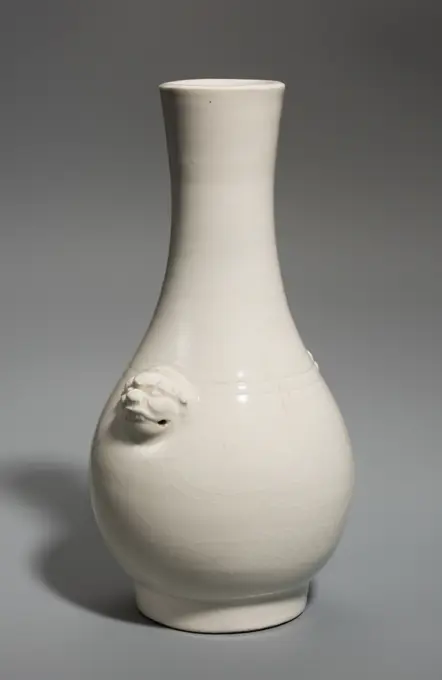
A selection of decorative glass bottles, including decanters and vases from various historical periods, exhibiting unique craftsmanship.
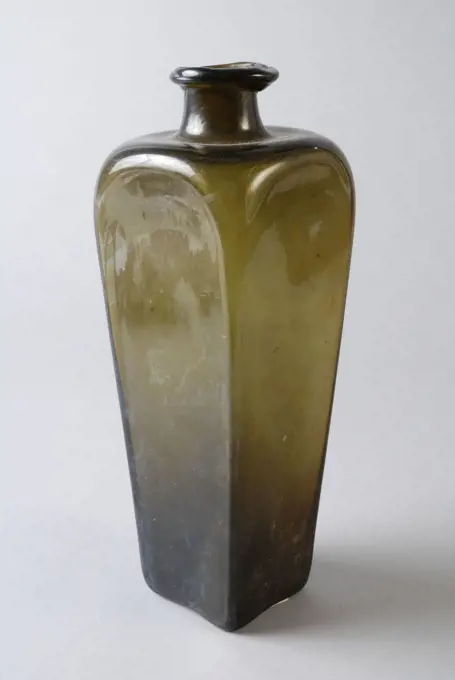
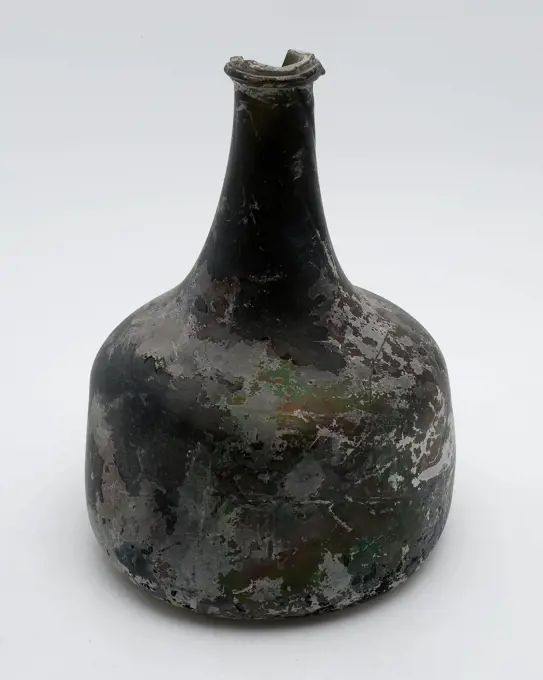
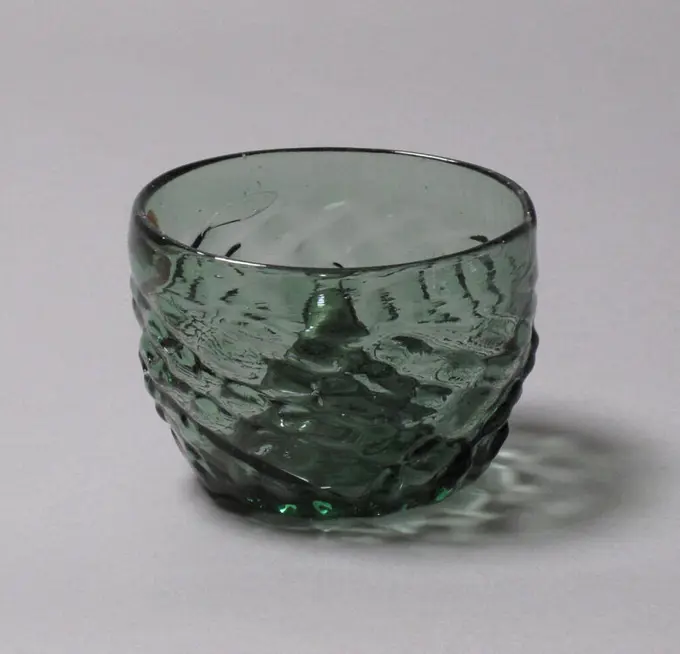
Green glass cellar bottle, basement bottle stock bottle bottle holder glass, distillery Rotterdam Delfshaven Schiedam
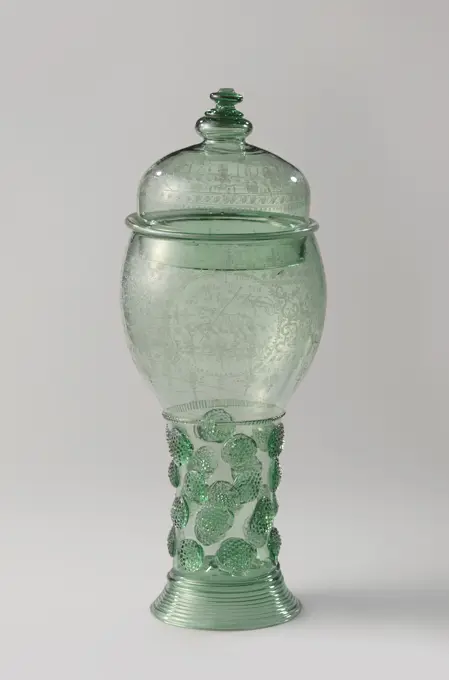
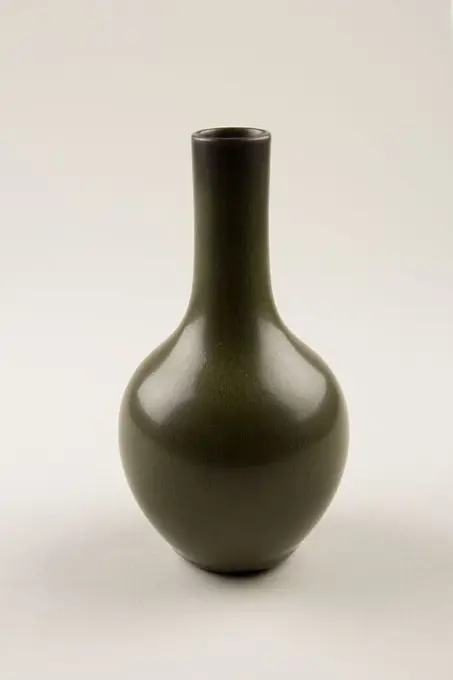
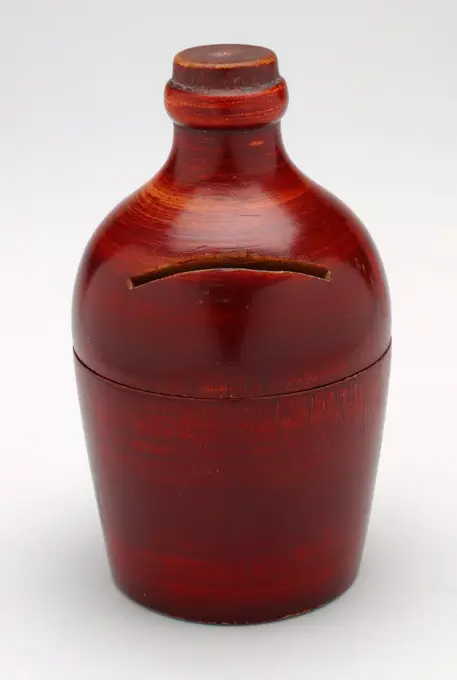
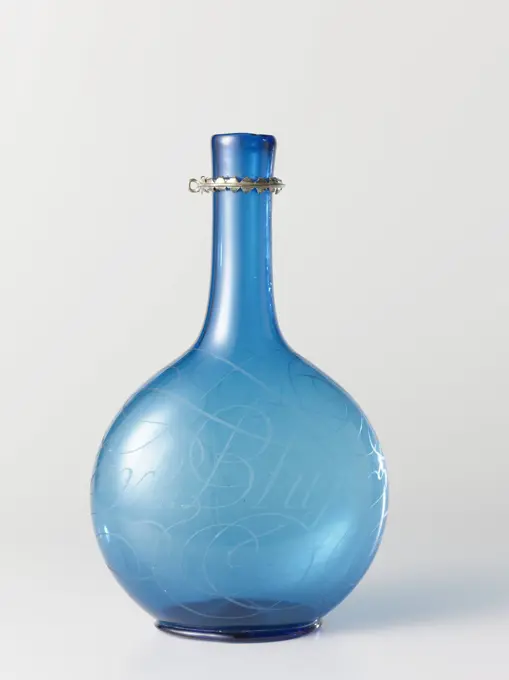
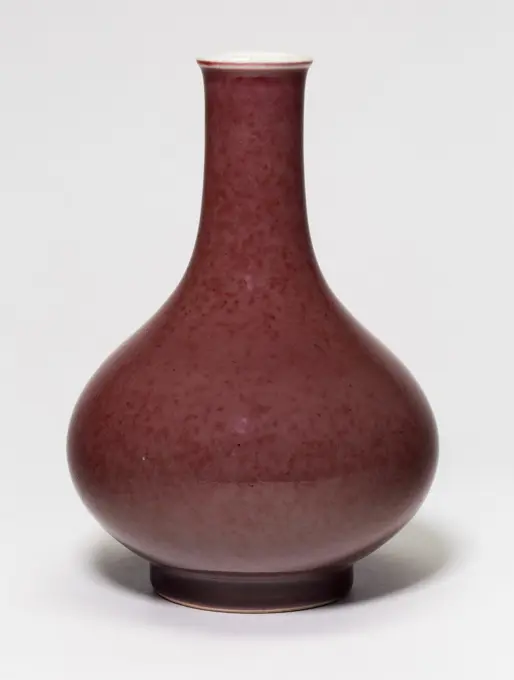
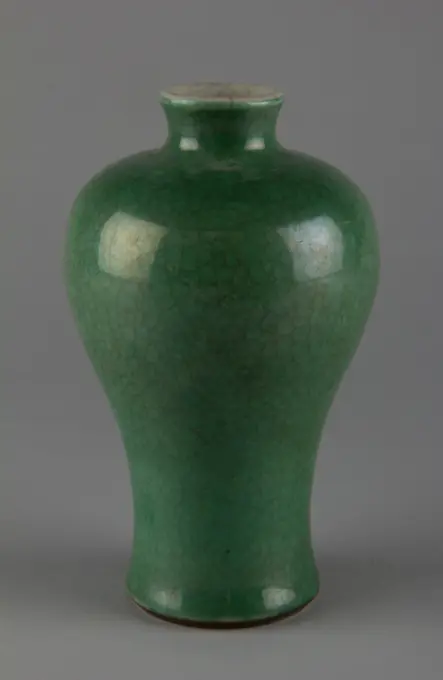
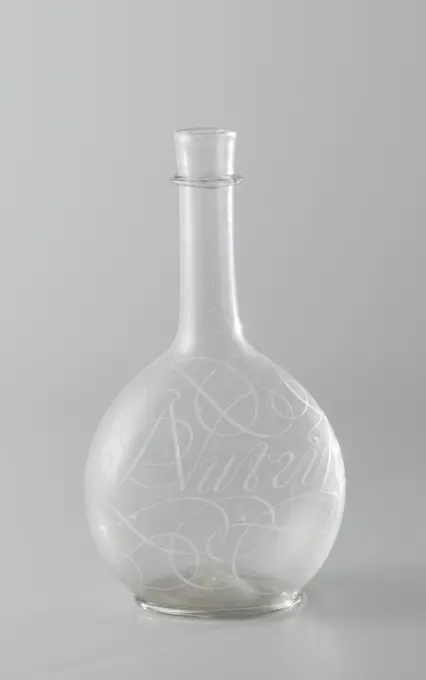
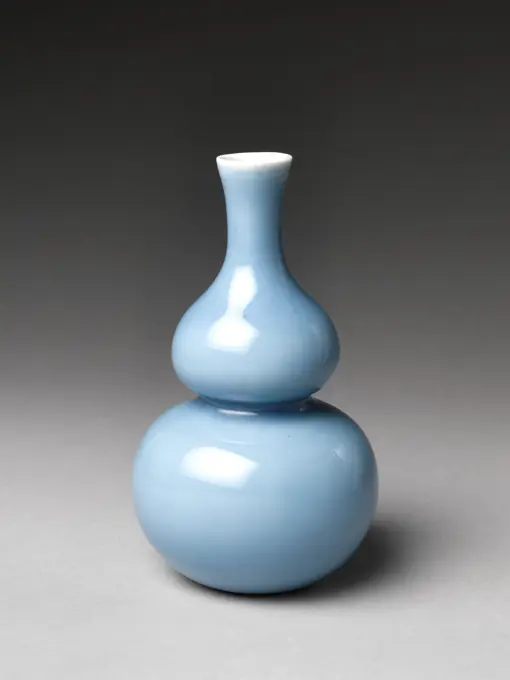
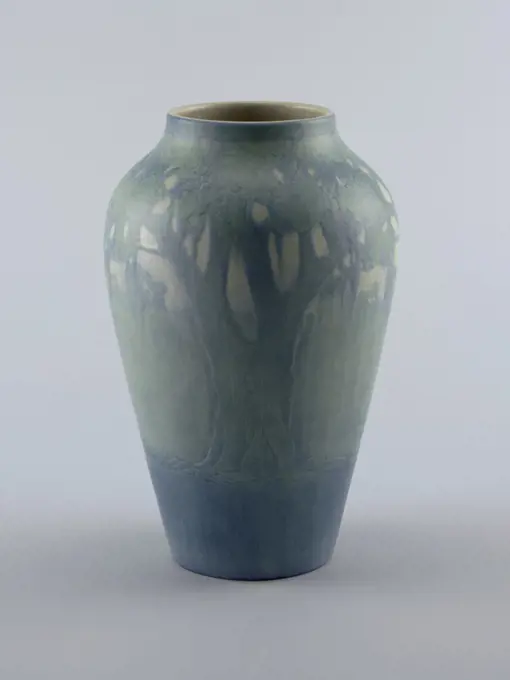
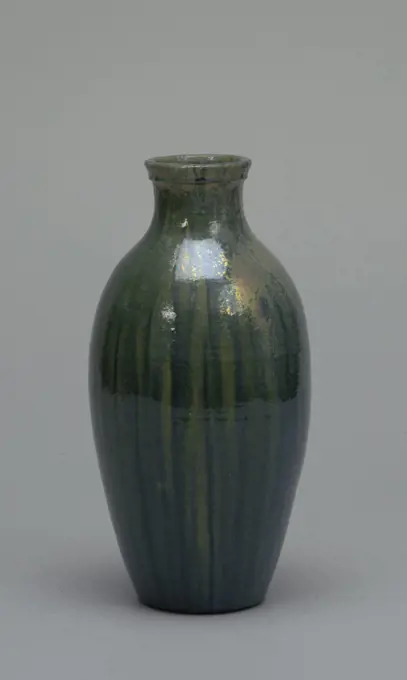
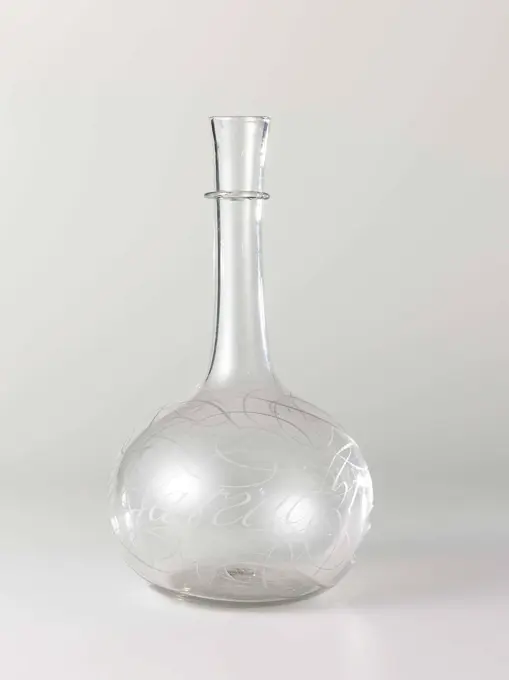
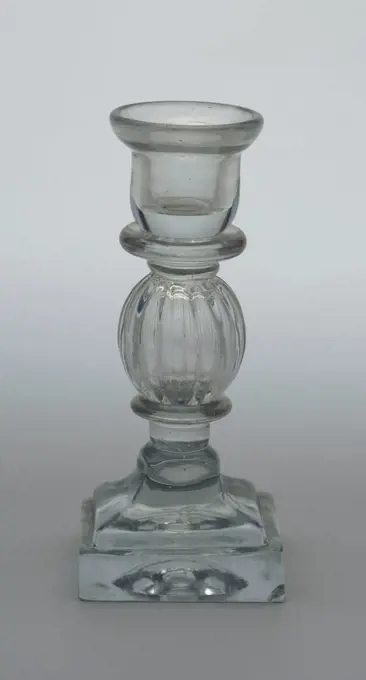
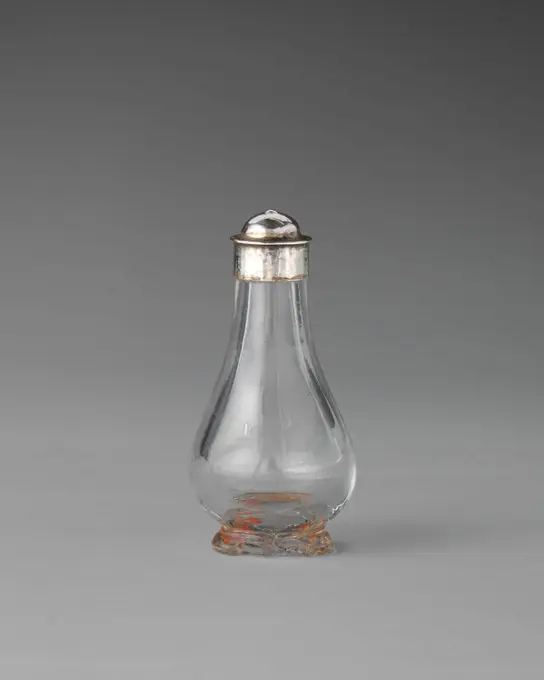
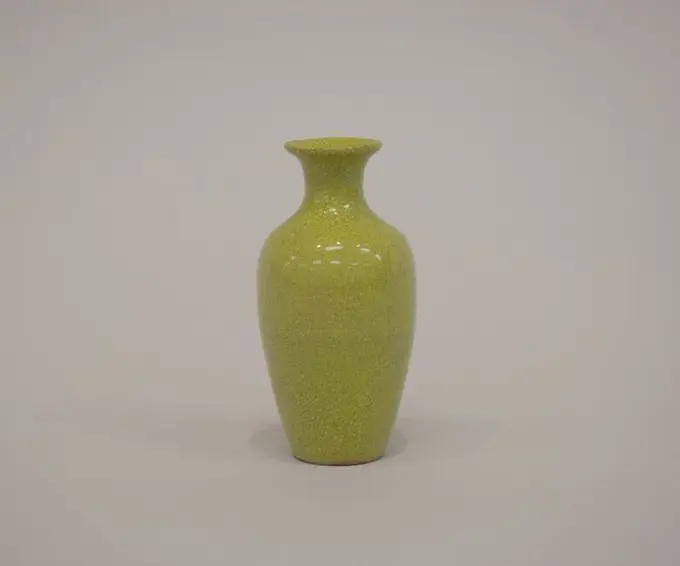
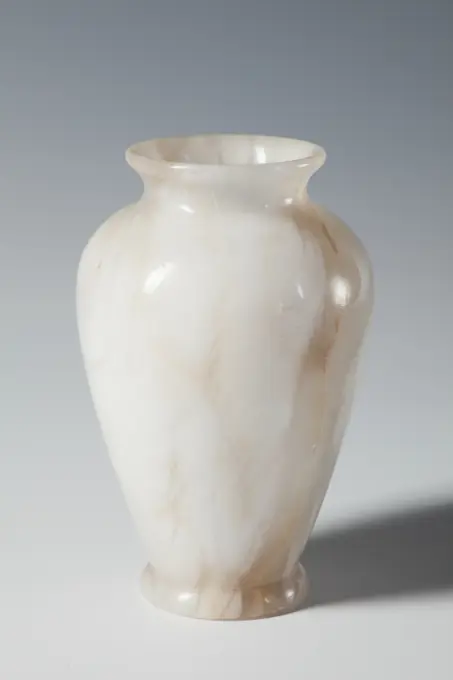
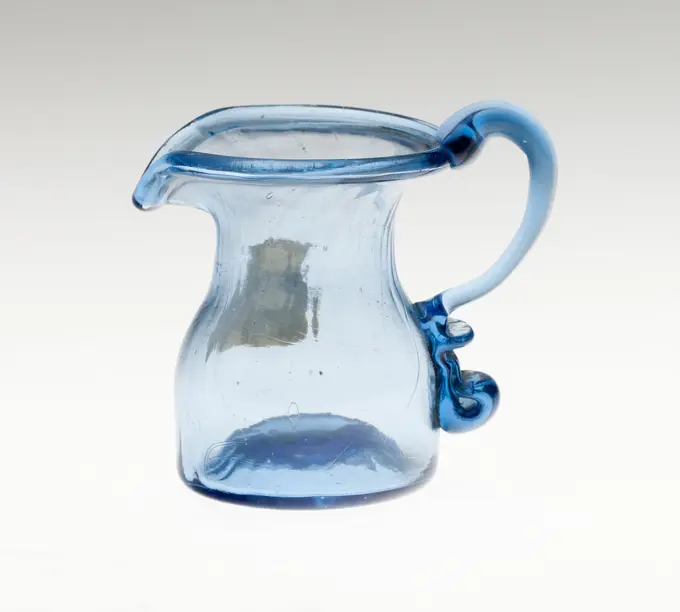
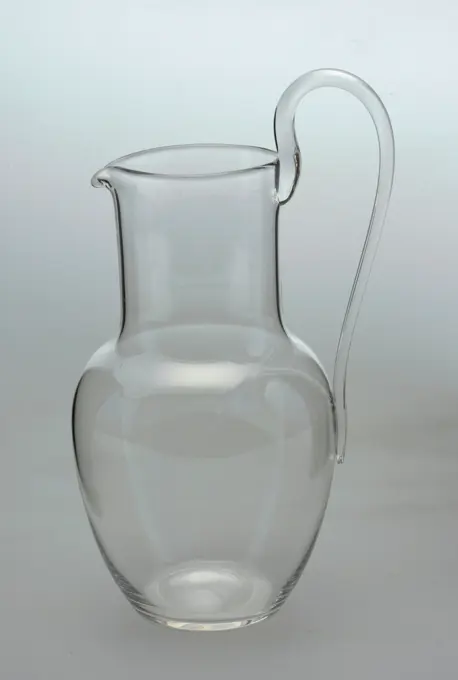
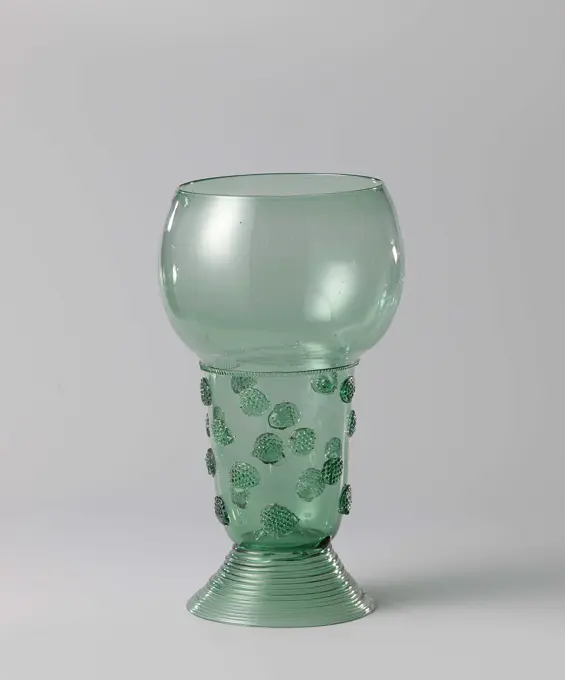
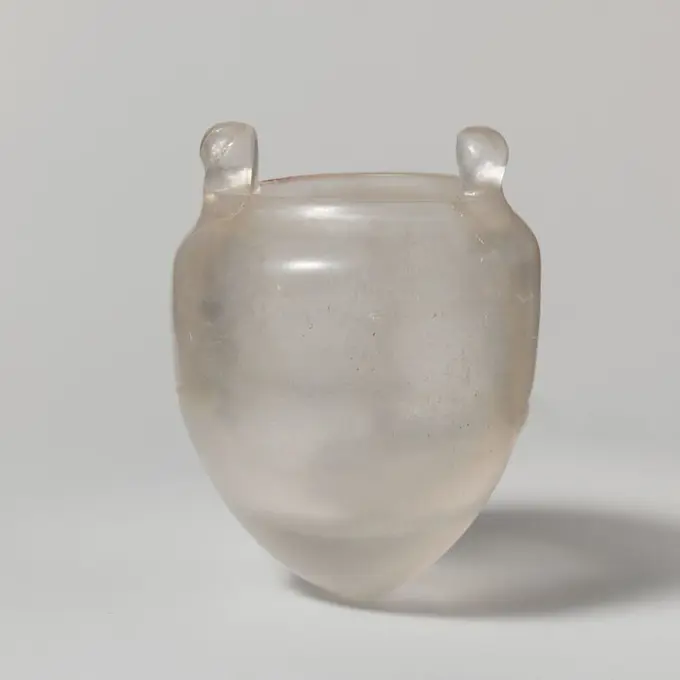
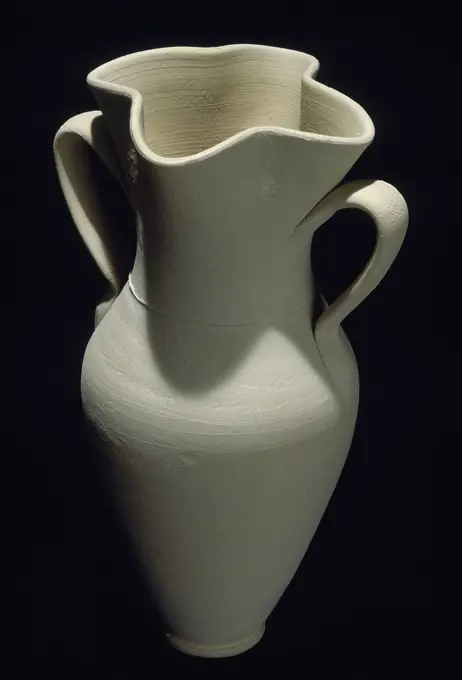
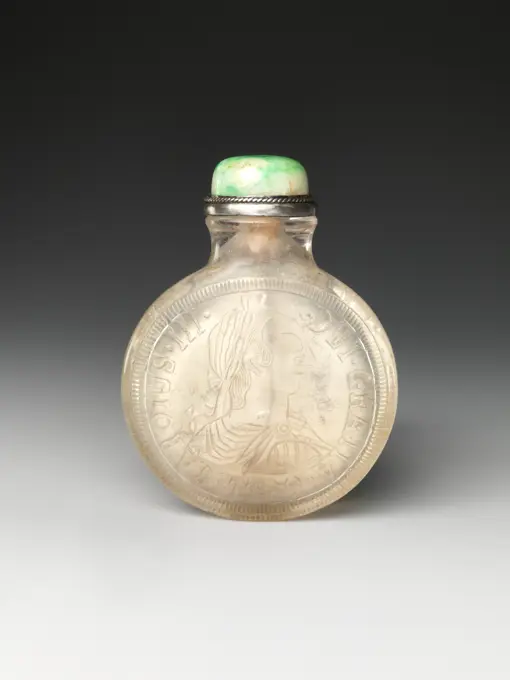
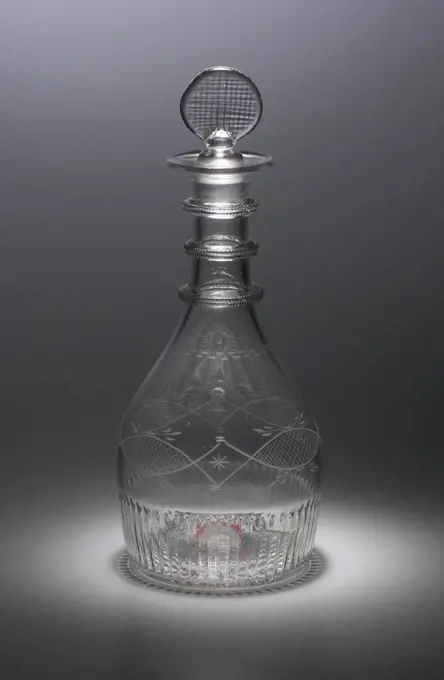
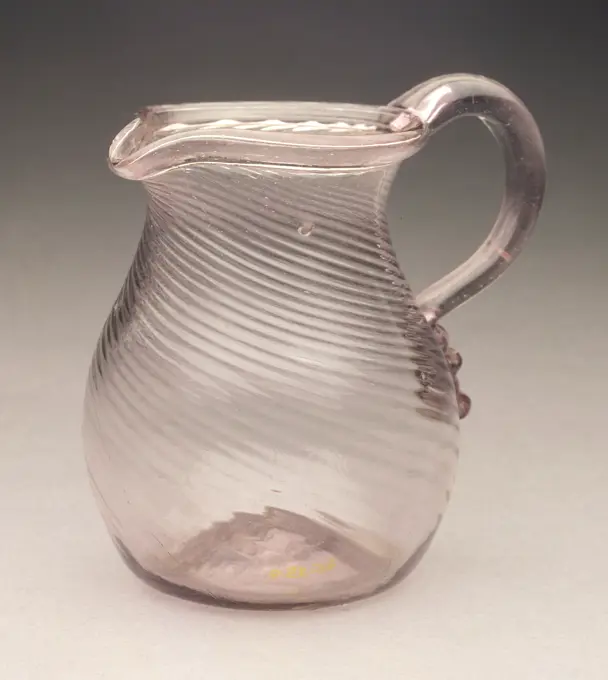
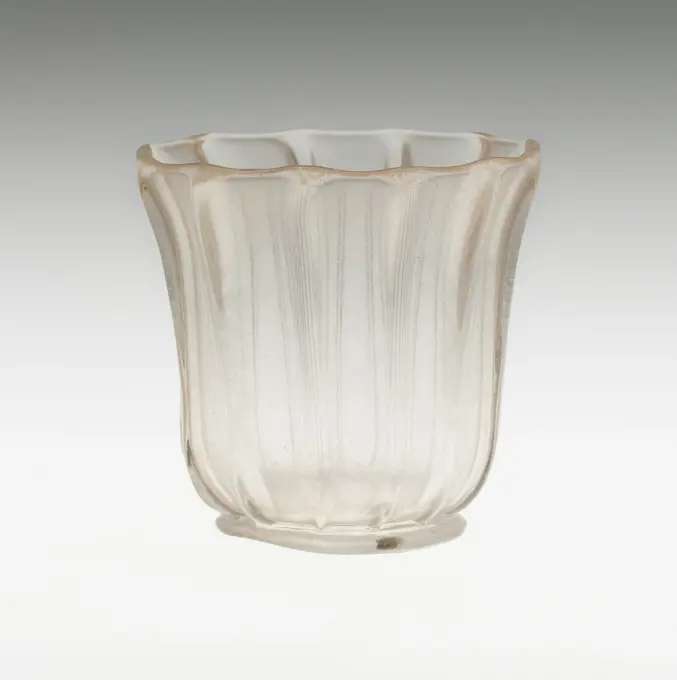
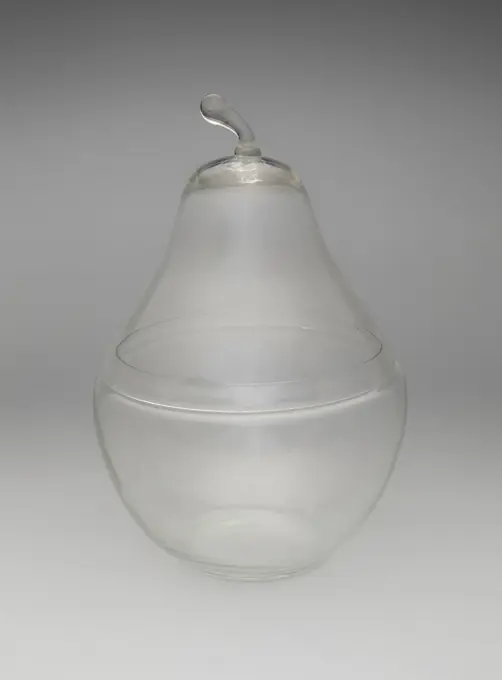
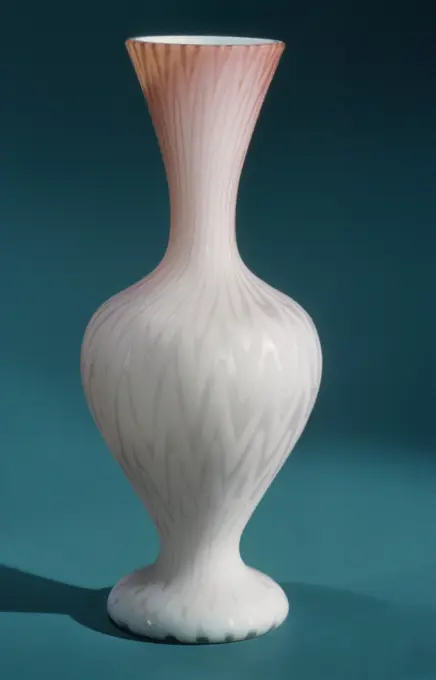
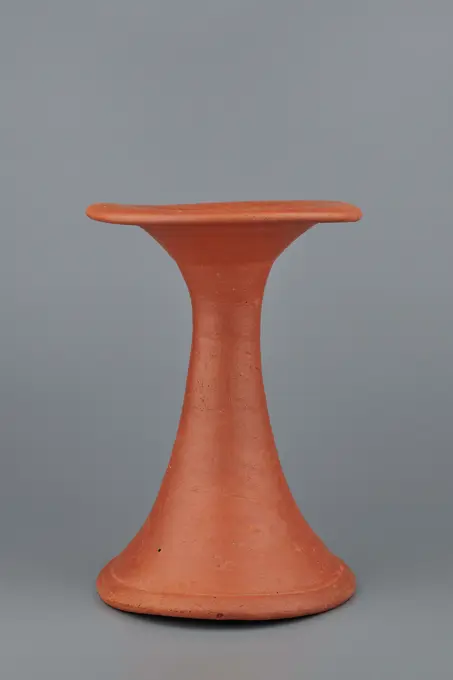
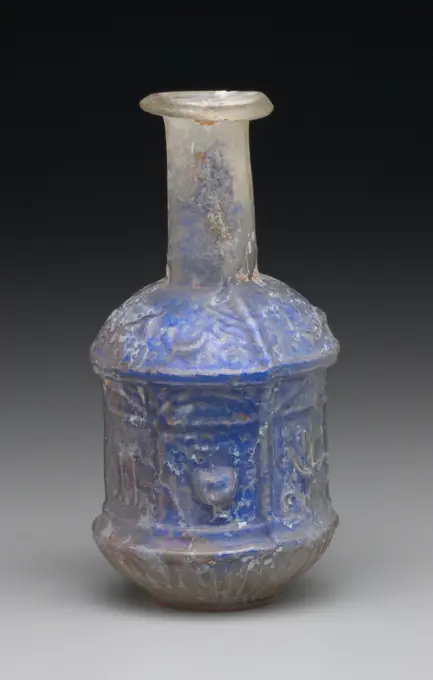
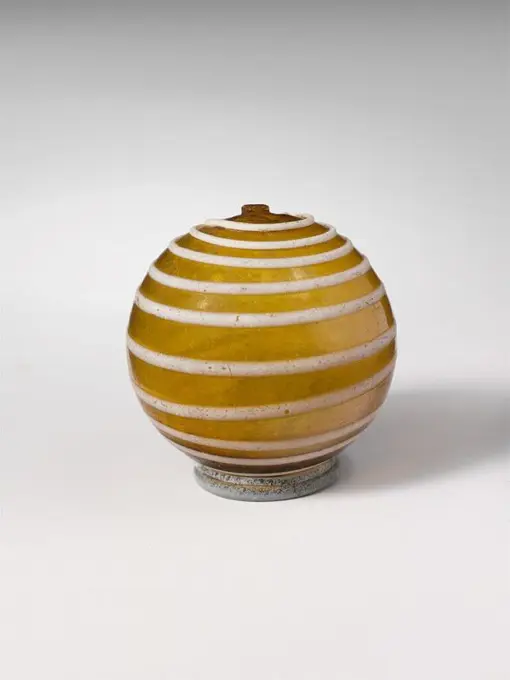
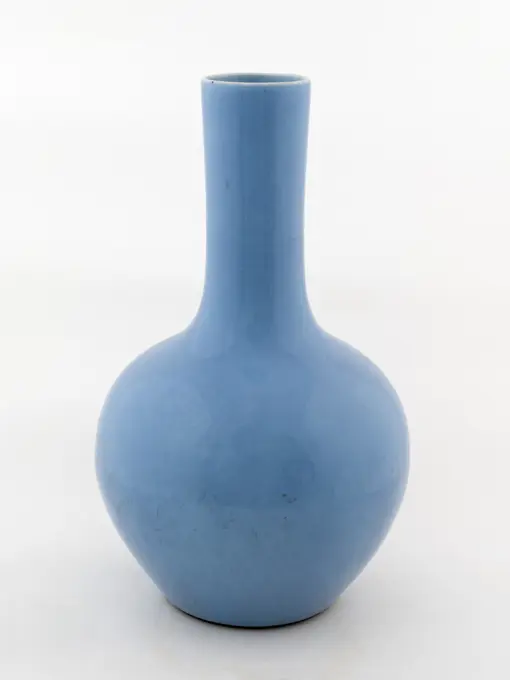
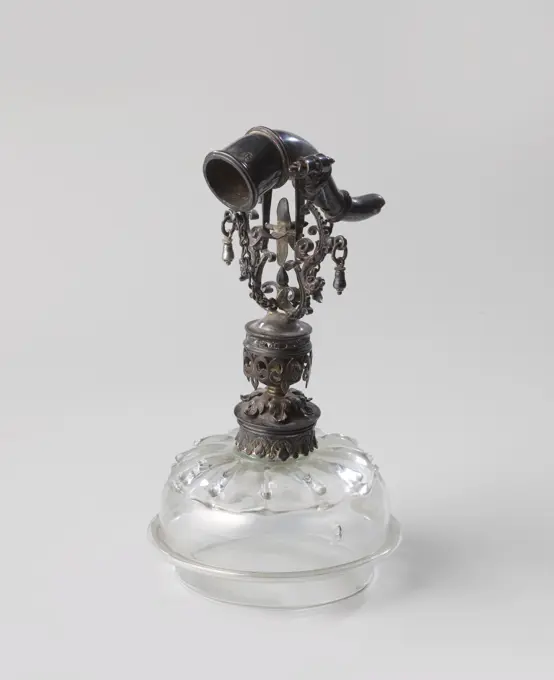
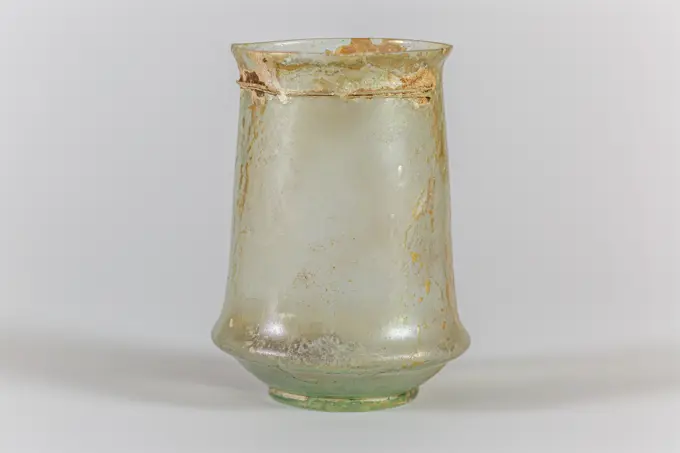
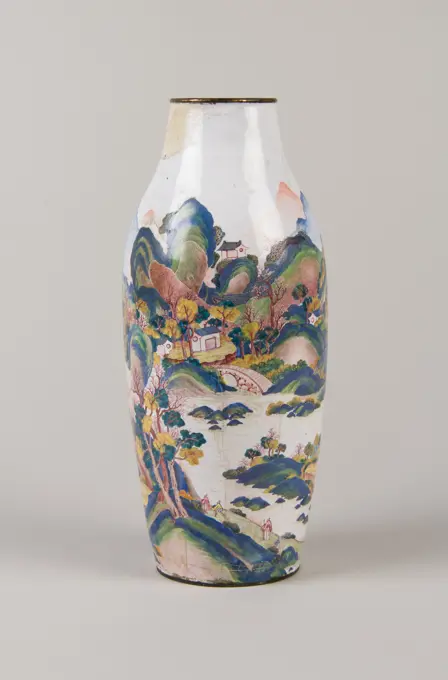
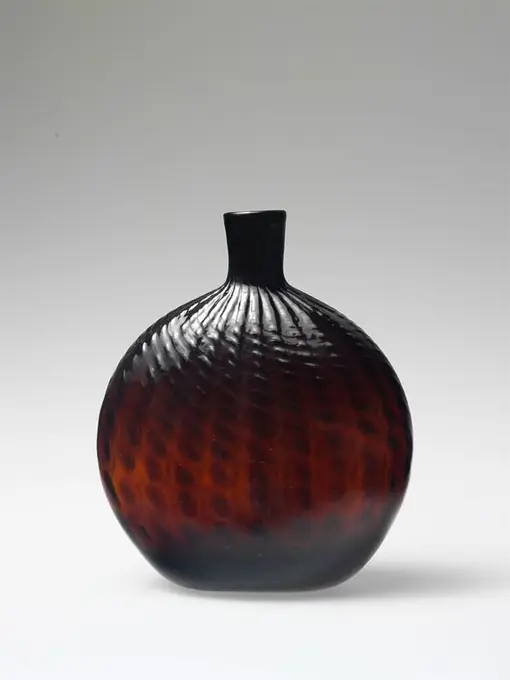
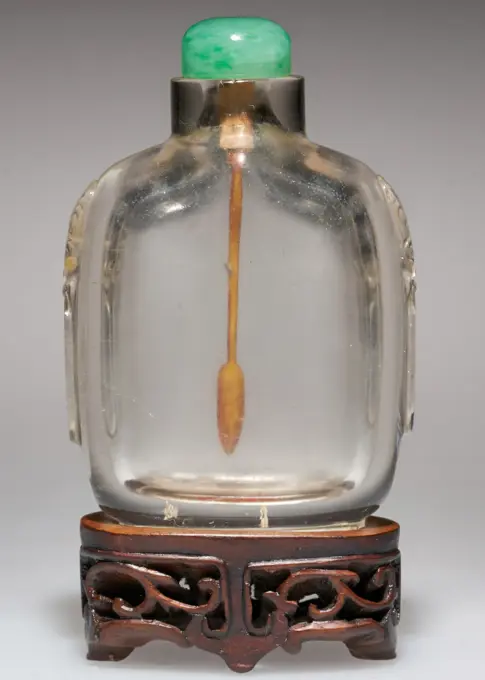
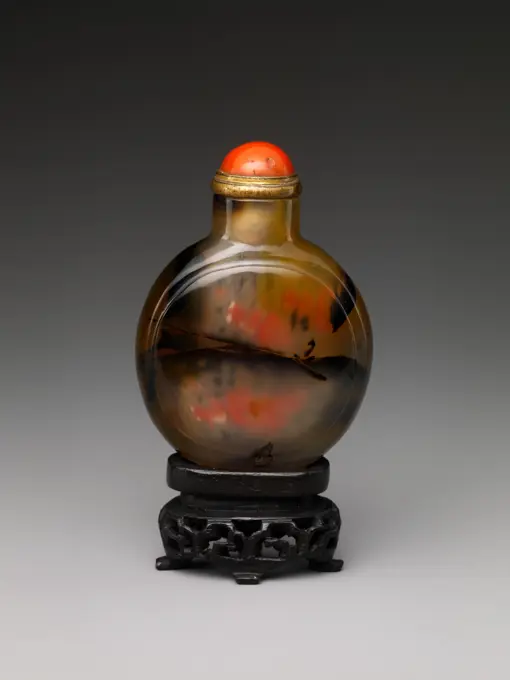
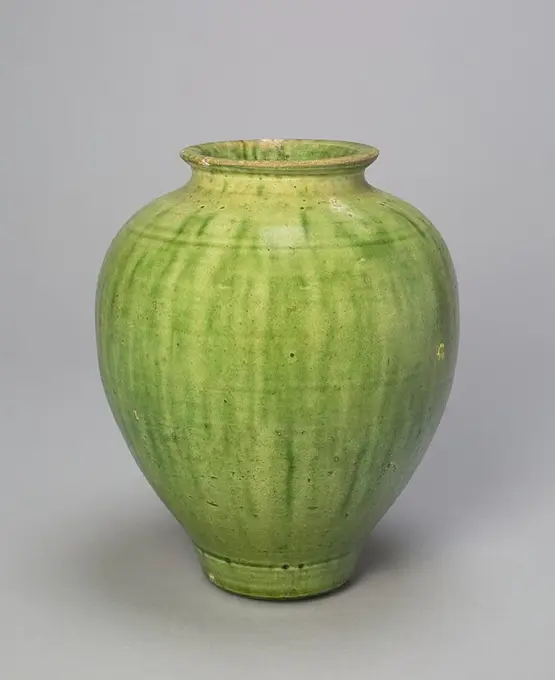
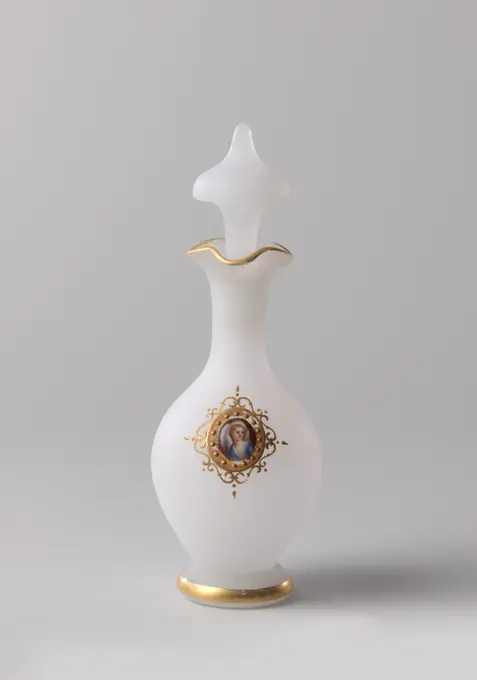
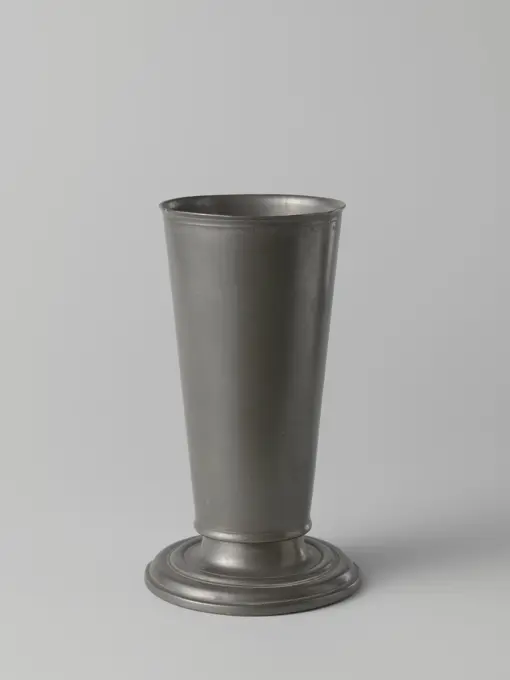
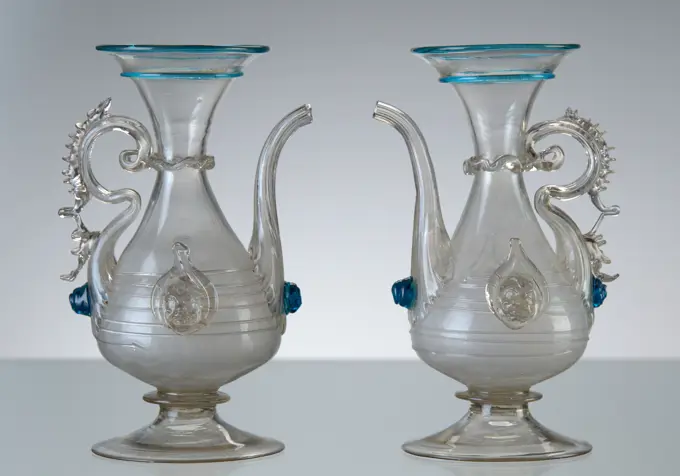
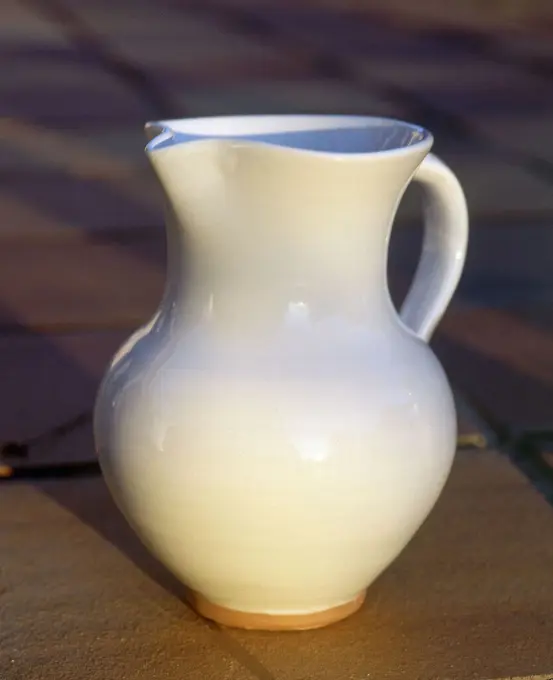
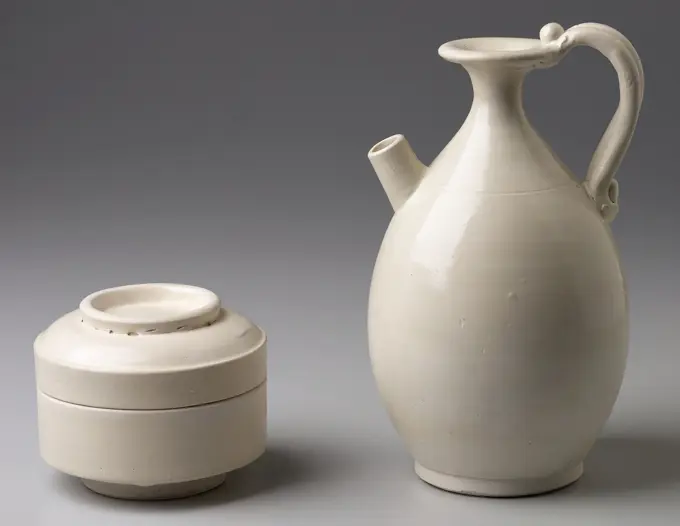
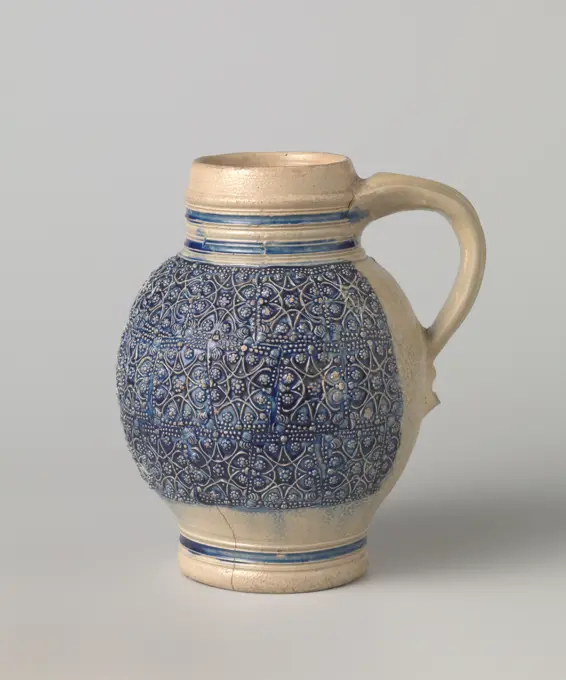
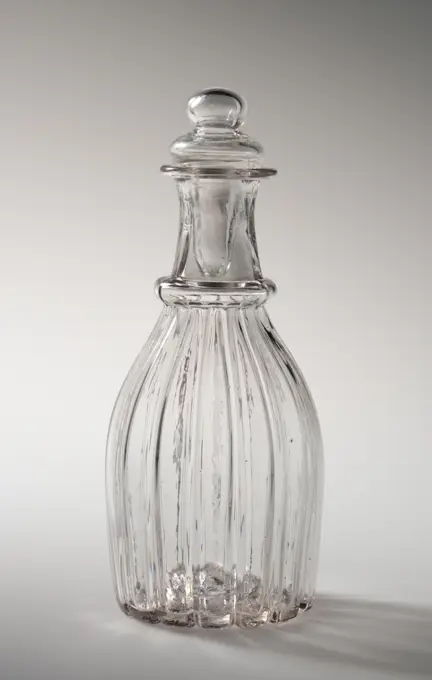
Maker Unknown, Cruet Bottle and Stopper, c. 1825-40, colorless lead glass.Decanter, 18th-19th century, 6 x 2 5/8 x 2 5/8in. (15.2 x 6.7 x 6.7cm), Glass, United States, 18th-19th centuryVase, 1368-1644. China, Ming dynasty (1368-1644). Porcelain, Ding ware; overall: 26.4 cm (10 3/8 in.).Green glass cellar bottle, basement bottle stock bottle bottle holder glass, distillery Rotterdam Delfshaven SchiedamRoemer with the Lamb of God and Flower and leaf motifs, Anonymous, 1659 Roemer of green glass with four rows of brambles on the trunk. A pinched band on the separation of the chalice and the trunk. The chalice is decorated in Diamantgravure with a representation of the Lamb of God in a medallion and a four -line German text: Allin Auff Gott sets Dein Vertrauen, Auff Menschen Hilff Sollen Nicht Bauen, Gott Istin der Glauben Hellt, sonst ist Kein Glaub Mehr in der Welt. Below that: AO 1659. Between medallion and inscription flower and leaf motifs in Renaissance style. A narrow pendulum border and a row of fleurons have been installed along the top and bottom of the chalice. This decoration is repeated on the lid. NOTE: Roemer broken and glued; Lid button is missing. glassblower: Low CountriesRhineland glass glassblowing Roemer of green glass with four rows of brambles on the trunk. A pinched band on the separation of the chalice and the trunk. The chalice is decorated in Diamantgravure wVase. Culture: China. Dimensions: H. 6 in. (15.2 cm). Date: 18th century. Museum: Metropolitan Museum of Art, New York, USA.Jug still bank, early 20th century, 4 x 2 1/4 x 2 1/4 in. (10.16 x 5.72 x 5.72 cm), Wood, pigment, United States (probably), 20th centuryVase in the Form of Archaic Hu, 1700s. China, Qing dynasty (1644-1911). Pale greenish-white jade with brown markings; overall: 14.4 cm (5 11/16 in.).Snuff Bottle, 17th-19th century, 2 5/8 x 2in. (6.7 x 5.1cm), Glass, China, 17th-19th centuryBottle, anonymous, 1686 Smooth stand ring. Light soul inserted. Flattened, spherical body. Slender neck, around which a drip ring has been laid, which is caught in a silver frame with an eye on which a stop hung on a chain. In Italian letters, the mind is not uyt in Italian letters. " And at the bottom of the bottom 'Dit's Anna Coninks first jaer-time gift. Van Haer Schoonfathers Old Hand and Stift 'and around the pointil brand' Willem van Heemskerk AES.73 AO. 1686 '. glassblower: Low CountriesLeiden glass glassblowing Smooth stand ring. Light soul inserted. Flattened, spherical body. Slender neck, around which a drip ring has been laid, which is caught in a silver frame with an eye on which a stop hung on a chain. In Italian letters, the mind is not uyt in Italian letters. " And at the bottom of the bottom 'Dit's Anna Coninks first jaer-time gift. Van Haer Schoonfathers Old Hand and Stift 'and around the pointil brand' Willem van Heemskerk AES.73 AO. 1686 '. glassblower: Low CountriesBottle-Shaped Vase with Globular Body 1800-1899 China. Porcelain with copper red peachbloom glaze .Meiping vase 18th century China. Meiping vase 47492Bottle with the inscription: Nutrisco E Extinguo, Anonymous, c. 1675 - In or Before 1692 Smooth stand ring. Light soul inserted. Flattened, spherical body. A drip ring on the neck. The body is engraved on Italian letters 'Nutrisco E Extinguo' (I feed and put it out). glassblower: Low CountriesLeiden glass glassblowing Smooth stand ring. Light soul inserted. Flattened, spherical body. A drip ring on the neck. The body is engraved on Italian letters 'Nutrisco E Extinguo' (I feed and put it out). glassblower: Low CountriesLeiden glass glassblowingVase, 1662-1722. China, Jiangxi province, Jingdezhen, Qing dynasty (1644-1911), Kangxi mark and period (1662-1722). Porcelain with "ox-blood" glaze; overall: 40.7 cm (16 in.).Gourd-Shaped Bottle early 18th century China Carried by Daoist Immortals, the calabash gourd that inspired this bottle is said to serve as a special container for the liquor of immortality. Ceramic productions of this shape first become popular in the fourteenth century, a period when Daoism flourished, and then again in the sixteenth as a result of imperial interest in this religious tradition.. Gourd-Shaped Bottle. China. early 18th century. Porcelain with blue glaze (Jingdezhen ware). Qing dynasty, late Kangxi (1662-1722)-Yongzheng (1723-35) period. CeramicsVase, Sadie Agnes Estelle Irvine, American, 1887-1970, Glazed earthenware, Buff clay body, thrown. Ovoid body with swelling at shoulder, truncated neck - no foot. Carved in relief, recessed ground, design of Spanish moss-covered oak trees encircling body, against background of underbrush and sky; lower quarter of design below tress is undecorated. Waxy matte glazes of blue, green and blue-green; sky is cream matte glaze. Interior is cream matte glaze. Bottom not glazed. Crazing to glaze., New Orleans, Louisiana, USA, 1906-15, ceramics, Decorative Arts, VaseChinese Qing Dynasty, Vase, called The Flame, early 18th century Chinese Qing Dynasty, Vase, called The Flame, , early 18th century, porcelain with oxblood glaze, Widener CollectionCarafe 1700-1799 France. Glass; non-lead .Vase, Mary Chase Perry, Pewabic Pottery, Glazed earthenware, Buff clay body, thrown. Ovoid body with incurving neck and molded rim; no foot. Allover thick blue-green high glaze with striations of yellow-green. Gold and purple luster iridescence at shoulder and neck. Interior glazed. Slight clazing to glaze. Glaze very thick on bottom., Detroit, Michigan, USA, 1909-15, ceramics, Decorative Arts, VaseBottle 1815-45 American. Bottle. American. 1815-45. Blown, pattern-molded glass. Possibly made in Pennsylvania, United States; Possibly made in Ohio, United StatesBottle with the inscription: after-trying. Working wrappets. Lightly inserted soul. Bol-shaped body, long slim neck with imposed ring around the neck. ON THE BODY CALGLATED inscription: after-trying. Working wrapping. At the bottom of the bottom "Noit work remains more than approx." Does not exist and dare ". Around the pontiem brand 'Willem van Heemskerk æs. 66 '. Anno 1679.Jug probably 18th century Italian, Venice (Murano). Jug. Italian, Venice (Murano). probably 18th century. Glass. GlassCandlestick, glass, Ovoid molded ribbed shapft with flat knop above and below, foot spreads in square molded section to thick square base; straight-sided nozzle with drippan top; ground pontil bottom., Ireland, ca. 1800-20, glasswares, Decorative Arts, CandlestickVase, spherical, white glazed earthenware, Chris Lanooy, 1900 - 1930 Vase, spherical, white glazed pottery. Netherlands earthenware vitrification Vase, spherical, white glazed pottery. Netherlands earthenware vitrificationFragments of a Lamp 10th-12th century. Fragments of a Lamp. 10th-12th century. Glass, green; applied decoration. Excavated in Iran, Nishapur. GlassFigured flask ca. 1855 Attributed to McCarty and Torreyson. Figured flask. American. ca. 1855. Blown-molded glass. Made in Wellsburg, West Virginia, United StatesPear-Shaped Vase 1700-1899 China. Celadon-glazed porcelain .Vase, Rookwood Pottery, American, 1880 - 1967, Kataro Shirayamadani, Japanese, 1865-1948, Glazed earthenware, Cast white clay body. Elongated ovoid body with raised cylindrical neck, slightly flaring; circular foot. Underglazed slip-decoration on front with three stalks of golden yellow foxgloves, with green leaves and stems. Central stalk extends over shoulder and onto neck. Background shaded from green at base to gold at shoulder. Allover yellow glaze; fine crackle. Bottom and interior glazed., USA, 1898, ceramics, Decorative Arts, VaseVase first half of the 19th century China. Vase. China. first half of the 19th century. Porcelain painted in underglaze blue and overglaze yellow enamel. Qing dynasty (1644-1911). Ceramicslittle japanese vaseGlass perfume bottle early-mid-1st century A.D. Roman Translucent streaky pale purple.Everted rim with beveled upper edge; cylindrical neck, with slight horizontal tooled indent around base; conical body, curving in to slightly concave bottom.On upper body, a broad horizontal cut groove.Intact, except for large chip in rim with weathered edges; pinprick bubbles and blowing striations; dulling, deep pitting, and iridescence on exterior, patches of iridescent weathering on interior.. Glass perfume bottle. Roman. early-mid-1st century A.D.. Glass; blown and cut. Early Imperial, Julio-Claudian. GlassVase. Manufacturer: Blenko Glass Company, American, established 1921Figured flask. Culture: American. Dimensions: H. 6 5/8 in. (16.8 cm). Date: 1820-30. Museum: Metropolitan Museum of Art, New York, USA.Flask with MasonicSymbolsChinese, Vase, porcelain.Miniature bottle with cover. Artist: David Clayton (British, active 1689). Culture: British, London. Dimensions: Height: 1 7/8 in. (4.8 cm). Date: 18th century. Museum: Metropolitan Museum of Art, New York, USA.Vase. Culture: China. Dimensions: H. 4 3/8 in. (11.1 cm); W. 2 1/8 in. (5.4 cm); Diam. of rim: 1 5/16 in. (3.3 cm); Diam. of foot: 1 5/16 in. (3.3 cm). Museum: Metropolitan Museum of Art, New York, USA.VaseBOTELLA DE VIDRIO INCOLORA-SOPLADO Y MOLDEADO CON ADORNOS-S XVI/XVII-ESTILO VENECIANO-COL PLANDIURA. Location: MUSEO DEL VIDRIO. Barcelona. SPANIEN.. Pear-shaped vase of porcelain, covered with a translucent white glass zeuur. The body of the vase extends strongly, the neck with a thickening under the edge; On the neck a winding Chilong (corneless dragon). The standard with three curved legs and a raised edge where the foot ring of the vase fits into. Blanc De Chine.Sake Bottle. Japan, Edo period, 1615-1868, 19th century. Ceramics. Suisaka ware; stoneware double-dipped with iron oxide and cobalt blue glazesVase first half of the 19th century China. Vase 47556Rosewater sprinkler or bottle vase with light brown and antiquities, anonymous, c. 1700 - c. 1724 Rose water dropper or porcelain porcelain with spherical body and pear-shaped neck, covered with a cafe-au-lait glaze and painted in underlaze blue. The lower part of the body is covered with a light brown glaze above which a band with a thick cream -colored glaze; the shoulder in underly glaze blue with servetwork interspersed with a flower in a cartouche; The neck also in blue with antiques (tripod, scepter, books), above two flower branches. Edge damaged. Monochrome brown with blue and white. China porcelain. glaze. cobalt (mineral) painting / vitrification Rose water dropper or porcelain porcelain with spherical body and pear-shaped neck, covered with a cafe-au-lait glaze and painted in underlaze blue. The lower part of the body is covered with a light brown glaze above which a band with a thick cream -colored glaze; the shoulder in underly glaze blue with servetwork interspersed with BottleKohl jar. Dimensions: h. 4.4 cm (1 3/4 in). Dynasty: Dynasty 12-13. Date: ca. 1981-1640 B.C.. Museum: Metropolitan Museum of Art, New York, USA.Tall Vase With a Crackled Cream-Colored Glaze. High, slender vase of stoneware (Dong-Khe-good / yiangnan thing), with a cylindrical body, upward slightly, round shoulder. Cream colored, cracked glaze. Horned and edge sanded. Monochromes.Beaker with five rows of loop-shaped prunts. The Netherlands or Germany, c. 1550-1600glassBottle of bellied bottle, hammer bottle, bottle holder bottomfound glass, neck with imposed all-round sharp glass thread, chip, and widened lip (idem chip) archeology packagingPitcher 1700-1799 Venice. Glass .Flagon 1700-1799 Flanders. Glass with pewter mounts .Strnad Muslin glass Water Pitcher; Designed by Oskar Strnad (Austrian, 1879 - 1935); Manufactured by J. & L. Lobmeyr GmbH (Austria), Meyr's Neffen, Adolf; Austria; mouth-blown crystalTriple gourd-shaped bottle with brown glaze and flower scrolls, anonymous, c. 1675 - c. 1699 Bottle-shaped vase (bobbel bottle) of porcelain consisting of three balls, long neck with thickening and spreading edge, covered with a cafe-au-lait glaze and painted in underly glaze blue. The bottom two balls are covered with a brown glaze interspersed with three cream -colored tires; On the top sphere in blue three connected cartouches with flower vines in reserve; the neck with flower branches, butterflies and insects; The edge with a band with leaf motifs. Edge damaged. On the bottom an old label with: Friends of Asian art. Monochrome brown with blue and white. China porcelain. glaze. cobalt (mineral) painting / vitrification Bottle-shaped vase (bobbel bottle) of porcelain consisting of three balls, long neck with thickening and spreading edge, covered with a cafe-au-lait glaze and painted in underly glaze blue. The bottom two balls are covered with a brown glaze interspersed with three crRoemer with four rows of braam buds. Large grummer with inserted bottom on conical, spun base from a wire. The convex chalice as a whole blown up with the trunk, which is busy with four rows of small bram buds. The transition from the chalice to the trunk indicated by a ribbed wireRock-crystal ovoid vessel with wide mouth. Culture: Greek, Eastern Mediterranean. Dimensions: H. 2 1/4 in. (5.7 cm); diameter 1 5/8 in. (4.2 cm). Date: 4th-3rd century B.C..The two vertical lugs are pierced to accommodate a string for suspension, or conceivably a missing lid. Rock crystal, a precious stone in antiquity, was thought to be a special form of real ice. Museum: Metropolitan Museum of Art, New York, USA.Beaker. Culture: German. Dimensions: H. 2 1/4 in. (5.7 cm). Date: late 15th century.These beakers were used for drinking wine or distilled beverages. The glassblower decorated each vessel by rolling a hot gather of glass at the end of the iron against a patterned surface. Because of their fragility, few beakers of this type have survived intact. Museum: Metropolitan Museum of Art, New York, USA.JARRA DE ALCARRAZA-ARCILLA BLANCA SIN VIDRIAR-S XX ARTE POPULAR. Location: ALFARERIA. LA RAMBLA. SPAIN.Snuff bottle with Mexican eight reales coin late 18th-early 19th century China. Snuff bottle with Mexican eight reales coin 41751Manufacturer: Cork Glass Company, Irish, 1783-1818, Decanter, Colorless, engraved blown glass, 8 13/16 in. (22.4 cm) a without stopper, , Manufactured in Cork, Ireland, Irish, 18th-19thcentury, Containers -GlassVase in Shape of Double Gourd early 18th century China. Vase in Shape of Double Gourd. China. early 18th century. Porcelain with yellow glaze (Jingdezhen ware). Qing dynasty (1644-1911), Yongzheng period (1723-35). CeramicsVase with small dragon, anonymous, c. 1650 - c. 1699 Balus -shaped vase of porcelain with a long, flared neck, covered with a translucent white glaze. On the neck in relief a winding chilong (polled dragon) with a branch in his mouth. On the bottom an old label with 'Friends of Asian art'. Blanc the Chine. China porcelain. glaze vitrification Balus -shaped vase of porcelain with a long, flared neck, covered with a translucent white glaze. On the neck in relief a winding chilong (polled dragon) with a branch in his mouth. On the bottom an old label with 'Friends of Asian art'. Blanc the Chine. China porcelain. glaze vitrificationCream Jug. United States, probably Ohio, Zanesville, 1820-1840. Furnishings; Serviceware. Pale lavender blown glassBowl 1600-1699 Nevers. Glass .Covered bowl c 1880-1900 United States. Glass . Artist unknownVase 1870-1885 Stourbridge. Glass . Thomas Webb & Sons (Manufacturer)Vase after 1885 American. Vase 9517Podstawa pod misę. unknown, authorLobed bottle vase ca. 1880 Christopher Dresser This unusual and ambitious vase form designed by Christopher Dresser may have been inspired by Japanese art and exemplifies to his creativity and aesthetic vision.. Lobed bottle vase. British. ca. 1880. Glazed earthenware. Ceramics-PotteryVase (possibly France); glassBottle with Plants, Strigils, and OtherMotifsGlass spherical bottle. Culture: Roman. Dimensions: Diam.: 1 5/8 in. (4.1 cm). Date: early 1st century A.D..Translucent honey brown, with opaque white trail.Sphere with small jagged solid knob at top, where the glass was twisted round to seal the mouth, and thicker wall around the bottom.Single trail wound round in a spiral eleven times from bottom, mostly marvered but left in relief at top.Intact; some bubbles; faint dulling and slight pitting on exterior, loose powder sealed inside. Museum: Metropolitan Museum of Art, New York, USA.PhialVase. Heaven blue cover porcelain, Qing dynasty (1644-1912). Provenance: China. Paris, Cernuschi museum. 78840-21 Asian art, Chinese art, art of living, ceramic, fine ceramic, Ching dynasty, Qing dynasty, tsing dynasty, porcelain, container, vaseLid of a jar, anonymous, c. 1680 - c. 1700 Vaulted lid with metal frame. Covering lid, decorated with glass ribs. Bohemia glass. metal glassblowing Vaulted lid with metal frame. Covering lid, decorated with glass ribs. Bohemia glass. metal glassblowingVase of tin with spherical body and with long and wide cylindrical neck with two rectangular ears., Carl Christian Fjerdingstad, c. 1920 - c. 1930 Vase of Tin. The foot is from below flat and runs vertically. Above it a spherical body with a high, cylindrical neck on it. Halfway through the neck two handles are applied on both sides on a rectangular disk. These round handles run horizontally, after which they walk down vertically via an angle bend to an oval disc on the convex body. France tin (metal) casting Vase of Tin. The foot is from below flat and runs vertically. Above it a spherical body with a high, cylindrical neck on it. Halfway through the neck two handles are applied on both sides on a rectangular disk. These round handles run horizontally, after which they walk down vertically via an angle bend to an oval disc on the convex body. France tin (metal) castingGourd -shaped vase. Porcelain with speckled pink coating. Paris, Cernuschi museum. 78841-12 Asian art, container, vaseGlass beaker 3rd-4th century A.D. Roman Translucent pale blue green.Flaring rim, with uneven, cracked-off edge; side expands downwards to prominent hollow bulge, forming carination, then slants inwards; low, solid ring base; low kick in bottom.Single trail wound unevenly 1½ times around top of body.Intact; pinprick and large bubbles; pitting, dulling, iridescence, and patches of creamy brown weathering.. Glass beaker. Roman. 3rd-4th century A.D.. Glass; blown and trailed. Late Imperial. GlassVase 18th century China. Vase. China. 18th century. Enamel on copper. Qing dynasty (1644-1911), Qianlong period (1736-95). EnamelsPocket bottle. Culture: American. Dimensions: H. 5 in. (12.7 cm). Date: 1815-45. Museum: Metropolitan Museum of Art, New York, USA.Snuff Bottle, 2 7/8 x 1 7/8in. (7.3 x 4.8cm), Crystal, jade, ChinaBottle probably 18th-19th century. Bottle 444738Oil and vinegar with four bottles in a rushed holder, Fa. Diemont, 1801 The striker ovale holder has right, slightly raised walls on the sides. He rests on four, rejuvenating, bent, ribbed legs. There are traffic jams above these legs and along the top of the holder. An openwork edge of grille work is installed under the upper edge. Along the inside of the upper edge there are four vaulted protrusions, on which the insert rests. This consists of a plate with four large recesses for the bottles of colorless, sharpened glass and four smaller ones for the stops. Through the center of this plate, a rod, crowned by four, runs sloping in size, and ending in a screw at the bottom, where it can be screwed on with a nut under the mahogany soil. Low raised walls, decorated with filet edges, are applied around the openings for the stops. Hence curved connecting pieces rise to the middle, where they unite in a loop -shaped handle. The connecting pieces are also decorated with filet edges, which arStag Hunt Goblet (Jagdglas). Bohemia (now Czech Republic), 1594. Furnishings; Serviceware. Glass, enamel, giltSnuff Bottle China Painting inside snuff bottles was a novel development in the nineteenth century. With an angled bamboo pen, the artist worked through the narrow opening of a bottles mouth to paint pictures or write calligraphy on its interior walls.. Snuff Bottle 41546Vase 1885-90 British, probably. Vase 9221Jar. China. Date: 618 AD-906 AD. Dimensions: H. with cover 19.0 cm (7 1/2 in.); diam. 13.4 cm (5 1/4 in.). Earthenware with green glaze. Origin: China. Museum: The Chicago Art Institute, Chicago, USA.Zinc pitcher cover; Boles beginning of the 19th century (1801-00-00-1830-00-00);Bolesławiec Kamionka, overlay decoration, Prussian eagleBeaker, anonymous, 1679 Cylindrical cup standing on three convex legs. Along the bottom a smooth, set thread. In Italian letters, Quavis Terra Alit Artem is called in Italian letters. " At the bottom on the bottom it is engraved 'if the Konst provides each cost: waerom it does not, with seriousness and kraft, fling! If empty, his time can be delayed. " Around the pontil brand 'Willem van Heemskerk aes.66 2/3 AO 1679'. glassblower: Low CountriesLeiden glass glassblowing Cylindrical cup standing on three convex legs. Along the bottom a smooth, set thread. In Italian letters, Quavis Terra Alit Artem is called in Italian letters. " At the bottom on the bottom it is engraved 'if the Konst provides each cost: waerom it does not, with seriousness and kraft, fling! If empty, his time can be delayed. " Around the pontil brand 'Willem van Heemskerk aes.66 2/3 AO 1679'. glassblower: Low CountriesLeiden glass glassblowingStop from carafe with a medallion with a women's portrait, anonymous, c. 1850 - c. 1900 Mushroom -shaped stop ending in a point. France (possibly) glass glassblowing / gilding Mushroom -shaped stop ending in a point. France (possibly) glass glassblowing / gildingMelon-Shaped Ewer with Triple-Strand Handle and Floral Tendrils. China. Date: 1000-1099. Dimensions: H. 15.7 cm (6 3/16 in.); diam. 9.5 cm (3 3/4 in.). Porcelain with underglaze molded decoration. Origin: China. Museum: The Chicago Art Institute, Chicago, USA.Vase late 18th-first half of the 19th century China. Vase 48602Communion jug and two cups, anonymous, c. 1700 - c. 1750 Tin's Supper Cup. The slightly curved foot is profiled. In addition, the inverted conical cup, which is slightly profiled on the edge. Northern Netherlands tin (metal) casting  Westerkerk Tin's Supper Cup. The slightly curved foot is profiled. In addition, the inverted conical cup, which is slightly profiled on the edge. Northern Netherlands tin (metal) casting  WesterkerkPrzeszo Przyszoci unknownJug Krosno Economic Huta, Kosia Ski, JanTrekpot made of earthenware., Anonymous, c. 1720 - c. 1750 Bullet round tensile pot made of earthenware with brown lead glaze. The pot has a straight spout and the ear has been broken down. England earthenware. lead glaze Bullet round tensile pot made of earthenware with brown lead glaze. The pot has a straight spout and the ear has been broken down. England earthenware. lead glazeJARRA DE MESA ESMALTADA EN BLANCO - ARTE POPULAR S XX. Location: ALFARERIA. Navarrete. LA RIOJA. SPAIN.Small Pitcher, 1885. Martin Rettig (American, 1869-1956), Rookwood Pottery Company (American, established 1880). Earthenware; overall: 13.8 x 9 cm (5 7/16 x 3 9/16 in.).Vase (USA); Manufactured by Rookwood Pottery (United States); Decorated by Lenore Asbury (American, 1866-1933); glazed earthenwarepitcher, cream, glass, Cobalt blue creamer (crack in glass), blown and applied glass. Cobalt blue jug is expanded mold blown in a diamond lattice pattern, with flattened base and swelling curved sides tapering in toward and outturned neck and lip. Scroll of handle of the glass applied with upper curve forming finger grips, lower portion of handle composed of pressed blobs and small scroll.. Pontil mark clearllly visible on underside., 19th century, glasswares, Decorative Arts, pitcher, creamEwer, 7th-8th century, 8 5/8 x 5 1/4 x 4 7/8 in. (21.9 x 13.3 x 12.4 cm), Porcelaneous stoneware with clear glaze, China, 7th-8th century, This well-preserved ewer and accompanying covered bowl were reportedly discovered together in the same tomb. They represent the popularity during early Tang for high-fired white wares made in North China at sites like Gongxian in Henan province. Both vessels rely on rather simple shapes and clear even glazes for aesthetic effect. The straight-sided bowl has a cover with foot-rims that can be used as an attendant saucer. Its shape, with indented corners, is likely derived from vessels made in silver.Jug with floral scrolls, anonymous, c. 1690 - c. 1710 Jug of stoneware on stand ring with a spherical body and short, wide neck. The C-shaped ear is attached to the neck and belly. Profiles on the neck and foot. Partly covered with cobalt blue. On the vast majority of the abdomen, laid side by side, printed and imposed courses with flower vines. Westerwald. Westerwald stoneware. glaze. cobalt (mineral) vitrification Jug of stoneware on stand ring with a spherical body and short, wide neck. The C-shaped ear is attached to the neck and belly. Profiles on the neck and foot. Partly covered with cobalt blue. On the vast majority of the abdomen, laid side by side, printed and imposed courses with flower vines. Westerwald. Westerwald stoneware. glaze. cobalt (mineral) vitrification