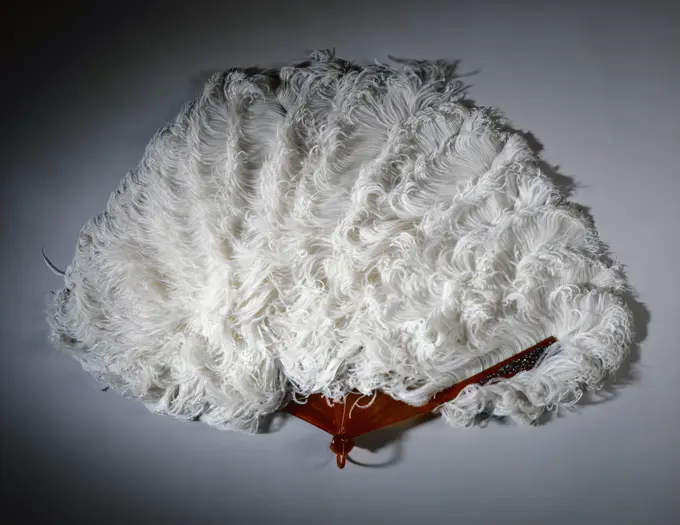
Vintage Headwear

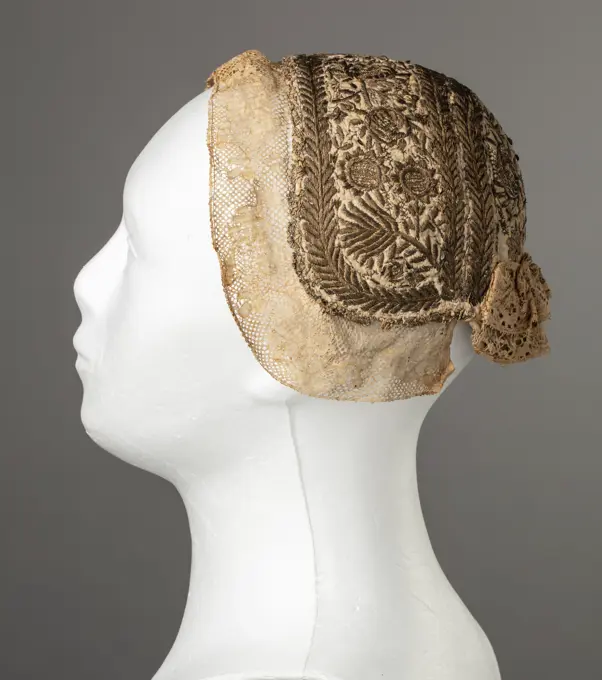
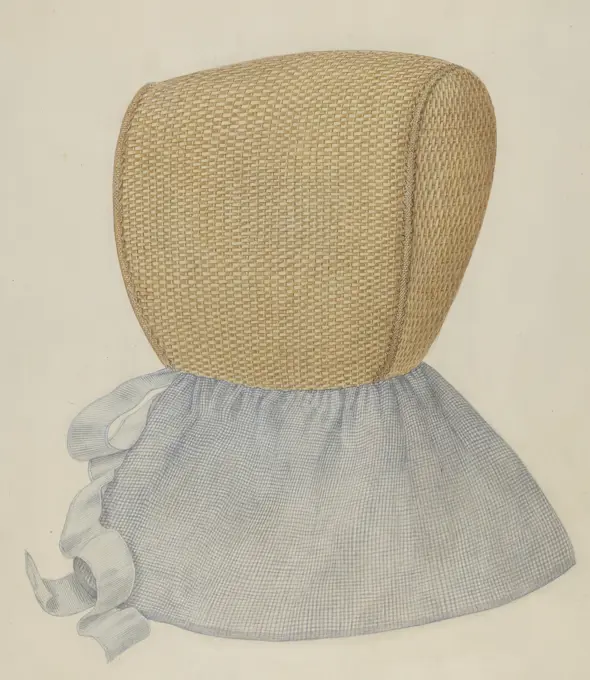
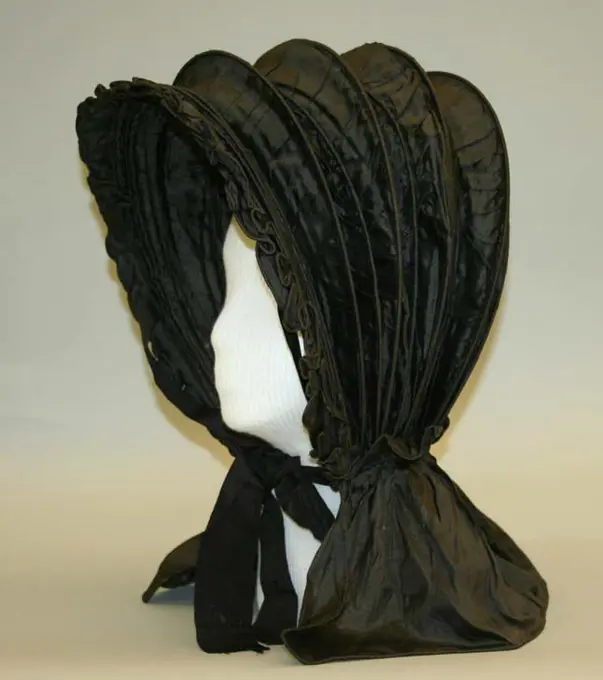
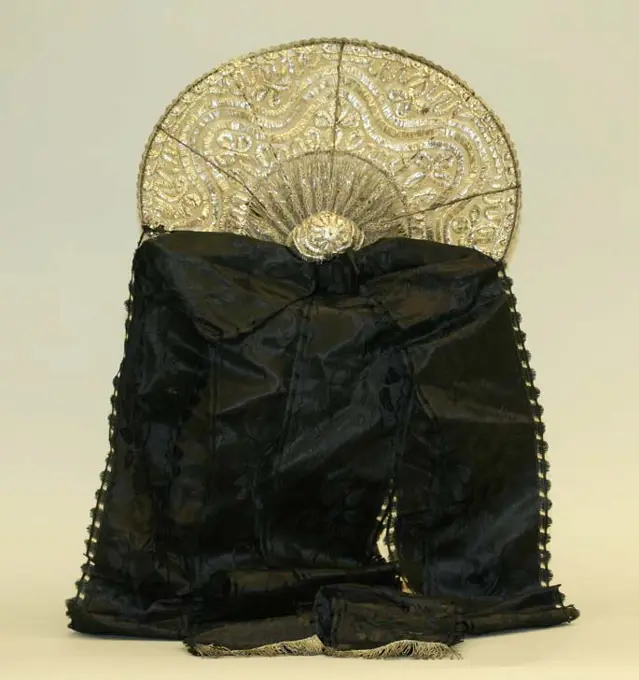
Collection of historical caps and bonnets, featuring lace and fabric details, showcasing 19th-century fashion accessories.
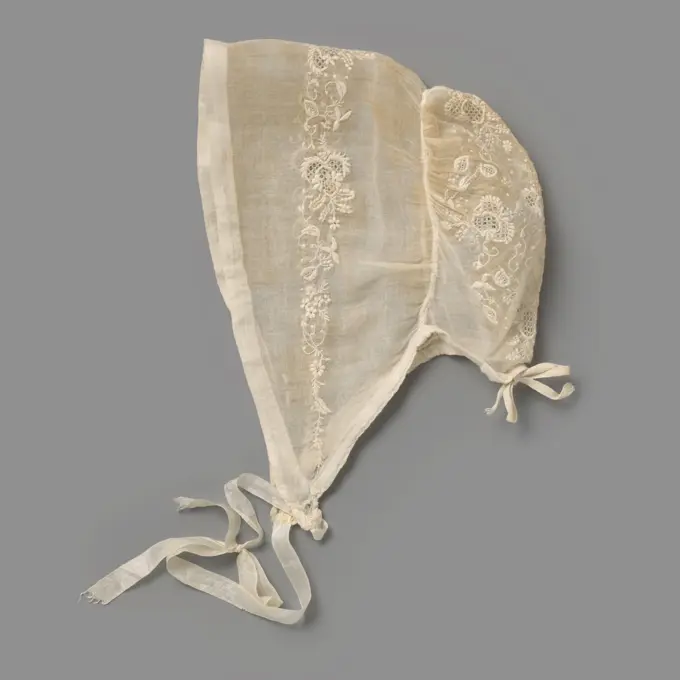
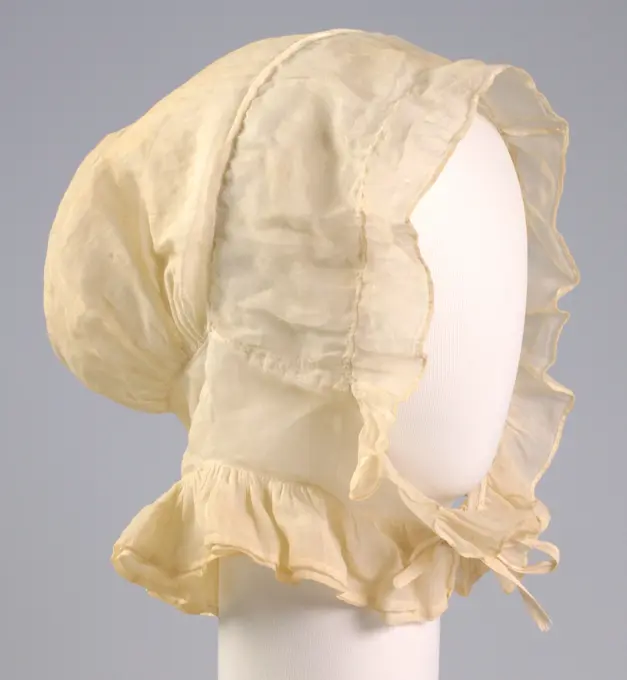
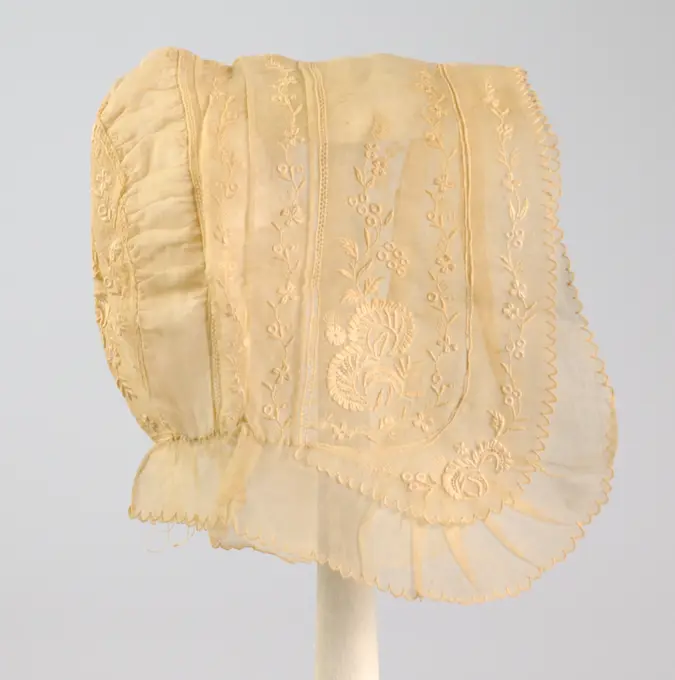
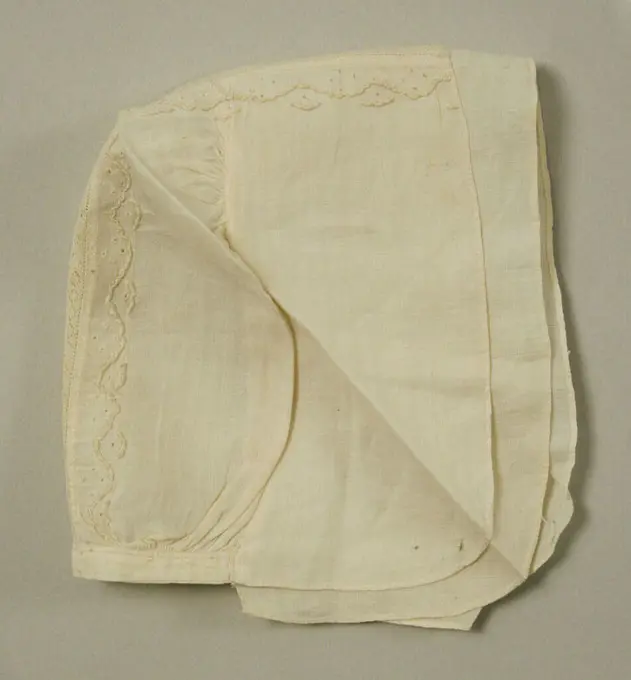
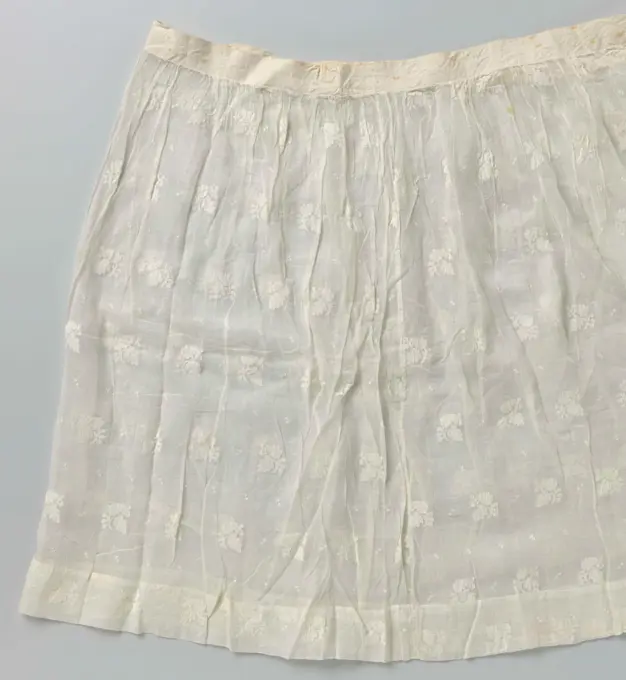
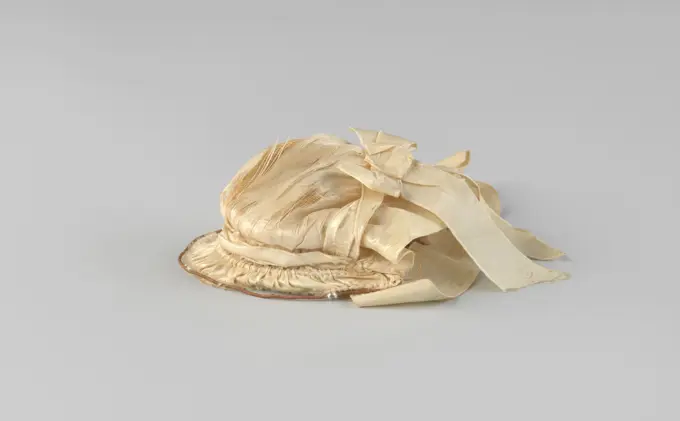
Children's hat of batist with plumetisborensuurwerk; On the wide canopy pass there is a narrow edge of three openwork Fils Tirés leaves, between which fine tenders, applied, anonymous, c. 1830 Children's hat from Batist with embroidery. Fashion model. With a canopy and an input horseshoe ball. Silk ribbons are on the canopy buildings. Embroidery. Plumetisbuwerwerk. On the wide canopy pass a narrow edge of three openwork '' Fils-Tirés "leaves, between which fine ranking. Netherlands batiste embroidering Children's hat from Batist with embroidery. Fashion model. With a canopy and an input horseshoe ball. Silk ribbons are on the canopy buildings. Embroidery. Plumetisbuwerwerk. On the wide canopy pass a narrow edge of three openwork '' Fils-Tirés "leaves, between which fine ranking. Netherlands batiste embroidering
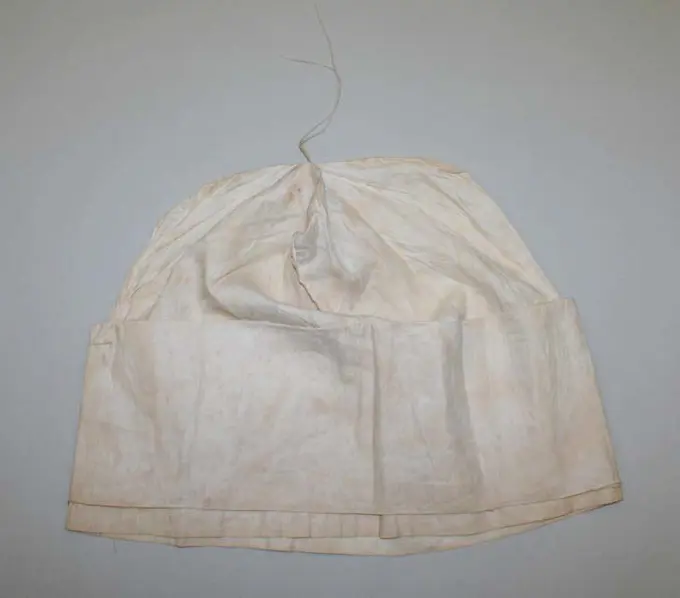
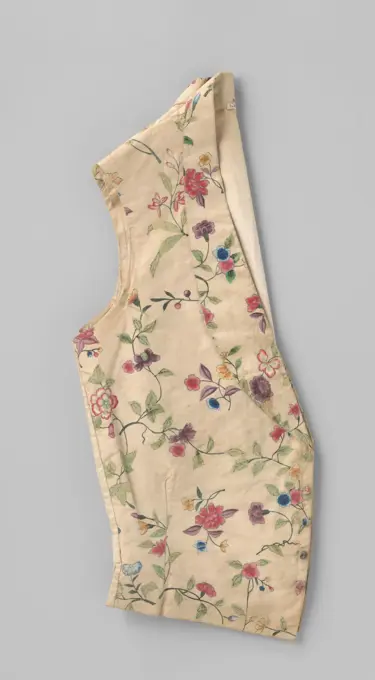
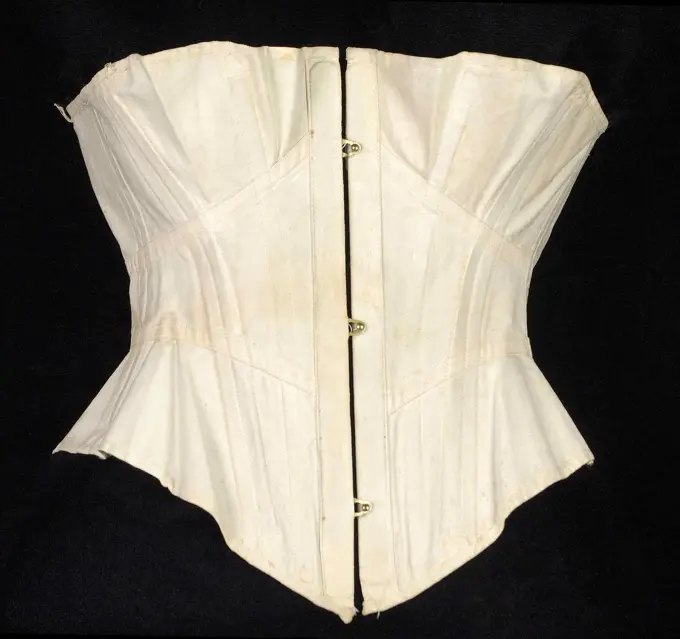
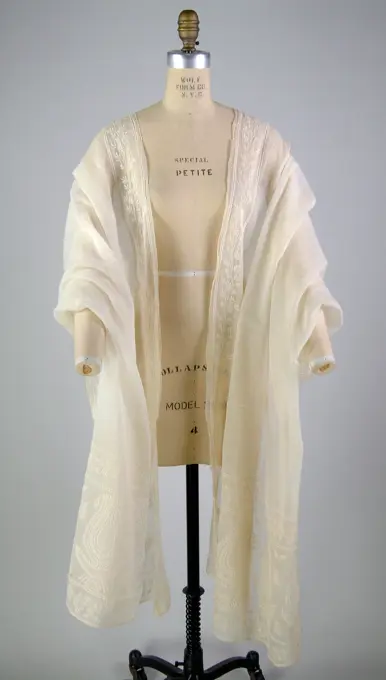
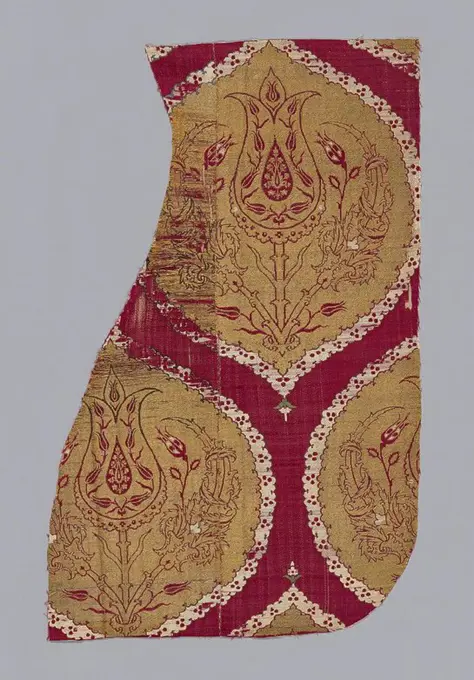
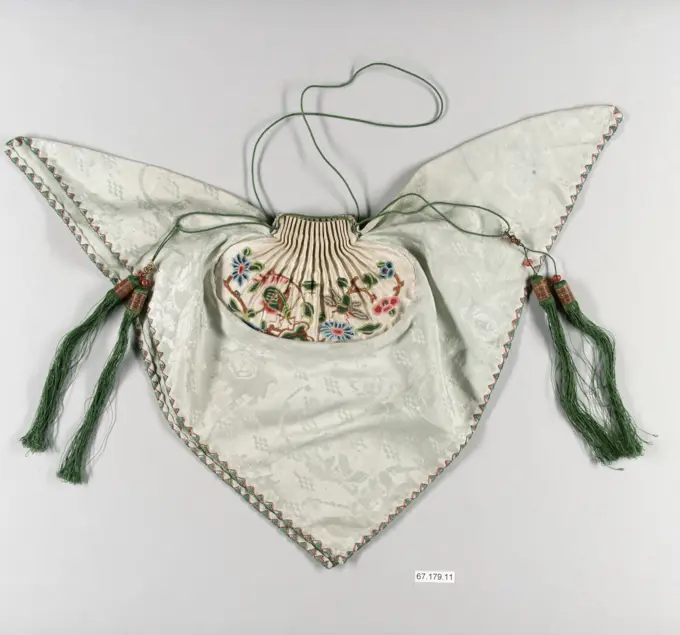
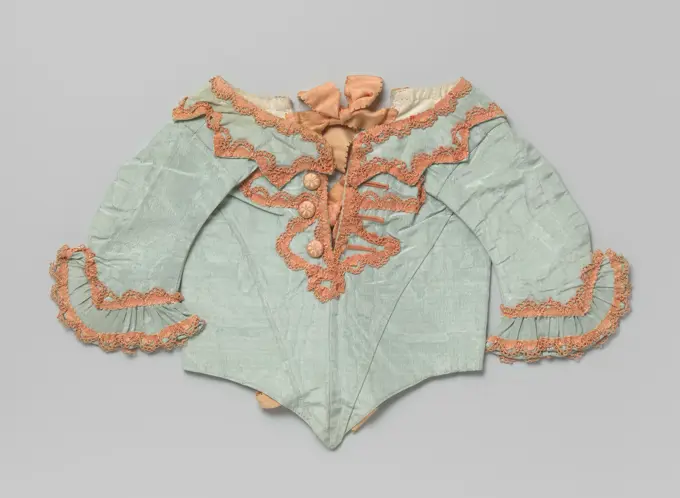
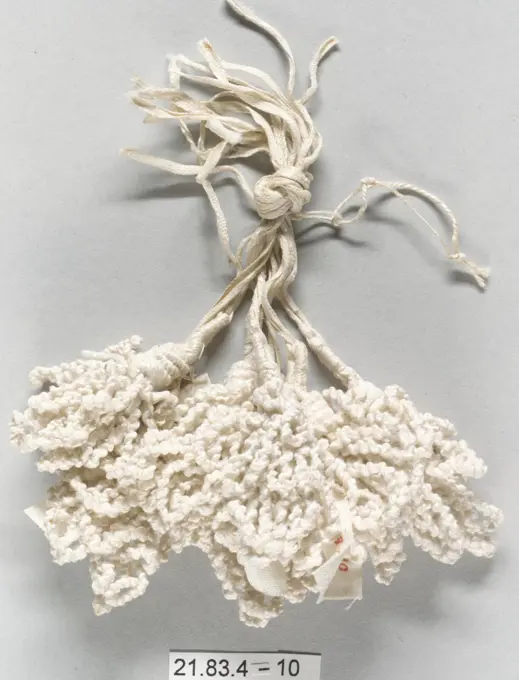
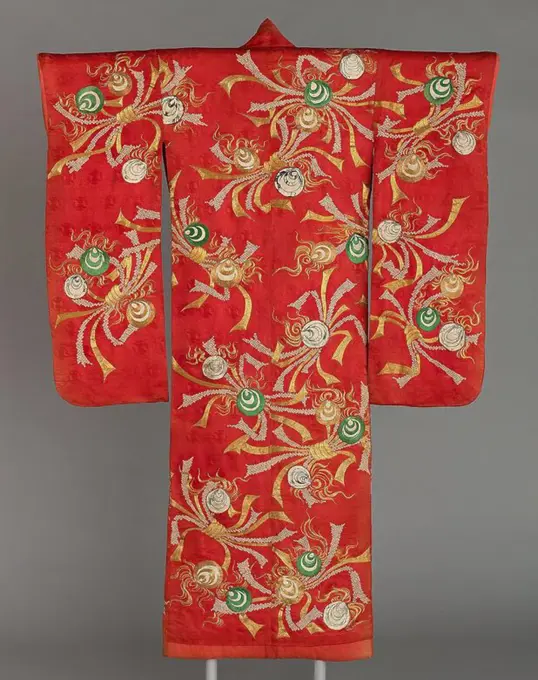
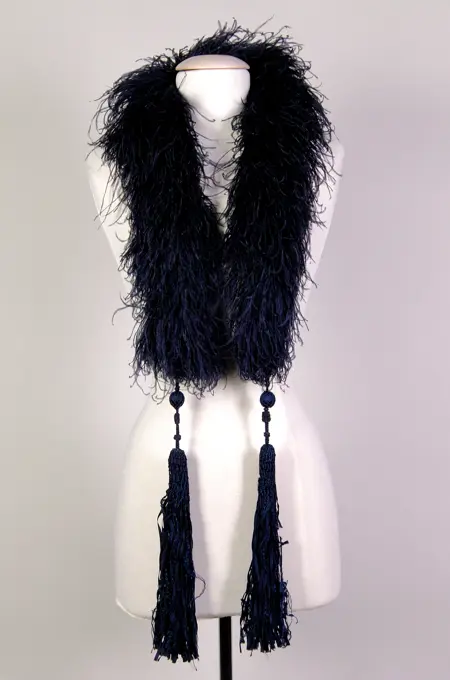
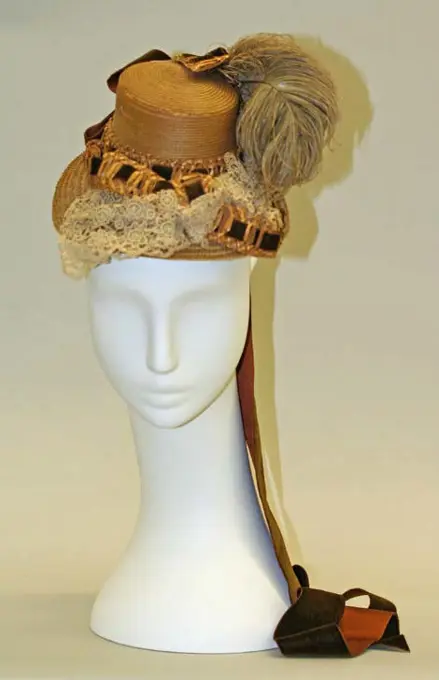
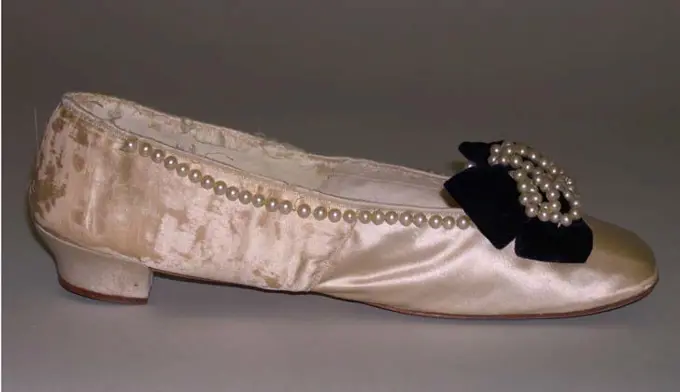
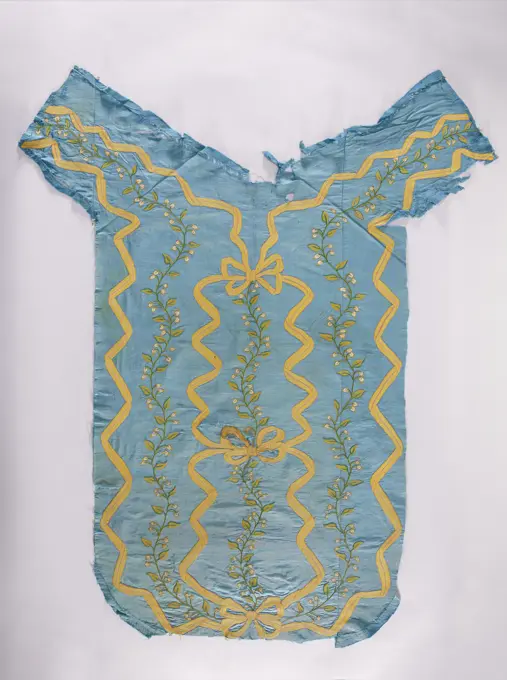
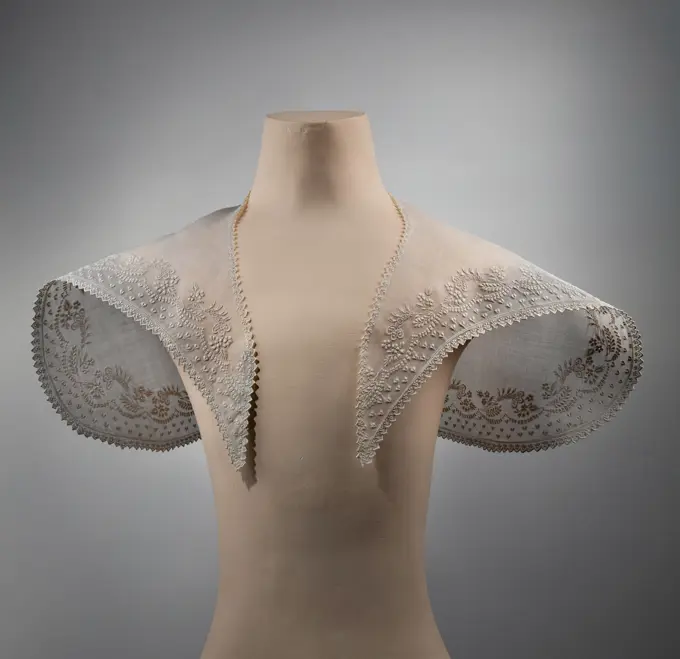
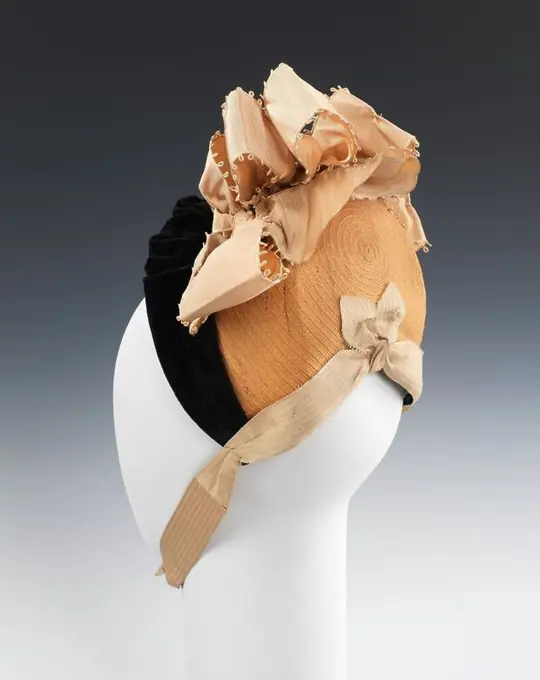
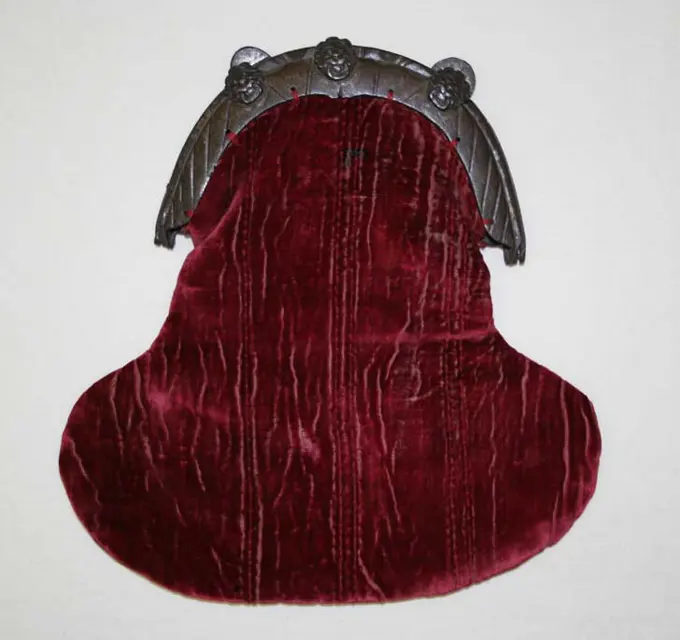
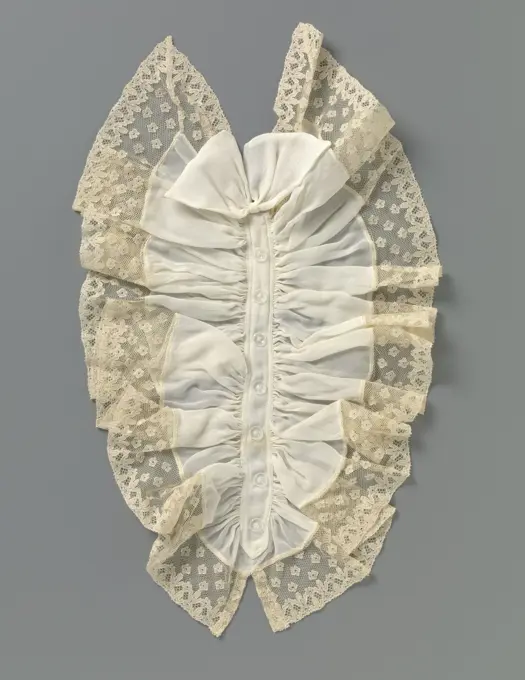
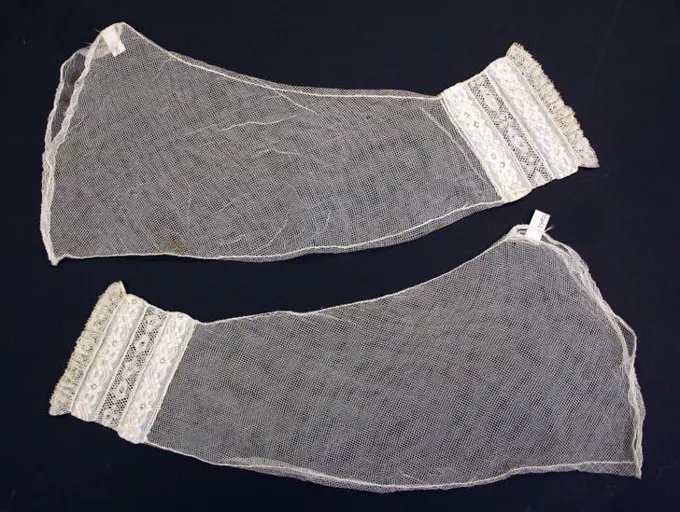
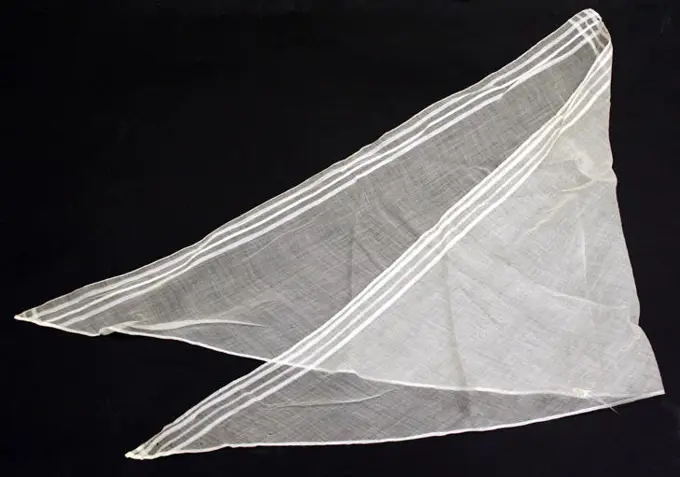
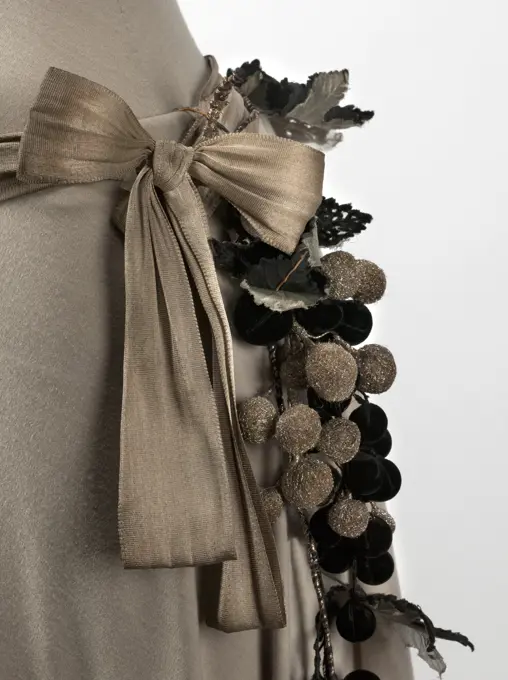
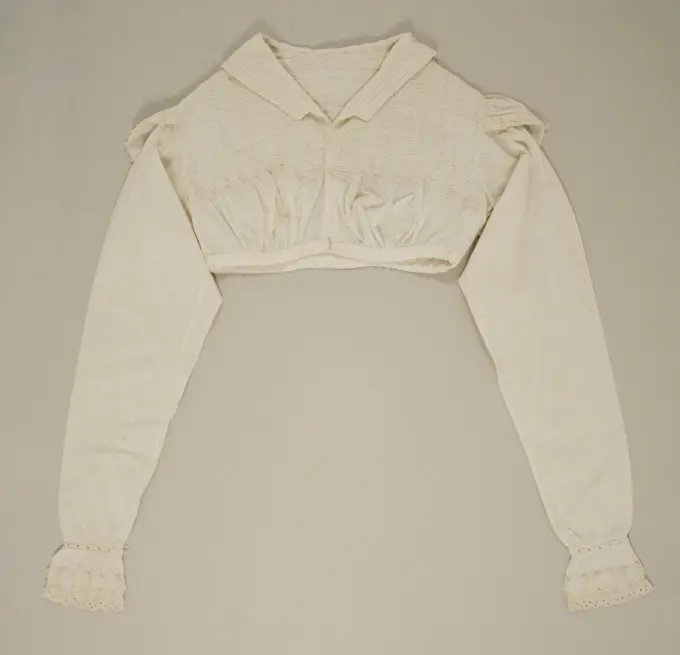
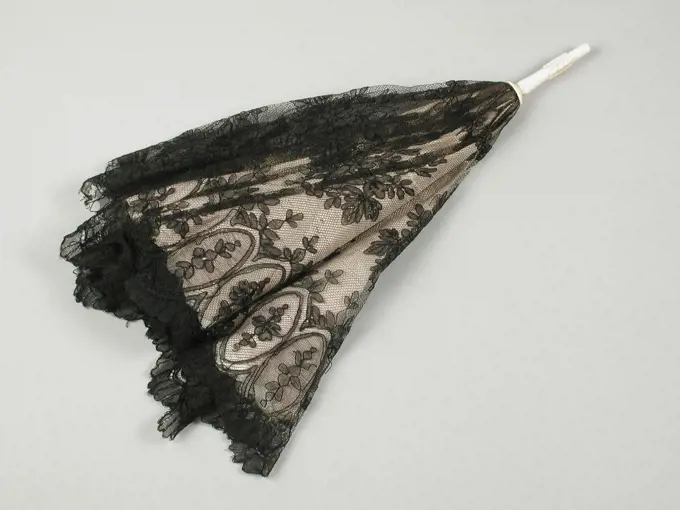
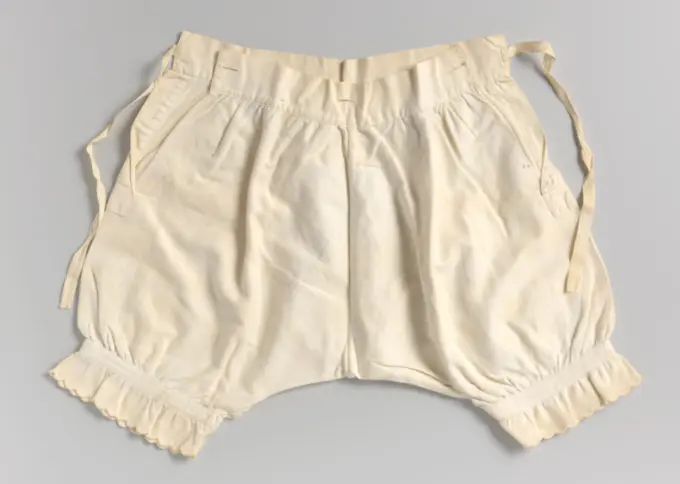
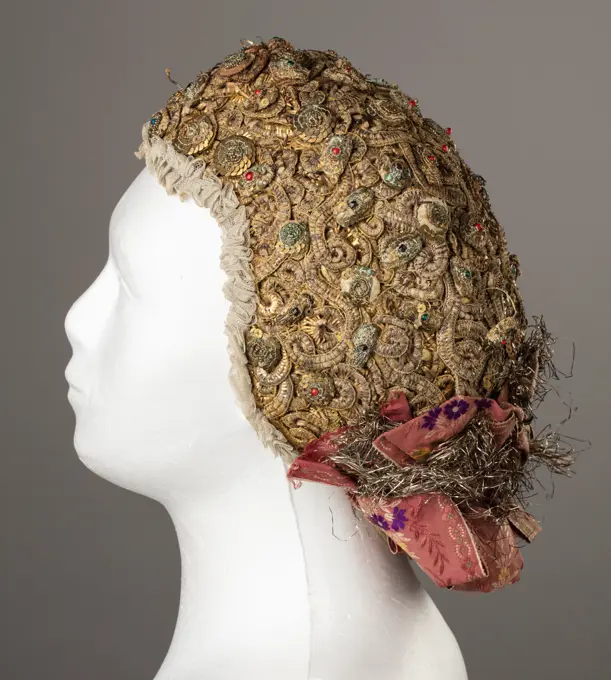
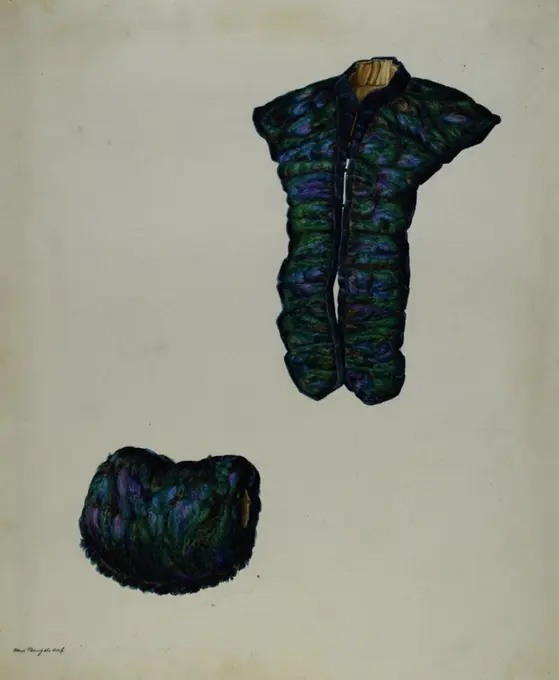
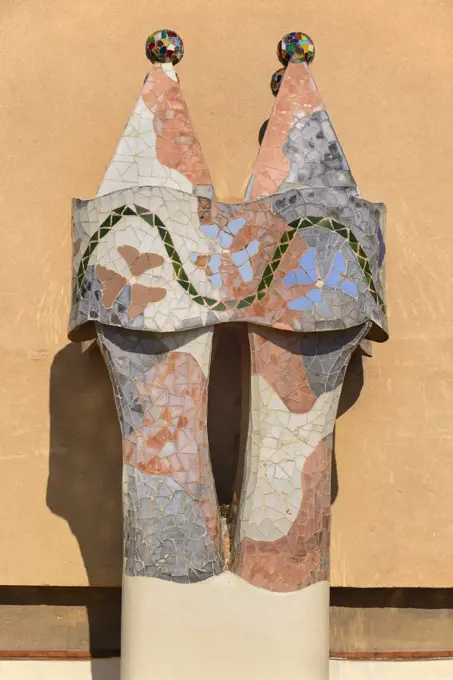
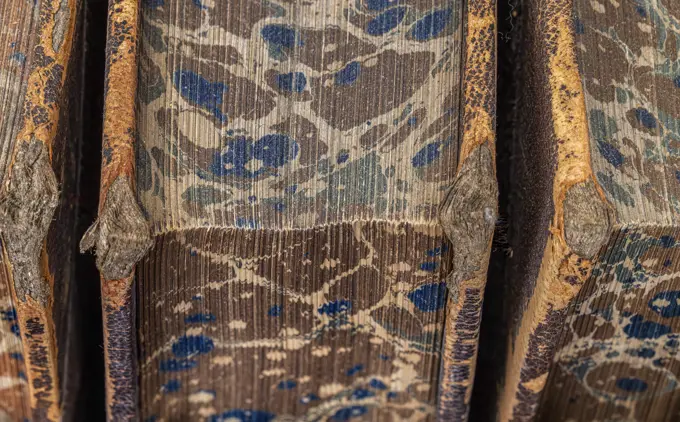
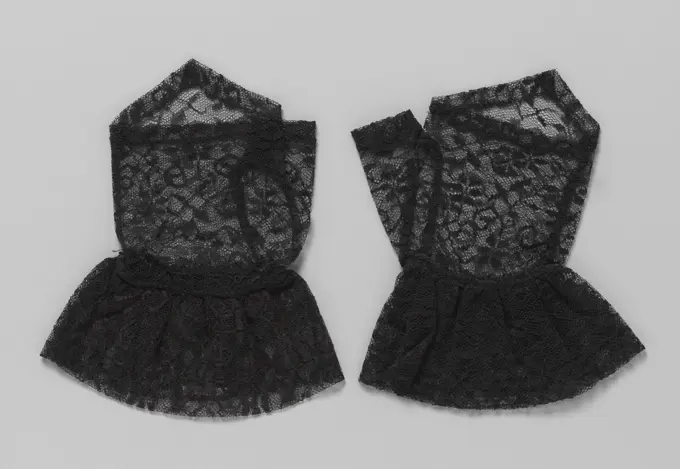
Nightcap first quarter 19th century American. Nightcap 168309Woman's Cap. Probably France, 1850s. Costumes; Accessories. NetCap ca. 1850 American. Cap 170386Collar ca. 1850 Belgian. Collar 79078Nightcap ca. 1800 British. Nightcap 116384Shirt 1781 American. Shirt 103761Christening ensemble 1873-74 American. Christening ensemble. American. 1873-74. no medium availableChildren's hat of batist with plumetisborensuurwerk; On the wide canopy pass there is a narrow edge of three openwork Fils Tirés leaves, between which fine tenders, applied, anonymous, c. 1830 Children's hat from Batist with embroidery. Fashion model. With a canopy and an input horseshoe ball. Silk ribbons are on the canopy buildings. Embroidery. Plumetisbuwerwerk. On the wide canopy pass a narrow edge of three openwork '' Fils-Tirés "leaves, between which fine ranking. Netherlands batiste embroidering Children's hat from Batist with embroidery. Fashion model. With a canopy and an input horseshoe ball. Silk ribbons are on the canopy buildings. Embroidery. Plumetisbuwerwerk. On the wide canopy pass a narrow edge of three openwork '' Fils-Tirés "leaves, between which fine ranking. Netherlands batiste embroideringCap ca. 1830 American. Cap 169862Bonnet 1843 American. Bonnet 104221Brassiere ca. 1820 American or European. Brassiere 108967Card-colored silk, painted with flower and grape branches and spreading bouquets in multicolored gouache and silver paint, with scarf collar, anonymous, c. 1840 - c. 1850 Card-colored side, painted with flower and grape branches and spreading bouquets in multicolored gouache and silver paint, with scarf collar. Model: tailored. Scarf collar. Half -round breast pocket. Closure in the middle front by means of five wooden knots covered with fabric. Backs and lining of white cotton. On the back tires with copper buckle to make the vest wider and narrower at the desire. Decoration: contours to the flowers painted with silver paint. Here and there the signing with pencil visible. China Fronts: Silk. Decoration: gouache (paint). Decoration: Silver (Metal). Backhouses: Cotton (textile). lining: cotton (textile). Buttons: Wood (plant material). buckle: copper (metal) painting / cutting / casting Card-colored side, painted with flower and grape branches and spreading bouquets in multicolored gouSub -sleek of application side with curling flower branches under a wavy flower garland, anonymous, c. 1850 - c. 1899 Underemen of natural-colored application side: Carrickmacross side. Balloon -shaped model. The sleeve is wrinkled on the close -fitting cuff. Both the cuff and the lower part of the lower sleeve are decorated with applicationboarding in the form of a regular wavy flower garland, including loose curling flower branches. The pendulum and branches are designed in the same way with a thin 'handle' with drip -shaped small leaves on either side, occasionally a large flower and further smaller simple round flowers with open heart. In the flower hearts of the largest flowers, a decorative land has been realized with stitches through the tulle. The cuff is trimmed with a scallop of flowers and C-volutes, and can be closed by means of two knots. Ireland cotton (textile). batiste embroidering Underemen of natural-colored application side: Carrickmacross side. Balloon -shaped modelUndersleeves ca. 1860 American. Undersleeves 118711Corset ca. 1860 Langdon, Batcheller & Company American. Corset. American. ca. 1860. Cotton, metal, boneMourning accessory set ca. 1895 Wanamaker's American. Mourning accessory set 156835Stole 1810 Indian. Stole 168907Chemisette 1850s probably American. Chemisette 120902American 20th Century, Rag Doll, 1935 1942 Rag DollSunbonnet ca. 1870 Indian. Sunbonnet 116529Textile Swatches Onondaga Silk Company, Inc. (1925-1981). , 1948-1959. 64 acetate, 36 silk, 45 1/4 x 22 1/4 in. (114.9 x 56.5 cm).    1948-1959Fragment. Turkey. Date: 1550-1575. Dimensions: 65.6 x 42.4 cm 25 7/8 x 16 5/8 inrepeat: 61.7 x 36.4 cm 24 3/8 x 14 1/4 in. Silk and gilt-metal-strip-wrapped silk, warp-float faced 4:1 satin weave with weft-float faced 1:3 'Z' twill interlacings of secondary binding warps, self-patterning complementary ground wefts, and supplementary brocading wefts; two fragments pieced. Origin: Turkey. Museum: The Chicago Art Institute, Chicago, USA.Purse 19th century China. Purse 70464. Small scale Venetian needle lace was enormously popular for collars in the late 17th century. Characteristic are the scrolling floral patterns, amid which are incorporated all manner of details. The tiny vines and petals worked in relief almost seem to grow from the lace.Melita Hofmann, Cape, 1935 1942 CapeMantle 1885-90 American or European. Mantle 106945Sleeve from fine linen, wrinkled into cuff with wide strip of dumpling. Buttonholes with light blue silk ribbon. On top of bow tape by sloping loops from cord. Pair of sleeves, made from fine linen and wrinkled into a cuff, to which a wide strip of climbing with a woven pattern. The side is wrinkled to the cuff and leave two buttonholes open, through which a light blue silk ribbon is stretched (with one sleeve). At the top of the open sleeves, a cord in oblique loops is sewn, through which a tie strap, with sleek ends. The sleeves are labeled with the number 3 or 5, in cross-stitch with red yarn.Mitt; silkBiggin. Culture: British. Date: 18th century. Museum: Metropolitan Museum of Art, New York, USA.Ceintuur with closing of hooks and eyes, around the two hanging slips a rough, at the attachment point of the slipper a rosette, anonymous, c. 1850 - c. 1900 Ceintuur with closing of hooks and eyes. Romdom The two hanging slippery a rosette. A rosette at the attachment point of the slipper. Belonging to a children's dress of white Tarlatan with purple flowers. Netherlands Ceintuur with closing of hooks and eyes. Romdom The two hanging slippery a rosette. A rosette at the attachment point of the slipper. Belonging to a children's dress of white Tarlatan with purple flowers. NetherlandsApron 1860-69 American. Apron 104378Bliżej Kultury unknownFall of Batist for a dressing table. Batisten fall for a dressing table in a boudoir (inv.no. BK 1980-789F).Cap 18th century British. Cap 98211Pair of Mits Made 1825-1875 Europe. Silk, bands of Grecian netting, spider netting, square netting, and square netting with looped tufts (lacis) .Bonnet 19th century American. Bonnet 102343Strook van blauw en wit gestreept linnen damast.Strip of blue and white striped linen damask. The blue and w stripes both have an ongoing pattern of floral drinks; The blue in light blue, the white in white. The strip belongs to four curtains (BK-1992-26-a to BK-1992-26-d) and a strip (BK-1992-e).Stole 1830-50 possibly Irish. Stole 170454Ensemble 1830s American. Ensemble 108001Bliżej Kultury unknownCalash 1835-45 American or European. Calash 116424A child's body of light blue moiré side and salmon-colored passement with ribbons, anonymous, c. 1740 - c. 1760 A children's body of light blue moiré side and salmon-colored passement and ribbons. The closure at the rear consists of a split with four knots. Passions along the collar and cuffs, laid in zigzag at the Middaden, lined with white linen Zaanstreek silk A children's body of light blue moiré side and salmon-colored passement and ribbons. The closure at the rear consists of a split with four knots. Passions along the collar and cuffs, laid in zigzag at the Middaden, lined with white linen Zaanstreek silkGirls furisode with koto curtains and chrysanthemums, 1890 - 1910 Formal Kimono with long sleeves for a girl (furisode) with a decoration on the bottom of sleeves and front buildings of peonies, chrysanthemums and side curtains, at the bottom of the backs with peonies, chrysanthemums, a citer (koto) and a folding fades with a decoration of Prunus. Yellow side with damask woven Paulownia motifs with a painted Yuzen decoration and embroidered detailing. Red silk lining. Five family weapons (Mon) van Meloen (Mokko). Japan silk painting / embroidering Formal Kimono with long sleeves for a girl (furisode) with a decoration on the bottom of sleeves and front buildings of peonies, chrysanthemums and side curtains, at the bottom of the backs with peonies, chrysanthemums, a citer (koto) and a folding fades with a decoration of Prunus. Yellow side with damask woven Paulownia motifs with a painted Yuzen decoration and embroidered detailing. Red silk lining. Five family weapons (Mon) van Meloen (MAwning hat with wrinkled edge and bow Love hat of white silk with wrinkled edge and a bow at the back.  silk Love hat of white silk with wrinkled edge and a bow at the back.  silkSmall perfume scholarship. 1900. GAL2001.170.XGroup of tassels 17th century Italian. Group of tassels. Italian. 17th century. Linen. Textiles-TrimmingsBonnet 1863-68 American. Bonnet 168288Children's sonsehoed piqué with laiton filled in -wrinkles and with two strips of English embroidery, decorated with a large bow from behind and a small bow on the crown, anonymous, c. 1890 - c. 1910 Children's sonsehoed piqué with laiton filled in -wrinkles and with two strips of English embroidery, decorated with a large bow from behind and a small bow on the crown. Model such as a Pillbox, with a wide, decorated Ajourrand, in which three wrinkled stitching with cardboard are reinforced. A flat bottom on the raised ball, on which a highly lined strip of English embroidery. Batist cheese bands. Lining floor of Mul. Embroidery of scaly shapes, Margrites. Brussels (possibly) Completely: Batiste. whole: Children's sonsehoed piqué with laiton filled in -wrinkles and with two strips of English embroidery, decorated with a large bow from behind and a small bow on the crown. Model such as a Pillbox, with a wide, decorated Ajourrand, in which three wrinkled stitching with cardboard are reinfoUchikake. Japan. Date: 1775-1800. Dimensions: 184 x 128.2 cm (72 x 50 1/2 in.). Silk, 4:1 satin damask weave; resist and tie-dyed; embroidered with silk and gold-leaf-over-lacquered-paper-strip-wrapped cotton in satin stitches; laidwork and couching; lining: silk, plain weave; sleeve edge and fuki padded with silk. Origin: Japan. Museum: The Chicago Art Institute, Chicago, USA.Underly unknownBoa ca. 1895 probably French. Boa 169414Sloop met koordsluiting, anonymous, c. 1750 Demolition for pillow, on the short side with six holes for cord closure. Netherlands linen (material) Demolition for pillow, on the short side with six holes for cord closure. Netherlands linen (material)Hat ca. 1879 American. Hat 113099Vitrage in Neo Lodewijk -XVI style, with copper rings ,, 1895 - 1905 Vitrage in Neo Lodewijk-Xvie style, with copper rings. Netherlands cotton (textile). copper (metal) Vitrage in Neo Lodewijk-Xvie style, with copper rings. Netherlands cotton (textile). copper (metal)Slippers 1850 B. Altman & Co. American. Slippers 105424Back of a chasuble. unknown, authorEnsemble 19th century Spanish. Ensemble 82692Cap 19th century probably American. Cap 104295Bonnet 1862 American. Bonnet 98105Apron 19th century Russian. Apron 98449Alois E Ulrich, Shaker Bonnet, c 1937 Shaker BonnetUhlan has unknown labelHat ca. 1830 American or European. Hat. American or European. ca. 1830. straw, silkCollar. unknown, authorBasque 1880s American. Basque. American. 1880s. cotton, silkSara Garfinkel, Bonnet, c 1937 BonnetTie from printed silk with edges and inserts from machine side, anonymous, c. 1870 Das from printed silk with edges and inserts of natural-colored machine side, imitation of Alençon side. Elongated rectangular model with a narrowing of the width halfway through strength inrimpeling on the side. The natural -colored side is printed at the ends with red roses and blue daisies. The long sides of the tie are trimmed with a border lace, with a pattern of garlands and flowers. The ends have two insert strips, with a pattern of a rosette flower interspersed by a circular leaf garland. At the ends, a strip of side has been pleated on the tie, with a pattern of moesjes, a row of curved flower branches and a scrap edge of cloud -shaped cartouches. Europe silk printing Das from printed silk with edges and inserts of natural-colored machine side, imitation of Alençon side. Elongated rectangular model with a narrowing of the width halfway through strength inrimpeling on the side. The natural -colorMitaine of pink and white striped silk. Mitaine of pink and white striped silk, trimmed with silver galon.Bonnet. Culture: American. Department Store: Balch, Price & Company (American, founded 1869). Date: ca. 1880.This example of a typical bonnet worn at the end of the 1870s would have been popular with youthful married women. Probably worn with a visiting ensemble, the hat features straw, velvet and picoté ribbon. The small size accented the wearer's coiffure: her hair would have been gathered into a decorative topknot with light fringe over the forehead. Balch Price and Company was a prominent Brooklyn retailer. Museum: Metropolitan Museum of Art, New York, USA.Purse 16th century probably German. Purse 116866Jabot with a strip of mechanical side with flower litter pattern, anonymous, c. 1850 - c. 1949 Jabot of ivory -colored silk trimmed with a natural -colored strip of mechanical side: Machinal Mechelen side. In the middle of the Jabot a row of seven glass buttons with a silk bow above it. Lant strip with a spray pattern of rosette flowers on a fine machining tuler land. Along the outer edge a double row with a succession of hooks and rosette flowers. The strip is finished straight on top (inside) and the bottom (outside), with very fine picots on the outside. unknown Jabot: Silk Jabot of ivory -colored silk trimmed with a natural -colored strip of mechanical side: Machinal Mechelen side. In the middle of the Jabot a row of seven glass buttons with a silk bow above it. Lant strip with a spray pattern of rosette flowers on a fine machining tuler land. Along the outer edge a double row with a succession of hooks and rosette flowers. The strip is finished straight on top (inside) and the botUndersleeves 1850s British. Undersleeves. British. 1850s. cotton3D Rendering, display figureShirt. Culture: American. Date: ca. 1812. Museum: Metropolitan Museum of Art, New York, USA.Calash 18th century American or European. Calash 116698Powder flask 18th-19th century Indian, Gujarat, for the export market. Powder flask. Indian, Gujarat, for the export market. 18th-19th century. Green Turban shell, copper, metal. Natural SubstancesCape. Culture: American. Date: ca. 1820. Museum: Metropolitan Museum of Art, New York, USA.Pair of Engageantes. Western Europe, late 18th century. Costumes; Accessories. Linen embroidery (chainstitch) and pulled threadwork on muslin with linen bobbin lace edgingHeaddress 19th century German. Headdress 79102Kerchief 1700-1942 American. Kerchief 119194Artificial flowers. Velvet by chain, background in black silk, metallic elements, laminte on the reverse of the leaves. Galliera, fashion museum of the city of Paris. 76208-2 Accessory, belt, brown color, detail, artificial flower, close -up, haute couture, female mode, knot, 20th XX 20th 20th 20th centuryColored striped scarf Colored striped scarf isolated on white background Copyright: xZoonar.com/SergeyxNepshax 4781586Purse 1895-1900 Italian. Purse. Italian. 1895-1900. silk, metal, glassParasol 1894 probably European. Parasol 122408Ensemble ca. 1810 French. Ensemble. French. ca. 1810. cottonSpencer 1805-15 probably British. Spencer 108013RELICARIO DE MADERA POLICROMADA - SIGLO XVII. Location: CONVENTO DE LAS CLARISAS / MUSEO DE ARTE SACRO. MONFORTE DE LEMOS. LUGO. SPANIEN.Small parasol with upholstery of white silk, covered with black lace, ivory point, broken, white, wooden handle, parasol clothing accessory clothing textile lace silk metal iron wood leg tooth ivory, machine lace lacquered textile Parasol with beige silk upholstery including white silk lining and black lace (with tulle base ) Black lacquered metal ribs White lacquered wooden handle The stem is crowned by carved ivory pointed protective material sunlight umbrella animal materialBridal bouquet, Two-piece Ancient Wedding Dress, 1904.Girl underpants, AnonymousBliżej Kultury unknownTippet and Muff. Dated: c. 1938. Dimensions: overall: 44.4 x 35 cm (17 1/2 x 13 3/4 in.). Medium: watercolor and graphite on paper. Museum: National Gallery of Art, Washington DC. Author: Hans Mangelsdorf.Spain, Catalunya, Barcelona, Antoni Gaudi's Casa Batllo building, colourful chimney pots on the roof terrace.Orville A Carroll, Bonnet, 1935 1942 BonnetUSA, Indiana, Indianapolis. Close-up of vintage books with decorative marbeled pages.Sash with the Military William Order and Metal Cross of General Baron Chassé. Orange silk sash with the military willem order and metal cross. Included by Baron D.H. Chassé, Lieutenant General Supreme Commander of the Antwerp Citadel.traditional Chinese decorationMitaine van zwarte machinale kant met krullende ijle c-voluten en gestileerde bloemen met zes losse bloemblaadjes.Mitaine from black machining: machining chantilly side. The mitaine has a point on hand (back) and around the wrist a wrinkled strip. Pattern with curly thin c-voluten and stylized flowers with six loose petals. Connections between the motifs through twigs with a few leaves.Folding range. Face in white ostrich feathers, ditto back, frame, head and bail in blonde scales, golden metal rivet, around 1900. Galliera, fashion museum of the city of Paris. Accessory, beliere, back, blonde scales, folding procedure, leaf, face, frame, white ostrich feather, rivet metal dore, headCap 19th century. Cap 446274