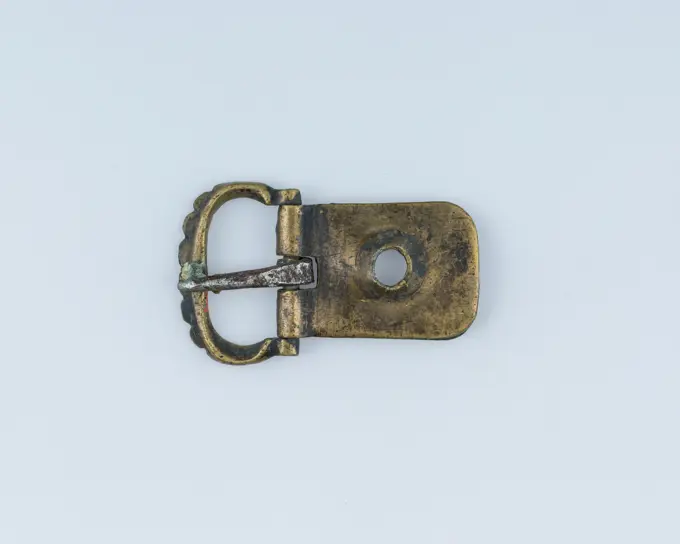
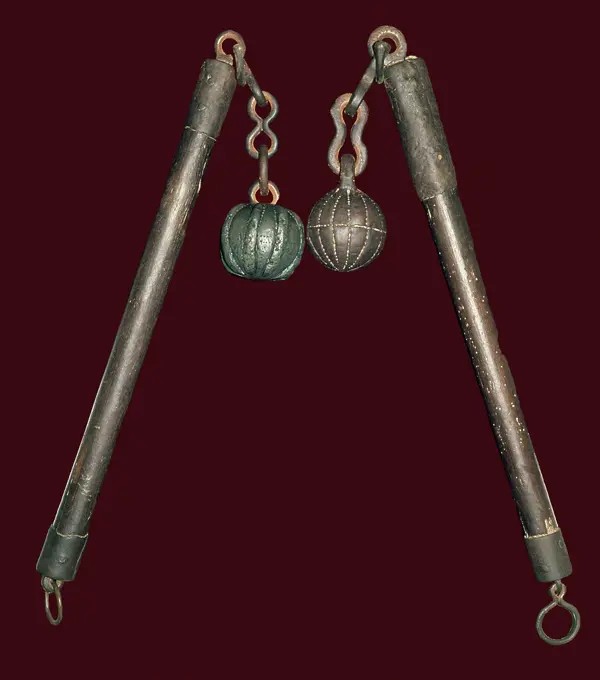
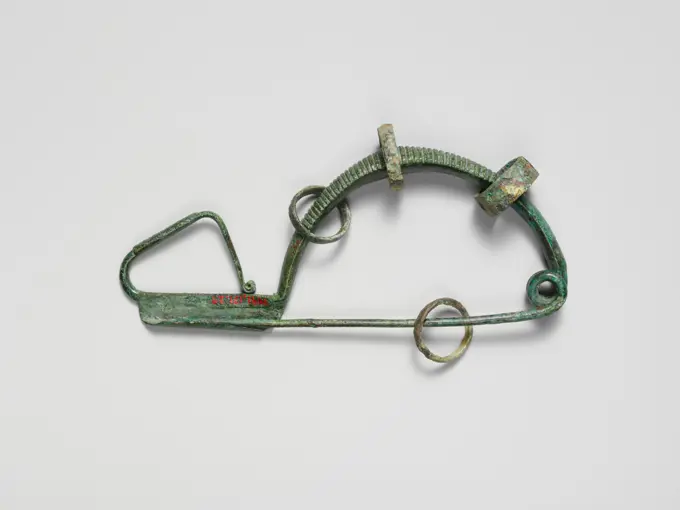
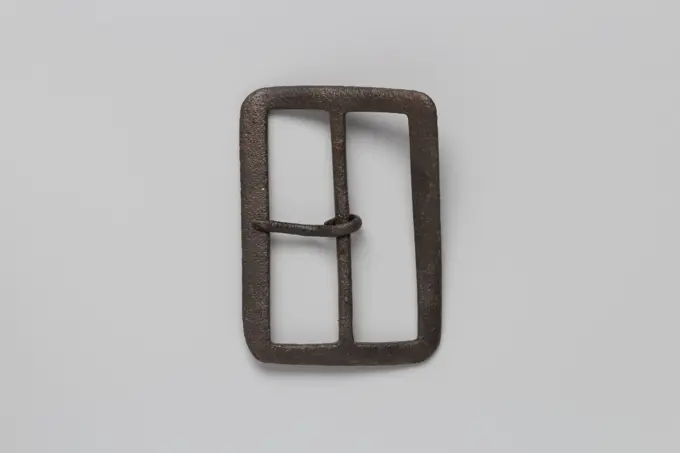
Vintage Keys Collection

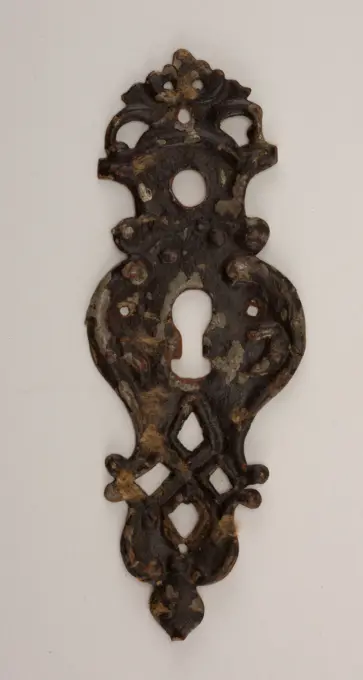
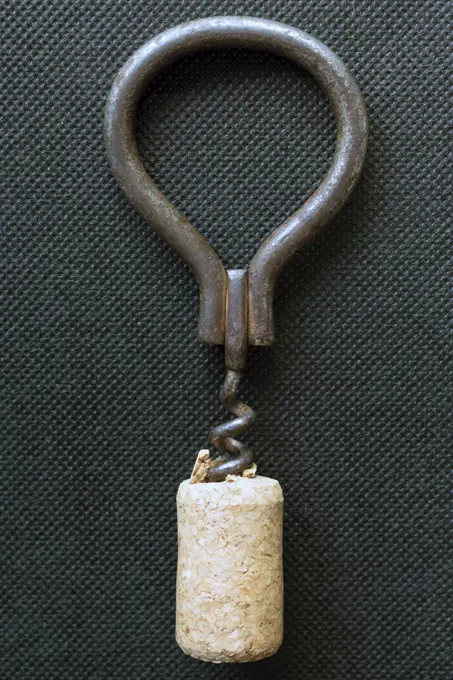
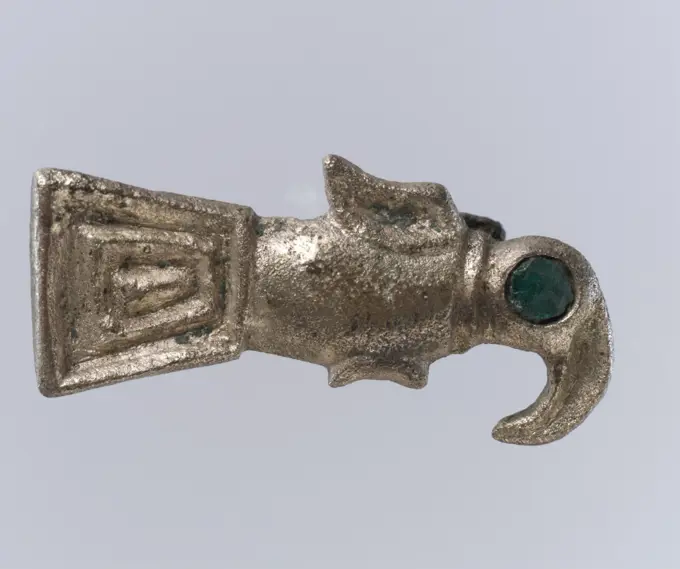
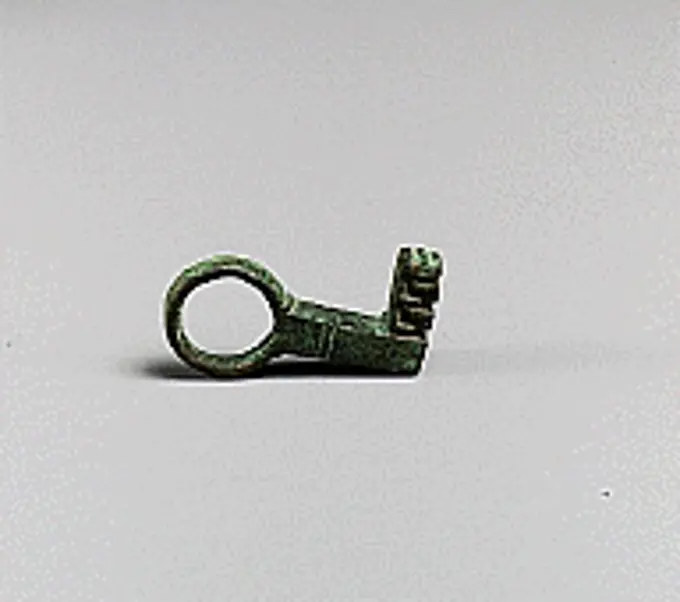
A selection of decorative vintage keys, showcasing intricate designs and craftsmanship typical of Gothic and antique styles, in varying shapes and sizes.
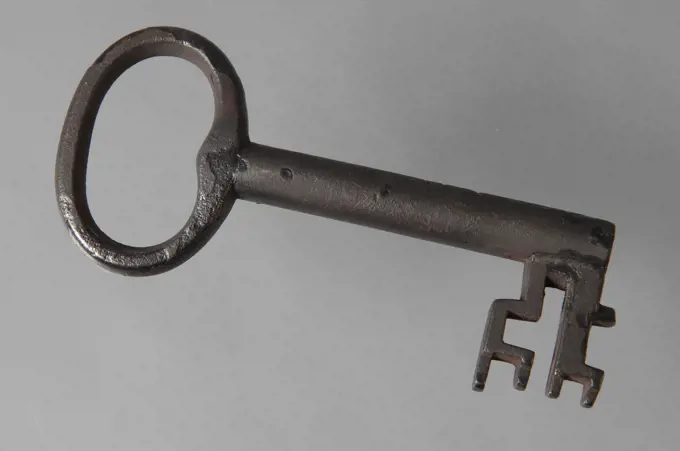
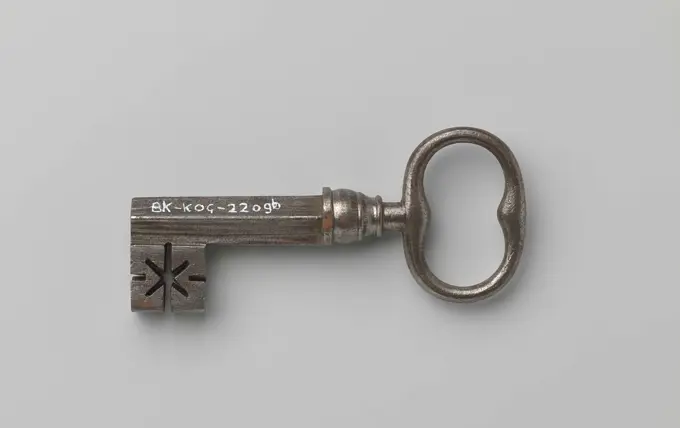
Iron key of cell of city hall, key iron iron, hand forged Key with heart-shaped eye (handle) hollow key handle cross-shaped battens (horizontal and vertical) in key beard and symmetrical keyhole cross-section hang-and-seal prison city hall Rotterdam City Triangle Kaasmarkt Hoogstraat Used for cell in the town hall.
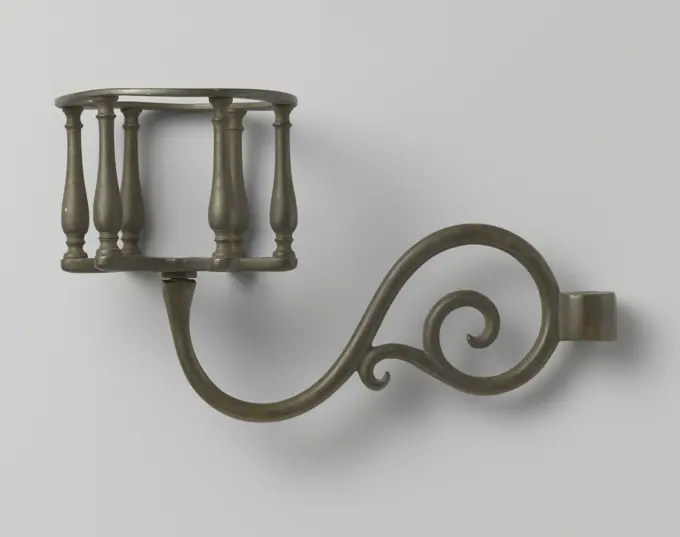
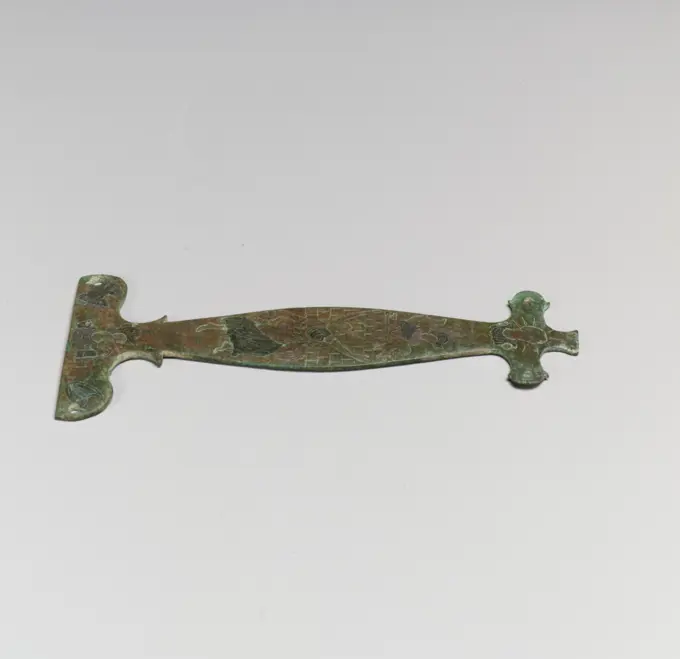
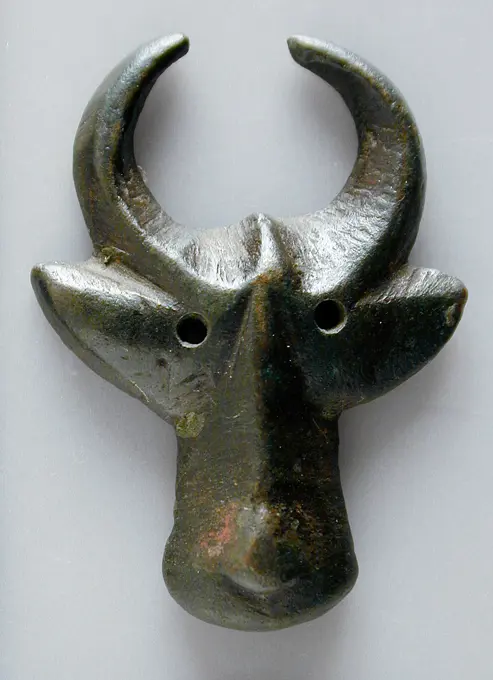
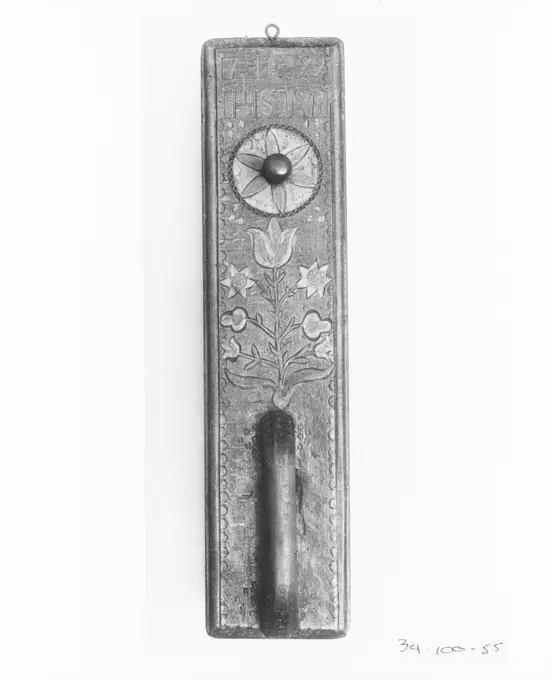
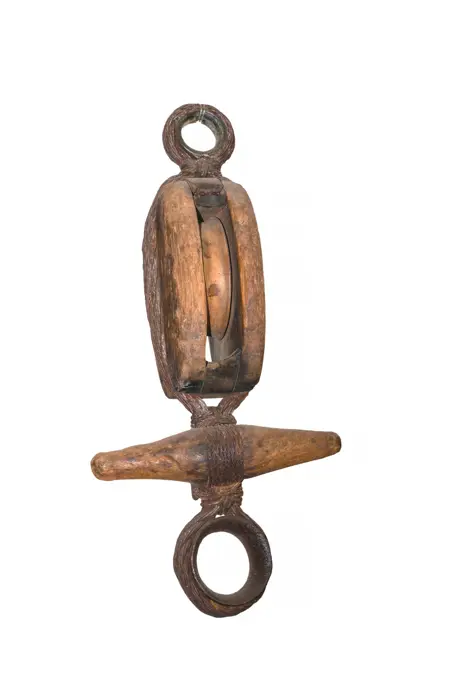
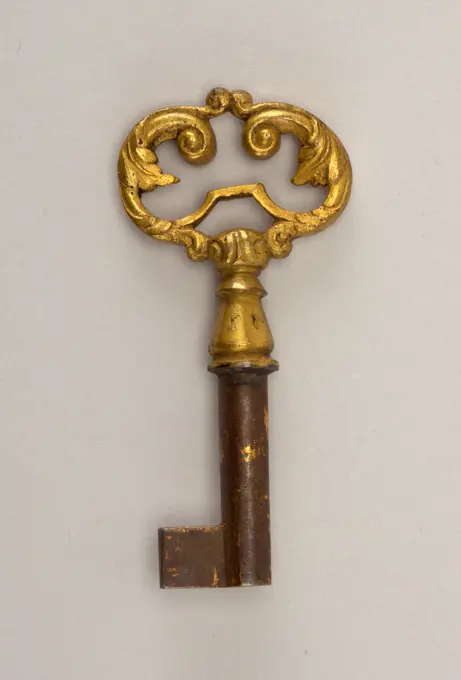
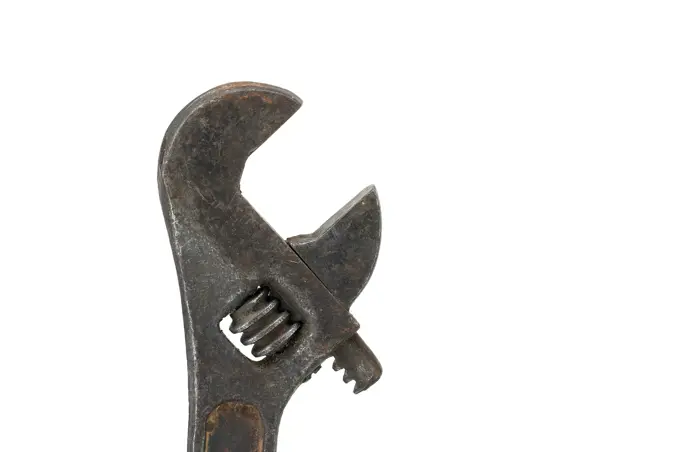
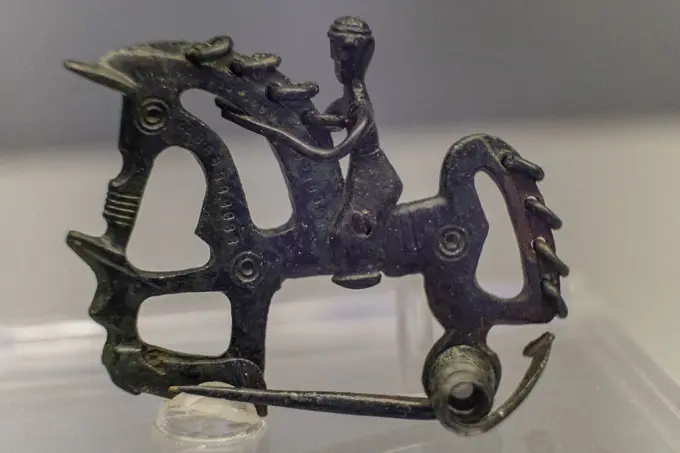
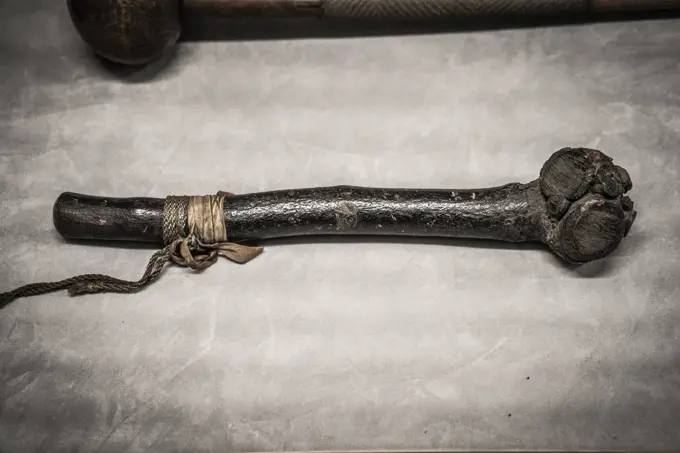
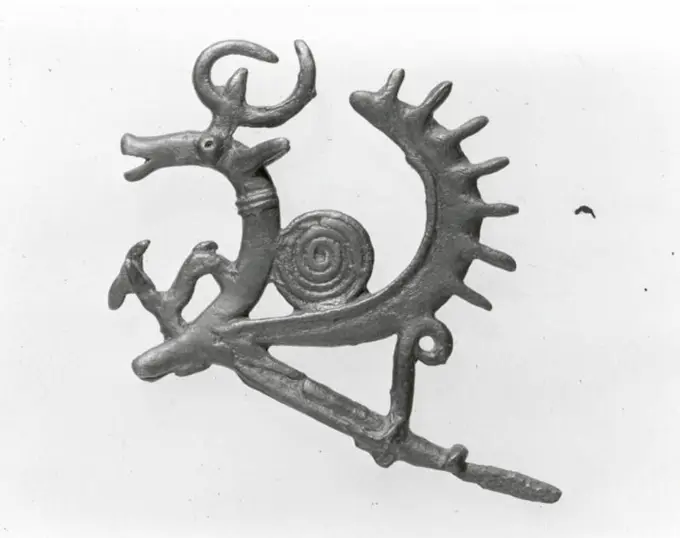
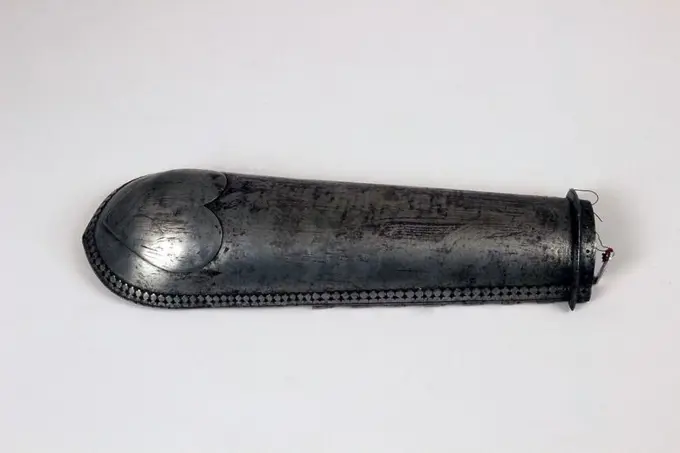
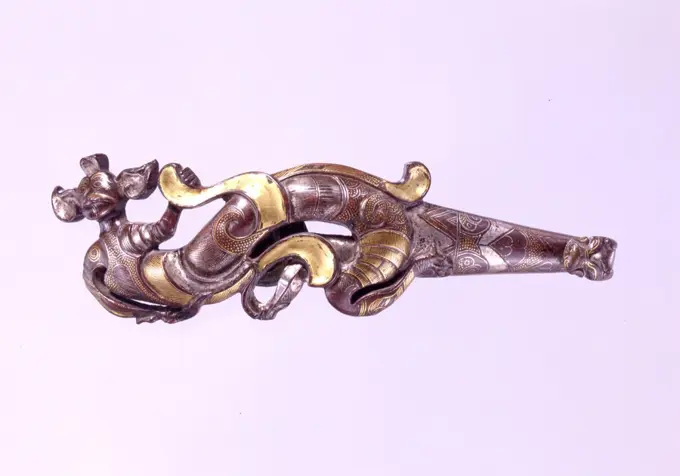
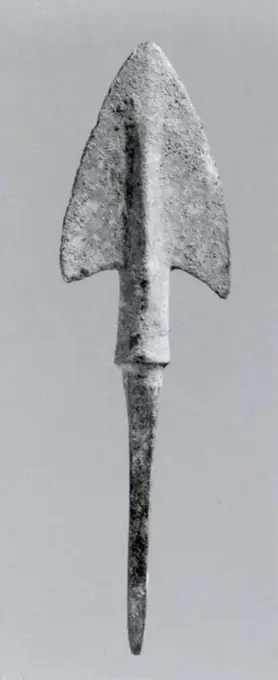
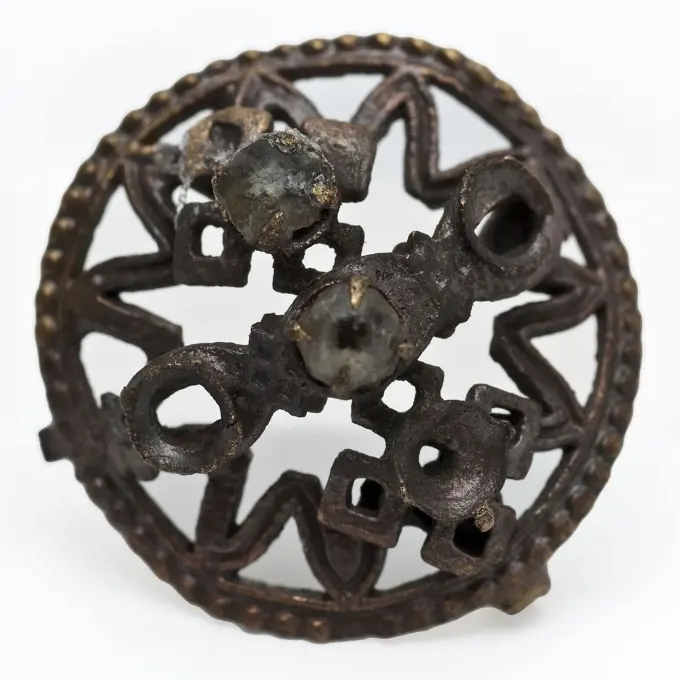
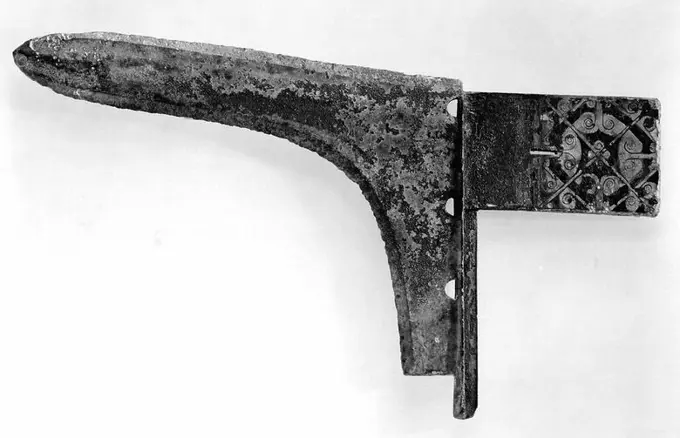
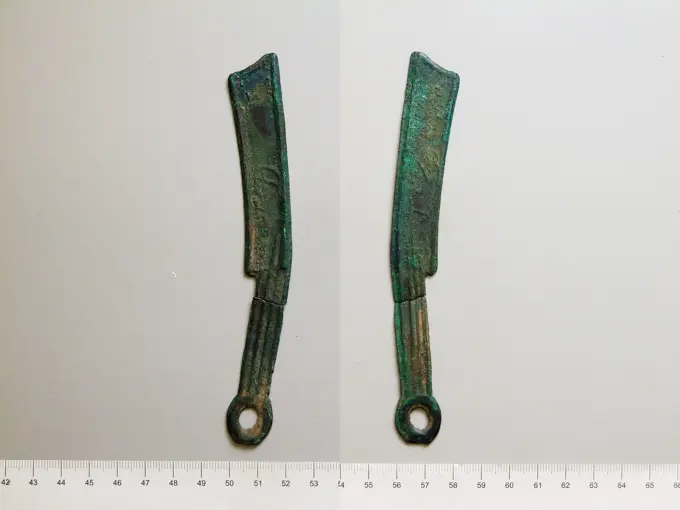
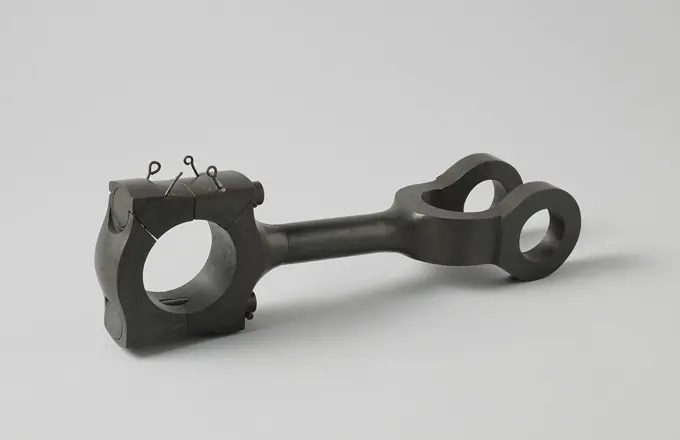
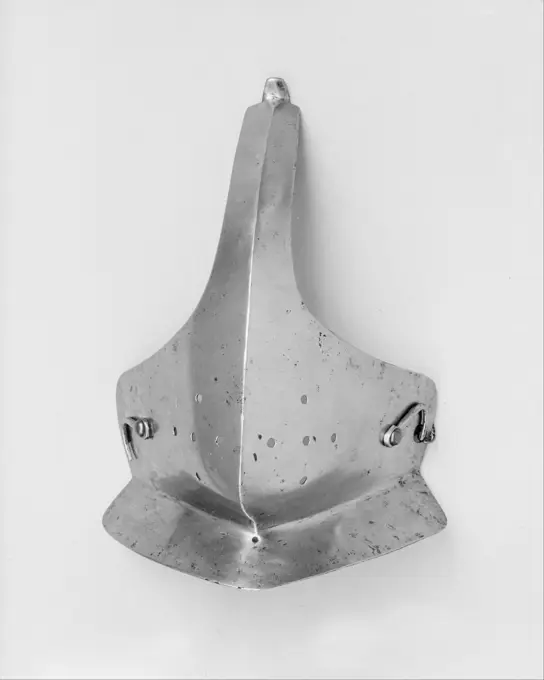
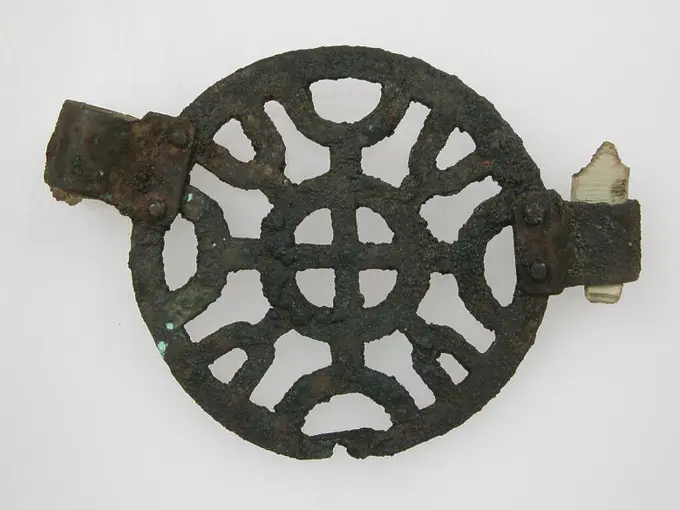
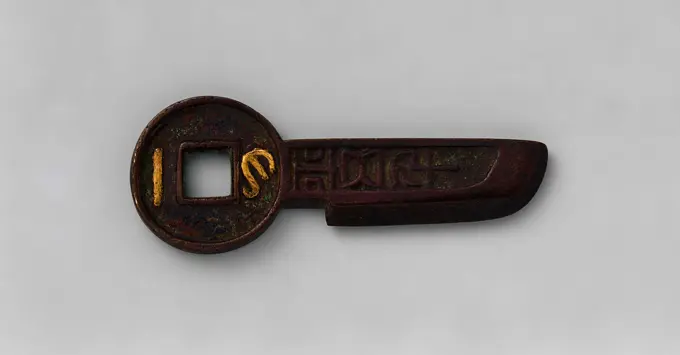
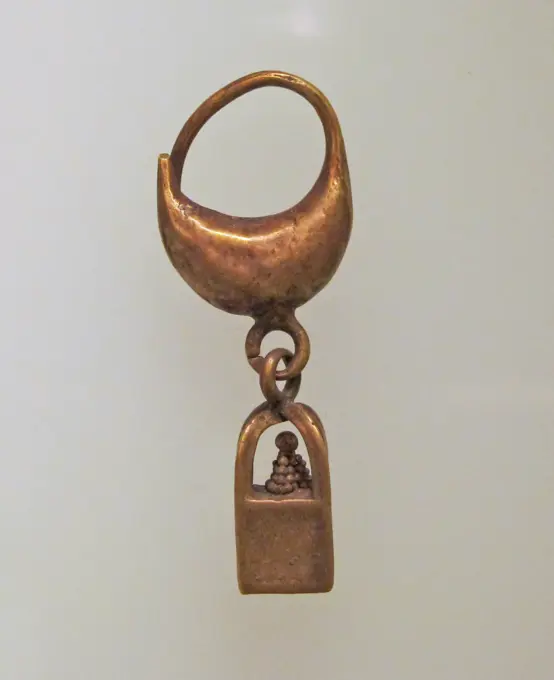
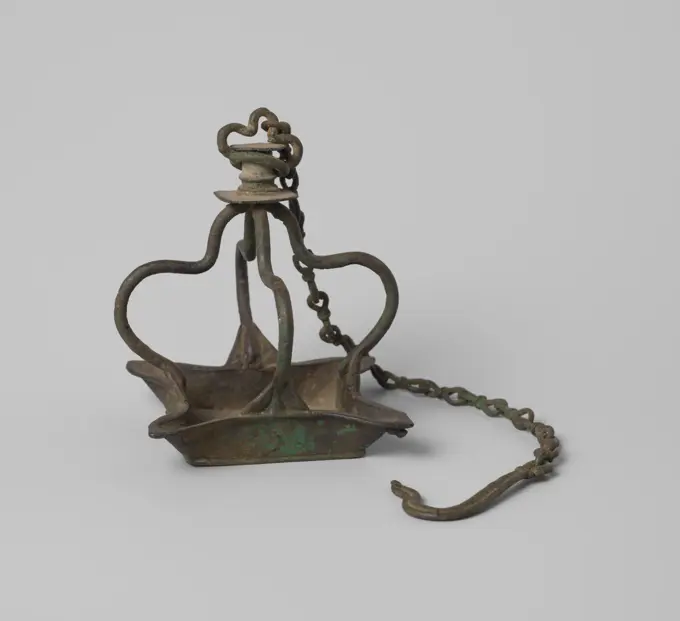
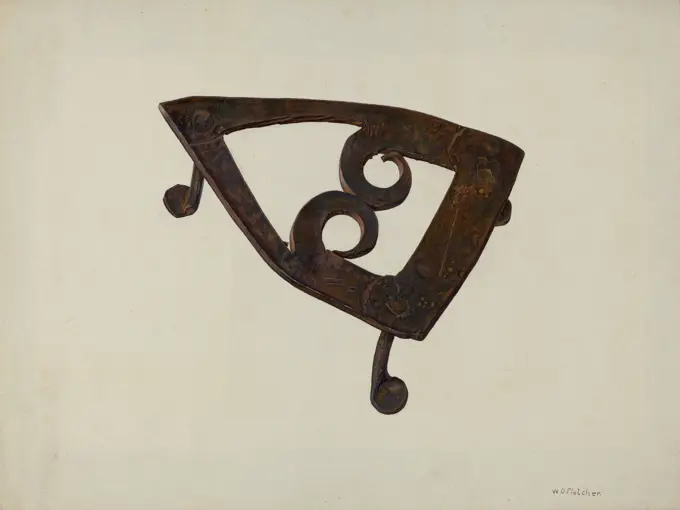
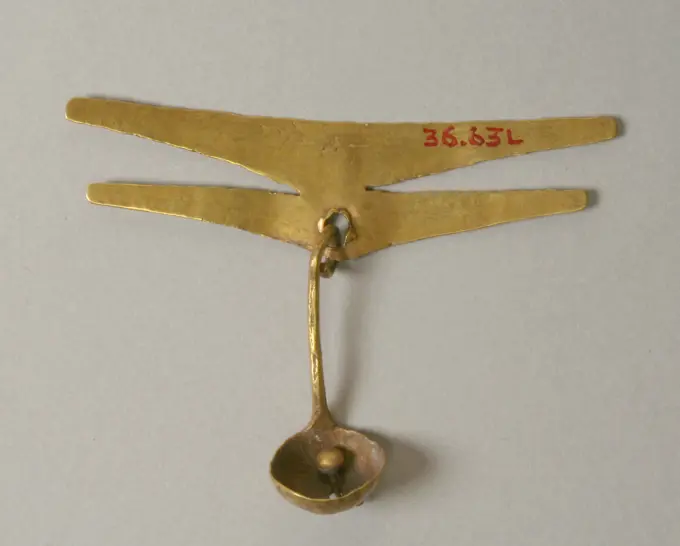
Caduceus-form Hair Ornament; Made by Fortunato Pio Castellani & Sons (Italy); Italy; cast and granulated gold, carved ivory; 17.8 L x 4.2 W cm ( 7 x 1 5/8 in.)Brush of iron with copper strap ..Key; 1909-2-263Holder for hourglass on rotating arm of brass, anonymous, 1700 - 1750 The twice -curved arm ends spiral -shaped on one side, on the other in a more or less square thickening with a threaded hole, in which the hourglass holder is placed. The arm has a round eye that can be applied to the pulpit in a pin va. The holder has six balusters. Netherlands brass (alloy) casting The twice -curved arm ends spiral -shaped on one side, on the other in a more or less square thickening with a threaded hole, in which the hourglass holder is placed. The arm has a round eye that can be applied to the pulpit in a pin va. The holder has six balusters. Netherlands brass (alloy) castingHunting Sword hilt, Japanese, made for the European market; blade, Western European hilt, ca. 1700-1725; blade, ca. 1750Appliqué with Diomedes and Andromache 4th century A.D. Roman. Appliqué with Diomedes and Andromache. Roman. 4th century A.D.. Bronze, Silver. Late Imperial or Late Antique. BronzesSweave ax. Bronze Age. Copper alloy, cast iron. Coming from: rue de la Huchette, 1865. Paris, Carnavalet museum. Bronze age, copper alloy, weapon, cast iron, socket ax, tool, protohistory, protohistoricKey (France); chiselled iron ; 1910-1-6Mangle Board. Culture: European. Dimensions: 24 x 5 5/8 x 2 1/2 in. (61 x 14.3 x 6.4 cm). Date: 1799. Museum: Metropolitan Museum of Art, New York, USA.Plaque. Western Inner Mongolia, 5th-3rd century B.C.. Sculpture; plaques. Bronze, castInlay 664-610 B.C. Late Period, Saite A quantity of faience hieroglyphs and border elements was found in the tomb or courtyard of Nespekashuty. These are displayed in galleries 127 and 130. They are of similar size and manufacture, so seem to have belonged to a single object, likely of wood. Some of the signs belong to the standard offering formula, others mention Osiris and Anubis, so they certainly suggest an item of funerary furniture - a box, a screen, or a coffin although coffins are not usually inlaid in faience and remnants of Nespekashuty's were painted.Unfortunately, there are no signs indisputably pointing to Nespekashuty's names or titles. Although it seems likely that the fairly elaborate piece of equipment to which they testify belonged to the main burial of this tomb, and not to the Third Intermediate Period burials found in the courtyard or to the material apparently cleared from the Hathor Shrine at Deir el Bahri or to the other sets of late shabtis found in the vicinitBronzeIdolSleutel.Key with handle shaped from leaf volutes, resting on a landed bullet. The latter is attached to a shaft that is decorated at the top with leaves wreath between profiles.Mangle Board 1799 European. Mangle Board 4924Cross 6th century or later Byzantine. Cross 472749Chain Fragment with Suspensory Bar 1st-7th century Roman. Chain Fragment with Suspensory Bar 462974Antique wooden pulley Old antique wooden pulley with pulley. Copyright: xZoonar.com/JFsPic xThielemannx 7488060old vice clamp isolated on white backgroundKnip, c. 1400 - c. 1950 A sorner single cut (telling).  iron (metal) A sorner single cut (telling).  iron (metal)Key; 1909-2-266Key. Culture: German. Dimensions: Overall: 4 3/4 x 1 15/16 x 7/8 in. (12 x 5 x 2.2 cm). Date: 15th century.The decoration of Gothic iron locks and keys was often elaborate and of the highest standard of workmanship. The motifs were frequently drawn from Gothic architecture, reproducing on a miniature scale complicated tracery patterns and even tiny statuettes. A number of these tiny locks were compound, with some of the mechanisms concealed from view, and required two or even three keys used in sequence to open them. It has been suggested that the greatly expanded use of locks on doors, or coffrets and other types of storage chests was a result of the increasing urbanization of life and the new emphasis on material wealth and private ownership which developed in the late Middle Ages. Museum: Metropolitan Museum of Art, New York, USA.Close-up of an old and worn adjustable wrench with a rusty appearance isolated on a white background Close-up of an old, worn and rusty looking adjustable wrench isolated on a white background with free copy space for text Copyright: xZoonar.com/NerijusxLiobex 22172218Loop.Sleutel.Four gathered keys whose shafts are drilled to the four figures of the card game. The keys are numbered by mints of wells on the key chest.Six parts of handles. .Hand Saw with Blade, 1600s. Europe, 17th century. overall: 19.1 x 66.1 cm (7 1/2 x 26 in.).Keyhole Escutcheon, ca. 1680; tinKey;  19th century (1801-00-00-1900-00-00);Belt Buckle 7th century Frankish or Burgundian. Belt Buckle 465039 Frankish or Burgundian, Belt Buckle, 7th century, Iron, silver and copper alloy inlay, 8 7/8 x 3 11/16 x 1 3/16 in. (22.5 x 9.3 x 3 cm). The Metropolitan Museum of Art, New York. Gift of J. Pierpont Morgan, 1917 (17.191.325)corkscrew with cork vintage rusty corkscrew with cork on dark background Copyright: xZoonar.com/YuryxZapx 11442111Bird-Shaped Brooch second half 6th century Frankish. Bird-Shaped Brooch 465242Ring of a door handle, also door beater, anonymous, c. 1600 - c. 1650 Ring of a door handle, also door beater formed by two curls of each other. unknown iron (metal) Ring of a door handle, also door beater formed by two curls of each other. unknown iron (metal)Door ring of Iron with leaf work, anonymous, 1600 - 1700 Door ring consisting of two parts. The open -worked fittings is in basic shape square. From the opening in the middle, four tendrils spring, each of which splits into three leaves. The outer leaves of each slender are connected. A door ring can be applied in the opening. The door ring is attached to a sharp rod. On either side of the rod is a slender, which splits in two and whose splits end in a spherical shape. The tendrils curl down to each other and run into each other, creating a kind of handle.  iron (metal). tin (metal) forging / engraving Door ring consisting of two parts. The open -worked fittings is in basic shape square. From the opening in the middle, four tendrils spring, each of which splits into three leaves. The outer leaves of each slender are connected. A door ring can be applied in the opening. The door ring is attached to a sharp rod. On either side of the rod is a slender, which splits in two and whose splitsLuckenbooth brooch -Cranequin (Winder) for a Crossbow. German. Date: 1588. Dimensions: . Steel and wood. Origin: Germany. Museum: The Chicago Art Institute, Chicago, USA.Bronze ring key 3rd-4th century A.D. Roman Key with ring.. Bronze ring key 249023fibula de caballito, numancia, Garray, siglo II a.C, museo Numantino de Soria, Soria, Comunidad Autónoma de Castilla, Spain, Europe.BOKEK;  XVII century (1601-00-00-1700-00-00);Batter, c. 1400 - c. 1950   iron (metal)   iron (metal)Loopcommand mace, 19th century, Africa, Álava Armory Museum, Vitoria, Basque Country, SpainOld key with a tag Old key with a tag Copyright: xZoonar.com/BorisxZerwannx 7002098Harness ring ca. 8th-7th century B.C. Iran. Harness ring 324672HACHA DE BRONCE CON APENDICES LATERALES - EDAD DE BRONCE. Location: ARCHAEOLOGICAL MUSEUM. SPAIN.Openwork Belt Fitting. Culture: Frankish. Dimensions: Overall: 2 1/4 x 1/4 in. (5.7 x 0.6 cm). Date: 6th century. Museum: Metropolitan Museum of Art, New York, USA.Deurhengsel, c. 1400 - c. 1950   iron (metal)   iron (metal)Bronze crossbow fibula (brooch) 4th century A.D. Roman The bow is four-sided and decorated with a few incised lines.. Bronze crossbow fibula (brooch) 247980Ax of the Palstave Type ca. 1500-1200 B.C. British. Ax of the Palstave Type. British. ca. 1500-1200 B.C.. Bronze. MiscellaneousPin ca. 8th-7th century B.C. Iran. Pin. Iran. ca. 8th-7th century B.C.. Bronze, iron. Iron Age III. Iran, probably from LuristanBronze helmet from tomb at Argos, GreeceAxe Blade with Openwork 3rd century B.C.-A.D. 2nd century Vicús (). Axe Blade with Openwork 315263Gun-Lock Hammer, c. 1800-1825. England, early 19th century. overall: 6.4 x 3.8 cm (2 1/2 x 1 1/2 in.).MountKastane, 18th century, Sri Lanka, Álava Armory Museum, Vitoria, Basque Country, Spain.Collection of the Dutch Heidematschappij. Butterflies, damages, tree buds, bastard satin butterfly, oak. undatedArm Guard. Culture: Indian. Dimensions: L. 12 3/4 in. (32.4 cm); W. 4 in. (10.2 cm); Wt. 14.1 oz. (399.7 g). Date: 16th century. Museum: Metropolitan Museum of Art, New York, USA.Bit. Dated: 1935/1942. Dimensions: overall: 34.9 x 26.1 cm (13 3/4 x 10 1/4 in.) Original IAD Object: 22" long; 6" wide. Medium: watercolor, graphite, and pen and ink on paper. Museum: National Gallery of Art, Washington DC. Author: William Kieckhofel.Sword with Scabbard possibly 18th century hilt, Indian; blade, Persian. Sword with Scabbard 31121Belt hook in the shape of a mythical creature 3rd-2nd century B.C. China. Belt hook in the shape of a mythical creature 49493Arrowhead 2nd-1st millennium B.C. Iran. Arrowhead 325371Handle, possibly for a spoon ca. 5th century B.C. Achaemenid This elaborate silver handle is decorated with the head of a calf at one end and the head of a lion at the other; a third creature, difficult to identify, emerges from the lions mouth. The creatures long snout is split horizontally, and presumably the bowl of a spoon or another implement was originally inserted there,A silver spoon with a loop handle decorated with the head of a duck was excavated at a palace at Pasargadae, the first capital of the Achaemenid Persian Empire. That spoon was likely used at the royal table, and probably this spoon was as well. There was a long history in Iran of decorating vessels with animal features, and the Achaemenids adopted and expanded this practice.. Handle, possibly for a spoon 327420Openwork button-shaped brooch with cut stones, brooch ornamental pin ornament clothing accessory clothing soil find copper glass metal h 0,8, die-cut Button-shaped brooch with pearl border and five stone holders in which two green transparent glass stones are still present. Back of the eye and the pin-back of archeology Rotterdam City Triangle Oostplein Nieuwehaven adornment Soil discovery: Oostplein end Nieuwe Haven 1985.Samuel Faigin, Cast Iron Cresting, c 1936 Cast Iron CrestingRing brooch with linked hoop from Ireland. Dated 8th CenturyHalberd. Culture: China. Dimensions: H. 9 5/8 in. (24.4 cm); W. 4 15/16 in. (12.5 cm). Date: 6th-5th century B.C.. Museum: Metropolitan Museum of Art, New York, USA.Buckle 14th century French. Buckle. French. 14th century. Bronze, patina. Miscellaneous-Buckles & OrnamentKnife from Board ofRevenue.  Mint: Board of Revenue Artist: UnknownModel or A Connecting Rod. Wooden model of a short connecting rod for a steam engine, painted black. The eye for the drive shaft can be exploited by removing two bolts that are secured with pins: on one side the eye consists of two halves, on the other hand from three parts.Ceremonial Knife (Tumi) 12th-15th century Chimú. Ceremonial Knife (Tumi) 315367Buffe late 16th century Italian. Buffe. Italian. late 16th century. Steel. Armor Parts-BuffesHammerWrench spanner toolOpenwork Belt Mount. Culture: Frankish. Dimensions: Overall: 4 1/2 x 3 1/8 x 5/8 in. (11.4 x 7.9 x 1.6 cm). Date: 500-700. Museum: Metropolitan Museum of Art, New York, USA.Luckenbooth brooch -Old leather belt with a buckle on a green backgroundPair of Stirrups 18th-19th century Indian. Pair of Stirrups. Indian. 18th-19th century. Iron. Equestrian Equipment-StirrupsBuckle dated 1500 possibly German. Buckle. possibly German. dated 1500. Brass. Miscellaneous-Buckles & OrnamentMAZAS LLAMADAS DE ROLDAN QUE AL PARECER FUERON DEL REY SANCHO VII EL FUERTE (1154-1234) UTILIZADAS EN LA BATALLA DE LAS NAVAS DE TOLOSA. Location: COLEGIATA. RONCESVALLES. NAVARRA. SPAIN.Bronze fibula (safety pin) with four rings 9th century B.C. Italic With an inverted clasp and transverse ribs on bow and four rings.. Bronze fibula (safety pin) with four rings 256017Riem buckle from the wreck of the East Indians Hollandia, Anonymous, 1700 - in Or Before 1743  Riemgesp. Rectangular, 1 ring (c.4.7x6.7, 0.6-0.7w, 0.3t) with spindle and tongue of flat wire, belt buckle. Netherlands copper (metal)   SecondTao uit China van Wang-mang (Sji-kwan-kwee), 9 na Chr -13 na Chr; China, tao, Wang-mang (Sji-kwan-kwee), 9 na Chr -13 na Chr.Brass coin in the shape of a knife. Front: on round "lifting" with square crushing two characters and on "" blade "five Chinese characters. Reverse: On the same Chinese characters on blade.Loop . 16 large stones alternated with small crochets.Retro cartoon with texture. Isolated on White.Earring with leech and box pendant 7th-6th century B.C. Cypriot. Earring with leech and box pendant 242617Collection Dutch Heidematschappij. tools. undatedPendant for a Chain. UnknownSilver buckle 2nd title.Unique antique coal iron isolated on white background. Close up. DetailLamp. Simple hanging lamp with four spouts. Poured. Oil bin is square. Equipped with chain and hook.Anchor Trip Hook. Dated: c. 1942. Dimensions: overall: 30.2 x 21.6 cm (11 7/8 x 8 1/2 in.) Original IAD Object: hook: 9" long, 1 3/4" spread; large link: 6 3/4" long, 4 1/2" wide, 3/4" thick; small link: 4" diameter, 1/2"thick.. Medium: watercolor and graphite on paperboard. Museum: National Gallery of Art, Washington DC. Author: William Frank.Iron key;  1st half 19th century (1801-00-00-1900-00-00);Double-Animal Pendant 6th-8th century Conte (). Double-Animal Pendant 309954TORQUES CELTA DE ORO. Location: MUSEO PROVINCIAL. LUGO. SPAIN.Vouwsleutel, c. 1800 - c. 1900 Folding key whose wide handle over the beard and shaft can be folded.  iron (metal) Folding key whose wide handle over the beard and shaft can be folded.  iron (metal)Key;  k. XIX - early 20th century (1900-00-00-1910-00-00);William O Fletcher, Iron Trivet, c 1939 Iron TrivetKrzyż ręczny. nieznany warsztat etiopski (1400-1970), authorPadlock 16th century French (). Padlock 463365Ornament 13th-16th century Quimbaya (). Ornament 307793