Vintage Keys Collection

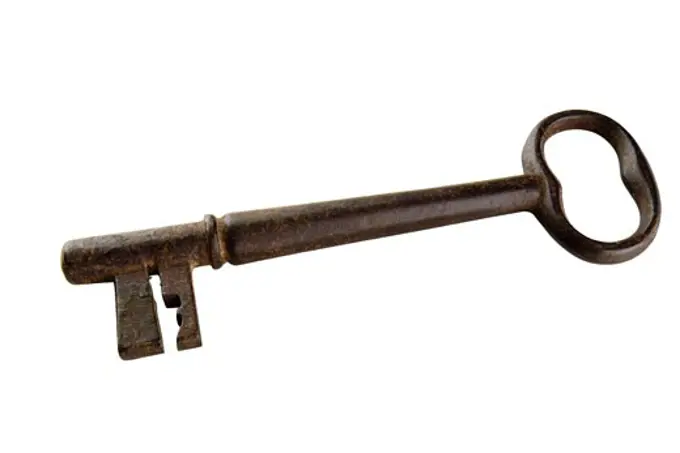
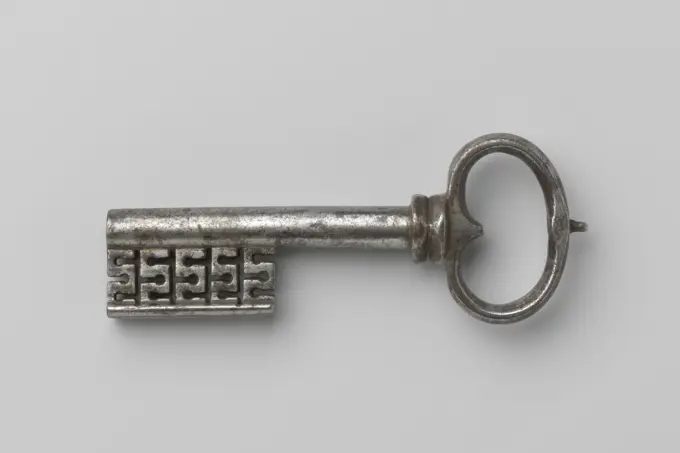
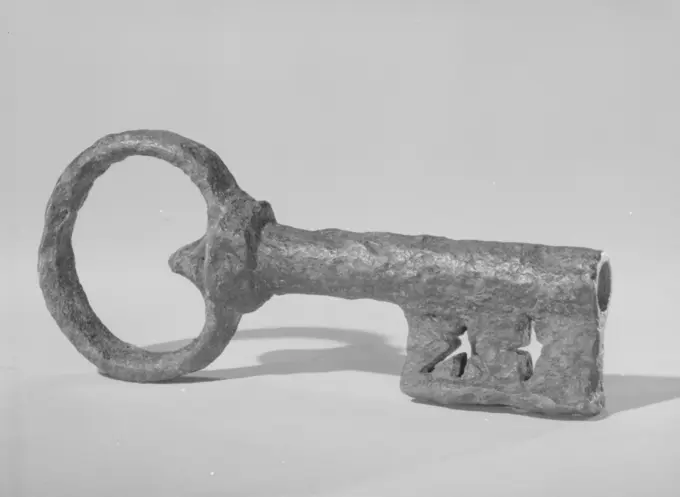
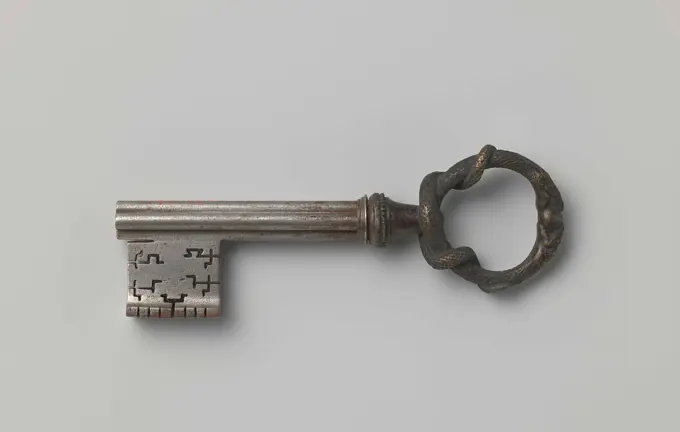
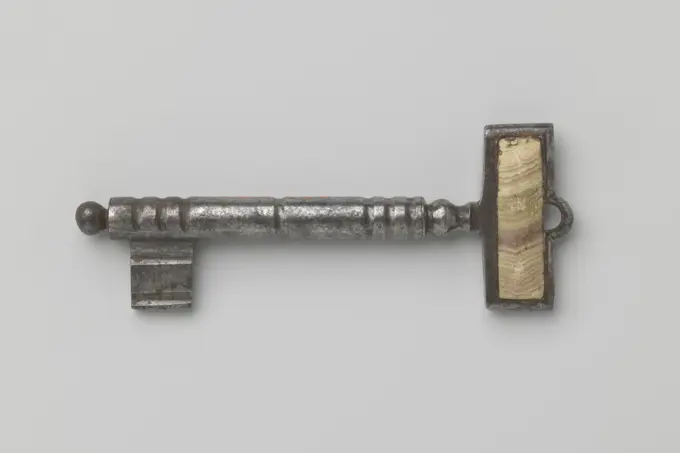
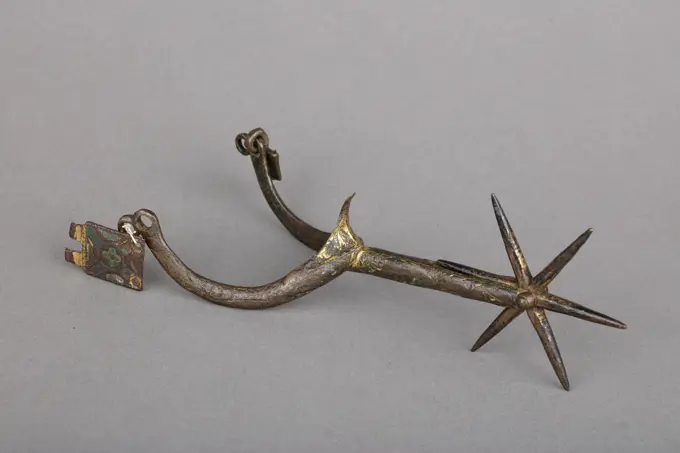
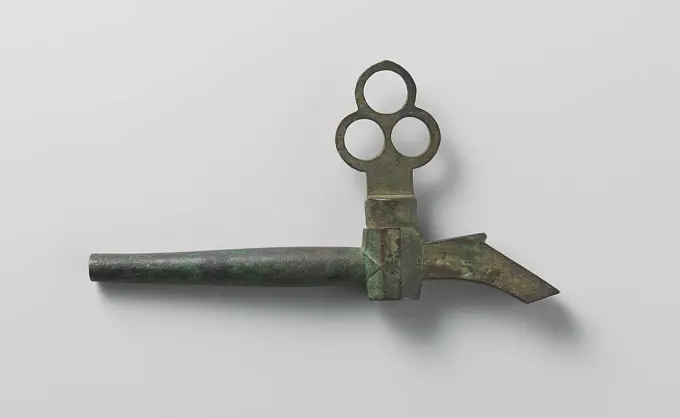
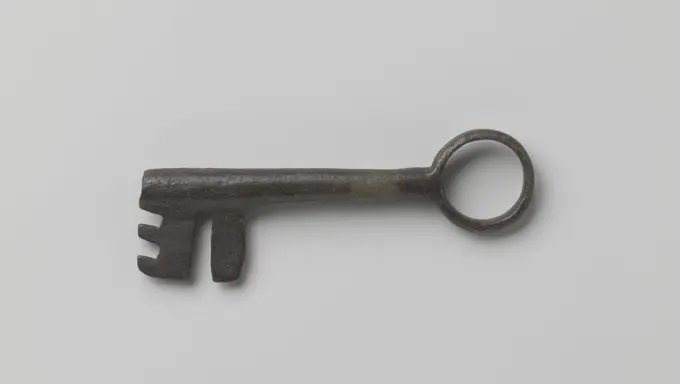
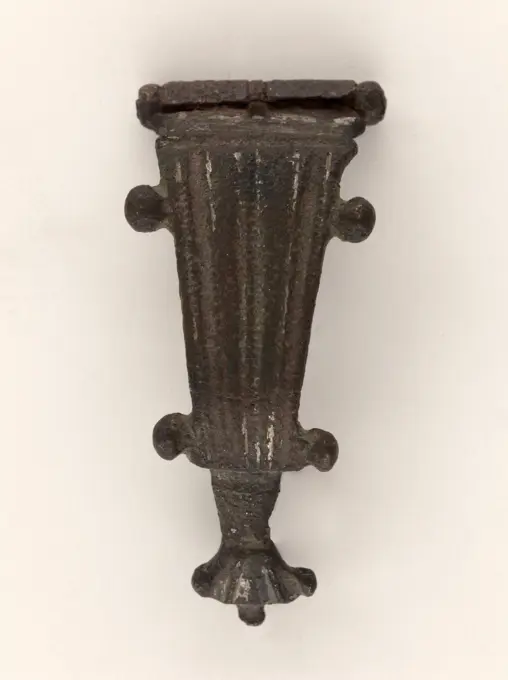
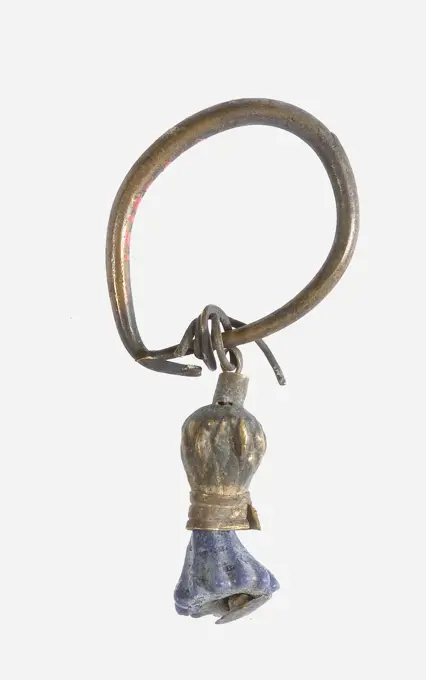
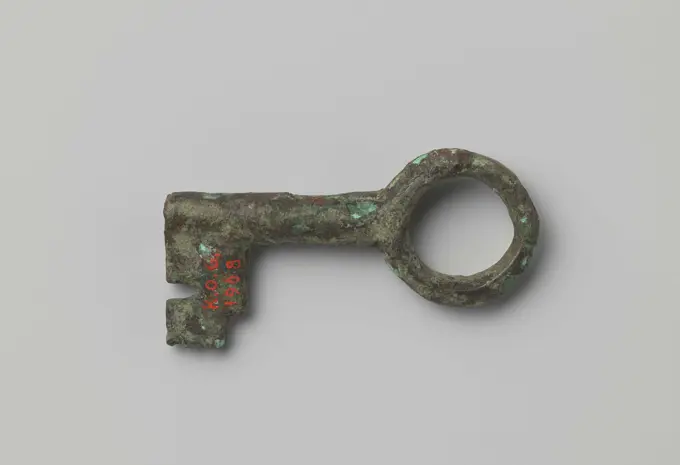
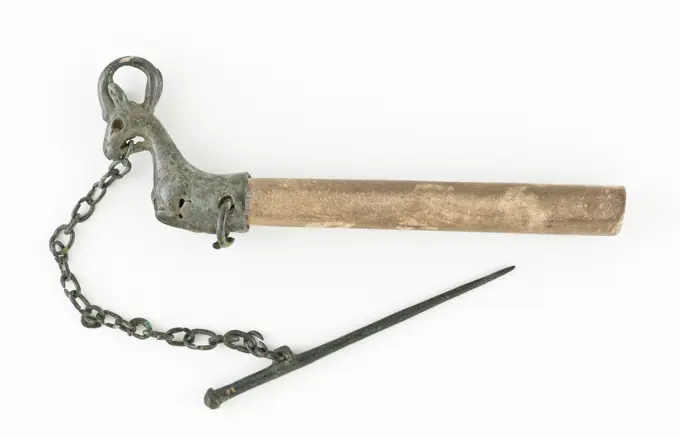
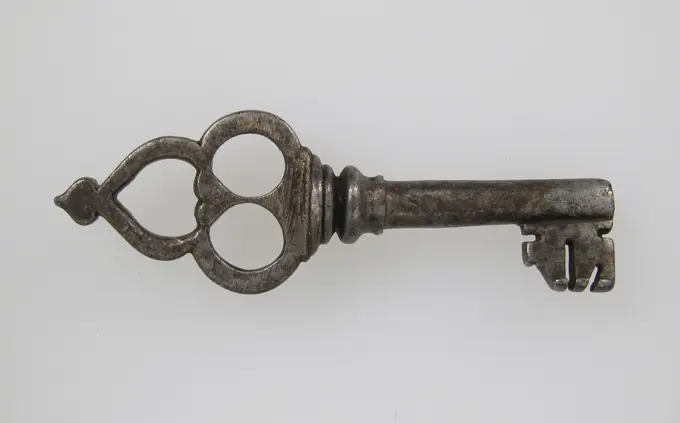
A selection of decorative vintage keys, showcasing intricate designs and craftsmanship typical of Gothic and antique styles, in varying shapes and sizes.
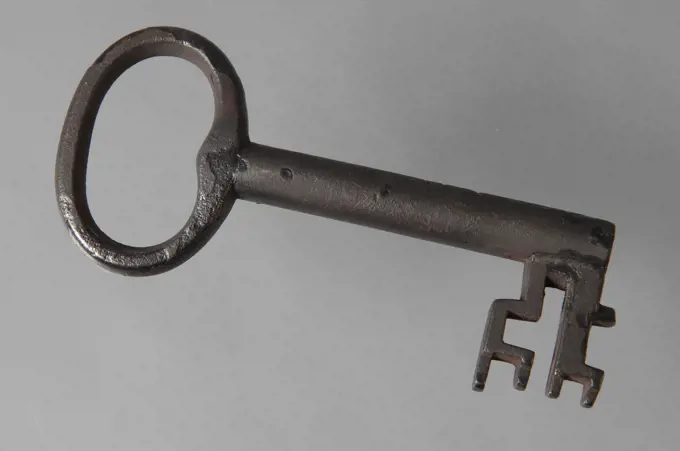
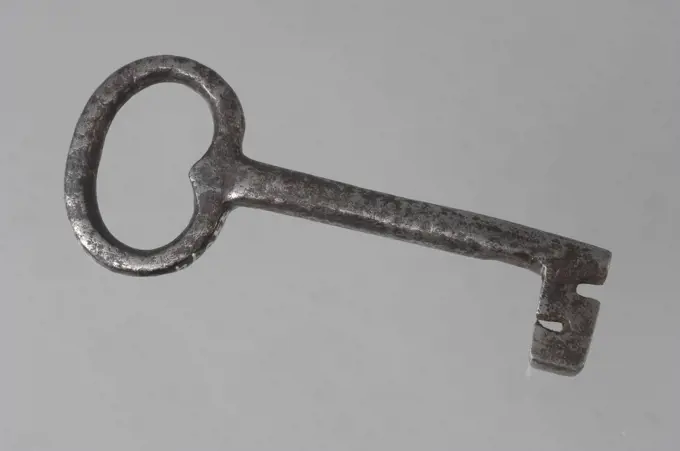
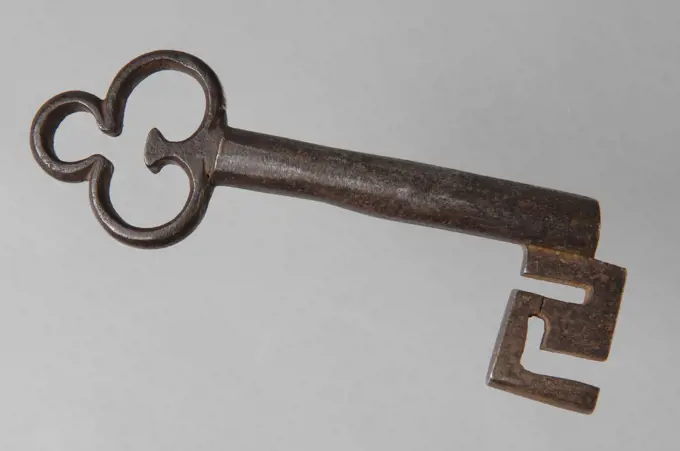
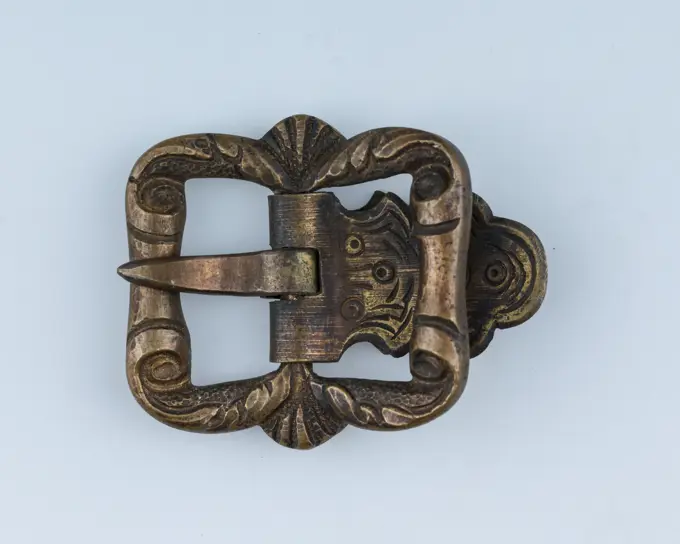
Iron key of cell of city hall, key iron iron, hand forged Key with heart-shaped eye (handle) hollow key handle cross-shaped battens (horizontal and vertical) in key beard and symmetrical keyhole cross-section hang-and-seal prison city hall Rotterdam City Triangle Kaasmarkt Hoogstraat Used for cell in the town hall.
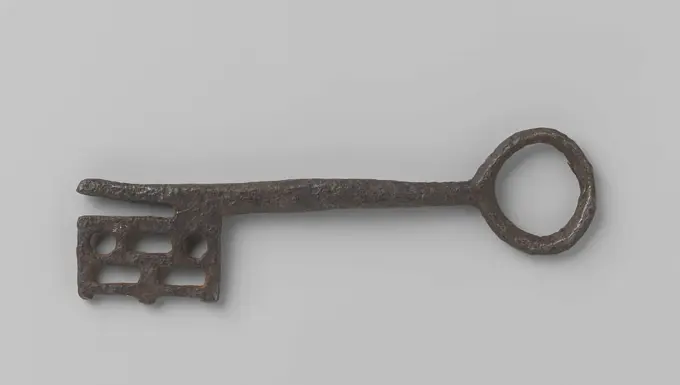
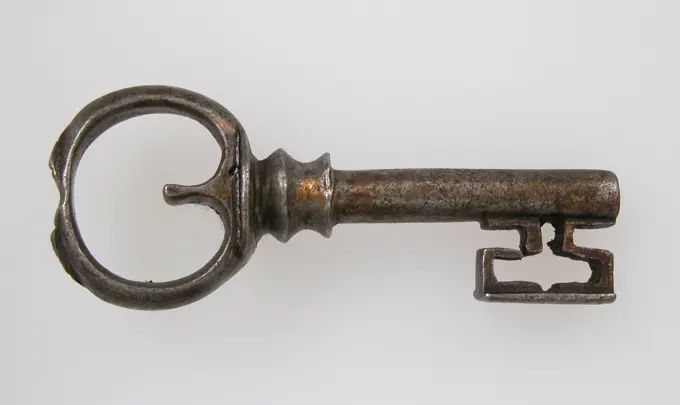
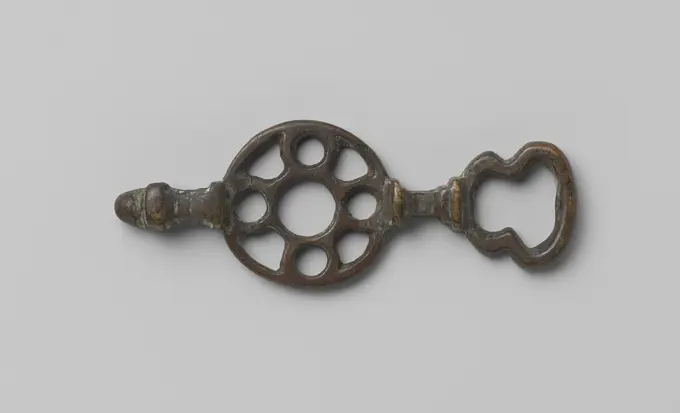
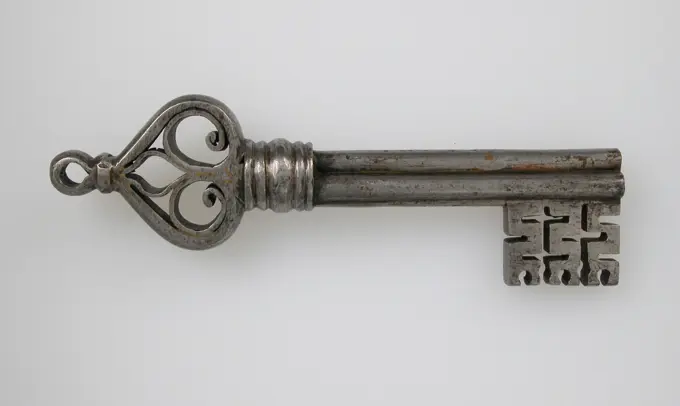
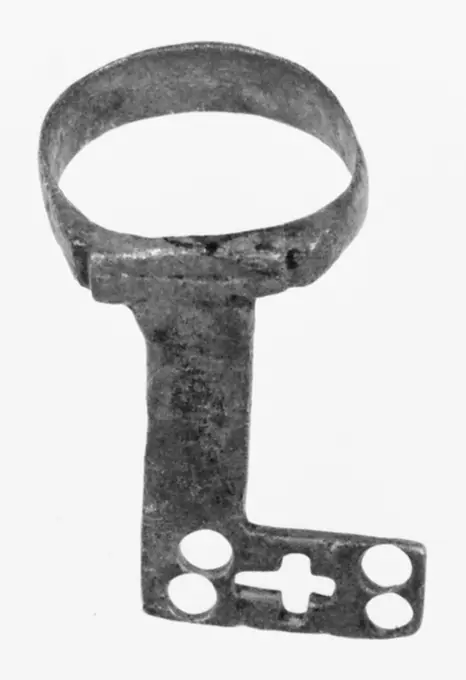
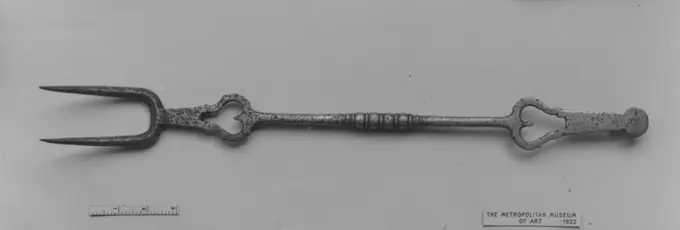
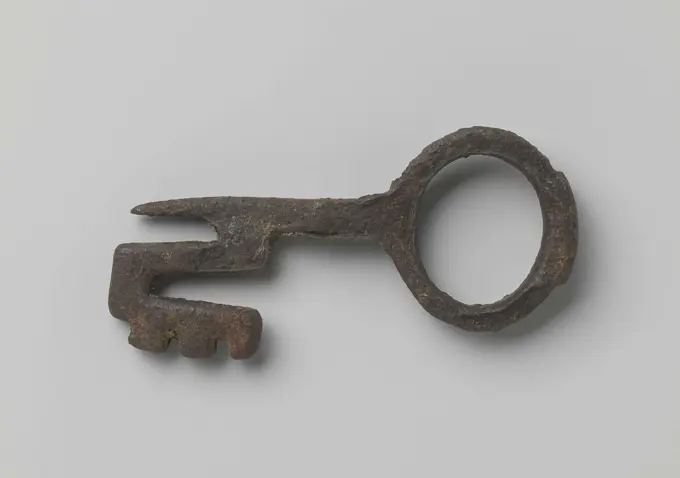
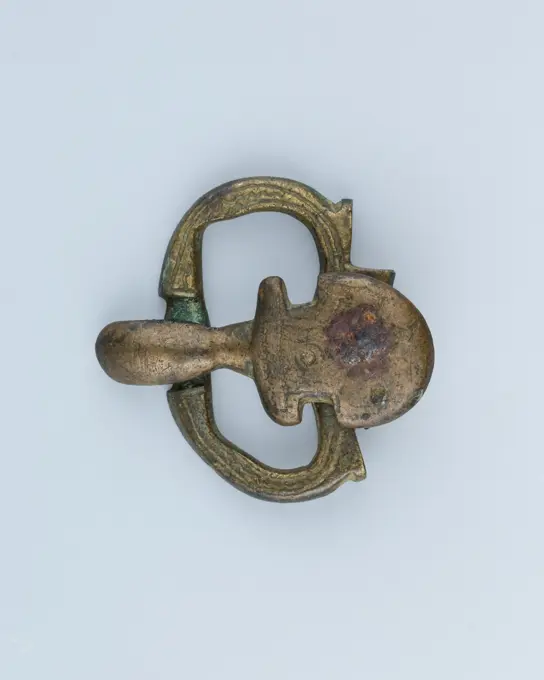
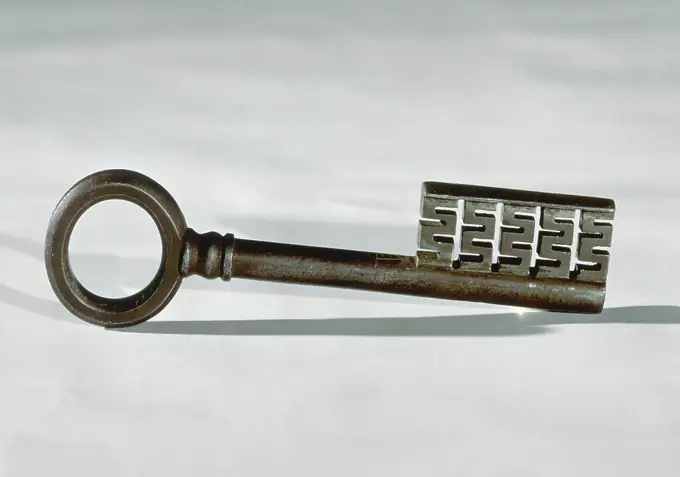
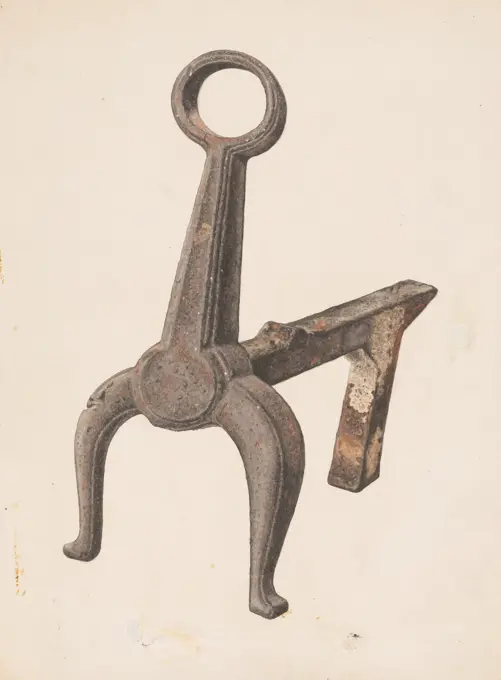
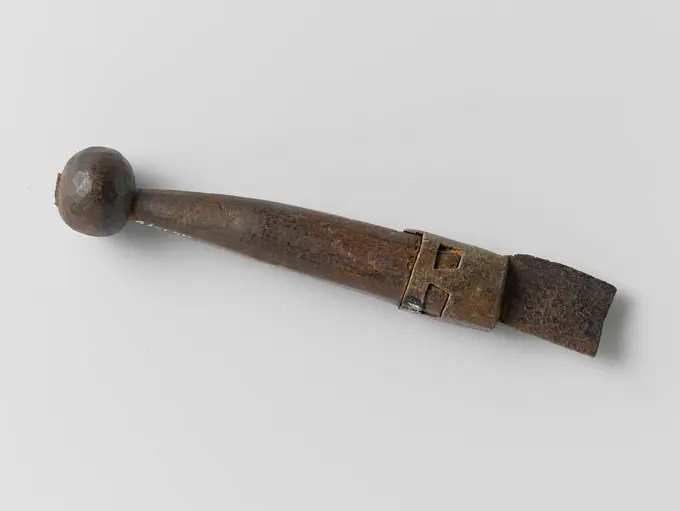
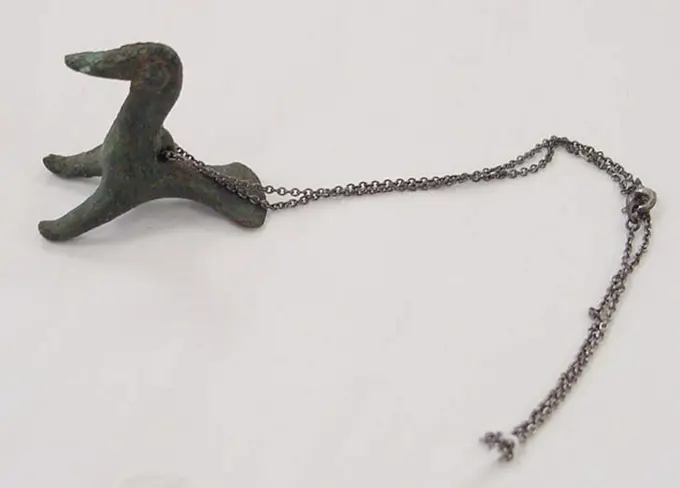
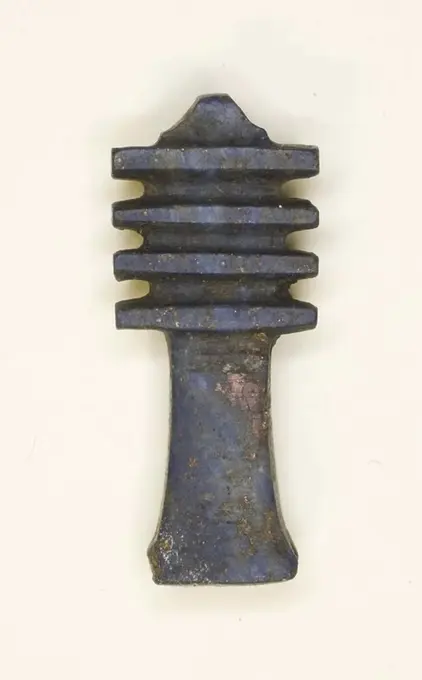
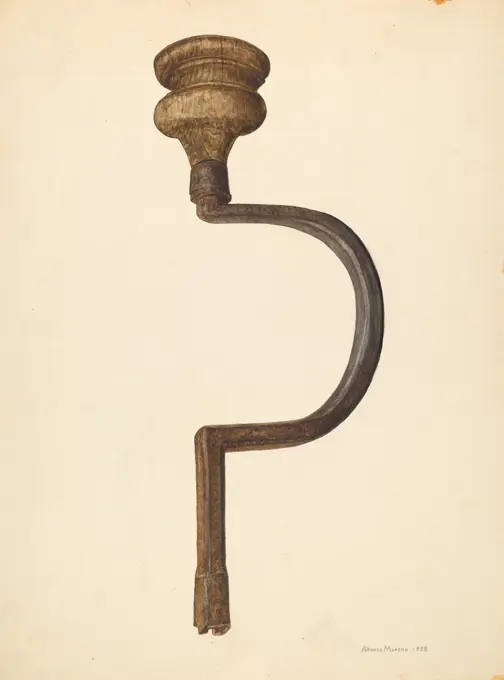
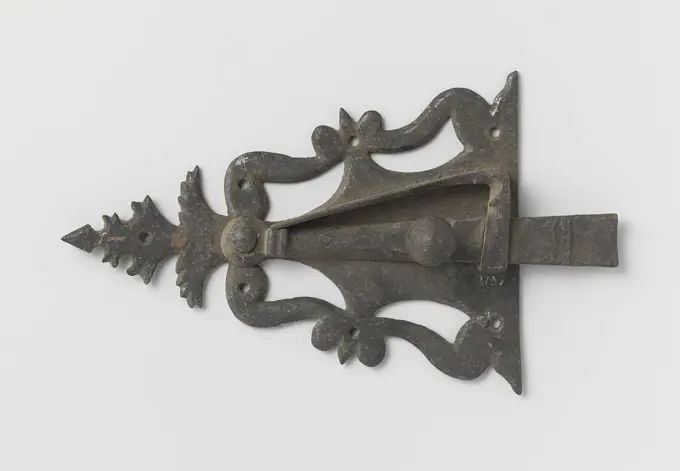
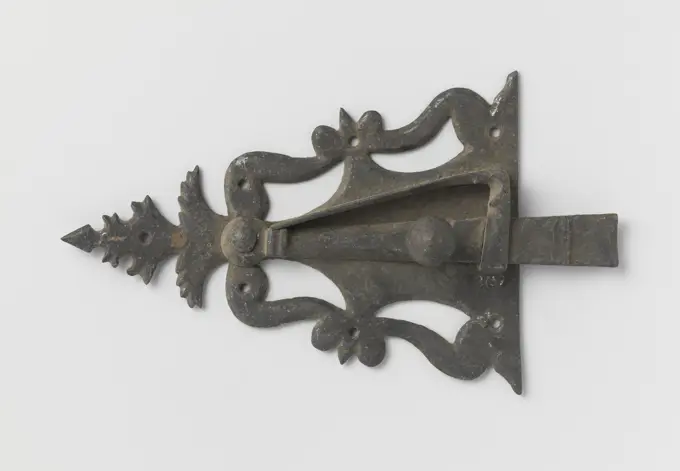
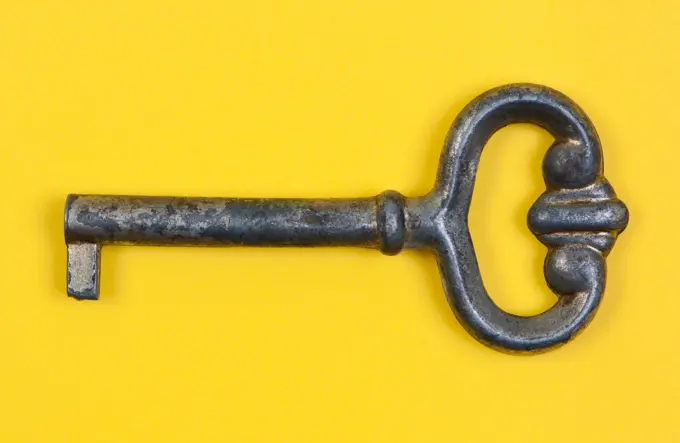
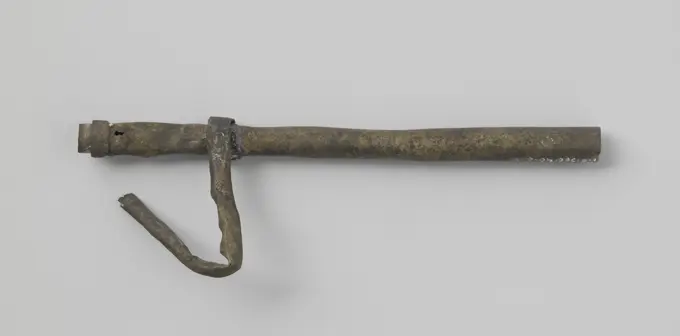
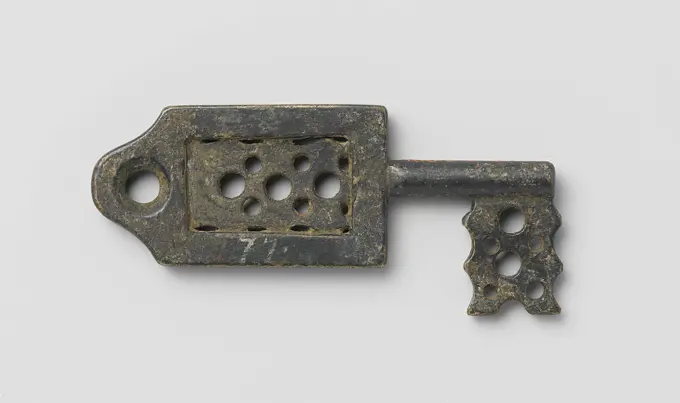
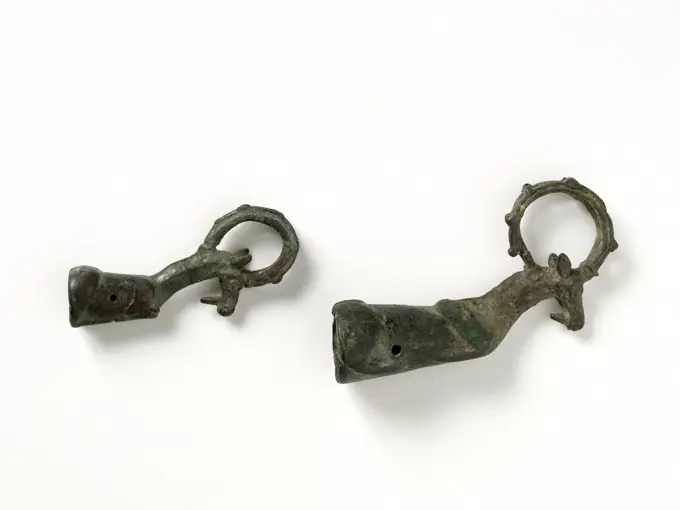
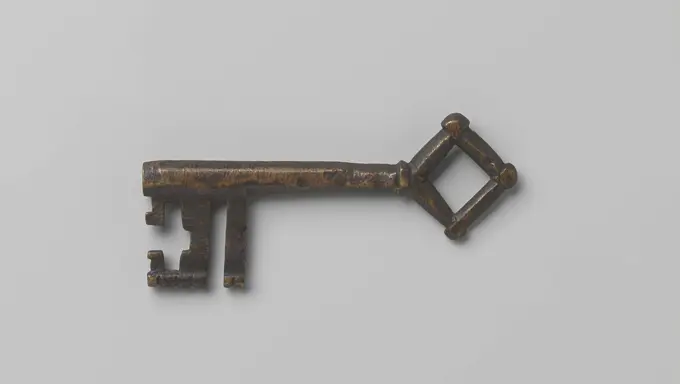
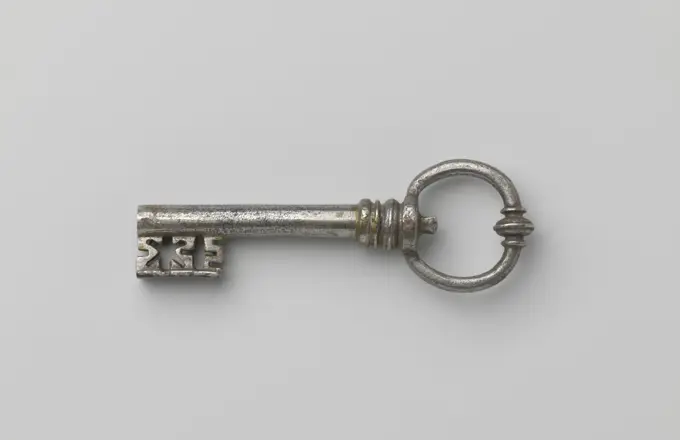
Key 15th century German The decoration of Gothic iron locks and keys was often elaborate and of the highest standard of workmanship. The motifs were frequently drawn from Gothic architecture, reproducing on a miniature scale complicated tracery patterns and even tiny statuettes. A number of these tiny locks were compound, with some of the mechanisms concealed from view, and required two or even three keys used in sequence to open them. It has been suggested that the greatly expanded use of locks on doors, or coffrets and other types of storage chests was a result of the increasing urbanization of life and the new emphasis on material wealth and private ownership which developed in the late Middle Ages.. Key 468850Sleutel.Key with four-sided shaft, annular eye and open-worked square beard with three elongated and two round cuts.Key, 1700 - 1800 Key with oval -shaped eye. The therapy profiled at the top extends downwards and runs under the two -part beard in a knot.  iron (metal) Key with oval -shaped eye. The therapy profiled at the top extends downwards and runs under the two -part beard in a knot.  iron (metal)Iron key of cell of city hall, key iron iron, hand forged Key with heart-shaped eye (handle) hollow key handle cross-shaped battens (horizontal and vertical) in key beard and symmetrical keyhole cross-section hang-and-seal prison city hall Rotterdam City Triangle Kaasmarkt Hoogstraat Used for cell in the town hall.Key 16th century German The decoration of Gothic iron locks and keys was often elaborate and of the highest standard of workmanship. The motifs were frequently drawn from Gothic architecture, reproducing on a miniature scale complicated tracery patterns and even tiny statuettes. A number of these tiny locks were compound, with some of the mechanisms concealed from view, and required two or even three keys used in sequence to open them. It has been suggested that the greatly expanded use of locks on doors, or coffrets and other types of storage chests was a result of the increasing urbanization of life and the new emphasis on material wealth and private ownership which developed in the late Middle Ages.. Key 463343Vessel Attachment with Tripod Foot and Animal Head() Terminal. UnknownKey 12th or 13th century () French (). Key 462892Key 15th century German The decoration of Gothic iron locks and keys was often elaborate and of the highest standard of workmanship. The motifs were frequently drawn from Gothic architecture, reproducing on a miniature scale complicated tracery patterns and even tiny statuettes. A number of these tiny locks were compound, with some of the mechanisms concealed from view, and required two or even three keys used in sequence to open them. It has been suggested that the greatly expanded use of locks on doors, or coffrets and other types of storage chests was a result of the increasing urbanization of life and the new emphasis on material wealth and private ownership which developed in the late Middle Ages.. Key 468858Lamp, hook Roman. Lamp, hook 244240Ceremoniesleutel, c. 1400 - c. 1950 Flat ceremony key with a carved cross motif whose edges are connected to the egg -shaped grip. The beard is toothed below and above. Hammered circles with pits form the decoration.  bronze (metal) Flat ceremony key with a carved cross motif whose edges are connected to the egg -shaped grip. The beard is toothed below and above. Hammered circles with pits form the decoration.  bronze (metal)Fragment of a buckle (). Fragment of a Bronze Buckle (). Roman ()Key of iron, c. 1500 - c. 1600 Iron key with open -up eye and square beard, completely out of hand forged.  iron (metal) Iron key with open -up eye and square beard, completely out of hand forged.  iron (metal)Key. UnknownSleutel.Key with oval eye, resting on the wide upper of the shaft, ending in a button. High, narrow beard with three notches. Rusted.Pijpsleutel.Pipe key with round eye and large solid beard finish in two unique pointed corners.Pipe key. Pipe wrench whose handle is formed by the monogram f.b. The clover-shaped shaft is cross-shaped. Handle of copper, shaft and beard of iron.Key 15th century German The decoration of Gothic iron locks and keys was often elaborate and of the highest standard of workmanship. The motifs were frequently drawn from Gothic architecture, reproducing on a miniature scale complicated tracery patterns and even tiny statuettes. A number of these tiny locks were compound, with some of the mechanisms concealed from view, and required two or even three keys used in sequence to open them. It has been suggested that the greatly expanded use of locks on doors, or coffrets and other types of storage chests was a result of the increasing urbanization of life and the new emphasis on material wealth and private ownership which developed in the late Middle Ages.. Key 468826Pipe key. Pipe wrench with silver handle and key chest; Shaft and beard of iron. Set of 4: BK kog-2314-a to -d. The shafts are drilled to the four figures of the card game.Key 15th century German The decoration of Gothic iron locks and keys was often elaborate and of the highest standard of workmanship. The motifs were frequently drawn from Gothic architecture, reproducing on a miniature scale complicated tracery patterns and even tiny statuettes. A number of these tiny locks were compound, with some of the mechanisms concealed from view, and required two or even three keys used in sequence to open them. It has been suggested that the greatly expanded use of locks on doors, or coffrets and other types of storage chests was a result of the increasing urbanization of life and the new emphasis on material wealth and private ownership which developed in the late Middle Ages.. Key 468874Key. Unknown39 keys from the collection of Emmanuel Vita Israël, anonymous Key whose handle consists of the front section of a tiger is caught in a blower wreath. He probably had a ring in the mouth. Handle from bronze and pipe and beard of iron.  bronze (metal). iron (metal) Key whose handle consists of the front section of a tiger is caught in a blower wreath. He probably had a ring in the mouth. Handle from bronze and pipe and beard of iron.  bronze (metal). iron (metal)Mordant French early 15th century View more. Mordant. French. early 15th century. Bronze. Miscellaneous-Buckles & OrnamentMeat fork 18th century Flemish. Meat fork. Flemish. 18th century. Steel. Metalwork-SteelKey 3rd-5th century Late Roman. Key 463353Key. Key whose short handle permits. The eye is annular.Buckle 5th-6th century possibly Gallo-Roman or Merovingian. Buckle. possibly Gallo-Roman or Merovingian. 5th-6th century. Brass. Miscellaneous-Buckles & OrnamentIron key with heart-shaped eye, massive key handle and rectangular shaped beard, key iron iron, hand forged Key with heart-shaped eye (handle) solid key handle rectangular notches (vertical) in key beard and symmetrical keyhole cross-section hingesPijpsleutel.Pipe key, so-called "bishop key" with circular grip, in which a stylized cross has been carved and on which a square eye is located. The handle is octagonal, the beard square and open.Close-up of old fashioned keyBuckle early 16th century Spanish. Buckle. Spanish. early 16th century. Steel. Miscellaneous-Buckles & OrnamentPipe key, c. 1600 Poon -shaped eye pipe wrench with a dot. The beard has a tear -shaped occupation. .  iron (metal) Poon -shaped eye pipe wrench with a dot. The beard has a tear -shaped occupation. .  iron (metal)Key; cast bronze; L x W: 6.7 × 4.1 cm (2 5/8 × 1 5/8 in.)Kleppenhoorn. Mouthpiece of copper valve hornCoffer or chest key 17th century probably Northern Italian or possibly German. Coffer or chest key. probably Northern Italian or possibly German. 17th century. Wrought iron. Metalwork-IronDoor beater, c. 1400 - c. 1950 A door beater.  iron (metal) A door beater.  iron (metal)39 keys from the collection of Emmanuel Vita Israël. The Amsterdam apothecary and art collector Emmanuel Vita Israël. He donated his collection, comprising keys dating from Roman antiquity to the 19th century, to the Koninklijk Oudheidkundig Genootschap (Royal Antiquarian Society) in 1937. Vita Israël claimed that his key collection had grown more or less by accident: being one of the few collectors of keys, dealers automatically made their way to him.Key;  18th century (1701-00-00-1800-00-00);LLAVE DEL ARCA DE HIERRO-S XVII. Location: ESCUELAS MENORES-MUSEO UNIVERSITARIO. SALAMANCA. SPAIN.Iron key with cloverleaf-shaped eye, hollow key handle and cruciform beards in beard, key iron iron, hand forged Key with cloverleaf-shaped eye (handle) hollow key handle cross-shaped battens (horizontal and vertical) in key beard and symmetrical keyhole cross-section hang-and-seal Rotterdam Academy of Education of Fine Arts and Technical Sciences Cool Coolvest Dijkzigt GJ de Jonghweg City Triangle Blaak Academy of Fine Arts and Technical Sciences Rotterdam.Eugene Bartz, Andiron, c 1938 AndironPipe key, c. 1400 - c. 1500 Pipe key whose oval eye is formed by an iron strap. The shaft has a thickening under the eye.  iron (metal) Pipe key whose oval eye is formed by an iron strap. The shaft has a thickening under the eye.  iron (metal)Lifts of wood, striker by spherical knob at the end. Round Houten, striker handing with a spherical knob at the end. A large part has disappeared from the blade. The end of the handle has been reinforced through an iron lifting protector.39 keys from the collection of Emmanuel Vita Israël, anonymous, c. 1600 Citized key with associated form bus. The drilled shaft is clover -shaped in diameter and carries an open worked Corinthian capital. The handle consists of two spanning regions that are interconnected and hold a mask between the legs. Above the heads, a Louis XV copper handle was installed later.  iron (metal) Citized key with associated form bus. The drilled shaft is clover -shaped in diameter and carries an open worked Corinthian capital. The handle consists of two spanning regions that are interconnected and hold a mask between the legs. Above the heads, a Louis XV copper handle was installed later.  iron (metal)Sleutel.Drilled key with clover leaf-shaped shaft. The round eye consists of two of each other winding hoses, which in the degenerated heads keep a ball in the mouth. They clamp down a tonic increase in the round, with pearl necklace decorated capital. Disc-shaped key chest is applied below. Eye and capital of bronze, key chest, shaft and beard of iron.Needle cooker, 1700 - 1800 Need -tube in the form of a key and with a piece of lava in the handle that is crug.  iron (metal) Need -tube in the form of a key and with a piece of lava in the handle that is crug.  iron (metal)Bone from the gate;  XVII century (1601-00-00-1700-00-00);Rowel Spur (Left) ca. 1400 French This gilded spur is engraved overall with vegetal decoration, as well as with the French word BIEN (good) in gothic script on both sides. The square chape of a broken buckle, gilded and decorated with champlevé enamel is associated with this spur, but does not belong to it.Around 1400, the length of the rowel spurs necks started to increase in Western Europe, some examples extending even as long as the riders foot in the 15th century. At this period, the elevated war saddles and the very specific riding style, with long stirrup leathers and legs extended forward, had the consequence of taking away the riders feet from the horses flank. Thus, these long necks gave them easier access without having to disturb the riders position. As well as being necessary equestrian instruments, spurs were one of the symbols of knightly status, and were among the objects given to the knight during his knighting.. Rowel Spur (Left). French. ca. 1400. Copper alloy, gHousehold effects.Among the remnants from the Safe House’ were many utilitarian household objects, such as plates, cutlery andbrushes. The taps originally were attached to wooden barrels containing water or wine. The spike candleholders’,which could be hammered into a wooden beam, were particularly convenient.Elongated Buckle 7th century () Langobardic or Frankish. Elongated Buckle 465480 Langobardic or Frankish, Elongated Buckle, 7th century (), Copper alloy, Overall: 4 3/8 x 1 5/16 x 1/2 in. (11.1 x 3.3 x 1.2 cm). The Metropolitan Museum of Art, New York. Gift of J. Pierpont Morgan, 1917 (17.193.167)PendantKey. Key 244242Buckle Shank early 16th century French, Haute-Savoie. Buckle Shank. French, Haute-Savoie. early 16th century. Bronze, gilt. Miscellaneous-Buckles & OrnamentStamper van brons, anonymous (attributed to), 1550 - 1600 The bronze pestle thickens to both ends. brazier: Utrechtcaster: Southern Netherlands (possibly) bronze (metal) casting The bronze pestle thickens to both ends. brazier: Utrechtcaster: Southern Netherlands (possibly) bronze (metal) castingHandle with hinge, c. 1400 - c. 1950   iron (metal) forging   iron (metal) forging39 keys from the collection of Emmanuel Vita Israël, anonymous Sliding key with a handle consisting of a bracket under which two eyes are placed that rest on the heavy key breast. Beard at the end pointed.  bronze (metal) Sliding key with a handle consisting of a bracket under which two eyes are placed that rest on the heavy key breast. Beard at the end pointed.  bronze (metal)Key; 1909-2-251Buckle dated 1590 German. Buckle. German. dated 1590. Brass. Miscellaneous-Buckles & OrnamentGunlock (Percussion), anonymous, 1830 - 1834 percussion lock Percussieslot consisting of a simple hammer on an axis on a lock plate, painted black. How the lock plate is mounted on the guns is unclear. The deduction should be turned to be turned the axis of the hammer. Russia iron (metal). paint (coating)Coffer or chest key 16th century Italian. Coffer or chest key. Italian. 16th century. Wrought iron. Metalwork-IronARTE PREHISTORIA-EDAD METALES. ESPAÑA. EDAD DEL HIERRO. HACHA DE TACON. Procedente de Escobedo de Camargo. Museo Regional de Prehistoria y Arqueología. Santander. Cantabria.Peacock -tailed fibula. High Empire. Copper alloy, cast iron. Coming from: rue de l'Abbé-de-l'Epée, 1882. Paris, Carnavalet Museum. Peacock tail fibula Accessory, accessory, clip, copper alloy, ancient, antiquity Roman, antiquity, cast iron, copper alloy, early romance empire, romain empire, fibula, fibula, cast iron, high-empire, hook, peacock tail, peacock tail, antiquePipe key, c. 1000 - c. 1300 Pipe key made of a piece forged with ring -shaped eye and two -part beard.  iron (metal) Pipe key made of a piece forged with ring -shaped eye and two -part beard.  iron (metal)Necklace 1200-700 B.C. Greek This collection of largely ethnographic jewelry includes examples from cultures in South America, North America, Europe, Asia, and Africa and dates from the Pre-Columbian period to the twentieth century. Owned by renowned art collector and fashion enthusiast Muriel Kallis Newman, the collection represents her knowledge and appreciation of a wide range of jewelry design and making traditions. Numerous items in her collection are composite artifacts made from various cultures and time periods reappropriated as modern jewelry creations by or for Muriel. It is important to note that Newman wore many of the pieces in the collection, interpreting them to suit and express her own singular, often avant-garde style.. Necklace 141742Amulet of a Djed Pillar. Egyptian. Date: 664 BC-332 BC. Dimensions: 2.5 x 1.3 x 0.6 cm (1 x 1/2 x 1/4 in.). Lapis Lazuli. Origin: Egypt. Museum: The Chicago Art Institute, Chicago, USA. Author: Ancient Egyptian.Combined Wheel-Lock Spanner and Screwdriver 1570-1600 Germany. Iron .Alfonso Moreno, Bit Brace, 1938 Bit BraceKnuckle guard of a sword from the wreck of the Dutch East Indiaman Hollandia, anonymous, 1700 - in or before 1743  Hilt, guard; (1)fragm of knuckle-guard, one end broken off (8.4l); bulbous centre part, oval in section (1.1x0.6), tapering towards incurved rear end, flat with fitting eye, relieveded decoration of scroll and shell motifs, part of NG 1979-174H590, ass. grip NG 1979-173H542 ( -1.2.). Netherlands copper (metal)   Second. An staggered single cut.Knip, anonymous A sorner single cut. A sorner single cut."Strongly Profiled" Brooch 1st-2nd century Roman. "Strongly Profiled" Brooch 466261Antique key close-up on yellow background. Antique key close-up on yellow background. Copyright: xZoonar.com/BorysxShevchukx 3114013Clipping key, studio shotSliding key. Sliding key with bean-shaped eye and above and bottomed shaft.Amulet of a Djed Pillar 664 BCE-332 BCE Egypt. Lapis lazuli . Ancient EgyptianPart, hinge () Stroke door with pointed arch punings and the letter F., Off. Mannheimer. Hinge () Low stern door. With a plinth and a frieze that is decorated with seven rounds in which a four-pass. In the middle compartment, four-cornered bars with top, bottom and in the middle, squirted thickening. The fence has a crown shaped from six pointed arches, above which five rounds with four pass. Under the middle round the letter (f). Iron, thickenings of copper.Siersleutel, c. 1700 - c. 1800 Decorative key whose handle consists of two C-Voluten, above an eye, which is closed by a ball.  silver (metal) Decorative key whose handle consists of two C-Voluten, above an eye, which is closed by a ball.  silver (metal)Part of a natural trumpet from the wreck of the Dutch East India ship Hollandia, made by Georg Friedrich Steinmetz, Georg Friedrich Steinmetz, 1700 - 1735 musical instrument. wind instrument. trumpet. natural trumpet Trumpet from the wreck of the East Indies' t Vliegend Hart. See NG-1986-46-5 and -7.  brass (alloy)Prehistory, Italy, Iron Age. Golasecca culture. Sword hilt.Dagger (Katar). Culture: Indian; blade, European. Dimensions: L. 21 1/2 in. (54.6 cm); W. 3 5/16 in. (8.4 cm); Wt. 1 lb. 6.5 oz. (637.9 g). Date: late 18th-19th century. Museum: Metropolitan Museum of Art, New York, USA.Pipe key. Pipe key with handle in the shape of an open palm with resting on a quadrangular profiled capital. The beard on the long shaft stands transversely on the handle. Beard and part of the shaft later turned on.Ceremonial Knife (Tumi) 7th-15th century Peruvian. Ceremonial Knife (Tumi) 315330The Amsterdam apothecary and art collector Emmanuel Vita Israël. He donated his collection, comprising keys dating from Roman antiquity to the 19th century, to the Koninklijk Oudheidkundig Genootschap (Royal Antiquarian Society) in 1937. Vita Israël claimed that his key collection had grown more or less by accident: being one of the few collectors of keys, dealers automatically made their way to him.Fibula. Copper alloy. Gallo-Roman. Paris, Carnavalet museum. 51463-12 Staple, copper alloy, attachment, Gallo-Roman time, fibula, Gallo-RomanOld key isolated on white backgroundEarring ca. 1390-1353 B.C. New Kingdom. Earring. ca. 1390-1353 B.C.. Gold, faience. New Kingdom. From Egypt, Upper Egypt, Thebes, Malqata, Palace of Amenhotep III, MMA excavations, 1911-12. Dynasty 18Bone implement 2nd-3rd century A.D. Roman The object, although it has the same basic shape as stirring rods in bronze and glass, is unlikely to have been used for stirring, mixing, or applying cosmetics and ointments. A more likely interpretation is that it was a babys rattle.. Bone implement 251507 Roman, Bone implement, 2nd?3rd century A.D., Bone, H.: 6 11/16 in. (17 cm). The Metropolitan Museum of Art, New York. Fletcher Fund, 1924 (24.97.81)Bolt spring with one pointed end and a round button. Boutdray, iron pin whose one end is pointed and the other end has a round button.Sleutel.Key with a diamond-shaped handle, equipped with a hole and a covered shaft beyond the beard.Key, 1200 - 1400 Key with diamond -shaped eye, split, short handle and wide beard.  iron (metal) Key with diamond -shaped eye, split, short handle and wide beard.  iron (metal)Pipe key. Pipe key with annular eye.Shooter from a wall anchor of a house in Arnhem, Anonymous, c. 1600 - c. 1625 Wrought iron shooter from a wall anchor from a house in Arnhem. unknown iron (metal) Wrought iron shooter from a wall anchor from a house in Arnhem. unknown iron (metal)George C Brown, Drawknife, c 1938 Drawknife Old key isolated on white background Samuel Faigin, Hay Knife, c 1938 Hay KnifeWhetstone Socket. Iran, Luristan, circa 1350-1000 B.C.. Tools and Equipment; sockets. Bronze, castManches de Pierres to Aiguiser. Lurctan. 900-750 av. J.-C. Par musée musée malée. 35407-2 Iron age, bronze, handle, sharpening stonePijpsleutel.Pipe key with hexagonal, downrighted to bottom and a square eye, with one of the corners facing down. At the corners thickening.Pole End China. Pole End 61284Pipe key, c. 1600 Pipe key whose ring -shaped eye is broken by a disc between two small discs. There is a square rebellion on the profiled round capital. The beard has a cross and star-shaped occupation.  iron (metal) Pipe key whose ring -shaped eye is broken by a disc between two small discs. There is a square rebellion on the profiled round capital. The beard has a cross and star-shaped occupation.  iron (metal)Fragment stitch passer from the wreck of the East Indians Hollandia, Anonymous, 1700 - in Or Before 1743  Divider; fragment, leg, tapering, three-faceted, with fragm of bifid rings, ends broken off (shape id. NG 1980-27H2926). Netherlands copper (metal)   Second