Vintage Kitchen Appliances

Illustrations of historic kitchen equipment including sewing machines and grinders, highlighting vintage craftsmanship.
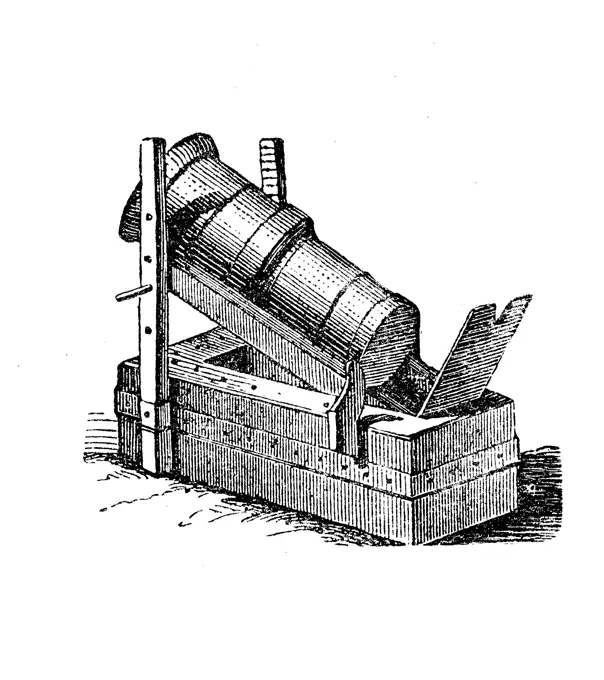
Cannon, mortar from the 16th century  /  Kanone, Mörser aus dem 16. Jahrhundert, Historisch, historical, digital improved reproduction of an original from the 19th century / digitale Reproduktion einer Originalvorlage aus dem 19. Jahrhundert,.
Cannon, mortar from the 16th century / Kanone, Mörser aus dem 16. Jahrhundert, Historisch, historical, digital improved reproduction of an original from the 19th century / digitale Reproduktion einer Originalvorlage aus dem 19. Jahrhundert,.
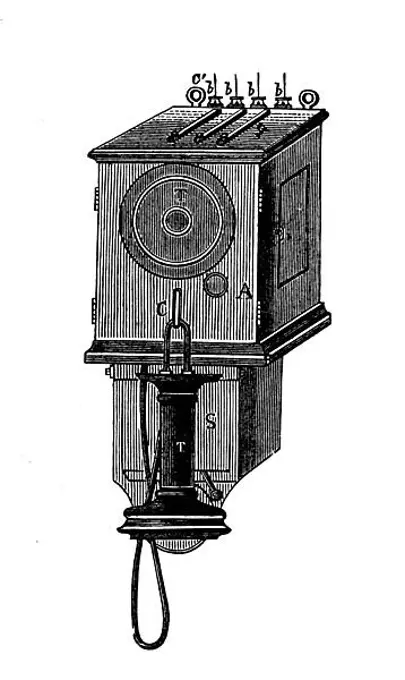
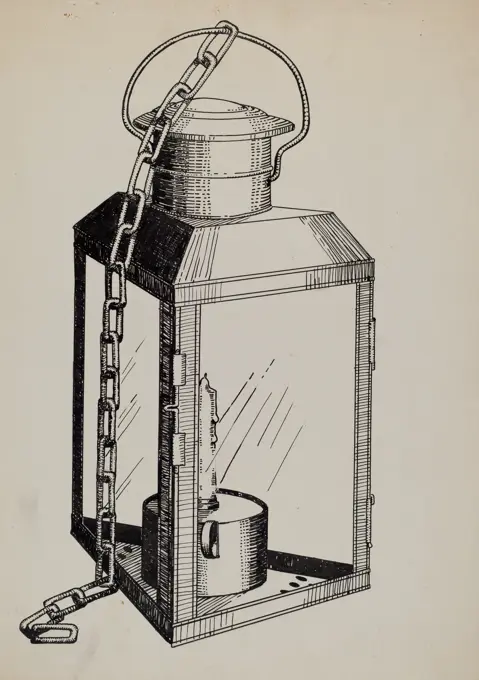
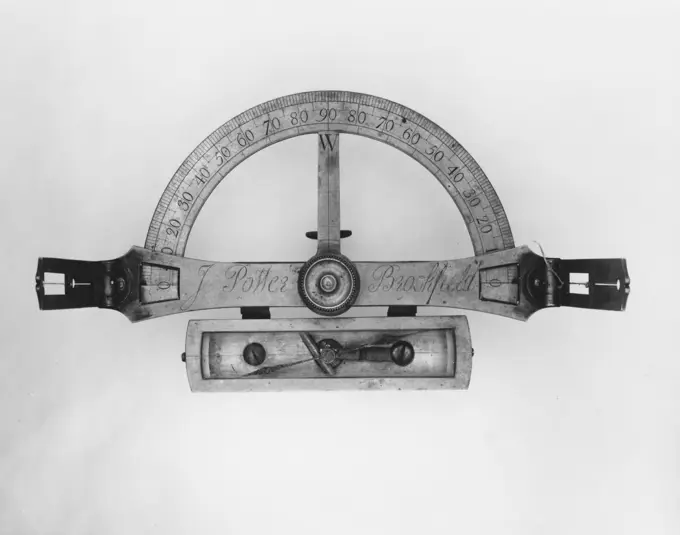
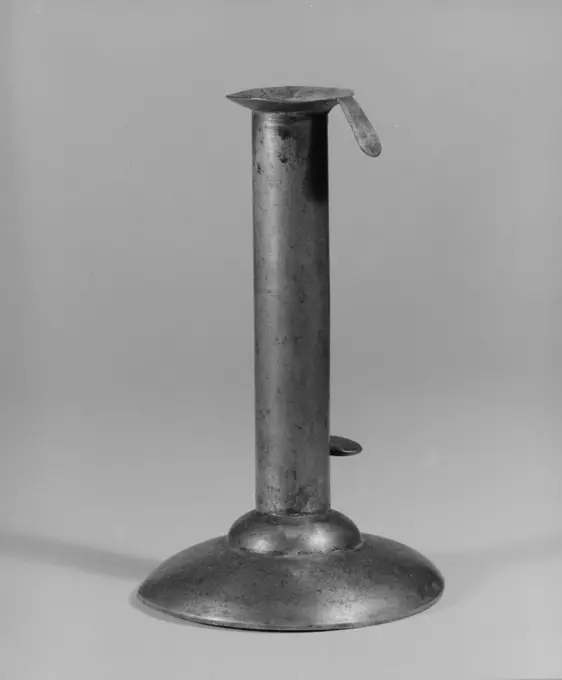
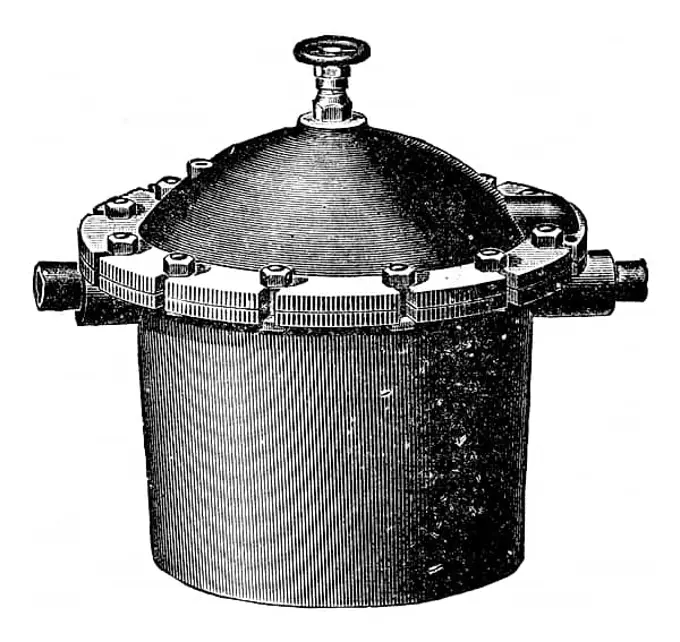
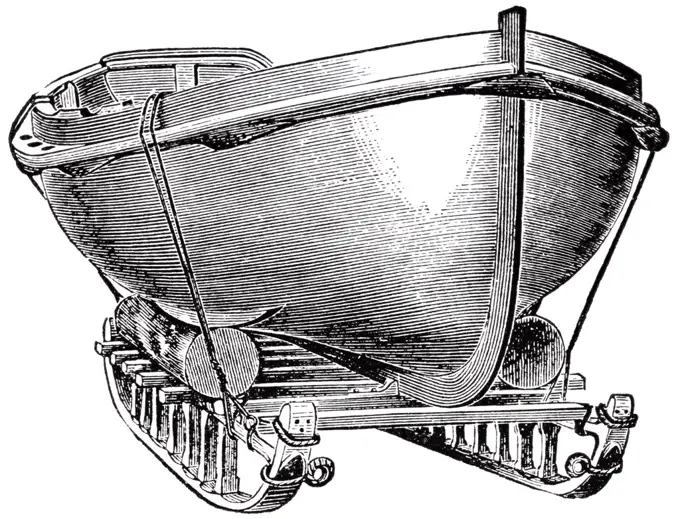
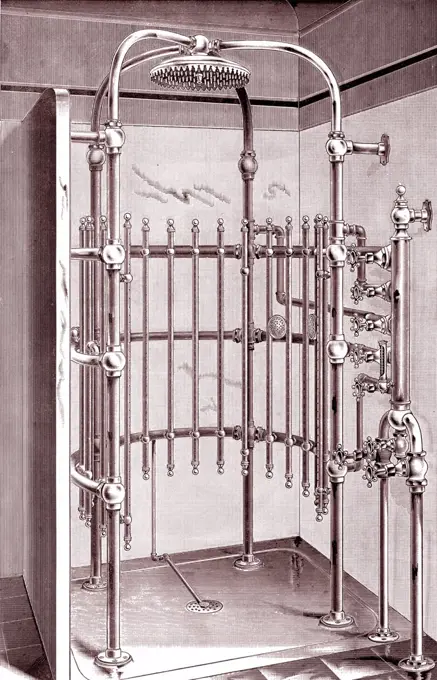
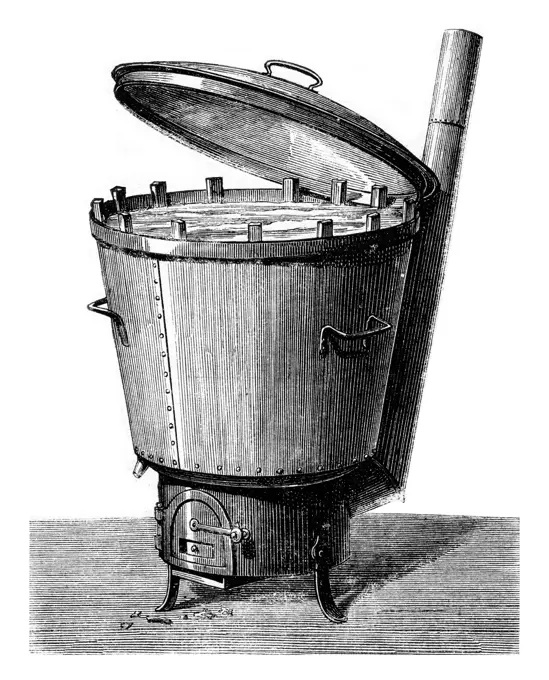
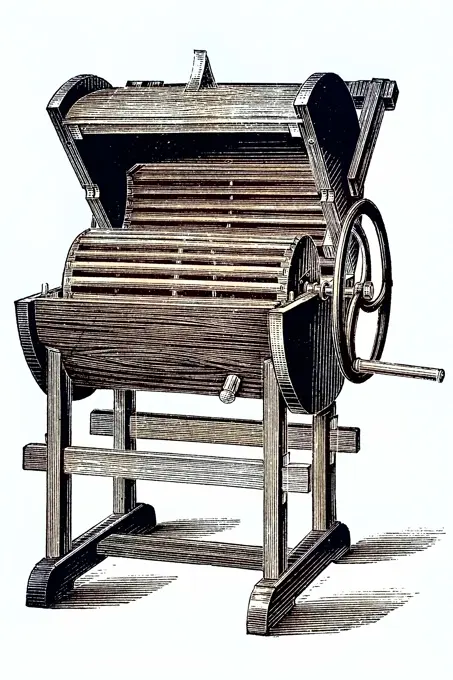
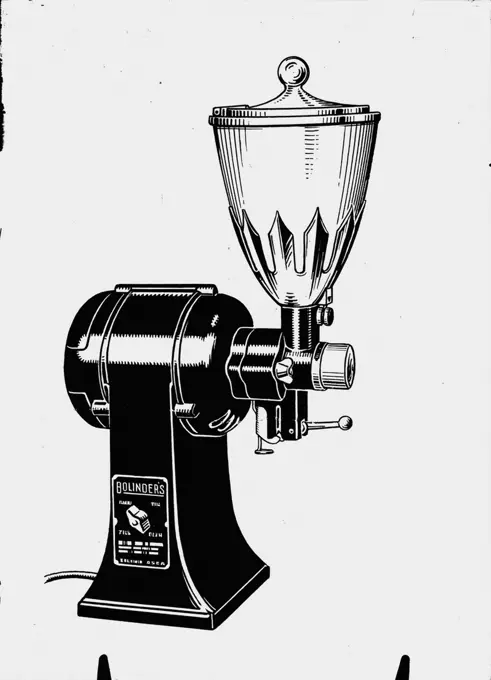
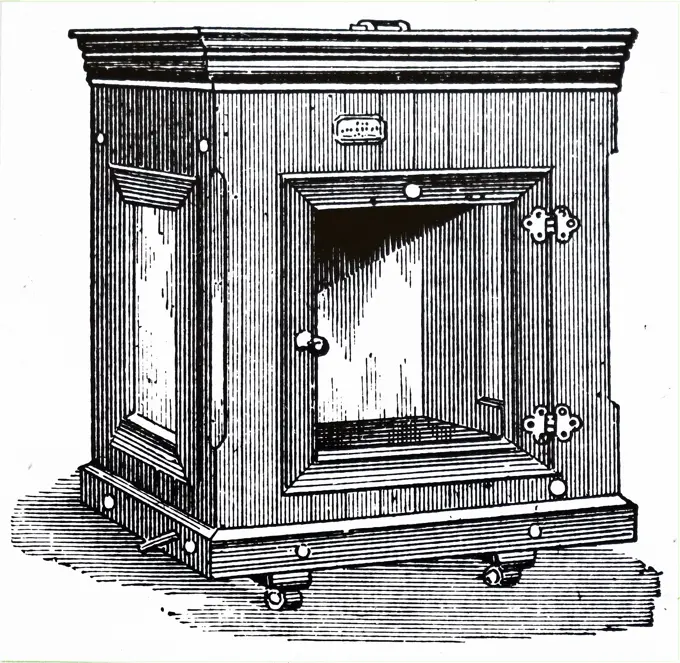
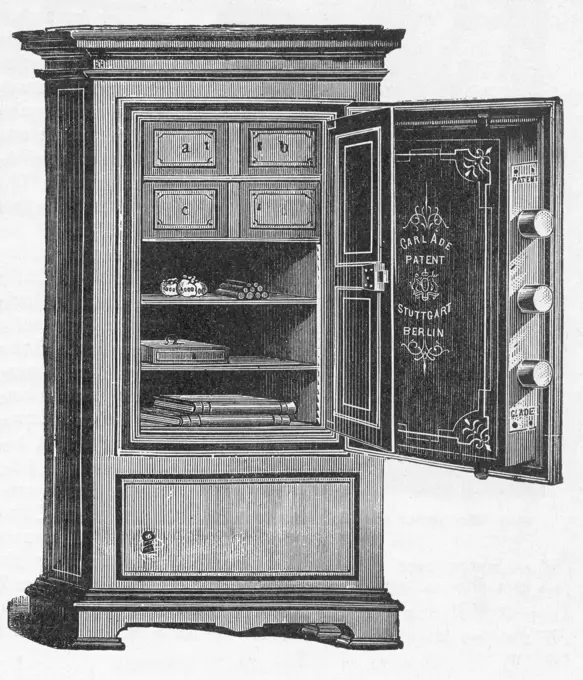
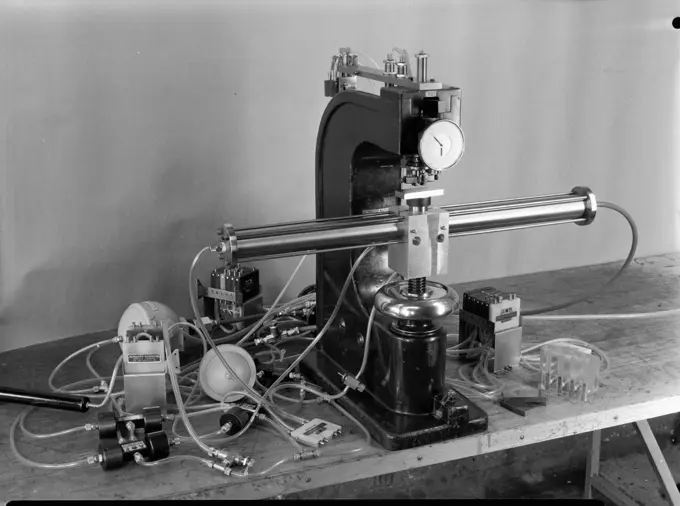
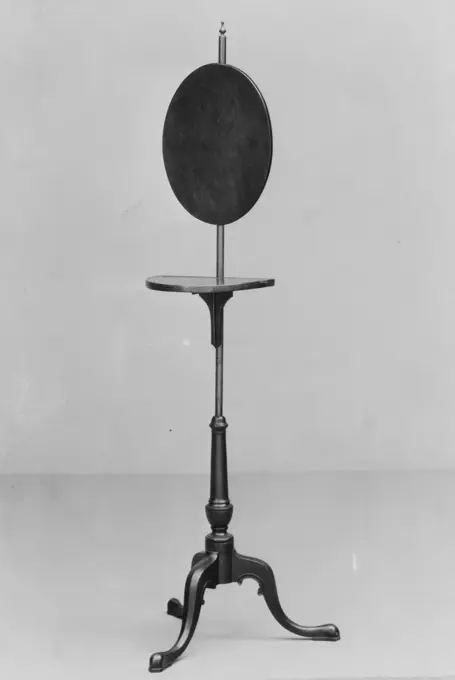
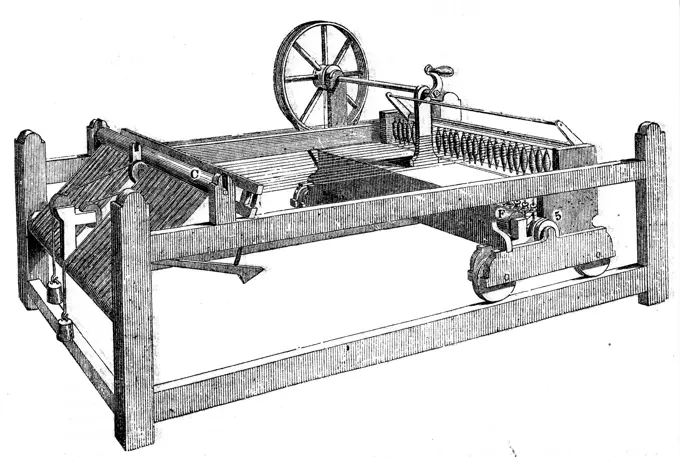
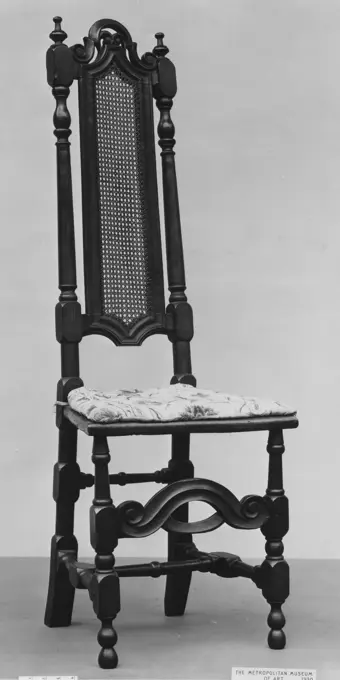
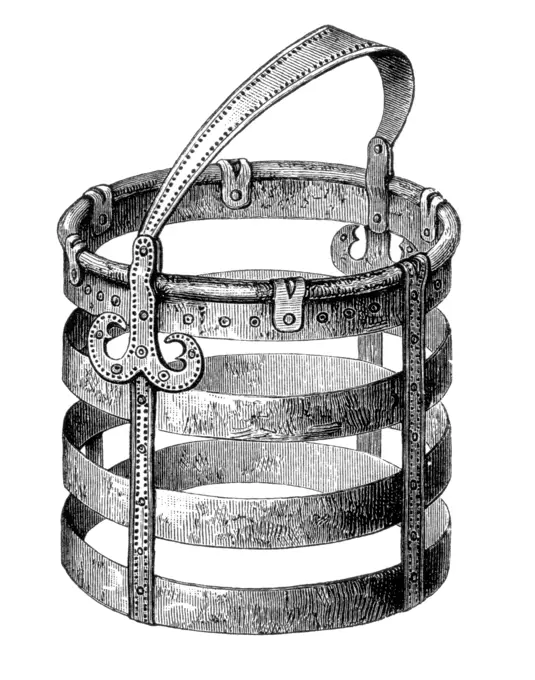
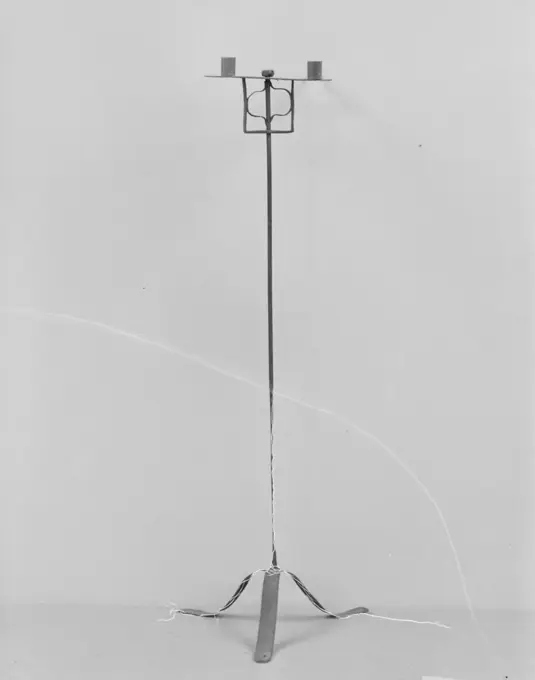
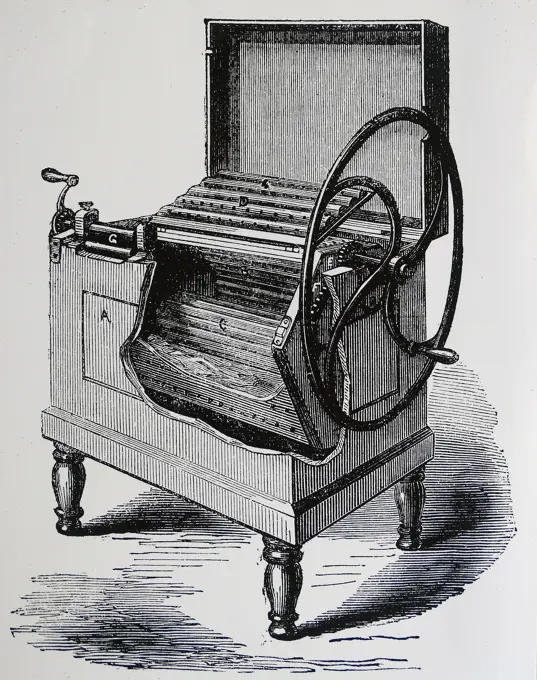
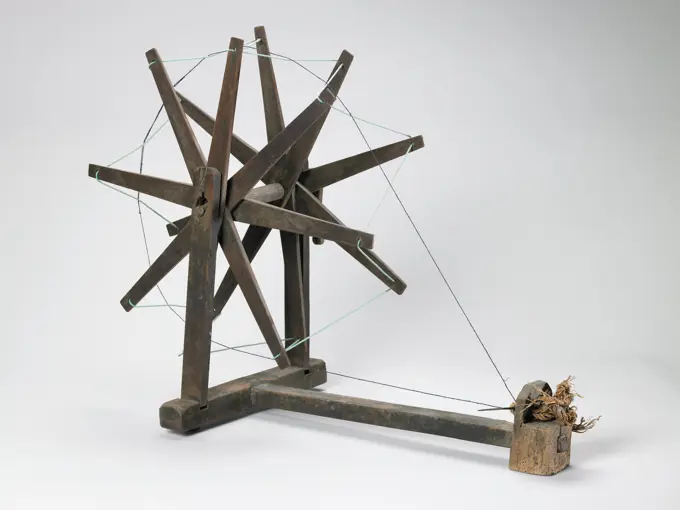
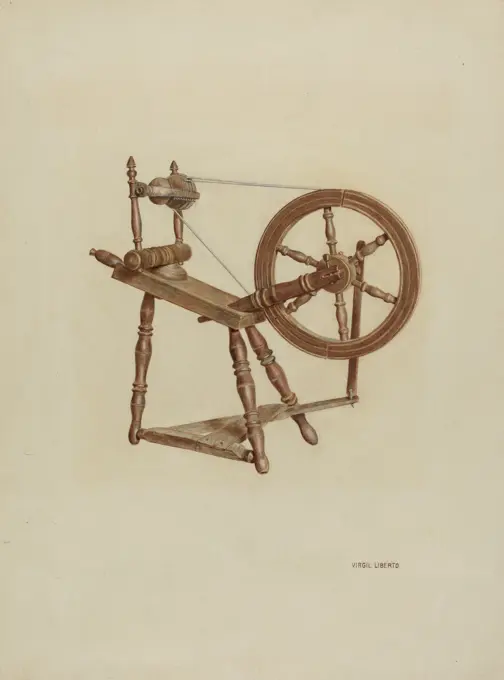
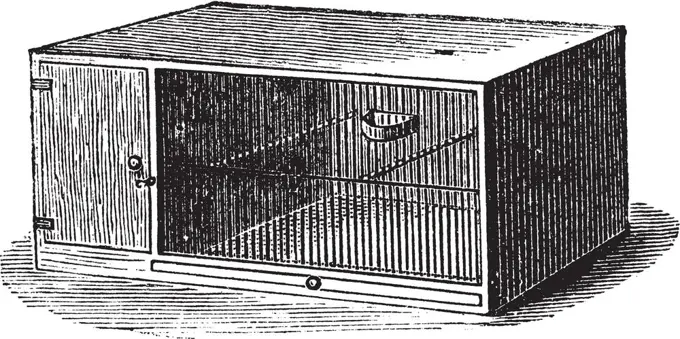
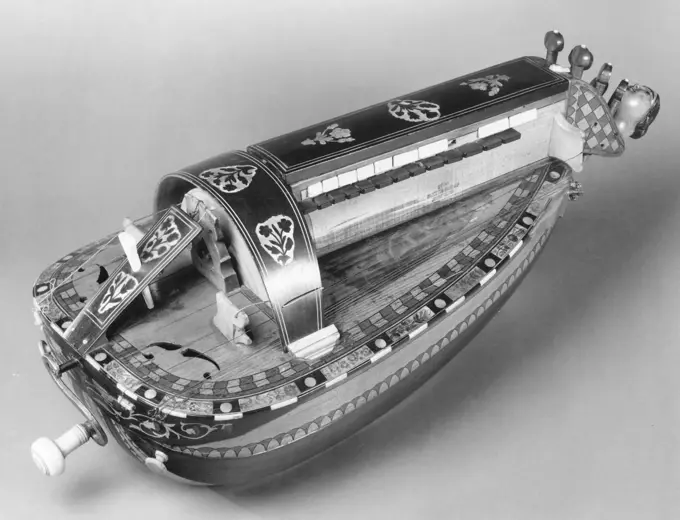
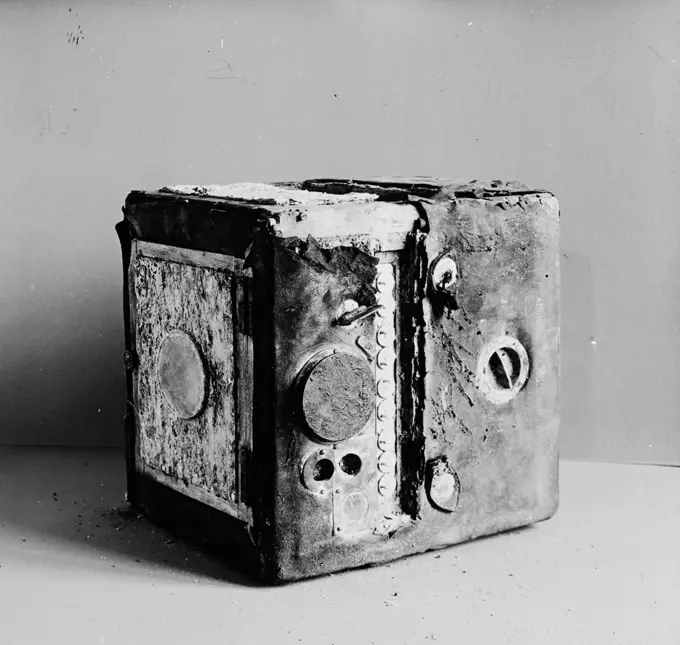
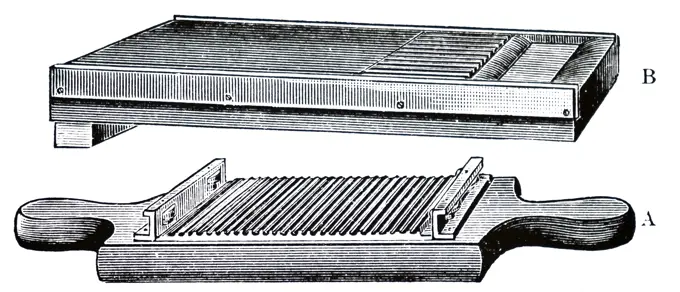
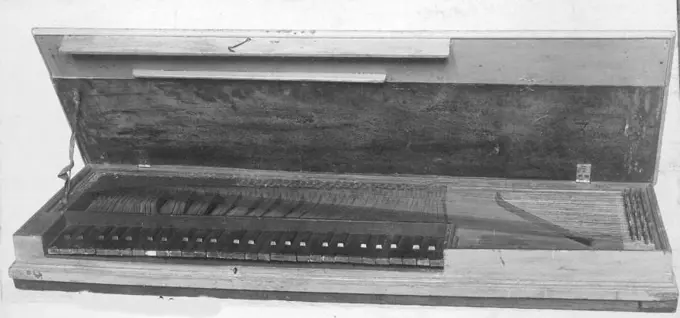
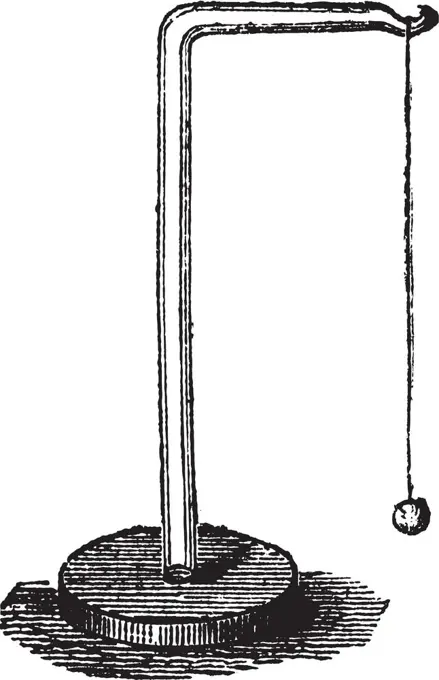
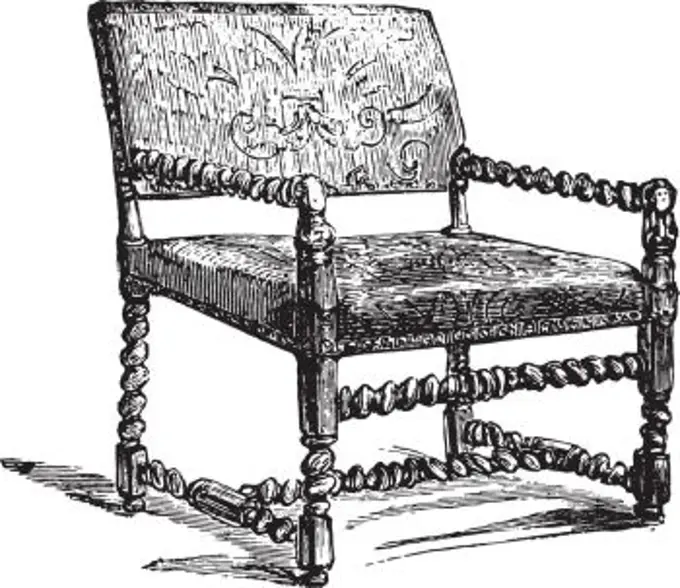
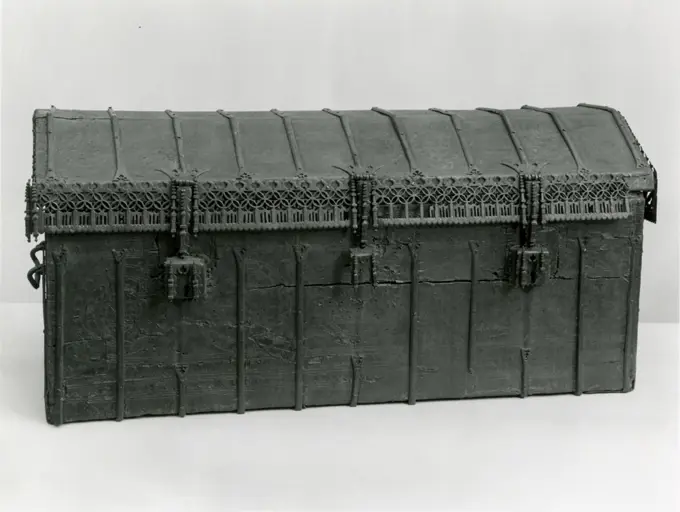
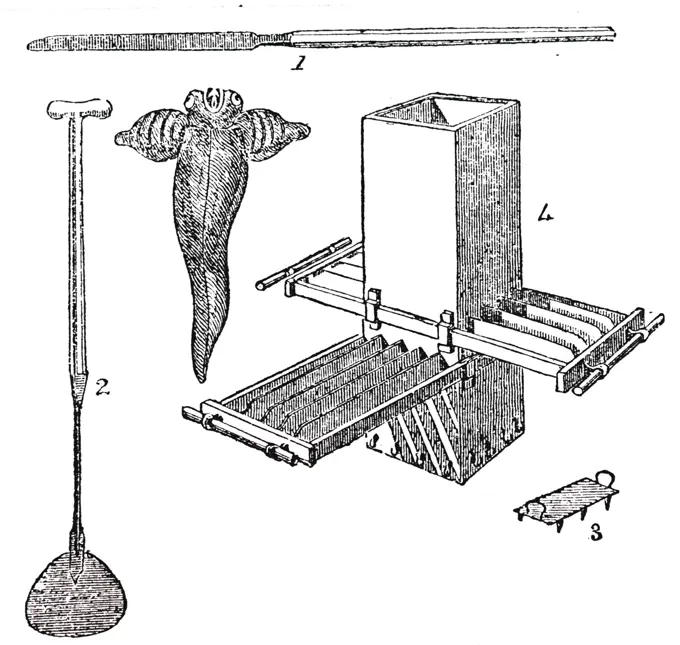
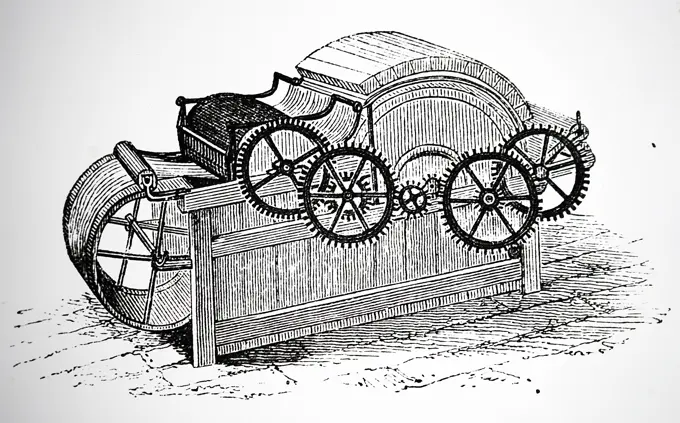
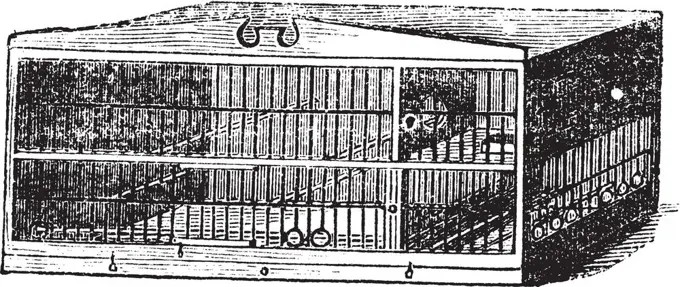
Sewing machine by Thimonnier, Barthelemy Thimonnier was the first sewing machine manufacturer, c. 1840, France, Historic, digitally restored reproduction from a 19th century original, EuropeEgg whites, beater, historical kitchen utensils, Betty Gleim's cookbook, 1847, Historical, digitally restored reproduction of a 19th century originalBelgian Furnace, vintage engraved illustration.Coffee grinder.Vase mid-18th-late 19th century Japan. Vase 59967Ausrüstung für die Fleischverarbeitung 1894: Fleischzerkleinerer, Fleischwolf, Fleischwolf in geschlossenem Zustand, digital restaurierte Reproduktion...Poll photo collection. Report first Hollandsche Levensverzekerings Bank in Amsterdam. Display cabinet with annual reports. 1932. Amsterdam, Noord-HollandWell Renaissance, Iron Forge, in Toulouse, France, vintage engraved illustration. Dictionary of words and things - Larive and Fleury - 1895.Cannon, mortar from the 16th century  /  Kanone, Mörser aus dem 16. Jahrhundert, Historisch, historical, digital improved reproduction of an original from the 19th century / digitale Reproduktion einer Originalvorlage aus dem 19. Jahrhundert,. It is a solid metal component with a extended arm and a bolt system used for fitting, vintage engraved line art illustration. Bicycle Accessories 1900.Historical telephone, Siemens system, historic wood engraving, about 1888Florence Huston, Stable Lantern, c 1936 Stable LanternFurnace metal, vintage engraved illustration.Dishwasher.W.G Wilson's sewing machine attachments: the plaiter or tucker. The guide was set to the width requirement, and the folded cloth fed through. London, dated 1880.Semi Circumferenter ca. 1790 John Potter. Semi Circumferenter. American. ca. 1790. Brass, cherry, white pine. Made in Brookfield, Massachusetts, United StatesCandlestick 1820-60 United Society of Believers in Christs Second Appearing (“Shakers”), Mount Lebanon, New York. Candlestick. American, Shaker. 1820-60. Tin. Made in New Lebanon, New York, United States, Scheibenberggasse , Table setEsterifying, vintage engraved illustration. Industrial encyclopedia E.-O. Lami - 1875.Automatic drain, vintage engraved illustrationJohn Price, Charcoal Stove, c 1939 Charcoal StoveLuggage wave with sliding weight; Railway Museum. Sheet no. 5764.Combination of Boat and Sledge, the Equipment of Arctic Explorers, "Classical Portfolio of Primitive Carriers", by Marshall M. Kirman, World Railway Publ. Co., Illustration, 1895Photograph of an antique shower system. Dated 1929Household laundry, vintage engraving. Household laundry, vintage engraved illustration. Magasin Pittoresque 1873. Copyright: xZoonar.com/PatrickxGuenettex 10679385Roller washing machine, washing machine by Warnstorff, historical, digitally restored reproduction from a model from the 19th century, colored.Footstool ca. 1800 American. Footstool. American. ca. 1800. Cherry. Made in Pennsylvania, United StatesWashing machine by fisherman and Co, 1880, Camen, Kamen, Germany, Historic, digital reproduction of an original 19th century pattern, EuropeSalvatore Borrazzo, Pewter Inkwell, c 1936 Pewter InkwellWall Clock 19th century Japan. Wall Clock. Japan. 19th century. Brass and wood. Edo (1615-1868) or Meiji period (1868-1912). Horology-ClocksWriting Table 1795-1805 American. Writing Table 10022Dishwasher.Coffee grinder.View of Alleretti's ice safe. Dated 19th centuryA safe designed by Carl Ade          Date: circa 1900Fluidic Kit ", all details. >>Firescreen ca. 1775 American. Firescreen 3677Betular gear with climbing selector, in 1900.Illustration depicting a Slubbing-Billy; used to spin carded wool into rovings'. Dated 19th CenturyMaschinen zur Lederherstellung 1890: Lederhammer, digital restaurierte Reproduktion einer Originalvorlage aus dem 19. Jahrhundert, Originaldatum nicht...Portative Organ ca. 1800-1889 German or French The portative organ is the smallest type of organ and generally has a single rank of flue pipes and, as its name suggests, is intended to be easily transported. This example was made in the nineteenth century in imitation of much earlier instruments.Technical description: Rectangular base antiqued with green paint; at top rear, on toebaord in which some holes have been plugged and others rebored, single rank of 32 stopped and partly stopped wooden pipes - top 16 pipes missing - in two rows, also painted but with original pitch letters showing in places, bass pipes formerly mitered and now straight; some pipes with caps molded at top front, others replacements; pipes supported by diagonal brace between vertical sidepieces; on front of front brace, painted over earlier but identical inscription, in gold letters: LAVDATE DOMINV IN CHORDIS ET ORGANO; outside left vertical sidepiece, a wormed wood figure of a saint in flowing robes, painted bluSweden, Blekinge, Blekinge, Karlskrona, Karlskrona, external marina (depicted, town).Sweden, Blekinge, Blekinge, Karlskrona, Karlskrona, External War Gogs (depicted, City)Sweden, Blekinge, Blekinge, Karlskrona, Karlskrona, external marina (depicted, town).Sweden, Blekinge, Blekinge, Karlskrona, Karlskrona, External War Gogs (depicted, City)Sweden, Blekinge, Blekinge, Karlskrona, Karlskrona, external marina (depicted, town).Sweden, Blekinge, Blekinge, Karlskrona, Karlskrona, External War Gogs (depicted, City)Wheel. Dated: 1935/1942. Dimensions: overall: 35.4 x 21.2 cm (13 15/16 x 8 3/8 in.). Medium: graphite and colored pencil on paper. Museum: National Gallery of Art, Washington DC. Author: Hugh Clarke.Cane side chair 1690-1710 British This English-made side chair was originally part of a set of six that may have belonged to the Reverend Samuel Browne (d. 1749) of Abington, Massachusetts. The chair switched hands and families many times over the next several generations until it was bought by H. Eugene Bolles, whose collection of American furniture was considered the finest of its kind. In 1909, Mrs. Russell Sage purchased the Bolles collection and gifted it to the Museum.. Cane side chair 1542Refrigerator L 22B, from behind (folk cooler).Gas, Kochmaschine, Kochherd System der Imperial Continental Gas Association, digital restaurierte Reproduktion einer Originalvorlage aus dem 19. Jahrh...Black and White Illustration of the Platings of an Anglo Saxon wooden bucketKnife Box ca. 1790 American. Knife Box. American. ca. 1790. Mahogany, satinwood. Made in United Stateslibre. Location: -Sin documentar.Candlestand 1700-1800 American. Candlestand. American. 1700-1800. Wrought iron. Made in Pennsylvania, United StatesSkiopticon image from the Department of Photography at the Royal Institute of Technology. Use by Professor Helmer Bäckström as lecture material. Bäckström was Sweden's first professor in photography at the Royal Institute of Technology in Stockholm 1948-1958.Gometer, curtain closers and loose shutter. For more info see: Bäckström, Helmer. Photographic manual. Nature and Culture. Stockholm. 1942. p. 222.Hand operated washing machine with zinc container and fluted rollers. Designed by H. Smith of New York 1862.Fan. >>Emilia-Romagna Ferrara Ferrara Palazzina di Marfisa1. Hutzel, Max 1960-1990 Post-medieval: Extensive coverage of both interior and exterior, including views of well with Este coat of arms; decorative frescos; wooden armoire, late 16th century Venetian; paintings on canvas; fireplace with carved mantlepiece, Lombard school, 16th century; sculpture, 16th century Venetian () and Lombard; carved wooden cassone, Northern Italian, 15th century; ceiling and wall paintings: and one panel painting German-born photographer and scholar Max Hutzel (1911-1988) photographed in Italy from the early 1960s until his death. The result of this project, referred to by Hutzel as Foto Arte Minore, is thorough documentation of art historical development in Italy up to the 18th century, including objects of the Etruscans and the Romans, as well as early Medieval, Romanesque, Gothic, Renaissance and Baroque monuments. Images are organized by geographic region in Italy, then by province, city, site complex and Spinning Wheel, 29 1/2 x 17 7/8 x 41 in. (74.93 x 45.4 x 104.14 cm), Wood, yarn, rope, metal, ChinaAn engraving depicting a collection of Le Roy's electric heating elements fitted in cookers and a fire. These elements were of wire wound around a ceramic base. Dated 20th centuryRikstiv for SS 11. Sweden, Blekinge, Blekinge, Karlskrona, Karlskrona, External War Gogshamn (depicted, City)Virgil A Liberto, Spinning Wheel, c 1939 Spinning WheelMouse cage, vintage engraving. Old engraved illustration of Mouse cage.TORRES QUEVEDO , LEONARDO. INGENIERO ESPAÑOL. SANTA CRUZ 8 SANTANDER ). 1852 - 1936. AJEDREZ AUTOMATA. ESCUELA DE INGENIEROS DE CAMINOS. MADRID.Hurdy-Gurdy ca. 1879 Gilbert Nigout French. Hurdy-Gurdy. French. ca. 1879. Wood, bone, ivory, mother-of-pearl. France. Chordophone-Bowed keyboardAntoni Clavé i Sanmartí / Le guerrier, la femme et lenfant, 1960, bronce. Colección privada.Ko Tsuzumi 19th century Japanese. Ko Tsuzumi. Japanese. 19th century. Wood, cord. Japan. Membranophone-double-headed / waisted drumAdvertisement for Wilcox & Gibbs sewing machines. Birmingham, dated the 15th January 1880Italy, 20th century - Murer camera with chassis.Chest - Skarbiec from the 16th/17th century, in the collections of the National Museum in Warsaw from 1912; Jaworski, Józef Ko Ciecza- (Fl. Ca 1911-Ca 1929); Not after 1925 (1914-00-00-1925-00-00);Underwater case for a 6x6 reflex camera.Photography apparatus (camera). Photographed from the page.Section of muscle, vintage engraved illustration. Magasin Pittoresque 1875.Pill machine consisting of two walnut boards with grooved brass plates.Pencil Sketch Window With Awning Detailed pencil sketch of a window with an awning. The artwork features a realistic hand-drawn style, capturing the texture and shading of the window and awning. A simple, charming scene. Copyright: xepic22xLazio Viterbo Viterbo Museo Civico91. Hutzel, Max 1960-1990 Views of paintings (Middle Ages through 18th c.), frescoes, a tabernacle, coffin, sculpture reliefs, portal fragments, busts, sculpture, tapestry found in the Pinacoteca, Second floor gallery and Second floor cloister sequences. Antiquities: Many views of Etruscan and Roman fragments, sculpture, sarcophagi, pottery, masks, jewelry and other objects found in the Storeroom sequence (inventory numbers on back of prints), and the Cloister, Second floor Cloister, Valle Giulia, Sala Romana and Sala Etrusca sequences. General Notes: There are eight separate numerical sequences for this location. The cloister as an architectural structure, rather than museum site, is documented in the record and file for S. Maria della Verita, Cloister, all views of which are stored in Medieval core collection. Five views from the Museo Civico Second floor cloister sequence are stored in Medieval. German-born photographer and scholar Max Hutzel (1911-Clavichord mid-18th century German Clavichords were built as far back as the early fifteenth century, and perhaps earlier. This most personal, simplest, and quietest of European keyboard instruments was the perfect vehicle for music pedagogy, keyboard practice, and composition throughout its 400-year history. The action of the clavichord is relatively simple: the finger depresses a key which, working as a lever, causes its opposite end to rise so that a metal tongue (or tangent) hits a metal string, causing it to resonate. When the key is released, the string is damped. The clavichord is very quiet compared to the harpsichord or piano because of the inefficiency of its sound production, with the tangent hitting the string at the end of its resonating length, rather than in the middle. The tangent mechanism, however, allows a player to achieve a range, albeit narrow, of louder and softer tones as well as special effects like bebung, a form of vibrato, so that the clavichord was and is vPart of apparatus used by Joseph Lister. Photograph.Electric ChairOld kerosene lamp. Isolated on white backgroundIt is a hollow metal object, typically in the shape of a deep inverted cup widening at the lip, it produces sound when struck, vintage engraved line art illustration. Bicycle Accessories 1900.Electric Pendulum, vintage engraved illustration. Trousset encyclopedia (1886 - 1891).Gift Tapp. >>Louis-three chair, vintage engraved illustration. Industrial encyclopedia E.-O. Lami - 1875.Chest 15th century Spanish. Chest. Spanish. 15th century. Leather, iron and wood. LeatherworkAn engraving depicting the implements used in the Greenland whale fisheries. Dated 19th centuryTravel camera by Bernhard Wachtl, wooden construction, 13 x 18 cm, made between 1880-1900. Portable camera for late 19th century photography, including mechanical shutter and viewfinder.Fig. 103. Fishing gear, Surface Lure, vintage engraved illustration. Magasin Pittoresque  1874. bob, coppia monti-alverà a cortina, 1957I.Öland El. Resistance damage.Öland (depicted name)SkiOptikonbild. Torvbaring tool.Carding engine incorporating an early improvement which brought off carded cotton in a continuous sliver. This is a breaker-card, the first of two machines cotton was put through for fine spinning, and had coarser teeth than the second machine - the finishing-card. Dated 1845.Thermostat. >>Metal Lantern. Dated: c. 1936. Dimensions: overall: 35.4 x 24.6 cm (13 15/16 x 9 11/16 in.). Medium: watercolor, graphite, and goauche on paper. Museum: National Gallery of Art, Washington DC. Author: Margaret K. Moore.Cabinet. >>Sewing Machine. Dated: c. 1940. Dimensions: overall: 35.7 x 45.8 cm (14 1/16 x 18 1/16 in.) Original IAD Object: 12" long; 8" wide; 9" high. Medium: watercolor, graphite, and pen and ink on paperboard. Museum: National Gallery of Art, Washington DC. Author: Harold Oldfield.Single cassette to Excursions camera. Inv. in 1868.Portable fan. >>Travel camera of unknown producer, wooden body, measuring 13 x 18 cm, produced between 1880 and 1900.Crown, scepter and sword, insignia of the German Emperor in the 19th CenturyMotorized gramophone, circa 1890s.The compartment of cage, vintage engraving. Old engraved illustration of compartment of cage isolated on a white background.