Vintage Needlework Purses

Historical purses and bags from different cultures, showcasing intricate designs and craftsmanship from various centuries.

Under Apron, 13 x 7 1/2 in. (33.02 x 19.05 cm) (a)8 1/2 x 12 in. (21.59 x 30.48 cm) (b), Cotton, silk (), China
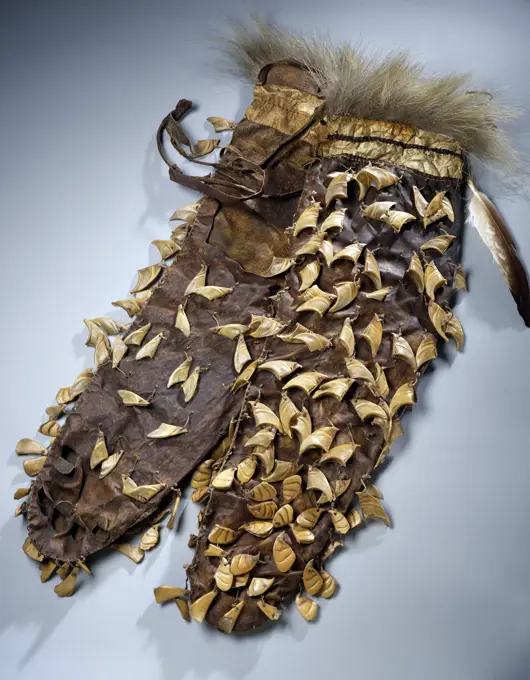
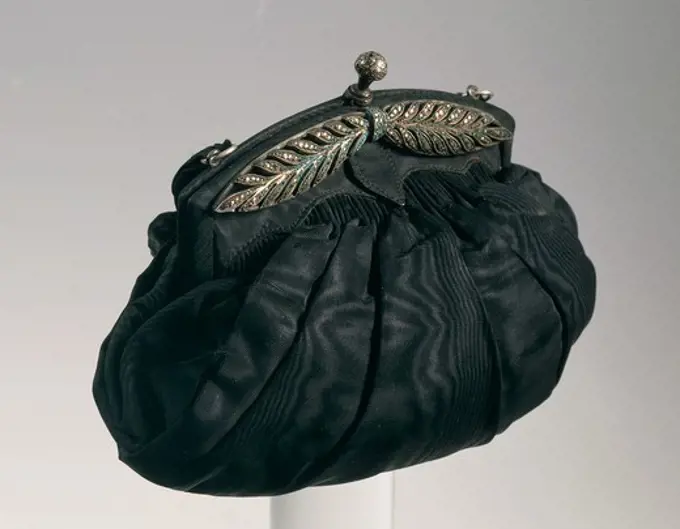
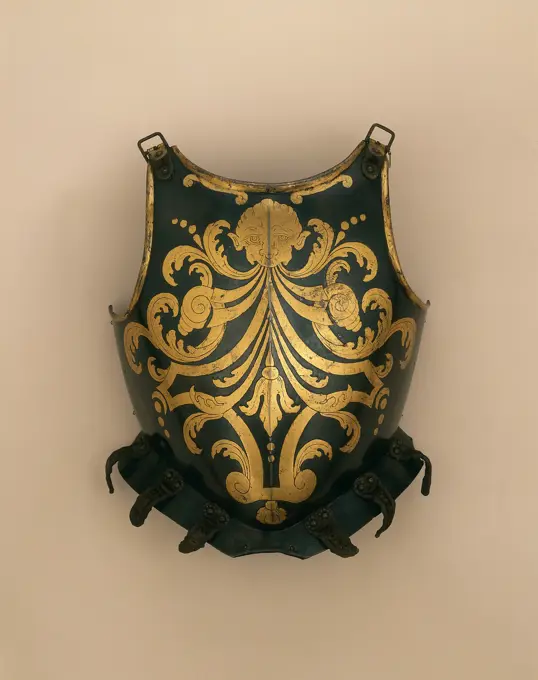
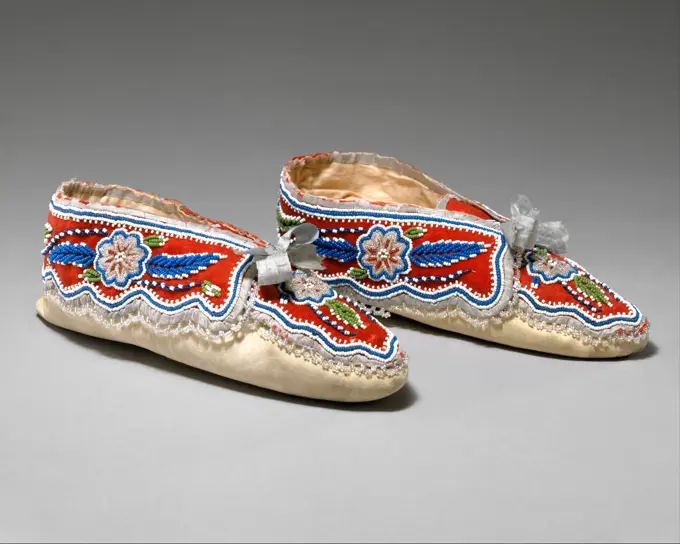
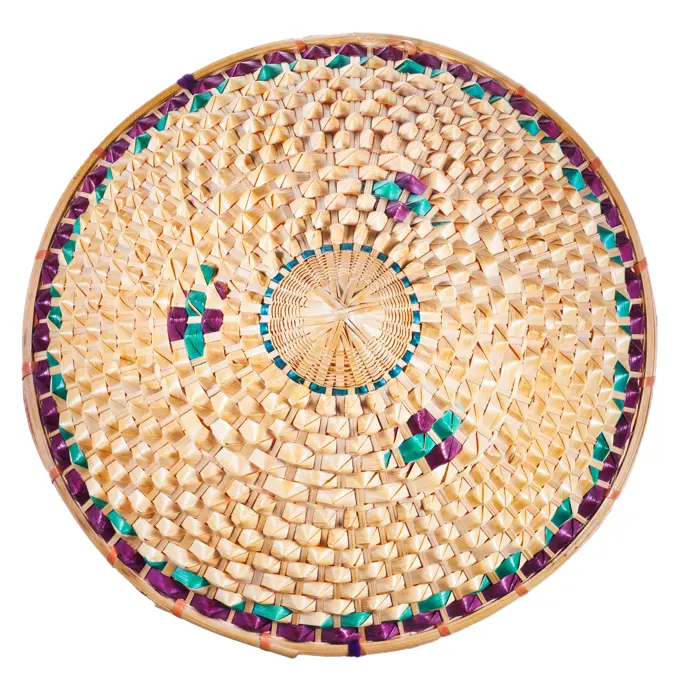
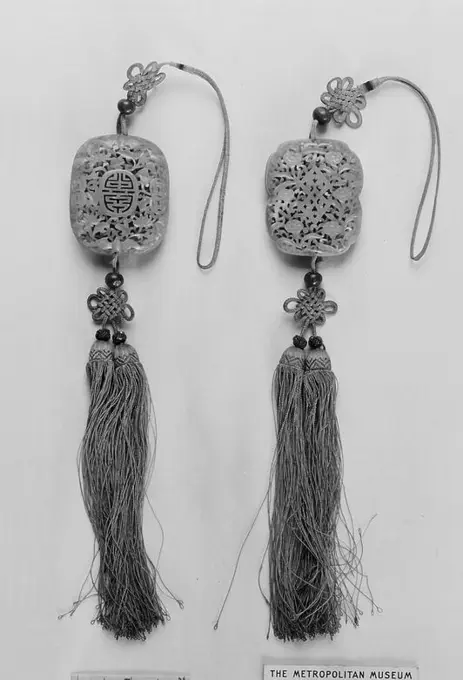
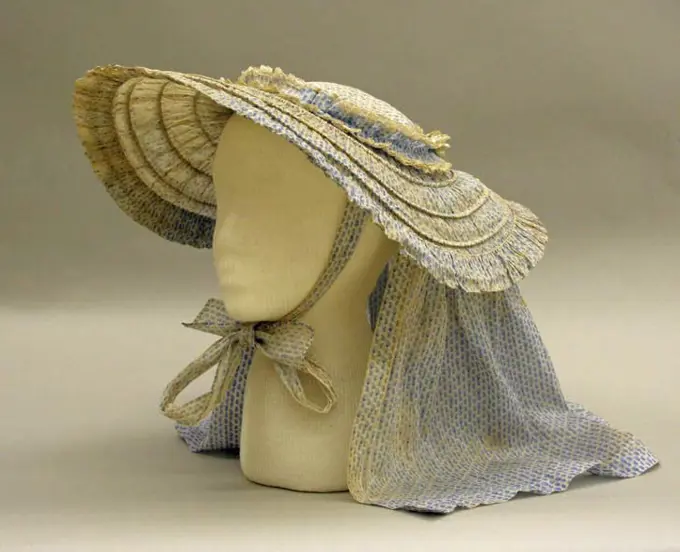
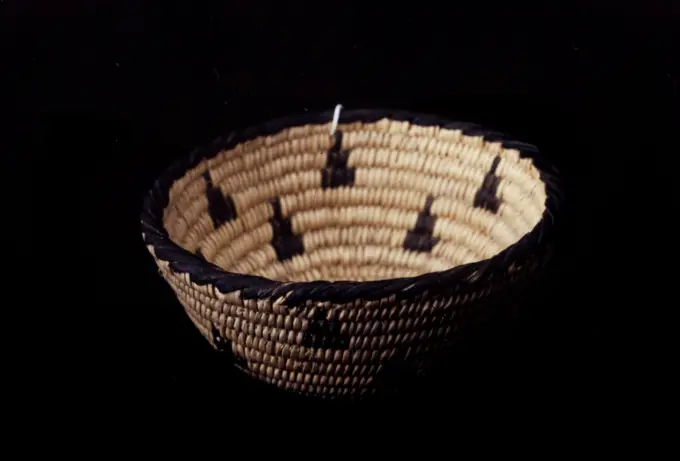
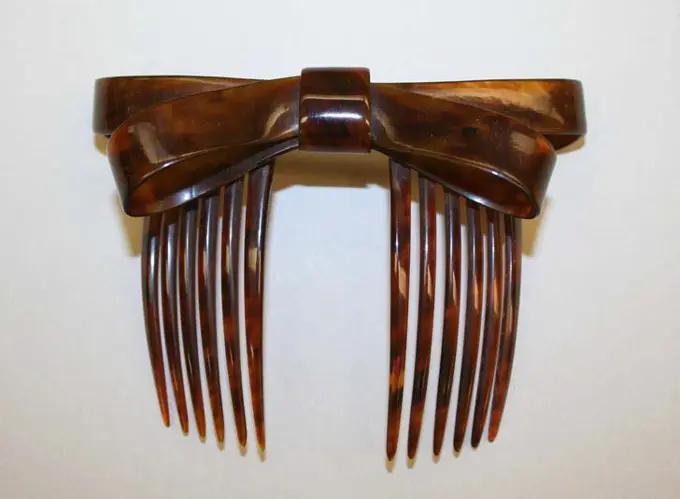
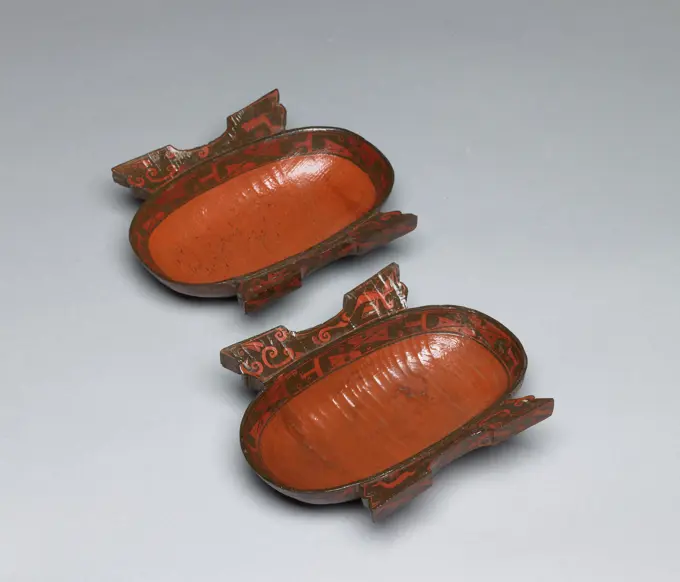
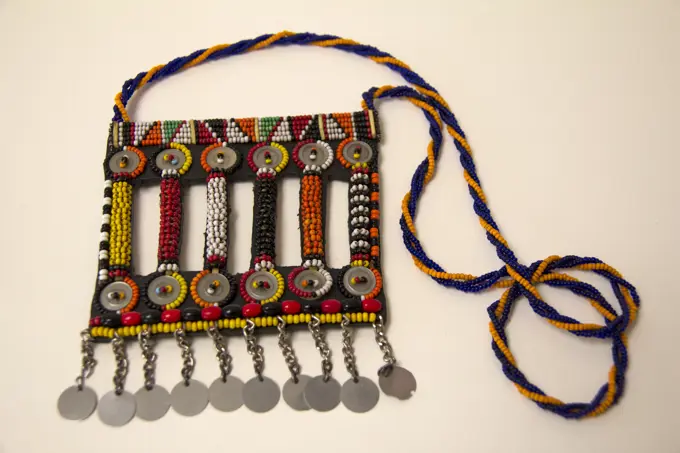
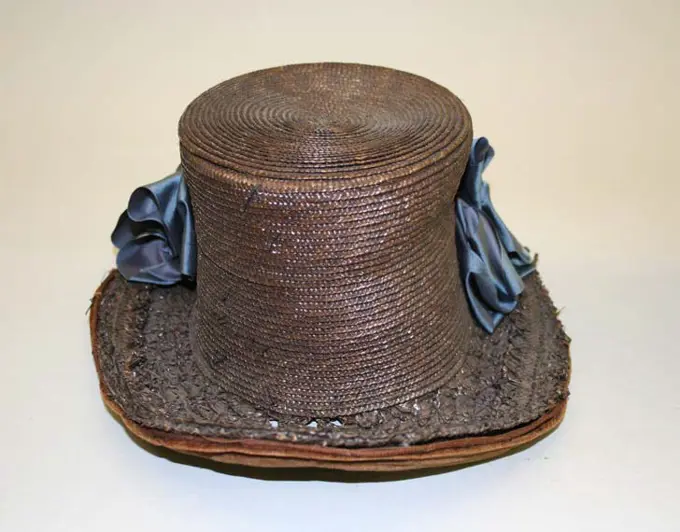
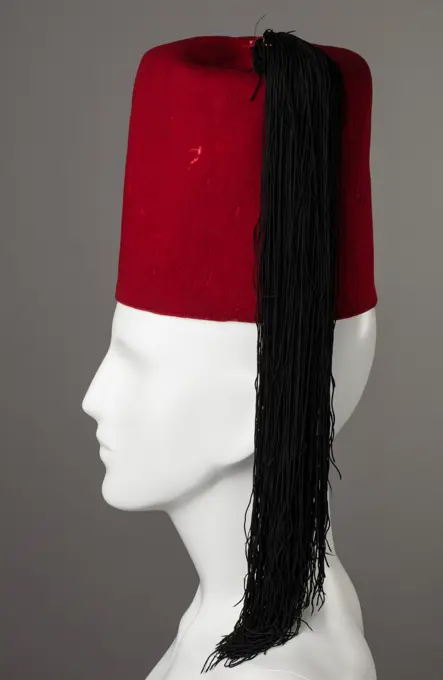
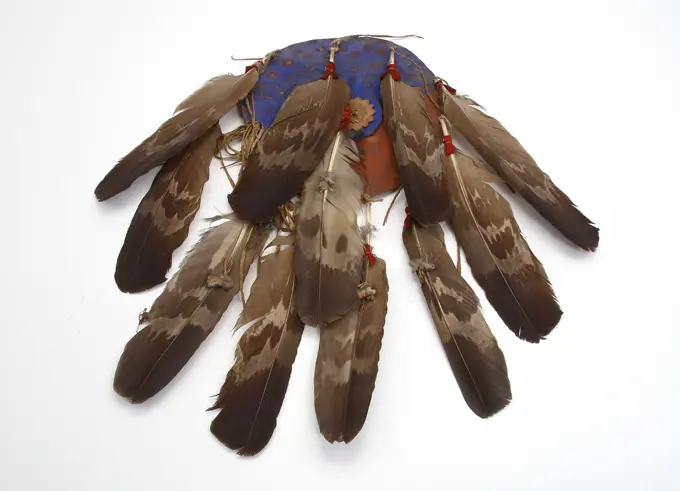
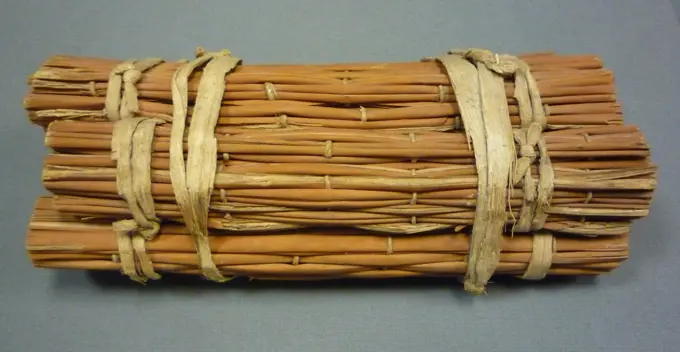
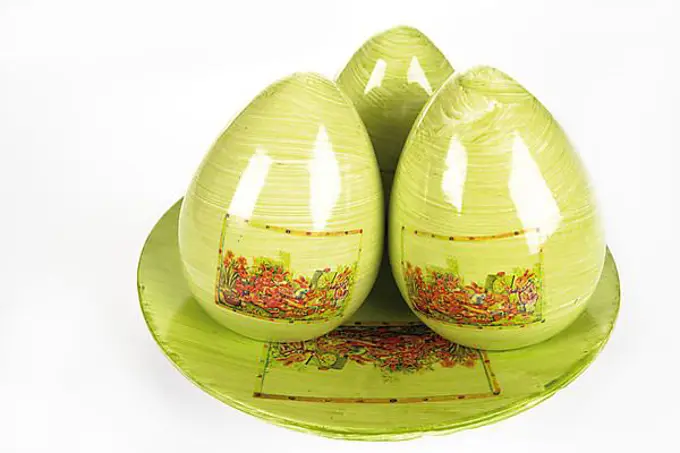
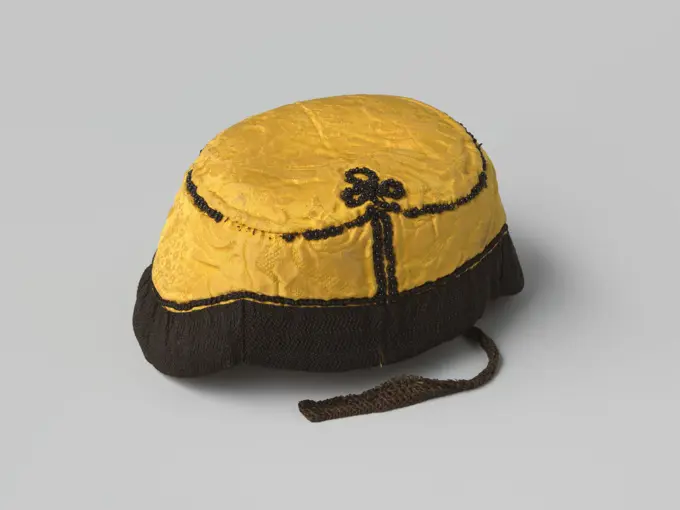
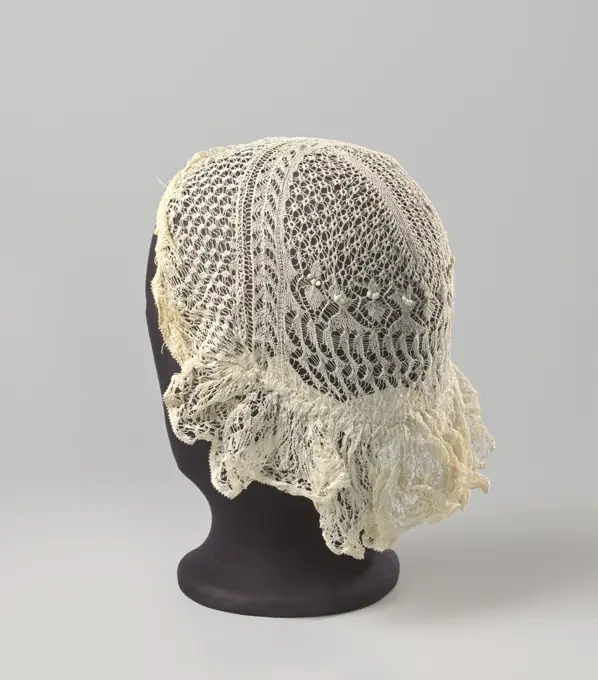
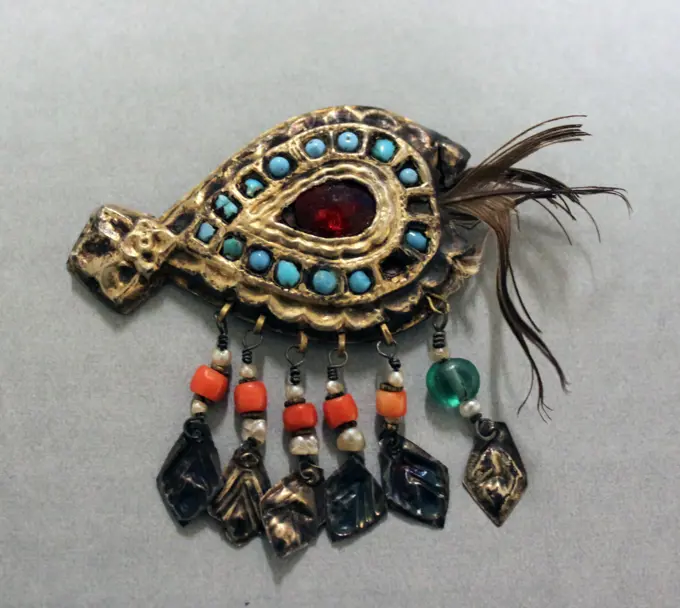
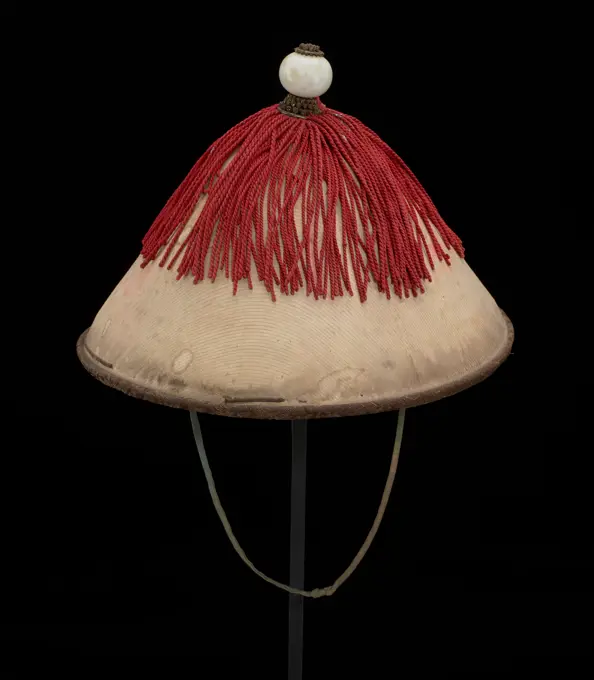
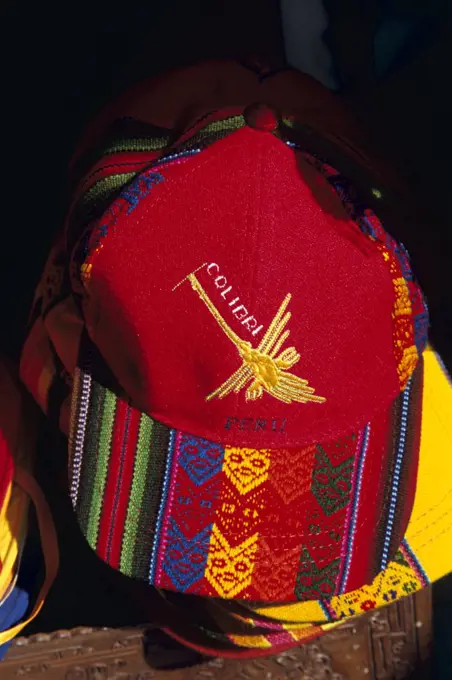
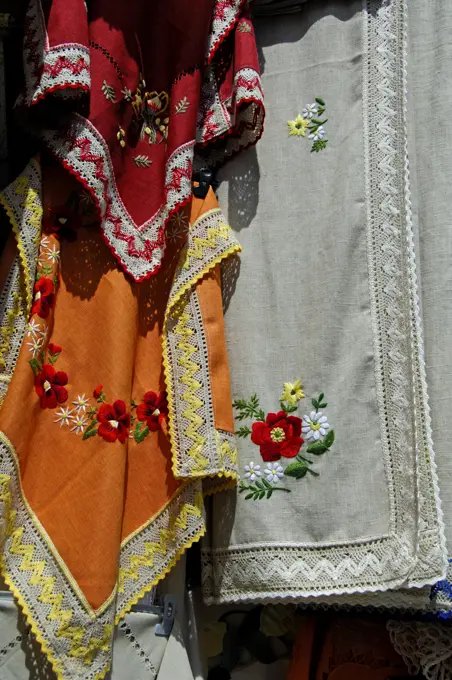
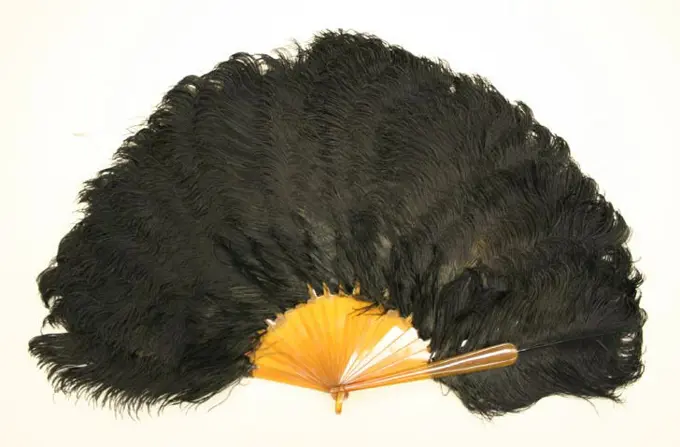
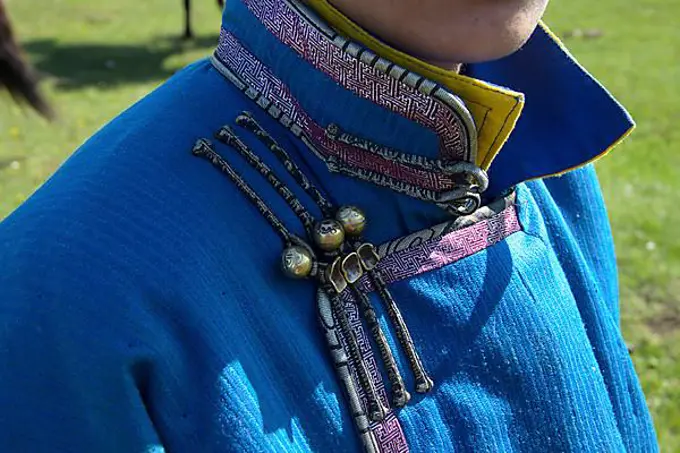
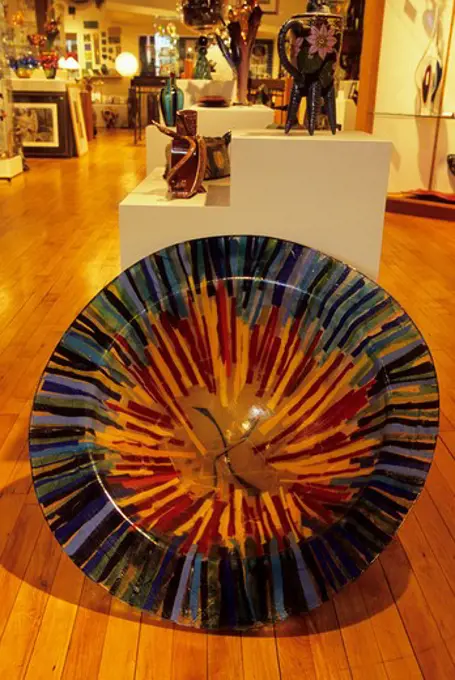
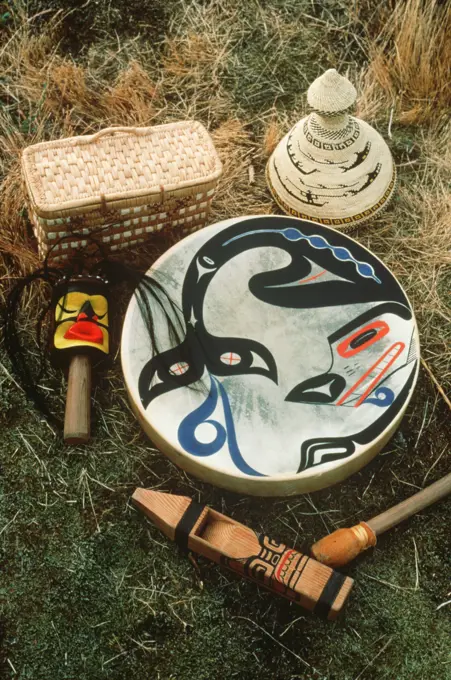
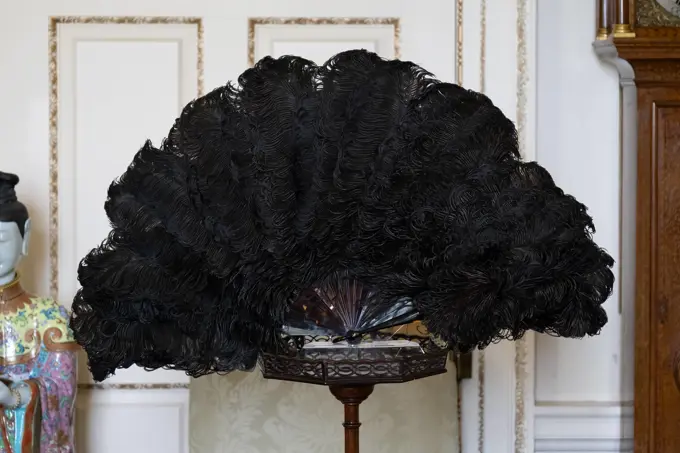
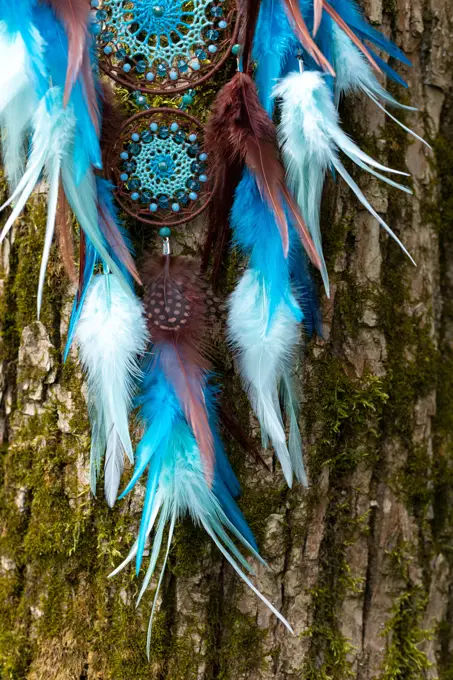
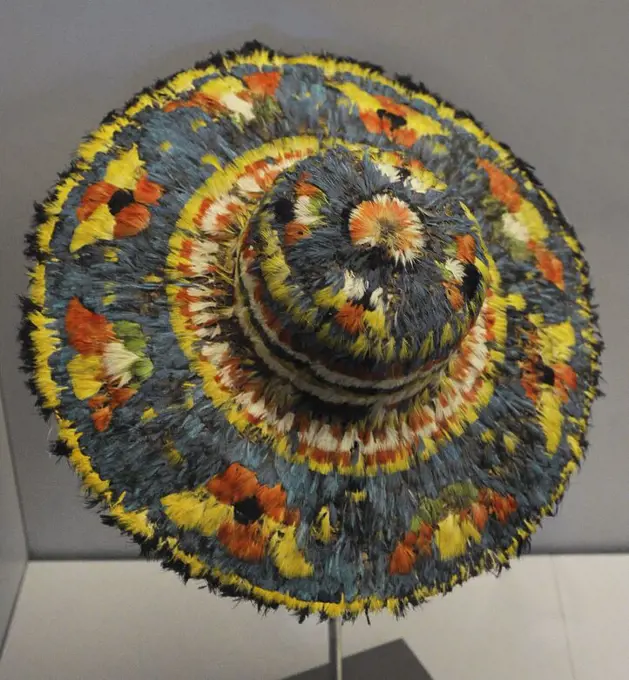
Amazonia. Hat. It was found in the Botanical expedition to the Viceroyalty of Peru (1777-1788), led by Hipolito Ruiz, and composed by Jose Pavon and Joseph Dmby. Cholon culture. Amazon, Huallaga River, Peru. Last third of the 18th century. Feather, vegetable fiber and resin. Museum of the Americas. Madrid, Spain.Hat ca. 1892 American or European. Hat 113094Dancing Gloves, Eskimo Art, USA, Washington DC, Smithsonian Institution (National Museum of Natural History)Sliding scholarship. GAL1995.36.XChild's Bib; cottonFashion, 20th century. Silk evening bag with silver and enamels clasp.Northwest coast traditional button blanket made from red, white and black wool felt with a motif design of two ravens both holding a fishCuirass and Pauldrons for a Papal Swiss Guard Made 1580-1605 Brescia. Steel, gilding, brass, copper, leather, and velvet textile .Pair of Moccasins ca. 1850 Huron. Pair of Moccasins 319047top view of vietnamese style straw hat top view of vietnamese style straw hat isolated on white background Copyright: xZoonar.com/VVxVoennyyx 5052465Embroidery, 19th century. Handbag, embroidered with glass beads floral motif, end of 1900's.Thai traditional old vintage fabric triangle pillow on dark wood backgroundPerfume receptacle. Culture: China. Dimensions: H. 2 3/16 in. (5.6 cm); W. 1 3/4 in. (4.5 cm); D. 11/16 in. (1.8 cm). Museum: Metropolitan Museum of Art, New York, USA.Sunbonnet mid-19th century American or European. Sunbonnet 93867Basket, 20th century, 1 1/4 x 3 1/8 x 3 1/8 in. (3.2 x 7.9 x 7.9 cm), Natural plant fibers, United States, 20th century, Willow, cottontail, and black martynia, or devils claw, are the main materials used to sew baskets of the Akimel Oothom and Tohono Oodham. The availability of these plant fibers in the environment aide in identifying differences between the two tribes baskets. The Akimel Oothom who live along the river and few streams have easy access to willow and cottontail, which is reflected in their design being predominantly shown as a black pattern on a white background. The Tohono Oodham, who live in the desert where black martynia is more abundant, predominantly use a black background with white designs.Purse (France); silk, metalComb 1895 French. Comb 117501Cup with winged handles, one of a pair, 4th-3rd century BCE, 2 x 7 5/16 x 5 7/8 in. (5.08 x 18.57 x 14.92 cm), Red and dark brown lacquer on a wooden core, China, 4th-3rd century BCE, Shallow, elliptical cups of elongated form with paired rim handles (called 'ears') were popular during the Eastern Chou (770-221 b.c.) and Han dynasties (206 b.c.-220 a.d.). Lacquer 'ear cups' of this distinctive form with wing-shaped handles were produced only during the late Eastern Chou period in the state of Chu. The rims are decorated inside and out with a wide border of wing-and-scroll motifs in a repeating pattern in red on a dark brown ground. The top of the flared wing handles are decorated with detached scroll motifs with a running deer on one handle and the other handle a long-tailed bird. Similar vessels have been excavated from a tomb at Chiang-ling in Hubeh province and they are believed to have been used for drinking wine.Africa, Kenya. Maasai tribal beadwork.Hat 1885-90 American. Hat 113057Bliżej Kultury unknownDance shield -Turkey, Istanbul, Market CultureMoccasin vamp -Bundle of Model Mats from the Foundation Deposit for Hatshepsut's Tomb ca. 1479-1458 B.C. New Kingdom These model mats were among the objects discovered in a foundation deposit in front of the tomb of Hatshepsut (KV 20) in the Valley of the Kings. For more information on this deposit, see 30.8.6.. Bundle of Model Mats from the Foundation Deposit for Hatshepsut's Tomb. ca. 1479-1458 B.C.. Papyrus, fiber. New Kingdom. From Egypt, Upper Egypt, Thebes, Valley of the Kings, Tomb of Hatshepsut (KV 20), Foundation deposit, Davis/Carter excavations, 1903-04. Dynasty 18Painted easter eggs on a plateHandmade ethnic pillow, beutiful decorations (fabric and leather)Cap made of yellow damask, decorated with black corals and lined with black passion, anonymous, c. 1800 - c. 1900 Cap made of yellow damask, decorated with black corals and lined with black passion, lined with natural -colored felt wool. Friesland whole: Wool. whole: Silk. Decoration: Coral (Material) Cap made of yellow damask, decorated with black corals and lined with black passion, lined with natural -colored felt wool. Friesland whole: Wool. whole: Silk. Decoration: Coral (Material)Wedding Blanket, 19th century, 46 1/2 x 65 1/2 in. (118.11 x 166.37 cm) (without ties), Animal hide, beads, bells, United States, 19th centuryMatch Case, 1909, 8 11/16 x 6 5/8 x 1 3/16 in. (22.07 x 16.83 x 3.02 cm), Beads, cotton, sequins, cardboard, United States, 20th century, Match cases were an innovation on similar items of European American manufacture. Iroquois match cases were decorative items in Victorian homes. European Americans prized match cases and other whimseys because they illustrated the sophistication of their owners. Match cases were one of the many items such as sewing baskets, wall pockets, and various embellished cases that women used to make their homes pleasant and neat. A well ordered beautiful home was an ideal many women strove for during the Victorian era. Iroquois match cases fit into these homes because of their beauty and utility.Tibetan Buddhist Conch Shell Horn Dung-Dkar isolated on whiteCentral America, Guatemala, Antigua, Textile Museum aka Casa del Tejido. Colorful antique traditional Guatemalan huipil (blouse, shirt)Comb 19th century American. Comb 102268Frisian side in fine knitwear; The edge has been wrinkled along the forehead, anonymous, c. 1800 - c. 1900 Frisian side in fine knitwear; The edge is wrinkled along the forehead on the bol. The edges are trimmed with picots. Friesland whole: Linen (Material) knitting Frisian side in fine knitwear; The edge is wrinkled along the forehead on the bol. The edges are trimmed with picots. Friesland whole: Linen (Material) knittingOrnament, One of a Pair first half 19th century These teardrop shaped ornaments are made in typical nineteenth century Uzbek style, and utilize turquoise and carnelian beads. It is unclear where on the body they would have been worn, but they would certainly have been part of an ensemble of jewels, including necklaces, head and hair ornaments, bracelets and rings. The teardrop shaped motif known variously as paisley or buta (flame) is best known from Indian art, but also appears in some Uzbek textiles and other adornments, such as here.. Ornament, One of a Pair. first half 19th century. Gold, turquoise, carnelian, feather. Made in present-day Uzbekistan, Bukhara or Samarqand. JewelryThai Silk Pattern and Designhand made flag with the number 2 on it outsideRitual Fly Whisk. Nepal, circa 1800. Tools and Equipment. Gilt copper alloy and gemstones; white yak-tail whiskBobbin Lace Insertion with Fringe, mid 16th century. Italy, Venice, mid 16th century. Lace, bobbin; average: 6.7 x 17.9 cm (2 5/8 x 7 1/16 in.).Party hats isolated on the whiteBag (tobacco pouch), Medium: glass beads, silk Technique: knitted using crossed stockinette stitch; silk strung with glass beads; worked as a tube beginning at bottom Label: knitted silk with glass beads, Small bag finished at the top with a drawstring. Central band has landscape with architectural follies, framed by blue serrated borders. Bottom of bag is brown with green lattice., Germany, 1815-40, costume & accessories, Bag (tobacco pouch)Hat, 1644-1911, 10 3/16 × 11 3/4 × 11 3/4 in. (25.88 × 29.85 × 29.85 cm), Silk, cotton, metal, stone (), paper, China, 17th-20th centurySlovak man, 1850-1890. From Krakovany, Nyitra county. Ethnographic Museum. Budapest. Hungary.String of 12 Beads 1st Millennium Roman Period and Islamic Period. String of 12 Beads. 1st Millennium. Glass. Roman Period and Islamic Period. From EgyptStill-Life, Antique Chinese dignitary and judge hat in silk with Kingfisher feathers decorations and antique Chinese velvet hat with golden metal decorations, semi-precious stones and Kingfisher feathers, nineteenth century.Colorful coronavirus protection masks.Peru, Pre-Inca civilization, Nazca culture, Double spout and bridge vessel with painted snake figuresMexico, State of Chihuahua. Mennonite settlement of Cuauhtemoc, Mennonite museum. THIS IMAGE HAS SOME RESTRICTIONS FOR US LAND TOUR OPERATORS. PLEASE CALL FOR INFORMATIONStockings fourth quarter 19th century Hungarian This object was collected by Stewart Culin (1858-1929) during a collection expedition in 1922. Culin was the Brooklyn Museum's first Curator of Ethnology, serving from 1903 to 1929. Possessing an insatiable curiosity and appetite for collecting objects of all kinds, Culin conducted over twenty worldwide collecting expeditions between 1901 and 1928. The trips covered American Indian territories, New England, Asia, India, Great Britain, and all of Eastern and Western Europe. The seven expeditions between 1917 and 1928 were specifically focused on collecting regional textiles and costumes from Eastern and Western Europe and, to a lesser extent, New England. Culin's goals for these trips were not just to expand the Museum's holdings, but also to preserve their cultural contexts. He did so through amassing photographs, notebooks, and ephemera which documented the social, commercial, and cultural circumstances surrounding their acquisition. HisTraditional turkish handmade bageaster decor isolated on white backgroundEpaulet of plain silver brocade and a white button with wall crown on red woolen or bays Bies, A. de Block (Possible), c. 1800 - c. 1850 Epaulet of plain silver brocade and a blank button with wall crown on red woolen or bays trim. Model: flat shoulder part. On the inside half a pillow ridge, pinched and covered with blue wool. With long copper hook for mounting on the jacket. Decoration: Elips -shaped open wrong, contained in a finer Canetille cord, including fine torsades or fringes. Part of a uniform jacket from Van Slingelandt and Teding van Berkhout or Six. Amsterdam Substrate: Silver thread. Substrate: Silk. Lining: Wool. Button: Metal. hook: copper (metal). Label: Paper. Label: Printing Ink printing Epaulet of plain silver brocade and a blank button with wall crown on red woolen or bays trim. Model: flat shoulder part. On the inside half a pillow ridge, pinched and covered with blue wool. With long copper hook for mounting on the jacket. Decoration: Elips -shaped open wrong, conEpaulets. Culture: Italian. Date: early 19th century. Museum: Metropolitan Museum of Art, New York, USA.Sailor hat. Culture: Italian. Date: 1855.Mentioned in Charles Dickens's travel account, "Pictures from Italy", these small straw hats were worn in the town of La Spezia in northern Italy. They were purely ornamental and worn tilted on the forehead, often accompanied by a net snood. La Spezia remains today the chief naval port as well as a commercial shipping center. Museum: Metropolitan Museum of Art, New York, USA.Container, 20th century, 5 1/2 x 3 x 1 1/2 in. (13.97 x 7.62 x 3.81 cm) (without dangles), Beads, cotton, sequins, paper, United States, 20th centurySilver pendant, with enamelled and set with chalcedony and amber. By George Hunt (1892-1960). Dated 1933Bliżej Kultury unknown labelHat, 20th century, 7 x 7 x 13 in. (17.78 x 17.78 x 33.02 cm), Cotton, beads, plant fibers; needlework, Nigeria, 20th centuryColourful Peru baseball cap on stall, Indian Market, Lima, PeruZwaluwnest presumably from a piper or half-humor blower of the infantry, 1806-1810, Kingdom of Holland, or militia, anonymous, c. 1806  Zwaluwnest presumably of a Tamboer pijper or crescent blower of the infantry, 1806-1810, Kingdom of Holland, or militia. Half -round piece of dark blue sheet, drilled with white galon, and on the Ditto Galon decoration. Bantet of this with white frills. Back: white sheet with stitching man galon. Great BritainBrielle (possibly)Netherlands (possibly) wool. clothWedding scholarship. End XIXth. Back. GAL2001.189.X_2Fly Tying  is fun.Model Seive from a Foundation Deposit for Hatshepsut's Temple ca. 1479-1458 B.C. New Kingdom. Model Seive from a Foundation Deposit for Hatshepsut's Temple. ca. 1479-1458 B.C.. Rush. New Kingdom. From Egypt, Upper Egypt, Thebes, Deir el-Bahri, Temple of Hatshepsut, S.E. corner, Foundation Deposit 2b (B), MMA excavations, 1921-22. Dynasty 18Still-life, antique shoes, Indian wooden clogs with flip-flops, about 1850.Fringe, Medium: silk Technique: woven, Blue, yellow and white fringe with a checkerboard heading and stripes. Trellis band pattern on top of skirt threads arranged in stripes and tied into tassels of two lengths., Spain, 17th century, trimmings, FringeTextile Fragment. Culture: Coptic. Dimensions: Overall: 2 5/8 x 2 1/2 in. (6.7 x 6.4 cm). Date: 6th century. Museum: Metropolitan Museum of Art, New York, USA.Emile BUISSOT, 1896. Face in the face in chinped ostrich feathers, ditto back, mount and jasped scales, gilded metal rivet, silver metal figure. Palais Galliera, fashion museum of the city of Paris.Picture frame -Plume for Bicorne officer, ca 1830, anonymous, c. 1830 - c. 1832  Plume of black hanging feathers, mounted on a handle. Netherlands wood (plant material)   NetherlandsPincushion, c. 1900, 7 7/8 x 10 1/4 x 3 in. (20 x 26.04 x 7.62 cm) (without dangles), Beads, cotton, velvet, United States, 20th century, Rectangular pincushions were the most popular kind of whimsey. They present beautiful blends of Iroquois and Victorian design elements. Lush, vibrant velvets were recently developed and popular in American fashion in the late 19th century. Iroquois artists incorporated these new materials as backgrounds for their beadwork. Women frequently beaded floral, bird, and berry motifs onto whimsies and other items. These images carried significance for the Iroquois because they reflect the importance of the natural world in their way of life. Floral elements would have spoken to Euro-American women differently as flowers were symbolic of femininity and domesticity. Scallop shapes along the edges; represent the double curve design, an old motif in Iroquois beadwork that symbolizes the sky-dome which is significant in Iroquois oral tradition.Europe, Italy, Sicily, Taormina. Traditional Italian linen textiles.Calash American ca. 1790 View more. Calash. American. ca. 1790. silktamborino & flabiol, flute and drum, Mallorca, balearic islands, spain, europe.North America,  USA,  South Dakota,  Rapid City,  Journey Museum. Lakota beaded moccasins. Property Release. IMAGE RESTRICTED: Not available to US land tour operators.Crocodile Bench At Mandarin Oriental Hotel. MexicoChinese new year ornamentChristmas tree decoration Industrial Assistance LeagueGloves (Estonia); wool; H: 24.5 cm (9 5/8 in.)Bag (USA); glass beads, steel beads, steel frameTea pot signFan late 19th century American or European. Fan 120476L'Aquila, Italy  A plastic mock-up of a Vespa scooter on a table at an ice cream shop.Close-up of a hat with a boomerangPainted ceremonial masks being sold for Tet in Hanoi, Vietnam.Creative halloween concept photo of witches hat and stockings made of paper on brown background.Blank rustic dish on white cutting board , wooden background, top viewDetail from Deel, Choevsgoel (Detail) Mongolia from Deel, Choevsgoel, Mongolia, AsiaEcuador. Famous Otavalo Market which dates back to pre-Inca times. Typical Ecuadorian textiles.USA, MICHIGAN, NEAR DETROIT, ROYAL OAK, ARIANA GALLERY, GLASS BOWLBeautiful toy of hand-worked for festive decoration, isolated on black background Beautiful toy of hand-worked for festive decoration, isolated on black background ,property released Copyright: xZoonar.com/OleksandrxKostiuchenkox 10008314 ,model released, Symbolfoto ,property releasedFirst Nations culture, Nuu-chah-nulth artifacts, British Columbia, CanadaFlyfishing still life of flyrod, fly pouch and flies, Canada.moroccan pottery vase with mosaic ornament moroccan ceramic vase with mosaic ornament isolated on white background Copyright: xZoonar.com/ValeryxVoennyyx 5660596Ollie Queen of the Pillows-Brooklyn, NYPITLOCHRY, PERTHSHIRE, SCOTLAND, UK, MAY 28. Fans in Blair Atholl Castle near Pitchlochry in Scotland on May 28, 2024 PITLOCHRY, PERTHSHIRE, SCOTLAND, UK, MAY 28. Fans in Blair Atholl Castle near Pitchlochry in Scotland on May 28, 2024 Copyright: xZoonar.com/PhilxBirdx 21750953Traditional drums as an musical instrument in a marketHandmade dream catcher with feathers and pearl rope hang handmade dream catchers with feathers threads and pearl rope hang copyright: xzoonar.com/fedorovaxdariax 22940483Traditional men's belt on a deel, Khuvsgul Lake, Khoevsgoel Aimag, Mongolia, AsiaArtifacts on display at U'mista Cultural Centre , Alert Bay, Cormorant Island, Johnstone Strait, Vancouver Island, British Columbia, CanadaPurse (England); beads, leather, canvas