Vintage Needlework Purses

Historical purses and bags from different cultures, showcasing intricate designs and craftsmanship from various centuries.

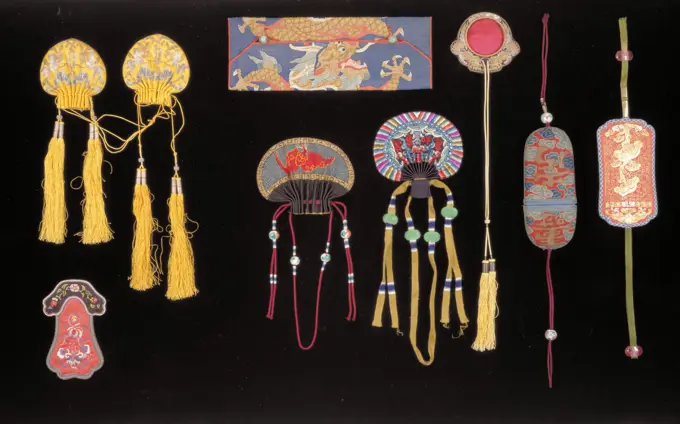
Under Apron, 13 x 7 1/2 in. (33.02 x 19.05 cm) (a)8 1/2 x 12 in. (21.59 x 30.48 cm) (b), Cotton, silk (), China
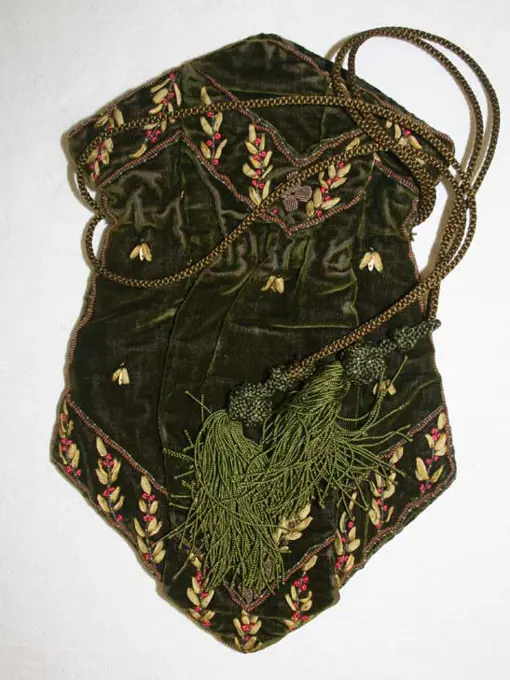
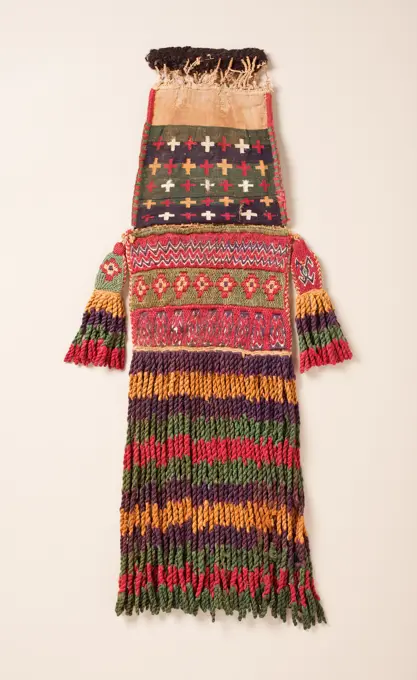
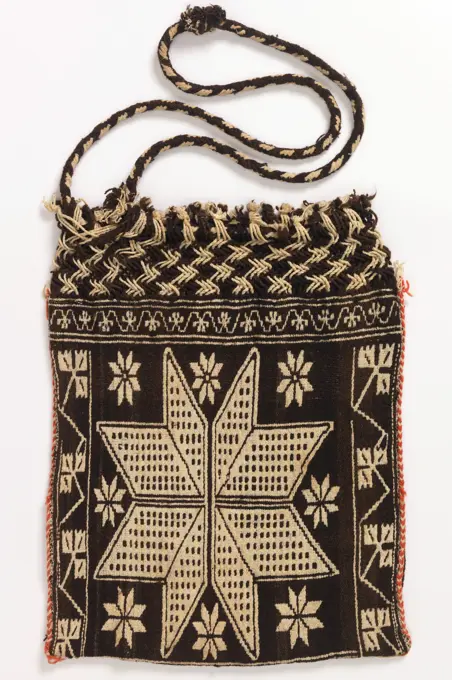
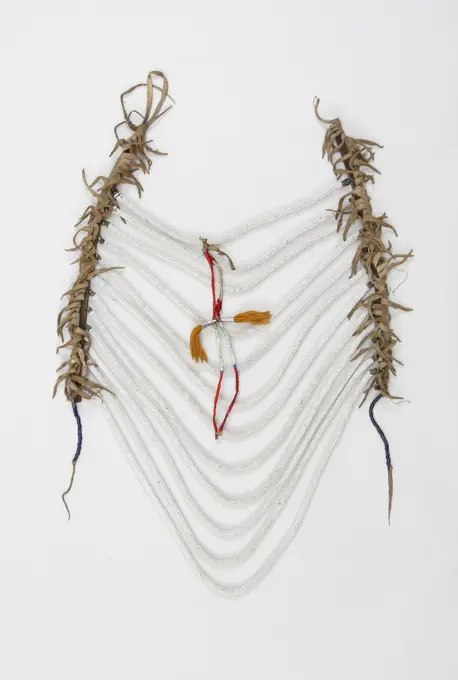
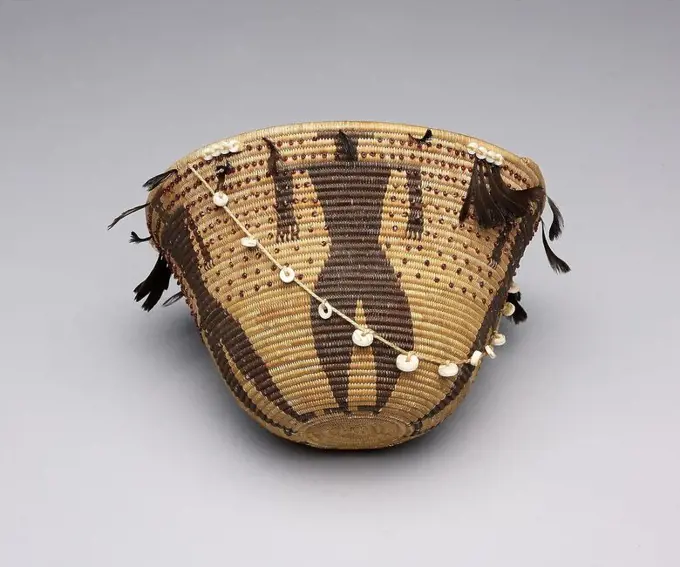
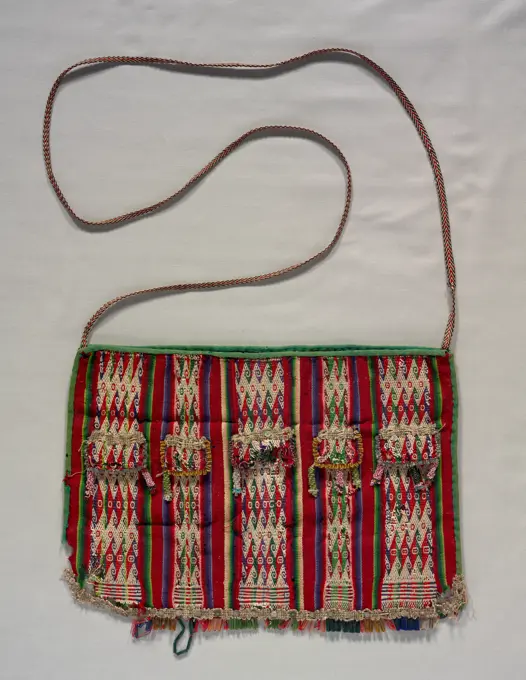
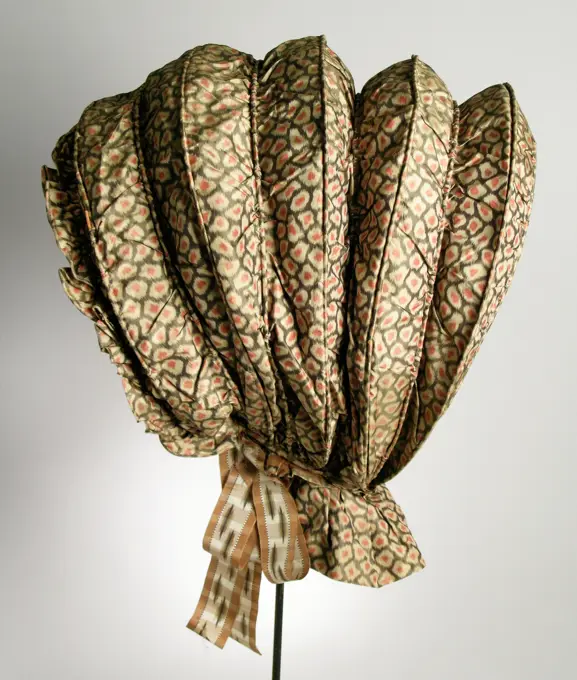
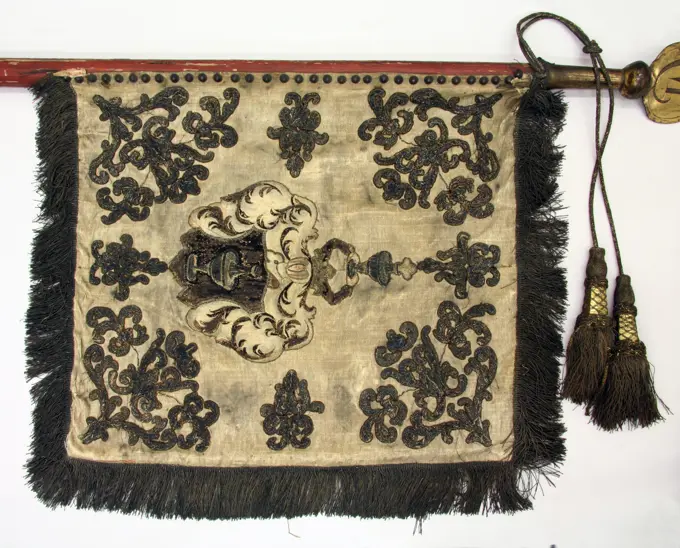
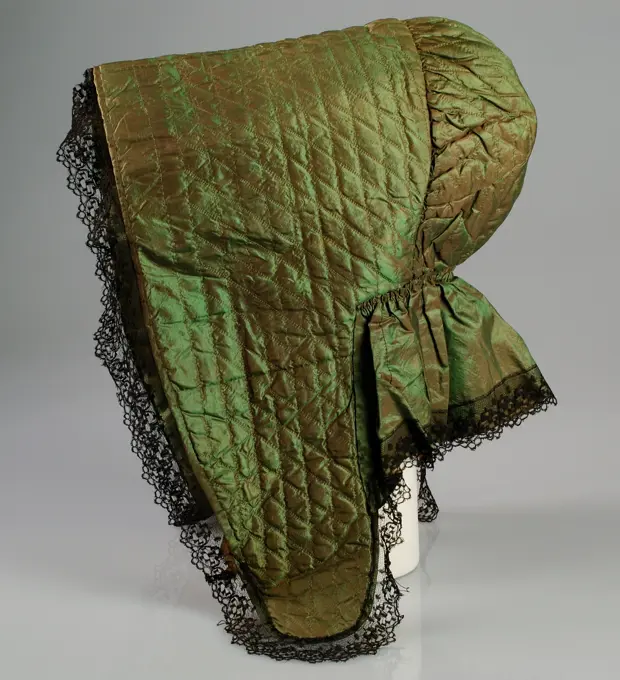
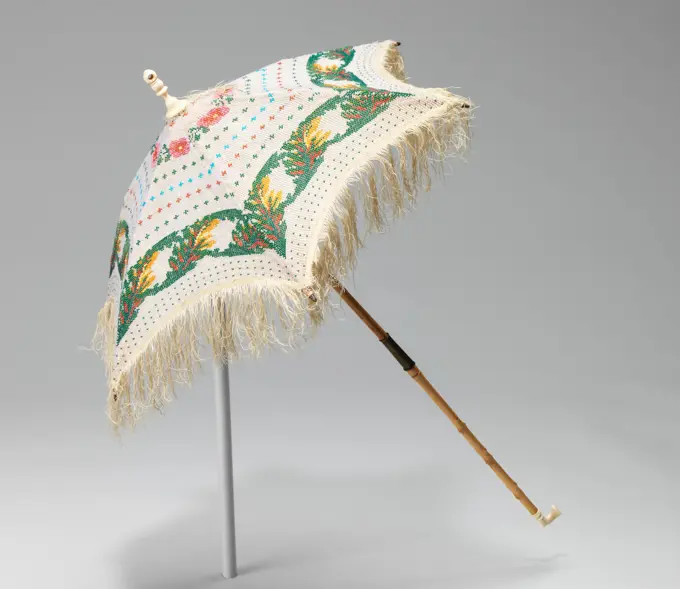
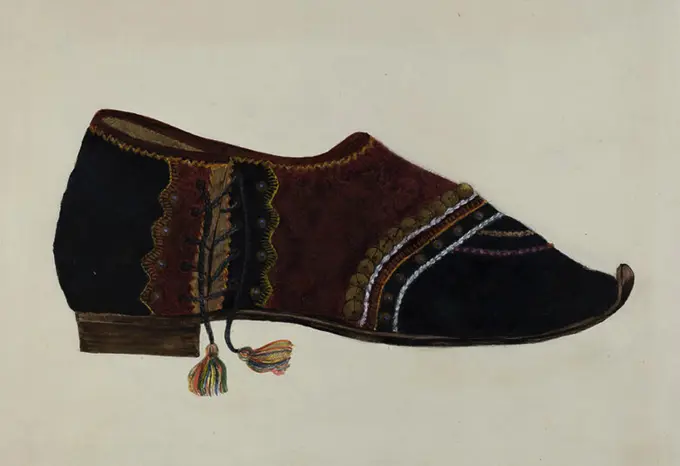
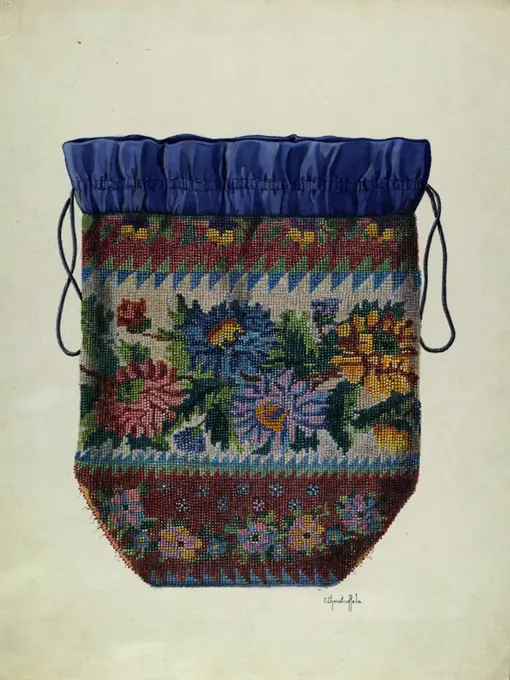
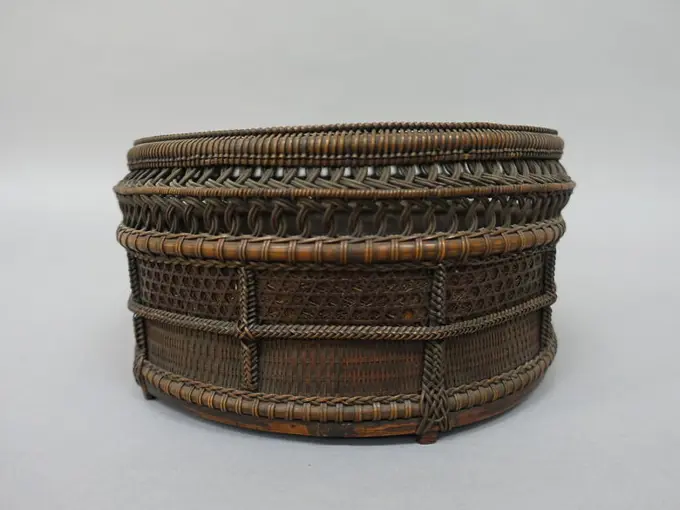
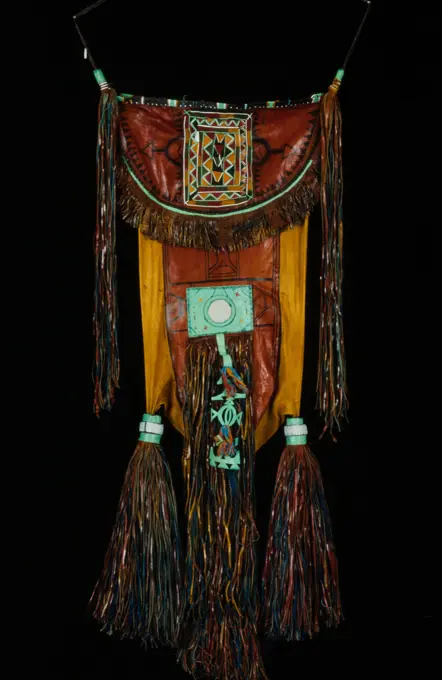
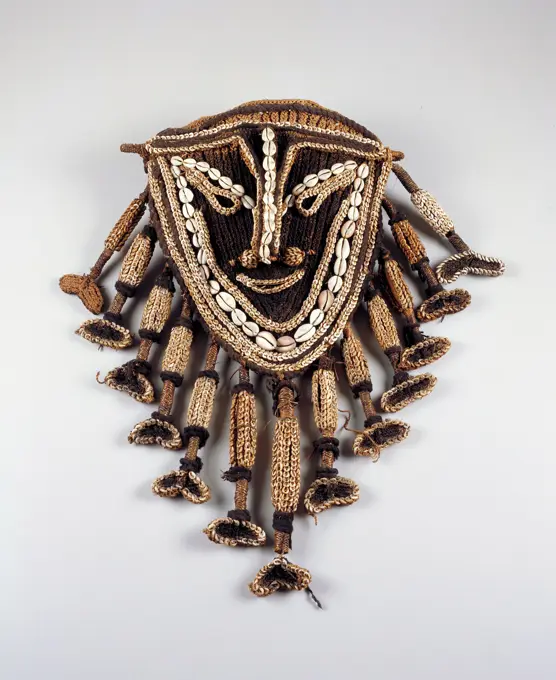
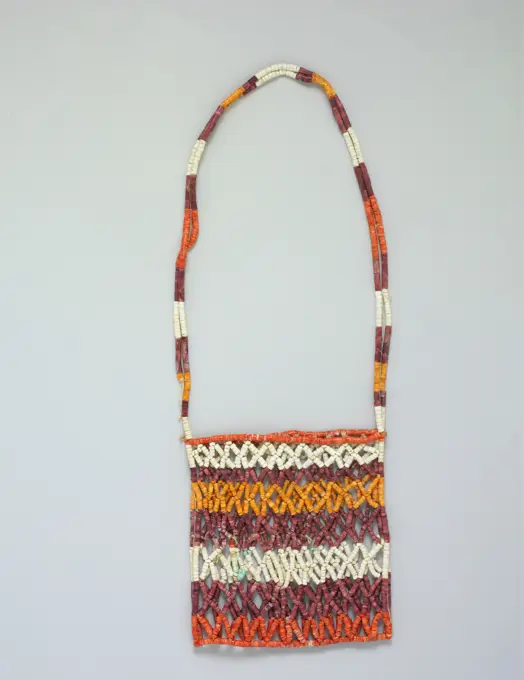
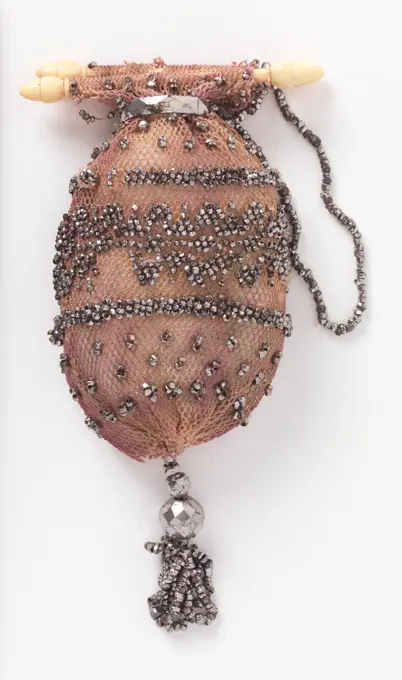
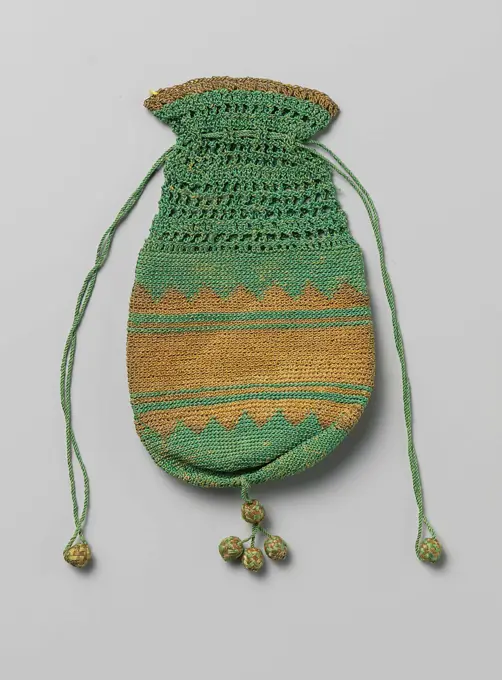
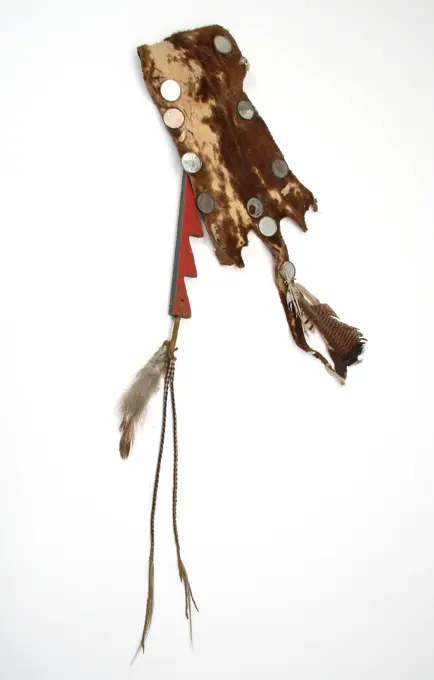
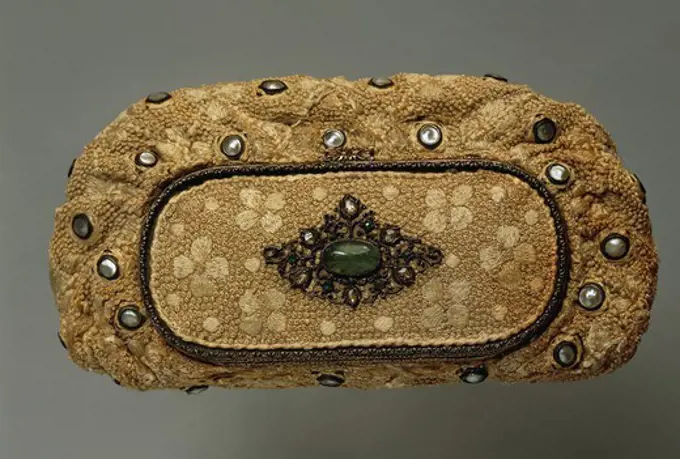
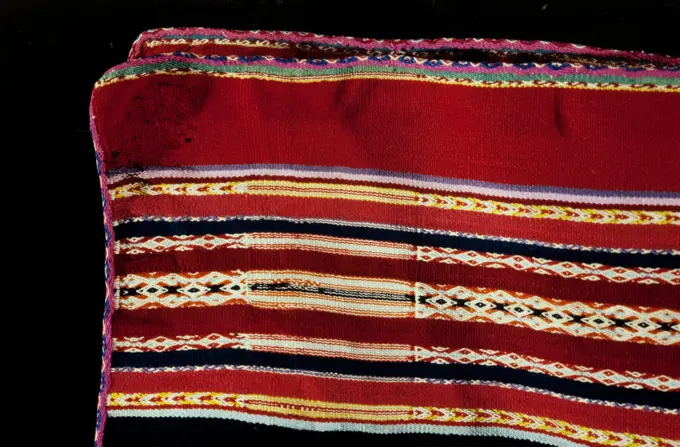
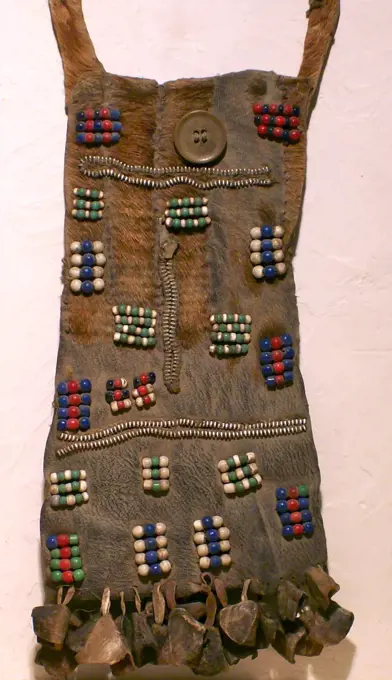
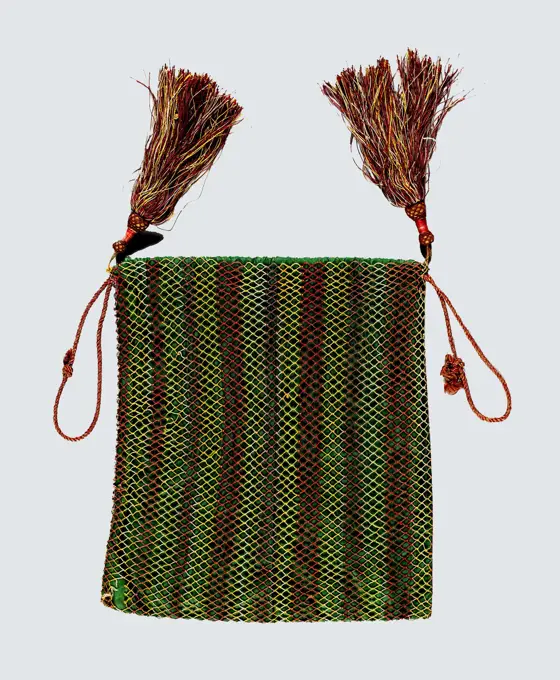
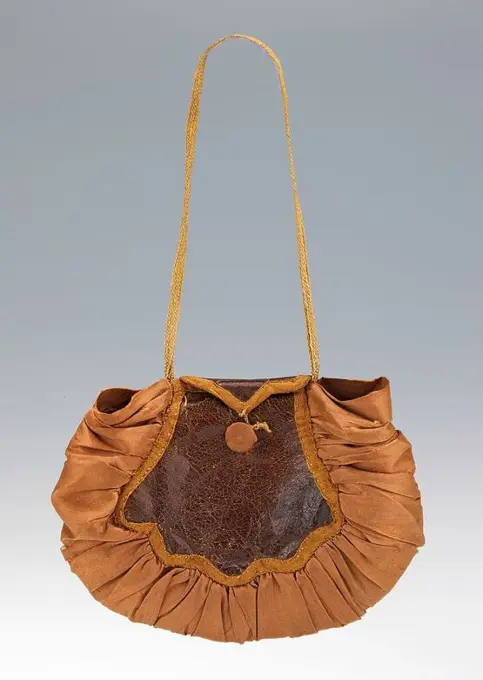
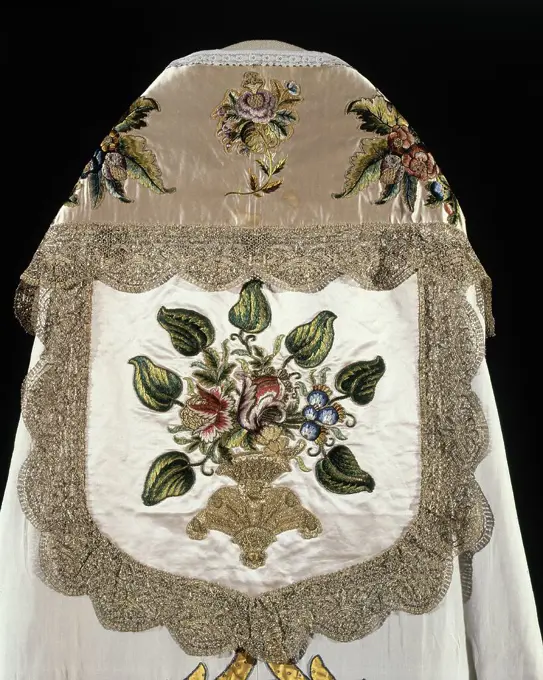
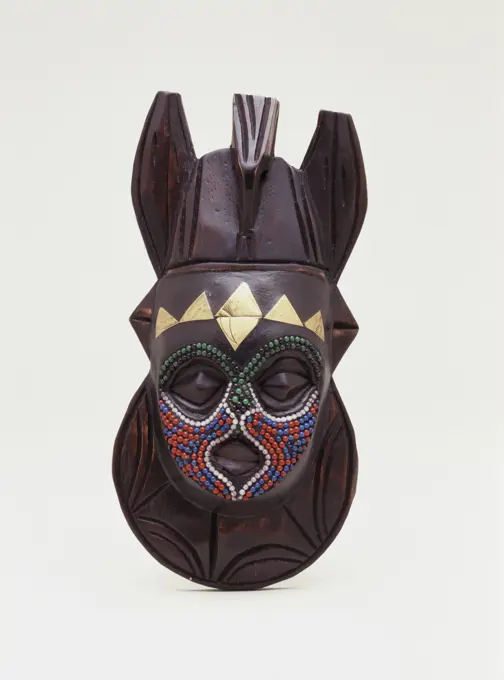
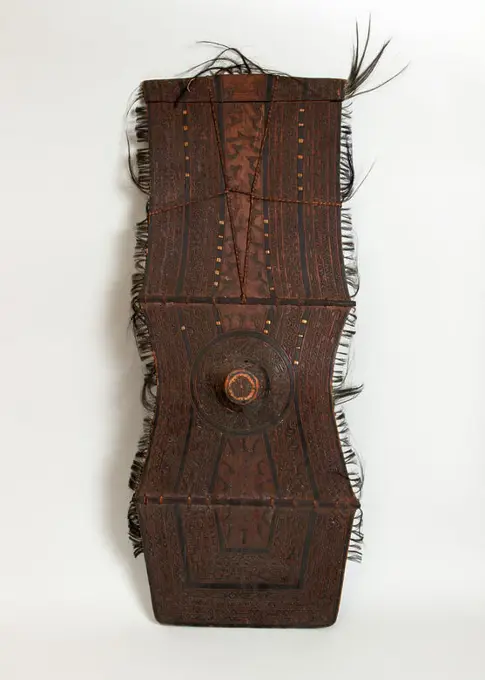
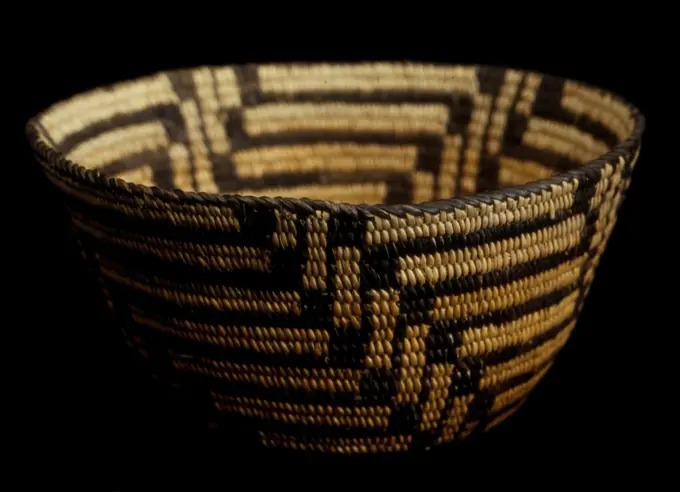
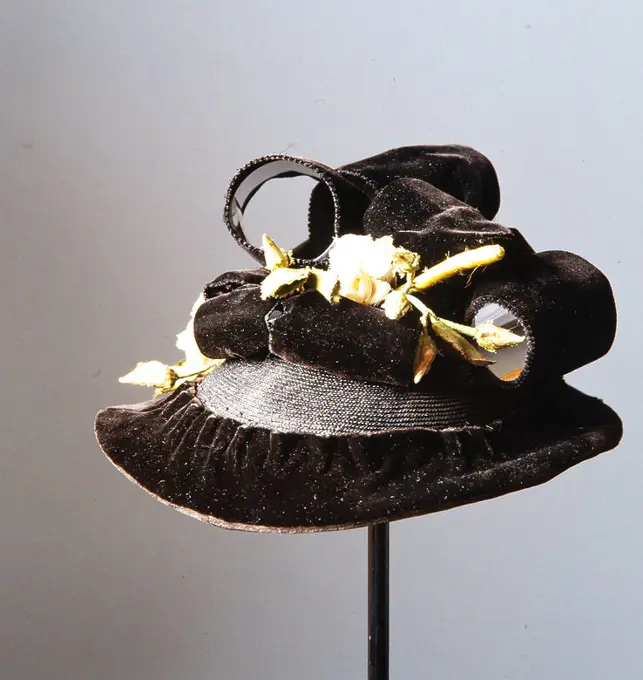
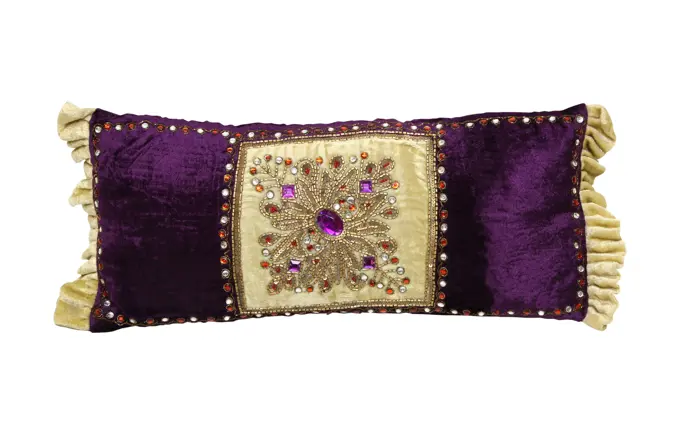
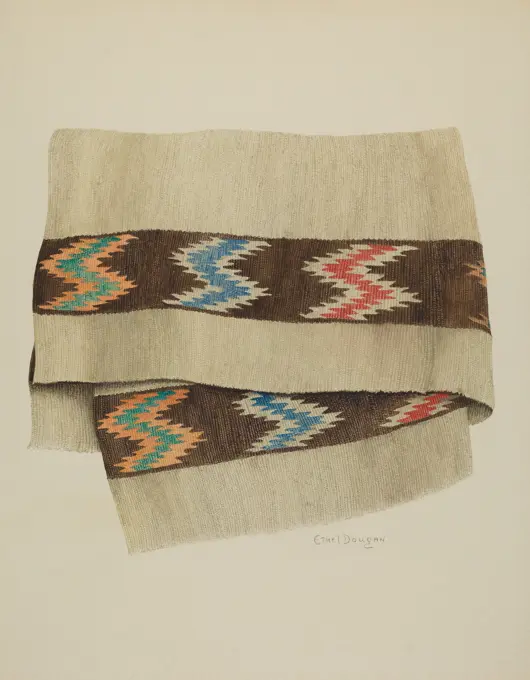
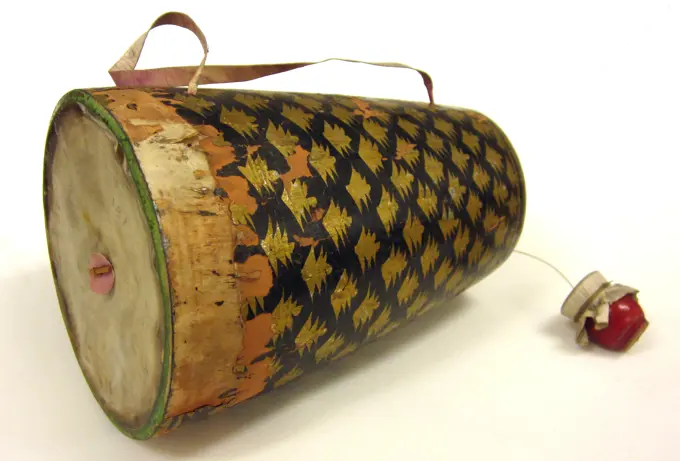
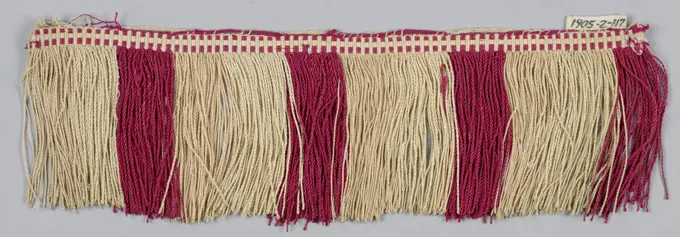
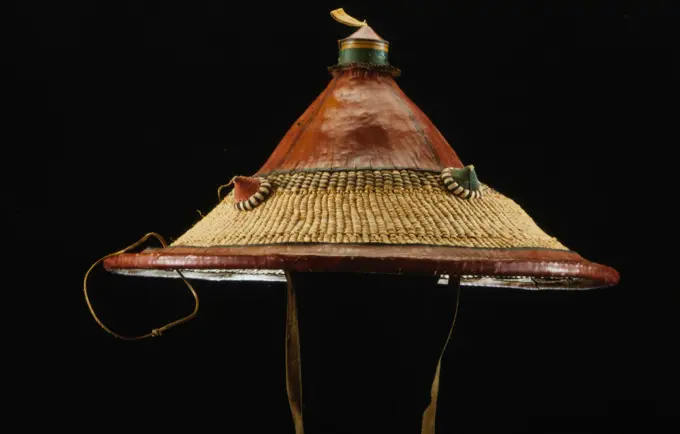
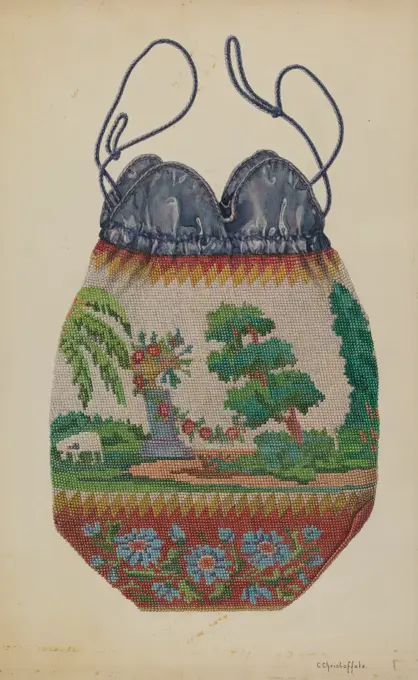
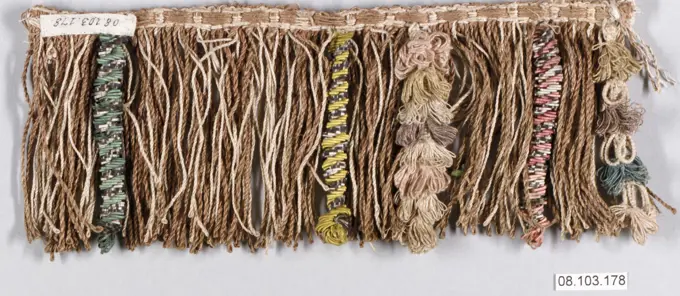
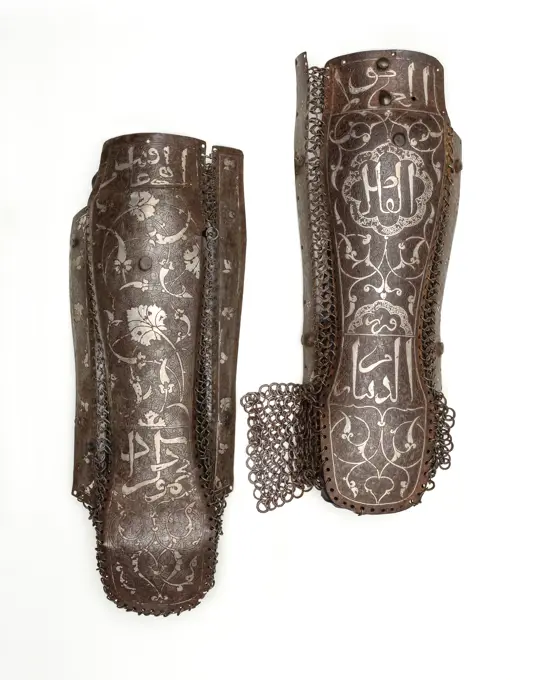
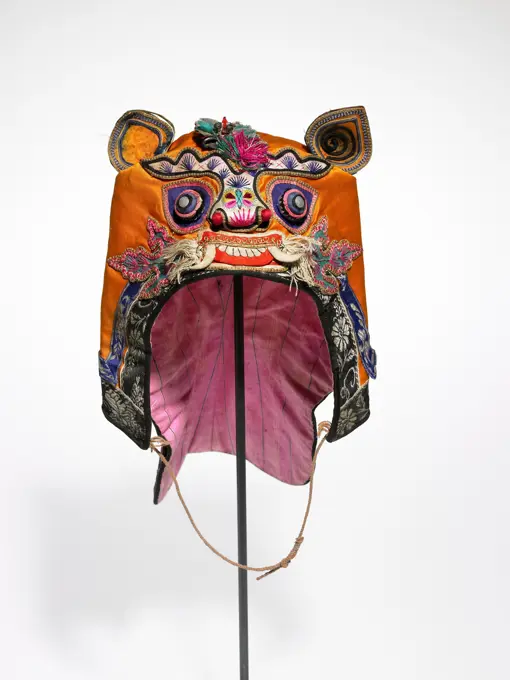
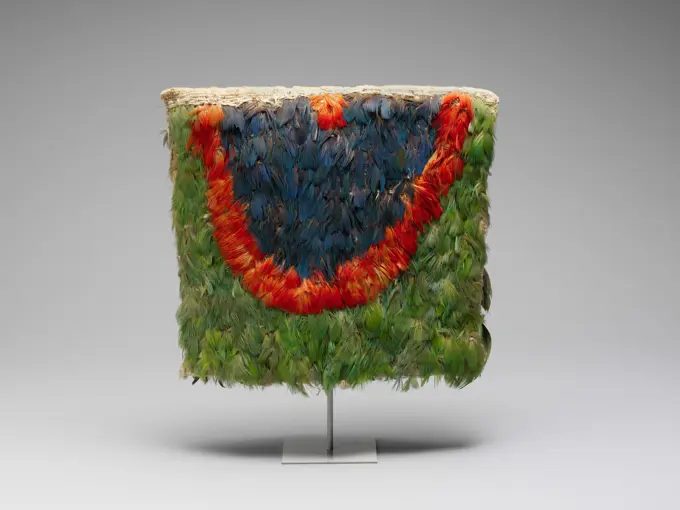
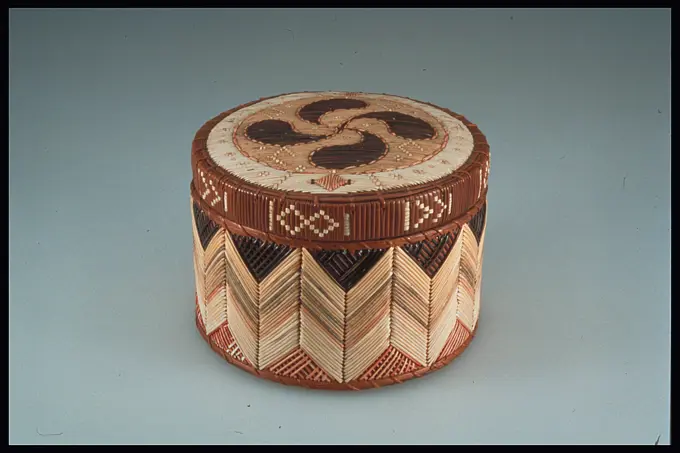
Needle lace purse. Culture: British. Dimensions: L. 2 1/4 x W. 2 inches (5.7 x 5.1 cm.)5.7 x 5.1 cm. Date: first quarter 17th century. Museum: Metropolitan Museum of Art, New York, USA.Needle lace purse first quarter 17th century British. Needle lace purse 222250Reticule early 19th century French. Reticule 117279Bag. Peru, South Coast, Inka, 1470-1532. Costumes. Camelid fiber and cotton plain weave, interlocked tapestry, soumak, and plied fringe.Two -flowing scholarships. Middle XIXth. GAL1958.68.11Belgian lance fern. Belgian lance fern, red, white and black braided cords found between Bautersem and Leuven by 1st lute. D.J. De Beer Poortugael.Bag (Mexico); woolUnder Apron, 13 x 7 1/2 in. (33.02 x 19.05 cm) (a)8 1/2 x 12 in. (21.59 x 30.48 cm) (b), Cotton, silk (), ChinaBag with mimosa decoration and precious stones embedded in the frame, fashion accessories, Italy, early 20th century.Necklace -Figured Gift Basket. Pomo; Northern California, United States. Date: 1885-1895. Dimensions: 10.2 × 17.8 cm (4 × 7 in.). Vegetable fibers, glass and clamshell beads, and quail feathers. Origin: California. Museum: The Chicago Art Institute, Chicago, USA.American 20th Century, Coverlet, 1935 1942 CoverletPouch (Bolsa), late 1800s. Bolivia, Haurina, late 19th century. Wool with glass beads and sequins; overall: 25.5 x 36.3 cm (10 1/16 x 14 5/16 in.).Woman's Calash. United States (), circa 1830. Costumes; Accessories. Silk taffetaCrupper -Alliance Banner and Shaft for a Wedding Procession for the Families Bessere von Thalfingen and Seutter von Lötzen ca. 1730 German. Alliance Banner and Shaft for a Wedding Procession for the Families Bessere von Thalfingen and Seutter von Lötzen. German. ca. 1730. Silk, wood, metal, silver, gilding. BannersFragment (Spain); silkBonnet ca. 1850 American. Bonnet 169916Mokuk (Basket), 6 5/16 x 11 1/4 x 7 1/2 in. (16.03 x 28.58 x 19.05 cm), Birch bark, roots, United StatesParasol ca. 1870 American This parasol would have been the ultimate fashion conceit because it is neither functional nor protective. It is the smallest parasol in the Brooklyn Museum Costume Collection, with a length of 22 3/4". The parasol is especially unusual because it is beaded, worked in the same manner as the beaded bags that were so prevalent in the nineteenth century. The collapsible handle, which allows the parasol to collapse to a length of 12 1/2", would allow the parasol to function more like a fan.. Parasol 157516Pouch, woven with a pattern of multicolored flowers of beads, with a silk drawstring. Pouch, completely woven with a pattern of multicolored flowers from beads: from the bottom circles, after which a blue band with green and pink flowers, a variety of flowers in blue, yellow, red and purple. From the middle a predominantly white fond, with a single vintage purple or red flower. Due to the crocheted top, a silk drawstring is strung. The pouch is lined with silk.Tobacco scholarship. 1850. GAL1961.125.6Kettle (tetsubin) with lid. unknown, craftsmanApron, ChinaMan's Dancing Shoe. Dated: c. 1936. Dimensions: overall: 21.7 x 31.1 cm (8 9/16 x 12 1/4 in.). Medium: watercolor, gouache, and pen and ink on paper. Museum: National Gallery of Art, Washington DC. Author: Ann Gene Buckley.Purse, Medium: silk and metal-wrapped silk embroidery on silk foundation Technique: embroidered in stem, satin, running and couching stitches on plain weave foundation; bobbin lace, White ribbed silk semi-circular purse with drawstring top, embroidered with polychrome silks in floral designs and edged in silver bobbin lace. Lined with blue taffeta; braded green silk cord at top., France, 18th century, costume & accessories, PurseBag. Dated: c. 1940. Dimensions: overall: 36 x 26.8 cm (14 3/16 x 10 9/16 in.). Medium: watercolor and graphite on paper. Museum: National Gallery of Art, Washington DC. Author: Cornelius Christoffels.Necklace Indian (Naga) probably 19th century This collection of largely ethnographic jewelry includes examples from cultures in South America, North America, Europe, Asia, and Africa and dates from the Pre-Columbian period to the twentieth century. Owned by renowned art collector and fashion enthusiast Muriel Kallis Newman, the collection represents her knowledge and appreciation of a wide range of jewelry design and making traditions. Numerous items in her collection are composite artifacts made from various cultures and time periods reappropriated as modern jewelry creations by or for Muriel. It is important to note that Newman wore many of the pieces in the collection, interpreting them to suit and express her own singular, often avant-garde style.Cape (Handira), c. 1930, 76-1/2 x 46-1/4 in. (194.3 x 117.5 cm), Wool; weft-faced plain weave with knotted pile, Morocco, 20th centuryMicro petit point bag in metal light jersey, silver and gold, 1920s, fashion accessories, Italy, 20th century.Chinese-Style Charcoal Basket (Sairo-sumitori) for Sencha Tea Ceremony. Culture: Japan. Dimensions: H. 5 1/4 in. (13.3 cm); Diam. 10 in. (25.4 cm). Date: mid-19th century. Museum: Metropolitan Museum of Art, New York, USA.colorful traditional asian skullcap cap on a dark background. traditional asian skullcapCamel Bag, 20th century, 45 x 18 in. (114.3 x 45.7 cm), Leather, paint, dye, mirror inserts, Niger, 20th centuryDance Apron, 20th century, 24 3/8 x 28 5/8 x 3 1/8 in. (61.91 x 72.71 x 7.94 cm) (with pendants extended), Raffia, pigment, fibers, shells, beads, wood, Papua New Guinea, 20th centuryBag with Shell Beads 14th-15th century Chimú or Chancay. Bag with Shell Beads 314897Warm slippers isolated on the white backgroundPurse (France); silk, metal, ivory/bonePouch of crochet green silk, interspersed with knocked bands. Pouch of crochet green silk, interspersed with knocked bands. The upper half of the exhibition is in an open hooking technique in a green side, with a border of gold thread at the top. The lower part is closed and has a band in gold thread within which a single and double row of green silk, enclosed by two triangular dots in gold threads. At the bottom of the exhibition a cord with a ball of green silk and gold silver wire, to which three cords with three similar balls. Two similar balls also locked on the twisted green side. The exhibition in unlined.Ceremonial club -empty basket  isolated on white backgroundBack bagBaby bonnet -Goldsmith's art, Italy, 20th century. Mario Buccellati, night pochette purse in embroidered fabric with mother-of-pearl set in silver and gold collets, and ornamented with a cabochon cut emerald, 1940s.Poncho, 19th-20th century, 41 x 51 1/2 in. (104.1 x 130.8 cm), Wool, Bolivia, 19th-20th centuryPoke bonnet 1849-55 American. Poke bonnet 113024Tribal art: Turkana loin-cloth decorated with beads and zip-fasteners. Kenya.Comb 1830s European. Comb 117542Strip -Retro handmade natural flax purseBasket Company: J.K.Przeszo Przyszoci unknownReticle. GAL1964.39.4Gold, turquoise and carnelian headdress, from Thebes, Egypt, New Kingdom, Dynasty XVIIIArmband -traditional Chinese decorationSittingMatPouch for gambIIng unknownSash, 20th century, 106 x 3/4 in. (269.24 x 1.91 cm), Goat or camel hair, cotton, shells, insect shells, metal; braiding, India, 20th centuryBag. Culture: American. Date: 1840-60. Museum: Metropolitan Museum of Art, New York, USA.Female hat unknownClose-up of stack of three colourful woven plastic basketsLegging strip -Reticle. 1900. GAL2003.27.8CASULLA CON BORDADOS S XVIII. Location: CONVENTO DE LAS CLARISAS / MUSEO DE ARTE SACRO. MONFORTE DE LEMOS. LUGO. SPAIN.Beaded Peace Mask GhanaRetro headphones for professional audio with vintage vinyl records.Poached. End XIXth. GAL1958.59.80Shield. Culture: Philippine, Bagobo. Dimensions: H. 38 1/4 in. (97.2 cm); W. 16 1/4 in. (41.3 cm); D. 4 1/2 in. (11.4 cm); Wt. 3 lb. 3.8 oz. (1468.5 g). Date: 18th-19th century. Museum: Metropolitan Museum of Art, New York, USA.Basket, 20th century, 2.75 x 5.75 x 5.75 in. (7.0 x 14.6 x 14.6 cm), Plant fibers, United States, 20th century, These shapes were most commonly made for the tourist market by the Akimel Oothom and Tohono Oodham in the mid twentieth century. During their construction, while the materials are moist and soft, the walls or sides of the basket are pounded between two stones. This flattens the coils and produces a very smooth, level surface.Sombrero femenino, siglo XIX. Museu Textil i d'Indumentaria de Barcelona.Wallet. XIXth. GAL1948.11.31CombTobacco Pouch (Germany); cotton, glass and ceramic beads, doe skin liningStole. unknown, authorPurple pillowbrPurple pillow Decorative pillow isolated with clipping path included Decorative pillow isolated with clipping path included Copyright: xZoonar.com/Baloncicix 14994880Bottle -Purse. In the early 19th century, all of Europe was held in the grip of the Napoleonic wars, and all of the gold and silver was used to fill the treasuries. As a consequence, steel became fashionable; it was sometimes gilded or silverplated and could be polished to a shine. This material remained popular into the 1820s.Ethel Dougan, Blanket, 1935 1942 BlanketMarriage baskets used to carry the trousseau items for the bride's new home. Made from fibre, silk, leather, mother-of-pearl and wool. Dated 20th Centurytraditional Chinese decorationHat -Diagonally twined carrying basket Pomo, Native American ca. 1900 This basket from an Indigenous community in Northern California is likely the work of a highly skilled woman. Its form, materials, and inventive design convey the collaborative and sacred practice of the Pomos annual harvest. While baskets were used for both utilitarian and ceremonial purposes, the scale and condition of this example suggest it was produced for the market, or privately commissioned, to provide a livelihood for community members. View more. Diagonally twined carrying basket. Pomo, Native American. ca. 1900. Willow shoot foundation, sedge root warp, redbud shoot weft, coiled-on oak rim rod and split wild grape vine rim wrap. Made in Mendocino, California, United StatesFinger woven Wampanoag twine bag uses to gather food and for storageApron, 20th century, 32 1/4 x 12 in. (81.9 x 30.5 cm), Cotton, China, 20th centuryRuth M Barnes, Coverlet Detail, c 1936 Coverlet DetailPouch, 19th century, 4 x 4 1/2 in. (10.2 x 11.4 cm), silk,canvas,china beads, China, 19th centuryReticle. XVIII. Recto. GAL1984.1.76_1Jewelry, Russia,19th century. Steel parure.Ānandalaharī ca. 1885 Indian (Bengal) Although built like a drum, this is a chordophone (or stringed instrument). The body of the instrument (with the head pointing behind) is tucked under the player's left arm. A string that is attached in the center of the skin head passes through the wooden body and is longer than the shell. The player grasps a knob tied to the end of this string with their left hand. Sound is created by plucking the string with a small plectrum made of bone, plastic, or another material. The player can change the pitch by how much tension is appled to the knob (and thereby the string). Adept players can change the pitch quickly and achieve all manner of effects. The instrument can be used for rhythmic accompaniment or melodies. The instrument is typically used by religious singers of the Baul faith. It is one of a handful of similar types of stringed instruments used in the Indian subcontinent. Description: Wooden cylinder tube with skin glued to wider opening; skiFringe, Medium: silk Technique: woven, Red, off-white and tan fringe with a patterned heading. Skirt of red and off-white threads is looped, twisted and arranged to form colored stripes., Spain, 17th century, trimmings, FringeHat, 20th century, 11 1/4 x 17 1/4 x 17 1/4in. (28.6 x 43.8 x 43.8cm), Basketry base, leather, Niger, 20th centuryCornelius Christoffels, Beaded Bag, 1935 1942 Beaded Bagcolourful leather fan, khavda, gujarat, india Copyright: xPxMistry/DinodiaxPhotoxFringe 17th-18th century probably European. Fringe 213674Leg guard (greave) (one of two). Iran, 15th century. Arms and Armor. Steel with silver inlay and traces of gildingChild's Hat, 12 1/4 x 10 1/2 x 8 1/2 in. (31.12 x 26.67 x 21.59 cm) (including ears), Cotton, paper, metallic threads, metal, ChinaBox -Miniature Tunic 12th-13th century Ica. Miniature Tunic 312870Box -Shawl probably American 1870-90