Vintage Silverware

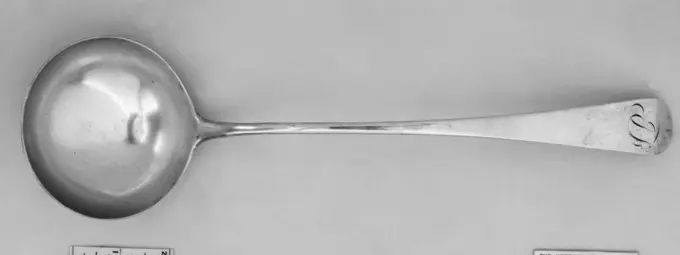
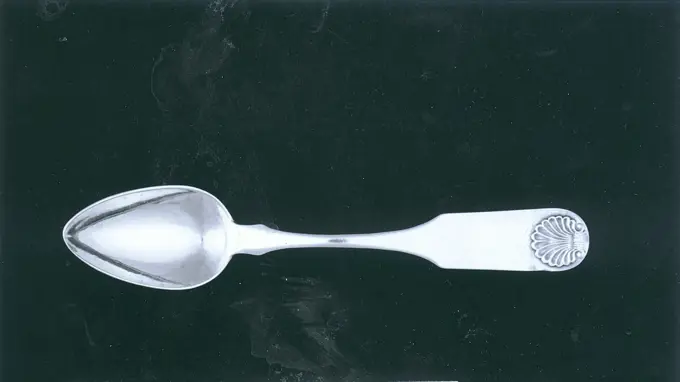
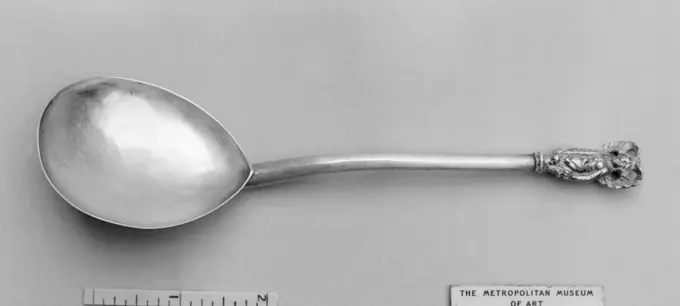
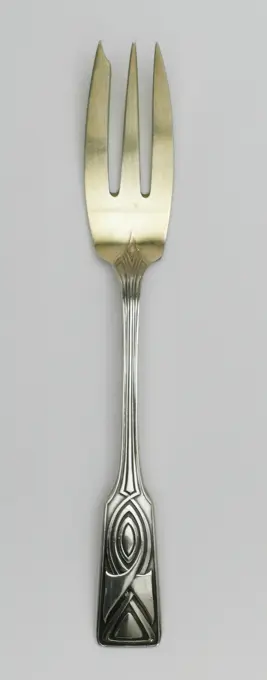
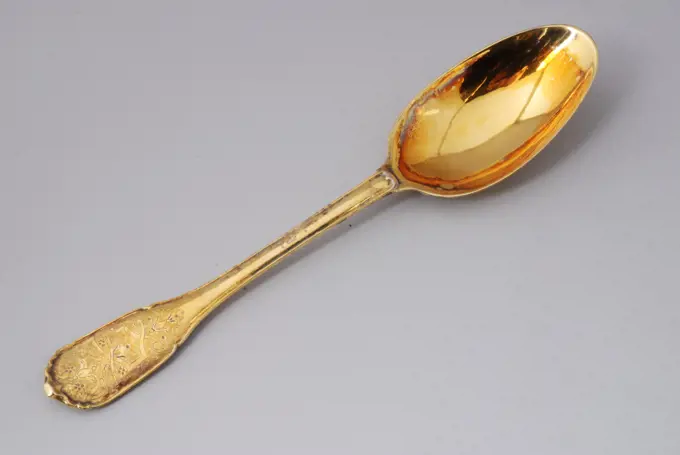
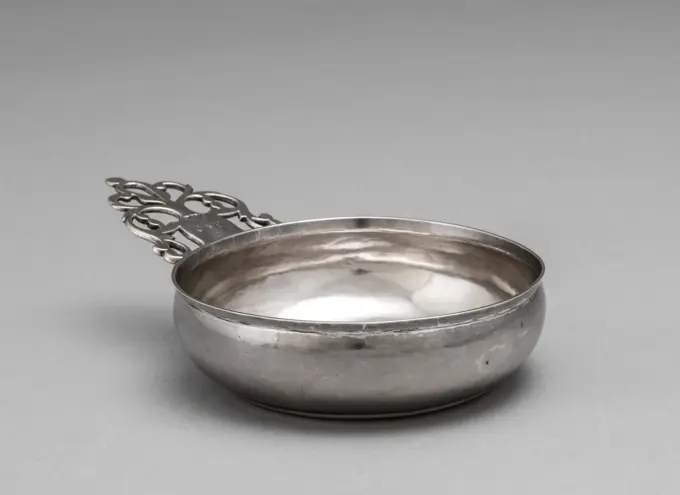
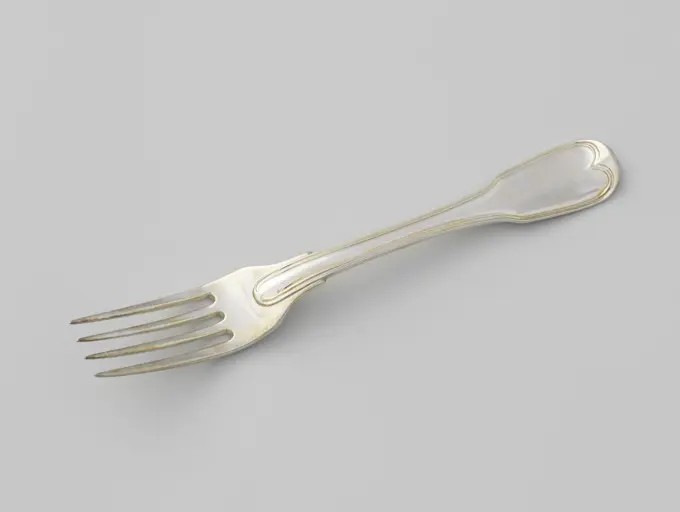
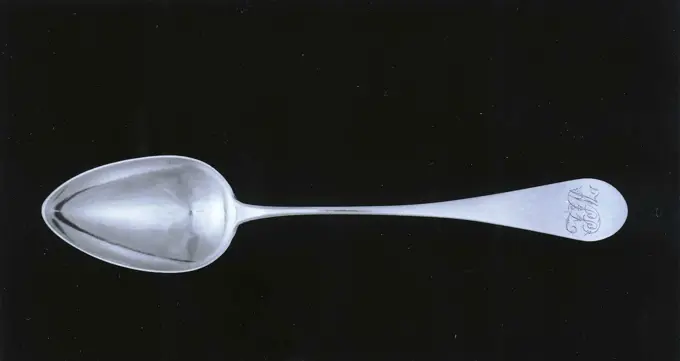
An assortment of antique silver spoons and forks, highlighting elegant designs and craftsmanship, showcasing historical silver items with intricate detailing.

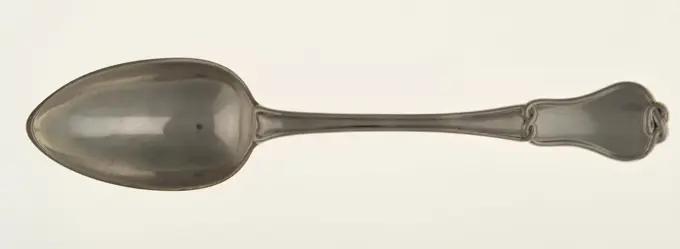
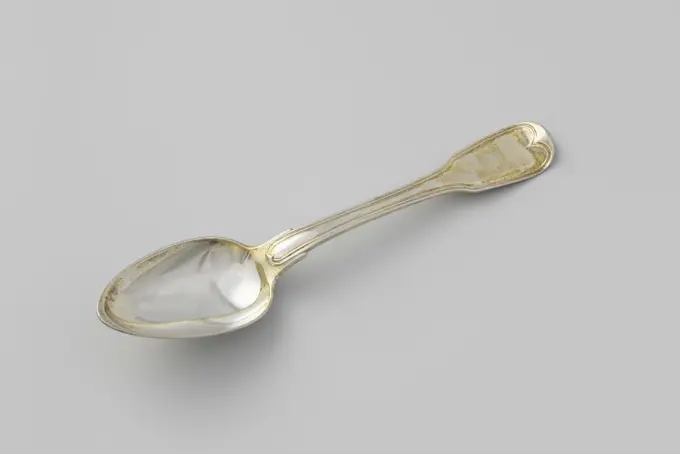
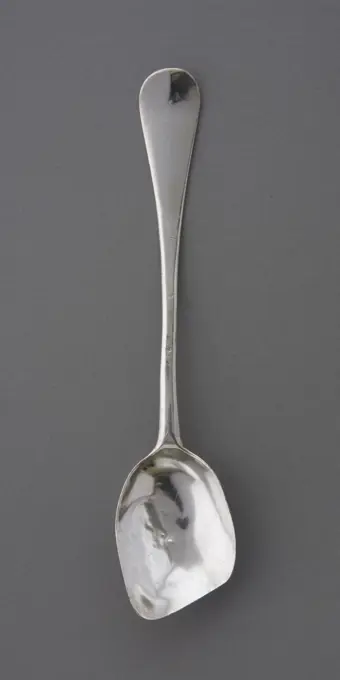
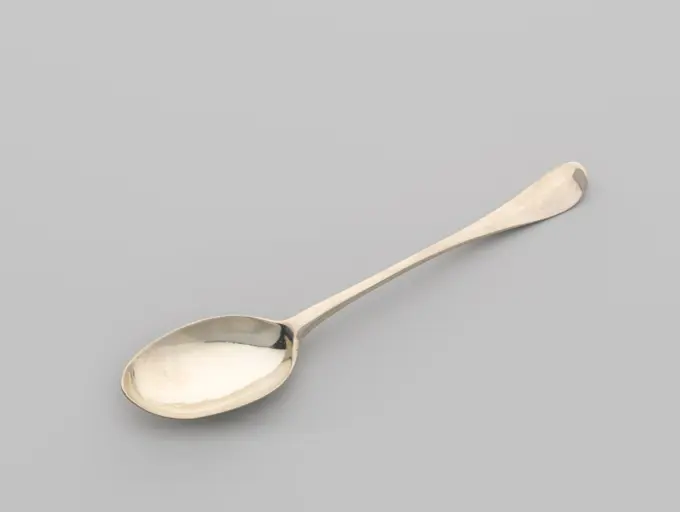
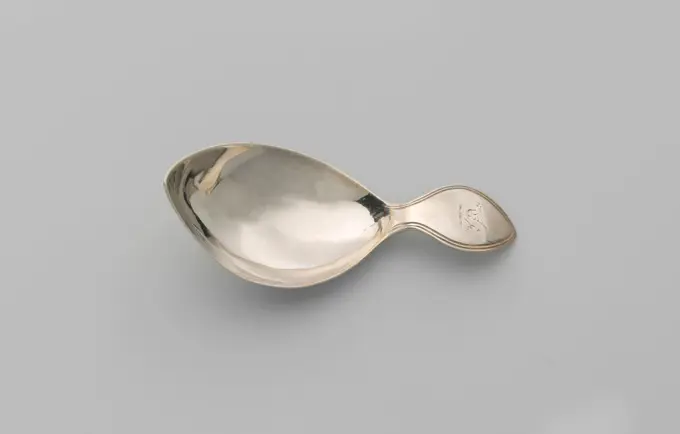
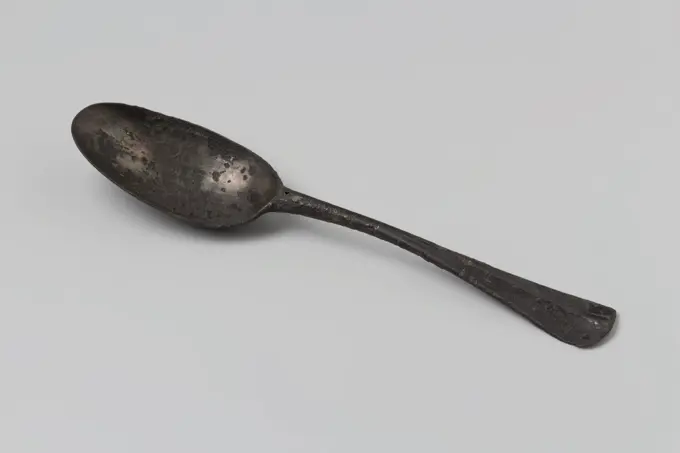
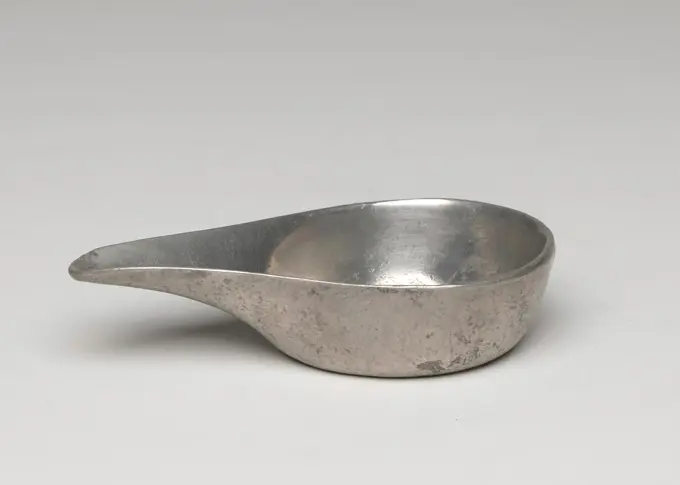
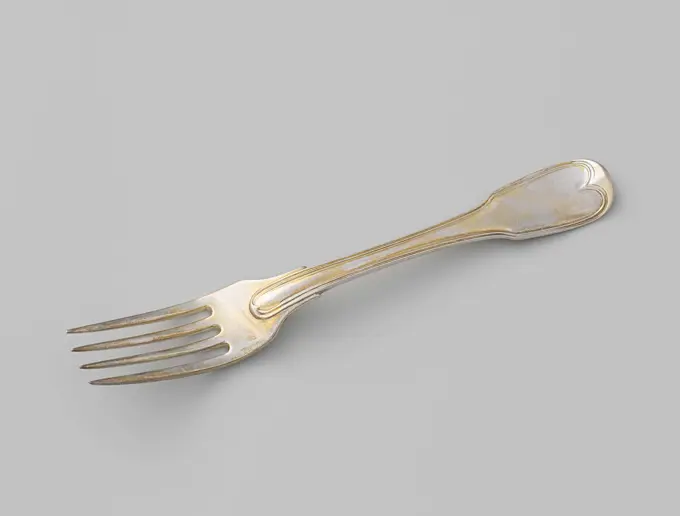
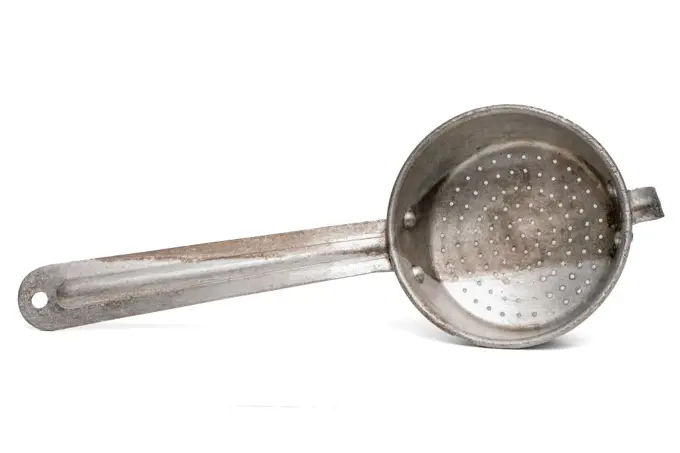
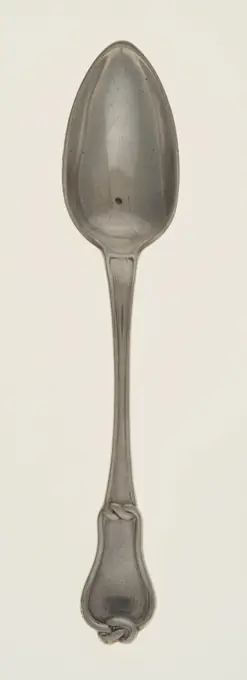
Dessert spoon with the Helmet Helmet, Roelof Helweg, 1806 The egg-shaped container of the spoon has a narrowed end and is connected to the flat, bent stem on both the top and bottom by means of a single praise, which broadens to the spatula-shaped end. At the top and bottom of the handle are surrounded by a double file edge, which has been swept up at the end. On the underside of the spatula of both the spoons and the forks, the Clifford helmet sign is engraved. Amsterdam silver (metal) The egg-shaped container of the spoon has a narrowed end and is connected to the flat, bent stem on both the top and bottom by means of a single praise, which broadens to the spatula-shaped end. At the top and bottom of the handle are surrounded by a double file edge, which has been swept up at the end. On the underside of the spatula of both the spoons and the forks, the Clifford helmet sign is engraved. Amsterdam silver (metal)
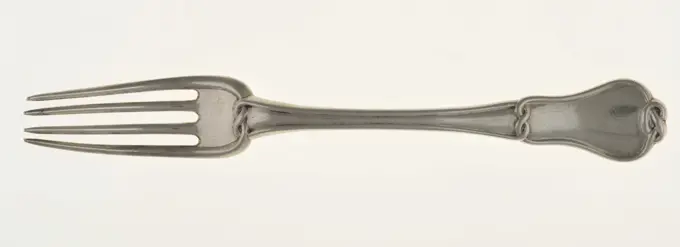
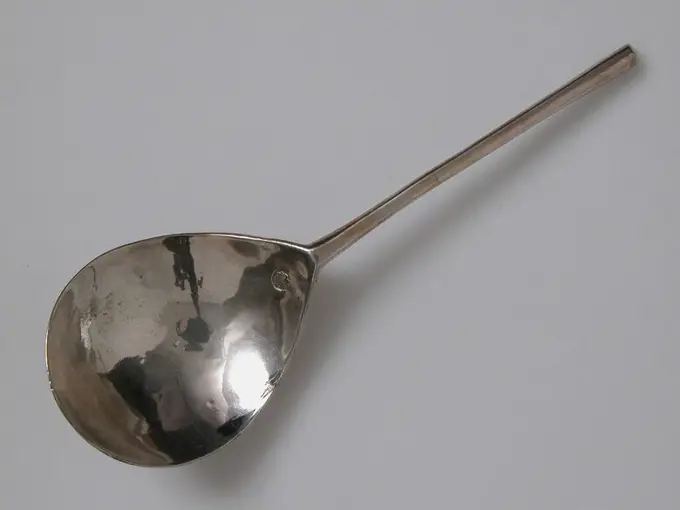
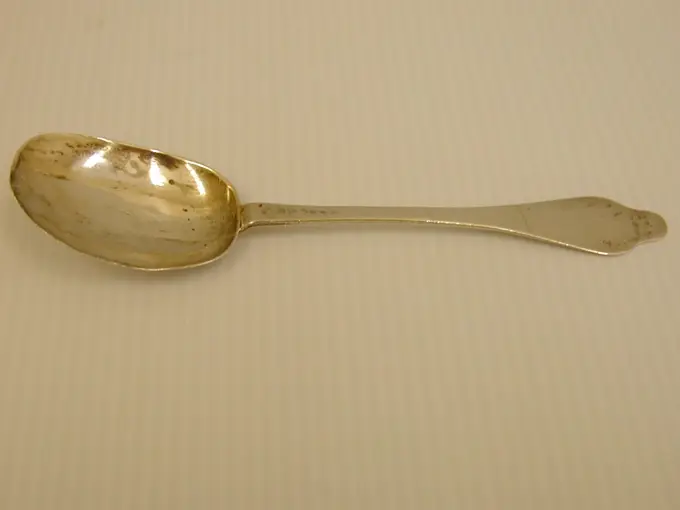
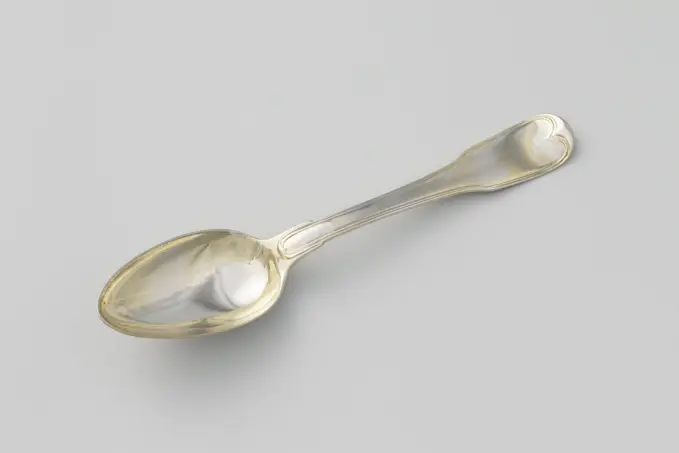
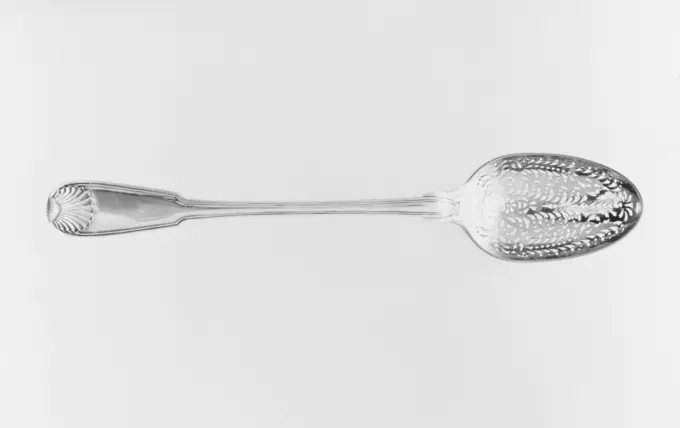
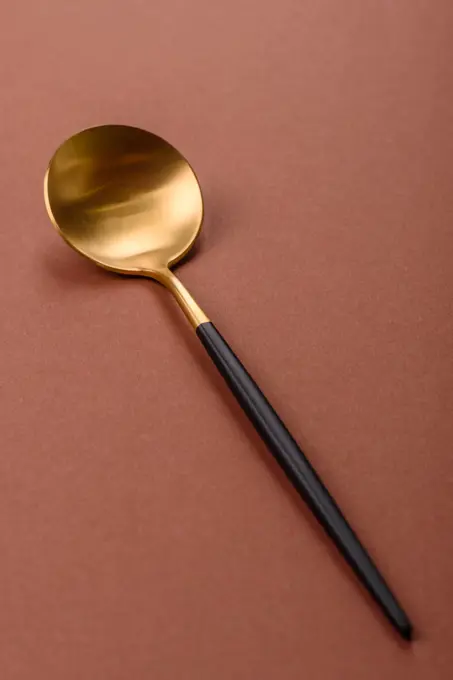
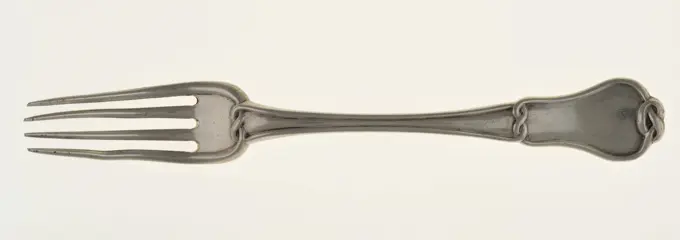
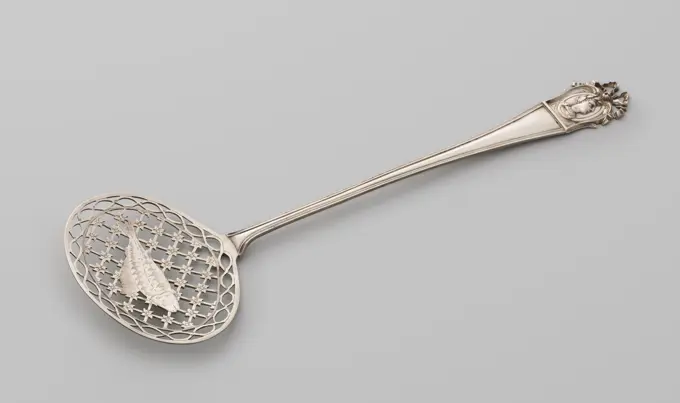
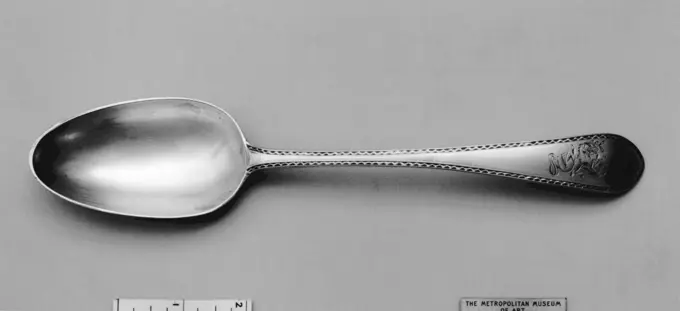
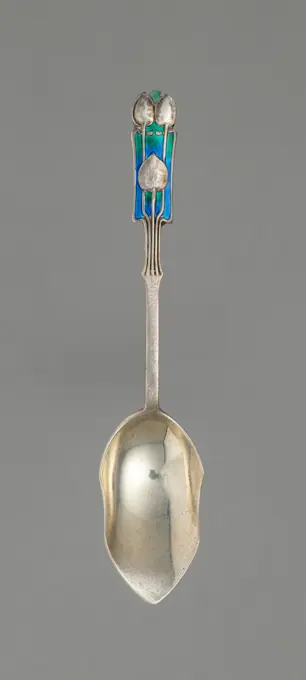
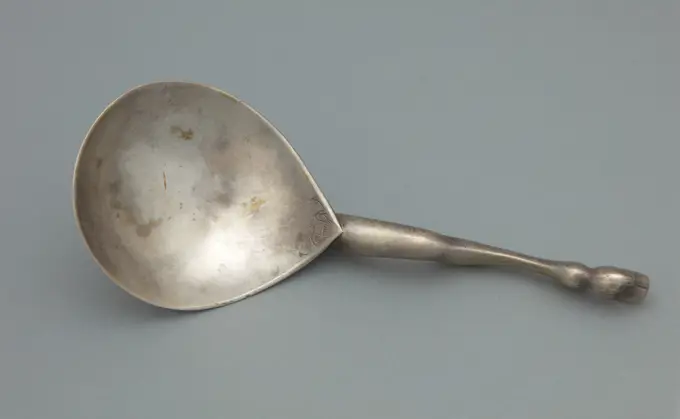
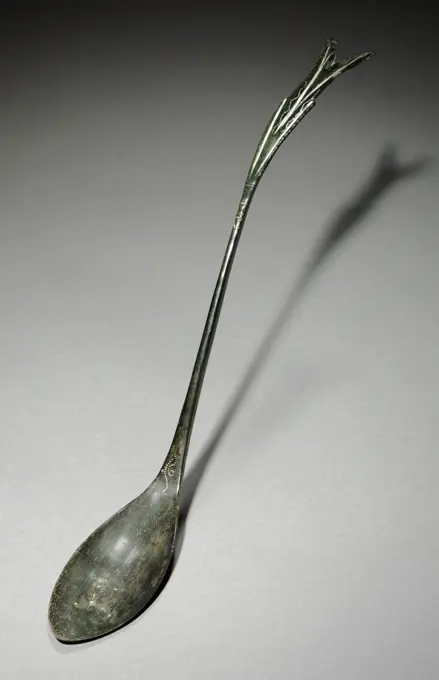
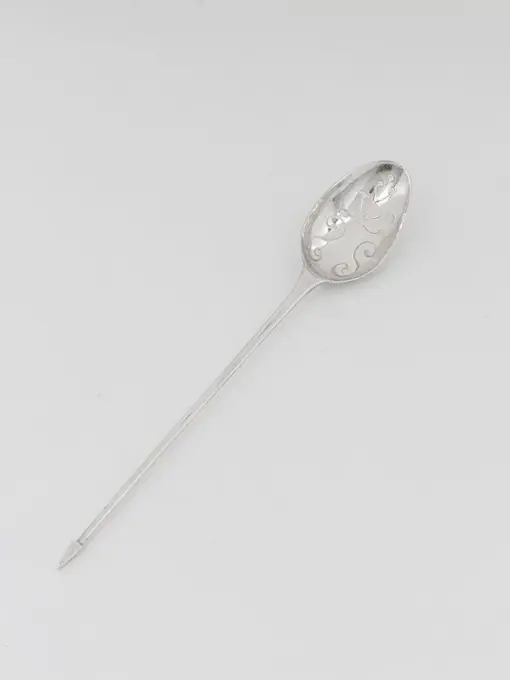
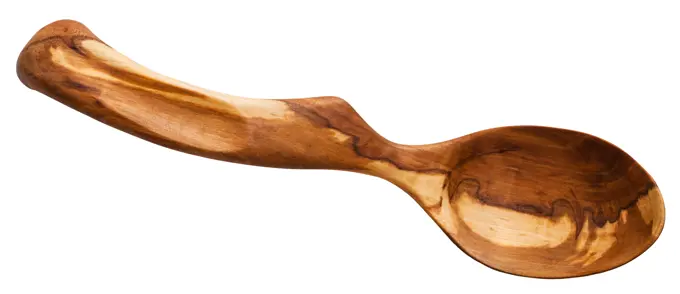
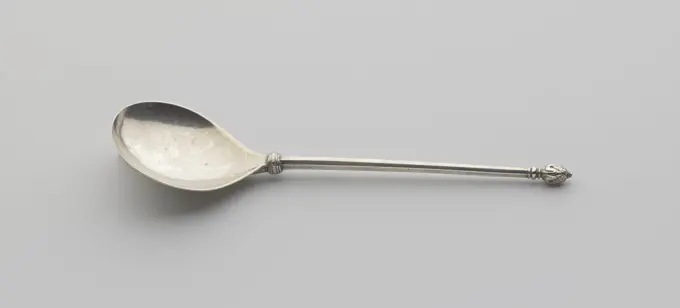
Lepel, Jan Melchers Oostervelt, c. 1640 Spoon of silver, with pear -shaped container. The straight stem is crowned by a pineal. The letters IC and AR are engraved on the underside of the container as well as an alliance weapon. Leeuwarden silver (metal) Spoon of silver, with pear -shaped container. The straight stem is crowned by a pineal. The letters IC and AR are engraved on the underside of the container as well as an alliance weapon. Leeuwarden silver (metal)Spoon. Spoon of silver, with pear-shaped container. The straight stem is crowned by a pine cone. On the underside of the bin the letters IC and AR are engraved as well as an alliance weapon.a hundred;  1783-89 (1870-00-00-1870-00-00);a hundred;  1789 (1870-00-00-1870-00-00);a hundred; Malcz, Karol (1797-1867), Silver Products Factory K.F. Malcza (Warsaw; Sreber label; 1828-1864); 1852 (1852-00-00-1860-00-00);Dessert spoon with the Helm sign Clifford, Cornelis Loeff (attributed to), 1793 The egg -shaped container is connected to the flat, bent stem by means of single praise, which broadens to the rounded end and that shows a faint rib on the top over the middle. The Clifford helmet sign is engraved on the bottom of the stem. Amsterdam silver (metal) The egg -shaped container is connected to the flat, bent stem by means of single praise, which broadens to the rounded end and that shows a faint rib on the top over the middle. The Clifford helmet sign is engraved on the bottom of the stem. Amsterdam silver (metal)Spoon with the Helmet Helmet sign, Hendrik Helweg, 1832 The egg-shaped container of the spoon is connected to the flat, bent stem on both the top and bottom by means of a single praise, which broadens to the spatula-shaped end. At the top and bottom of the handle are surrounded by a double file edge, which has been swept up at the end. The Clifford helmet is engraved on the underside of the spatula. Amsterdam silver (metal) The egg-shaped container of the spoon is connected to the flat, bent stem on both the top and bottom by means of a single praise, which broadens to the spatula-shaped end. At the top and bottom of the handle are surrounded by a double file edge, which has been swept up at the end. The Clifford helmet is engraved on the underside of the spatula. Amsterdam silver (metal)Tea Spoon 1800-1830 Thaddeus Keeler. Tea Spoon 8440Peter, Ann, and William I Bateman, Teaspoon, 1803/4, silver.STOP fork; Malcz, Karol (1797-1867), Silver Products Factory K.F. Malcza (Warsaw; Sreber label; 1828-1864); 1852 (1852-00-00-1860-00-00);Dessert spoon with the Helmet Helmet, Roelof Helweg, 1806 The egg-shaped container of the spoon has a narrowed end and is connected to the flat, bent stem on both the top and bottom by means of a single praise, which broadens to the spatula-shaped end. At the top and bottom of the handle are surrounded by a double file edge, which has been swept up at the end. On the underside of the spatula of both the spoons and the forks, the Clifford helmet sign is engraved. Amsterdam silver (metal) The egg-shaped container of the spoon has a narrowed end and is connected to the flat, bent stem on both the top and bottom by means of a single praise, which broadens to the spatula-shaped end. At the top and bottom of the handle are surrounded by a double file edge, which has been swept up at the end. On the underside of the spatula of both the spoons and the forks, the Clifford helmet sign is engraved. Amsterdam silver (metal)Table Spoon 1780-90 Benjamin Halsted. Table Spoon 8132Teaspoon, trimmed with fine ribbed cable, Hendrik Helweg, 1835 The striker egg -shaped container gradually turns into the flat, curved stem, which broadens and then rejuvenates to the straight end and which is surrounded at the top by a engraved cable edge. Amsterdam silver (metal) The striker egg -shaped container gradually turns into the flat, curved stem, which broadens and then rejuvenates to the straight end and which is surrounded at the top by a engraved cable edge. Amsterdam silver (metal)Benjamin Hurd, Tablespoon, c. 1775, silver.Teaspoon, George Elder (Banff, Scotland, active 1819 - 1852)Spoon isolatedSpoon with the Helmet helmet, Roelof Helweg, 1806 The egg-shaped container of the spoon is connected to the flat, bent stem on both the top and bottom by means of a single praise, which broadens to the spatula-shaped end. At the top and bottom of the handle are surrounded by a double file edge, which has been swept up at the end. The Clifford helmet is engraved on the underside of the spatula. Amsterdam silver (metal) The egg-shaped container of the spoon is connected to the flat, bent stem on both the top and bottom by means of a single praise, which broadens to the spatula-shaped end. At the top and bottom of the handle are surrounded by a double file edge, which has been swept up at the end. The Clifford helmet is engraved on the underside of the spatula. Amsterdam silver (metal)Dessert spoon with the Helm sign Clifford, Cornelis Loeff (attributed to), 1793 The egg -shaped container is connected to the flat, bent stem by means of single praise, which broadens to the rounded end and that shows a faint rib on the top over the middle. The Clifford helmet sign is engraved on the bottom of the stem. Amsterdam silver (metal) The egg -shaped container is connected to the flat, bent stem by means of single praise, which broadens to the rounded end and that shows a faint rib on the top over the middle. The Clifford helmet sign is engraved on the bottom of the stem. Amsterdam silver (metal)Coffee spoon with egg -shaped container and spatula end, anonymous, 1801 Coffee spoon, model: spatula with wing, double fillets and hearts. Engraved with the Clifford helmet sign. Amsterdam silver (metal) Coffee spoon, model: spatula with wing, double fillets and hearts. Engraved with the Clifford helmet sign. Amsterdam silver (metal)Tablespoon.   Maker: Joseph Richardson, Jr., American, 1752-1831  Maker: Nathaniel Richardson, American, 1754-1827Teaspoon of silver, Jan Woortman, 1806 Teaspoon of silver, with a pointed oval container. The flat, curved stem extends to the pointed end that is surrounded by a filet edge. Amsterdam silver (metal) Teaspoon of silver, with a pointed oval container. The flat, curved stem extends to the pointed end that is surrounded by a filet edge. Amsterdam silver (metal)Spoon with clifford helmet sign. The egg-shaped bin of the spoon is on both upstairs and bottom by means of single praise connected to the flat, curved stem, which widened to the spatula-shaped end. Upper and bottom of the handle are surrounded by a double fillet edge, which is injected at the end. The Clifford Helmet is engraved on the underside of the spatula.Spoon -Marrow scoop, Silver, Double-ended, one larger and one smaller scoop, the larger engraved with a crest on convex side., London, England, 1792, cutlery, Decorative Arts, Marrow scoopSpoon. Culture: British. Dimensions: Overall: 5 7/8 x 1 15/16 x 13/16 in. (15 x 5 x 2.1 cm). Date: 1487.Numerous inventories refer to spoons "slipped on the stalk," that is, spoons the stems or handles of which were simply terminated at right-angles. A great number of spoons of this type have survived and their popularity may well be explained by the simple and consequently less expensive decoration of the handles.This example is considered by some scholars to be the earliest extant example of an English slip-top spoon. On the back of the handle at the top appear the crowned leopard's head, the London hallmark for the years 1485 to 1488, the date letter for the 1487, and an illegible maker's mark. Museum: Metropolitan Museum of Art, New York, USA.William Burt, Tablespoon, c. 1750, silver.Tablespoon.   Maker: William Hollingshead, American, 1700-1785Tablespoon.   Maker: William Kimberly, active ca. 1790 - 1821Spoon with clifford helmet sign. The egg-shaped bin of the spoon is on both upstairs and bottom by means of single praise connected to the flat, curved stem, which widened to the spatula-shaped end. Upper and bottom of the handle are surrounded by a double fillet edge, which is injected at the end. The Clifford Helmet is engraved on the underside of the spatula.Strainer Spoon. Watson & Brown; American, active 1836-1838; Philadelphia, Pennsylvania. Date: 1836-1838. Dimensions: 15.9 × 4.8 cm (6 1/4 × 1 7/8 in.). Silver. Origin: Philadelphia. Museum: The Chicago Art Institute, Chicago, USA.William Clark, Tea Spoon, c. 1765.Tea shep with the helmet sign Clifford, Diederik Lodewijk Bennewitz, c. 1800 - c. 1810 The striker oval bin gradually turns into the short, bent, also striker oval steel, which is surrounded by a filet edge at the top. The Clifford helmet mark is engraved on the top of the stem. Amsterdam silver (metal) The striker oval bin gradually turns into the short, bent, also striker oval steel, which is surrounded by a filet edge at the top. The Clifford helmet mark is engraved on the top of the stem. Amsterdam silver (metal)Lepel met drielobbig uiteinde.Oval spoon with a wide range of stem. The handle has a lumping end. The spoon has not been marked.Table Spoon 1770-1800 William G. Forbes. Table Spoon 8124Pair ofSpoons.   Maker: George Hanners, Sr., American, 1696-1740Spoon with the Helmet helmet, Roelof Helweg, 1806 The egg-shaped container of the spoon is connected to the flat, bent stem on both the top and bottom by means of a single praise, which broadens to the spatula-shaped end. At the top and bottom of the handle are surrounded by a double file edge, which has been swept up at the end. The Clifford helmet is engraved on the underside of the spatula. Amsterdam silver (metal) The egg-shaped container of the spoon is connected to the flat, bent stem on both the top and bottom by means of a single praise, which broadens to the spatula-shaped end. At the top and bottom of the handle are surrounded by a double file edge, which has been swept up at the end. The Clifford helmet is engraved on the underside of the spatula. Amsterdam silver (metal)Olive spoon 1756 J.G.. Olive spoon 200231Ladle 1781-82 John Lambe. Ladle 192099Leerer Metalllöffel auf einem monochromen braunen Hintergrund Empty metal spoon on a monochrome brown background. Cutlery on the dining table LicenseRF Copyright: xZoonar.com/TetianaxChernykovax 23261904Teaspoon.   Maker: John Baptiste Dumoutet, 1761-1813Figure-top spoon 19th century probably German, Nuremberg. Figure-top spoon 188309Tablespoon.   Maker: Peter Elliston, American, active ca. 1790-1800STOP fork; Klinkosch, Josef Carl von (1822-1888); 1872-88 (1890-00-00-1890-00-00);STOP fork; Malcz, Karol (1797-1867), Silver Products Factory K.F. Malcza (Warsaw; Sreber label; 1828-1864); 1852 (1852-00-00-1860-00-00);Fishing with fish against the background of grille work with rosettes, Hendrik Griste (I) (attributed to), 1782 Silver fishing scoop, with a completely openwork scoop. Within a pendulum edge a grid with rosettes at intersections and a fish. Amsterdam silver (metal) Silver fishing scoop, with a completely openwork scoop. Within a pendulum edge a grid with rosettes at intersections and a fish. Amsterdam silver (metal)Vork van Zilver, Dirk van Gameren, 1764 Fork of silver, with 4 teeth. The fork gradually turns into the flat stem that broadens itself to the rounded end. Utrecht silver (metal) Fork of silver, with 4 teeth. The fork gradually turns into the flat stem that broadens itself to the rounded end. Utrecht silver (metal)Spoon.  Maker: Jeremiah Dummer, American, 1645-1718Lepel, anonymous, 1600 - 1699 Cut silver spoon with a stem that is decorated with flowers and amoret. Italy (possibly) silver (metal) Cut silver spoon with a stem that is decorated with flowers and amoret. Italy (possibly) silver (metal)A wooden spoon isolated on white backgroundTablespoon 1780 John Pittar. Tablespoon 188047 Maker: John Pittar, entered 1778, Tablespoon, 1780, Silver, Length: 9 1/2 in. (24.1 cm). The Metropolitan Museum of Art, New York. Gift of Mrs. Samuel P. Avery, 1897 (97.2.11)Table Spoon ca. 1790 Stephen Emery. Table Spoon. American. ca. 1790. Silver. Made in Boston, Massachusetts, United StatesSet of six Spoons in Original Box, c. 1895-1910. Liberty and Company (British), attributed to Archibald Knox (British, 1864-1933). Silver, enamel decoration and leather box;Spoon from the wreck of the East Indians' t Vliegend Hart ,, 1700 - 1735 spoon Tinn spoon without brand, with profiling that has turned black in the seawater. Middelburg tin (metal)Old vintage small brass spoon isolated on white backgroundSpoon with the Helmet Helmet sign, Hendrik Helweg, 1832 The egg-shaped container of the spoon is connected to the flat, bent stem on both the top and bottom by means of a single praise, which broadens to the spatula-shaped end. At the top and bottom of the handle are surrounded by a double file edge, which has been swept up at the end. The Clifford helmet is engraved on the underside of the spatula. Amsterdam silver (metal) The egg-shaped container of the spoon is connected to the flat, bent stem on both the top and bottom by means of a single praise, which broadens to the spatula-shaped end. At the top and bottom of the handle are surrounded by a double file edge, which has been swept up at the end. The Clifford helmet is engraved on the underside of the spatula. Amsterdam silver (metal)Teaspoon with striker oval container and flat, curved stem, which broadens to the pointed end, Hendrik Overhulsman, 1804 Mokkalpel of silver, with a pointed oval container. The flat, curved stem broadens to the pointed end. Amsterdam silver (metal) Mokkalpel of silver, with a pointed oval container. The flat, curved stem broadens to the pointed end. Amsterdam silver (metal)Dessert Fork. Peter Behrens (Germany, 1868-1940)Rückert, M.J. (Germany, Mainz). Germany, 1901. Furnishings; Serviceware. SilverTeaspoon.   Maker: Samuel Williamson, American, 1772-1843SpoonGilt spoon with oval bowl, spoon plate cutlery silver gold, forged gilt steel tray. With embossed oval medallion band work. Pine cone BW in oval (smashed back) eating Napoleon Suermondt Rotterdam 1811 According to tradition, Napoleon left Suermondt Maire de Rotterdam 1811.Pap boat, one of a pair, 18th-19th century, 1 x 4 9/16 x 2 5/8 in. (2.54 x 11.59 x 6.67 cm), Pewter, United States, 18th-19th centuryMyer Myers, Pair of Tablespoons, c. 1770, silver.Lepel, Cornelis Knuysting, 1802 Spoon of silver, with a striker oval container and striker tapered stem. The stem is engraved at the top with a flower drink and an oval medallion. Rotterdam silver (metal) Spoon of silver, with a striker oval container and striker tapered stem. The stem is engraved at the top with a flower drink and an oval medallion. Rotterdam silver (metal)STOP fork; Malcz, Karol (1797-1867), Silver Products Factory K.F. Malcza (Warsaw; Sreber label; 1828-1864); 1852 (1852-00-00-1860-00-00);Spoon late 17th century Swedish. Spoon. Swedish. late 17th century. Silver. Metalwork-SilverTeaspoon.   Maker: William Garret Forbes, American, 1751-1840Fork with clifford helmet sign. The four-eddy fork is on both upstairs and bottom by means of single praise connected to the flat, curved stem, which widened to the spatula-shaped end. Upper and bottom of the handle are surrounded by a double fillet edge, which is injected at the end. The Clifford Helmet is engraved on the underside of the spatula.Stirring spoon isolated on the white backgroundTablespoon.   Maker: Jonathan Clarke, American, 1705-1770Prototypehandle.  Designer Robert H. Ramp, American, 1920-2012 Manufacturer: Reed and Barton, American, founded 1840wooden spoon isolated on white backgroundOld metal colander on white backgroundPunch Ladle, Molded and raised silver, Elongated 'fiddle' form handle with flat stem connecting to a wide ovoid bowl, Boston, Massachusetts, 1800-1820, cutlery, Decorative Arts, Punch Ladletea;  1852 (1852-00-00-1860-00-00);Porringer, 1740-1750. Samuel Burt (American, 1724-1754). Silver; with handle: 5.6 x 20.5 cm (2 3/16 x 8 1/16 in.). "Porringer" was the term used in America for a bowl with one handle.SugarTongs.   Maker: Standish Barry, American, 1763-1844Six dessertspoons.   Maker: J.H. Norton, active ca. 1820 - 1830Carving wooden spoon isolated on white background cutoutSpoon 1787-1811 George Coldwell. Spoon. American. 1787-1811. Pewter. Made in New York, New York, United StatesFork with the Helmet Clifford, Hendrik Helweg, 1832 The fourth fork is on both the top and bottom by means of only praise to the flat, curved stem, which broadens to the spatula-shaped end. At the top and bottom of the handle are surrounded by a double file edge, which has been swept up at the end. The Clifford helmet is engraved on the underside of the spatula. Amsterdam silver (metal) The fourth fork is on both the top and bottom by means of only praise to the flat, curved stem, which broadens to the spatula-shaped end. At the top and bottom of the handle are surrounded by a double file edge, which has been swept up at the end. The Clifford helmet is engraved on the underside of the spatula. Amsterdam silver (metal)Three different types of spoons on white backgroundSpearhead and Storage Case ( 矛頭) 17th-18th century spearhead, Chinese or Mongolian; case, Tibetan With its pure form and clean lines, this spearhead shows a level of quality and refinement usually reserved for the best sword blades and seldom found on spears or other staff weapons. At the base of its socket there is a braided ring realistically chiseled in high relief. Engraved just above it is a design of a mountains and waves, a symbol of longevity called the Islands of the Immortals.. Spearhead and Storage Case ( 矛頭) 26615Hair pin, one of a pair, 8 1/8 x 1 x 1/16 in. (20.64 x 2.54 x 0.16 cm), Silver, ChinaLadle. Culture: China. Dimensions: L. 13 in. (33 cm). Date: 8th century. Museum: Metropolitan Museum of Art, New York, USA.Carving wooden spoon isolated on white background cutoutTablespoon.   Maker: Marcus Merriman, American, 1762-1850Wooden spoonFork with four teeth and to the end broadening steel, Wiener Werkstätte, 1907 Fork of silver, with four teeth. The stem is flat and broadens towards the end. Vienna German silver Fork of silver, with four teeth. The stem is flat and broadens towards the end. Vienna German silverTwoTeaspoons.   Maker: Samuel Drowne II, 1749-1815Silversmith's art, England, 15th century. Silver spoons, London 1490.Spoon 19th century possibly Dutch. Spoon 188187Teaspoon.   Maker: Haight & Sterling, American, active ca. 1841 - 1843Maker, formerly attributed to: Hotchkiss & Schreuder, American, ca. 1850-1871Spoon with Fish-Tail Design, 918-1392. Korea, Goryeo period (918-1392). Silver bronze; overall: 28.4 cm (11 3/16 in.).Two silver forks forming tall wine glass, conceptStrainer Spoon. Jeremiah Wool; American, 1740-1806; New York, New York. Date: 1760-1769. Dimensions: 16.8 × 4.5 × 2.5 cm (6 5/8 × 1 3/4 × 1 in.). Silver. Origin: New York City. Museum: The Chicago Art Institute, Chicago, USA.top view of wooden spoon carved from Apple wood top view of traditional wooden spoon carved from Apple wood isolated on white background ,property released Copyright: xZoonar.com/ValeryxVoennyyx 9672593 ,model released, Symbolfoto ,property releasedSixTablespoons.  Artist: John Ward Gethen, active ca. 1811 - 1825Retailer: Allen Armstrong, American, active 1806-17Jew's Harp 19th century Russian. Jew's Harp. Russian. 19th century. Iron. Russia. Idiophone-Plucked / DepressedA broken trumpet belonging to an exhibition throat from the chapel of the Old Catholic Seminarie in Amersfoort, Anonymous, c. 1720 - c. 1730 A broken trumpet belonging to an exhibition throat from the chapel of the Old Catholic Seminarie in Amersfoort. Antwerp (possibly) linden A broken trumpet belonging to an exhibition throat from the chapel of the Old Catholic Seminarie in Amersfoort. Antwerp (possibly) lindenVintage wooden spoons  isolated on white background