Vintage Textile Fragments

A collection of historical fabric pieces featuring floral designs, varying in colors and textures from silk to linen, evoking a sense of timeless elegance.

Fragment of a bedspread of Eastern textile with embroidery ,, 1690 - 1710 Fragment of a multi-colored tambourated Indo-Persian bedspread, decorated with volutes and flowers. India cotton (textile). silk embroidering Fragment of a multi-colored tambourated Indo-Persian bedspread, decorated with volutes and flowers. India cotton (textile). silk embroidering
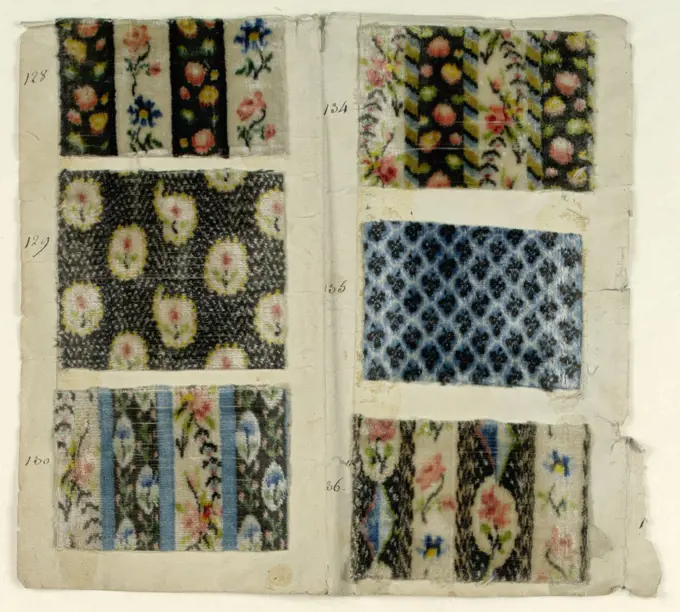
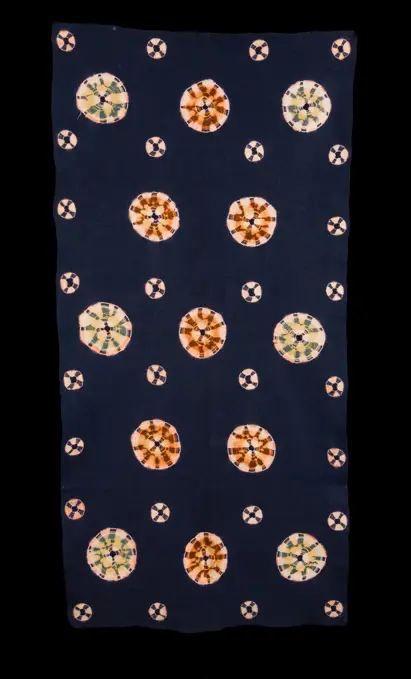
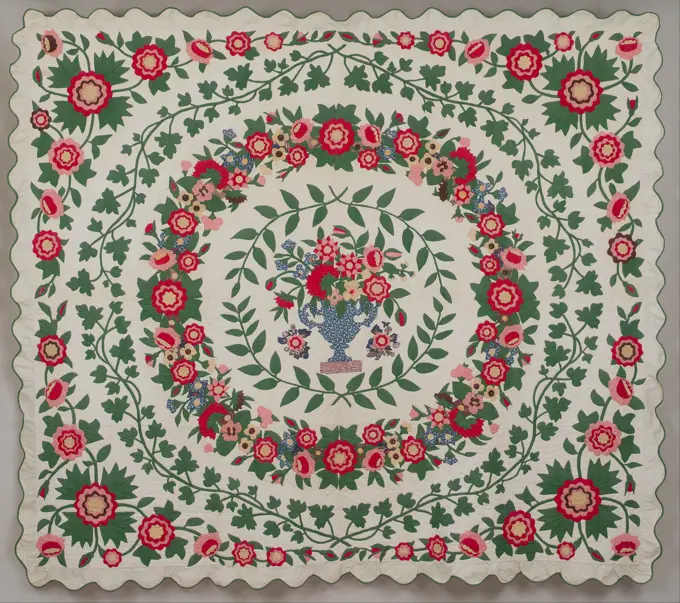
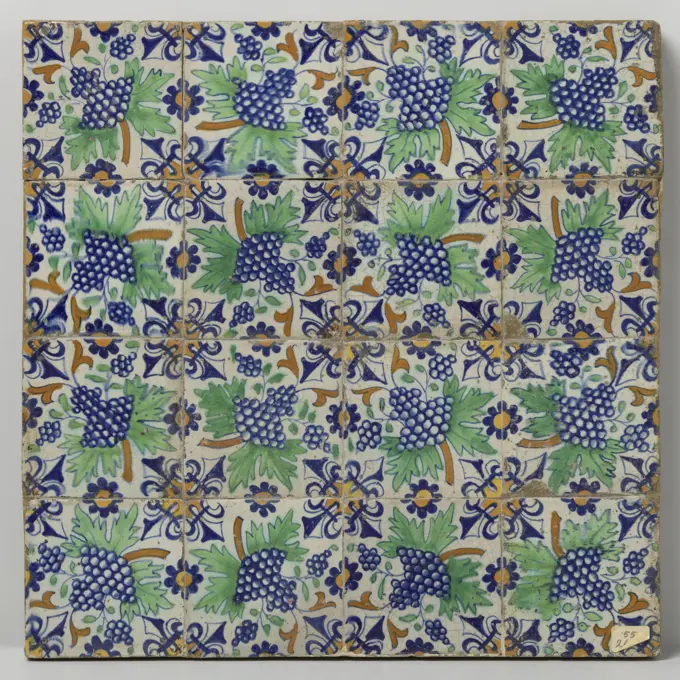
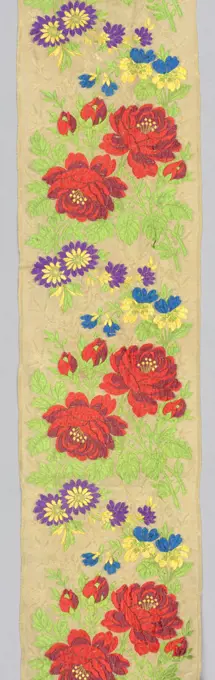
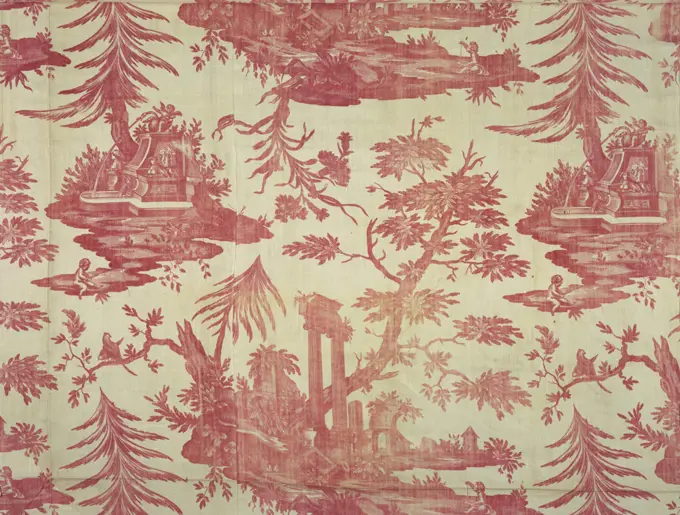
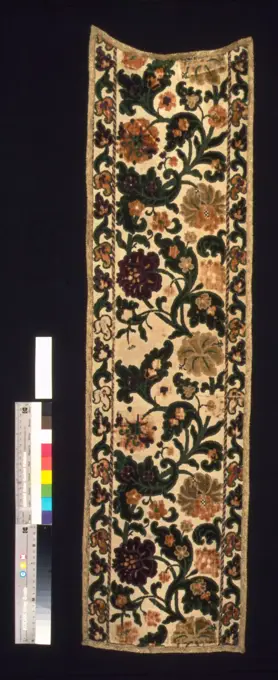
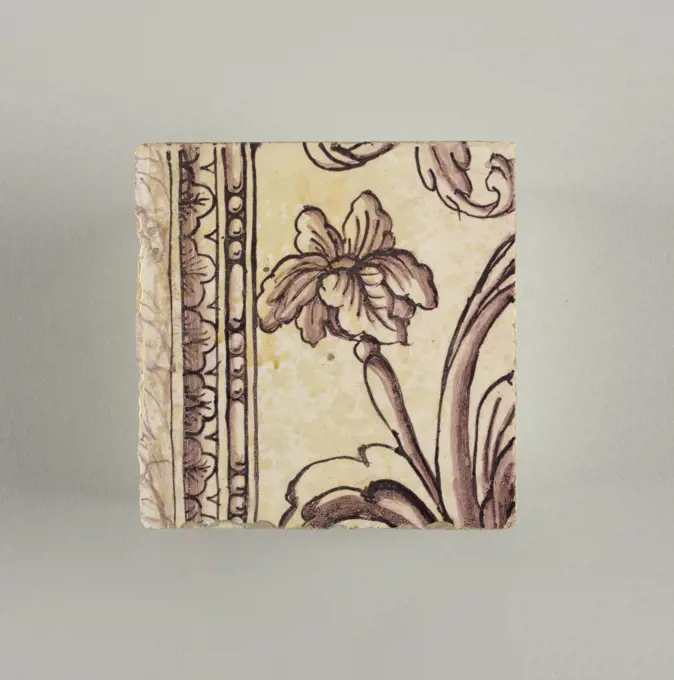
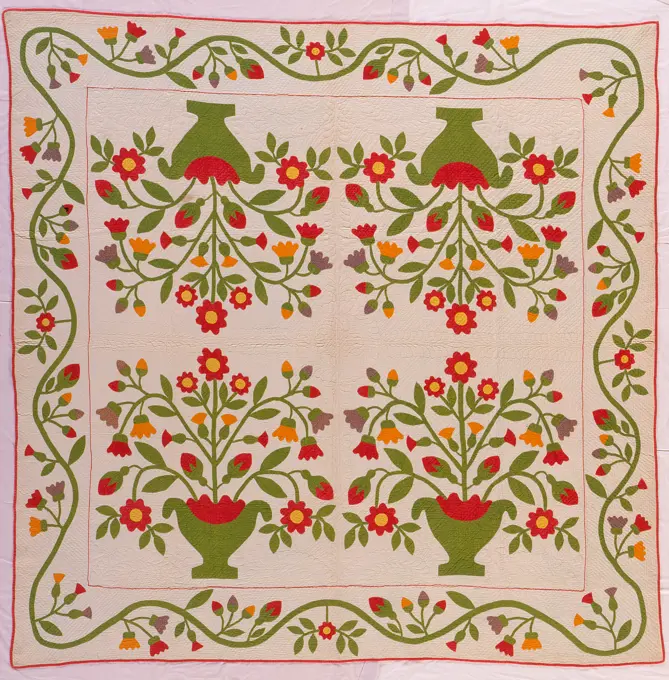
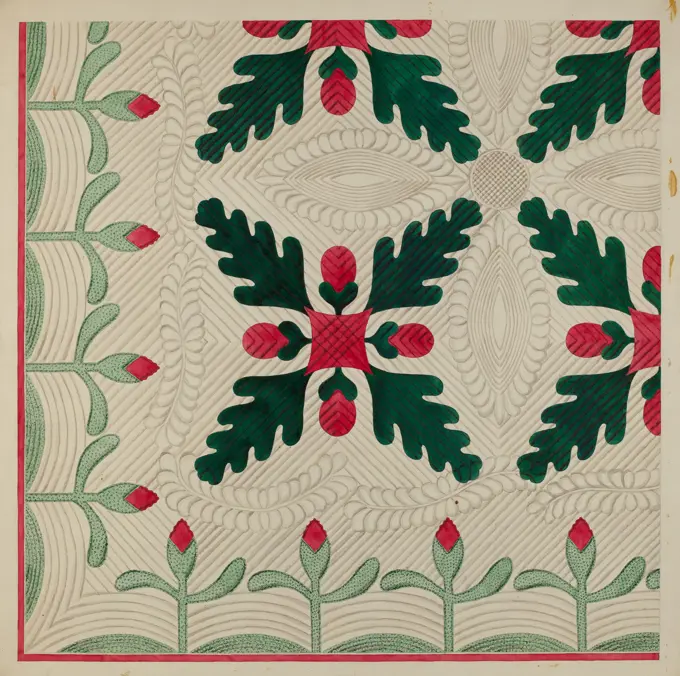
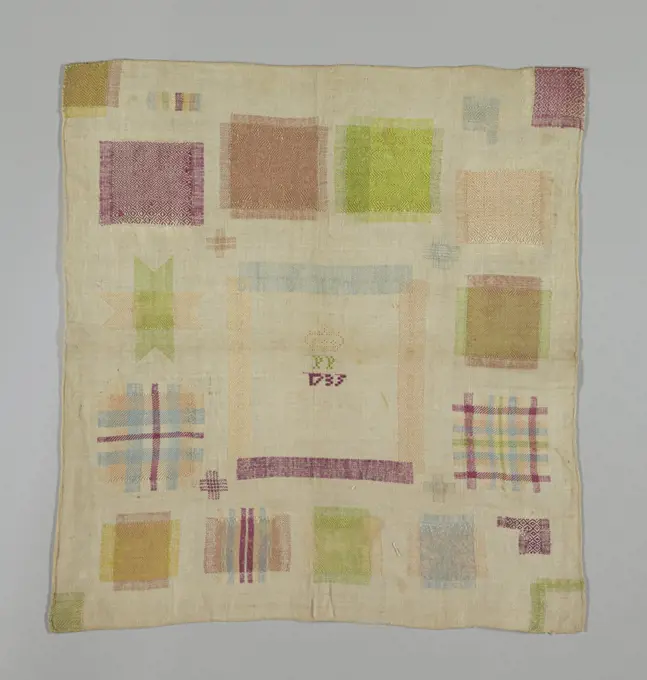
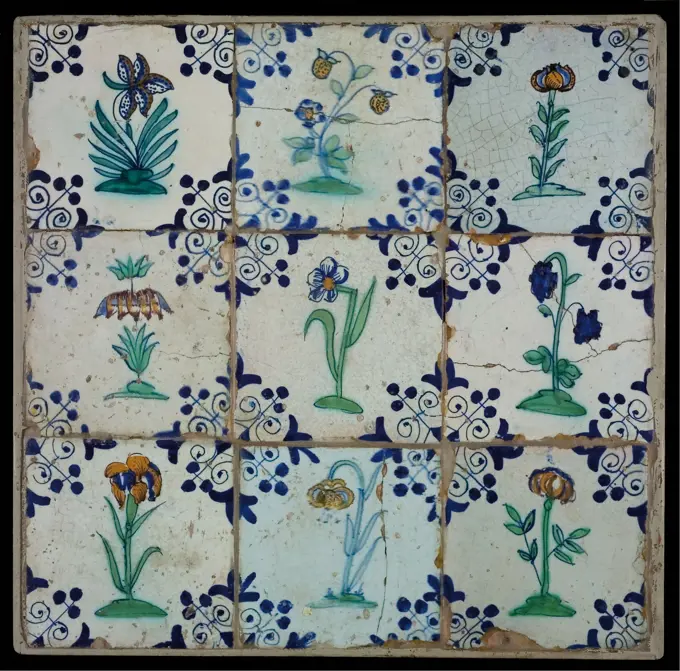
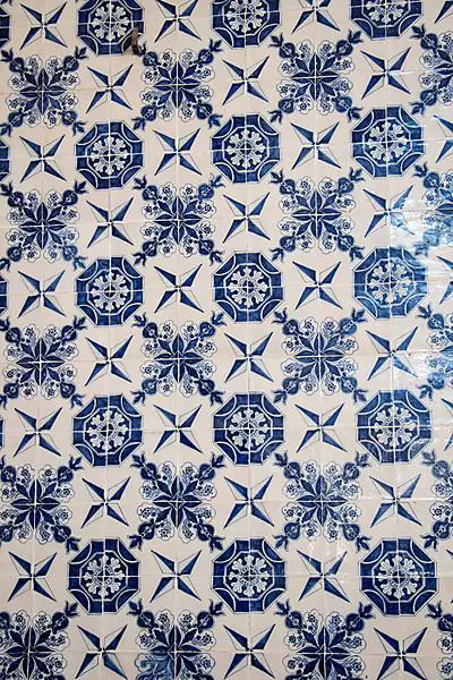
Insertion from a Table Cloth. England. Date: 1601-1625. Dimensions: 16.5 x 23.9 cm (6 1/2 x 9 3/8 in.). Linen, plain weave; ink drawing; embroidered with silk and linen in chain and running stitches; cut and drawn work embroidered with linen in buttonhole, overcast, and Russian overcast stitches; with needle lace filling stitches. Origin: England. Museum: The Chicago Art Institute, Chicago, USA.Ribbon, Medium: silk Technique: woven, Pale pink gauze ribbon with a tiny, allover tree pattern and a scalloped edge of white silk., France, ca. 1840, woven textiles, RibbonTextile Japan 19th centuryPiece 18th-19th century Japan. Piece. Japan. 18th-19th century. Silk. Edo period (1615-1868). Textiles-WovenSamples, Medium: cotton, paper Technique: warp-dyed velvet, Six manufacturer's samples of velvets for men's waistcoats. Patterns are chiné and show small conventionalized floral patterns., France, ca. 1850, printed, dyed & painted textiles, SamplesPair of garters, Medium: wool, linen Technique: counted stitches, Linen net embroidered in wool petit-point., Germany, 1800-1850, embroidery & stitching, Pair of gartersHandkerchief. Western Europe or China, circa 1870. Costumes; Accessories. Silk plain weave with silk embroideryRug;  1. PO. 19th century (1801-00-00-1850-00-00);rugBonnet Veil; silkHandkerchief (France); linenPiece. Culture: French. Dimensions: L. 26 3/4 x W. 21 inches (67.9 x 53.3 cm) (loom width). Date: 1760-70. Museum: Metropolitan Museum of Art, New York, USA.Fragment Made 1601-1700 Italy. cisele voided twill velvet .Sample, Orinoka Mills, (Philadelphia, Pennsylvania, USA), Gold warp and pink weft. Cut on all four sides., USA, ca. 1910, woven textiles, SampleDark blue felt rug (mōsen) decorated with roundels, 19th century, Unknown Japanese, 72 3/8 × 35 5/8 in. (183.83 × 90.49 cm), Cloth: wool felt; shibori (tie-dyeing), 19th century, Fabric made in Mongolia for the Japanese market.Shawl, Medium: vegetable fiber (aloe) Technique: machine-made lace, Triangular-shaped shawl of machine lace. In the center, the pattern shows a bunch of roses with two curved rose vines on either side. Slightly scalloped border of guilloche and lobes with flowers., possibly Spain, mid-19th century, lace, ShawlSample (France); silkFloral Applique Quilt ca. 1850 Emeline Travis Ludington In the mid-nineteenth century, at the time this outstanding quilt was made in Carmel, New York, a town about fifty miles north of New York City, the florid and intricate Rococo Revival Style was in full bloom. The grapevines and appliquéd flowers entwined into wreaths stiched onto the surface are reminiscent of the decoration found carved into the rich rosewood backs of high-style New York furniture of the same era. While many bed quilts are quite modest objects meant for everyday use, this one would have been considered stylish and sophisticated when it was created. Its exceptionally good condition reinforces the notion that it was meant to be a "best" quilt, taken out only on special occasions to beautify its maker's home.Emeline Travis Ludington had an ambitious artistic vision for her quilt, laying out and stiching a stunning overall design and adding an unusual scalloped finishing detail to the edges. Ludington was married toScarf sample, Medium: silk Technique: printed on plain weave, Quarter of a printed scarf in two purples, yellow, tan, and black. Field of fine black dots and floral border with rounded corner., France, mid-19th century, printed, dyed & painted textiles, Scarf sampleTextile Swatches Onondaga Silk Company, Inc. (1925-1981). Textile Swatches, 1948-1959. 58 worsted wool; 26 silk; 16 metal, largest component (a): 55 1/2 x 18 in. (141 x 45.7 cm).    1948-1959Piece 18th-19th century Japan. Piece 67374Sampler; cotton, linenSidewall, Block-printed on handmade paper, Bouquets of red roses and carnations, with floral swags. Printed on yellow ground with red pin dots., H# 395, France, 1780-1800, Wallcoverings, SidewallUnfinished Pocketbook (France); silkField of sixteen tiles with grape bunches, anonymous, c. 1600 - c. 1625 Field of sixteen tiles (4 x 4) each with a multicolored (blue, green, orange and yellow) painted grapes, placed diagonally. Along the edges, half a rosette and in the corners, a lily. Netherlands earthenware. tin glaze majolica Field of sixteen tiles (4 x 4) each with a multicolored (blue, green, orange and yellow) painted grapes, placed diagonally. Along the edges, half a rosette and in the corners, a lily. Netherlands earthenware. tin glaze majolicaFragment (England); cottonDrawstring bag 1810-20 French. Drawstring bag 116955Textile, Medium: cotton Technique: block printed, Fragment of block printed cotton in red, purple and dark green on yellow-green background. Allover pattern of stylized floral branch., Jaipur, India, late 18th-early 19th century, printed, dyed & painted textiles, TextileRibbon, Medium: silk Technique: plain weave with brocading and some warp floats (jacquard woven), Red roses and bright green leaves on a yellow background., possibly USA, possibly Europe, 1900, woven textiles, RibbonBorder Made 1601-1700 Italy. Linen and silk, intergrated compound weave of warp-float faced satin weave and plain weave .Textile, Medium: cotton Technique: roller printed on plain weave, Small-patterned design of a man with a bowling ball and three pins. Printed in red on a white ground., Alsace, France, 1825, printed, dyed & painted textiles, TextileRibbon French 19th century View more. Ribbon. French. 19th century. Textiles-TrimmingsTextile Swatches Onondaga Silk Company, Inc. (1925-1981). , 1948-1959. Silk, 23 x 18 1/4 in. (58.4 x 46.4 cm).    1948-1959Panel Made 1501-1600 Italy. Silk and gilt-metal-strip-wrapped silk, 4 1 satin damask weave with supplementary brocading wefts .Piece 16th century Spanish. Piece 216638Panel, 19th century, Linen, silk thread; needlework, Greece, 19th centuryTextile fragment. Textile fragment, print and embroidery of flowers and leaves on ocher-colored fond.Fragment Made 1600-1650 Italy. cisele voided cloth velvet .Border, Machine-printed on embossed paper, Aesthetic style. Wide central band of vining floral motif. Narrow band of scalloped edge along top. Band of wave scroll along bottom edge. Printed in shades of red and green on embossed mtallic gold ground. The ground is embossed to simulate a textile weave., USA, 1870-90, Wallcoverings, BorderFragment Made 1800-1900 Japan. .Field of nine tiles with fruit scales. Field of nine tiles (3 x 3) each with a multicolored (blue, green, yellow and orange) painted fruit bowl. In the corners, an oxen head.Letter bag in a flat, rectangular model, from an ecru-colored side on which even swinging lanes embroidered, in which a single flower branch is painted. Letter bag in a flat, rectangular model, from an ecru-colored silk on which even winding paths of brown silk and gold thread embroidered. At the points where the jobs touch each other a small circle with purple watercolor paint filled. A single flower branch is painted in every open area. Around the bag a narrow trim of gold thread. The front and back have the same pattern, just like the inside. The bag is double folded, inside in the middle an opening to two rectangular compartments. These compartments are lined with a pink taft and each divided into two compartments, by a strip of this side.Fragment of an embroidered tissue. White satin, on which in vivid colors with silk wire are embroidered: an angel wing, flowers and two birds that happen in the direction of a worm. Consists of two pieces sewn.Textile, Medium: linen warp; cotton weft Technique: printed by engraved copper plate on plain weave, Ruins with inclined, decayed trees alternate with foundation with inclined tree. A cherub is sketching the ruin and another cherub is fishing in front of the fountain., England or France, ca. 1780, printed, dyed & painted textiles, TextilePiece 18th-19th century Japan. Piece 66326Sampler, Ann Eliza Eyre, (American), Medium: silk embroidery on linen foundation Technique: embroidered in cross, stem, and satin stitches on plain weave foundation, Male and female figures, trees, birds, and urns of flowers are symmetrically arranged on either side of a large house, with grass and domestic animals in front. A deep yellow rose border surrounds the sampler on three sides. In the upper half, a box framed by a smaller floral vine border contains a verse and inscription., The verse reads:, Jesus permit thy gracious name to stand, As the first efforts of a youthful hand, And while my fingers on the canvass move, Engage my tender heart to see thy love, With thy dear children let me have a part, And write thy name thyself upon my heart, USA, 1827, embroidery & stitching, SamplerTextile Swatches Onondaga Silk Company, Inc. (1925-1981). , 1948-1959. Silk, a: 42 1/2 x 23 3/4 in. (108 x 60.3 cm).    1948-1959Handkerchief. unknown, authorPillowcase early 17th century British. Pillowcase. British. early 17th century. Silk on linen. Textiles-EmbroideredFull frame shot of almonds.Paper for diploma Beautiful needlework. Strip of richeway with wavy branch with leaves, including a three-leaf.Piece 18th-19th century Japan. Piece 66375Field of sixteen tiles with flowers, anonymous, c. 1640 - c. 1670 Field of sixteen tiles (4 x 4) each with a multicolored (blue, green, yellow and orange) painted three -part flower inside a square cushion. In the corners, a lily. Netherlands earthenware. tin glaze majolica Field of sixteen tiles (4 x 4) each with a multicolored (blue, green, yellow and orange) painted three -part flower inside a square cushion. In the corners, a lily. Netherlands earthenware. tin glaze majolicaTextile; silk on cottonFrivolitétas in rectangular model of ivory -colored satin, on which winding flower branches embroidered, the intitals 'C' and 'W' and the year '1786', Anonymous, 1786 Bag in rectangular model of ivory-colored satin, on which winding flower branches in the front in which the intitals 'C' and 'W' are applied in green-white velvine wire. Circles of silver wire in the openings of the letters. In the medallion, which is embroidered in the middle of the bag, a bouquet of flowers that bound together with a ribbon. The medallion hangs on four running rings, in silver wire. At the bottom of the bag, the year 1786 with pink stitches is fixed in white velvet, outlined with a silver thread. The bag can be closed with a ribbon of ivory satin, the part of which is painted pink in the bag - the same color as the lining. A (blurred pink) satin ribbon, which is fasting around the centimeter with a stitch, creating a bulging, adorns the edge of the bag. The back of the bag is decorated with multicoloredFragment red silk tissue .. fragment red silk tissue from the silk ingeaze reputation te Haarlem, so-called. Haarlem.Dress fabric, Medium: silk Technique: Jacquard woven, predominantly warp-faced plain weave (white) with discontinuous supplementary wefts (multicolor) floating from face to face., Pattern of offset rows of polychrome flowers on an ivory ground. Rows of flowers facing alternately left and right. Warp face plain weave foundation with discontinuous supplementary weft floating alternately from face to face., France, 19th century, woven textiles, Dress fabricTuch mit Blumendekor - Cloth with flowers Tuch mit Blumendekor - Cloth with flowers Copyright: xZoonar.com/lantapixx 7405946Front of printed chasuble unknownOrphrey from a Chasuble first half 17th century Italian This panel of cut and uncut voided velvet and another in the Lehman Collection (1975.1.1768) were probably originally one long piece that was cut in two to make orphreys for the front and back of a chasuble (a liturgical garment worn during the celebration of the Mass). The polychrome design of a meandering garland of large blossoms and curling leaves is bordered by rows of smaller-scale foliage motifs edged with narrow bands of diagonal lines. The panels are finished with two different types of decorative tape. A polychrome velvet with a similar pattern of large flowers and leaves is in the Kunstgewerbemuseum der Stadt Köln.. Orphrey from a Chasuble 461390Embroidery, HungarySidewall (USA); stamped and flocked paper; 69 x 50 cm (27 3/16 x 19 11/16 in.)Tile, Tin-glazed earthenware, underglaze manganese decoration, Tile from upright rectangular panel of tiles; dark purple (manganese) on white ground showing arched framework; oval cartouche bearing double monogram (probably Lubert Adolf Torck), supported by pair of nude amors; pair of small amors holding crown above, borne by pair of female terms; surrounded by leafscrolls and foliations, with pair of flower-filled urns; top center, lunetted amor's head pendented with rosetted lattice cartouche., To be used in Rozendaal Castel. Intended to be viewed inset into a wall- indicated by the inclusion of a trompe-l'oeil marbleized edge that surrounds three sides of the panel., Possibly Rotterdam, Holland, Possibly Delft, Netherlands, ca. 1725, tiles, Decorative Arts, TilePiece 19th century China. Piece 72063Frieze (USA); Manufactured by Carey Bros. W.P. Mfg. Co.; machine-printed paper, liquid mica; 91.5 x 49.5 cm (36 x 19 1/2 in.)Book cover with overall orange and green dot pattern 19th century Anonymous. Book cover with overall orange and green dot pattern. Anonymous , 19th century. 19th century. Relief print (wood or metal). PrintsTextile (France); Manufactured by Tassinari & Chatel (France); silkSample. Date/Period: Late 18th century. Sample. Medium: silk and metal-wrapped silk embroidery on silk foundation with metal sequins, bullion and brilliants. Technique: embroidered in satin, stem, couching, and knot stitches on supplementary warp pile (velvet), cut and voided. Author: UNKNOWN.MUSEO-CASULLA S XVIII. Location: CATEDRAL-INTERIOR. SPAIN.Piece 18th century Japan. Piece 71663Sample (France)Fragment With Factory Stamp (England); Company: Miles & Edwards; cotton; Warp x Weft: 39 x 65.5 cm (15 3/8 x 25 13/16 in.); Bequest of Elinor Merrell; 1995-50-25Bliżej Kultury unknownPicture 1830-40 French. Picture. French. 1830-40. Cotton. Textiles-PrintedTextile; Manufactured by Schwartz-HugueninQuilt. Amanda Rand King (United States, active mid-18th century). United States, circa 1840. Textiles; quilts. Pieced, quilted, and appliquéd cottonDorothy Posten, Quilt, c 1936 QuiltRuth M Barnes, Coverlet, c 1937 CoverletSample book of swatches Made 1801-1900 France. The Department of Textiles has in its collection many important showpieces but also copious holdings of fabric samples, or swatchesóabout 58,000 in allófrom countries such as England, Scotland, France, Italy, Germany, Austria, Japan, and the United States. Some samples have been preserved in book form, which affords a broad view of production usually linked to a particular time, place, or technique. This large-format volume contains about 3,000 samples of printed cottons. A notation inside the cover attributes the book to Mulhouse, a city in the Alsace region of France famous for its textile production.-A Global View Recent Acquisitions of Textiles, 2012-2016, April 8-September 5, 2016. Sample book of swatches cotton, plain weave, block printed . Unknown (Manufacturer)Darning sampler, Medium: silk embroidery on linen foundation Technique: embroidered in running (pattern darning) and eyelet stitches on plain weave foundation Label: linen embroidered with silk in pattern darning and eyelet stitches, Square sampler with stitching in violet, pale blue, lime green, fuschia and yellow on a cream-colored linen ground. Eighteen crosses and four darned corners demonstrate different repairs in different weave structures. Large square in center was removed and darned back. Additionally, one corner square was cut out and then darned back into the fabric. The eighteen crosses and other three corners were cut away, then the fabric was rebuilt by darning or 'needle weaving.', Netherlands, 1735, embroidery & stitching, Darning samplerTile field, nine tiles, orange, green and blue on white, flower on ground, corner design three-section, tiled field wall tile tile sculpture ceramic earthenware glaze, baked 2x glazed paintedA Zimet, Patchwork Quilt, c 1938 Patchwork QuiltSidewall - Sample (USA); machine-printed; 67 x 48 cm (26 3/8 x 18 7/8 in.)Fragment; silkÔhi (Stole) Made 1800-1896 Japan. Heri, jÙ silk and gold-leaf-on-lacquered-paper-strip, warp-float faced 4 1 satin weave with plain interlacings of secondary binding warps and supplementary patterning wefts; shiten silk and gold-leaf-over-lacquered-paper-strip, warp-float faced 2 1 'Zí twill weave with weft-float faced 1 2 'Zí twill interlacings of secondary binding warps and supplementary patterning wefts; lining silk, plain weave .Fragment striped silk tissue with scattered flower branches., Silk weave Heshuyzen, 1750 - 1800 Fragment striped silk tissue with dark and light brown stripes on which sprinkled flower branches in green and white. Haarlem silk Fragment striped silk tissue with dark and light brown stripes on which sprinkled flower branches in green and white. Haarlem silkPersian ornamentOttoman ancient Handmade Turkish Tiles with floral patternsFragments of embroidery unknownTextile (France); silk, cottonHandkerchief unknownPiece 18th-19th century Japan. Piece 66056Sample (France)Fragment, Medium: Technique: printed, USA, 19th century, printed, dyed & painted textiles, FragmentBag, Medium: silk, glass beads Technique: beaded knitting Label: knitted silk with glass beads, Bag knitted with colored glass beads with a spray of pink roses on a yellow ground. Tan silk at upper edge with silk cord drawstring; bead fringe at bottom in bands of pink, green and red., USA, 19th century, costume & accessories, BagSample early 19th century French. Sample. French. early 19th century. Silk and metal thread. Textiles-EmbroideredTextile Book Cover, 1800s. Japan, 19th century. Silk; average: 19.1 x 12.7 cm (7 1/2 x 5 in.).Textile (Austria); Probably Wiener Werkstätte (Austria); Designed by Josef Frank (Austrian, active Sweden, 1885 - 1967); linenSample early 19th century French. Sample 224811Dress Panels (China); silk; a. Warp: 170cm (66 3/4in.). Weft: (selvage to selvage) 74.5cm (29 3/8in.) b. Warp: 160.5cm (63 in.). Weft: (selvage to selvage) 74.5cm (29 3/8 in. ). Height of repeat:; 64cm (25 1/4in ); Bequest of Elinor Merrell; 1995-50-299-a,bSwatches from Patchwork Quilt. Dated: c. 1939. Dimensions: overall: 45.7 x 35.3 cm (18 x 13 7/8 in.). Medium: watercolor and graphite on paperboard. Museum: National Gallery of Art, Washington DC. Author: Henry Granet.