Vintage Textiles and Artifacts

A collection of historical textiles and fragments, including lace, pottery, and ancient artifacts showcasing intricate designs and textures.
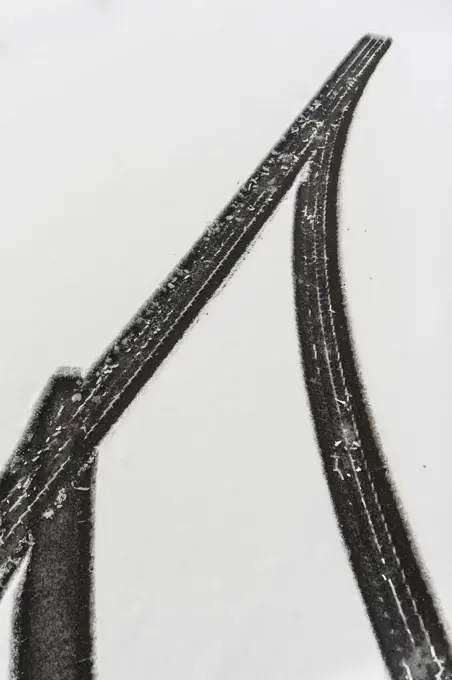
Tire tracks in the snow tire traces in the snow copyright: xzoonar.com/berndxleitnerx 6139561
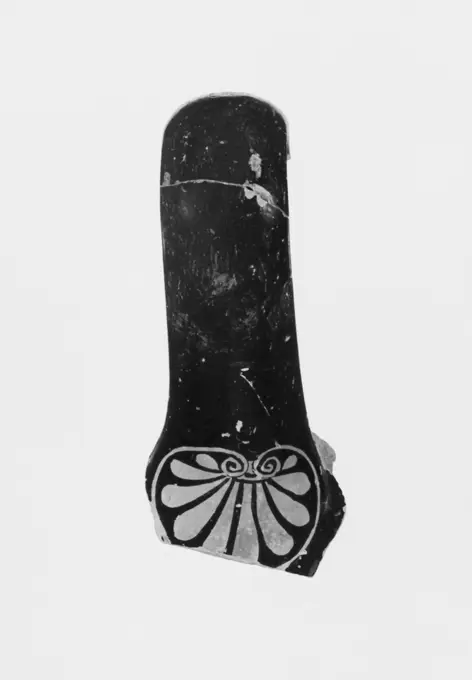
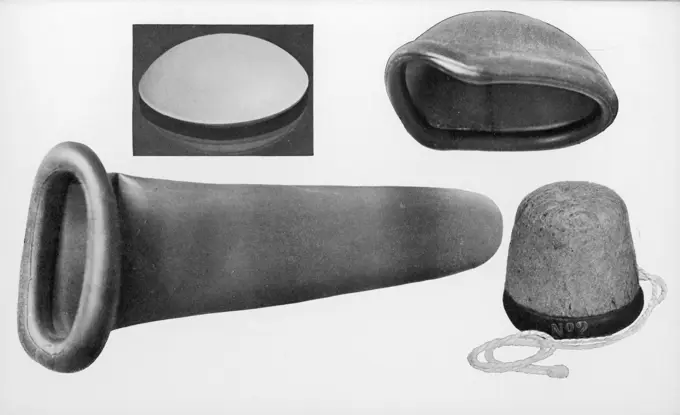
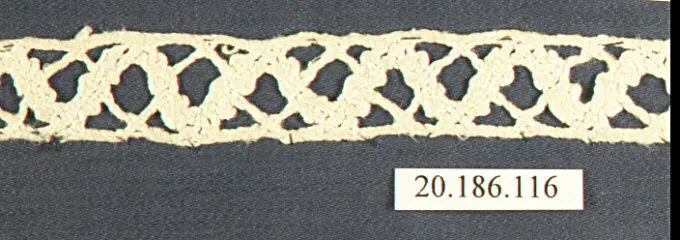
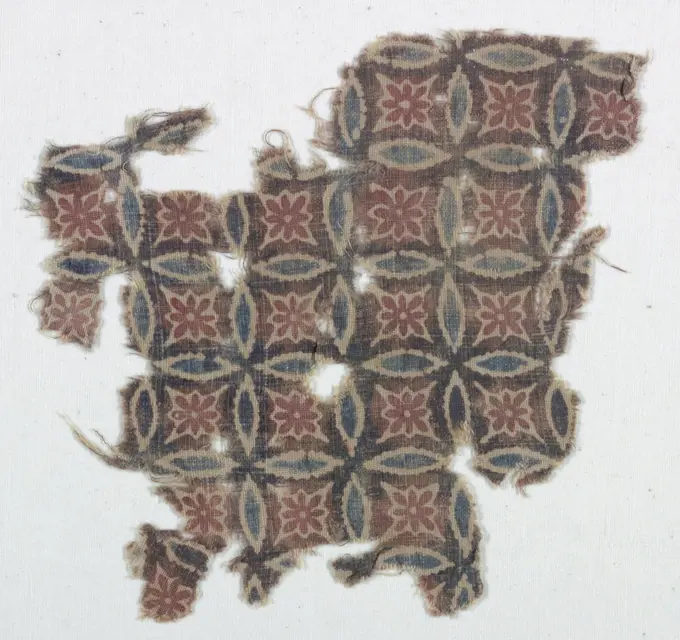
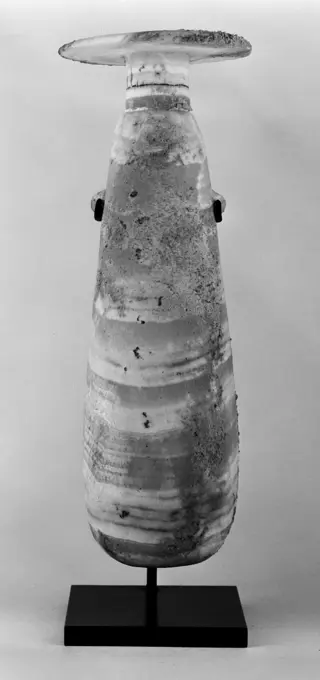
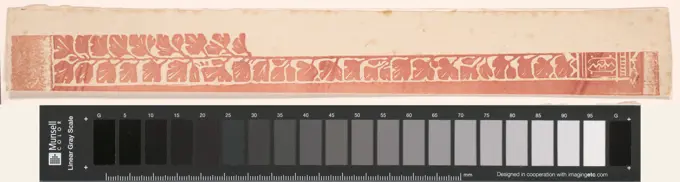
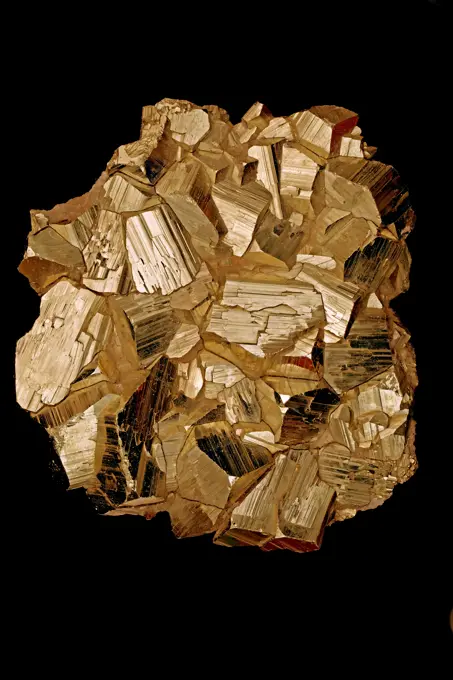
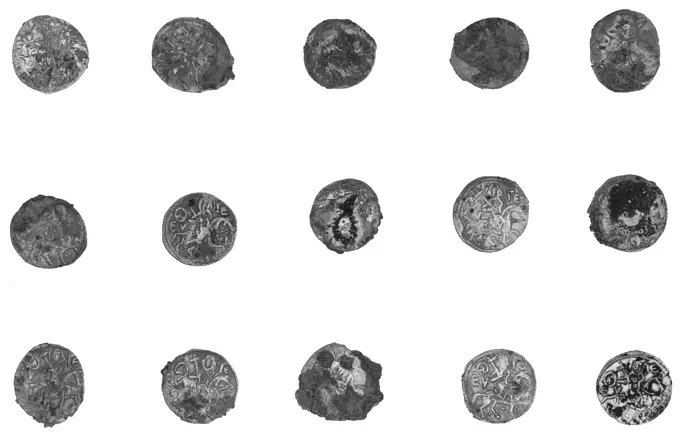
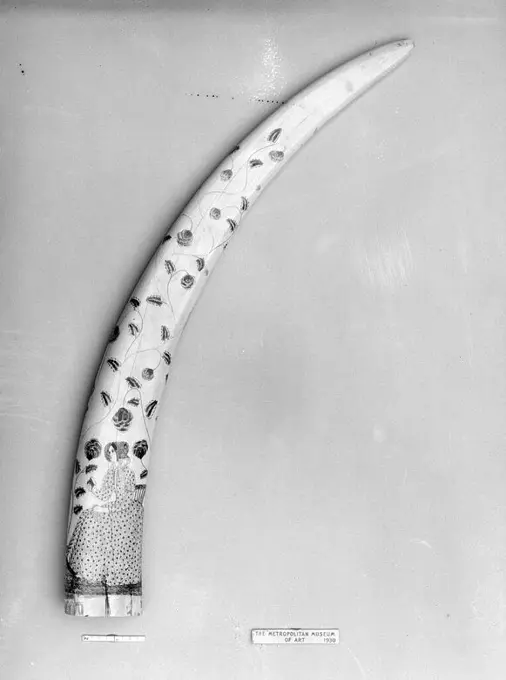
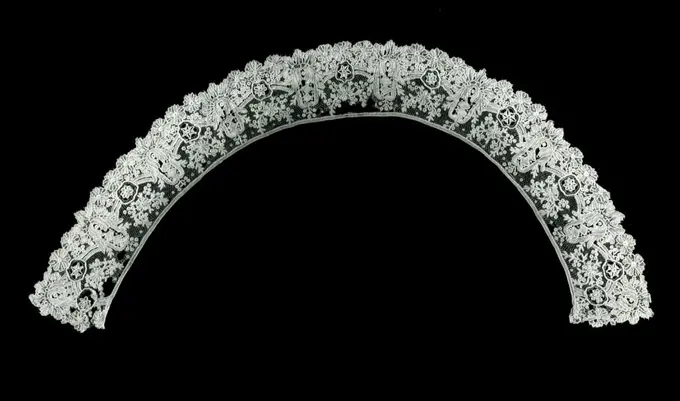
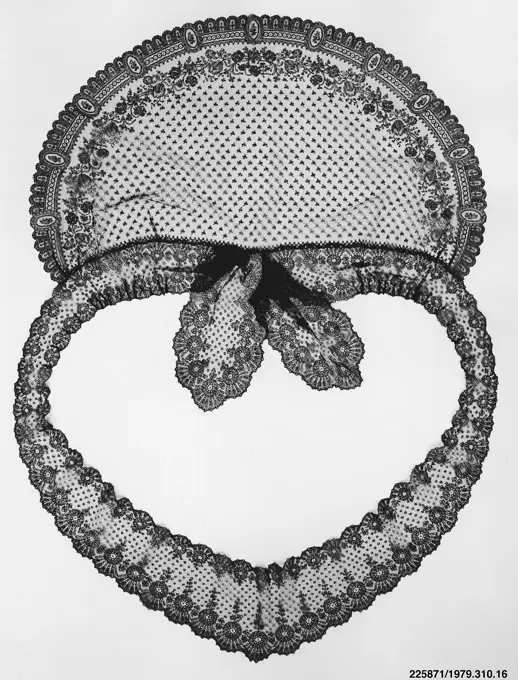
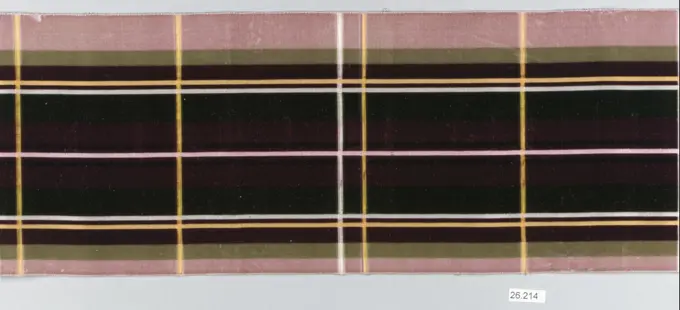
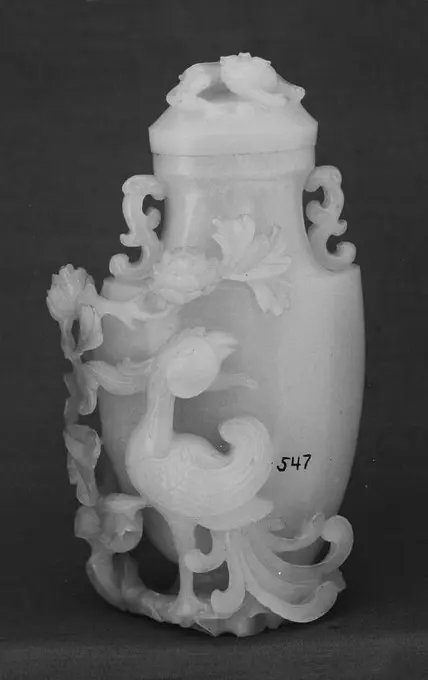
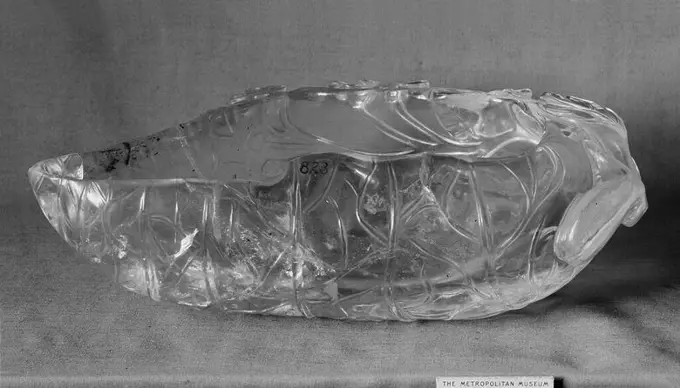
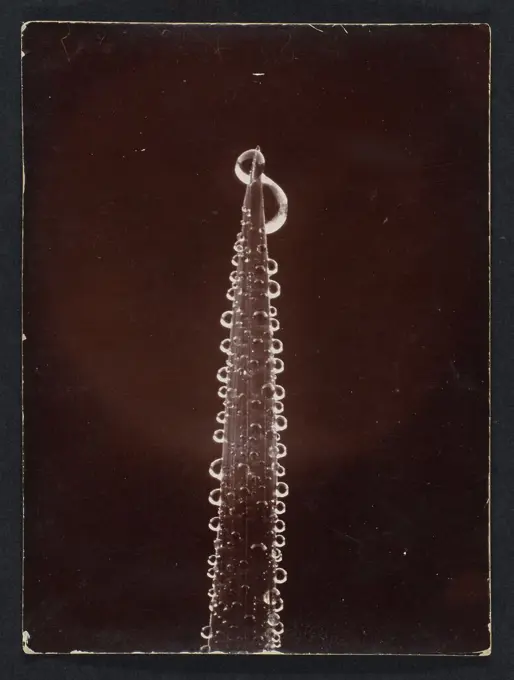
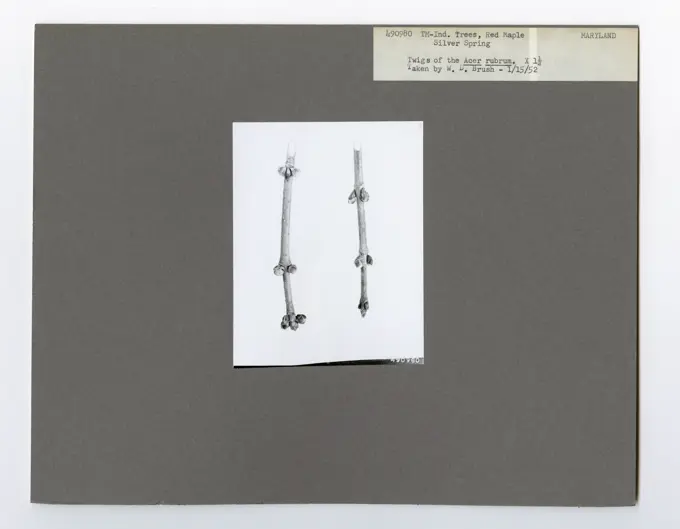
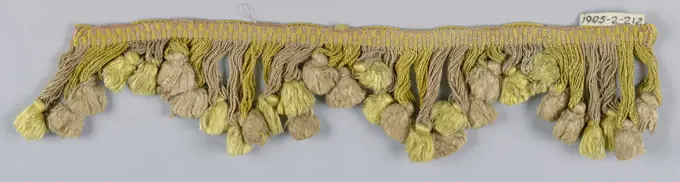
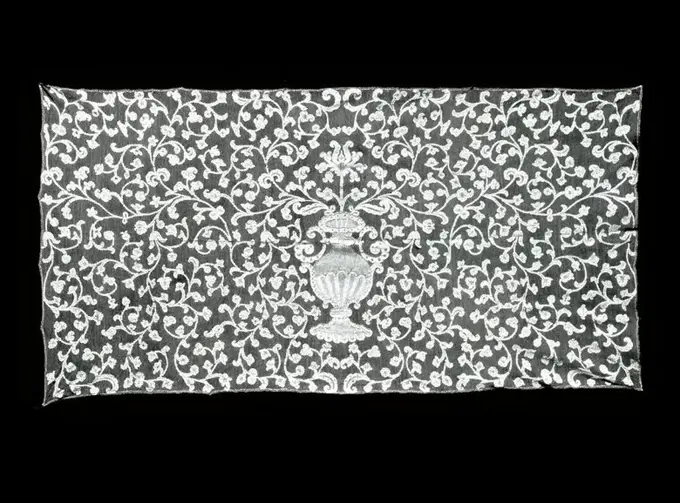
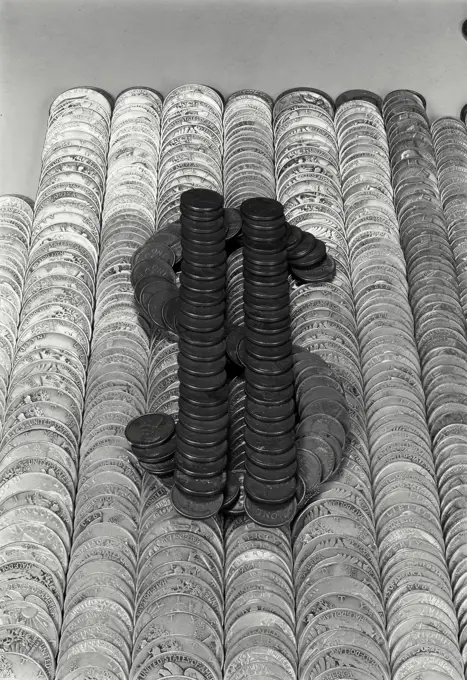
Textile Ornament 1st century B.C.-A.D. 2nd century Salinar (). Textile Ornament 319471Lock and Key. Dimensions: 8 1/2 x 5 1/8 in. (21.6 x 13 cm). Date: 1700-1730. Museum: Metropolitan Museum of Art, New York, USA.Adhesive tape. Realistic sticky paper strips with torn edges folds white piece, duct tape and sticker. Vector isolated set illustration wrinkled transparencies. Adhesive tape. Realistic sticky paper strips with torn edges folds and crease, white piece, duct tape and sticker. Vector isolated setBorder, Medium: linen Technique: bobbin net with appliqué, Design consists of a floral spray edged by repeated blossoms. Fond: réseau dotted with semé de larmes., Belgium, 1800-1850, lace, BorderAuto tire tread grunge element. Car and motorcycle tire pattern, wheel tyre tread track. Black tyre print. Vector illustration isolated on white background.. Auto tire tread grunge element. Car and motorcycle tire pattern, wheel tyre tread track. Black tyre print. Vector illustration isolated on white backgroundFragment, Medium: silk Technique: cut and uncut supplementary warp pile (velvet), Fragment of yellow-green velvet with design of tiny hexagonal figure enclosing a central quatrefoil in cut velvet with ground of uncut velvet., Italy, 16th century, woven textiles, FragmentFragment; linen; 1897-8-302Glass Fragment 13th-14th century European. Glass Fragment. European. 13th-14th century. Colorless glass. Glass-StainedTransparent plastic tapes, clear stickers and adhesive strips, wrinkled film pieces or duct tapes set. Vector realistic crumpled sellotapes, sticky stripes and crosses for packaging, fixing or repair. Transparent plastic tapes, clear stickers, stripsFragment of needlelace unknownCorner Shelves. Culture: American. Dimensions: 51 1/4 x 23 1/2 x 18 1/2 in. (130.2 x 59.7 x 47 cm). Date: ca. 1750. Museum: Metropolitan Museum of Art, New York, USA.Beaker with Five Dragons. Culture: China. Dimensions: H. 9 7/8 in. (25.1 cm); W. 5 11/16 in. (14.4 cm); L. 2 7/16 in. (6.2 cm). Museum: Metropolitan Museum of Art, New York, USA.Lemons, still lifeT107 Machine damage.Aldebaran (depicted name)Pipe Case 18th century Japan. Pipe Case 61923Black and white grunge wall with peeling paint, rough textures, and distressed patterns, abstract urban background with dramatic contrast and decay.Dish 1761-99 Frederick Bassett. Dish. American. 1761-99. Pewter. Made in New York, New York, United Statesgraue keramische Vase graue keramische Vase Copyright: xZoonar.com/Dr.xNorbertxLangex 14144391Parasol van kant, anonymous, 1890 - 1920 photograph   baryta paper  lace. parasol, sunshadeCoin 5th-14th century. Coin. 5th-14th century. Copper. Excavated in Iran, Nishapur. CoinsTrebizond Coin; about 13th century; Silver, Byzantine Coinage of the empire of TrebizondsAttic Red-Figure Pelike Fragment (part of 86.AE.199.1).Various forms of female  contraception: diaphragm,  occlusive cap and feminine  sheath       Date: 1934Insertion 16th-17th century Italian. Insertion 220926Needlepoint (Coralline Point) Lace Edging, late 17th century. Italy, Venice, late 17th century. Lace, needlepoint; average: 6.1 x 99.1 cm (2 3/8 x 39 in.).Bowl or Brush Washer. Culture: China. Dimensions: Diam. 4 1/2 in. (11.4 cm). Museum: Metropolitan Museum of Art, New York, USA.Textile, Medium: cotton Technique: printed and resist printed on plain weave Label: printed and resist printed cotton, Design of overlapping circles with rosettes. Fustat., India, 18th century, printed, dyed & painted textiles, TextileHalf Moon worn through the 300 bootsmen of Admiraal de Boisot, Anonymous, 1574 copy Tin medal in the form of half moon with broken carrying eye. Front: face that represents moon; On the edge of the rim: liver TVCX * Dan Pavs. Downside: face that represents moon; To the edge of the edge: Endespit * Delames. Netherlands tin (metal) casting / engraving  LeidenOrbicular jasper, 'ocean jasper' from Madagascar,  a variety of jasper which contains spherical inclusions.Piece. Culture: American. Dimensions: Dimensions unrecorded. Maker: Magueston and Company. Date: 1850. Museum: Metropolitan Museum of Art, New York, USA.Arrow sign cut out of brown paper on canvasFragment of a Veil 17th century. Fragment of a Veil 447069MEMBER ZWARTE CHENILLE-FRANJE, c. 1920 Matering Zwarte Chenille-Franje. France (possibly) whole: Matering Zwarte Chenille-Franje. France (possibly) whole:Metal rip holes with curly edges, ragged cracks, cut damage on steel sheet. Torn slash, gun aperture design element isolated on transparent background Realistic 3d vector illustration, clip art. Metal rip holes with curly edges, ragged cracksLeaf with windscreen pattern with rosette and overhoek dots, anonymous, 1750 - 1900 as field filling  Leaf with windscreen pattern with rosette and overhoek dots as field filling.  paper. block printing (relief printing process) ornament derived from plant formsbracteate heller. Świdnica, issuerSheets for recording notes fly on a gray backgroundPiece Italian 16th-17th centuryGotlland injury in tank.Gotland (depicted - name)Kloskant collar with a pendulum tire in shape, anonymous, c. 1850 Collar of natural-colored bobbin: Cluny side. Lightly curved strip -shaped model with sharp points at the widened ends. Pattern with a wavy band formed by double ribbons cloated in linen stroke. In every golf valley one hangs twig with leaves cloned in shape. At the ends the winding ribbons are connected by wheels made with braids and leaves in shape. France linen (material) bobbin lace / Cluny lace Collar of natural-colored bobbin: Cluny side. Lightly curved strip -shaped model with sharp points at the widened ends. Pattern with a wavy band formed by double ribbons cloated in linen stroke. In every golf valley one hangs twig with leaves cloned in shape. At the ends the winding ribbons are connected by wheels made with braids and leaves in shape. France linen (material) bobbin lace / Cluny lacePendant (part of a set) 18th century French. Pendant (part of a set). French. 18th century. Wood, carved and gilt. WoodworkEdging ca. 1600 Spanish Punto in arialiterally, "stitches in the air"is one of the earliest styles of needle lace, which is itself developed from cutwork of primarily geometric design. When lacemakers transitioned to using a foundation of threads laid out according to a pattern drawn on parchment, they were able to incorporate more fluid lines and curves into their designs.. Edging 212440Piece 16th-17th century Italian. Piece 223514Top part of an Alabastron, with mouth. UnknownOrnament with leaves, Bernard Willem Wierink, c. 1910 print   paper  foliage, tendrils, branches ~ ornament. fable of Reynard the FoxPiece 18th-19th century Japan. Piece 66878Pyrite (FeS2) (Iron sulfide) / 'Fool's Gold'. Butte - Montana - USA. mining mine specimen specimens crystal crystals geology, Ithaca.Trebizond Coin; about 13th century; Silver, Byzantine Coinage of the empire of TrebizondsTrebizond Coin; about 13th century; Silver, Byzantine Coinage of the empire of TrebizondsPiece early 18th century French. Piece 214132in oman antique door entrance and      decorative handle for backgroundTextile Fragment 4th-5th century. Textile Fragment 443924Fragment of the lace;  after. 19th century (1840-00-00-1860-00-00);Fragmentary Suspension Tube. Unknown varese   abstract   rusty brass brown knocker in a  door curch  closed wood lombardy italy  sumiragoDecorated Walrus Tusk. Dimensions: H. 22 in. (55.9 cm). Date: 1825-50. Museum: Metropolitan Museum of Art, New York, USA.Attic Red-Figure Janiform Kantharos Fragment.Collar Made 1855-1865 Belgium. Cotton, needle lace of a type known as Point de Gaze .Beads 7th century or earlier Japan. Beads. Japan. 7th century or earlier. Glass and lacquer. Kofun period (ca. 300-710). JewelryCar tires concept. Vector rendering of 3dBiber (Castor Fiber L.). Kelle (Partial view)Water foam. Clean washing liquids bath laundry drops splashes on seaside top view vector realistic templates. Shampoo foam, cream soap washing illustration. Water foam. Clean washing liquids bath laundry drops splashes on seaside top view vector realistic templatesbouquet of ears of rye on canvas a bouquet of dried rye ears of which makes the bread on the background ,model released, Symbolfoto Copyright: xZoonar.com/AleksandrxKichiginx 9905201 ,model released, Symbolfoto ,property releasedYoung Man's Shirt (dloki), 20th century, Nakunte Diarra, 23 x 24 1/2 in. (58.42 x 62.23 cm), Cotton; mud cloth (bogolanfini); dyed, Mali, 20th centuryBracelet ca. 9th century B.C. Iran. Bracelet 325314Made-up costume piece French, Chantilly second half 19th century The Metropolitan Museum's great lace collection was started when the Museum became the first among American museums to organize a permanent collection of lace with the acceptance of the McCallum Collection in 1879 and the bequests of Mrs. John Jacob Astor, Mrs. Robert L. Stuart, Mrs. Augustus Cleveland, and Mrs. A. W. Winters shortly thereafter. In 1893 a loan collection of antique laces shown at the World's Columbian Exposition in Chicago was assembled by a committee of New York women headed by Catharine Augusta Newbold. About 1900 Miss Newbold arranged and labeled an exhibition of laces and linenworks lent to the Metropolitan Museum by Mrs. James Boorman Johnstone and the Misses Johnstone. "Her scholarly knowledge of lace technique enabled the Museum for the first time to offer a comprehensive display of lace illustrating its historical development," wrote Miss Frances Morris, then curator of the textile department. MisDirectly above shot of colorful paint paletteDecorated and sculpted objectsFragment (Japan)Ribbon ca. 1865 French. Ribbon 221814Armlet 1796-1875 China. Armlet. China. 1796-1875. Jadeite. Qing dynasty (1644-1911). JadeCovered vase with phoenix. Culture: China. Dimensions: H. 5 11/16 in. (14.5 cm); W. 3 1/16 in. (7.7 cm); D. 1 15/16 in. (5 cm). Date: 18th century. Museum: Metropolitan Museum of Art, New York, USA.Attic Black-Figure Band Cup Fragment. UnknownRing With Relief Bezel. UnknownStamp seal (grooved tabloid) with three-figure contest scene and geometric design 12th - 7th century B.C. Syro-Anatolian-Levantine. Stamp seal (grooved tabloid) with three-figure contest scene and geometric design. Syro-Anatolian-Levantine. 12th - 7th century B.C.. Glazed steatite. Iron Age I-II. LevantFragment of a Tunic. Dimensions: 7 7/8 in. high 1 3/16 in. wide (20 cm high 3 cm wide). Date: 5th-6th century. Museum: Metropolitan Museum of Art, New York, USA.Organic breadsticks ready to be baked in ItalyDish. Culture: China. Dimensions: H. 3 in. (7.6 cm); W. 9 3/4 in. (24.8 cm); D. 5 in. (12.7 cm). Date: 18th century. Museum: Metropolitan Museum of Art, New York, USA.Fossils for sale in the souk, Medina, Marrakech, Morocco.Dew on a Blade of Grass. Artist: Wilson Alwyn Bentley (American, 1865-1931). Dimensions: Image: 4 in. × 2 15/16 in. (10.1 × 7.5 cm). Date: 1890s-1920s. Museum: Metropolitan Museum of Art, New York, USA.Tree Identification - Maple: Red. Photographs Relating to National Forests, Resource Management Practices, Personnel, and Cultural and Economic HistoryFringe, Medium: silk Technique: plain weave, Pink and yellow fringe with a heading and looped skirt threads graduated to form scallops; each group of threads supporting a tassel of the other color., Spain, 17th century, trimmings, FringeWall light (candelabrum appliqué) (one of a pair) ca. 1735 French. Wall light (candelabrum appliqué) (one of a pair). French. ca. 1735. Carved and gilded oak. Woodwork-FurnitureTowel End 19th century. Towel End 445656Classic wicker lamp with led bulb Classic wicker lamp with led bulb Copyright: xZoonar.com/SorinxOpreanuxRobertox 12657621Altar Frontal. Northern Italy. Date: 1725-1750. Dimensions: 92.3 x 176.5 cm (36 1/4 x 69 1/2 in.)Heading width: .8 cm (3/8 in.). Linen, bobbin part lace (worked in large sections with the aid of a hook). Origin: Northern Italy. Museum: The Chicago Art Institute, Chicago, USA.Poll photo collection. Advertising photography. Harmonica fair with English money. undatedVintage Photograph. Coins laid out as a dollar sign design on top of rows of other coins at an angle.Glazed pottery cones from Tunisia by Khaled Ben Simane worn by Sufi mystics. Dated 2000Stamp seal ca. 3rd-7th century A.D. Sasanian. Stamp seal. Sasanian. ca. 3rd-7th century A.D.. Chalcedony, milky. Sasanian. Iran or MesopotamiaOld antique door and door handlePiece German 19th centuryFragment, Medium: silk Technique: cut supplementary warp pile (velvet), Triangular fragment of red velvet., France, 18th century, woven textiles, FragmentCentral America, Guatemala, Antigua, Textile Museum aka Casa del Tejido. Colorful traditional Guatemalan textiles.ShowerStamp seal ca. late 3rd-early 2nd millennium B.C. Bactria-Margiana Archaeological Complex. Stamp seal. Bactria-Margiana Archaeological Complex. ca. late 3rd-early 2nd millennium B.C.. Copper alloy. Bronze Age. Bactria-MargianaLinen cuff with thick embroidery with open C-shapes and windows, surrounded by dots and bonds, anonymous, c. 1900 - c. 1915 Linen cuff with thick embroidery with open C-shapes and windows, surrounded by dots and bonds. West-Europa whole: Linen (Material) embroidering Linen cuff with thick embroidery with open C-shapes and windows, surrounded by dots and bonds. West-Europa whole: Linen (Material) embroideringChessboard Chinese 19th centuryKohl Container 401 CE-600 CE Palestine. Byzantine glassmakers refined the techniques they inherited from their Roman predecessors, creating objects with increasingly elaborate forms and complex decorative elements to flaunt their skills. Cosmetic containers like this one were often adorned with fine strands (trails) of glass that required a steady hand and rapid execution, while other vessels look quite complex yet were easily made. Glass continued to be used in objects of personal adornment such as jewelry, both as a material in its own right and to imitate precious stones, offering more affordable options for what was in fashion.. Glass, blown technique . ByzantineEngraved Gem. Unknown