Vintage Textiles and Artifacts

A collection of historical textiles and fragments, including lace, pottery, and ancient artifacts showcasing intricate designs and textures.
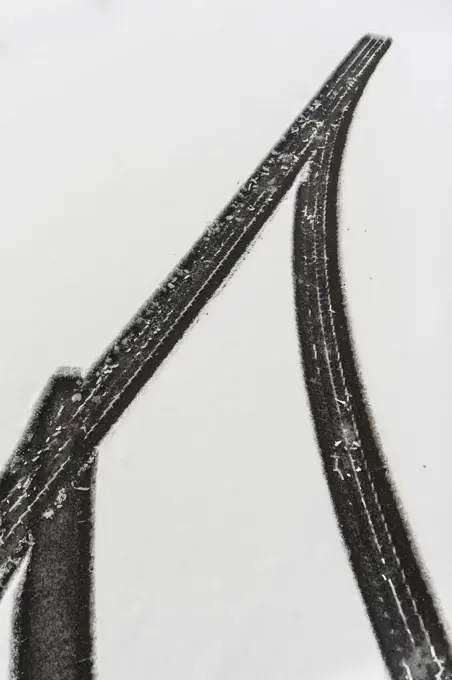
Tire tracks in the snow tire traces in the snow copyright: xzoonar.com/berndxleitnerx 6139561
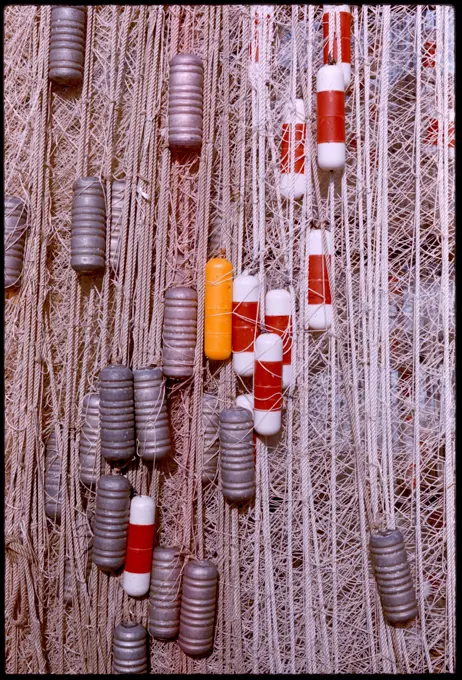
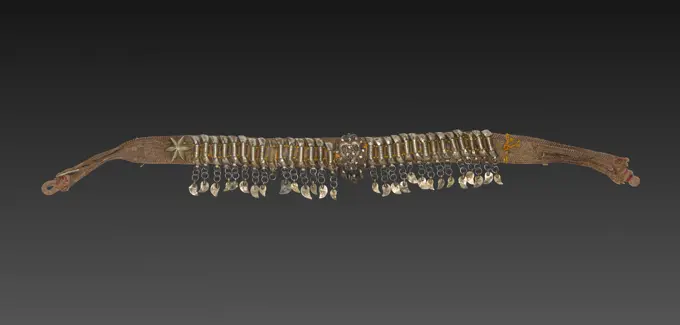
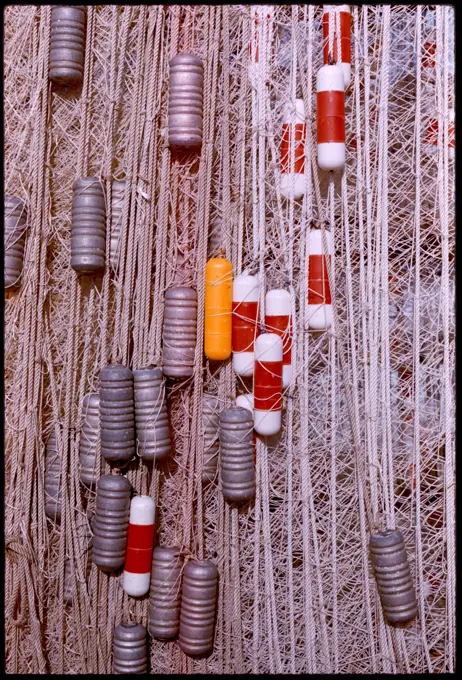
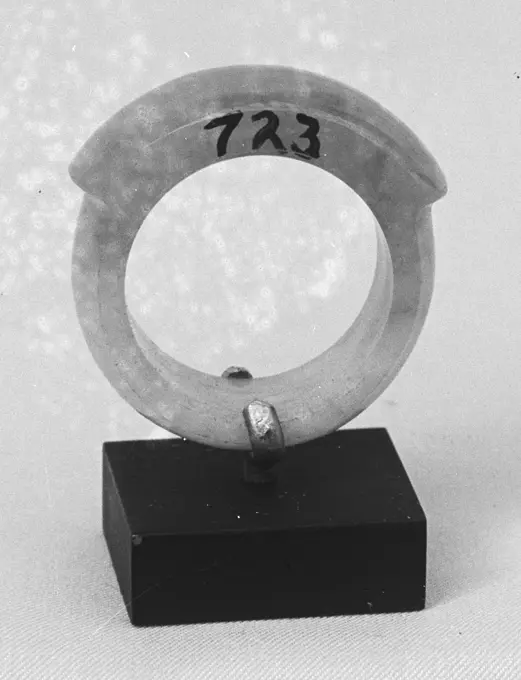
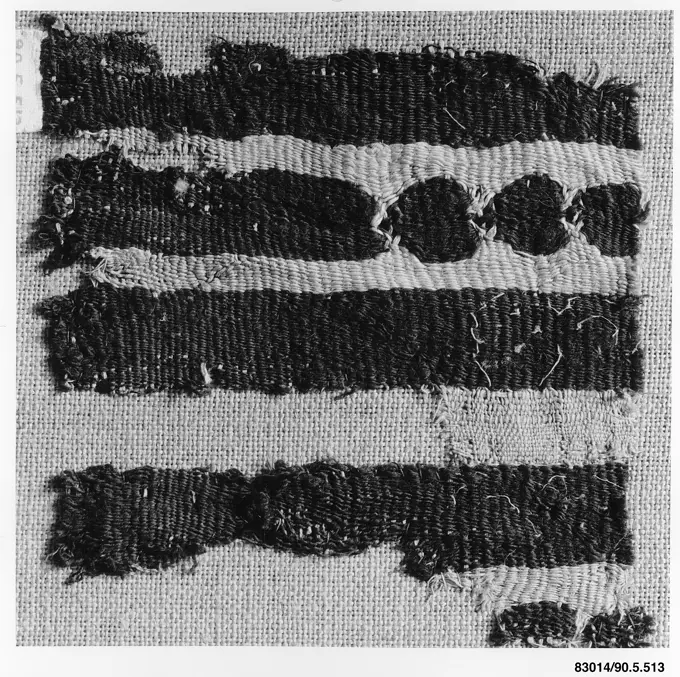
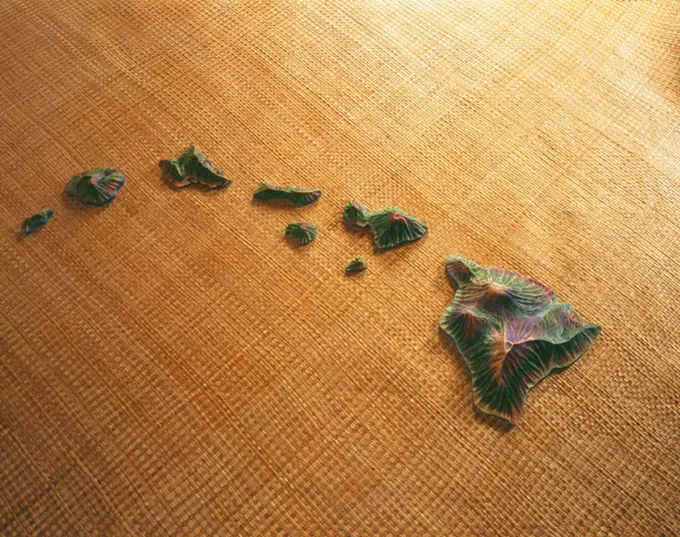
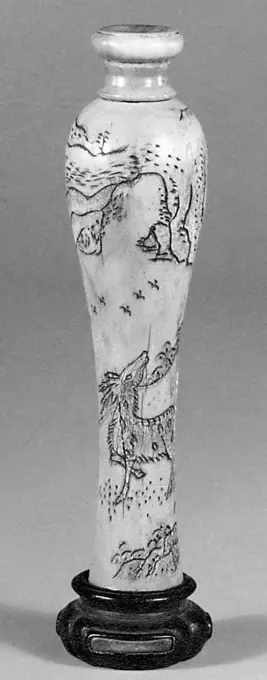
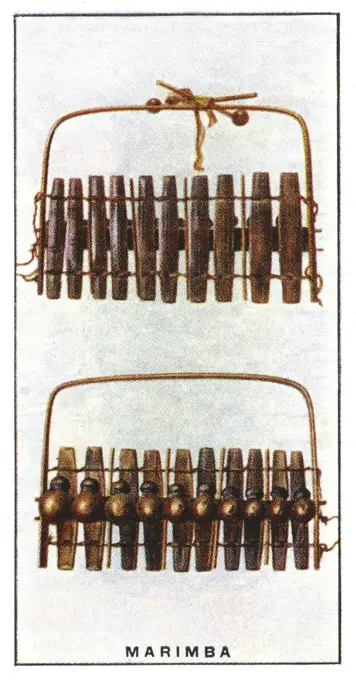
The Zulu Harmonicon (shown in front and rear view) is also known as the Marimba. Each of the ten bars of wood have a gourd attached, which acts as a resonator. The instrument is played with sticks tipped with balls of rubber. The use of this instrument is very widespread and received increased popularity with the development of the xylophone, which uses metal keys instead of wooden ones.     Date: 1929Fishing nets , Fishing nets. Edmund L. Mitchell CollectionArmlet, 1800s. Silesia, 19th century. Silver gilt; overall: 35 cm (13 3/4 in.).Panel 4th-5th century. Panel. 4th-5th century. Linen, wool; tapestry weave. Attributed to Egypt. TextilesCollection Dutch Heidematschappij. caterpillars dolls, maggots. undatedcompass and old torn paper on a sandy beachFishing nets , Fishing nets. Edmund L. Mitchell CollectionFinger ring 1796-1875 China. Finger ring. China. 1796-1875. Jadeite, light emerald green and white. Qing dynasty (1644-1911). JadeHistorical images of various diamonds, digitally restored reproduction of an original from the 19th century.Collection of the Dutch Heidematschappij. Not rolled. undated. Rotterdam, South HollandCaracasha 19th century Native American (Brazilian). Caracasha. Native American (Brazilian). 19th century. gourd, cane or bamboo, basketry, fibercord, rubber or resin. Brazil. Aerophone-Lip Vibrated-trumpet / tromboneFedora hat, X-rayStanding panel with tiles from northern Netherlands; Exhibition tiles from own ownership. .Stamp seal ca. 5th-7th century A.D. Sasanian. Stamp seal. Sasanian. ca. 5th-7th century A.D.. Stone. Sasanian. IranRock carved boatTextile Fragment 3rd-4th century. Textile Fragment 443999Crane hook. VectorFibula ca. 7th-6th century B.C. Iran This bronze fibula, in essence an ancient safety pin, is triangular in shape. The arms are decorated with grooves and hatching, and the catch on the pin is in the form of a human head. It was excavated at Tepe Nush-i Jan, an Iron Age hilltop site about 60 km sound of Hamadan in western Iran. Nush-i Jan was occupied in the 7th and 6th centuries B.C., and its occupants are generally thought to be the Medes, an Iranian people known from Assyrian, Achaemenid and Biblical sources. Though the textual sources portray them as a powerful empire, archaeological evidence for the Medes has yet to sustain this impression. Rather, they seem to have lived in scattered fortified sites in western and central Iran, without any clear capital. Nush-i Jan, one of the best known of these sites, features two temples, a columned hall, and a fort. The fibula was found in the Central Temple in what has been identified as a squatter’s level.’ Archaeologists use the term squTree. Culture: Chancay. Dimensions: Height 16-1/8 in.. Date: 12th-14th century. Museum: Metropolitan Museum of Art, New York, USA.Three dimensional topical map of the Hawaiian Islands on weaved background.Sticker for message with golden watercolor branch with text background. For greeting message, invitation, cards, designs. Vector illustration.Stamp seal ca. 2nd century A.D.. Stamp seal. ca. 2nd century A.D.. Glass paste. Indus regionGallipot 18th century China. Gallipot. China. 18th century. Ivory. Qing dynasty (1644-1911). IvoriesButton, Brass, Round button decorated with helmet resting on sword and crossed oak and laurel sprays. Army staff 1848-1880., Component -a is on card i, France, 1848-80, costume & accessories, Decorative Arts, Button