Violin and Cello Collection

Beautiful violins and cellos depicted in various lighting, emphasizing their craftsmanship and musicality in warm tones.

Music Cello in the dark room
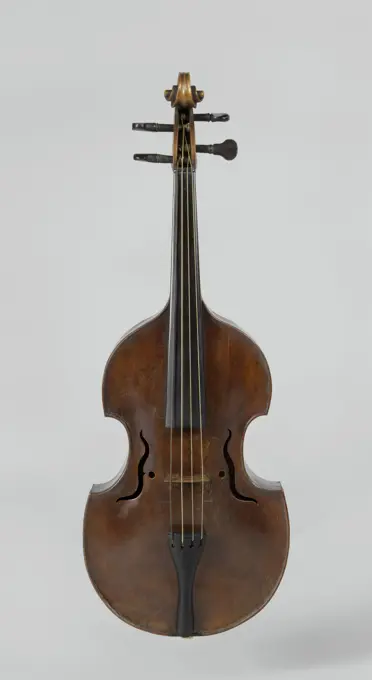
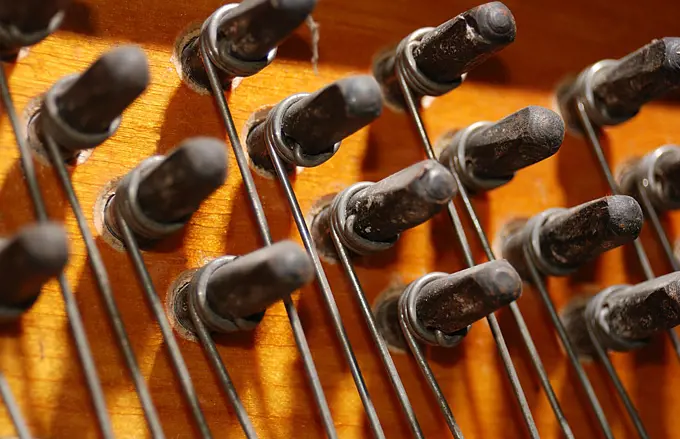
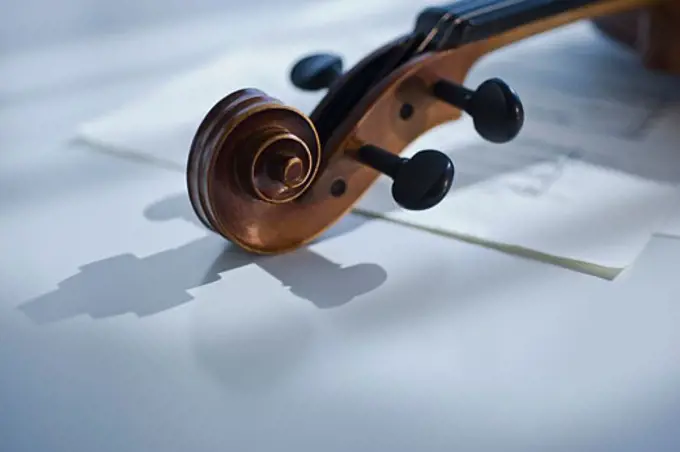
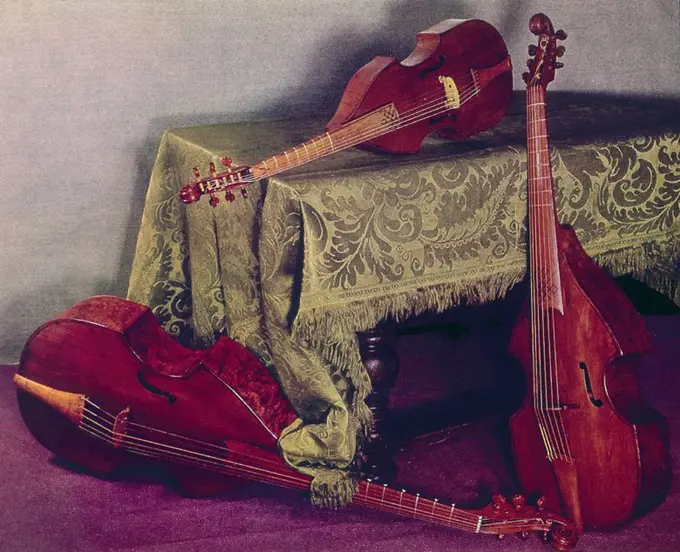
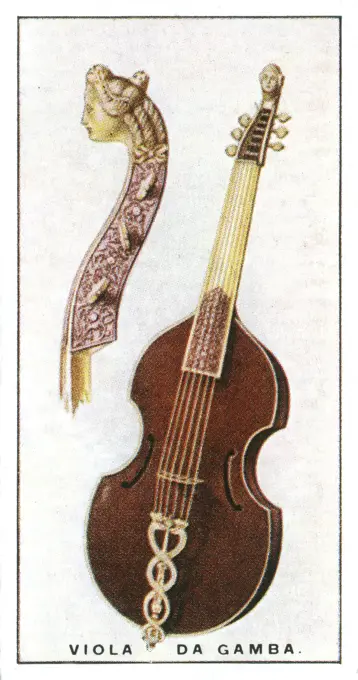
Acoustic guitar laying across sheet musicSoprano viol, Sebastian Mayr, 1728 Altvioool, noted: Sebastian Mayr, sounds and violin makers, Munich 1728. München softwood. rosewood (wood). maple (wood). ebony (wood). beech (wood). mahogany (wood) Altvioool, noted: Sebastian Mayr, sounds and violin makers, Munich 1728. München softwood. rosewood (wood). maple (wood). ebony (wood). beech (wood). mahogany (wood)master violin with bow isolated on white backgroundClassic music violin vintage close upBlack old violin with tulips on white"Amaryllis Fleming" Cello Brothers Amati Italian 1610-1620 Five-string cello, the back of two pieces of slab cut, highly figured maple extended with additional wings in the treble and bass bouts, ribs of slab-cut maple of similar stock, original scroll of finer and faintly figured maple; the belly of two pieces of spruce with strong, regularly spaced grain of medium width, marked by a distinctive knot on the upper treble bout; the whole with copious orange-brown varnish over a glowing golden ground. All elements are original except for the neck, fingerboard, tailpiece, bridge and pegs. The instrument is in Baroque set up as configured for Amaryllis Fleming in 1971.This cello traces its history back to the formative years of the instrument in the mid 16th century. During this period, innovative makers like the Amati family experimented with a wider range of violin-family instruments than later became standard. Cellos were made in various sizes, including smaller examples that existed alViolin in Case Violin in Case Isolated Included Clipping Path Copyright: xZoonar.com/Baloncicix 7318752Bass viol, anonymous, c. 1700 Seventy -string bass gamba. With Kist (BK-KOG-1347-B-2). Amsterdam walnut (hardwood). spruce (wood). ebony (wood). Seventy -string bass gamba. With Kist (BK-KOG-1347-B-2). Amsterdam walnut (hardwood). spruce (wood). ebony (wood).Model of Turkish musical instrument saz on a linen canvasDeka violin isolated on a white background Deka violin isolated on a white background Copyright: xZoonar.com/KostiuchenkoxOleksandrx 2833666Bass Viola da Gamba 1692 Attributed to Barak Norman British This instrument is attributed to the English master luthier Barak Norman. Norman's workshop, "The Bass Viol," was one of many workshops of its kind located in the vicinity of Saint Paul's Cathedral, the epicenter of instrument making in seventeenth-century London (and down the street from "The Golden Viol," the shop of Edward Lewis and John Hare). It is very likely that Norman constructed this instrument the year before he began monogramming his work. It is simply decorated, unlike many of his other instruments, or those of his colleague (and likely teacher) Richard Meares, which often feature intricate latticework on the ribs and around the body. As viols began to fall out of fashion in the eighteenth and nineteenth centuries, this Norman, like so many other viols, was converted to a cello, then later reconverted to a viol. Restorations were carried out in 1899 by the noted English maker George Saint George, who fitted a new violin scroll violin scroll isolated on white background Copyright: xZoonar.com/EvgenyxDubinchukx 3505285ViolinVintage Photograph. Violin and ballet slippers create a harmonious blend of music and dance.Violins, Brooklyn, New York, USA. Editorial Use OnlyPiano from insideMandora. Culture: German. Dimensions: L. to nut77.1cm (30.35 in.);String L.: Minimum 67.5 cm (26.58 in.); L. of top 48.5 cm. (19.09 in.). Maker: Gregori Ferdinand Wenger. Date: 1726.The mandora is a type of lute that developed in the eighteenth century in Germany, possibly as a simplified, more accessible version of the very complex lutes of the Baroque era. The body of the mandora is smaller and has fewer courses (usually six or seven); this example features six courses, five of them double and one single course. The body alternates ribs of figured maple and bird's eye maple, producing a very subtle yet elegant effect. Ink letters found on the back of the neck correspond with letters of the lute tablature. The unusual bridge is not original. Museum: Metropolitan Museum of Art, New York, USA.Red roses and a violin. Red roses and a violin on the tableRed roses and a violinUSA, Louisiana, Breaux Bridge. Mulate's Original Cajun Restaurant, Cajun music mural.Watch early 19th century Watchmaker: Jean François Bautte & Co.. Watch 193388Close-up of violinmusic wing emblemR-VIOLA DE GAMBA 1700. Author: CICILIANO ANTONIO. Location: KUNSTHISTORISCHES MUSEUM / MUSEO DE BELLAS ARTES. WIEN. AUSTRIA.Viola da Gamba (Leg Viol) - a Bass Viol, played held betwen the knees of the player (hence the name!). Shakespeare mentions the Viola da Gamba as 'viol-de-gamboys'. This lovely example was made in Hamburg in 1701 and remains perfectly preserved with a beautiful carved ivory peg-box. Replaced in the 18th century by the violoncello.     Date: 1929Red roses and a violinViolin player isolated on whiteRed roses and a violin. Red roses and a violin on the tableThe musician is a cellist, made of sheet musicCompass an instrument and paper with musical notes placed on dry leaves