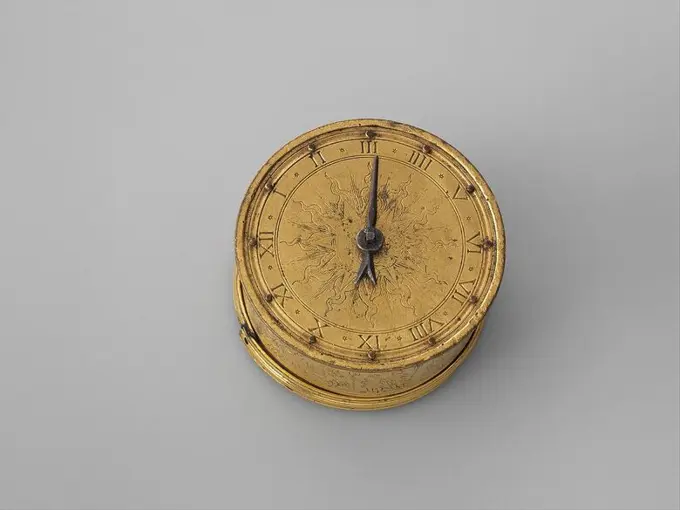
Wooden Models and Boxes

Crafted wooden models, including ship railings, jewelry boxes, and a music box, highlighting decorative arts and historical craftsmanship.
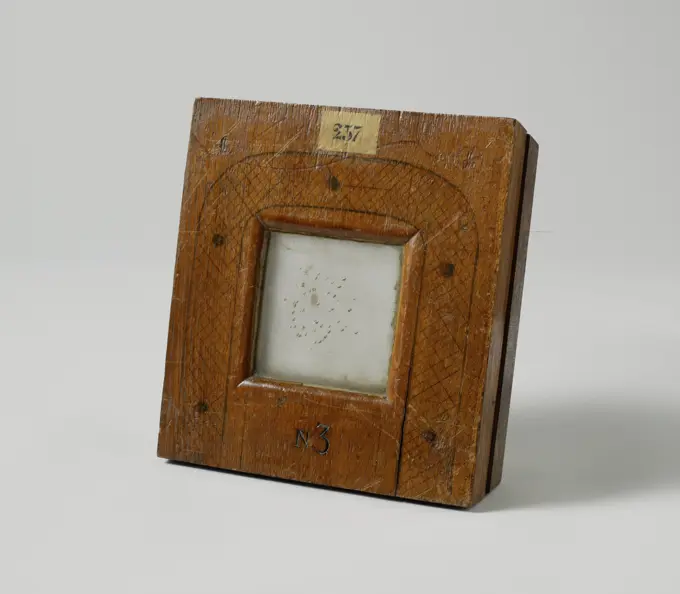
Portlight, anonymous, c. 1832 portlight A patent glass in a wooden porthole. It has a square glass that is used to the outside with the matte side and is sandwiched between the two layers of wood. A layer of cardboard is installed between the layers of wood. A horseshoe -shaped batter is indicated outside with scratches. Similar to NG-MC-237-2. Netherlands wood (plant material). glass. cardboard. iron (metal). copper (metal). putty (sealing compound)
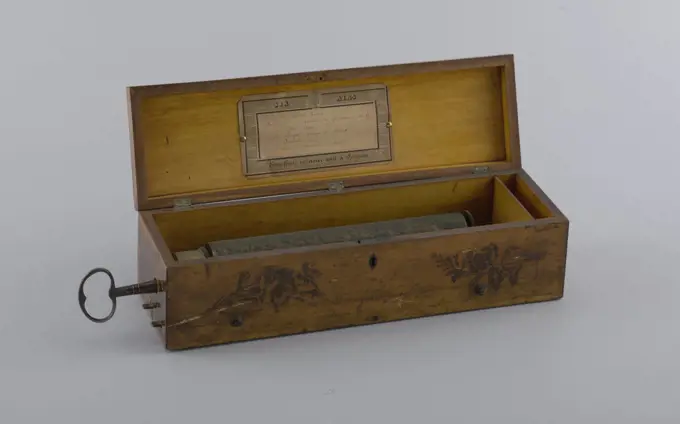
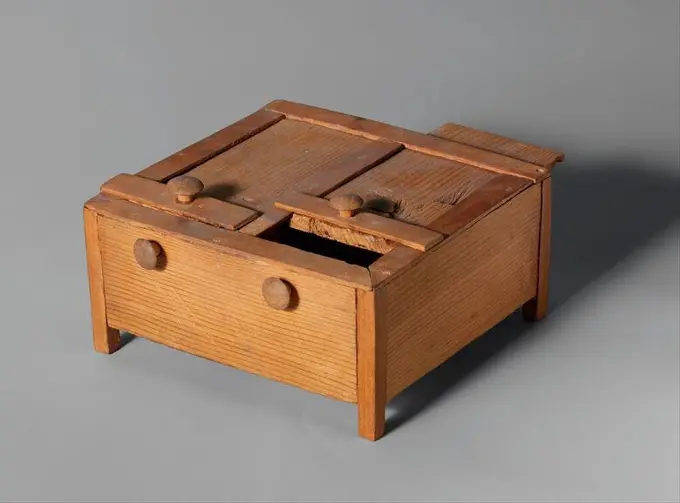
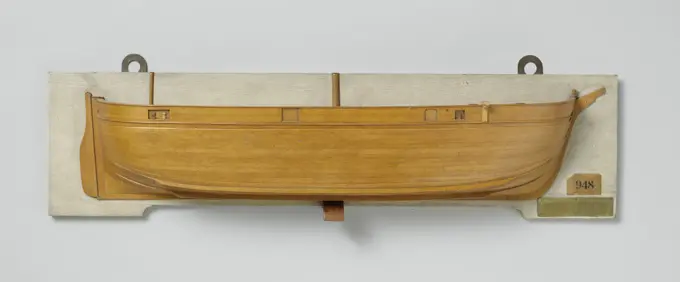
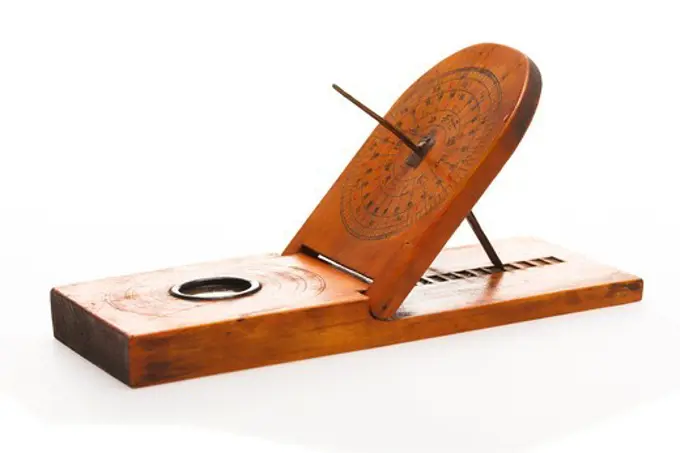
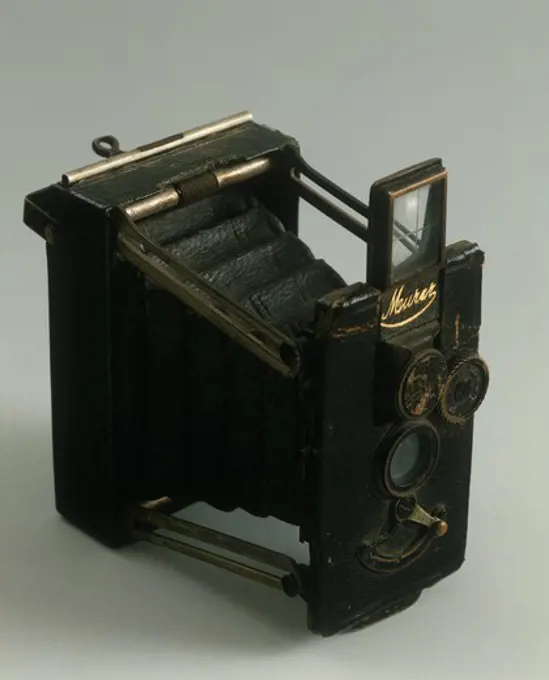
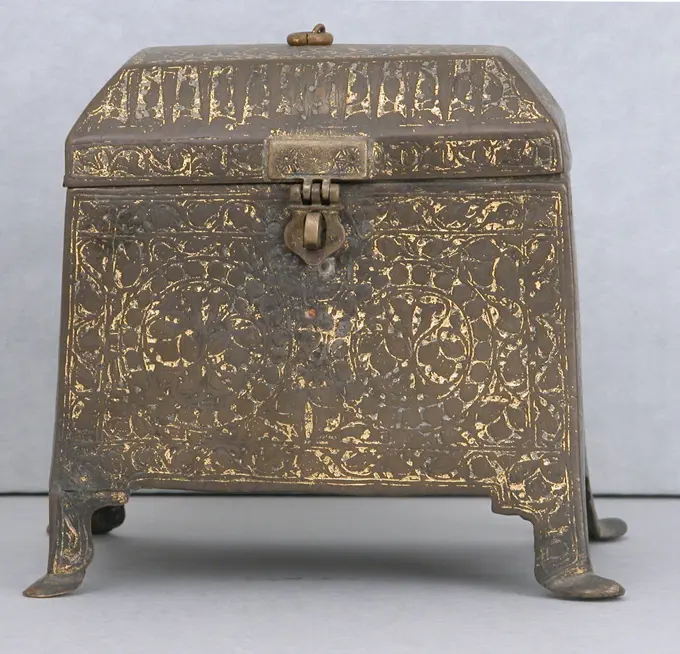
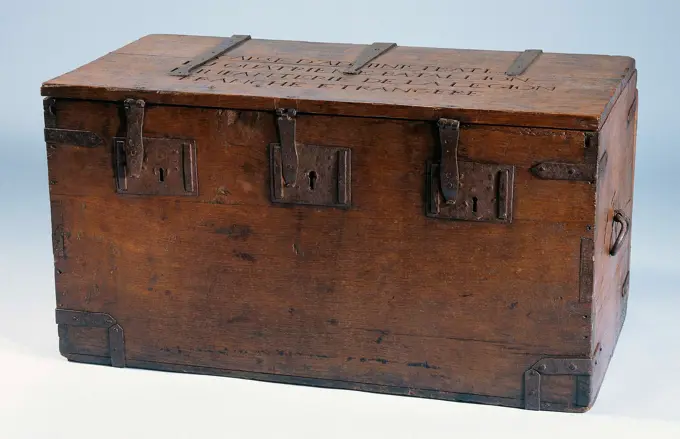
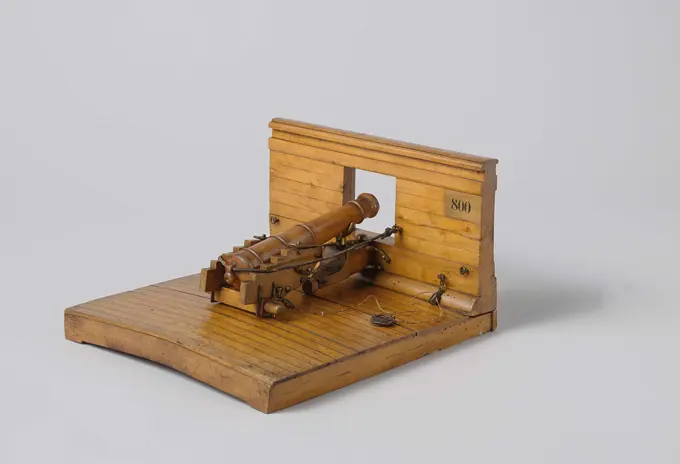
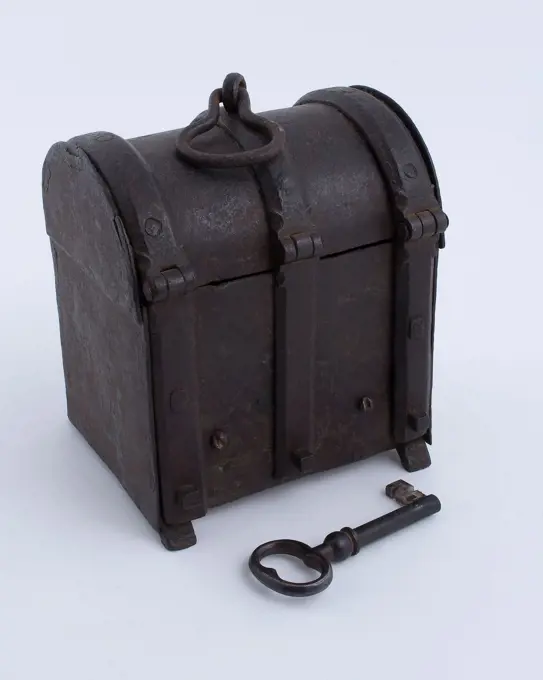
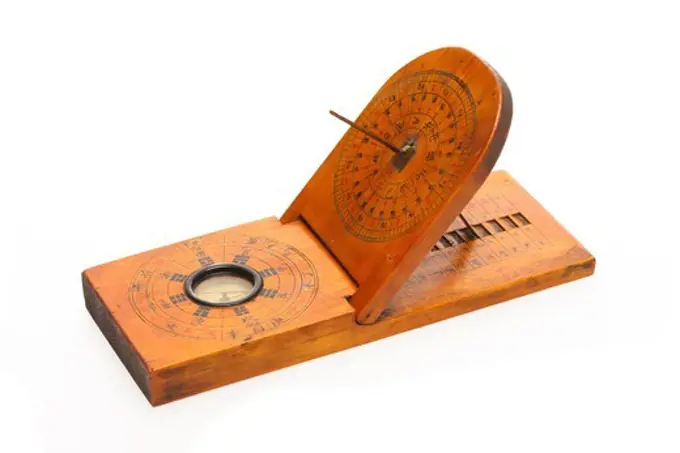
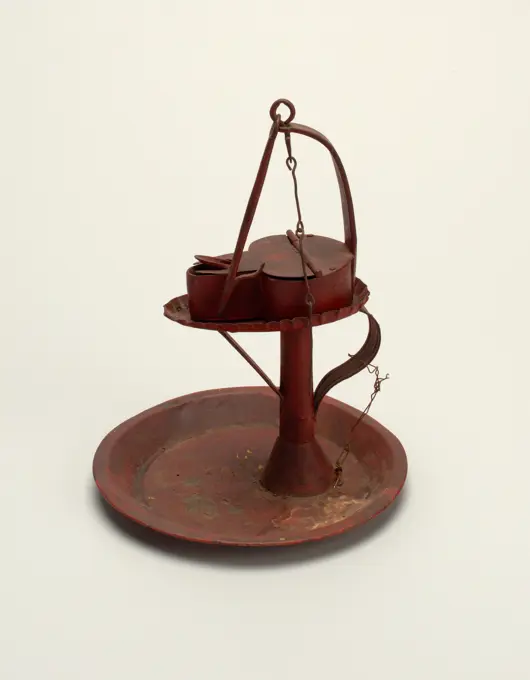
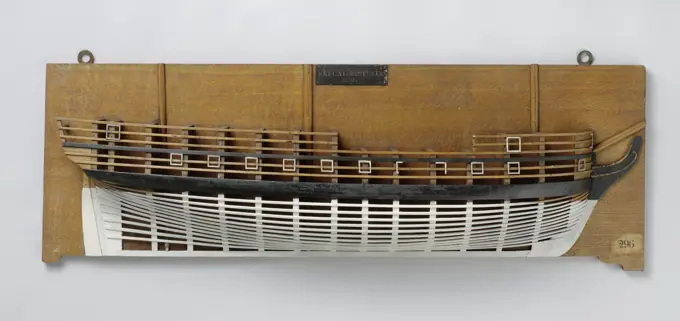
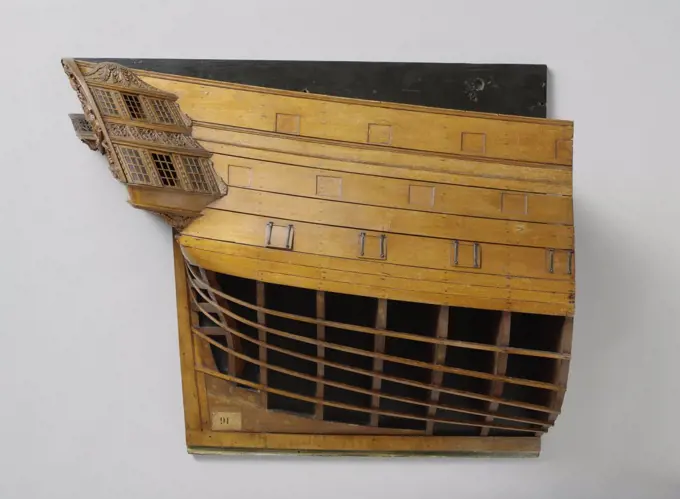
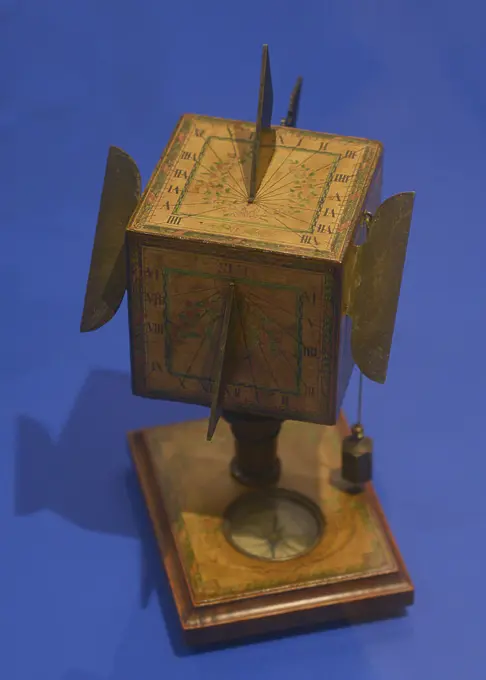
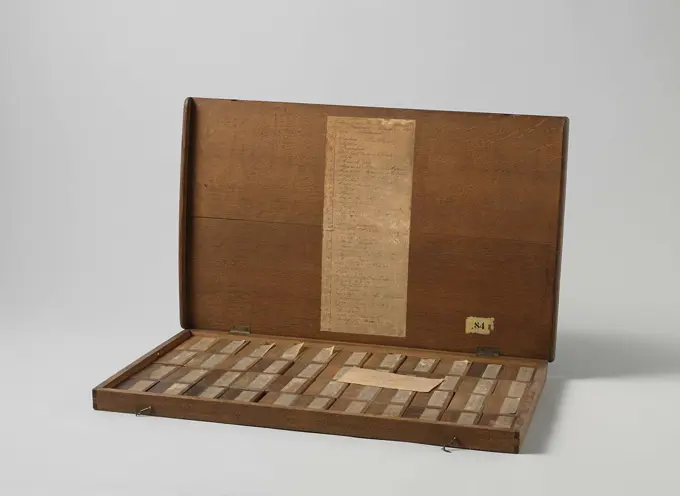
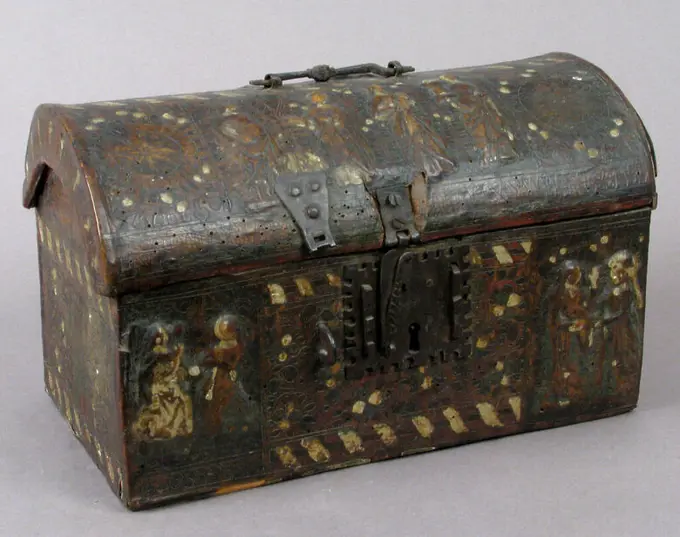
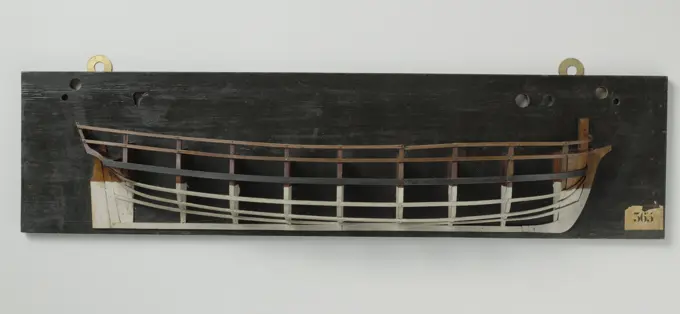
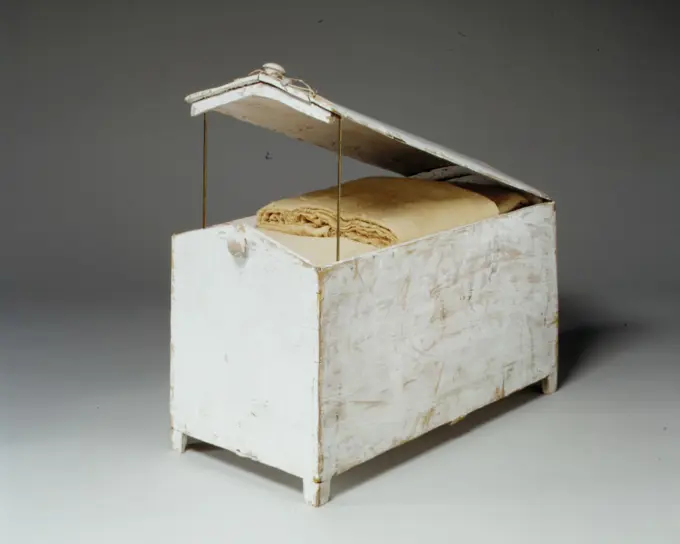
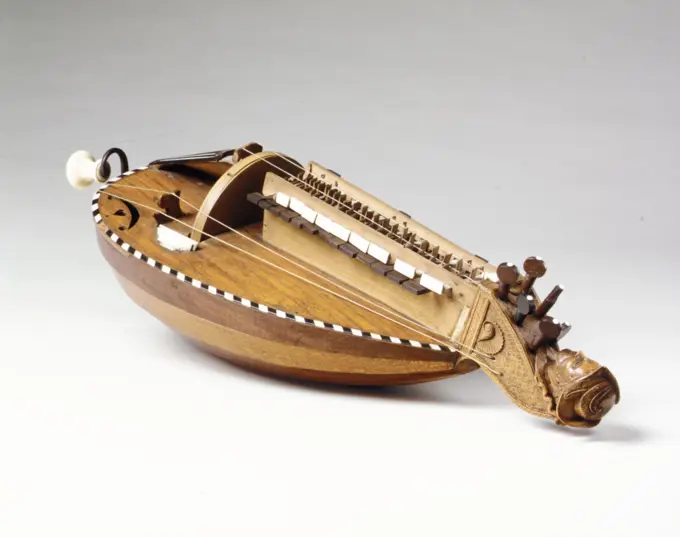
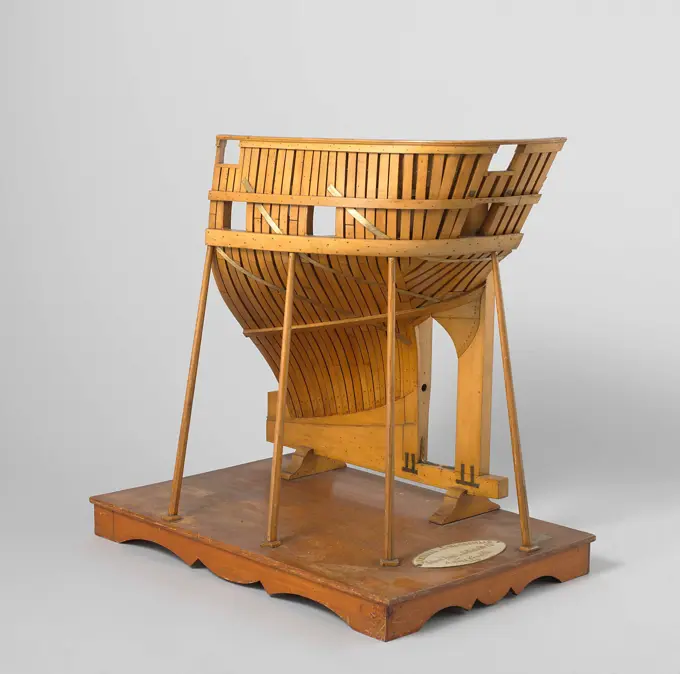
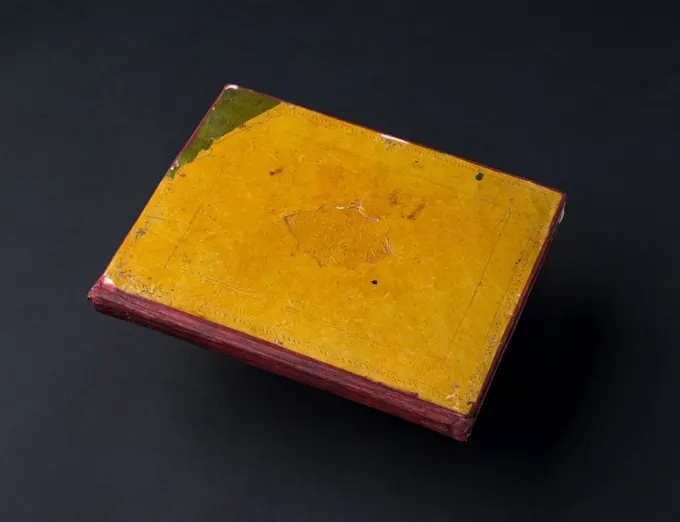
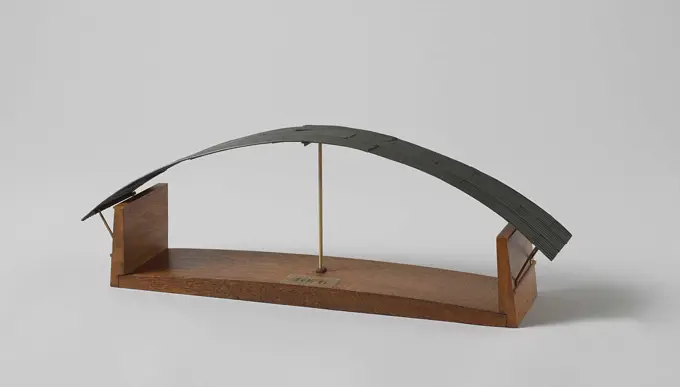
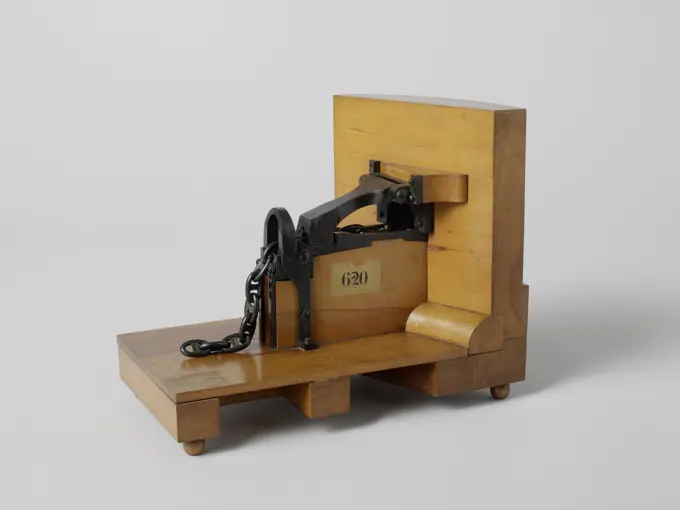
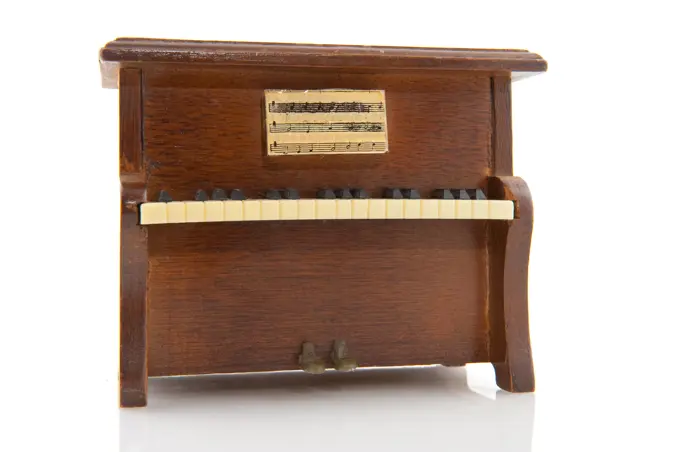
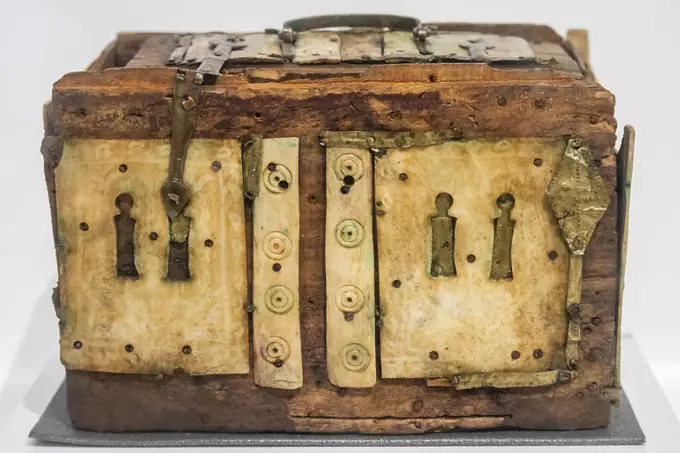
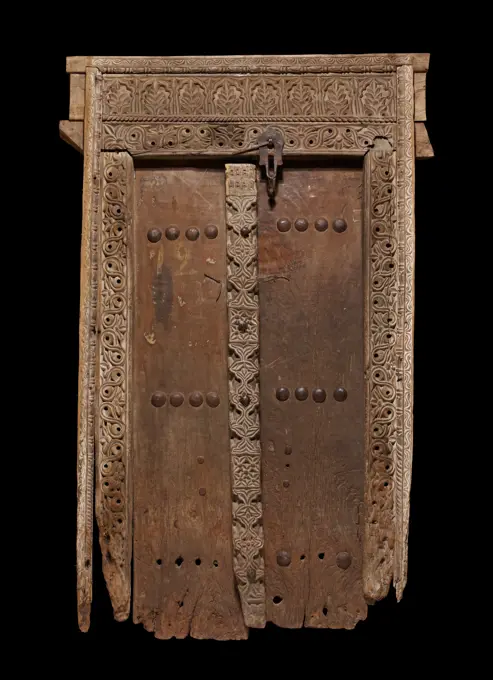
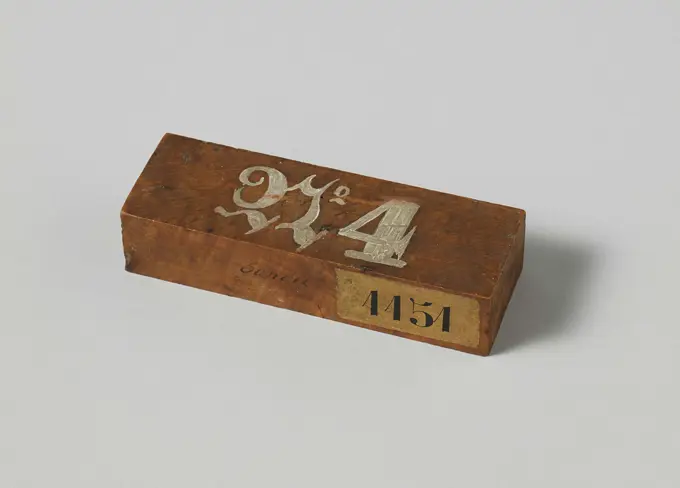
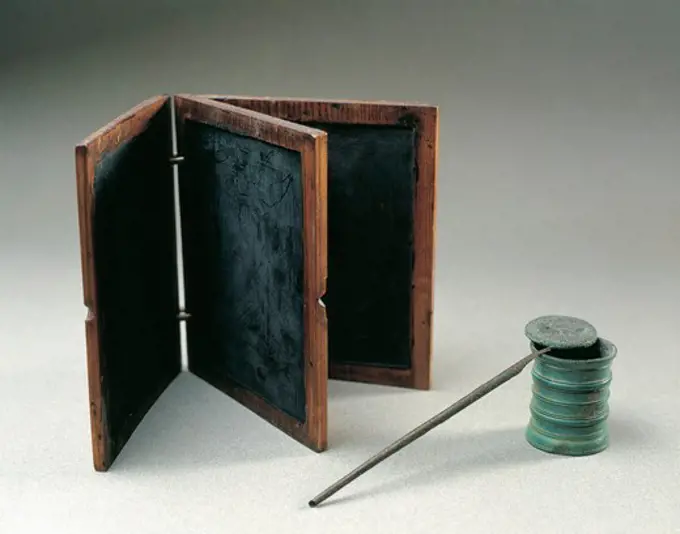
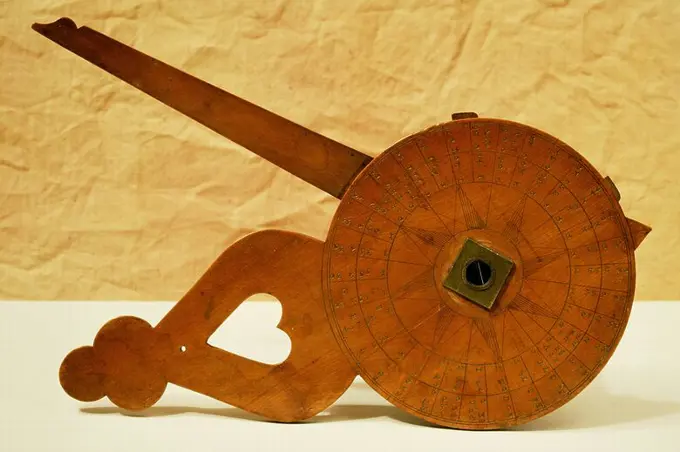
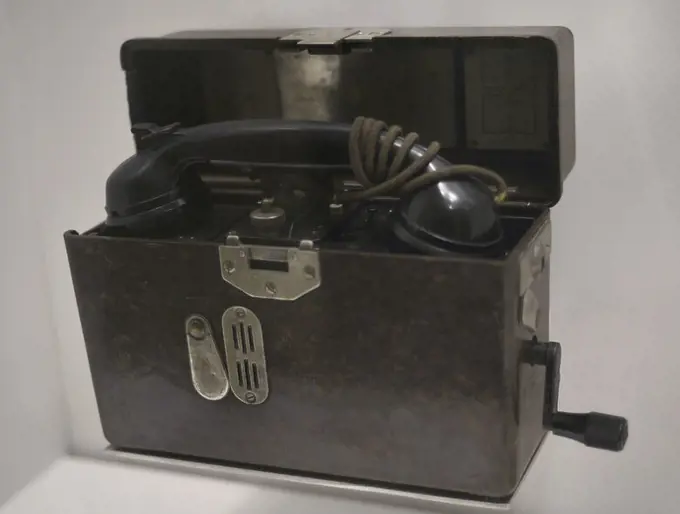
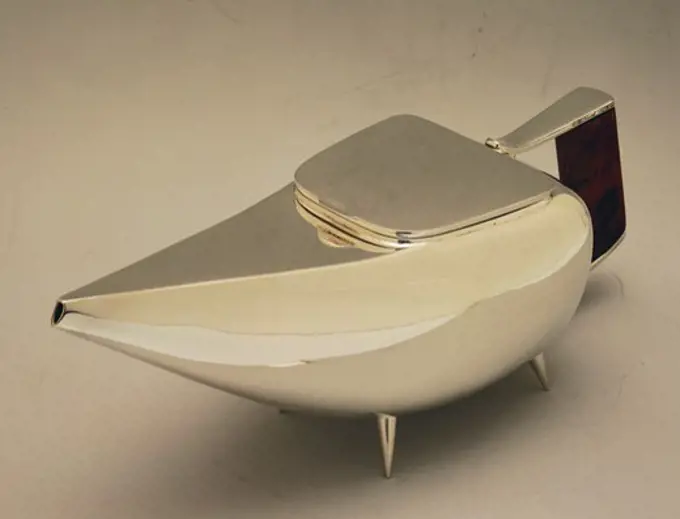
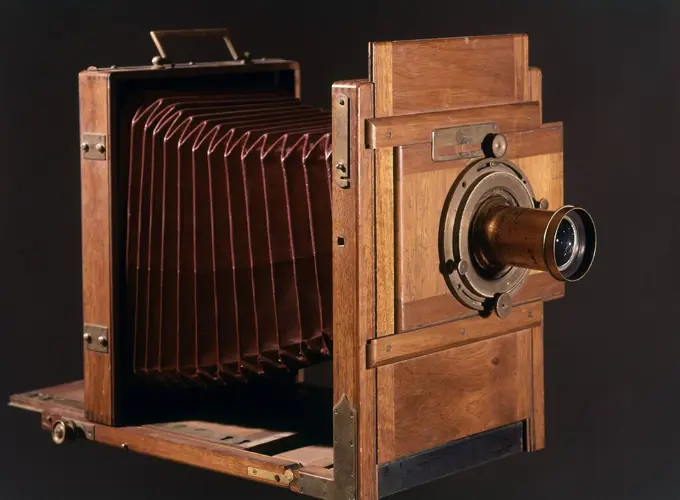
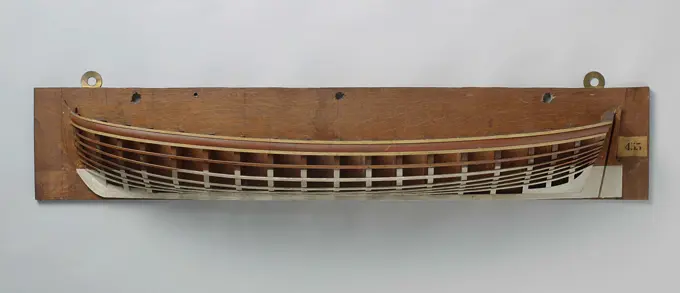
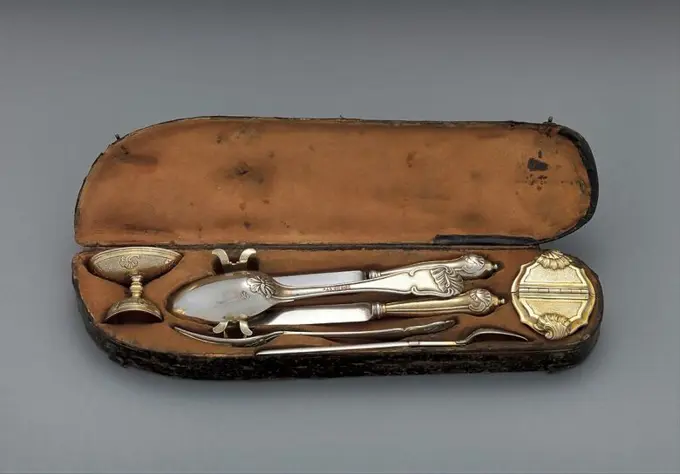
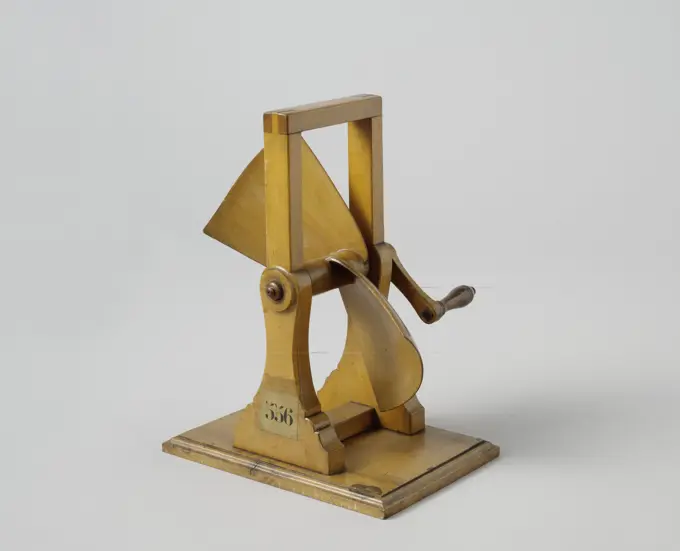
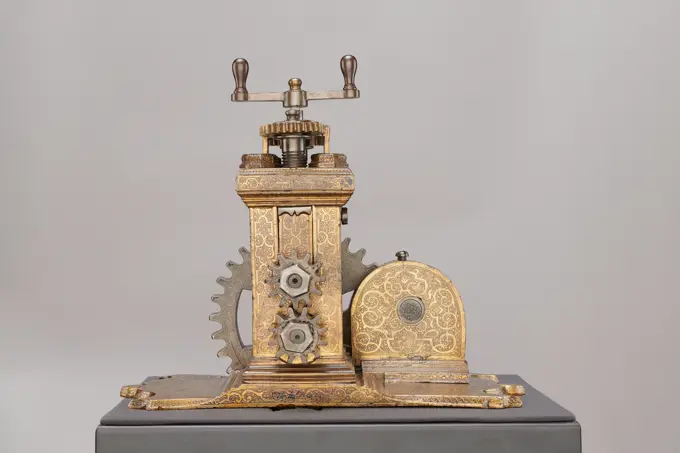
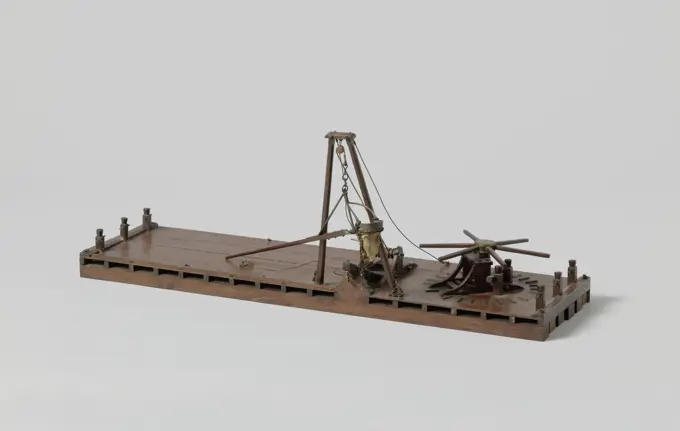
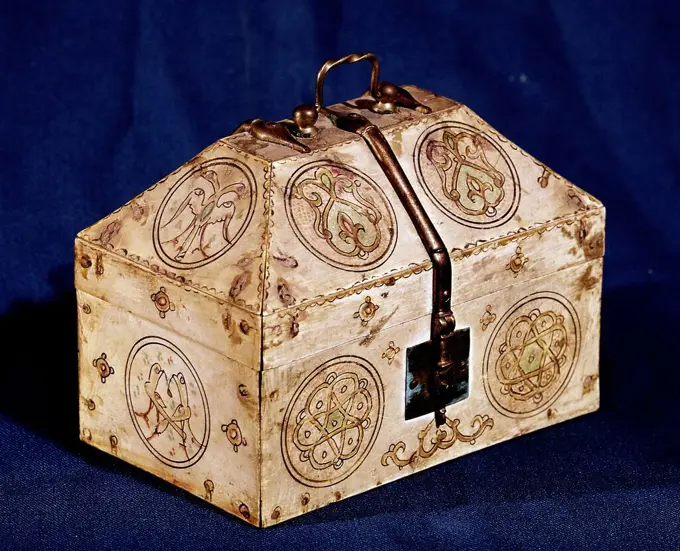
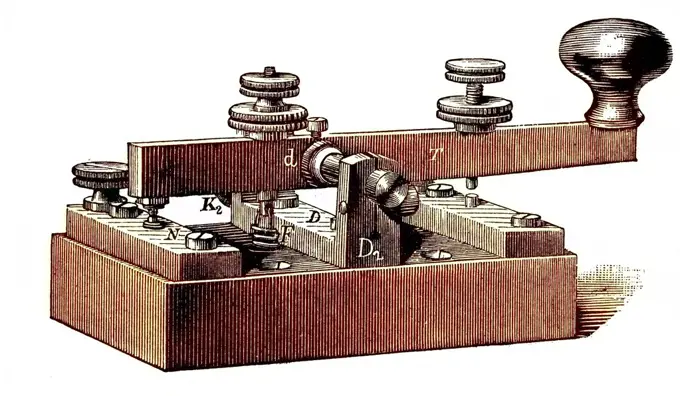
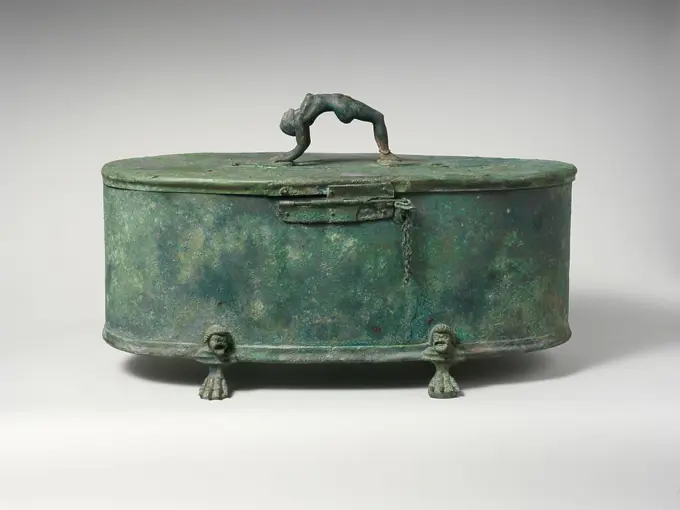
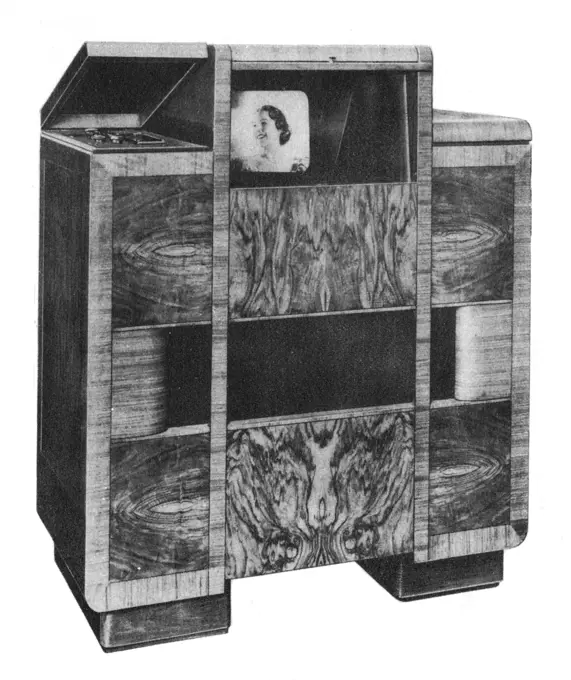
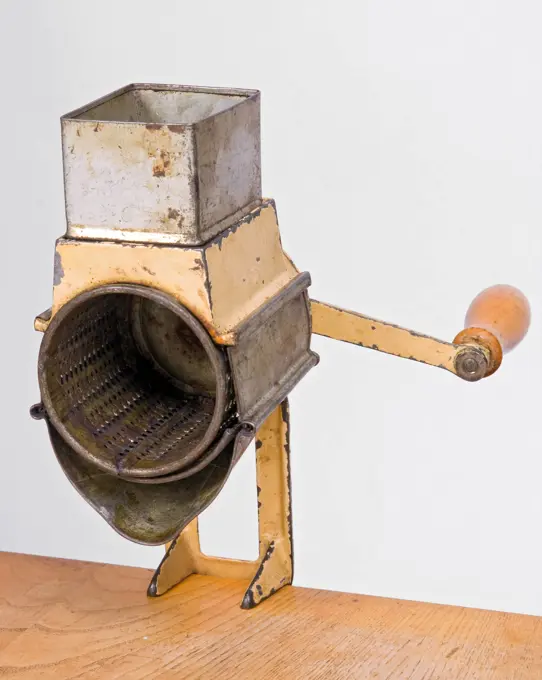
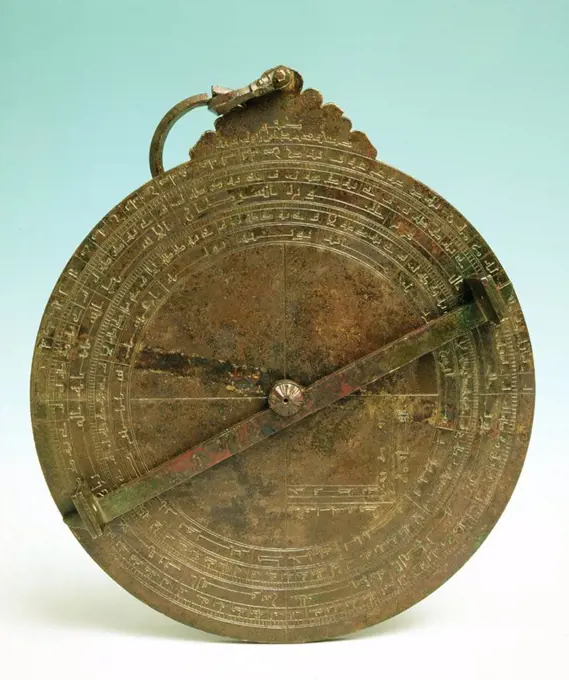
Model of A Ship's Rail With Armor Plating. Model of a piece of shipwand with shipment plates, on base board, incomplete. Only one of the eight shipment plates has been recovered; It stands with two pins in the pot lid and is maintained by a support at the back. The model has a deck for a height, with a gun flanked by a railing with cage beverage on the inside. Scale 1:20 (according to Obeenen).Jewelry Box. Dimensions: L. 25.5 cm (10 1/16 in); w. 12.7 cm (5 in); h. 8 cm (3 1/8 in). Dynasty: Dynasty 11. Date: ca. 2051-1981 B.C..This box is divided into two compartments, each closed with a sliding lid. The end batton of each lid has a hole for fitting a small knob. The two knobs could be tied together to seal the box.The box was found in a tomb that also contained a "seweret" bead (25.3.252) and an exquisite "sa" amulet (25.3.253). Museum: Metropolitan Museum of Art, New York, USA.Music box and key, Wood, brass, printed paper, Wood box with lid attached with three hinges. At front, decoration of two roses, and a keyhole. At side, a key with the mark: IP. IG. Inside is the music cylinder. Printed paper label affixed inside the lid with two brass tacks. Striped border with lyre and face. Text reads: Six Airs / Etouffoirs en acier soit a Spiraux. Listed at center are the songs: Home Sweet Home; Motif de lOuverture de Gustave, dAuber; Jim Crow; Berger Galop de Strauss; Isabel; and Finale du Serment, dAuber., Switzerland, late 19th century, containers, Decorative Arts, Music box and keyModel of a Rudder and Screw, A. Sol (possibly), 1850 - 1858 demonstration model Model of a rudder with round stirring king and screw on a stern with part of the keel. The rudder blade serves as a screw window for the normal two -blade screw, which therefore turns the rudder. The propeller shaft is equipped with a cross coupling between rear and stir, so that the movement of the propeller shaft can be transferred to the screw regardless of the position of the rudder. The propeller shaft can be driven with a crank. Flushing wood (plant material). brass (alloy). iron (metal)Model of a 24-Pounder Gun on a Carriage, anonymous, after Marc René marquis de Montalembert, 1797 - 1800 demonstration model Model of a cannon of 24 pounds on coastal deput. The 57 cm long run has a caliber of 33 mm. The inscriptions are engraved on the barrel, along with crossed anchors and palm branches. The role horse consists of two Parellelle cheeks with four staircases and an ellipse -shaped crop at the bottom, which are connected by the calf and the sole plate. The front ash is attached to the cheeks with brackets. The wooden front wheels consist of two discs. At the rear the model does not have a normal axle with wheels: the cheeks do have a recess for an axle with levers and a ridge under the sole plate, to lift the roller horse on the back. France wood (plant material). brass (alloy). bronze (metal)Foot Warmer Foot Warmer; brass, woodIron mortar on wooden chassis, anonymous, 1700 - 1800 cannon. mortar Iron mortar on elm undercarriage. Understanding. Netherlands iron (metal). elm (wood)Portlight, anonymous, c. 1832 portlight A patent glass in a wooden porthole. It has a square glass that is used to the outside with the matte side and is sandwiched between the two layers of wood. A layer of cardboard is installed between the layers of wood. A horseshoe -shaped batter is indicated outside with scratches. Similar to NG-MC-237-2. Netherlands wood (plant material). glass. cardboard. iron (metal). copper (metal). putty (sealing compound)Jewelry box. Dimensions: H. 7.9 cm ( 3 1/8 in); w. 14 cm (5 1/2 in); d. 14 cm (5 1/2 in)measurements taken in 1990s. Dynasty: Dynasty 18. Reign: reign of Thutmose II to Early Joint reign. Date: ca. 1492-1473 B.C.. Museum: Metropolitan Museum of Art, New York, USA.Open old suitcase isolated on white backgroundModel of a Rudder with a cap. Model of a stir and stirring with a piece of the keel and the backstuffs. The wooden stirring blade has two stirring, supports the heel of the keel and is provided with a cut-away stirring hat, on which the brass roadside is attached. The roermut has two eyes for the care tape. The steering station is attached to the stirrer with an extra fingerling; The hennegat has a brass gasket for the stirring king. The Roerkop is square and the iron stirring pin falls over it.Trictrac board with 28 discs, 2 cups and a dice, anonymous, 1700 - 1799 Trictrac board of tropical wood (Ambon Soetra) With walls of Coromandelhout, in the form of a square hinged box, the two halves inlaid on the inside with a total of 24 -punctual playing fields, alternately from Coromandelhout and a light type of wood, framed by Biezen. There are always two stylized lilies between the opposite fields. Seizure of the buyer. 14 light and 14 dark discs, an old and a new leather cup and a dice (originally two, one is now missing). The Dutch East Indies, 18th century (). Indonesia copper (metal). teak (wood). leather   In the Trictrac board of tropical wood (Ambon Soetra) With walls of Coromandelhout, in the form of a square hinged box, the two halves inlaid on the inside with a total of 24 -punctual playing fields, alternately from Coromandelhout and a light type of wood, framed by Biezen. There are always two stylized lilies between the opposite fields. Seizure of the buyer. 14 light aHalf Model of a Lightship, anonymous, c. 1858 ship model. half model. builder's model Block model (starboard) of a two -master. In the bow it has two handymen on top of each other, the crane bar is far back. Round a stave with a vault hole; Straight rudder standing on a hieling, rounded Roerblad. The Zeeg is flat, a barkhout. The bottom is flat and equipped with two kimkielen. A mast in the middle, a rear, and a bows. Scale 1:40 (scale on model). Netherlands wood (plant material)SundialSewing box -Deklinator Leebourse, noel Jean (1761 1840)Tobacco box, camphor wood, a: box, b: metal pot, c: metal pot cover, d: wood frame around metal pot, e/f: Long drawers, g/j: drawers( top to bottom in tower), k: enamel incense holder( in drawer g), l: long incense holder ( in drawer g), m:wooden tray ( in drawer g), n:copper canister ( in drawer j), o: Cooper canister lid ( in drawer j), p: wood collar for copper canister ( drawer J), q: wood lid ( in drawer j), Japan, 1850-1900, Decorative Arts, Tobacco boxItaly, 20th century - Murer camera with chassis.Half Model of a Yacht.Polychromed mold model (starboard) of a one-mast flat bottom yacht. The skin above the bark wood is closed. The aft deck is slightly raised. Round stern, wide stir with decorated stirring head and helm stick over deck. The seam runs to both ends, one bark wood.Casket early 15th century. Casket. early 15th century. Brass, with traces of gilding. Attributed to Iran or Caucasus. MetalAdministration case of the Légion Franche Etrangère. Administration case of the Légion Franche Etrangère from Herman Willem Daendels. Rectangular oak coffin with iron fittings. A inscription is engraved on the lid.Old photo camera in leather case Model or a 30-pounder Gun On deck. Model of a canon of 30 pounds on Marshall affuit on a ship part with part of the ship's wall, incomplete. The wooden loop, long 22.5-23 cm, is not exchanged; It has a flat grape with pants ring. The affit consists of two parts. The front piece sits with a spindle bolt in heavy brass brackets on the gate threshold; It is a heavy wooden block with a transverse roller underneath for the baking and a heavy metal mik on top of which the loop is in the saddle. The rear insuit, more narrower, consists of two cheeks with four stairs each, connected by a diagazing calf, a ball behind and a bolt by both cheeks in the middle. The tapes are applied to the cheeks. The response is attached to the cheeks with brackets. The hoist is incomplete. A slicing runs from the sides of the gate through the pants ring; A second stroke is attached to the cheeks of the rear insert and is around the mik on which the loop rests. Scale 1:12 (estimation). Identical to NG-MC-800-1.Brass design fitting on colourful gold plated round wooden box, Jodhpur, Rajasthan, India Copyright: xSafatxAli/DinodiaxPhotoxRed leather ammunition bag, anonymous, c. 1700 - c. 1800 bag Rectangular bag with spherical bottom. Lid hinges with bag. Belt with iron buckle is by leather loops on bag. Riem has decorative stitching in the form of S-shaped motifs that half overlap each other. A stylized crowned weapon has been smashed on the lid (copper). According to description from 1803 'a bag to quick pipes of red Maroquin leather stitched with silk'.  leather. copper (metal). steel (alloy) cutting / sewing / forgingDecimal Scale. White metal drawing scale of 100 mm, one on one, in a wooden box with green sheet lining.Model of A Capstan, Rijkswerf Vlissingen, c. 1848 - c. 1850 demonstration model Model of a capstan on a wooden floor. It is a capstan for eight wind trees and has four piles in the foot against running back. The drum has four 'brown's clamps': these are quite thin molars that are widening and thickened and metal reinforcement. The king, who is stuck in the floor with a square base and the drum turns, is made of brass and is secured with a nut under the cover plates of the head; The floor is considerably reinforced. The model has two wind trees. The model carries the same inscription as NG-MC-206. Scale 1:10 (scale on model). Flushing wood (plant material). brass (alloy)A suitcase with a coverIron money box with key, bread-shaped, coffin coffin holder metal iron 16.1, w 11.9 forged riveted Iron coffin Small size in the form of bread with semi-round top (). Loose key with beard, save money save theft prevention soil findFlare. Fire plate belonging to rescue device.Georgine E Mason, Chest, c 1938 ChestHalf Model of a Gunboat, anonymous, c. 1400 - c. 1950 ship model. half model Half -model of a sailing cannon boat (trusses and money) with two masts. unknown wood (plant material)  ship-model (+ propulsion of vehicle, ship, etc. by wind)SundialStand; tin, painted redHalf Model of a 32-Gun Frigate, anonymous, c. 1780 - c. 1825 ship model. half model. builder's model Polychromed mold model (starboard) of a three -mast. One and twenty gun gates spread over guns, half cover and baking deck. Get mirror, Hol Wulf, no details of fence or side gallery; Stir with square stirring king and rounded Roerblad. See at both ends slightly ascending, one mountain wood and one reehout. Peaked around. Netherlands wood (plant material)Half model of the stern of a 74-gun ship of the line, Anonymous, c. 1795 - c. 1799Cubic sundial with compass and lead. It was made in Germany by David Beringer (1756-1821), in the second quarter of the 18th century. Maritime Museum. Lisbon, Portugal. Author: David Beringer (1756-1821). German scientific instrument maker.Box containing FORTY-FOUR SAMPLES OR WOOD FROM SURINAM. Rectangular box with four and forty wood samples: 1. Greenheart (Nectandra Rodiaei) 2. Bijlhout (Walaba, Eperua Spec.) 3. Purperhart (Peltogyne spec.) 4. Bolletry (Manilkara SurinaSensis) 5. Peto (Mora, Dimorpandra Excelsa) 6 . Manbarklak (Eschweilera Longipes) 7. Matakakie (Symphonia Globulifera) 8. Matakakie (Symphonia Globulifera) 9. Locus (Hymenaea Courbaril) 10. Kabbis (Andira Spec.) 11. Cedar (Unidentified) 12. Copy (Goupia Glabra) 13 . Wane (ocotea rubra) 14. Krapa (Carapa Guyanensis) 15. Kankantrie (Ceiba Pentandra) 16. Wane (Ocotea Rubra) 17. Hoopboom (Copaifera Guyanensis) 18. Kwatta-Pattoe (Unidentified) 19. Takroeba (unidentified) 20. Bastard Bolletry (Mérie, Humiria Floribunda) 21. Matakakie (Symphonia Globulifera) 22. Tap Touripa (Genipa Americana or Gustavia Spec.) 23. Negro Wantem (Unidentified) 24. Mirahoedu (Mierenhout, Triplelaris SurinaSensis) 25. Manbarklak (Eschweilera Longipes) 26. Marmeldoze (Genipa MériancTablechestReal Fábrica de Platería de Antonio Martínez / 'Writing desk'. Ca. 1847. Metal plating. Museum: Museo del Prado, Madrid, España.Coffret. Culture: French. Dimensions: Overall: 8 3/8 x 13 5/8 x 7 3/4 in. (21.2 x 34.6 x 19.7 cm). Date: 15th century. Museum: Metropolitan Museum of Art, New York, USA.Model of a Caisson, anonymous, 1859 scale model. half model. construction model Block model of a ship door with level indications. This ship door has only one keel. Scale 1:50 (scale on model). model maker: Netherlandsafter design by: Flushing wood (plant material)Double aggele from Delft. Chasing seats for dry goods of a double agent, marked and v.z.v. Labels.Model of an Oscillating Steam Engine with Adjustable Steam Valve.Beight sketch model on base board. The model, which is driven with a steam, displays the following components: section of an oscillating cylinder with piston, which drives a crankshaft; scissor movement of Stephenson on the crankshaft, driving the tripod steam slide; Steam slide controller. The latter consists of a screw-without-end with crank, with which a gear quadrant can be opposed, which controls the transmission of the scissor movement on the steam slide with a rod. With this controller the machine can be set forward and reverse.Half Model of a 14-Gun Brig, anonymous, c. 1804 ship model. half model. builder's model Polychromed mold model (starboard). Get mirror, Hol Wulf, no details of fence or side gallery; Straight with square stirring king. Sail to front and behind something rising, one barkhout. Something peaked around. Rigs not indicated. Netherlands wood (plant material)Rectangular box with flap lid, exterior mahogany color stained, inside painted blue, on edge lid 1853, storage box coffin holder toy relaxant wood metal paint, on edge cover 1853 1868 Sibilla van Embden play store kitchenHalf Model of a Launch, anonymous, c. 1780 - c. 1820 ship model. half model. builder's model Polychromed mold model (starboard) of a rowing boat. The bowel above the barkhout is closed. Ten sheeps are indicated. Flat mirror with a heckboard. De Zeeg rises to both ends, one barkhout. Peaked around. Netherlands wood (plant material)Asparagus Buncher. Dated: c. 1940. Dimensions: overall: 39.9 x 29.2 cm (15 11/16 x 11 1/2 in.) Original IAD Object: overall: 12 7/8" high; 6 7/8" wide; 8" deep. Medium: watercolor, pen and ink, and graphite on paper. Museum: National Gallery of Art, Washington DC. Author: Charles Garjian.Half Model of A Screw Steamer, Rijkswerf Vlissingen, 1858 ship model. half model. builder's model Polychromed, fully plank mold model (starboard) of a three -mast screw steam ship. Six gun gates on the upper deck. The Schegbeeld is a gilded curl. Elliptical fence with national weapon; Stir with round stirring king (American rudder) and rounded Roerblad; The model has a screw cooker for a screw light device. Zeeg almost flat, one reehout. V-shaped underwater ship with round kimmen. Scale 1:40 (scale on model). Flushing wood (plant material). brass (alloy)Gable-topped Linen Chest ca. 1492-1473 B.C. New Kingdom This rectangular box with a gable-shaped lid was whitewashed inside and out. Two v-shaped battens on the underside of the lid hold it in place when closed. The bottom fo the chest was originally fitted with four short L-shaped legs, but one of these was missing (now restored). The box was also fitted with two knobs at the front, one on the box and one on the lid. A length of linen cord was wound around these knobs and a piece of mud applied to the cord was impressed with a square seal.Inside the box were 30 linen sheets. The majority of which had been used before being buried in Hatnefer's tomb (36.3.1). All of the sheets had been cleaned and all but one were folded into small bundles and carefully packed into the box. Many had ink inscriptions of the treasury (36.3.95-.100), indicating that they came from the royal storerooms.. Gable-topped Linen Chest 545136Caja relicario, siglo XVI. Catedral de Valencia.Travel camera, 18 x 24 cm format, anonymous maker, with three double cassettes, wooden body, produced around 1880.Hurdy-Gurdy second half 18th century French. Hurdy-Gurdy. French. second half 18th century. Wood, ivory, metal. France. Chordophone-Bowed keyboardHalf model of the Stern or A Screw Steamer. Model of a half stern of a screw steam vessel. Model of half a stern (port) with screw sleeve, on a base board. Elliptical fence; Three decks indicated. Soetsermeer's crossbar; The skin has been omitted. The screw sleeve, between stern and stirring stage, serves to light up screw stirring, which are not applied to the model. Scale 1:20 (Scale by model).old shabby book on a black background. ancient handwritten book. book on black backgroundHalf Model of a 90-Gun Ship of the Line.Polychromed mold model (starboard) of a three-master. Five and thirty gunposes spread over three decks; Baking deck indicated by gillings and without gates. Wrecked mirror, hollow wulf, no fence or side gallery; The helm is missing. Pretty flat sea, two mountain wooden and one Reehout. Pretty flat underwater ship. Scale 1:55 (derived).Model or a storm cover. Model of a suspension cap for ships, reconstructed. Two parts have been separated: a wooden base board, representing the deck of a ship in cross-through, and a roof part, consisting of golf plate with brass struts. Four struts bear the curved roof part on the outside of the hem, a strut is in the middle of the deck.Lazio Frosinone Veroli S. Andrea Apostolo, Cathedral1. Hutzel, Max 1960-1990 Views of metalwork objects housed in Treasury of S. Andrea Apostolo, including busts, reliquaries, crosses, polittico, boxes. Antiquities: relief sculpture; busts General Notes: Museum, which contains Treasury, is located in the last chapel of the right nave. Thirteen views of (non-metalwork) sculpture from Museum have been assigned numbers at end of Treasury sequence, but there are no negatives corresponding to these prints, nor is there authoritative evidence that these objects are housed in the Cathedral Museum. German-born photographer and scholar Max Hutzel (1911-1988) photographed in Italy from the early 1960s until his death. The result of this project, referred to by Hutzel as Foto Arte Minore, is thorough documentation of art historical development in Italy up to the 18th century, including objects of the Etruscans and the Romans, as well as early Medieval, Romanesque, Gothic, Renaissance and Baroque Roulette;  XXW. (1901-00-00-2000-00-00);Wooden plane, boards and a shaving on a white backgroundModel of a Chain Stopper, anonymous, c. 1833 demonstration model Model of a chain stopper between two decks, consisting of a slide in front of the chain on a bobbin and continuously through the port vault hole, and a heavy devil's claw hanging on a spool on the ship's wall. A wooden chain with counterfeit weight has been added to the model. Scale 1:10 (estimate). model maker: Netherlandsafter design by: France wood (plant material). iron (metal)Playing the old piano Playing at the old brown piano instrument Copyright: xZoonar.com/IvonnexWierinkx 6820899Chest. Dated: c. 1938. Dimensions: overall: 30.3 x 36.8 cm (11 15/16 x 14 1/2 in.) Original IAD Object: 27"x14"x12 1/2"long. Medium: watercolor, colored pencil, and graphite on paperboard. Museum: National Gallery of Art, Washington DC. Author: Margery Parish.9th century chest, monastery of Sant Pere de Roda, Alt Empordà, Girona art museum, Girona, Catalonia, Spain.Military flashlight of the British army Factory productHalf Model of a Sloop of War, anonymous, c. 1780 - c. 1820 builder's model. half model. ship model Polychromed mold model (starboard) of a three -mast. No guns and no decks indicated. Get mirror, Hol Wulf, no details of fence or side gallery; Straight with square stirring king. Seeping forwards and backwards, one bark wood and one reehout. Sharply peaked around. Netherlands (possibly) wood (plant material)Model of the Construction of a Timber Ship, anonymous, c. 1824 demonstration model Model of the cross -section of a ship Midscheeps, with three decks. One side is plank, as well as half of the upper deck, the other only shows the housing and beams. The hull shape is completely square, the bottom composed of two layers of straight beams worn by two keels; The floor beams protrude beyond the ship's wall, so that an edge is created at the bottom that is plants. The sides consist of vertical in wood, plants on one side. On one side two knees with ten brass pens are applied in the kimmen, but these knees do not appear elsewhere in the construction. The decks are indicated by deck beams and clamaigns, worn by three rows of cover stans that protrude above the upper deck; Field beams and stins are laid in the sides and bottom with half -wood connections. model maker: Netherlands (possibly)after design by: Québec wood (plant material). brass (alloy)Door, mid 19th century, 102 x 51 x 10 in. (259.1 x 129.5 x 25.4 cm) (approx.), Wood, iron, Tanzania, 19th century, To own a stone mansion along East Africas Swahili coast meant your family was freeborn and in control of global circuits of trade and cultural exchange. The unadorned whiteness of the buildings exterior symbolized the purity of the family; the only ornamentation was the massive carved doorframe in the main entrance—a hint of the wealth and sophistication inside. An 'international style' that developed in Zanzibar during the 19th century fused visual styles from mainland Africa, Gujarat, the Red Sea, and the Persian Gulf, all represented on this door.Two-piece bronze mold for foot of pot or jug, cast molding tools tools base metal bronze wood iron, cast turned Two-piece bronze mold for casting foot of pot or jug Rotterdam tin foundry tin stainer tin Meeuws Druy craft Shapes are from the van origins 18th century Rotterdam tinnegieter J Druy. The large molds that were not signed or dated were the property of the tinker guild and were rented to the small tin caster.Sample of Australian Wood. Only one of the four samples of this inventory number has been recovered; No. 4, Sandalwood. The other three samples were Australian mahogany or Yarrah (eucalyptus marginata), shea oak (unidentified) and blue eraser (eucalyptus spec.).Writing implements, Tablet with three leaves, bronze ink pot and stylus, Nero periodBeer vessel, made from duffs and hoops, with faucet. Beer barrel, made from loose sites of the bark or the spinning wood of an unknown type, turned through nine and eight hoops from Rattan. At the top of a hole with a stopper, in the front of a tub, in which a loose faucet.NOCTURNAL, NAVIGATION INSTRUMENT (EXHIBITION THE SCIENTIFIC LEGACY OF AL-ANDALUS) (LOCATION: BARCELONA MUNICIPAL MUSEUM).CDK unknownGerman field telephone Feldernspreche 33 model Fr, 1938. Metal, bakelite and cotton. Army Museum. Toledo, Spain.Silversmith's Art, Italy 20th century. Silver tea-service designed by Gio Ponti (1891-1979) for Calderoni Gioielli in 1956 and made by Piero De Vecchi. Teapot.Key chest;  beginning of the 19th century (1800-00-00-1810-00-00);MAQUINA DE FOTOGRAFIA.Half Model of a Launch.Polychromed mold model (port) of a sloop. Flat mirror with gateboard; Wide stir with tiller. The seam runs to both ends, one bark wood; Hollow stacked keel. Peaked round trip.Traveling set. Culture: Hungarian, Érsekújvár. Dimensions: Length (Fork a): 7 1/8 in. (18.1 cm);Length (Knife b): 7 13/16 in. (19.8 cm);Length (Spoon c): 7 1/2 in. (19.1 cm);Length (Marrow spoon d): 6 13/16 in. (17.3 cm);Length (Knife e): 7 7/16 in. (18.9 cm);Overall (Spice box f): 2 3/4 × 2 1/16 in. (7 × 5.2 cm);Height (Egg holder g): 2 in. (5.1 cm);Length (Knife rest h): 2 1/2 in. (6.4 cm);Overall (Box i): 1 7/8 × 13 1/2 × 3 7/16 in. (4.8 × 34.3 × 8.7 cm). Maker: I.F. (Hungarian). Date: ca. 1760.This compact set is similar to another in the museum's collection, acc. no. 2010.110.79a-i. However, here the case-maker, a separate craftsman from the goldsmith, has positioned the egg cup and spice box so that they frame and intensify the crowded impression of the utensils stored in between. Such egg cups had a double function: hard boiled eggs lying horizontally could be cut up in one bowl, and soft-boiled eggs could be served upright at the opposite end.LiteratMAQUETA DEL TORPEDERO SUBMARINO PERAL - DETALLE DE UNA SECCION. Author: ISAAC PERAL (1851-1895). Location: EXPO-92. Sevilla. Seville. SPAIN.Model of a Two-Blade Parabolic Propeller, Petrus van der Loo (attributed to), c. 1847 instruction model Model of a two -leaf parabolic screw in a frame on a ground board. The pressure surface of the screw blades is bent in the form of a parabolic. The screw can be turned around with a crank. The model has an emergency of 286 mm, a diameter of 200 mm, the hub is 75 mm long and has a diameter of 26 mm. Scale 1:10 (derived). model maker: The Hagueafter design by: United Kingdom wood (plant material)Model of A Caisson and Lock Gate. Plant model of a ship door with triple keel, with lock gate. Entirely finished on one side, open the other side. A compartment has been applied to either side of a double lock door, which can be pumped up to let the ship door float.Wire rolling machine; Nuremberg; 4 quarter of the 16th century (1575-00-00-1600-00-00);Model of a Dredger, anonymous, c. 1800 ship model. demonstration model Model of a dredging raft with dredger-bracket installation. The bracket with long handle is operated with a winch; The hoist runs through a block on a two -footbock. Under the goat a crane bar, which probably serves as a leisure. The capstan on the front deck was used with the anchor for the advantage of the raft; Three multi -poles on each end and rings on the deck along the long sides. Netherlands oak (wood). brass (alloy). rope. textile materialsARQUILLA DE MARFIL SIGLO XI. Location: CATEDRAL-MUSEO DIOCESANO. GERONA. SPAIN.A telegraph key is a switching device used primarily to send Morse code  /  Ein Telegraphenschlüssel ist ein Schaltgerät, das hauptsächlich zum Senden von Morsecode verwendet wird, historisch, historical, digital improved reproduction of an original from the 19th century / digitale Reproduktion einer Originalvorlage aus dem 19. Jahrhundert, Originaldatum nicht bekannt, koloriert, handcoloriert, Koloration.Graanmaat with 2 immediate blocks, Anonymous, 1803  Wooden grain size, v.z.v. 2 Justder blocks. Marked. Netherlands wood (plant material)   NetherlandsBronze cista (toiletries box). Culture: Praenestine. Dimensions: H. 11 in. (27.9 cm). Date: ca. 300-275 B.C..This oval-shaped container has solid-cast feet, each of which terminates in a depiction of a comic theater mask, an unusual subject for cista feet. They may show the influence of Greek New Comedy playwrights such as Menander. A solid-cast figure of a nude woman doing a back-bend serves as the handle. Museum: Metropolitan Museum of Art, New York, USA.Model of A 30-Pounder Gun, Rijkswerf Amsterdam, 1835 instruction model Model of a cannon of 30 pounds, on a map on a pedestal for instruction purposes. The wooden loop, 80 cm for a long time and with a caliber of 52 mm, has been cut in length so that it can be opened to study the soul inside. The two halves are held together by brass tires. The cannon has a final increases and a visor with the front tap tire; Behind is a brush ring with a design and the grape is flat. A mouth stop for the mouth. The Mik is equipped with a sole plate with Stelwig. Scale 1: 3 (estimate). Amsterdam wood (plant material). brass (alloy). ropeA Marconiphone Television  Receiver - note the size of  the image compared with the  size of the set !       Date: 1936alte mühle brotkrümel old mill breadcrumbs LicenseRF Copyright: xZoonar.com/MilanxVasicekx 1885215ESCRIBANIA DE FELIPE II - SIGLO XVI - BRONCE DORADO GRABADO - TALLER ESCURIALENSE. Author: TALLER ESCURIALENSE (S XVI). Location: MONASTERIO-INTERIOR. SAN LORENZO DEL ESCORIAL. MADRID. SPAIN.GRANADA ASTROLABE. INV. MAG 12115. DIAMETER 18, 5 CM. MUSLIM. (EXHIBITION: SPANISH ISLAMIC ART) (LOCATION: ARCHAEOLOGICAL MUSEUM OF GRANADA).ARQUILLA GOTICA. Location: CATEDRAL-MUSEO DIOCESANO. GERONA. SPANIEN.old coffer in the corner rural buildingWood suitcase, leather upholstered. Suitcase of wood with pressed and sliced leather. Beautiful iron fittings, lock and handle. Bumbled lid. Key is missing.old suitcase close-up isolated on a white backgroundTable clock. Culture: German, possibly Nuremberg. Dimensions: Overall: 1 1/4 × 2 1/2 in. (3.2 × 6.4 cm). Date: case 1554, movement ca. 1680.The underside of the case bears the punchmark ND, in this period probably the mark of the clockmaker, not the casemaker. The engraved band on the side of the case reproduces a 1549 print by Hans Sebald Beham (1500-1550) titled Triumphal Procession of theNoble Glorious Women, which was also used as a model for the reliefs on the base of the clock. The clock is signed by Caspar Behaim. Although it is often possible to trace the sources of their designs, very little is known about sixteenth-century clock casemakers. The watch movement was probably installed relatively recently, perhaps when the present hand was made. Museum: Metropolitan Museum of Art, New York, USA.Leather case isolated on the white background