Woven Textile Fragments

A variety of textile fragments showcasing intricate patterns and colors, highlighting historical fabric techniques from various cultures.

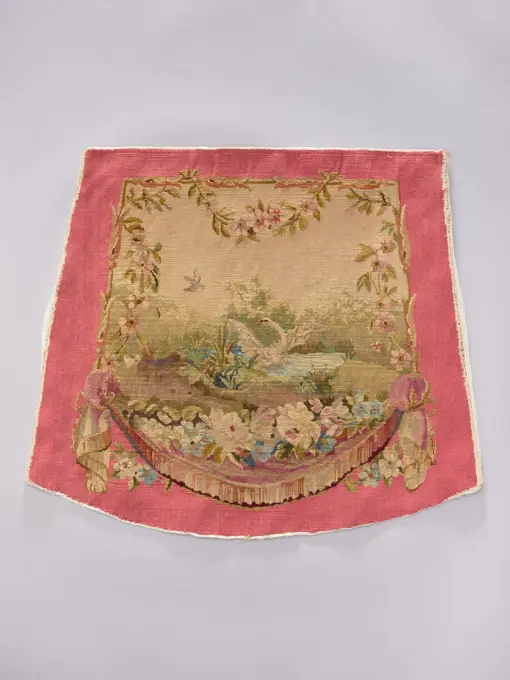
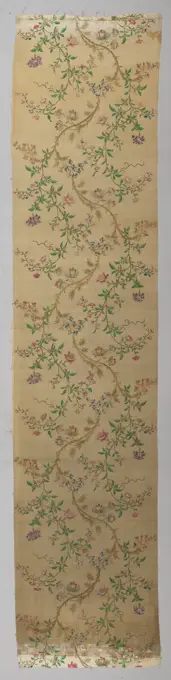
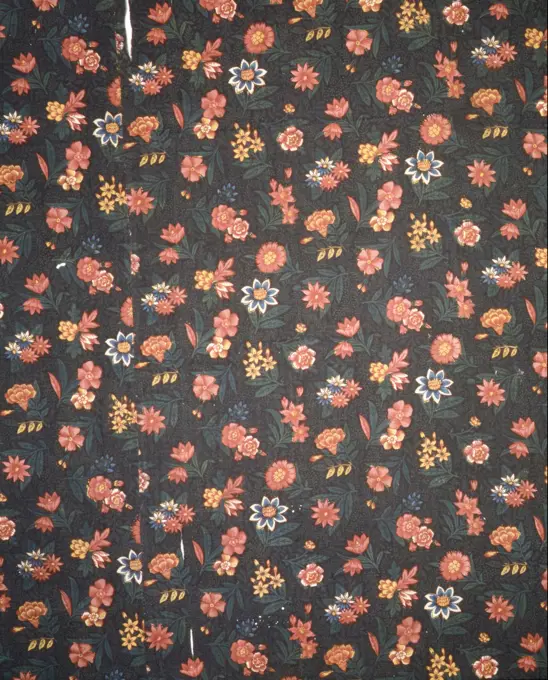
Fragment (France); cotton; Warp: 78cm (30 3/4in.). Weft: 68cm (26 3/4in.) Seamed in the middle. Height of repeat: 29cm (11 1/2in.) Width of repeat: 22cm (8 3/4in.); Bequest of Elinor Merrell; 1995-50-216
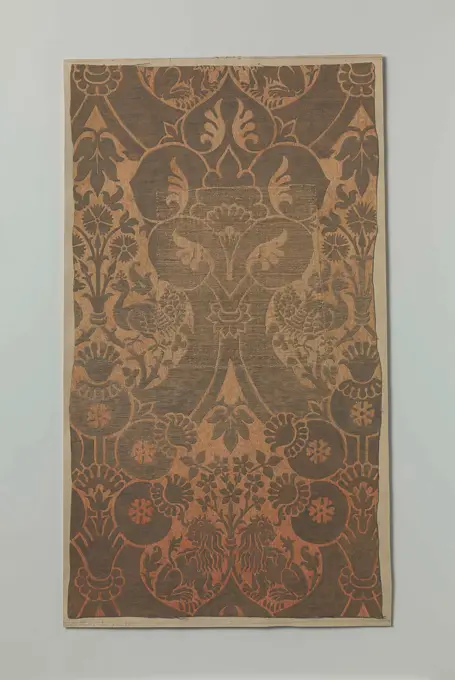
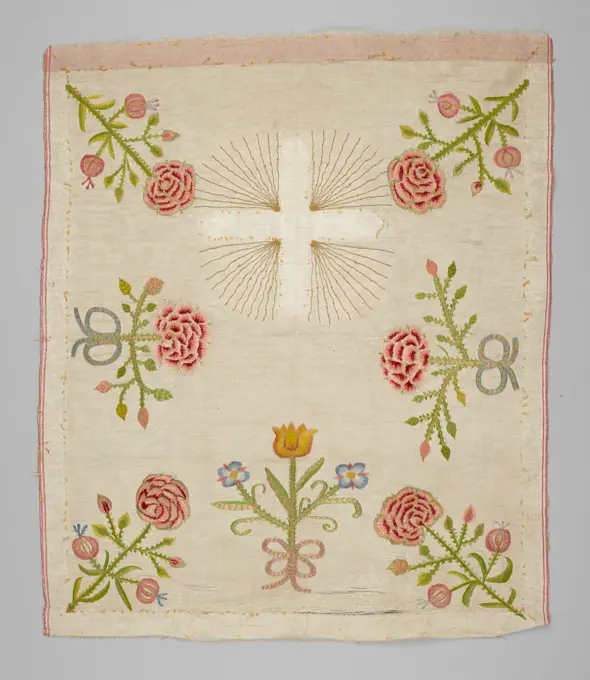
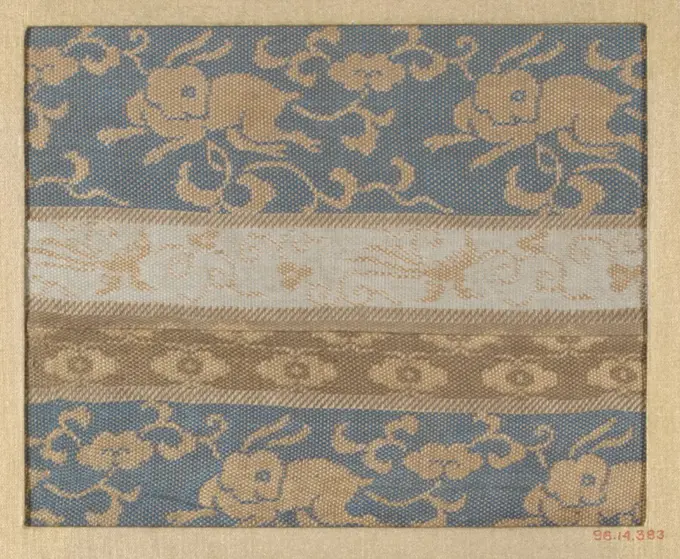
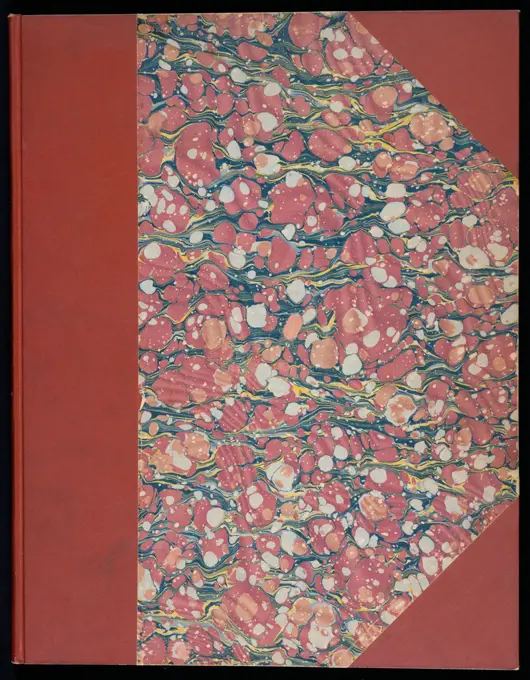
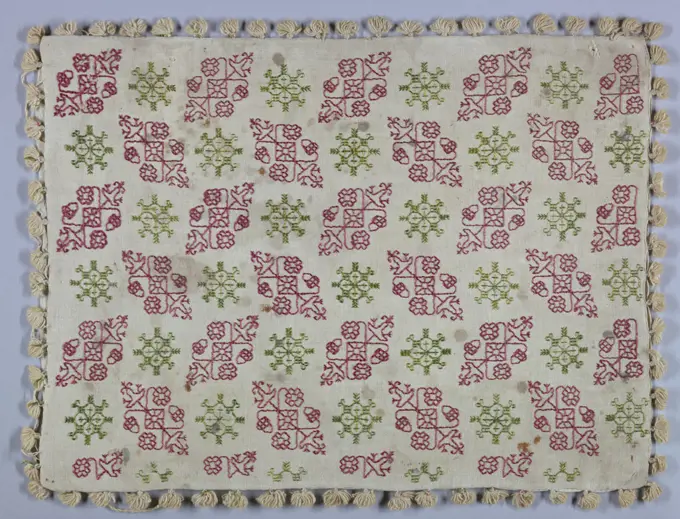
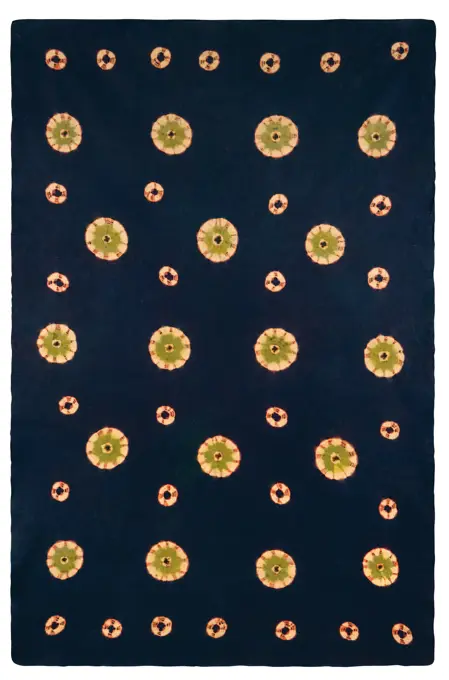
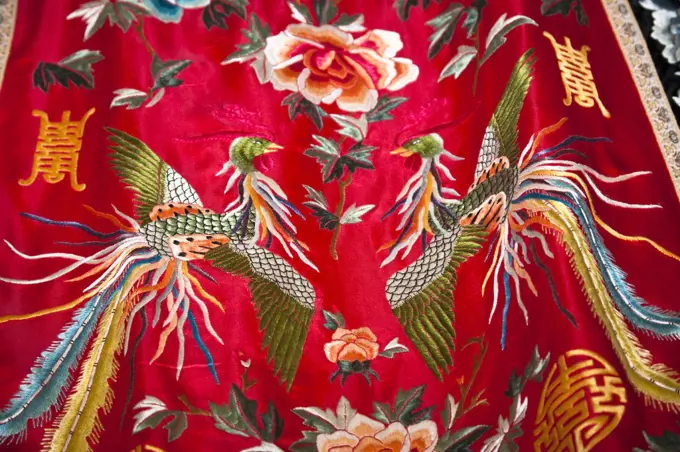
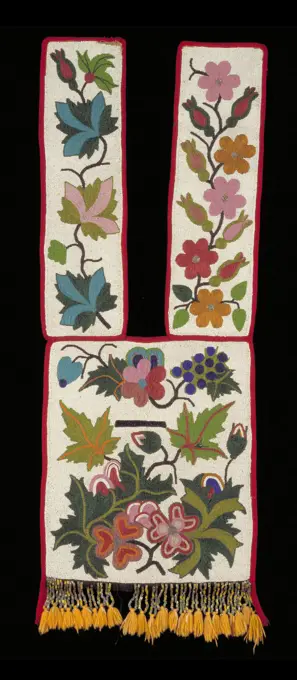
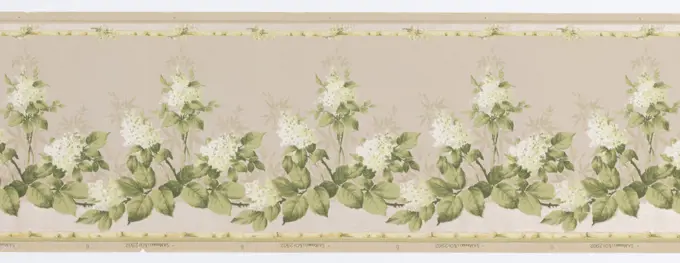
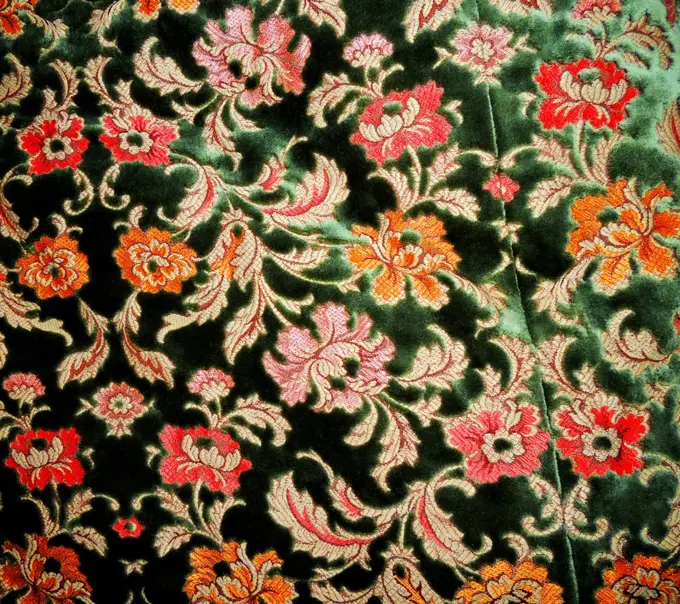
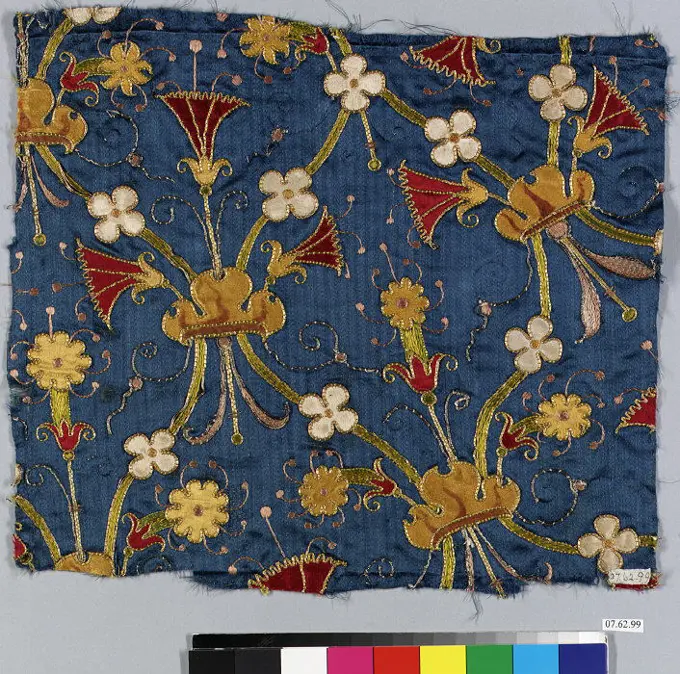
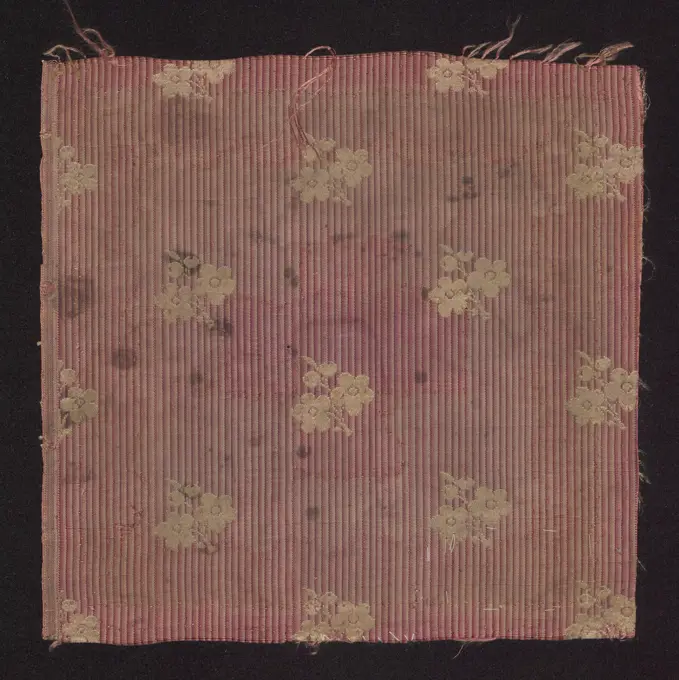
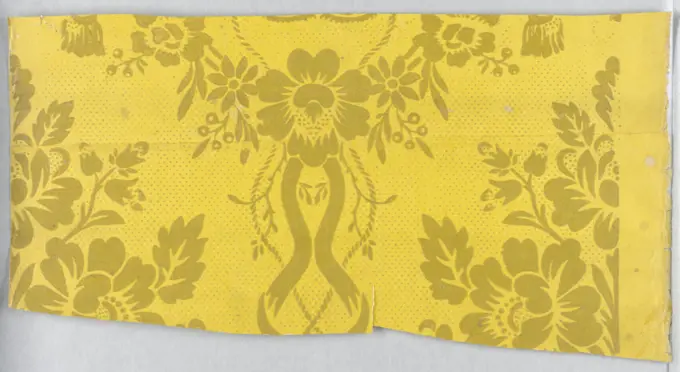
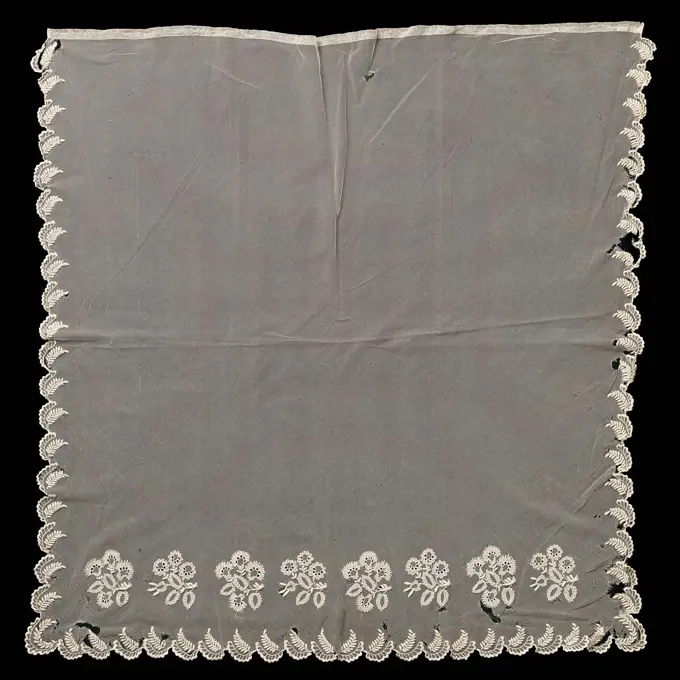
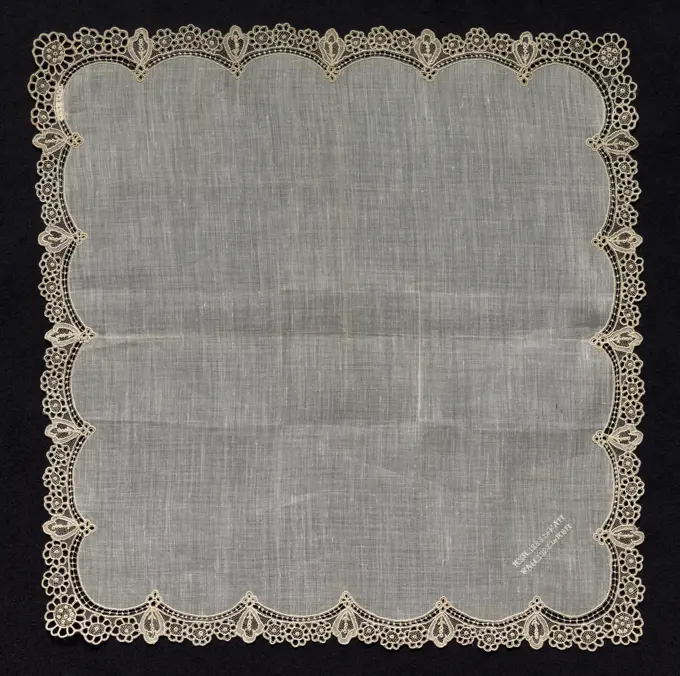
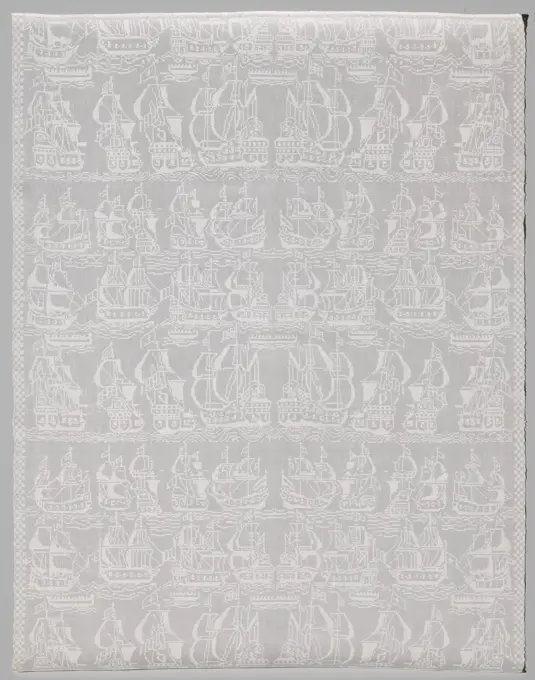
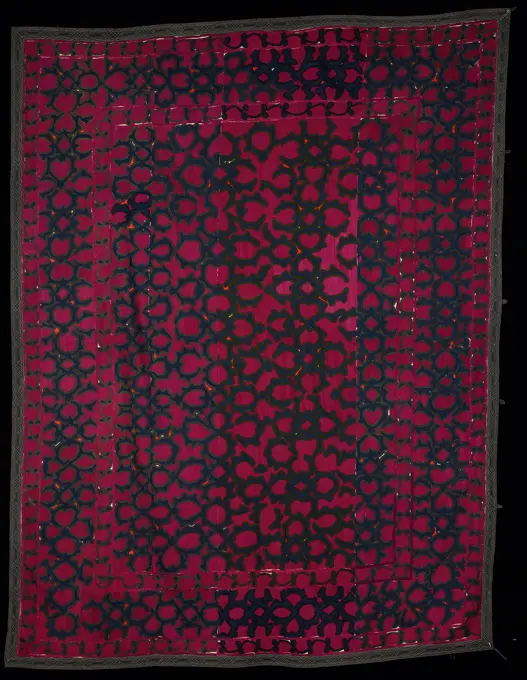
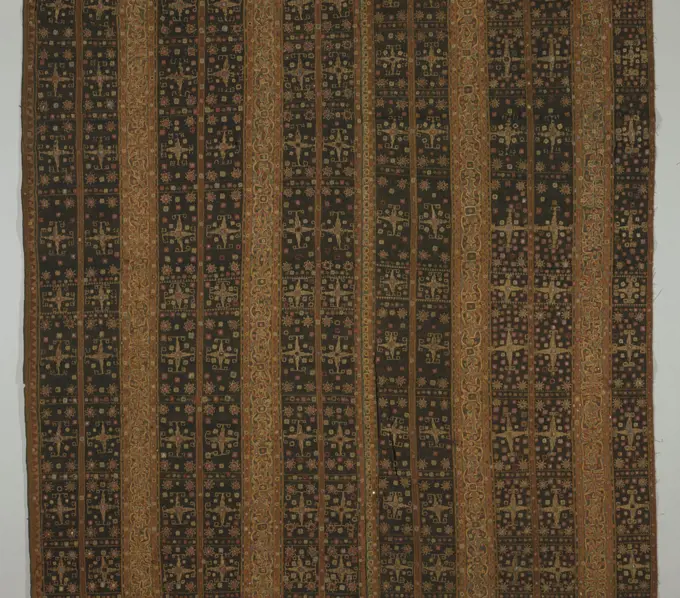
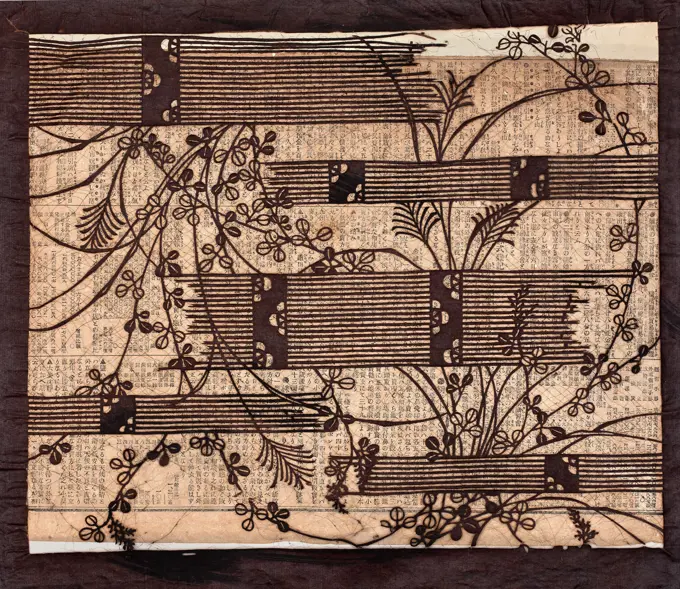
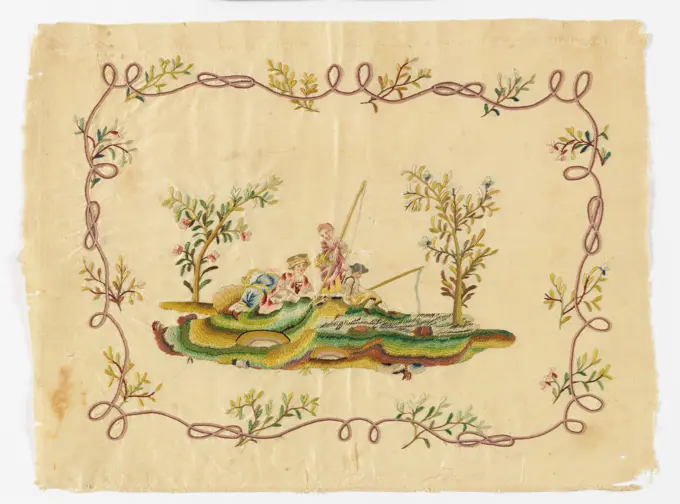
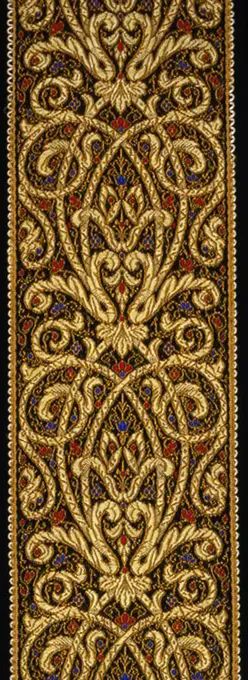
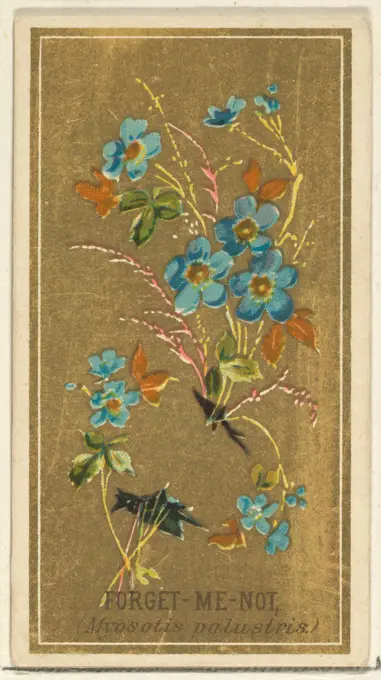
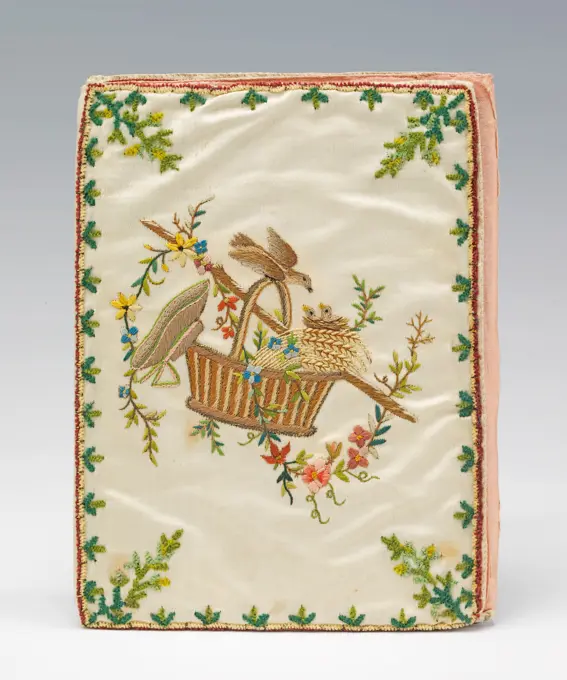
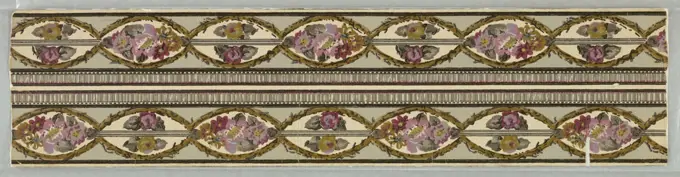
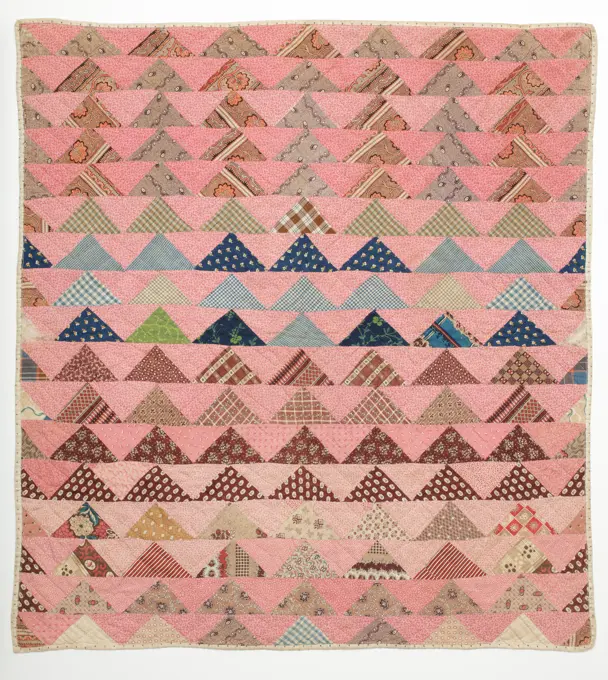
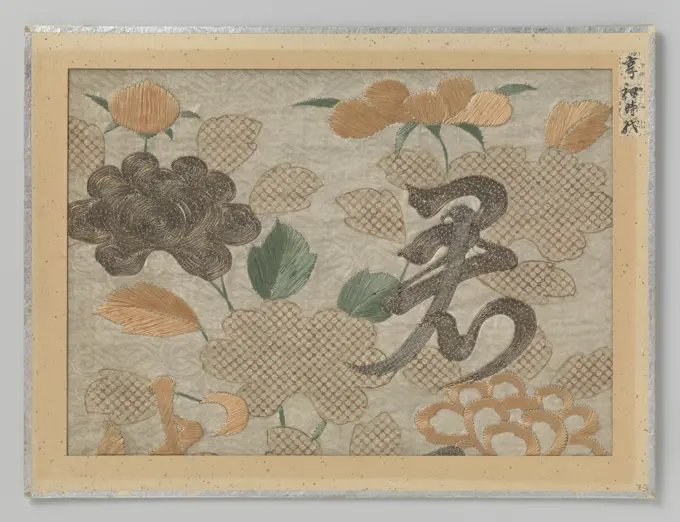
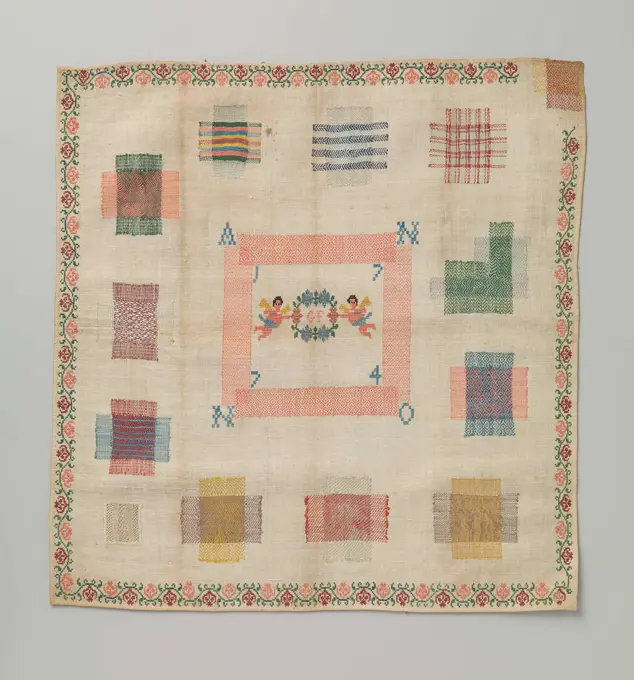
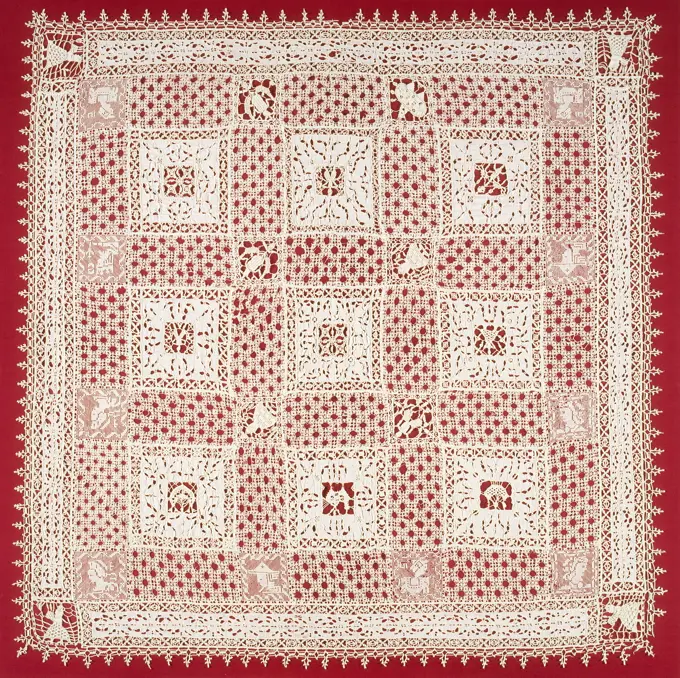
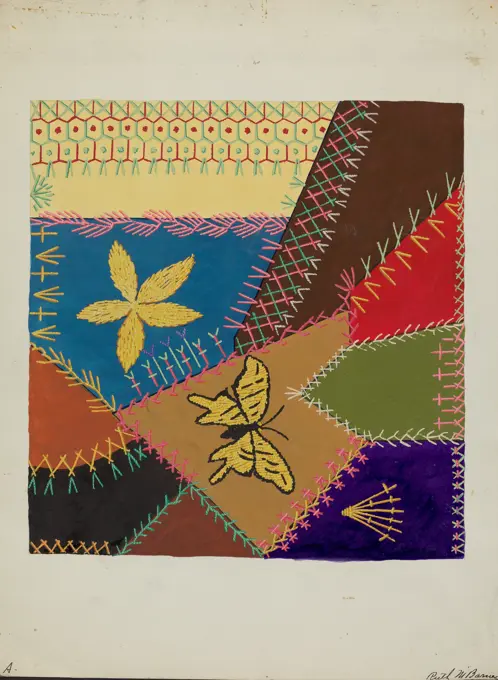
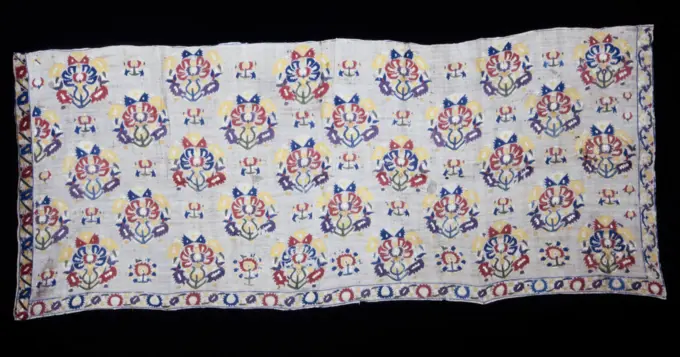
Arras cover. unknown, authorTextile (France); cottonFragment, medium; silk, linen () Technique: combination of two structures, Ogival pattern in blue, yellow and white., 17th century, woven textiles, FragmentRibbon (USA); cotton, silkFragment 16th century Spanish or Italian. Fragment 230348Piece 19th century Japan. Piece 67900Back of the ornate;  XVII/18th century (1690-00-00-1810-00-00);Fragment silk tissue. Fragment placed in considerably signed part with a total pattern on golden yellow soil of pomegranates that pair oval fields forming in turn-away lions and demanded peacocks.Fragment, 1800s. India, 19th century. Brocade; sateen ground with silk and metal thread; overall: 12.7 x 3.8 cm (5 x 1 1/2 in.).Band (for Woman's Trousers) Made 1875-1900 China. .Strip of a climbing side with rosary in hexagon and two wavy flower garlands. Strip of black climbing side: Chantilly side. The strip is a part of a longer strip used for a crinoline jawon. The repeating pattern consists of hexagonal fields, which are formed by intersecting decorative tires. There is a rose branch in every hexagonal field. Above the hexagons, two synchronously wavy flower garlands, the lower pendulum, the upper points of the hexagons are overcut. Between the hexagons, the lower flower garland and the sloping edge in emergence bell-shaped fields, with one large rose and in the mirrored bell-shaped field above it is a spring-shaped sheet. The motifs are made in a power base with contour wires and they are connected by a fine grille, a toel. As ornamental ground, a rose soil has been applied in, among other things, flower hearts and decorative tires. The top of the strip is straight finished. The sloping edge along the bottom of the strip is finished with picots.Top of a chaIIce veil unknownFragment Made 1601-1700 Turkey. Embroidered .Fragment 1665 Italian. Fragment 214831Textile Swatches Onondaga Silk Company, Inc. (1925-1981). Textile Swatches, 1948-1959. silk; metal, a-d: 9 × 5 in. (22.9 × 12.7 cm).    1948-1959Piece 18th-19th century Japan. Piece 66108Indian No 5 Plate LIII From The Grammar of Ornament by Owen Jones published by Day & Son London 1865Piece 18th century Japan. Piece 71563Album, Album of Prints: First Book of Vases Designed by Edme Bouchardon; Designed by Edmé Bouchardon (French, active Rome and France, 1698 - 1762); Print Maker: Gabriel Huquier (French, 1695-1772); Published by Chez HuquierSamples (France); cotton, paperChaIIce veil, embroidered, green unknownPillow cover, Medium: silk on linen Technique: counted running stitch embroidery, Oblong pillow cover of heavy cream-colored linen embroidered in red and cream silk, ornamented on four sides with small tassels of cream linen with a few threads of red and green silk. Fastened at one side with five pairs of trim linen cords. Design arranged in rows of stylized, detailed plant forms and geometric shapes. Elements staggered in parallel rows., Italy, 16th century, embroidery & stitching, Pillow coverPanel Made 1801-1900 India. Red silk with vertical stripes of cone and ribbon design in gold and colored silk .Panel Made 1725-1775 Lyon. Silk, plain weave with patterning warps, brocading wefts, and self-patterned by complementary ground wefts .Chair cushion ,, 1500 - 1600 Seat cushion of Wijnrood Velor, topped with cord of gold thread and green silk. In the middle a rosette of four palmets; Two palmets in the corners on either side of a left -handed stam. Italy (possibly) textile materials. velvet (fabric weave) Seat cushion of Wijnrood Velor, topped with cord of gold thread and green silk. In the middle a rosette of four palmets; Two palmets in the corners on either side of a left -handed stam. Italy (possibly) textile materials. velvet (fabric weave)Embroidered chair upholstery unknownTextiles, 16th century. Cloth with floral sprig motif.Dark blue felt rug (mōsen) decorated with roundels, 19th century, Unknown, 80 x 52 in., Cloth: wool felt; shibori (tie-dyeing), indigo dye, 19th century, Fabric made in Mongolia for the Japanese market.Elizabeth Valentine, Hooked Rug, c 1936 Hooked RugPiece 18th-19th century Japan. Piece. Japan. 18th-19th century. Silk. Textiles-WovenSidewall - Fragment (possibly England); block-printed; a) Overall: 17.5 x 43.5 cm (6 7/8 x 17 1/8 in.) b) Overall: 34 x 17.5 cm (13 3/8 x 6 7/8 in.)Coverlet Made 1857 New York. Cotton and wool, plain weave double cloth; woven on loom with Jacquard attachment; two loom widths joined . Harry Tyler (Weaver)Fragment, Medium: cotton Technique: printed, Fragment with vertical stripes interrupted by medallions, paisleys and leaves; in red, brown, blue, green, yellow and pink., USA, ca. 1850, printed, dyed & painted textiles, FragmentPiece French 19th centuryOrnamental tapiser;  1750-1780 (1750-00-00-1780-00-00);Colourful red and green Chinese embroidered silk garment for sale, ChinaTextile 19th century Japan. Textile 68018Back cover. Dante Alighieri (1265-1321). bindings (gathered matter components), Book covers. 1907. Spencer Collection. BookbindingBandolier Bag, 19th-20th century, 41 1/2 x 16 1/2 in. (105.41 x 41.91 cm), Cotton, glass beads, wool, United States, 19th-20th century, In the Woodlands region there is a tradition of making bags and pouches to hold personal belongings. By the late 19th century, men frequently wore large, heavily beaded bags, sometimes two at a time, for dress occasions. A gashkibidagun, known in English as a bandolier bag, was far more important as a form of prestigious body decoration than as a functional object.Ruth M Barnes, Coverlet (Wool), c 1937 Coverlet (Wool)Fragment multicolored silk droguet, anonymous, c. 1740 - c. 1760 Fragment silk tissue. A gray-green soil has a network of tires in white and blue with red diamonds on the intersections and small flower branches in red and green in the formed fields. Germany (possibly) silk Fragment silk tissue. A gray-green soil has a network of tires in white and blue with red diamonds on the intersections and small flower branches in red and green in the formed fields. Germany (possibly) silkSidewall; block-printed on handmade paper; 124 x 58 cm (48 13/16 x 22 13/16 in.) e) 50 x 59 cmFragment, Medium: silk Technique: 5-harness satin damask, Red damask showing part of a vertical symmetrical repeat in medium scale with stylized central tulip, rose, and pomegranate flora and flanked by two birds., Italy, 17th century, woven textiles, FragmentFrieze, Machine-printed paper, Swag of large leaves and groupings of small flowers. Groups of smaller leaves seen in the background behind the flowers. A ribbon runs across the top and bottom. Background fades from white at the bottom to a light green at the top. Printed in white, yellow, and shades of green., Chicago, Illinois, USA, 1905-1915, Wallcoverings, FriezeTextile 18th century China or Japan. Textile. China or Japan. 18th century. Textiles-WovenTextile (England); cotton18th century bedcover at Warwick Castle.Piece 17th-18th century Spanish. Piece 213133Embroidery Sample, 14 1/4 x 15 in. (36.2 x 38.1 cm), Cotton, rayon; needlework, ChinaFragment of the fabric;  2. PO. 18th century (1751-00-00-1800-00-00);gift (provenance), fabricsArras cover. unknown, authorTextile, Schwartz-Huguenin, Medium: cotton Technique: printed by engraved roller on plain weave, A) Molette ground in broad grey stripe and grouped pink stripes; over-printed with small rose clusters., B) Same design as A with grouped tan stripes., 1851-63, printed, dyed & painted textiles, TextileSidewall, Block-printed and flocked on handmade paper, varnished ground, Deep mustard-yellow flock on mustard-yellow ground. Large scale pattern of floral bouquets, scalloped ribbons and bows., England, ca. 1750, Wallcoverings, SidewallTextile, Schwartz-Huguenin, Medium: cotton Technique: printed by engraved roller and/or block printed on plain weave; glazed, a) Ground printed by 'molette' in broad fancy stripes in grey, one stripe composed of rosettes, the other dotted, with fancy edge. Long cluster of roses, violets and ribbons printed in dotted stripe in red, grey, shades of green and violet, probably by block. B) Same design on green printed pround. Glazed., Mulhouse, Alsace, France, 1851-63, printed, dyed & painted textiles, TextileTextile Swatches Onondaga Silk Company, Inc. (1925-1981). , 1948-1959. Silk, 23 3/4 x 9 in. (60.3 x 22.9 cm).    1948-1959Textile (England); Designed by Arthur Wilcock; cottonMezzaro (shawl Or Headcovering) (Italy); cottonBladranken die opstijgen uit een pot met oren.Flat decoration. There are three children at the pot, one of which is dressed. In the middle is a shield with the signature.Dressing of edge embroidery on machine tulle with plethus and appliqué bouquets. Dressing of natural-colored tilt embroidery of Plugers on machine tulle. Three sides have an embroidered sculpture, with a fixed leaf motif in every scallop. The bottom edge also has eight appliqued flower bouquets of fine linen combined with plusness. The top edge is finished with a soil.Textile (England (for Portugese market)); cotton; Warp x Weft: 51.1 x 54.2 cm (20 1/8 x 21 5/16 in.) Repeat H: 13 cm (5 1/8 in.); 1983-85-16Bliżej Kultury unknownEurope, Greece, Eastern Thrace, Soufli. Silk workshop showing silk productsSidewall Sample; machine-printed on paper; 22.5 x 22.5 cm (8 7/8 x 8 7/8 in.)Katagami, Maple Leaves; Japan; cut mulberry paper treated with persimmon tannin and silk thread; 59.7 × 43.8 cm (23 1/2 × 17 1/4 in.) Mat: 71.1 × 55.9 cm (28 × 22 in.)Needlepoint (Point de Gaze) Lace Handkerchief, late 1800s. Belgium, Brussels, late 19th century. Linen center with narrow edging of needlepoint lace; average: 34.3 x 35.6 cm (13 1/2 x 14 in.).Linnamast napkin with sailing ships ,, c. 1640 - c. 1660 Linnamast napkin with a mirrored pattern of sailing ships. The running edges consist of a narrow checkered edge. The napkin is marked: RVG 6 Wh. (See also BK-16797) Northern Netherlands (Possible) linen (material) damask Linnamast napkin with a mirrored pattern of sailing ships. The running edges consist of a narrow checkered edge. The napkin is marked: RVG 6 Wh. (See also BK-16797) Northern Netherlands (Possible) linen (material) damaskBook cover with overall red curved line pattern 19th century Anonymous. Book cover with overall red curved line pattern. Anonymous , 19th century. 19th century. Relief print (wood or metal). PrintsSampler (Netherlands); silk embroidery, linen foundation; 47 x 42 cm (18 1/2 x 16 9/16 in.); Bequest of Mrs. Henry E. Coe; 1941-69-143Suzani, late 19th century, 112 x 88 in. (284.48 x 223.52 cm), Silk, cotton; needlework, Uzbekistan, 19th centuryCarpet Fragments Carpet Fragments, mid 19th century. Wool, a: 154 x 208 in. (391.2 x 528.3 cm).   Decorative Arts mid 19th centurySarong, Medium: cotton, silk, glass Technique: embroidered in running, buttonhole, couching, and satin stitches on plain weave, Festive woman's skirt made of two pieces sewn together. Striped fabric in black, yellow-orange, rust-red, and dark blue (black predominating) patterned by embroidery confined within the stripes. The embroidered patterns resemble flowers, one more geometric than the other, and are embellished by small mirrors. The embroidery is in light yellow and brick red., South Sumatra, Indonesia, 19th century, embroidery & stitching, SarongDying template katagami for painting yucata; Dese from grasses (susuki) and mg stylized belts;  19th/20th century (1868-00-00-1912-00-00);Drabik, Cezary (Fl. Ca 1960 - 1980) - collection, geometric and reel patterns, Katags, templates, Japanese art, purchase (provenance)Bag Face (France); silkCover Made 1701-1800 Turkey. Square, with floral embroidery repeated .Sampler (Austria); Embroidered by Karoline Berger (Austrian); Student at Kunstgewerbeschule; cotton embroidery on cotton foundationRibbon Made 1860-1880 France. Silk, warp-float faced satin weave with supplementary brocading wefts, and self-patterned by two-color complementary ground weft floats and areas of plain interlacing; woven on a loom with Jacquard attachments .Spanning fabric with backdrop of branches, leaves, flowers and fruits, anonymous, c. 1750 - c. 1790 A lane multicolored painted cream spancing material from silk. Description See A. China silk printing / painting A lane multicolored painted cream spancing material from silk. Description See A. China silk printing / paintingPiece ca. 1785 French. Piece 229350Forget-Me-Not (Myosotis palustris), from the Flowers series for Old Judge Cigarettes 1890 Issued by Goodwin & Company The "Flowers" series of trading cards (N164) was issued by Goodwin & Company in 1890 to promote Old Judge Cigarettes. The Metropolitan Museum of Art owns all 50 cards in the series.. Forget-Me-Not (Myosotis palustris), from the Flowers series for Old Judge Cigarettes 400594Case ca. 1800 European A lady might have carried or stored her personal letters in a folding case like this well-preserved example dating to the turn of the 19th century. The intricate embroidery and triple-fold construction sets this object apart from other similar objects in the Brooklyn Museum collection. The embroidered motifs, combined with the motto and the inclusion of the two women's names suggest that the case was a token of friendship given by one to the other, perhaps with the sentiment that letters between the two were also treasured keepsakes. The motifs themselves symbolize milestones of life the two might share in a lifelong friendship. With its embroidered motto and motifs representing imagery of friendship and affection, this case probably was given as a token of friendship.Very well preserved example of an accessory given as a token of friendship; imagery related to life circumstances that would be shared in a lifelong friendship. Case 156494Fragment (France); wool embroidery on cotton foundationBorder, Machine-printed paper, Two borders running side by side, to be cut. On gray ground oval reserves edged with olive stems and containing purple flowers. Black lines and gray ruffled band edging., USA, ca. 1870, Wallcoverings, Border, Border, Machine-printed paper, Two borders running side by side, to be cut. On gray ground oval reserves edged with olive stems and containing purple flowers. Black lines and gray ruffled band edging., USA, ca. 1870, Wallcoverings, BorderHanging Made 1701-1800 Portugal. Linen, plain weave, in two thicknesses; cotton batting; quilted; embroidered in colored silk and metal strips wound around a silk fiber core in chain, satin, split, stem and couching stitches .Batist handkerchief with a strip of dick around with Rivière. Batist handkerchief with natural colosside around a strip: Mechelen side. The strip of clamping is wrinkled in the corners. The asymmetrical lace pattern is on a very fine grille, a Mechelen soil (also known as ice soil). A river-running rivier, which is composed of S and C-Volutes and leaves, limits the mesh network, on which loose motives alternate; One is a rosary, the other a halved medallion. Along the outside, whimsical reserves with grid work are formed by the Rivière and through leaves and rosettes.Linnamast napkin with strawberries, Chris Lebeau, c. 1878 - c. 1945 Linnamast napkin with design no. 602: Strawberry motif. The napkin is part of five napkins (BK-1979-264-A to BK-1979-264-F) and a tablecloth (BK-1979-263). Eindhoven linen (material) damask Linnamast napkin with design no. 602: Strawberry motif. The napkin is part of five napkins (BK-1979-264-A to BK-1979-264-F) and a tablecloth (BK-1979-263). Eindhoven linen (material) damaskCornelius Christoffels, Coverlet, c 1940 CoverletClose-up of reel of patterned dark red and yellow fabric samplesWall tile, fragmentEmbroidered Picture (possibly Mexico); wool embroidery on cotton foundation, with glass beads and metal sequinsChild's Quilt, 'Flying Geese'. United States, circa 1870. Textiles; quilts. Cotton plain weave, printed, hand pieced and quilted, machine boundEmbroidered picture, Medium: wool embroidery on cotton foundation, with glass beads and metal sequins Technique: embroidered in cross and raised stitches on plain weave foundation; beads sewn on individually and in pre-strung strands Embroidered, Bird flying over three raised-work roses in a field of glass beads., possibly Mexico, late 19th century, embroidery & stitching, Embroidered pictureValance, Medium: cotton Technique: block printed on plain weave, Shaped valance. Design of curving stripes with five-petaled flowers in the field. Red and black on white. Three seams across the width of the valance., France or Switzerland, late 18th century, printed, dyed & painted textiles, ValanceSidewall Sample; machine-printed on paper; 22.5 x 22.5 cm (8 7/8 x 8 7/8 in.)Textile fragment, Anonymous, 1801 - 1804 Textile fragment, pressure and embroidery of Camelias and Chinese character on beige damask background. Japan silk. silver thread Textile fragment, pressure and embroidery of Camelias and Chinese character on beige damask background. Japan silk. silver threadStop flap of multicolored silk and linen on cotton muslin .. stoppaper with embroidery. The embroidery has the year Anno 1774, the initials GF in a wreath with protective angels and a floral edge along the hem.Back doubleur. 1910 - 1896. Chaucer, Geoffrey (d. 1400). bindings (gathered matter components), Book covers. Spencer Collection. BookbindingLace CoverRuth M Barnes, Crazy Quilt (Section), c 1940 Crazy Quilt (Section)Vintage French postcard illustrated with flowers and an open fan. 1903Bed Drapery, 18th century, 83 1/2 x 36 in. (212.09 x 91.4 cm), Linen, silk; needlework, Turkey, 18th century