Woven Textile Fragments

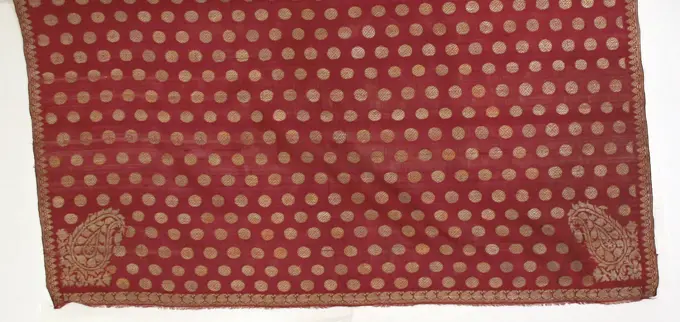
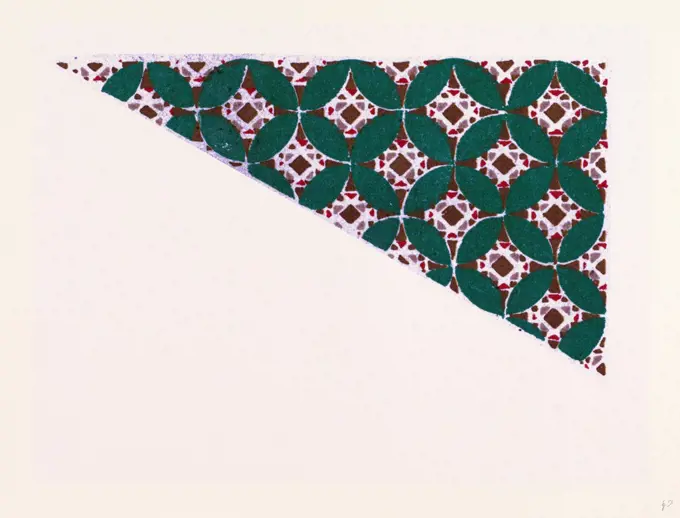
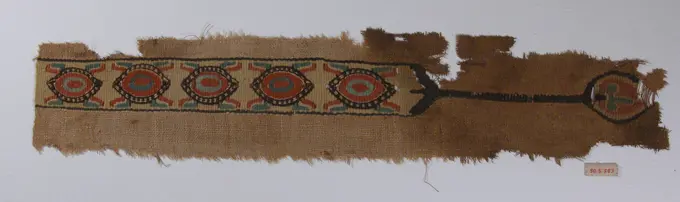
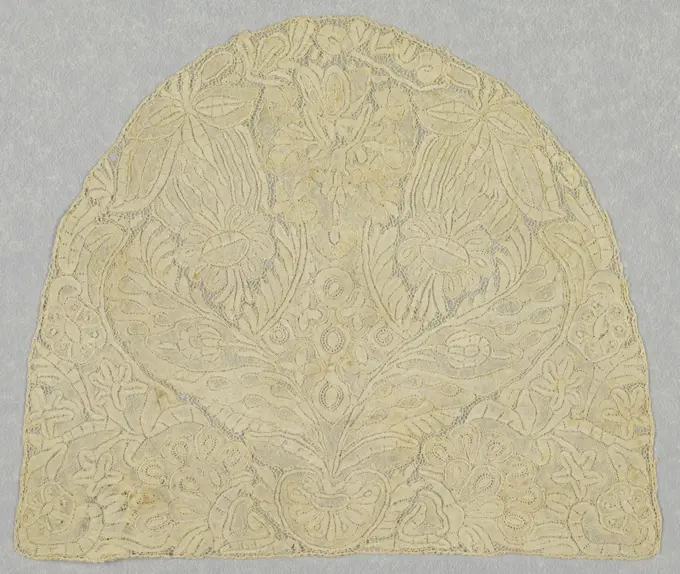
Various textile fragments featuring floral patterns and intricate designs, highlighting rich materials and weaving techniques from different eras.
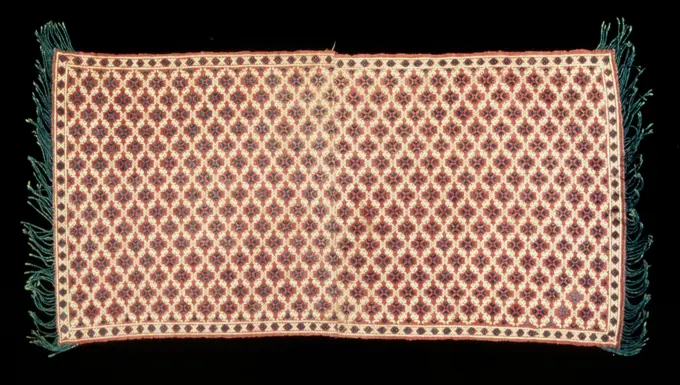
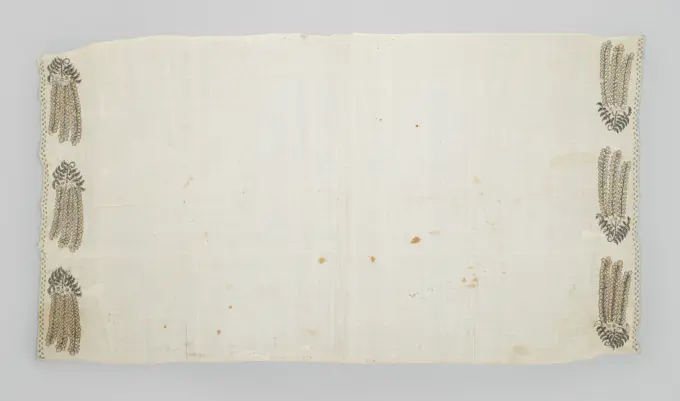
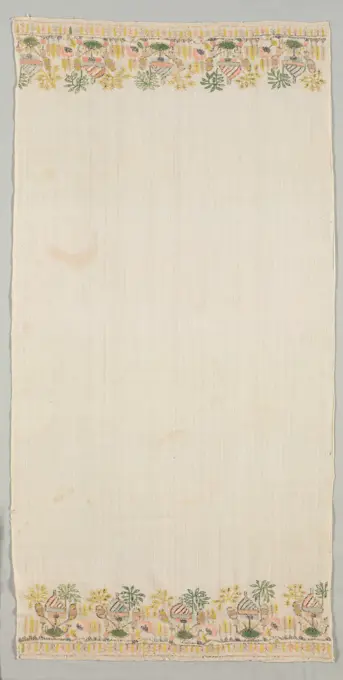
Cover, 19th century, L.40-1/2 x W.21 in., cotton; needlework, Armenia, 19th century
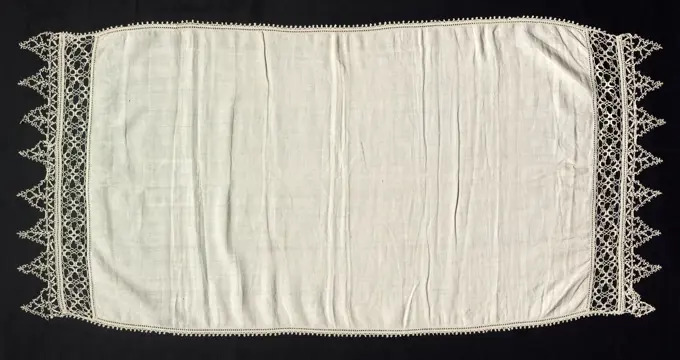
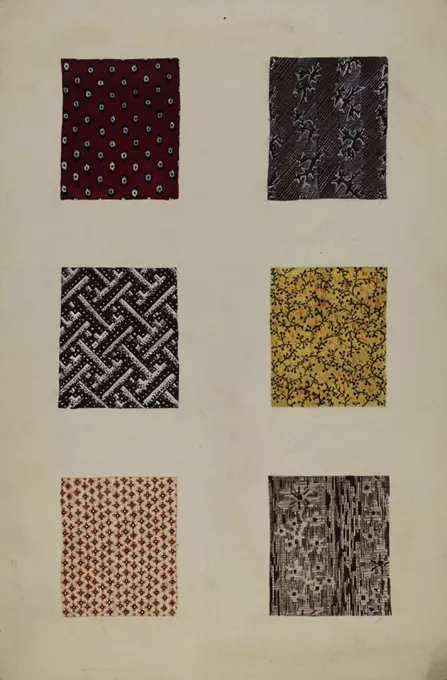
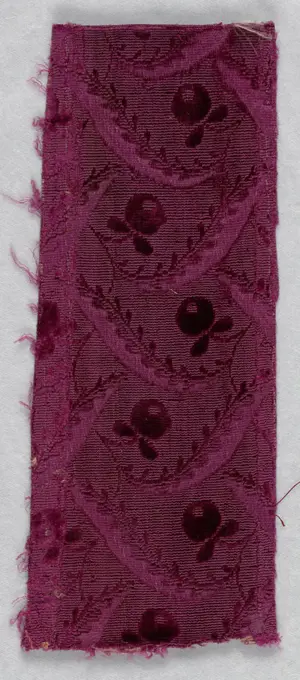
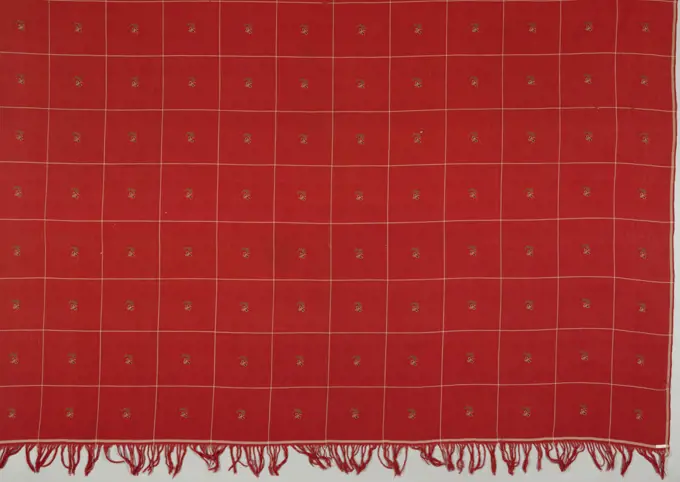
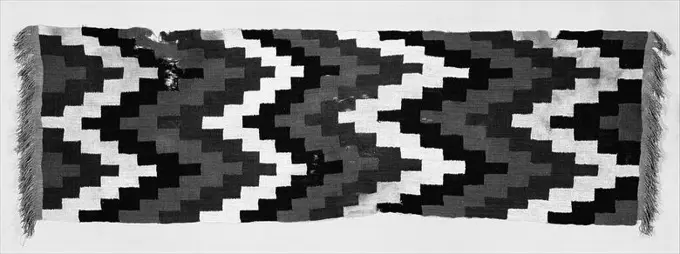
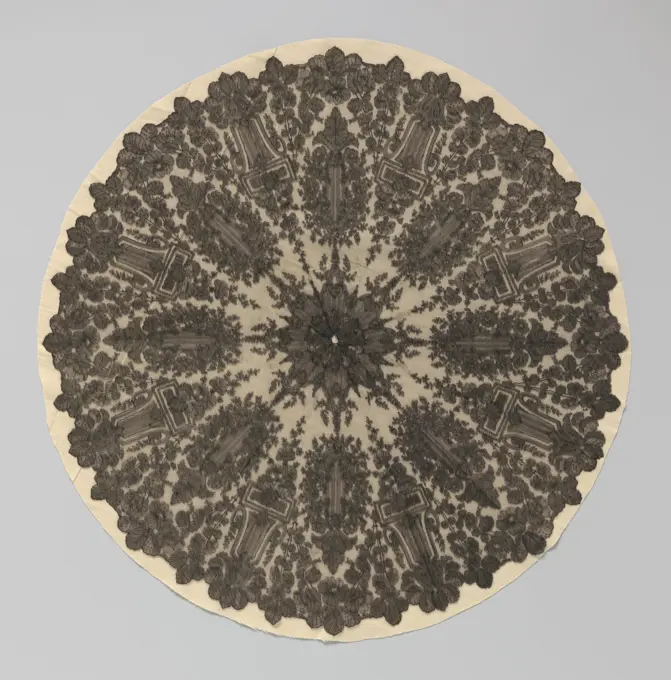
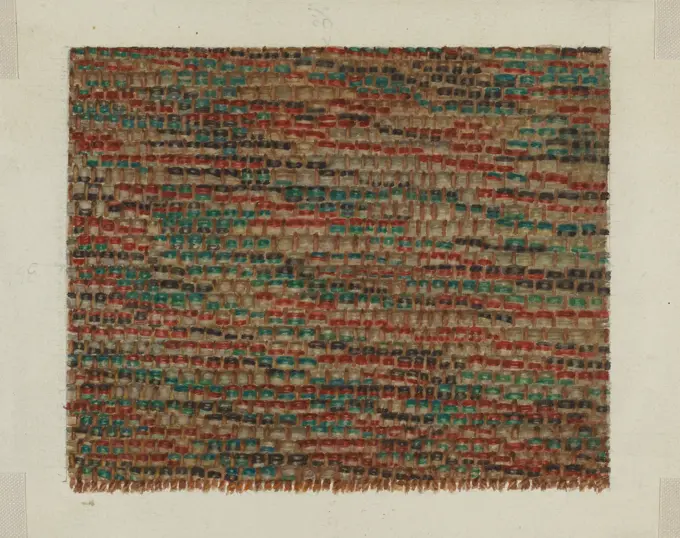
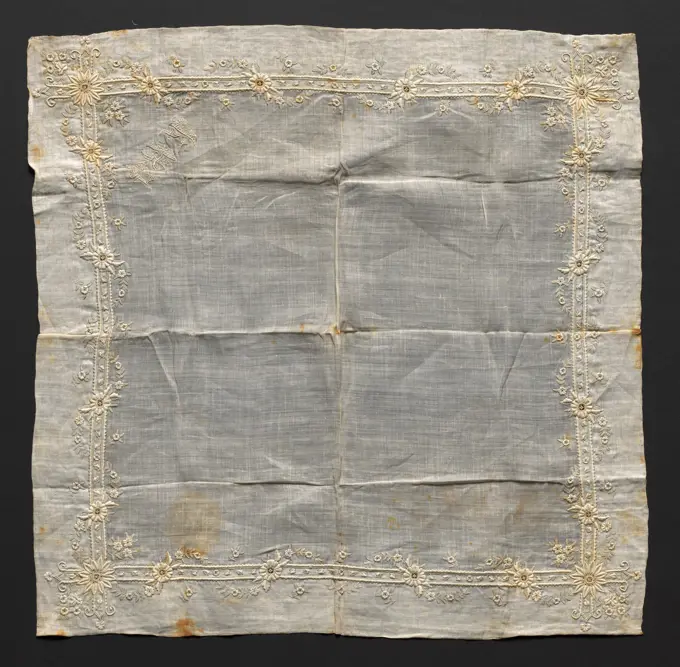
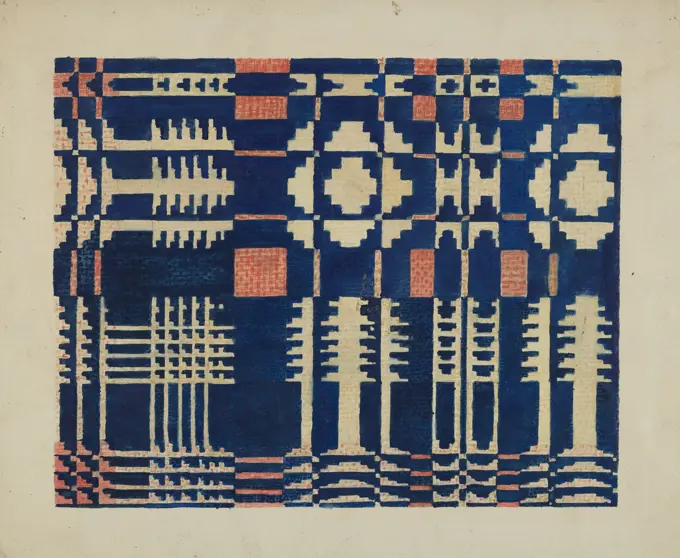
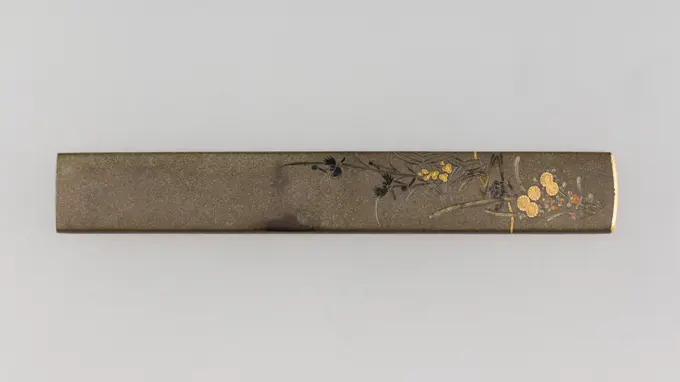
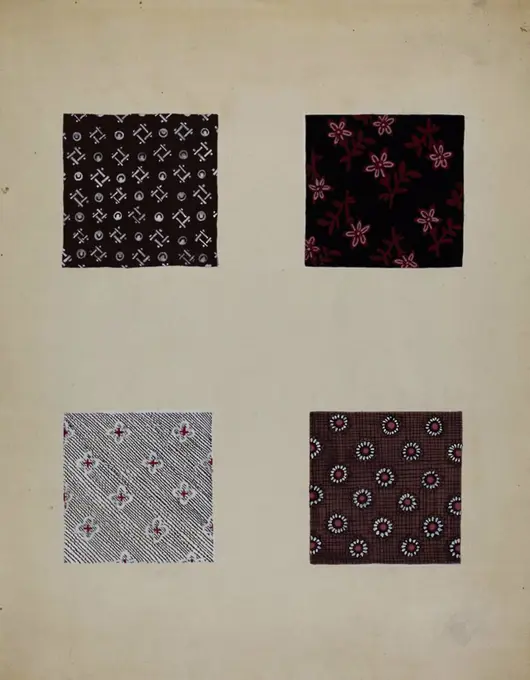
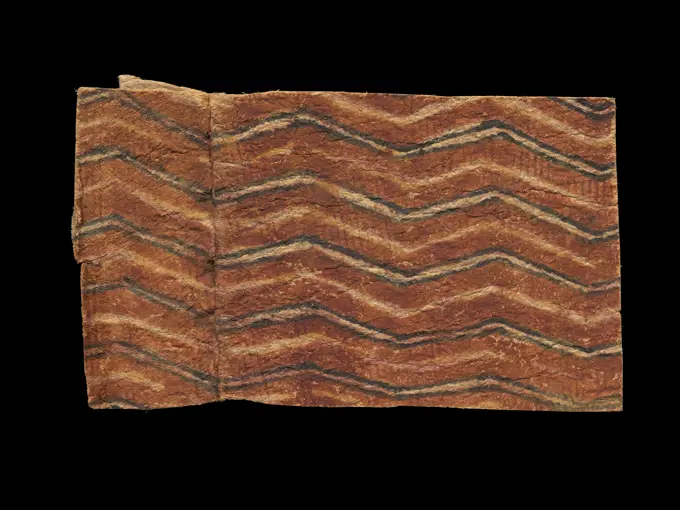
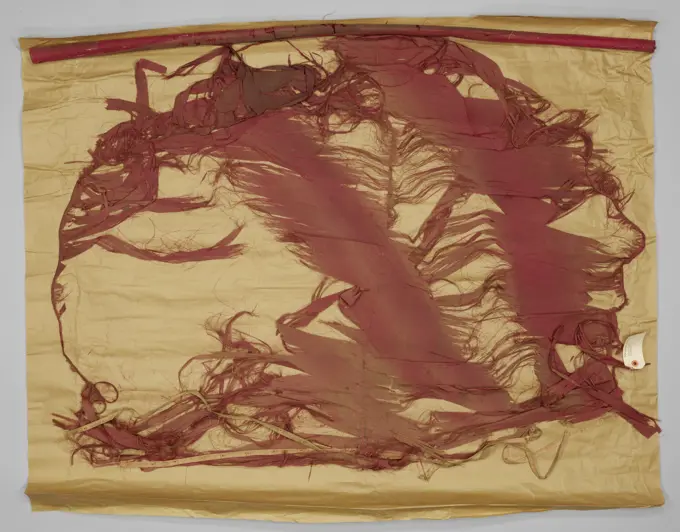
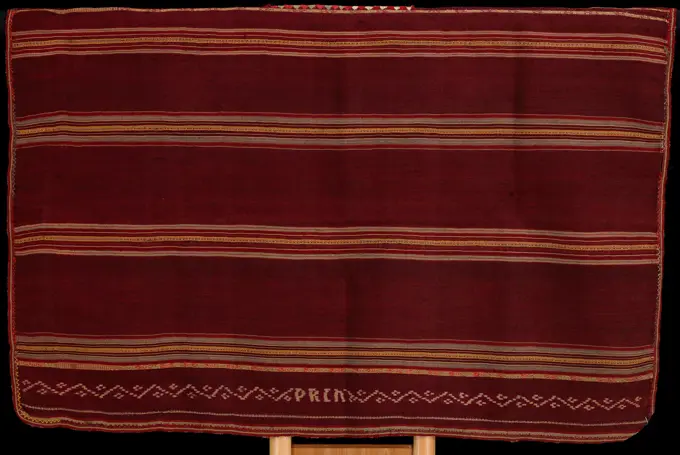
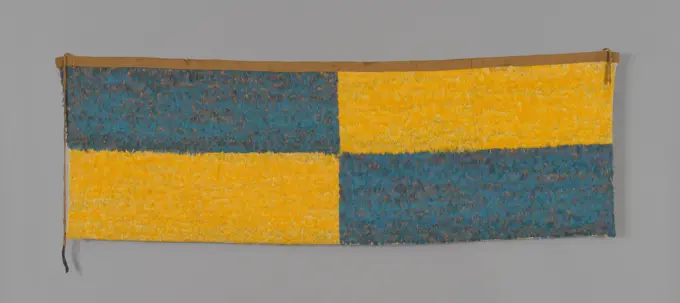
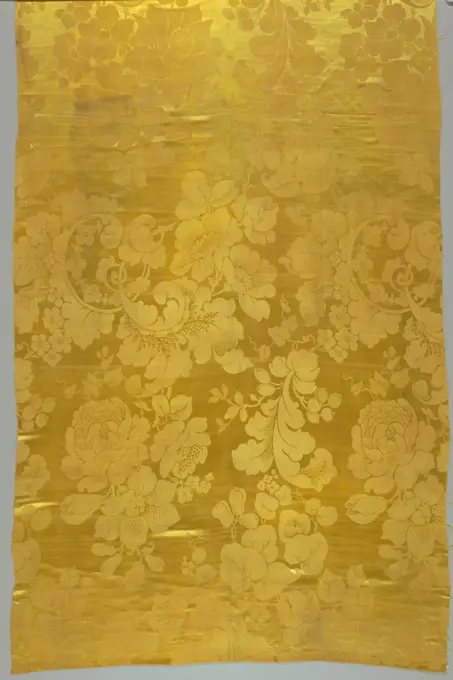
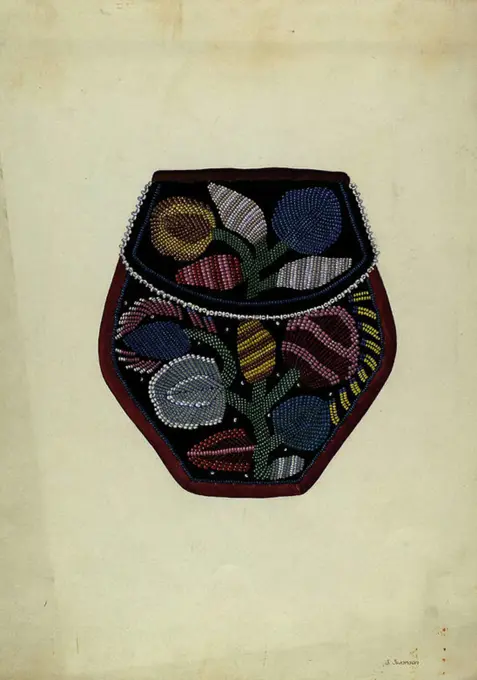
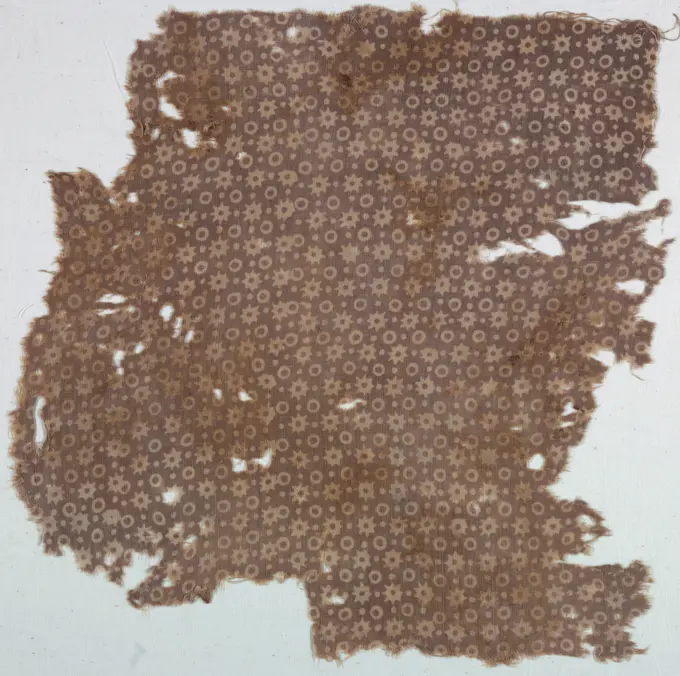
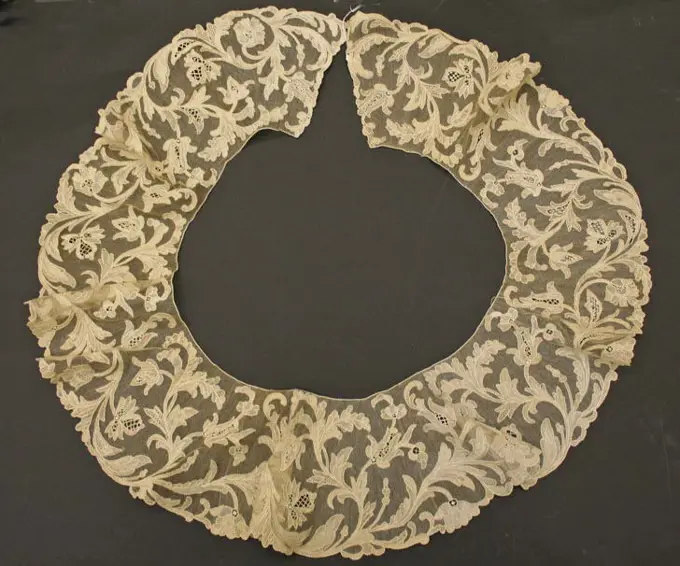
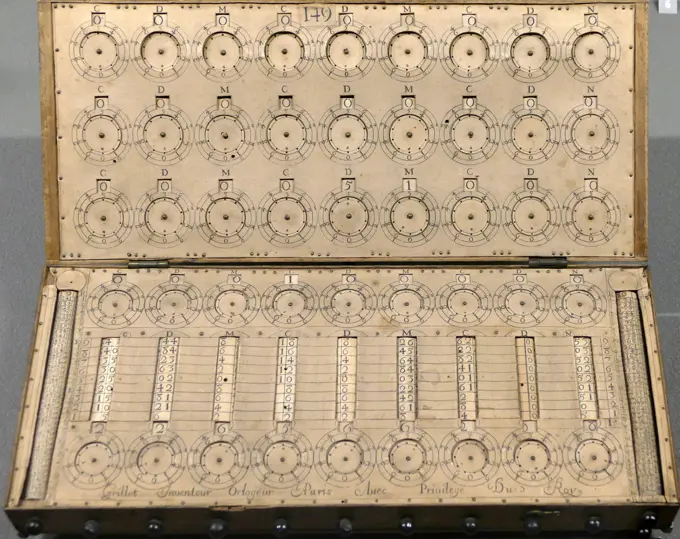
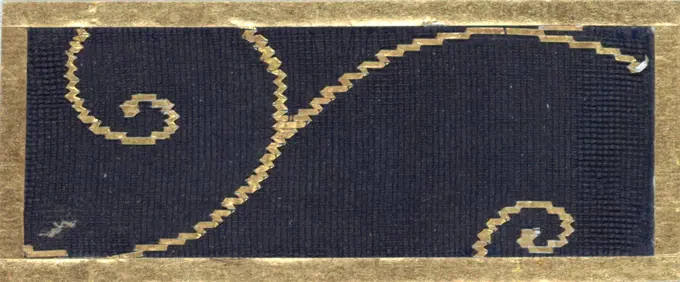
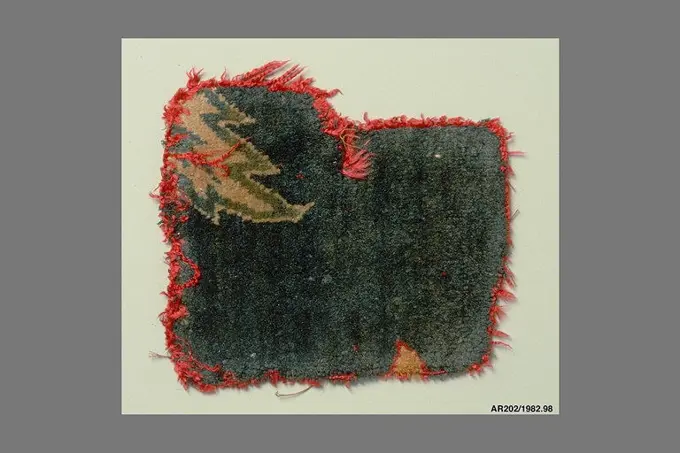
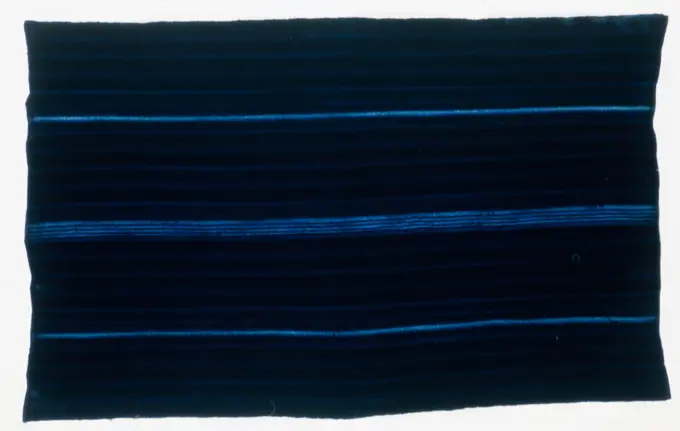
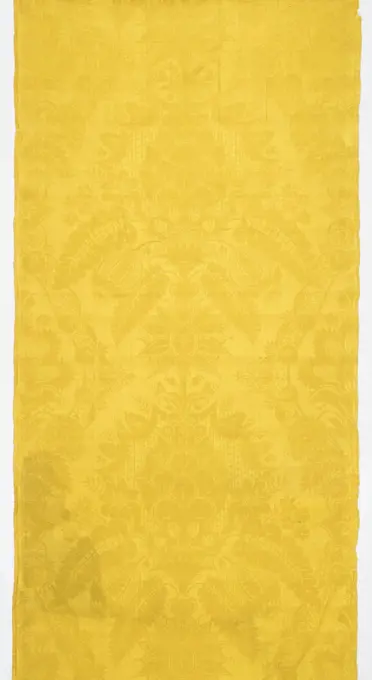
Textile, Medium: silk Technique: 4&1 satin damask; the warp-float face of satin as background, Large-scale, vertically symmetrical pattern of flowers and leaves in what is generally called the 'lace' style, in golden yellow on a yellow-green ground., England, 1720s, woven textiles, TextileBobbin Lace Cloth, mid 16th century. Italy, Venice, mid 16th century. Lace, bobbin; average: 62.9 x 123.8 cm (24 3/4 x 48 3/4 in.).Quilt Patches. Dated: c. 1938. Dimensions: overall: 38.2 x 25.4 cm (15 1/16 x 10 in.). Medium: watercolor, gouache, and graphite on paperboard. Museum: National Gallery of Art, Washington DC. Author: Katherine Hastings.Towel made of embroidered IInen unknownFragment, Medium: silk Technique: cut and uncut supplementary warp pile (velvet) in a satin foundation, Fragment of cut and uncut dark pink velvet in a design of flower buds and leaves., France, 18th century, woven textiles, FragmentKontusz sash/belt. unknown, authorPlaque 1100 BCE-700 BCE China. Jade .Silk Fragments, 1360-1399. Italy, last third of the 14th century. Lampas weave, silk and gold thread; average: 15.2 x 22.3 cm (6 x 8 3/4 in.).Sari India 19th centuryByzantine ornamentTAPIZ. Author: GARCIA ARENAL A. Location: PREMIO NACIONAL DE TAPICES. Aranjuez. MADRID. SPAIN.Handkerchief 1860-69 French, probably for Russian market. Handkerchief 229481Rug Fragment (USA); worsted wool, juteEmbroidered top from a burse unknownScarf. Culture: American. Manufacturer: Echo Scarfs (American, founded 1923). Date: ca. 1955. Museum: Metropolitan Museum of Art, New York, USA.Woven Textile with Male Bust in Pearl Roundel 7th-8th century Central Asia. Woven Textile with Male Bust in Pearl Roundel. Central Asia. 7th-8th century. Silk. Textiles-WovenFragment (Italy); silk, metal wrapped silk threadDress Fragments 4th century Coptic. Dress Fragments 475077Sampler 1744 German or British. Sampler. German or British. 1744. Linen and silk on linen. Textiles-EmbroideredTextile Fragment 5th-6th century. Textile Fragment 444042Hair comb made of turtle with an ajour cut midfield and teeth on either side, anonymous, c. 1500 - c. 1524 Kam from turtle with an ajour cut midfield and teeth on either side. Model: elongated, wide and flat model. Teeth on the long sides. Decoration: Geometric shapes are cut out in midfield. Southern Europe (Possible) . sawing / filing / polishing Kam from turtle with an ajour cut midfield and teeth on either side. Model: elongated, wide and flat model. Teeth on the long sides. Decoration: Geometric shapes are cut out in midfield. Southern Europe (Possible) . sawing / filing / polishingCap crown, Medium: linen Technique: bobbin lace, Brussels style, Cap crown with a dense pattern of floral and foliated forms emanating from a heart-shaped base., Belgium or England, 1700-1750, lace, Cap crowncover 17th century Italian. cover 460324Lappet 17th century Italian, Venice. Lappet 222740Shawl, Medium: wool Technique: twill weave with supplementary weft, Square shawl of fine red wool with warp fringe. Thin cream-colored cross-stripes form large squares, each with a small floral motif in white, black and green., Europe, ca. 1840, costume & accessories, ShawlBand. Culture: Inca. Dimensions: H.24 1/2 x W. 85 3/4 in. (62.2 x 217.8 cm). Date: 15th-16th century. Museum: Metropolitan Museum of Art, New York, USA.Wall Facing (Netherlands); tin-glazed earthenware, underglaze; 5 tiles tall, various wideEmbroidery patch of linen, industrial school De Windroos, c. 1880 - c. 1905 Embroidery patch of linen. The embroidery has a symmetrical ornament within which multiple embroidery techniques.  linen (material) embroidering Embroidery patch of linen. The embroidery has a symmetrical ornament within which multiple embroidery techniques.  linen (material) embroideringBlack bobbin parasoldek with flower wreaths and consoles, anonymous, c. 1840 - c. 1860 Black silk bobbin, Chantilly side. The pattern has an oval floral wreath around a striped center surface and a console with upright flower branch and hanging flower garlands. The center has a rosette with stripes and hanging flower branches. The outdoor sculpts are formed by nerved and speckled leaves. The motifs are connected by a mesh soil with single six -sided meshes. The motifs are made in netslag, with thicker contour threads. Geraardsbergen (Possible) silk bobbin lace Black silk bobbin, Chantilly side. The pattern has an oval floral wreath around a striped center surface and a console with upright flower branch and hanging flower garlands. The center has a rosette with stripes and hanging flower branches. The outdoor sculpts are formed by nerved and speckled leaves. The motifs are connected by a mesh soil with single six -sided meshes. The motifs are made in netslag, with thicker contour threaPieces. Culture: Japan. Dimensions: Overall (a and b together): 70 x 27 in. (177.8 x 68.6 cm). Date: early 19th century. Museum: Metropolitan Museum of Art, New York, USA.Fragment (Egypt); linen, wollFragment narzuty lub zasłony o okrywie pętelkowej.. unknown, authorPiece 18th-19th century Japan. Piece 67054Lucille Chabot, Shaker Rug Strips, 1935 1942 Shaker Rug StripsFragment, Medium: linen Technique: bobbin lace (Lille-style with heavy outlining thread), Fragment of Lille type bobbin lace., 19th century, lace, FragmentVintage looking Paper swatch Vintage looking Paper swatch cut with pinking shears zig zag scissors Copyright: xZoonar.com/ClaudioxDiviziax 9955639NAIPE DECORADO CON DOS TRIANGULOS ROJOS SUPERPUESTOS - CUERO Y PIGMENTO - SIGLO XVIII - PROCEDENTE DE CHILE - ESTILO MAPUCHE - 10,7x7,8 CM. Location: MUSEO DE AMERICA-COLECCION. MADRID. SPANIEN.Textile Fragment 6th-7th century. Textile Fragment 444154Helen E Gilman, Shaker Silk Kerchief, 1935 1942 Shaker Silk KerchiefRibbon French 19th centuryTunic Shoulder Panel 12th-15th century Chimú. Tunic Shoulder Panel 312797Textile (France); silkEmpty wooden cutting board for preparing ingredients for preparing a delicious dish. Kitchen utensilsEmbroidered Handkerchief, 1876. Switzerland, 19th century. Embroidery: linen; average: 39.4 x 39.4 cm (15 1/2 x 15 1/2 in.).Corroded daguerreotypie plate.Unku with staggered and linear designs. Date/Period: 500 - 700. Plain weave with discontinued warp in camelid fibre. Height: 2,140 mm (84.25 in); Width: 2,430 mm (95.66 in). Author: Nasca-Huari style.Fourteen decorated square floor tiles, c. 1545 - c. 1570 Fourteen square floor tiles decorated with women's or men's heads and profil, a putto or an animal surrounded by a circle with in the corners, leaf ornament in filling technique. Antwerp earthenware. tin glaze majolica Fourteen square floor tiles decorated with women's or men's heads and profil, a putto or an animal surrounded by a circle with in the corners, leaf ornament in filling technique. Antwerp earthenware. tin glaze majolicaPiece 18th century Japan. Piece 71375Napkin; linenTextile Sample from Sample Book 19th century Japan. Textile Sample from Sample Book 68085Martha L Lanscher, Woven Coverlet, 1935 1942 Woven CoverletWholecloth whitework quilt ca. 1815 J. Wright. Wholecloth whitework quilt. American. ca. 1815. Quilted cotton. Made in Massachusetts, United StatesKnife Handle (Kozuka) 1785-1876 Japanese A kozuka is a handle of a by-knife that is part of a sword mounting. It is kept in a slot on the reverse of a katana scabbard, often with a matching kōgai (hairdressing tool).. Knife Handle (Kozuka) 29762Fragments, Medium: silk Technique: cut loops of supplementary warps in a 3/1 twill foundation plus a continuous supplementary weft (velvet), Fragments of velvet showing rows of tiny green and black dots of cut pile alternating with offset rows of tiny voided dots accented by floats of a supplementary weft on a rust red cut pile background., France, 1750-99, woven textiles, FragmentsAlbum with prints about the natural history. Album with 52 prints on 50 album blades in a calf leather band from Oblong format. The album contains various prentseries with the subject of 'nature' in the broadest sense of the word. The album contains two series about the four seasons, a series of five senses, a series of gods and goddesses of print maker Crispijn van de Passe (I), the series of quadrupedum vivae icones about land animals, the series avium vivae icones about birds, the Series Piscium Vivae Icones about fish and finally the series of flowers. The album may have been compiled in Antwerp. In front of three blank sheets, at the back six blank sheets. On the edge sheets presumably glue residues of photocorns. A horse has been drawn on one of the blades in the back.Quilt, 'Jennette Evans' Memorial'. Jennette Crossman Evans (United States, Wisconsin, Rock County, 1824-1875). United States, 1865-1870. Textiles; quilts. Pieced and quilted cottonPiece 11th century Central Asia. Piece 44930Piece 18th-19th century Japan. Piece 66086Materials from Quilt. Dated: c. 1936. Dimensions: overall: 35.5 x 28 cm (14 x 11 in.). Medium: watercolor, gouache, and graphite on paper. Museum: National Gallery of Art, Washington DC. Author: Katherine Hastings.Band, 18th century, 9 3/4 x 4 in. (24.77 x 10.16 cm), Linen, silk; embroidery, Greece, 18th centuryGaya Metalwork and Ceramics. Made of gilt bronze. Three Kingdoms Period (57 BCE - 668)Shawl; woolSprei with Zaans Sticwork., C. 1740 - c. 1760 Sprei, so -called Zaans Sticwork. In the middle a scalloped medallion with four carnations. Band of tire work with carnations and in every corner a lampet can with pomegranate. Netherlands linen (material) embroidering Sprei, so -called Zaans Sticwork. In the middle a scalloped medallion with four carnations. Band of tire work with carnations and in every corner a lampet can with pomegranate. Netherlands linen (material) embroideringNorth America, Mexico, Oaxaca Basket detail with design of natural and smoked (darkened) palm frondsCloth; Kain Songket. Cloth with geometric motifs.Ceremonial Mat, 20th century, 84 1/2 x 49 3/4 in. (214.63 x 126.37 cm), Plant fibers, Republic of Kiribati, 20th centuryBorder Fragment 2nd century B.C. Nasca. Border Fragment 308013Textile (France); silk, metallic threadPanel; wood, carvedFragment of the lace;  End of the 18th century (1791-00-00-1800-00-00);Kapa (tapa) (bark cloth) textilesOttoman Turkish  art with geometric patterns in viewBanner, anonymous, 1700 - 1800  Banner, red Amsterdam silk painting  AmsterdamMan's poncho, 20th century, 29 3/16 x 44 3/4 in. (74.14 x 113.67 cm) (folded), Alpaca, Bolivia, 20th centuryBand; linen, silkNapkin Fragment; linenTejido casa Rocafiguera, siglo XVIII, MTIB47390. Museu Textil i d'Indumentaria de Barcelona.Embroidered Towel, mid 18th century. Turkey, mid 18th century. Embroidery; silk and gold filé on cotton tabby; average: 104.8 x 54.2 cm (41 1/4 x 21 5/16 in.).Ornament with plants, Bernard Willem Wierink, c. 1910 print   paper  ornaments ~ art. fable of Reynard the FoxSleeve trim  embroidery with bats and butterflies unknownFragment, Medium: silk, metallic Technique: brocaded, Tan ground with design of scrolling conventionalized leaves and palmettes., 17th-18th century, woven textiles, FragmentSample Book of Dress Goods Swatches (Volume I) Made 1835-1845 France. Total of swatches 837 .Fragment. Italy. Date: 1625-1675. Dimensions: . Brocaded silk. Origin: Italy. Museum: The Chicago Art Institute, USA.Feathered Panel A.D. 600-900 Wari The discovery of an ancient burial or ceremonial site in the upriver region of the Churunga Valley, in far south Peru, received little attention in the turbulent world of 1943. Decades later, it would take two generations of Andean scholars to painstakingly piece together the puzzling story of this discovery, which included the largest and most spectacular find of Precolumbian Peruvian feather work to date.Protected from decay by being rolled, placed into large ceramic jars, and buried in the arid soil, the cache included an estimated ninety-six panels, each densely covered with tens of thousands of small glossy macaw body feathers, primarily from the blue and yellow macaw (Ara ararauna). Although these panels were found in the dry western foothills of the Andes, the birds home is the Amazonian rainforest, far to the east. The effort required to secure such a mind-bogglingly large supply of either feathers or live birds suggests that colorful feathersTextile (possibly England); silk; Warp x Weft: 315 x 107 cm (10 ft. 4 in. x 42 1/8 in.) Warp x Weft: 353 x 120 cm (11 ft. 7 in. x 47 1/4 in.) Repeat H x W: 196 × 70.5 cm (6 ft. 5 3/16 in. × 27 3/4 in.); Bequest of Elinor Merrell; 1995-50-5-a,bPart of tile floor from the Dutch Reformed Church in Heukelum ,, 1325 - 1375 tile Pentagonal part of floor consisting of glazed tiles in the colors black, green, red and yellow. The tiles are stuck on a thick plate. Utrecht . vitrification  HeukelumPurse. Dated: c. 1937. Dimensions: overall: 35.5 x 26.5 cm (14 x 10 7/16 in.). Medium: watercolor and gouache on paper. Museum: National Gallery of Art, Washington DC. Author: Syrena Swanson.Textile (Egypt); linen, silkFragment (India); cottonBertha late 19th century Italian. Bertha 102691Ornament tile with blank squared and dotted decor, purple on white background, wall tile tile material ceramic earthenware enamel tinglage, in form made baked glazed painted tamped Wall tile with purple decor on white background. Ornament tile with blank square or square squared in the center. Corner filling: triangle with dotted decor. Yellow shard Slightly slanted sides on the back in blue chalk: 30 indigenous potteryRene Grillet de Roven, was a French mechanic and watchmaker who designed this mechanical calculating machine in the 17th century. Grillet came from Rouen in north-western France, the capital city of Normandy. He served as watchmaker to King Louis XIV. Grillet displayed his machine at fairs in France and the Netherlands between 1673 and 1681.Purple silk regalia, 1912, trimming fabric around 1740, goldsmithing and textile art from the 16th to the 20th century, St., Saint, SaintWomen's Nagajuban with cloud, chrysanthemum and aoi motifs. Undercono (Nagajuban) for a woman with an ornament over the entire area of clouds, vertical waves and medals of chrysanthemums and aoi leaves (Asarum caulescens). Red silk with a damask woven key-ferret pattern, trim in white tie-dye technique (Shibori). Red silk lining.Vintage book cover isolated on white background. Old book isolatedFragment (Japan)Textile Fragment 17th century. Textile Fragment. 17th century. Silk (warp and weft), wool (pile); asymmetrically knotted pile. Attributed to India. Textiles-RugsWoman's Skirt Length, 20th century, 61 x 37 in. (154.9 x 94.0 cm), Cotton, narrow band, handwoven, indigo dyed, Mali, 20th centuryHandkerchief (France); linen, silkA question stamp in the red star;  around 1914 1920 (1914-00-00-1920-00-00);