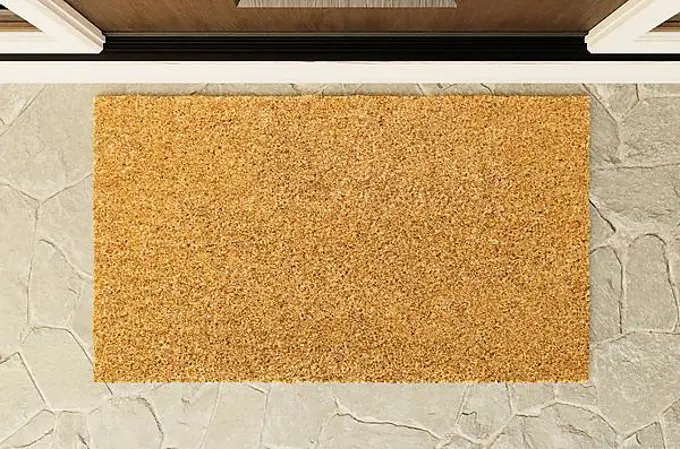
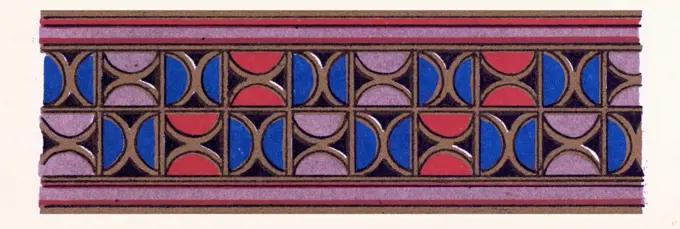
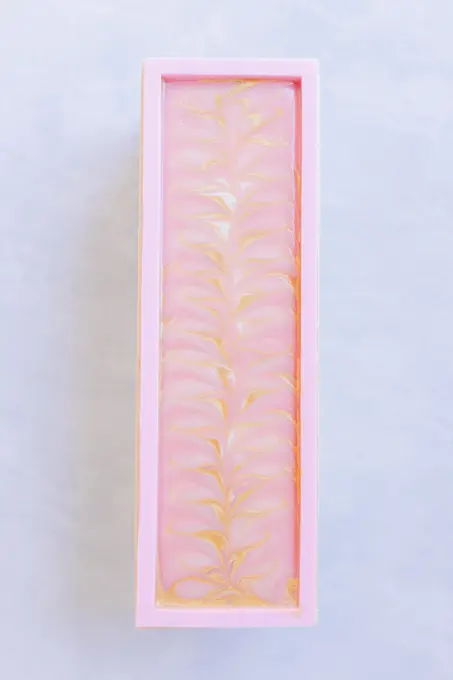
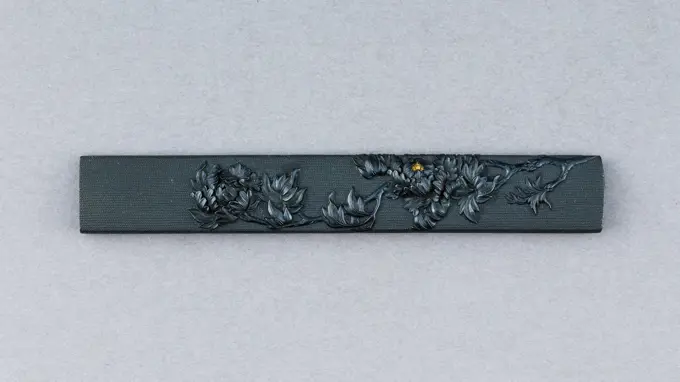
Woven Textile Fragments

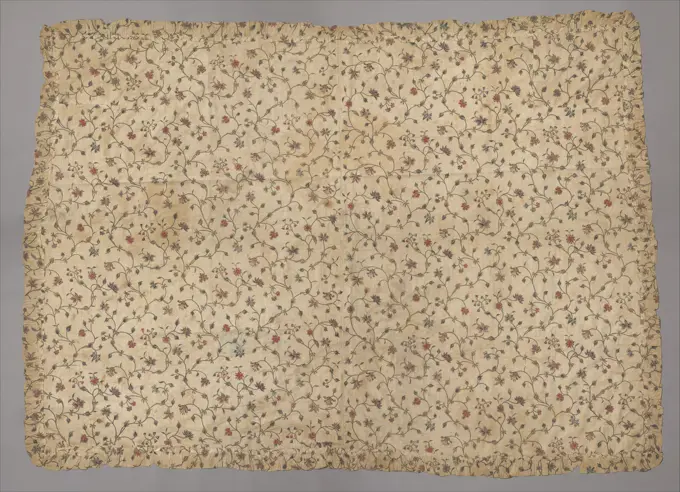
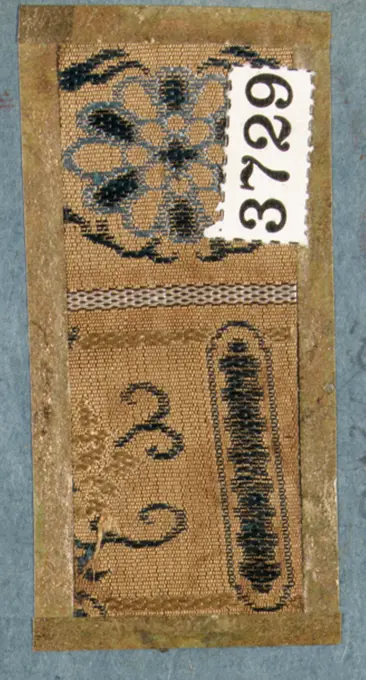
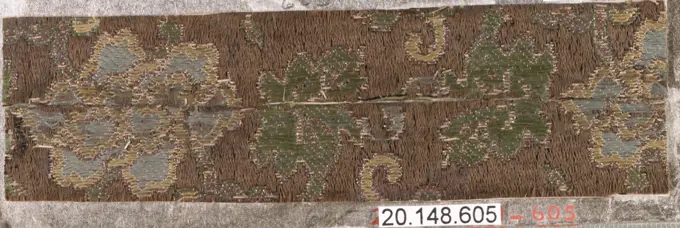
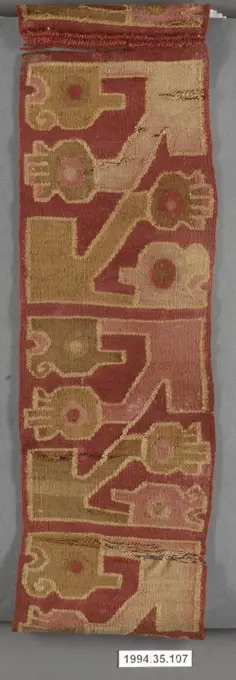
Historical textile fragments showcasing intricate designs with floral patterns and colors, representing various weaving techniques from different eras.
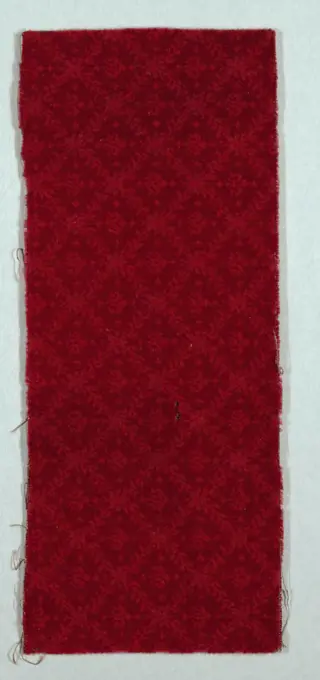
Carpet fragment, Medium: wool, bast fiber Technique: cut pile, Sample of red carpet with small scale diamond lattice enclosing a floral form. The pattern is in light red on a dark red background and entirely in cut pile of one height., USA, ca. 1870, woven textiles, Carpet fragment
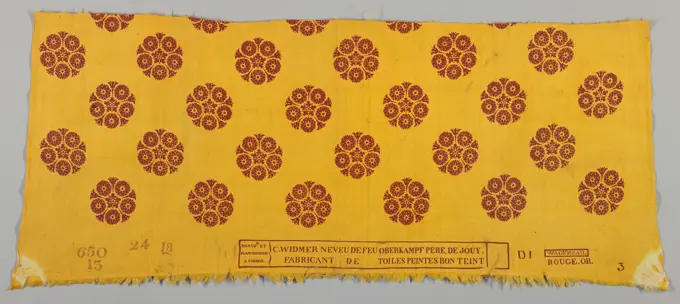
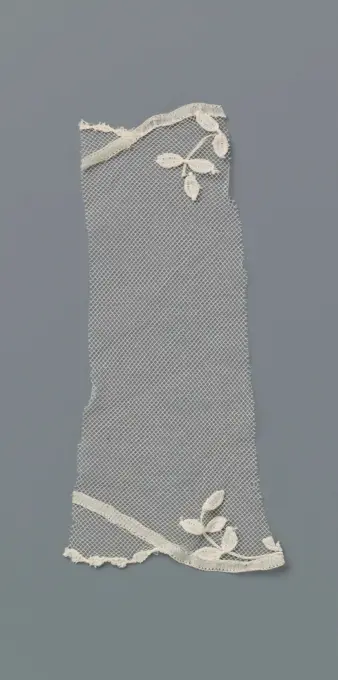
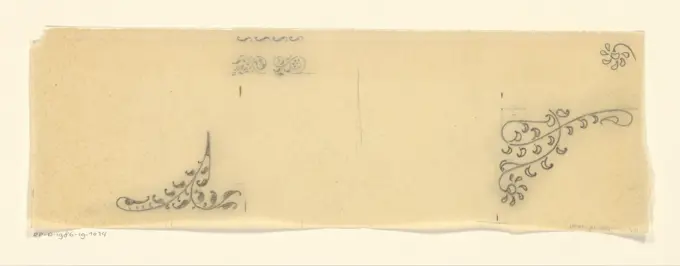
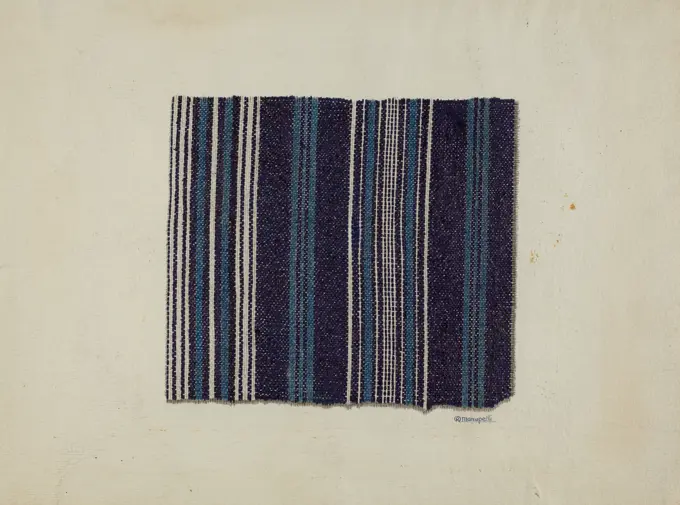
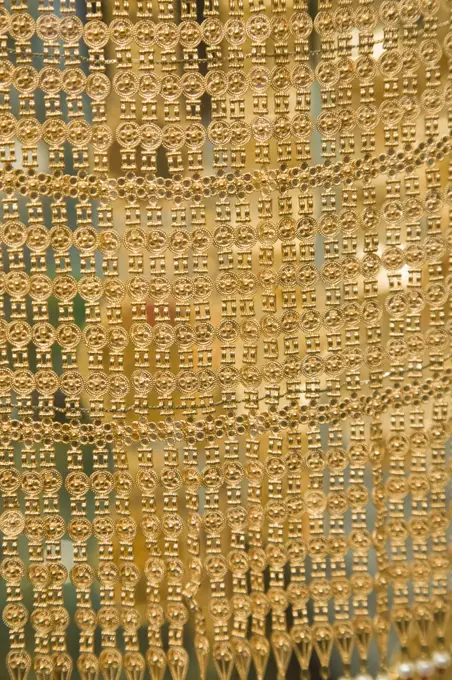
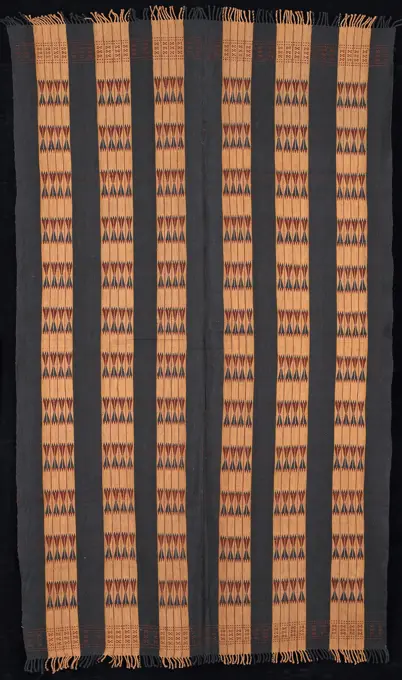
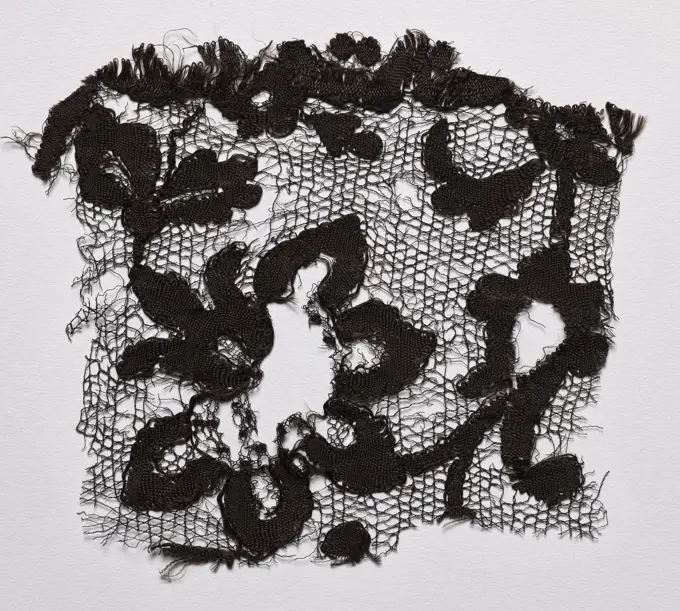
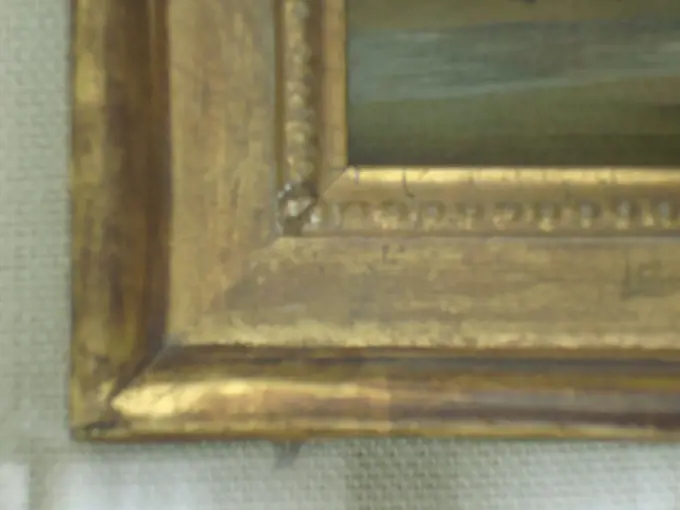
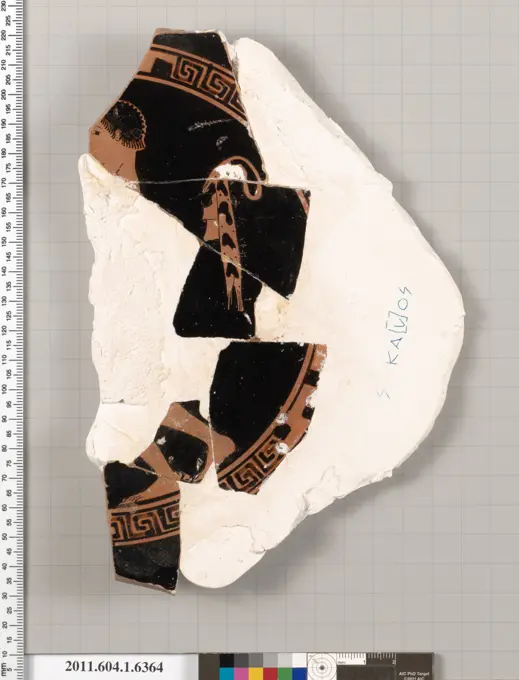
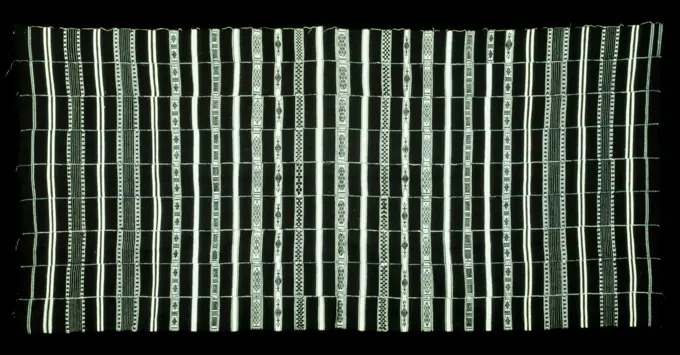
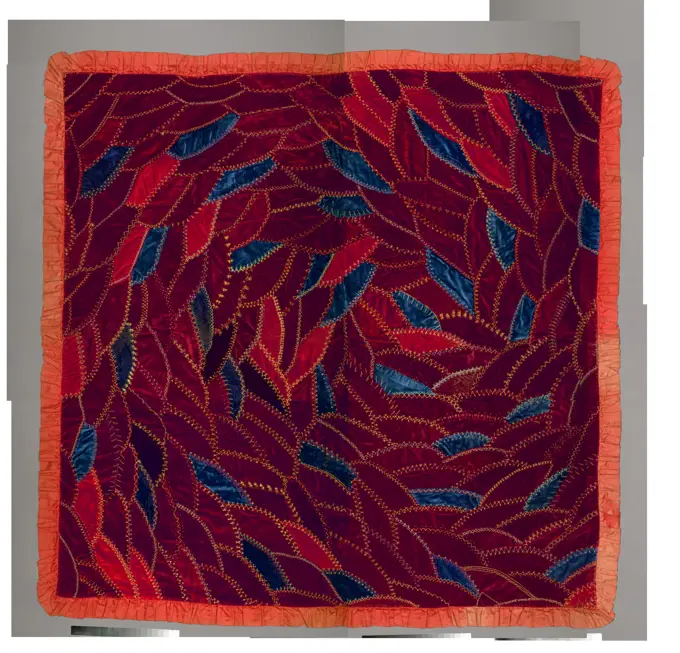
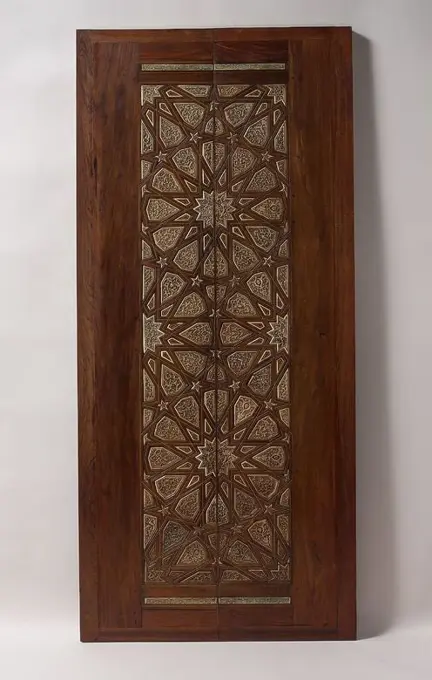
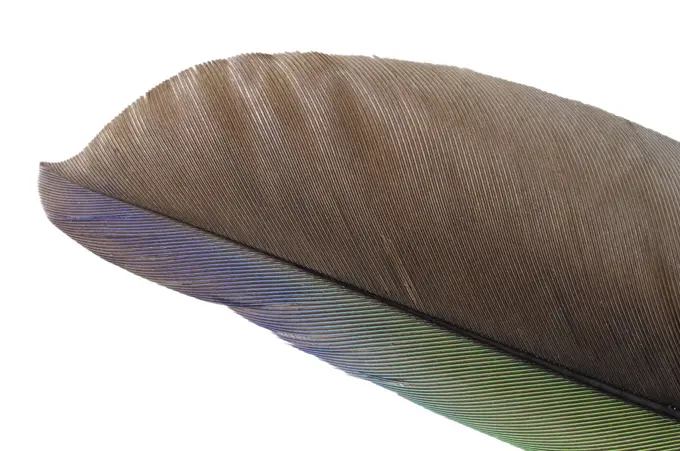
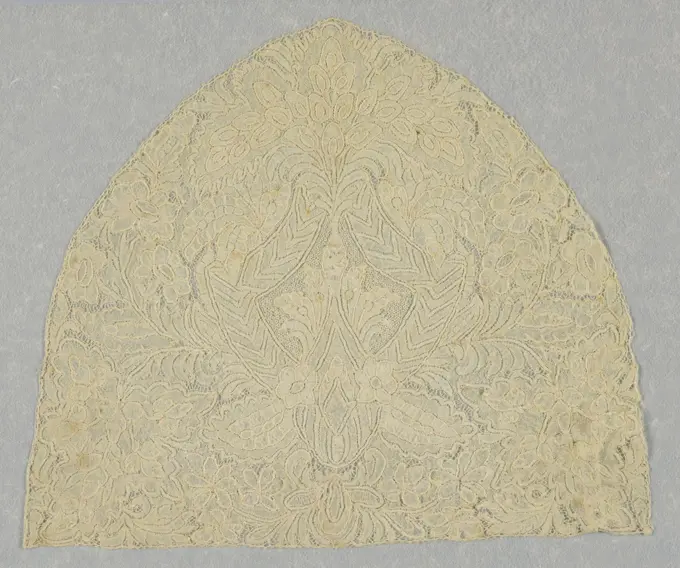
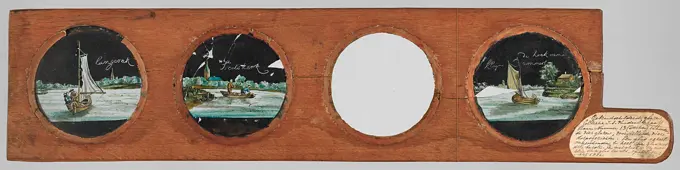
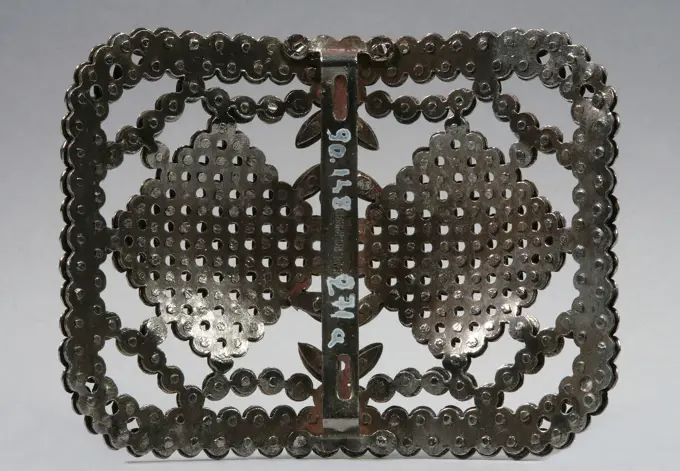
Shawl 1853 Cuban. Shawl. Cuban. 1853. no medium availableTo Vivian with love from Ken ,. Jack Miller CollectionTextile (France); Made by C. Widmer; cotton; Warp: 38.5 cm (15 1/4 in.) Weft: 91 cm (35 3/4 in.). Both selvedges present. Pattern: Visual and technical repeats are of a different size. Height of technical repeat: 26.5 cm (10 1/2 in.). Width: 14 cm (5 1/2 in.). Measurements were taken from block registration marks.; Bequest of Elinor Merrell; 1995-50-29Fragment van machinale lintkant met bandwerk.Fragment natural-colored application side: machine ribbon side applicated on machine tulle with diamond-shaped meshes. The fragment may hear with the slip of an echarpe. Flat schulched, shaped by a smooth frame and starflowers.Flower ornaments, Reinier Willem Petrus de Vries (1874-1953), 1884 - 1952 drawing   tracing paper. pencil  flowers ~ ornamentBig round collar with S-Ranken, Anonymous, 1966 Large round collar of natural -colored Venetian needle side "Gros Point". Large round model, composed of two round collars, the largest of which is described here: there is a full flower decor on an open ground of potented bars, which grows over wide S-Ranken and sometimes covered it. The flowers are large, richly subdivided and varied exotic flowers, such as symmetrical palms with mosaic fillings and feathered leaves. Venice (possibly) linen (material) Venetian gros point (heavy raised Venetian lace) Large round collar of natural -colored Venetian needle side "Gros Point". Large round model, composed of two round collars, the largest of which is described here: there is a full flower decor on an open ground of potented bars, which grows over wide S-Ranken and sometimes covered it. The flowers are large, richly subdivided and varied exotic flowers, such as symmetrical palms with mosaic fillings and feathered leaves. Venice (possibly) lineRaymond Manupelli, Linsey Woolsey, c 1938 Linsey WoolseyBorder, Medium: linen Technique: needle lace, Border of Point d'Argentan with a central design of floral blossoms with branching sprays., France, mid-18th century, lace, Bordercinnamon sticks frameTextile Fragment with Interlace Pattern, 700-400 BC. Peru, South Coast, Paracas (700 BC - AD 1), Yauca Valley. Camelid fiber and cotton; brocaded plain-weave; overall: 51.8 x 21.3 cm (20 3/8 x 8 3/8 in.).United Arab Emirates, Dubai, Deira. Deira Gold Souk / Market / Gold JewelryFragment, Medium: silk Technique: painted, Trailing pink ribbons interspersed with garlands of pink, lavendar and yellow flowers on ivory ground., China, 19th century, printed, dyed & painted textiles, FragmentPiece 17th century Japan. Piece 71308Angami blanket, 1990, 67 1/2 x 39 1/2 in. (171.45 x 100.33 cm) (including fringes), Cotton, Myanmar (Burma), 20th centuryShoe buckles late 18th century Portuguese. Shoe buckles 90154Textile Swatch Textile Swatch, 1950s to 1960s. Silk, 13 x 8 1/4 in. (33 x 21 cm).    1950s to 1960sBobbin Lace Fragment, 19th century. Spain, 19th century. Lace, bobbin; average: 12.7 x 14 cm (5 x 5 1/2 in.).Coverlet 18th century Indian, for European market. Coverlet 229929Fragment Red Brocatel With Pomegranate Motif, Anonymous, 1400 - 1599 Fragment with floral pattern in Spitsoval in red and silver (). Milket green white yellow striped.  Ketting an element: Silk. Elements: Linen (material). Metal Thread broach Fragment with floral pattern in Spitsoval in red and silver (). Milket green white yellow striped.  Ketting an element: Silk. Elements: Linen (material). Metal Thread broachTextile Sample from Sample Book 19th century Japan. Textile Sample from Sample Book 68206Piece 17th century Japan. Piece 71599Textile, Medium: cotton Technique: block printed in red on a plain weave foundation that had been dyed gold. A mark where the fabric was secured from the gold dye bath is at both of the lower corners. Woven with one band of heavier weft at the bottom of the fabric., Red circular rosettes on a strong yellow ground. Mark at one end., France, 1820, printed, dyed & painted textiles, TextileSample early 19th century French. Sample 224781Headband 7th-10th century Wari. Headband 316932Piece ca. 1750 French. Piece 216340Account Book , IndiaCravat (one of a pair) late 17th century Italian. Cravat (one of a pair) 223013Stockings 19th century French. Stockings 121588Fan box of cardboard, covered with shiny striped pink, red, and silver paper with golden piping, duvelleroy, c. 1900 - c. 1920 Waaierdug of cardboard, covered with shiny striped pink, red, and silver paper with golden trim. Lined with white paper. In the lid stickyet on which an open fan and the text 'Duvelleroy/ Pass. des Panoramas, 17 '. Paris Completely: Cardboard. whole: Paper Waaierdug of cardboard, covered with shiny striped pink, red, and silver paper with golden trim. Lined with white paper. In the lid stickyet on which an open fan and the text 'Duvelleroy/ Pass. des Panoramas, 17 '. Paris Completely: Cardboard. whole: PaperTextile Swatches Onondaga Silk Company, Inc. (1925-1981). , 1948-1959. Silk, 19 1/4 x 16 in. (48.9 x 40.6 cm).    1948-1959Textile Swatches Onondaga Silk Company, Inc. (1925-1981). , 1948-1959. 40 silk, 36 poliamide, 24 metal, 21 x 18 in. (53.3 x 45.7 cm).    1948-1959Textile Design with Tartan Background and Vertical Stripes 1840 Anonymous, Alsatian, 19th century Rectangular sheet of paper with a textile design from a group, dated 1840, made in Mulhouse, Alsace, which was an important nineteenth-century center for textile production in the Haut-Rhin region of France. The design is made up of a tartan background of dark reddish-brown color over a light tan base and two verical stripes made of two lines framed in dark red and with a black line in-between the two. The two lines are of yellow color in one of the stripes and purple color in the other stripe. The intersections between the thicker horizontal and vertical lines of the tartan background are adorned with two squares of white color and black outlines.. Textile Design with Tartan Background and Vertical Stripes. Anonymous, Alsatian, 19th century. 1840. GouacheClose-up of a Mexican blanketSari-length textile Bangladesh, Dacca 19th-early 20th century Bengali muslins have been admired for their delicacy of weave and refined decoration since antiquity. The skill of Bengal weavers has been long praised and their product once formed a staple of the Indo-Roman trade to the Mediterraean, where Pliny captured the cloths ephemeral quality, referring to it as woven air. In these examples, silver and gold-wrapped thread has been integrated into the fabric of the cloth, creating an in-weave design of great delicacy. View more. Sari-length textile. Bangladesh, Dacca. 19th-early 20th century. Muslin with in-weave design. Textiles-WovenBritish, Neoclassical frame, Unknown framemaker, late 18th to early 19th century, Carved wood, partially regilded over original oil and water gildingShawl, Medium: silk Technique: plain weave, Broad sash of vertically ribbed silk plain cloth. Broad horizontal stripes of pink, blue and white. Narrow horizontal stripes of pink, blue, yellow, black, and white. Ends have long knotted blue fringe formed by warp ends., Italy, 1883, woven textiles, ShawlFragment of Silk Damask Textile, 1500s. Italy or Spain, 16th century. Damask, silk; average: 47.6 x 53.3 cm (18 3/4 x 21 in.).Piece 18th-19th century Japan. Piece 66953Fabric Swatch Fab-Tex Inc.. , 1963-1966. Wool, paper, sheet: 10 1/2 x 8 1/4 in. (26.7 x 21 cm).    1963-1966Blank orange tag labelChasuble Showing the Arms of France. Flanders, France or Spain. Date: 1501-1600. Dimensions: 128.5 × 70.2 cm (50 5/8 × 27 5/8 in.)Warp repeat: 52.2 cm (20 1/2 in.). Linen and wool, plain weave with supplementary pile warps forming solid cut and uncut velvet; stamped; (known as velours de trek); edged with linen, warp-faced plain weave with extended ground weft uncut fringe off one side; lined with linen, plain weave; glazed. Origin: Flanders. Museum: The Chicago Art Institute, Chicago, USA.Cover (USA); Made by Sybil Carter Indian Mission and Lace Industry Association (United States); linenMantle. Peru, South Coast, Paracas, 100 B.C.-A.D. 200. Costumes. Camelid fiber plain weave, stem stitch and loop stitch embroideryTerracotta fragment of a kylix (drinking cup) 490-480 B.C. Greek, Attic Interior, head, neck, calves, and feet of wreathed figure to left; in field, flute case with glottokomeion; part of an inscription, S KALOS; Exterior, legs of draped youth to left with right hand holding fillet; legs of youth to left with drapery and knobby stick; right calf, foot and left foot of male to left; extended right leg and left knee and toes of left foot of male with a stick and a pointed amphora?. Terracotta fragment of a kylix (drinking cup) 709598Cap Crown (Belgium); linenClose-up of grey and cream checked cotton rugTextile (France); silk, metallic thread; Anonymous bequest in memory of Albert and Rebecca Elsberg; 1938-82-195-bTapa (Siapo) Samoan. Tapa (Siapo). Barkcloth, pigment, 49 1/2 x 59 in. (125.7 x 149.9 cm).   Arts of the Pacific IslandsDetail cushion with retro designed embroideryTextile Swatch Poncet Père & Fils. Textile Swatch, 1950s to 1960s. Silk, 23 1/4 x 4 1/4 in. (59.1 x 10.8 cm).    1950s to 1960sToilet mirrorCoverlet for a Bride (Mounyere), 20th century, 51 1/4 x 104 in. (130.2 x 264.2 cm), Cotton; stripwoven, indigo dyed, Mali, 20th century, The Fulani coverlet for a bride, called a munnyuure, is an exhaustive textile to produce. Indeed, the name munnyuure means 'to patiently endure,' implying that only a very patient weaver is capable of producing this type of blanket without making a mistake. The patterns are created by the weft and must match up with adjacent stripes when sewn together, making it critical that the weaver pay careful attention to the spacing of the various designs. This textile is characterized not only by its construction but also by the use of indigo and natural colored cotton.Plaster model for a Frisian decoration on the Palais du Louvre, c. 1855 - c. 1857 photograph Part of Réunion des Tuileries au Louvre 1852-1857, album 4. Paris paper. photographic support salted paper print permanent exhibition, museum. ornamenting, decorating ~ applied arts Palais du Louvre. Tuilerieënpaleis. Louvre Museum. ParisShawl ca. 1814 French. Shawl 123109Needle side pattern for the edges of a collar, Belgian interned (Village Elisabeth, Amersfoort), c. 1915 - c. 1924  Needle side pattern for the edges of a collar of Venetian needle side, with ink drawn on light blue paper. The (edge of the) collar has a U-shaped model with scoops on the outside. The bottom of the U-shape is not round on the outside, but flattened, the scrap edge continues as usual. Along the pattern lines, the next stage will start making holes to sew the tracing lines through to a double cotton surface. If the needle side stitches are subsequently made over and between the trace wires, the incentive and the cotton surface can be cut and removed. Then you only have a needle side, in this case the edge of the collar that can then be processed into a whole collar with the other parts. The design of the collar was made by a person from Belgium who was interned in the 'Elisabeth-Dorp' camp in Amersfoort in the First World War. Mrs. Van Nierop started making the collar and Patterned quilt: "Crazy" ca. 1885 American. Patterned quilt: "Crazy". American. ca. 1885. Silk and Cotton. Probably made in New Jersey, United StatesTablecloth, 19th century, 23 x 75 1/2 in. (58.42 x 191.8 cm), Switzerland, 19th centuryStechpalme Stechpalme Blatt Querschnitt 100x Copyright: xZoonar.com/Dr.xNorbertxLangex 13762738Valance (England); linenPair of Minbar Doors. Dimensions: H. 77 1/4 in. (196.2 cm)W. 35 in. (88.9 cm)D. 1 3/4 in. (4.4 cm)Object encased in weighted freestanding mount. Estimated Wt of piece: 80- 120 lbs.. Date: ca. 1325-30.A minbar, or pulpit, consists of a podium reached by stairs with doors such as these at its base. It is used in mosques by imams, prayer leaders, to deliver the sermon at the main service of the week, at noon on Friday. These doors, with the intricate geometric inlay typical of the Mamluk period, are thought to come from the fourteenth-century mosque of Saif al-Din Qawsun in Cairo. They were one of the earliest bequests to the Museum, donated by Edward C. Moore, a designer at Tiffany and Co. who was inspired by Islamic art. Museum: Metropolitan Museum of Art, New York, USA.Scarf isolated on the white backgroundBobbin Lace Fragment, early 17th century. Flanders, early 17th century. Lace, bobbin: linen; average: 54.6 x 24.2 cm (21 1/2 x 9 1/2 in.).Piece 18th-19th century Japan. Piece. Japan. 18th-19th century. Silk. Textiles-WovenTextile (France); wool; Warp x Weft (a): 57.5 x 55.9 cm (22 5/8 x 22 in.) Warp x Weft (b): 57.8 cm (22 3/4 in.); Bequest of Elinor Merrell; 1995-50-283-a,bTextile, Medium: linen Technique: block printed pigment, Blue zigzags on natural ground., Germany, 15th-18th century, printed, dyed & painted textiles, TextileMonk Parakeet (Myiopsitta monachus) feather, ArgentinaSquare Wall Tile. Dynasty: Dynasty 18. Reign: reign of Amenhotep III. Date: ca. 1390-1353 B.C.. Museum: Metropolitan Museum of Art, New York, USA.Fragment of the lace;  2. PO. XVII century (1651-00-00-1700-00-00);Krzeszowice, collection, laceEmbroidery sample for a mans suit ca. 1785 French. Embroidery sample for a mans suit 224739Cap crown, Medium: linen Technique: bobbin lace, Brussels style, Cap crown with densely placed floral motifs emanating from a cartouche., Belgium, 1700-1750, lace, Cap crownModern female walletsblue jean isolated on white backgroundVintage looking Flag of France Vintage looking The French national flag of France made with fabric swatches Copyright: xZoonar.com/ClaudioxDiviziax 9684840Sidewall - Fragment (possibly USA); block-printed ; 22 x 10 cm (8 11/16 x 3 15/16 in.)Overhead of blank doormat on the porch at the front doorMedieval ornamentHandmade pink and gold swirled soap in a curing mold.Piece 18th century Japan. Piece 71607Strip with trophy from Putti, Anonymous, After Jacques Vauquer, After 1631 - Before 1676 print  France (possibly) paper engravingWooden announcement frame on wallChristmas ribbonKnife Handle (Kozuka) ca. 1615-1868 Japanese A kozuka is a handle of a by-knife that is part of a sword mounting. It is kept in a slot on the reverse of a katana scabbard, often with a matching kōgai (hairdressing tool).. Knife Handle (Kozuka) 34641Fringe, Medium: silk Technique: plain weave, Green fringe with a plain weave heading, band in a trellis pattern and skirt threads., Greece, 17th century, trimmings, FringeCaneworkTextile Swatches Onondaga Silk Company, Inc. (1925-1981). , 1948-1959. silk; metal, largest component (a): 21 x 17 in. (53.3 x 43.2 cm).    1948-1959Sample Book (France); silk; 1896-27-18Sampler, circa 1900, Christchurch, by Elizabeth Sherlock. Gift of Kath Collins, 1982.Headcloth, Fragment Chancay. , 1000-1532. Cotton, 5 1/8 x 5 1/8 in. (13 x 13 cm).   Arts of the Americas 1000-1532Ribbon (USA); 1924-34-21Drie Nederlandse dorpsgezichten.Three glasses in wooden mount with handle. A fourth glass (the second from the right) is missing. Extremely left: sailboat on water with a village background, above which written 'Langerak.' To the right of this: rowing boat on water with a church in background, written 'Streefkerk.' To the right of which: glass is missing. Extreme right: a sailboat on the water, with a small house on the right and a church on the left. Written above: "The corner of Kleyn Ammers.photo frame on the background matLoop.Piece 1800-1830 American. Piece 13822Blade with flower pattern, anonymous, 1800 - 1900  Leaf with regular spray pattern of flower pattern.  paper. paint (coating). block printing (relief printing process) ornament derived from plant formsAustria, Wachau Valley, Melk. Historic downtown Melk, art glass block tile.Mouse pad isolated on white background Mouse pad isolated on white background Copyright: xZoonar.com/minheexparkx 13500383marine shirtTextile Swatch Textile Swatch, 1950s to 1960s. Silk, 58 1/2 x 21 1/2 in. (148.6 x 54.6 cm).    1950s to 1960sSample of Cloth ca. 2353-2323 B.C. Old Kingdom. Sample of Cloth 548802Sash -