Anatomical Illustrations of the Human Body

A collection of detailed anatomical drawings showcasing the human muscular system from various angles and perspectives, in a classic artistic style.

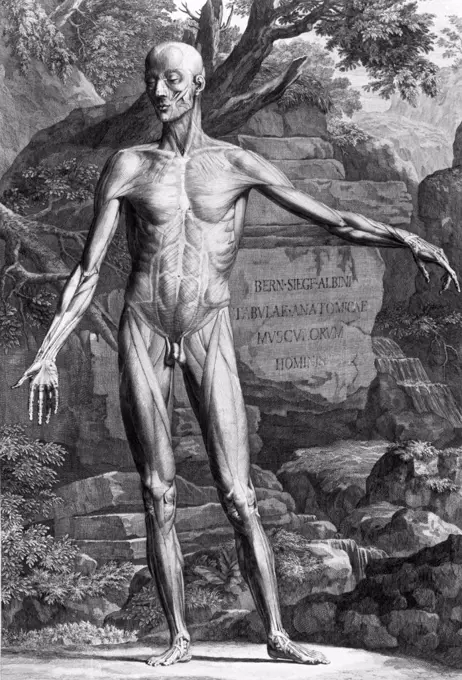
View of the muscles in the  human body (from the front)
View of the muscles in the human body (from the front)
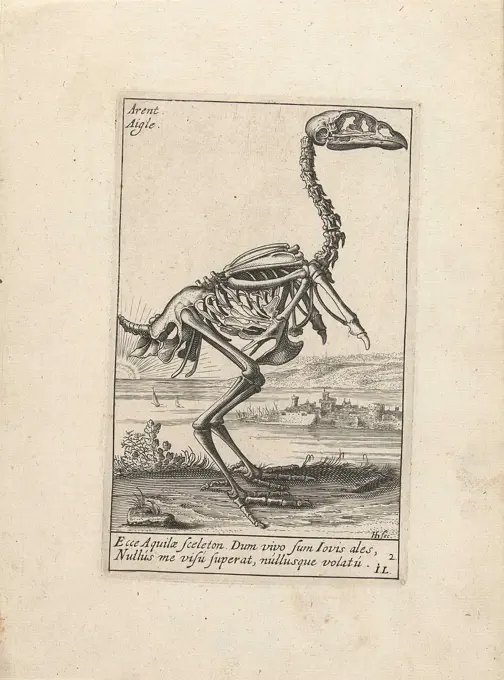
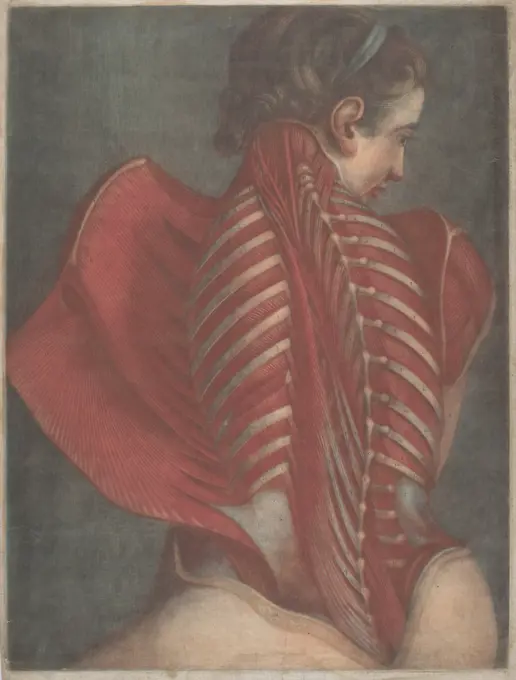
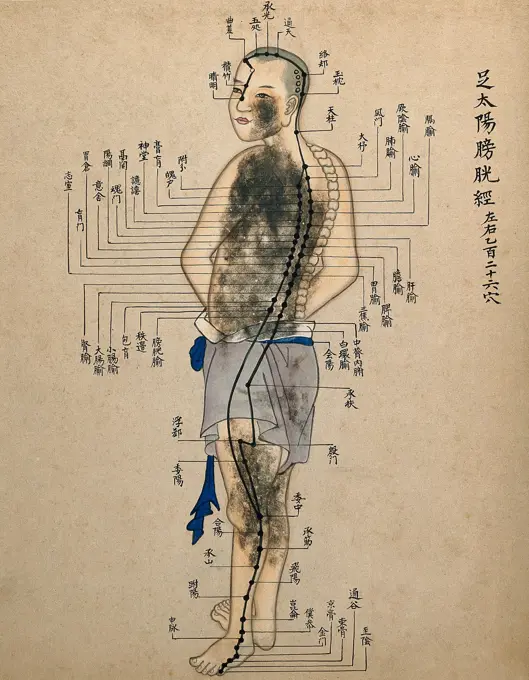
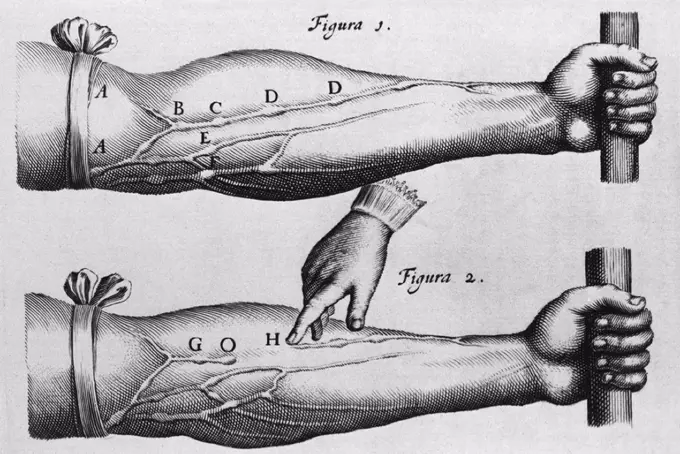
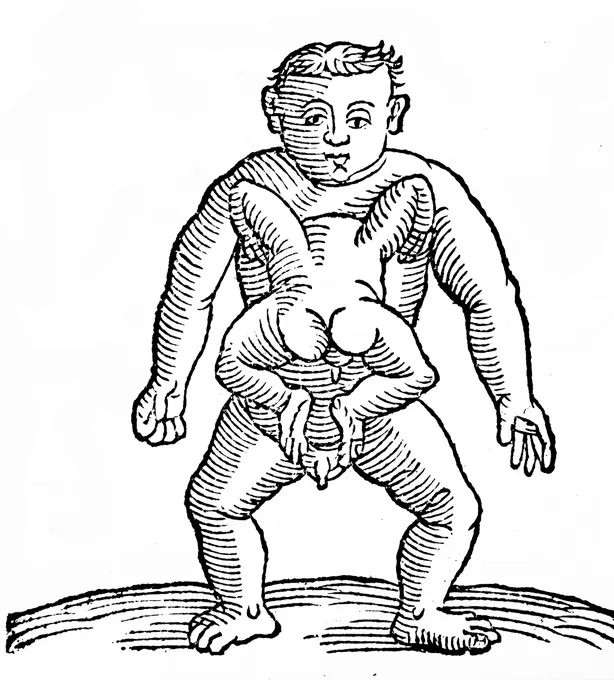
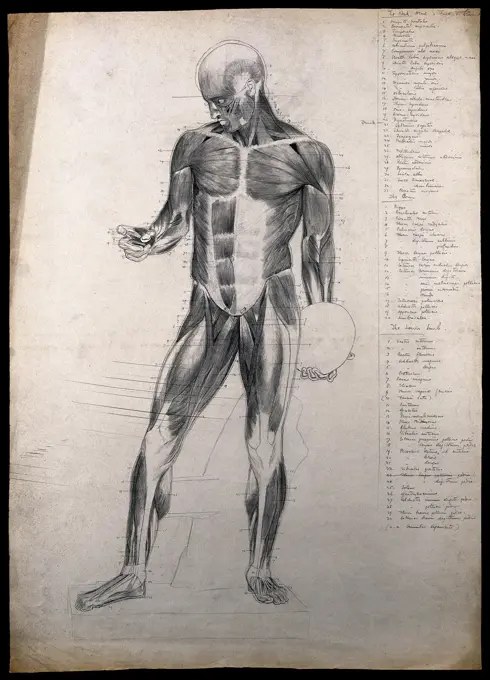
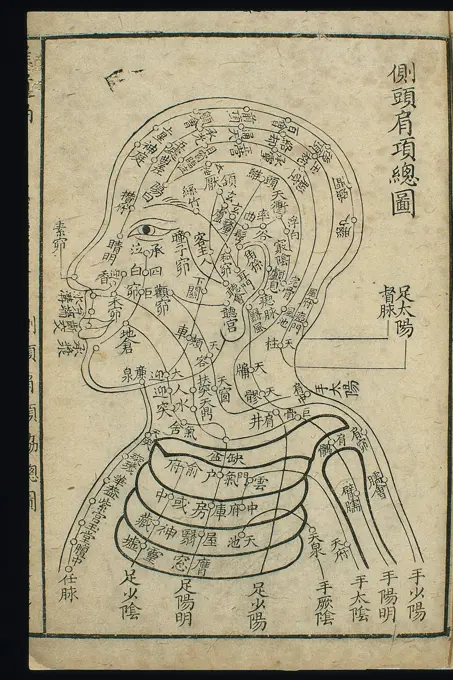
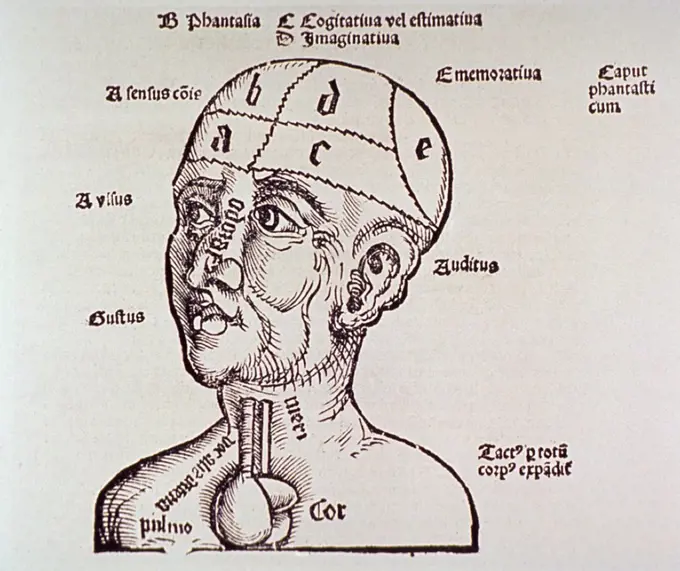
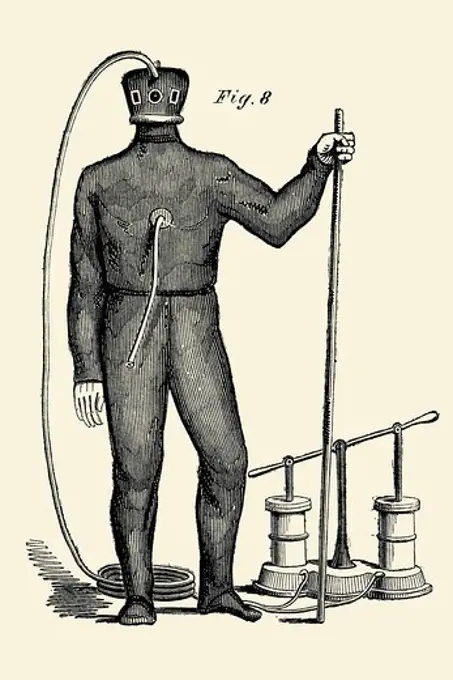
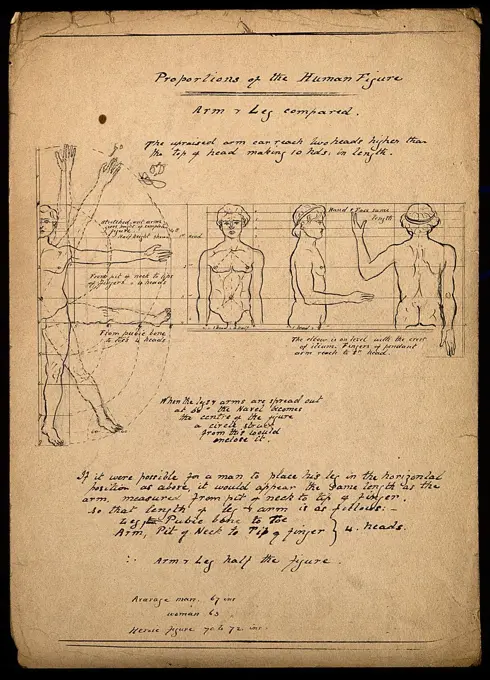
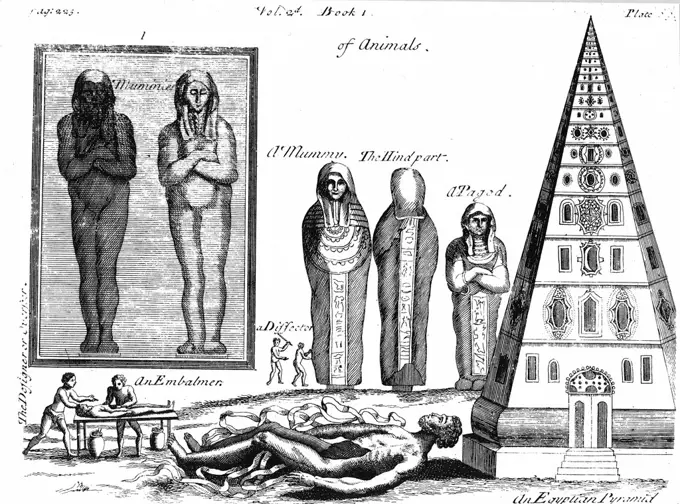
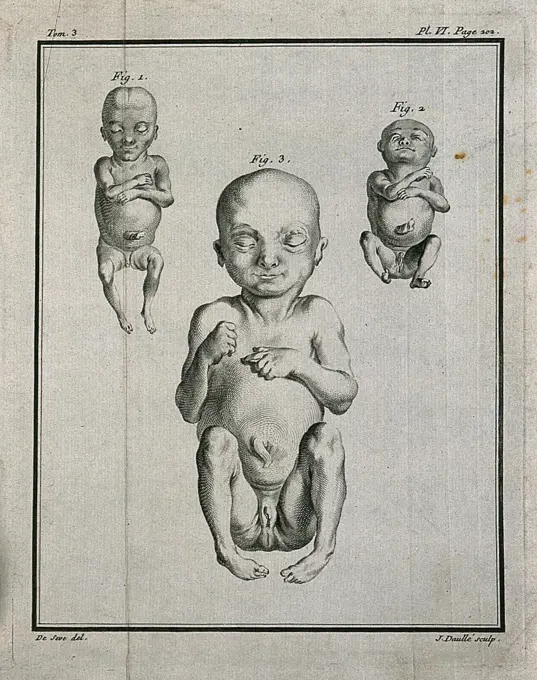
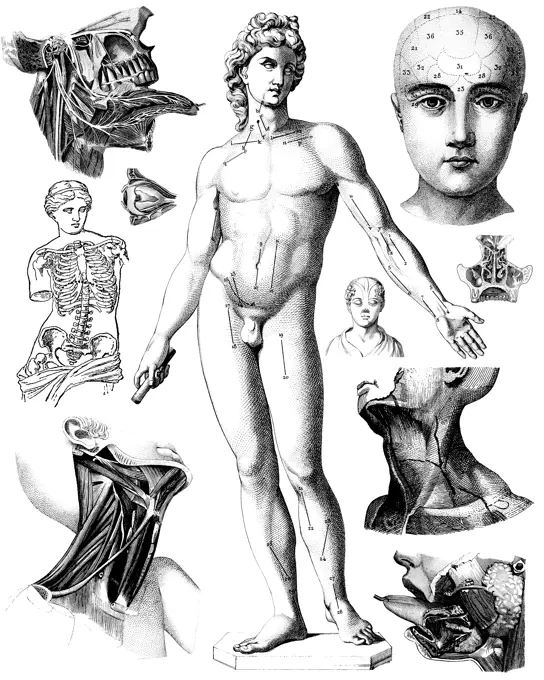
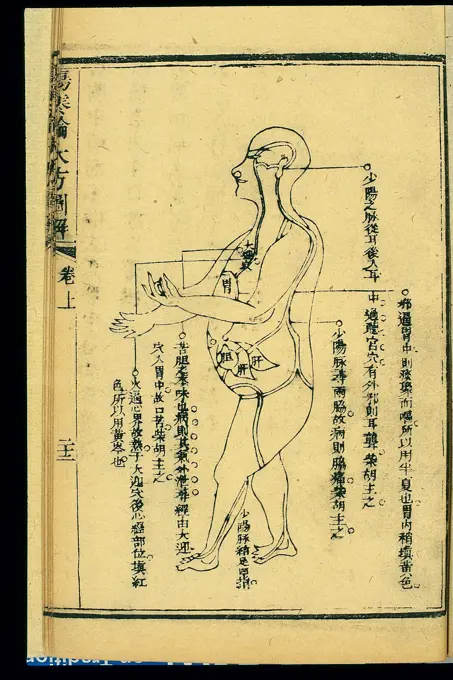
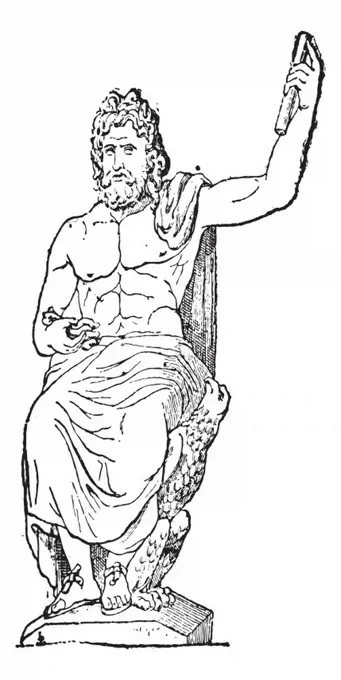
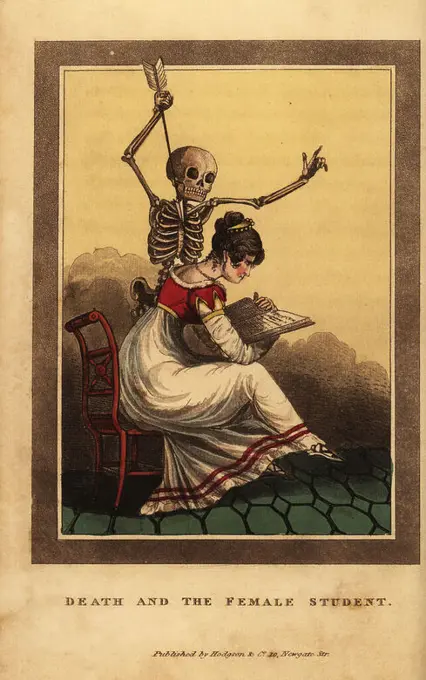
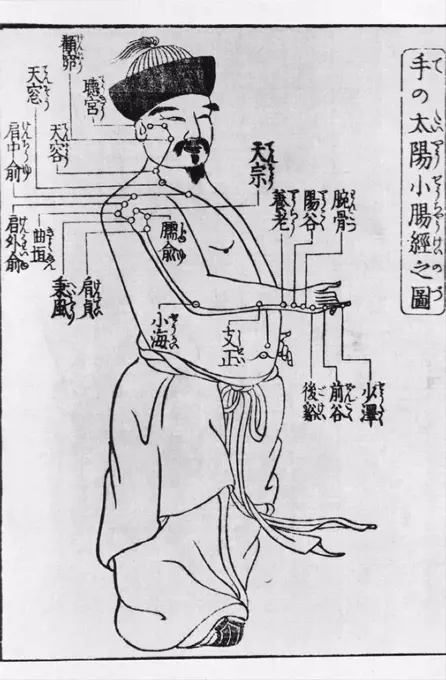
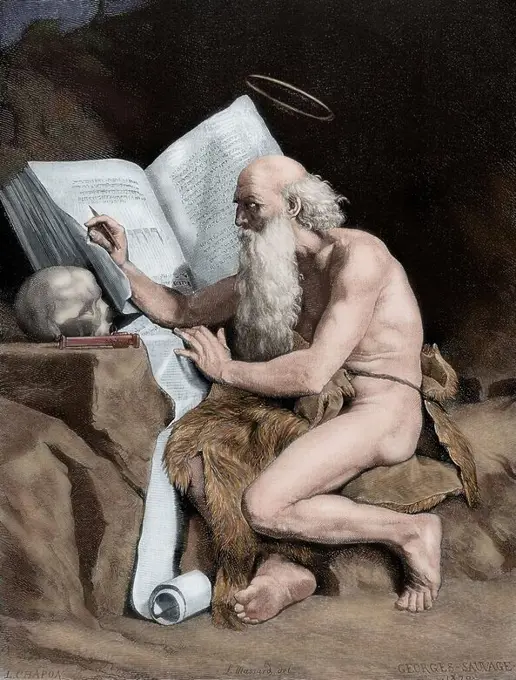
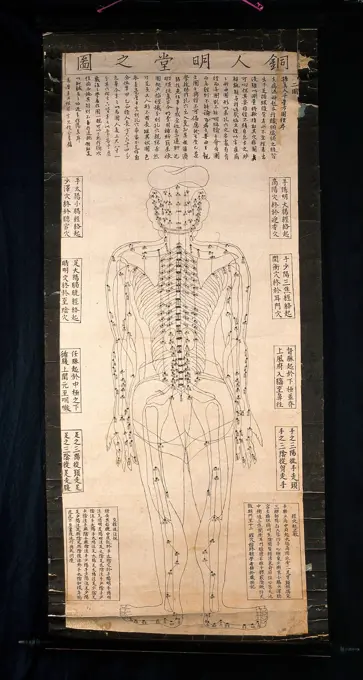
Human Being, Posterior View, Partially Dissected. Skeleton of an eagle; Animal skeletons. Skeleton from a standing eagle to the right. A city on a coast in the background. Print from a series of representations of skeletons by the Printmakers Hendrick Hondius I (Newholst.243-258), Andries Jacobsz. Stock (Hollst.4-10) and Simon Frisius.astrology zodiac signs influence of the zodiac on the organs coloured woodcut ""Margarita philosophica"" by Gregor Reisch Strassburg 1504 private collection,Jacques Fabien Gautier Dagoty, L'Ange anatomique (The Anatomical Angel) or Dissection of a Woman's Back, 1746 L'Ange anatomique (The Anatomical Angel) or Dissection of a Woman's BackAcupuncture chart with a series of points indicated on the figure of a standing Chinese man. Watercolour, China, 17--.The planetary influences related to the various parts of the human anatomy.     Date: 1665Human Skeleton, Lateral View, George Stubbs, 1724-1806, British, 1795 to 1806, Graphite and red chalk; verso: graphite on cream, thin, smooth, wove paper, Sheet: 21 1/8 x 15 7/8 inches (53.7 x 40.3 cm), anatomical study, anatomy, man, nude, running, side, skeleton, study (visual work)Portrait of Human Muscle Groups  1747  Bernhard Siegfried Albinus (1697-1770/German) Engraving Bibliotheque Nationale, Paris Three anatomical cut outs of a man, showing muscles, bones, heart, lungs and intestines. Lithograph, 1900.Elephant Man.Circulation of the blood from William Harvey's ON THE MOTIONS OF THE HEART AND BLOOD, 1628. Illustrations of a tourniqueted human forearms with pronounced superficial blood veins to indicate circulation. Fig.1: Vessel bulges indicating the blood pooling in the of valves in the veins. Fig.2: Finger pressure on vessel indicates one way flow of blood.Fracture of the lower end of the radius, called "Colles's fracture". Lithograph by Battle & Co.MEDICINE. BOOK OF MAN ANATOMY, WORK OF BERNARDINO MONTAÑA DE MONSERRATE, 1551. MAIN FRONT MUSCLES. NATIONAL LIBRARY. MADRID.Woodcut showing a medieval or renaissance birth of conjoined (Siamese) twins. From 'Prodigiorum ac ostentorum chronicon' by Conrad Lycosthenes (Conrad Wolffhart) (8 August 1518 -- 25 March 1561), Alsatian humanist and encyclopaedistA standing écorché, holding a discus. Pencil drawing by C.H.M. Kerr, ca. 1882.Proportion studie from the body of a woman; County book of the proportions of 't Menschelyke Ligham / Proportions du Corps Humain. Rear view, with one outstretched arm.Channels and acupoints of side of head, neck and shoulderHuman head and shoulders with heart and brain shown; some of the senses and their corresponding body parts, as well as particular sections of the brain, are identified. From anatomy text by Matthias Qualle, 1513Diving Gear with suit and air pump, Industrial America - InventionProportions of the human body: annotated illustrations of the human body, with proportions marked, comparing the lengths of the arm and leg. Pen and ink, probably copied from a printed book, 1830/1850.Multi-coloured peopleMummies and embalming, 1725. Artist: UnknownOccupational diseaseMummies and embalming. From P Pomet 'A Compleat History of Drugs' London 1725. Translation from the French by physician to Louis XIV. Copperplate engravingSkeleton of death aiming a dart at a young man writing with a quill pen at a desk with several books. Death and the Student. Handcoloured copperplate engraving by Joshua Gleadah after an illustration by Benedictus Antonio Van Assen from The British Dance of Death, Hodgson, London, 1823. Cabirol's diving suit combines  effective protection with  considerable ease of movement,  the two basic requirements for  working underwater.     Date: 1856Two anatomical oil paintings by D'AgotyTwo anatomical drawings from a Persian-language medical encyclopedia. Left figure shows a bloodletting points labeled on a body. Right figure shows the venous system, with the internal organs colored with opaque watercolors and some of the veins labeled. Ca. 18th century, from medieval Islamic sources.Surgery, 1751-1777. Artist: UnknownIllustration from the Japanese & Chinese edition (1716 ) of 'Shi si jing fa hui', (Routes of the Fourteen Meridians and their Functions) by Hua Shou a Chinese physician of the mid-14th century. 'Routes of the Fourteen Meridians and their Functions,' became a classic text used in the practice of acupuncture.Acu-moxa chart: Diagram for locating the Four-Flower PointsThree figures of foetuses with hermaphroditic genitals. Engraving by J. Daullé after J. de Sève, 1749.Victorian anatomical drawings of human body parts. Isolated on a white background.Illustration from the Japanese & Chinese edition (1716 ) of 'Shi si jing fa hui', (Routes of the Fourteen Meridians and their Functions) by Hua Shou a Chinese physician of the mid-14th century. 'Routes of the Fourteen Meridians and their Functions,' became a classic text used in the practice of acupuncture.E. Hart, text and ilustrations of Paget's disease (), 1889Two human figures illustrating the reduction of dislocations of the foramen ovale and the dorsum ilii. Coloured pen drawing by G.E. Blenkins, 1831.Theory of diseases treated with Minor Bupleurum decoctionCharles Merrick, the Elephant Man Engraving from 'Anomalies and Curiosities of Medicine' by George M Gould and Walter L Pyle (Philadelphia, 1900).Jupiter at Vatican museum, vintage engraved illustration. Dictionary of words and things - Larive and Fleury - 1895.Proportion studie from the body of a man; County book of the proportions of 't Menschelyke Ligham / Proportions du Corps Humain. Side view, with one arm outstretched.Skeleton of death aiming a dart at a woman reading a book. Death and the Female Student. Handcoloured copperplate engraving by Joshua Gleadah after an illustration by Benedictus Antonio Van Assen from The British Dance of Death, Hodgson, London, 1823.Woodcut illustrating acupuncture points on the left shoulder, arm, hand, torso, and face of a bearded Oriental man, and annotated with Japanese characters. From a medical text on acupuncture published in Osaka, Japan, 1805.Illustration from the Japanese & Chinese edition (1716 ) of 'Shi si jing fa hui', (Routes of the Fourteen Meridians and their Functions) by Hua Shou a Chinese physician of the mid-14th century. 'Routes of the Fourteen Meridians and their Functions,' became a classic text used in the practice of acupuncture.St. Jerome (340-420). St. Jerome in the Desert. Recorded by L. Chapon. The Universe Illustrated, 1882. Colored.Constellation Diagrams. UnknownAcupuncture/pressure points on the back of the body (spinal pressure points). Woodcut by a Chinese artist.Fencers in outside guard/thrust positions, tierce and carte positions, tierce and seconde positions. Copperplate engraving by Robert Benard from the Escrime fencing section of Denis Diderot's Encyclopedia, Pellet, Geneva, 1779.Title page of Robert Hooke Micrographic London, 1665Dismountable model of a male body, Der praktische Hausarzt, Ein Weg zur Gesundheit, 1901, BreslauSibson's chest-measurer.Drawing The Vitruvian Man, in front Leonardo da Vinci, Italian painter, sculptor, architect, engineer, historical illustration