Ancient and Decorative Vases

Historical vases from various cultures, showcasing unique designs, materials, and functions, including Roman and Neolithic styles.
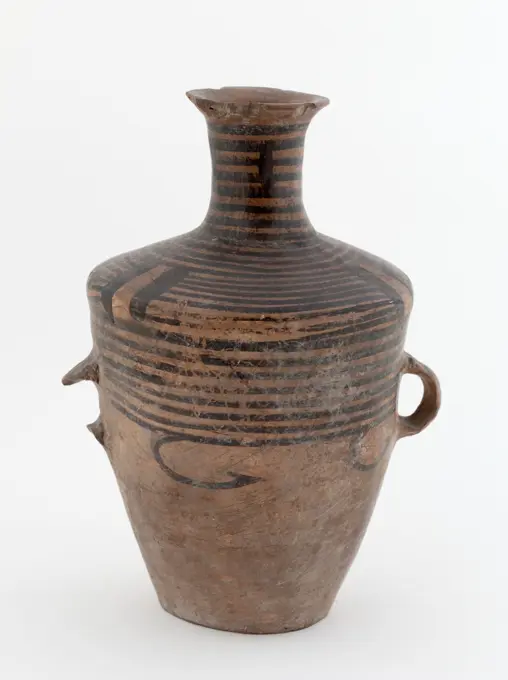
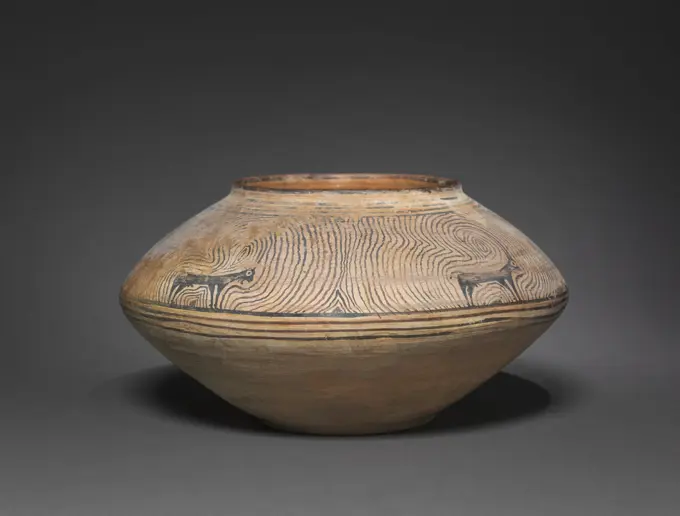
Vase. Terracotta. China, Neolithic, Majiayao. Paris, Cernuschi museum. 72782-8 Anse, Asian art, Majiayao, decorative, neolithic, pottery, terracotta, Chinese vase
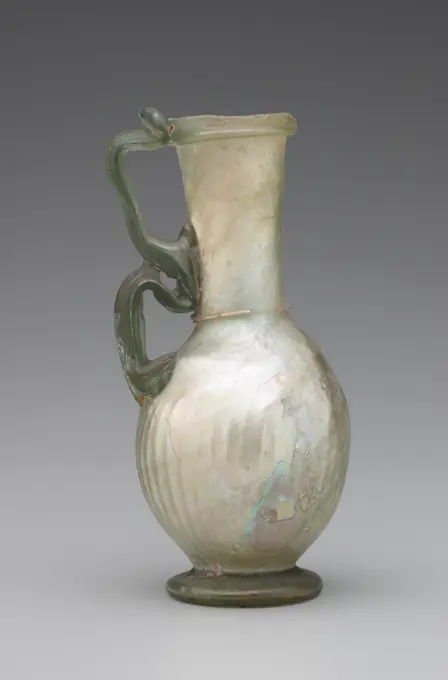
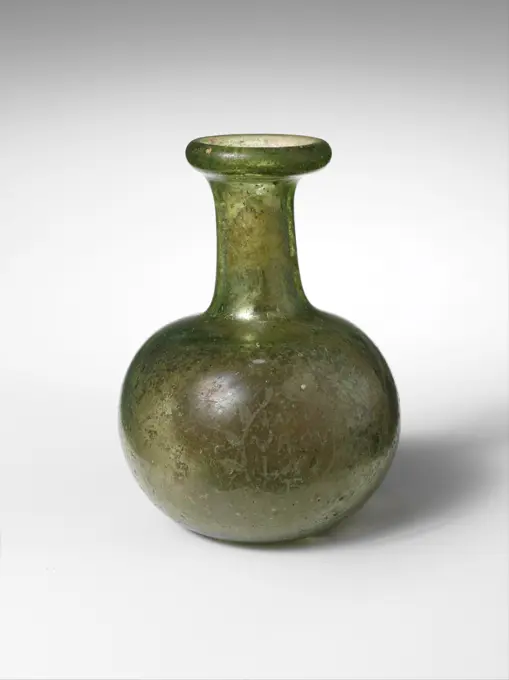
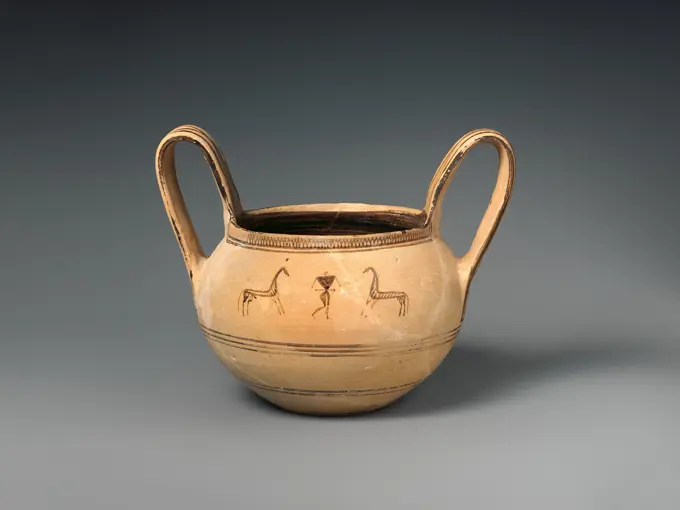
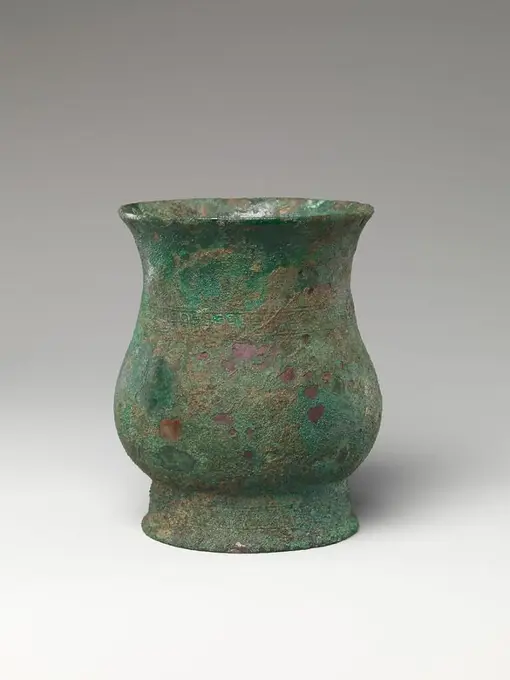
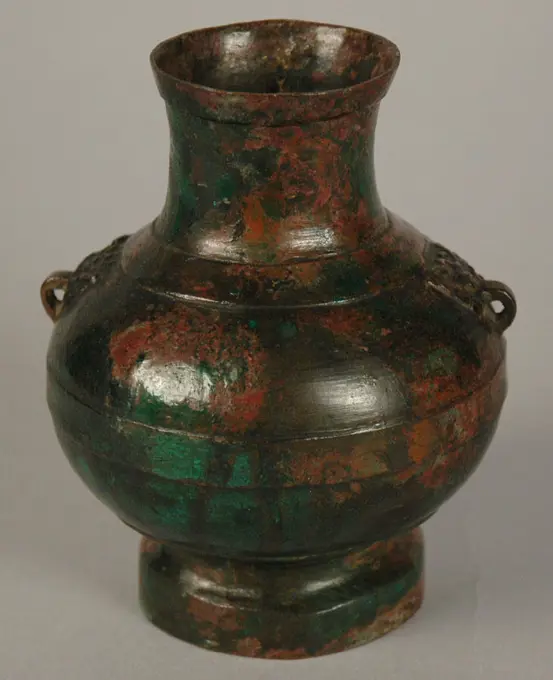
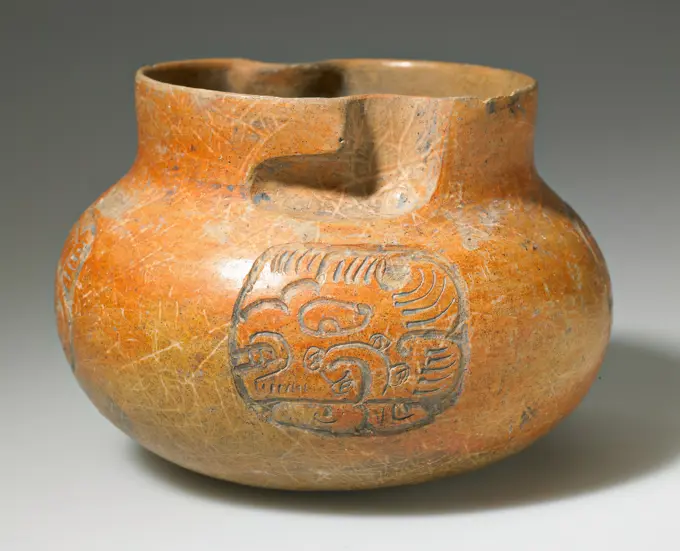
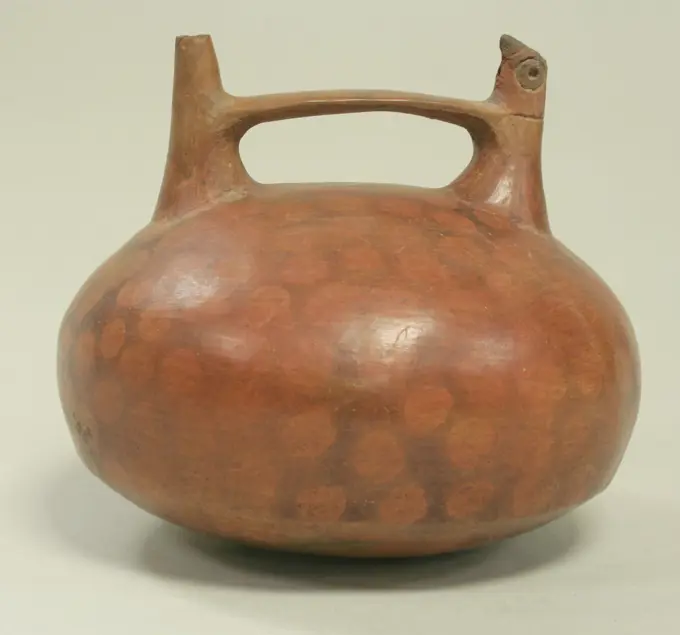
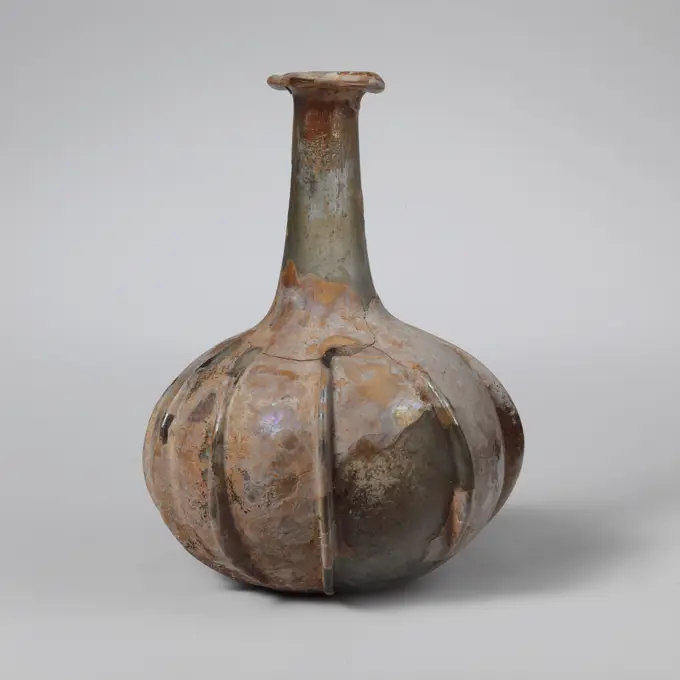
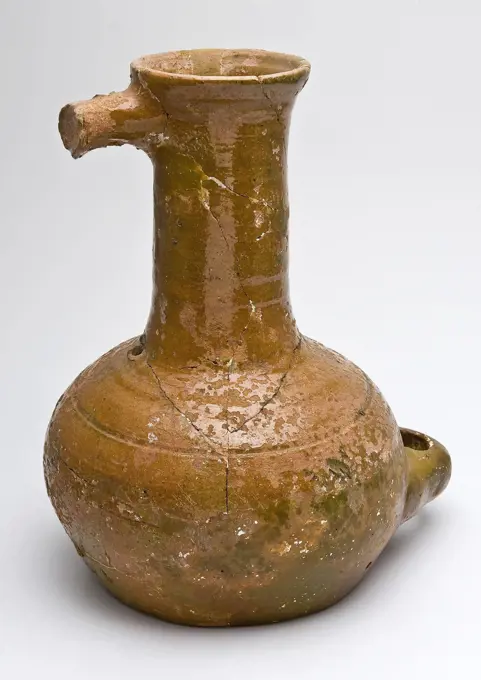
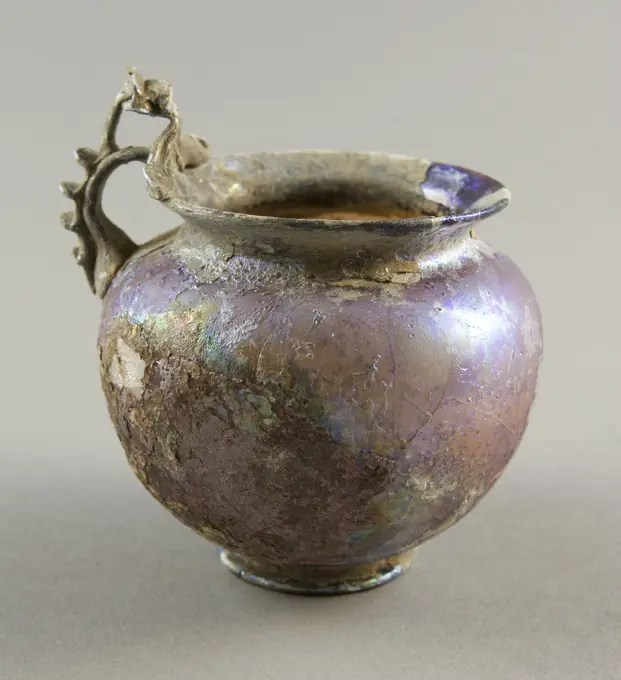
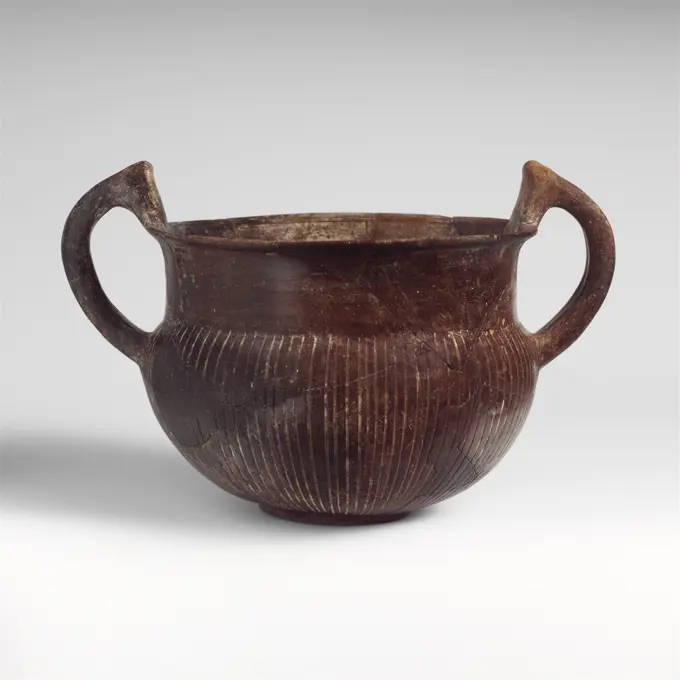
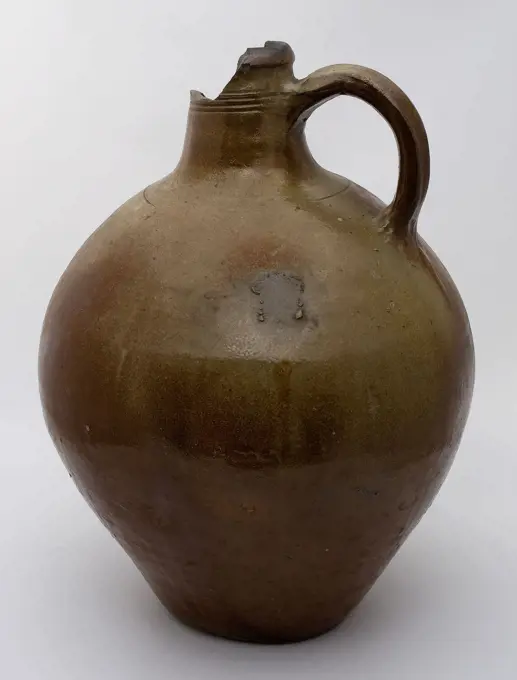
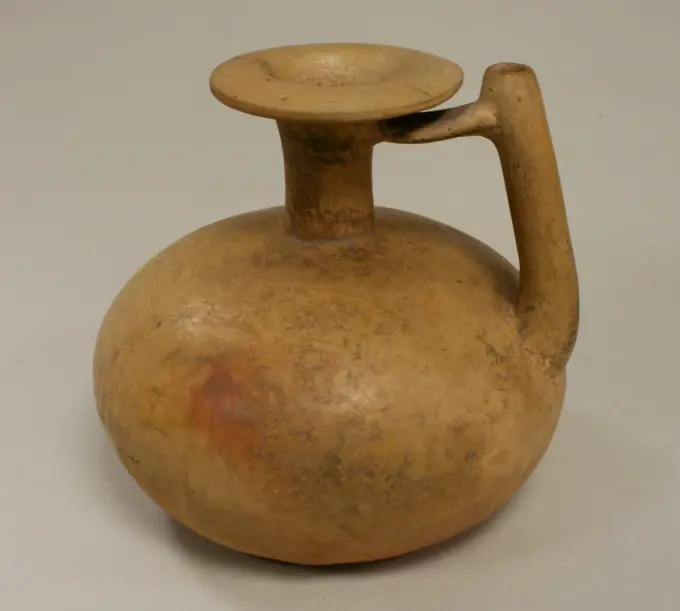
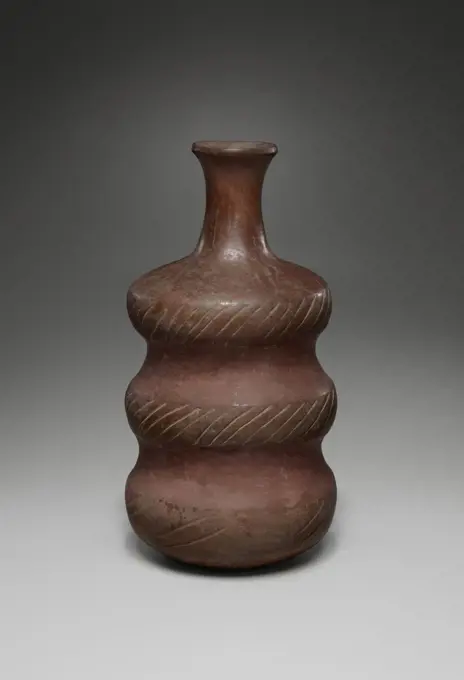
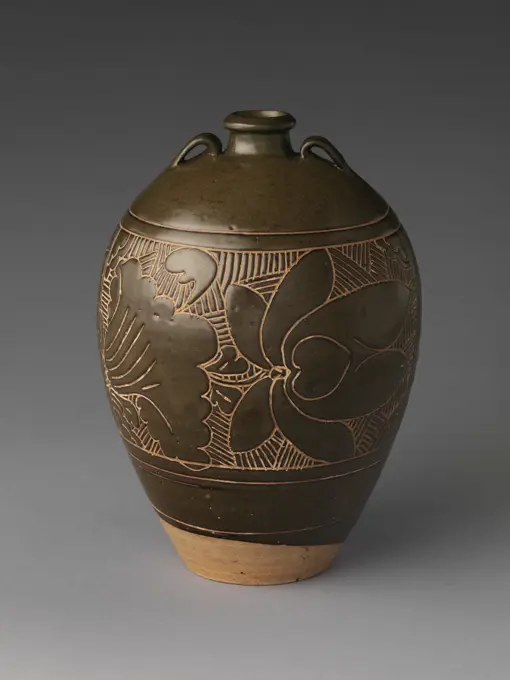
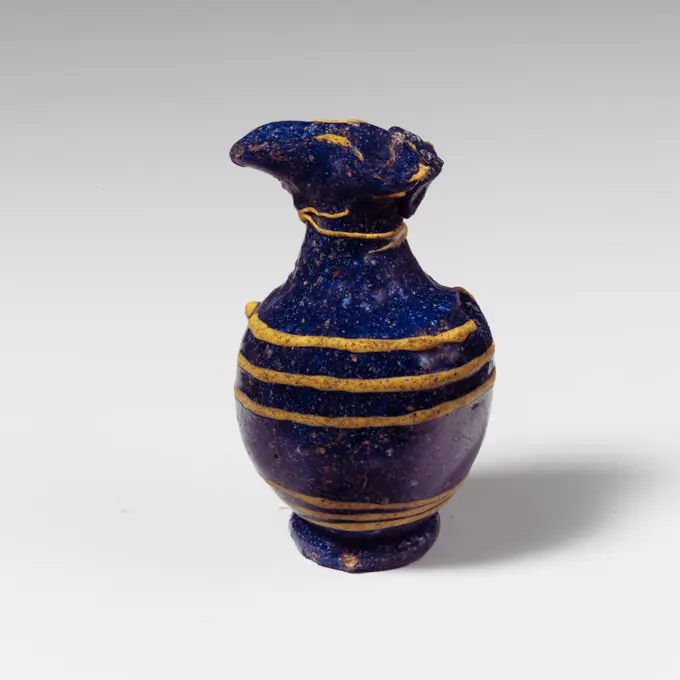
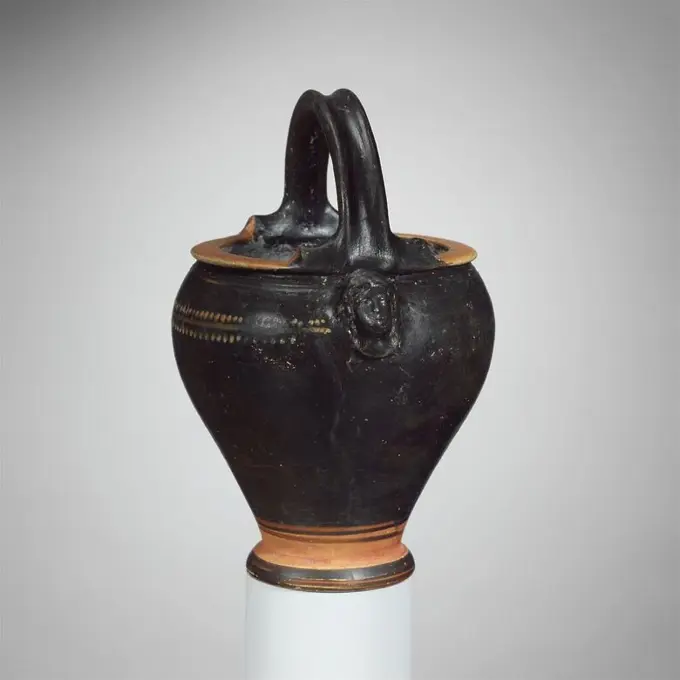
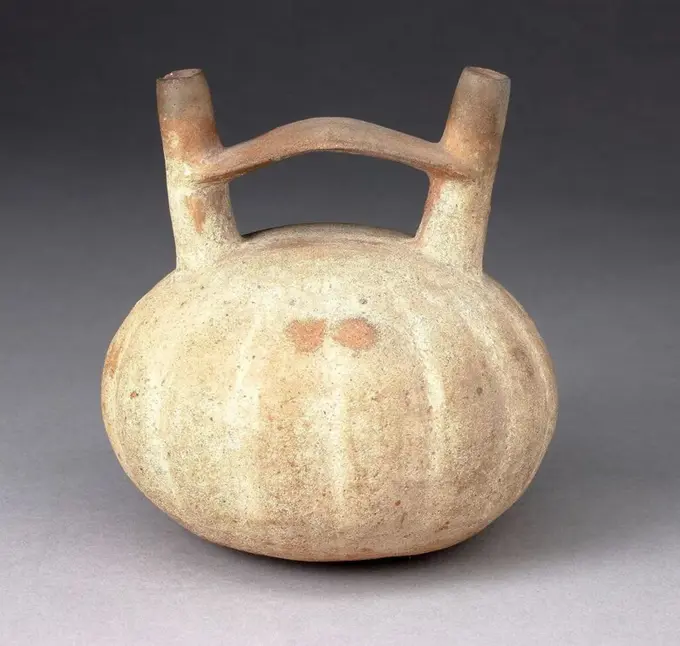
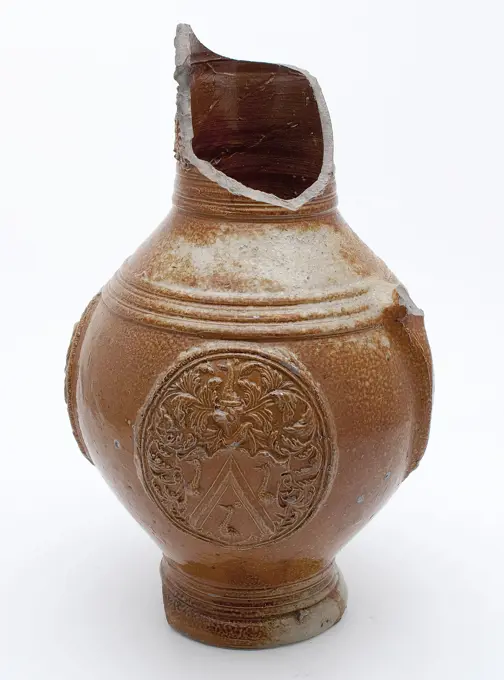
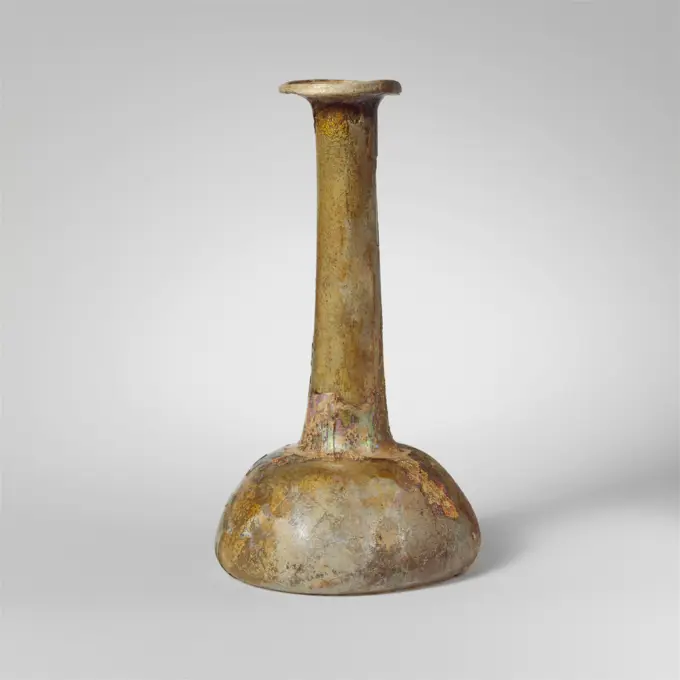
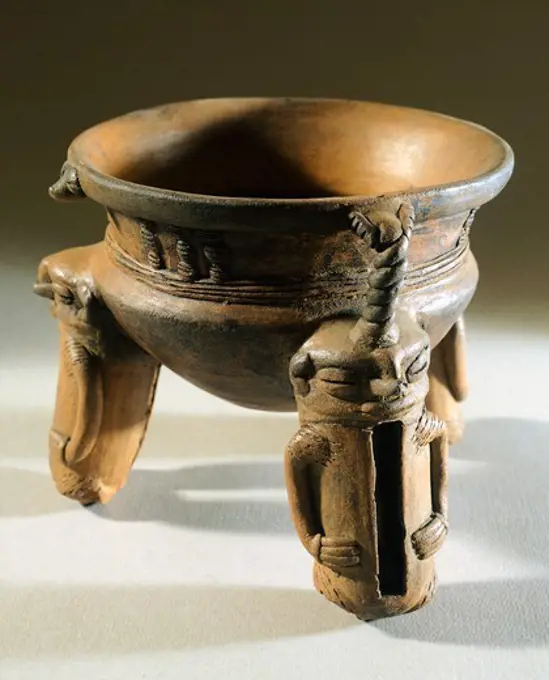
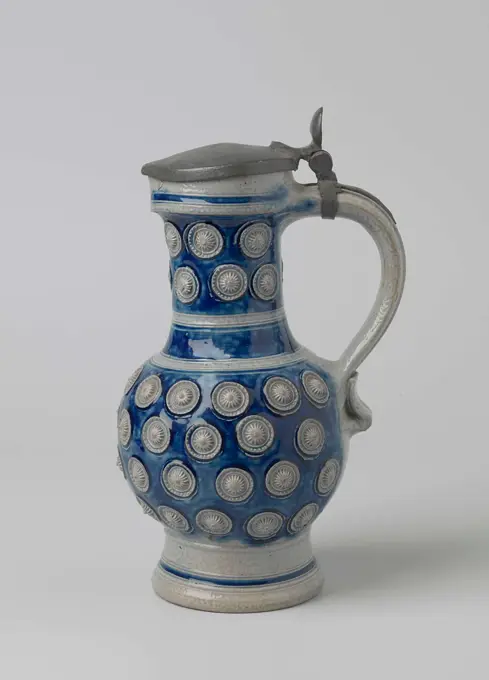
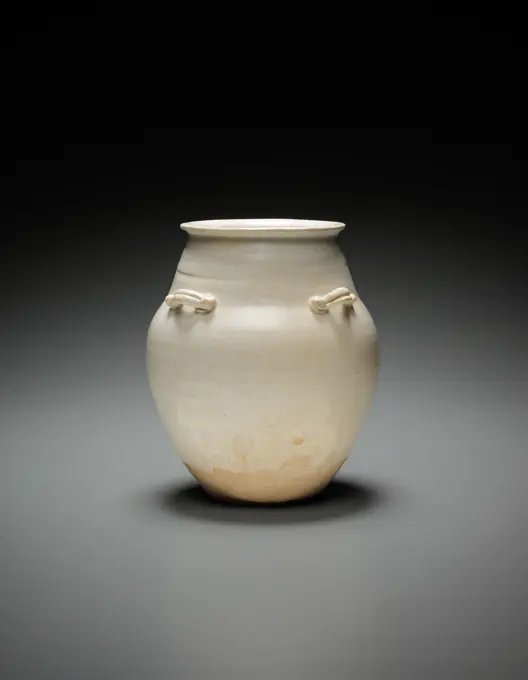
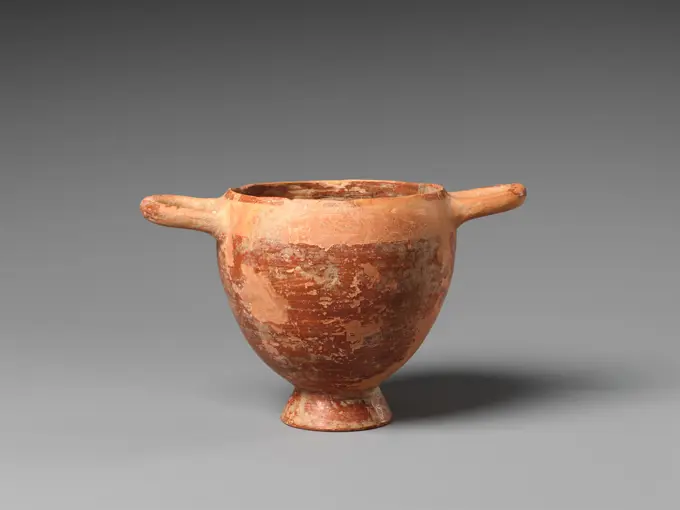
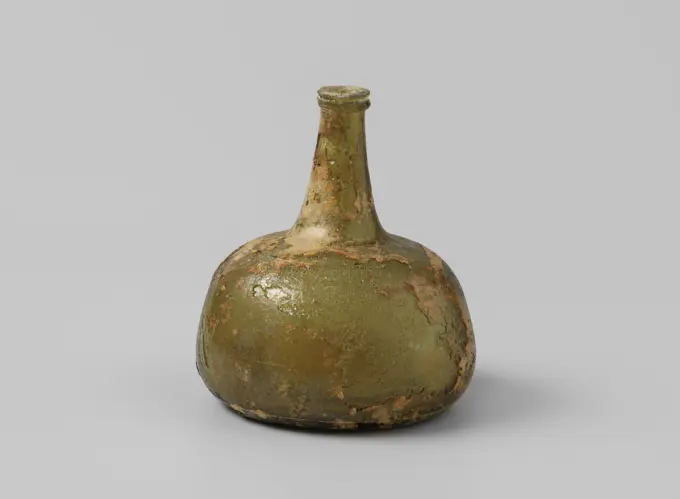
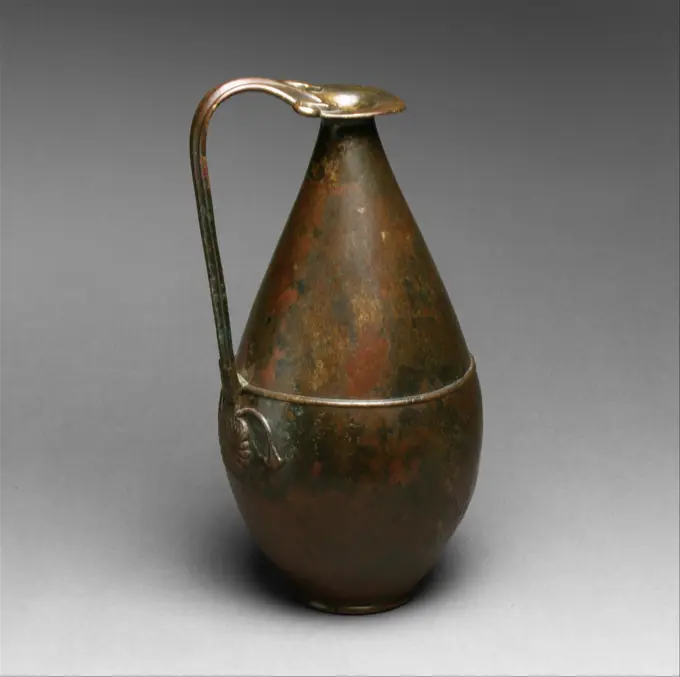
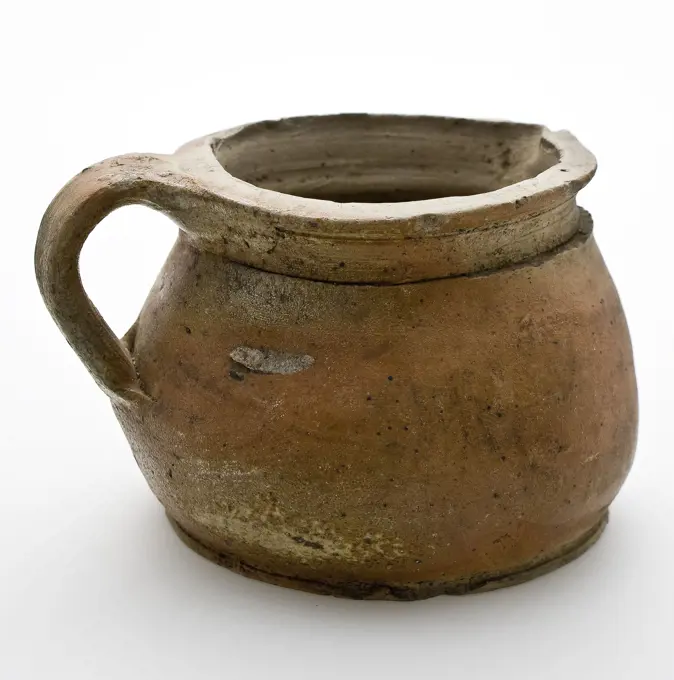
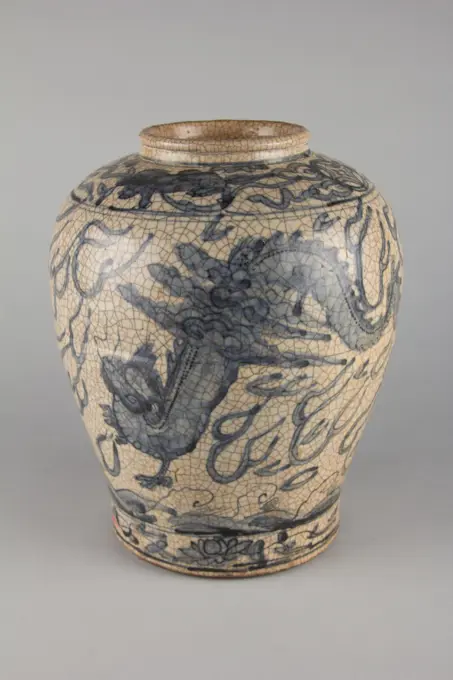
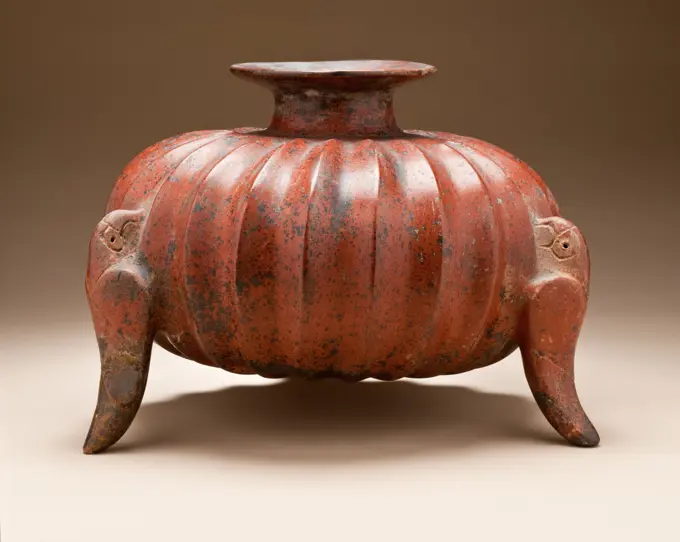
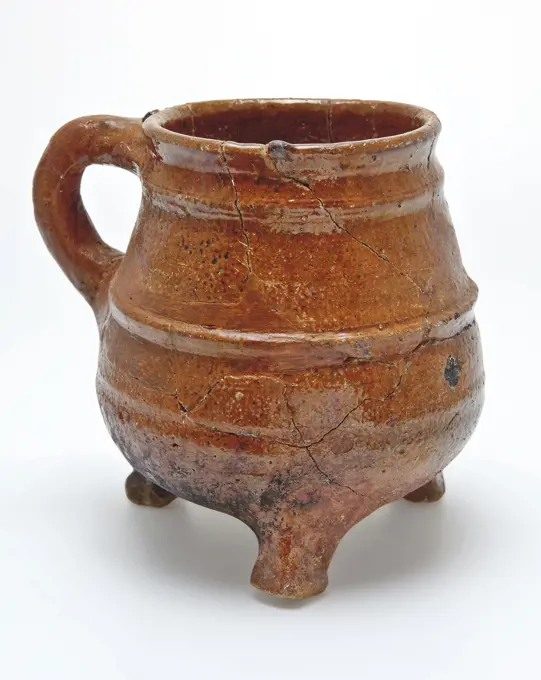
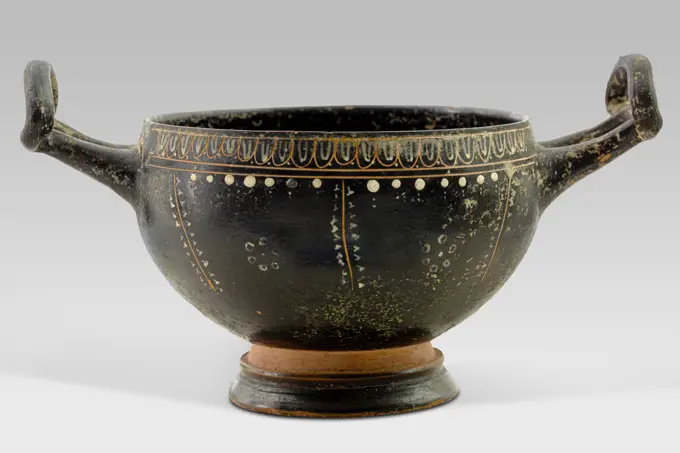
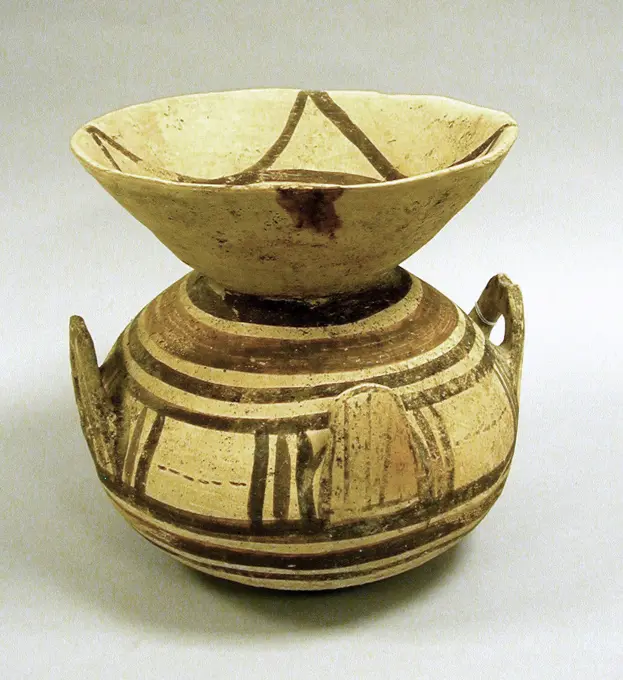
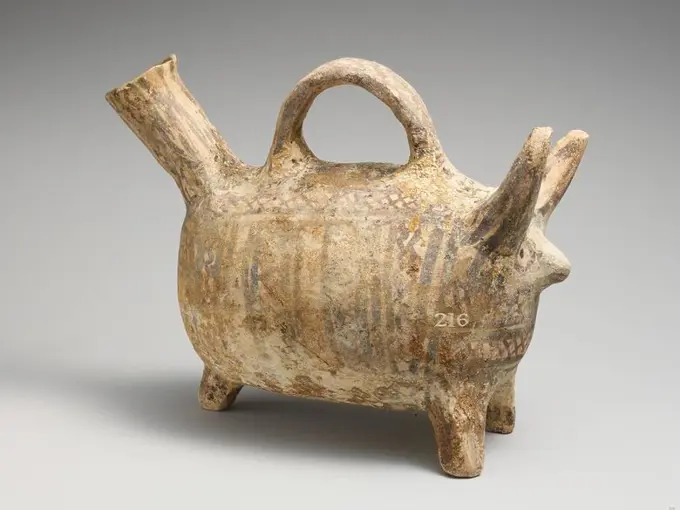
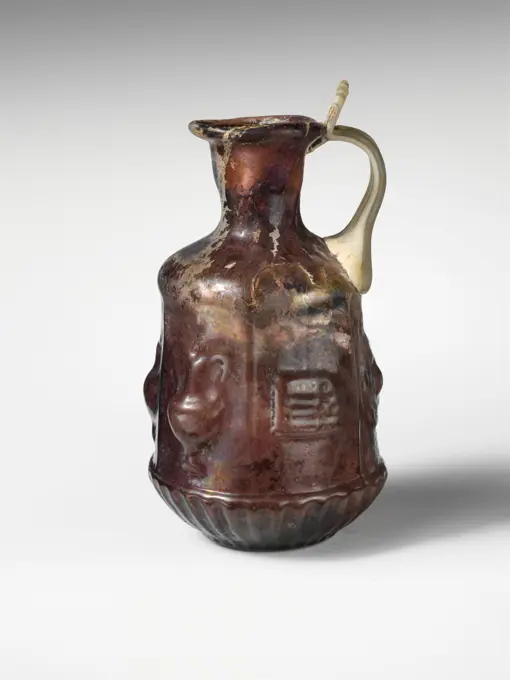
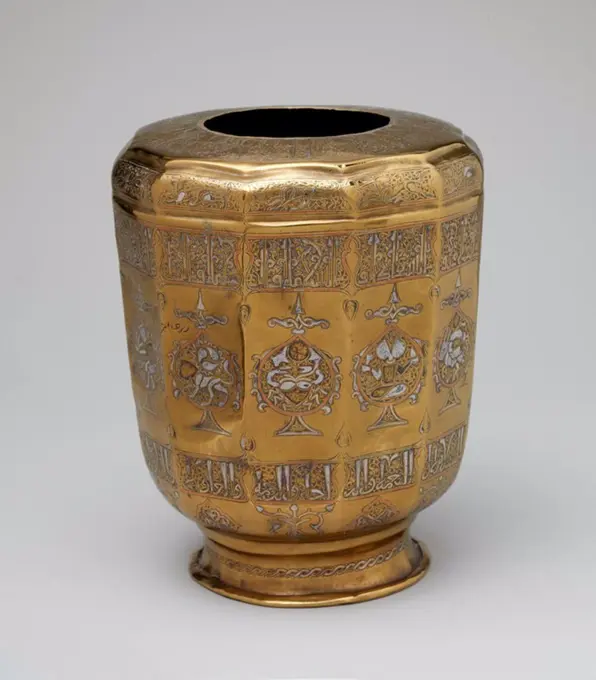
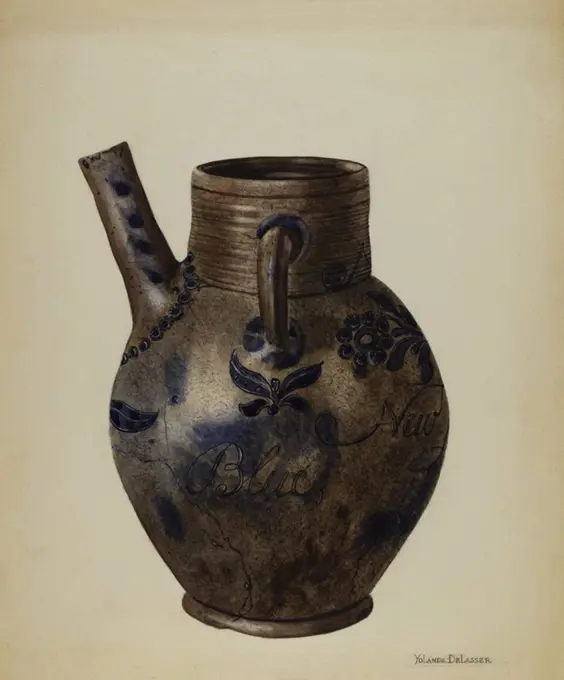
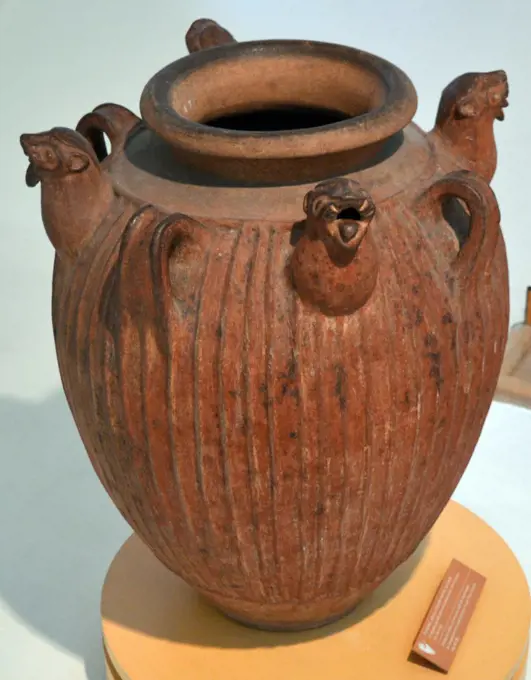
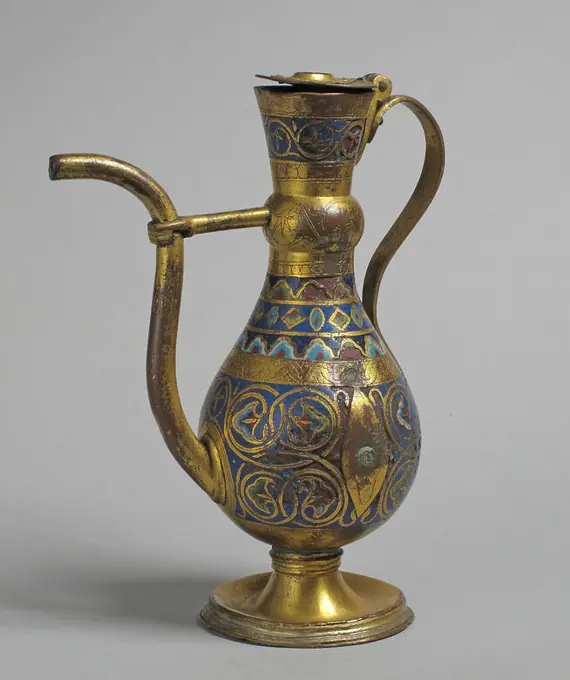
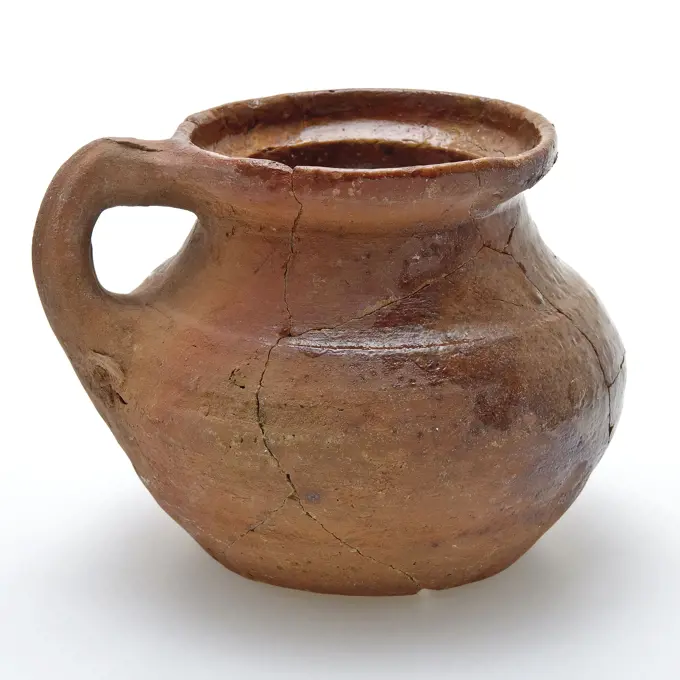
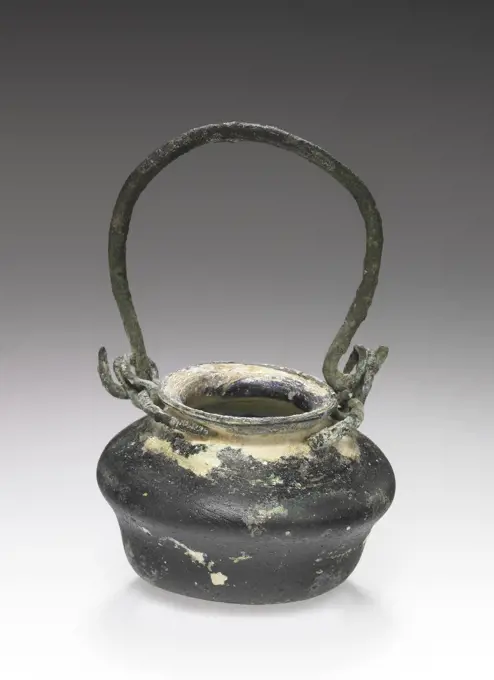
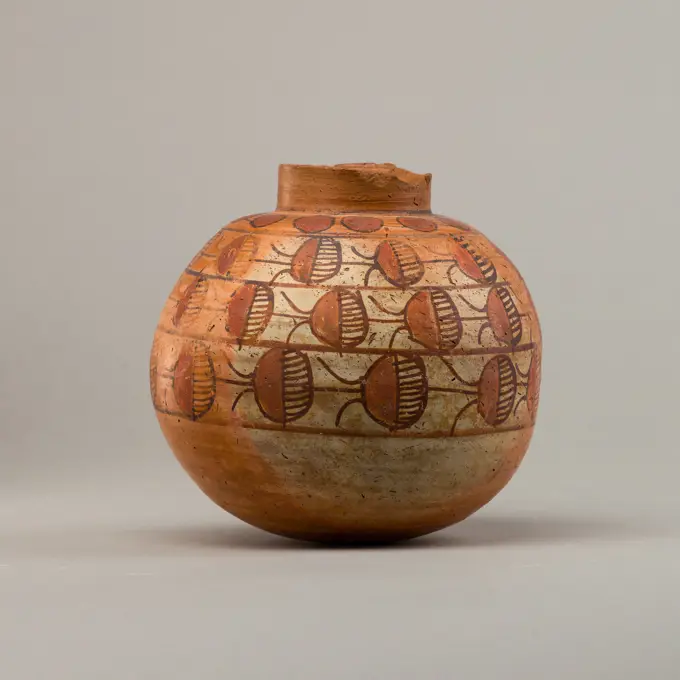
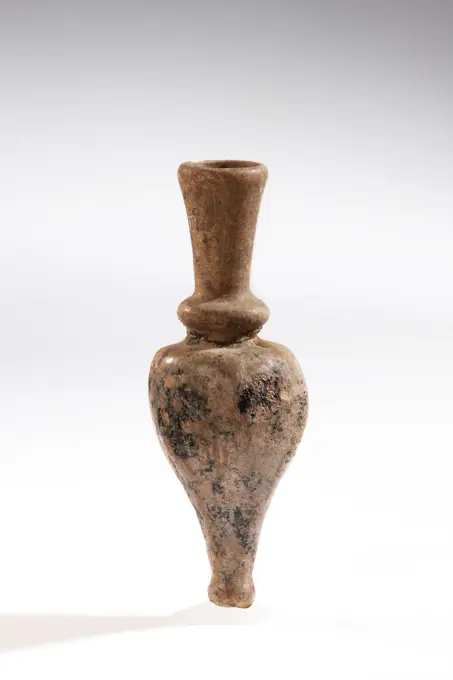
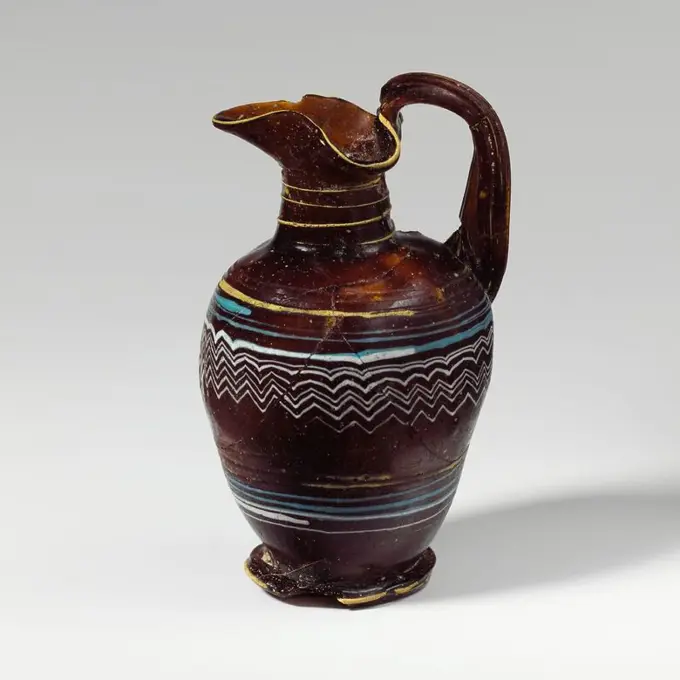
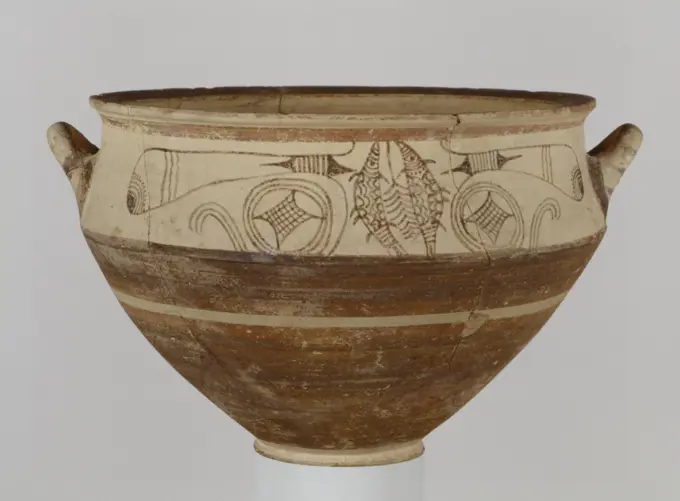
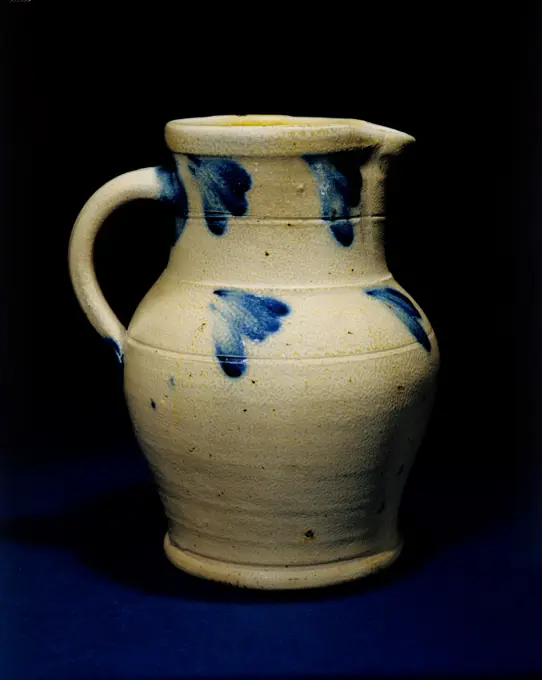
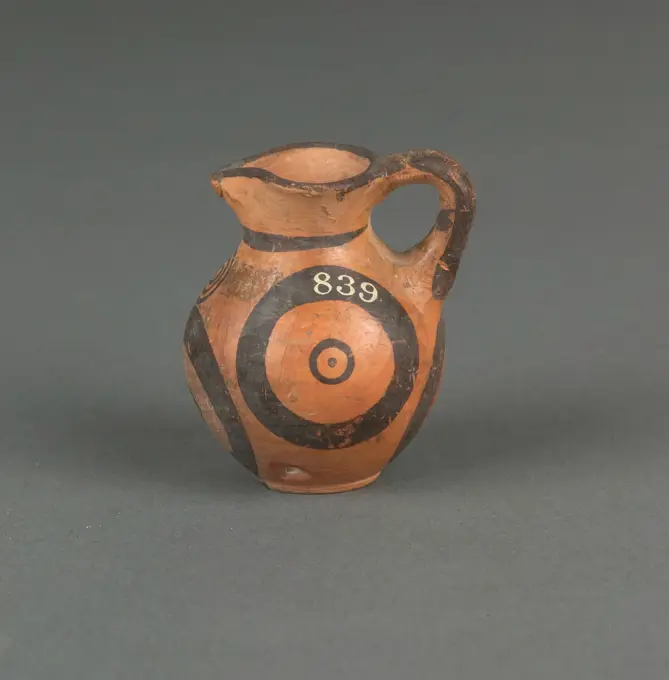
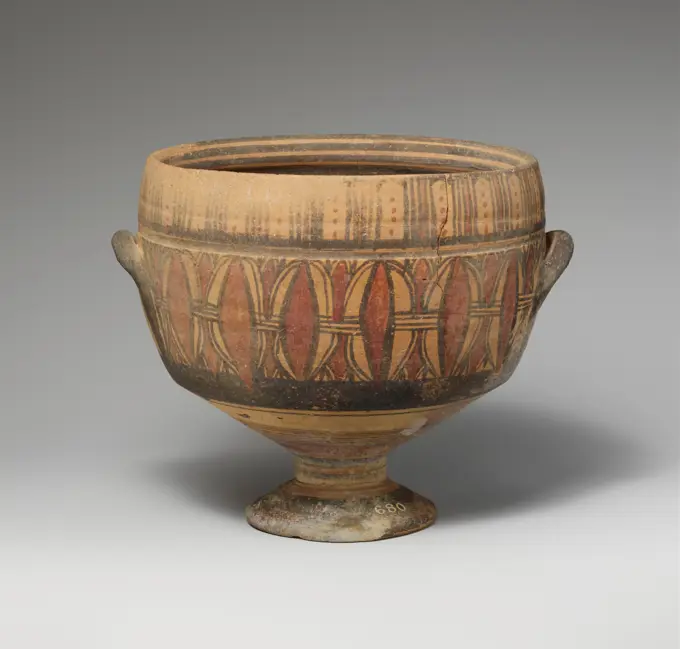
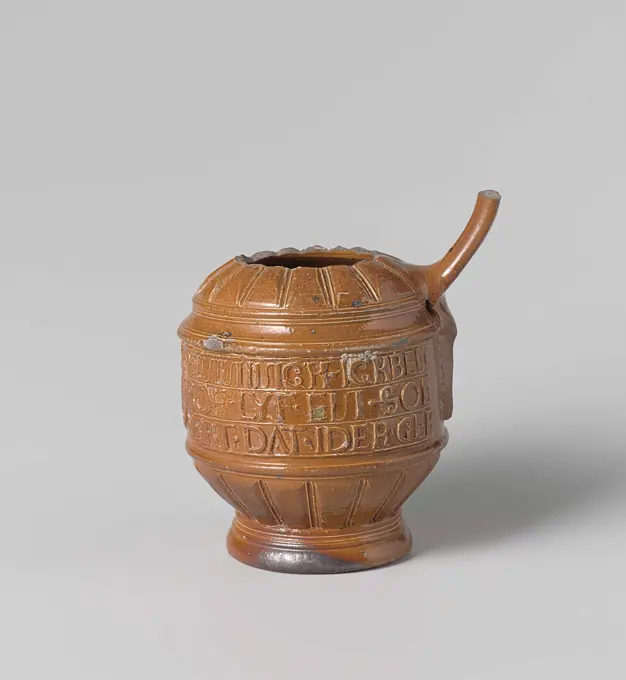
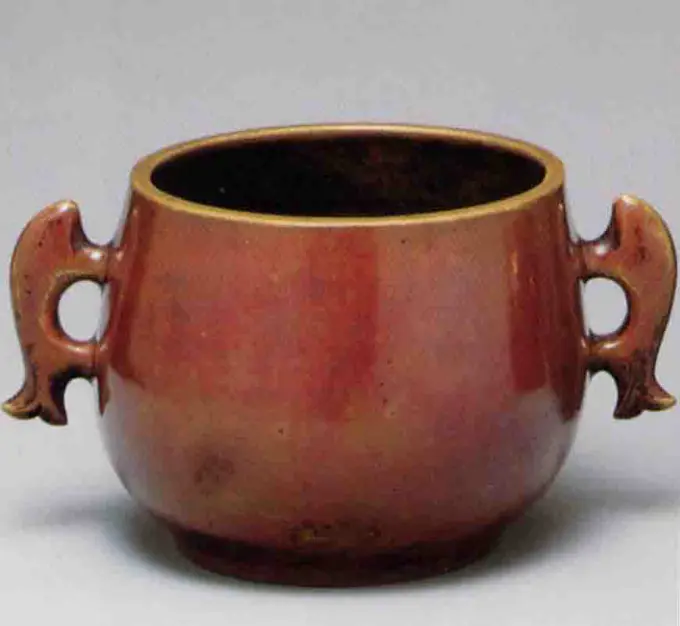
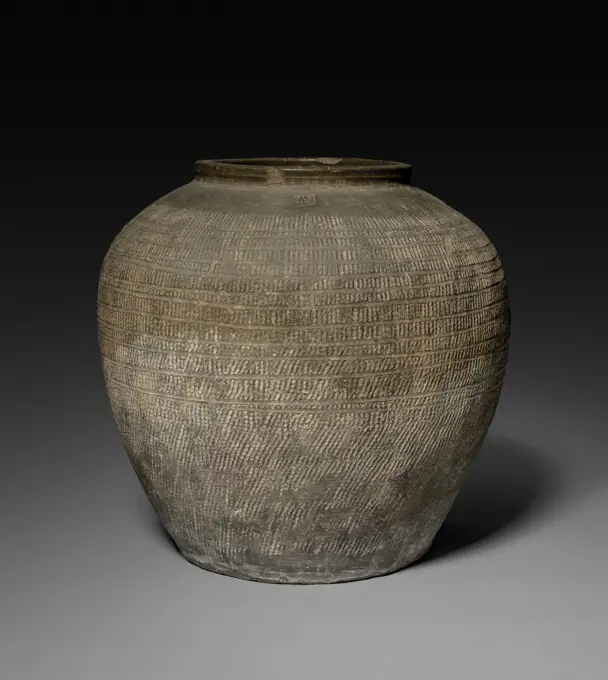
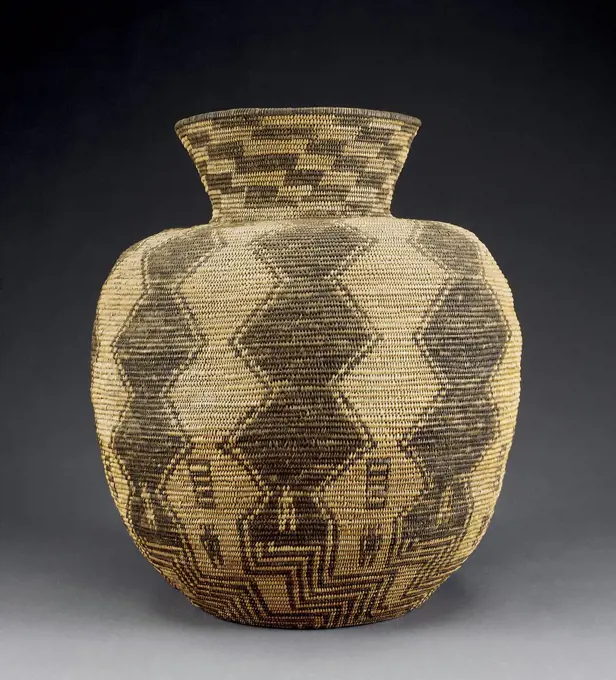
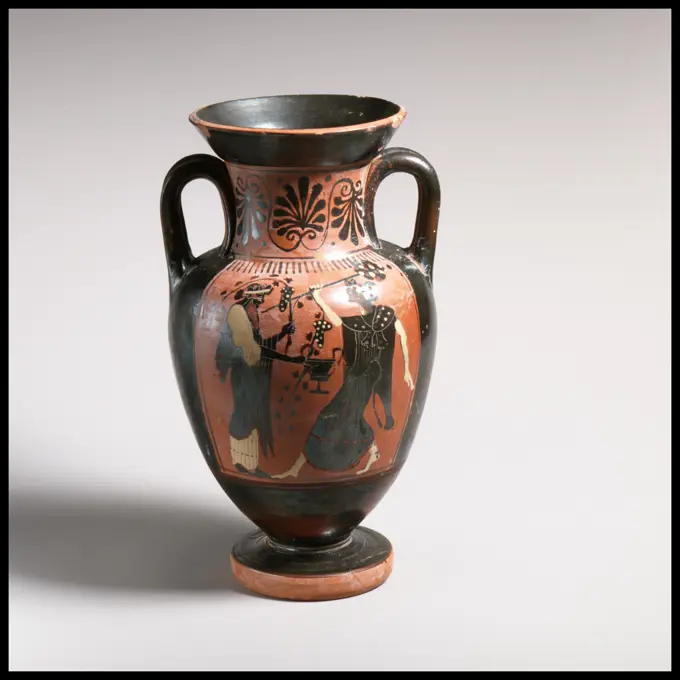
Jug ca. 1050-900 B.C. Cypriot. Jug. Cypriot. ca. 1050-900 B.C.. Terracotta. Iron Age. VasesJugGlass reliquary bottle ca. 7th-8th century A.D. Possibly Frankish Translucent green.Thick, everted rim, folded over and in to oval, flaring mouth; cylindrical neck, expanding slightly downward; globular body; small bottom with shallow kick and pontil scar.Engraved decoration on body: on one side, christogram flanked by A (alpha) and W (omega), with crossed leafy fronds below and pair of flying birds (doves ) holding wreath between them in their beaks; on other side, large wreath surrounding Latin inscription: M / VRSV/LA / F.Intact; very bubbly; dulling and scratching on exterior, iridescent weathering on interior.. Glass reliquary bottle 245420Terracotta kantharos (drinking cup with two high handles) late 8th-early 7th century B.C. Greek, Attic With the absence of ornament and the depiction of the figures against a light, unglazed background, the decoration of this kantharos represents a distinct style within the Geometric norm.. Terracotta kantharos (drinking cup with two high handles). Greek, Attic. late 8th-early 7th century B.C.. Terracotta. Geometric. VasesVase With Ornamental Borders and Lion Heads With Ring handles. Vase of porcelain with high, spreading foot, spherical body and wide, flared neck, covered with a monochrome white, cracked glaze. Different bronze-colored tires on the vase; On the foot a band with dependent, pointed leaf motifs, around the foot a band with 'taotie' masks, on the shoulder a meander strap and one with Ruyi motifs, around the edge also a band with Ruyi motifs; On the neck two landscaped lion's heads with annular ears. A stamped, unidentified brand on the underside. Monochromes.Wine cup. Culture: China. Dimensions: H. 4 5/8 in. (11.7 cm); Diam. 4 in. (10.2 cm); Diam. of rim 3 3/4 in. (9.5 cm); Diam. of foot 3 1/4 in. (8.3 cm). Museum: Metropolitan Museum of Art, New York, USA.Miniature Jar 11th-12th century This bowl was unearthed at Nishapur in excavations carried out by the MET in the 1930s and 1940s and was acquired by the Museum through a division of finds with the Iranian government at the time.The jar was most probably made in the 11th or 12th century, when potters were experimenting with new technologies such as stonepaste. Early stonepaste vessels were mostly monochrome-glazed, in turquoise, purple, white, blue, with the occasional splash of a different color. They displayed a range of inventive shapes, such as small bowls and dishes with scalloped, lobed, and variably decorated rims, and miniature vessels like this object.. Miniature Jar. 11th-12th century. Stonepaste; glazed. Excavated in Iran, Nishapur. CeramicsAnonymous / "Jug", XV Century, Ceramic (Glazed and painted ceramics), 28 x 18 x 09 cm.Wine container (Hu) in the style of the Han dynasty 18th century China. Wine container (Hu) in the style of the Han dynasty 42092Bottle 17th century Spanish. Bottle. Spanish. 17th century. Glass. GlassChocolate Pot, c. 750, 4 1/2 x 6 1/2 in. (11.43 x 16.51 cm), Clay, Guatemala, 8th century, Cacao - or chocolate - was a sign of wealth and power among the ancient Maya. Cacao seeds were used as currency, and ground cacao mixed with water and chiles was a stimulant consumed at celebrations. Archaeological evidence shows cacao beverages were consumed at least as early as 1000 BCE This example from nearly 2 millennia later is one of only three known of a type of squat jar with screw-on, locking lids. The lid that once fit this vessel has not been preserved. It has four glyphs in the ancient Maya language around the outside, three describe the place of origin, owner, and shape of the vessel; the fourth - illustrated above - is the glyph for 'cacao,' confirming its ancient function as a chocolate pot.Oinochoe. Culture: Cypriot. Dimensions: H. 3 15/16 in. (10 cm).Decorated with swastikas. Museum: Metropolitan Museum of Art, New York, USA.Double Spout and Bridge Bottle with Bird 5th-2nd century B.C. Paracas. Double Spout and Bridge Bottle with Bird 308652Glass perfume bottle 2nd-3rd century A.D. Roman Translucent pale blue green.Rim folded out, over, and in, with uneven outer lip; cylindrical neck, expanding downward; bulbous body; slightly flattened bottom.Ten slanting, vertical ribs, in sharp relief but of unequal length around body.Intact; pinprick bubbles; patches of thick, creamy weathering, iridescence, and dulling.. Glass perfume bottle 239628Pottery starling with long neck, roof hole and hanging eye, starch pot holder soil find ceramic earthenware glaze lead glaze, hand turned glazed pierced baked Starling pot of red earthenware glazed rings hanging eye to hang pot on the wall restoration of plaster long neck so called fly opening open cut-out so-called drainage hole two punctures for attaching fly-fly arch archeology Valckensteyn Poortugaal Albrandswaard native pottery starling bird nestbird delicacy nest bird's nest birdhouse nest box Soil discovery: canal at kitchen castle Valckensteyn at Poortugaal now Albrandswaard 1961Jar 201 CE-500 CE Syria. Glass, blown technique . Ancient RomanTerracotta two-handled bowl 7th century B.C. Italic, Villanovan Reddish-brown two-handled vase, decorated with incised vertical lines.. Terracotta two-handled bowl 246578Lekythos. Culture: Greek, Attic. Dimensions: 6 5/8in. (16.9cm). Date: ca. 500 B.C.. Museum: Metropolitan Museum of Art, New York, USA.Stoneware jug with long sausage ear, brown glazed, profile rings around the neck, jug crockery holder soil find ceramic stoneware glaze salt glaze, hand turned fried glazed Large stoneware jug dark gray shard with salt glaze brown flamed profile rings around the neck sausage ear Pretty wide neck Egg shaped Single groove on the shoulder archeology import pottery serving drink serve beer wine table kitchenGlass jug Roman 3rd-4th century CE Translucent light green; handle in same color.Rim with vertical lip and outsplayed, downward flange below; funnel-shaped neck, with uneven tooling marks around base; broad, conical body, with side curving in at bottom; broad, pushed-in bottom, flat at center; thick strap handle applied in a large pad to upper body, drawn up, out, and round in an elegant loop, and pressed on to neck, with trail ending at base of neck.Intact, but slight chipping and cracking on handle; few bubbles but some black impurities, especially in handle; little weathering on exterior, some soil encrustation, weathering, and iridescence on interior. View more. Glass jug. Roman. 3rd-4th century CE. Glass; blown. Late Imperial. GlassVase. Terracotta. China, Neolithic, Dawenkou. Paris, Cernuschi museum. 72679-25 Chinese art, dawenkou, neolithic, terracotta, vaseSpouted Bottle 5th-7th century Mexican. Spouted Bottle 314635Maker: Unknown, Bottle, Ceramic with pigment, 34.925 × 17.78 cm (13 3/4 × 7in.), Made in Tlatilco, Mexico, Mexico,Tlatilco, Early FormativePeriod, Containers -CeramicsWine bottle with lotuses and admonition 13th-14th century China The inscription running in two lines to either side of the dramatic lotus scroll reads: Drink less wineGain more knowledge”. Wine bottle with lotuses and admonition. China. 13th-14th century. Stoneware with cut-glaze decoration (Cizhou ware). Yuan dynasty (1271-1368). CeramicsGlass oinochoe (perfume jug) 4th-3rd century B.C. Eastern Mediterranean or Italian Translucent cobalt blue, with handle in same color; trails in opaque yellow.Elongated trefoil rim-disk; neck expanding downward to shoulder; ovoid body tapering downwards; applied circular pad-base, flattened on bottom, with rounded edge; vestiges of handle on top of neck and back of rim-disk.A fine trail attached at edge of rim-disk, and drawn down to form horizontal line around neck; another thicker trail applied to shoulder and wound in a spiral three times around upper body, then drawn down and wound twice around underside of body, partly obscured by pad-base.Body complete, but most of handle missing and hole in edge of shoulder where lower end of handle had been applied; slight dulling and pitting, with faint iridescent weathering.. Glass oinochoe (perfume jug) 245480Ovoid jar with a blue glaze, anonymous, c. 1100 - c. 1299 Pot of quartas fritry largely covered with a monochrome blue alarm laze. Iran earthenware. glaze vitrification Pot of quartas fritry largely covered with a monochrome blue alarm laze. Iran earthenware. glaze vitrificationMiniature terracotta situla (bucket). Culture: Greek, South Italian, Apulian, Gnathian. Dimensions: H. 3 in. (7.7 cm); diameter 1 in. (2.5 cm). Date: 4th century B.C..Upright bail handle. Museum: Metropolitan Museum of Art, New York, USA.Oinochoe (dzbanek na wino). warsztat cypryjskiJug. Culture: German. Dimensions: Overall: 5 1/8 x 5 1/16 x 4 1/16 in. (13 x 12.9 x 10.3 cm). Date: 1300-1500. Museum: Metropolitan Museum of Art, New York, USA.Bulbous bodied bowl, 3rd century BCE - 3rd century CE, 6 3/4 x 6 3/4 in. (17.1 x 17.1 cm), Polychromed earthenware, Mexico, 3rd century BCE - 3rd century CEWine bottle with wine from the wreck of the East Indians' t Vliegend Hart ,, 1700 - 1735 wine Uivid wine bottle of green glass filled with red (port) wine and closed with cork and wire. Netherlands glassJohn Tarantino, Cider Jug, c 1939 Cider JugDouble Spout and Bridge Vessel in the Form of a Ridged Gourd. Paracas; South coast, Peru. Date: 650 BC-150 BC. Dimensions: 11.1 × 105 cm (4 3/8 × 4 1/8 in.). Ceramic and pigment. Origin: Peru. Museum: The Chicago Art Institute, Chicago, USA.Stoneware jug be worn with frieze around neck, three weapon medallions and profile rings on the belly, jug crockery holder soil find ceramic stoneware glaze salt glaze, hand turned stamped glazed glazed baked Stoneware jug gray shard with rust brown salt glaze long tail. Three profile rings around the shoulder archeology heraldry import pottery serve serve drink wine beerCream jug 1760-1800 American Although the style of slip-trailed decoration and the floral motifs relate to Southern examples, new research suggests that these pieces may have been made in Pennsylvania.. Cream jug. American. 1760-1800. Earthenware with slip decoration. Possibly made in Pennsylvania, United StatesGlass perfume bottle 2nd-3rd century A.D. Roman Colorless with pale blue green tinge.Uneven rim folded out, over, and in, with beveled outer edge; broad, flaring mouth; tall cylindrical neck, expanding downwards with tooling marks around base and on small horizontal shoulder; conical body with convex sides; concave bottom.Intact; many pinprick bubbles; deep pitting, dulling, and brilliant iridescent weathering.. Glass perfume bottle 244586Jug in the shape of a woman's head ca. 1550-1295 B.C. New Kingdom This jar is representative of a genre that was produced for about a century during the New Kingdom (ca. 1450-1350 B.C.). Their imagery and capacity suggests that they were made to hold the milk of a nursing mother. Although they may have been used in everyday life, they were also placed in tombs, where their contents, real or symbolic, were meant to aid in the deceased's daily rebirth. For another example in the collection, see 25.7.42.. Jug in the shape of a woman's head 544869Tripod vase originating from Chiriqui (Costa Rica). Pre-Colombian Civilization.Can. Can be made from stoneware with pewter lid. Gray with blue and decorated with rosettes.Jar with Four AppliquedHandlesTerracotta skyphos (drinking cup) 7th-6th century B.C. Lydian Painted pottery from Sardis reflects both local aspects of Lydian pottery as well as its diversity, which includes elements from Greek and Phrygian artistic traditions. Although the skyphos is a characteristically Greek shape, this locally made vase is decorated in the Lydian style of painted "streaky-glaze" pottery, in which a variety of tonalities were created by brushing red or brown slip in uneven densities.. Terracotta skyphos (drinking cup). Lydian. 7th-6th century B.C.. Terracotta. Archaic. VasesTerracotta Nicosthenic neck-amphora 6th century B.C. Etruscan On the handles in relief, female figure with two felinesThe contrast between the narrow neck and the full body, the thinness of the handles, and the hard glossy surface give this Nicosthenic neck-amphora a mannered character.. Terracotta Nicosthenic neck-amphora 246206Jar with Four Ibex, c. 2800-2500 BC. Pakistan, probably Quetta, Indus Valley Civilization. Ceramic with black slip; overall: 12.2 x 23 cm (4 13/16 x 9 1/16 in.).Wine bottle with wine from the wreck of the East Indians' t Vliegend Hart ,, 1700 - 1735 wine Uivid wine bottle of green glass once filled with wine. Cork and wire that the cork had to keep on the bottle have disappeared. The wine is stored in a bottle (NG-1984-86-1). Netherlands glassPhoenician-style ewer ca. 7th-6th century B.C. Vessels of similar form and construction have been excavated in Cyprus, Italy, and the Iberian Peninsula, with related ceramic examples from Cyprus and the Levant. The piriform shape of this vessel is divided into two sections by a narrow raised band. The convex lower body rests on a hollow ring foot above which the elegant neck gradually tapers into a trefoil lip. A three-ridged handle spouts from a palmette with tendrils and attaches the lower body to the lip. At the top of the handle the three ridges transform into three snake heads, the central one of which extends directly into the vessel. The closest parallel to this ewer is an example from Niebla in Spain, at the Instituto de Valencia de Don Juan, Madrid, which has looped snake heads at the top of the handle.. Phoenician-style ewer. ca. 7th-6th century B.C.. Bronze. Iron Age. Iberian PeninsulaStoneware jug or cup with pouring lip and ear, in the form of chamber pot, beaker crockery holder soil find ceramic stoneware, hand-turned baked Stoneware jug or beaker gray shard red flamed pouring lip bandor excellent ridge under the mouth rim. Curved side wall narrowing upwards underneath the upper edge. Stand with light soul and baked crumbs pottery clay Almost stoneware archeology indigenous pottery import pour serve drink classicPitcher;  around 2686- 2181 BC ; Old state (-2686-00-00--2181-00-00);Jar with dragon China late 16th-early 17th centuryAttic Geometric Amphora; Attributed to the Workshop of Painter of Athens 897; Athens, Greece; about 720 B.C; Terracotta; 41 cm (16 1,8 in.)Tripod Bowl. Mexico, Colima, Colima, 200 BCE-500 CE. Ceramics. Burnished ceramic with slipPottery cooking jug on three legs, one ear, pear-shaped with two ridges over the side wall, grape cooking pot crockery holder kitchenware earthenware ceramics earthenware glaze lead glaze, hand-turned glazed baked Pottery jug cup model on three legs. Red shard entirely glazed except the bottom of the bottom Pear-shaped body with sloping outer wall and narrow neck opening One standing sausage ear largely filled with plaster. Decorated with two ribs ridges around the side wall at the level of the attachment of the ear. Traces of use: lightly sweetened at the bottom archeology inn The Heart Geervliet Bernisse indigenous pottery cooking kitchen food preparation food Soil discovery: Geervliet Dorpsplein 1 demolition Trouw put 5 city inn 't Hart 1985.Bronze Jar with Animal and Ring Handles. Western Inner Mongolia, Eastern Zhou dynasty, Warring States period, 481-221 B.C.. Furnishings; Serviceware. Cast bronzeTerracotta skyphos second half of the 4th century B.C. Greek, South Italian, Gnathian The polychrome motifs and patterns on this skyphos, created by applying yellow and white directly on top of black gloss before the vessel was fired, are characteristic of the "Gnathian style". The term is derived from the ancient name of the site of Gnathia where a great many examples have been discovered. Fine lines in yellow evoke models with gilded decoration.. Terracotta skyphos. Greek, South Italian, Gnathian. second half of the 4th century B.C.. Terracotta. Gnathian. VasesJug (Bartmann jug) with an ornamental border and triangles, anonymous, c. 1530 - c. 1570 Beard fibbler of stoneware on stand ring with a pear -shaped body and wide neck. The C-shaped ear is attached to the neck and belly. Profiles on the neck and foot. Covered with a brown Engobe. On the belly in relief a printed and imposed decorative bond with medallions and leaf vines. On either side of the tire triangles with dots and shelter stripes. On the neck, continuously on the shoulder and belly, a bearded man. Cologne/ Frechen. Cologne (possibly) stoneware. glaze. engobe vitrification Beard fibbler of stoneware on stand ring with a pear -shaped body and wide neck. The C-shaped ear is attached to the neck and belly. Profiles on the neck and foot. Covered with a brown Engobe. On the belly in relief a printed and imposed decorative bond with medallions and leaf vines. On either side of the tire triangles with dots and shelter stripes. On the neck, continuously on the shoulder and belly, a bearMiniature Ointment Flask; Eastern Mediterranean; 3rd - 4th century; Glass; 3 cm (1 3,16 in.)Terracotta funnel vase ca. 550-500 B.C. Native Italic, Daunian The funnel vase is a large shape with a rotund body, tall lip, and short vertical handles at least one of which is often in the shape of a closed hand with fingers extended. Typically Daunian, it is a counterpart to the Greek krater.. Terracotta funnel vase. Native Italic, Daunian. ca. 550-500 B.C.. Terracotta. Archaic. VasesLUCERNA DE BRONCE. ASAS DE RAMAS CURVADAS, CON CRUCECITA. ROMANO AJUAR(DEPOSITO: MUSEO ARQUEOLOGICO PROVINCIAL DE CORDOBA).Anonymous, funeral jar (usual name), 0960. Cernuschi museum, Museum of Arts in Asia in the city of Paris. Decor of characters and animals reported on the shoulder.Anonymous / 'Case for missing glass with globular shape'. 1670 - 1711. Leather, Wood, Metal, Cloth. Museum: Museo del Prado, Madrid, España.Terracotta zoomorphic askos (vessel). Culture: Cypriot. Dimensions: H. 6 11/16 in. (17 cm). Date: 1900-1600 B.C..Three feet, spout, loop-handle, and lattice-bands of black and red. Museum: Metropolitan Museum of Art, New York, USA.Glass hexagonal jug with Dionysiac symbols 1st century A.D. Roman Translucent deep purple, with handle in semi-opaque colorless with greenish tinge.Tubular rim, folded out, round, and into flaring mouth; cylindrical neck, tapering downward; convex sloping shoulder; straight-sided hexagonal body, expanding downward; convex undercurve; flat circular bottom; strap handle attached in two large ribs to shoulder and top edge of body above panel with circular object, drawn up and out, then curved in, and pressed on to top of neck and underside of rim, with projecting flattened thumbrest above. Slight mis-alignment of vertical sections of mold on one side above cup section.On shoulder, frieze of indistinct downturned tongues; on body, six rectangular panels, with vertical raised edges, containing objects associated with the Dionysiac cult: 1. crossed, double-ended thyrsi; 2. a footed jug with spout to left and high handle to right; 3. a footed amphora with high handles; 4. a syrinx (pan pipes)Ewer base with Zodiac medallions. Dimensions: H. 8 3/4 in. (22.2 cm)Diam. 6 7/8 in. (17.5 cm). Date: first half 13th century.The full zodiacal cycle is depicted in the twelve medallions on the facets of this vessel. Three inscriptional bands, each with a different calligraphic style, also carry traditional blessings to the owner. Museum: Metropolitan Museum of Art, New York, USA.Jar with high handle 6th-5th century B.C. Etruscan With concave sides and no decoration.. Jar with high handle. Etruscan. 6th-5th century B.C.. Bronze. Archaic or Classical. BronzesWater Jug. Dated: c. 1936. Dimensions: overall: 27.5 x 22.9 cm (10 13/16 x 9 in.) Original IAD Object: 11 1/4" High. Medium: watercolor, graphite, colored pencil, and heightening on paperboard. Museum: National Gallery of Art, Washington DC. Author: Yolande Delasser.Etruscan Storage jar or Pithos. Terracotta from Cerveteri, 500-400BCBronze cauldron ca. 550 B.C. Etruscan Rounded top and flat lip. May have been used for cooking or heating food.. Bronze cauldron 247022Glass perfume bottle. Culture: Roman. Dimensions: 3 3/4 in. (9.5 cm)Diameter: 1 7/16 x 3/4 in. (3.7 x 1.9 cm). Date: 1st century A.D..Colorless with pale blue green tinge.Lopsided rim folded out, over, and in, and pressed flat; slender, cylindrical neck, tooled in around base; elongated piriform body; concave bottom.Complete, but one small hole in body; pinprick bubbles; deep pitting and brilliant iridescent weathering. Museum: Metropolitan Museum of Art, New York, USA.Glass cosmetic flask (kohl tube) 4th century A.D. Roman, Syrian Colorless with pale green tinge; foot, handles, and trail in same color.Broad, horizontal rim folded out, over, and in; cylindrical neck, joining imperceptibly with slender, piriform body; applied conical foot, with folded tubular edge; deep kick in bottom and pontil mark; two rod handles applied in claw pads to neck, drawn up and out, and then turned in and pressed onto lip of rim.Single fine trail applied as a pad on lower body, drawn up and wound in a spiral twenty-one times around body and neck, ending under one of the handles.Complete, but crack in neck and upper body, and some parts of trail missing; some bubbles; dulling, slight pitting, thick creamy brown weathering, and limy encrustation.Associated with the flask is a small bronze spatula, suitable for spooning the contents out of the deep flask.. Glass cosmetic flask (kohl tube) 256827Altar Cruet. Culture: French. Dimensions: Height: 6 7/16 in. (16.3 cm). Date: ca. 1250. Museum: Metropolitan Museum of Art, New York, USA.Jar 6th-12th century Wari. Jar 312603Glass perfume bottle. Culture: Roman. Dimensions: Overall: 4 3/4 in. (12.1 cm)Diam.: 2 1/2 x 1 1/8 in. (6.4 x 2.9 cm). Date: 2nd-3rd century A.D..Colorless with blue green tinge.Rim folded out, over, and in, flattened on top and into sides of mouth; cylindrical neck, tapering downwards; bulbous body, expanding downwards; flat bottom.Brokwn on body with large hole in side; bubbles and blowing striations; deep pitting and brilliant iridescence, with small patches of thick creamy weathering. Museum: Metropolitan Museum of Art, New York, USA.Jug with lid, 1580, 17 x 11 1/2 x 11 1/2 in. (43.18 x 29.2 x 29.21 cm), Salt-glazed earthenware, metal mounts, Netherlands, 16th centuryPottery room comfort on curved floor, lid slot and standing sausage ear, pot holder sanitary soil find ceramic earthenware glaze lead glaze, hand turned glazed baked Pottery chamber pot on curved bottom. Belly model with conical neck Firm and standing sausage ear Outstanding top edge with lid groove. Red shard sparingly glazed Knik on the shoulder between the neck and the belly. Deep finger impression in the edge at the site of the attachment of the ear archeology inn The Heart Geervliet Bernisse indigenous pottery drains night sleeping room hygiene Soil discovery: Geervliet Dorpsplein 1 demolition Trouw put 5 city inn 't Hart 1985.Pot, cylindrical in shape, with inscription: "Scamoneia". Cylindrical pot with concave walls, multi-colored painted majolica. In the middle of the belly, the pot has the inscription "Scamonia" and is painted above the inscription with a band with scaffolding and inscription a bond with leaf motifs.Black -remedy oinochoe; unknown, unknown attic workshop; III century BC (-300-00-00--201-00-00);One-handled Cup. UnknownGlass aryballos (perfume bottle) late 6th-5th century B.C. Greek, Eastern Mediterranean Translucent cobalt blue, with handles in opaque yellow; trails in opaque yellow and opaque turquoise blue.Broad inward-sloping rim-disk; cylindrical neck; right-angled shoulder; almost spherical body; convex, somewhat pointed bottom; two vertical ring handles with knobbed tails extend from shoulder to neck.Turquoise blue trail applied to outer edge of rim-disk; a thick yellow trail applied on upper body and wound spirally, at first in horizontal lines, then tooled into a close-set zigzag pattern around central section of body, formed by shallow vertical tooling indents; two turquoise blue trails applied, the upper one over yellow, also forming part of the zigzag pattern; below this, a yellow trail and a turquoise blue trail wound horizontally once around body.Intact; slight dulling and pitting, and small patches of brown encrustation.. Glass aryballos (perfume bottle). Greek, Eastern Mediterranean. Miniature pot with bronze handle; Eastern Mediterranean; 1st - 2nd century; Glass, bronze; 3 x 4.2 cm (1 3,16 x 1 5,8 in.)Spherical jar with four rows of painted decoration 100 B.C.-A.D. 300 Meroitic Period From both the technical and aesthetic point of view, the ceramics produced during the Meroitic period of the Kushite kingdom are of superb quality. These ceramics are particularly common in Lower Nubia, where many sites have been excavated. Decorative elements include geometric designs, plant and animal motifs, and even human figures. Although their repertoire shows both Egyptian and Hellenistic influence, the Kushite ceramic artists of this period develop their own distinctive style, which makes Meroitic pottery easy to recognize.. Spherical jar with four rows of painted decoration. 100 B.C.-A.D. 300. Pottery, paint. Meroitic Period. From Egypt and Sudan, NubiaLekythos. Culture: Greek, Attic. Dimensions: Overall: 8 1/2 in. (21.6 cm)Diameter: 2 3/4 × 1 5/8 × 1/8 in. (6.9 × 4.1 × 0.2 cm). Date: 6th century B.C.. Museum: Metropolitan Museum of Art, New York, USA.Vase. unknown, craftsmanGlass oinochoe (perfume jug). Culture: Eastern Mediterranean or Italian. Dimensions: 4 1/2 × 2 7/16 in. (11.4 × 6.2 cm)Diam. of foot: 1 11/16 in. (4.2 cm)Height (without handle): 4 3/16 in. (10.7 cm). Date: late 4th-early 3rd century B.C..Translucent honey brown, with handle in same color; trails in opaque yellow, opaque white, and opaque turquoise blue.Applied trefoil rim-disk; cylindrical neck, expanding downwards; broad rounded shoulder; slightly convex sides to body with downward taper; applied low circular coiled pad-base, with slightly convex uneven bottom; strap handle attached in pad to outer edge of shoulder, drawn up vertically, turned in, and pressed on to back of rim-disk.A fine yellow trail attached at edge of rim-disk; another unmarvered yellow trail wound spirally four and a half times around neck; on outer edge of shoulder and extending down body, alternating bands of yellow, turquoise, and white trails wound round in almost horizontal lines but with a central bandTerracotta krater ca. 1150-1100 B.C. Cypriot The shape and decoration of this krater are derived from Aegean models of the Mycenaean IIIC:1b period. Manufacture in Cyprus of this type of pottery may be associated with the settlement of Achaeans from the Aegean at this time. The two zones between the handles were painted over in black, which gives the false impression of bichrome decoration.. Terracotta krater. Cypriot. ca. 1150-1100 B.C.. Terracotta. Late Cypriot III. VasesTerracotta lebes gamikos (jar with lid, foot, and handles associated with weddings) ca. 340-320 B.C. Attributed to the Group of New York 28.57.10 Obverse and reverse, youths, women, and ErotesA finely attired lady sits on a high-backed chair with footstool as the youth before her offers a wreath and fillet (band). He stands in front of a laver. The attendant behind the chair holds the lady's mirror. Above, Erotes carry more festive paraphernalia and play with a swan. The decoration complements the nuptial associations of the shape. The lid is missing.. Terracotta lebes gamikos (jar with lid, foot, and handles associated with weddings). Greek, South Italian, Apulian. ca. 340-320 B.C.. Terracotta; red-figure. Late Classical. VasesPitcher 1800-1830 American. Pitcher 5680Glass miniature one-handled jug 1st-5th century A.D. Roman or later Translucent deep purple, appearing black; handle in same color.Outsplayed rounded rim, tooled into downward projecting mouth at front; short concave neck; convex side, tapering slightly downwards; bulge around edge of bottom, which is pushed-in with deep pointed kick at center; delicate curving handle attached to side and back of rim.Intact; iridescent weathering.. Glass miniature one-handled jug 245315Jar with Tall Neck, 30 BC-AD 395. Egypt, Early Roman Empire. Blue faience; diameter: 6.9 cm (2 11/16 in.); diameter of mouth: 3.4 cm (1 5/16 in.); overall: 9.2 cm (3 5/8 in.).Stirrup Spout Bottle with Deer 1st-6th century Moche. Stirrup Spout Bottle with Deer 314697Oinochoe, miniature 850-750 B.C. Cypriot. Oinochoe, miniature. Cypriot. 850-750 B.C.. Terracotta. Cypro-Geometric III. VasesTerracotta bottle Cypriot ca. 1200-1050 BCE This shape of bottle was invented on Cyprus. View more. Terracotta bottle. Cypriot. ca. 1200-1050 BCE. Terracotta. Late Cypriot IIIB. VasesIncense Burner (Xunlu or Xianglu). China. Date: 25 AD-220 AD. Dimensions: H. 16.8 cm (6 5/8 in.); diam. 12.6 cm (5 in.). Bronze. Origin: China. Museum: The Chicago Art Institute, Chicago, USA.Terracotta kylix (cup) 600-480 B.C. Cypriot Kylix with zone of lotus flowers, above it a zone of vertical bands and dots.. Terracotta kylix (cup) 240056Fragment of a jug of stoneware with inscription. Fragment of a brown, stone jar of stoneware. With inscription: Lyfde goat above Ale Dinck.Incense Burner 16th century China Burning incense was a fashionable pastime among scholars and merchants in southeast China in the late Ming and early Qing (1644-1911) dynasties. Many of the incense burners produced during this time copied shapes from contemporaneous ceramics, while other relied on bronze forms, some of which can be traced to Chinas earliest metalworking traditions. Great skill was employed in finishing the surfaces of these bronzes, which can show patinations ranging from red to green to brown with gold splashes.. Incense Burner. China. 16th century. Bronze with treated surface. Ming dynasty (1368-1644). MetalworkJar, 481-221. China, reportedly Ch'angsha, Hunan province, Eastern Zhou dynasty (771-256 BC), Warring States period (475-221 BC). Earthenware with impressed and incised decoration; diameter of mouth: 23 cm (9 1/16 in.); overall: 41 cm (16 1/8 in.).Bottle 6th-4th century B.C. Paracas. Bottle 310214A Western Apache Pictorial Coiled Storage Jar Native American Art Bottle, ca. 323 B.C.-A.D.256, Terracotta, 12.8 × 6.3 cm (5 1/16 × 2 1/2in.), Yale-French Excavations atDura-Europos, Excavated in Dura-Europos, Syria, Syrian,Dura-Europos, Greco-Roman orParthian, Containers -CeramicsNeck-amphora early 5th century B.C. Attributed to the Diosphos Painter Obverse, Dionysos and maenad; reverse, Hephaistos and satyr.. Neck-amphora 254346 : Attributed to the Diosphos Painter, Neck-amphora, early 5th century B.C., Terracotta, Diameter: 4 3/8  3 1/2  2 3/4 in. (11.1  8.9  7.1 cm) Height: 7 3/4 in. (19.8 cm). The Metropolitan Museum of Art, New York. Rogers Fund, 1941 (41.162.175)Bottle 1200-1050 B.C. Cypriot Handle, lattice and zigzag ornament.. Bottle. Cypriot. 1200-1050 B.C.. Terracotta. Late Cypriot IIIA. Vases