Ancient and Decorative Vases

Historical vases from various cultures, showcasing unique designs, materials, and functions, including Roman and Neolithic styles.
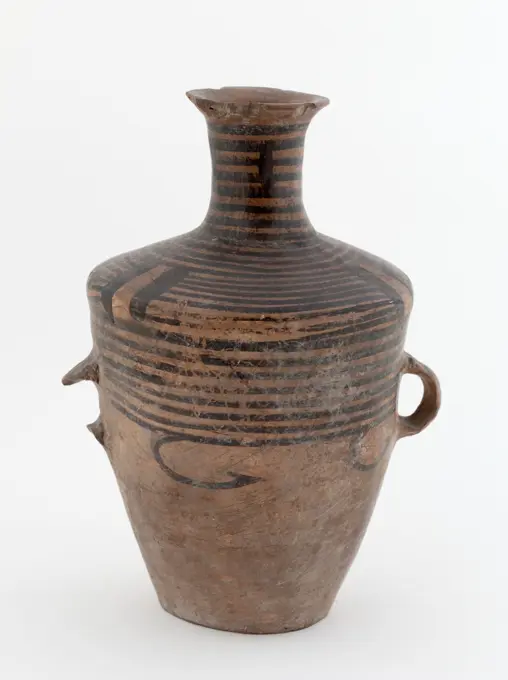
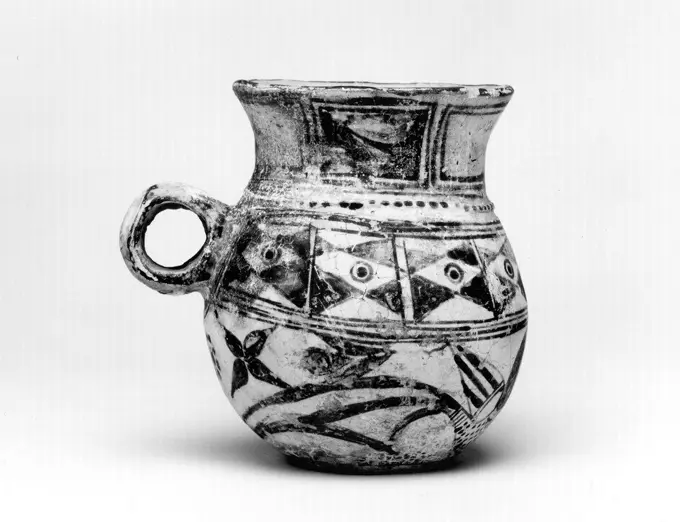
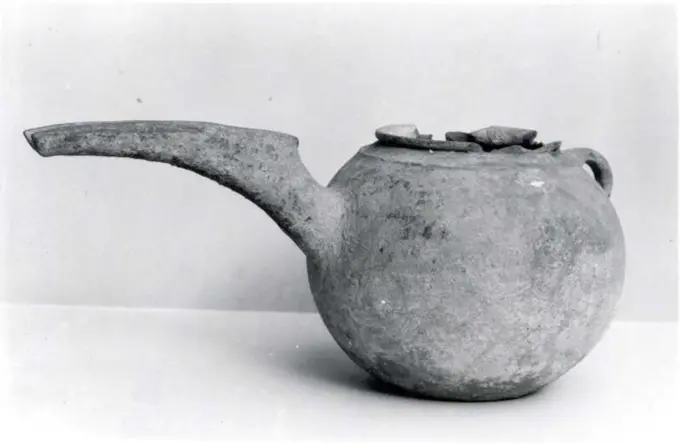
Vase. Terracotta. China, Neolithic, Majiayao. Paris, Cernuschi museum. 72782-8 Anse, Asian art, Majiayao, decorative, neolithic, pottery, terracotta, Chinese vase
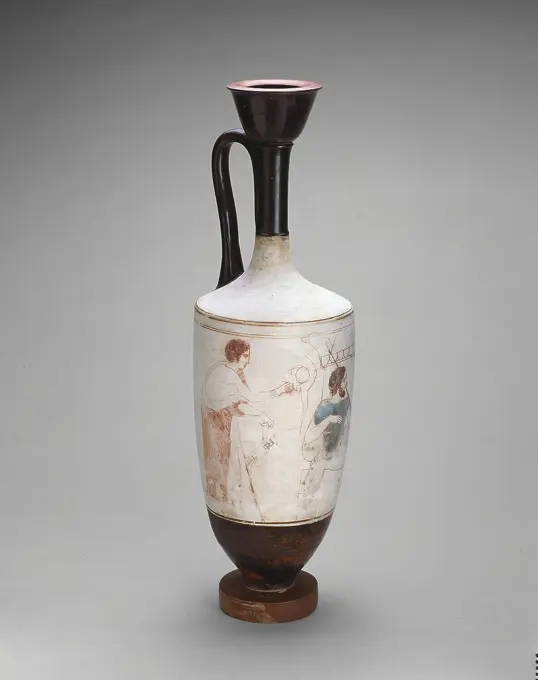
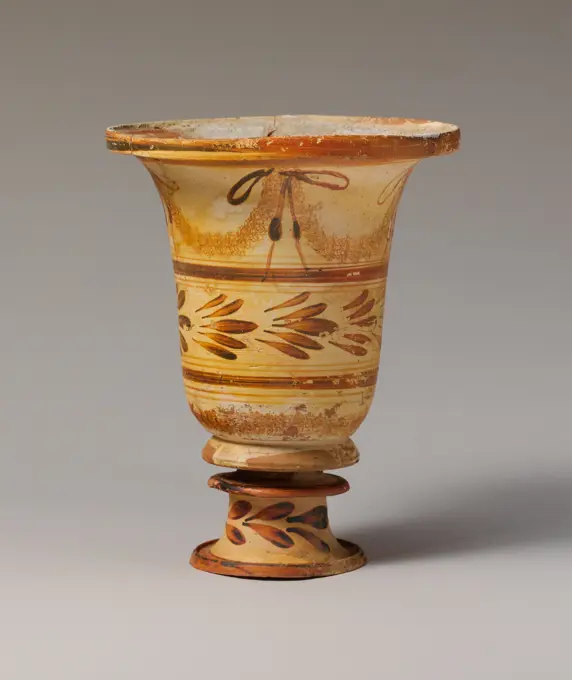
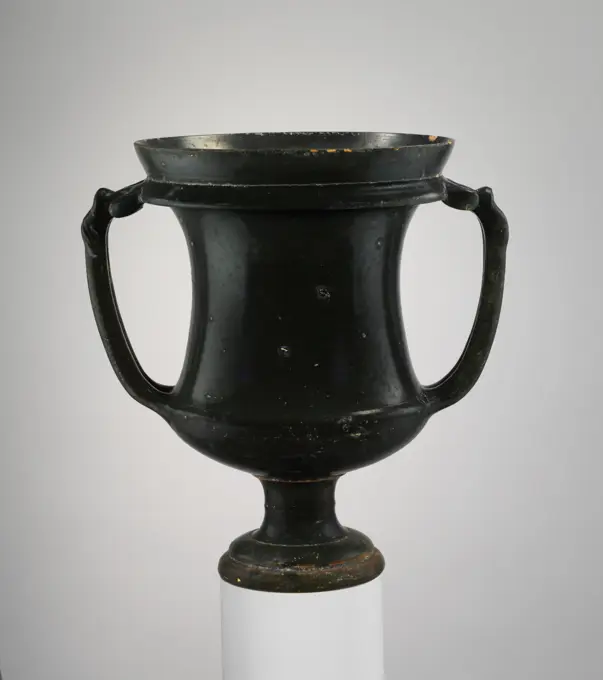
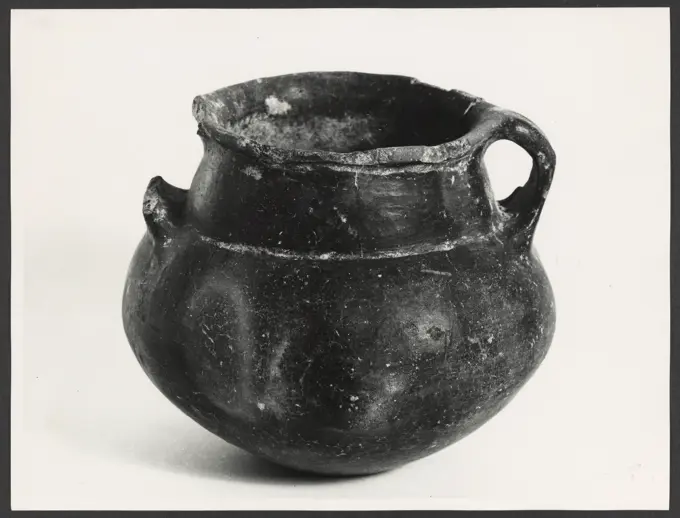
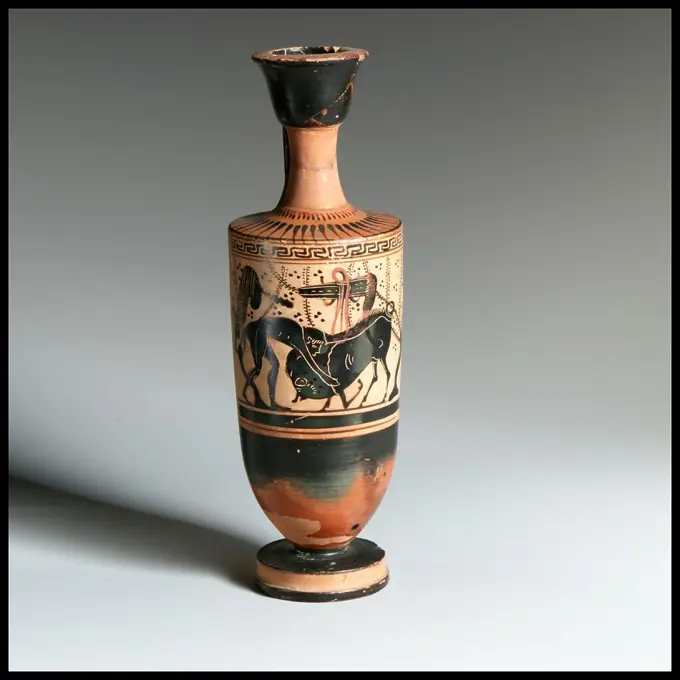
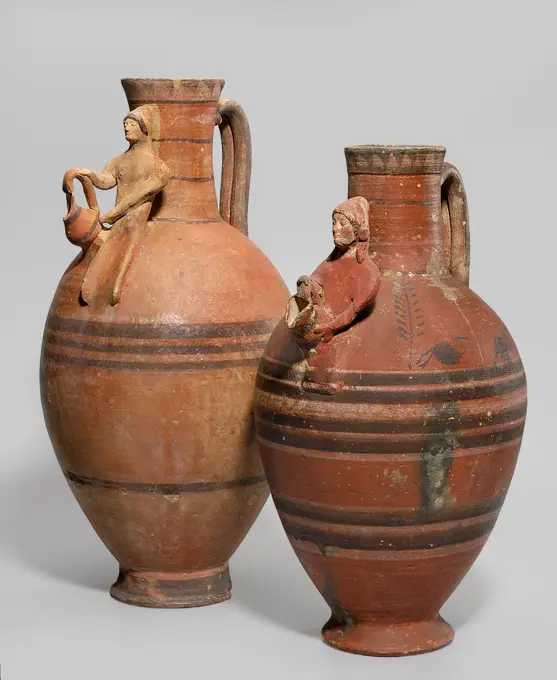
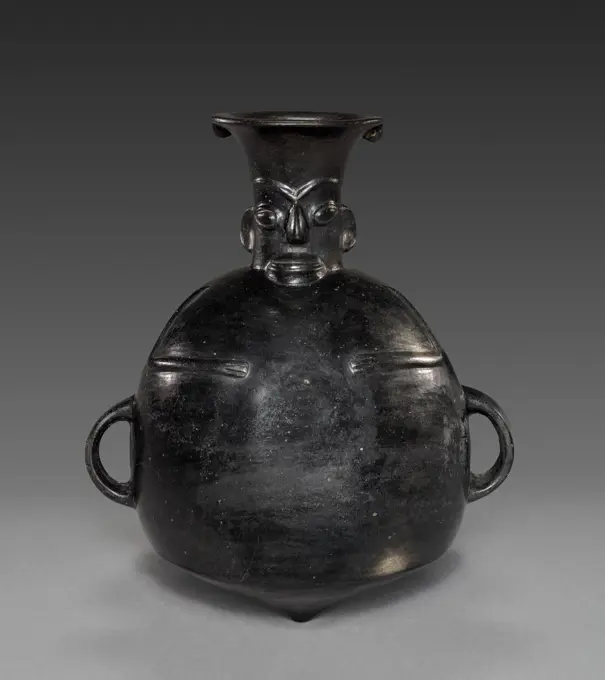
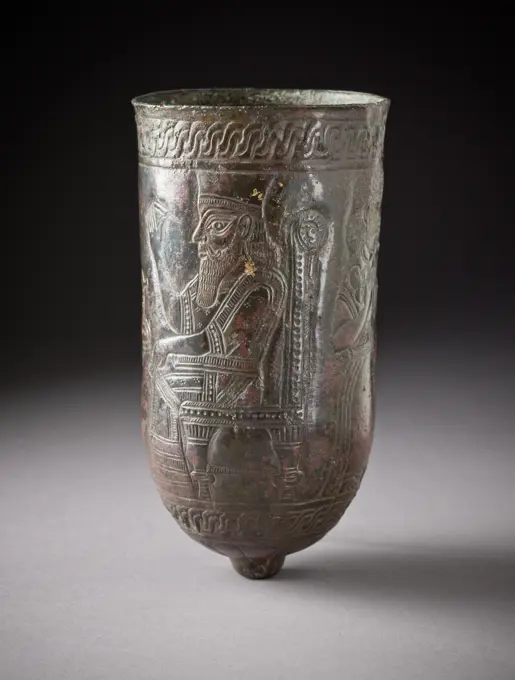
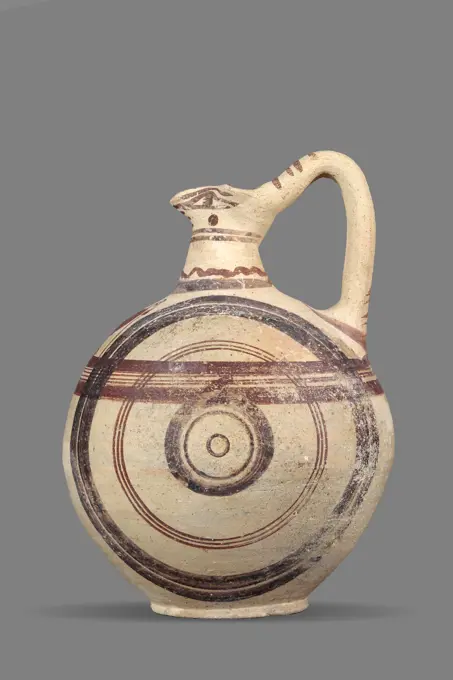
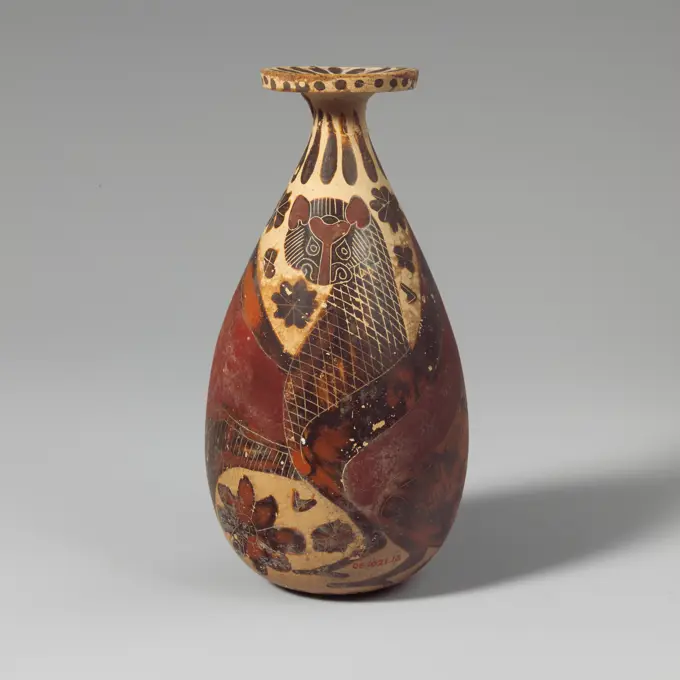
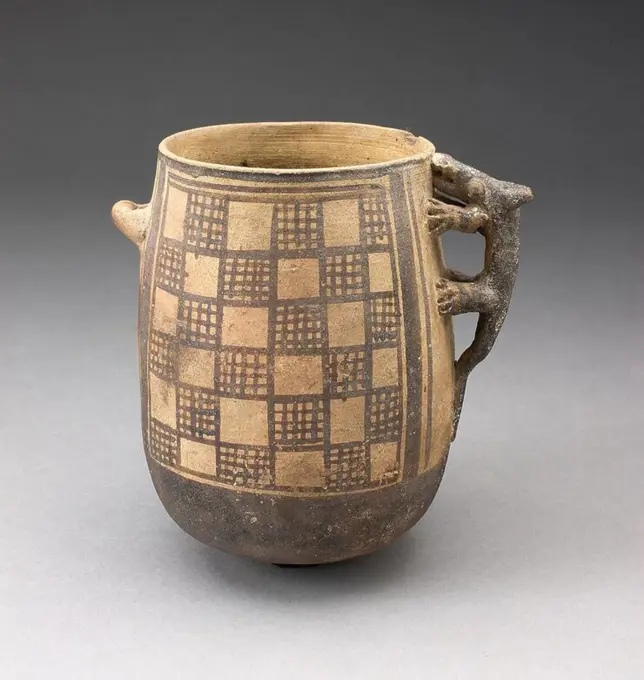
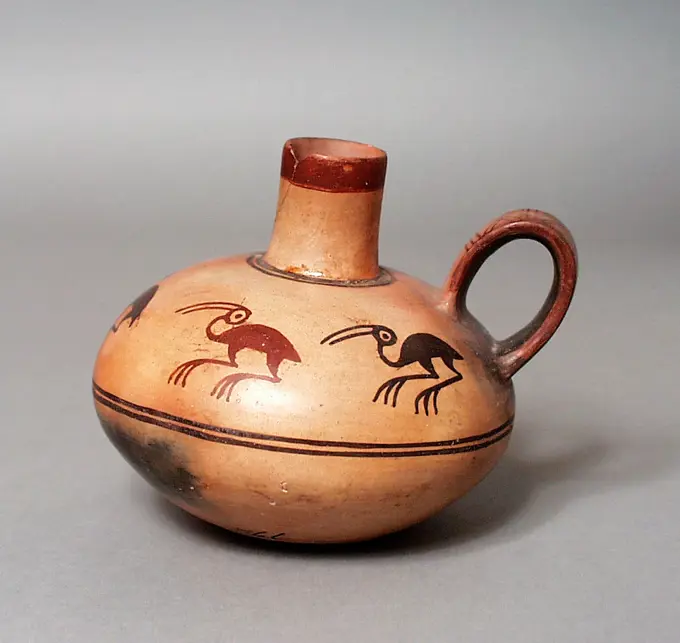
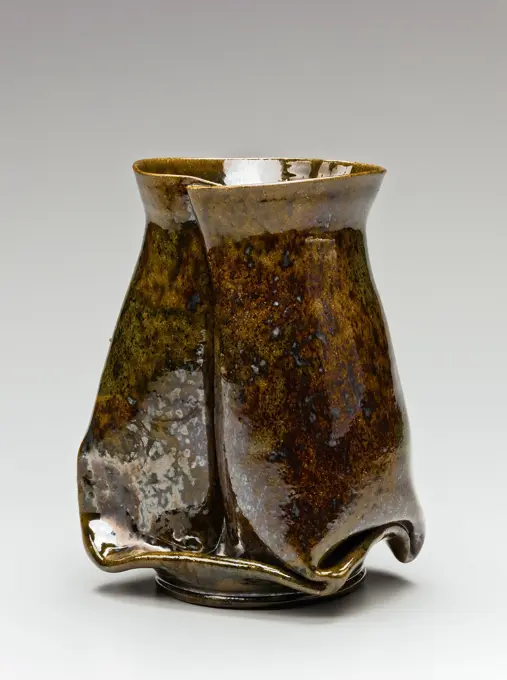
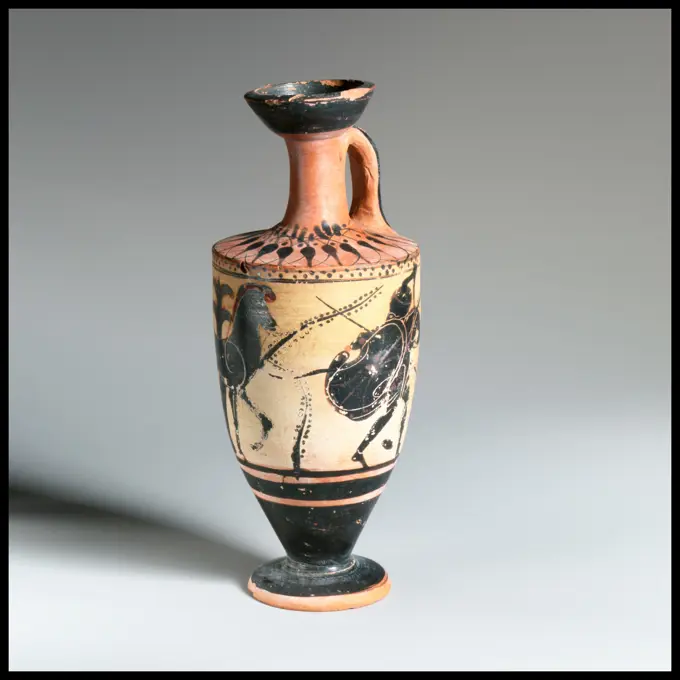
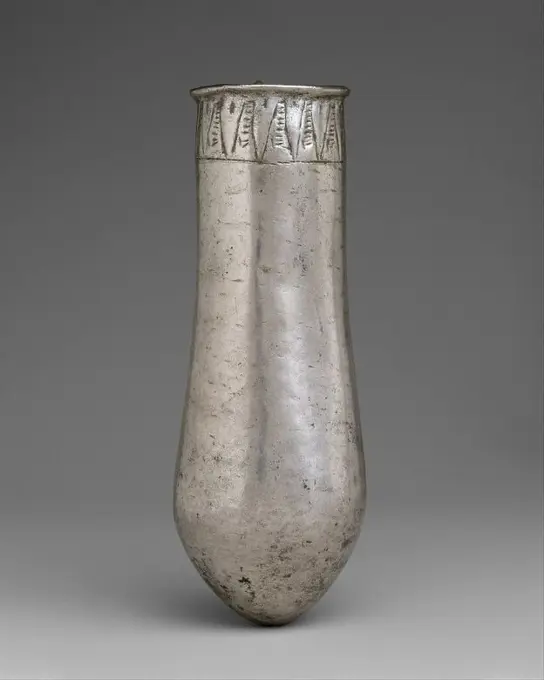
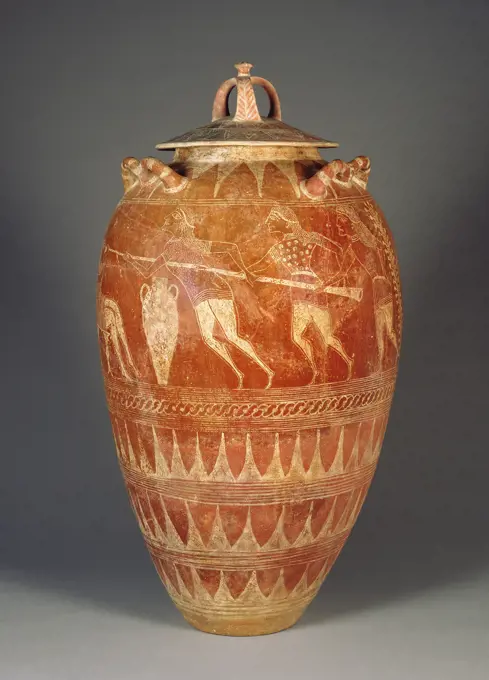
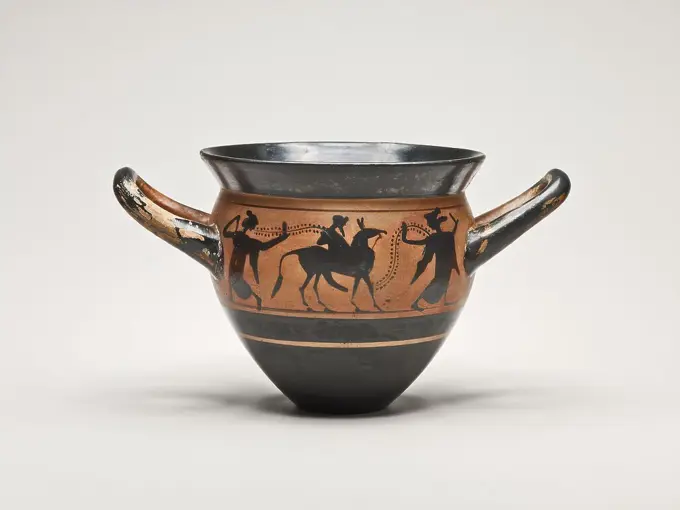
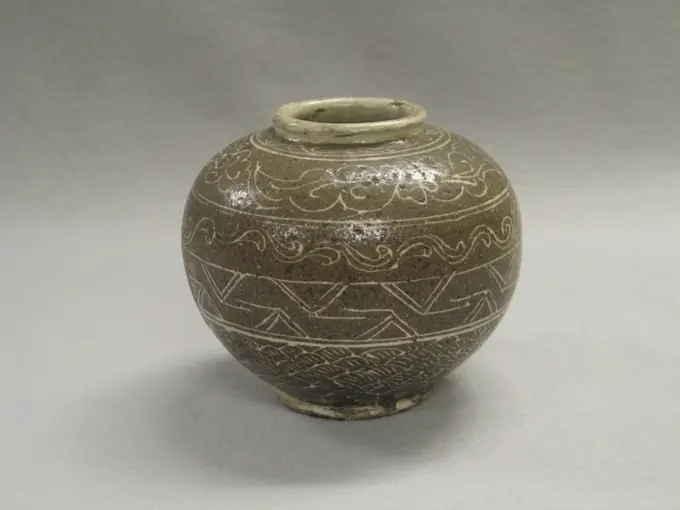
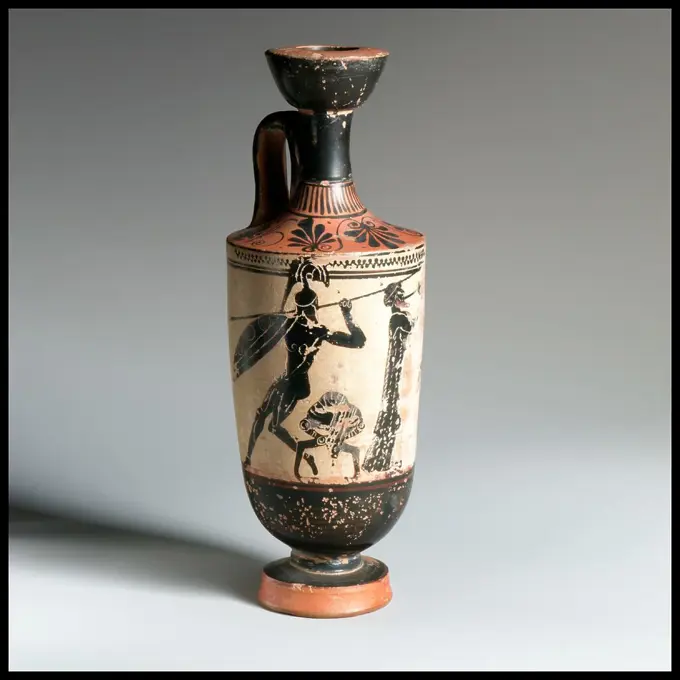
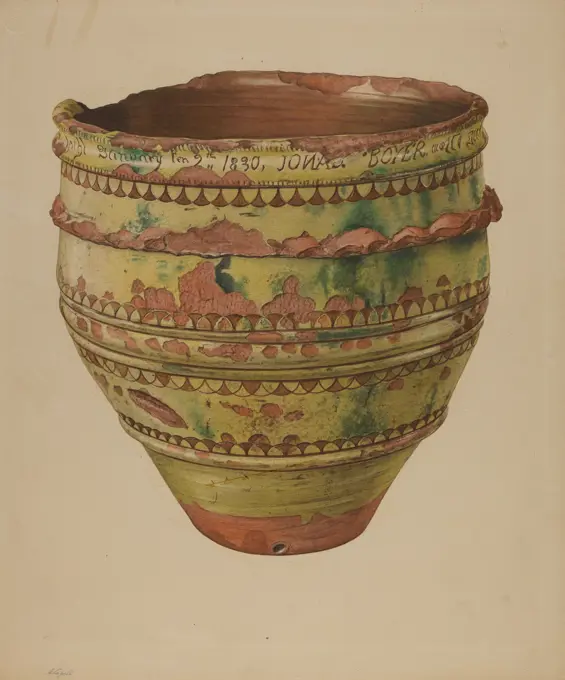
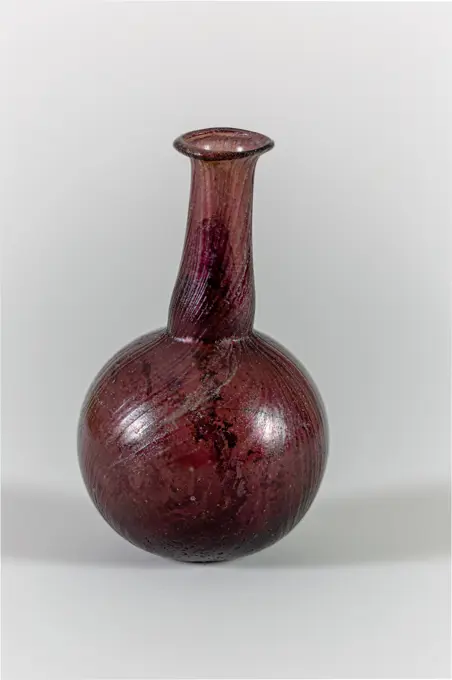
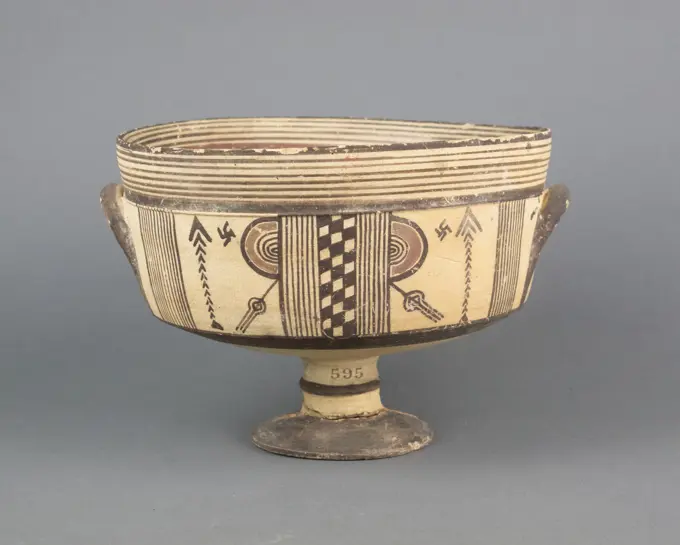
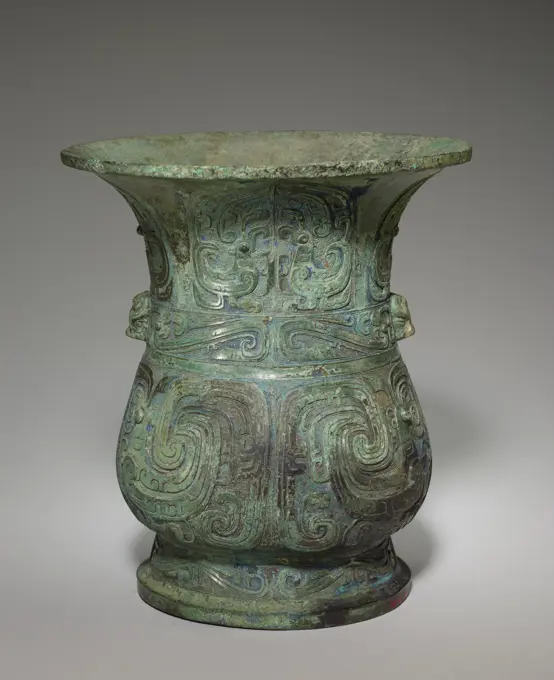
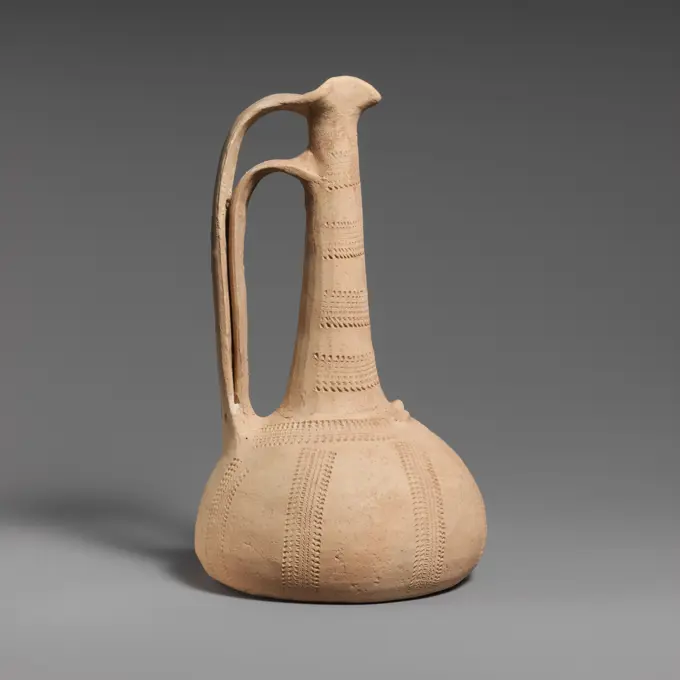
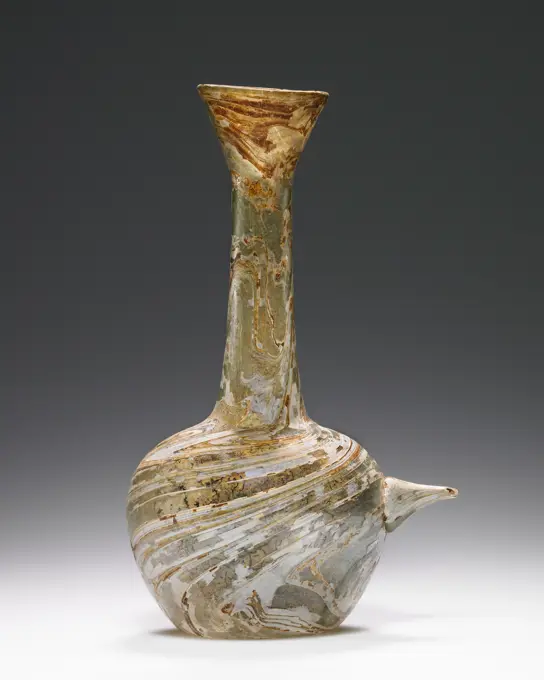
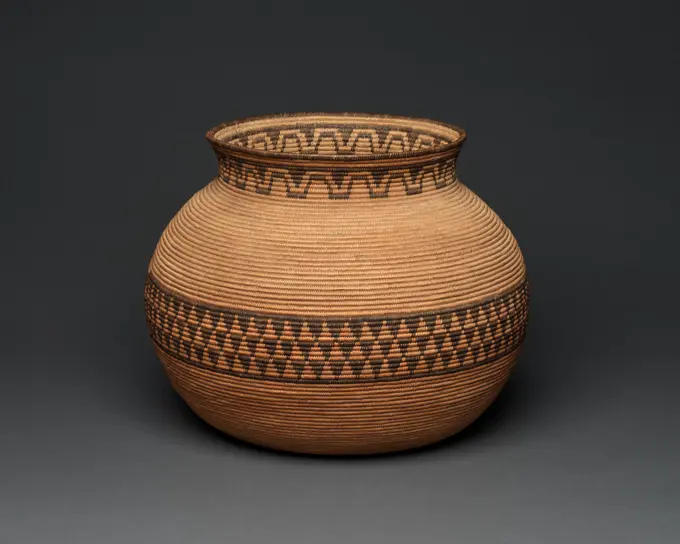
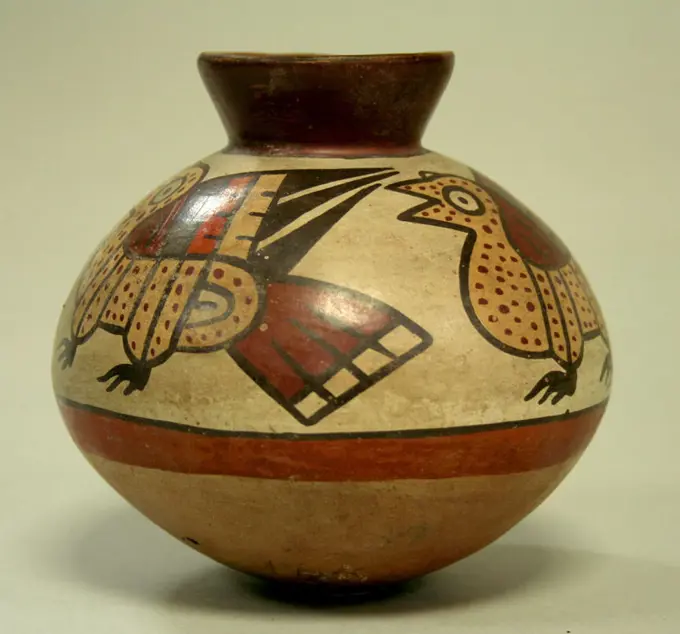
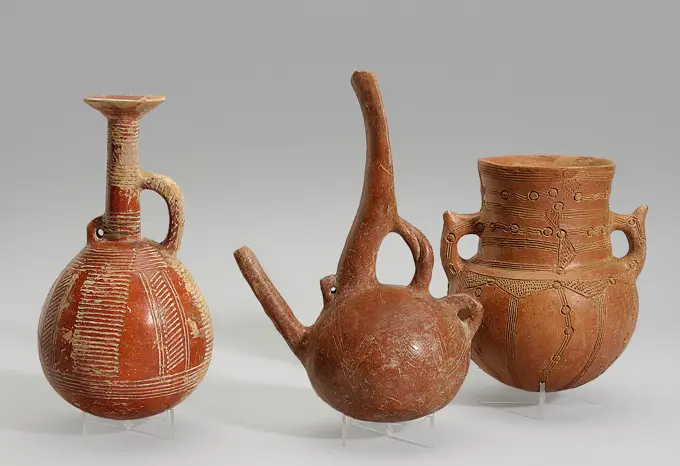
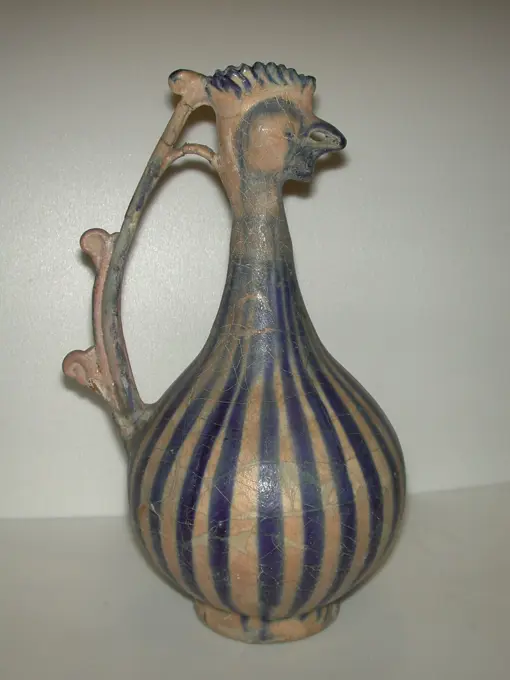
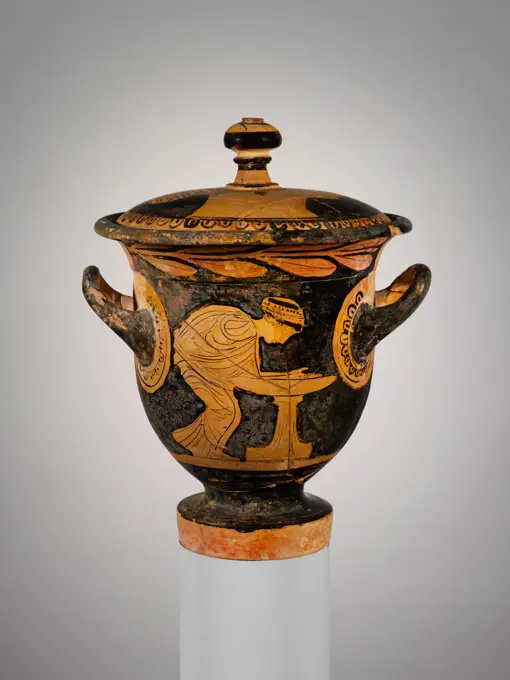
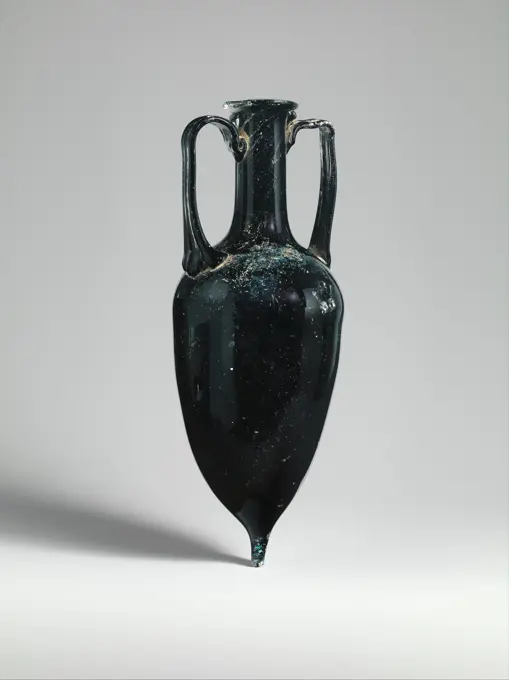
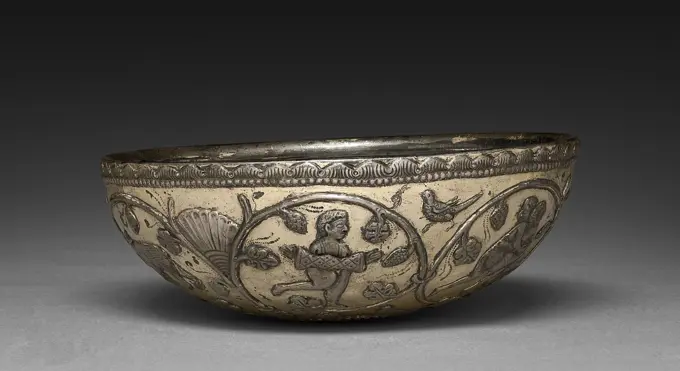
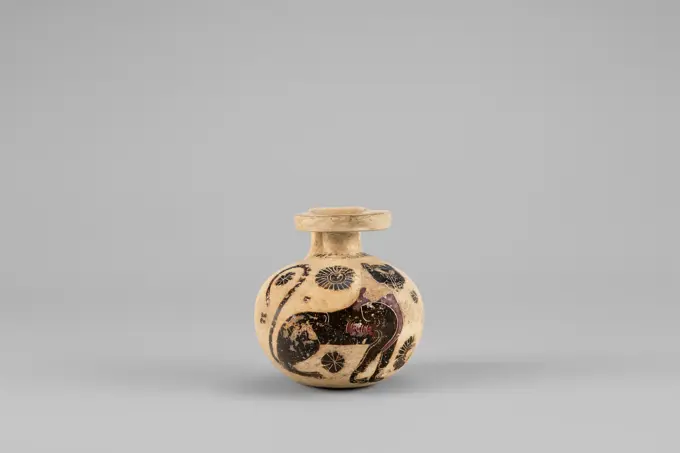
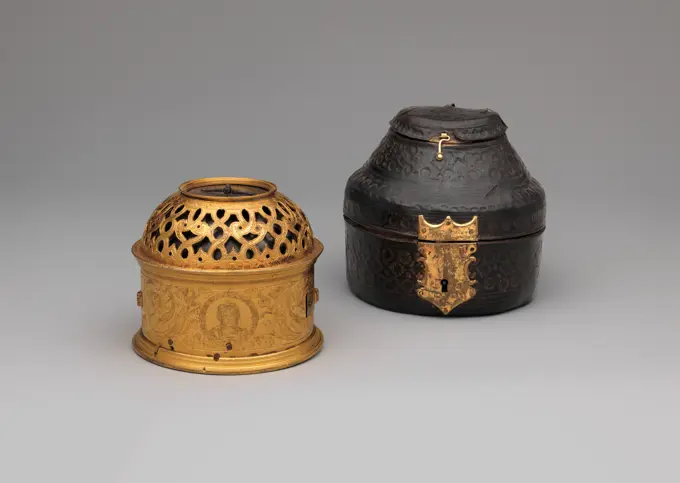
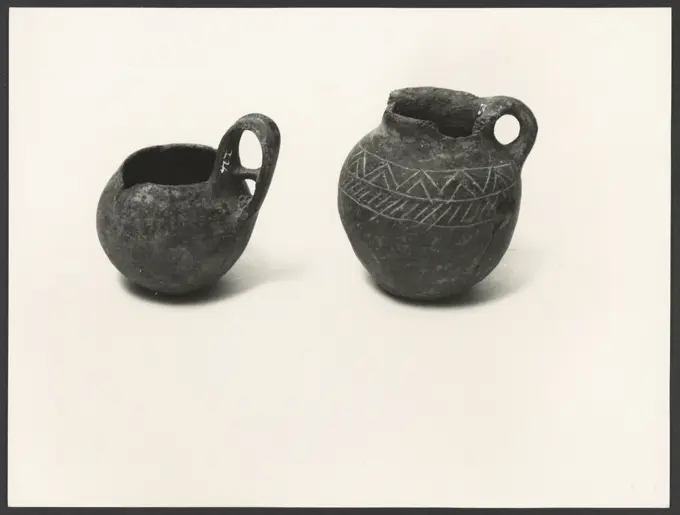
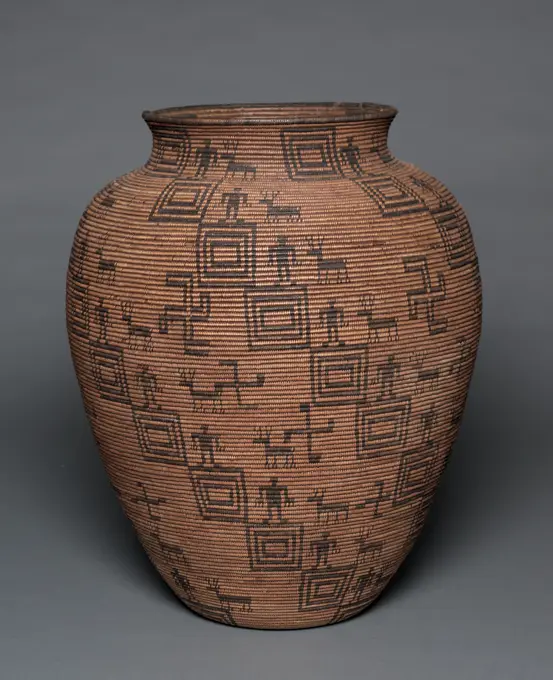
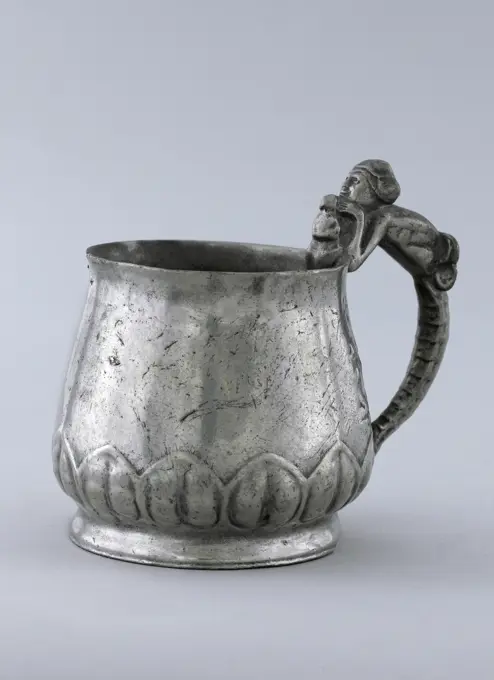
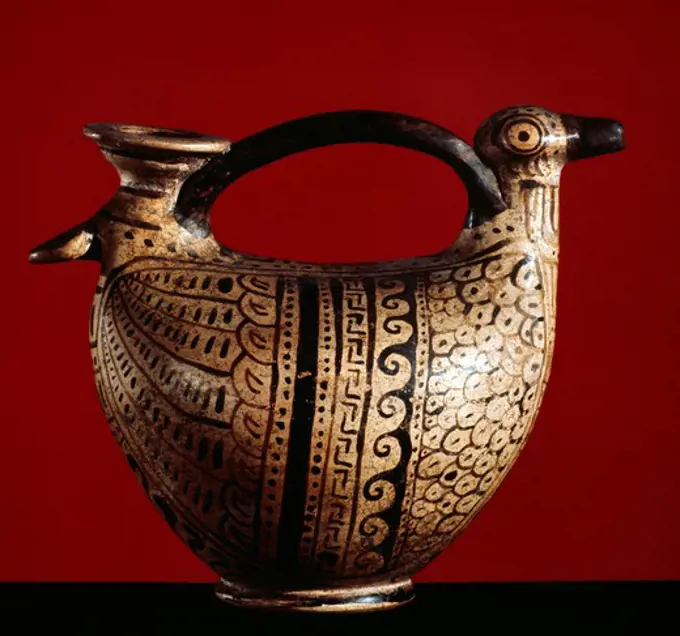
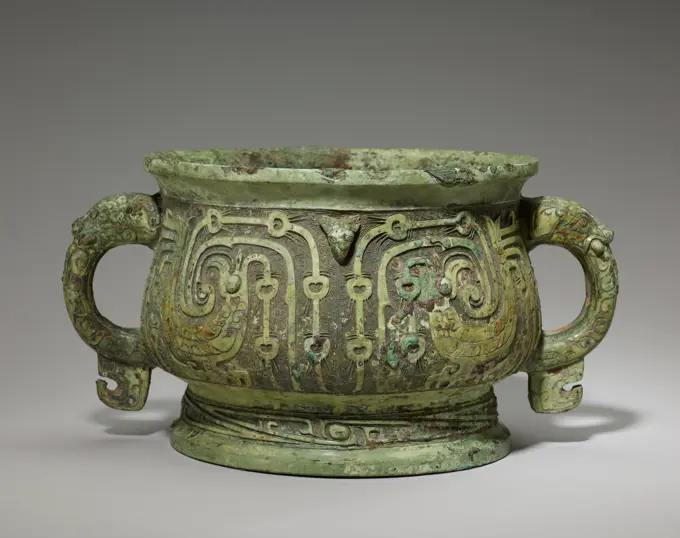
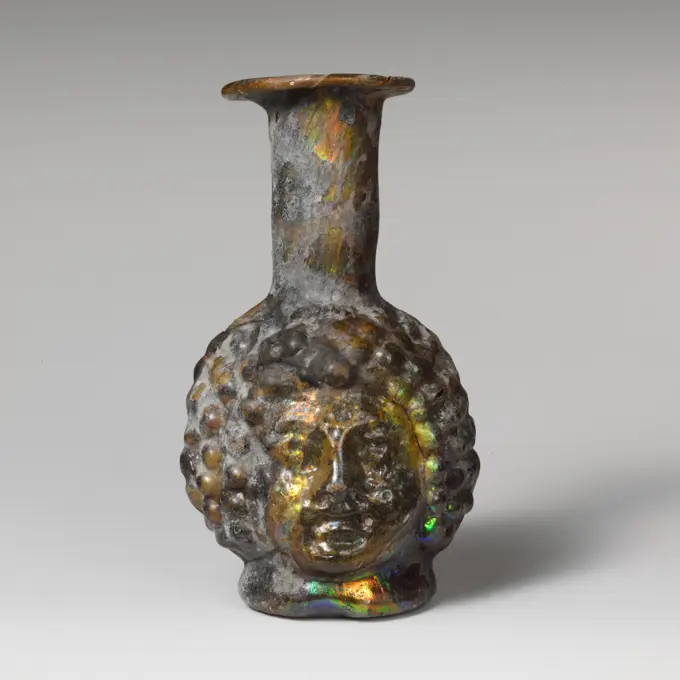
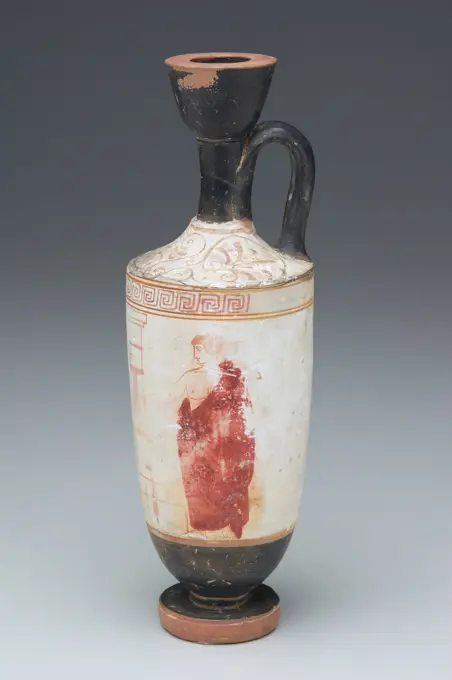
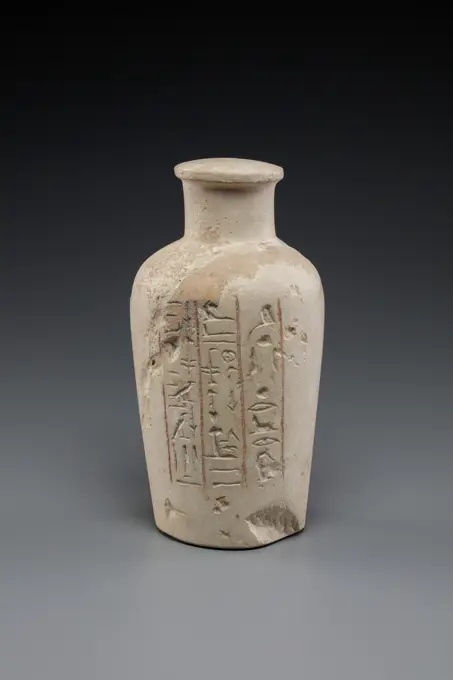
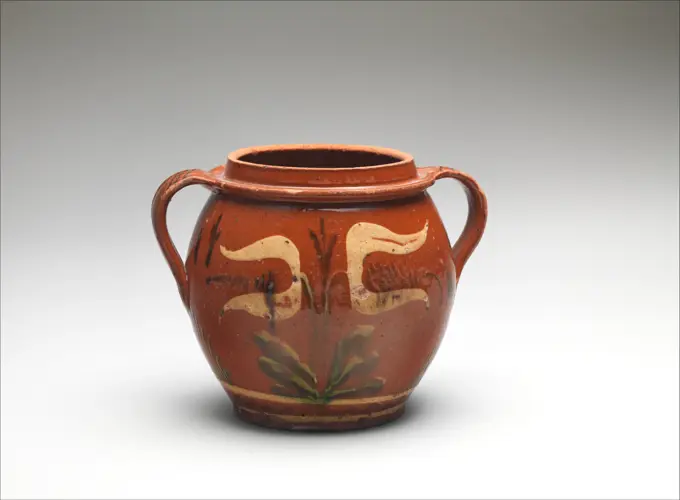
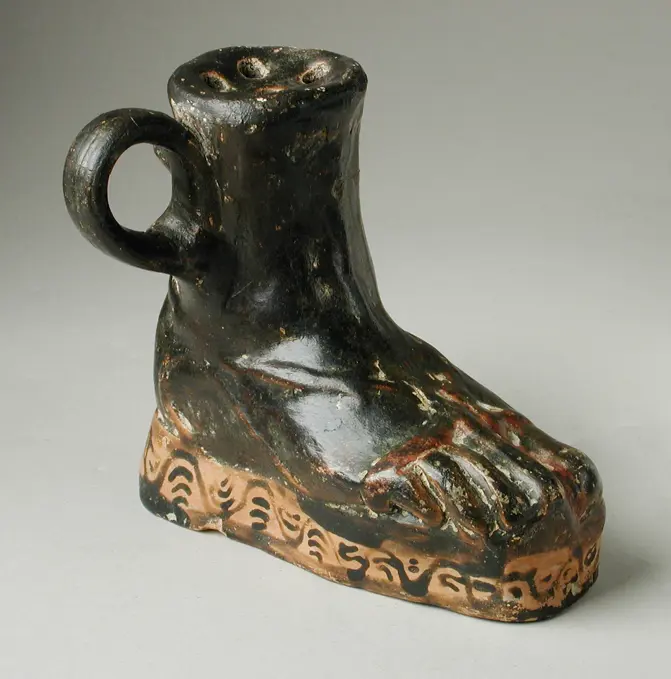
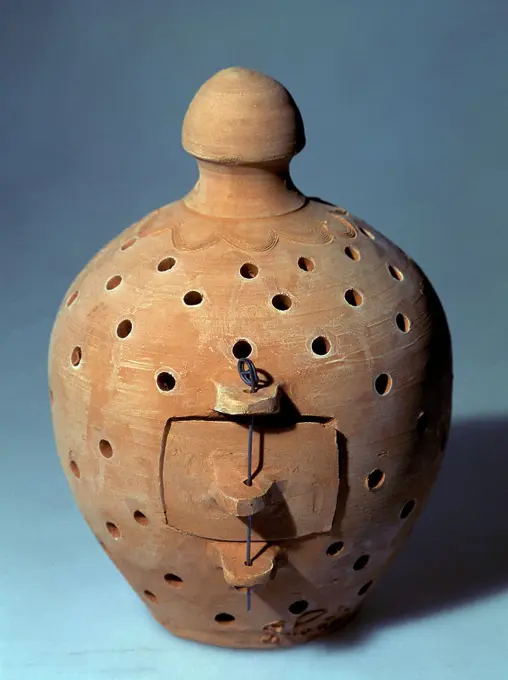
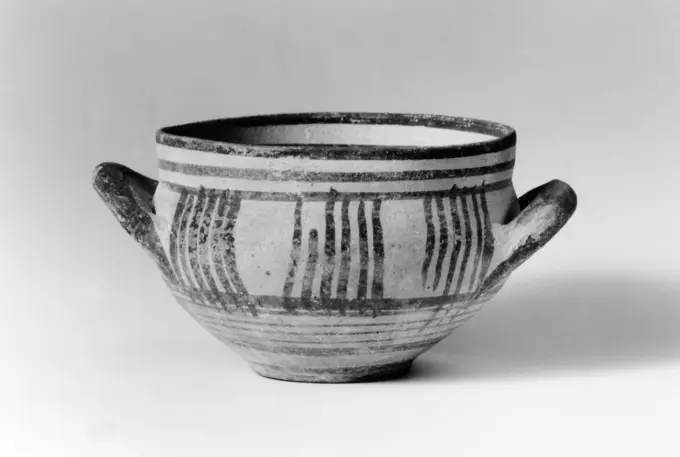
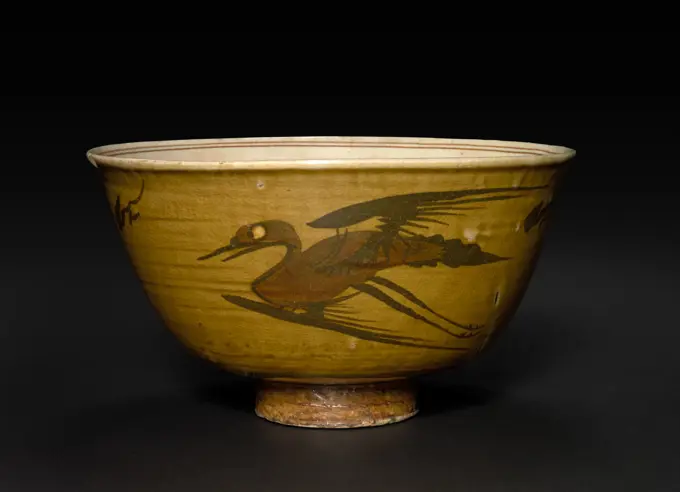
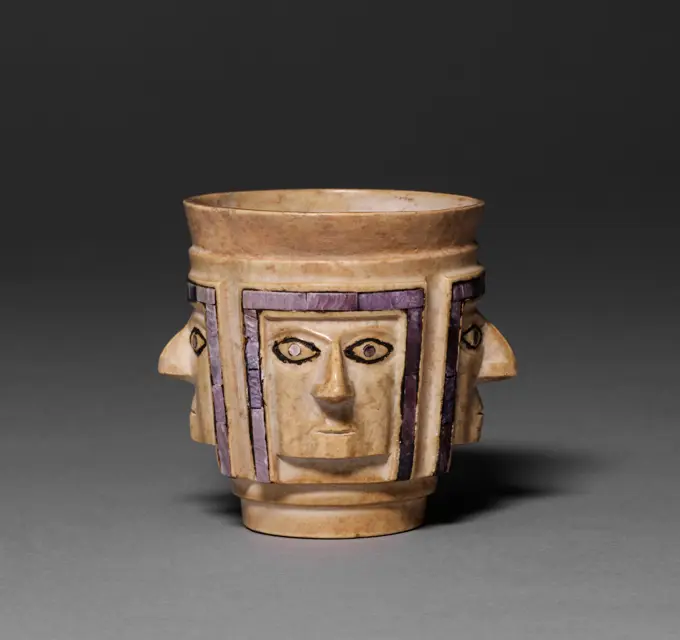
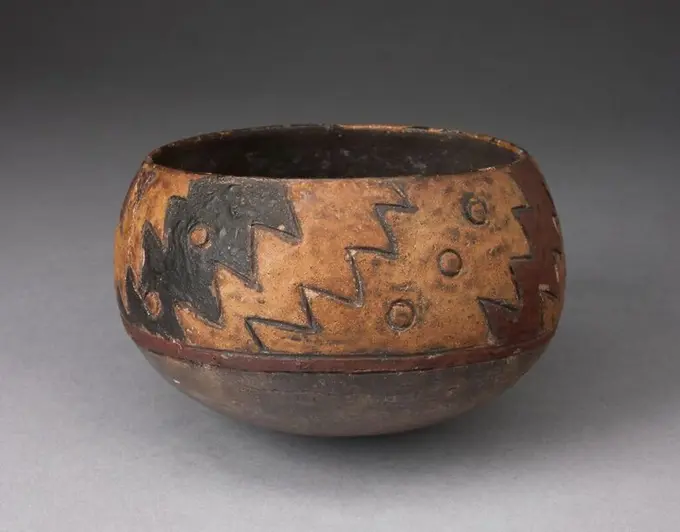
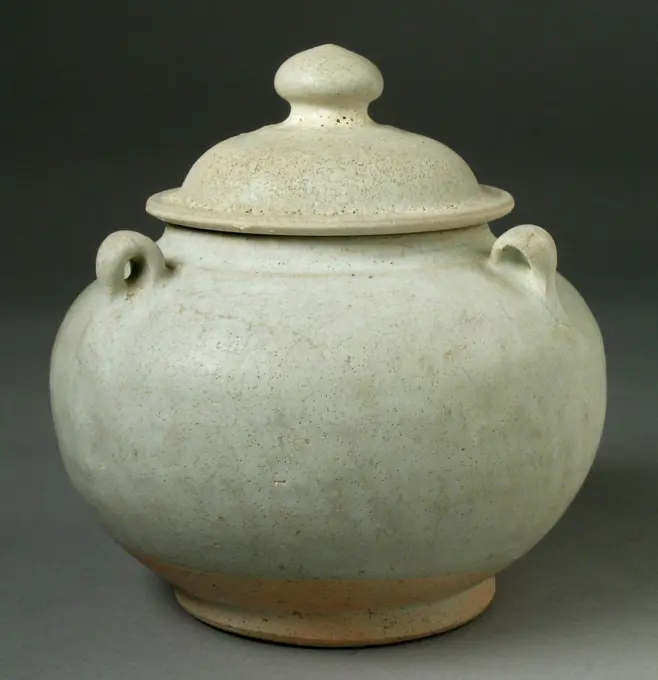
Covered Jar. Thailand, Sawankolok, 16th century. Furnishings; Serviceware. Stoneware with white glazeLekythos (Oil Jar). Greek; Athens; Attributed to the Reed Painter. Date: 410 BC-400 BC. Dimensions: H. 46.4 cm (18 1/4 in.); diam. 13.4 cm (5 1/4 in.). Terra-cotta, decorated in the white-ground technique. Origin: Athens. Museum: The Chicago Art Institute, USA. Author: ANCIENT GREEK.Volsinian "Silvered Ware" Amphora. Malacena Group (Etruscan)Terracotta flaring bowl on stand 2nd-1st century B.C. Greek, Asia Minor The unusual shape of this bowl, with flaring foot and rim, and bell shaped contour resembles an attenuated calyx krater without handles. While exact parallels for the form of this vessel are scarce, its decoration of swags and bows tied with olives are motifs that find close correspondance on Lagynos ware, as demonstrated by 47.11.1 in this case. The stand on which this bowl rests may be a small incense burner, suggested by its similarity to such objects also from Sardis.. Terracotta flaring bowl on stand 252608 Greek, Asia Minor, Terracotta flaring bowl on stand, 2nd1st century B.C., Terracotta, h. with stand 9 in. (22.9 cm); h. without stand 7 1/4 in. (18.4 cm). The Metropolitan Museum of Art, New York. Gift of The American Society for the Excavation of Sardis, 1926 (26.199.11a, b)Model vase inscribed for Nebseny, First Prophet of Onuris. Dimensions: H. 18 cm (7 1/16 in.); Diam. 12.7 cm (5 in.). Dynasty: Dynasty 18. Reign: Thutmose IV, probably. Date: ca. 1400-1390 BC. Museum: Metropolitan Museum of Art, New York, USA.Glass modiolus (one-handled cup) 1st-2nd century A.D. Roman Translucent blue green; handle in same color.Rim folded out, down, and up, with upright, slightly flaring, rounded lip, forming collar to outsplayed, rounded mouth; body tapers downwards; low splayed tubular foot ring, made by folding; uneven, concave bottom; two-ribbed handle applied to upper side of body, drawn out and up, forming a semicircle, and pressed on to top of side with downward pad.Intact; few bubbles; dulling, pitting, creamy brown weathering, and iridescence.. Glass modiolus (one-handled cup). Roman. 1st-2nd century A.D.. Glass; blown. Imperial. GlassTerracotta kantharos (drinking cup) ca. 300 B.C. Attributed to the Group of Vatican G.116 Two-handled, no decoration; associated with the Malacena Workshop.. Terracotta kantharos (drinking cup). Etruscan. ca. 300 B.C.. Terracotta; Malacena black-glaze. Hellenistic. VasesLazio Latina Sezze Antiquarium Comunale65. Hutzel, Max 1960-1990 German-born photographer and scholar Max Hutzel (1911-1988) photographed in Italy from the early 1960s until his death. The result of this project, referred to by Hutzel as Foto Arte Minore, is thorough documentation of art historical development in Italy up to the 18th century, including objects of the Etruscans and the Romans, as well as early Medieval, Romanesque, Gothic, Renaissance and Baroque monuments. Images are organized by geographic region in Italy, then by province, city, site complex and monument.Lekythos. Culture: Greek, Attic. Dimensions: Overall: 8 1/4in. (21cm)Diameter: 2 5/8 × 1 3/4 × 2 1/16 in. (6.7 × 4.5 × 5.3 cm). Date: ca. 480 B.C..Herakles and Erymanthean boar. Museum: Metropolitan Museum of Art, New York, USA.A pitcher with a figure Women with a jug;  480-400 BC ; Cypriot-Classical and (-480-00-00--400-00-00) period;Cyprus, Cyprus, Arsinoe, Działyńska, Izabela (1830-1899), Hoffmann, Henri (1865-1917)-collectionHunchback Vessel (Aryballos), 1470-1521 (Thermoluminescence date, 1315-1615). Central Andes (Peru), Chimú-Inka style, Late Horizon period. Ceramic; overall: 18.5 x 15.5 x 12.5 cm (7 5/16 x 6 1/8 x 4 15/16 in.). This handsome vessel, along with the nearby double-chambered vessel, were made on the north coast after the Inka conquered the Chimú in the 1460s. Under Inka rule, many aspects of Chimú ceramic technology continued but new forms and subjects were introduced, such as the aryballos, a classic Inka vessel type. This example takes the form of a hunchback and may refer to the Inka predilection for employing hunchbacks as royal servants.Glass alabastron (perfume bottle). Culture: Greek, Eastern Mediterranean. Dimensions: H.: 4 5/8 in. (11.7 cm). Date: late 6th-5th century B.C..Translucent cobalt blue, with handles in same color; trails in opaque yellow and opaque pale turquoise blue.Broad uneven rim-disk with radiating tooling marks on upper surface; short, funnel-shaped neck; rounded shoulder; elongated oval body with upward taper; convex bottom; below shoulder, two vertical ring handles with knobbed tails, applied over trails.One yellow trail attached at edge of rim-disk; another applied on shoulder and wound down in spiral on upper part of body, where a second broader trail in turquoise blue is added, mingling with the first, then both tooled into a close-set zigzag pattern around middle of body, formed by uneven shallow vertical tooling indents; below this, another broad turquoise blue trail wound unevenly around lower part of body.Complete except for part of rim-disk, with cracks around body; dulling, pittingSilver Lustre Creamer, 1800s. England, 19th century. Lustreware; overall: 8.8 x 14 cm (3 7/16 x 5 1/2 in.).Situla. Iran, Luristan, circa 1000-800 B.C.. Furnishings; Serviceware. Bronze, hammeredOinochoe (dzbanek) z przedstawieniem ptaka. unknown, authorKantaros;  1. PO. VI century BC (-600-00-00--550-00-00);Greek civilization, Helladic period, 12th century b.C. Late Bronze Age kantharos decorated with geometric patterns. From the prehistoric settlement of Asseros, Lagadas, Thessaloniki.Terracotta mug. Culture: Greek, South Italian, Apulian. Dimensions: H. 9.19 cm.. Date: ca. 350-325 B.C..Head of a woman. Museum: Metropolitan Museum of Art, New York, USA.Dish;  around 2686- 2181 BC ; Old state (-2686-00-00--2181-00-00);Terracotta oinochoe (jug) 7th century B.C. Greek, Attic From the Hymettos deposit (30.118.1). Terracotta oinochoe (jug). Greek, Attic. 7th century B.C.. Terracotta. Geometric. VasesEwer probably 18th-19th century. Ewer 444807Greek Jug from a cremation grave circa 8th century BCStorage Jar. Culture: Vietnam. Dimensions: H. 11 3/8 in. (28.9 cm); Diam. 9 5/8 in. (24.4 cm); Diam. of rim 8 1/8 in. (20.6 cm); Diam. of base 8 1/4 in. (21 cm). Date: ca. 13th century.An ivory-glazed storage jar with forest bird and foliage design incised into the clay and highlighted in an iron wash underglaze. It has a carved projecting lotus petal collar below the rim and four residual lug handles on the shoulder. Jars of this type were designed to have a cover, but these rarely survive. One such cover is preserved in the Musees Royaux, Brussels, and is inscribed in iron-wash on the interior surface "wine container". This remains the most definitive indicator of the function of these otherwise enigmatic jars. The chosen designs are typically wild birds and beasts of the forest, sometimes being pursued by hunters (National Museum Hanoi), an allusion perhaps to the country-style wine that was served from such vessels. The imagery may also be interpreted as a conscious attempt on theTerracotta alabastron (perfume vase) ca. 620-590 B.C. Greek, Corinthian PantherbirdComposite creatures figure prominently in Archaic Greek art. Some, such as sphinxes, sirens or griffins, are found throughout the Greek world. Others are favored in particular regions. The pantherbird, for instance, is popular in Corinth.. Terracotta alabastron (perfume vase) 247188Glass jar with marvered trails. Culture: Roman, Syro-Palestinian. Dimensions: H.: 3 3/16 in. (8.1 cm). Date: 5th century A.D. or later.Uncertain translucent color; trail and pontil pad in opaque brownish red.Thick, outsplayed rim, folded over, in, and pressed down into mouth; very short, concave, cylindrical neck; globular body; kick in bottom, with traces of pontil pad.Single marvered trail applied as a large pad on bottom and wound up in a spiral eleven or more times over body and rim, then tooled into seven hanging festoons with seven upward tooling strokes.Intact; pinprick bubbles on surface; thick creamy brown weathering and iridescence covering most of body with areas of pitting and dulling on exterior, but trail largely unweathered, soil encrustation and thick weathering on interior.Other examples are said to be made from translucent yellowish brown glass.A number of jars of this type are known, all probably from the same Syrian workshop. Their date, however, is less certaJar with Textile-Like Pattern and Handle in Form of an Animal. Chancay; Central coast, Peru. Date: 1000-1476. Dimensions: . Ceramic and pigment. Origin: Central Coast. Museum: The Chicago Art Institute, Chicago, USA.Single Spouted JarBottleVase ca. 1897-1900 George E. Ohr In many ways George Edgar Ohr was the quintessential Arts and Crafts potter, combining artistic vision with extraordinary skill with his hands. Working in the seaside resort town of Biloxi, Mississippi, he dug the clay, processed and prepared it, threw the shape on the wheel, altered the piece according to his vision, mixed and applied his own glazes, fired the kiln, created his own style of advertising, and took his wares on the road. Ohrs personal mantra was "no two alike," and he was as eccentric as his work was individualistic, with its manipulated forms on ultra-thin thrown vessels, crimping, ruffling, off-centering, and twisting, to create unprecedented forms for the 1890s. To these forms, he applied his own completely new and unusual glazes, applied by sponging, splashing, and spattering, resulting in works that in many ways anticipated the abstract art movements that would find form decades later.Dramatic extremes of contortion can be seen in OJARRITO DE VIDRIO CON DECORACION A HILOS. ROMANO. (DEPOSITO: MUSEO ARQUEOLOGICO NACIONAL).Campania Napoli Naples S. Lorenzo Maggiore84. Hutzel, Max 1960-1990 Medieval: Sculpture, architecture, architectural sculpture (including Roman spolia) 13-14th century Chapter house; sarcophagi, gravestones; wall painting. Fragment of mosaic; sculptural fragments in the Sala Capitolare. Post-medieval: Architecture, architectural sculpture, ceiling painting fresco cycle; prints depicting Venice c. 1845 (4), sculpture; life-size creche figures dressed in original Neapolitan costume Church restored in 1882, 1926, 1944; excavations under the transept undertaken between 1958-1962, and in the cloister in 1976, have revealed remains of a Roman macellum (market), street, and the paleochristian basilica of the 6th c. AD. Antiquities: Pottery: black-glazed, archaic banded, domestic wares, bucchero; architectural terracottas, statuettes, lamps, sculpture fragments Object Notes: 3 color negatives with no prints at the end. General Notes: Most objects/paintings/frescoes unidentified. Three batches Lekythos 1st quarter of the 5th century B.C. Attributed to the Class of Athens 581 Warrior, horse, palm tree.. Lekythos. Greek, Attic. 1st quarter of the 5th century B.C.. Terracotta; black-figure, white-ground. Archaic. VasesVase;  around 1880-1889 (1880-00-00-1889-00-00);Glass bottle. Culture: Roman. Dimensions: H.: 3 1/4 in. (8.3 cm). Date: 1st century A.D..Translucent cobalt blue.Everted rim, partially folded over and in; cylindrical neck, with slight horizontal bulge line towards base; sloping convex shoulder with prominent outer ridge; cylindrical body with sides slightly expanding downwards with prominent horizontal ridge below; convex undercurve; circular bottom with hollow central boss. Two mold seams run from lower part of neck down sides to top of prominent horizontal ridge; a separate cup-shaped section forms the lower body and base.On shoulder, indistinct pattern of wavy radiating lines; on body, continuous frieze divided by mold into two pairs of matching panels, comprising four vertical double-ended thyrsoi alternating with four palm trees, all connected by arched fronds, and in the field below eight five-pointed stars; around bottom, a frieze of thirty-three upturned, rounded tongues in raised relief; on bottom, raised circle around edSitula with floral decoration. Dimensions: h. 14 cm (5 1/2 in). Dynasty: Dynasty 19. Reign: Ramesses II or slightly later. Date: ca. 1279-1213 B.C..Situlae formed part of wine-drinking sets, apparently used for sipping wine. This silver example is decorated with leaves around the neck. Museum: Metropolitan Museum of Art, New York, USA.Jar with two handles and a iridescent turquoise glaze, anonymous, c. 1175 - c. 1224 Potty of pottery with two ears decorated with black sludge under a highly illized transparent Turkuoise lead glaze. Afghanistan earthenware. glaze vitrification Potty of pottery with two ears decorated with black sludge under a highly illized transparent Turkuoise lead glaze. Afghanistan earthenware. glaze vitrificationFragment of a jug with performances from the history of Suzanna. Fragment of a can of stoneware. Varied women and men's portraits in Nissen on the neck. On the abdomen a continuous, outward edge with representations from the history of Suzanna and the year 1584.Terracotta pyxis (box with lid). Culture: Greek, Attic. Dimensions: Overall: 4 1/8 x 11 1/4 in. (10.5 x 28.5 cm)H. with cover 9 15/16 in. (25.2 cm). Date: mid-8th century B.C..While pyxides are frequently found in burials, they also may have served as a container for small objects during the owner's lifetime. In the grave they may have contained perishable offerings, such as food. The knob of the lid assumes many different forms. Here the articulation of the shaft contrasts particularly with the smooth surface of the box. Museum: Metropolitan Museum of Art, New York, USA.Tobacco box Ko Ciuszko, Tadeusz (1746 1817)EwerLidded Storage Jar with the Blinding of Polyphemus; Etruria; 650 - 625 B.C; Terracotta; 100.7 × 56 cm (39 5,8 × 22 1,16 in.)Mastoid (Drinking Cup) with Handles. Greek; Athens; Attributed to the Manner of the Haimon Painter. Date: 500 BC-450 BC. Dimensions: 9.5 × 16.5 × 10.1 cm (3 3/4 × 6 1/2 × 4 in.). Terra-cotta, decorated in the black-figure technique. Origin: Athens. Museum: The Chicago Art Institute, USA. Author: ANCIENT GREEK.Decorative Grecian vase, Olympia Museum, Olympia, GreeceVase China. Vase 48425Can, spherical with squeezed spout and wide, flat ear, multicolored painted with Florentine lily. Spherical can of Multicolor painted majolica. The can have a squeezed spout and a wide, flat ear. A flower is painted under the spout; A Florentine lily.Pedestal DishGlass perfume bottle. Culture: Roman. Dimensions: Overall: 2 3/4in. (7cm)Diam.: 1 1/4 x 1 1/8 in. (3.2 x 2.9 cm). Date: late 1st-3rd century A.D..Translucent blue green.Rim folded out, over, and in; broad flaring mouth; cylindrical, slight convex neck with irregular tooling marks at top and horizontal indent around base; concical body with slightly concave sides; pushed-in bottom.Intact; many pinprick bubbles; dulling, iridescence and small patches of creamy weathering on exterior, thicker creamy brown weathering on inside of mouth and neck with some soil encrustation on interior. Museum: Metropolitan Museum of Art, New York, USA.Lekythos. Culture: Greek, Attic. Dimensions: Overall: 7 3/8 in. (18.7 cm)Diameter: 2 9/16 × 1 9/16 × 1 3/4 in. (6.5 × 4 × 4.4 cm). Date: 1st quarter of 5th century B.C.. Museum: Metropolitan Museum of Art, New York, USA.Giacinto Capelli, Pa German Jardiniere, c 1939 Pa. German JardiniereAryballos. UnknownGlass perfume bottle 1st century A.D. Roman Translucent dark purple; opaque white trails.Everted rim, folded over and in; cylindrical neck, expanding downwards, with horizontal tooled indent around base; globular body; small, flat bottom.Marvered trail decoration on entire body from rim to bottom, most of which is now missing through devitrification.Complete, but cracks in body; pinprick bubbles; deep pitting on exterior, thick brown weathering and brilliant iridescence on interior.. Glass perfume bottle. Roman. 1st century A.D.. Glass; blown and trailed. Early Imperial. GlassKylix 850-750 B.C. Cypriot Kylix with a zone of elaborate geometric ornament.. Kylix. Cypriot. 850-750 B.C.. Terracotta. Cypro-Geometric III. VasesTerracotta guttus (flask with handle and vertical spout). Culture: Greek, South Italian, Campanian. Dimensions: H. 3 3/4 in. (9.6 cm). Date: 4th century B.C..On the top, frontal head of a maenadThe small boss on the maenad's forehead is a lock of hair, tied into a knot. This convention, known especially from representations of youths, became applied to other subjects in the late Classical period. Museum: Metropolitan Museum of Art, New York, USA.Zun wine vessel, 10th century BCE, 9 13/16 × 8 7/8 × 8 3/4 in., 7.9 lb. (25 × 22.5 × 22.2 cm, 3.6 kg)6 1/16 × 6 in. (15.4 × 15.2 cm) (object part, foot), Bronze, China, 10th century BCE, This vessel form, known as zun, was used to hold wine. Such vessels appeared during the Erligang period of the Shang dynasty (c. 1500-1300 BCE) and reached the height of their popularity in the Western Zhou dynasty (c. 1046-771 BCE). The piece is an example of the earliest of several varieties of zun. By the mid-Western Zhou period (c. 976-886 BCE), bronze decoration began a process of stylistic transformation that can be seen in this piece. The focus is on a pair of large plumed birds, a favored image in the Western Zhou period.Terracotta conical lekythos-oinochoe (combination oil flask and jug) late 8th-early 7th century B.C. Greek, Attic This piece and 36.11.9 are said to have been found together. They belong to a large class of unglazed vases that were made during the late eighth and early seventh centuries B.C. They have been found in many parts of the Greek world, particularly in the Argolid. Some are undecorated; others, like these, have motifs executed with what is called a toothed-wheel. The Museum's examples are unusual in having double handles.. Terracotta conical lekythos-oinochoe (combination oil flask and jug). Greek, Attic. late 8th-early 7th century B.C.. Terracotta. Geometric. VasesPedestal Bowl, c. 900-1519. Mexico, Cholula, Mixteca-Puebla Style, 10th-16th century. Earthenware with colored slips; diameter: 14.4 x 18.6 cm (5 11/16 x 7 5/16 in.); overall: 14.6 cm (5 3/4 in.).Feeder Flask. UnknownBasket jar Chemehuevi, Native American ca. 1885 View more. Basket jar. Chemehuevi, Native American. ca. 1885. willow devil's clawBulbous Jar with Narrow Neck 15th-16th century Thailand (Si Satchanalai). Bulbous Jar with Narrow Neck 37479Collared jar with birds 1st-4th century Nasca. Collared jar with birds 308380Attic Tripod Pyxis with Lid. UnknownA jug with a pear -shaped abdomen and ruddy decoration, a jug with decoration rite, a dish with decoration rite; Unknown, unknown Cypriot workshop; around 1900 BC (-1905-00-00--1895-00-00), 2000-1800 BC (-2000-00-00--1800-00-00);Cesnoli-collection, Cyprus, Działyńska, Izabela (1830-1899), Działyński, Jan (1829-1880)Indigenous ceramic tradition blades painted decoration (4 th CE ) - Roman period, from "Western Necropolis" Archaeological site of Complutum in Alcalá de Henares ( Madrid ). SPAIN.Rooster-Headed Ewer 13th century This ewer belongs to a group decorated with bold cobalt blue stripes associated with Kashan. Although the pigment has a tendency to run, the potter controlled it masterfully, widening and tapering the stripe to accentuate the ewers form. Rooster?headed ewers had a long tradition in Islamic art and were especially popular in the Seljuq period.. Rooster-Headed Ewer. 13th century. Stonepaste; molded and applied decoration, underglaze painted under transparent glaze. Made in Iran, Kashan. CeramicsTerracotta bell-krater (mixing bowl) with lid late 5th century B.C. Attributed to the Group of the Würzburg Scylla The hippocamp, a fantastic monster with a horse's body and a fish's tail, was fairly uncommon in Classical Greek art. He plays no part in any extant mythological tale but in art is sometimes ridden by the wise sea god Nereus or sea nymphs. Characteristically, the body of the creature on this vase is without scales and has an erect, crescent tail and spiky fins.. Terracotta bell-krater (mixing bowl) with lid 247395FingerDrumBasket 19th century Japan. Basket. Japan. 19th century. Rattan. Edo (1615-1868) or Meiji period (1868-1912). BasketryPitcher;  19th century (1801-00-00-1900-00-00);Glass two-handled bottle (amphora) 1st half of 1st century A.D. Roman Translucent purple, with same color handles.Everted rim, folded over, in and down into mouth; cylindrical neck, flaring at base to join sloping shoulder; elongated piriform body, tapering to pointed base with rounded end; two strap handles with vertical ribbing attached to shoulder, drawn up vertically, turned inward, one in a curve, the other at a right angle, and trailed on to neck below rim.Intact; minor patches of soil encrustation; some dulling and iridescent weathering.This deep purple vase is remarkable for its size and elegant simplicity. No close parallel is known, but it may be regarded as a rare masterpiece of early Roman blown glass.. Glass two-handled bottle (amphora) 257879Decorated bottle, Equatorial Guinea, 1900-1950, pumpkin bark and pigment, Anthropology National Museum, Madrid, Spain.Gobelet on foot (common name), -3000. Black terracotta, turned ceramic. Cernuschi Museum, Asia Museum of Asia in the city of Paris.Flask (Bianhu) with a Lion Attacking an Ox. China, Late Six Dynasties period, Northern Zhou dynasty or Sui dynasty, 556-618. Tools and Equipment; flasks. Molded stoneware with incised decoration and green glazeVessel decorated with birds ca. 8th-9th century A.D. Western Central Asia. Vessel decorated with birds 327487CABEZA DE CABALLITO-CERAMICA TOLEDANA S XIII. Location: PRIVATE COLLECTION. MADRID. SPAIN.Jug of stoneware. Jug of stoneware with vertical tires with flower drinks embossed with blue and brown glaze.Bowl, 500-700. Iran, Sasanian. Silver; overall: 5 x 13.4 cm (1 15/16 x 5 1/4 in.). Every good Zoroastrian was supposed to spend one-third of his day farming; one-third philosophizing; and one-third eating, resting, and at pleasure. The abundance of Sasanian luxury goods is evidence of the importance accorded the last third of the day.Water Ewer (He) Artist's working dates 399 BCE-300 BCE China. Whereas this type of water ewer is found together with wine vessels in tombs of the Shang period, it typically appears with a shallow water basin (pan) in Zhou tombs. This change in burial context suggests a change in functionófrom a vessel used to dilute wine to one used to pour ablutions. In this imaginative, finely cast example, various creatures assume different parts bird-men (or men with birdlike headdresses) form the legs; a birdís head acts as the spout; and on the lid, a small monkey grasps a chain linked to a feline animal whose broadly arched back forms the handle.. Bronze with copper inlay .Aryballos z przedstawieniem pantery. Malarz Siedzącej Pantery (ok. 620-590 p.n.e.), authorTraveling case 1580-85 Watchmaker: Bartholomew Newsam Bartholomew Newsam is the earliest known native English maker of small domestic clocks, yet his few surviving works are remarkably similar to French clocks. In this example, the cylindrical gilded-brass case contours to the shape of the movement contained inside: the perforated dome of the upper section follows the form of an interior bell. The leather and gilded-brass outer case, which protected the clock during travel, has a special opening at the top for easy access to the dial.. Traveling case 194107Skyphos (Drinking Cup) 500 BCE-480 BCE Athens. This cup was shaped to fit easily in the drinkers hand, and was likely used as part of the Greek symposium. Much like modern academic symposiums, in which people discuss a topic of common interest, debunking old theories and putting forth new hypotheses; the men of ancient Athens regularly got together in private homes to exchange ideas. Afterward the participants might continue the conversation, discussing their impressions in greater detail or simply socializing over a drink. As the evening progressed, participants engaged in other pleasures, including games, performances, and sex.Wine played a major role in fueling these evenings, and a myriad of vessels were used for preparing wine while smaller vessels like this one were used to serve and drink it.. terracotta, decorated in the black-figure technique . Ancient GreekLazio Roma Subiaco Monastery of S. Scolastica Archaeological Museum1. Hutzel, Max 1960-1990 Antiquities: Views of antiquities in museum, including sarcophagi, plates, vases, coins. General Notes: Hutzel guide says we have negatives, but we cannot find them. German-born photographer and scholar Max Hutzel (1911-1988) photographed in Italy from the early 1960s until his death. The result of this project, referred to by Hutzel as Foto Arte Minore, is thorough documentation of art historical development in Italy up to the 18th century, including objects of the Etruscans and the Romans, as well as early Medieval, Romanesque, Gothic, Renaissance and Baroque monuments. Images are organized by geographic region in Italy, then by province, city, site complex and monument.Olla, Late 1800s - 1900s. Southwest, Apache, Western. Basket; diameter: 57.2 cm (22 1/2 in.); diameter of mouth: 29.2 cm (11 1/2 in.); overall: 57.2 cm (22 1/2 in.).Jean Baffier (1851-1920). "Cup". Tin. 1898. Museum of Fine Arts of the City of Paris, Petit Palais. 57910-5 Anse, tin, goblet, wine service, dishesEtruscan Askos, Italy, Private CollectionGui food vessel, 10th century BCE, 6 1/4 × 11 7/8 × 8 13/16 in., 9.5 lb. (15.8 × 30.2 × 22.4 cm, 4.3 kg), Bronze, China, 10th century BCE, Toward the mid-Western Zhou, two of the most noticeable changes that occurred in bronze casting involved the abandonment of the taotie (composite animal) mask motif and the adoption of long inscriptions. This gui displays elaborate birds, a popular motif, on its main decorative register. The birds flamboyant design, with their crests and peacock-like plumage, is unique. The lengthy inscription, neatly cast into the cauldrons bottom, reads as followsSpouted jar ca. 1900 B.C. Iran. Spouted jar 322515Water Jar (Olla) Ancestral Puebloan (Kayenta Black-on-White) 13th-14th century Diverse civilizations known collectively as Ancestral Puebloan flourished in the Southwest states of Colorado, Utah, Arizona, and New Mexico in the centuries before the arrival of Europeans. This jar (olla) was shaped by hand, not made on a potter's wheel, and slip painted with a bold geometric design. View more. Water Jar (Olla). Ancestral Puebloan (Kayenta Black-on-White). 13th-14th century. Clay. United States, Arizona. Ceramics-VesselsKantharos (Wine Cup) in the Shape of a Female Head. Greek; Athens; Attributed to the London Class (Class G). Date: 480 BC. Dimensions: 19 × 17.8 × 13.3 cm (7 1/2 × 7 × 5 1/4 in.). Terra-cotta, white-ground and black-figure technique. Origin: Athens. Museum: The Chicago Art Institute, USA. Author: ANCIENT GREEK.Glass double head-shaped bottle 3rd century A.D. Roman, Syrian Translucent greenish yellow.Rim folded out, round, and in; broad, flaring mouth; cylindrical neck, slanting backwards to serious face side, with lower part slightly indented; plastic body; flaring, circular base with rounded edges and slightly concave bottom, indented on edge below smiling face side. Mold seams visible on lower part of neck and sides of head.Body in the shape of two heads, back to back, one with a smiling face, the other with a serious face; both have hair in three arched tiers of small regular knobs, framing the faces and extending to chin; smiling face has arched eyebrows extending to aquiline nose, almond-shaped eyes with indents for pupils, open mouth, and rounded chin; serious face is similar but has a nose with broad, round nostrils, fatter lips, and a smaller chin.Intact, except for a small hole in hair of smiling face; dulling, slight pitting, patches of thick black weathering, and brilliant iridescEwer 13th century. Ewer. 13th century. Stonepaste; overglaze painted and leaf gilded (lajvardina ware). Attributed to Iran. CeramicsLekythos, 5th century BCE, attributed to The Bird Painter, Greek, (Attica), H.8-3/4 x Dia.2-3/4 in., White-ground slip-glazed earthenware, Greece, 5th century BCEDummy Jar Inscribed for Sennefer and Senetnay ca. 1427-1400 B.C. New Kingdom This "dummy" jug is made of solid stone and was intended as a piece of burial equipment. Although the inscription names both the Mayor of Thebes Sennefer and his wife, the Royal Nurse Senetnay, it was probably intended for her burial. Like other royal wet-nurses, Senetnay had been given a tomb in the royal cemetery we now call the Valley of the Kings. Four canopic jars inscribed for her as well as numerous other dummy jars (some inscribed with Senetnay's name alone, others with hers and Sennefer's) were discovered in tomb number 42 (KV 42) in 1900.For more information on the jars and KV 42, see the Curatorial Interpretation below.. Dummy Jar Inscribed for Sennefer and Senetnay. ca. 1427-1400 B.C.. Limestone. New Kingdom. From Egypt, Upper Egypt, Thebes, Valley of the Kings, Tomb of Queen Hatshepsut-Merytre, KV 42, reburial of Senetnay, wife of Sennefer, Macarios/Andraos excavations, 1900. Dynasty 18Jar ca. 1830 American. Jar 4495Oil-Jar (Askos) in the Form of a Foot Wearing a Sandal. Greece, Athens (), 2nd century B.C.. Sculpture. TerracottaGRILLERA DE BARRO-ARTE POPULAR DEL S XX. Location: ALFARERIA. VILLAFRANCA DE LOS CABALLEROS. Toledo. SPAIN.Japan, Shanxi, Chang-Chin, Tou (pedestal vessel) decorated with golden dragons, found in 1965, Warring States period, bronzeBowl ca. 800 B.C. Greek, Attic Two-handled bowl with degenerate geometric ornament in red.. Bowl 240195Bowl: Cizhou ware, Ming dynasty. China, Ming dynasty (1368-1644). Stoneware; diameter: 28 cm (11 in.); overall: 15.8 cm (6 1/4 in.).Cup with Four Faces, 600-1000. Central Andes, Wari people. Stone with shell inlay; overall: 9.5 x 9.2 cm (3 3/4 x 3 5/8 in.). The identity of the four, wide-eyed faces on this cup is unknown. Equally mysterious is the cups function. It seems too small to be used for drinking beer at the feasts the Wari sponsored to put others in their debt. The size may suggest the cup was used in more intimate circumstances, perhaps to make libations to sacred forces that animated the ancient landscape.Bowl with Incised and Painted Zigzag Motif. Paracas; Ica Valley, south coast, Peru. Date: 650 BC-150 BC. Dimensions: 7.6 x 12.4 cm (3 x 4 7/8 in). Ceramic and pigment. Origin: Peru. Museum: The Chicago Art Institute, Chicago, USA.