Ancient and Decorative Vases

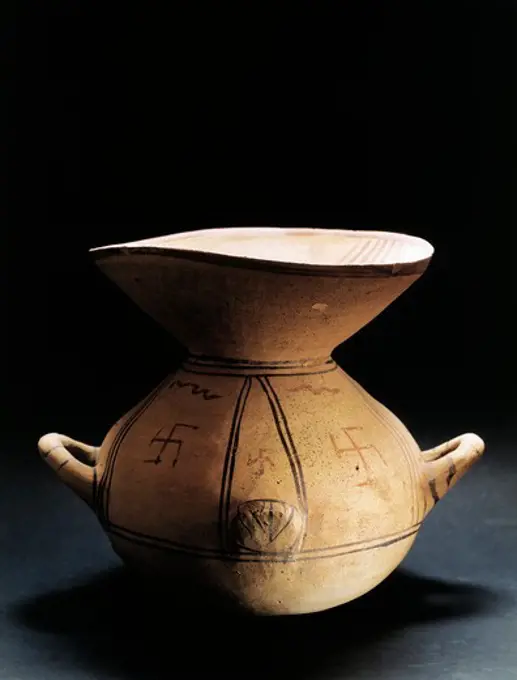
Historical vases from various cultures, showcasing unique designs, materials, and functions, including Roman and Neolithic styles.
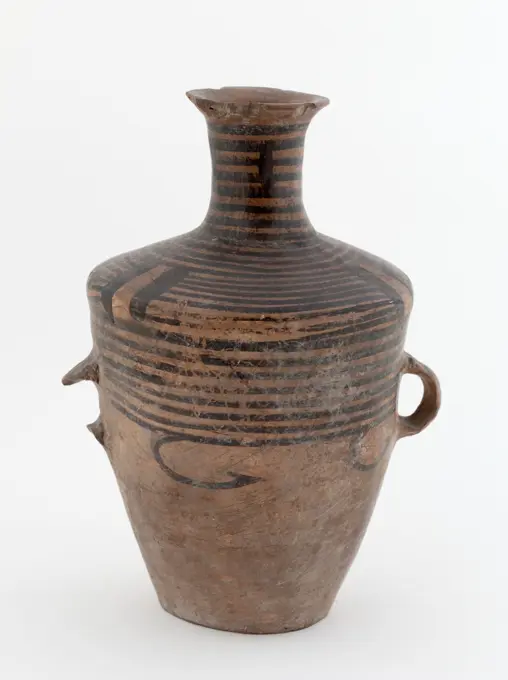
Vase. Terracotta. China, Neolithic, Majiayao. Paris, Cernuschi museum. 72782-8 Anse, Asian art, Majiayao, decorative, neolithic, pottery, terracotta, Chinese vase
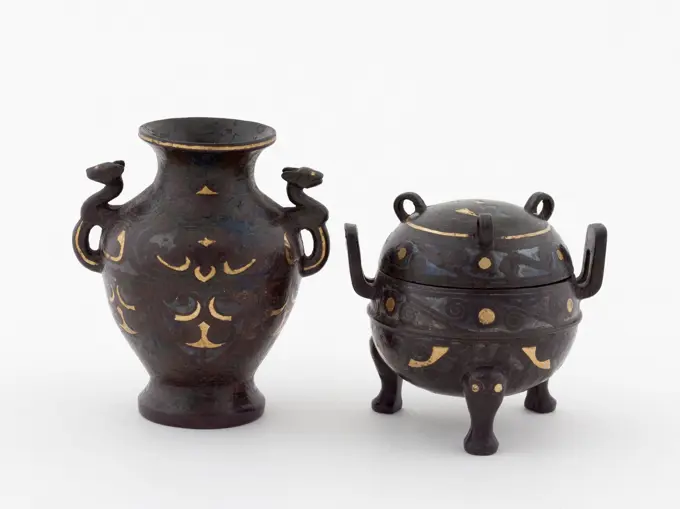
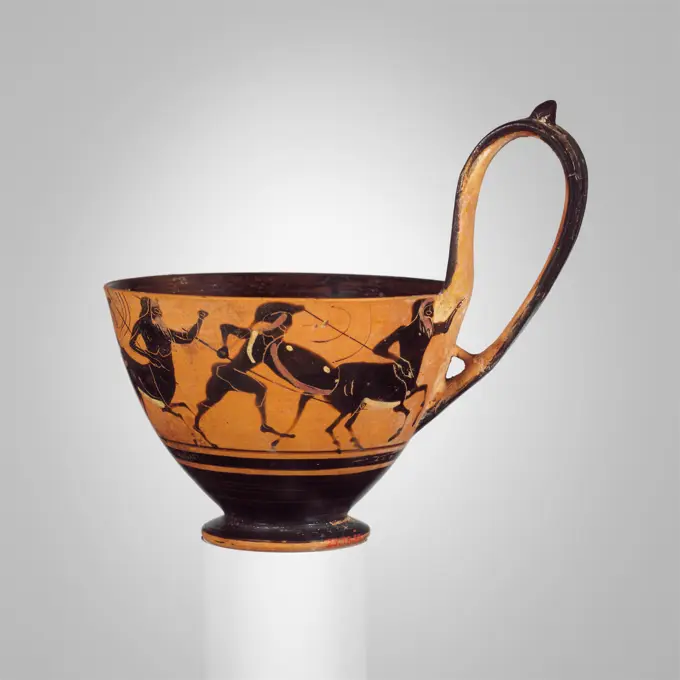
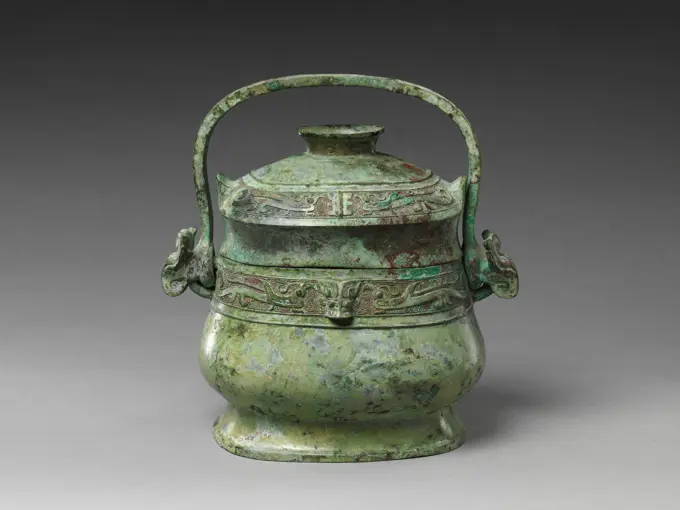
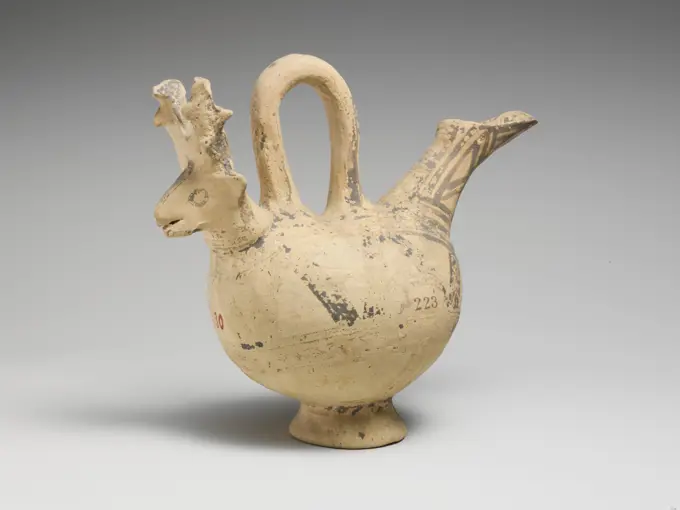
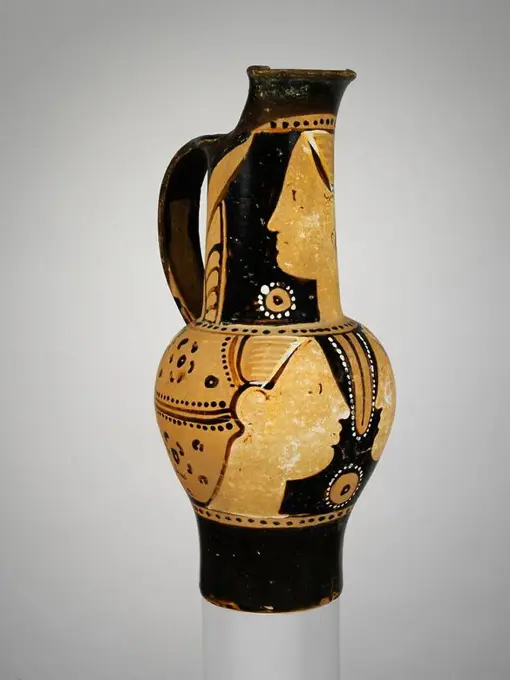
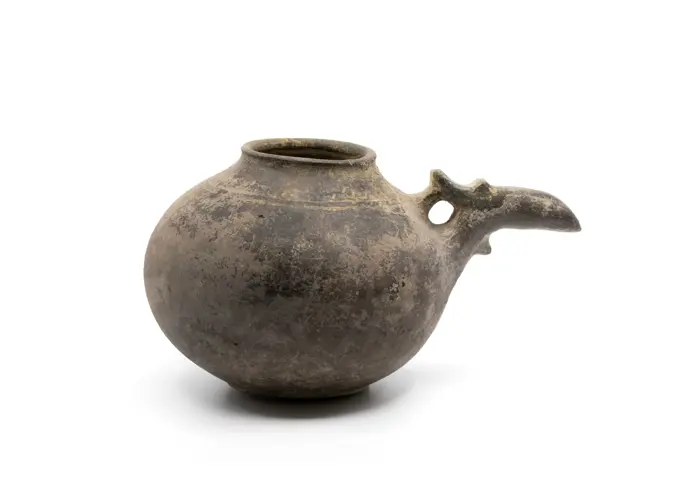
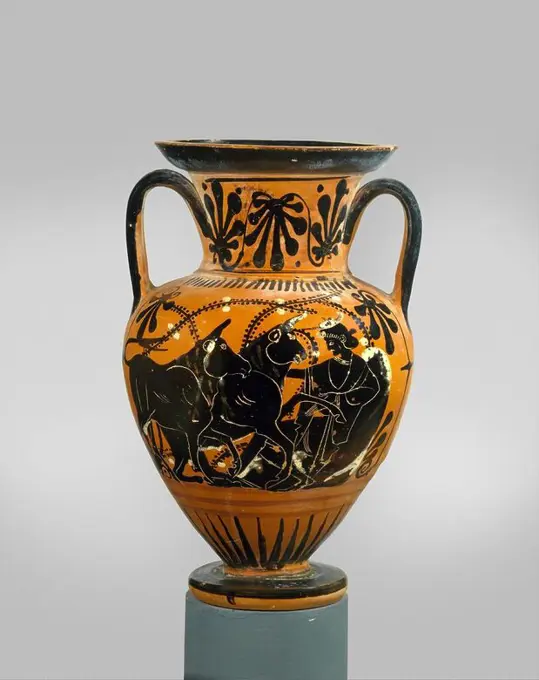
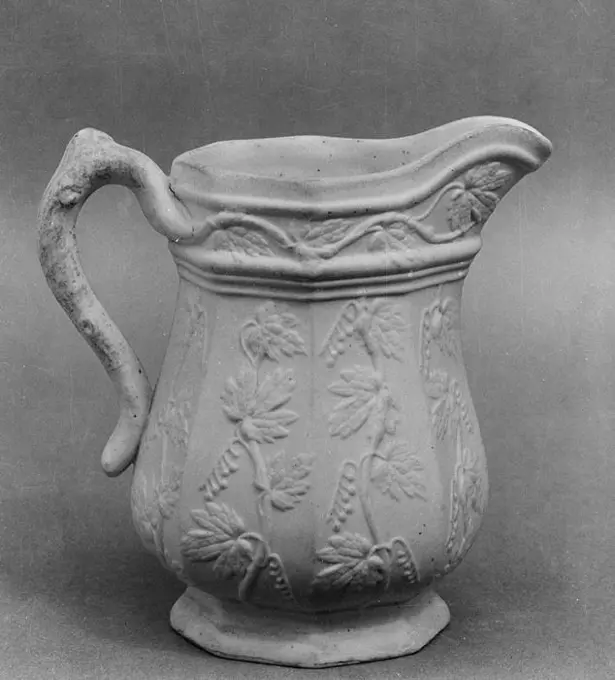
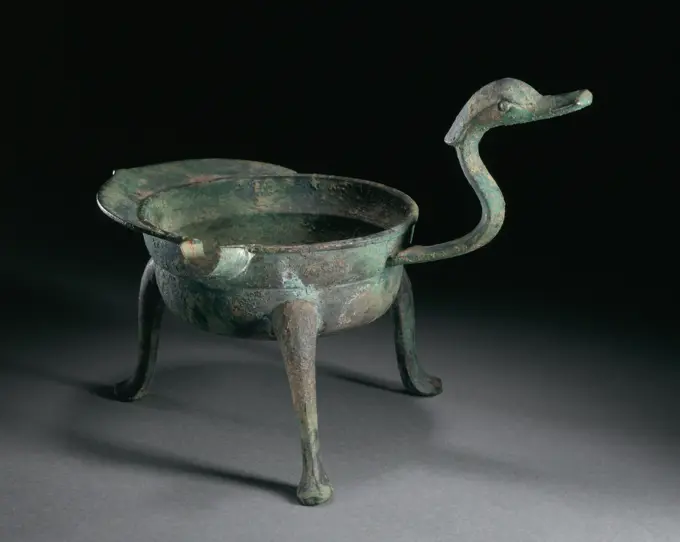
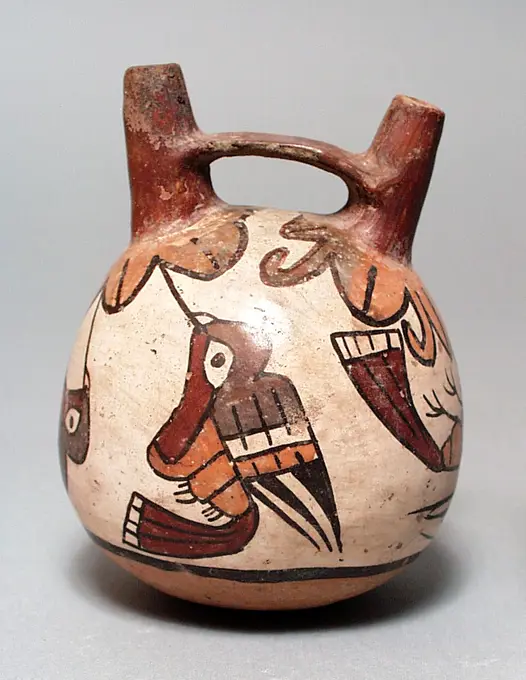
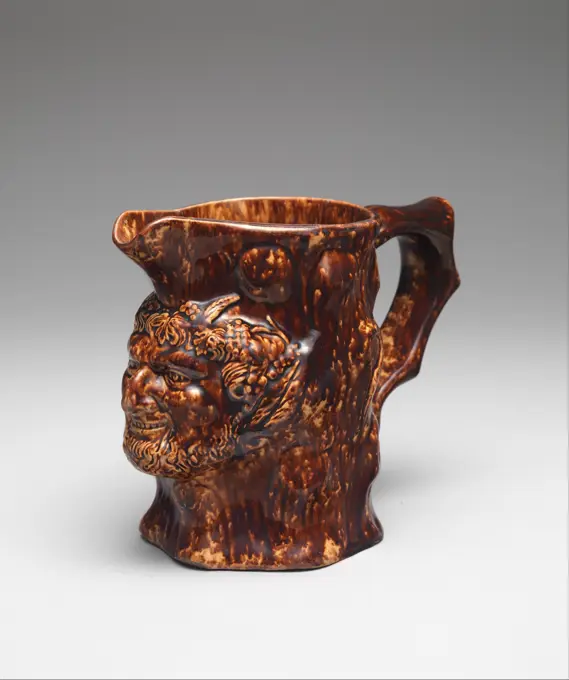
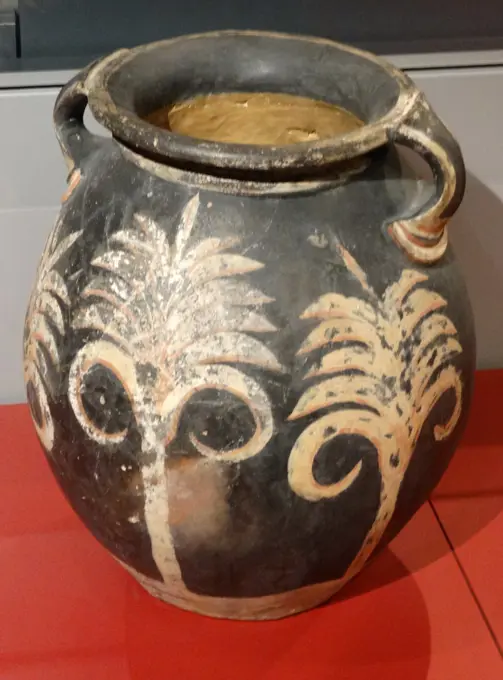
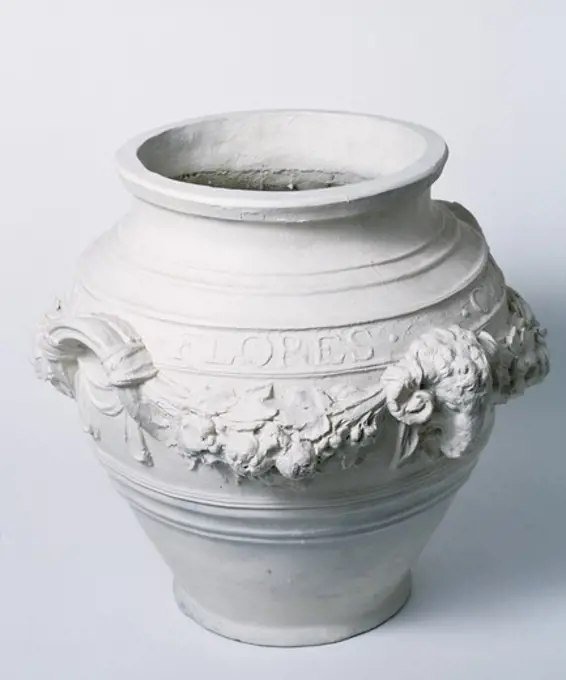
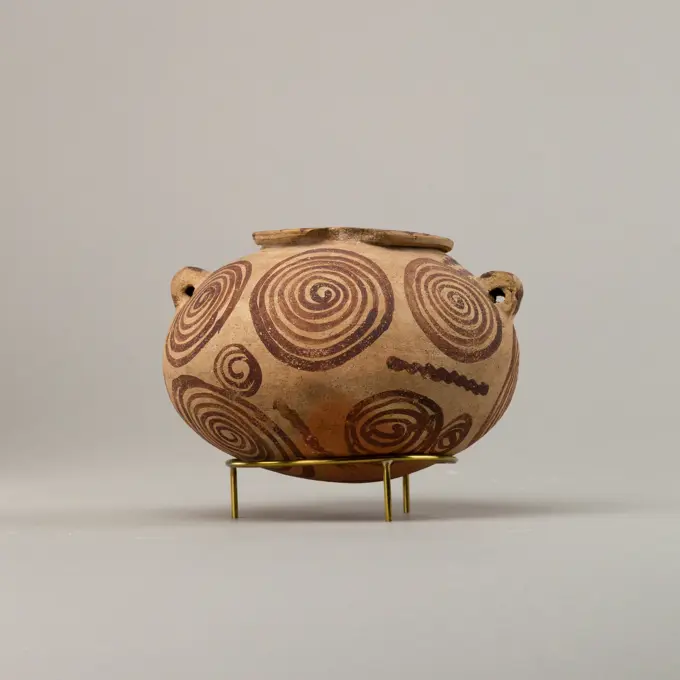
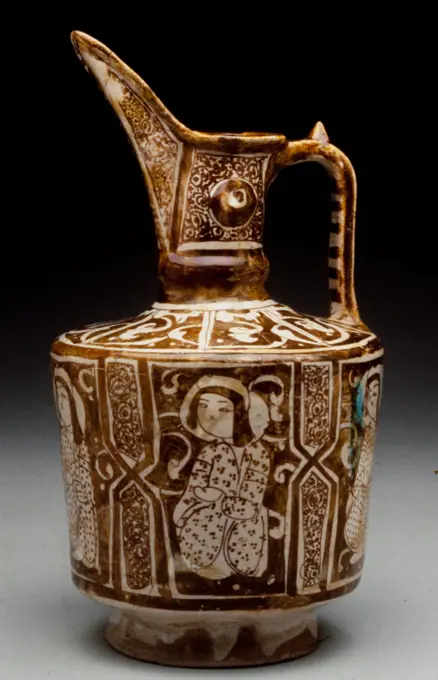
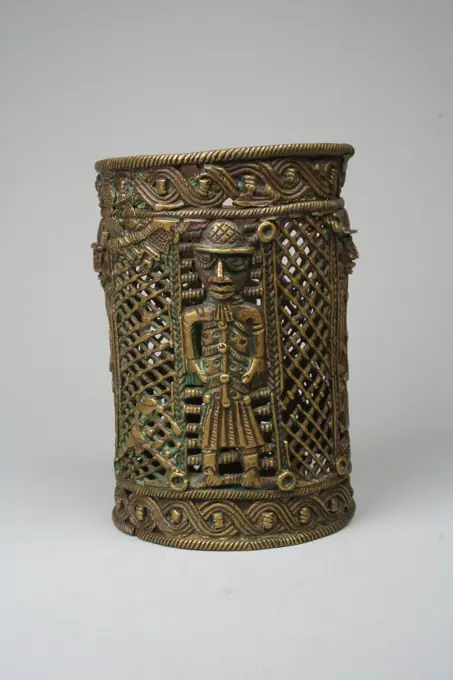
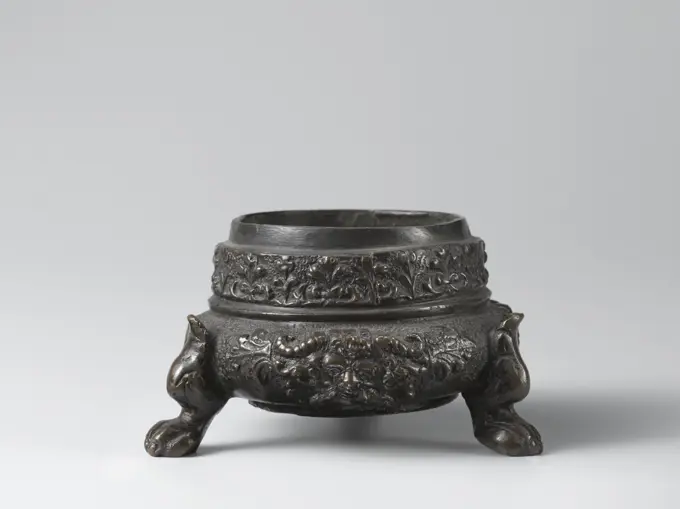
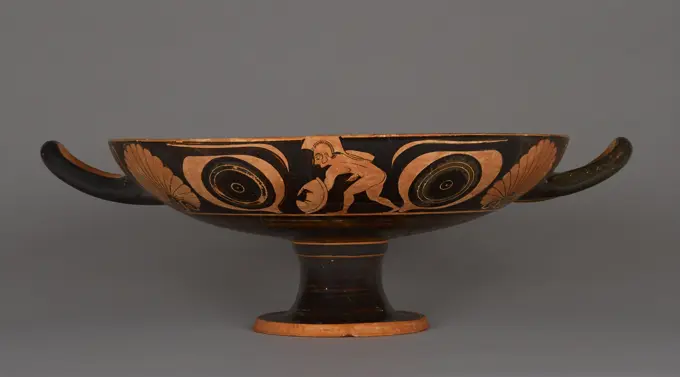
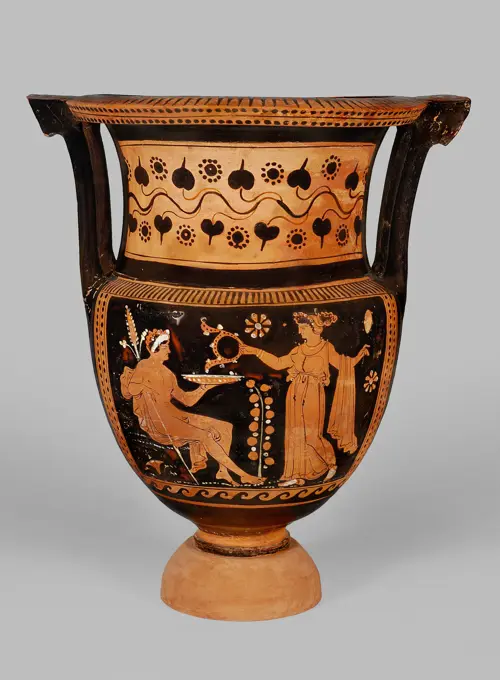
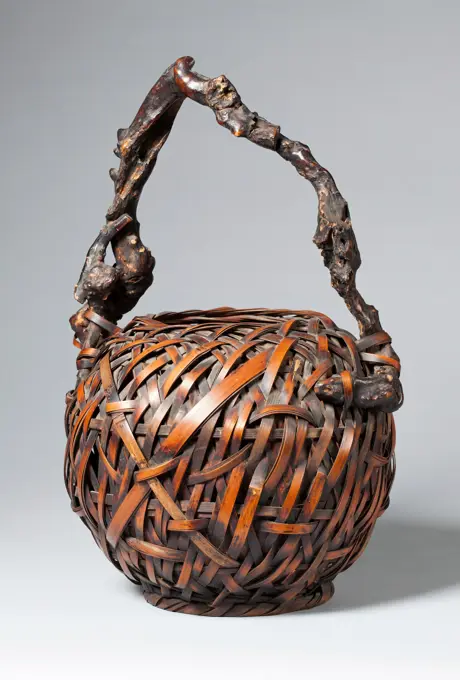
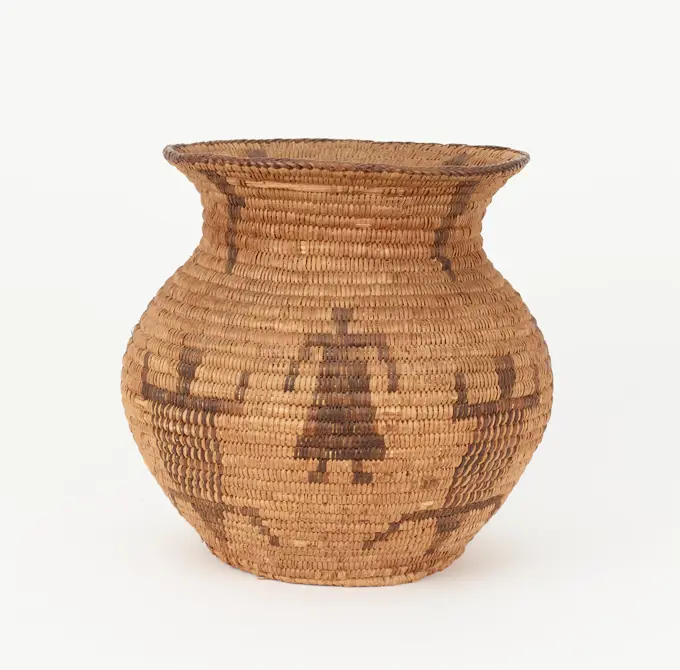
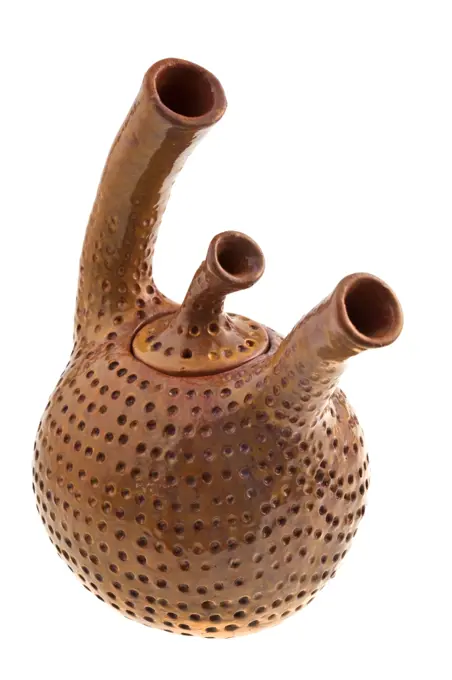
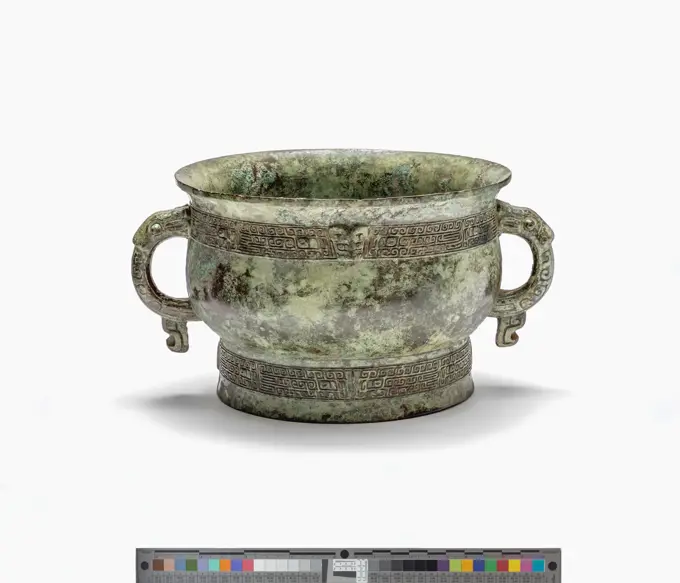
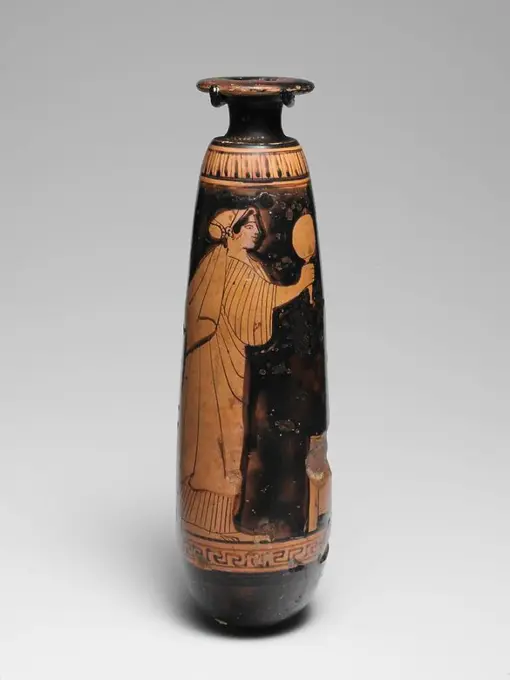
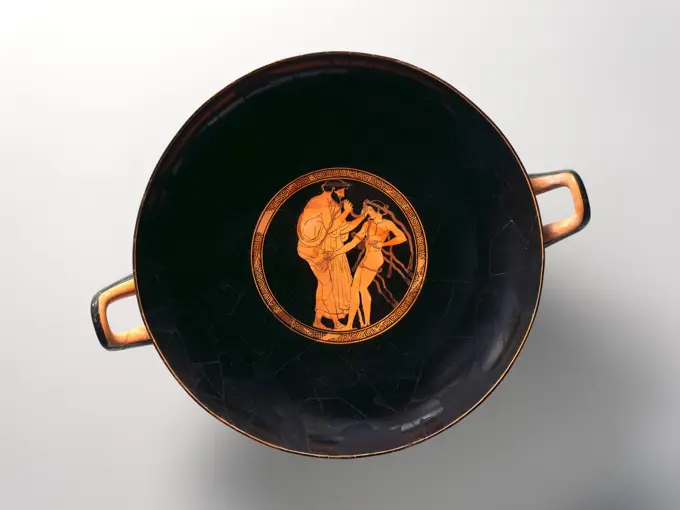
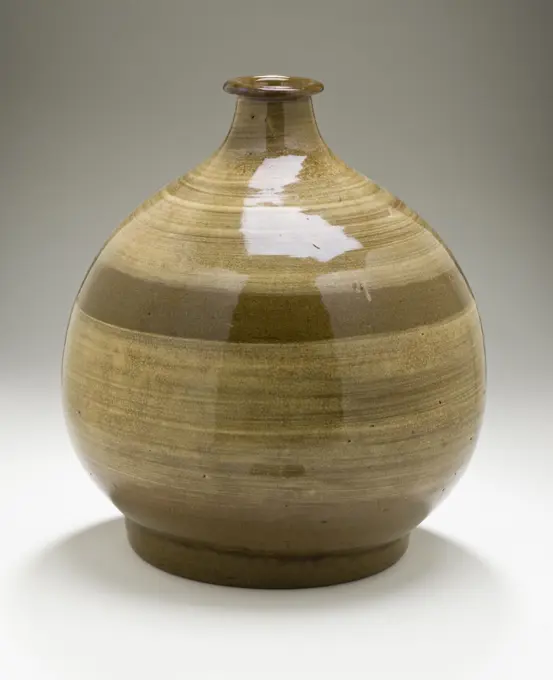
Bottle with Stripe Design. Japan, 18th century. Ceramics. Hizen ware, Takeo type; stoneware with white slipUneres Lei Thumbnails / Ting Ting. Bronze. Chine. Par musée musée malée. 71127-23 Anse, Chinese art, bronze, cover, miniature, urn, ting vaseTerracotta kyathos (cup-shaped ladle) ca. 530-500 B.C. Greek, Attic Battle of Lapiths and centaursAlthough kyathoi were made in Athens for export to Etruria, the decoration seems to be typically Greek.. Terracotta kyathos (cup-shaped ladle) 251849 Greek, Attic, Terracotta kyathos (cup-shaped ladle), ca. 530500 B.C., Terracotta, 4 15/16in. (12.5cm). The Metropolitan Museum of Art, New York. Fletcher Fund, 1925 (25.78.69)William L Antrim, Pa German Jar, c 1937 Pa. German JarBottle, Head 7th-10th century Wari. Bottle, Head 309130Wine Vessel (You) 10th century B.C. China. Wine Vessel (You) 61238CandlestickunguentariumTerracotta zoomorphic askos (vessel) 1900-1600 B.C. Cypriot Deer-shaped vase with spout, loop-handle, and zigzag lattice bands.p. Terracotta zoomorphic askos (vessel). Cypriot. 1900-1600 B.C.. Terracotta; White painted ware. Middle Cypriot. VasesCricket Container, 6 3/16 x 2 11/16 x 2 11/16 in. (15.72 x 6.83 x 6.83 cm) (overall), Gourd, ivory, tortoise shell, pigment, ChinaCzerpak z rączką zakończoną głową łabędzia. unknown, authorTerracotta footed bowl. Culture: Etruscan, Italo-geometric. Dimensions: H. 7 3/8 in. (18.8 cm); diameter 7 3/16 in. (18.3 cm). Date: ca. 650 B.C..Banded body; zigzags between vertical lines at lip. Museum: Metropolitan Museum of Art, New York, USA.Gold lip jugAntique jug Old jug on a stone surface Copyright: xZoonar.com/TomxGowanlockx 2755740Stoneware bell jar with kerfsnice decor, neck with two masks, Bullet pewter jug crockery holder soil find ceramic stoneware glaze salt glaze, surface 7.3 hand-turned carved laid glazed baked Stoneware jug white shard. Turnings on neck shoulder and foot archeology indigenous pottery import serve drink serve serve wine beerTerracotta oinochoe (jug). Culture: Etruscan. Dimensions: H. 11 13/16 in. (30 cm). Date: ca. 300 B.C..Three heads of womenThis so-called Shape VII oinochoe, with its tall cylindrical neck, is an Etruscan invention popular at Caere (modern Cerveteri) in Southern Etruria. The use of three large profile female heads is typical and is often attributed to the Populonia Painter, an artist active at the end of the fourth century B.C. Museum: Metropolitan Museum of Art, New York, USA.Spouted pitcher ca. 1050-800 B.C. Iran This pitcher has a globular body, a ring base and a rounded rim. A pointed spout emerges from the body of the pitcher at an angle before extending horizontally. The back of the spout is connected to the vessel by a bridge whose jointed shaped parallels that of the spout itself. Below the spout is a pointed projection. The combination of the pointed spout and projection below may suggest the form of a bird with a long beak and a crop in its neck. The pitcher is made of burnished grey clay. The body was likely made in two separate pieces on a wheel, with the spout added later.This pitcher was excavated from a grave at Dinkha Tepe in northwestern Iran. During the Iron Age Dinkha Tepe was a small settlement, probably ruled by Hasanlu, a major site fifteen miles to the east. Presumably this pitcher was used to pour a liquid containing dregs, such as wine, since the round body and spout would prevent the dregs from ending up in the cup. Possibly it was Terracotta neck-amphora (jar). Culture: Greek, Attic. Dimensions: Diameter: 6 1/4 × 5 3/16 × 3 7/16 in. (15.9 × 13.2 × 8.7 cm)Height: 9 5/8 in. (24.4 cm). Date: late 6th century B.C.. Museum: Metropolitan Museum of Art, New York, USA.Attic Alabastron. 2nd c. BC. Hellenistic art. Ceramics. SPAIN. CATALONIA. BARCELONA. Barcelona. Archaeology Museum of Catalonia. Proc: SPAIN. CATALONIA. GERONA. L'Escala. Empœries.Terracotta vessel in the shape of a bent leg. Culture: Etruscan. Dimensions: H. 4 3/8 in. (11.1 cm)length, including leg 6 1/16 in. (15.4 cm). Date: ca. 550-500 B.C..The vase combines a large mask-like head with a bent human leg terminating at the base in small quadruped legs. This bizarre hybrid may be unique in Etruscan bucchero. Though their function is debated, such objects were likely small drinking cups. The ultimate source of inspiration could have been East Greek, specifically Rhodian, models. Museum: Metropolitan Museum of Art, New York, USA.Pitcher 1852-58 United States Pottery Company. Pitcher 5861Spouted Warmer (Jiaodou) with Dragon HandleDouble-Spout and Bridge VesselMörser Marribs and Hums In front of white background copyright: xzoonar.com/simonevoigtx 2070356Globular vessel, 8th-10th century, 9 1/8 x 5 1/2 x 5 1/2 in. (23.2 x 14.0 x 14.0 cm), Red clay, Peru, 8th-10th centuryWine Vessel (You) 11th-10th century B.C. China. Wine Vessel (You). China. 11th-10th century B.C.. Bronze. Western Zhou dynasty (1046-771 B.C.). MetalworkMug 1837-45 Attributed to Isaac Spiegel Pottery. Mug 20751Jar decorated with palms from Knossos; Crete; Greece; 1850-1800 BCClose-up of ornate stone garden potDecorated ware bowl illustratiing spirals ca. 3850-2960 B.C. Predynastic Period. Decorated ware bowl illustratiing spirals. ca. 3850-2960 B.C.. Pottery, paint. Predynastic Period. From EgyptEwer (water pitcher), late 12th-early 13th century, before 1220, 13 in. (33.02 cm), Glazed stonepaste with golden luster-painted decoration, Kashan ware, Iran, Seljuk period (1037- c. 1193), After the Seljuk Turks arrived from central Asia, Iranian ceramic production accelerated dramatically, resulting in a vast array of new shapes, styles, and techniques. Among the most spectacular Seljuk pottery was lusterware, which actually was a revival of the Abbasid luster painting that originated around Baghdad during the ninth century. Luster was used to imitate the dazzle of gold in ceramic decor. Themes based on the princely cycle  enthroned personages, conversing couples, or riders incorporated with ornate background patterns and calligraphy  typically decorated pieces such as this ewer.. Bottle of pottery with pale yellow shard and brown plumbing. The bottle has a slim model with rubbed belly, outstanding neck edge, and a stand ring.Italic civilizations, civilization of Canosa di Puglia, Sphageion vessel, from Canosa di Puglia, Barletta-Andria-Trani Province, ItalyBracelet: Four Figures 19th century Edo peoples At its origins, the centralized city-state of Benin was founded by Edo-speaking peoples. The accounts by official court historians and descriptions provided by visitors evoke a vibrant cultural center continually redefined by its leadership through shifting internal and external power dynamics. According to oral tradition, circa 1300, Edo chiefs are reputed to have reached out to the leader of neighboring Ife, Oranmiyan, to establish a new divinely sanctioned royal dynasty. Since then, the investiture of Benins rulers to the title of obas has conferred upon them at once a role of chief priest officiating in important religious ceremonies and presiding over an elaborate structure of palace officials. During the fifteenth century reign of Oba Ewuare, Benins armies were formed and the fortification of its capital with a massive wall undertaken. In parallel, delegations of Portuguese traders assiduously sought to secure exclusive commercialAncient China: Lidded vessel with hinged handle (You), Western Zhou Dynasty, 1027 - 771 BC. Bronze.Jar on three legs, 1500 - 1550  North-Italy bronze (metal)  North-Italy bronze (metal)Ceramic vasaAntique vase or ancient jug and museum ceramic amphora pot,, cartoon vector. Ancient Greek vase or Roman jug pitcher of clay with ornament on broken piece cracks, archeology antique ceramic jug. Antique vase or ancient jug and ceramic amphoraAttic Bilingual Eye Cup. Possibly PheidipposTerracotta neck-amphora (jar) ca. 560-550 B.C. Greek, Attic While the function of a particular vase shape remained quite constant, the manner of decoration allowed many variationssuch as the presence or absence of glaze, which made the surface predominantly light or dark, and the placement of the ornamental and decorative elements in relation to the shape. With the limited means available to Attic potters and vase-painters, the control of such details determined the effect of their works, as this seemingly simple vase demonstrates.. Terracotta neck-amphora (jar) 247202Prehistory, Denmark, Bronze Age. Gold votive cup. From Borgbjerg Banke.Red -purual column crater;  around 350 BC (-355-00-00--345-00-00);Czechowicz, Antoni (-Ante 1992), Czechowicz, Antoni ( -Nte 1992)-collection, gift (provenance)Francois Vase found in an Etruscan Tomb, 6th century BC. Artists: Ergotimos, Kleitias.Snuff Bottle with Seven Sages of the Bamboo Grove China Represented often in the visual arts, the Seven Sages of the Bamboo Grove lived during the third century B.C. and were known for their scholarship, writing, and musical abilities. They are understood as exemplars of an unfettered and less corrupt lifestyle removed from the intrigue of the court. Here, the delicacy of the tiny bamboo stalks in the background and the use of these stalks to render depth exemplify the skillful bamboo carving characteristic of the eighteenth century.. Snuff Bottle with Seven Sages of the Bamboo Grove 41591Basket with wood handle, late 19th-early 20th century, Unknown Japanese, 14 7/8 × 9 3/4 × 9 in. (37.78 × 24.77 × 22.86 cm), Bamboo and wood, Japan, 19th-20th centuryBasket, 9 1/2 × 9 13/16 × 9 13/16 in. (24.13 × 24.92 × 24.92 cm), Plant fibers, United StatesAncient broken pottery and vase. Old ceramic cracked pot and jug. Isolated vector cracked, fragmented crockery, weathered by time, reveals stories of bygone civilizations, craftsmanship and history. Ancient broken pottery and vase, vector crockeryold clay cup isolated on white backgroundbrown ceramic teapot isolated on whiteVessel with Ballgame Scene. Maya, 600-900 CE. Ceramics. Slip-painted ceramicRitual Grain Server (Gui) with Dragon Handles. China, Late Shang dynasty, late Anyang phase, or early Western Zhou dynasty, about 1100-950 B.C.. Furnishings; Serviceware. Cast bronzeShaving Mug. Culture: China. Dimensions: H. 4 3/8 in. (11.1 cm). Maker: E. & W. Bennett Pottery (1847-1857). Date: ca. 1853. Museum: Metropolitan Museum of Art, New York, USA.Terracotta alabastron (perfume vase). Culture: Greek, Attic. Dimensions: H. 6 7/16 in. (16.3 cm); diameter 1 13/16 in. (4.6 cm). Date: ca. 460 B.C..Two womenThe women are shown with a fillet and wreath and a mirror, suggesting that they are in the domestic quarters of the house. Museum: Metropolitan Museum of Art, New York, USA.Isolated Traditional Stove And PotAncient broken vases and pottery. Old ceramic cracked pots or jugs. Isolated vector set of shattered fragments of historical crockery, past civilization cultural heritage and archaeologists artefacts. Ancient broken vases and pottery, cracked potsConfectioner; Sevres; around 1805 (1800-00-00-1810-00-00);Museum of the Krasińskich Ordinance (Warsaw - 1860-1944) - collection, black -gear decorations, mythology, Pompeian designsWater jar with five dancing figures and inscriptions, anonymous, anonymous, c. 1800 - c. 1899 Water pot (Mizusashi) of stoneware with a flat, wooden lid, partially covered with a cream -colored glaze and painted in blue and black. On the wall five dancing  Persons and an inscription. A second inscription on the inner wall of the pot. Marked on the underside with an unidentified, Ingrift brand. Old label on the inside with 'W756'. Japan stoneware. glaze. cobalt (mineral). deksel: wood (plant material) painting / vitrification Water pot (Mizusashi) of stoneware with a flat, wooden lid, partially covered with a cream -colored glaze and painted in blue and black. On the wall five dancing  Persons and an inscription. A second inscription on the inner wall of the pot. Marked on the underside with an unidentified, Ingrift brand. Old label on the inside with 'W756'. Japan stoneware. glaze. cobalt (mineral). deksel: wood (plant material) painting / vitrificationCrock. Dated: c. 1939. Dimensions: overall: 49.7 x 40.5 cm (19 9/16 x 15 15/16 in.) Original IAD Object: 12" High 10 3/8" Dia(top). Medium: watercolor, graphite, colored pencil, and gouache on paperboard. Museum: National Gallery of Art, Washington DC. Author: John Tarantino.Terracotta kylix (drinking cup), joined by 1978.11.7a,d; 1980.304; 1988.11.5; 1989.43; 1990.170; 1995.540 ca. 490 B.C. Signed by Hieron Interior, man with fillet for a victorious youthExterior, obverse and reverse, athletes and menThe scene here takes place in the gymnasium, as indicated by the sponge, strigil (scraper), and aryballos (oil flask) on the wall. Athletes converse among themselves while older trainers are rewarding their young charges.. Terracotta kylix (drinking cup), joined by 1978.11.7a,d; 1980.304; 1988.11.5; 1989.43; 1990.170; 1995.540. Greek, Attic. ca. 490 B.C.. Terracotta; red-figure. Late Archaic. VasesCartoon Greek pots. Vintage historical pottery. Traditional clay vases. Antique ceramic vessels with ancient patterns. Earthenware with Roman painting. Archaeological crockery. Splendid vector set. Cartoon Greek pots. Vintage historical pottery. Traditional clay vases. Antique vessels with ancient patterns. Earthenware with painting. Archaeological crockery. Splendid vector setSet of ancient vase hand drawn ink sketch. Engraved style vector illustration.Cartoon broken pottery. Old cracked ceramic vases, history archeology urn for museum, ancient clay pots jar jug vessel, greece or roman artefacts, isolated neat vector illustration and broken pottery. Cartoon broken pottery. Old cracked ceramic vases, history archeology urn for museum, ancient clay pots jar jug vessel, greece or roman artefact