Ancient and Historical Jugs

A variety of ancient terracotta and bronze jugs from different cultures, showcasing intricate designs and historical significance from Roman, Chinese, and Greek origins.

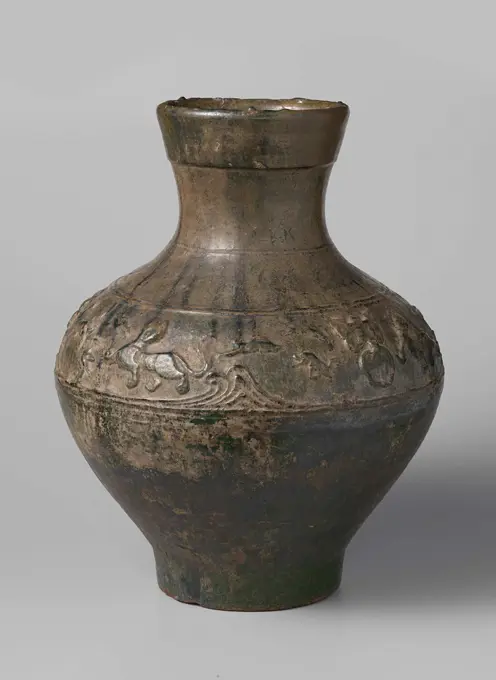
Hu ". Bronze, green patina. China, Han. Paris dynasty, Cernuschi museum. 72359-9 Hu bottle, bronze, han dynasty, green patina
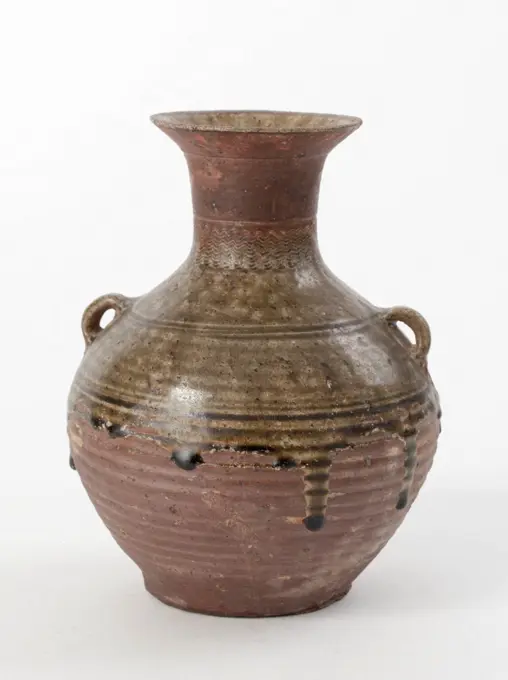
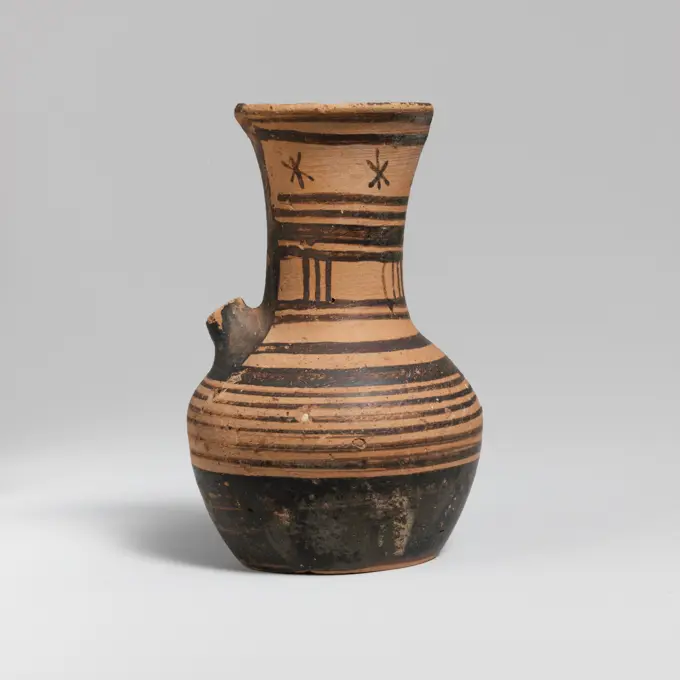
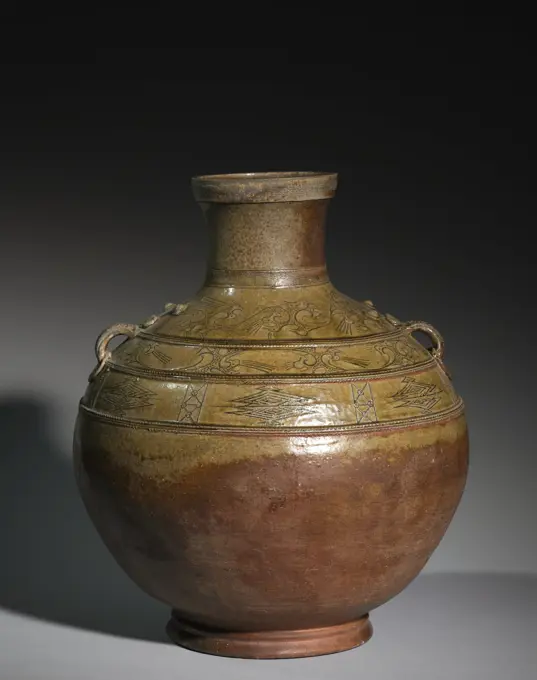
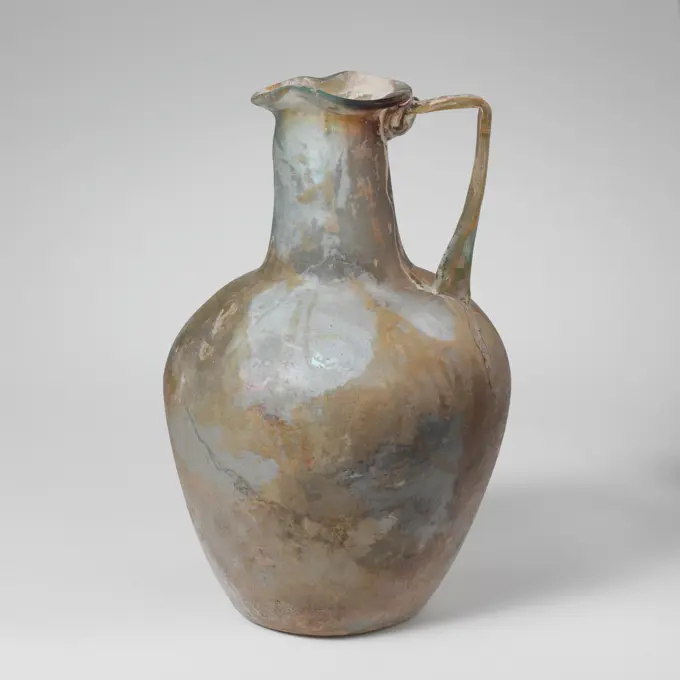
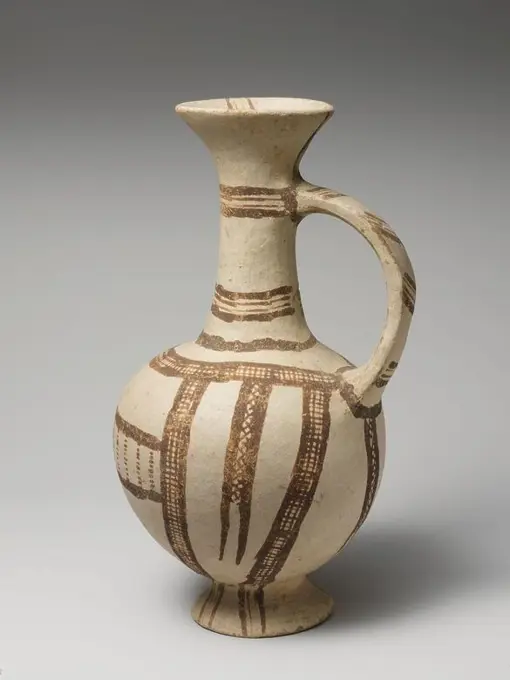
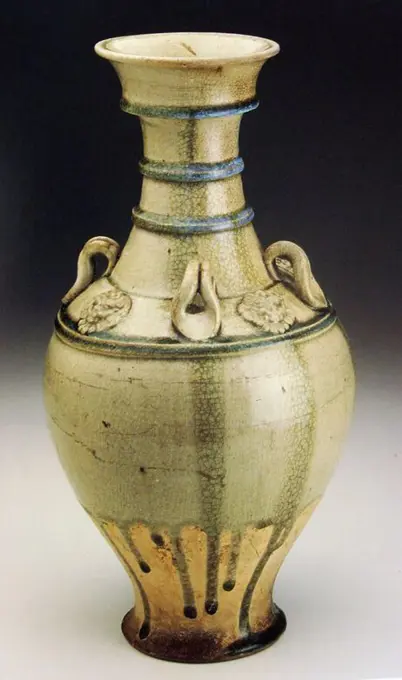
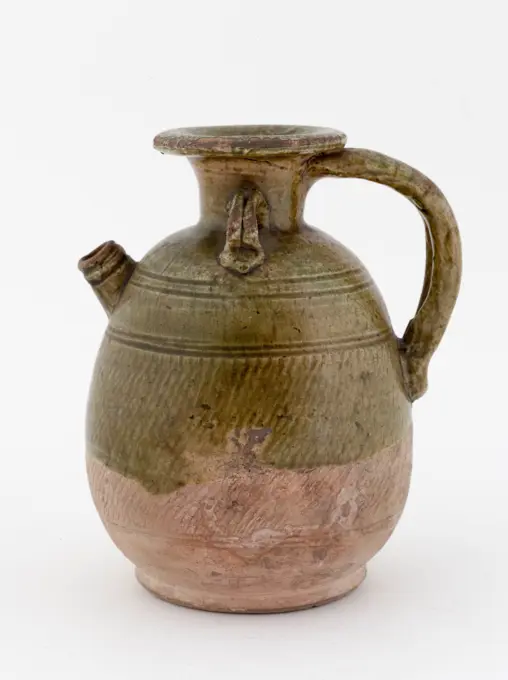
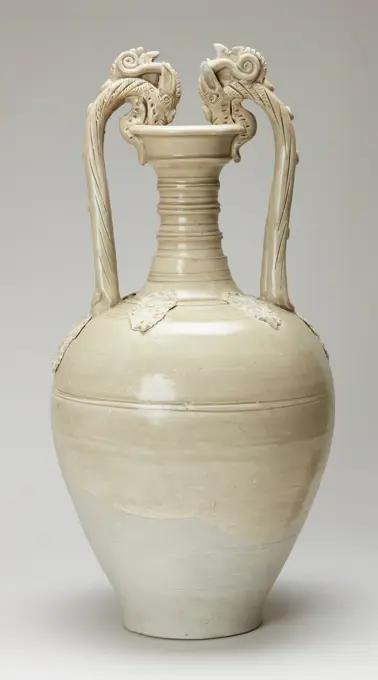
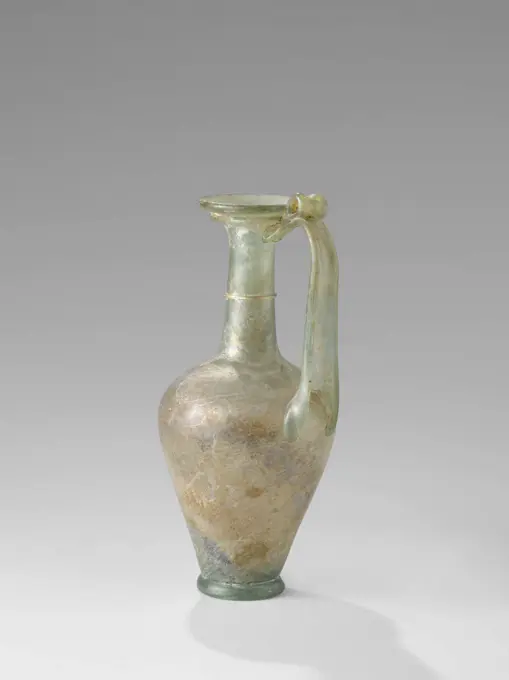
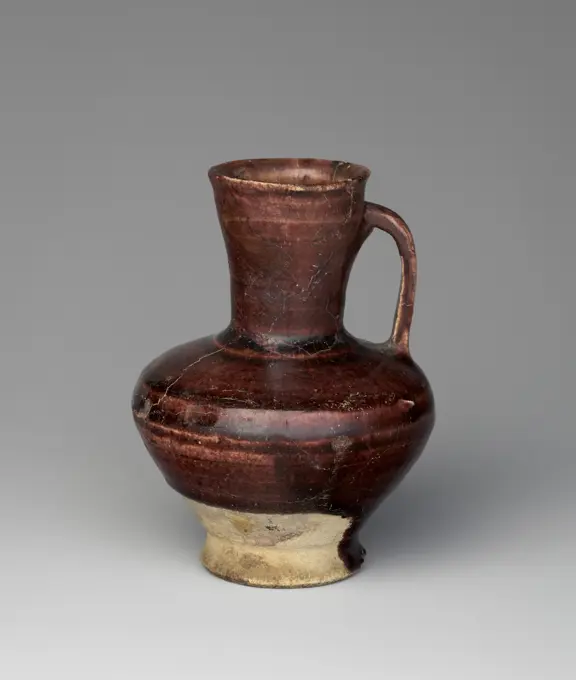
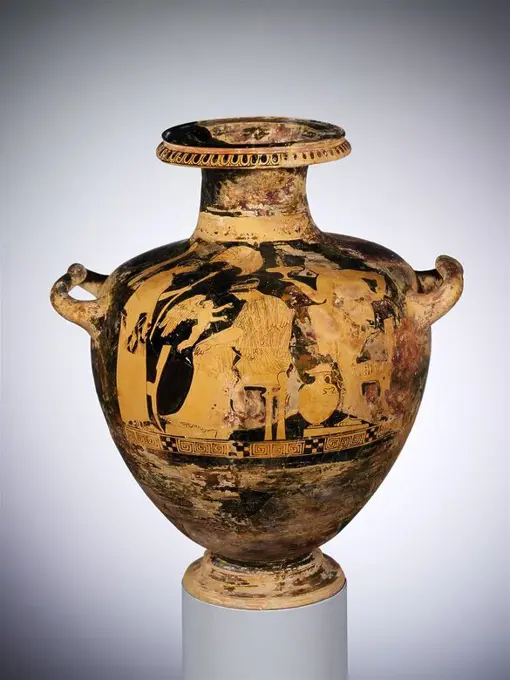
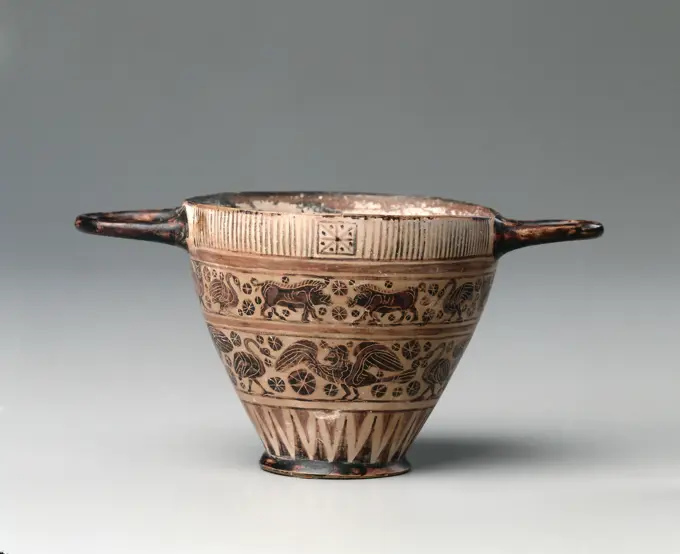
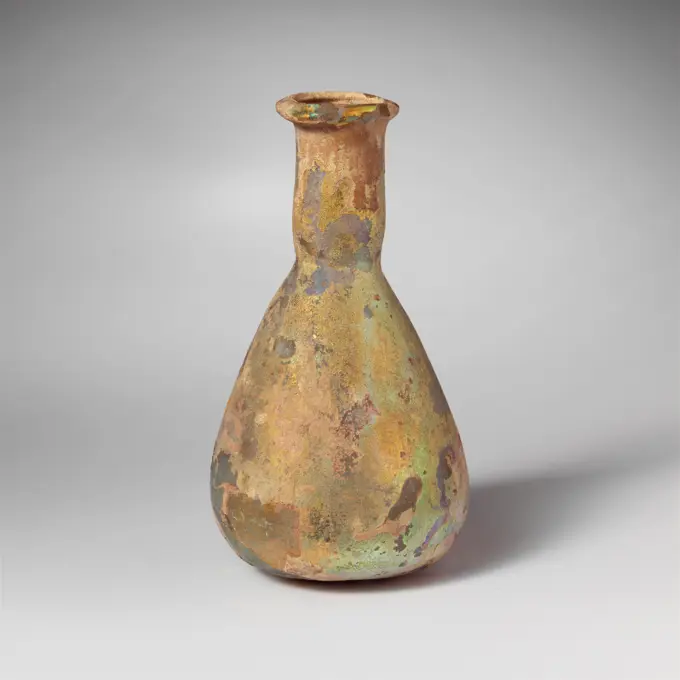
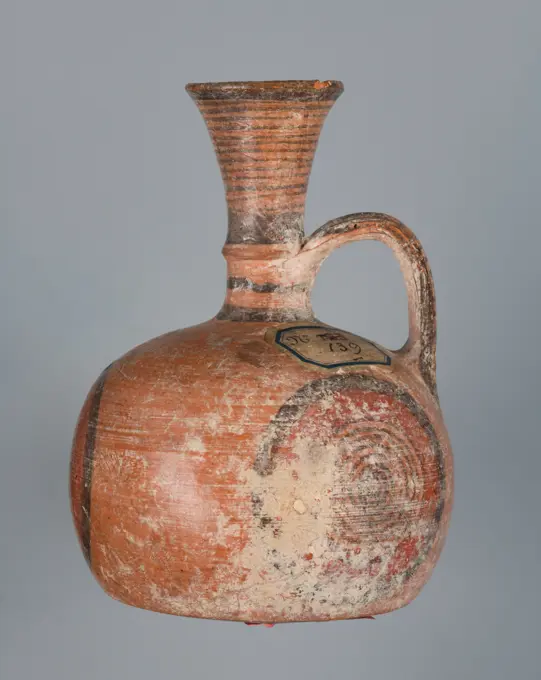
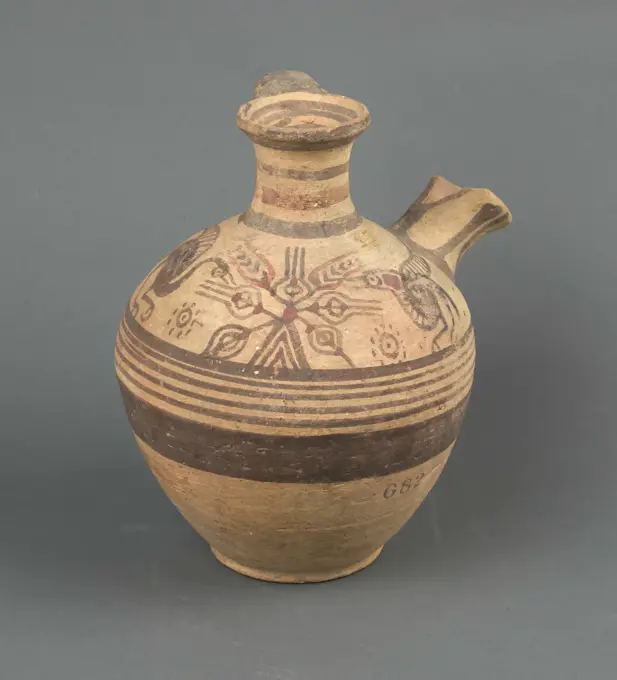
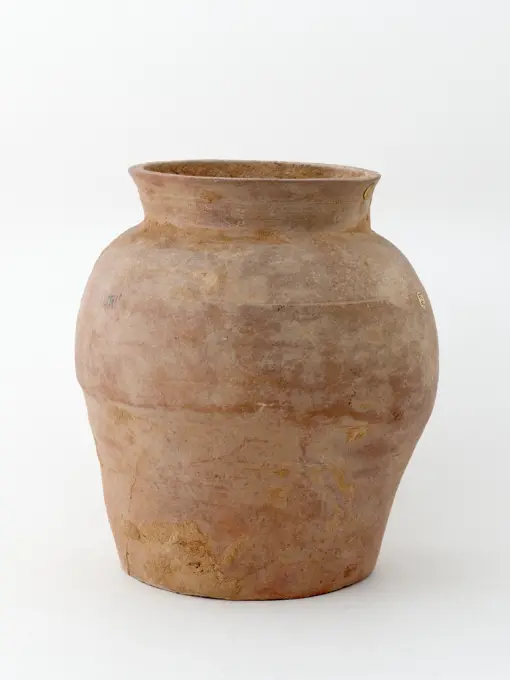
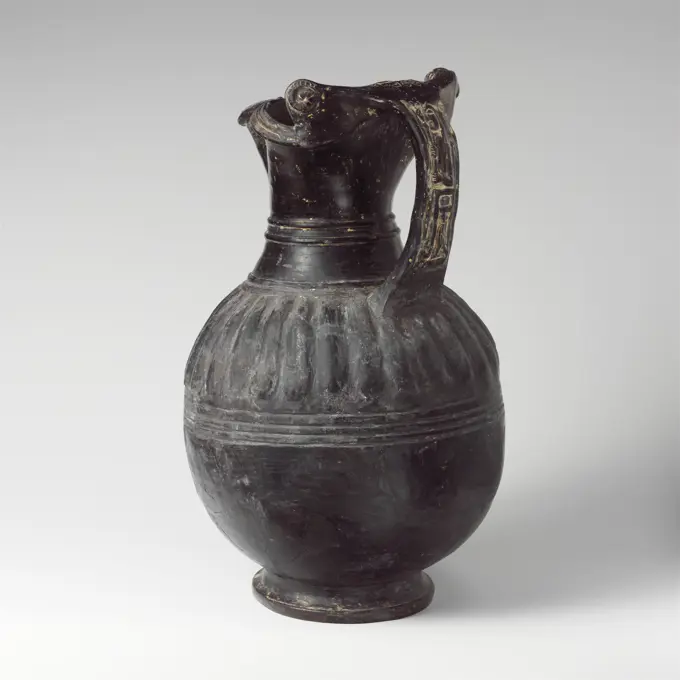
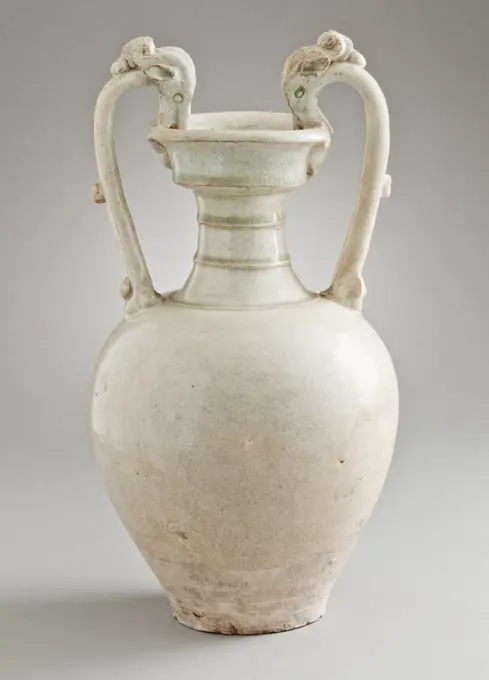
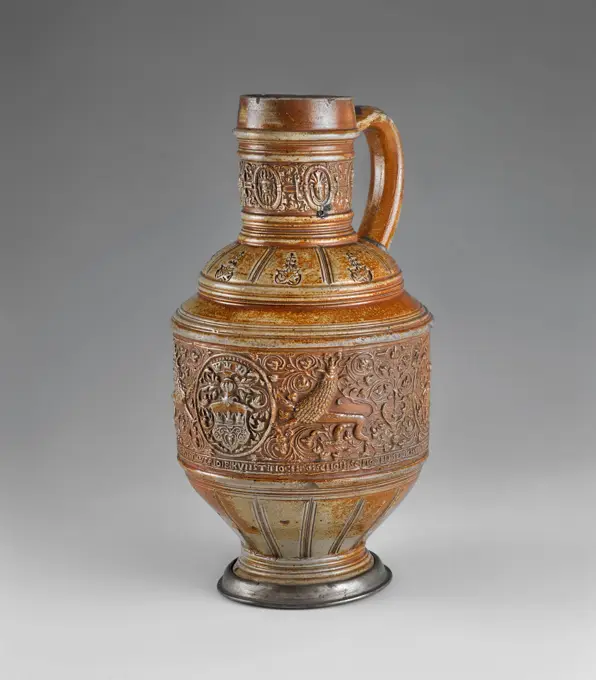
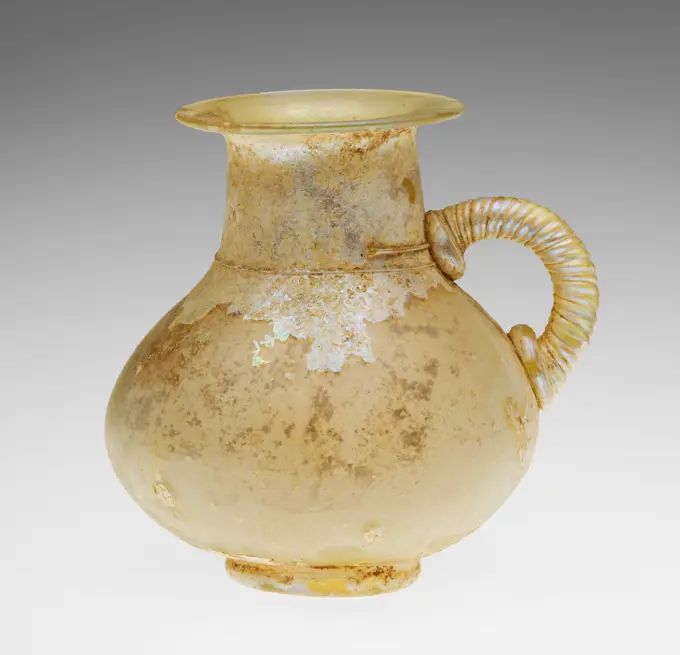
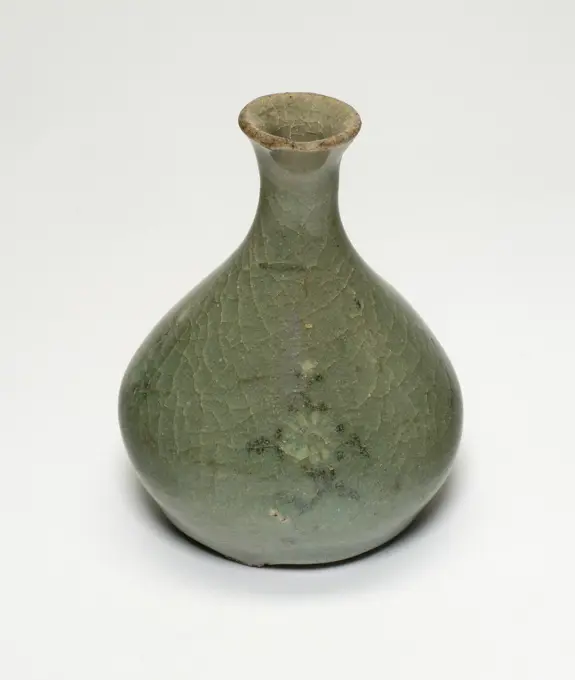
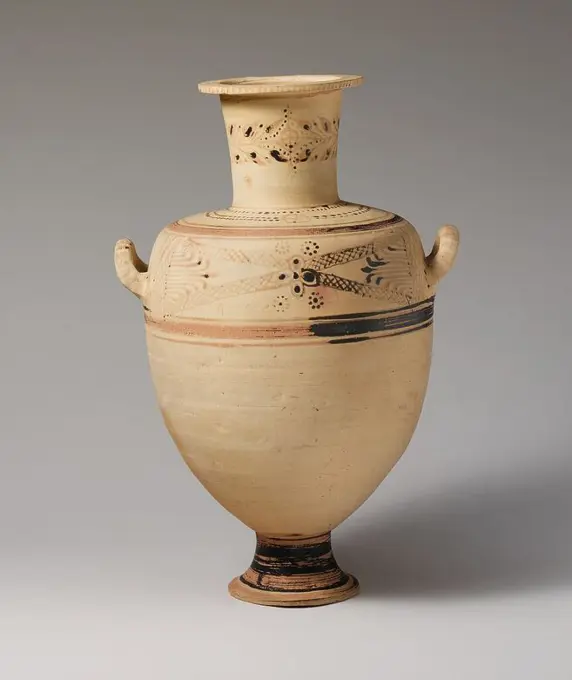
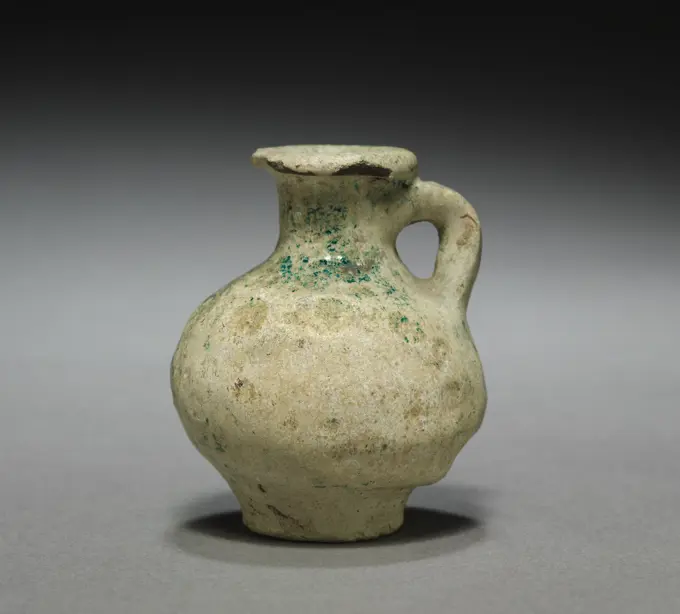
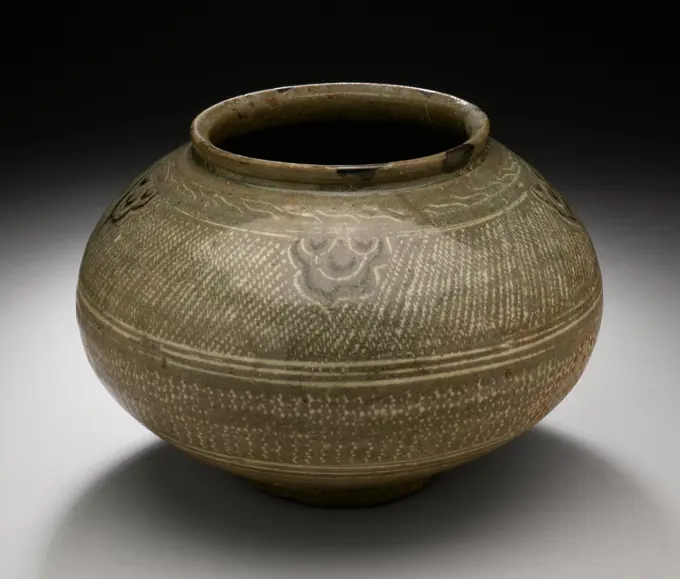
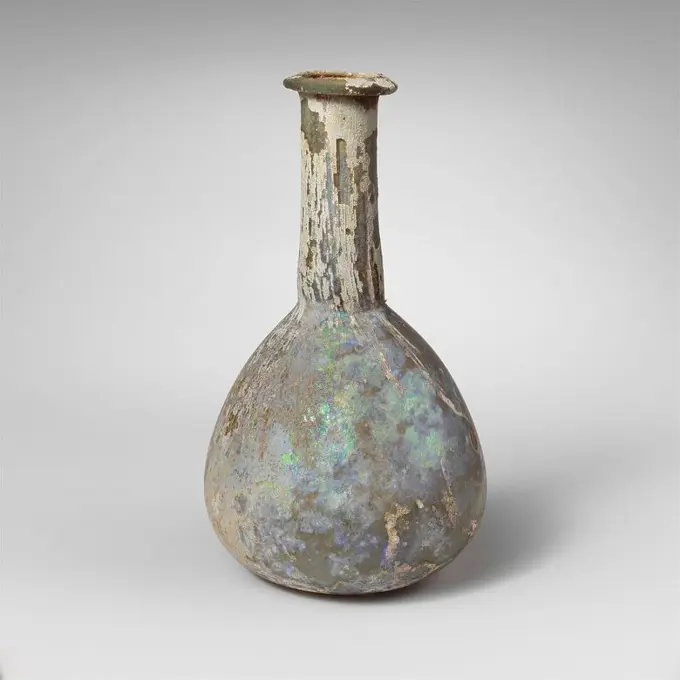
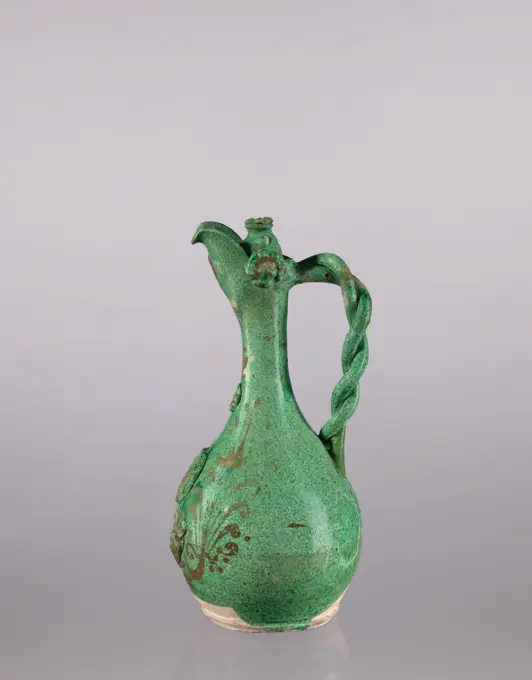
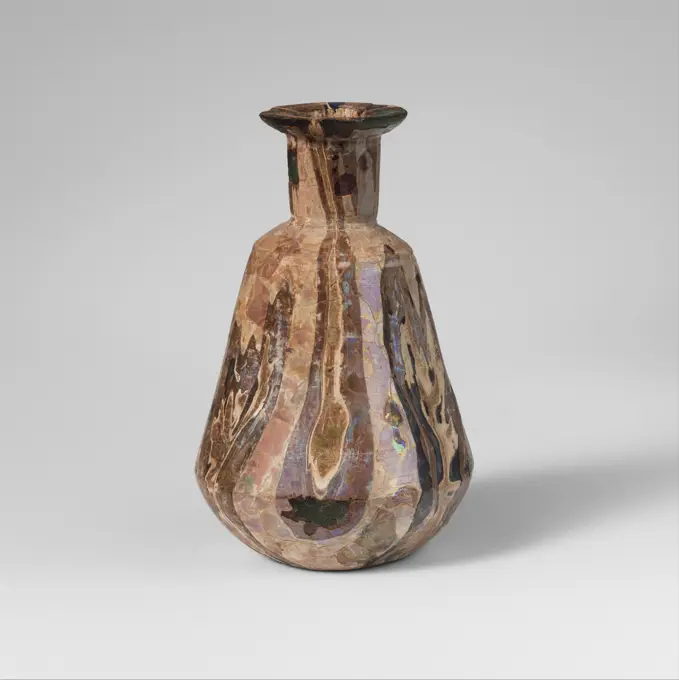
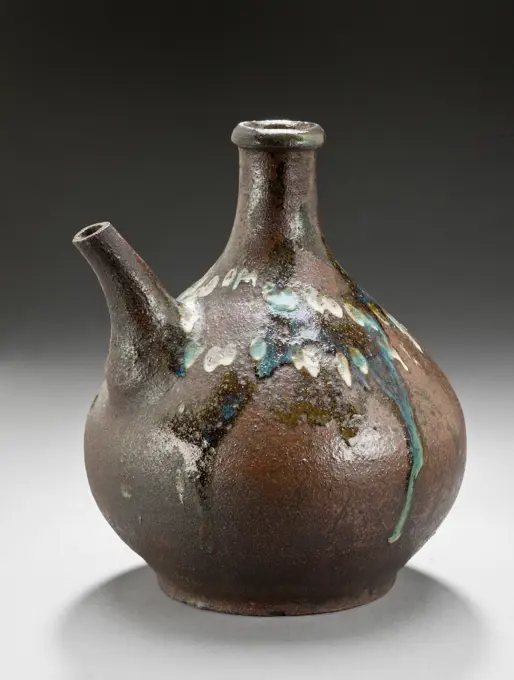
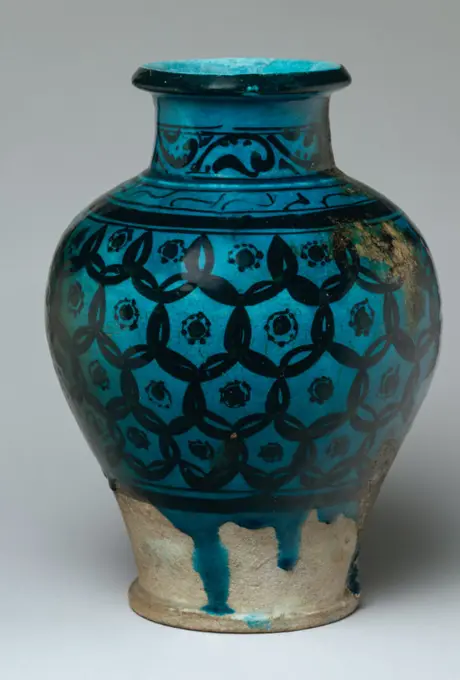
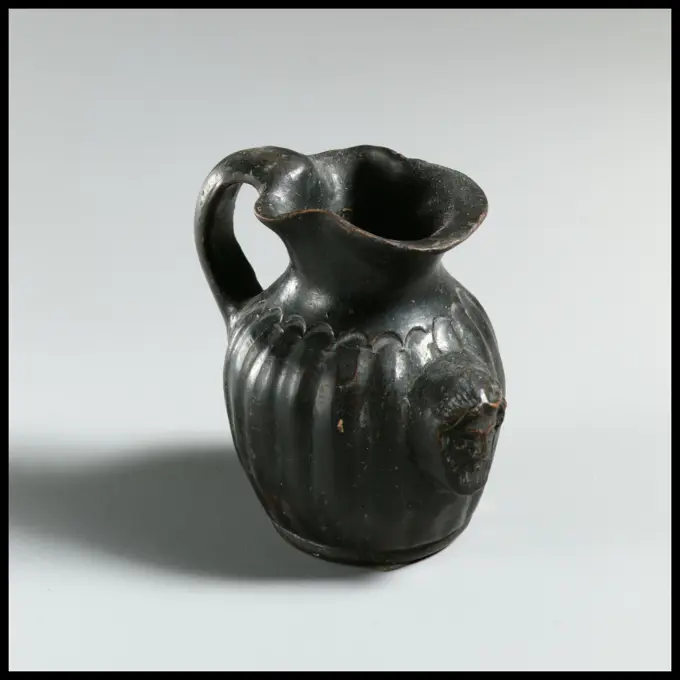
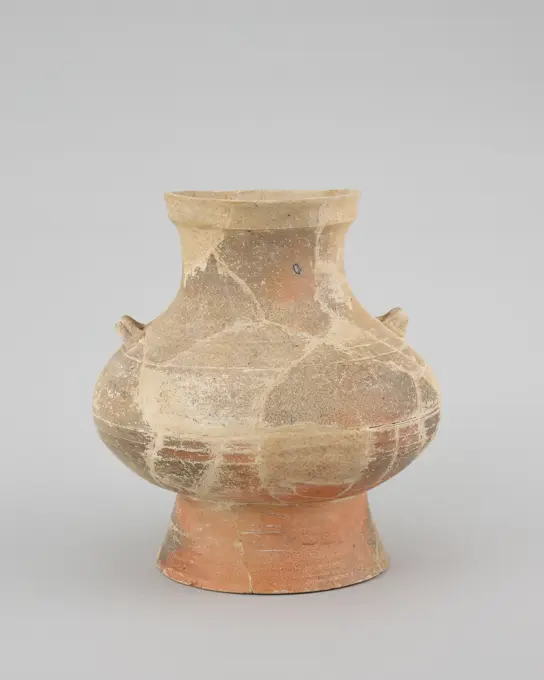
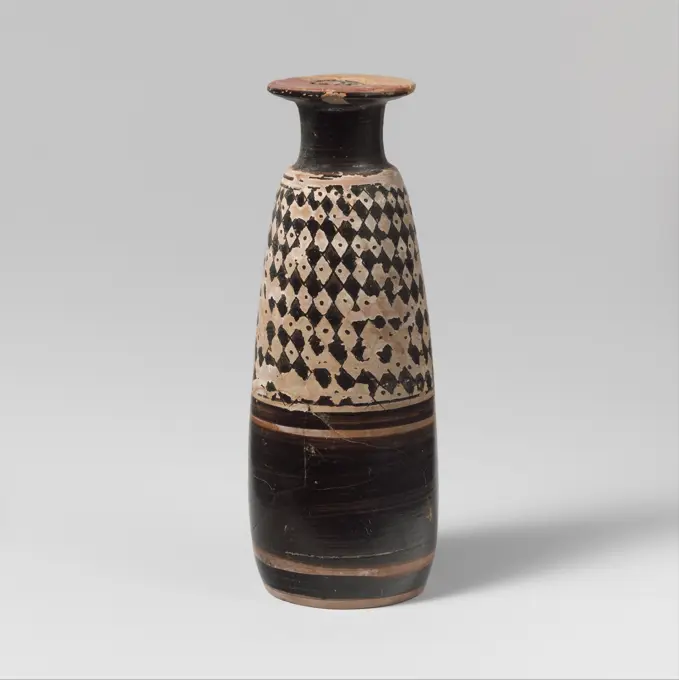
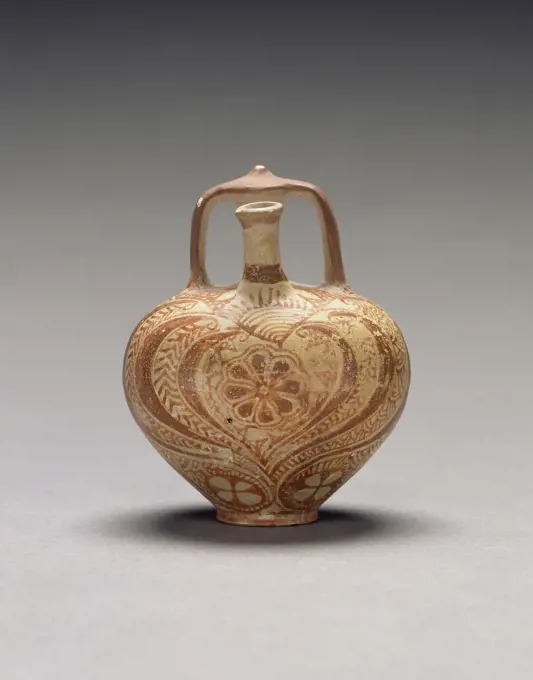
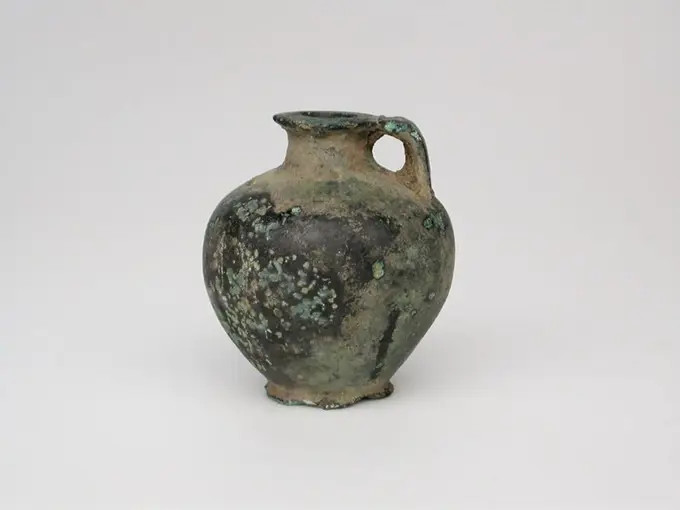
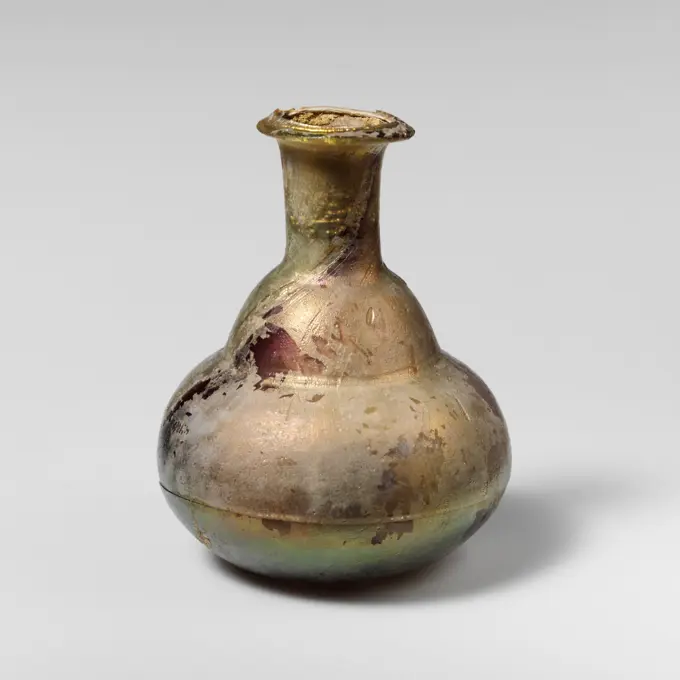
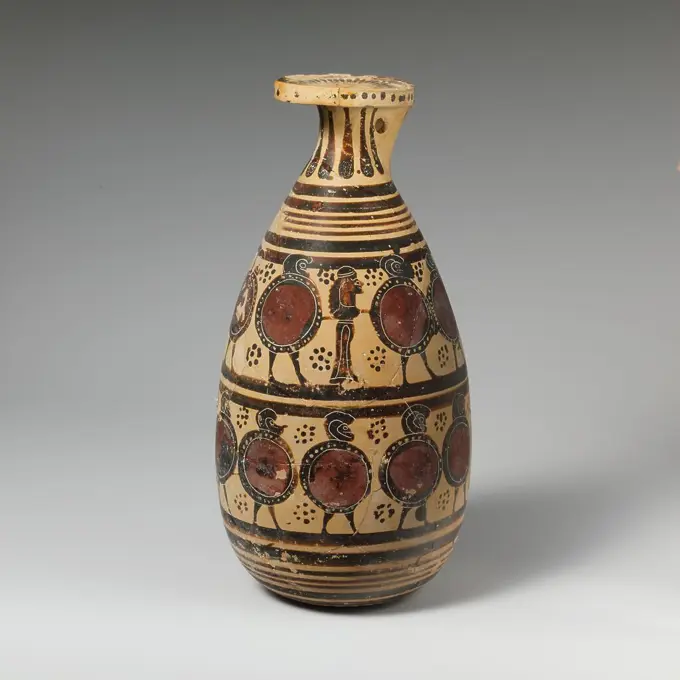
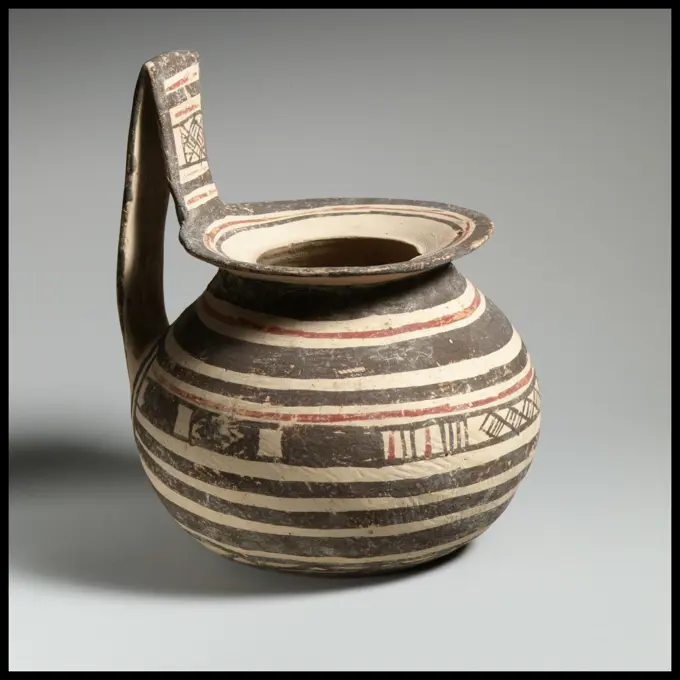
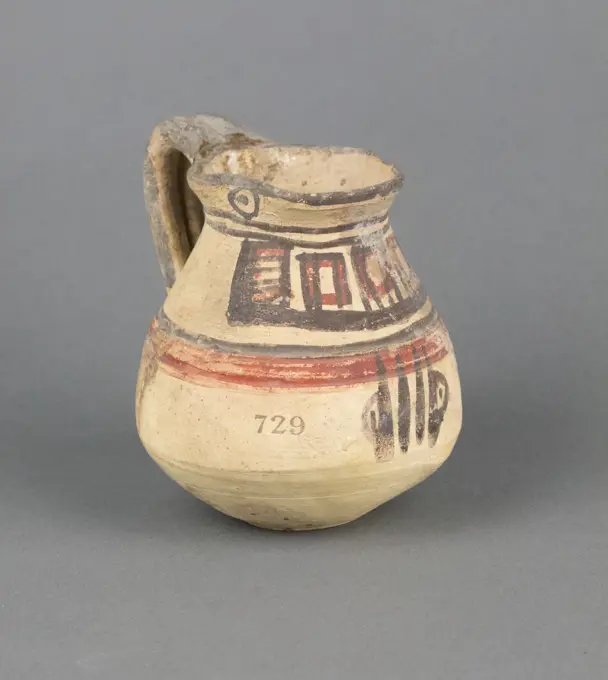
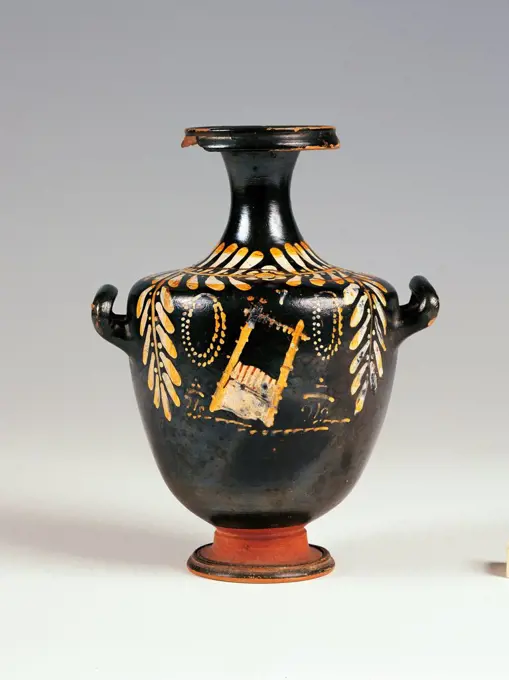
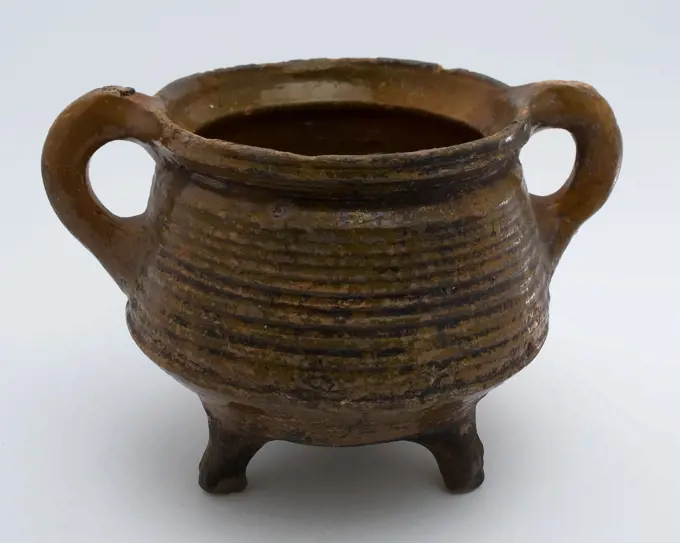
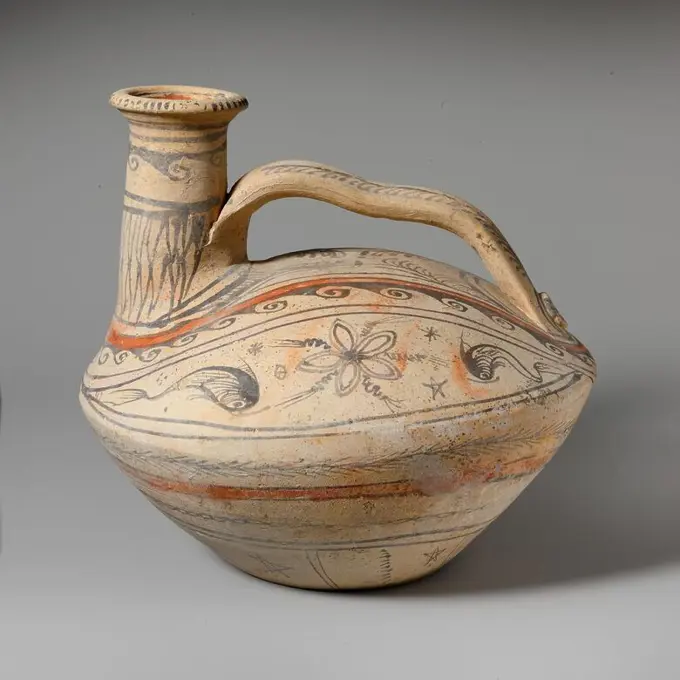
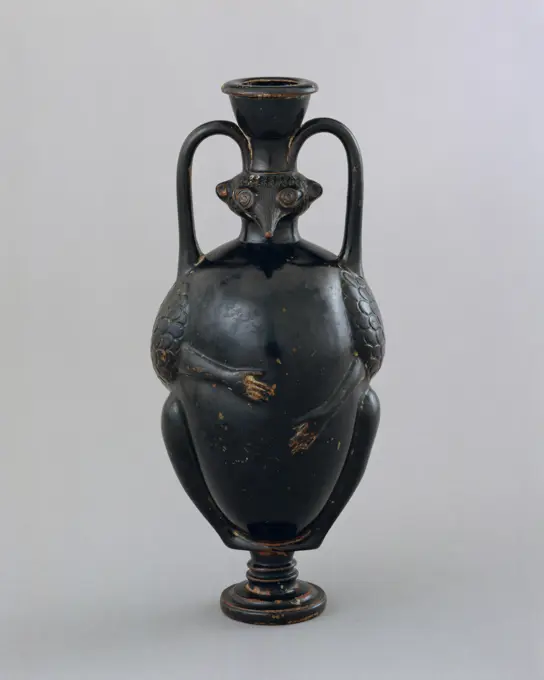
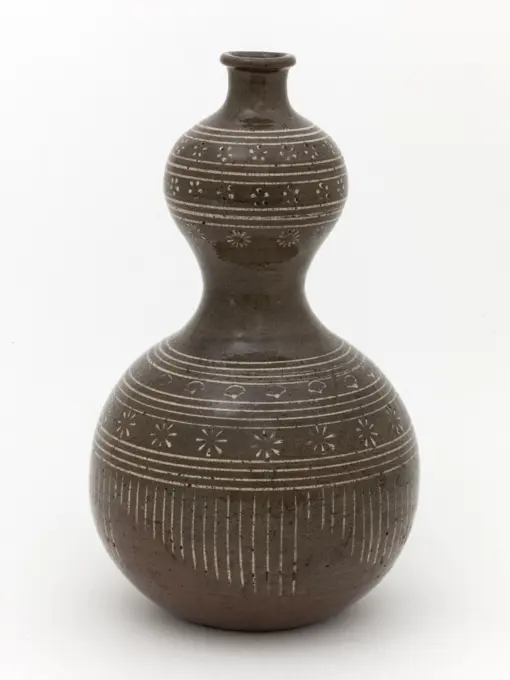
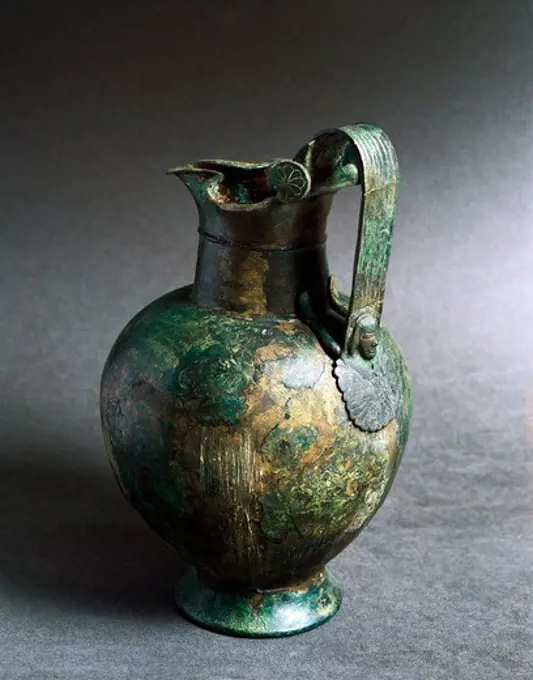
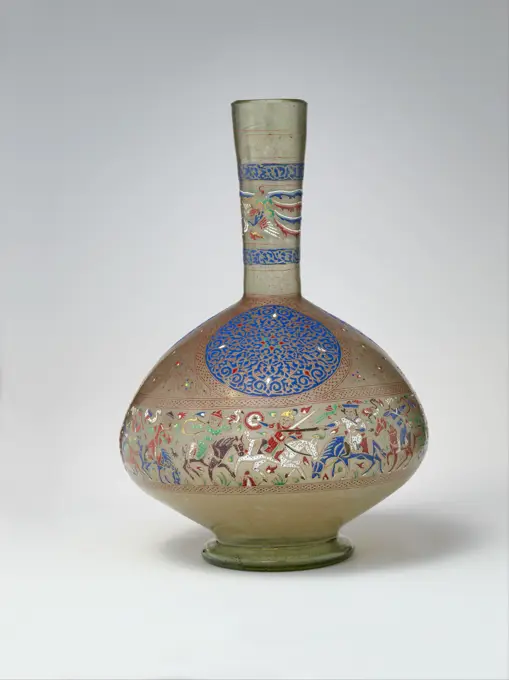
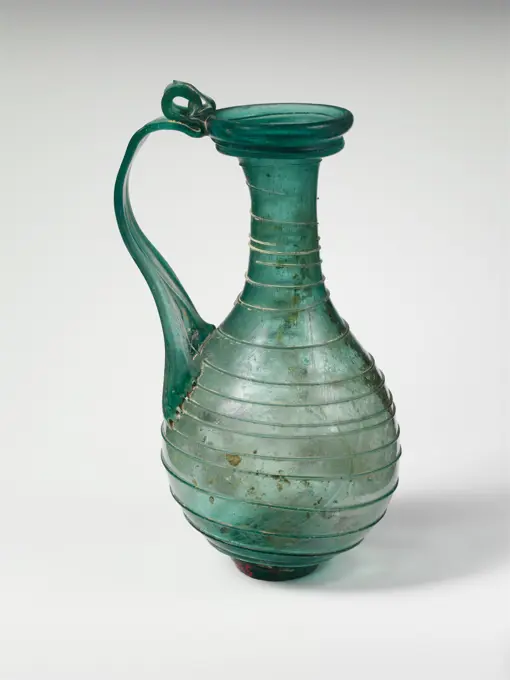
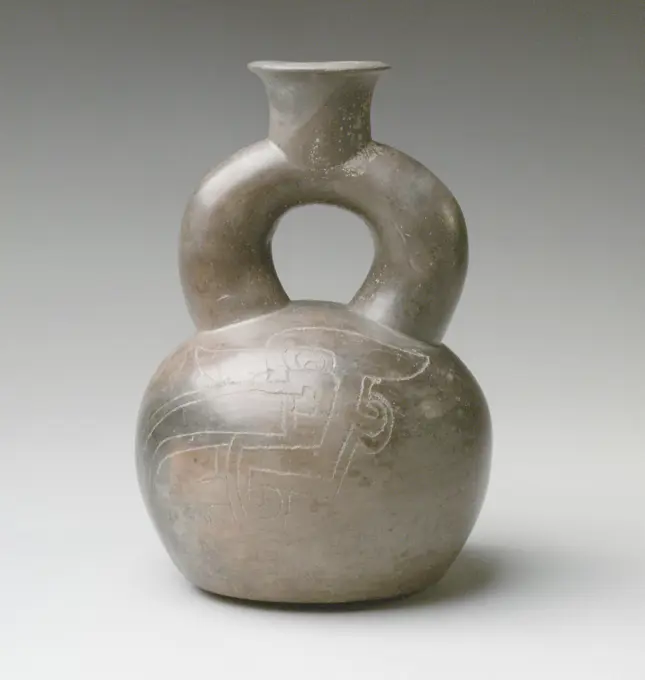
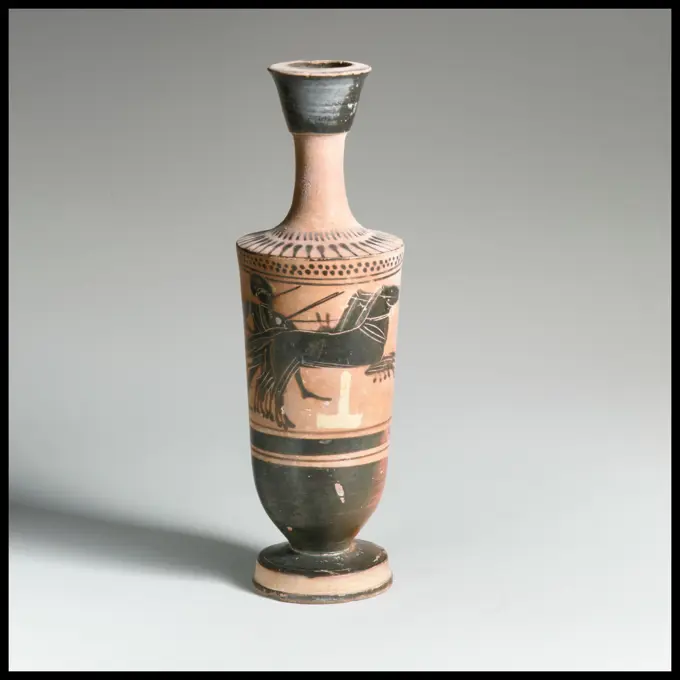
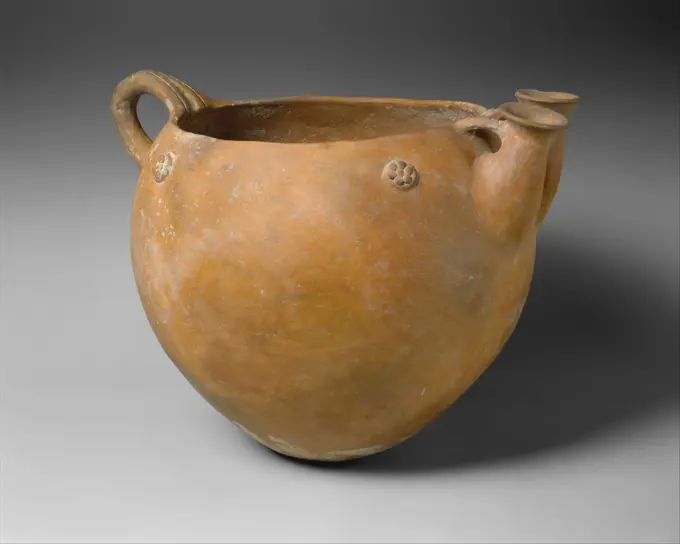
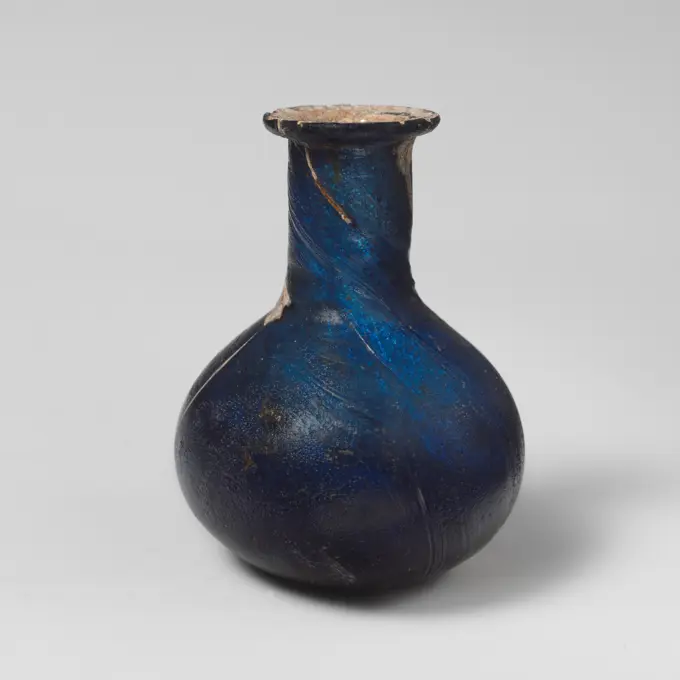
Terracotta jug late 1st-2nd century A.D. Roman Brownish green enamel jug with one handle and incised line and leaf pattern.. Terracotta jug. Roman. late 1st-2nd century A.D.. Terracotta; lead-glazed ware. Imperial. VasesJarre ". Green lead glaze sandstone. Han dynasty (206 BC-220 AD). Paris, Cernuschi museum. Anse, Chinese art, Chinese Ceramic, Han dynasty, Han time, Green Plcifre Glacure, Goulet, Gres, Jarre, Terre TerreTerracotta oinochoe (jug) ca. 900 B.C. Greek, Attic From the Hymettos deposit (see 30.118.1). Terracotta oinochoe (jug). Greek, Attic. ca. 900 B.C.. Terracotta. Geometric. VasesEwer 12th-13th century. Ewer 445230Hu ". Bronze, green patina. China, Han. Paris dynasty, Cernuschi museum. 72359-9 Hu bottle, bronze, han dynasty, green patinaJug (Bartmann jug), anonymous, c. 1625 - c. 1750 Jug (beard fancier bush) of stoneware on the standing surface with a spherical body and narrow neck. The C-shaped ear is attached to the neck and shoulder. Profiles on the neck and, continuously on the shoulder, a printed and imposed bearded man in relief. Frechten. Cheek stoneware. glaze. engobe vitrification Jug (beard fancier bush) of stoneware on the standing surface with a spherical body and narrow neck. The C-shaped ear is attached to the neck and shoulder. Profiles on the neck and, continuously on the shoulder, a printed and imposed bearded man in relief. Frechten. Cheek stoneware. glaze. engobe vitrificationTerracotta stirrup jar. Culture: Cypriot. Dimensions: H. 4 11/16 in. (11.9 cm.). Date: ca. 1200-1050 B.C..Bands and lattice triangles. Museum: Metropolitan Museum of Art, New York, USA.Terracotta oinochoe (jug) late 8th century B.C.-early 7th century B.C. Greek, Attic From the Hymettos deposit (see 30.118.1). Terracotta oinochoe (jug). Greek, Attic. late 8th century B.C.-early 7th century B.C.. Terracotta. Geometric. VasesAryballos Shaped LekythosJar (Hu), 100 BC-100. China, probably Zhejiang province, Han dynasty (202 BC-AD 220). Glazed stoneware with incised and applied decoration; diameter: 39.4 cm (15 1/2 in.); overall: 45.7 cm (18 in.).Glass jug mid-1st-2nd century A.D. Roman Translucent blue green; handle and trail in same color; purple streak in rim and neck.Everted rounded rim, tooled into trefoil shape; funnel-shaped, oval neck; sloping shoulder; body tapering downward with convex sides; concave bottom; strap handle with three ribs applied to shoulder, drawn up and out, turned in horizontally to rim, and trailed on to top of neck and underside of rim.Complete, but cracks in upper body below handle, running up shoulder and neck to rim; many pinprick bubbles; dulling, pitting, and iridescence on exterior; weathering and encrustation on interior.. Glass jug 239727Terracotta jug. Culture: Cypriot. Dimensions: H. 7 5/8 in. (19.4 cm). Date: ca. 1600-1200 B.C..White slipware with handle and funnel-shaped lip. Museum: Metropolitan Museum of Art, New York, USA.Vase (Hu) with Horizontal Bands, Loop Handles, and Lionlike Medallions. China. Date: 581 AD-618 AD. Dimensions: H. 41.6 cm (16 3/8 in.); diam. 23.0 cm (9 1/16 in.). Stoneware with underglaze molded and applied decoration. Origin: China. Museum: The Chicago Art Institute, Chicago, USA.Buire ". Terracotta with green glaze. China, Tang dynasty (618-907). Paris, Cernuschi museum. Anse, Chinese art, bun, Chinese ceramic, container, jug, tang dynasty, bottleneck, container, terracottaJug with flowers, scrolls and medallions, anonymous, c. 1550 - c. 1599 Jug of stoneware on stand ring with a spherical belly and wide neck. The C-shaped ear is attached to the neck and shoulder. Profiles on the neck, belly and foot. Covered with a brown glaze. On the shoulder petal -shaped compartments with a stamped flower in it. The lower part of the abdomen is divided into rectangular compartments. On the neck in relief a printed and laid band with flower vines interrupted by medallions with a mask. Raeren. Rae stoneware. glaze vitrification Jug of stoneware on stand ring with a spherical belly and wide neck. The C-shaped ear is attached to the neck and shoulder. Profiles on the neck, belly and foot. Covered with a brown glaze. On the shoulder petal -shaped compartments with a stamped flower in it. The lower part of the abdomen is divided into rectangular compartments. On the neck in relief a printed and laid band with flower vines interrupted by medallions with a mask. Raeren. Rae Amphora, 7th century, 24 1/4 x 11 3/16 x 11 3/16 in. (61.6 x 28.42 x 28.42 cm) (overall), Porcelaneous stoneware and incised, molded and appliqué décor under a clear glaze, China, 7th century, The white amphora was standard regalia for seventh century tombs of the Sui (581-618) and Tang (618-906) dynasties. This era witnessed the birth and early development of high-fired white ware in north China. It was also a period that was enriched and influenced by imports along the Silk Road from the west. It is possible that the basic form of this vessel with its ovoid body and tall, cylindrical neck flanked with long handles is based on the standard amphora shape common to the Mediterranean world.. Vase of pottery with a spherical body. With a polished decoration with two tires with curlwork on the shoulder.Jug found at Weoley Castle, Birmingham, a Birmingham Museums Trust heritage site. Light yellow-green vase on a foot ring with an egg-shaped body and a slender neck that runs in a wide mouth. A flat handle from mouth to shoulder.Miniature Ewer 11th-12th century The miniature ewer was most probably made in central or northern Iran in the 11th or 12th century, at a time when potters were experimenting with new technologies such as stonepaste. Early stonepaste vessels were mostly monochrome-glazed, in turquoise, purple, white, blue, with the occasional splash of a different color. They display a range of inventive shapes, such as small bowls and dishes with scalloped, lobed, and variably decorated rims, and miniature vessels like this object. The splash of turquoise on the otherwise dark purple coating of the ewer is a rather rare occurrence, while the peculiar obliquely-cut ring-foot is a technical hallmark of the earliest stonepaste vessels from Syria to Iran.The ewer came to the Museum in 1920 together with a large group of objects bequeathed from the collection of the antique dealer William Milne Grinnell.. Miniature Ewer. 11th-12th century. Stonepaste; glazed. Attributed to Iran. CeramicsTerracotta hydria: kalpis (water jar). Culture: Greek, Attic. Dimensions: H. 12 1/4 in. (31.1 cm); diameter 9 1/8 in. (23.2 cm). Date: ca. 430-420 B.C..Bride with attendants and ErosThe small Eros hovering in front of the seated woman indicates that she is a bride. She is surrounded by paraphernalia appropriate to her status and situation. Before her, an attendant holds a large fan. Behind her, another extends a plemochoe, a container for perfumed oil. This figure is remarkable for her position: she rests one foot on the mouth of the hydria standing on the floor and holds an arm akimbo. One wonders whether the woman would assume the same position if she were in front of her mistress rather than behind her. Museum: Metropolitan Museum of Art, New York, USA.Vase. During the Han Dynasty ritual bronzes decreased in importance and pottery funerary objects took their place as grave goods. Such pottery greatly resembled its bronze prototypes and even imitated their handles. On the decorative band around the body of this vase is a hunting scene with leaping animals and hunters.Black-Figure Kotyle (Drinking Cup): Animal Friezes, 600s-500s BC, with modern painting and incision. Attributed to Shoe Lane Painter (Greek, early-mid 1900s). Ceramic; overall: 7.3 cm (2 7/8 in.). This vessel began as an authentic drinking cup in the ancient Greek city of Corinth. Originally bearing no figural decoration, it was given new handles and animal friezes in a style recalling that of ancient Corinthian artists. The modern decorator was prolific enough that scholars have recognized their hand, coining the name Shoe Lane Painter” after a street in Athens where many such vases were sold.Glass perfume bottle 1st century A.D. Roman Colorless with pale blue tinge.Rim folded out, over, and in, flattened on top and tooled on one side to form spout; short cylindrical neck, with tooled indent around base; conical body with rounded curve to slightly convex bottom.Intact; few pinprick bubbles; pitting, dulling. and iridescent weathering, with some soil encrustion on interior.. Glass perfume bottle 244640Lekyt Black on Red Ware. unknown, authorJar with scholars and crane 15th-16th century China. Jar with scholars and crane 48679. Can of earthenware with a ribbed belly and a wide, flared neck covered with a gray-green glaze. Kinked spout from the shoulder; The ear from the shoulder connected to the edge. The glaze is somewhat affected. A crack from the foot to the belly. A chip in the edge. Celadon ?.Jug 750-600 B.C. Cypriot Spout-jug with lotus, birds, and rosettes.. Jug. Cypriot. 750-600 B.C.. Terracotta. Cypro-Archaic I. VasesOvoid jar ". Terracotta. Vietnam-Xe-Xive s. Paris, Cernuschi museum. 72185-15 Jarre Ovow, Vietnamese object, terracottaCan constricted base and with pinched spout. Multicolored painted with leafy branches and star-shaped ornament under the spoutUrn with Triangular Patterns, c. 3300-c. 2000 BC. Northwest China, Neolithic period, Majiayao culture. Earthenware with slip-painted decoration; overall: 36.5 x 39.5 cm (14 3/8 x 15 9/16 in.).Vase. Terre Civa. Vietnam. Paris, Muse Cernuschi. Vase Asian art, art of extreme orient, art of Vietnam, Vietnamese art, terracotta, dishesTerracotta amphora (jar) ca. 750-600 B.C. Cypriot The decoration of the neck and shoulder admirably combines geometric and floral motifs, specifically variants of the lotus bud and flower. Such vases are found empty in tombs especially in the eastern part of Cyprus.. Terracotta amphora (jar) 240560Glass perfume bottle 1st century A.D. Roman Colorless with bluish tinge, with same color trail.Rim folded out, down, over, and in; flaring mouth; neck expanding downward, joining imperceptibly with globular body; rounded bottom.Fine, unmarvered spiral trail from base of neck to bottom in thirteen turns.Intact, except for parts of trail on upper part of body, and crack in neck; bubbles; thick enamel-like weathering, iridescence, and pitting.. Glass perfume bottle 239625Terracotta trefoil oinochoe (jug) ca. 525-500 B.C. Etruscan Trefoil lip, on handle a seated deity with bird beneath chair.. Terracotta trefoil oinochoe (jug) 246181Amphora (Ping) with Dragon Handles. China, mid-Tang Dynasty, circa 700-800. Furnishings; Serviceware. Wheel-thrown stoneware with modeled and applied decoration and pale green glazeGlass perfume bottle. Culture: Roman. Dimensions: 5 3/4in. (14.6cm)Other: 2 13/16 in. (7.1 cm)Diam. of rim: 1 1/4 in. (3.2 cm). Date: 2nd-3rd century A.D..Translucent pale green.Uneven rim folded out, round, and in, with thick rounded outer lip; cylindrical neck, expanding downward, tooled in around base; conical body, curving in to flat bottom.Intact; many bubbles; deep pitting and brilliant iridescence with areas of creamy brown weathering. Museum: Metropolitan Museum of Art, New York, USA.Jug (Wappenkrug); Raeren (ceramic family; Ca 1500-Ca 1900), Mennicken, Johann Baldems (Fl. Ca 1589-1613); 1598 (1598-00-00-1598-00-00);relief decoration, plant decorations, coats of arms, stoneware, mascarons, inscriptions, ornamentsJug 50 CE-150 CE Ancient Mediterranean. Glass, blown technique . Ancient RomanJug 201 CE-300 CE Mediterranean Region. Glass . Ancient MediterraneanVase, 200-500. Eastern Mediterranean, Roman, possibly 3rd-5th Century, or later. Glass; diameter: 3 cm (1 3/16 in.); overall: 4.8 x 4.5 cm (1 7/8 x 1 3/4 in.).Flask, c. 1350-1300 BC. Cyprus, Late Helladic III A2. Cypro-Mycenaean ware; diameter: 8.9 cm (3 1/2 in.); overall: 10.4 cm (4 1/8 in.); diameter of foot: 3 cm (1 3/16 in.).. Lid of ritual wine cup.Bartmann (bearded-man) jug with the arms of the Duchy of Jülich-Cleve-Berg. Bartmann jugs owe their name to the bearded faces that were applied as decoration to the necks of these vessels. This one has a head with an unusually long split moustache and beard, with blue accents. These jugs, with or without floral decorations around the body, are a typical product of Cologne.Vase with Chrysanthemum Flower Heads 1235-1265 Korea. Celadon-glazed stoneware with underglaze inlaid decoration of black and white clays .Terracotta Hadra hydria (water jar). Culture: Greek, Ptolemaic, Cretan. Dimensions: h. 17 5/8 in (44.8 cm); d. 9 7/8 in (25.1 cm). Date: ca. 213 B.C..inscribed "Theudotos"The relatively firm date of this hydria is provided by its close stylistic relationship to hydria 90.9.29 (on view in case 9 of the Roman Court), which has a securely dated inscription. The vessels are thought to be by the same artist since both feature the decorative combination of cross-hatched diagonal bands with a four-petaled rosette and dotted rosettes framed by sideways palmette fronds. Museum: Metropolitan Museum of Art, New York, USA.Prehistory, Iraq, Halaf culture. Ceramic vase painted with geometric pattern, late 5th millennium b.C. From Tell Hassan.Jar, 1-200. Parthian, 1st-2nd Century. Terracotta; overall: 6.9 cm (2 11/16 in.).Jar with Chrysanthemum Design. Korea, Korean, Joseon (1392-1910), 15th-early 16th century. Furnishings; Serviceware. Buncheong ware: Wheel-thrown stoneware with stamped and slip-filled decoration and pale green glazeJar, 1-200. Parthian, 1st-2nd Century. Terracotta; overall: 35 cm (13 3/4 in.).Bottle 6th-4th century B.C. Paracas. Bottle. Paracas. 6th-4th century B.C.. Ceramic, post-fired paint. Peru. Ceramics-ContainersPitcher with Handle, AD 300s. Syro-Palestinian, Roman, 4th century. Glass; diameter: 4.8 cm (1 7/8 in.); overall: 12.3 x 8.9 x 7.7 cm (4 13/16 x 3 1/2 x 3 1/16 in.).Glass perfume bottle. Culture: Roman. Dimensions: Overall: 5 1/8in. (13cm)Diam.: 2 7/8 x 1 1/8 in. (7.3 x 2.9 cm). Date: 1st-2nd century A.D..Colorless.Rim folded out, over, and in, with beveled upper surface; cylindrical neck with tooled indent around base; ovoid body; slightly convx bottom.Intact; pinprick and elongated bubbles, and blowing striations; dulling, pitting, iridescence, and whitish weathering, with some soil encrustation on interior. Museum: Metropolitan Museum of Art, New York, USA.Pitcher. unknown, craftsmanHu wine vessel, 4th century BCE, 11 9/16 × 10 1/2 in., 12.6 lb. (29.37 × 26.67 cm, 5.7 kg), Bronze, China, 4th century BCEGlass gold-band mosaic bottle 1st half of 1st century A.D. Roman Translucent cobalt blue, honey brown, and bluish green, colorless encasing gold leaf, and opaque white ().Everted, horizontal rim with rounded outer lip; cylindrical neck; sloping shoulder; carinated body with straight side above carination and convex curving side below; slightly concave bottom.Gold-band mosaic pattern formed from a single serpentine length of layered canes formed in the following order: blue, colorless with gold leaf, green, and thin stripes of white; the length is wound three times round body, being fused together across bottom.A single fine horizontal line incised on upper surface of rim near outer edge; a band of two grooves flanking a raised line at junction of shoulder and side; and another band of two grooves flanking a raised line at junction of side and bottom.Intact, except for one weathered chip in rim and two deep weathered chips in side of body; many pinprick bubbles; dulling, pitting, and cPolychrome Bottle Mississippian (Ancestral Quapaw) 14th-15th century In the centuries before the arrival of Europeans, artists in the region that is now Arkansas created slips (suspensions of minerals in water) to paint buff-colored ceramics such as the present example, created using the coiling method. Such vessels were part of the ritual life of the mound­building Mississippian culture found in the Midwestern, Eastern, and Southeastern United States between A.D. 800 and the beginnings of the historic period circa 1600.Glass jug. Culture: Roman. Dimensions: H.: 3 9/16 in. (9 cm). Date: 1st-3rd century A.D..Translucent blue green; handle in same color.Tubular rim folded out, round, and in; wide, concave, cylindrical neck; squat bulbous body with gently curving side; pushed-in bottom; small rod handle applied in a round pad to top of body, drawn up and outwards, turned in and slightly down, and trailed onto top of neck with upward trail extending to lip of rim.Intact; few bubbles; dulling, slight pitting, and iridescenec on exterior, creamy weathering and iridescence on interior. Museum: Metropolitan Museum of Art, New York, USA.Lamp. UnknownEwer. Iran, 12th century. Metal. BronzeSpouted Sake Bottle. Japan, Edo period, 19th century. Ceramics. Onta ware; stoneware with iron, wood ash, and rice straw ash glazesBottleJar late 12th-early 13th century Similar underglaze painted objects are usually attributed to Raqqa, a town on the Euphrates in northeast Syria, from which a large number appeared on the market from the end of the 19th century. While some of the workshops were located there, as the unearthing of a large number of wasters confirms, others were located elsewhere along the Euphrates valley, in southern Anatolia, central Syria, Damascus and as far as Egypt.This jar is said to come from the so-called "Great Find" in Raqqa in the early 20th century, when a colony of Circassians that was being relocated by the Ottomans was given permission to excavate an archaeological area in search of building material. They found a number of large jars containing intact vessels which were eventually sold on the market (see also 56.185.22 and 56.185.18).. Jar 451360Terracotta miniature oinochoe (jug) 4th century B.C. Greek, South Italian, Campanian The body is ribbed and has a small head of a bearded man projecting at the front. The concept is noteworthy because figural embellishments usually occur at the bottom or the top of the vertical handle.. Terracotta miniature oinochoe (jug) 254216 Greek, South Italian, Campanian, Terracotta miniature oinochoe (jug), 4th century B.C., Terracotta, H. 2 3/8 in. (6.1 cm). The Metropolitan Museum of Art, New York. Rogers Fund, 1941 (41.162.49)Pitcher, Stoneware, slip decoration, Globular body on foot. Tall neck with thin bands. Round mouth with small spout. Handle decorated with wheat. Impressed floral decoration throughout. Applied butterfly., France, ca. 1885, ceramics, Decorative Arts, PitcherHU type vase. Proto-Grès with transparent coverage. Cernuschi Museum, Asia Museum of Asia in the city of Paris.Terracotta pithoid jar Mycenaean ca. 1400-1200 BCE Pear-shaped vase with three handles, and horizontal and vertical band.Terracotta Columbus alabastron (perfume vase) ca. 470 B.C. Related to the Beldam Painter Columbus alabastra are a simple solution to the problem of having the normally round-bottomed vases stand without an additional support. Their rarity is noteworthy.. Terracotta Columbus alabastron (perfume vase) 255841Oinochoe; Unknown; Alexandria, Egypt, Africa; 25 B.C. - A.D. 25; Bronze and silver; Object (body): H: 32 x Diam.: 20.3 cm (12 5/8 x 8 in.), Object (mouth): Diam.: 13.2 cm (5 3/16 in.), Object (foot): Diam.: 11.1 cm (4 3/8 in.)Jar, 22nd-21st century BCE, 10 3/16 x 10 1/8 x 10 1/8 in. (25.88 x 25.72 x 25.72 cm), Machang type Ceramic, pigment, China, 22nd-21st century BCEStirrup Jar with an Octopus Pattern; Greece; about 1130 - 1090 B.C; Terracotta; 7.2 × 5.9 cm (2 13,16 × 2 5,16 in.)Oinochoe (Pitcher). Greek; Thessaly. Date: 800 BC-700 BC. Dimensions: 4.8 x 4.3 x 4.3 cm (1 7/8 x 1 11/16 x 1 11/16 in.). Bronze. Origin: Thessaly. Museum: The Chicago Art Institute, Chicago, USA. Author: ANCIENT GREEK.Glass perfume bottle 1st century A.D. Roman Small perfume bottleTranslucent pale blue green, with purple streaks.Rim folded out, over, and in, with beveled upper surface; cylindrical neck, with tooling marks around base; convex sloping shoulder with prominent tooling marks below; squat bulbous body; slightly concave bottom.Broken and repaired around body, with one jagged hole; pinprick bubbles; heavy pitting, some dulling, and brilliant iridescent weathering.. Glass perfume bottle 239767Terracotta alabastron (perfume vase). Culture: Greek, Corinthian. Dimensions: H.: 8 3/8 in. (21.3 cm). Date: ca. 590-570 B.C..Two friezes of hoplites to right. Museum: Metropolitan Museum of Art, New York, USA.. Egg-shaped pot of stoneware with a narrow, short neck with raised edge, covered with a crackled green glaze. On the belly and shoulder five horizontal, ingrangled lines. Two semicircular ears mounted on the neck from the shoulder. The lower part of the pot is unglazed. Celadon.Jug Italic-Native, South Italian (Daunian). Jug 255238 Italic-Native, South Italian (Daunian), Jug, Terracotta, H. with handle 21.79 cm.. The Metropolitan Museum of Art, New York. Rogers Fund, 1967 (67.11.6)Vessel, 12 7/8 x 14 x 14 in. (32.7 x 35.56 x 35.56 cm), Terra cotta, NigeriaJuglet 750-600 B.C. Cypriot Wide-mouthed jug with conventional desings.. Juglet. Cypriot. 750-600 B.C.. Terracotta. Cypro-Archaic I. VasesGlass hexagonal jug with Dionysiac symbols. Culture: Roman. Dimensions: H.: 3 7/8 in. (9.8 cm). Date: 1st century A.D..Translucent deep purple, with handle in semi-opaque colorless with greenish tinge.Tubular rim, folded out, round, and into flaring mouth; cylindrical neck, tapering downward; convex sloping shoulder; straight-sided hexagonal body, expanding downward; convex undercurve; flat circular bottom; strap handle attached in two large ribs to shoulder and top edge of body above panel with circular object, drawn up and out, then curved in, and pressed on to top of neck and underside of rim, with projecting flattened thumbrest above. Slight mis-alignment of vertical sections of mold on one side above cup section.On shoulder, frieze of indistinct downturned tongues; on body, six rectangular panels, with vertical raised edges, containing objects associated with the Dionysiac cult: 1. crossed, double-ended thyrsi; 2. a footed jug with spout to left and high handle to right; 3. a fApulian hydria in the Gnathia style, by circle of Painter of Lecce, IV Century, 330-320, cm 16 diamentro orlo 5.6 cm, piede 5.6 cmPottery cooking pot, grape-model, red shard with lead glaze, two vertical sausages, on three legs, cooking pot crockery holder kitchenware earth discovery ceramics earthenware glaze lead glaze, hand-turned glazed baked Pottery cooking pot grape-model red shard with lead glaze with greenish spots two at the top pinched sausages three legs bottom unglazed with traces of archeology native pottery food prepare cooking food cuisineTerracotta askos (flask with a spout and handle over the top). Culture: Native Italian, Daunian, Canosan. Dimensions: H. 8 9/16 in. (21.7 cm)diameter 9 3/8 in. (23.8 cm). Date: 3rd century B.C..This askos represents a different but typical Daunian shape. The convex shoulder emphasizes the fluidly drawn dolphins. Museum: Metropolitan Museum of Art, New York, USA.Lead-glazed stemmed cup 3rd century A.D. Roman This footed, two-handled cup is typical of the glazed pottery produced in the Rhône valley in Gaul (modern France) during the later imperial period. Lead-glazed stemmed cup. Roman. 3rd century A.D.. Terracotta; lead-glazed ware. Late Imperial. VasesTerracotta amphoriskos (flask) in the form of a bird-man late 5th century B.C. Greek, Attic This extraordinary vase of a bird-man, of high technical quality, is unique among the examples of Attic black-glazed pottery known today. It almost certainly relates to Aristophanes' well-known comedy The Birds (first produced in 415/414 B.C.) and may represent the costume that would have been worn by members of the chorus in the fifth century B.C.. Terracotta amphoriskos (flask) in the form of a bird-man. Greek, Attic. late 5th century B.C.. Terracotta; black-glaze. Classical. VasesCocoon-Shaped Flask (Jianxinghu) 206 BCE-9 CE China. Buff earthenware with polychrome pigments .Bottle in the shape of a calabash (Hisago-Gata Tokkuri). Sandstone, celadon green covered, decor of engraved and stamped patterns filled with white slip. End of the 18th-early 19th century. Paris, Cernuschi museum. Japanese art, bottle, ceramic, Japanese ceramic, beginning of 19th XIX 19th 19th 19th 19th century, white slip, Estamper, end 18th 18th 18th 18th 18th 18th century, calabasse form, gres, Hisago-Gata tokkuri, serious patternItaly, Abruzzo, Picene oenochoe (or oinochoe, wine jug), bronzeEnameled and Gilded Bottle late 13th century The size and delicate decoration of this bottle are remarkable; few such large or painterly examples of enameled glass are known. The polychrome phoenix on the neck soars above the central scene of mounted warriors wielding maces, swords, and bows. The warriors might well be participants in a horsemanship exercise, outfitted as combatants from the rival Ilkhanid and Mamluk states. Listen to experts illuminate this artwork's story Listen Play or pause #6622. Enameled and Gilded Bottle Supported by Bloomberg Philanthropies We're sorry, the transcript for this audio track is not available at this time. We are working to make it available as soon as possible.. Enameled and Gilded Bottle. late 13th century. Glass, greenish; blown, folded foot; enameled and gilded. Attributed to Egypt, possibly Cairo. GlassGlobular Jar 618 CE-906 CE China. Earthenware with amber glaze .Sprinkler Flask. UnknownGlass jug 3rd-4th century A.D. Roman Translucent deep blue green; handle, foot ring, and trails in same color, but foot ring also slightly streaked with opaque red brown.Rim folded over and into flaring mouth; cylindrical neck, expanding downwards; globular body; low foot ring, applied as a coil; small, flat bottom, with pontil scar; three-ribbed strap handle, attached to upper body with long downward claws, drawn up, out, round, and in, and attached to edge of rim over trail, with projecting hollow loop.One thicker trail wound horizontally one and a half times around underside of mouth; a finer trail applied next to foot ring, then wound up in a spiral ten times, ending under handle; five more fine trails wound in short spirals in irregular bands on neck.Intact; pinprick bubbles and some glassy inclusions; slight dulling and encrustation, with faint weathering and iridescence on exterior, patches of pale brown soil encrustation and brilliant iridescent weathering on interior.. Glass jStirrup-Spout Bottle 12th-5th century B.C. Cupisnique Stirrup-spout bottles (the name refers to the spout shape, which resembles a riding saddle stirrup) were made for ritual use beginning in the early second millennium B.C. Large numbers of them have been found in elite burials on Peru's northern coast and display unequalled technical and artistic skill. Many are elaborated into three-dimensional sculptures, including humans, plants, animals, and supernatural beings; others show a wide range of surface texturing. The majority of the bottles are a monochrome gray-to-brown black color resulting from firing in a reducing atmosphere. The uneven exposure to fire and air left the surface on this vessel with an irregular dark hue. The profile face of a creature, perhaps a feline, is incised into the well-burnished surface of the globular chamber. An excessively long streamer or tongue projects from the mouth to the bottom of the vessel, and a wide-open eye stares menacingly from under a promTerracotta scyphus (drinking cup). Culture: Roman. Dimensions: H. 3 in. (7.6 cm)diameter 3 11/16 in. (9.4 cm). Date: 1st half of 1st century A.D..Green-glazed with leaf decoration and rosettes. Museum: Metropolitan Museum of Art, New York, USA.Lekythos 1st quarter of 5th century B.C. Attributed to the manner of the Haimon Painter Quadriga at post, charioteer and warrior.. Lekythos 254397 : Attributed to the manner of the Haimon Painter, Lekythos, 1st quarter of 5th century B.C., Terracotta, H. 7 1/16 in. (18 cm). The Metropolitan Museum of Art, New York. Rogers Fund, 1941 (41.162.226)Terracotta bowl ca. 2500-1600 B.C. Cypriot Bowl with handle and two spouts.Red Polished Ware vessels, such as this bowl, made their appearance at the very beginning of the Early Cypriot I period, having been introduced by immigrants from Anatolia who settled on the island soon after the middle of the third millennium B.C. The surface was covered with a red slip, which was then burnished to render a lustrous appearance. The small rosettes and incisions on the handle, filled with lime after firing, lend a striking contrast to the red background of the vase.Cypriot Red Polished Ware has long been known from finds in tombs throughout the island, and has recently appeared at settlement sites as well. The shapes and decorations on vessels, like this double-spouted bowl, highlight the creative spirit of the Cypriot potter, showing the artist's sense of elegance and geometric symmetry.. Terracotta bowl. Cypriot. ca. 2500-1600 B.C.. Terracotta. Early or Middle Bronze Age. VasesGlass jug. Culture: Roman. Dimensions: H.: 5 1/4 x 2 5/8 x 1 1/2 x 15/16 in. (13.3 x 6.7 x 3.8 x 2.4 cm). Date: 3rd-4th century A.D..Translucent deep blue green; handle, foot ring, and trails in same color, but foot ring also slightly streaked with opaque red brown.Rim folded over and into flaring mouth; cylindrical neck, expanding downwards; globular body; low foot ring, applied as a coil; small, flat bottom, with pontil scar; three-ribbed strap handle, attached to upper body with long downward claws, drawn up, out, round, and in, and attached to edge of rim over trail, with projecting hollow loop.One thicker trail wound horizontally one and a half times around underside of mouth; a finer trail applied next to foot ring, then wound up in a spiral ten times, ending under handle; five more fine trails wound in short spirals in irregular bands on neck.Intact; pinprick bubbles and some glassy inclusions; slight dulling and encrustation, with faint weathering and iridescence on exterioWine Cup (Zhi) 11th-10th century BC China. Wine Cup (Zhi). China. 11th-10th century BC. Bronze. Western Zhou dynasty (1046-771 B.C.). MetalworkJug, c. 1450-1200 BC. Cyprus, Late Cypriot II. White slip ware; diameter: 10.3 cm (4 1/16 in.); overall: 13.3 x 11.6 cm (5 1/4 x 4 9/16 in.); diameter of foot: 6.3 cm (2 1/2 in.).Glass perfume bottle 1st century A.D. Roman Small perfume bottleTranslucent cobalt blue. Lopsided, splayed rim with rounded lower edge and beveled top; cylindrical neck, with some tooling ridges; squat, piriform body; small, slightly flattened bottom.Intact, except for minor chip in rim; pinprick bubbles and blowing striations; dulling, heavy pitting and weathering with patches of brilliant iridescence.. Glass perfume bottle 239765Jug Nathaniel Seymour American ca. 1790-1820