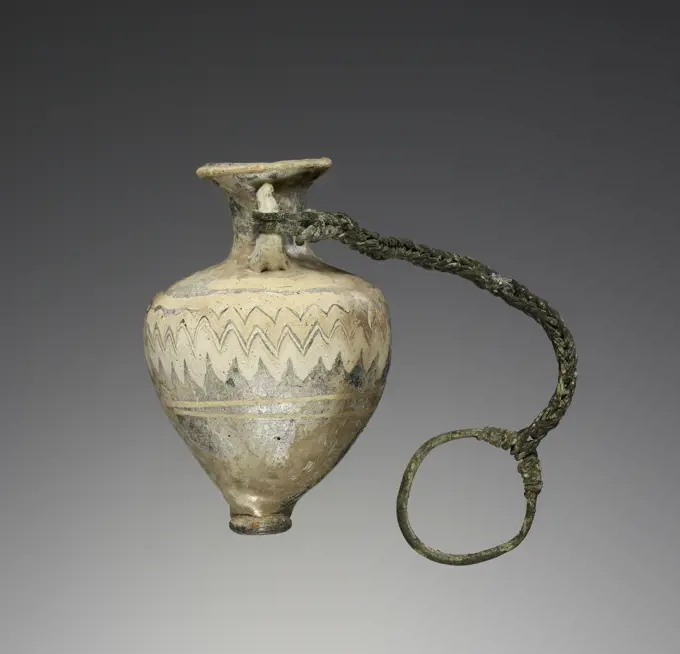
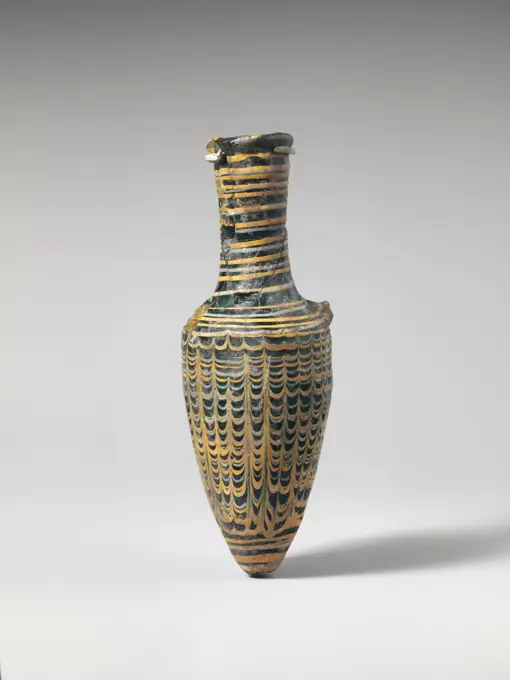
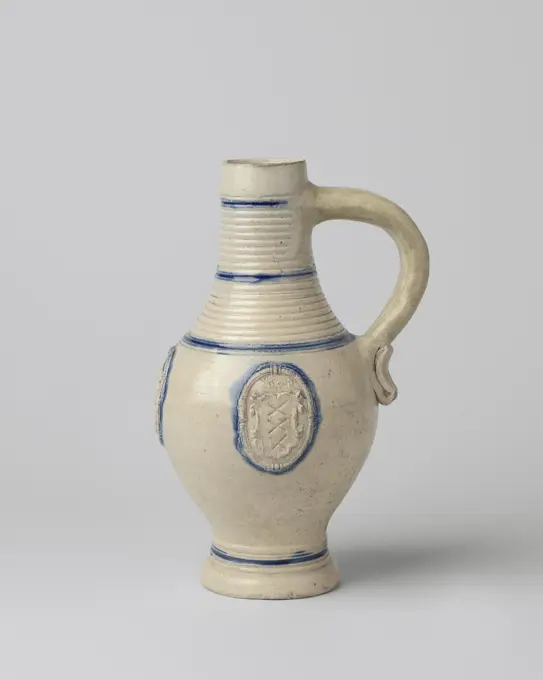
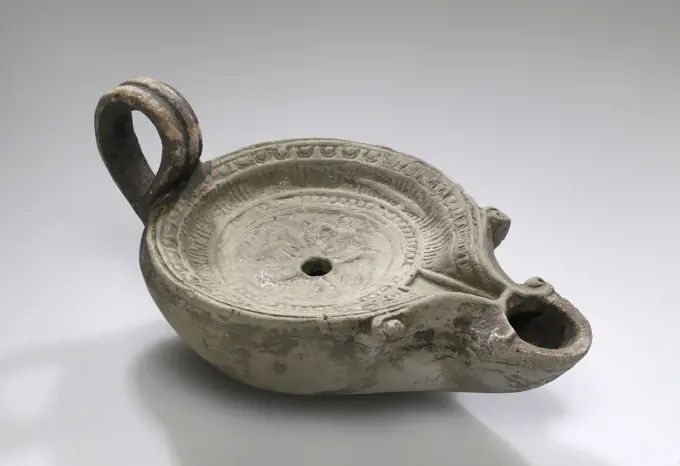
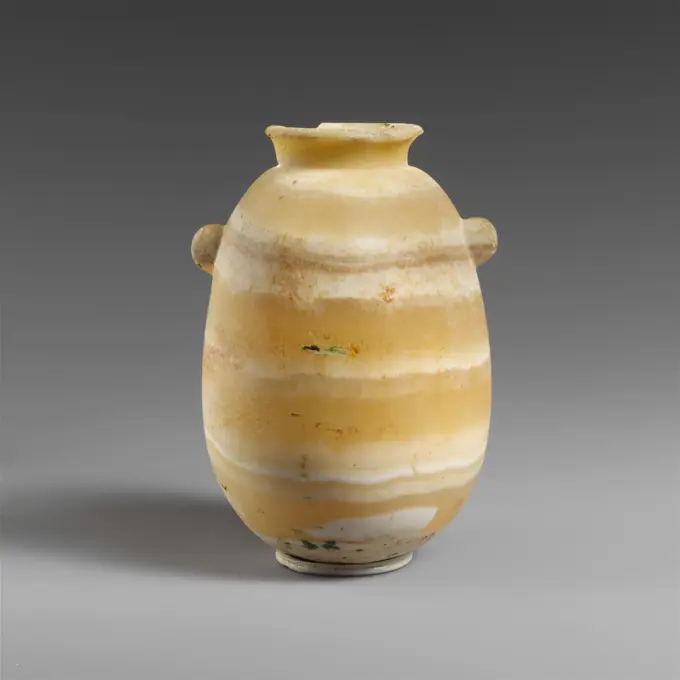
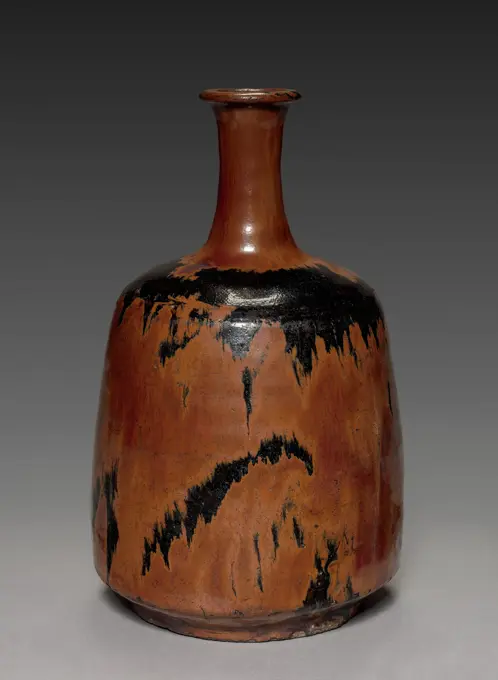
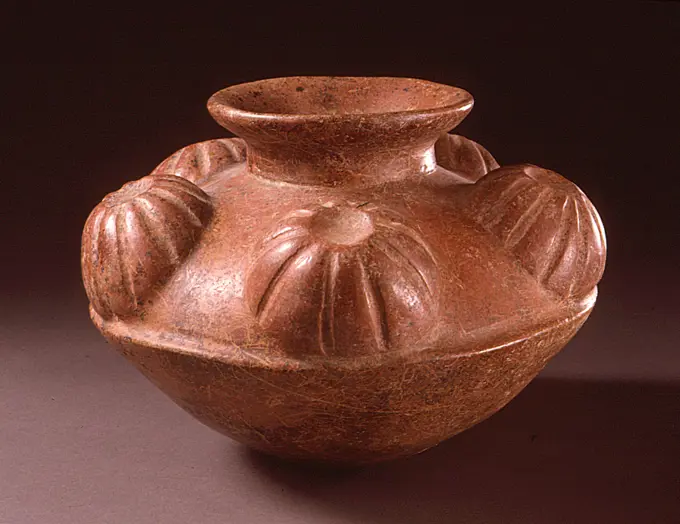
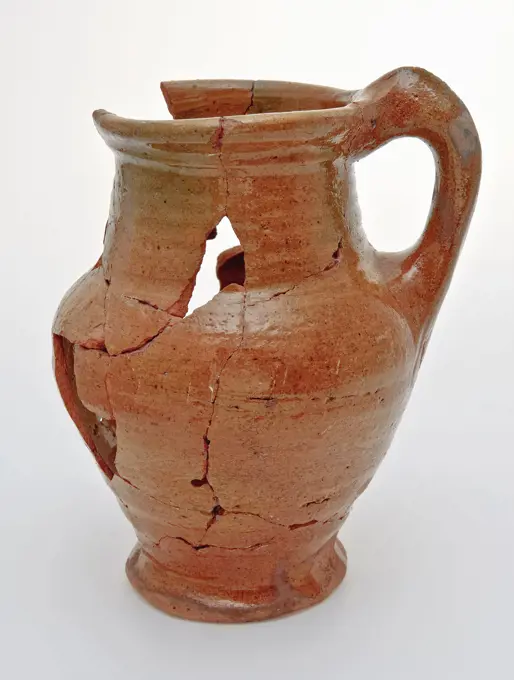
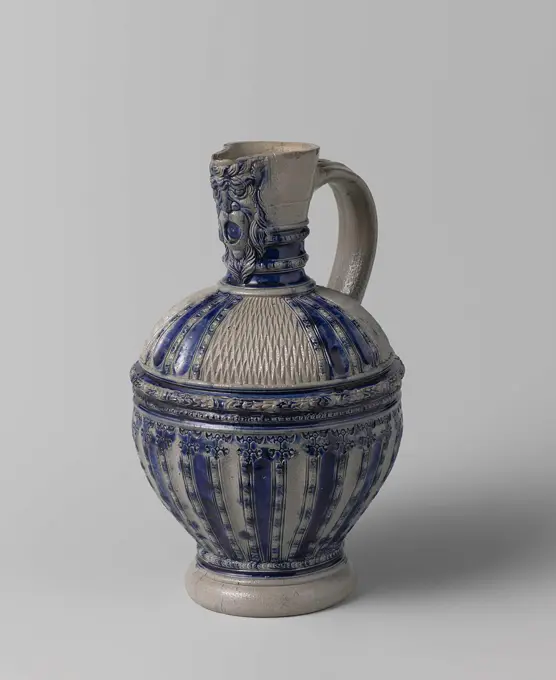
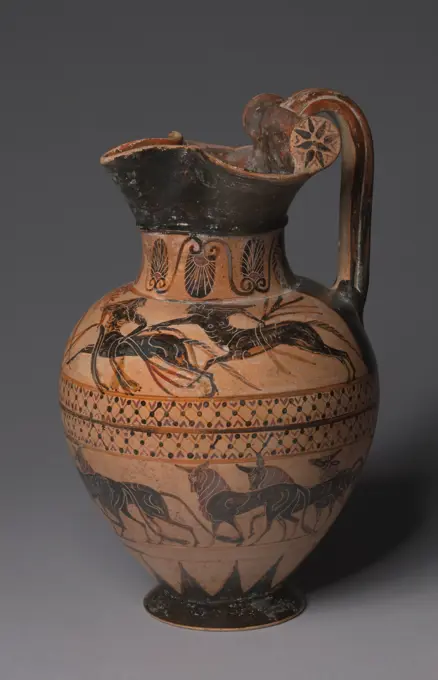
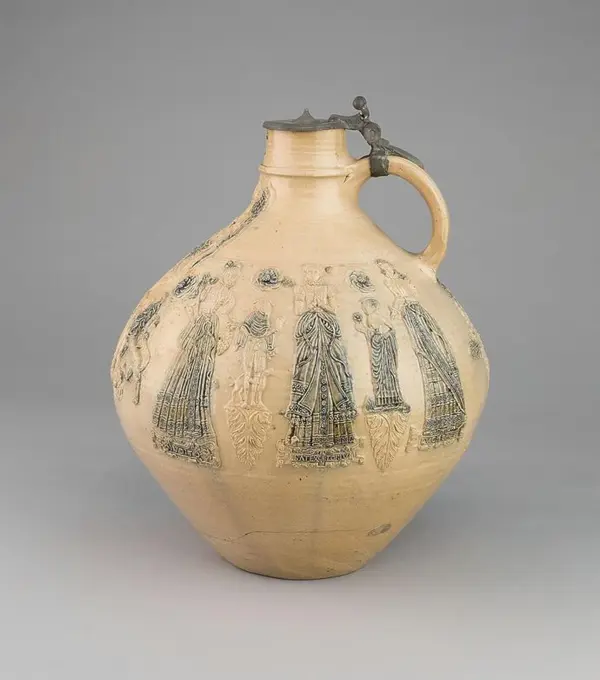
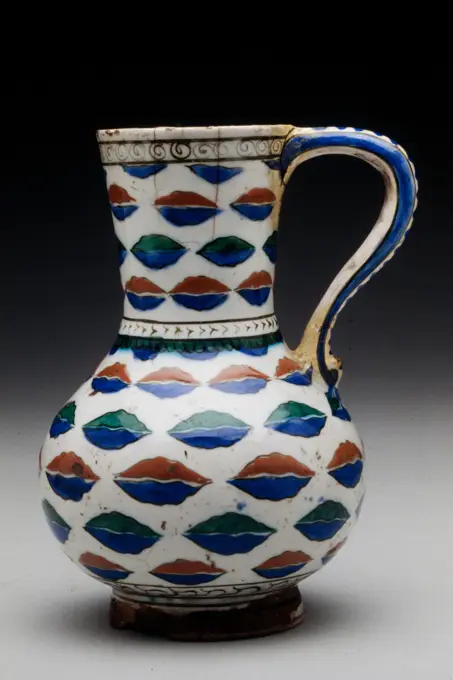
Ancient and Historical Jugs

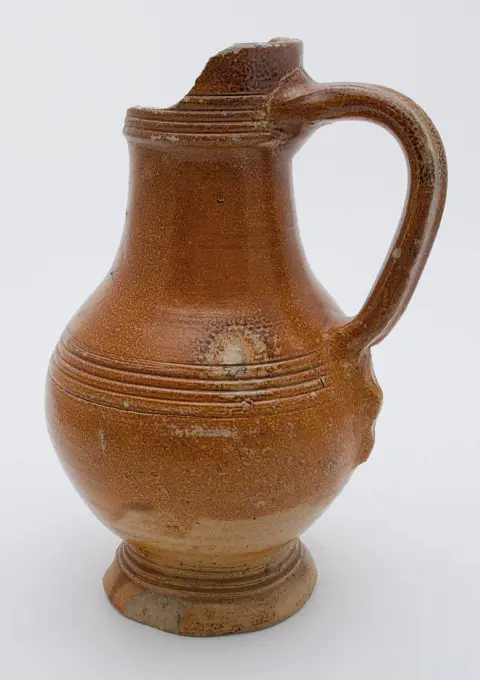
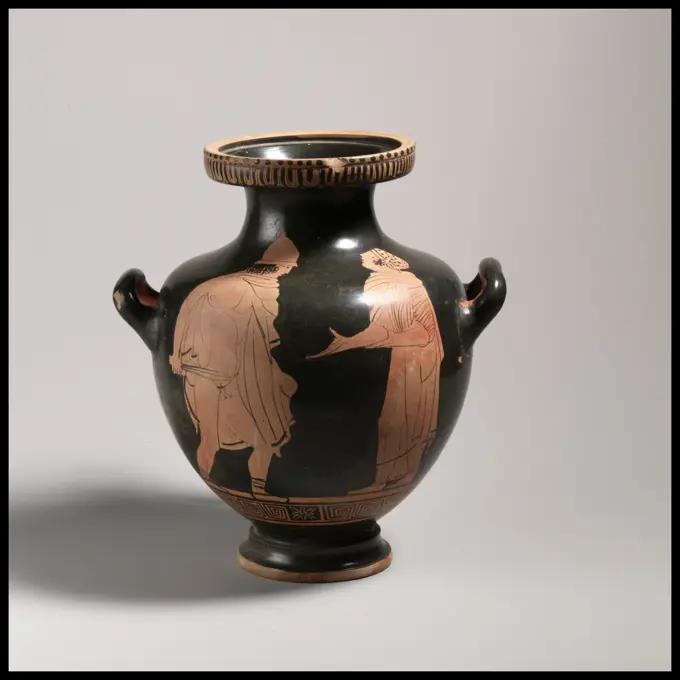
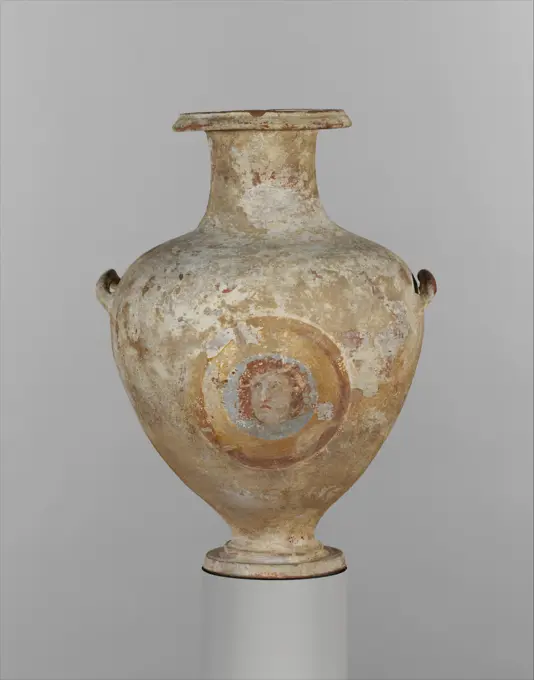
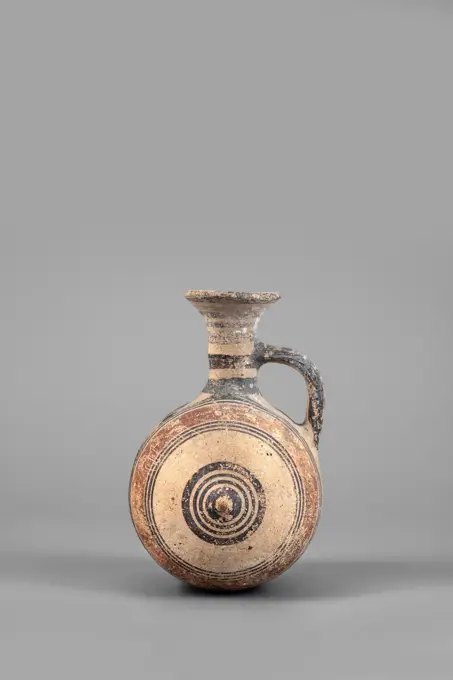
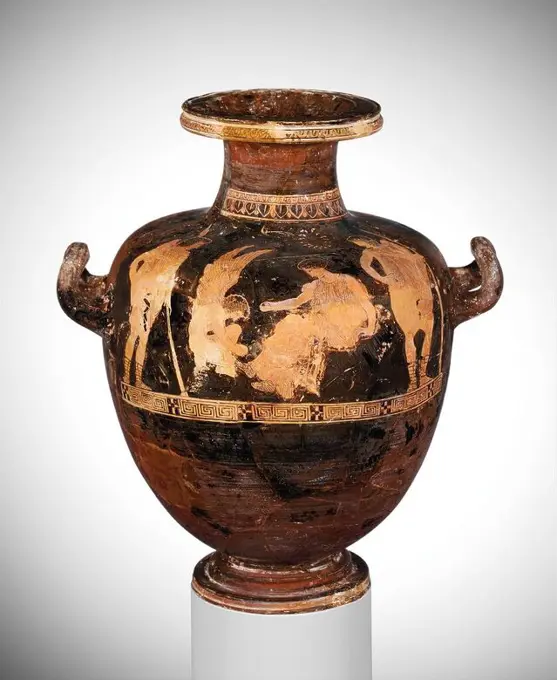
A variety of ancient terracotta and bronze jugs from different cultures, showcasing intricate designs and historical significance from Roman, Chinese, and Greek origins.

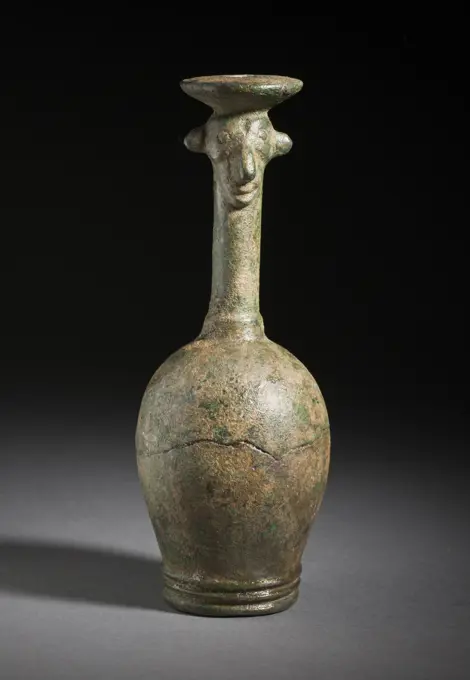
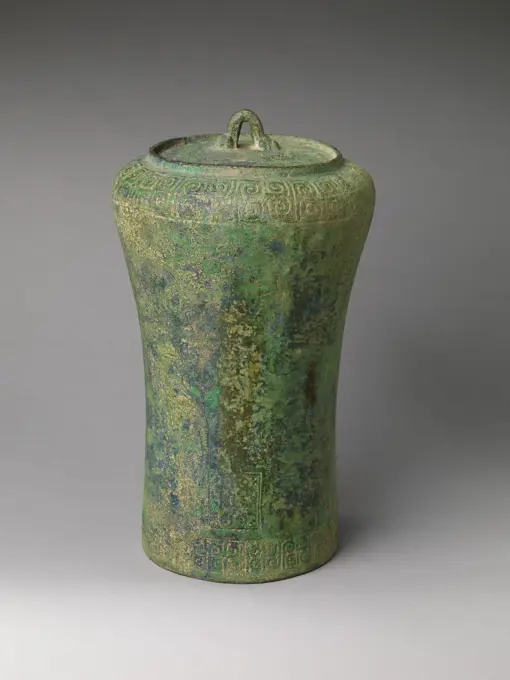
Hu ". Bronze, green patina. China, Han. Paris dynasty, Cernuschi museum. 72359-9 Hu bottle, bronze, han dynasty, green patina
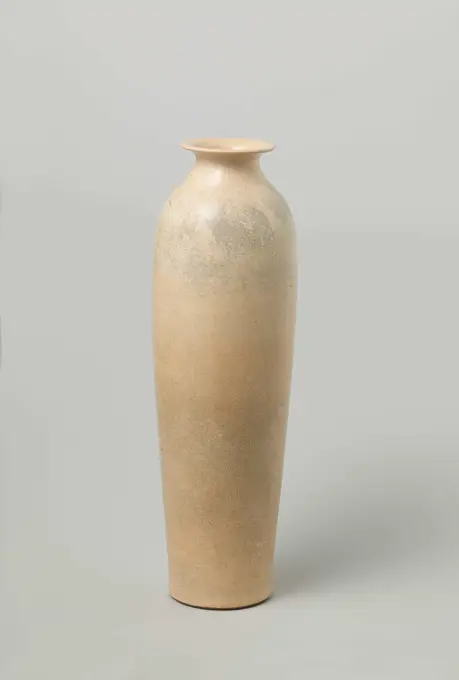
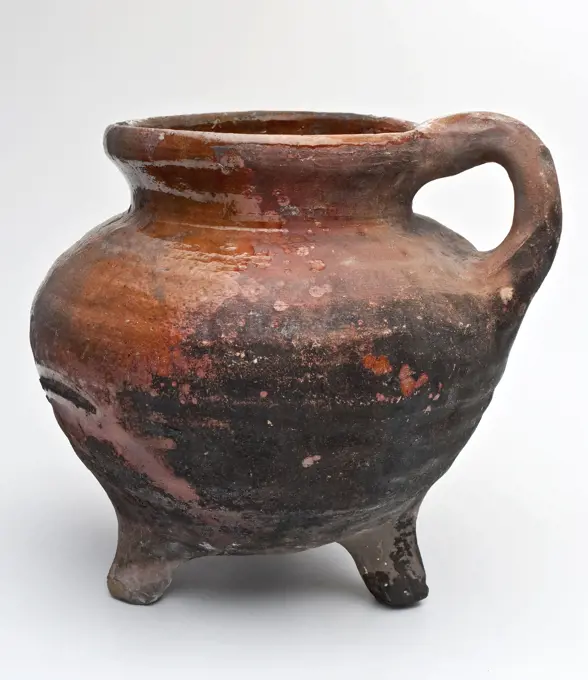
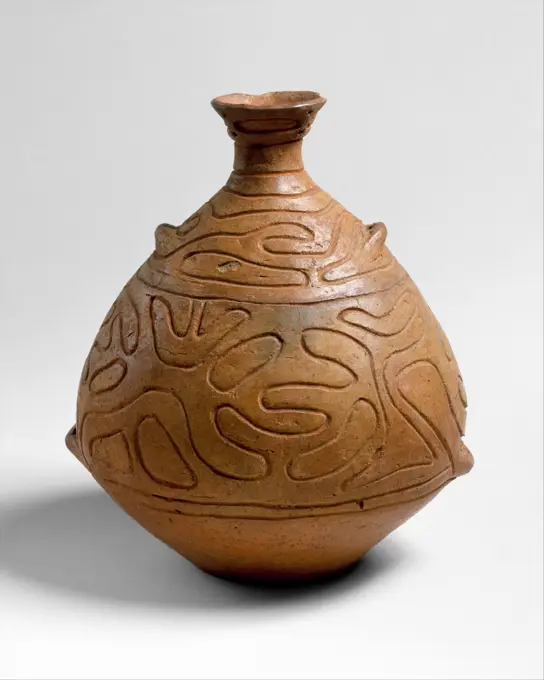
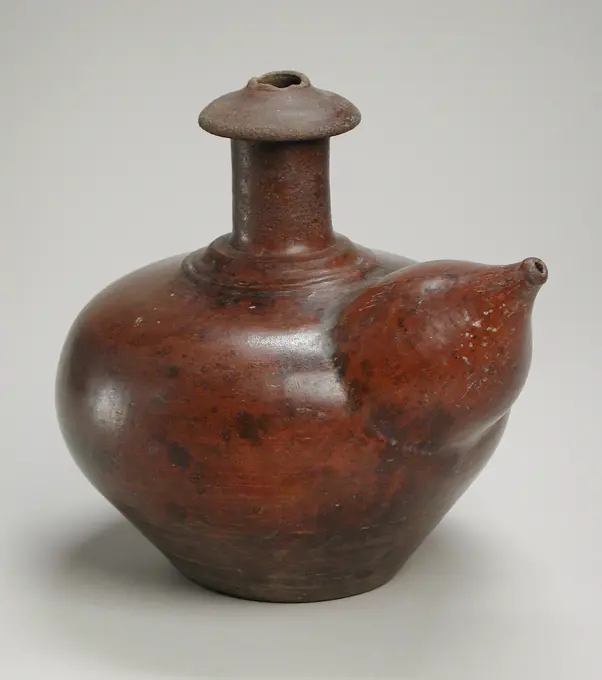
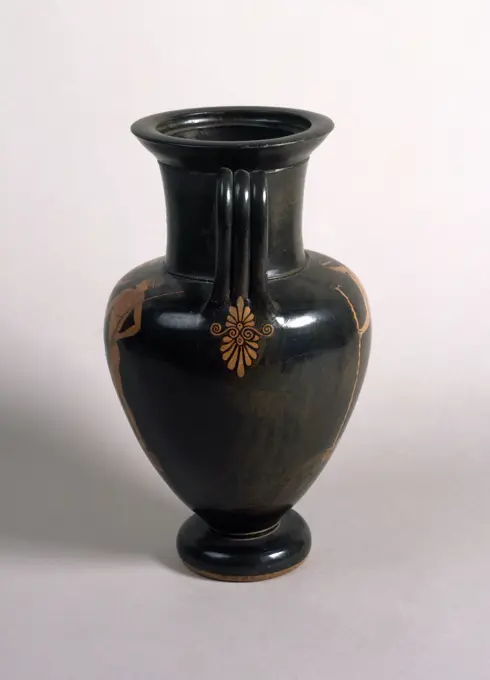
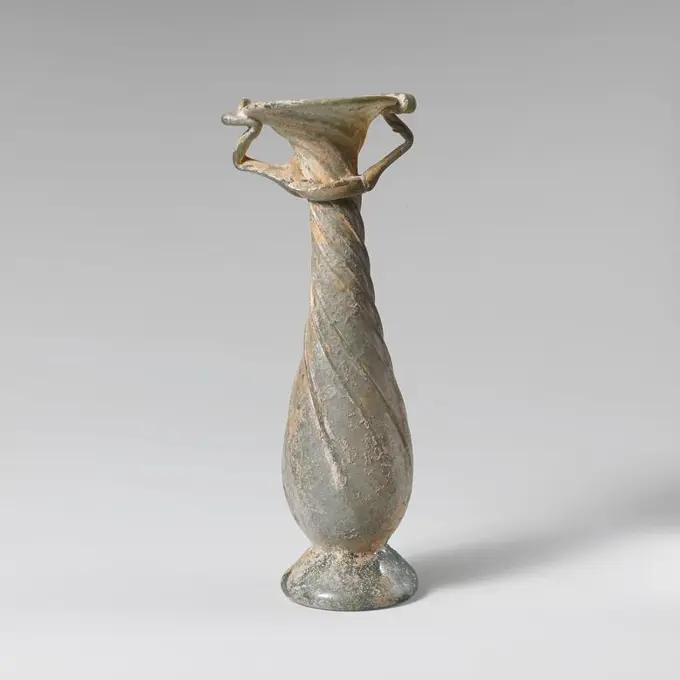
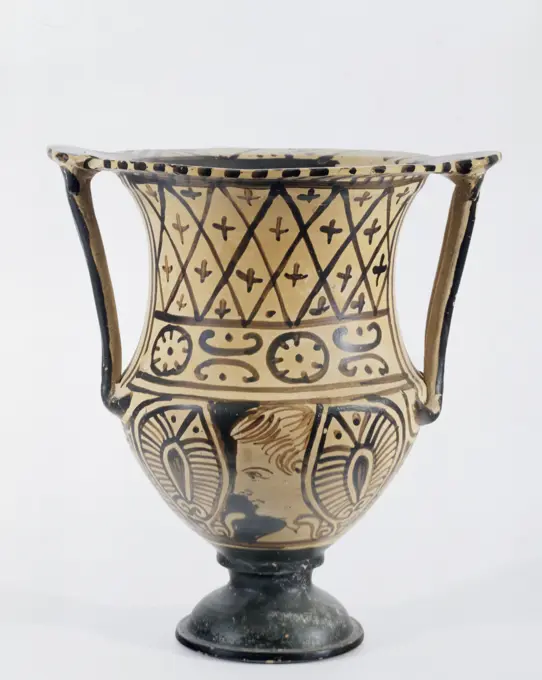
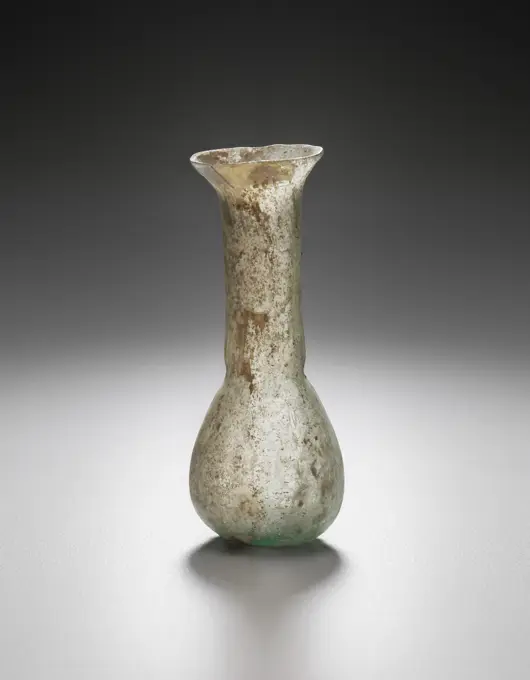
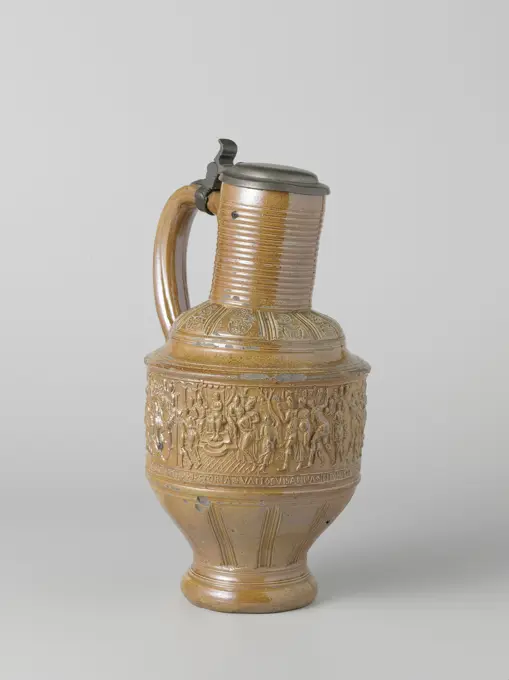
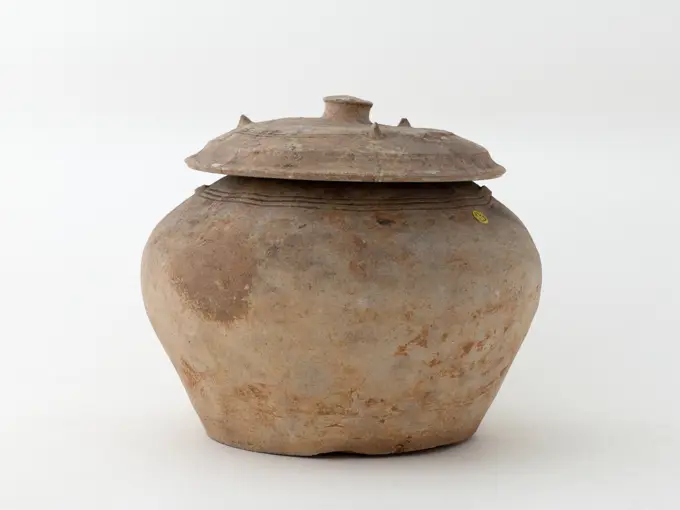
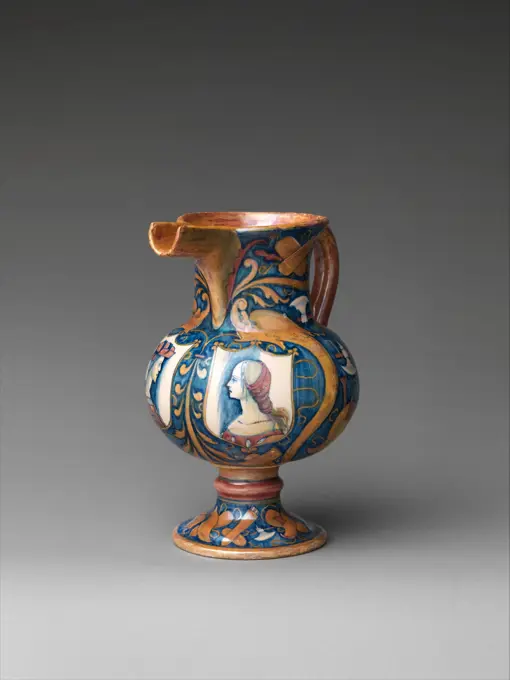
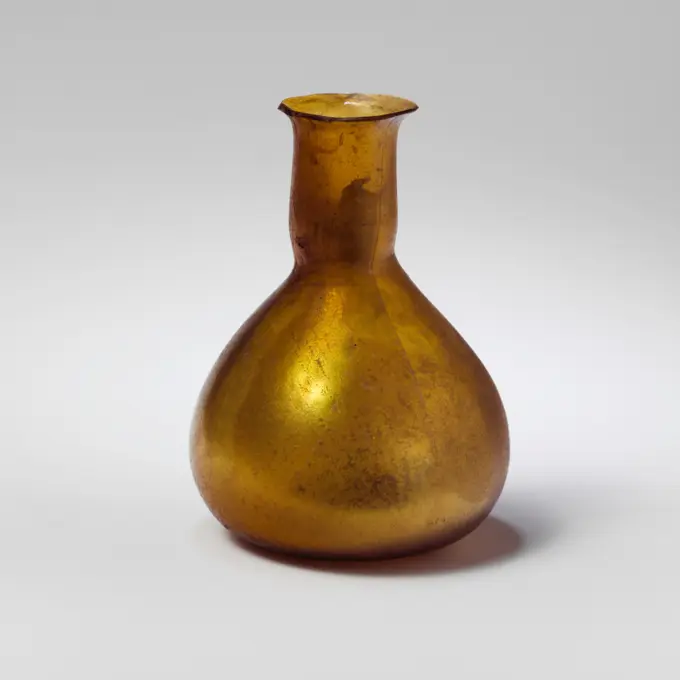
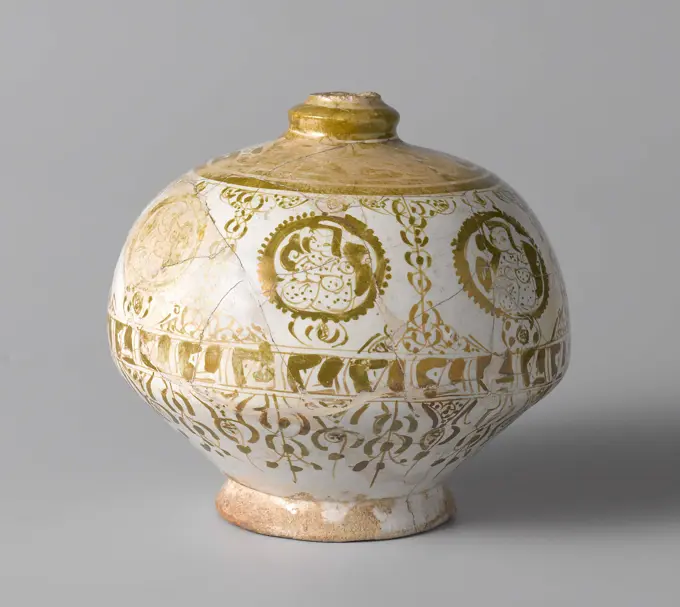
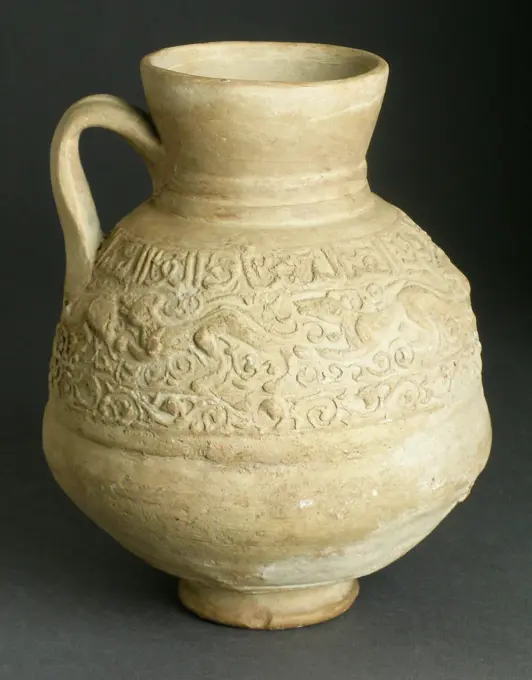
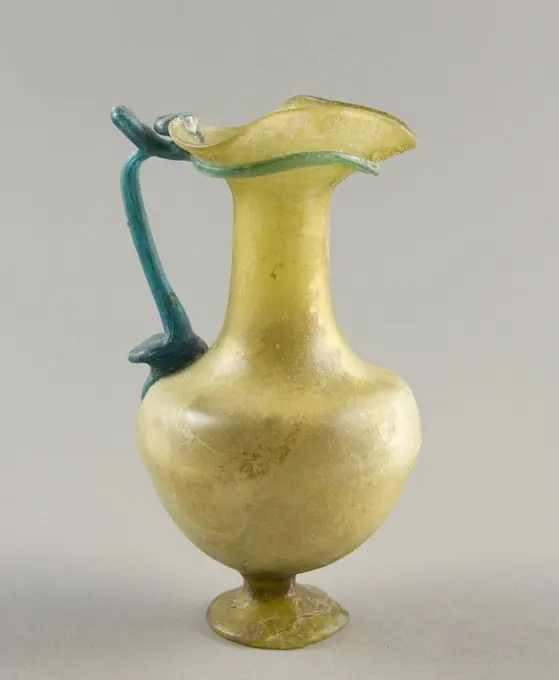
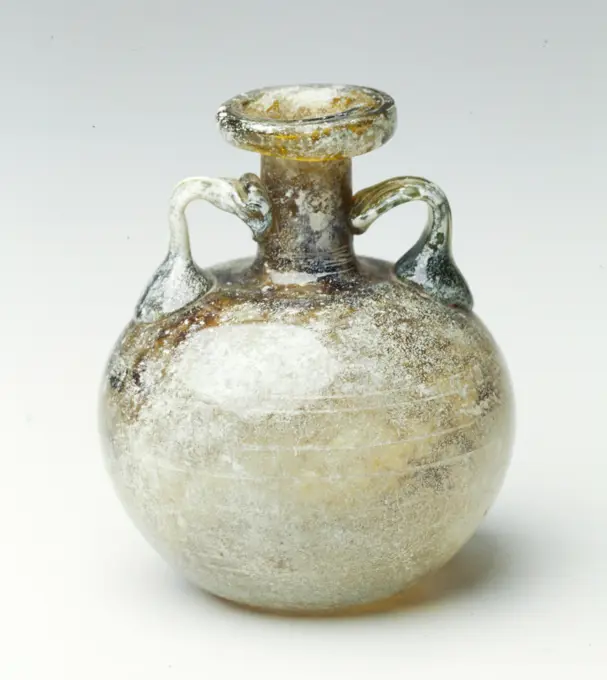
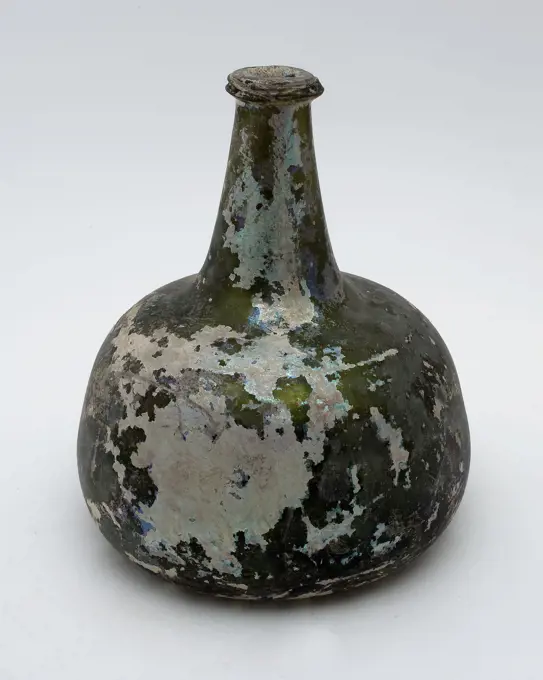
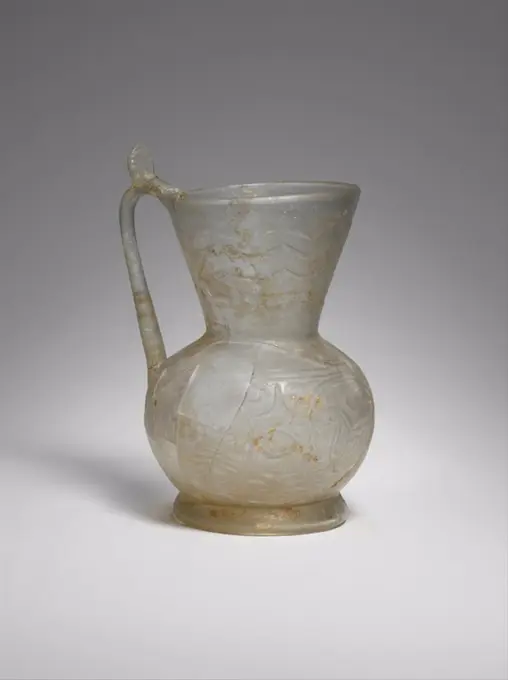
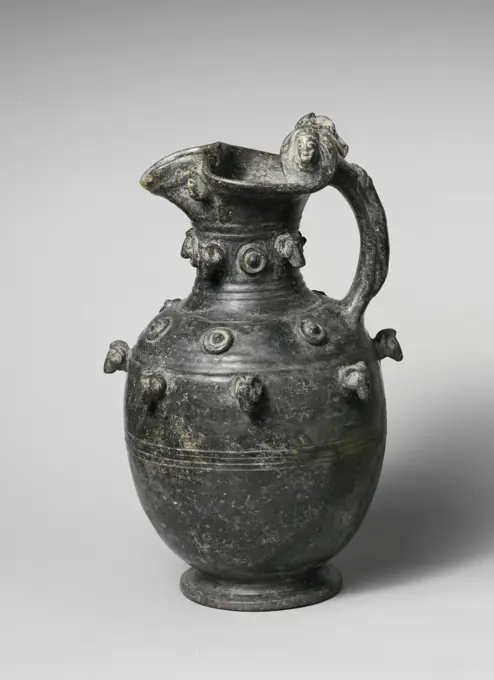
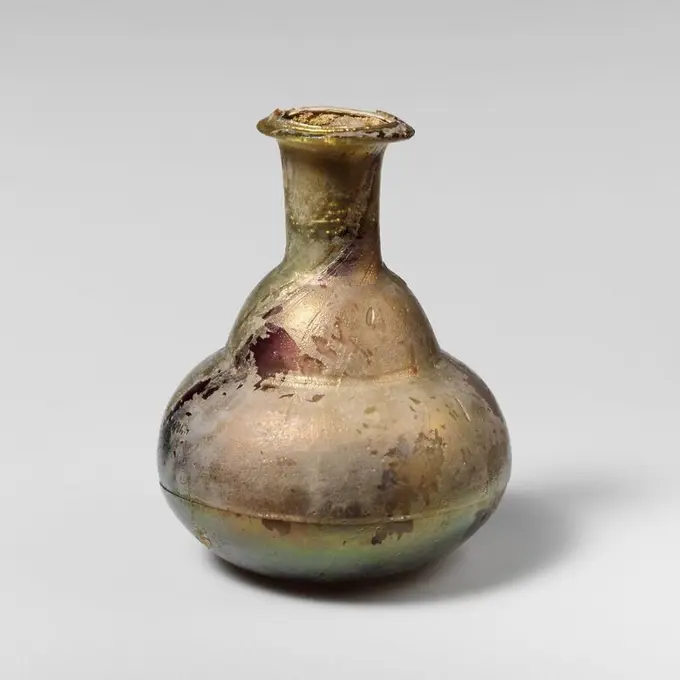
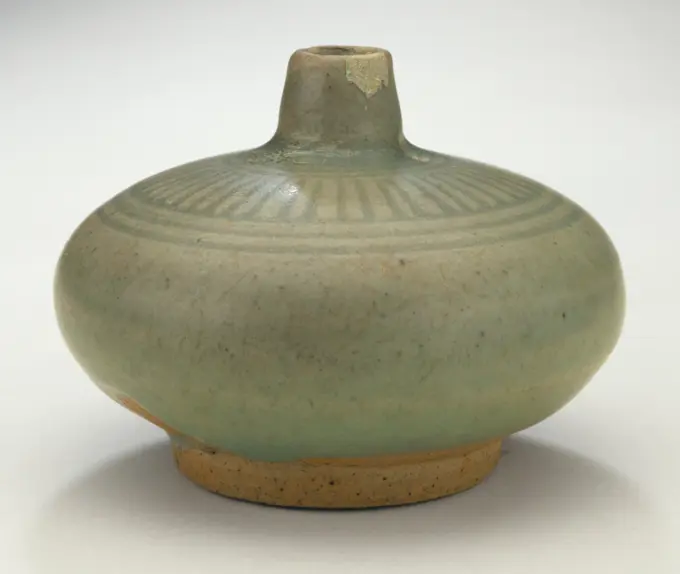
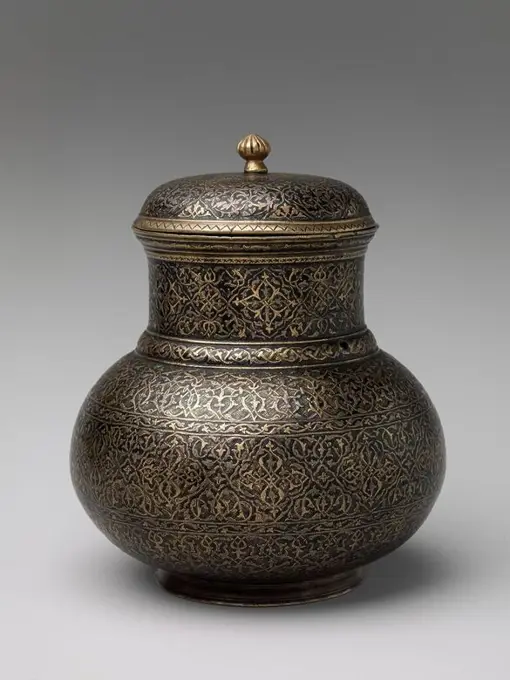
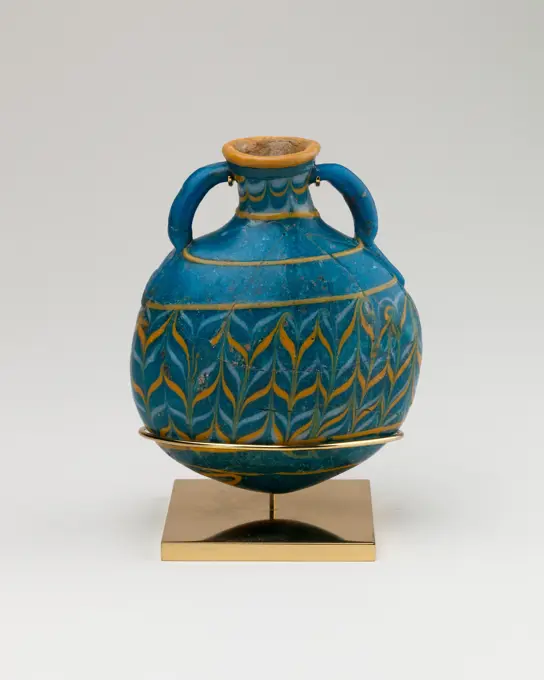
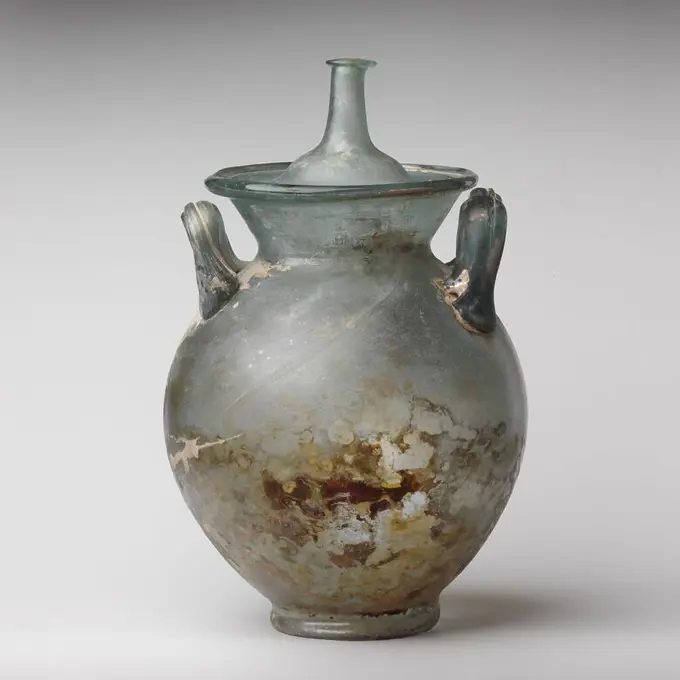
Glass cinerary urn with lid. Culture: Roman. Dimensions: H. without cover 10 5/8 in. (27 cm)H. with cover 13 1/8 in. (33.3 cm). Date: mid-1st-2nd century A.D..Urn: Translucent blue green; handles in same color.Everted, angular rim, folded over and in; funnel-shaped neck; ovoid body; splayed hollow foot; shallow concave bottom; two vertical, arched M-shaped handles, attached on opposite sides of upper body, each made of a thick trail, applied as a large circular pad, drawn across body from left to right, and trailed off back along top of handle.Complete, but cracks around base of one handle; some bubbles; dulling, limy encrustation, pitting, iridescence, and patches of brown weathering on exterior, brilliant iridescent weathering on interior.Stands unevenly and aslant.Lid: Translucent blue green.Slightly outsplayed, downturned rounded rim, with beveled outer edge; outer side concave, then dome-shaped; hollow cylindrical stem; flattened circular knob at top; small, irregular hole Tall Vase With a Crackled Cream-Colored Glaze. High, slender vase of stoneware (Dong-khe-good / yiangnan thing), with a cylindrical body, upwardly slightly finished, round shoulder and spreading neck with flat edge. Cream colored, cracked glaze. Monochromes.Aryball lease (a vessel for fragrances); Unknown Etrusko-Kampa workshop; IV-III century BC (-400-00-00--201-00-00);Glass perfume bottle Roman late 1st-3rd century CE Translucent pale blue-green, heavily streaked with manganese purple.Everted rim, folded over and in, flattened on upper surface; tall cylindrical neck, expanding downwards, then tooled in around base; squat globular body; bottom slightly pushed-in.Broken and repaired around top of neck; pinprick and elongated bubbles; deep pitting and weathering with some iridescence. View more. Glass perfume bottle. Roman. late 1st-3rd century CE. Glass; blown. Mid Imperial. GlassPottery cooking jug, grape model on three legs, sparingly glazed, grape cooking pot tableware holder kitchen utensils earthenware ceramics earthenware glaze lead glaze, belly 19.4 bottom 11.0 hand turned set pinched glazed baked Pottery cooking pot red earthenware in- and outside sparing glaze round ear high little out-of-the-way throat thickened round edge coarse turn reversed pouch-shaped turns three slightly pinched legs of which one restoration in plaster dent in the abdomen. Roetsporen at the bottom archeology Capelle aan den IJssel House in Capelle castle indigenous pottery kitchen cooking food preparation Soil discovery: House in Capelle Capelle aan den IJssel.Bronze neck-amphora (jar) ca. 460 B.C. Etruscan The elegant curves of this vessel imitate early fifth century B.C. Greek prototypes of terracotta and bronze. Each handle is elaborately ornamented with pairs of felines above and horses below.. Bronze neck-amphora (jar). Etruscan. ca. 460 B.C.. Bronze. Classical. BronzesOenochoe; terra-cottaGlass perfume bottle. Culture: Roman. Dimensions: Overall: 4 9/16in. (11.5cm)Diam.: 2 11/16 x 1 1/8 in. (6.8 x 2.9 cm). Date: 1st century A.D..Colorless with pale blue green tinge.Rim folded out, over, and in, forming uneven constriction on one side of mouth; cylindrical neck with tooled indent around base; squat piriform body; thick bottom, slightly concave at center.Intact; pinprick bubbles; dulling and iridescence on exterior; patches of soil encrustation and iridescent weathering on interior. Museum: Metropolitan Museum of Art, New York, USA.Jar Japan This small, bulbous-shaped bottle with narrow neck is typical of wares found at Late Jmon sites in the Thoku region. While the southern and western parts of Japan were responding to foreign influences at this time, this area in northern Honshu became a center of traditional pottery production. Although the red pigment applied to the surface of this vessel is unusual, the sophisticated, incised decoration is typical. The small size of this bottle and its relatively simple, compact profile exemplify Late Jmon ceramic-making trends, which reveal a declining interest in sculptural embellishment and elaborate decoration in favor of greater integration of ornamentation and form. The thin walls of the bottle indicate improvements made in potting methods. Flanking the shoulders and lower section are two sets of apertures, through which a thin cord could be threaded to suspend the container.. Jar. Japan. Earthenware with incised decoration. Late Jmon period (ca. 2500-1000 B.C.). CKendi. Indonesia, Eastern Java, Majapahit, 14th-15th century. Furnishings; Serviceware. TerracottaJug, 1100s-1200s. Iran or Iraq, late Seljuq Period, 11th-13th Century. Earthenware; overall: 15.5 x 11 cm (6 1/8 x 4 5/16 in.).PitcherCan with IHS. Can be from stoneware. The belly is blue with gray ornaments. In the middle I hs in a radiant sun.Ewer ca. 1769-80 Wedgwood and Bentley. Ewer 198670Vase Necel, Franciszek (1868 1935)Amphoriskos; Eastern Mediterranean; 6th - 4th century B.C; Glass and bronze; 6 cm (2 3,8 in.)Ewer with dancing women and running beasts in relief, anonymous, 1100 - 1199 Can be decorated from quartz fritry in relief with dancing women on the abdomen and running animals on the neck. On the abdomen blue stripes under a transparent alarm laze. The neck ends in a five-lobe clock form. Iran earthenware. cobalt (mineral). glaze painting / vitrification Can be decorated from quartz fritry in relief with dancing women on the abdomen and running animals on the neck. On the abdomen blue stripes under a transparent alarm laze. The neck ends in a five-lobe clock form. Iran earthenware. cobalt (mineral). glaze painting / vitrificationBottle. Culture: Cypriot. Dimensions: 10 1/4 × 5 1/16 in. (26 × 12.8 cm)Diam. of rim: 1 3/4 in. (4.4 cm)Diam. of foot: 2 5/8 in. (6.6 cm). Date: ca. 1600-1050 B.C.. Museum: Metropolitan Museum of Art, New York, USA.Glass amphoriskos (perfume bottle) 1st century B.C. Greek, Cypriot Translucent light blue; opaque yellow and white trail; handles and knob base in translucent yellowish green.Inward-sloping rim-disk; thick-walled neck, tapering slightly downward, then expanding to join sloping shoulder; elongated ovoid body, tapering in to pointed bottom, with applied knob base; two strap handles applied to shoulder and upper part of neck.Trails applied at rim, drawn down in a spiral around neck, across shoulder, down body and trailed off at bottom, with plain spiral at top and bottom, but tooled into an even, narrow festoon pattern around sides with 25 upward strokes. Yellow applied first and white overlaid.Broken and repaired around rim and neck with some areas missing; knob base and both handles missing; a few bubbles; slight dulling, pitting, and iridescent weathering.Very narrow opening at base of neck. Glass amphoriskos (perfume bottle) 239909Aryball leather red -support with the performance of Eros and Woman; Painter Dariusz (340-320 BC); 340-320 BC (-340-00-00--320-00-00);Inkwell 13th century. Inkwell 448546Jug with the coat of arms of Amsterdam, anonymous, c. 1603 - c. 1649 Jug of stoneware on a high foot with an egg -shaped body and a tapered neck. The C-shaped ear is attached to the neck and shoulder. A broad bond with lines on the neck, some closely. Partly covered with cobalt blue. On the abdomen twice a printed and imposed medallion with the weapon of Amsterdam in relief. The third weapon with the inscription '1603' and Kruislings letters on a shield '4  KW vt'. Westerwald. Westerwald stoneware. glaze. cobalt (mineral) vitrification Jug of stoneware on a high foot with an egg -shaped body and a tapered neck. The C-shaped ear is attached to the neck and shoulder. A broad bond with lines on the neck, some closely. Partly covered with cobalt blue. On the abdomen twice a printed and imposed medallion with the weapon of Amsterdam in relief. The third weapon with the inscription '1603' and Kruislings letters on a shield '4  KW vt'. Westerwald. Westerwald stoneware. glaze. cobalt (mineral)Jar. Culture: American. Dimensions: 14 1/8 x 11 1/4 in. (35.9 x 28.6 cm). Maker: Paul Cushman (1767-1833). Date: 1805-33.This jar is one of the finest examples of the work of Paul Cushman, one of Albany's earliest potters. Typically, such utilitarian storage vessels were completely unadorned. This example, however, features exuberant incised decoration, a bird and a fish, each highlighted with cobalt blue. Museum: Metropolitan Museum of Art, New York, USA.Glass amphoriskos (perfume bottle). Culture: Greek, Eastern Mediterranean. Dimensions: 6 1/8 × 2 9/16 × 2 1/4 in. (15.6 × 6.5 × 5.8 cm)Diam. of rim: 1 1/8 in. (2.9 cm). Date: 2nd-1st century B.C..Translucent yellowish green; base-knob and handles in translucent light green; trails in opaque greyish light blue and opaque white.Uneven inward-sloping rim-disk, with projecting jagged edge to mouth and tooled indent around underside; tall cylindrical neck, tapering upward; sloping shoulder; elongated piriform body; pointed bottom; spherical base-knob with short cylindrical stem; two vertical s-shaped rod handles applied over trail decoration in folded pads across shoulder, drawn up to base of neck and pressed onto neck below rim-disk.A light blue trail and a white trail applied to underside of rim, wound down in a spiral, sometimes as alternating lines, sometimes with white overlaying blue, around neck and shoulder to body, then tooled into a close-set festoon pattern with thirty-four uLamp, Anatolia; 1st - 4th century; Terracotta; 3.1 x 7.5 x 10.6 cm (1 1,4 x 2 15,16 x 4 3,16 in.)Flash;  II-III century AD (190-00-00-210-00-00);Covered vase or ewer with moulded flower petals, anonymous, c. 1009 - c. 1225 Egg -shaped lid vase or can be made of stoneware, covered with a cream -colored, cracked glaze. On the shoulder a band with modeled petals. On the belly on one side an ear and on the other side on the shoulder a spout. A band with modeled petals around the lid button. Vietnam stoneware. glaze vitrification Egg -shaped lid vase or can be made of stoneware, covered with a cream -colored, cracked glaze. On the shoulder a band with modeled petals. On the belly on one side an ear and on the other side on the shoulder a spout. A band with modeled petals around the lid button. Vietnam stoneware. glaze vitrificationBottle 6th-4th century B.C. Paracas. Bottle. Paracas. 6th-4th century B.C.. Ceramic, pigment. Peru. Ceramics-ContainersAttic amphora of the painter of Tithônos with red figures with two handles (seen from the side of a handle). Ceramic. Ancient Greece, 4th century BC .. Museum of Fine Arts of the City of Paris, Petit Palais. Amphora, handle, Greek antiquity, attic, ceramic, two, red figure, ancient Greece, hero Troyen, Greek mythological character, cote or ancient view, ancientGlass cosmetic flask (kohl tube). Culture: Roman. Dimensions: Overall: 5 3/8in. (13.7cm). Date: 3rd-4th century A.D..Translucent blue green; handles and trail in same color.Rounded rim; broad funnel-shaped neck; slender, piriform body; conical tubular foot, made by folding; small, slightly convex bottom; one handle applied in a claw pad to top of body, drawn round horizontally, forming trail-like ring, then turned up and out, tooled in sharply and trailed onto underside of rim with horizontal pinched projection, and ending slightly above rim; the other handle then applied on opposite side of body over the ring, drawn up and out, tooled in sharply and trailed onto underside of rim with fold ending slightly above rim.On body and extending over neck, nine regular ribs that swirl down from left to right, fading towards the bottom.Intact; few bubbles; deep pitting, iridescence, creamy brown weathering, and soil encrustation on inside around bottom of neck. Museum: Metropolitan Museum ofBronze oinochoe (jug) 5th century B.C. Etruscan This type of beaked jug was probably produced in Vulci. It was exported to many sites in Italy and Central Europe, especially to the Celtic peoples living in the areas of present-day France and Germany.. Bronze oinochoe (jug). Etruscan. 5th century B.C.. Bronze. Classical. BronzesGlass jug. Culture: Roman. Dimensions: Overall: 5 1/8 in. (13 cm)Diam.: 2 1/8 x 1 3/8 x 1 1/4 in. (5.4 x 3.5 x 3.2 cm). Date: 3rd-4th century A.D..Translucent deep turquoise blue; handle, trail, and base ring in semi-opaque yellowish white; opaque brick red streaks in rim.Rim, folded over and in, and smoothed into side of flaring mouth; cylindrical neck, expanding downwards and joining imperceptibly with bulbous body, tapering to applied base ring; small, pushed-in bottom with pontil scar; three-ribbed strap handle attached with long, downward fins at edges to upper body, drawn up and outwards in a curve, then turned in and trailed onto underside of mouth over trail decoration, with a hollow loop above, and ending on lip of rim.Trail wound horizontally 1½ times around underside of mouth, then dropped in a fine trail down neck, and then wound horizontally once in a thicker trail around lower neck.Intact, but some small internal cracks in body; many bubbles and a few inclusions; dulNicholas Amantea, Water or Wine Jug, c 1939 Water or Wine JugKelebe-Left Profile of Male Head Etruscan Art Museo Guarnacci, Volterra, ItalyKasetka Krakow workshopsJug ca. 1050-900 B.C. Cypriot. Jug. Cypriot. ca. 1050-900 B.C.. Terracotta. Iron Age. VasesVaseJar; glazed earthenwareGlass perfume bottle 1st-2nd century A.D. Roman Colorless with pale blue green tinge.Uneven rim, folded out, over, and in, flattened on upper surface; cylindrical neck, tapering downwards, with deep tooled indent around base; elongated ovoid body; small, flat bottom.Intact; pinprick bubbles and blowing striations; dulling, pitting, and brilliant iridescent weathering on exterior, soil encrustation and creamy brown weathering on interior, with large lump of soil inside.. Glass perfume bottle 244685Jug with the story of Susanna, Engel Kran, c. 1584 - c. 1600 Jug of stoneware on a high base with a cylindrical body with a slightly narrower, round shoulder and wide, ribbed neck. The C-shaped ear is attached to the neck and shoulder. Profiles on the neck, belly and foot. Covered with a brown Engobe. Printed and imposed on the belly in relief and imposed representations from the history of Susanna with the inscription 'This is the clean hestoria of Suisanna Int Korte Eit cut in 1584 Engel Kran'. The lower part of the abdomen runs slanted to the foot and, like the shoulder, is divided into entered courses. On the shoulder these are filled with a stamped flower drink with a coat of arms and the brand or monogram 'i.k.'. Attached to the ear a pewter frame with lid. Raeren. Rae Stoneware. Glaze. Engobe. frame: tin (metal) vitrification Jug of stoneware on a high base with a cylindrical body with a slightly narrower, round shoulder and wide, ribbed neck. The C-shaped ear is attached to theGlass perfume bottle. Culture: Roman. Dimensions: 4 1/2in. (11.5cm)Other: 2 3/16in. (5.5cm)Diam. of rim: 1 1/8 in. (2.8 cm). Date: 1st-2nd century A.D..Colorless.Rim folded out, over, and in; broad mouth; cylindrical neck with slight bulge towards bottom and tooling around base; elongated piriform body with almost straight sides; concave bottom.Intact; some bubbles; deep weathering and pitting; brilliant iridescence. Museum: Metropolitan Museum of Art, New York, USA.Jar with lid ". Terracotta. Vietnam-Xe-Xive s. Paris, Cernuschi museum. 72185-58 Lid, jar, Vietnamese object, terracottaBulbous bottle, bottle holder soil find glass, neck with imposed all-round sharp glass wire chip and dilated flattened lip archeology packageFinial Support. Iran, Luristan, Luristan bronzes, circa 1000-650 B.C.. Architecture; Architectural Elements. Bronze, castEwer ca. 1520-25 Workshop of Maestro Giorgio Andreoli Against a background of deep blue, the warm ocher-colored ornament consists of monstrous sea creatures, scrolling vines, and musical instruments. A pair of portraits, enclosed within heraldic frames, may indicate that the vessel was intended as a wedding gift. Within the newlyweds home, the ewer would have been placed on a sideboard with a shallow basin.. Ewer. Italian, Gubbio. ca. 1520-25. Maiolica (tin-glazed earthenware), lustered. Ceramics-PotteryLentoid Bottle ("New Year's Bottle") Late Period 664-332 B.C. This is an example of a "New Year's Bottle." The short neck is in the form of a papyrus or lotus column, enhanced by two squatting apes that take the place of handles.The shoulder is adorned front and back with the representation of a floral garland, echoing the broad collar worn by Egyptians at festive occasions. On one side is a single column of inscription refering to the New Year, flanked by columns of rosettes. Faience flasks of this type, apparently filled with water from the Nile, were given as gifts at the New Year. View more. Lentoid Bottle ("New Year's Bottle"). 664-332 B.C.. Faience. Late Period. From Egypt. Dynasty 26-30Alabaster alabastron (perfume vase) 6th-5th century B.C. Cypriot There are two small lugs on the upper part of the body.. Alabaster alabastron (perfume vase) 243968Terracotta Nolan neck-amphora (jar). Culture: Greek, Attic. Dimensions: H. 12 1/2 in. (31.8 cm). Date: ca. 480 B.C..On the shoulder, palmette-lotos ornamentThe composition and execution of the nonfigural types of decoration on a vase are as important as the treatment of figural subjects. The stylistic ambient of the Berlin Painter included artists who specialized in vases decorated only with foliate and geometric motifs. A work such as this one demonstrates how effectively a band of florals adds an organic quality to the architectonic structure of the shape. Museum: Metropolitan Museum of Art, New York, USA.. Bearded manner of stoneware, brown with blue spots. A frieze with inscription is pressed on the bullet-shaped belly. Up and down from this medallions, in which headers of warriors with leaf motifs in between. Before on the neck a beard man.Bottle Vase: Seto Ware, 1600-1650. Japan, Momoyama period (1573-1615) to Edo period (1615-1858). Slip glazed stoneware (Mino or Seto ware); overall: 25.3 cm (9 15/16 in.).Squash Vessel. Mexico, Colima, 200 BCE-500 CE. Ceramics. Slip-painted ceramicJohn Tarantino, Jar, c 1938 JarVase Vase; Made by Adrien Pierre Dalpayrat (French, 1844 - 1910); France; earthenwareSmall earthenware water jug or jug, Water jug crockery holder soil find ceramic earthenware glaze lead glaze, hand-turned glazed baked Pottery jug on stand ring Belly model protruding neck. Fors standing ear. Completely covered with lead glaze archeology Rotterdam Stadscentrum Stadsdriehoek Oudehaven indigenous earthenware serving water Soil discovery Oude Haven.Light brown stoneware jug be used with bands around the neck, belly and foot, jug crockery holder soil find ceramic stoneware glaze salt glaze, surface 7.9 hand turned glazed baked Stoneware jug gray shard salt glaze bandoor with tail profiled neck belly and foot archeology import pottery serve serve drink wine beerLid. UnknownHydria late 5th century B.C. Attributed to the Owl-Pillar Group. Hydria 256605Jar with carpholine cure. Large brown can with ear and lid of tin. The belly is egg-shaped. The center piece is divided into two zones by three profiled tires. The cylindrical neck is decorated with 8 medallions.Polychrome Jar 1870-1880 New Mexico. Ceramic and pigment . ZuniWine Bottle (Kendi). Unknown about 1662-1722Terracotta Hadra hydria (water jar) 3rd century B.C. Greek, Ptolemaic, Egyptian On the body of the vase is a representation of a shield decorated with the head of the gorgon Medusa. The white slip and polychrome painting were probably added when the hydria was re-used as a cinerary urn, with the shield serving to protect the remains of the deceased. Unlike the other Hadra hydria displayed here, this vase was probably of local manufacture.. Terracotta Hadra hydria (water jar). Greek, Ptolemaic, Egyptian. 3rd century B.C.. Terracotta. Hellenistic. VasesDzbanuszek beczułkowaty. warsztat cypryjski, workshopArmorial Jug (boccale). Culture: Italian, Florence or vicinity. Dimensions: H. 6 11/16 in. (17 cm). Date: ca. 1460-80. Museum: Metropolitan Museum of Art, New York, USA.Glass perfume bottle 1st century A.D. Roman Small perfume bottleTranslucent deep honey yellow.Unworked rim; flaring mouth; cylindrical neck, slightly convex and tooled in around base; piriform body; flattened bottom.Complete, except for chips in rim; one large crack from rim to body; some pinprick bubbles; dulling and faint iridescence; patches of black, enamel-like weathering on interior.. Glass perfume bottle 239779. Jar of quartz Fritgoed decorated with animals, people and script in luster on surface of oprake white tin-lead-alkali acid.Storage Jar, 3100 BC-2950 BC. Egypt, Naqada III Period jar, with modern painted decoration. Marl clay ware; diameter: 25.1 cm (9 7/8 in.); diameter of mouth: 9 cm (3 9/16 in.); overall: 29.5 cm (11 5/8 in.).Ewer. Jazira, 12th-13th century. Ceramics. Earthenware, moldedBell (Dui) China. Bell (Dui) 61060Gray can. Gray jug of stoneware with a fairly dark cobalt glaze. The belly is widely egg-shaped and just above the middle surrounded by a profiled tire. The bottom piece is decorated with vertical profiles. Under the spout a mask of a bearded Sater.Black-Figure Oinochoe (Wine Jug): Hercle (Herakles) and Pholos; Cattle (of Geryon), c. 520 BC. Attributed to Tityos Painter (Etruscan, active at Vulci c. 530-510 BC). Ceramic; diameter: 19.9 cm (7 13/16 in.); overall: 31.3 cm (12 5/16 in.); diameter of foot: 9.9 cm (3 7/8 in.).Glass perfume bottle. Culture: Roman. Dimensions: 2 1/8 in. (5.5 cm)Diameter: 1 3/4 x 13/16 in. (4.4 x 2.1 cm). Date: 1st century A.D..Translucent cobalt blue. Rim folded out, over, and in, with raised inner lip; funnel-shaped neck, with slight tooling marks around base; squat, bulbous body; concave bottom.Tooling lines around upper bodyIntact; some bubbles and blowing striations; iridescent weathering with patches of dulling and pitting. Museum: Metropolitan Museum of Art, New York, USA.Black -remedy jug;Laconic pottery, from Sparta, GreeceJug with the Amsterdam Coat-of-Arms, Jan Emens Mennicken (workshop of), c. 1585 - c. 1599 Jug of stoneware on a high base with an egg -shaped body and wide, ribbed neck. The C-shaped ear is attached to the neck and shoulder. Profiles closely. Covered with a brown Engobe. On the belly in relief three times a printed and imposed medallion with the crowned weapon of Amsterdam, flanked by Leeuwen. At the bottom of the inscription 'Amster' and at the top of the date '85'. Raeren. Rae stoneware. glaze. engobe vitrification  Amsterdam Jug of stoneware on a high base with an egg -shaped body and wide, ribbed neck. The C-shaped ear is attached to the neck and shoulder. Profiles closely. Covered with a brown Engobe. On the belly in relief three times a printed and imposed medallion with the crowned weapon of Amsterdam, flanked by Leeuwen. At the bottom of the inscription 'Amster' and at the top of the date '85'. Raeren. Rae stoneware. glaze. engobe vitrification  AmsterdamCup with geometric decoration. Painted ceramic. Transition period V-VI (500-1500 AD). Nicoya region. Costa Rica. Central America. Museum of the Americas. Madrid, Spain. Water Jug with Arms of Jülich-Cleves-Berg. Workshop of Anno Knütgen; (German, active 1564-83). Date: 1574. Dimensions: 34.6 × 30.5 cm (13 5/8 × 12 in.). Salt-glazed stoneware and pewter. Origin: Germany. Museum: The Chicago Art Institute, Chicago, USA.Jug with Cloud Motif, Fourth quarter of the 16th century, 8 in. (20.32 cm), Slip-coated earthenware, Turkey, 16th centuryJug (Bartmann jug) with a coat of arms, anonymous, c. 1603 - c. 1610 Jug (beard fancier bush) of stoneware on the standing surface with a spherical body and narrow neck. The C-shaped ear is attached to the neck and shoulder. Profiles on the neck. Covered with a brown Engobe. On the abdomen in relief three times a printed and imposed and imposed medallion with a crowned weapon flanked by Leeuwen and the date '1603'. On the neck, continuously on the shoulder, a bearded man. Frechten. Cheek stoneware. glaze. engobe. cobalt (mineral) vitrification Jug (beard fancier bush) of stoneware on the standing surface with a spherical body and narrow neck. The C-shaped ear is attached to the neck and shoulder. Profiles on the neck. Covered with a brown Engobe. On the abdomen in relief three times a printed and imposed and imposed medallion with a crowned weapon flanked by Leeuwen and the date '1603'. On the neck, continuously on the shoulder, a bearded man. Frechten. Cheek stoneware. glaze. engobe. Vessel. Egyptian. Date: 2613 BC-2181 BC. Dimensions: 1892.14a-ba (jar): 6.35 × 7.39 × 7.31 cm (2.57 × 2.91 × 2.88 in)b (lid): .07 × 5.35 × 5.35 cm (.29 × 2.11 × 2.11 in). Calcite. Origin: Egypt. Museum: The Chicago Art Institute, Chicago, USA. Author: Ancient Egyptian.Pitcher 201 CE-400 CE Syria. Glass, blown technique . Ancient RomanVase, 618-907, 4 11/16 x 4 in. (11.91 x 10.16 cm), Glass, China, 7th-10th centuryBelly bottle, cat's head, belly bottle bottle holder soil find glass, free blown and shaped glass application Bulky bottle in clear green glass. Pontil mark under slightly raised soil (large chip with continuous crack). Body with inwardly curving ascending wall to flat shoulders and rejuvenated neck with imposed all-round sharp glass thread and dilated lip archaeological packagingAnimal effigy pot, 250 BCE - 300 CE, 4 x 4 x 3 3/8 in. (10.2 x 10.2 x 8.6 cm), Polychromed earthenware, Mexico, 3rd century BCE - 4th century CEEwer with Birds and Animals. Dimensions: H. 5 3/4 in. (14.5 cm), max. diam. 4 in. (10.2 cm),Diam. (at rim) 3 5/8 in. (9.1 cm)Diam. (belly) 4 in. (10.2 cm)Diam. (base) 2 15/16 in. (7.5 cm). Date: 10th century.This ewer decorated with quadrupeds and birds in roundels, probably made in Nishapur, is one of the best examples of glass vessels with wheel-cut designs. The two roundels on either side of the handle show long-tailed birds, and the third bears a crouching lion. While this was the only glass vessel found at Nishapur with a pattern of roundels around its body, the decoration type is known from other examples of Sasanian and Islamic metalwork, textiles, ceramics, and glass. Broken when excavated, it has been reassembled from approximately twenty pieces and its surface retains slight traces of iridescence. Museum: Metropolitan Museum of Art, New York, USA.Terracotta trefoil oinochoe (jug) ca. 575-550 B.C. Etruscan This standard bucchero shape is transformed into an exotic pitcher by incorporating numerous clay rams' heads, human heads, and bosses to the rim, neck, shoulder, and belly. The treatment is typical of Vulcian bucchero workshops.. Terracotta trefoil oinochoe (jug). Etruscan. ca. 575-550 B.C.. Terracotta; bucchero pesante. Archaic. VasesGlass perfume bottle. Culture: Roman. Dimensions: 2 1/8 in. (5.5 cm)Diameter: 1 5/8 x 3/4 in. (4.1 x 1.9 cm). Date: 1st century A.D..Small perfume bottleTranslucent pale blue green, with purple streaks.Rim folded out, over, and in, with beveled upper surface; cylindrical neck, with tooling marks around base; convex sloping shoulder with prominent tooling marks below; squat bulbous body; slightly concave bottom.Broken and repaired around body, with one jagged hole; pinprick bubbles; heavy pitting, some dulling, and brilliant iridescent weathering. Museum: Metropolitan Museum of Art, New York, USA.Terracotta cantharus (drinking cup). Culture: Roman. Dimensions: H. 3 3/16 in. (8.1 cm). Date: 1st century B.C..Relief decoration and two handles. Museum: Metropolitan Museum of Art, New York, USA.Terracotta lekythos (oil flask). Culture: Greek, Attic. Dimensions: H.: 14 1/16 in. (35.7 cm). Date: ca. 420 B.C..Woman between two youthsThe youth at the left and the woman are clasping hands, a rare subject on funerary lekythoi. Indeed, while the tenor of the scenes is solemn and still, displays of emotion are unusual. Museum: Metropolitan Museum of Art, New York, USA.Pitcher with Handle, AD 300s. Eastern Mediterranean, Roman, 4th century. Glass; diameter: 7.5 cm (2 15/16 in.); overall: 16 x 11.5 x 10 cm (6 5/16 x 4 1/2 x 3 15/16 in.); diameter of foot: 5.5 cm (2 3/16 in.).Jarlet. Thailand, Sawankhalok, 15th century. Furnishings; Serviceware. Stoneware with incised decoration and celadon glazeEwer with Lid. Dimensions: 65.55a+b: Ewer + Lid H. 6 1/4 in. (15.9 cm) Diam. 5 5/16 in. (13.5 cm) Wt. 33.9 oz. (961.2 g)65.55a: Ewer H. 5 in. (12.7 cm) Diam. 5 5/16 in. (12.5 cm) Wt. 28.7 oz. (813.7 g)65.55b: Lid  H. 1 1/2 in. (3.8 cm) Diam. 3 7/16 in. (8.7 cm) Wt. 5.1 oz. (144.6 g). Date: 15th century. Museum: Metropolitan Museum of Art, New York, USA.Terracotta hydria: kalpis (water jar). Culture: Greek, Attic. Dimensions: H. 12 in. (30.5 cm); diameter 11 1/8 in. (28.2 cm). Date: ca. 430-420 B.C..Between two youths, Eros tying a woman's sandalsThe Washing Painter appears at his best on large vases. The charming depiction here shows Eros squatting on the ground to help a seated lady with her particularly elaborate sandals. The protagonists are usually identified as Helen flanked by her brothers, the Dioskouroi, Kastor and Polydeukes (Latin: Castor and Pollux). Museum: Metropolitan Museum of Art, New York, USA.Terracotta nestoris (two-handled jar). Culture: Greek, South Italian, Lucanian. Dimensions: H. 18 3/4 in. (47.6 cm). Date: ca. 350-325 B.C..Obverse, youth flying to an altarReverse, youthThis vase represents the latest phase of Lucanian vase production before its decline. The shape is much simplified in the articulation of the body and handles. The Primato Painter was the last significant Lucanian artist. He draws facilely, with more interest in the trumpet-shaped florals and other vegetal motifs than in the human figure. Museum: Metropolitan Museum of Art, New York, USA.Bottle ca. 1295-1070 B.C. New Kingdom, Ramesside Egyptian glassmaking, which had reached a high level of virtuosity in late Dynasty 18, continued to be practiced in the Ramesside Period; however, the quality, as well as quantity, of it production dropped off sharply in Dynasty 20. The "feathered" decoration of this bottle was achieved by winding thin colored glass rods around the vessel and pressing them onto the surface of the vessel while it was still soft, and then drawing the rods up or down with a metal instrument.. Bottle 546256SItula-shaped Jar ca. 1550-1458 B.C. New Kingdom. SItula-shaped Jar. ca. 1550-1458 B.C.. Bronze or copper alloy. New Kingdom. From Egypt, Upper Egypt, Thebes, Asasif, Courtyard CC 41, Pit 3, Burial B x, Beside coffin, MMA excavations, 1915-16. Dynasty 18, earlyEwer 9th century. Ewer 449426Ritual wine vessels. Around 1050 BC the Zhou defeated the Shang. Seeking to present themselves as worthy successors to the Shang, they adopted many of their predecessors customs. This included ceremonies with ritual bronze objects. The decoration of these wine vessels - alternating smooth zones and bands of motifs - still greatly resembles that of earlier Shang bronzes.Pitcher ca. 1850. Pitcher 5663Kantharos 4th century B.C. Attributed to the Xenon Group. Kantharos 255325Terracotta one-handled cup. Culture: Minoan. Dimensions: H. 2 3/4 in. (7 cm.)Diameter 4 1/4 in. (10.8 cm.). Date: ca. 1600-1450 B.C..One-handled, bands inside and on rim, dark-on-light ware. Museum: Metropolitan Museum of Art, New York, USA.