Ancient and Historical Jugs

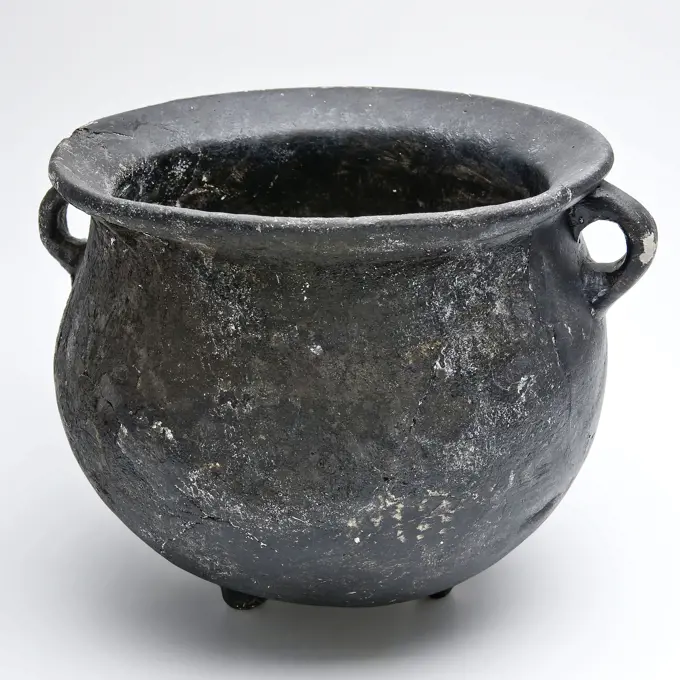
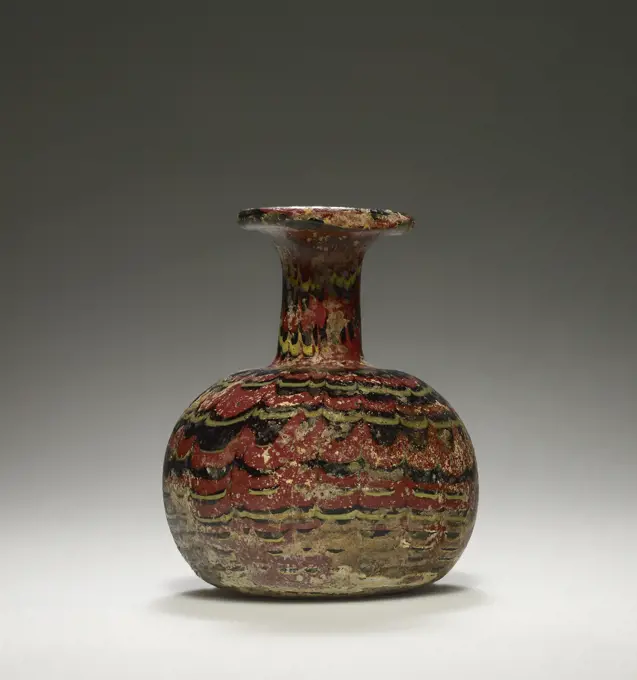
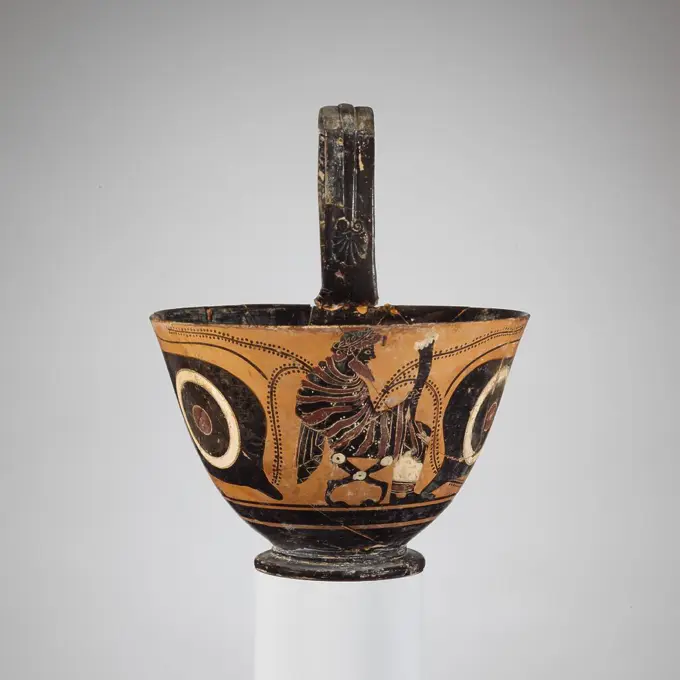
A variety of ancient terracotta and bronze jugs from different cultures, showcasing intricate designs and historical significance from Roman, Chinese, and Greek origins.

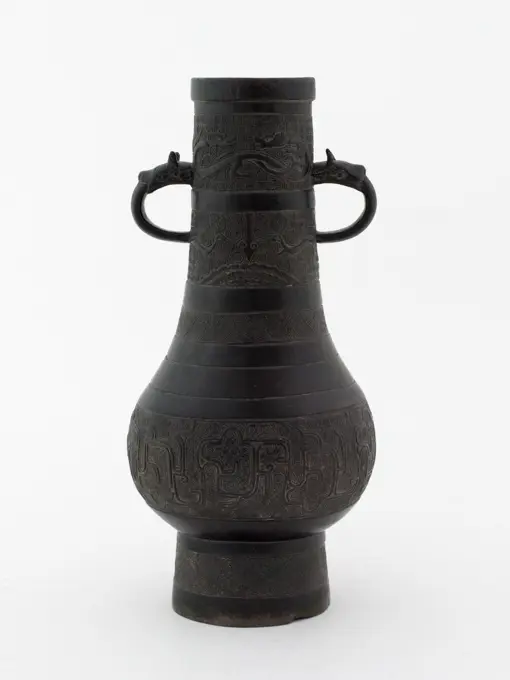
Hu ". Bronze, green patina. China, Han. Paris dynasty, Cernuschi museum. 72359-9 Hu bottle, bronze, han dynasty, green patina
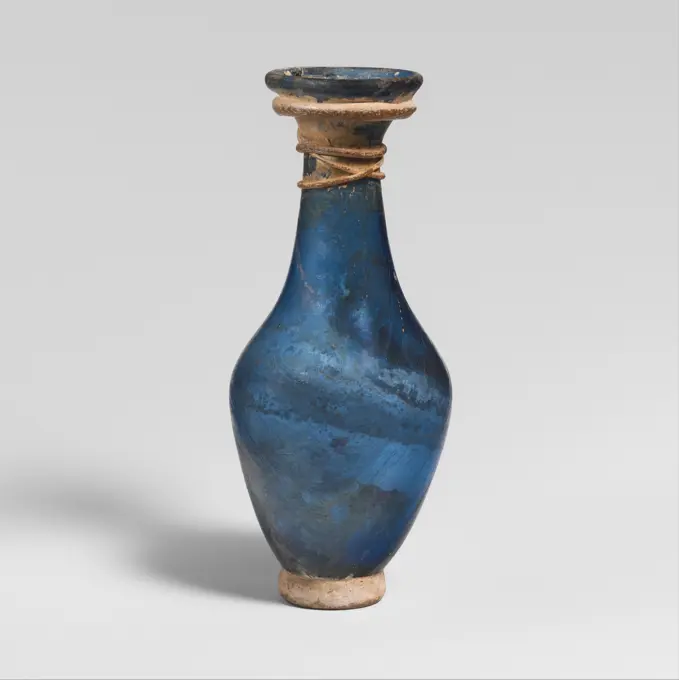
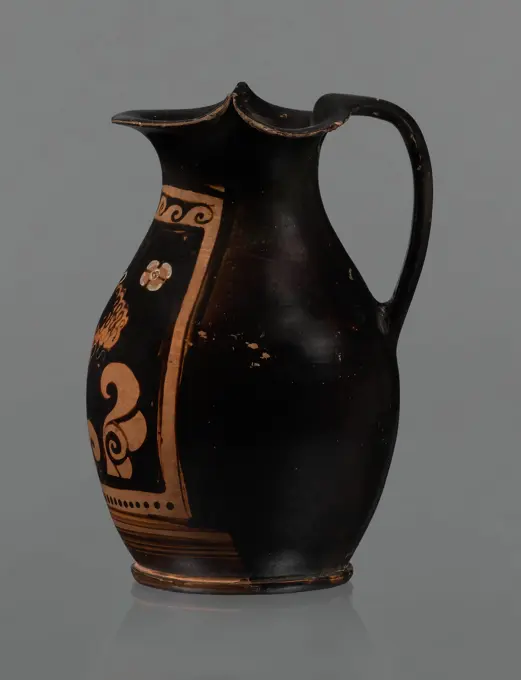
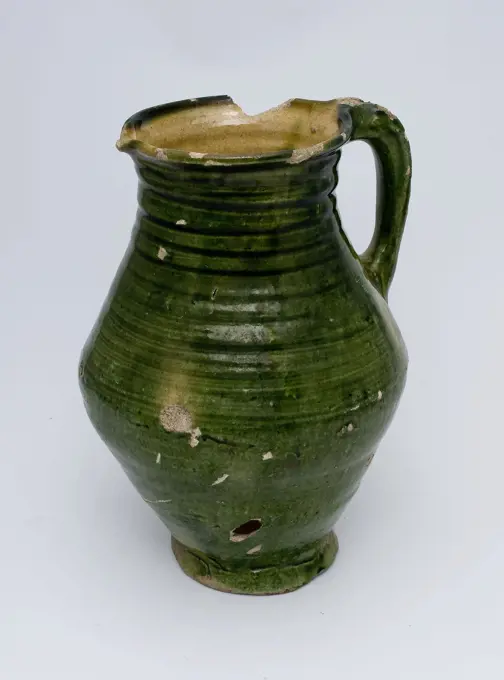
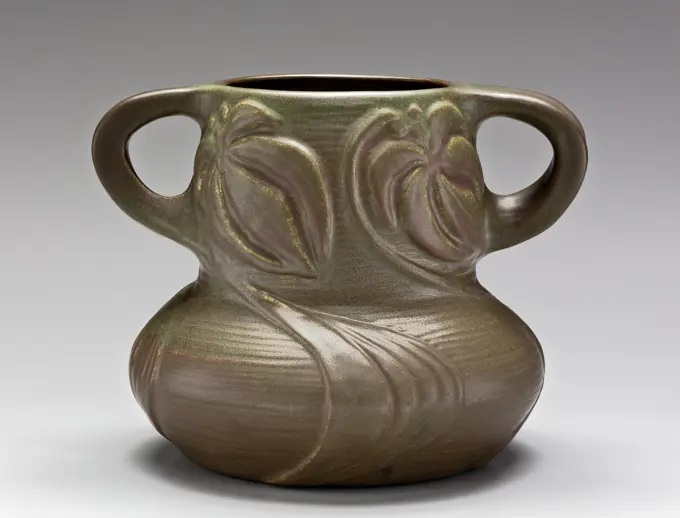
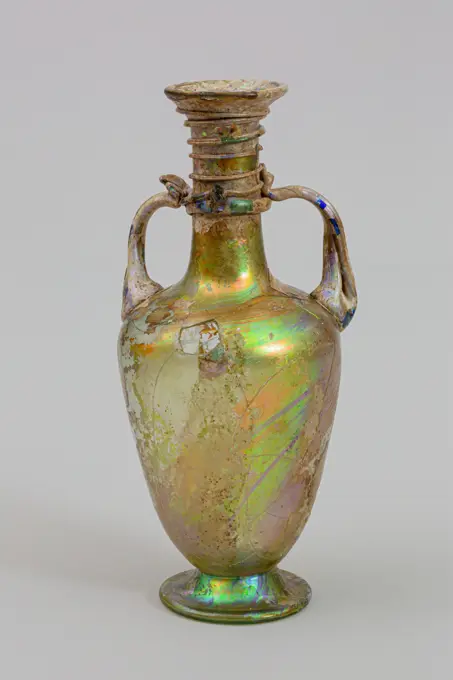
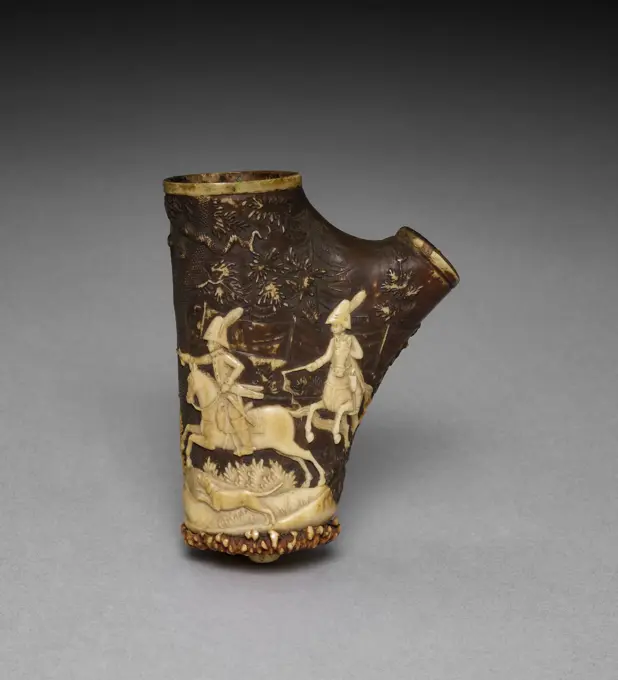
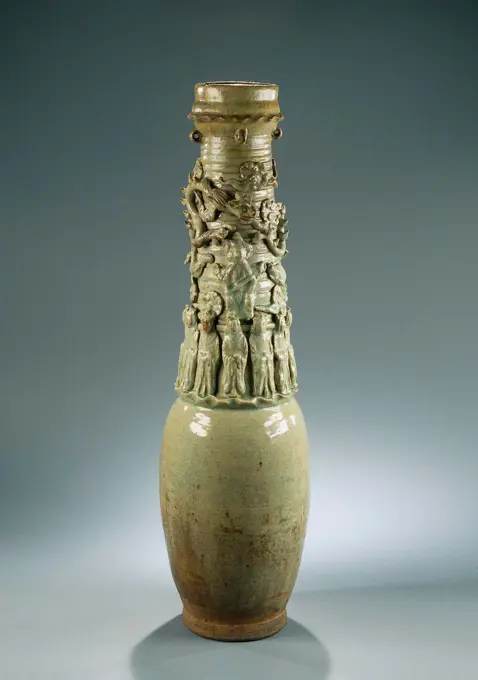
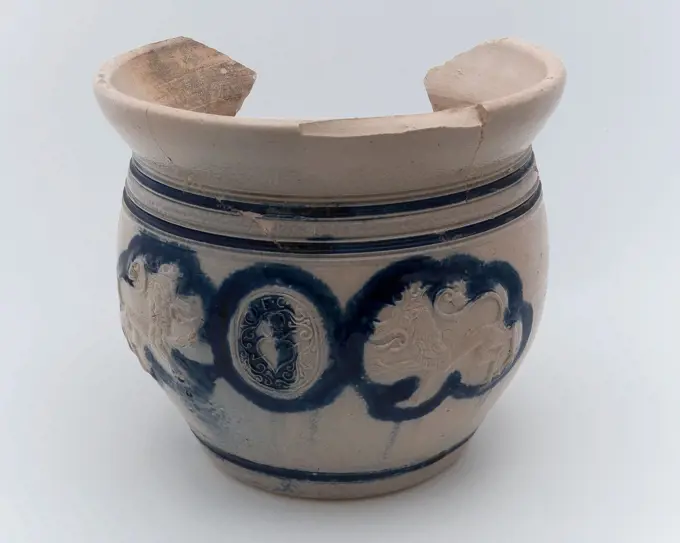
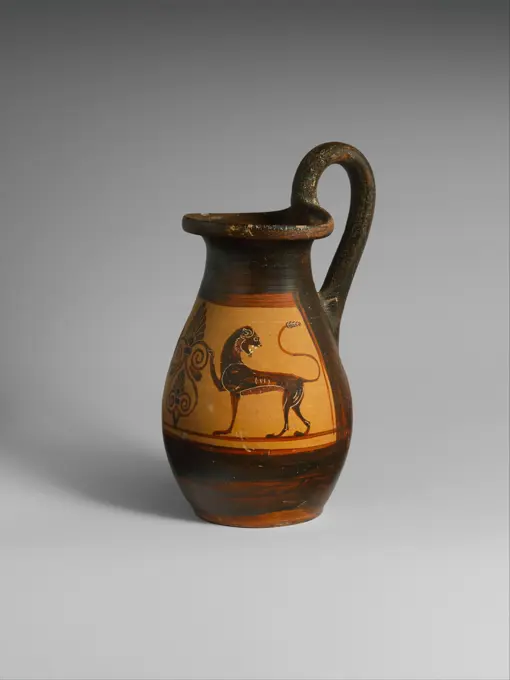
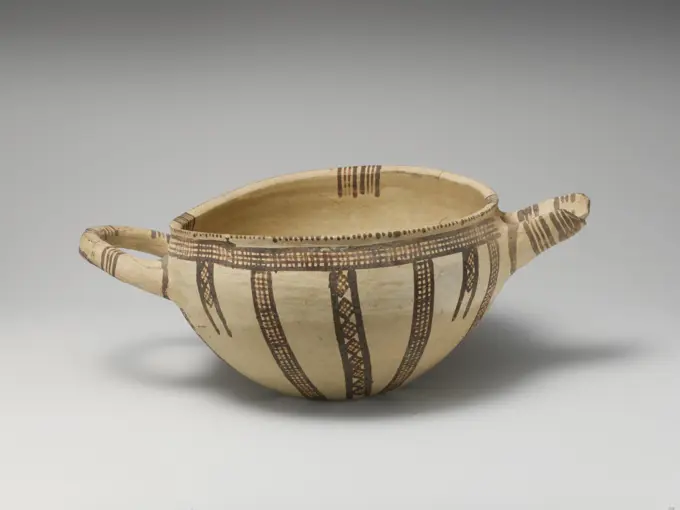
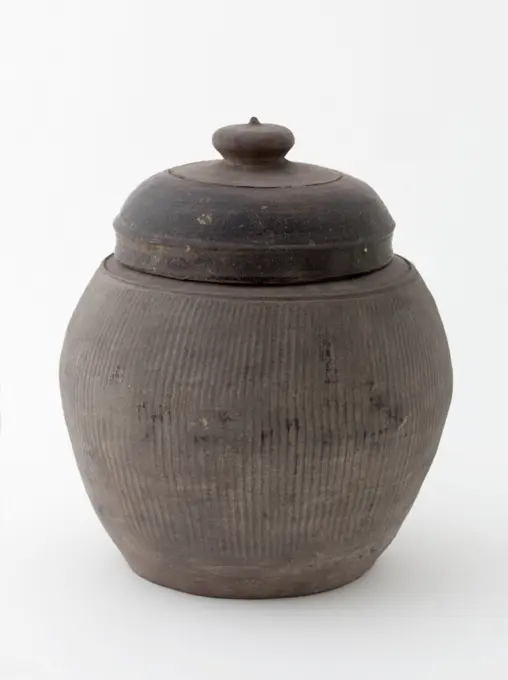
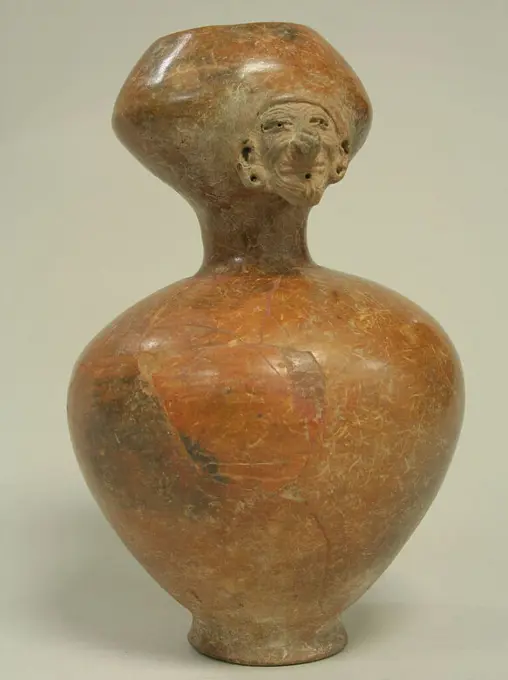
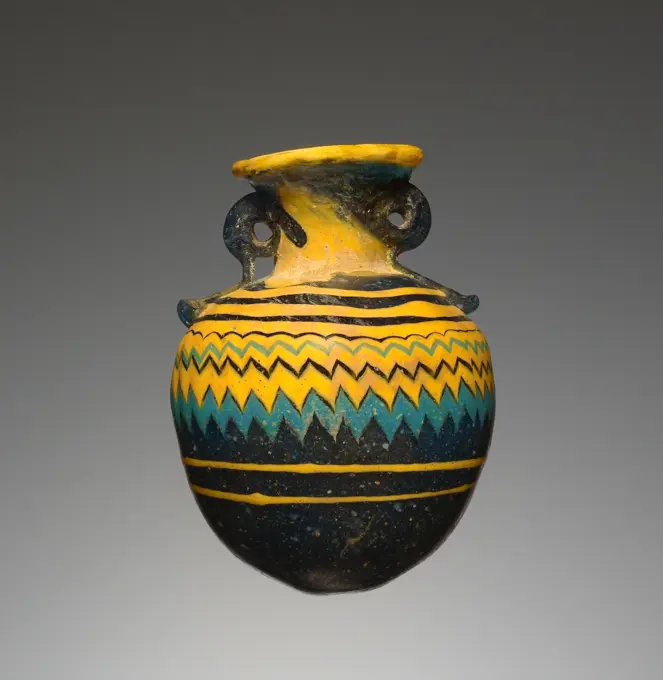
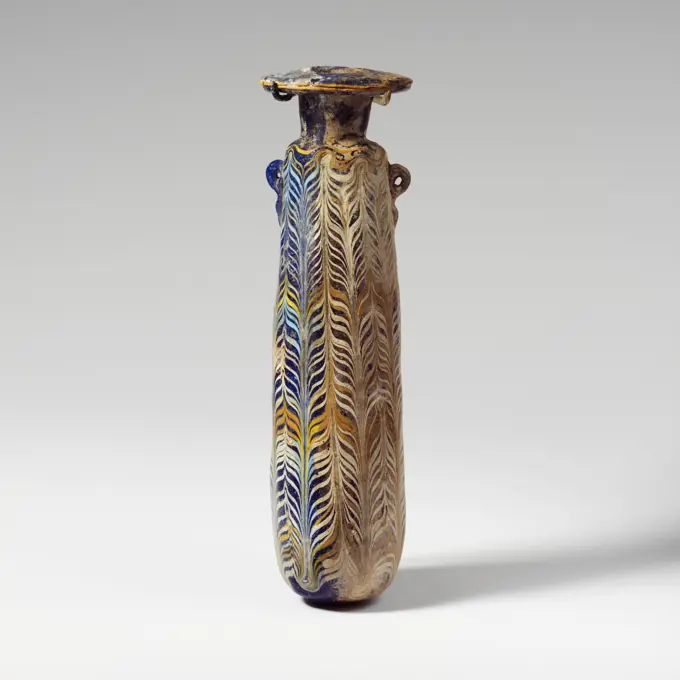
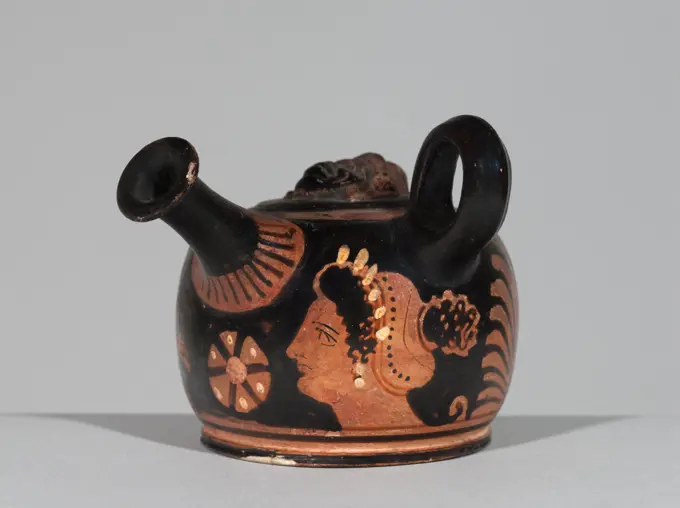
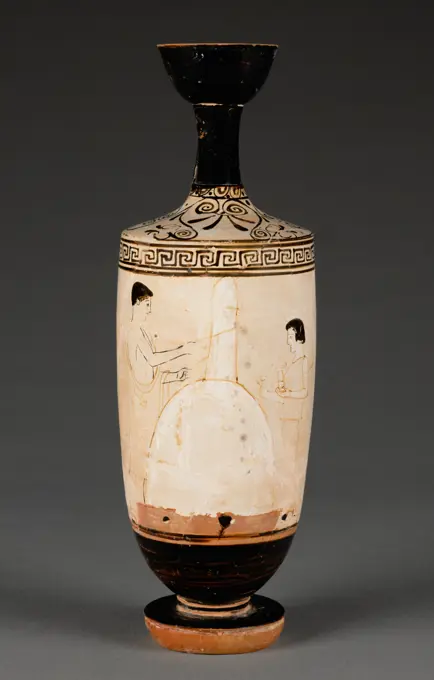
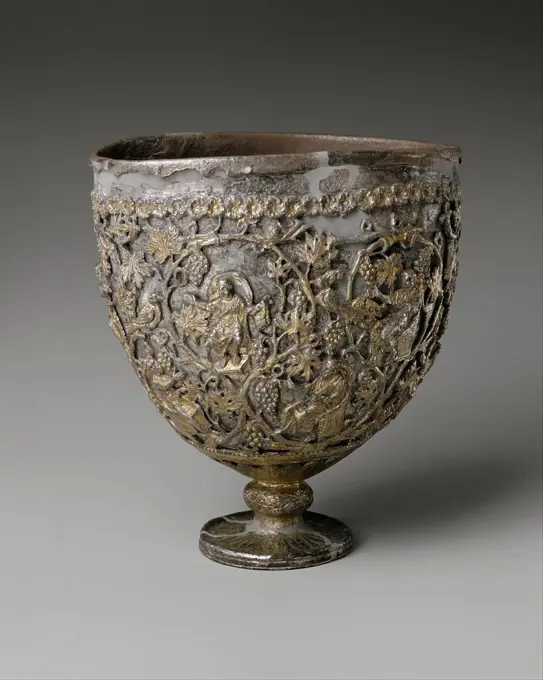
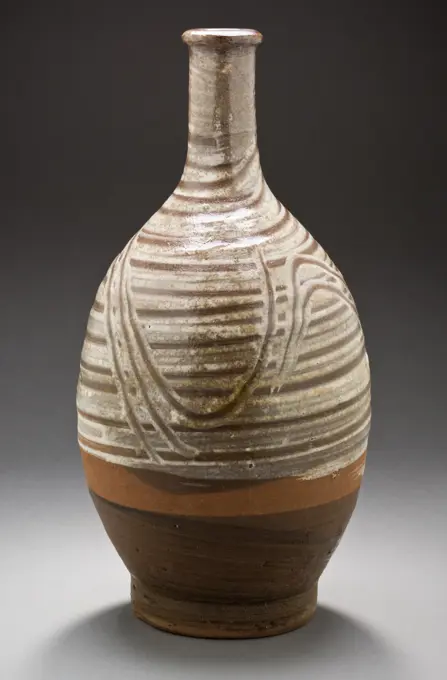
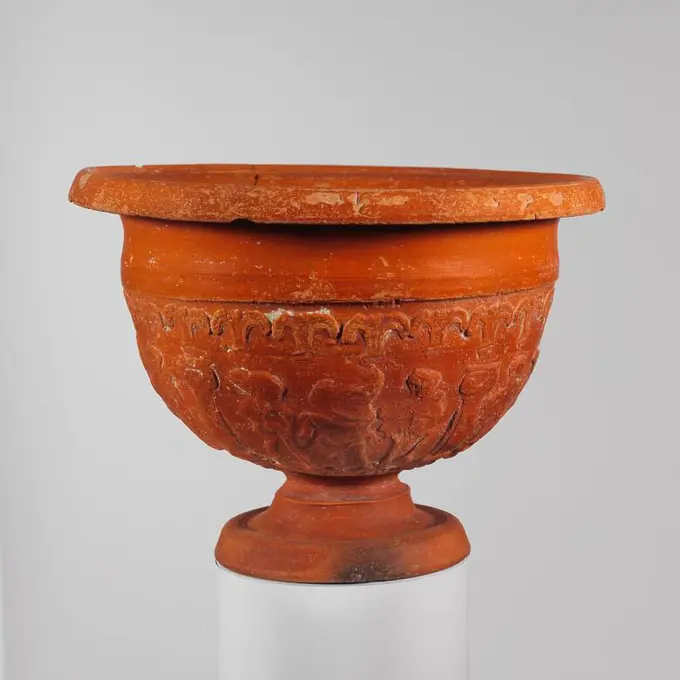
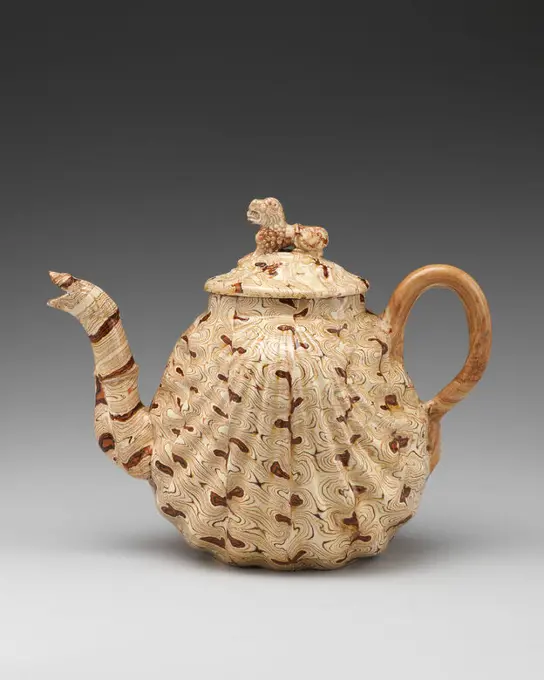
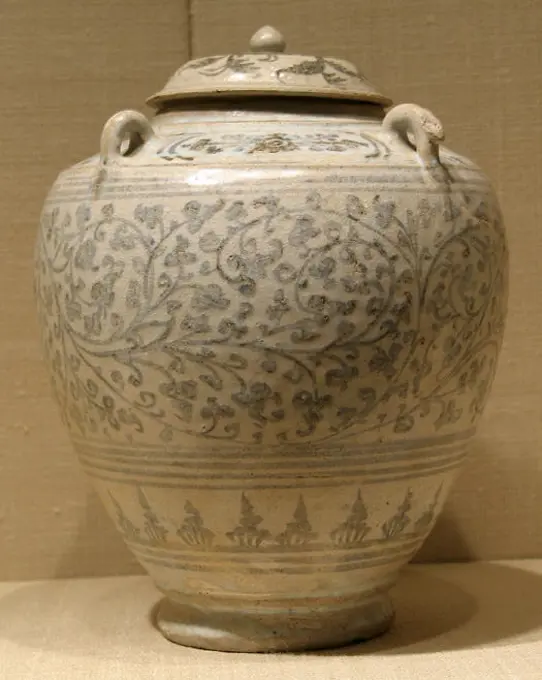
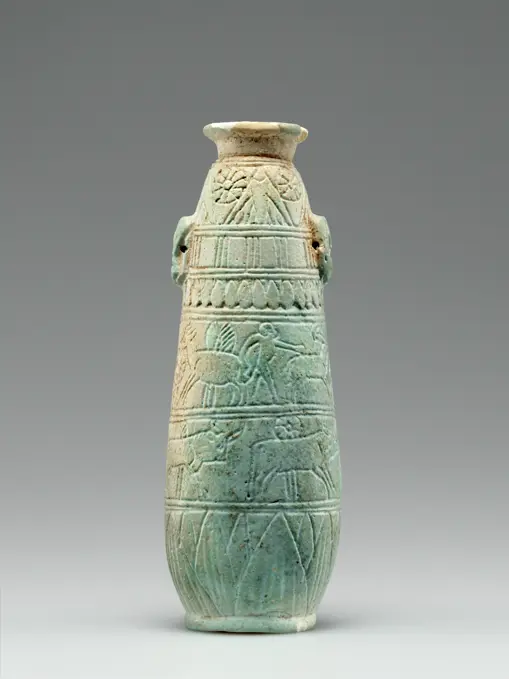
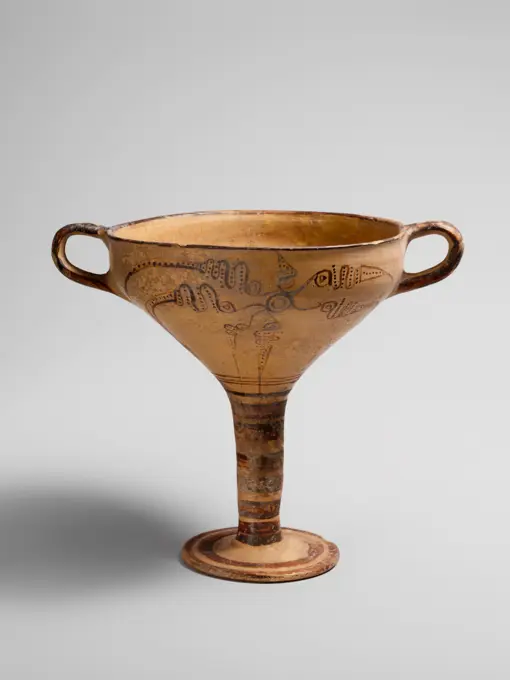
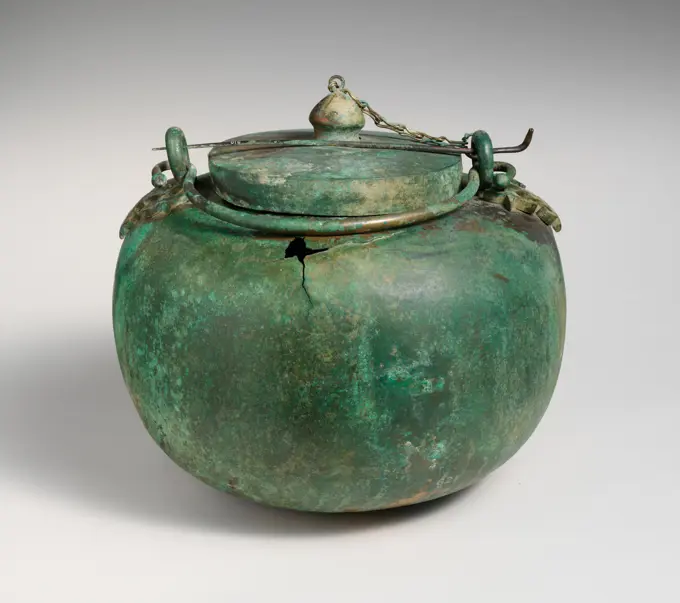
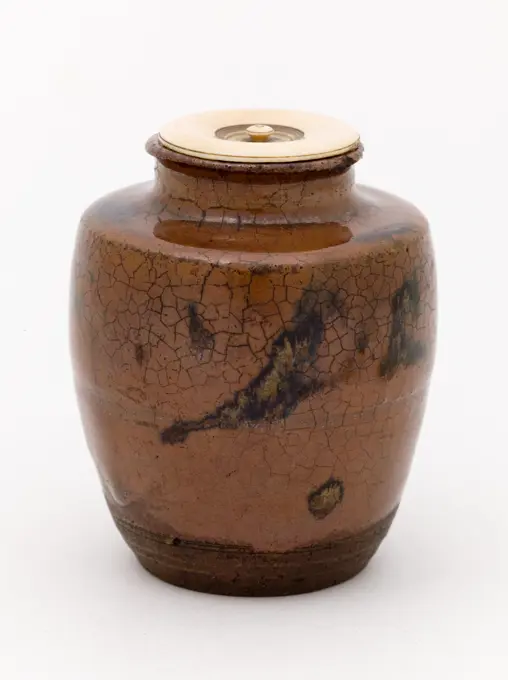
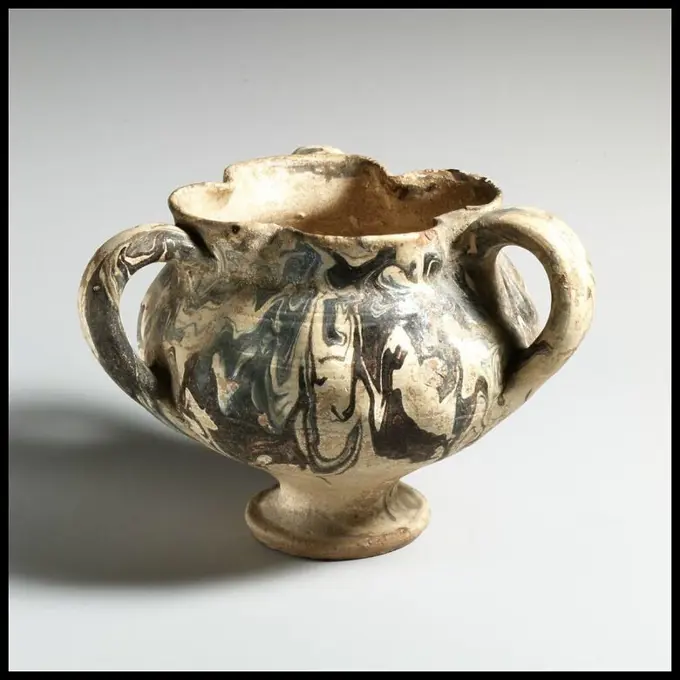
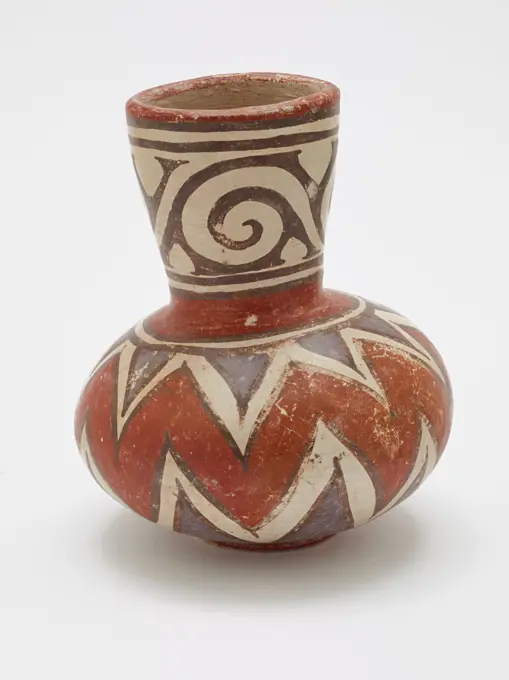
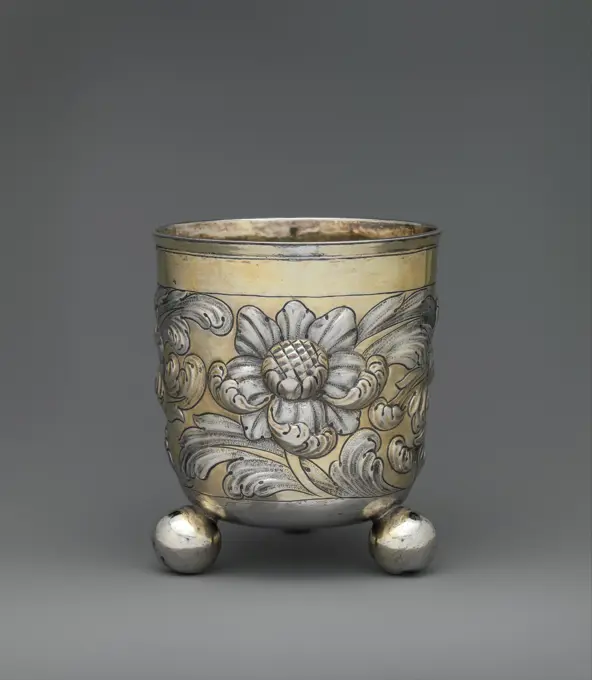
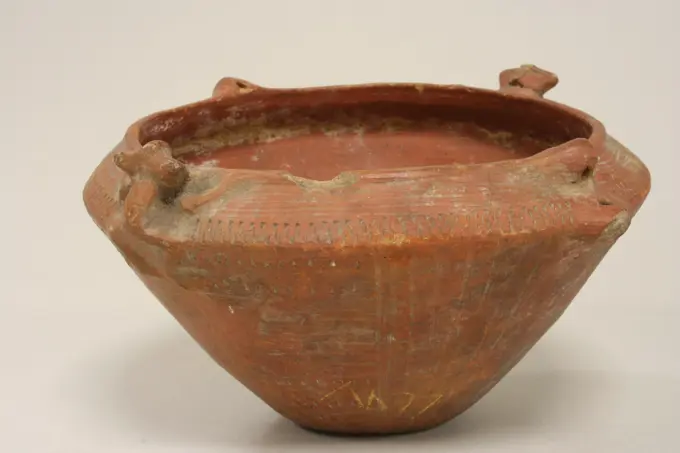
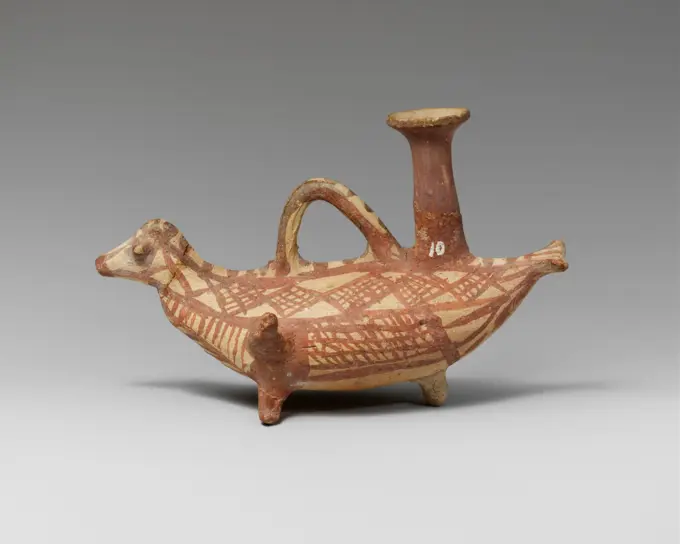
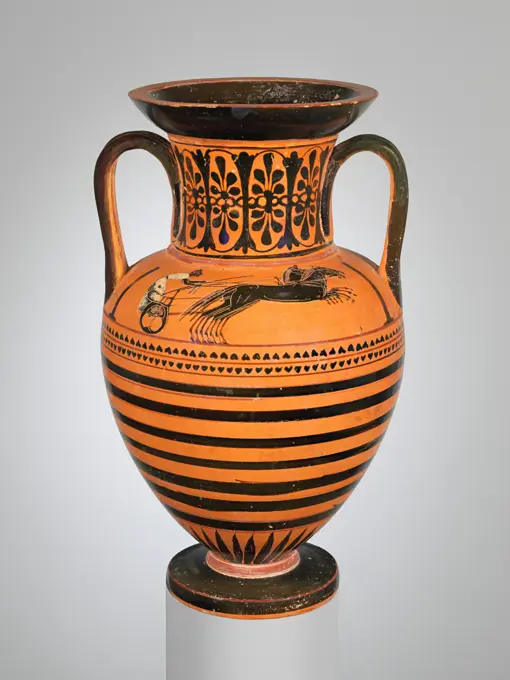
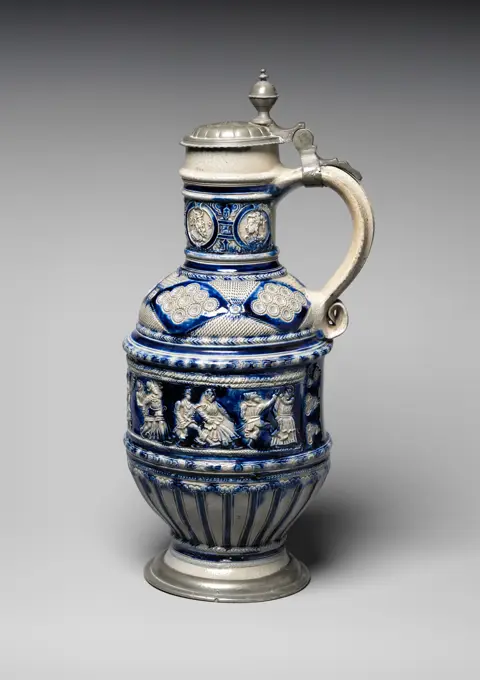
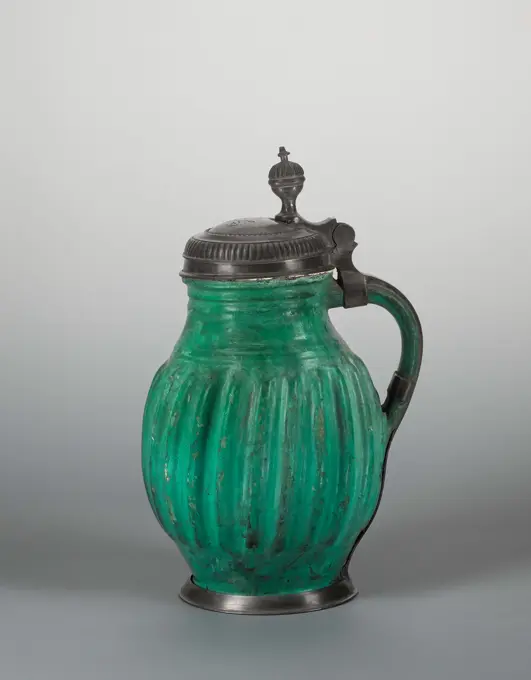
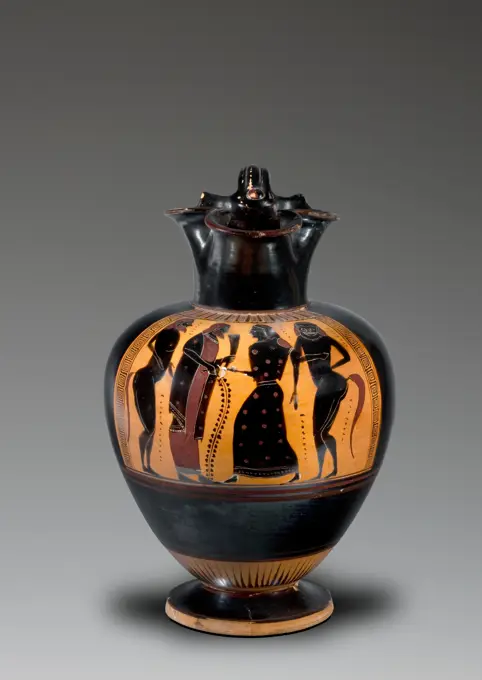
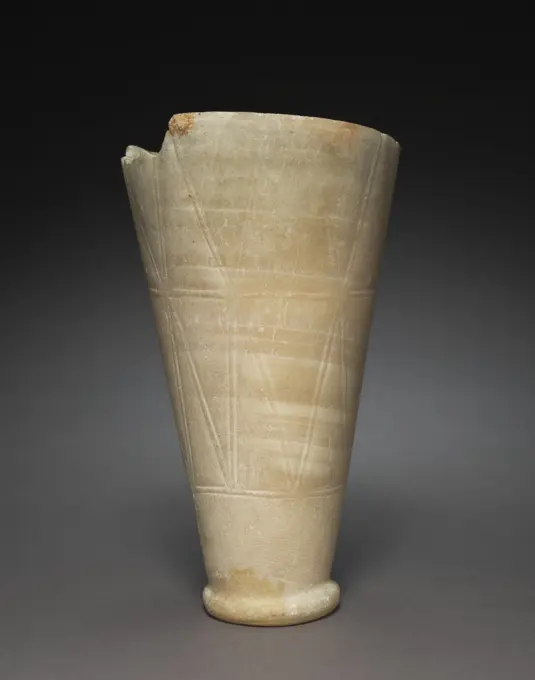
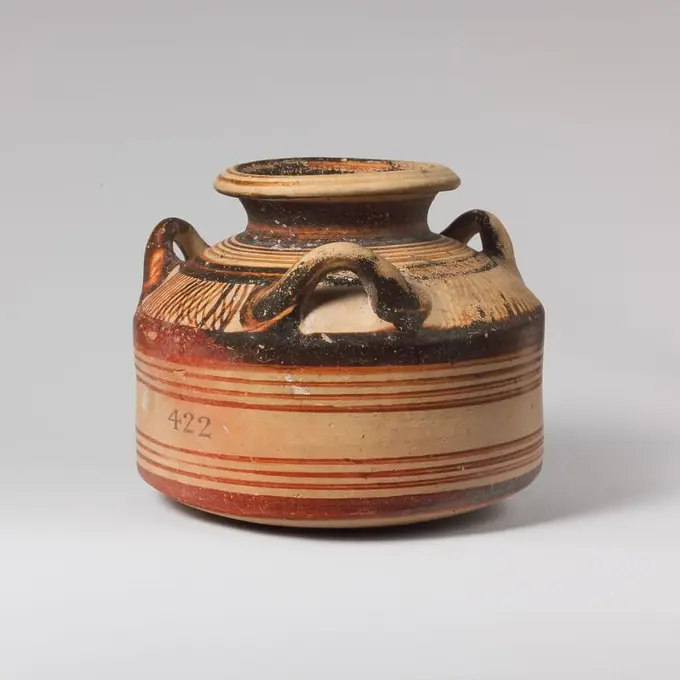
Terracotta alabastron (jar). Culture: Mycenaean. Dimensions: H. 3 13/16 in. (9.7 cm.). Date: ca. 1600-1050 B.C..Three handles and horizontal bands. Museum: Metropolitan Museum of Art, New York, USA.Glas, (possibly), c. 1100 - c. 1250 Light green bottle with a hollow bottom, a slightly rejuvenating body and a flared neck with a swelling above the body and a border under the lip. The bottle is decorated with glass wires applied to the body in loops. Glassblower: Iranyriëegypt glass Light green bottle with a hollow bottom, a slightly rejuvenating body and a flared neck with a swelling above the body and a border under the lip. The bottle is decorated with glass wires applied to the body in loops. Glassblower: Iranyriëegypt glassFlask. UnknownTincture jug (aigiere); Manufaktura Majoliki in Nieborów (Nieborów; Wytwórnia; 1881-1899); 1881-1886 (1881-00-00-1886-00-00);Glass jug 3rd-4th century A.D. Roman, Rhenish Translucent cobalt blue; trail and base ring in semi-opaque yellowish white.Rim folded over and in, and smoothed into side of flaring mouth; cylindrical neck, expanding slightly downwards; biconical body; applied thick base ring; small, uneven bottom. Thick trail wound horizontally around underside of mouth, then dropped down in a fine trail, and wound three times around upper neck.Body complete except for small chip in rim and cracks around mouth, and all of handle missing; some pinprick bubbles, a few gritty inclusions, and blowing striations; patches of creamy weathering and iridescence.With white handle, foot and threads around neck.. Glass jug 245351Red -andech oinochoe;  End of the 4th century BC (-310-00-00--301-00-00);Glass gold-band mosaic bottle. Culture: Roman. Dimensions: H. 4 1/8 in. (10.5 cm). Date: 1st half of 1st century A.D..Translucent cobalt blue, turquoise green, opaque white, and colorless encasing shattered gold leaf.Everted, horizontal rim with rounded underside to lip; cylindrical neck, with horizontal indent around base; globular body; slightly concave bottom.Gold-band mosaic pattern formed from a single serpentine length of layered canes formed in the following order: green outlined in white, blue (appearing light blue in places when backed by white), colorless with gold leaf, and blue again; the length is wound three times round body, being fused together across bottom. A single fine horizontal line incised on upper surface of rim near outer edge; a band of three parallel horizontal grooves around upper body; another single horizontal groove on body at point of greatest diameter; and a band of two concentric grooves around outer edge of bottom.Intact, except for one small chipKettle. Dimensions: H. 7 in. (17.78 cm)Diam. 8 1/4 in. (21 cm). Date: 12th century.Buckets of this type are represented in Iranian miniature paintings illustrating hammam or bath house scenes. The inscription extends best wishes to an anonymous owner. Museum: Metropolitan Museum of Art, New York, USA.Pottery, c. 1880-1920, 6 13/16 × 9 1/2 × 9 1/2 in. (17.3 × 24.13 × 24.13 cm), Clay, pigments, United StatesPottery jug, with ear and shank, yellow and green, water jug crockery holder soil find ceramic earthenware glaze lead glaze, hand-turned glazed baked earthenware jug white shard with on the outside green (copper oxide) and on the inside yellow lead glaze pouring lip bandoor at the top pinched revolving rings around the neck standing foot. Double conical in shape but rather slender protruding neck edge archeology indigenous pottery serve serve drink room table kitchenTerracotta jug. Culture: Cypriot. Dimensions: H. 9 5/16 in. (23.7 cm). Date: ca. 750-600 B.C..The front of the jug is decorated with the head of a man wearing a horned helmet. Male figures, probably deities, with horns are familiar in Cypriot art from late prehistoric times, about the thirteenth and twelfth centuries B.C. It is unclear whether the head here refers to a later manifestation of a similar god or whether it represents a contemporary Cypriot warrior. Museum: Metropolitan Museum of Art, New York, USA.Bottle; Middle East; 9th century; Glass; 15.3 cm (6 in.)Vase Necel, Franciszek (1868 1935)Vase, 20th century, 10 x 7-7/8 x 7-7/8 in. (25.4 x 20.0 x 20.0 cm), Ceramic, pigments, Democratic Republic of the Congo, 20th centuryXu food vessel, early 9th century BCE, 6 15/16 × 12 7/16 × 8 9/16 in., 11.7 lb. (17.62 × 31.59 × 21.75 cm, 5.3 kg)10 1/8 × 7 1/2 in. (25.72 × 19.05 cm) (object part, mouth-a)9 1/2 × 6 15/16 in. (24.13 × 17.62 cm) (object part, mouth-b)10 1/16 × 7 11/16 in. (25.56 × 19.53 cm) (object part, foot)6 13/16 × 4 1/4 in. (17.3 × 10.8 cm) (object part, knob), Bronze, China, 9th century BCEVase 1904 Van Briggle Pottery Company. Vase. American. 1904. Earthenware. Made in Colorado Springs, Colorado, United StatesGlass two-handled bottle Roman ca. 4th century CE View more. Glass two-handled bottle. Roman. ca. 4th century CE. Glass; blown and trailed. Late Imperial. GlassVessel, Seated Deities. Culture: Maya. Dimensions: H. 8 3/4 x Diam. 7 1/2 in. (22.2 x 19.1 cm)Diameter: 7 1/2in. (19.1cm). Date: 6th-7th century.This large, barrel-shaped polychrome cylinder vessel contains three images of a deity seated on thrones around its body. The rim of the vessel contains a band decorated with lightly painted pseudo-glyphs, images that give the appearance of writing without being actually legible. The baroque scene with the deities, covered in jewels and elaborate regalia, may pertain to a long-lost Maya myth from the 5th-6th centuries. The deity depicted in the two scenes sits cross-legged and raises its right arm while folding its left arm over its torso. The body of the deity is painted red and decorated with pill-shaped motifs that have been identified as marks of shininess in Maya art. Though the feet of the deity, painted in a gray wash, appear human, the gesturing hands are in the form of clawed jaguar paws. The loincloth is also a jaguar pelt, as is thTerracotta lagynos (oil flask) 2nd-1st century B.C. Greek Lagynos ware is named after the shape most commonly associated with the distinctive decorative style seen on this flask: canonical motifs such as wreaths, olive bows, baskets, and lagynoi themselves painted in a thinned orange-brown slip on a white ground.. Terracotta lagynos (oil flask) 254574 Greek, Terracotta lagynos (oil flask), 2nd1st century B.C., Terracotta, h. 5 7/16 in. (13.9 cm). The Metropolitan Museum of Art, New York. Rogers Fund, 1947 (47.11.1)Olpe Chigi Vase. 650 -640 BC. Proto-Corinthian style. Decorated with illustrations of warriors (upper side), riders and carts (center) and hunting scenes (lower part). Archaic Greek art. Ceramics. ITALY. LAZIO. Rome. National Etruscan Museum of Villa Julia. Proc: ITALY. LAZIO. ROME. Formello. Veii.Jar, 3rd century BCE - 6th century CE, 11 7/8 x 9 5/8 x 7 1/8 in. (30.2 x 24.4 x 18.1 cm), Polychromed earthenware, Peru, 3rd century BCE - 6th century CE, Although many early Andean textiles have been lost to time, ancient ceramics like this jar accurately document them, show how garments were worn, and offer sources of inspiration for later artists. This large round jar exhibits remarkable symmetry of form, considering it was built by hand; the potters wheel was not in use at this time in the Andes. The jar was made by a coastal Nazca artist approximately 1500 years ago and depicts a man wearing a hat and a striped poncho. Each element of his attire is recognizable yet abstracted by the artist to create overall harmony between the the three-dimensional form of the vessel and the painted-on decoration. The figures poncho bears a striking resemblance to a 20th century poncho on view nearby, highlighting a continuity of garment types and designs.Vase; glassHorn Primer, 1700s. Italy, 18th century. Carved horn; overall: 11.5 x 9.6 cm (4 1/2 x 3 3/4 in.).. Grafvase of stoneware with an egg-shaped belly and a long, wide, upset narrow neck, partly covered with a transparent glaze with a light blue hue. On the neck, an applicated decoration of a band with figures on a modeled, scalloped edge. Above different figures and a dragon between clouds. Under the edge an annular thickening with a modeled, scalloped edge. Among this thickening four small, modeled rings. Some chips in the edge. Qingbai.Stoneware chamber pot, pisspot, appliqué's lions and oval with pierced heart, pot holder sanitary soil find ceramic stoneware glaze salt glaze, hand turned decorated glazed baked pot pot or chamber pot. Stoneware. Stand plane minimal soul. Funnel-shaped upper edge belly small stand decorated with profile rings under the edge and above the foot and appliqués. Lions and oval medallions in which an heart and initials pierced with an arrow Blue accents around the appliqués in appliqué above the heart: E.C. archeology Rotterdam City center Stadsdriehoek Oudehaven Newport exporting foreign pottery import Soil discovery Oude or Nieuwe Haven Rotterdam.Pitcher. English; Made for the American market. Date: 1812. Dimensions: H. 17.8 cm (7 in.). Earthenware. Origin: England. Museum: The Chicago Art Institute, Chicago, USA.Medicinal jar with vertical ornamental borders, anonymous, c. 1200 - c. 1299 Pharmacist spot of quartzed fritry decorated with script and tifles in reddish-brown luster and blue in vertical tires on white surface of glaze. Syria earthenware. glaze. luster (textile) painting / vitrification Pharmacist spot of quartzed fritry decorated with script and tifles in reddish-brown luster and blue in vertical tires on white surface of glaze. Syria earthenware. glaze. luster (textile) painting / vitrificationJug - Farrar Pottery Farrar PotteryAnonymous / 'Case for agate urn with masks'. 1550 - 1575. Leather, Wood, Metal, Cloth. Museum: Museo del Prado, Madrid, España.Terracotta amphora (jar) with lid. Culture: Greek, Attic. Dimensions: Overall: 17 3/8in. (44.2cm)Other (height with cover): 19 11/16in. (50cm)Other (height without cover): 17 3/8in. (44.2cm). Date: last quarter of 6th century B.C..Obverse, chariot with godsReverse, warrior armingIt is rare for a lid to be preserved with the vase for which it was made. This is such a case, illustrating the original appearance of the amphora. Museum: Metropolitan Museum of Art, New York, USA.Glass bottle shaped like a date. Culture: Roman. Dimensions: H.: 2 7/8 in. (7.3 cm)Diam.: 7/8 x 1 1/2 in. (2.2 x 3.8 cm). Date: mid-1st-early 2nd century A.D..Translucent yellowish brown.Thick, everted rim folded round and in; flaring mouth; short cylindrical neck; elongated body; uneven pointed bottom. One continuous mold seam around body.Body molded into the shape of a wrinckled date, with pattern of short wavy ridges and hollows.Intact, except for small weathered hole in neck; dulling, deep pitting, and brilliant iridescence. Museum: Metropolitan Museum of Art, New York, USA.Inca UrnBelly bottle, cat's head, belly bottle bottle holder soil find glass, neck with imposed all-round sharp glass thread and flattened lip archaeology packagingFlasza. unknown, authorJugJug 600-480 B.C. Cypriot. Jug. Cypriot. 600-480 B.C.. Terracotta. Cypro-Archaic II. VasesOinochoe last quarter of 6th century B.C. Greek, Attic. Oinochoe 248183Askos. unknown, authorJugTerracotta lekythos (oil flask). Culture: Greek, Attic. Dimensions: H. 14 3/4 in. (37.39 cm). Date: ca. 440 B.C..Mourner and the deceased at tombThis vase exemplifies Attic white-ground funerary lekythoi at their finest. Funerary representations of the sixth century B.C. depicted the deceased surrounded by mourners. By the middle of the fifth century, the deceased was shown either as living or not at all. The figure at the left is a mourner; the deceased is identifiable by the diminutive soul fluttering above his head. Museum: Metropolitan Museum of Art, New York, USA.Jar (Hu) with Birds. China, probably Zhejiang Province, late Western Han dynasty or early Eastern Han dynasty, about 100 B.C.-A.D. 100. Furnishings; Serviceware. Proto-Yue ware, wheel-thrown stoneware with applied and incised decoration and green glazeJarJar (Hu) late 3rd-4th century A.D. China. Jar (Hu) 50702Terracotta olpe (jug) ca. 550-525 B.C. Etruscan Heraldic lions flanking a stylized palmette designThe conventional subject on this jug is executed with expert precision and delicacy. The ultimate inspiration for both the motifs and the shape is Corinthian pottery, imported to Italy in significant quantities during the seventh and sixth centuries B.C.. Terracotta olpe (jug) 255131 Etruscan, Terracotta olpe (jug), ca. 550525 B.C., Terracotta, H. with handle 7 1/4 in. (18.5 cm). The Metropolitan Museum of Art, New York. Purchase, Richard A. Van Every Gift , 1962 (62.11.10)Terracotta two-handled bowl ca. 1600-1150 B.C. Cypriot Loop handle, trough-spout, lattice and lozenge ornament.. Terracotta two-handled bowl. Cypriot. ca. 1600-1150 B.C.. Terracotta; White Slip Ware. Late Cypriot I-IIIA. VasesJarree et Couvercle ". Groves. Vietnamese-Xe-xive Cernuski. Paris, Musée Cernuski. 72187-25 Cover, gres, jar, Vietnamese objectKyliks z motywem palmety. unknown, author. Brown bearded manner with cobalt blue spots and a turned ear. Three large medallions have been printed on the bullet-shaped belly. The middle one is held by 2 lions. This is a double eagle and the year 1598. Emperor's busts are depicted in the other medallions.. Lead-glazed earthenware (creamware) .Vessel with Face. Culture: Manteno. Dimensions: Height: 9in. (22.9cm)Other: 5 3/4in. (14.6cm). Date: 6th-10th century. Museum: Metropolitan Museum of Art, New York, USA.Skyfos with animal frieze;  590-570 BC (-590-00-00--570-00-00);Black earthenware pot with two standing ears, on three legs, ball-shaped model, pot holder soil found ceramic pottery, hand shaped baked polished Pot with two upright ears on three legs (plaster restoration) and hand-molded unglazed gray-black earthenware polished surface obliquely outstanding edge convex belly and bottom so-called juttepot archeology Valckensteyn Poortugaal Albrandswaard indigenous pottery cooking preserving kitchen Soil discovery: castle Valckensteyn in Poortugaal now Albrandswaard.. Pot of stoneware with a printed spherical body, covered with a white sludge and painted under the enamel in brown. A galloping horse on the belly. The bottom is unglazed. Cizhou.Flask; Workshop in the Eastern Mediterranean, Eastern Mediterranean; perhaps 4th - 5th century; Glass; 8.3 cm (3 1,4 in.)Aryballos. UnknownTerracotta kyathos (cup-shaped ladle). Culture: Greek, Attic. Dimensions: H. of cup 3 1/8 in. (8 cm); diameter 4 5/8 in. (11.7 cm); H. to top of handle 5 11/16 in. (14.5 cm). Date: ca. 530-500 B.C..Between eyes, seated DionysosAt the handle, maenads with krotala (castanets)In its shape and function, the kyathos originated in Etruria. During the second half of the sixth century B.C., it was reinterpreted in Attic ceramics workshops and exported to Etruscan clients. The decoration appears to be typically Attic. Museum: Metropolitan Museum of Art, New York, USA.Wine container (hu) 1st-2nd century China. Wine container (hu) 48744Small pottery jug with floral motifs Minoan, 1400-1300 BC () Found at KnossosGlass hexagonal bottle. Culture: Roman. Dimensions: H.: 3 1/16 in. (7.8 cm). Date: 1st half of 1st century A.D..Translucent cobalt blue.Rim folded out, round, and in; cylindrical neck, expanding at base to join convex curving shoulder; hexagonal body with sides expanding downwards, then cup-shaped below; low oval base with protruding rounded edge and uneven, slightly indented bottom. Mold seams run from shoulder, down sides, and meet off-center on bottom.Decoration in three registers: on shoulder, six pointed arches, each containing an unidentified, large dome-shaped object; on body, six rectangular panels, each framed at sides with columns, complete with capital and base; in the panels in high relief, six vessels, each of different shape and function; above the base, fillets suspended from below the center of each panel, enclosing alternating larger and smaller fruit with knobbly surfaces, each hanging below a column.Intact; bubbles and blowing striations; patches of thick creamy Glass alabastron (perfume bottle) late 4th-early 3rd century B.C. Eastern Mediterranean or South Italian Translucent cobalt blue, with handles in same color; trails in opaque yellow, opaque white, and opaque turquoise blue.Broad rim-disk, formed as a coil with slightly sloping upper surface; cylindrical neck, tapering downward; narrow angular shoulder; straight-sided cylindrical body, with slight upward taper and slightly uneven surface; convex bottom; below shoulder, two vertical ring handles, with trailing tails, applied over trail pattern.A fine yellow trail attached at edge of rim-disk and wound round twice; on body, alternating bands of yellow, white, and turquoise blue, tooled from shoulder to undercurve at bottom into a close-set feather pattern in eight vertical patterns with alternating upward and downward strokes, forming rounded loops at top and bottom.Intact, except for small weathered chip in rim-disk; dulling, pitting, and large areas of iridescent weathering, with some sGuttus in the shape of a surprise vase. Red figures and head -shaped plastic decor (lid). APULIE (Italy), 4th century.Av. AD Museum of Fine Arts of the City of Paris, Petit Palais. 59232-6 Antiquity, Greek-Roman antiquity, ancient art, drink, ceramic, jug, woman, red figure, large Greece, guttus, humiliage, libations, molding, object of ceremony, ancient period, pottery, container, religious rite, ritual, head, Tour, vase, wine, sacrificeAttic White-Ground Lekythos. Painter of Athens 1826 (Greek (Attic), active about 460 - 450 B.C.)Single Spout Painted Bottle 5th-2nd century B.C. Paracas. Single Spout Painted Bottle 308588The Antioch "Chalice". Culture: Byzantine. Dimensions: Overall: 7 11/16 x 7 1/16 x 6 in. (19.6 x 18 x 15.2 cm)foot: 2 15/16 in. (7.4 cm). Date: 500-550.When it was discovered at the beginning of the twentieth century, this "chalice" was claimed to have been found in Antioch, a city so important to the early Christians that it was recognized with Rome and Alexandria as one of the great sees of the church. The chalice's plain silver interior bowl was then ambitiously identified as the Holy Grail, the cup used by Christ at the Last Supper. The elaborate footed shell enclosing it was thought to have been made within a century after the death of Christ to encase and honor the Grail. The fruited grapevine forming the rinceau pattern of the gilded shell is inhabited by birds, including an eagle; animals, including a lamb and a rabbit; and twelve human figures holding scrolls and seated in high-backed chairs. Two of the figures are thought to be images of Christ. The other ten figures have beeSake Bottle with Brush-Drawn Spiral and Finger Marks. Japan, second half 17th century - first quarter 18th century. Ceramics. Hizen ware, Takeo type; stoneware with iron wash and white slipTerracotta bowl. Culture: Roman, Cypriot. Dimensions: H. 4 1/2 in. (11.4 cm); diameter 6 1/4 in. (15.9 cm). Date: early 1st century A.D..This mold-made bowl was produced locally imitating Italian Arretine ware. Museum: Metropolitan Museum of Art, New York, USA.Teapot with cover. Culture: British, Staffordshire. Dimensions: Overall: 5 1/4 × 6 3/8 in. (13.3 × 16.2 cm). Maker: Style of Whieldon type. Date: mid-18th century. Museum: Metropolitan Museum of Art, New York, USA.Covered Jar with Four Lugs 14th-ca. mid-16th century Thailand (Si Satchanalai). Covered Jar with Four Lugs 37475Squat Oinochoe. Greece, Corinth, 590-570 B.C.. Furnishings; Serviceware. Ceramic with added black and redEast Greek Faience Alabastron. UnknownJar withBoatsAnonymous, Gourde Bianhu (common name), 0453. CERUNUSCHI Museum, Museum of Arts in Asia in the city of Paris.Terracotta pyxis (box) 4th-3rd century B.C. Greek, South Italian, Campanian This shape is also found in Sicily.. Terracotta pyxis (box) 247273Terracotta stemmed cup with murex decoration ca. 1400-1300 B.C. Helladic, Mycenaean Decorated with conventionalized murexes.. Terracotta stemmed cup with murex decoration. Helladic, Mycenaean. ca. 1400-1300 B.C.. Terracotta. Late Helladic IIIA. VasesGlass perfume bottle Roman, Egyptian 2nd-3rd century CE Translucent deep blue green.Everted rim, with rounded outer lip and flattened upper surface; cylindrical neck, expanding slightly downwards, with fine horizontal tooling indent around base; squat, conical body; thick, almost flat bottom with pontil mark.Intact; some bubbles; slight pitting, iridescence, and brownish weathering. View more. Glass perfume bottle. Roman, Egyptian. 2nd-3rd century CE. Glass; blown. Mid Imperial. GlassBottle. Bronze. China. Paris, Cernuschi museum. 70003-20 Anse, Chinese art, bottle, bronze, extended shape, animal headVase. unknown, craftsmanBronze pin with snake-head terminal ca. 550 B.C. Etruscan Ending in the head of a snake. The lid is chained to one of the ring attachments of the handle and is kept in place by the bronze pin.. Bronze pin with snake-head terminal 247062Bottle 100 BCE-1 BCE Syria. Glass, blown technique . Ancient LevantinePolychrome Jar c 1880 New Mexico (Object made in). Ceramic and pigment . Acoma'Molar' flask. Dimensions: H. 4 1/8 in. (10.5 cm)Diam. of body: 1 1/2 in. (3.8 cm). Date: 8th-9th century.This bottle was wheel-cut from a rectangular block of glass, then a thin channel was drilled in the middle that was filled with kohl or scented oil. The object is called a molar flask because its feet resemble the roots of molar teeth. Museum: Metropolitan Museum of Art, New York, USA.Oinochoe (Pitcher) 450 BCE-325 BCE Eastern Mediterranean Region. Glass, core-formed technique . Ancient Eastern MediterraneanTea powder jar. Sandstone, brown covered. Paris, Cernuschi museum. Japanese art, brown brown, Japanese ceramic, lid, gres, pot, the powder of theRitual Wijnvat, Anonymous, -1100 --1000 Ritual wine barrel with lid; Handen and lid are missing. The decoration consists of dragons and taotion motifs in relief on Leiwen-Fond, fifth style. China bronze (metal) Ritual wine barrel with lid; Handen and lid are missing. The decoration consists of dragons and taotion motifs in relief on Leiwen-Fond, fifth style. China bronze (metal)Tell el-Yahudiya juglet. Dimensions: H. 15 cm (5 7/8 in); Diam. 11 cm (4 5/16 in). Dynasty: Dynasty 13. Date: ca. 1802-1640 B.C..The name of this type of pottery is derived from the site in the southeastern Delta where W. M. Flinders Petrie first found examples. The ware was most likely initially produced in the Levant. Widely imitated, it was distributed throughout the eastern Mediterranean, Egypt, and into Nubia. Museum: Metropolitan Museum of Art, New York, USA.Snuff Bottle, one of a pair, 19th century, 2 1/4 x 1 5/16 x 13/16in. (5.7 x 3.3 x 2.1cm), Turquoise, China, 19th centuryBowl. Culture: Roman. Dimensions: 4 1/2in. (11.4cm). Museum: Metropolitan Museum of Art, New York, USA.Bottle 19th century Scythian. Bottle 468778Bottle. Panama, Parita, 1000-1100. Ceramics. Burnished ceramic with slip and paintBeaker late 17th century Hungarian, Rimaszombat Floral decoration was very popular on goldsmiths work in the later seventeenth century, culminating with the use of large, swirling blossoms and foliage, as seen on this beaker that is elevated on ball feet. Objects with this form belonged to a standard type and were produced in large quantities throughout Central and Eastern Europe.LiteratureFine Continental, English and American Silver and Objects of Vertu. Sale cat., Christies, New York, March 28, 1979, p. 62, no. 196.Judit H. Kolba. Hungarian Silver: The Nicolas M. Salgo Collection. London, 1996, p. 94, no. 72.ReferencesElemér K?szeghy. Magyarországi ötvösjegyek a középkortól 1867-ig / Merkzeichen der Goldschmiede Ungarns vom Mittelalter bis 1867. Budapest, 1936, nos. 1872 [town mark, 1892 [makers mark.[Wolfram Koeppe 2015. Beaker. Hungarian, Rimaszombat. late 17th century. Silver, partly gilded. Metalwork-SilverBowl with Flared Sides 9th-14th century Quimbaya. Bowl with Flared Sides 318579Terracotta askos (flask with a spout and handle over the top) in the form of a bird 1200-1050 B.C. Cypriot Three feet, with tubular spout and geometric ornament.. Terracotta askos (flask with a spout and handle over the top) in the form of a bird. Cypriot. 1200-1050 B.C.. Terracotta. Late Cypriot IIIB. VasesTerracotta neck-amphora (jar) ca. 500 B.C. Greek, Attic Obverse and reverse, on the shoulder, racing chariotAthletic events and competitions are among the most popular subjects decorating Athenian vases of the late sixth and fifth centuries B.C. The vignette on the shoulder may well have been inspired by the representations on Panathenaic prize vases. The scene here includes two goalposts; they probably mirror the columns flanking Athena on the obverse of prize vases.. Terracotta neck-amphora (jar). Greek, Attic. ca. 500 B.C.. Terracotta; black-figure. Archaic. VasesPitcher. Attributed to Leeds Pottery (England, Yorkshire, circa 1760-1878). England, circa 1810. Furnishings; Serviceware. Pearlware (earthenware), silver lustreJug ca. 1600-1625 German, probably Westerwald This tankard features molded low-relief decoration in cobalt blue and was probably produced in the Westerwald region of Germany in the first quarter of the seventeenth century.. Jug. German, probably Westerwald. ca. 1600-1625. Salt-glazed stoneware, pewter. Ceramics-PotteryGreen pot (stein) with tinplated lid. Bolesławiec (ośrodek ceramiczny ; ca 1400- ), potter's workshopOinochoe with the performance of Dionysus, Ariadna and satire;  around 540 BC (-545-00-00--535-00-00);Dionysos (Mitol.), Działyńska, Izabela (1830-1899), Działyńska, Izabela Elżbieta née Czartoryski (1830-1899)-collection, Działyński, Jan (1829-1880), Greece, Men's (mitol.), Table vessels, period archaic, satire (mitol.)Tall Jar with Rope Patterns, 2647-2454 BC. Egypt, Saqqara, north of the Step Pyramid, tomb 2305, excavations of J. E. Quibell, 1910-1911, Predynastic-Old Kingdom, Dynasty 3, reign of Djoser, to Dynasty 4, reign of Sneferu, 2628-2549 BC. Travertine; diameter: 13.1 cm (5 3/16 in.); overall: 23.7 cm (9 5/16 in.).Double spout and bridge bottle with birds 4th-3rd century B.C. Paracas. Double spout and bridge bottle with birds 308358Pyxis ca. 300 B.C. Attributed to the Stoke-on-Trent Group: "Pouting Lips" Sub-Group On the lid, head of a woman.. Pyxis 255267