Ancient and Historical Jugs

A variety of ancient terracotta and bronze jugs from different cultures, showcasing intricate designs and historical significance from Roman, Chinese, and Greek origins.

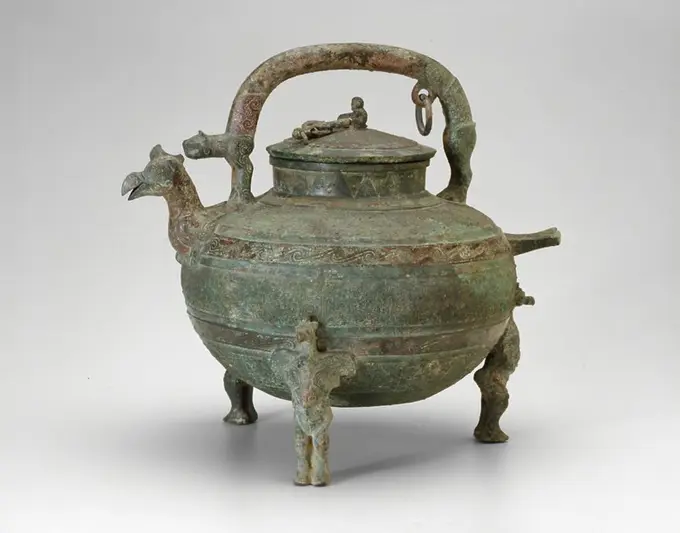
Hu ". Bronze, green patina. China, Han. Paris dynasty, Cernuschi museum. 72359-9 Hu bottle, bronze, han dynasty, green patina
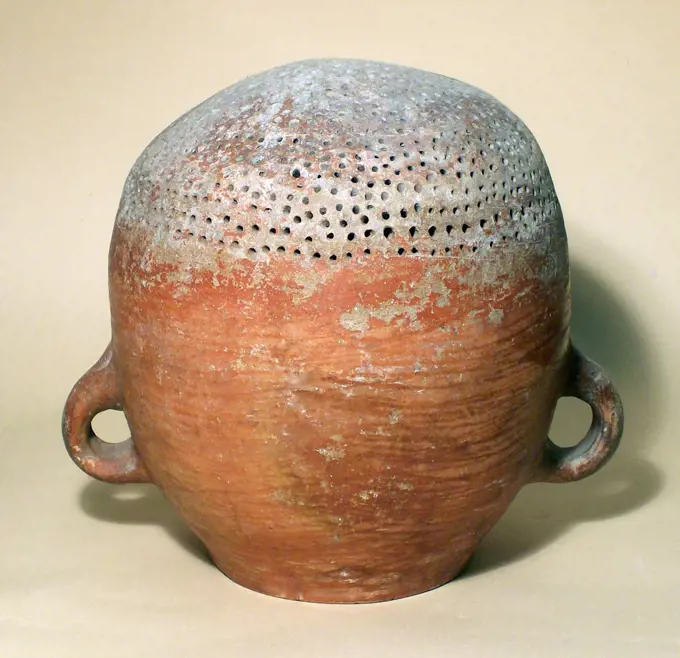
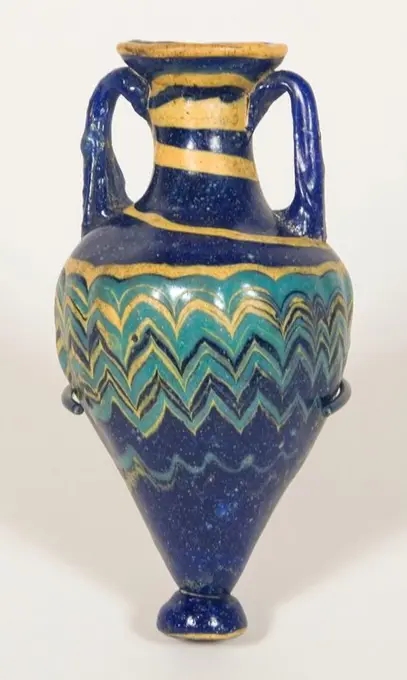
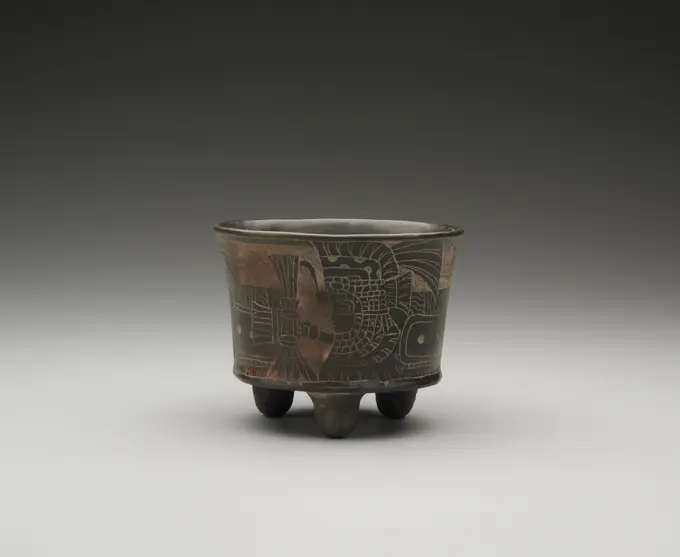
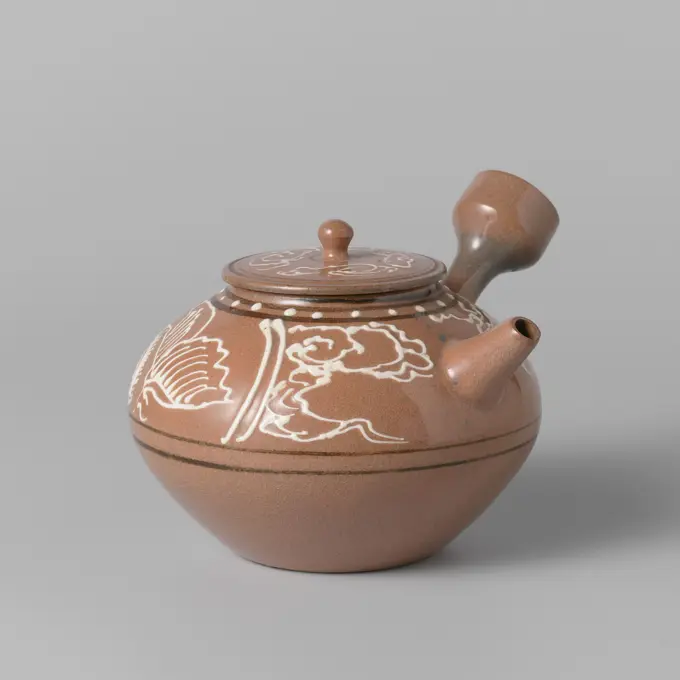
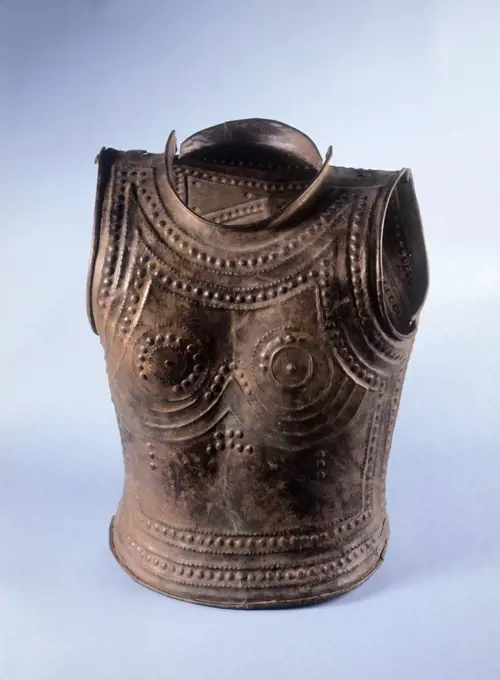
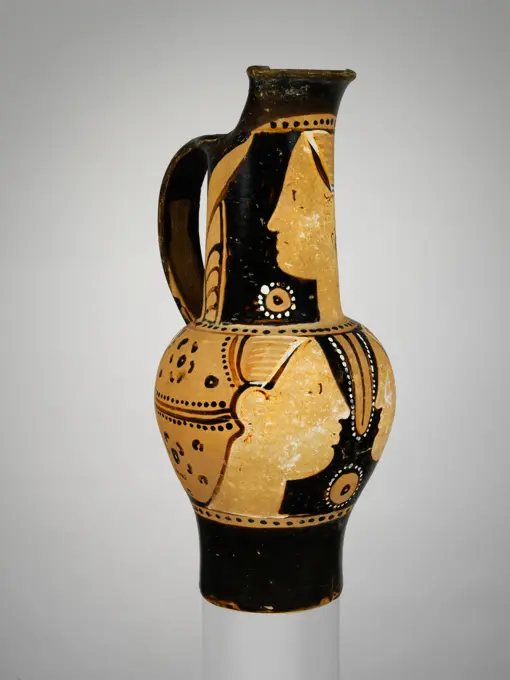
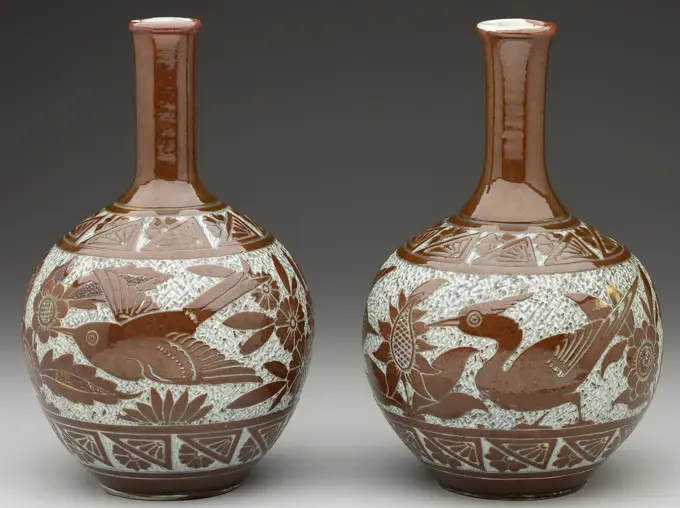
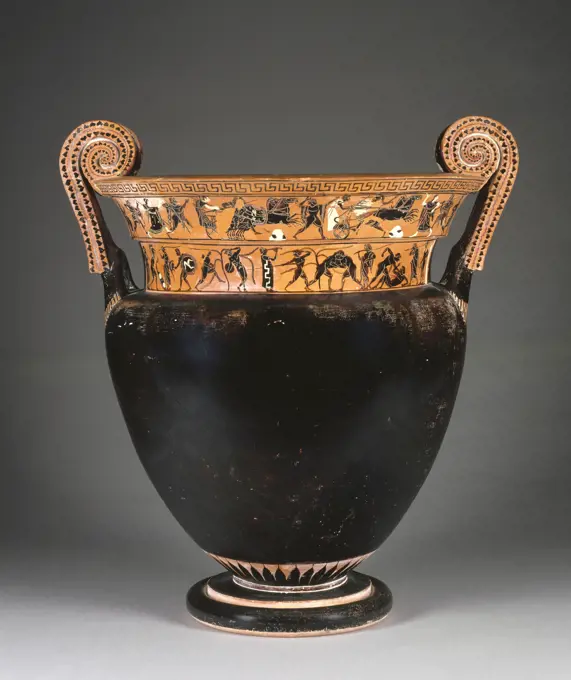
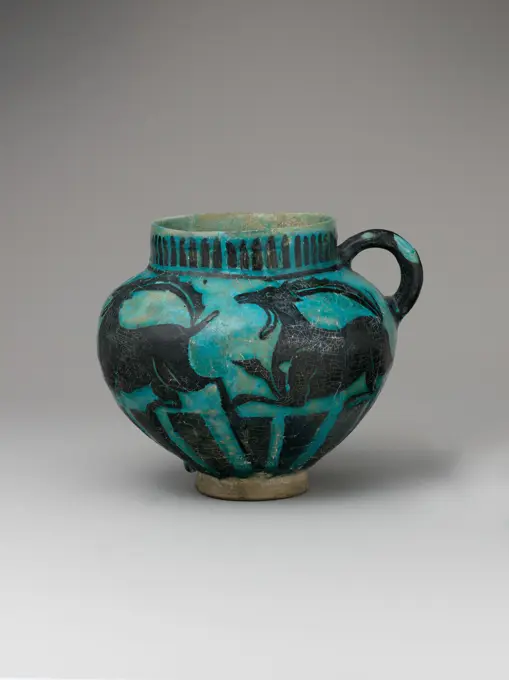
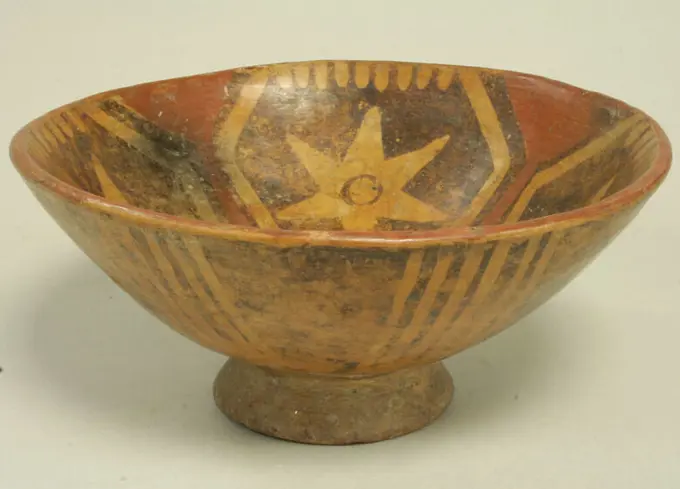
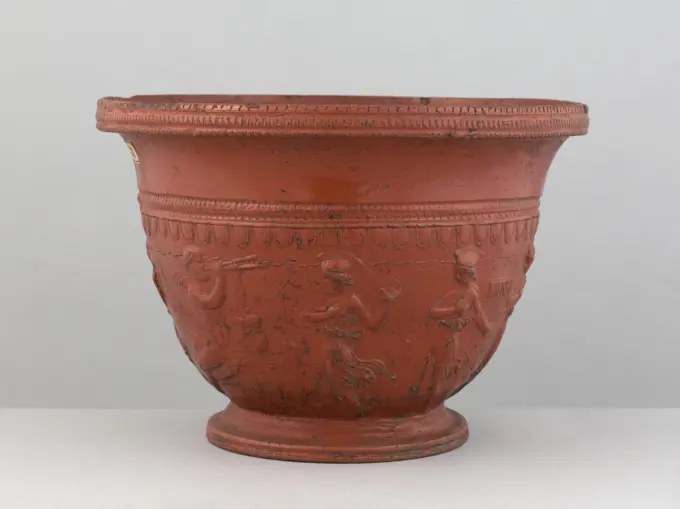
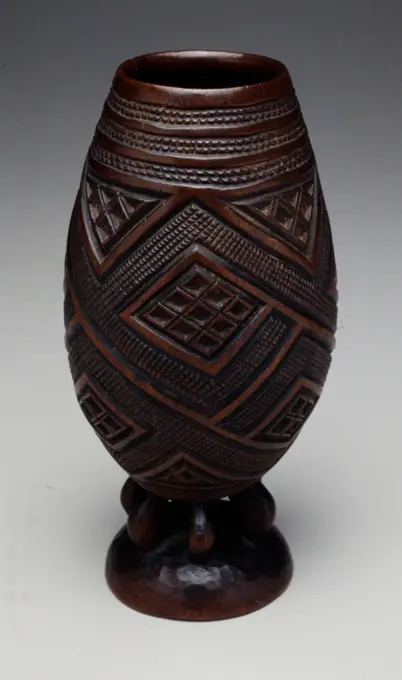
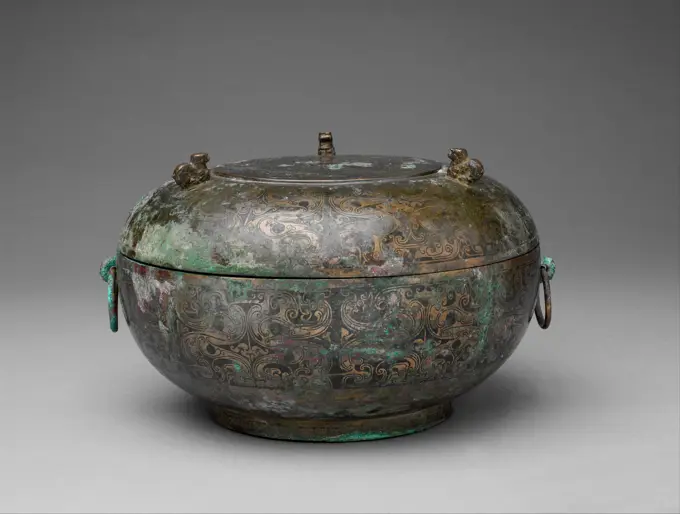
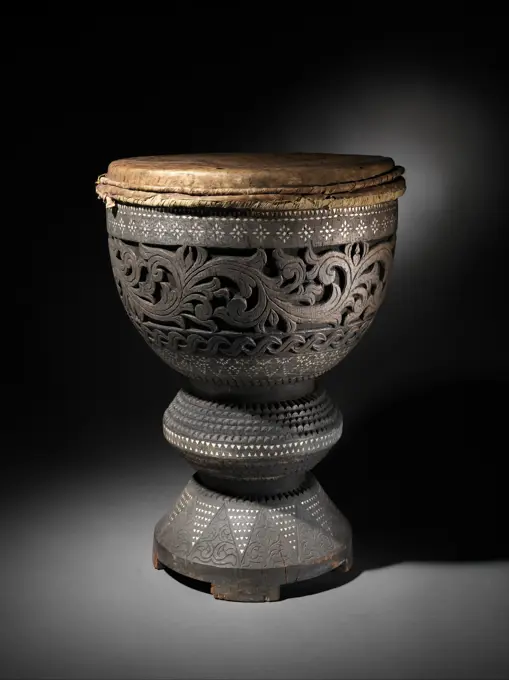
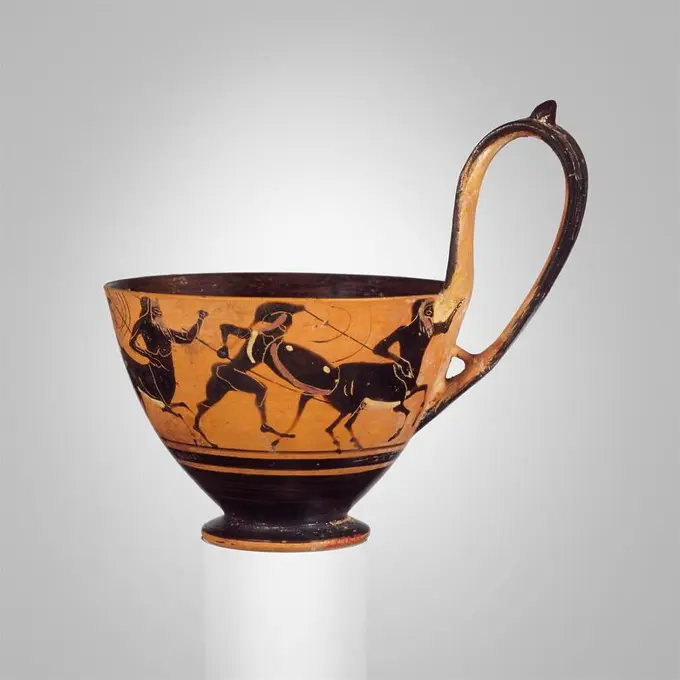
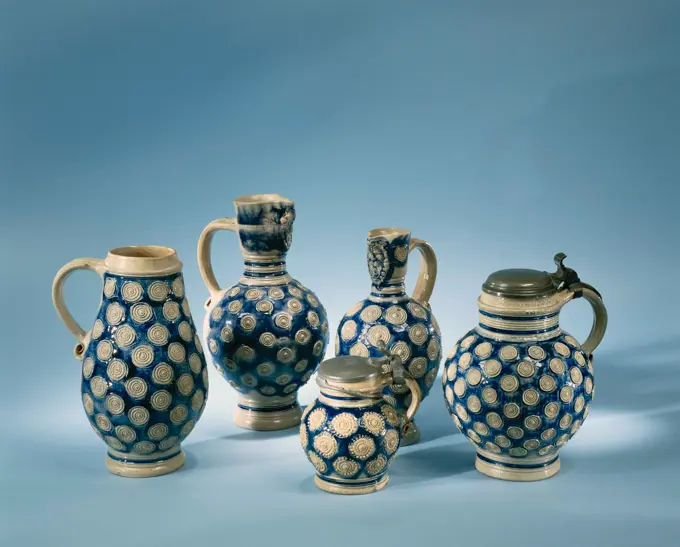
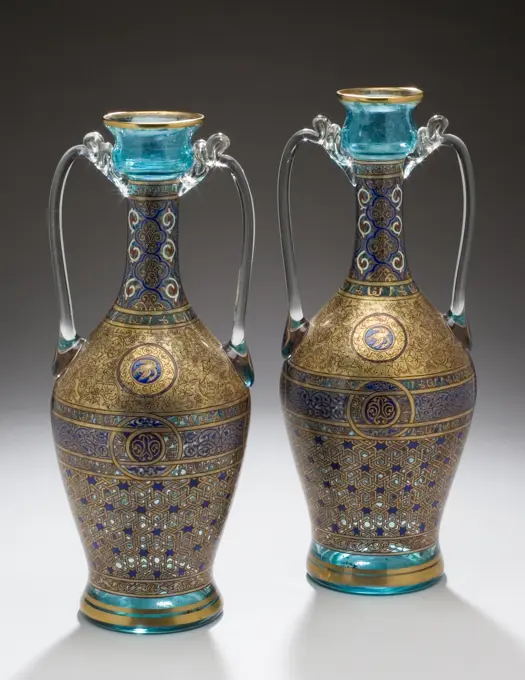
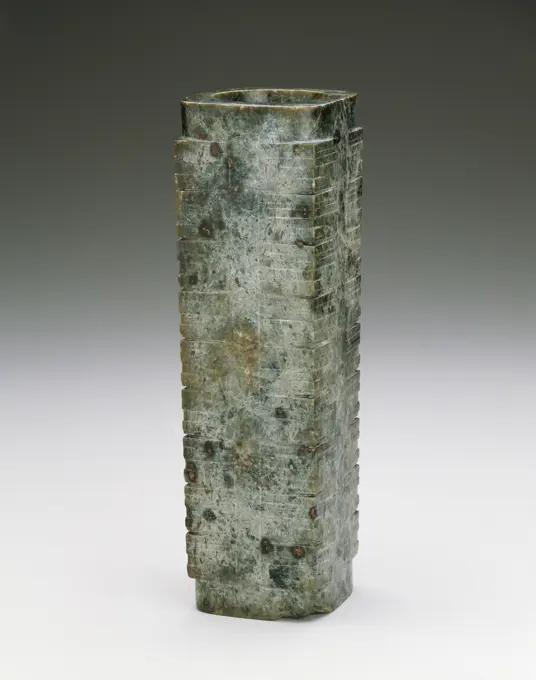
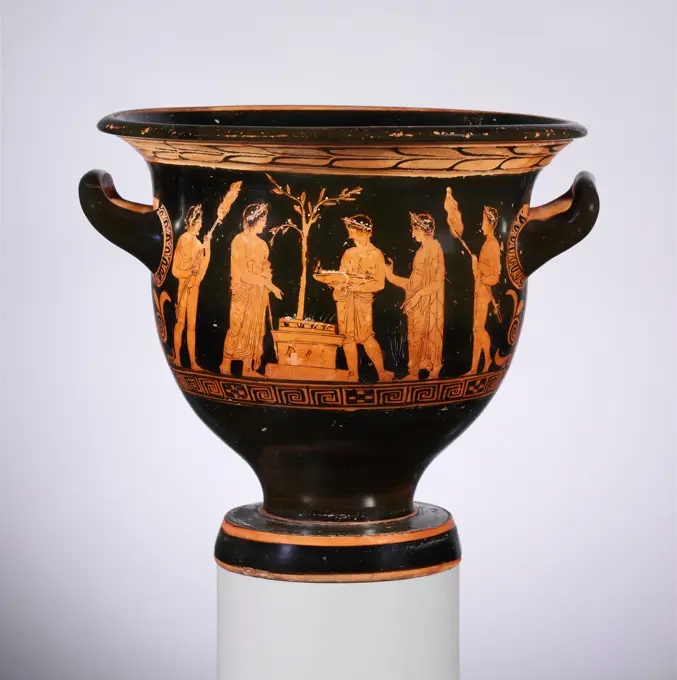
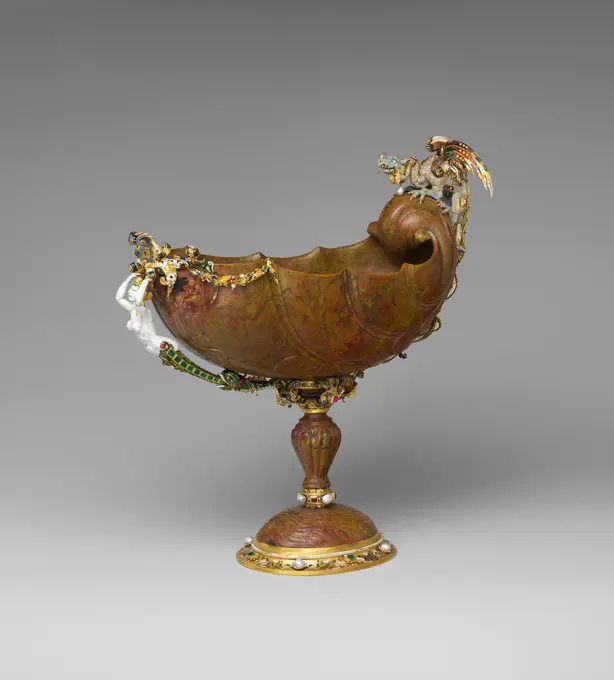
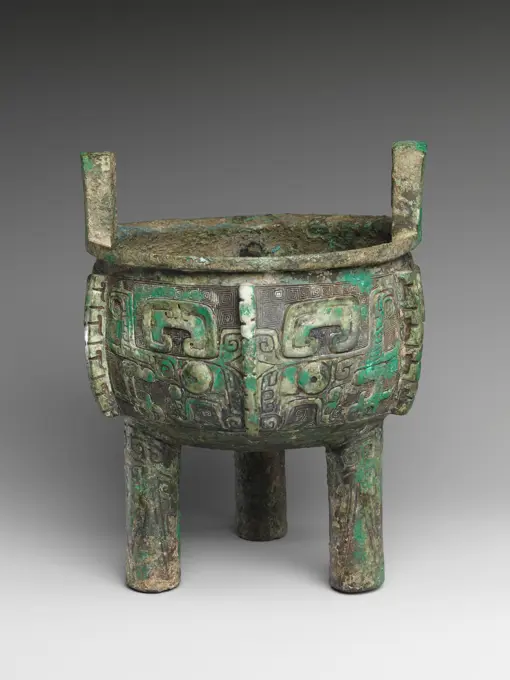
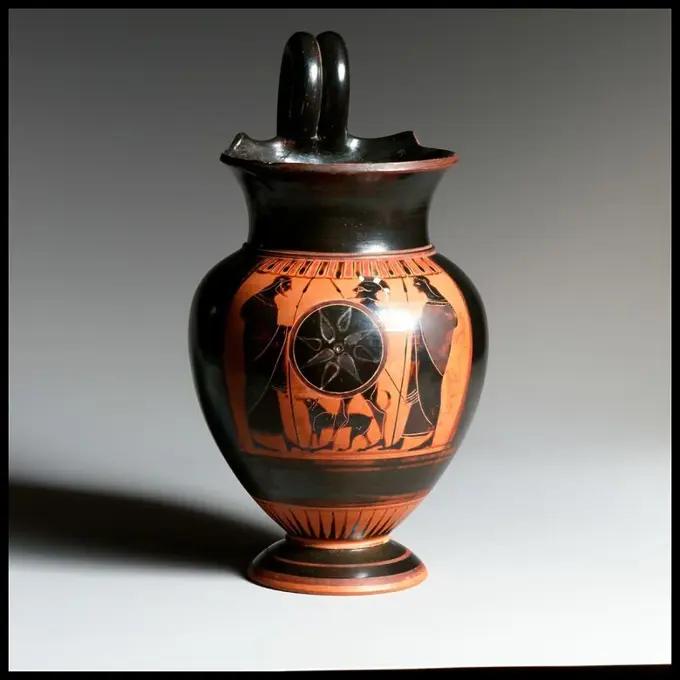
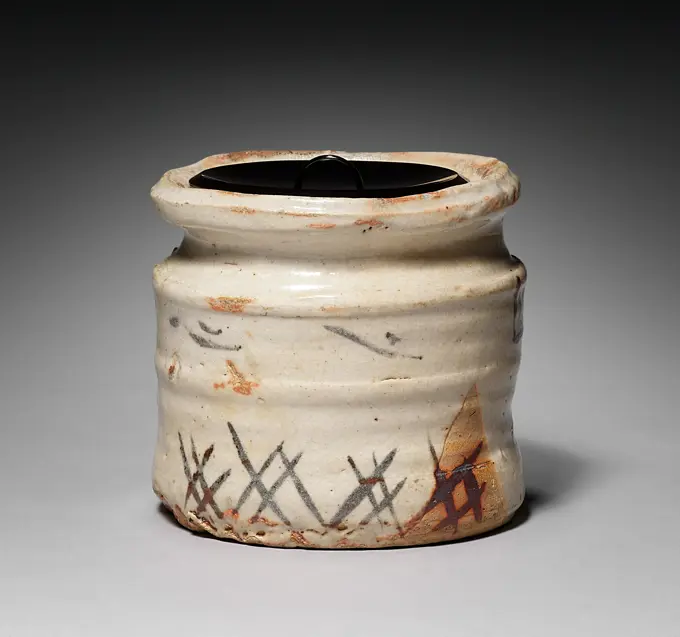
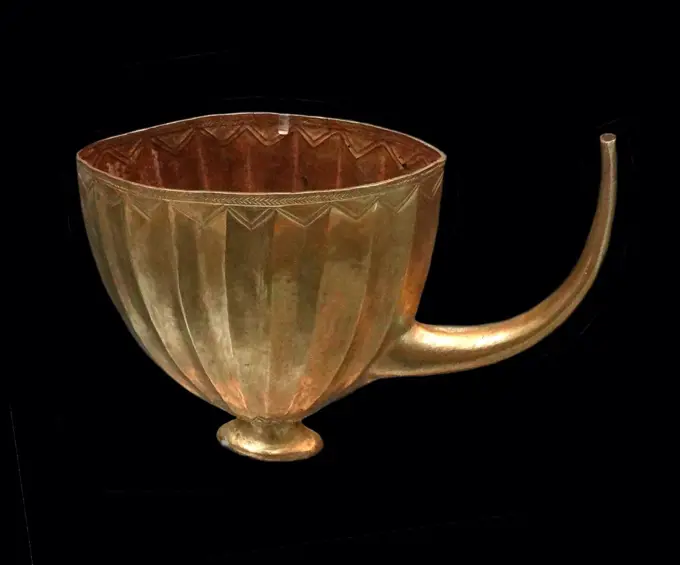
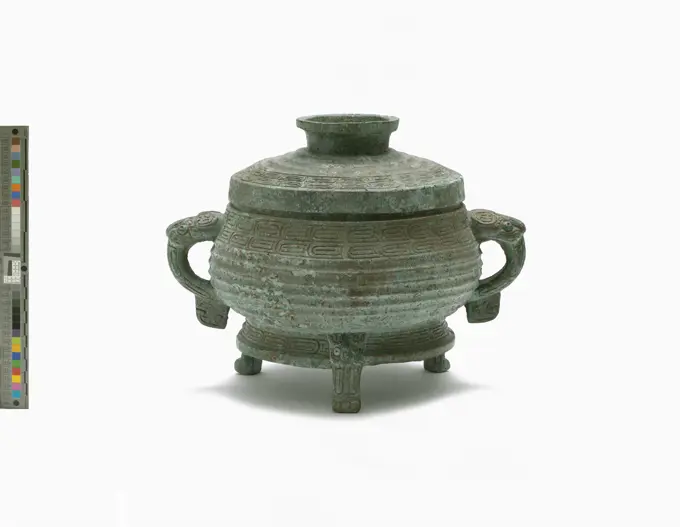
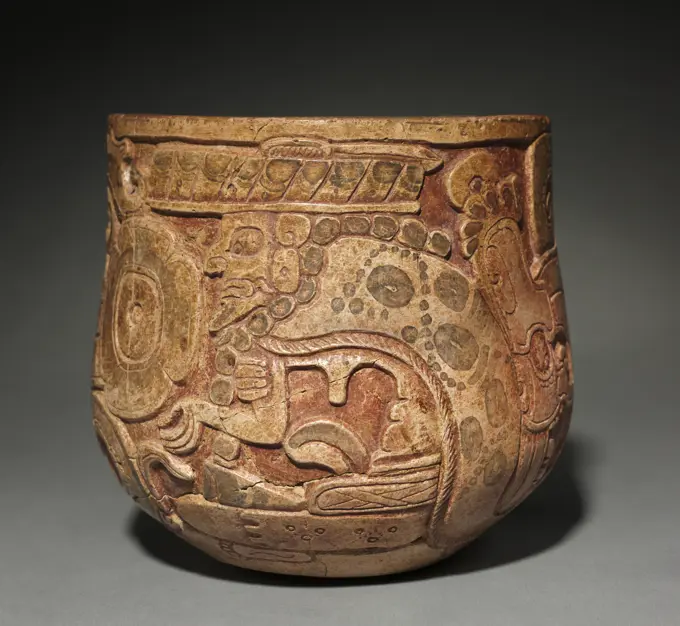
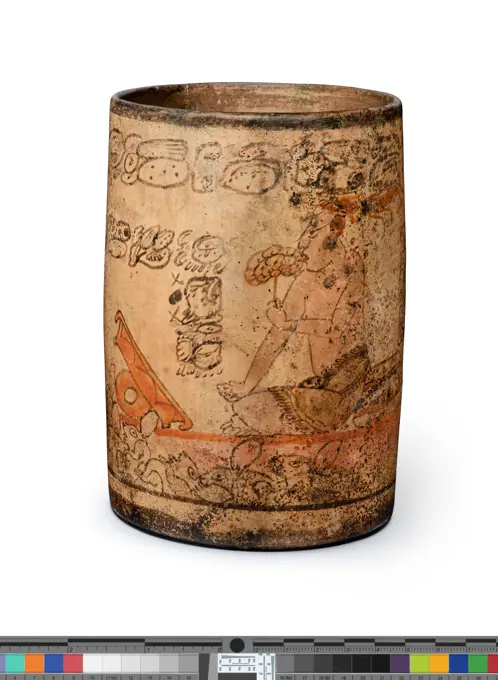
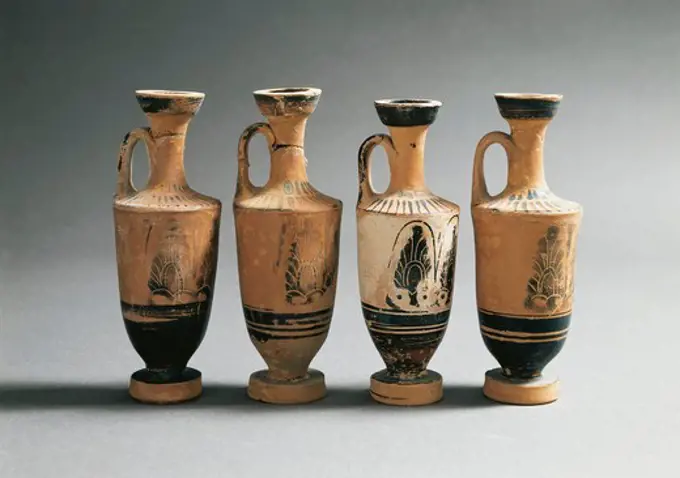
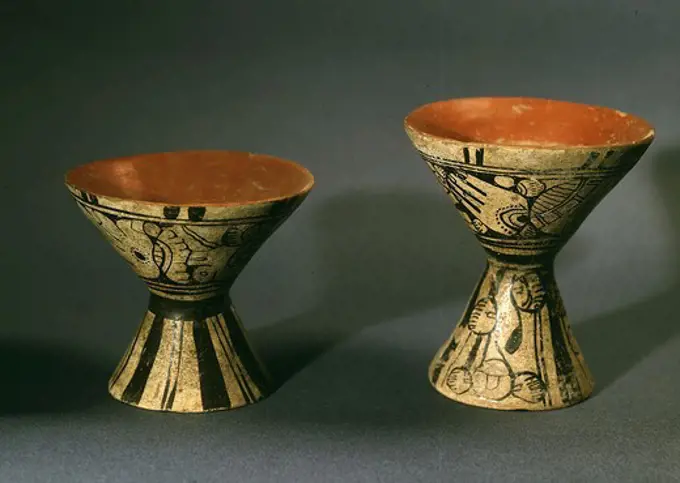
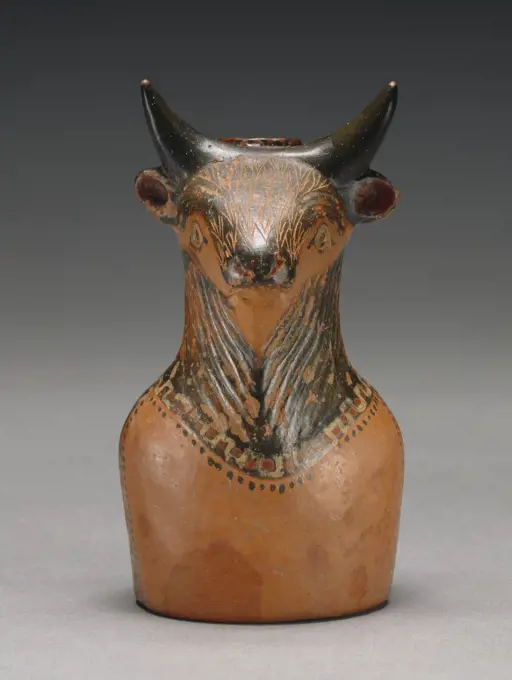
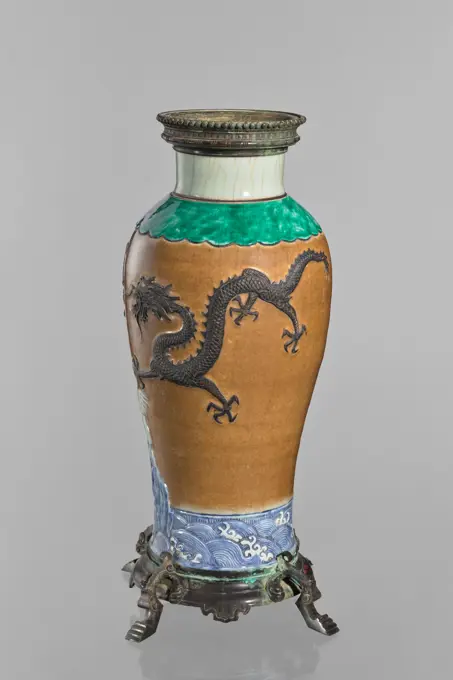
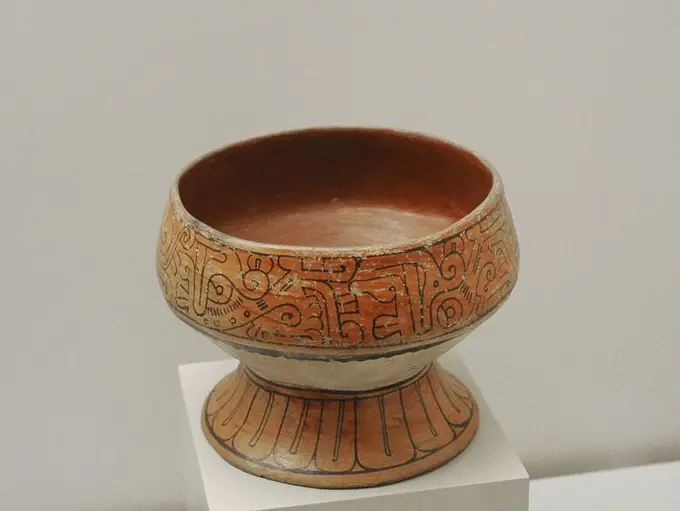
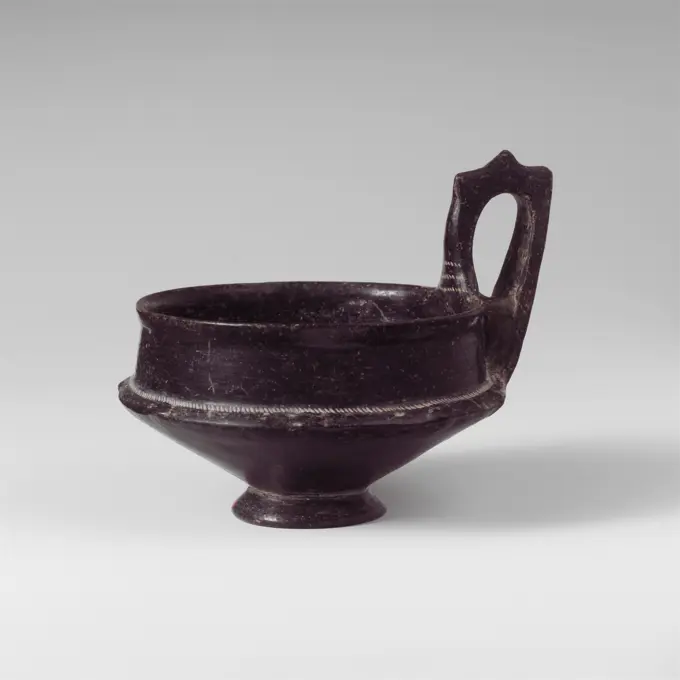
Terracotta kyathos (single-handled cup) 7th century B.C. Italic, Villanovan This fine vase with its sharp carination and precise execution represents an early form in the lineage of the kyathos shape.. Terracotta kyathos (single-handled cup). Italic, Villanovan. 7th century B.C.. Terracotta. VasesEarly Maltese cookery pot, apparently used for straining.Handled Jar Depicing Abstract Bird 180 BCE-500 CE Peru. Ceramic and pigment . NazcaTerracotta jug 750-600 B.C. Cypriot Flying bird feeding upon a lotus flower.. Terracotta jug 240117Jar with Zoomorphic HeadAmphoriskos (Container for Oil). Eastern Mediterranean, possibly Rhodes. Date: 550 BC-450 BC. Dimensions: 10.1 × 4.8 × 4.8 cm (4 × 1 7/8 × 1 7/8 in.). Glass, core-formed technique. Origin: Eastern Mediterranean Region. Museum: The Chicago Art Institute, Chicago, USA. Author: Ancient Eastern Mediterranean.Reliquary Jar. Korea. Date: 600 AD-635 AD. Dimensions: H. 11.6 cm (4 9/16 in.); diam. 17.8 cm (7 in.). Stoneware with impressed decoration. Origin: Korea. Museum: The Chicago Art Institute, Chicago, USA.Zun: Ceremonial Vessel, c. 1023-900 BC. China, Zhou dynasty (c. 1046-256 BC). Bronze; overall: 16 cm (6 5/16 in.).Cylindrical TripodVessel. Artist: UnknownSmall bottle, bottle holder soil find model glass, free blown and molded in mold blown Small bottle (decorative bottle or for liquor) in clear light green glass. Pontil mark under raised bottom. Ovals on both sides slightly flattened body with around 20 mold blown and then freely blown out to the right deflecting ribs to the neck Laterally inserted smooth slightly conical neck (dm 2.5 -1.8 cm) of which small part of flattened lip is present archeology packageTeapot with flower sprays, anonymous, c. 1800 - c. 1825 The flat lid with a decoration in white sludge. Japan stoneware. glaze painting / vitrification The flat lid with a decoration in white sludge. Japan stoneware. glaze painting / vitrificationFlask. UnknownArmor  800 B. C. Celtic Art Bronze  Museum of National Antiquities, Saint-German-en-Laye, France  Terracotta oinochoe (jug) ca. 300 B.C. Attributed to the Torcop Group Three heads of womenThis so-called Shape VII oinochoe, with its tall cylindrical neck, is an Etruscan invention popular at Caere (modern Cerveteri) in Southern Etruria. The use of three large profile female heads is typical and is often attributed to the Populonia Painter, an artist active at the end of the fourth century B.C.. Terracotta oinochoe (jug). Etruscan. ca. 300 B.C.. Terracotta; red-figure. Hellenistic. VasesPrehistory, Poland, Bronze Age. Lusatian culture. Ceramic vase.Ornament (one of a pair) ca. 1770-80 British One of a pair with 26.260.40.. Ornament (one of a pair). British. ca. 1770-80. Derbyshire spar. Lapidary WorkSnuff Bottle, 17th-19th century, 3 1/8 x 2in. (7.9 x 5.1cm), Crystal, agate, China, 17th-19th centuryJug of stoneware with hexagonal belly. Jug of stoneware. With hexagonal belly, and blue decoration.Vase with Birds and Flowers, one of a pair, 1888, William Barrum; Artist: C. H. Brannam, English, H.11 x Dia.6-1/2 in., 'barum-ware' pottery, England, 19th centuryJARRA TIPO ANFORA CON DECORACION INCISA - PROCEDE DE LA RIOJA. Location: MUSEO DEL PUEBLO ESPAÑOL. MADRID. SPAIN.Mixing Vessel with Athletic Activities and Battle Scenes; Attributed to the Leagros Group (Greek (Attic), active 525 - 500 B.C.); Athens, Greece; 510 - 500 B.C; Terracotta; 58.5 cm (23 1,16 in.)Pitcher (aftabe). unknown, craftsmanTelegraph jug, c. 1866, 9 x 6 5/8 x 4 9/16 in. (22.86 x 16.83 x 11.59 cm), Glazed ceramic, England, 19th century, The flag of the United States and the coat of arms of the United Kingdom adorn this pitcher, along with a ribbon inscribed 'Europe and America are united by telegraph glory to God in the highest on Earth peace goodwill towards men.' The text and the cable motifs on the sides and handle refer to the first trans-Atlantic telegraph cable, laid between England and America in 1866, which this jug commemorates.Corn Plant Bottle 4th-7th century Moche. Corn Plant Bottle 309487Cup with Running Ibexes second half 12th century To create "silhouette ware," an object of white clay is covered with a special black slip made with the mineral chromite. The slip is carefully removed or incised to create an image. After an initial firing, the vessel is dipped into a transparent turquoise glaze and fired again. In addition to creating a striking color contrast, this overglaze saturates the chromite slip, transforming it from a matte gray brown into an intense black.. Cup with Running Ibexes. second half 12th century. Stonepaste; incised decoration through black slip ground under turquoise glaze ("silhouette ware"). Attributed to Iran, probably Rayy. CeramicsGlass alabastron (perfume bottle). Culture: Greek, Eastern Mediterranean. Dimensions: Overall: 5 7/16 x 1 1/2in. (13.8 x 3.9cm). Date: 2nd-1st century B.C..Translucent light blue with greenish tinge; opaque white trails; handles of indeterminate color (blue).Uneven, coiled rim-disk with rounded outer lip; fusiform body, with uneven, misshapen sides, expanding downward, then tapering in to pointed bottom; two uneven lug handles applied at top of body over trail with horizontal tooling indents above and below.Trail applied unevenly around rim and trailed off below; another trail attached near bottom, drawn up in a spiral to point of carination, tooled into an irregular feather pattern around side with six upward and five downward strokes, and wound round again in spiral ending below rim.Intact; many bubbles; dulling, pitting, and faint iridescence. Museum: Metropolitan Museum of Art, New York, USA.Teapot with two plastic dragons unknownEwer probably 18th century. Ewer 445639Pitcher. Culture: American. Dimensions: H. 7 5/8 in. (19.4 cm). Maker: Probably Pyatt (active 1849-79). Date: ca. 1849-79. Museum: Metropolitan Museum of Art, New York, USA.Jug of stoneware. Jug of stoneware with very short neck and two ears.Snuff Bottle, 1750-1850, 4 x 2 1/8in. (10.2 x 5.4cm), Horn, China, 19th century, Carved from animal horn, this scene depicts a man, dressed in official robes and mounted on horseback, looking down at his attendant who marches next to him. A lot of Confucian beliefs focused on ones place in society. This mans clothing and attendant tell us that he was ambitious and successful, having passed the imperial civil service examinations and entered officialdom. This figure may have represented an ideal that the bottles owner aspired to follow in his own life.Basin ca. 2323-2150 B.C. Old Kingdom Found in the burial chamber of Tjetji, a vizier of the late Old Kingdom, this basin and its accompanying ewer (26.2.14) may have have been used by the deceased during life for washing his hands and feet. In the tomb, they would have allowed Tjetji's spirit to cleanse itself before meeting the gods.. Basin 543923Pedestal Bowl. Culture: Capulí. Dimensions: Diam. 8 in. (20.3 cm). Date: 11th-16th century. Museum: Metropolitan Museum of Art, New York, USA.Jug with a hexagonal body and foliate scrolls, anonymous, c. 1750 - c. 1799 Jug of stoneware on stand ring with a hexagonal belly and wide neck. The C-shaped ear is attached to the neck and shoulder. Decorated in cobalt blue with a row of dots on the foot. The belly with pressed zigzag lines (knibis) and two wavy lines in blue. The neck is divided into triangular compartments at the front with a leaf shelf each. Westerwald. Westerwald stoneware. glaze. cobalt (mineral) vitrification Jug of stoneware on stand ring with a hexagonal belly and wide neck. The C-shaped ear is attached to the neck and shoulder. Decorated in cobalt blue with a row of dots on the foot. The belly with pressed zigzag lines (knibis) and two wavy lines in blue. The neck is divided into triangular compartments at the front with a leaf shelf each. Westerwald. Westerwald stoneware. glaze. cobalt (mineral) vitrificationMr. Perennius Tigranus. Bowl. Sigillée ceramics. 15 BC. AD Museum of Fine Arts of the City of Paris, Petit Palais. 59537-15 Roman antiquity, clay, ancient art, bowl, ceramic, ancient civilization, Greco-Roman civilization, decor in relief, decor mold, molding, ancient period, character, pottery, container, ancient scene, table service, sigillee, terracotta, Red, ancient varnishFlask; Eastern Mediterranean; 1st century; Glass; 11.3 cm (4 7,16 in.)Geometric Pattern Bottle. Culture: Moche. Dimensions: H. 10 1/8 Diam. 4 7/8 in. (25.7 x 12.4 cm). Date: 5th-7th century. Museum: Metropolitan Museum of Art, New York, USA.Palm Wine Cup, 19th century, 7 1/4 x 3 3/4 x 3 3/4 in. (18.4 x 9.5 x 9.5 cm), Wood, Democratic Republic of the Congo, 19th centuryAmphoriskos. UnknownJar from the tomb of Sennedjem ca. 1279-1213 B.C. New Kingdom, Ramesside This wine jar is decorated with floral garlands like those used in representations of funerary feasts. Numerous jars of this sort were found in Sennedjem's tomb (see also 86.1.12. Other objects in the collection that were discovered in the same tomb can be viewed here.. Jar from the tomb of Sennedjem 544702Flask 1292 BCE-1202 BCE Egypt. Glass, core-formed technique . Ancient EgyptianPint flask. Culture: American. Dimensions: H. 6 5/8 in. (16.8 cm). Maker: Keene Marlboro Street Glassworks (1815-41). Date: ca. 1828-40. Museum: Metropolitan Museum of Art, New York, USA.Terracotta skyphos (deep drinking cup). Culture: Greek, Attic. Dimensions: H. 2 1/4 in. (5.8 cm)width 4 3/4 in. (12.1 cm)diameter 2 13/16 in. (7.2 cm). Date: mid-5th century B.C..Obverse and reverse, owl between laurel spraysThe owl was Athena's animal attribute. It figures most prominently as the device on the reverse of Athenian coinage. It also decorates a rather large group of fifth-century vases such as this one, which are known as owl skyphoi. Museum: Metropolitan Museum of Art, New York, USA.Terracotta jug Cypriot ca. 2000-1800 BCE Red Polished Ware first appears in the repertoire of Cypriot ceramics at the very beginning of the Early Cypriot I period. It was introduced by emigrants from Anatolia who settled on the island soon after the middle of the third millennium B.C. View more. Terracotta jug. Cypriot. ca. 2000-1800 BCE. Terracotta. Early Cypriot III-Middle Cypriot I. VasesRitual Food Container with Cover (Dui) ca. 4th century B.C. China The lid of this food container is embellished with three animals that function as feet when the lid is inverted as a tray. Paired dragons and rolling curls decorate the vessel surface. The cast depressions in the design are filled in with a black pigment made of bone char and lacquer that enhances the contrast between the composition and background. The vessels sumptuous decor is characteristic of late Eastern Zhou bronzes, which by this period were seen as symbols of wealth and status rather than simply paraphernalia for solemn rituals.. Ritual Food Container with Cover (Dui). China. ca. 4th century B.C.. Bronze inlaid with composition of bone black and lacquer. Eastern Zhou dynasty (770-256 B.C.). MetalworkPilgrim bottle with cover late 15th or early 16th century Italian, Venice. Pilgrim bottle with cover 198792Pre-Columbian pottery in the Museum of Archaeology, Trujillo, Peru, South AmericaDadabuan 19th century Philippine (Mindanao) The Islamic influences in this drum from the Southern Philippine Islands contributed to its name, goblet shape, mother-of-pearl inlay, and leaf decoration. The drum is blackened by rubbing oil and root into the carved palm wood. It is played with two rattan sticks.. Dadabuan 503200Celtiberian vase, Museum of Romanization, Calahorra, La Rioja, Spain, Europe.Double-Lobed Bowl 2nd-1st century B.C. Paracas. Double-Lobed Bowl 308467Terracotta lebes gamikos (round-bottomed bowl with handles and stand used in weddings) ca. 420 B.C. Attributed to the Group of Berlin 2406 The EpauliaWhen the major Greek vase shapes were made as miniatures, they most commonly served as funerary offerings in children's graves. Before burial, they may have been used as toys. The subject here on both the body and the stand is the gift-giving on the day after a wedding, when the father of the bride sent presents to his daughter in her new home.. Terracotta lebes gamikos (round-bottomed bowl with handles and stand used in weddings). Greek, Attic. ca. 420 B.C.. Terracotta; red-figure. Classical. VasesPitcher, 1883-1885, Albert Dammouse; Designer: Ernest Chaplet; Manufacturer: Haviland Co., French, Paris 1848-Sèvres, Hauts-de-Seine 1926, H.9-5/8 x W.4-1/8 x D.5-5/8 in., incised earthenware (grès brun) with enamel decoration, France, 19th centuryDouble Spout and Bridge Bottle with Bird 5th-2nd century B.C. Paracas. Double Spout and Bridge Bottle with Bird. Paracas. 5th-2nd century B.C.. Ceramic, slip, pigment. Peru. Ceramics-ContainersYolande Delasser, Jug, c 1937 JugReliquary Jar 600 CE-635 CE Korea. Stoneware with impressed decoration .Deep Bowl with Autumn Leaf Design, early to mid-1900s. Kitaōji Rosanjin (Japanese, 1883-1959). Stoneware; overall: 10.3 x 18.3 cm (4 1/16 x 7 3/16 in.).Terracotta fragments of a neck-amphora (jar) ca. 540 B.C. Attributed to the Princeton Painter Obverse, assembly of godsReverse, warriors and women. Terracotta fragments of a neck-amphora (jar) 255976Anonymous long -collar vase, Kundika type (common name), 1700. Sandstone with blue decoration under cover. White email covering the dough (slip). Cernuschi Museum, Asia Museum of Asia in the city of Paris.Cache vent with a standTerracotta kyathos (cup-shaped ladle). Culture: Greek, Attic. Dimensions: 4 15/16in. (12.5cm). Date: ca. 530-500 B.C..Battle of Lapiths and centaursAlthough kyathoi were made in Athens for export to Etruria, the decoration seems to be typically Greek. Museum: Metropolitan Museum of Art, New York, USA.. Can be from stoneware. A low, wide neck is placed on the bullet-shaped belly. The belly is strewn with rosettes printed in flat relief, uncoloured on the blue fond. With pewter lid.Kantharos (Drinking Cup) 300 BCE Greece. On either side of this drinking cup is a head in sakkos (hat), facing to the left, and under each handle a palmette. The rim is decorated with ovolos.. terracotta, decorated in the red-figure technique . Kantharos GroupCRESOL O CANDIL DE PATERNA - SIGLO XIV. Location: MUSEO DE CERAMICA GONZALEZ MARTI. Valencia. SPAIN.Water Ewer (He). China. Date: 399 BC-300 BC. Dimensions: H. 25.4 cm (10 1/8 in.); diam. 21.0 cm (8 1/4 in.). Bronze with copper inlay. Origin: China. Museum: The Chicago Art Institute, Chicago, USA.Pair of Vases. Philippe-Joseph Brocard (France, circa 1831-1896). France, 1877. Furnishings; Accessories. Enameled and gilded glassancient oriental metal teapot on dark background. antique bronze tableware. ancient metal utensilsCollared Jar Depicting Costumed Ritual Performer Holding Checkerboard Staff 180 BCE-500 CE Peru. Ceramic and pigment . NazcaGlass alabastron. Culture: Greek. Dimensions: H. 3 3/4 × Dia. 1 11/16 in. (9.5 × 4.3 cm). Date: 2nd -1st century B.C..Translucent cobalt blue, appearing black; opaque white trail.Two conjoining fragments of straight-sided fusiform body expanding downward, then tapering in to bottom.Single white trail wound in a spiral around body and tooled into a festoon pattern with sixteen upward strokes, continuing in a plain spiral in two turns around lower part of body; another white trail applied vertically below, drawn up and then round in a downward spiral in five turns ending around bottom.Broken with weathered edges on both fragments, missing rim, neck, bottom, and handles; dulling, pitting, and iridescent weathering. Thin coating a red core material on interior. Museum: Metropolitan Museum of Art, New York, USA.Fatimid glazed ware, 10th-12th cent. Egypt.Cong 3000 BCE-2000 BCE China. Elaborately furnished Chinese tombs of the late fourth and third millennia B.C. reveal that jade objects were prestigious burial gifts, particularly among the Liangzhu people of the eastern coast (present-day Zhejiang and Jiangsu provinces). Individuals of high status were buried with slightly tapering prisms like this, usually together with jade discs and weapons. Some graves afford evidence that the jade-laden body was burned during funerary rites.Intriguing forms and precisely executed surface designs characterize jade prisms. The inner cylinders were smoothly bored with a tubular drill, probably a shaft of bamboo. The tapered exterior surfaces are subdivided into tiers of masklike images composed of circles and bars, immediately suggesting eyes and nose or mouth. The Liangzhu may have attributed some magic, protective qualities to these masks.Prisms like this have been found only in tombs. They may be among the earliest objects made specifically for moTerracotta bell-krater (bowl for mixing wine and water) late 5th century B.C. Attributed to the Nikias Painter Obverse, sacrifice at an altarReverse, three youthsThe altar is stacked with wood to burn the meat offering, prepared on skewers and being carried by attendants on either side. The other two attendants carry a tray and a basket. The recipient of the sacrifice is not identified. The laurel tree behind the altar might indicate Apollo.. Terracotta bell-krater (bowl for mixing wine and water) 254171 : Attributed to the Nikias Painter, Terracotta bell-krater (bowl for mixing wine and water), late 5th century B.C., Terracotta, H. 12 5/8 in. (32.1 cm) diameter 13 3/8 in. (33.9 cm) width with handles 14 5/16 in. (36.3 cm). The Metropolitan Museum of Art, New York. Rogers Fund, 1941 (41.162.4)Vijzel, decorated with insert, arabesken, animals and naskhi script, anonymous, c. 1100 - c. 1225 The cast item has a flat bottom and one on the inside cylindrian and on the outside wall. This runs up or downwards up and down and has a flat top. The top and outside have extended decorations, of which details with red copper are inlaid or covered with a black pasta. This has largely disappeared. The decoration is in line with the articulation of the object. On top of half moons to outstretched rank ornament with cloverleaf-like structure interspersed with fields with stylized words in Naskhi script. They also appear on the sloping surfaces at the edge and foot. On the transitions of the sloping to the raised surfaces, profiled ribs are found with copper. The eight raised surfaces have a decoration of a braid motif, which turns into arabesken above and below or one of a Frisian with a representation of a hare, a leopard, a hare and a dog against a arabaske and with a frame, respectively JARRA DE PUENTE DEL ARZOBISPO (TOLEDO). Location: MUSEO DEL PUEBLO ESPAÑOL. MADRID. SPAIN.Standing cup ca. 1870-90 Probably after a design by Reinhold Vasters German Although believed to have been made in France, this standing cup was possibly inspired by drawings by the South German (Aachen) goldsmith Reinhold Vasters (1827-1909), who in turn had looked to the lapidary and goldsmiths' work of the sixteenth-century Mannerists. A mature style of the Renaissance, Mannerism reached its height in German and Dutch decorative arts and, like the other "antique" styles, was imitated in the nineteenth century. Mannerism frequently employed grotesque decoration and contorted, exaggerated forms that were readily adapted to metalwork. The cup of carved jasper is set with a fantastic and bejeweled dragon further enameled in gray, blue, green, red, blue, and white, and an enameled mermaid with gold hair issuing from the mouth of a dolphin. The cup is also ornamented with precious stones and enameled with garlands and scrolls. Exotic specimens, such as coconut shells and hardstones found Ritual Tripod Cauldron (Ding) ca. 13th century B.C. China. Ritual Tripod Cauldron (Ding). China. ca. 13th century B.C.. Bronze. Shang dynasty (ca. 1600-1046 B.C.). MetalworkDateFlaskTerracotta oinochoe (jug). Culture: Greek, Attic. Dimensions: 7 1/2in. (19.1cm). Date: ca. 550 B.C..Warrior departing. Museum: Metropolitan Museum of Art, New York, USA.Tripod Vessel Depicting a Warrior's Shield. Mexico, Basin of Mexico, Teotihuacan, Teotihuacan, 450-650 CE. Ceramics. Stuccoed Thin Orange ceramic with postfire applied pigmentsWater Container (Mizusashi) with Riverscape, late 1500s-early 1600s. Japan, Momoyama period (1573-1615) to Edo period (1615-1858). Stoneware with underglaze iron oxide slip decoration (Mino ware, Shino type) and lacquer lid (modern replacement); diameter: 19.6 cm (7 11/16 in.); lid: 2.9 x 14.7 cm (1 1/8 x 5 13/16 in.); container: 18.4 cm (7 1/4 in.). Mizusashi are jars used to hold water for the preparation of tea at tea gatherings. This one was produced in the Mino area of present-day Gifu Prefecture in central Japan. It is called a picture Shino” (e-shino) mizusashi, as it has an abstracted design on one side, said to resemble an ink painting of reeds and small boats along a riverbank, and a geometric pattern on the other. With its irregular shape and thick, luminous glaze, it is of a variety favored by eminent tea masters of the Momoyama period.Wine cup, 20th century, 2 9/16 x 2 1/4 x 2 1/4 in. (6.51 x 5.72 x 5.72 cm), Brass, 20th centurySumerian gold cup from Ur, southern Iraq; about 2600-2400 BC. Found in the 'Queen's Grave'; this gold cup was one of four vessels found on the floor of the pit of the Queen's Grave in the Royal Cemetery at Ur. They were lying alongside the sacrificial victims.Lidded Ritual Grain Server (Gui) with Scales. China, probably Shaanxi Province, Late Western Zhou dynasty, about 850-771 B.C.. Furnishings; Serviceware. Cast bronzeCarvel Vessel with an Underworld Diety (God L), 600-900. Mexico, Yucatán Peninsula, Maya (Chocholá) style. Earthenware, slip, pigment; overall: 14.7 x 16.1 cm (5 13/16 x 6 5/16 in.).Celtic vase, Museum of the Romanization, Calahorra, La Rioja , Spain, Europe.Beaker Made 1600 BCE-1050 BCE China. Bronze .Cylinder Vessel with Offering of Many Rabbits. Guatemala, Peten, Xultun or vicinity, Maya, 650-800 CE. Ceramics. Slip-painted ceramicUnguentaria (unguentary and essential oil storing vessels)Flask. Roman; Levant or Syria. Date: 201 AD-300 AD. Dimensions: 11.4 × 6 × 4 cm (4 1/2 × 2 3/8 × 1 9/16 in.). Glass, blown technique. Origin: Syria. Museum: The Chicago Art Institute, Chicago, USA. Author: ANCIENT ROMAN.Terracotta scyphus (drinking cup). Culture: Roman. Dimensions: H. with handle 4 9/16 in. (11.6 cm); diameter 4 1/2 in. (11.4 cm). Date: ca. 15 B.C.-A.D. 60.This cup is stamped by M. Perennius Tigranus, who owned one of the most prolific workshops operating at Arretium (modern Arezzo, Italy) during the Julio-Claudian period. The relief decoration depicts heroic seminude hunters pitted against a bear and a boar. Museum: Metropolitan Museum of Art, New York, USA.Terracotta kyathos (cup-shaped ladle) ca. 520-510 B.C. Greek, Attic Between eyes, horsemen; at the handle, panthersThe decoration of the bowl is applied to a light slip, a technique that began to be popular about 530 B.C. The horsemen are riding to left, which is unusual.. Terracotta kyathos (cup-shaped ladle). Greek, Attic. ca. 520-510 B.C.. Terracotta; black-figure. Archaic. VasesTwo drinking vessels, ceramic, Aztec, Mexico, from J. Saenz collectionPerfume Jar in the Shape of the Minotaur; East Greece; about 580 - 560 B.C; Terracotta; 11 × 5 × 4 cm (4 5,16 × 1 15,16 × 1 9,16 in.)Milk jug ca. 1750-70 Style of Whieldon type. Milk jug. probably British, Staffordshire. ca. 1750-70. Earthenware, glazed. Ceramics-PotteryTerracotta bottle ca. 1900-1725 B.C. Cypriot Lime, used to fill the grooved decoration, enhances the contrast between the surface of the vessel and the linear decoration.. Terracotta bottle. Cypriot. ca. 1900-1725 B.C.. Terracotta. Middle Cypriot I-II. Vasespre-Colombian terracotta jar from EcuadorBronze vase;  2nd half 19th century (1851-00-00-1900-00-00);VASO ITALO GRIEGO - SIGLO VI. Location: MUSEO ARQUEOLOGICO-COLECCION. Sevilla. Seville. SPAIN.Vaas, Anonymous, 1700 - 1800 The vase has a square shape with a 'convex' belly. White underlaze with light green leaf-like motifs. Leeuwekoppen are sitting on the corners of the vase with an open mouth.  . The vase has a square shape with a 'convex' belly. White underlaze with light green leaf-like motifs. Leeuwekoppen are sitting on the corners of the vase with an open mouth.  .Cup with schematic and geometric decoration. Painted ceramic. Mixtec-Puebla style. Late Postclassic Period (1350-1500 AD). Mexico. Museum of the Americas. Madrid, Spain.Jar 16th century or later China. Jar. China. 16th century or later. Stoneware with cloisonné-style decoration. Ming dynasty (1368-1644). Ceramics