Ancient and Historical Jugs

A variety of ancient terracotta and bronze jugs from different cultures, showcasing intricate designs and historical significance from Roman, Chinese, and Greek origins.

Hu ". Bronze, green patina. China, Han. Paris dynasty, Cernuschi museum. 72359-9 Hu bottle, bronze, han dynasty, green patina
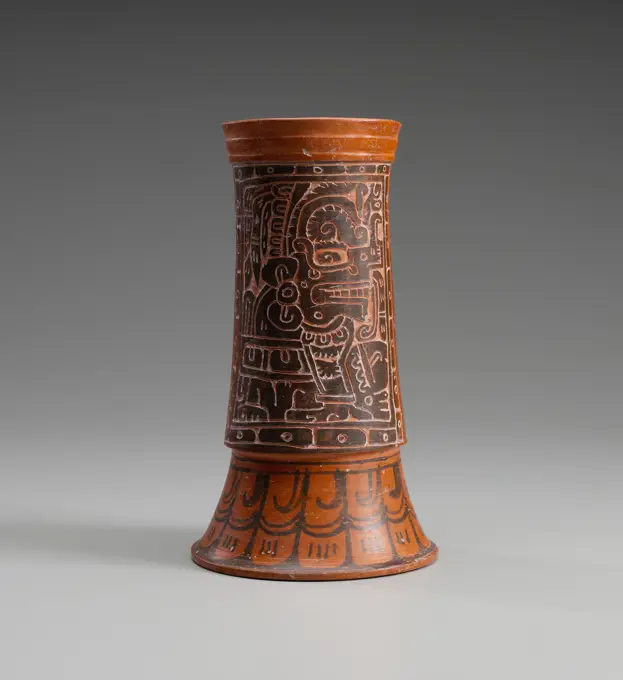
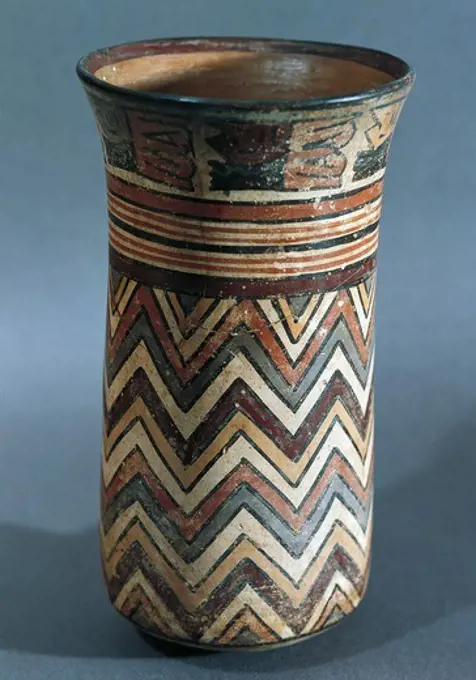
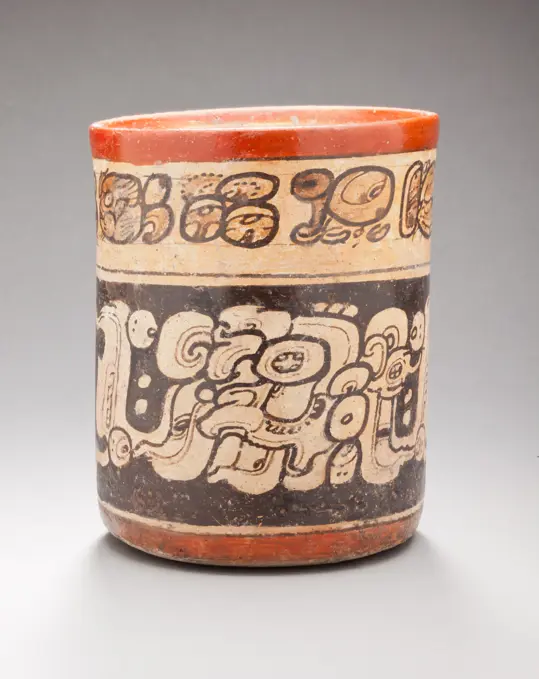
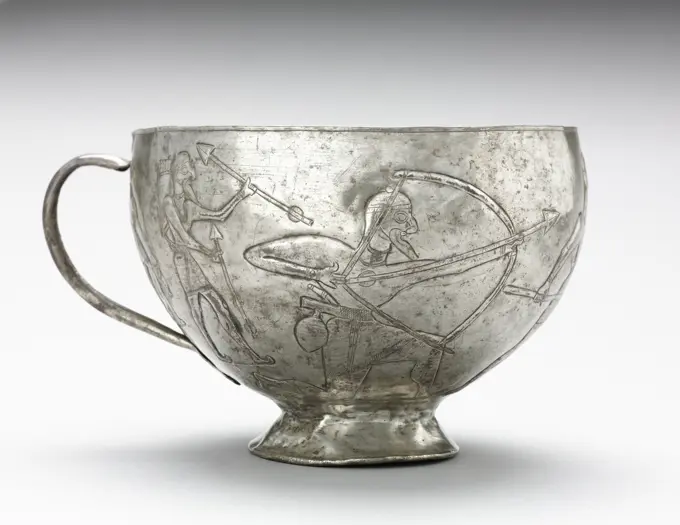
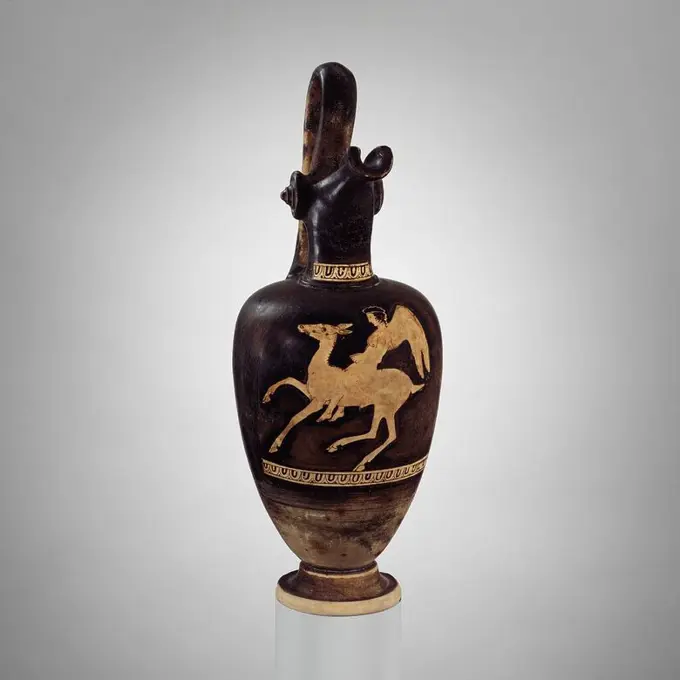
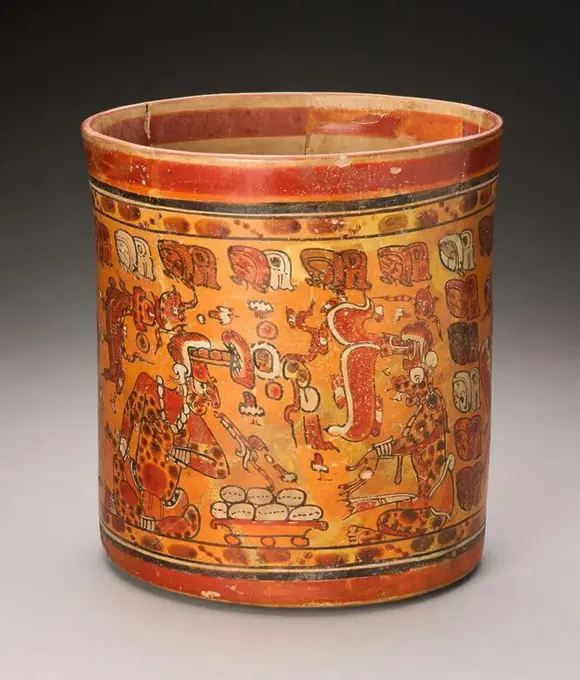
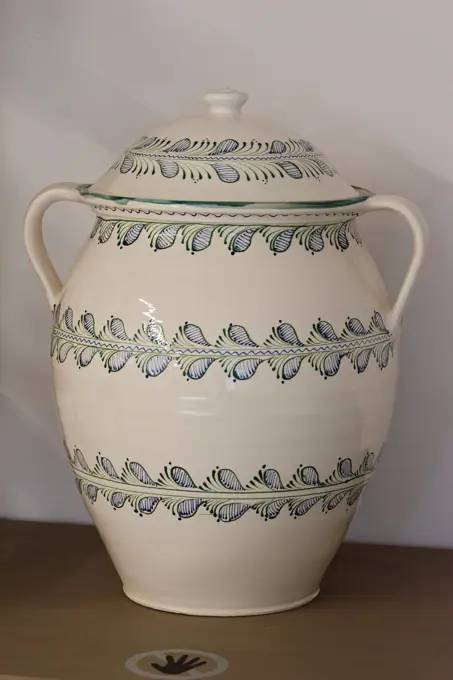
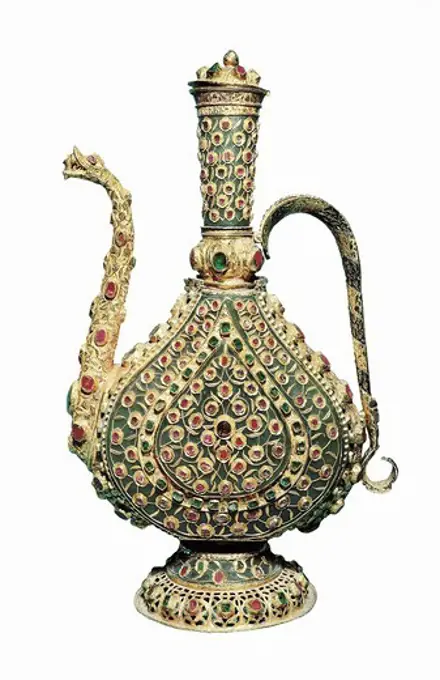
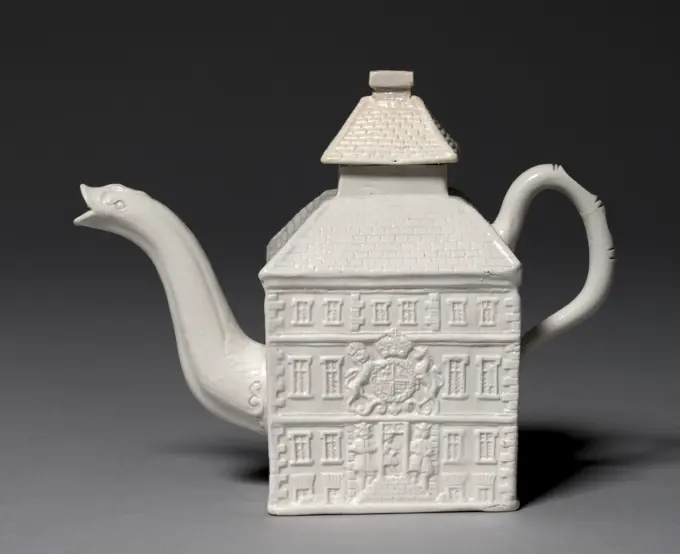
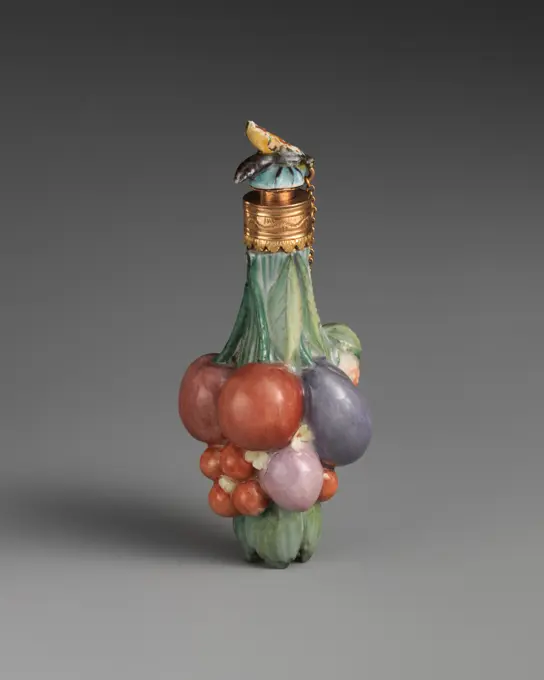
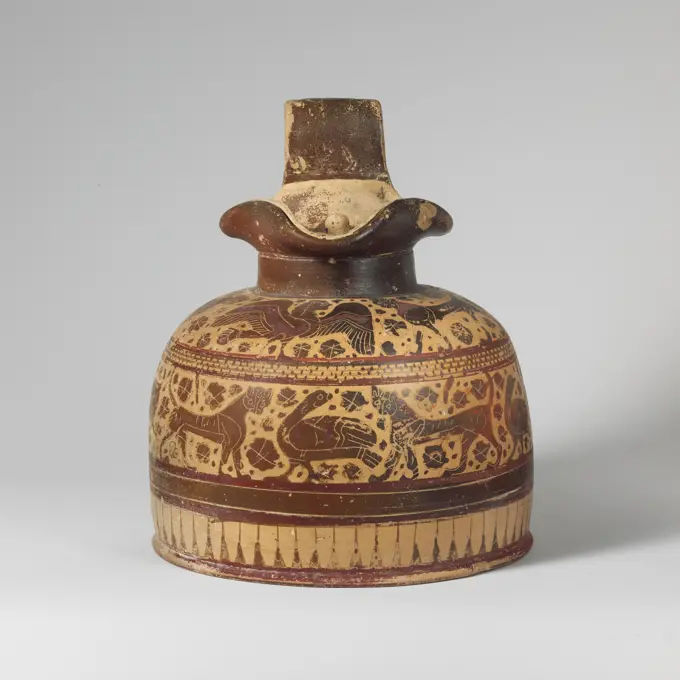
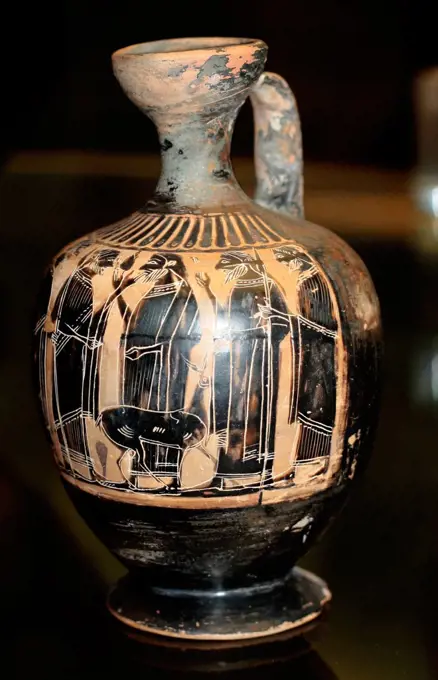
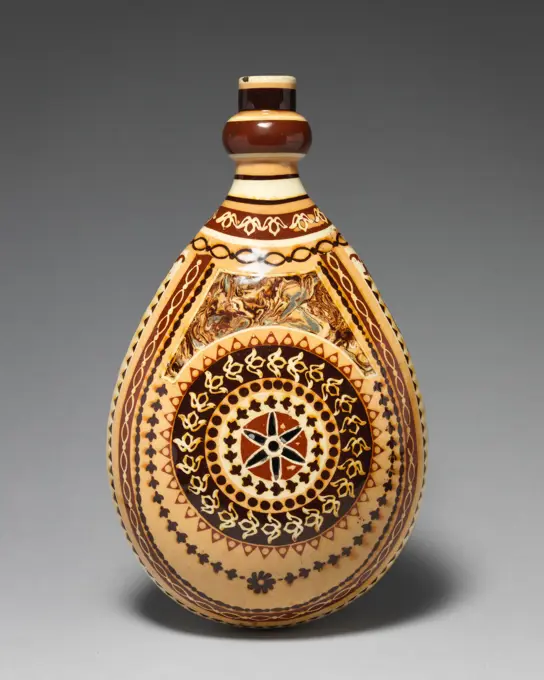
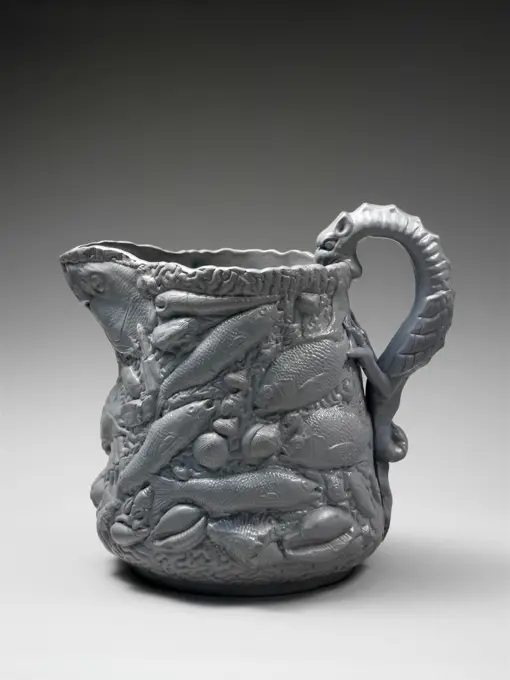
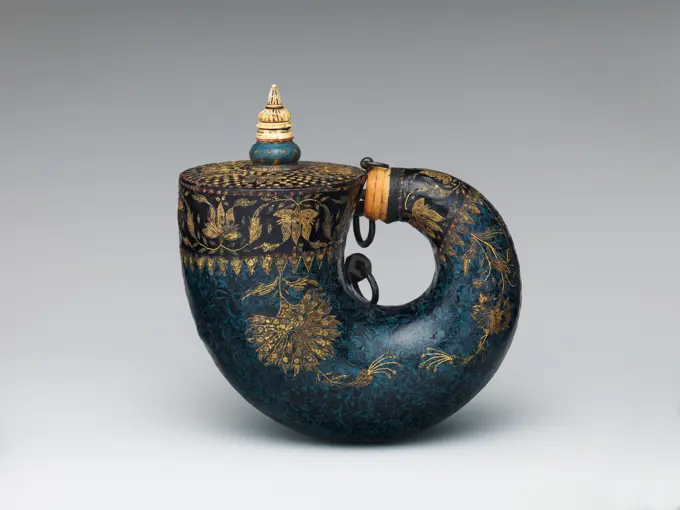
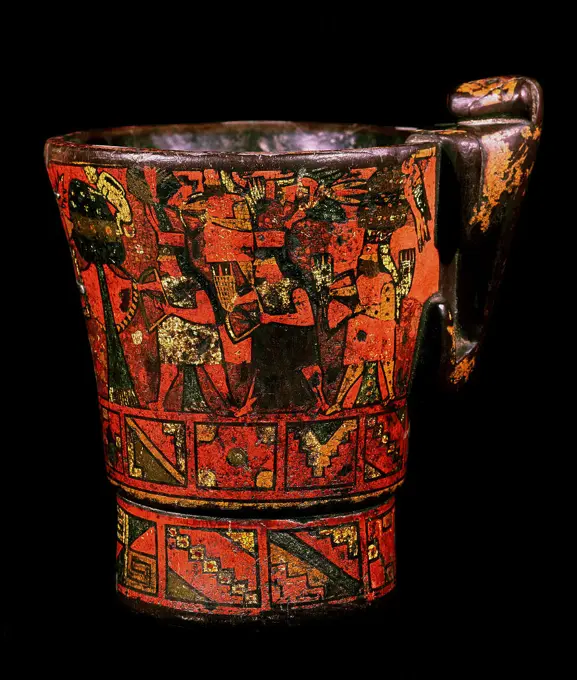
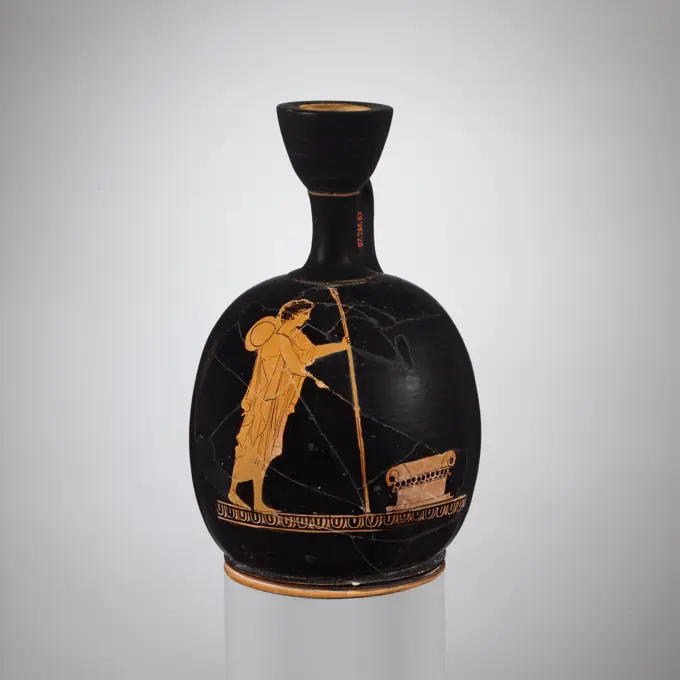
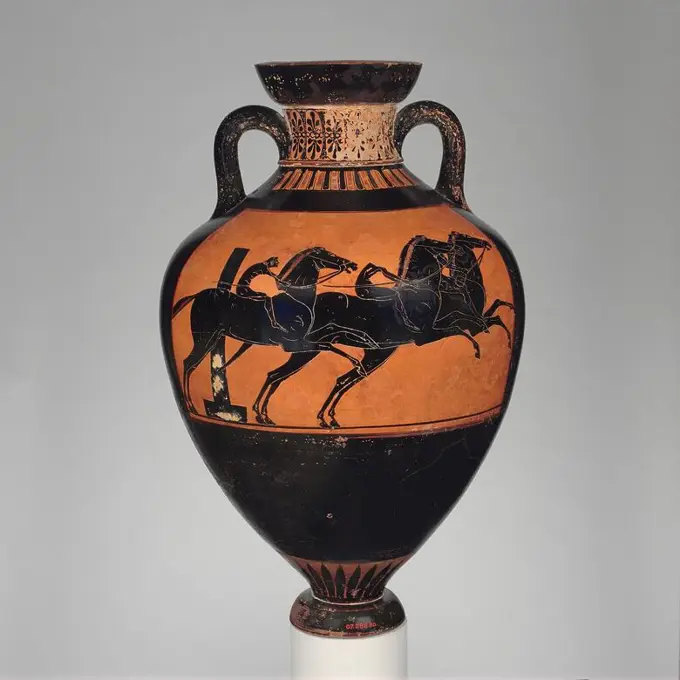
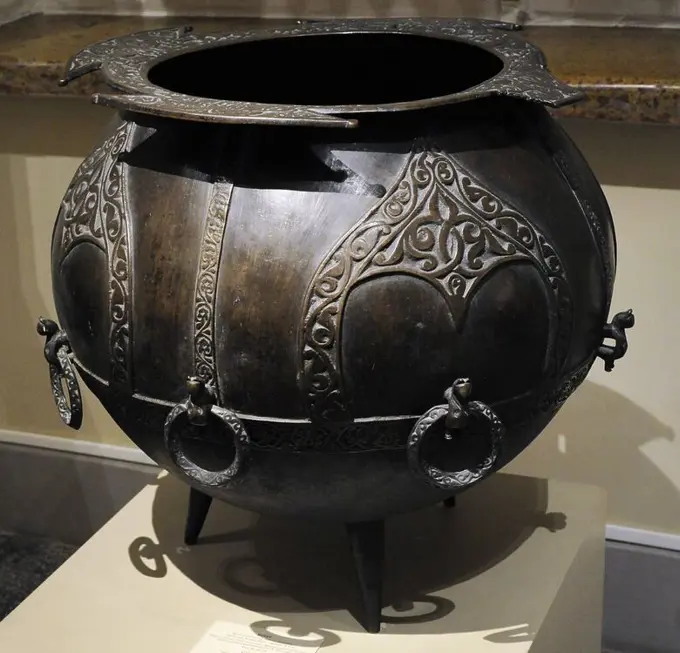
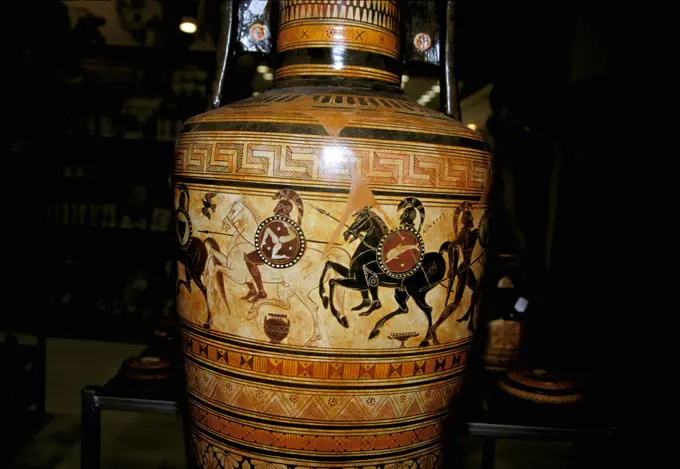
Lazio Viterbo Viterbo Museo Civico57. Hutzel, Max 1960-1990 Views of paintings (Middle Ages through 18th c.), frescoes, a tabernacle, coffin, sculpture reliefs, portal fragments, busts, sculpture, tapestry found in the Pinacoteca, Second floor gallery and Second floor cloister sequences. Antiquities: Many views of Etruscan and Roman fragments, sculpture, sarcophagi, pottery, masks, jewelry and other objects found in the Storeroom sequence (inventory numbers on back of prints), and the Cloister, Second floor Cloister, Valle Giulia, Sala Romana and Sala Etrusca sequences. General Notes: There are eight separate numerical sequences for this location. The cloister as an architectural structure, rather than museum site, is documented in the record and file for S. Maria della Verita, Cloister, all views of which are stored in Medieval core collection. Five views from the Museo Civico Second floor cloister sequence are stored in Medieval. German-born photographer and scholar Max Hutzel (1911-Pedestal Vase Depicting Kawiil, God of Lightning.  Artist: UnknownPeru, Pre-Inca civilization, Nazca culture, Vase with painted geometric decorationTripod Cylindrical Jar (Lian or Zun) with Creatures Amid Hills, Bear-Shaped Feet 25 CE-220 CE China. Vessels like this are often called ìhill jarsî since many have conical covers shaped in rising peaks. ìSquatting-bearî feet and monster-mask ring handles are common features. This jar has been mold-impressed in two relief bands depicting hills populated with real and imaginary creatures. Wispy elflike figures are associated with immortals (xian), who were thought to dwell in mountain paradises. Such relief designs provide intriguing evidence of early landscapes painted on more perishable paper and silk.. Earthenware with lead green glaze .Drinking Vessel. Guatemala, Northern Petén, Maya, 650-800 CE. Ceramics. Slip-painted ceramicCan, painted with heraldic eagle, anonymous, c. 1425 - c. 1475 Can from majolica, multi -colored painted with a heraldic eagle, used to the head to the left. The jug is composed of shards. One loose shard in bag. Italy earthenware. tin glaze. lead glaze majolica Can from majolica, multi -colored painted with a heraldic eagle, used to the head to the left. The jug is composed of shards. One loose shard in bag. Italy earthenware. tin glaze. lead glaze majolicaLion Hunting Cup , 1100-1000 BC. Northwestern Iran, Amlash, 12th-11th century BC. Silver, raised, chased, repoussé; overall: 14 x 9.3 cm (5 1/2 x 3 11/16 in.).Beaker. Iran, circa 1000-800 B.C.. Furnishings; Serviceware. BronzeArtifact, Casa de Sefarad (Jewish museum in a former Jewish Synagogue), Old quarter, Cordoba, SpainTerracotta oinochoe (jug). Culture: Greek, Attic. Dimensions: H. 9 3/8 in. (23.8 cm)diameter of foot 2 3/16 in. (5.5 cm). Date: ca. 420 B.C..Eros riding fawnThis pretty and playful vase brings together the companions of two goddesses. Eros is associated with Aphrodite, and the fawn is associated with Artemis. Since Eros has his own means of rapid locomotion, the purpose of the combination is to amuse and delight. Museum: Metropolitan Museum of Art, New York, USA.Vessel Depicting K'awiil (God K) and Itzamna Exchanging Gifts. Late Classic Maya; Guatemala. Date: 700 AD-800 AD. Dimensions: 21.3 x 20.3 cm (8 3/8 x 8 in.). Ceramic and pigment. Origin: Mexico. Museum: The Chicago Art Institute, Chicago, USA.Keramik Kanne mit Deckel, verziert Handarbeit *** Ceramics Jug with Lid, decorated Handwork 1033903254Pitcher. 17th c. Made in gold and precious stones. Ottoman art. Jewelry. TURKEY. THRACE. Istanbul. Topkapi Saray Museum Istanbul.Teapot, 1740-1750. Staffordshire Factory (British), Aaron Wood (British). Salt-glazed earthenware; overall: 14.6 x 18.8 cm (5 3/4 x 7 3/8 in.); container: 11.5 cm (4 1/2 in.).Beaker, Faces and Frogs 9th-11th century Lambayeque (Sicán). Beaker, Faces and Frogs. Lambayeque (Sicán). 9th-11th century. Gold. Peru, La Leche River. Metal-ContainersFruit and flowers ca. 1760 Chelsea Porcelain Manufactory. Fruit and flowers. British, Chelsea. ca. 1760. Soft-paste porcelain. Chelsea Porcelain Manufactory (British, 1745-1784, Transitional (Brown Anchor) Period, ca. 1758-1759). Ceramics-PorcelainSnuff Bottle. Culture: China. Dimensions: H. 3 1/16 in. (7.8 cm). Date: 19th century. Museum: Metropolitan Museum of Art, New York, USA.Terracotta oinochoe (jug) with lid ca. 590-570 B.C. Attributed to the Canessa Painter Two friezes of animalsThe broad-bottomed oinochoe, represented by this example, is a characteristic and very long-lived shape in Corinth. The presence of a lid distinguishes it from oinochoai of other Greek regions as well. Although the conventional name is retained, the shape was not necessary used to pour wine.. Terracotta oinochoe (jug) with lid 247196Black- figured Lakythos (oil or perfume bottle): a group of men, two with spears, and a deer Made in Athens about 540-520 From Athens.Flask 18th century French, Vaucluse (Apt) Faience, or tin-glazed and enameled earthenware, first emerged in France during the sixteenth century, reaching widespread usage among elite patrons during the seventeenth and early eighteenth centuries, prior to the establishment of soft-paste porcelain factories. Although characterized as more provincial in style than porcelain, French faience was used at the court of Louis XIV as part of elaborate meals and displays, with large-scale vessels incorporated into the Baroque garden designs of Versailles. Earlier examples of French faience attest to the strong influence of maiolica artists from Italy. Later works demonstrate the ways in which cities such as Nevers, Rouen, Lyon, Moustiers, and Marseille developed innovative vessel shapes and decorative motifs prized among collectors throughout Europe. While faience can be created from a wide mixture of clays, it is foremost distinguished by the milky opaque white color achieved by the addition of Satsuma Covered Jar Japanese Art Pitcher 1850-57 Manufactured by E. & W. Bennett Pottery. Pitcher 17793Close-up of an Apothecary jar, Urbania, ItalyPowder Flask 17th century Indian, possibly Deccan Designed to hold gunpowder, this flask, shaped like a nautilus shell, is made of wood, covered with a marbled pattern of blue and black lacquer, and bordered by delicate floral designs in gold. The skill and sophistication of the decoration place this work among the most beautiful objects of its kind from Mughal India.. Powder Flask 35674Inca pre-Columbian vase. Madrid, museum of America. Location: MUSEO DE AMERICA-COLECCION. MADRID. SPAIN.Fire Bucket. American; Newburyport or Ipswich, Massachusetts. Date: 1784. Dimensions: 48.3 × 21 cm (19 × 8 1/4 in.). Leather. Origin: United States. Museum: The Chicago Art Institute, Chicago, USA.Vase, Émile Gallé, c. 1885 Vaal, oval, flat bottom, bounded body five times, ending in an irregularly shaped edge. On the body tires and surfaces with ornaments inspired by Gothic, Renaissance and Eastern motifs in email painting, etched and gilded. On the bottom with the diamond the signature e.gallé Nancy and E.G. Nancy glass. gilding (material) glassblowing / etching / gilding Vaal, oval, flat bottom, bounded body five times, ending in an irregularly shaped edge. On the body tires and surfaces with ornaments inspired by Gothic, Renaissance and Eastern motifs in email painting, etched and gilded. On the bottom with the diamond the signature e.gallé Nancy and E.G. Nancy glass. gilding (material) glassblowing / etching / gildingTerracotta squat lekythos (oil jar) mid-5th century B.C. Greek, Attic Young hunter at an altarThe youth is characterized as a hunter by his spears in addition to his travelling garb, the hat and cloak. The phiale indicates that he is about to offer a libation.. Terracotta squat lekythos (oil jar) 247963Terracotta Panathenaic prize amphora (jar). Culture: Greek, Attic. Dimensions: H. 25 in. (63.5 cm). Date: ca. 510 B.C..Obverse, AthenaReverse, horse raceThis representation of a horse race includes the post marking the turn in the course. Museum: Metropolitan Museum of Art, New York, USA.Snuff Bottle, 1644-1911. China, Qing dynasty (1644-1911). Glass; overall: 8 cm (3 1/8 in.).Medieval Art Daghestan area. Cauldron. Bronze (brass), casting, chiselling. Kubachi village, Dagestan, Russia. Second half of the 14th century. The State Hermitage Museum. Saint Petersburg. Russia.Water jar with five dancing figures and inscriptions, anonymous, c. 1800 - c. 1899 Water pot (Mizusashi) of stoneware, partially covered with a cream -colored glaze and painted in blue and black. On the wall five dancing  Persons and an inscription. A second inscription on the inner wall of the pot. Marked on the underside with an unidentified, Ingrift brand. Old label on the inside with 'W756'. Japan stoneware. glaze. cobalt (mineral) painting / vitrification Water pot (Mizusashi) of stoneware, partially covered with a cream -colored glaze and painted in blue and black. On the wall five dancing  Persons and an inscription. A second inscription on the inner wall of the pot. Marked on the underside with an unidentified, Ingrift brand. Old label on the inside with 'W756'. Japan stoneware. glaze. cobalt (mineral) painting / vitrificationEurope, Greece, Amforgeas. Shopping area, Ceramic vases of Geometric Period (1100-700 BC), museum copies