Ancient and Historical Vessels

Collection of various historical vessels including ritual flasks and decorative jugs, showcasing ancient craftsmanship and materials.

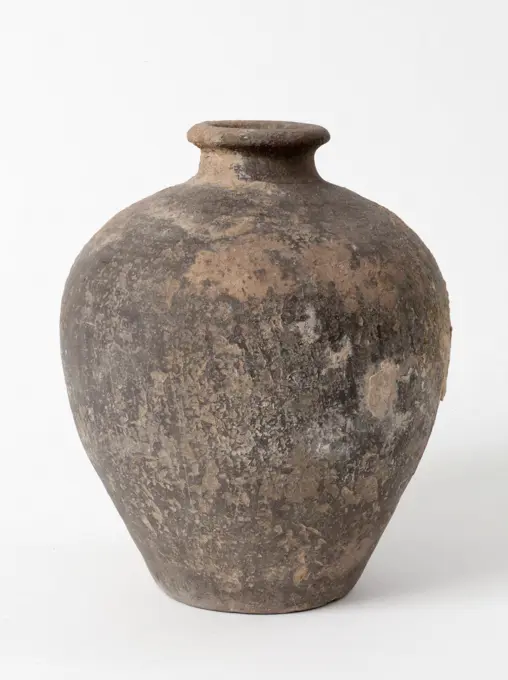
Sankampang Jar, 14th century, 14 x 10 5/8 in. (35.6 x 26.99 cm), Stoneware, Thailand, 14th century
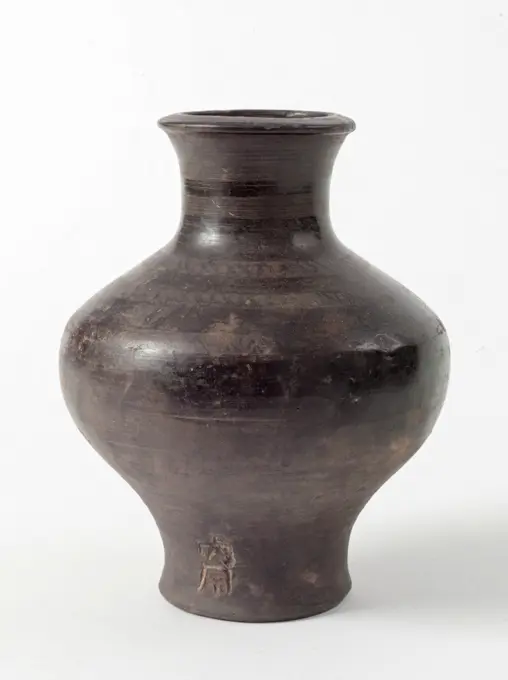
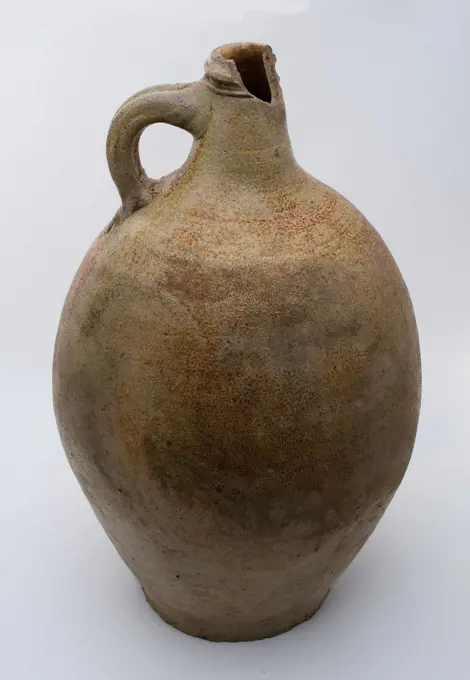
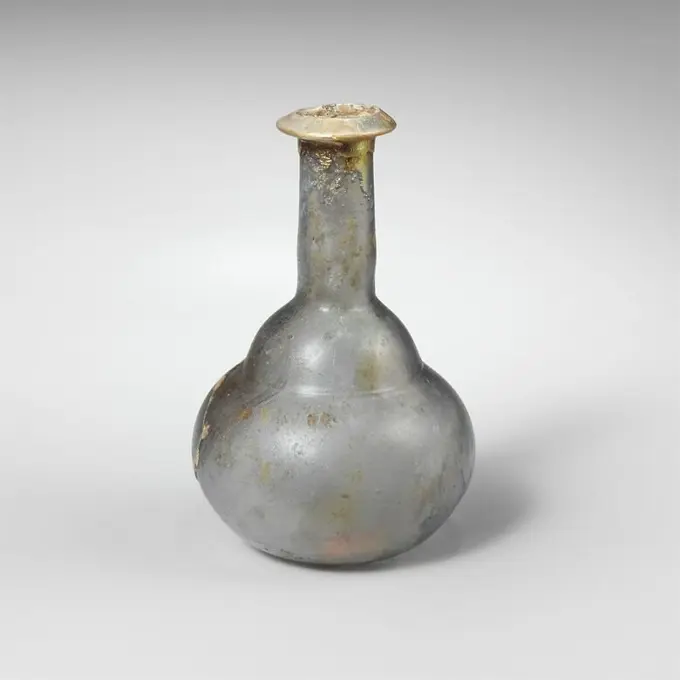
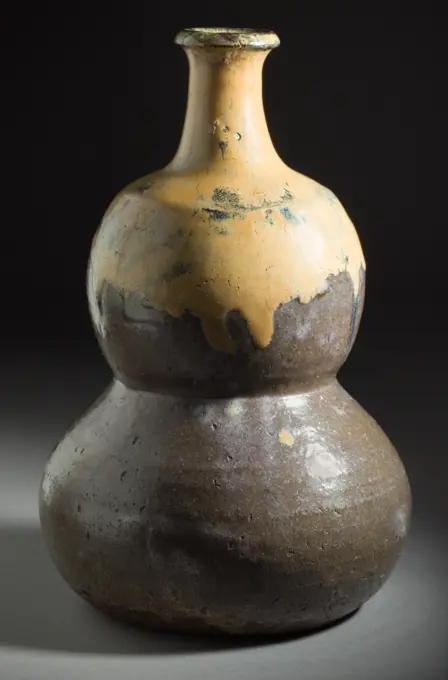
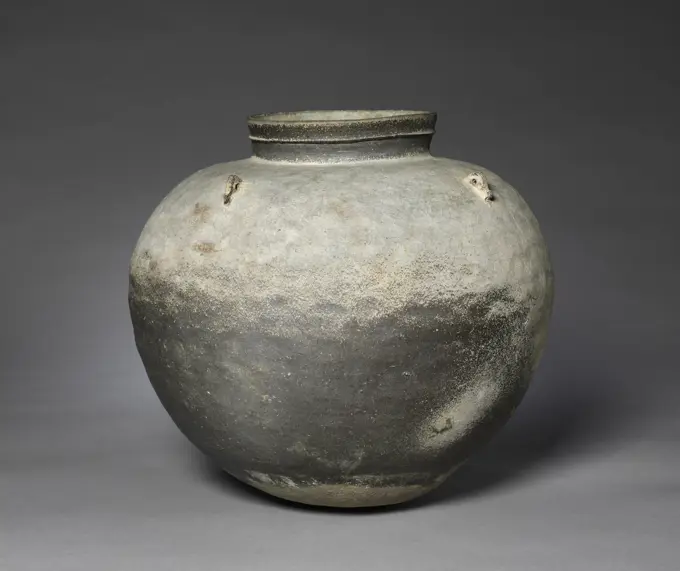
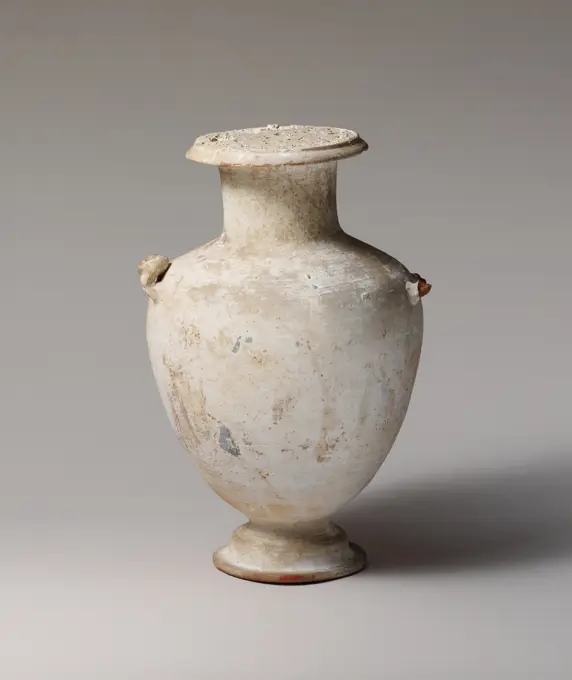
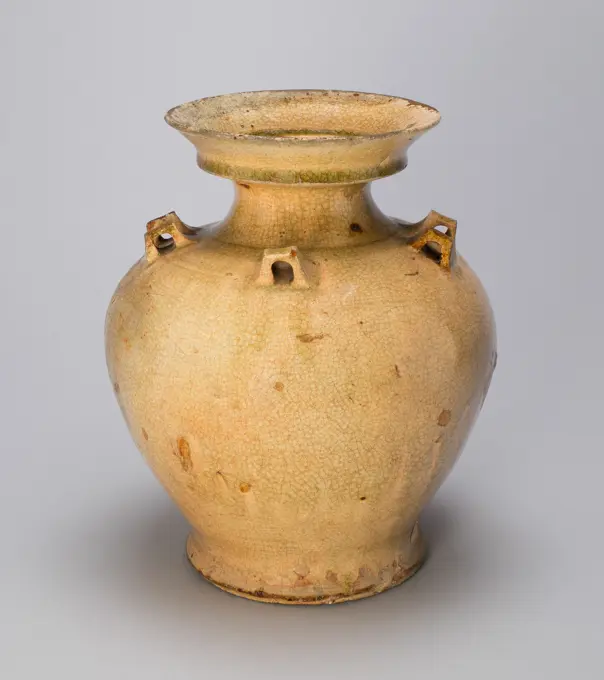
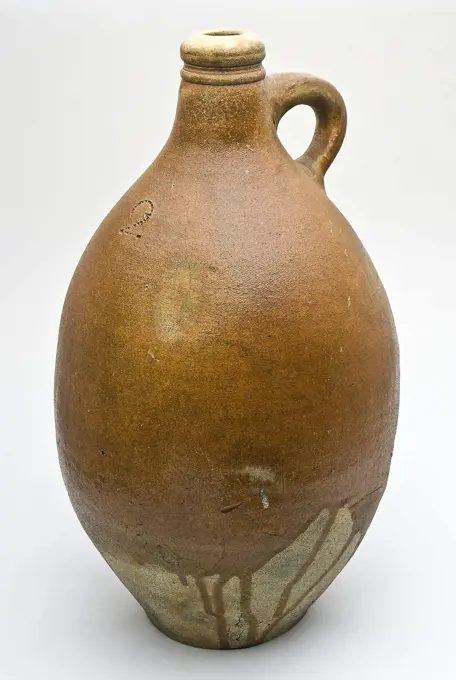
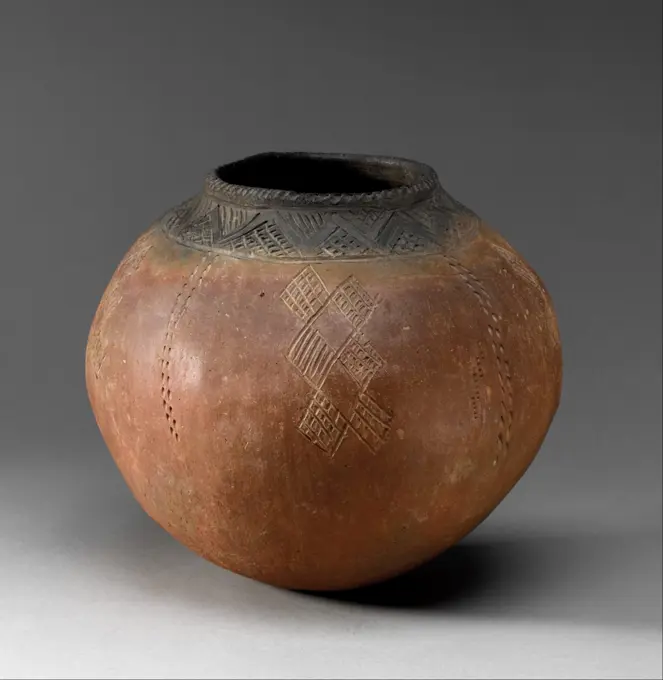
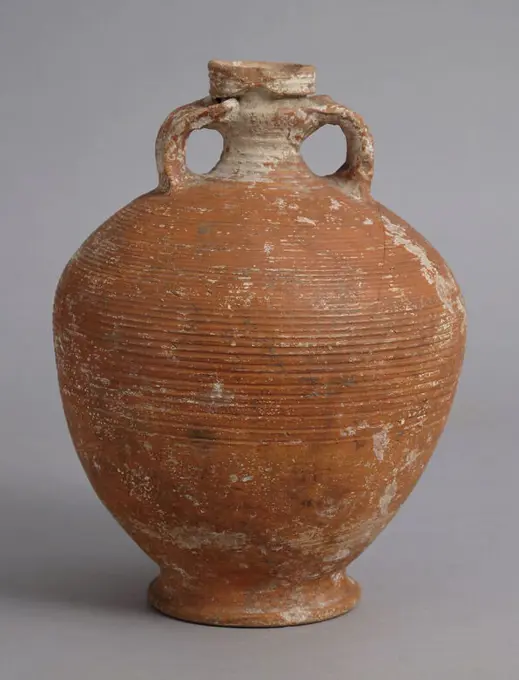
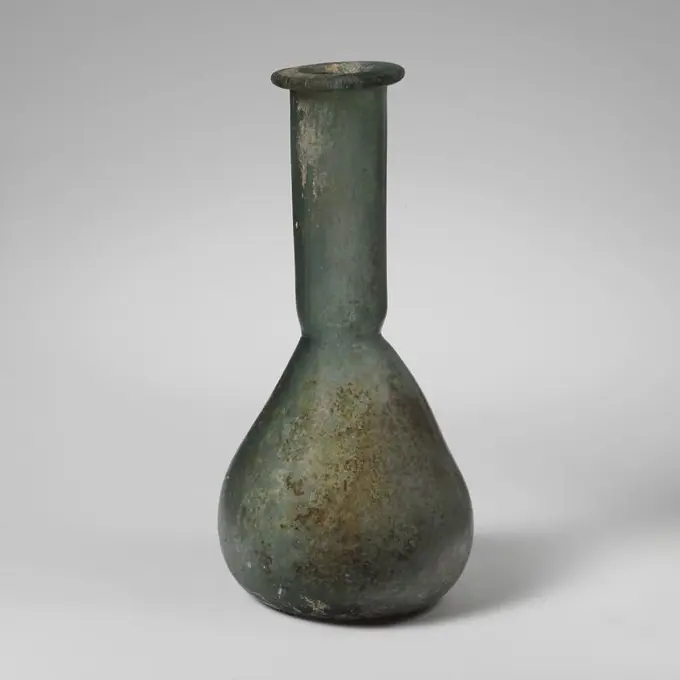
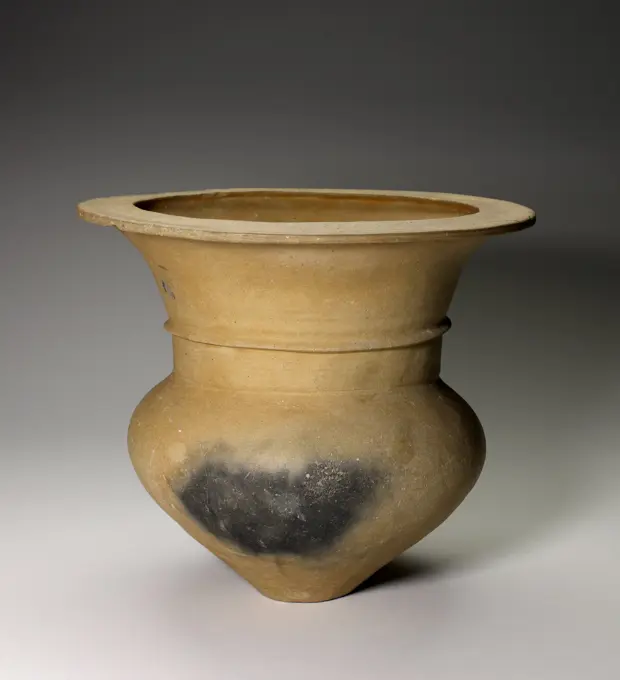
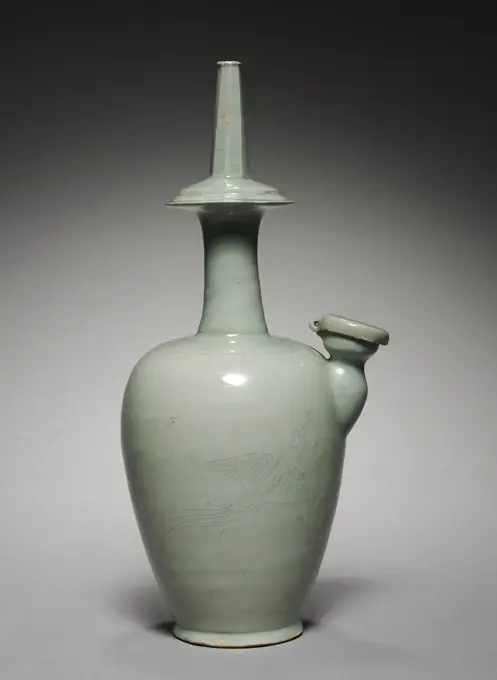
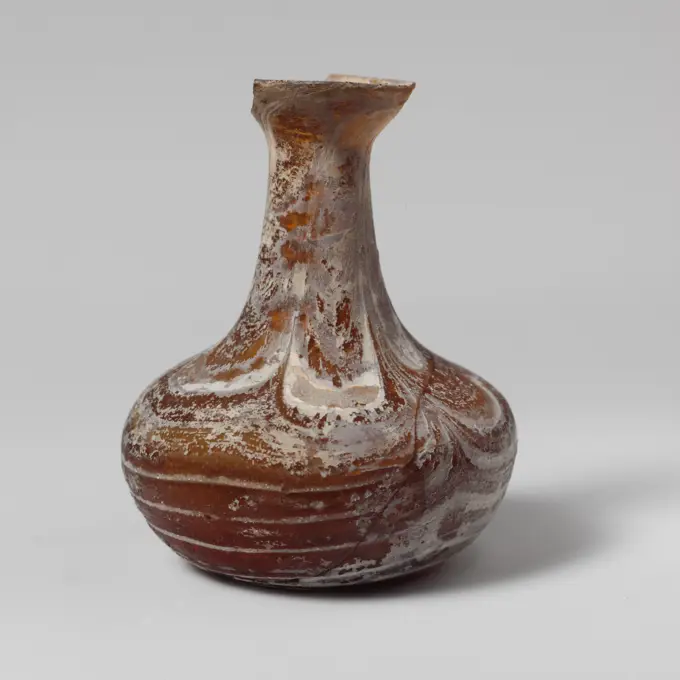
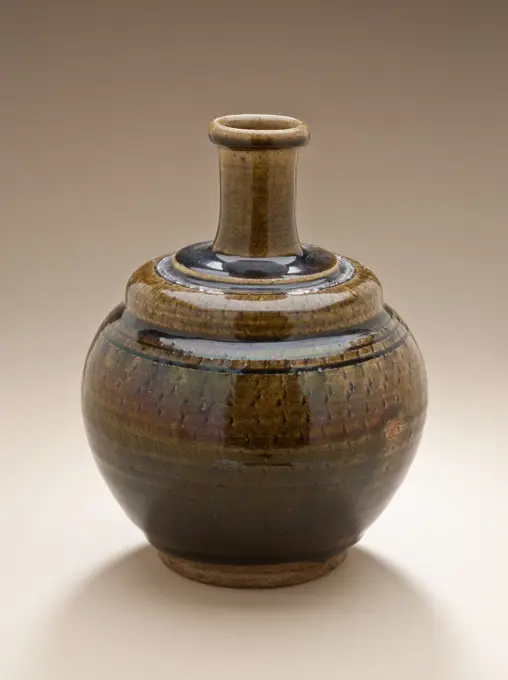
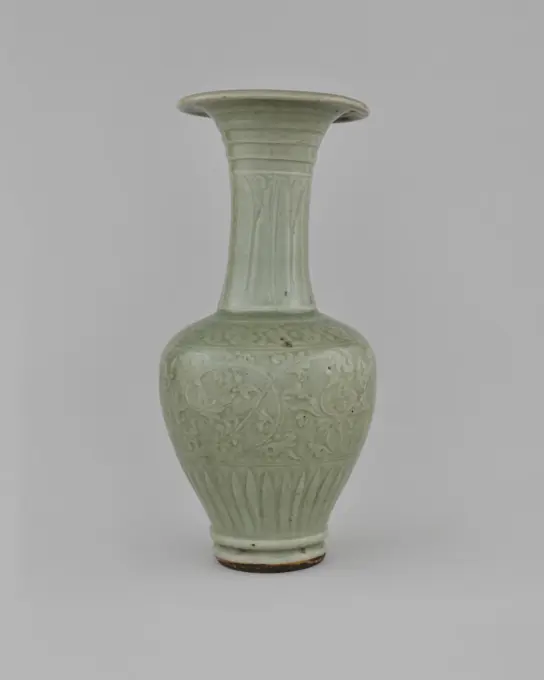
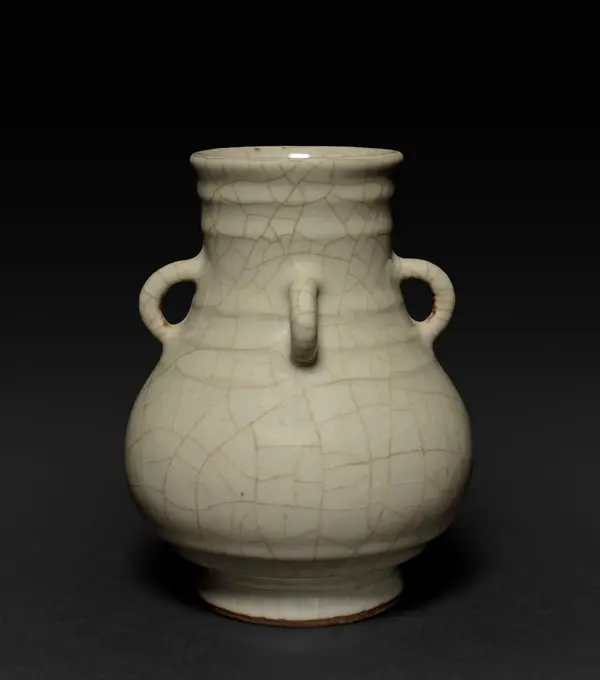
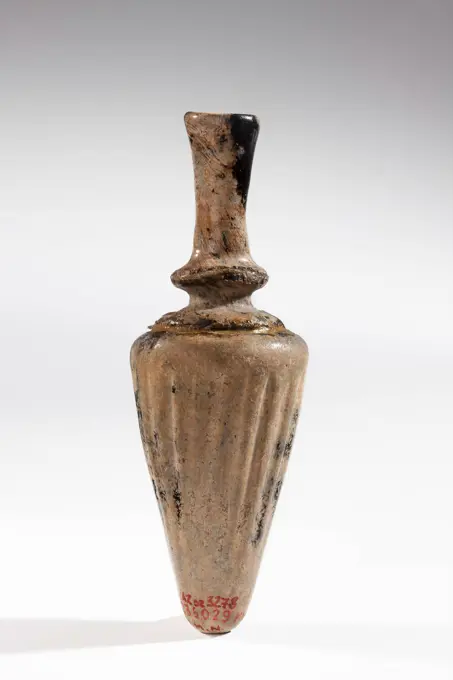
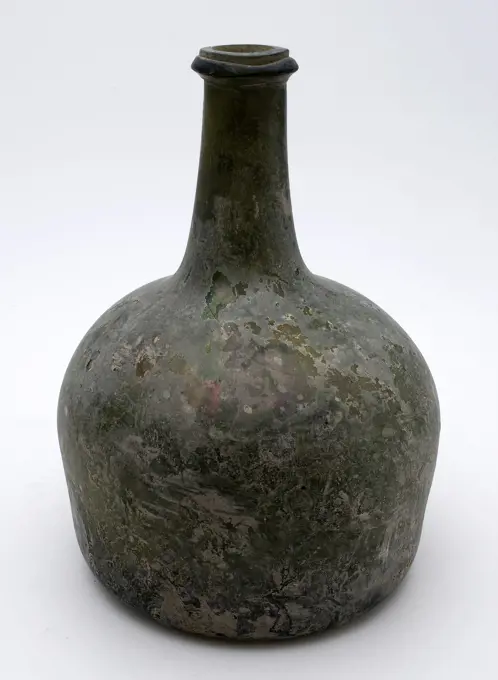
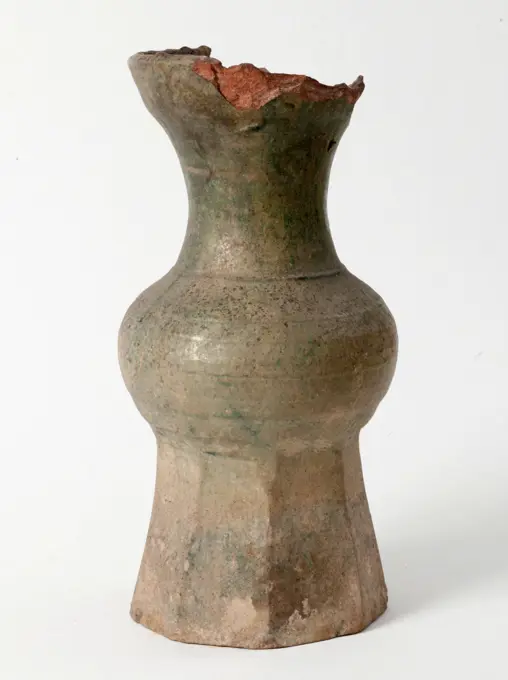
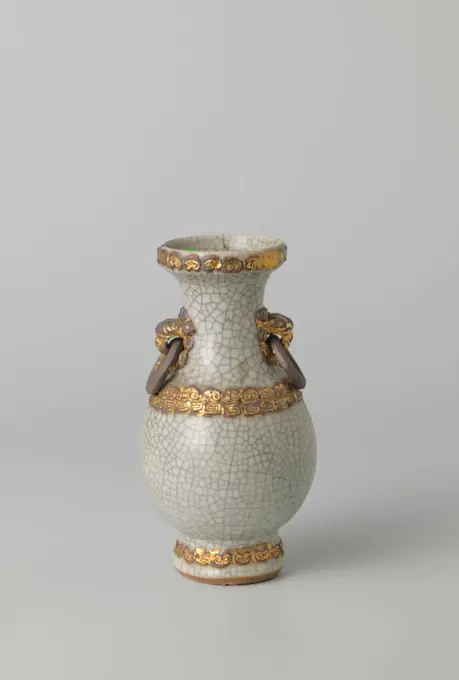
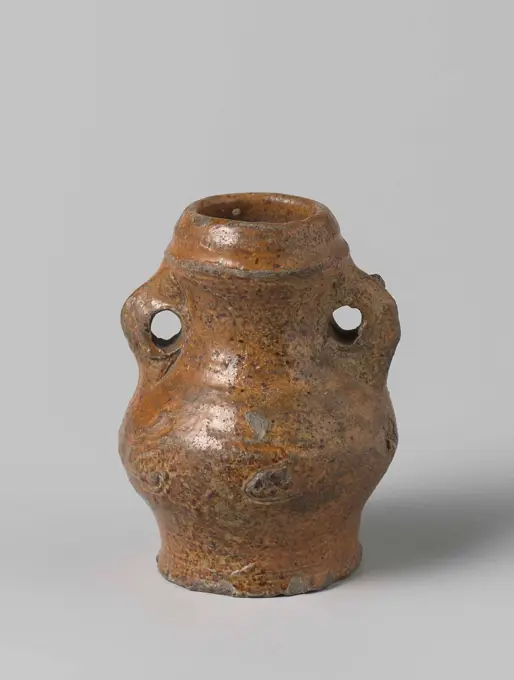
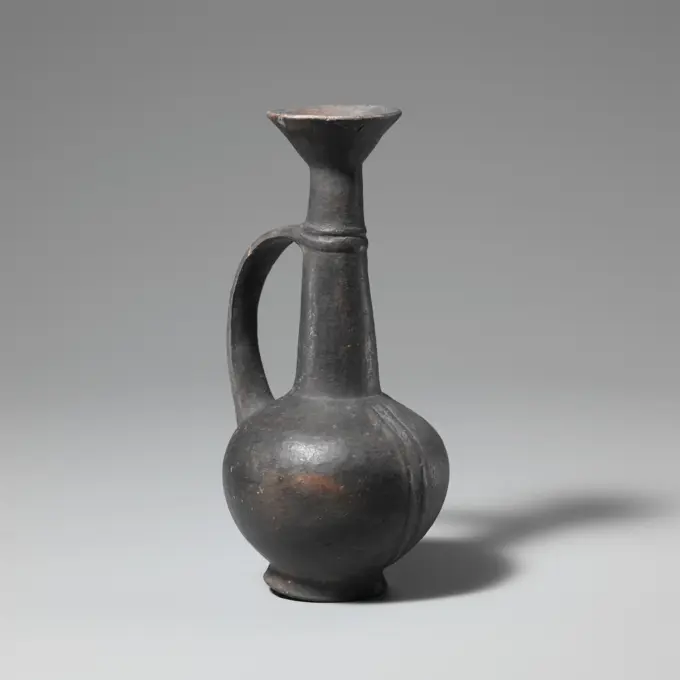
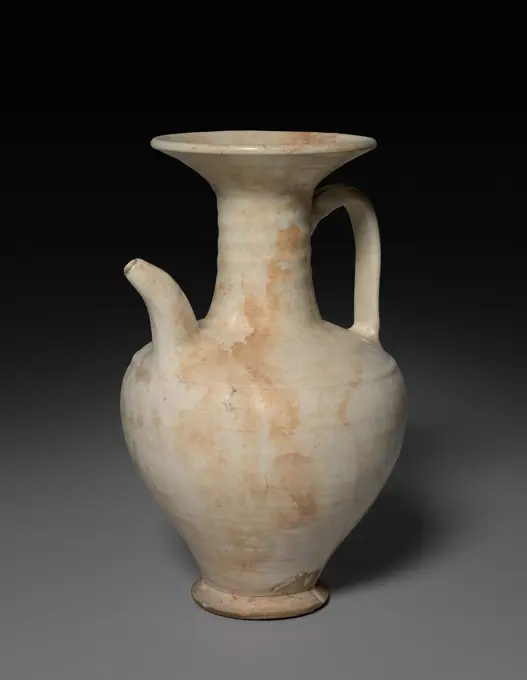
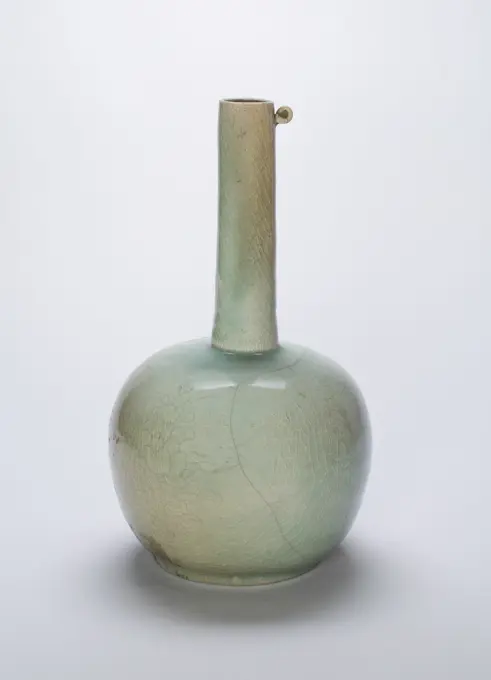
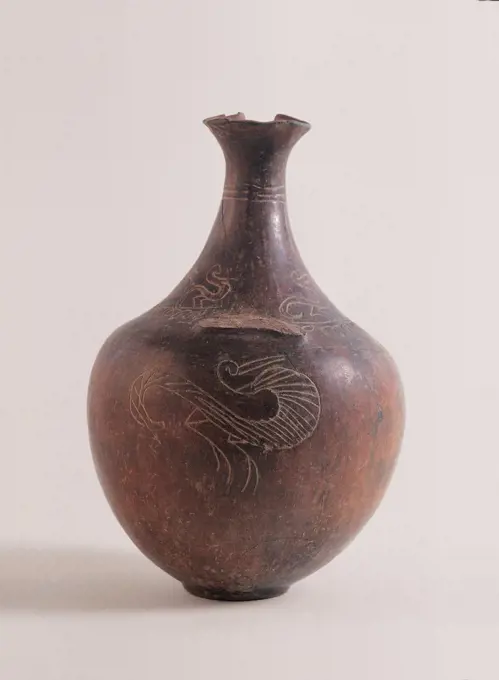
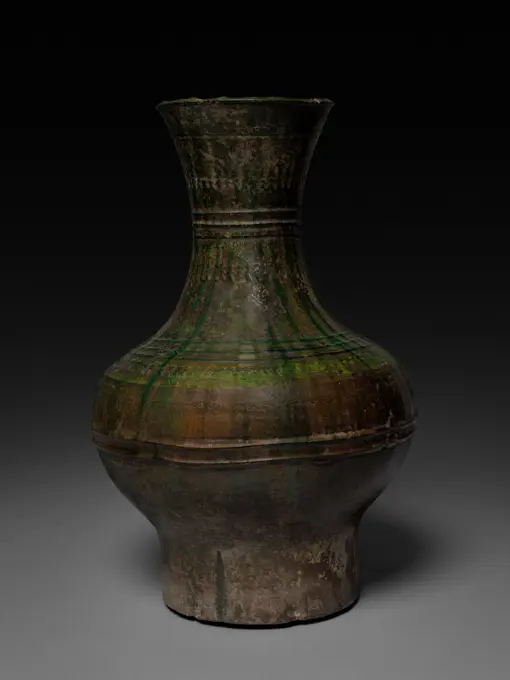
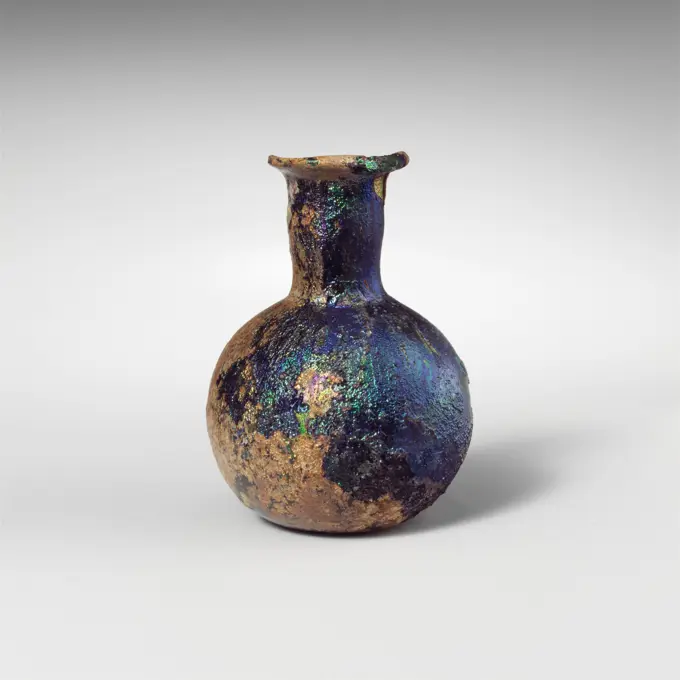
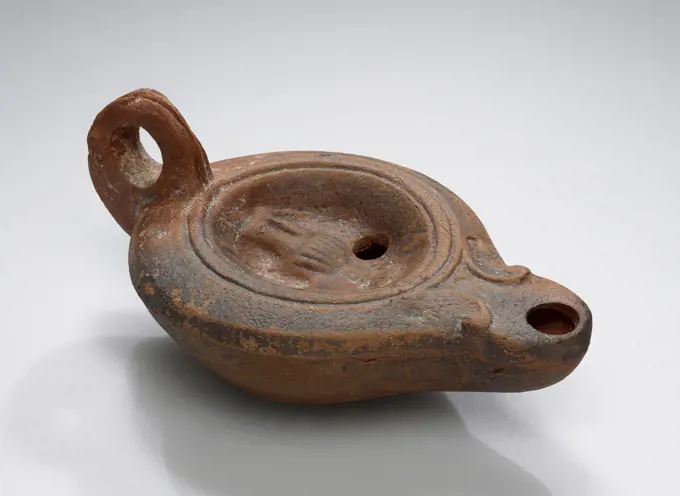
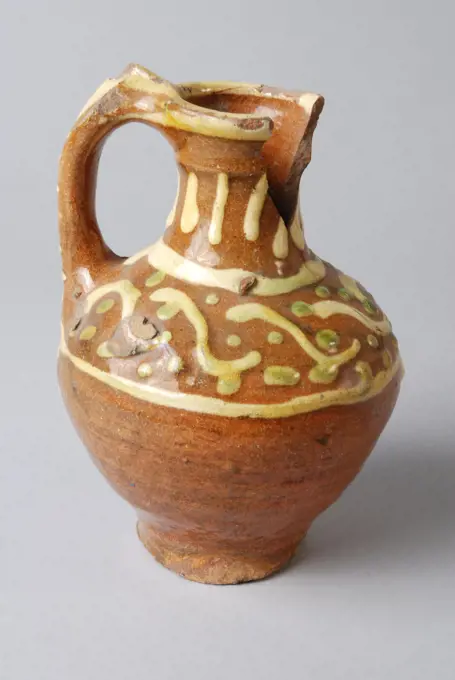
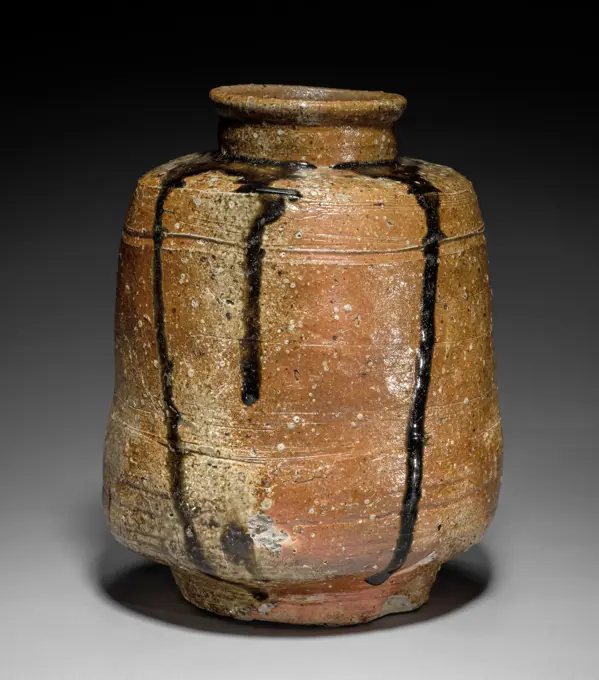
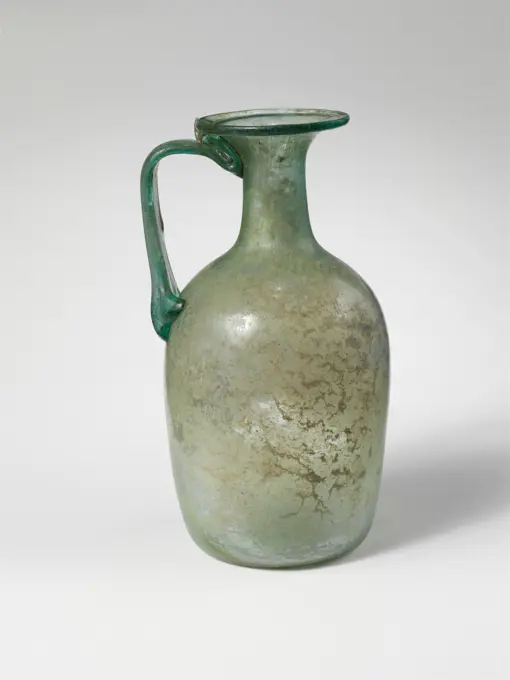
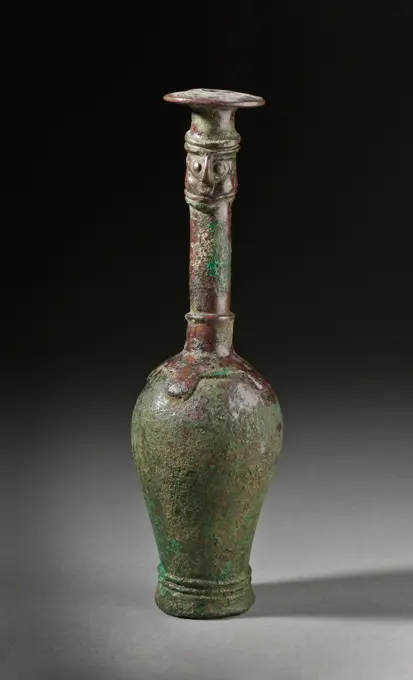
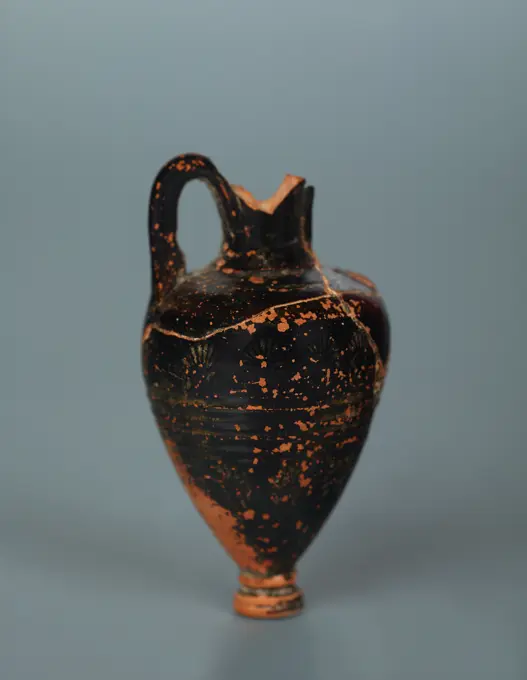
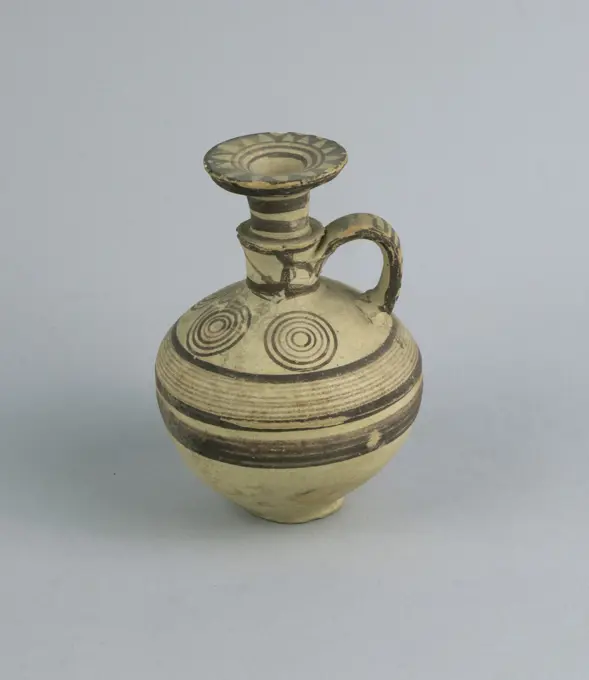
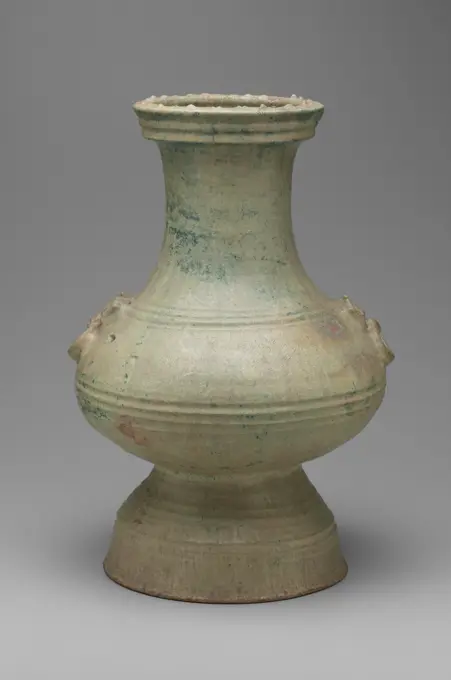
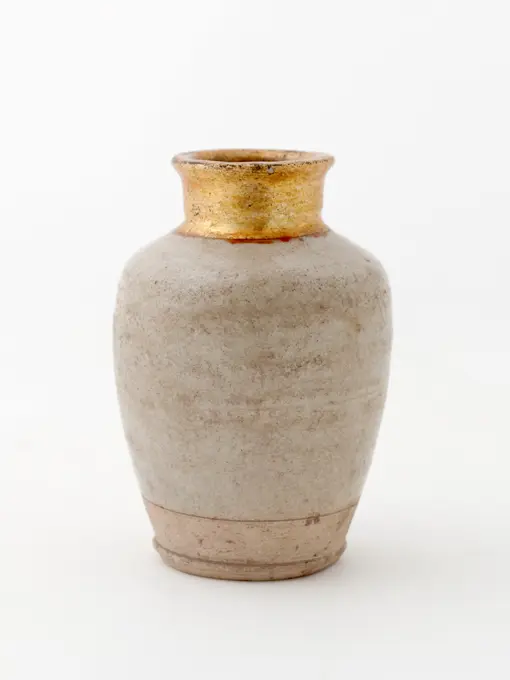
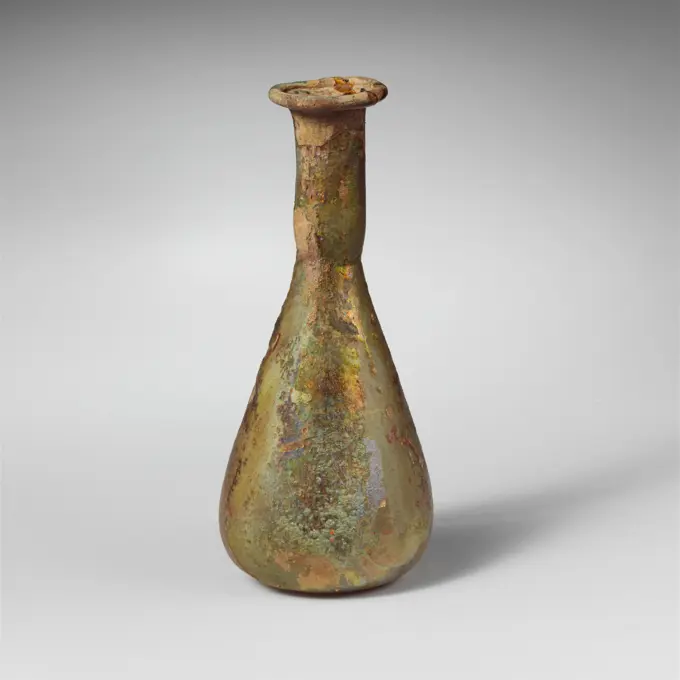
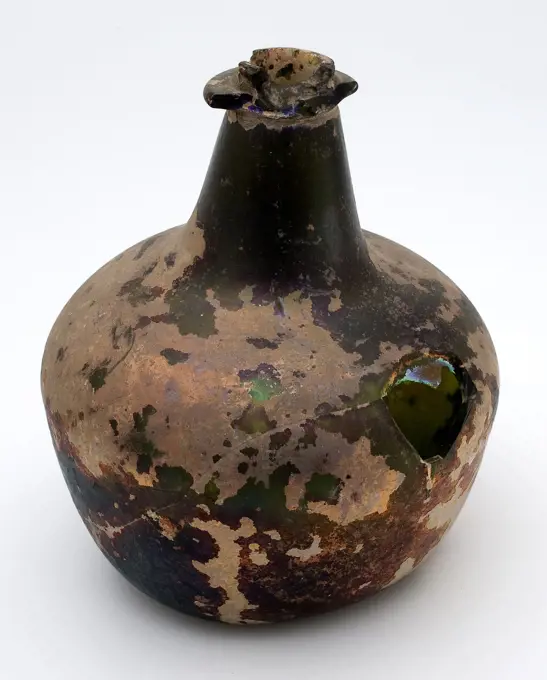
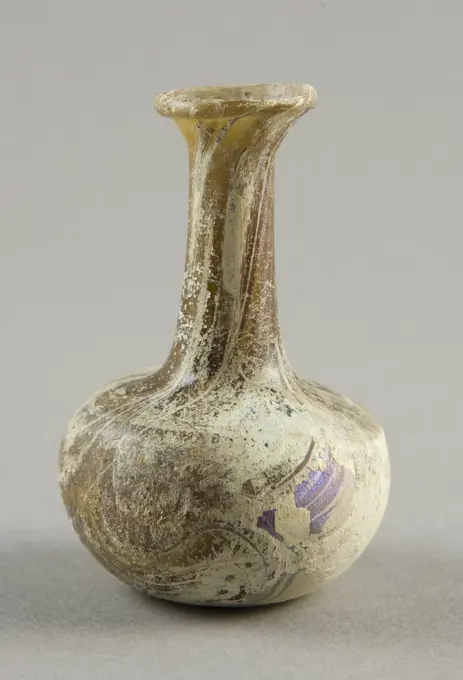
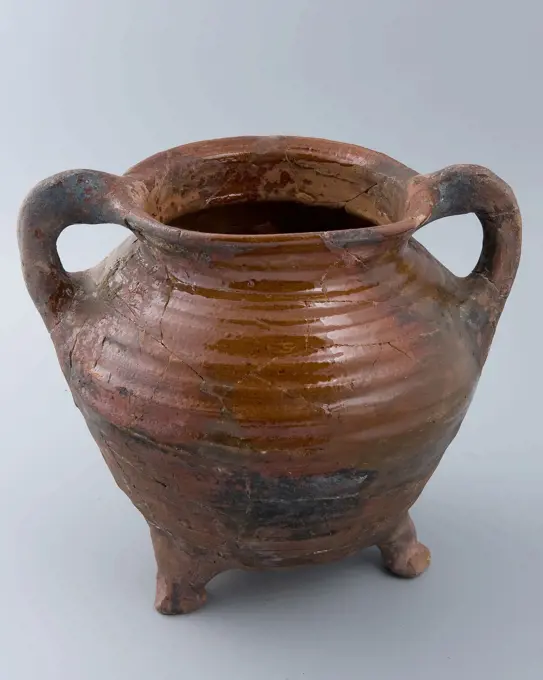
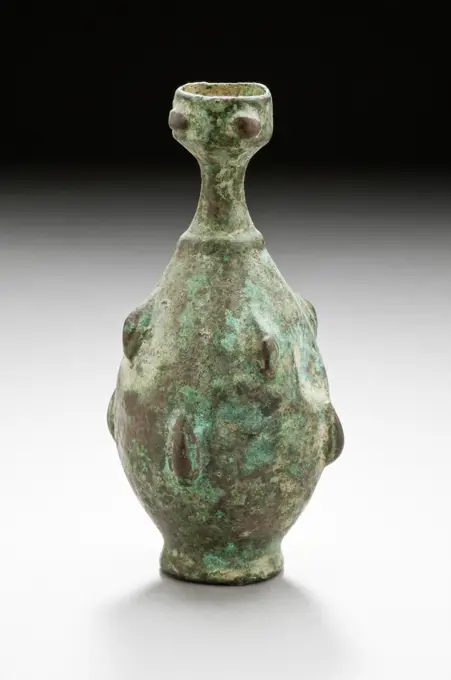
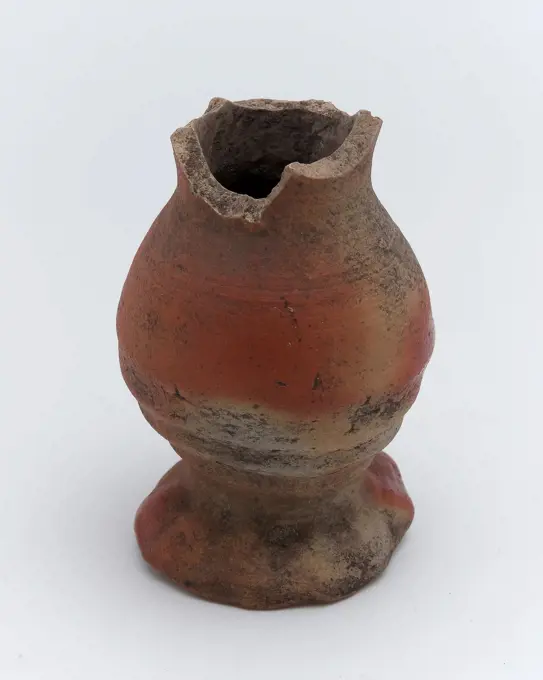
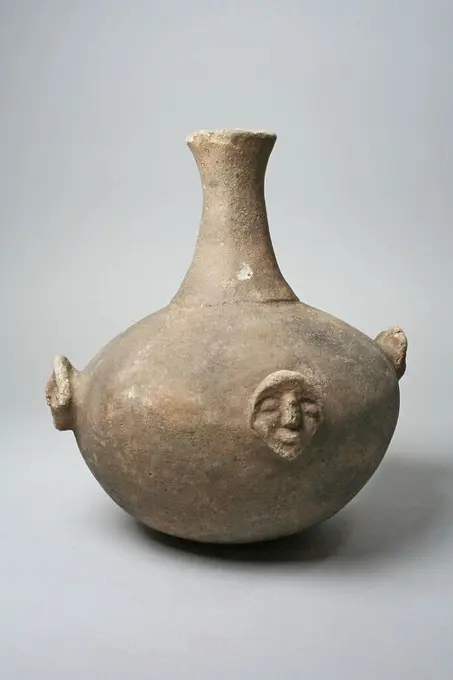
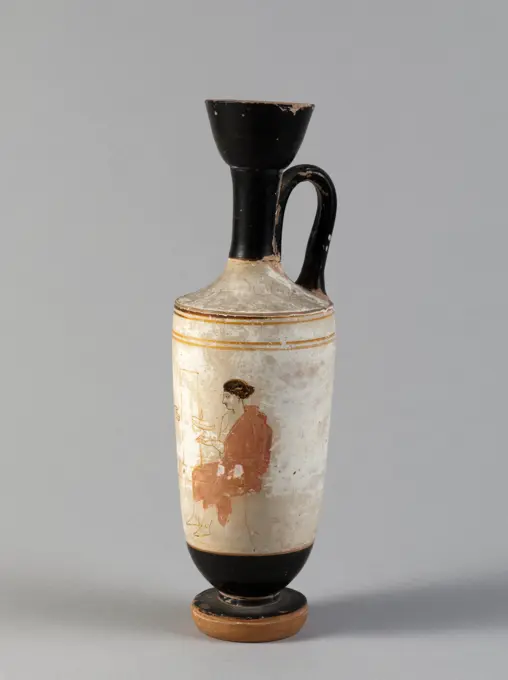
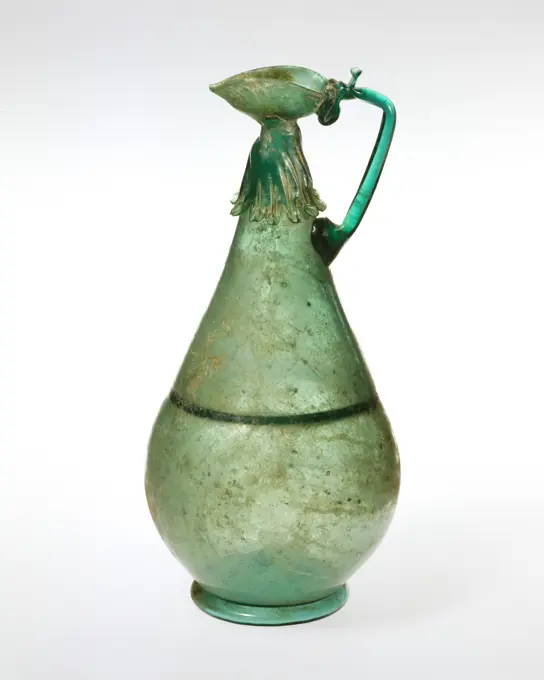
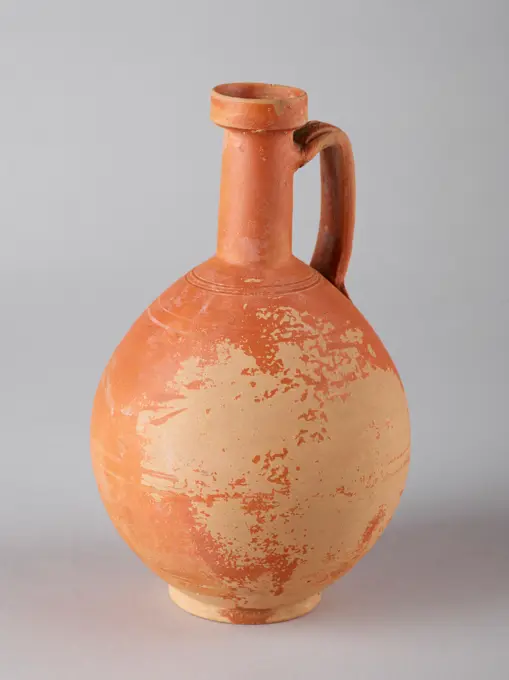
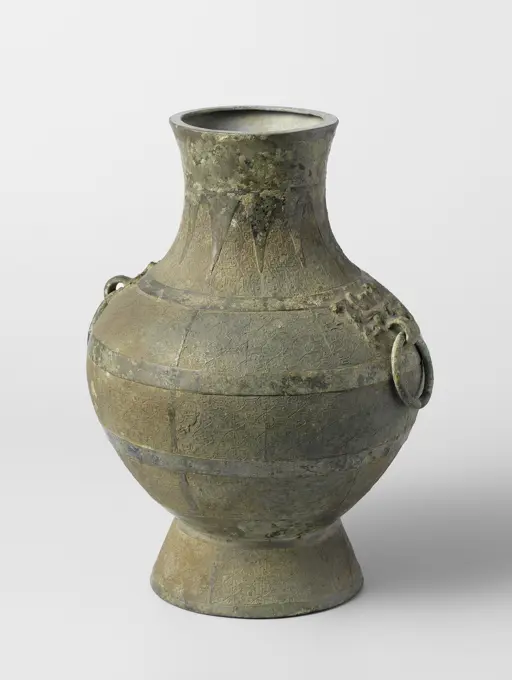
Ritual flask and wine vessel, anonymous, -500 - -200 Ritual wine barrel with lid; With a distribution into five ornamented zones and a point collar around the neck; Green, gray and brown patina. China bronze (metal) casting Ritual wine barrel with lid; With a distribution into five ornamented zones and a point collar around the neck; Green, gray and brown patina. China bronze (metal) castingVase Hu ". Black terracotta. China. Paris, Cernuschi museum. Asian art, Chinese art, Chinese ceramic, container, container, terracotta, humLarge stoneware jug with sausage ear, gray and brown speckled glaze, jug holder kitchen utensils earthenware ceramic stoneware glaze salt glaze, hand-turned baked glazed stoneware jug gray shard with salt glaze locally orange-brown brindled profiled rings under the mouth rim profiled sausage ear with short pointy tail archeology import pottery store transport store cellar warehouseGlass perfume bottle. Culture: Roman. Dimensions: Overall: 2 11/16in. (6.8cm)Diam.: 1 3/4 x 3/4 in. (4.4 x 1.9 cm). Date: 1st century A.D..Translucent pale greyish blue.Rim folded out, over, and in, with beveled upper surface; cylindrical neck, with tooling marks around base; convex sloping shoulder with prominent tooling marks below; bulbous body; slightly concave bottom.Intact; pinprick bubbles; deep pitting, some dulling, and brilliant iridescent weathering around top of neck and rim. Museum: Metropolitan Museum of Art, New York, USA.Jug with a ribbed neck, anonymous, c. 1580 - c. 1610 Jug of stoneware on high foot with an egg -shaped body and long, ribbed neck. The C-shaped ear is attached to the neck and shoulder. Partly covered with a brown Engobe. Raeren. Rae stoneware. glaze. engobe vitrification Jug of stoneware on high foot with an egg -shaped body and long, ribbed neck. The C-shaped ear is attached to the neck and shoulder. Partly covered with a brown Engobe. Raeren. Rae stoneware. glaze. engobe vitrificationSankampang Jar, 14th century, 14 x 10 5/8 in. (35.6 x 26.99 cm), Stoneware, Thailand, 14th centuryGourd-shaped Sake Bottle. Japan, mid-late 17th century. Ceramics. Takatori ware; stoneware with wood ash and iron glazesJar ". Terracotta. China, Zhou dynasty (approx. 1050-256 BC). Paris, Cernuschi museum. Chinese art, Chinese ceramic, container, zhou dynasty, zhou time, jar, container, terracottaJar. Roman or Byzantine; Eastern Mediterranean. Date: 101 AD-600 AD. Dimensions: H. 5 cm (2 in.); diam. 4.75 cm ( 1 7/8 in.). Glass, blown technique. Origin: Mediterranean Region. Museum: The Chicago Art Institute, Chicago, USA. Author: ANCIENT ROMAN.Jar with Four Lugs, 500s-600s. Korea, Three Kingdoms period (57 BC-AD 668). Stoneware with traces of ash glaze; diameter: 32.6 cm (12 13/16 in.); overall: 29.9 cm (11 3/4 in.).Terracotta Hadra hydria (water jar) late 3rd century B.C. Greek, Ptolemaic, Alexandria The distinctive coarse red clay of this and other white-ground Hadra hydriae indicates that such vessels were made in Egypt, perhaps Alexandria since the same clay was used to make a specific type of terracotta figurine known to have been produced in this region. Although the polychrome decoration of pink and blue ribbons has now mostly faded, the original plaster seal across the mouth is intact, serving as a poignant reminder of the funerary use of this hydria.. Terracotta Hadra hydria (water jar) 245577Jar. Roman. Date: 101 AD-300 AD. Dimensions: 17.4 × 17.6 × 17.6 cm (6 7/8 × 6 15/16 × 6 15/16 in.). Glass, blown technique. Origin: Syria. Museum: The Chicago Art Institute, Chicago, USA. Author: ANCIENT ROMAN.Jar with Six Square Loop Handles 450 CE-499 CE China. Celadon-glazed stoneware .Glass perfume bottle. Culture: Roman. Dimensions: Overall: 3 1/8 in. (7.9 cm)Diam.: 1 3/4 x 7/8 in. (4.4 x 2.2 cm). Date: 1st century A.D..Colorless.Rim folded out, over, and in, with uneven flattened upper surface; cylindrical neck, with tooled indent around base; piriform body; rounded bottom, flat at center.Broken and repaired, with pieces missing around body and on bottom; pinprick bubbles and blowing striations; pitting and brilliant iridescent weathering, with some soil encrustation on interior of neck. Museum: Metropolitan Museum of Art, New York, USA.Stoneware jug, bulb model with sparing, brown glaze and number 2, jug holder soil found ceramic stoneware glaze salt glaze, hand-turned glazed baked stoneware jar sparingly brown glazed lower half of the belly in unglazed on some tears after elongated sphere model. Stand surface with subtraction traces Vertical sausage ear On the belly at the front number on the front number: 2 archeology Rotterdam Kralingen-Crooswijk Struisenburg Oostmaaslaan Buizengat indigenous pottery import store packaging drinking kitchen Soil discovery: Buizengat Oostmaaslaan Rotterdam an old landfill of municipal waste.Glass perfume bottle 2nd-3rd century A.D. Roman Translucent pale blue green.Rim folded out, over, and in, with broad mouth; cylindrical neck, expanding downward and deeply tooled in around base; slightly elongated bulbous body; pushed-in bottom with deep kick and trace of pontil scar.Intact, except for crack in body and bottom, and small hole in side; many bubbles; deep pitting and iridescent weathering.. Glass perfume bottle 239661Glass beaker. Culture: Roman. Dimensions: Height: 3 3/16in. (8.1cm)Diam.: 3 x 2 3/4 x 1 3/8 in. (7.6 x 7 x 3.5 cm). Date: 2nd-3rd century A.D..Colorless with deep blue green tinge.Rounded, outsplayed rim; cylindrical body with sides expanding slightly downwards, then sloping in sharply to integral, thick pad base; slightly pushed-in bottom with central pontil mark.Intact; pinprick and larger bubbles and blowing striations; dulling, creamy brown weathering, and brillant iridescence. Museum: Metropolitan Museum of Art, New York, USA.Storage Jar ca. 2000-1600 B.C. C-Group This spherical storage pot is handmade, and the inside and outside are smooth but not polished. The rim and interior are blackened. The rim is decorated with incised lines and just below are two rows of opposing hatched triangles. The body of the jar is decorated with columns of hatched lozenges and incised dots.. Storage Jar 548347LazyRibbed Amphora. Culture: Coptic. Dimensions: Overall: 10 1/16 x 7 5/8 in. (25.5 x 19.3 cm). Date: 580-640. Museum: Metropolitan Museum of Art, New York, USA.Terracotta jug with lid ca. 550-500 B.C. Etruscan Round mouth and cover surmounted by cock.. Terracotta jug with lid. Etruscan. ca. 550-500 B.C.. Terracotta; bucchero pesante. Archaic. VasesGlass perfume bottle. Culture: Roman. Dimensions: 5 5/8in. (14.3cm)Other: 3 1/16in. (7.8cm)Diam. of rim: 1 3/8 in. (3.5 cm). Date: 2nd-3rd century A.D..Translucent blue green.Rim, folded out, over, and in, flattened on top and into mouth; cylindrical neck, tapering downward and tooled in around base; conical body, curving in to flat bottom. Thick, heavy glass.Intact; many bubbles; dulling, pitting, and iridescent weathering. Museum: Metropolitan Museum of Art, New York, USA.Wide-Mouthed Jar, 1st century BCE- 1st century CE, Unknown Japanese, 11 1/8 x 12 3/4 x 12 3/4 in. (28.26 x 32.39 x 32.39 cm), Earthenware, Japan, 1st century BCE- 1st century CE, Earthenware vessels of the prehistoric Yayoi period are distinguished by their simple and elegant designs that emphasize the shape of the vessel rather than surface decoration. These simple vessels, with their boldly swelling bodies and flaring necks, were coil built but finished on the potters wheel, giving them graceful symmetry. The dry clay was then rubbed with a smooth tool before firing, resulting in a smooth, slightly polished surface.Water Ewer for Rituals (Kundika) with Incised Parrot Design, 1100s. Korea, Goryeo period (918-1392). Stoneware with celadon glaze, incised and carved decoration; overall: 35.3 cm (13 7/8 in.).Glass pourer flask 2nd-early 3rd century A.D. Roman, Cypriot This simple but practical vessel was used for pouring liquids, drawn from large storage jars, into small containers. For example, such flasks might have been used to refill small terracotta oil lamps.. Glass pourer flask 239666Pear-Shaped Vase With Monster Heads And Gilded Bands With Ruyi Motif. Pear-shaped vase of porcelain with flared neck and raised edge, covered with a monochrome cracked gray glaze and on biscuit gold. On either side on the shoulder a sample head with ring; Around the foot, shoulder and neck a band with Ruyi motif, decoration in gold-plated biscuit. Flaging flakes. Monochromes.Vase bottle (usual name), 1400. Gray cover sandstones. Cernuschi Museum, Asia Museum of Asia in the city of Paris.Glass perfume bottle early to mid-1st century A.D. Roman Translucent amber yellow, with opaque white trail.Unworked, knocked-off rim; flaring mouth; short, cylindrical neck, expanding downwards; sloping shoulder; squat body, with sides curving down and inwards; concave bottom.Single trail applied in a spiral from rim to bottom, marvered and tooled into pattern of hanging loops on shoulder and neck.Broken and repaired, parts of rim and mouth missing; pinprick bubbles; pitting, dulling, and iridescence, with some patches of creamy weathering.. Glass perfume bottle 239742Sake Bottle with Chatter Marks. Japan, Edo period, 1615-1868, mid-19th century. Ceramics. Kaminome ware; stoneware with brown glazeCan, versied with three medallions in which a standing figure. Can with ear of brown glazed stoneware. The Buizik is decorated with three medallions in which a standing figure. The cylindrical neck is deformed.Vase (usual name). Sandstone, celadon, molded decor. Cernuschi Museum, Asia Museum of Asia in the city of Paris.Vase: Guan type, 1700s. China, Qing dynasty (1644-1911). Porcelain; diameter: 12.1 cm (4 3/4 in.); overall: 15.9 cm (6 1/4 in.).Jug, 900s-1100s. Iran, Samanid Period, 10th-12th Century. Earthenware; overall: 14 x 12 cm (5 1/2 x 4 3/4 in.).Psykter. UnknownVase. unknown, craftsmanFlask; Roman Empire; 1st century; Glass; 9.2 cm (3 5,8 in.)Belly bottle, clock model, bottle holder bottomfound glass, free blown and shaped glass application Bulky bottle bell model in clear green glass. Pontil mark under high raised bottom Body with almost straight upward wall to convex shoulders and slightly rejuvenated (dm 4.0 - 2.5 cm) neck with imposed all-round convex glass thread and dilated lip archeology packagingCypriot Vase. Egypt, Probably Hellenistic Period (332 - 31 BCE). Furnishings; Accessories. TerracottaVase Hu ". Terracotta with Green lead glaze. China, Han dynasty (206 BC-220 AD). Paris, Cernuschi museum. Chinese art, break, Chinese ceramic, han dynasty, ebrecher, han time, terracotta, humSmall Double-Gourd Bottle 1279-1368 China. Stoneware with underglaze incised decoration .Pear-Shaped Vase With Monster Heads And Gilded Bands With Ruyi Motif. Pear-shaped vase of porcelain with flared neck and raised edge, covered with a monochrome cracked gray glaze and on biscuit gold. On either side on the shoulder a sample head with ring; Around the foot, shoulder and neck a band with Ruyi motif, decoration in gold-plated biscuit. Poke up; Neck has been broken. Monochromes.BottleVase or jug of stoneware. Vase or jug of stoneware with two ears to get a cord by getting.Double Head Flask; Eastern Mediterranean; about 2nd century; Glass; 9.4 cm (3 11,16 in.)Cypriote ring based juglet ca. 1500-1400 B.C. New Kingdom Containers such as this were first imported into Egypt in the early 18th Dynasty and are often found in modest burials. The shape of some, such as this one, seem to be modeled after the inverted seedpod of the poppy (Papaver somniferum), cut to release its sap. This suggests that the jars once held opium, which is made from the sap. Opium is a powerful sedative that can be used not only as a painkiller but also in the treatment of diarrhea, dysentery, fever, and similar complaints.. Cypriote ring based juglet 544022Ewer: Cizhou ware, 1105. China, Northern Song dynasty (960-1127). Buff stoneware with underglaze slip coating; diameter of mouth: 13.8 cm (5 7/16 in.); overall: 29.9 cm (11 3/4 in.).Pitcher. Roman; Levant or Syria. Date: 301 AD-500 AD. Dimensions: 13.3 × 8.3 × 7.6 cm (5 1/4 × 3 1/4 × 3 in.). Glass, blown technique. Origin: Syria. Museum: The Chicago Art Institute, Chicago, USA. Author: ANCIENT ROMAN.Bottle 1135-1165 Korea. Celadon-glazed stoneware with underglaze incised decoration .Pottery pot on stand, baluster shape, was used in the sugar industry, sugar bowl pot holder soil find ceramic earthenware glaze lead glaze, hand turned glazed earthenware pot on stand. Baluster shape with round shoulder and narrow neck opening. Thick and round bulging edge of the neck. Fuzzy spindles over the shoulder. Roughly shaped foot ring Red shard internally glazed long enamel tears over the shoulder. In it sugar cones were made archeology indigenous pottery sugar confectionery craft sugar industryOinochoe from Cerveteri, 8th Century, ceramic,Jar (Hu), 206 BC-AD 220. China, Han dynasty (202 BC-AD 220). Earthenware; overall: 49 cm (19 5/16 in.).Glass perfume bottle 1st century A.D. Roman Translucent cobalt blue.Plain rounded rim; flaring mouth folded out, over, and in; cylindrical but slightly convex neck; globular body; flattened, concave bottom.Complete except for large chip in rim and top of neck with wethered breaks; pinprick bubbles and blowing striations; deep pitting, brilliant iridescence, and patches of thick creamy brown weathering.. Glass perfume bottle 244669Lamp, North Africa; 1st - 4th century; Terracotta; 2.8 x 6.3 x 10 cm (1 1,8 x 2 1,2 x 3 15,16 in.)Earthenware oil jug on stand with standing ear and silt decoration on neck and shoulder, oil jug crockery holder soil find ceramic earthenware glaze lead glaze clay, surface 6,6 hand twisted petal glazed baked Pottery jug red shard Wide flared mouth rim with ribbed at the top pinched banding from below narrow tapered stand. Sludge decoration in ring ear with yellow edge around the neckline horizontal stripes on the ear vertical stripes around the neck S-shaped motifs and dots around the shoulder archeology indigenous earthenware oil tear drop lamp enlightenment serveTea Storage Jar, 1573-1615. Japan, Momoyama period (1573-1615). Glazed stoneware (Shigaraki ware); overall: 28.6 cm (11 1/4 in.).Jug with Christ and doubting Thomas, anonymous, c. 1550 - c. 1599 Jug of stoneware on standing surface with a spherical body and narrow neck. The C-shaped ear is attached to the neck and shoulder. Profile and rotation on the neck. The belly with three printed and imposed medallions with Christ and the unbelieving Thomas. At the bottom of the medallion the inscription 'Iohannis xx'. Siegburg. Siegburg stoneware. glaze vitrification Jug of stoneware on standing surface with a spherical body and narrow neck. The C-shaped ear is attached to the neck and shoulder. Profile and rotation on the neck. The belly with three printed and imposed medallions with Christ and the unbelieving Thomas. At the bottom of the medallion the inscription 'Iohannis xx'. Siegburg. Siegburg stoneware. glaze vitrificationGlass jug 1st-2nd century A.D. Roman Translucent blue green; handle in same color.Rim folded out, down, round, and in; flaring mouth; slender cylindrical neck, expanding slightly downwards; sloping shoulder; cylindrical body with slightly convex side tapering downwards; bottom with deep central kick and pontil mark; three-ribbed strap handle applied in a broad pad to top of body, drawn up, turned in horizontally, and trailed onto top of neck and underside of mouth, ending on lip of rim.Intact; some pinprick bubbles and one large black inclusion in handle; dulling and faint iridescence on exterior, large patches of soil encrusted weathering and iridescence on interior.. Glass jug 245400Squat Jar with Cursive Floral Scroll. Vietnam, circa 1400 (earliest type). Furnishings; Serviceware. Wheel-thrown stoneware with cream slip, underglaze blue painted decoration, and clear glazeFinial Support. Iran, Luristan, Luristan bronzes, circa 1000-650 B.C.. Architecture; Architectural Elements. BronzeGlass cup mid-1st century A.D. Roman Colorless with faint blue green tinge.Knocked-off, uneven rim; slightly bulging collar below rim; sides expanding downward, then sharply angled in to join slightly concave bottom.Band of faint wheel-abraded lines on lower part of sides above angle.Intact, except for hole in bottom; bubbles and blowing striations; deep pitting and brilliant iridescent weathering; soil encrustion on interior of bottom.. Glass cup 239879Globular Jar with Loop Handles and Medallions. China. Date: 700 AD-799 AD. Dimensions: H. 10.0 cm (3 15/16 in.); diam. 10.4 cm (4 1/16 in.). Earthenware with green glaze and underglaze molded decoration. Origin: China. Museum: The Chicago Art Institute, Chicago, USA.Ampulla about the belly in the shape of two faces; unknown eastern workshop; End of the Second III-III century (191-00-00-300-00-00);. Jug of stoneware with pewter lid. The bullet-shaped belly is decorated with two large oval medallions with the arm of Ernst Herzog van Baieren, and the year 1581.Glass perfume bottle. Culture: Roman. Dimensions: Height: 2 3/16 in. (5.5 cm)Diameter: 7/8 x 5/8 in. (2.2 x 1.6 cm). Date: 1st century A.D..Small perfume bottleColorless with pale blue green tinge.Uneven, lop-sided rim, folded out, over, and in; cylindrical neck, expanding slightly downward and tooled in around base; piriform body; round bottom, flattened at center.Intact, but crack in rim and neck; many pinprick and small bubbles; dulling and faint iridescence, with patch of thick, creamy, enamel-like weathering on rim and top of neck. Museum: Metropolitan Museum of Art, New York, USA.. Pot of stoneware with a ribbed wall, partially covered with a cream-colored, cracked glaze. The belly is spherical; The wide long neck is flared upwards. Cizhou (Juluxian).AmphoriskosJug Cypriot Handle-ridge jug with bands and concentric circles.. Jug. Cypriot. Terracotta. Iron Age. VasesEwer with incised scrolls, anonymous, c. 1100 - c. 1299 Can be decorated on the shoulder of quartz fritry with Ingrift curl work and covered with a monochrome blue alternal laze. Iran earthenware. glaze engraving / vitrification Can be decorated on the shoulder of quartz fritry with Ingrift curl work and covered with a monochrome blue alternal laze. Iran earthenware. glaze engraving / vitrificationJar(hu)Jug, anonymous, c. 100 - c. 200 Jug of cream -colored/gray earthenware. The inverted pear -shaped belly is crowned at the top with a low neck in a slightly wider, angular gift mouth. The flat ear is decorated with frightened grooves and connects the neck through a round corner with the top of the body. Southern Netherlands (possibly) earthenware Jug of cream -colored/gray earthenware. The inverted pear -shaped belly is crowned at the top with a low neck in a slightly wider, angular gift mouth. The flat ear is decorated with frightened grooves and connects the neck through a round corner with the top of the body. Southern Netherlands (possibly) earthenwareVase ". Terracotta. Vietnam-Xe-Xive s. Paris, Cernuschi museum. 72185-46 Vietnamese object, terracotta, vaseGlass perfume bottle 1st century A.D. Roman Translucent pale blue green.Uneven, slanting rim folded out, over, and in; flaring mouth; cylindrical neck, with tooled indent around base; conical body with rounded curve to small, flat bottom.Intact; pinprick bubbles; deep pitting, dulling, and iridescent weathering.. Glass perfume bottle 244642Jug. Brown jug with pressed line ornament.Belly (belly) bottle, belly bottle bottle holder soil find glass, free blown and shaped glass application Circular bottle in clear green glass. Volglas. Pontil mark under raised bottom. Body with wall that extends about 7.5 cm outwards (hole 3.0 x 3.0 cm) to convex shoulders and short (6.0 cm) strongly rejuvenated (6.0 - 2.5 cm) neck with imposed thick horizontal glass thread of which about quarter is missing Flattened lip of which about half is missing archeology Rotterdam Oude Plantage packing Soil discovery: Oude Plantage 1957.Vase with returning angles and handles in the shape of dragons. Bronze, China Dynasty of Ming (1368-1644). Paris, Cernuschi museum. ANGLE, ANSE DRAGON, ART ASIATIQUE, ASIAN ARTS, BRONZE, CHINESE VASE, DRAGON-SHAPED, DYNASTIE MING, HANDLE, MONG DYNASTY, REENTERING, VASE CHINOIS. Can be decorated from quartz frying on the shoulder with crawling curlwork and covered with a monochrome blue alkalilation.Jean Carriès (1855-1894). "Small bottle pot". Enamelled sandstone and golden drips. Museum of Fine Arts of the City of Paris, Petit Palais. 24203-15 Ceramic, gold speaking, emailing gres, small bottle potTea caddy with a redbrown glaze, anonymous, c. 1700 - c. 1850 Dust bar or chair of stoneware with a long neck with a flat edge, partially covered with a red -brown glaze. The lower part of the bus is unglazed. Old label on the bottom with 'W612'. SETO. Seto stoneware. glaze vitrification Dust bar or chair of stoneware with a long neck with a flat edge, partially covered with a red -brown glaze. The lower part of the bus is unglazed. Old label on the bottom with 'W612'. SETO. Seto stoneware. glaze vitrificationFluted Jar With Incised Ornamental Borders. Printed bullet-shaped pot of stoneware with a narrow, short neck with raised edge, covered with a cracked green glaze. The wall is ribbed from the shoulder to the foot ring. On the shoulder three ingrangled horizontal lines and tire with crushed half flowers in cartouches. Two semicircular ears from the shoulder to the neck. The bottom of the pot is unglazed. Celadon.Bottle 100 BCE-100 CE Syria. Glass, blown technique . Ancient RomanGrape of red earthenware with two standing ears, on three legs, grape cooking pot tableware holder utensils earthenware ceramics earthenware glaze lead glaze, twisted glazed fried Red sheaf Two standing pinched sausage neck with slanted top edge. Rotations on shoulder on which some lead glaze. Internal glazed only under the neck opening Triangular sculpted legs with concave stand Restauration is repainted gluing is poorly executed archeology underground pit Rotterdam City Triangle Groenendaal indigenous pottery food food preparation cooking kitchen Soil discovery: underground pit Groenendaal first 50 meters from pit 1975-09-11.Bottle. Iran or Central Asia, 10th century. Metal. Bronze, castGlobular Jar with Trumpet-Shaped Mouth 400 CE-599 CE Korea. Stoneware with natural ash glaze .Small stoneware jug with gray and brown color, on squeeze foot, jug be found on the bottom of the ceramic stoneware, w 6,1 hand-turned fired Small gray stoneware jug with orange and brown discolouration on squeeze foot. Sphere model Clear spindles on the lower half Misbaksel: squeeze foot is distorted the jug is crooked archeology Rotterdam rail tunnel of indigenous pottery import serving serve serving table Soil discovery: railway tunnel or construction site Rotterdam.Recumbent bottle (yokobe) late 6th century Japan This yokobe, or barrel-shaped vessel with a neck on its side, was produced to store liquids, primarily sake. It was coil-built in sections and smoothed by being beaten with wood tools. Fired standing on its side in a high-temperature, Korean-style single-chamber tunnel kiln (anagama), it acquired its streaked surface from falling ash.. Recumbent bottle (yokobe). Japan. late 6th century. Stoneware with natural ash glaze (Sue ware). Kofun period (ca. 300-710). CeramicsSmall vase with two handles. Terracotta. Neolithic. Paris, Carnavalet museum. Handle, neolithic, terracotta, dishes, vase, archeological vestigeBottle. Roman or Byzantine; Eastern Mediterranean. Date: 101 AD-600 AD. Dimensions: H. 4 cm (1 5/8 in.); diam. 2 cm (7/8 in.). Glass, blown technique. Origin: Mediterranean Region. Museum: The Chicago Art Institute, Chicago, USA. Author: ANCIENT ROMAN.Bottle, Raised Faces on Body. Culture: Mississippian. Dimensions: Height 9-7/8 in.. Date: 11th-14th century. Museum: Metropolitan Museum of Art, New York, USA.Jar, c. 600 BCE, 11 3/16 x 7 1/2 in. (28.42 x 19.05 cm), Earthenware, Thailand, 7th-6th century BCEVase. Culture: China. Dimensions: H. 6 in. (15.2 cm). Museum: Metropolitan Museum of Art, New York, USA.Bottle 101 CE-400 CE Mediterranean Region. Glass, blown technique . Ancient RomanChangsha (ceramic production center), yu water jar (usual name), 0618. Gray earth with green-yellow covered. Brown and blue-green lines (iron oxide and copper oxide). Cernuschi Museum, Asia Museum of Asia in the city of Paris.New York painter 23,160.41. Lécythe with white background. Polychromy. Around 430 BC. AD Museum of Fine Arts of the City of Paris, Petit Palais. 58664-9 Greek antiquity, funeral art, Greek art, ceramic, perfume oil, white background white, ritual object, offering, funeral offering, New York painter 23.160.41, character, polychromy, funeral rite, body care, ancient vase, vase Funeral, 5th 5th 5th 5th century AV.JCEwer 12th century. Ewer. 12th century. Glass; free blown and worked on the pontil with applied decoration. Made in possibly Iran. GlassGlass bottle shaped like a bunch of grapes. Culture: Roman. Dimensions: H.: 3 1/2 in. (8.9 cm)Overall: 2 1/2 in. (6.4 cm). Date: 1st century A.D..Translucent purple.Rim folded out, round, and in, and pressed into slanting, oval mouth; cylindrical neck with concave sides; slightly lentoid body; round bottom. One continuous mold seam around body, but only visible at sides.Body molded into the shape of a bunch of small round grapes.Large hole in bottom; some bubbles; slight dulling and pitting on exterior, soil encrustation, thick blackish weathering, and brilliant iridescence on interior. Museum: Metropolitan Museum of Art, New York, USA.. Dust tea bus or chair of stoneware with an ivory lid, partially covered with a brown spotted glaze. The lower part of the canister in unglazed. Old label on the bottom with 'W623'. Seto.JugVase ca. 1898-1918 William J. Walley. Vase. William J. Walley (1852-1919). American. ca. 1898-1918. Stoneware. Made in West Sterling, Massachusetts, United StatesSnuff Bottle, 1644-1911. China, Qing dynasty (1644-1911). Glass; overall: 6.4 cm (2 1/2 in.).Jar 101 CE-300 CE Syria. Glass, blown technique . Ancient Roman