Ancient and Historical Vessels

Collection of various historical vessels including ritual flasks and decorative jugs, showcasing ancient craftsmanship and materials.

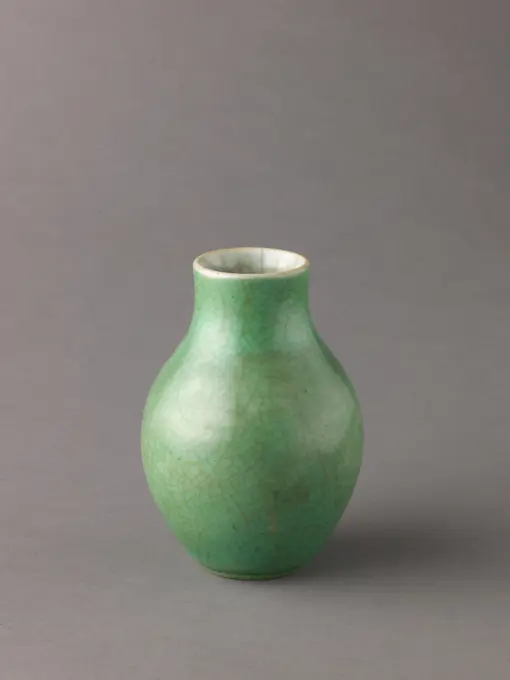
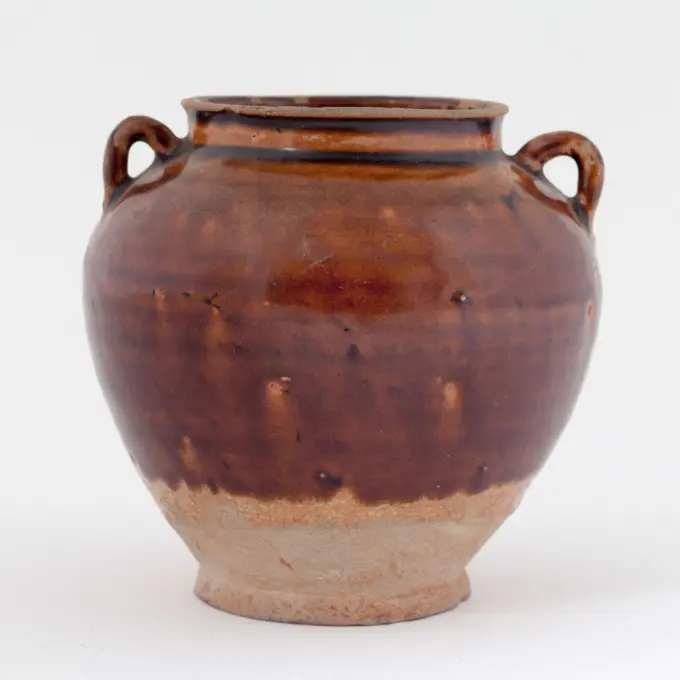
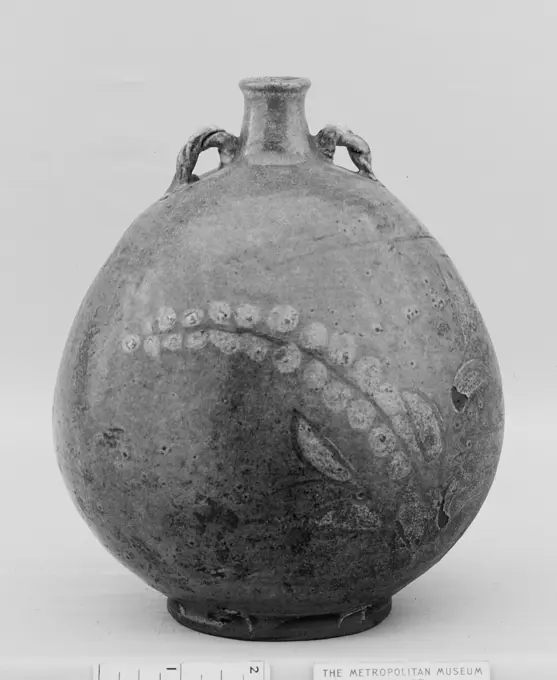
Sankampang Jar, 14th century, 14 x 10 5/8 in. (35.6 x 26.99 cm), Stoneware, Thailand, 14th century
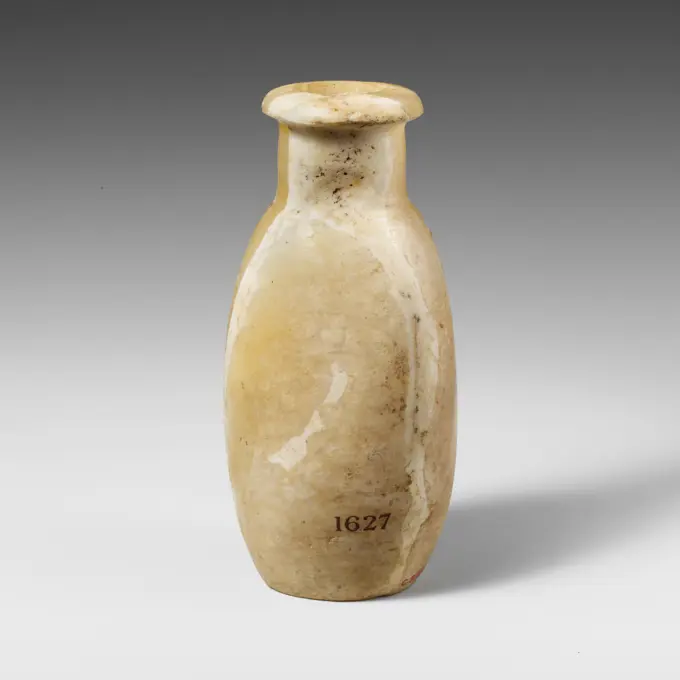
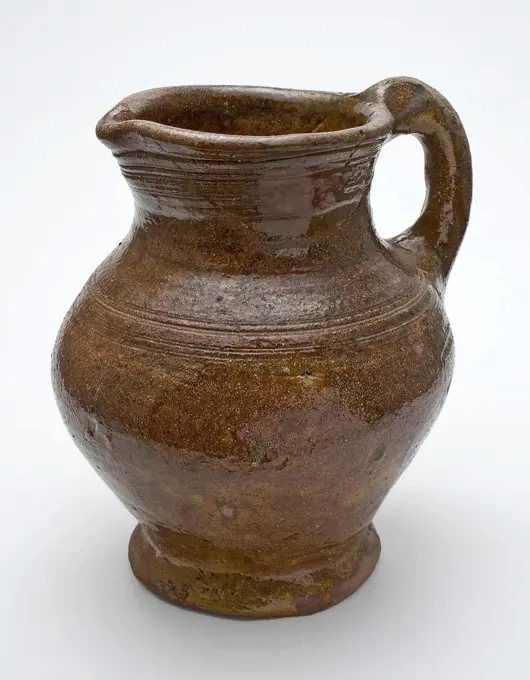
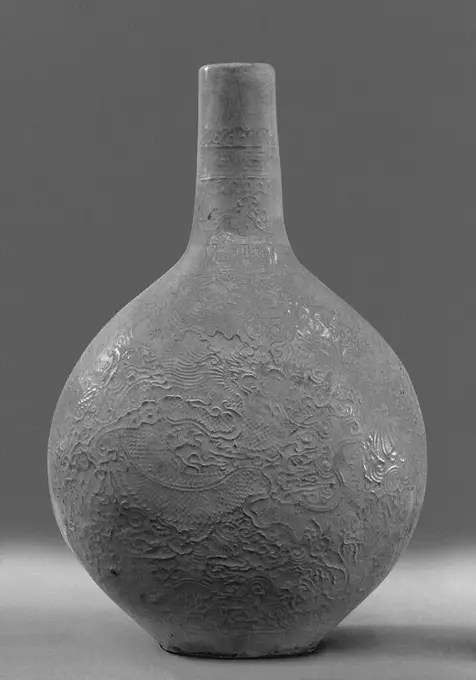
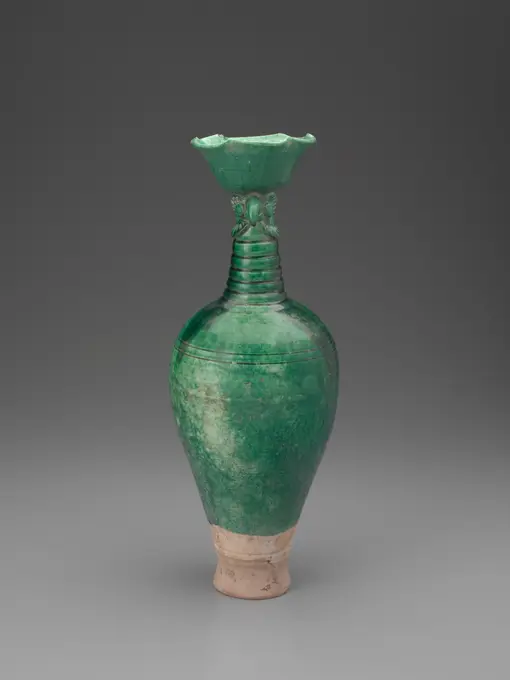
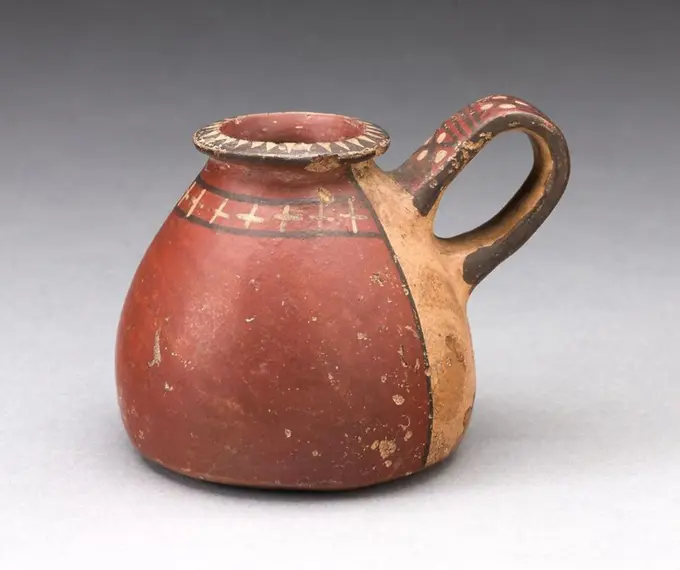
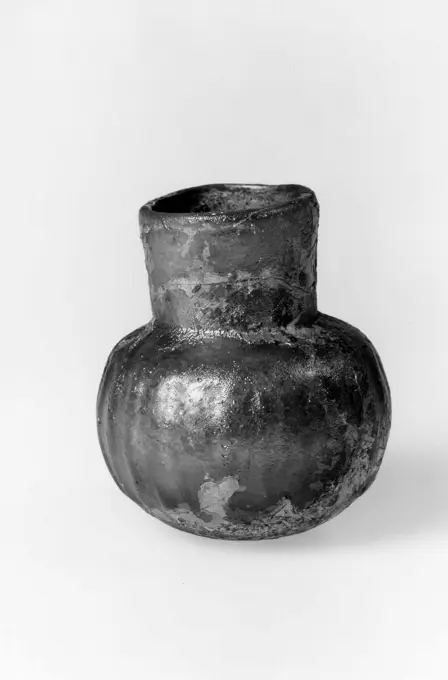
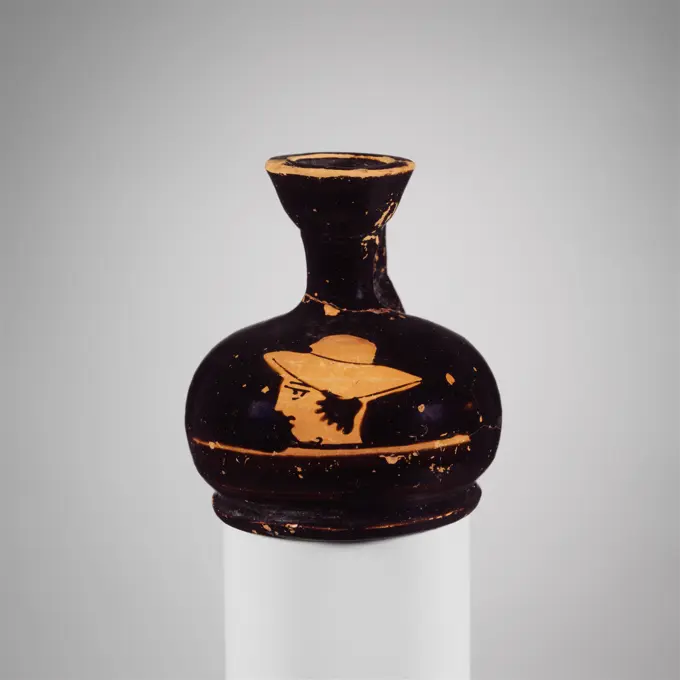
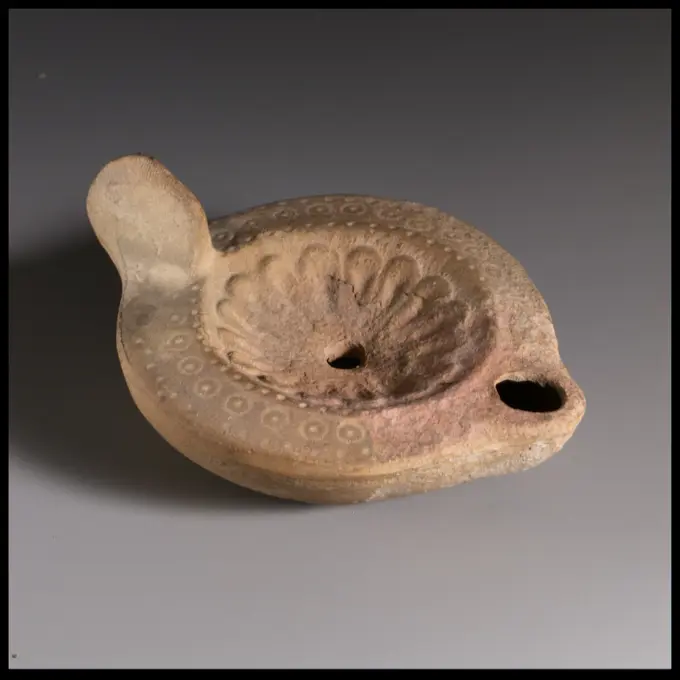
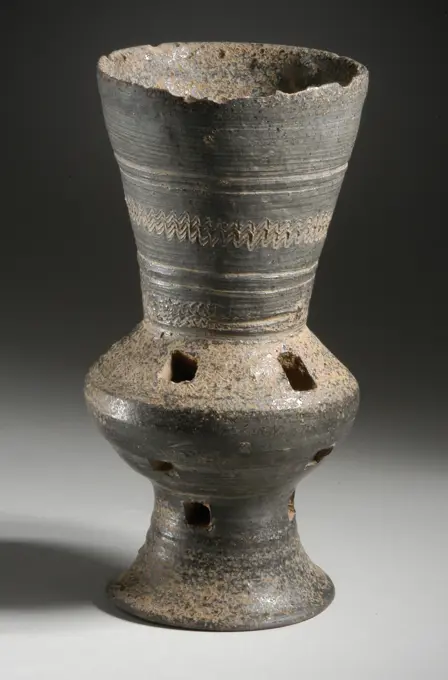
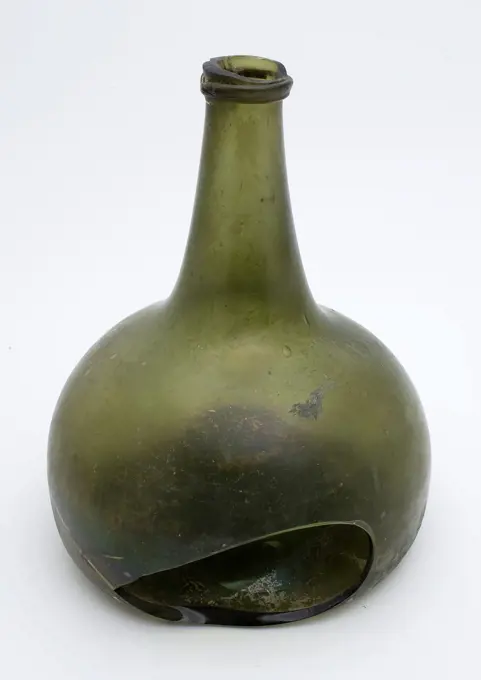
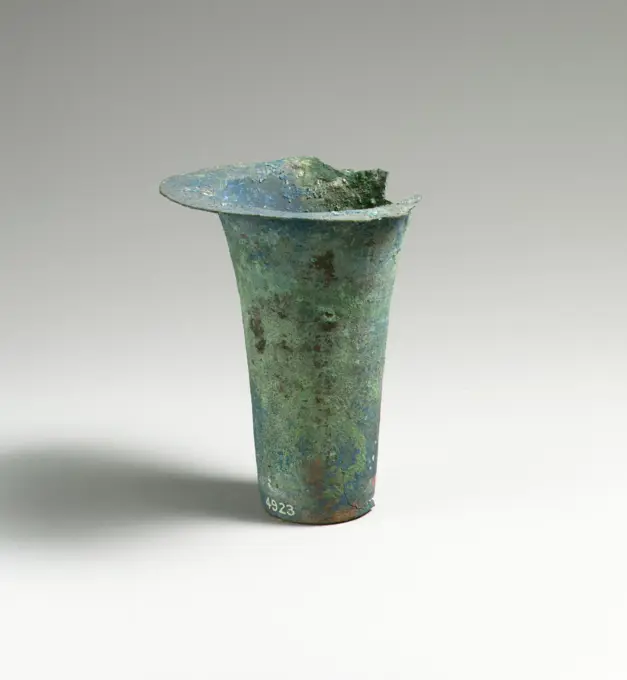
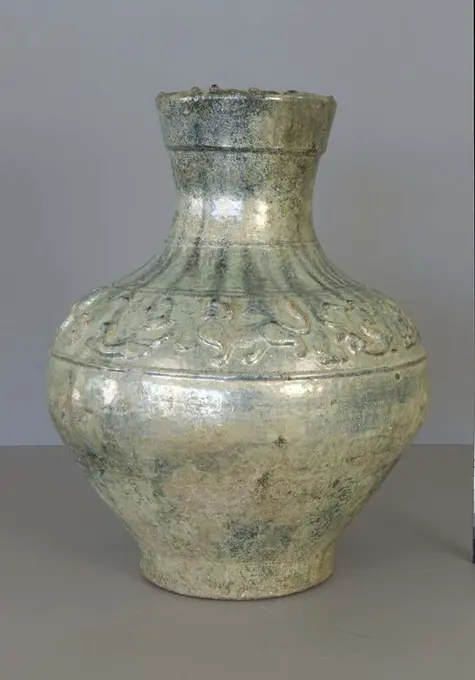
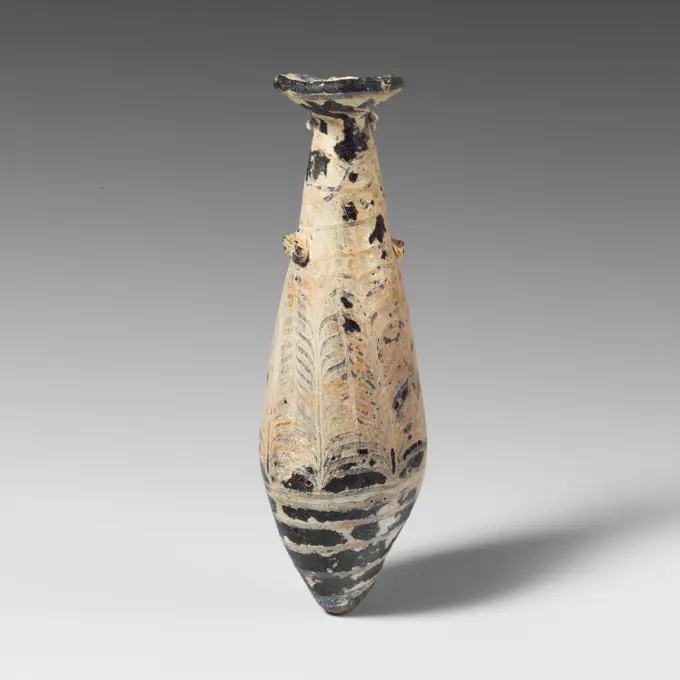
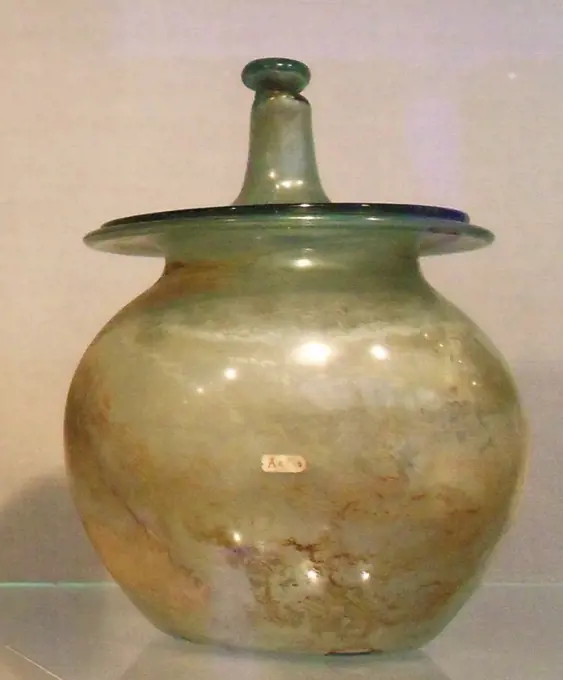
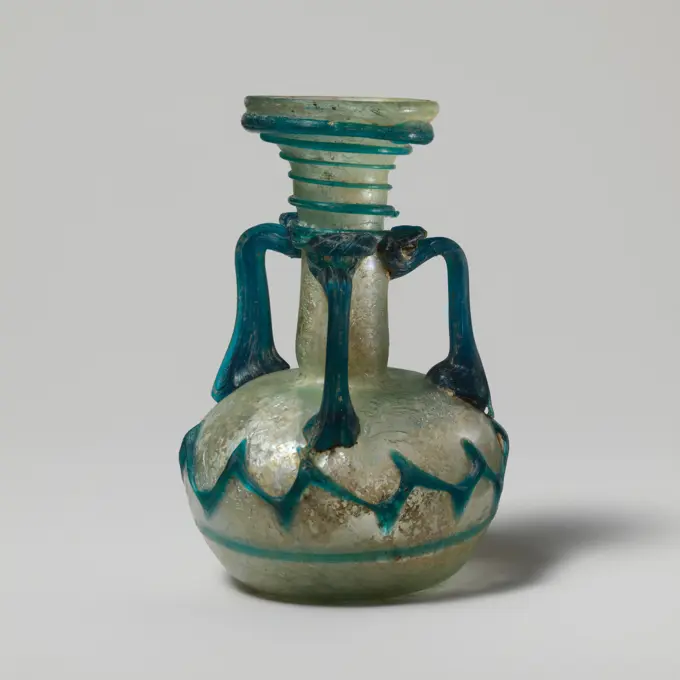
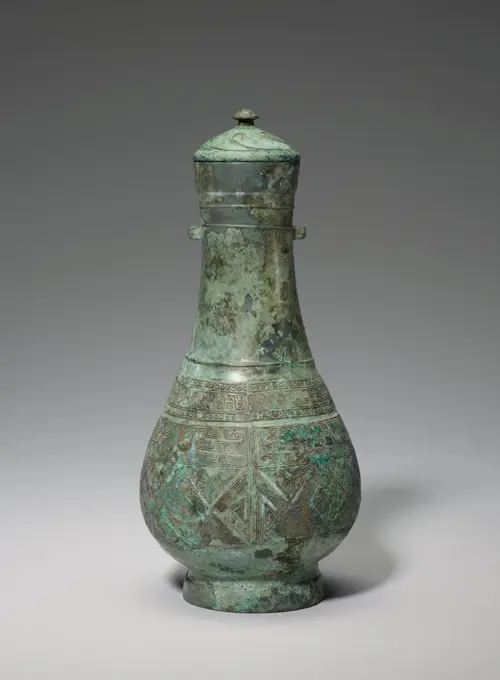
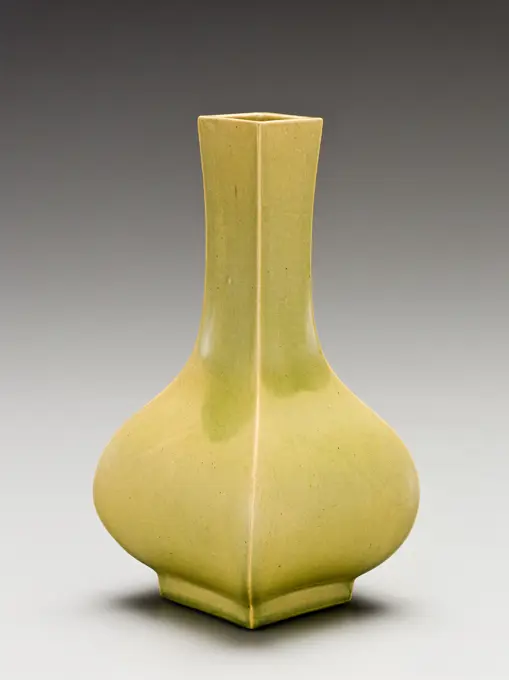
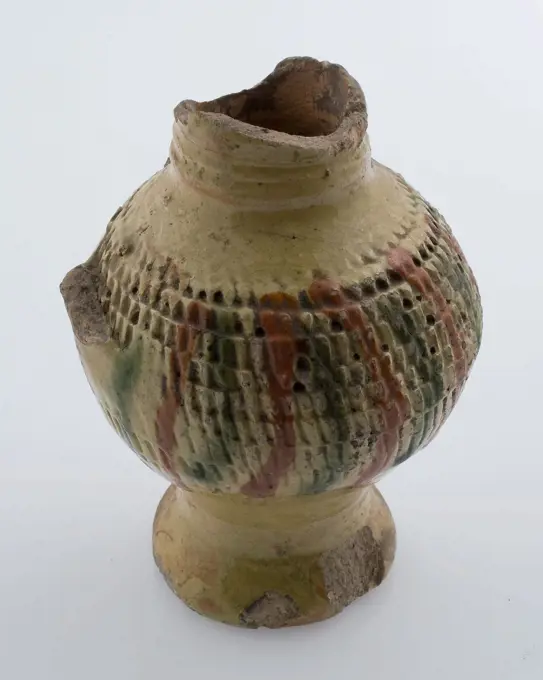
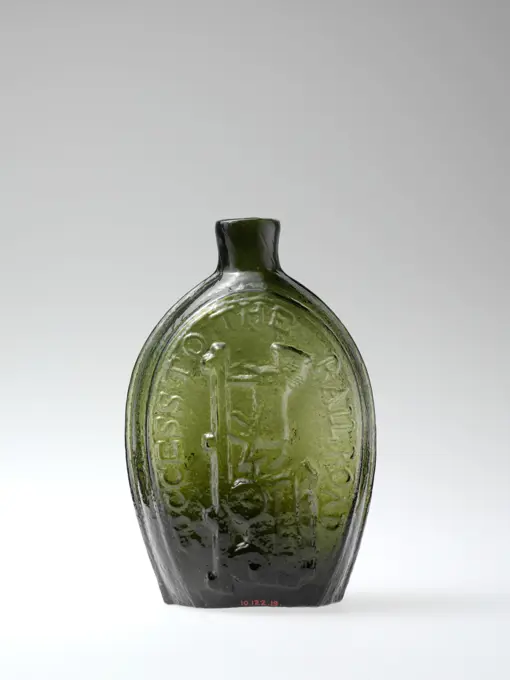
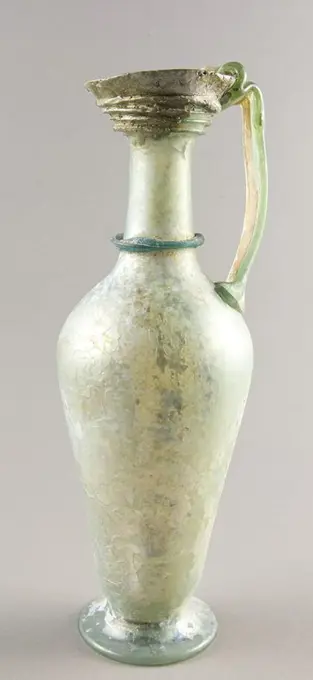
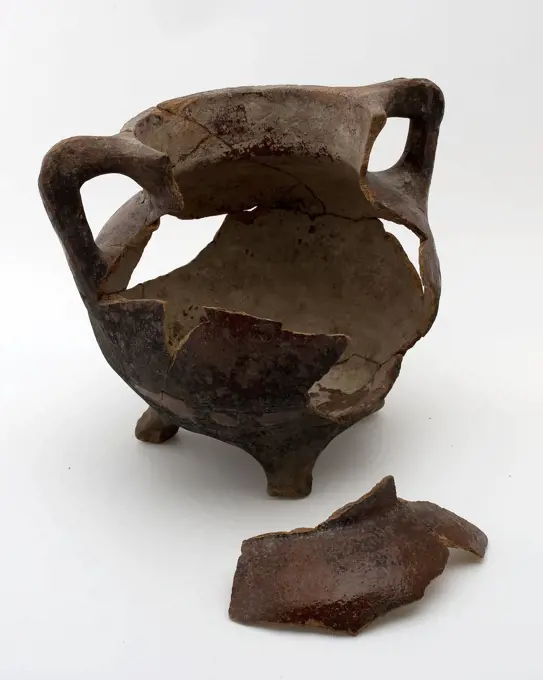
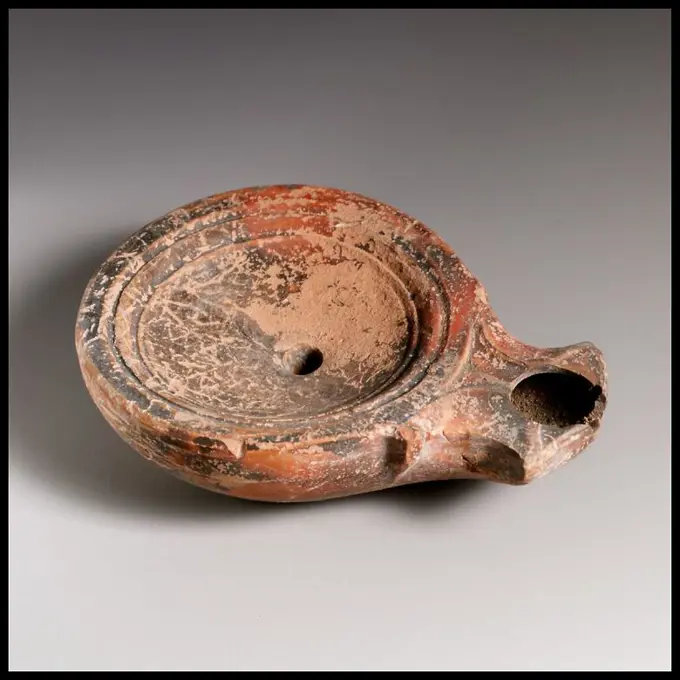
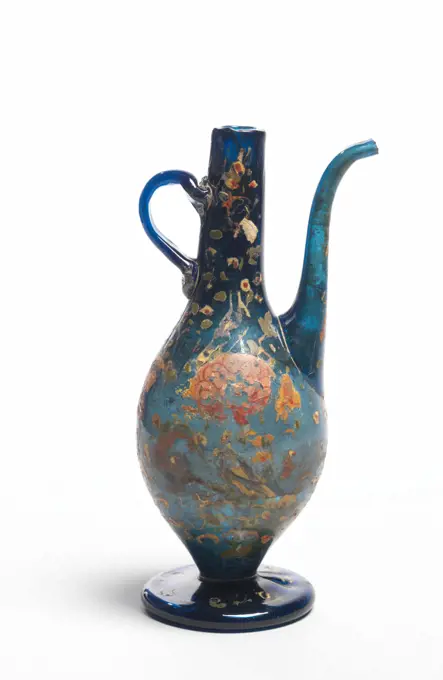
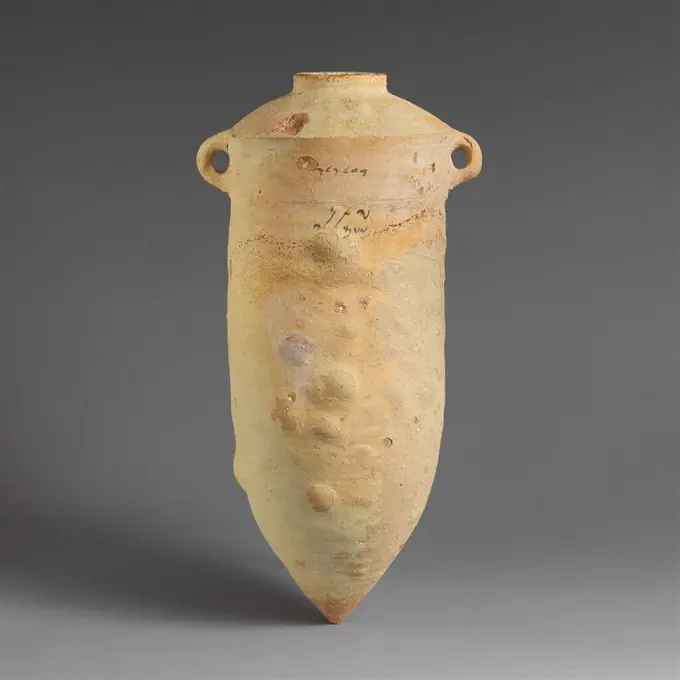
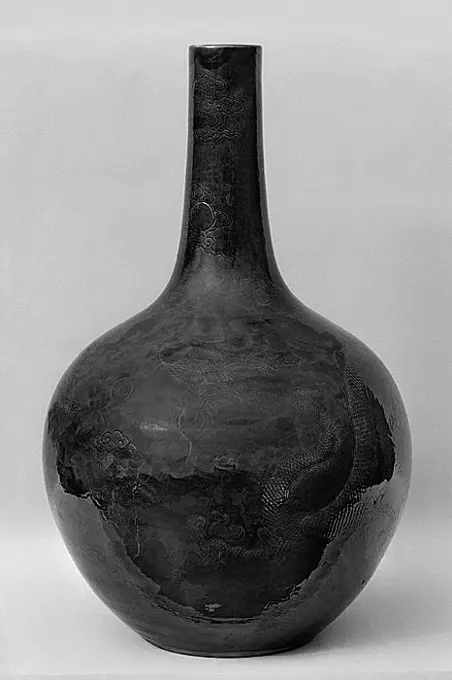
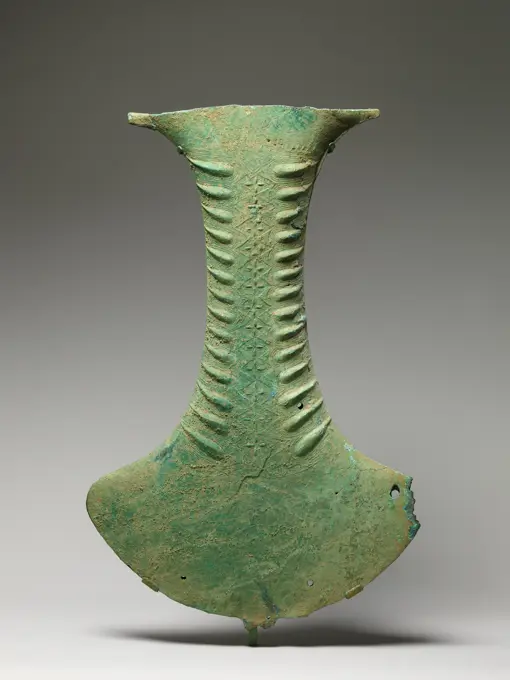
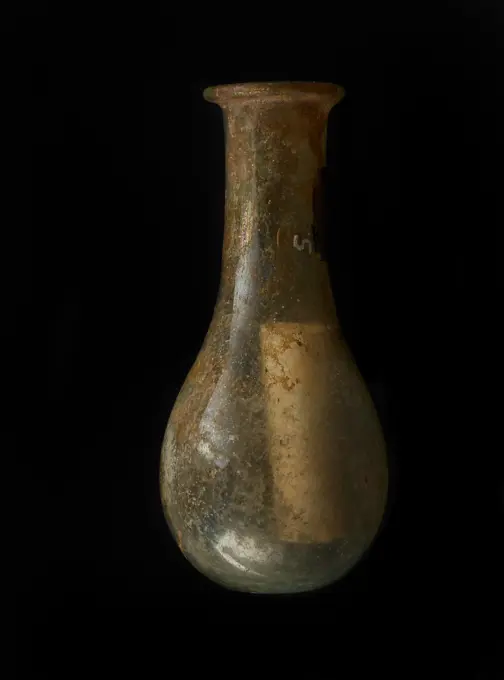
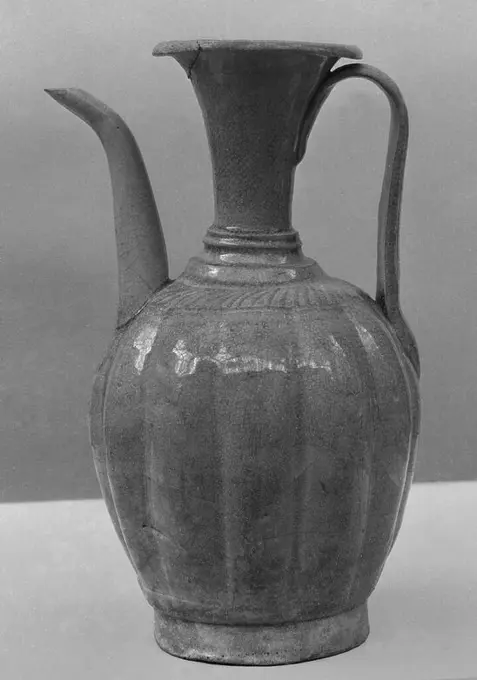
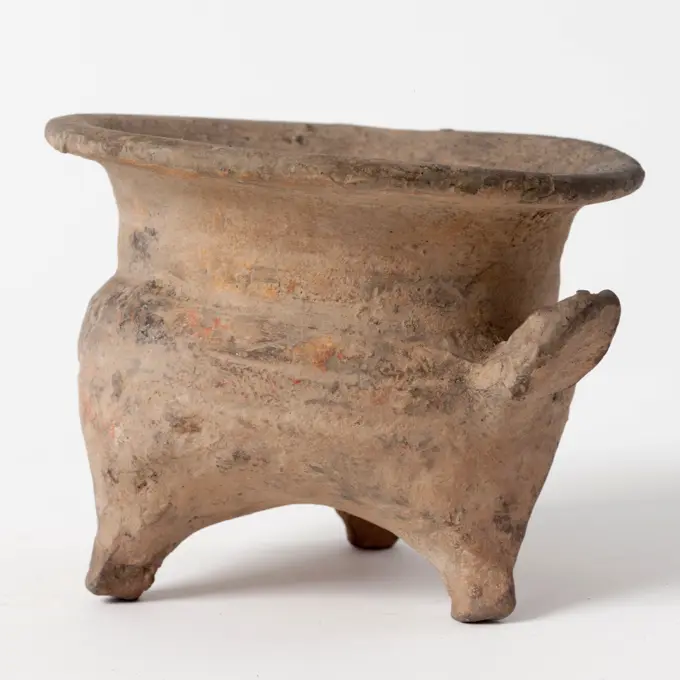
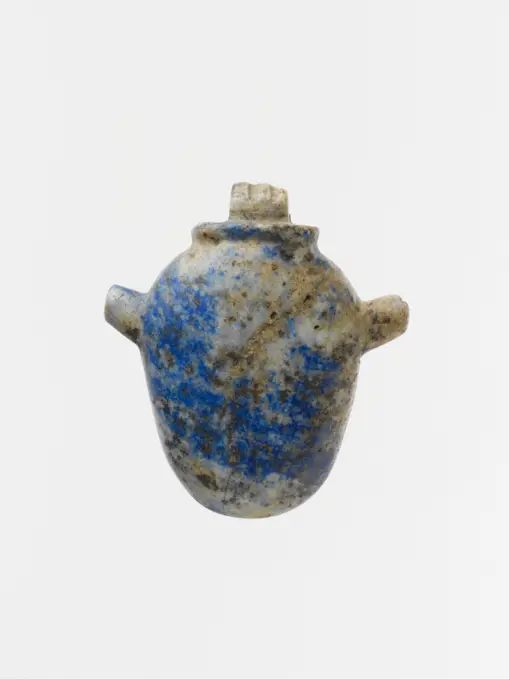
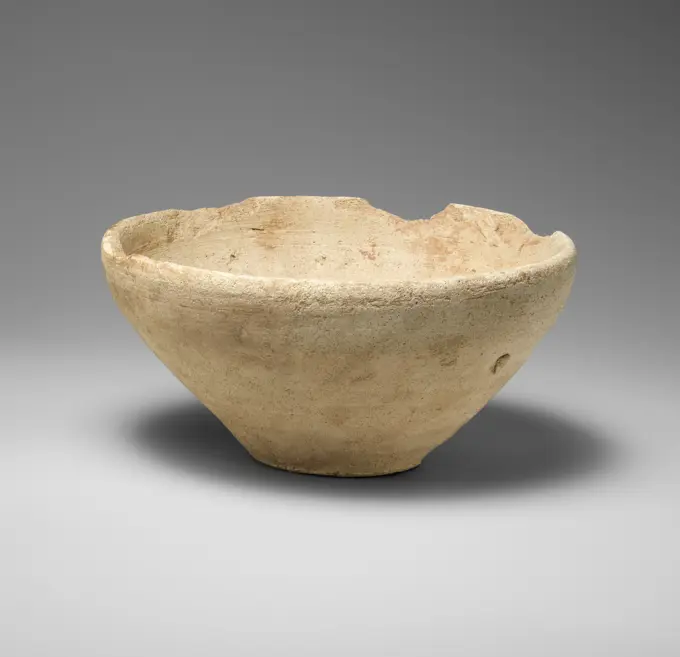
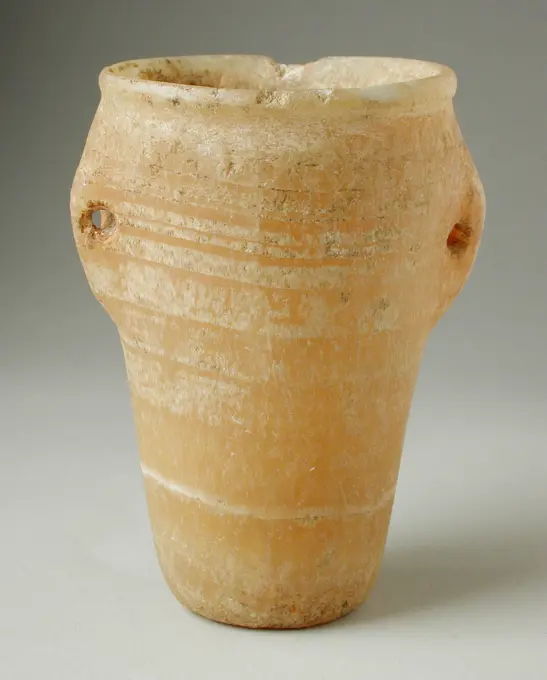
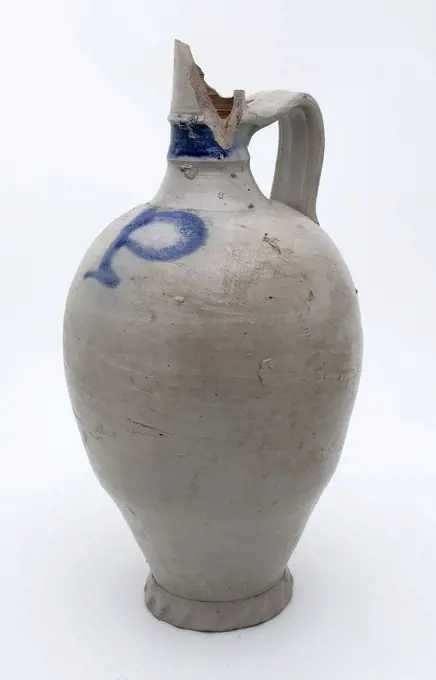
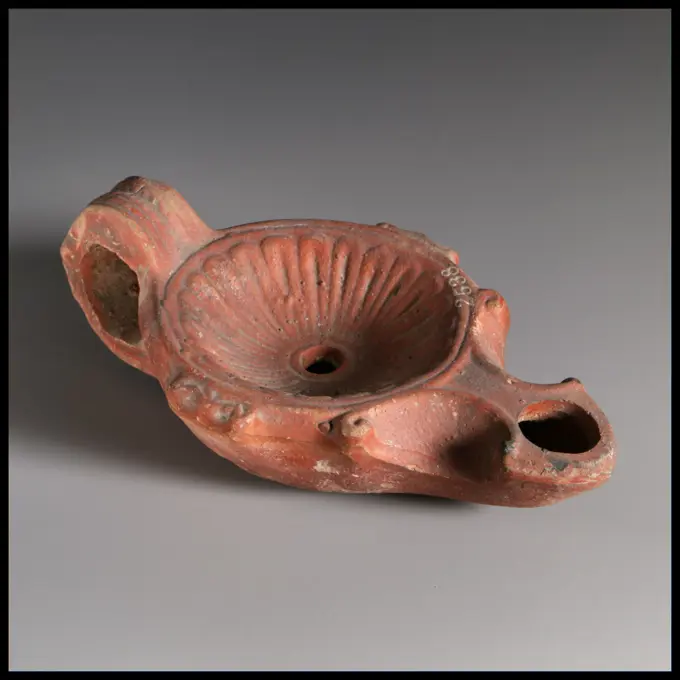
Vase probably 19th century Chinese. Vase 461224Jarre Guan ". Terracotta with brunette covered. China, Tang dynasty (618-907). Paris, Cernuschi museum. Anse, Chinese art, Chinese Ceramic, container, Tang dynasty, oval form, jar Guan, container, terracottaNaczynie bezimadłowe. unknown, authorBronze oinochoe (jug). Culture: East Greek. Dimensions: H. x width 9 1/16 x 5 in. (23 x 12.7 cm)diameter 7 in. (17.8 cm). Date: late 6th century B.C..Handle is worked separately; it may be an ancient replacement. Museum: Metropolitan Museum of Art, New York, USA.Flask. Roman; Levant or Syria. Date: 201 AD-400 AD. Dimensions: 14 × 11.4 × 11.4 cm (5 1/2 × 4 1/2 × 4 1/2 in.). Glass, blown technique. Origin: Syria. Museum: The Chicago Art Institute, Chicago, USA. Author: Ancient Levantine.Jug 2nd millennium B.C.. Jug 324308Alabaster flask ca. 1600-1050 B.C. Cypriot The vase has thick walls and a flat base, without lugs, a wide neck, and a convex lip.. Alabaster flask 243963Jar ca. 1200-1000 B.C. Iran. Jar 327351Terracotta oil lamp 1st century B.C.-1st century A.D. Roman Loeschcke Type 4. Mold-made, with ring handle. Plain, concave discus; a single filling hole at center and with a raised circle at edge of discus. On sloping shoulder, a pattern of impressed leaves. Volutes flanking nozzle, with an obscure decorative element between volutes at back. Impressed ring base, and a slightly concave base.Intact.. Terracotta oil lamp. Roman. 1st century B.C.-1st century A.D.. Terracotta. Early Imperial. TerracottasRed pottery jug with convex belly, ear and shank, rings around the neck, jug holder soil find ceramic earthenware glaze lead glaze, hand turned set glazed baked jug of red earthenware brown with green black granulation glaze one slightly pinched ear pouring spout stand ring rotations incised lines on neck and shoulder archeology Valckensteyn Poortugaal Albrandswaard pottery kitchen water pouring liquor packaging Soil discovery: canal at kitchen castle Valckensteyn at Poortugaal now Albrandswaard 1961.Vase Makuzu Kzan I (Miyagawa Toranosuke) Japanese 19th century View more. Vase. Makuzu Kzan I (Miyagawa Toranosuke) (Japanese, 1842-1916). Japan. 19th century. White porcelain covered with a mazarine blue glaze (Kyoto ware). Edo (1615-1868) or Meiji period (1868-1912). CeramicsThree-handled jug with coats of arms, anonymous, c. 1570 - c. 1600 Jug of stoneware on high foot with an egg -shaped body and wide neck. Three C-shaped ears are attached to the neck and shoulder. Profiles on the neck, shoulder and evet. Covered with a brown Engobe. On the abdomen in relief three times a printed and imposed medallion with a mongram in a weapon; Two monograms are the same. Between the ears on the neck a vertical band with a bearded man. On each ear a tire with circles, traversed with a vertical line. Raeren. Rae stoneware. glaze. engobe vitrification Jug of stoneware on high foot with an egg -shaped body and wide neck. Three C-shaped ears are attached to the neck and shoulder. Profiles on the neck, shoulder and evet. Covered with a brown Engobe. On the abdomen in relief three times a printed and imposed medallion with a mongram in a weapon; Two monograms are the same. Between the ears on the neck a vertical band with a bearded man. On each ear a tire with circles, traverGlass oinochoe (perfume jug). Culture: Eastern Mediterranean or Italian. Dimensions: H.: 2 in. (5.1 cm). Date: 4th-3rd century B.C..Translucent cobalt blue, with handle in same color; trails in opaque yellow.Elongated trefoil rim-disk; neck expanding downward to shoulder; ovoid body tapering downwards; applied circular pad-base, flattened on bottom, with rounded edge; vestiges of handle on top of neck and back of rim-disk.A fine trail attached at edge of rim-disk, and drawn down to form horizontal line around neck; another thicker trail applied to shoulder and wound in a spiral three times around upper body, then drawn down and wound twice around underside of body, partly obscured by pad-base.Body complete, but most of handle missing and hole in edge of shoulder where lower end of handle had been applied; slight dulling and pitting, with faint iridescent weathering. Museum: Metropolitan Museum of Art, New York, USA.Pilgrim Bottle. Culture: China. Dimensions: H. 13 1/4 in. (33.7 cm); W. 8 1/2 in. (21.6 cm). Museum: Metropolitan Museum of Art, New York, USA.Vase, Free-blown glass, Vessel of bulbous form with flared neck. Light Green glass; iridized blue cast, Eastern Mediterranean, 9th-10th century, glasswares, Decorative Arts, VaseGlass jug with trefoil rim 4th-5th century A.D. Roman Translucent pale blue green; handle and trails in same color.Plain rounded lip to trefoil rim; funnel-shaped mouth; short, cylindrical neck; squat, bulbous body; pushed-in bottom with off-center kick and small pontil scar; rod handle applied as a large pad, drawn up and out, then turned in and trailed on to back of rim over trail.Single trail applied as a pad to neck and wound round in a spiral ten times up neck and underside of mouth.Complete except for part of trail and some cracks in side of body; pinprick and small elongated bubbles; dulling, pitting, and brownish weathering on exterior, patches of soil encrustation and iridescent weathering on interior.. Glass jug with trefoil rim. Roman. 4th-5th century A.D.. Glass; blown and trailed. Late Imperial. GlassPhoenix HeadVaseMiniature Handled Jug. Inca; South coast or southern highlands, Peru. Date: 1450-1532. Dimensions: 7.1 cm x 7 cm (2 13/16 x 3 3/4 in.). Ceramic and pigment. Origin: Peru, southern. Museum: The Chicago Art Institute, Chicago, USA.Jar 7th-11th century Islamic. Jar. Islamic. 7th-11th century. Probably almost colorless glass. Blown (the body blown in a dip mold), the rim finished at the furnace.. GlassTerracotta oil lamp. Culture: Roman. Dimensions: 2 3/8 × 4 7/8 in. (6 × 12.4 cm). Date: 2nd century A.D..Loeschcke Type 8. Mold-made, with ring handle. Deep concave discus with central filling hole surrounded by three raised concentric circles and a band of lines and grooves around edge. On broad, slanting shoulder, an irregular pattern of impressed leaves. Large wick hole. Raised base ring, and a broad, slightly concave base.Complete, except for one hole in discus towards base of handle. Museum: Metropolitan Museum of Art, New York, USA.Terracotta squat lekythos (oil flask) 2nd half of 5th century B.C. Greek, Attic Head of a youth wearing a petasos (traveler's hat).. Terracotta squat lekythos (oil flask) 254374 Greek, Attic, Terracotta squat lekythos (oil flask), 2nd half of 5th century B.C., Terracotta, H. 2 3/16 in. (5.5 cm). The Metropolitan Museum of Art, New York. Rogers Fund, 1941 (41.162.203)Terracotta oil lamp 2nd century A.D. Roman Loeschcke Type 8. Unpierced handle. Mold-made. Discus: rosette in relief around central filling hole. Impressed ring-and-dot pattern on shoulder. On base, in Greek letters: XAPI/ΔWNOY. Red-buff clay.. Terracotta oil lamp 241813Cup with Foot Containing Bells. Korea, Korean, Three Kingdoms period, Old Silla kingdom (57 B.C.-A.D. 668), 5th-7th century. Furnishings; Serviceware. Wheel-thrown stoneware with impressed, combed, and cut decoration and ash and lead glazesTerracotta oinochoe: olpe (jug) late 6th century B.C. Greek, Attic Quadriga (four-horse chariot) with warrior and charioteerThe painter here is clearly demonstrating his skill in depicting the galloping horses from a three-quarter frontal view.. Terracotta oinochoe: olpe (jug) 244829Green bell-shaped bottle, bottle bottle holder soil find glass, bottom. Body with convex wall with large hole and burst to convex shoulders and rejuvenated, neck with imposed all-round flat glass wire and irregularly flattened lip with chip archeology packagingCup from a torch-holder 6th century B.C. Cypriot. Cup from a torch-holder 244465Vase. Culture: China. Dimensions: H. 14 1/2 in. (36.8 cm); Diam. 11 3/4 in. (29.8 cm); Diam. of rim 5 1/2 in. (14 cm); Diam. of foot 5 7/8 in. (14.9 cm). Museum: Metropolitan Museum of Art, New York, USA.Lamp. UnknownGlass alabastron (perfume bottle) 2nd-mid-1st century B.C. Greek, Eastern Mediterranean Translucent pale blue with greenish tinge, with handles in same color (); trail in opaque light blue.Broad rim-disk with rounded edge, sloping deeply inward, with projecting jagged inner edge to mouth; straight-sided fusiform body expanding downward, then tapering in to pointed bottom; two horizontal lug handles applied over trail at top of body, placed unevenly.Trail attached near bottom, drawn up in a spiral to point of carination, tooled into a close-set feather pattern around side, arranged in eight panels of alternating upward and downward strokes, wound round again in spiral to top of body, and ending in irregular wavy line that trails off down side. Complete,except for part of rim-disk, with internal crack around lower body; dulling, slight pitting, and iridescent, milky white weathering covering most of surface.. Glass alabastron (perfume bottle) 245763Vase whose neck is decorated with white circles, dots and skewed shapes. Vase of stoneware, covered with salt glaze. The neck is decorated with white circles, dots and skewel open elongated shapes in relief. Marked with: HSIM in black.Glass footed beaker. Culture: Roman. Dimensions: Height: 4 in. (10.2 cm)Diameter: 3 7/8 x 2 in. (9.8 x 5.1 cm). Date: 2nd-3rd century A.D..Translucent pale blue green.Rounded, slightly flaring rim; straight sides, tapering downward and tooled in around base; integral base ring; deep concave bottom.Complete, except for small hole in side and large crack around base; pinprick bubbles; deep pitting and weathering, with brilliant iridescence; soil encrustation on interior. Museum: Metropolitan Museum of Art, New York, USA.Vessel ca. 9th century B.C. Iran. Vessel 325003New Year's Vessel (Pilgrim Bottle). Egyptian. Date: 664 BC-525 BC. Dimensions: H. 16.2 cm ( 6 3/8 in.); diam. 12.7 cm(5 in.). Faience. Origin: Egypt. Museum: The Chicago Art Institute, Chicago, USA. Author: Ancient Egyptian.Breastplate Made 1510-1530 Innsbruck. Once part of a complete armor, this breastplate features bold fluted or rippled surfaces meant to mimic the fashionable pleats and slashes on contemporary clothing. Enhancing the allusion to textiles, the slashes and borders are acid etched with ornament not unlike embroidery or patterned silk. On the center top is a scene of the Crucifixion, undoubtedly meant to invoke holy protection in battle.. Steel .Bronze jug with handle attachment showing running youth. Culture: Etruscan. Dimensions: H.: 8 3/16 in. (20.8 cm). Date: 450-400 B.C..With a beaked, trefoil mouth and body of angular outline. The attatchment at the base of the handle is in the form of a running youth. Museum: Metropolitan Museum of Art, New York, USA.Terracotta oil lamp. Culture: Roman, Cypriot. Dimensions: Overall: 1 1/16 x 3 9/16 in. (2.7 x 9.1 cm). Date: ca. A.D. 40-100.Loeschcke Type 4. Mold-made. Discus: winged gryphon, facing left. Museum: Metropolitan Museum of Art, New York, USA.Cockleshell Aryballos (Oil Vessel), late 500s-early 400s BC. Greece, Attic. Ceramic;Rhyton ca. late 1st millennium B.C.-early 1st millennium A.D. Parthian. Rhyton. Parthian. ca. late 1st millennium B.C.-early 1st millennium A.D.. Ceramic. Parthian. IranGoblet. Iran, 224-651. Furnishings; Serviceware. Translucent pale-yellow glassGlass cinerary urn with lid. Roman 1st century A.D.Bulbous bottle, cat head, dutch onion, belly bottle bottle holder soil find glass, free blown and shaped glass application Bottle shaped bottle cap in clear green glass. Pontil mark under slightly raised bottom Body with convex wall to convex shoulders and rejuvenated neck with imposed rounded convex glass thread and dilated lip archaeological packagingGlass bottle with handles 4th-5th century A.D. Roman Colorless with greenish tinge; handles and trails in bright turquoise blue.Rounded, slightly inverted, rim; flaring mouth; tall cylindrical neck with horizontal tooling indent around base; slightly pushed-in, horizontal shoulder; squat bulbous body; kick in bottom with pontil scar and traces of turquoise glass from pontil; three rod handles, applied in pads to top of body, drawn vertically upwards, turned in, and pressed onto neck over bottom of trail decoration, with projecting pinched pads above.One trail applied on underside of mouth, wound round once horizontally and then down in a spiral six times, ending halfway down neck; another trail applied below one handle, drawn round body in an irregular zigzag and then wound once round horizontally below.Complete, but internal cracks in rim, around middle of neck, and on bottom, and with one chip in trail below rim; many pinprick and elongated bubbles, and with a few black impurities; dJug, decorated with blue flower and rank motifs on a white fond. A jar, rotated from wood, white painted and decorated with blue flower and leaf drink. Two star points for ear (broken off). Imitation Delft Pottery.Hu wine vessel, 13th-12th century BCE, 10 3/8 × 4 13/16 in., 3.3 lb. (26.35 × 12.22 cm, 1.5 kg), Bronze, China, 13th-12th century BCE, This flask is a variation on a hu wine vessel. The low-relief surface decor is confined to its belly. In the lower belt, on a ground of squared spirals, it consists of a geometric pattern of the compound-lozenge and interlocked-T motifs. It also recalls the decor of the white ceramic wares of Anyang. The band above presents highly stylized dragons in profile. The top belt displays a band of S-shaped spirals bordered by circle bands. On the neck, just below the two raised bow strings, are a pair of small ears, for attaching a cord.Vase ca. 1882-89 Chelsea Keramic Art Works Steeped in ceramics from birth, Hugh C. Robertson pursued his craft with fierce devotion and a passion for experimentation. From a family of trained English ceramists, he honed his skills in New Jersey before settling in Massachusetts as one of the founders of Chelsea Keramic Art Works and later, Dedham Pottery. Robertsons lifelong explorations in glazes, particularly their color and texture, make him one of the key figures of American art pottery at the turn of the twentieth century. Several of Robertsons vases imitate well-known Chinese examples, signaling his growing infatuation with Asian ceramics. Many adherents of the Aesthetic movement were drawn to the Far East, Bostonians in particular. The area was home to three major collections of Asian art — those of William Sturgis Bigelow, Edward Sylvester Morse, and Ernest Fenellosa — but they consisted primarily of Japanese works. Robertson appears to have been especially inspired by the ChiBottle ca. 325-300 B.C. Greek, South Italian, Apulian, Canosan. Bottle 255334Vase 12th century. Vase 453047Jar 19th century Japan. Jar. Japan. 19th century. Clay covered with crackled glaze and streaks (Karatsu ware). Edo (1615-1868) or Meiji period (1868-1912). CeramicsVase, c. 1905, Bretby, 8 3/4 x 8 in. (22.2 x 20.32 cm), Earthenware, England, 20th centuryPottery jug, small size, with narrow neck, ball round, on base, sludge and radish ring, oil jug holder soil find ceramic earthenware glaze lead glaze clay, foot 4,5 hand turned decorated ring glazed glazed baked can be used on stand foot. White shard glazed except part of the foot and the inside. Narrow cylindrical neck Decorated in sludge technique, green and brown stripes across the belly over wide band of small teeth made with radstempel. Stand archaeology alien pottery import oil store packagingFigured flask 1830-40 Keene Glass Works. Figured flask. American. 1830-40. Blown-molded glass. Made in Keene, New Hampshire, United StatesEwer. Roman; Levant or Syria. Date: 201 AD-400 AD. Dimensions: 30.8 × 11.4 × 10.8 cm (12 1/8 × 4 1/2 × 4 1/4 in.). Glass, blown technique. Origin: Syria. Museum: The Chicago Art Institute, Chicago, USA. Author: ANCIENT ROMAN.Glass cup. Culture: Roman. Dimensions: Overall: 2 5/8in. (6.6cm)Diam.: 3 1/2 x 2 7/8 in. (8.9 x 7.3 cm). Date: 2nd-3rd century A.D..Uncertain, probably colorless with greenish tinge.Knocked-off, uneven rim; slightly bulging collar below rim; sides expanding downward, then angled in to join bottom with slightly concave center.Band of faint wheel-abraded horizontal lines on body above angle.Complete, but with large crack from rim down side to bottom; many pinprick bubbles; deep pitting and brilliant iridescent weathering on exterior; thick, creamy brown weathering on interior. Museum: Metropolitan Museum of Art, New York, USA.BottleOinochoe. UnknownEwer probably 18th-19th century. Ewer. probably 18th-19th century. Glass; free blown with applied decoration. Attributed to Iran. GlassFragments of pottery grape on three legs, two hook ears, ball-round model, grape cooking pot tableware holder kitchen utensils earthenware ceramic earthenware glaze lead glaze, hand-turned glazed baked Earthenware grape on three legs, Ball-shaped shape with funnel-shaped neck edge Flat upper edge. Two standing hook ears pinched Red shard sparingly glazed One loose and glued fragment (). One small loose fragment (C) archeology Geervliet Bernisse indigenous pottery cooking kitchen nutrition food preparation Soil discovery: Geervliet pit 15 Gruttersslob ZZ demolition Trouw.Bronze lamp late 1st century A.D. Roman In the form of a round bowl with an elongated nozzle. The handle consists of two stems united above to a heart-shaped disc.. Bronze lamp 248211Vase. Culture: American. Dimensions: H. 7 1/2 in. (19.1 cm). Maker: George E. Ohr (American, Biloxi, Mississippi 1857-1918 Biloxi, Mississippi). Manufacturer: Biloxi Art Pottery (1883-1906). Date: 1890-1905. Museum: Metropolitan Museum of Art, New York, USA.Terracotta oil lamp. Culture: Roman, Cypriot. Dimensions: Overall: 1 x 3 1/2 in. (2.5 x 8.9 cm).Mold-made. Discus: plain, concave bowl, with central filling hole and a band of concentric lines and grooves towards edge. Volutes flanking nozzle. Within impressed base ring, slightly concave base, with a central raised letter: W (or four-bar sigma).Complete, except for small break and loss on front and underside of nozzle. Museum: Metropolitan Museum of Art, New York, USA.Sake bottle with chrysanthemums 18th century Japan. Sake bottle with chrysanthemums. Japan. 18th century. Stoneware (Mizoro ware). Edo period (1615-1868). CeramicsAlabastron. UnknownPitcher, Enameled glass, Blue glass footed pitcher with yellow and red painted decoration; pear-shaped vessel with semi-circular handle at neck., Iran, 17th-18th century, glasswares, Decorative Arts, PitcherBottle 19th century Japan. Bottle. Japan. 19th century. Clay decorated with slip under a transparent glaze (Kyoto ware). Edo (1615-1868) or Meiji period (1868-1912). CeramicsTerracotta scyphus (drinking cup). Culture: Roman. Dimensions: H. 2 5/8 in. (6.7 cm)diameter 3 5/16 in. (8.4 cm). Date: 1st half of 1st century A.D..Green-glazed with heads of Dionysos and figures of satyrs. Museum: Metropolitan Museum of Art, New York, USA.Fox-Head Bottle. Culture: Topará. Dimensions: Overall: 7 in. (17.78 cm)Other: 6 3/4 in. (17.15 cm). Date: 2nd century B.C.-A.D. 1st century. Museum: Metropolitan Museum of Art, New York, USA.Vase. Culture: American. Dimensions: Approx. H. 10 in. (25.4 cm). Maker: Greenwood Pottery Company (American, Trenton, New Jersey, 1861-1933). Date: ca. 1883-86. Museum: Metropolitan Museum of Art, New York, USA.Jug Cypriot Jug with spout, black slip, and body painted as a face with eyes.. Jug. Cypriot. Terracotta. Hellenic. VasesPijpenkop with a piece of stem from the wreck of the East Indians Hollandia, Anonymous, 1700 - in Or Before 1743  Pipe, bowl, heelmark: crowned 47; 2hsm1. Netherlands pipe clay   SecondErnest Chaplet (1835-1909). Vase. Flammed porcelain. 1894. Museum of Fine Arts of the City of Paris, Petit Palais. 60193-4 Flamee porcelain, vaseTerracotta amphora with Phoenician inscription. Culture: Cypriot. Dimensions: H.: 22 3/4 in. (57.8 cm). Date: 6th-5th century B.C..There is a painted inscription of three lines: at top, Baalpilles, probably the name of the owner; below, Yaton, inspector.Production of such Phoenician amphorae appears to have taken place on Cyprus, but finds at shipwrecks sites show that they were widely dispersed thoughout the eastern Mediterranean. Museum: Metropolitan Museum of Art, New York, USA.Vase. Culture: China. Dimensions: H. 8 1/2 in. (21.6 cm). Museum: Metropolitan Museum of Art, New York, USA.Sprinkler 101 CE-600 CE Mediterranean Region. Glass, blown technique . Ancient MediterraneanHead Flask. UnknownGobular bottle with dragon late 18th century China. Gobular bottle with dragon 48636Pitcher 1810-1820 Staffordshire. Lead-glazed earthenware with lustre decoration .Glass perfume bottle. Culture: Roman. Dimensions: Overall: 5 1/4 in. (13.3 cm)Diam.: 2 1/4 x 15/16 in. (5.7 x 2.4 cm). Date: 1st century A.D..Translucent blue.Rim folded out, over, and in; irregular flaring mouth; cylindrical neck, expanding downwards, with tooling marks around base; elongated piriform body; pushed-in bottom.Intact; many bubbles and blowing striations; creamy brown weathering and iridescence. Museum: Metropolitan Museum of Art, New York, USA.Ceremonial Object in the Shape of an Ax ca. 100 B.C.-A.D. 300 Indonesia, possibly Sulawesi This remarkable ceremonial object, a conceptual as well as technical tour de force, almost certainly functioned as a percussive instrument to be suspended and struck. Striations on the flanged neck, resembling the raised markings of crocodile skin, are combined with lozenge patterning and may have helped secure the rope from which the instrument was hung. An anthropomorphic face with spiral banding and a sawtooth pattern appear on the reverse. The object bears close comparison with the so-called Makassar Axe in the National Museum of Indonesia, found in southern Sulawesi a century ago.. Ceremonial Object in the Shape of an Ax 37743Covered Jug, c. 1570-1573. Germany (jug) and England (mounts), 16th century. Tigerware, silver mount; diameter of base: 22.2 x 8.4 cm (8 3/4 x 3 5/16 in.).FOREIGN OLDJar with crowned weapon Amsterdam and year 1594. Jar of stoneware, with three times a oval medallion on the belly with the crowned coat of arms of the city of Amsterdam and the year 1594 and the letters am. To the neck a large row of row tires. The ear has broken down and disappearedFOREIGN OLDWine Pot. Culture: Korea. Dimensions: H. 10 in. (25.4 cm). Date: 13th century. Museum: Metropolitan Museum of Art, New York, USA.Tripode li. ". Land cine. China. Paris Museum berne. Asian art, Chinese art, Chinese ceramic, container, container, terracotta, tripod li, three feetLapis lazuli heart amulet 664-334 B.C. Egyptian Amulet in the shape of a heart.. Lapis lazuli heart amulet 243713Bottle 101 CE-600 CE Mediterranean Region. Glass, blown technique . Ancient RomanMiniature vase in the shape of an ancient ritual vessel (gu). Culture: China. Dimensions: H. 3 3/4 in. (9.6 cm); W. 2 5/16 in. (5.9 cm). Date: 18th century.The shape, raised ridges, and incised decoration on the surface of this vase derive from bronze beakers produced during the Shang dynasty (ca.1600-1046 B.C.). Museum: Metropolitan Museum of Art, New York, USA.Bowl ca. 3rd-7th century A.D. Sasanian Plain unglazed ceramics, like this cream colored bowl, are the most common type of pottery found during the Sasanian period. These plain vessels were part of the everyday household materials. Because ceramic material is so durable, clay artifacts are one of the most frequently recovered materials in the archaeological record. The bowl was excavated from a house at the site of Maaridh IV in the Ctesiphon area. The city of Ctesiphon was located on the east bank of the Tigris River, 20 miles (32 km) south of modern Baghdad in Iraq. It flourished for more than 800 years as the capital of the Parthians and the Sasanians, the last two dynasties to rule the ancient Near East before the Islamic conquest in the seventh century. Systematic excavations in the Ctesiphon area were undertaken by an expedition in 1928-29 sponsored by the German Oriental Society (Deutsche Orient-Gesellschaft). The Metropolitan Museum of Art and the Staatliche Museen, Berlin, undVase. Egypt, Predynastic Period (5500 - 3100 BCE). Furnishings; Accessories. CalciteBasket 19th century Japan. Basket. Japan. 19th century. Bamboo. Edo (1615-1868) or Meiji period (1868-1912). BasketryCenser, early 600s. China, Tang dynasty (618-907). Gilt bronze; overall: 23.8 x 14.3 cm (9 3/8 x 5 5/8 in.).Oil LampLazio Viterbo Viterbo Museo Civico30. Hutzel, Max 1960-1990 Views of paintings (Middle Ages through 18th c.), frescoes, a tabernacle, coffin, sculpture reliefs, portal fragments, busts, sculpture, tapestry found in the Pinacoteca, Second floor gallery and Second floor cloister sequences. Antiquities: Many views of Etruscan and Roman fragments, sculpture, sarcophagi, pottery, masks, jewelry and other objects found in the Storeroom sequence (inventory numbers on back of prints), and the Cloister, Second floor Cloister, Valle Giulia, Sala Romana and Sala Etrusca sequences. General Notes: There are eight separate numerical sequences for this location. The cloister as an architectural structure, rather than museum site, is documented in the record and file for S. Maria della Verita, Cloister, all views of which are stored in Medieval core collection. Five views from the Museo Civico Second floor cloister sequence are stored in Medieval. German-born photographer and scholar Max Hutzel (1911-Terracotta lamp. Culture: Roman, Cypriot. Dimensions: Overall: 1 1/16 x 2 15/16 in. (2.7 x 7.5 cm). Date: late 1st century B.C.-early 1st century A.D.. Museum: Metropolitan Museum of Art, New York, USA.Gourd-shaped Sake Bottle. Japan, late Edo period (1615-1868), 19th century. Ceramics. Tsuboya ware; stoneware with black glazePilgrim Flask. Dimensions: H. 9 5/8 in. (24.4 cm)W. 9 1/2 in. (24.1 cm)Diam. 3 1/2 in. (8.9 cm). Date: early 17th century.This flask relates to a group of similarly shaped vessels made of animal hide in India and earlier prototypes from Ottoman Turkey. The four metal rings on this brass example were possibly used for suspension. Containers of precisely this form are depicted in Deccani court painting, suggesting this work's provenance. Museum: Metropolitan Museum of Art, New York, USA.Oinochoe decorated with EN Barbotine necklace motif;  325-310 BC (-325-00-00--310-00-00);Stoneware mineral pitcher on pinched foot, arched model, marked on the shoulder, mineral pitcher pitcher pitcher holder soil find ceramic stoneware icing salt enamel, hand turned fried glazed stoneware mineral pitcher dark gray shard with salt glaze bandoor pinched foot mark on shoulder: P archeology health care import pottery packing serve drink medicine drug pharmacyLazio Viterbo Viterbo Museo Civico55. Hutzel, Max 1960-1990 Views of paintings (Middle Ages through 18th c.), frescoes, a tabernacle, coffin, sculpture reliefs, portal fragments, busts, sculpture, tapestry found in the Pinacoteca, Second floor gallery and Second floor cloister sequences. Antiquities: Many views of Etruscan and Roman fragments, sculpture, sarcophagi, pottery, masks, jewelry and other objects found in the Storeroom sequence (inventory numbers on back of prints), and the Cloister, Second floor Cloister, Valle Giulia, Sala Romana and Sala Etrusca sequences. General Notes: There are eight separate numerical sequences for this location. The cloister as an architectural structure, rather than museum site, is documented in the record and file for S. Maria della Verita, Cloister, all views of which are stored in Medieval core collection. Five views from the Museo Civico Second floor cloister sequence are stored in Medieval. German-born photographer and scholar Max Hutzel (1911-Terracotta oil lamp early 1st century A.D. Roman Mold-made, with applied ring handle forming a large oval hole. Deeply concave discus, with central filling hole, surrounded by a circular groove and a rosette pattern of closely packed, long petals, and another groove around edge. On either side of shoulder, projecting double volutes; volutes flanking angular nozzle. Raised base ring, and flat base. Handle decorated with a pattern of vertical raised lines and grooves, with a central horizontal bar at back. Intact.. Terracotta oil lamp. Roman. early 1st century A.D.. Terracotta; mold-made. Early Imperial. Terracottas