Ancient and Historical Vessels

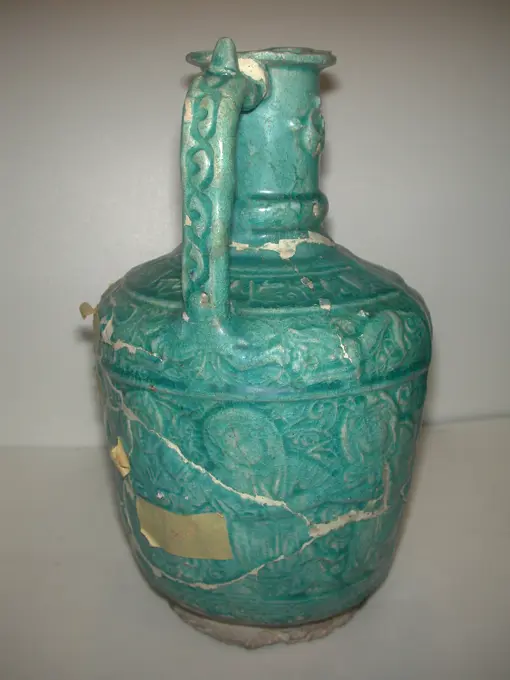
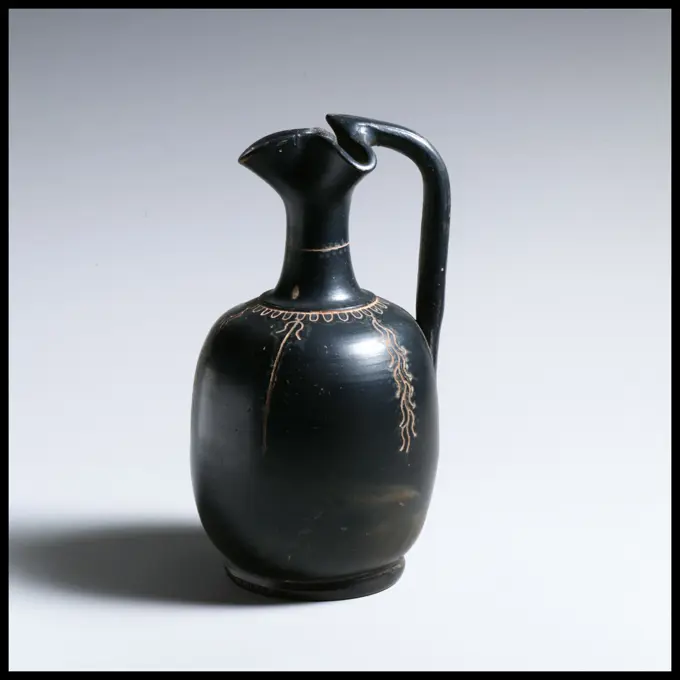
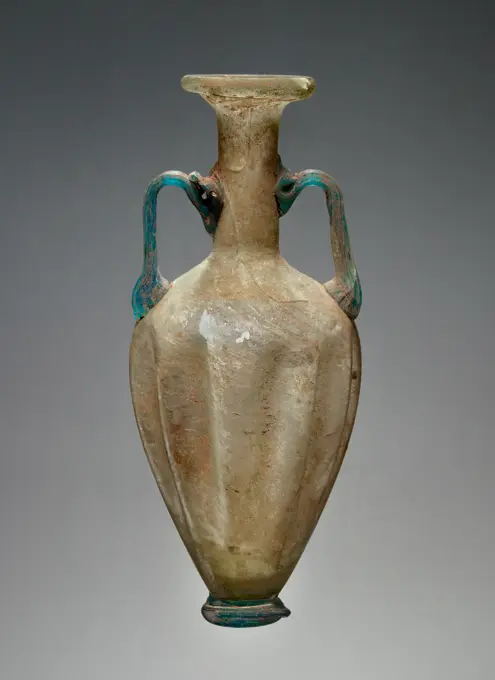
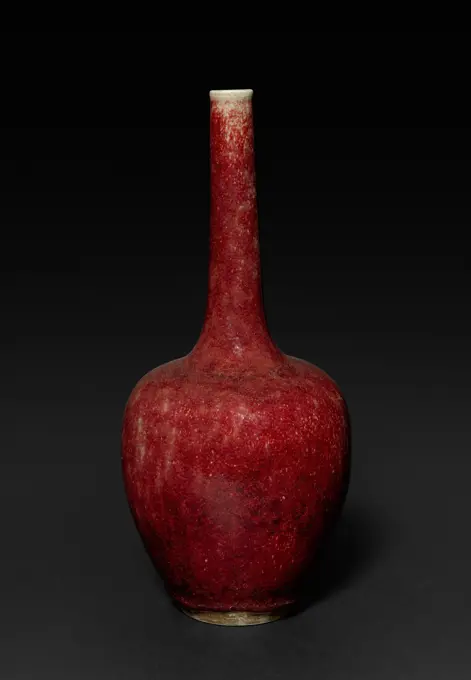
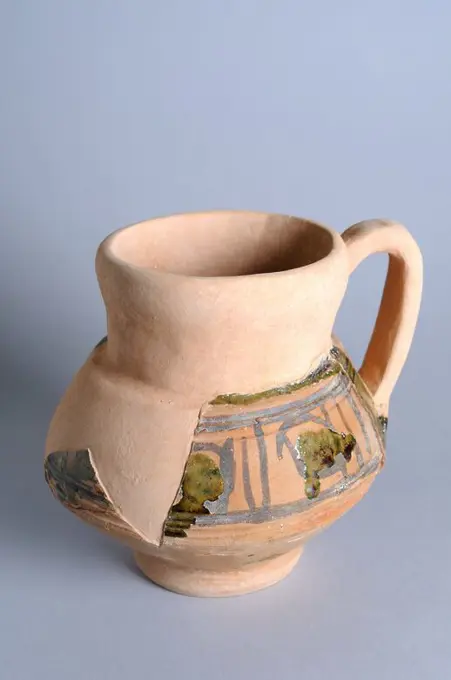
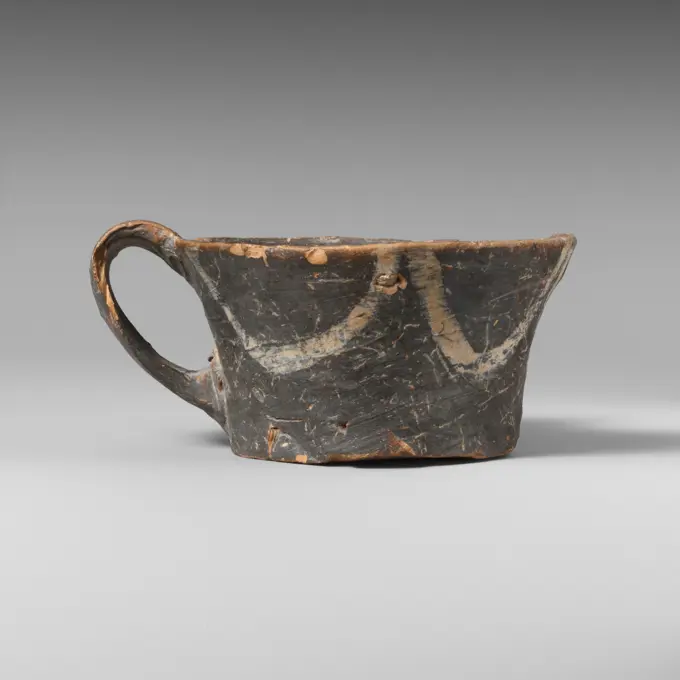
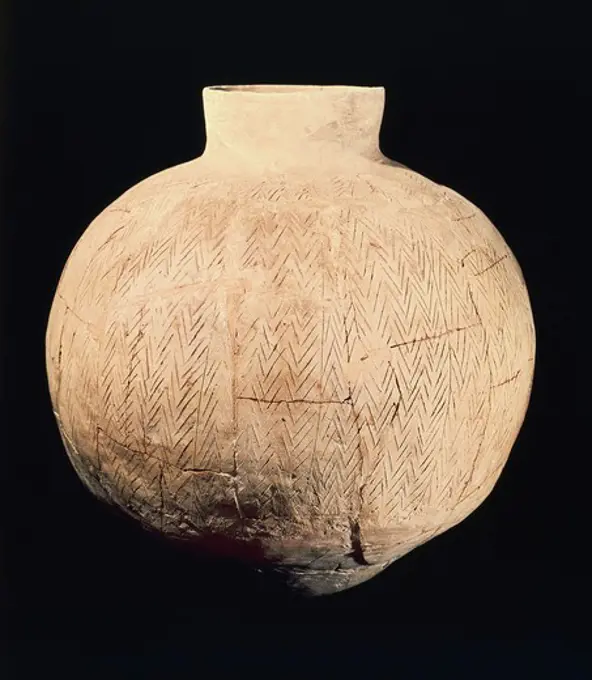
Collection of various historical vessels including ritual flasks and decorative jugs, showcasing ancient craftsmanship and materials.

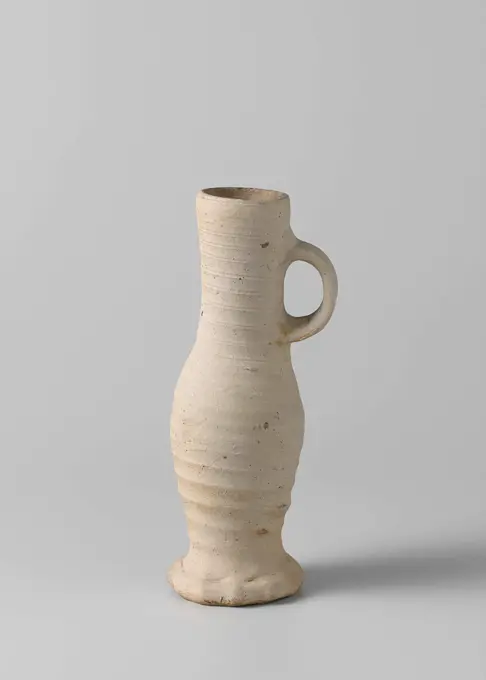
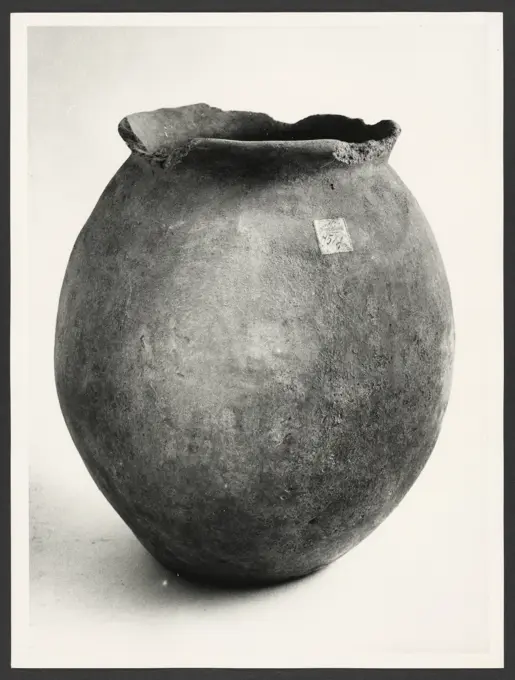
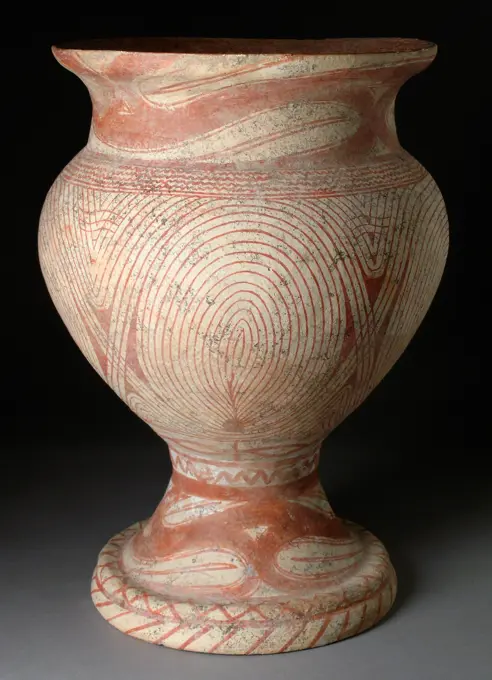
Sankampang Jar, 14th century, 14 x 10 5/8 in. (35.6 x 26.99 cm), Stoneware, Thailand, 14th century
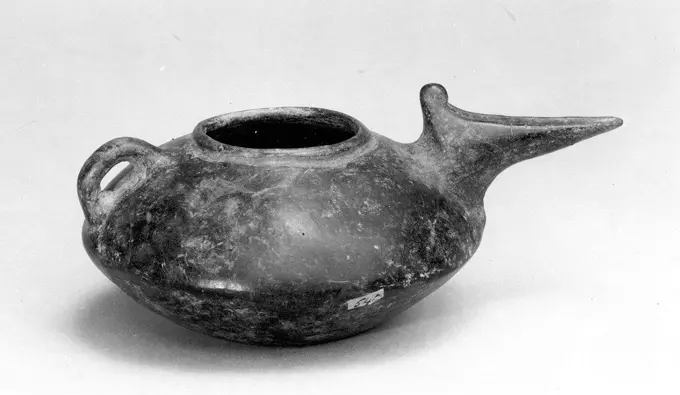
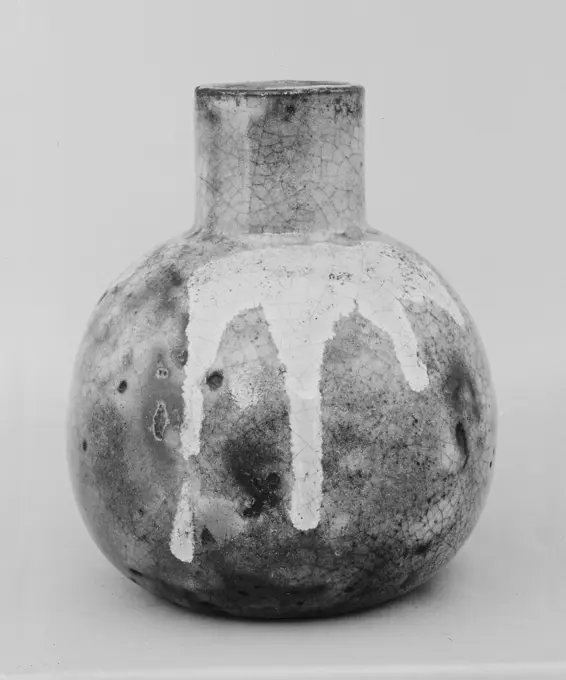
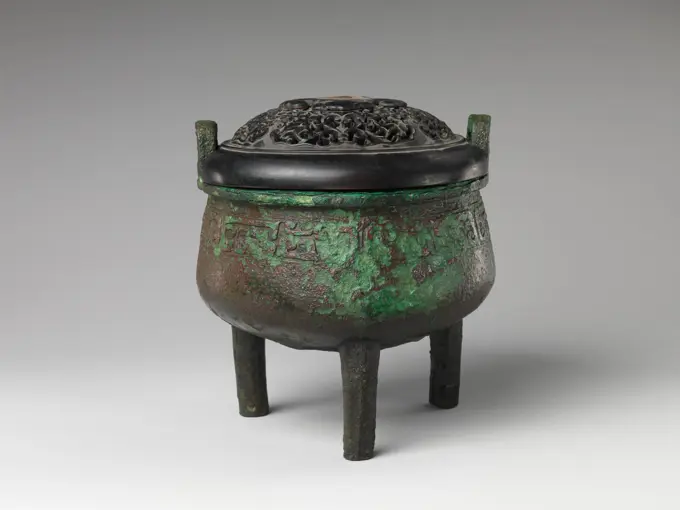
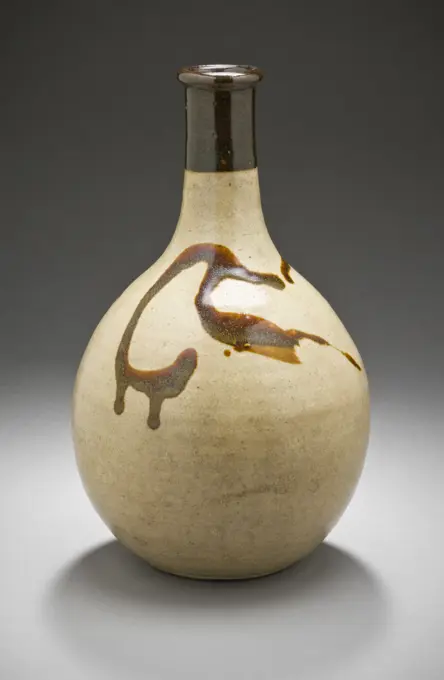
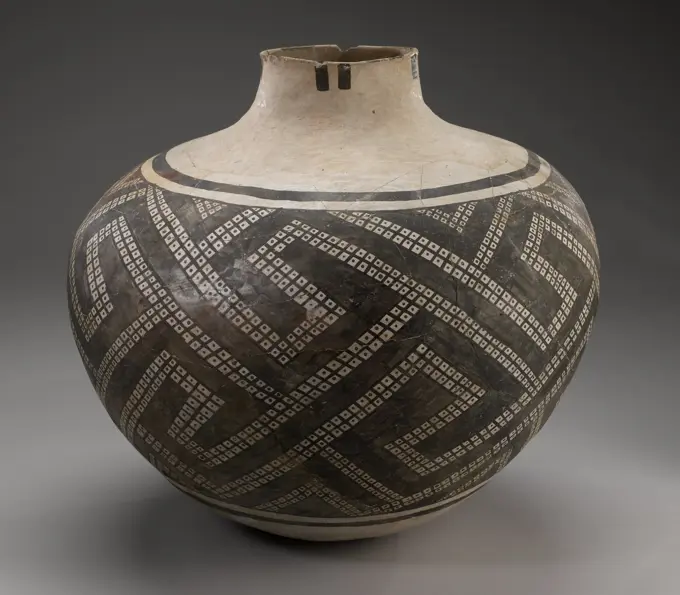
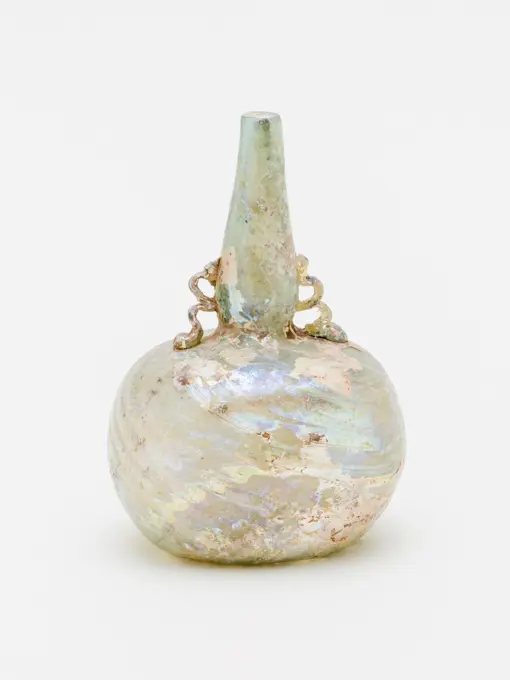
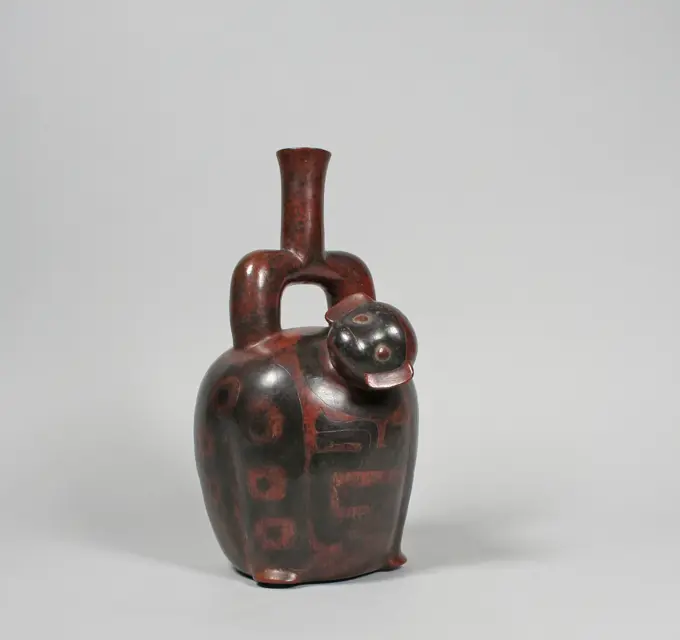
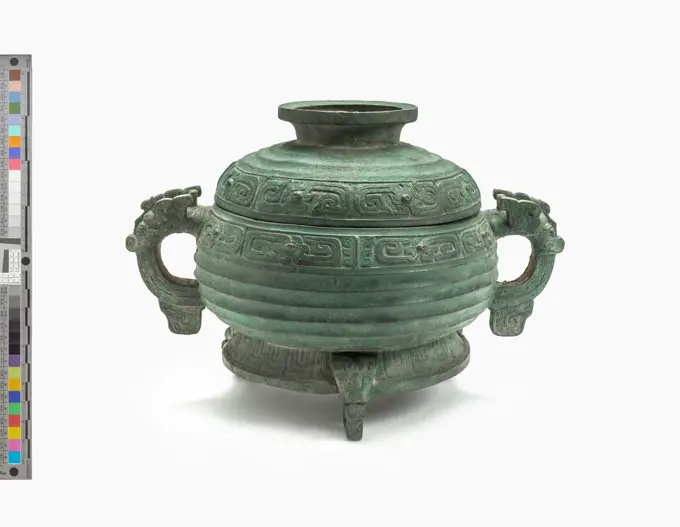
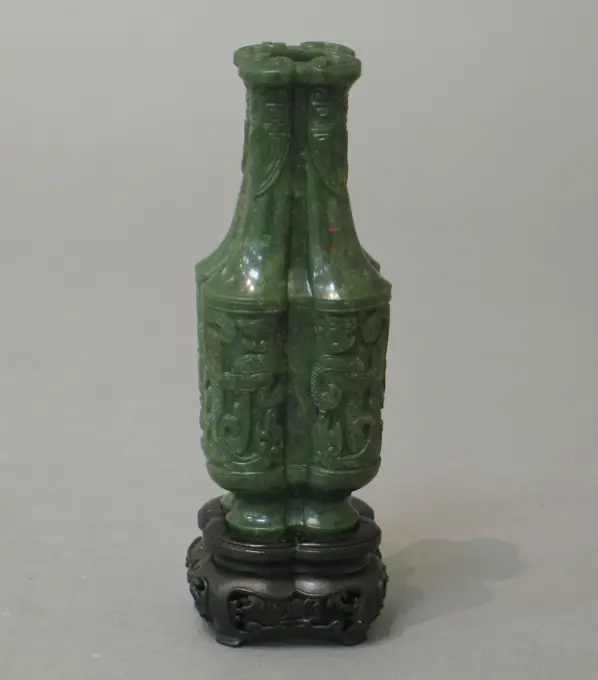
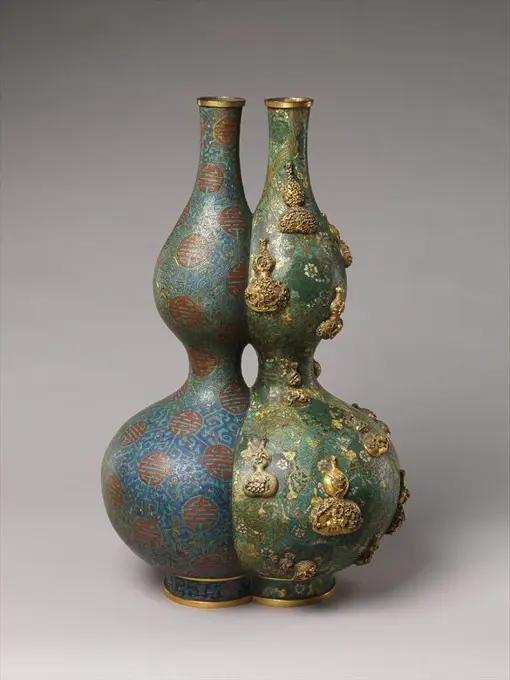
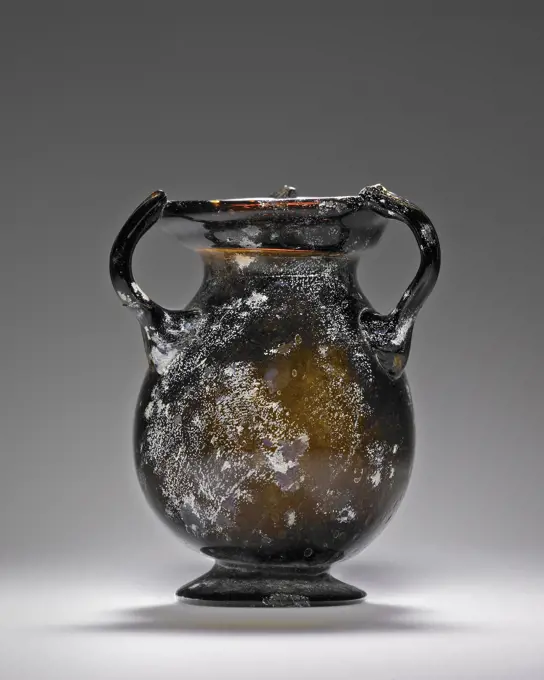
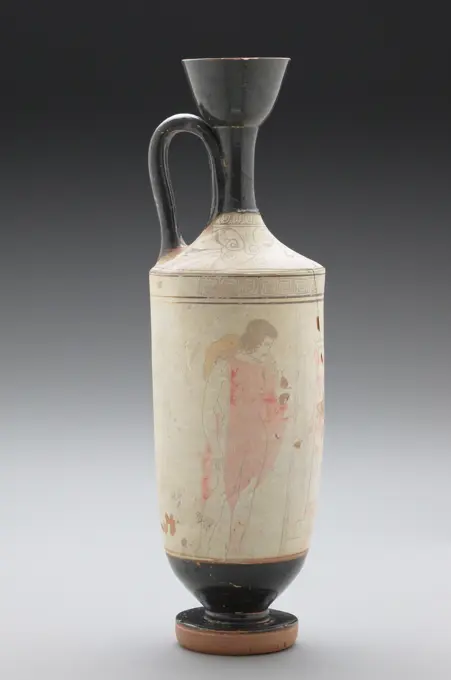
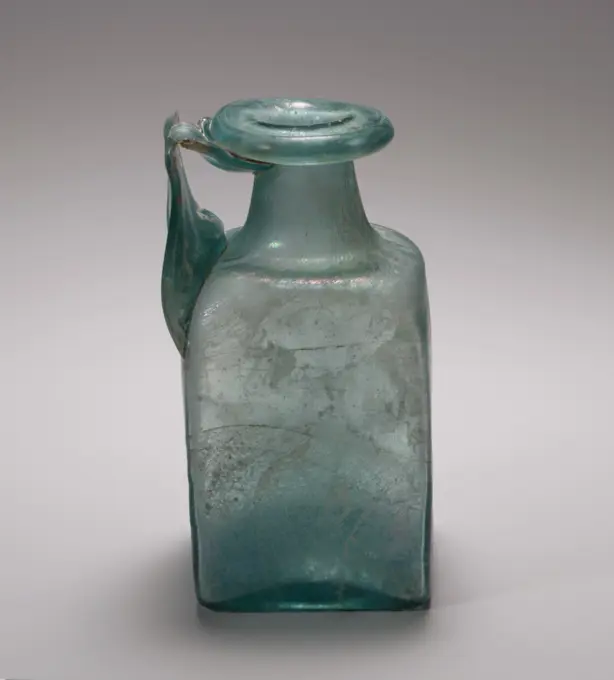
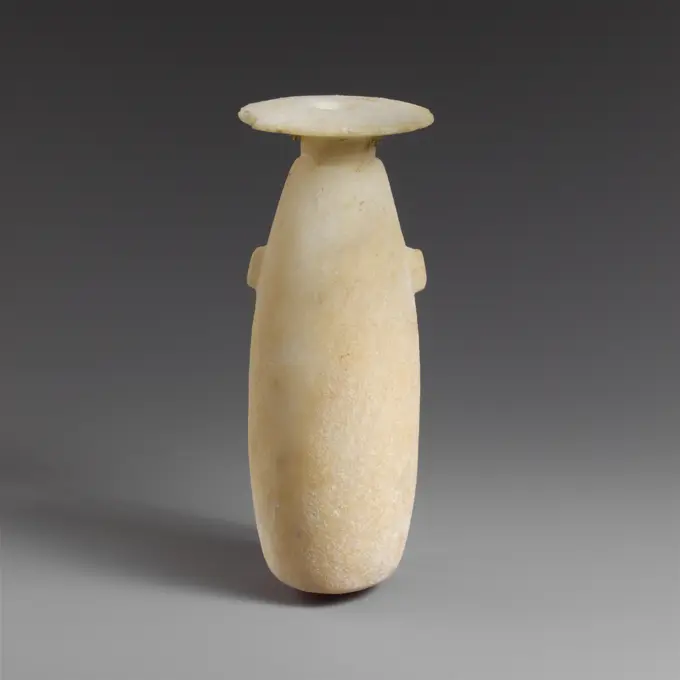
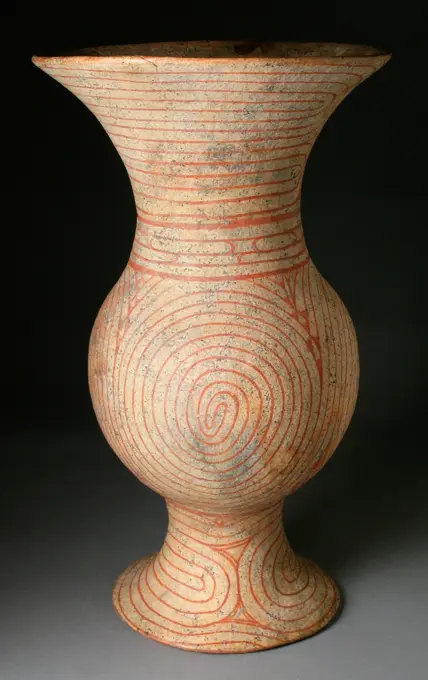
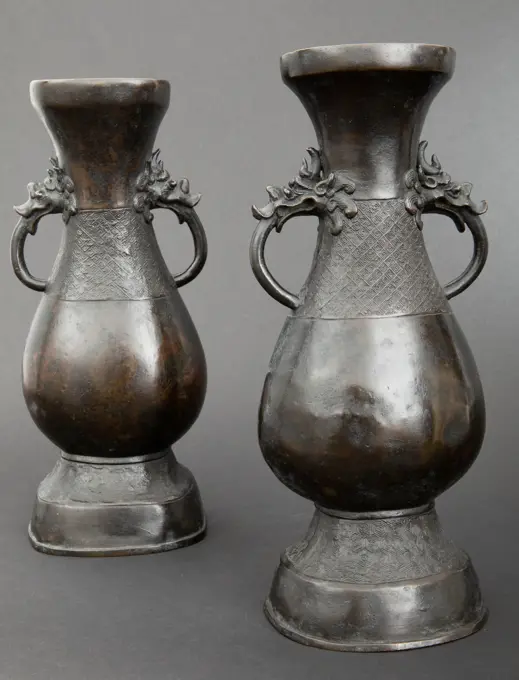
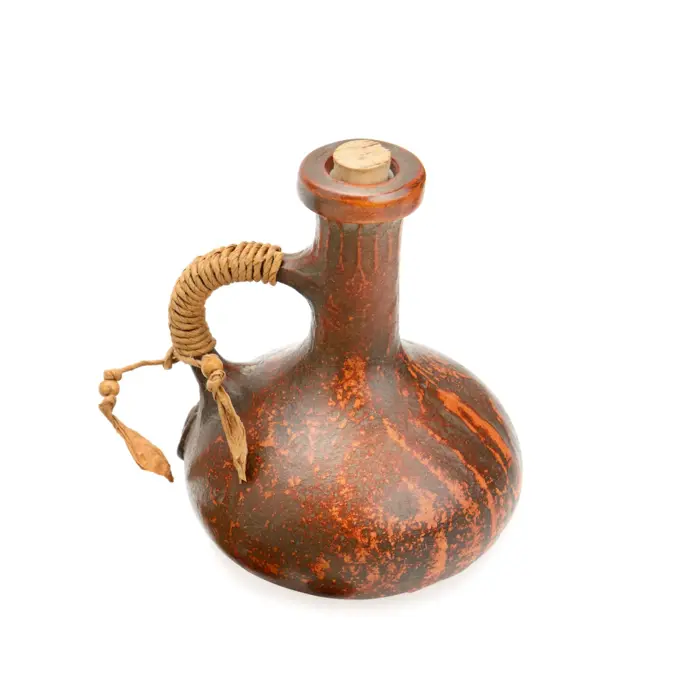
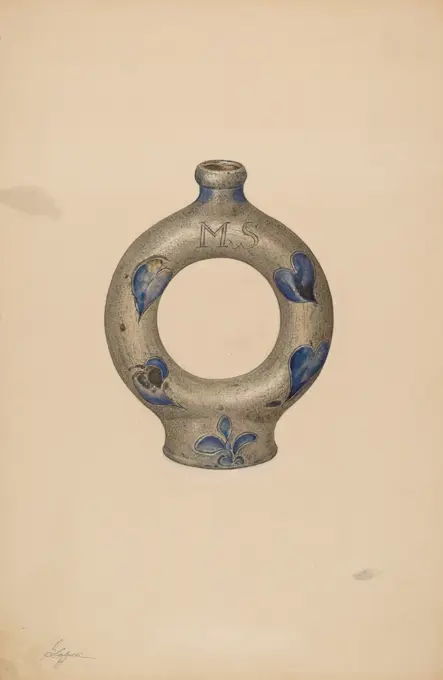
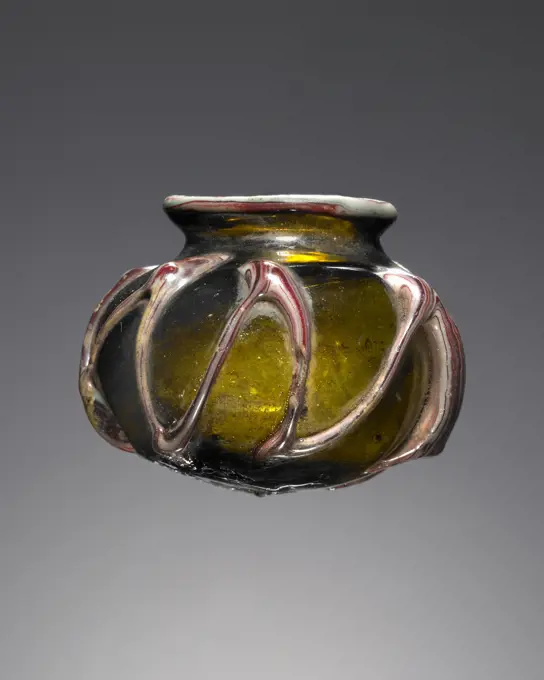
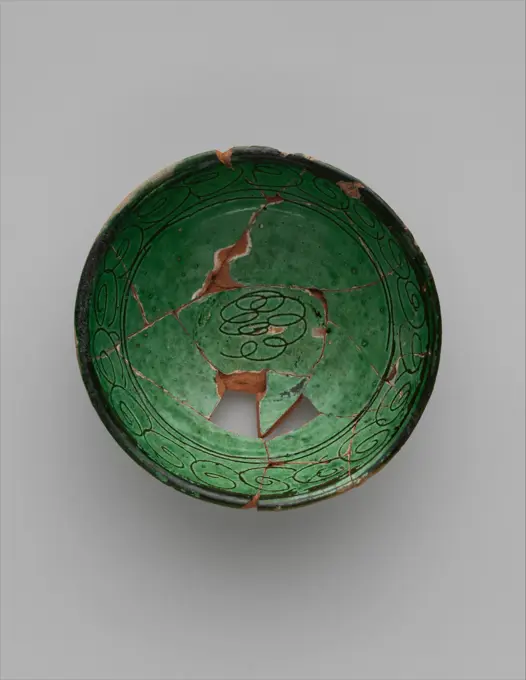
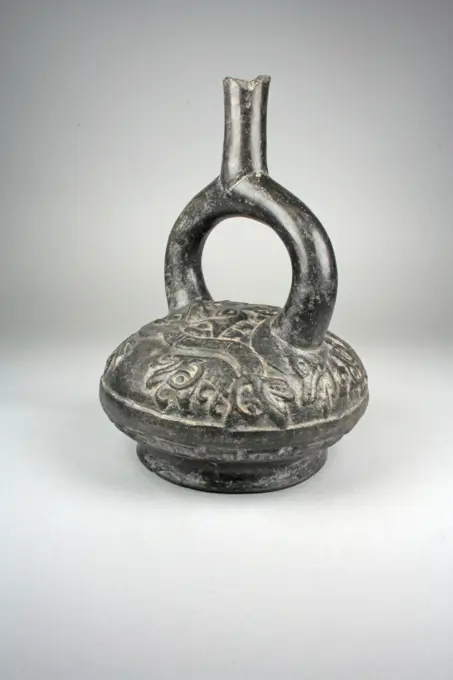
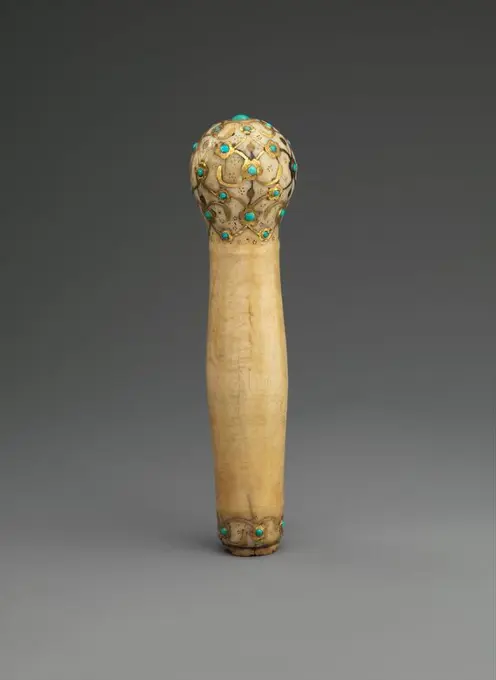
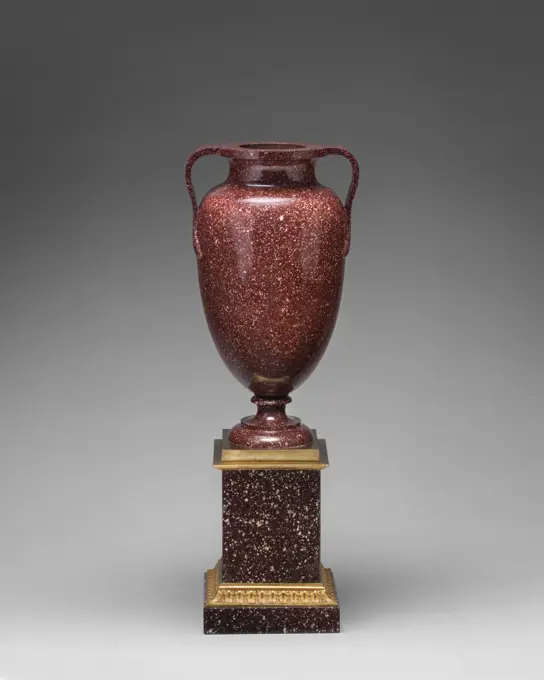
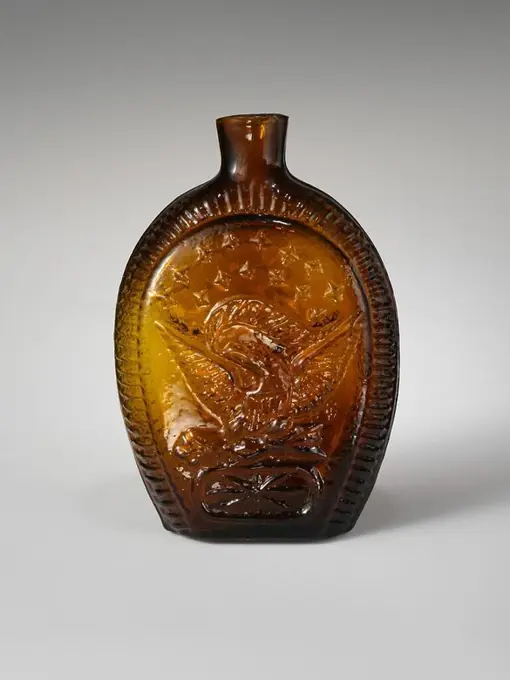
Flask. Culture: American. Dimensions: H. 6 1/2 in. (16.5 cm). Maker: Attributed to Kentucky Glass Works (ca. 1850-55); Possibly Zanesville Glass Manufacturing Company (1815-51). Date: 1825-60. Museum: Metropolitan Museum of Art, New York, USA."DOLL" VIDRIADO EN LA MITAD SUPERIOR - ARTE POPULAR S XX. Location: ALFARERIA. LA BISBAL. GERONA. SPAIN.Spouted jar ca. 1000 B.C. Iran. Spouted jar 327352Vase 19th century Japan. Vase. Japan. 19th century. Clay covered with thin slip and transparent glaze; splashes of overglaze (Awata ware). Edo (1615-1868) or Meiji period (1868-1912). CeramicsBottle and lid naming Thutmose III ca. 1479-1425 B.C. New Kingdom In Theban tomb paintings dating to Dynasty 18, servants are sometimes shown anointing guests with perfumed oils and ointments stored in small stone jars. A set of cosmetic jars highlighted with gold foil (26.8.29a, b-26.8.39) are associated with the grave goods of three foreign wives of Hatshepsut's nephew, Thutmose III. Most of these vessels are inscribed with the king's cartouche, marking them as royal gifts.The inscription on this jar reads: "the Good God, Menkheperre (Thutmose III), given life.". Bottle and lid naming Thutmose III. ca. 1479-1425 B.C.. Homogenous travertine (Egyptian alabaster); gold leaf on edges of lip and lid. New Kingdom. From Egypt, Upper Egypt, Thebes, Wadi Gabbanat el-Qurud, Wadi D, Tomb of the Three Foreign Wives of Thutmose III. Dynasty 18CERAMICA IRANI-JARRO PICUDO DE BARRO ZOOMORFO-ABSTRACCION DEL AVE FENIX-SIGLO XI. Location: MUSEO ARQUEOLOGICO NACIONAL-COLECCION. MADRID. SPAIN.Water Dropper with aDragon-HandlePitcher, c. 1900, Léon Kann, French, 1859 - 1925, 13 1/8 x 9 x 8 in. (33.34 x 22.86 x 20.32 cm), Bronzed metal, gilt, France, Art NouveauVessel China. Vessel 61026Crane Neck Sake Bottle with Iron Splash. Japan, late Edo period (1615-1868), 19th century. Ceramics. Ryūmonji ware; stoneware with white slip and iron glazeCup. UnknownStirrup Vessel with Textured Surface 850 BCE-750 BCE North Coast. Ceramic and pigment . ChavínTerracotta oil lamp 1st half of 1st century A.D. Roman Loeschcke Type 1A. Mold-made. Discus: charioteer driving quadriga to left, with left hand holding reins and right raised with whip; a single filling hole to left below horses' legs; band of lines and grooves around edge. Volutes flanking angular nozzle, with large wick hole. Raised base ring, and flat base.Complete, except for left side of nozzle, which is broken and missing.. Terracotta oil lamp. Roman. 1st half of 1st century A.D.. Terracotta. Early Imperial. TerracottasJar ca. 2nd-7th century A.D. Parthian or Sasanian. Jar. Parthian or Sasanian. ca. 2nd-7th century A.D.. Ceramic. late Parthian-Sasanian. Iran, Qasr-i Abu NasrVessel with Cover, 5th-4th century BCE, 6 11/16 × 8 7/8 × 7 3/16 in., 4.4 lb. (16.99 × 22.54 × 18.26 cm, 2 kg), Bronze, China, 5th-4th century BCESquash Bottle 2nd-4th century Moche. Squash Bottle 314682Pot (Olla), c. 1000-1300, 14 1/2 × 15 3/4 in. (36.83 × 40.01 cm), Clay, pigments, United States, 13th-14th century, Pueblo potters developed large storage jars, called ollas, to hold food and water. These vessels were carefully hand-built using coils which were smoothed together into a strong thin wall. The full, round shape of this olla is emphasized by the decorative pattern of black and white painted onto the surface. The interlocked lines of small white squares with a dot in the middle represent a traditional three-step cloud motif and also refer to lightning, which heralds the summer rainstorms. The square and dot design evokes rows of maize kernels, a staple food source for the Ancient Puebloans. All of the designs on the pot were painted freehand, showing the artist's great talent and skill.Campania Napoli Naples S. Lorenzo Maggiore15. Hutzel, Max 1960-1990 Medieval: Sculpture, architecture, architectural sculpture (including Roman spolia) 13-14th century Chapter house; sarcophagi, gravestones; wall painting. Fragment of mosaic; sculptural fragments in the Sala Capitolare. Post-medieval: Architecture, architectural sculpture, ceiling painting fresco cycle; prints depicting Venice c. 1845 (4), sculpture; life-size creche figures dressed in original Neapolitan costume Church restored in 1882, 1926, 1944; excavations under the transept undertaken between 1958-1962, and in the cloister in 1976, have revealed remains of a Roman macellum (market), street, and the paleochristian basilica of the 6th c. AD. Antiquities: Pottery: black-glazed, archaic banded, domestic wares, bucchero; architectural terracottas, statuettes, lamps, sculpture fragments Object Notes: 3 color negatives with no prints at the end. General Notes: Most objects/paintings/frescoes unidentified. Three batches Perfume Sprinkler. Eastern Mediterranean, 12th-13th century. Glass. Glass, free-blown and tooled with applied handlesBowl 270 B.C.-A.D. 320 Meroitic Period. Bowl. 270 B.C.-A.D. 320. Copper alloy. Meroitic Period. From Nubia (Sudan), Lower Nubia, Faras, Cemetery 1, University of Oxford Excavations in Nubia 1910-1912Lazio Viterbo Viterbo Museo Civico62. Hutzel, Max 1960-1990 Views of paintings (Middle Ages through 18th c.), frescoes, a tabernacle, coffin, sculpture reliefs, portal fragments, busts, sculpture, tapestry found in the Pinacoteca, Second floor gallery and Second floor cloister sequences. Antiquities: Many views of Etruscan and Roman fragments, sculpture, sarcophagi, pottery, masks, jewelry and other objects found in the Storeroom sequence (inventory numbers on back of prints), and the Cloister, Second floor Cloister, Valle Giulia, Sala Romana and Sala Etrusca sequences. General Notes: There are eight separate numerical sequences for this location. The cloister as an architectural structure, rather than museum site, is documented in the record and file for S. Maria della Verita, Cloister, all views of which are stored in Medieval core collection. Five views from the Museo Civico Second floor cloister sequence are stored in Medieval. German-born photographer and scholar Max Hutzel (1911-Bottle ca. 3rd-7th century A.D. Sasanian. Bottle 323020Bronze crested helmet 9th century B.C. Villanovan Pointed cap and a triangular crest decorated with two rows of small repouseé bosses that follow the crest's contours.. Bronze crested helmet 248013Flask. Roman. Date: 301 AD-400 AD. Dimensions: 26.7 × 19.6 × 19.6 cm (10 1/2 × 7 3/4 × 7 3/4 in.). Glass. Origin: Syria. Museum: The Chicago Art Institute, Chicago, USA. Author: ANCIENT ROMAN.Bottle 7th-8th century This glass bottle was excavated in Ctesiphon, the Sasanian metropolis and administrative capital conquered by Arab Muslim armies in 637. The city continued to be inhabited throughout the era, when it was known in Arabic as al-Madain, or "the cities", because of the expansive area it encompassed. Arab and Persian historians and poets indulged in describing al-Madain/Ctesiphons grand monuments. Muslim rulers also celebrated the glory of these monuments, which through time had acquired symbolic significance due to their association with the citys imperial past. This was the case of the Taq-i Kisra, an impressive colossal ivan (a vaulted hall with one side open) that was partially dismantled to reuse its bricks in caliphal buildings in the new capital of Baghdad. Finds like this bottle attest to the continued occupation of Ctesiphons urban area in the first centuries of the Islamic period, during which a pilgrimage site developed at Salman Pak, an area named aftGlass one-handled jug 1st-2nd century A.D. Roman Translucent deep blue-green; handle in same color.Thick, tubular rim, folded out, down, round, and in; broad, conical neck; broad, shallow, angular shoulder; cylindrical body with side tapering downwards; almost flat bottom; broad, reeded strap handle applied to outer edge of shoulder, drawn up and slightly inwards, then bent in at an acute angle, and attached to neck and trailed off up neck and over underside and lip of rim.Intact; pinprick and larger bubbles, and blowing striations; slight dulling and faint iridescence.. Glass one-handled jug 245169Ewer with Molded Inscriptions, Animals, and Dancers last quarter 11th or 12th century The choral dance displayed on this ewer is not uncommon on Seljuq stonepaste molded wares. Choral dances performed at the time included the mystic dances of the Sufi practice of sama and those related to Zoroastrian worship rituals. This depiction, however, more probably evokes courtly scenes, where dances were performed as a mundane entertainment for prince and nobility. The inscription mentions the name of the potter, Abu Ahmad Qassai, which is an unusual occurrence on early monochrome stonepaste, and points to the fact that this was a specialized and highly regarded form of production.. Ewer with Molded Inscriptions, Animals, and Dancers. last quarter 11th or 12th century. Stonepaste; molded, monochrome glazed. Attributed to Iran. CeramicsTerracotta oil lamp Roman, Cypriot. Terracotta oil lamp. Roman, Cypriot. Terracotta. TerracottasCarafe 1845 Bohemia. Glass; red and white enamels .Deep Bowl 18th century Japan. Deep Bowl 62570Terracotta oinochoe (jug) ca. 330-300 B.C. Greek, South Italian, Campanian, Teano Decorated with ivy vine and egg-pattern.. Terracotta oinochoe (jug). Greek, South Italian, Campanian, Teano. ca. 330-300 B.C.. Terracotta; applied color. Hellenistic. VasesAmphora with Indentations. UnknownJacoba jug. These sorts of jugs were called Jacoba jugs’ because as early as the 17th century they were found in the moat of the hunting lodge of Teylingen, where the 15th-century Countess of Holland, Jacoba van Beieren, spent her final years. According to legend, she made the jugs herself to fight boredom. Although thus long thought to have originated in the Netherlands, such stoneware was actually made in Siegburg in Germany.Caster, 1719. William Spackman (British). Silver; overall: 15.6 cm (6 1/8 in.); diameter of base: 5.8 cm (2 5/16 in.).Stirrup Spout Bottle: Monkey 12th-9th century B.C. Cupisnique. Stirrup Spout Bottle: Monkey. Cupisnique. 12th-9th century B.C.. Ceramic. Peru. Ceramics-ContainersLidded Ritual Grain Server (Gui) with Double Spirals. China, probably unearthed at Shaanxi Province, Yongshou County, Middle Western Zhou dynasty, about 950-850 B.C.. Furnishings; Serviceware. Cast bronzeTerracotta amphoriskos (flask) 4th century B.C. Greek, Attic  Handles folded down on shoulders.. Terracotta amphoriskos (flask) 254228 Greek, Attic , Terracotta amphoriskos (flask), 4th century B.C., Terracotta, H. 2 5/8 in. (6.7 cm). The Metropolitan Museum of Art, New York. Rogers Fund, 1941 (41.162.61)Shino-Ware Ewer. Japan. Date: 1601-1700. Dimensions: 17.8 × 22 cm. Glazed stoneware. Origin: Japan. Museum: The Chicago Art Institute, Chicago, USA.Vase with archaic motifs China The interlaced designs, many ending in dragons heads, on the surface of this vase can be traced to decorations found on bronze vessels during the latter part of the Zhou dynasty (1046-256 B.C.).. Vase with archaic motifs 43975Lazio Viterbo Viterbo Museo Civico16. Hutzel, Max 1960-1990 Views of paintings (Middle Ages through 18th c.), frescoes, a tabernacle, coffin, sculpture reliefs, portal fragments, busts, sculpture, tapestry found in the Pinacoteca, Second floor gallery and Second floor cloister sequences. Antiquities: Many views of Etruscan and Roman fragments, sculpture, sarcophagi, pottery, masks, jewelry and other objects found in the Storeroom sequence (inventory numbers on back of prints), and the Cloister, Second floor Cloister, Valle Giulia, Sala Romana and Sala Etrusca sequences. General Notes: There are eight separate numerical sequences for this location. The cloister as an architectural structure, rather than museum site, is documented in the record and file for S. Maria della Verita, Cloister, all views of which are stored in Medieval core collection. Five views from the Museo Civico Second floor cloister sequence are stored in Medieval. German-born photographer and scholar Max Hutzel (1911-BronzeAryballosSnuff Bottle - Double, 1644-1911. China, Qing dynasty (1644-1911). Glass; overall: 8 cm (3 1/8 in.).Double Vase. Culture: China. Dimensions: H. 24 1/2 in. (62.2 cm); W. 15 1/4 in. (38.7 cm); D. 11 in. (27.9 cm). Museum: Metropolitan Museum of Art, New York, USA.Hand club (Mere pounamu) Maori people 19th century One of the principal weapons of M¯aori warriors was the patu, a teardrop-shaped hand club used to strike a thrusting or slicing blow to an enemy. When not in use, patu were often worn suspended from the wrist by a fiber loop or thrust into a belt as symbols of martial prowess. The most prized examples, called mere pounamu, were made from greenstone (pounamu), a type of jade. Laboriously ground and polished, mere pounamu were created for the chiefly elite and passed down within families as heirlooms.Like other M¯aori objects, clubs often bore individual names and were prized as trophies in war. Mere pounamu were considered so prestigious and supernaturally powerful that some chiefs, captured in battle, reportedly handed the clubs to their enemies and requested to be slain with them rather than with ordinary weapons. View more. Hand club (Mere pounamu). Maori people. 19th century. Greenstone. New Zealand. Stone-ImplementsAmphora with Three Dragon-Shaped Handles 701 CE-800 CE China. The dragon, with a scaly serpentine body, large whiskered head, and feet with sharp claws, is a supernatural creature that represents strength and goodness. The appearance of the dragon is considered a sign of good luck. Early depictions of the dragon are associated with water and rain, and are symbols of fertility and fecundity. The dragon came to represent the emperor, imperial power, and authority.. Stoneware with yellowish-white glaze .Jar; Eastern Mediterranean; 3rd - 4th century; Glass; 9 x 5.3 cm (3 9,16 x 2 1,16 in.)Lekythos; Youth and Girl atTomb. Artist, attributed to: Painter of Munich 2335, Greek, Attic, ca. 450-420 B.C.Jar with Spirals. Thailand, late Ban Chiang culture, circa 300 B.C.-A.D. 200. Furnishings; Serviceware. Coil-built earthenware with cream slip and painted decorationHead Flask. UnknownTerracotta oil lamp. Culture: Roman, Cypriot. Dimensions: Overall: 1 1/8 x 4 1/4 in. (2.9 x 10.8 cm).Loeschcke Type 1A. Mold-made. Discus: unknown, with a band of lines and grooves at edge. Volutes flanking nozzle. Within raised, broad base ring, slightly concave base, with impressed letters: FVASI, and X below.Most of discus missing, but body and nozzle complete. Museum: Metropolitan Museum of Art, New York, USA.Glass square bottle 1st-3rd century A.D. Roman Translucent blue green, with same color handle.Broad, thick rim folded out, down, over, and in, and smoothed into top of mouth; cylindrical neck, expanding downwards; sloping shoulder with rounded, sloping corners; flat, vertical sides; thick, concave bottom with large pontil scar; broad strap handle, with combed decoration on outer surface, attached to shoulder and top of body in a long, thick pad, drawn up vertically, turned in an acute angle and trailed onto neck, with trail extending to underside of rim.Molded decoration on bottom comprising indistinct letters at corners and a single circle in relief. One of the letters reads as M or W.Intact, but crack in top of handle and parts missing (with weathered edges) on either side; some pinprick and larger bubbles, blowing striations; dulling, iridescence, and some whitish weathering.. Glass square bottle 245186Alabaster alabastron (perfume vase) 5th-4th century B.C. Cypriot The alabastron has two vertical lugs. The lip is wide and slightly convex.. Alabaster alabastron (perfume vase) 243973Jar with Spirals. Thailand, Late Ban Chiang culture, circa 300 B.C.-A.D. 200. Furnishings; Serviceware. Coil-built earthenware with cream slip and painted decorationCampania Salerno Nocera Inferiore Museo dell'Agro Nocerino19. Hutzel, Max German-born photographer and scholar Max Hutzel (1911-1988) photographed in Italy from the early 1960s until his death. The result of this project, referred to by Hutzel as Foto Arte Minore, is thorough documentation of art historical development in Italy up to the 18th century, including objects of the Etruscans and the Romans, as well as early Medieval, Romanesque, Gothic, Renaissance and Baroque monuments. Images are organized by geographic region in Italy, then by province, city, site complex and monument.A pair of vases with dragon heads unknownJug 17th century Spanish, Granada. Jug 186305GU type vase;  19th century (1801-00-00-1900-00-00);Old style clay oil bottle isolated on white background. Concept: hobby and handicraft.Alabastron; Olbia (perhaps), Ukraine; 6th - 4th century B.C; Glass and bronze; 12.5 cm (4 15,16 in.)Giacinto Capelli, Ring Bottle, c 1940 Ring BottleHead Flask. UnknownJar. Culture: China. Dimensions: H. 4 1/2 in. (11.4 cm). Museum: Metropolitan Museum of Art, New York, USA.Lazio Latina Sezze Antiquarium Comunale40. Hutzel, Max 1960-1990 German-born photographer and scholar Max Hutzel (1911-1988) photographed in Italy from the early 1960s until his death. The result of this project, referred to by Hutzel as Foto Arte Minore, is thorough documentation of art historical development in Italy up to the 18th century, including objects of the Etruscans and the Romans, as well as early Medieval, Romanesque, Gothic, Renaissance and Baroque monuments. Images are organized by geographic region in Italy, then by province, city, site complex and monument.Jar; Eastern Mediterranean; 4th - 5th century; Glass; 3.5 x 4.1 cm (1 3,8 x 1 5,8 in.)Bottle Vase: Lang Ware, 1662-1722. China, Qing dynasty (1644-1911), Kangxi reign (1661-1722). Porcelain; overall: 26.4 cm (10 3/8 in.).Bottle 6th-14th century German. Bottle 466673Bottle;  12th century (1101-00-00-1200-00-00);gift (provenance)Date Flask; Eastern Mediterranean; 1st - 2nd century; Glass; 7 cm (2 3,4 in.)Lazio Viterbo Viterbo Museo Civico74. Hutzel, Max 1960-1990 Views of paintings (Middle Ages through 18th c.), frescoes, a tabernacle, coffin, sculpture reliefs, portal fragments, busts, sculpture, tapestry found in the Pinacoteca, Second floor gallery and Second floor cloister sequences. Antiquities: Many views of Etruscan and Roman fragments, sculpture, sarcophagi, pottery, masks, jewelry and other objects found in the Storeroom sequence (inventory numbers on back of prints), and the Cloister, Second floor Cloister, Valle Giulia, Sala Romana and Sala Etrusca sequences. General Notes: There are eight separate numerical sequences for this location. The cloister as an architectural structure, rather than museum site, is documented in the record and file for S. Maria della Verita, Cloister, all views of which are stored in Medieval core collection. Five views from the Museo Civico Second floor cloister sequence are stored in Medieval. German-born photographer and scholar Max Hutzel (1911-Ishizara Plate with Design of Human Face mid-18th-early 19th century Japan. Ishizara Plate with Design of Human Face 52309ceramic pot isolated on white backgroundCeramic jug with a handle and glaze decoration partial dry rope. Height 14 cm Diameter mouth 11 cm (12 th - 13 th CE) - Medieval period from the archaeological site of the "Calle Seises " in Alcalá de Henares - "Burgo de Santiuste Museum " (Madrid). SPAIN.Terracotta oil lamp 1st century B.C.-1st century A.D. Roman Loeschcke Type 1A. Mold-made. Discus: a rosette with twelve sunken radiating petals; a single small filling hole at center, with a single groove around discus; a plain, narrow, sloping shoulder. Volutes flanking angular nozzle. Raised base ring, and an uneven, slightly pushed-in base.Intact.. Terracotta oil lamp. Roman. 1st century B.C.-1st century A.D.. Terracotta. Early Imperial. TerracottasJar. Culture: China. Dimensions: H. 7 3/4 in. (19.7 cm). Museum: Metropolitan Museum of Art, New York, USA.Chess Piece, Knight. Dimensions: 1 11/16 in. high 1 7/16 in. long (4.3 cm high 3.7 cm long). Date: 8th-10th century.Caliphal decrees prohibited the playing of chess (the pieces of which are customarily figural) for iconoclastic reasons as early as the eighth century. It is likely that chess pieces of the abstract type, such as those exhibited here, replaced the figural ones in order to circumvent those decrees. Museum: Metropolitan Museum of Art, New York, USA.Terracotta straight-sided cup ca. 1950-1900 B.C. Minoan The use of the potter's wheel became widespread in the Middle Minoan IB period for the first time.. Terracotta straight-sided cup. Minoan. ca. 1950-1900 B.C.. Terracotta; Light-on-dark ware. Middle Minoan IB. VasesPucharek bucchero nero. unknown, authorAthenian red-figure vase fragment, head of a beardedman.  Artist, attributed to: Syleus Painter, Greek, Attic, ca. 490-ca. 470 B.C.Prehistory, Iraq, Halaf culture. Vase with ornamental engravings, late 5th millennium b.C. From Tell Hassan.Green glazed pot, anonymous, c. 1300 - c. 1450 Pot on three legs and with four ears. From white -baking earthenware, green glazed. Southern Netherlands (possibly) earthenware Pot on three legs and with four ears. From white -baking earthenware, green glazed. Southern Netherlands (possibly) earthenwareCover for Tea Kettle, 1615-1868. Japan, Edo period (1615-1868). Iron; overall: 22.9 x 12.7 cm (9 x 5 in.).Snuff Bottle, 1644-1911. China, Qing dynasty (1644-1911). Glass; overall: 6.4 cm (2 1/2 in.).CANTARO CON VIDRIADO DE CHORRERA - DE CUELLO ALTO Y DOS ASAS - ARTE POPULAR. Location: ALFARERIA. Miravet. TARRAGONA. SPAIN.Ritual flask, anonymous, -350 - -250 Flat bottle (flat side divided into rectangles). China bronze (metal) Flat bottle (flat side divided into rectangles). China bronze (metal)Green Glazed Bowl with Incised Decoration 9th century A very unusual object in the Nishapur finds, the decoration of this bowl was decorated made by scratching a design into white slip and then dipping the vessel into a transparent green glaze. The production of this bowl cannot be attributed with certainty to a specific location.. Green Glazed Bowl with Incised Decoration 449324Terracotta jarsStirrup Spout Bottle with Fanged Deity 2nd-7th century Moche. Stirrup Spout Bottle with Fanged Deity 315682Handle. Dimensions: L. 5 1/8 in. (13 cm)Diam. 1 3/16 in. (3 cm). Date: 18th century. Museum: Metropolitan Museum of Art, New York, USA.Italy, Sicily, two engraved ceramic bowlsJar. Egypt, New Kingdom, 18th or 19th Dynasty (circa 1550 - 1196 BCE). Furnishings; Serviceware. Ribbon calciteCampania Salerno Nocera Inferiore Museo dell'Agro Nocerino8. Hutzel, Max German-born photographer and scholar Max Hutzel (1911-1988) photographed in Italy from the early 1960s until his death. The result of this project, referred to by Hutzel as Foto Arte Minore, is thorough documentation of art historical development in Italy up to the 18th century, including objects of the Etruscans and the Romans, as well as early Medieval, Romanesque, Gothic, Renaissance and Baroque monuments. Images are organized by geographic region in Italy, then by province, city, site complex and monument.Urn on square base (one of a pair) ca. 1770-80 possibly Italian This pair of early Neo-Classical urns is likely to have been produced around 1770 and 1780. The later, possibly early 19th century base, is also made of Egyptian porphyry, but of a deeper purple color with white rather than pink speckles, which is akin the chocolaty porphyries quarried in Sweden. The calm austerity of these Etruscan’ was much sought after in the second half of the eighteenth century.. Urn on square base (one of a pair). possibly Italian. ca. 1770-80. Egyptian Imperial porphyry; gilt bronze. Natural SubstancesOil bottle isolated on a white backgroundLa Roqueta factory ceramics, Museu de Mallorca, Palma, Majorca, Spain.