Ancient Animal Ornaments

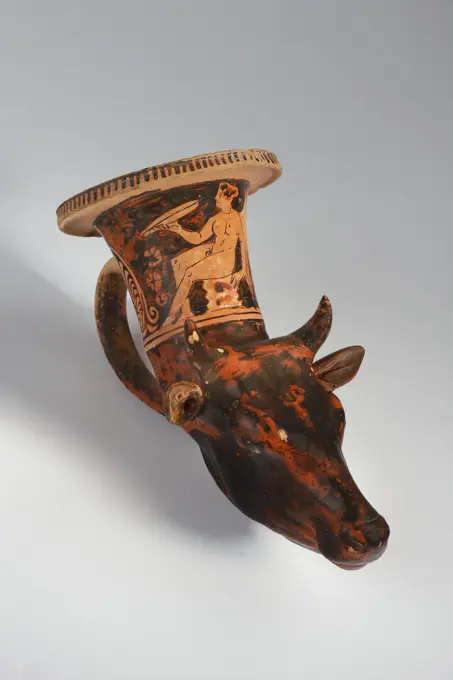
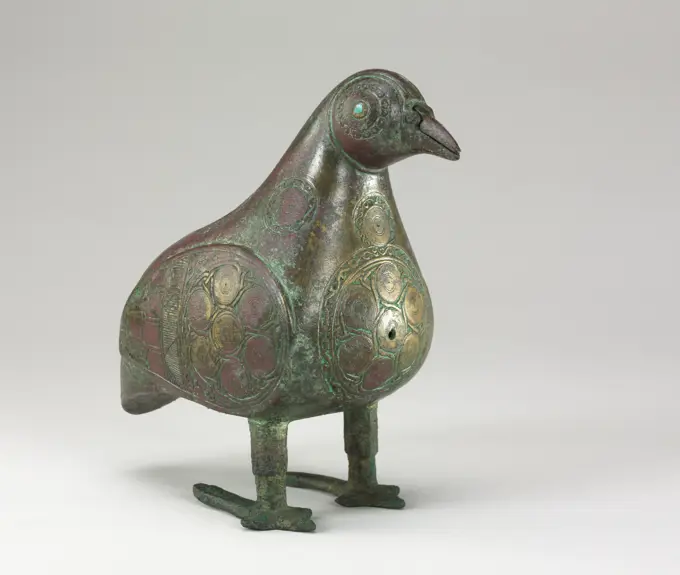
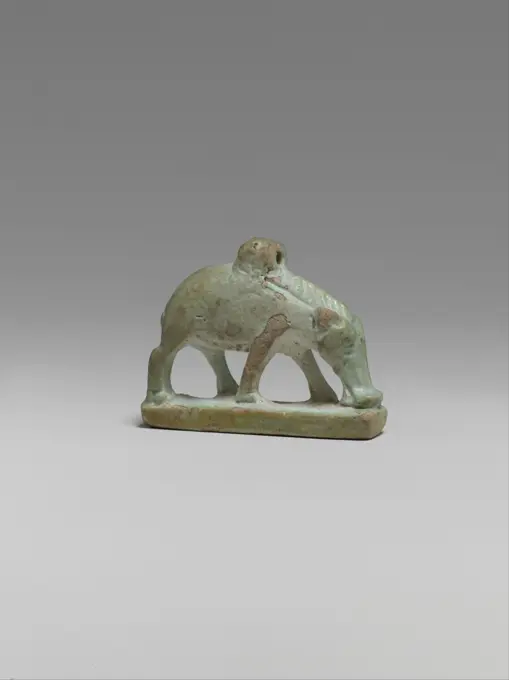
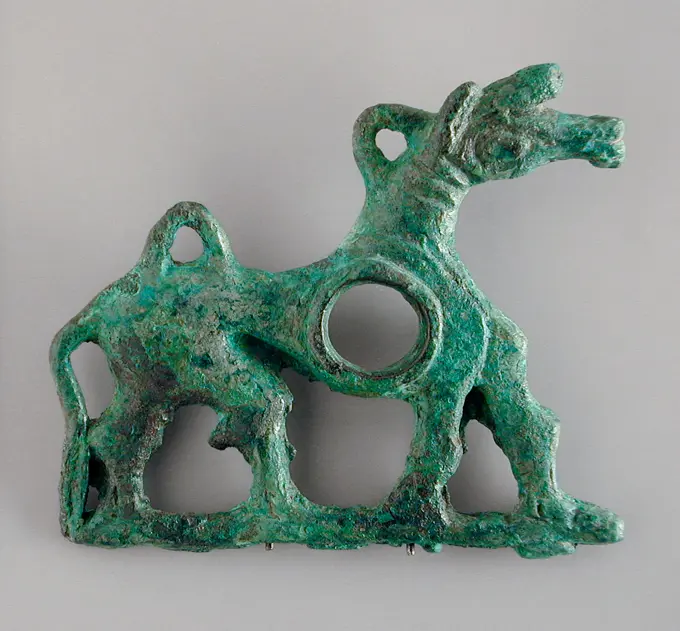
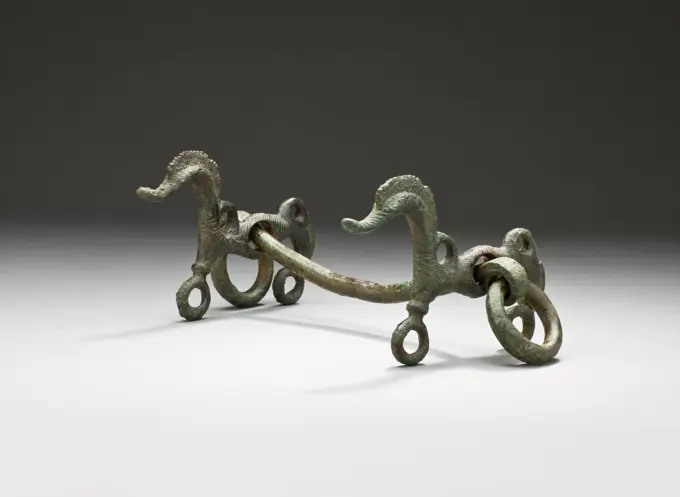
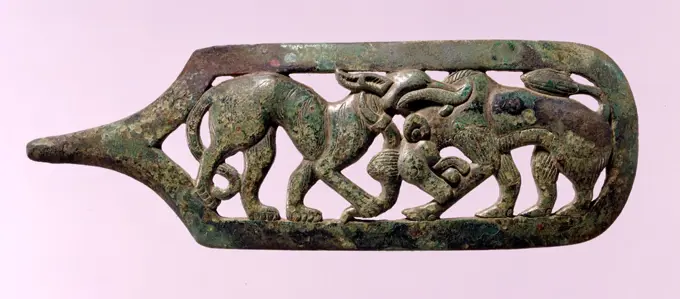
A collection of bronze animal ornaments from different ancient cultures, showcasing intricate craftsmanship and various animal forms.

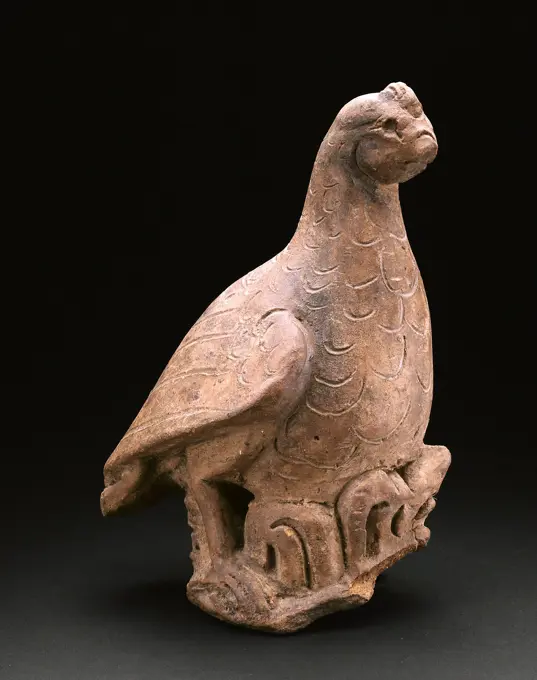
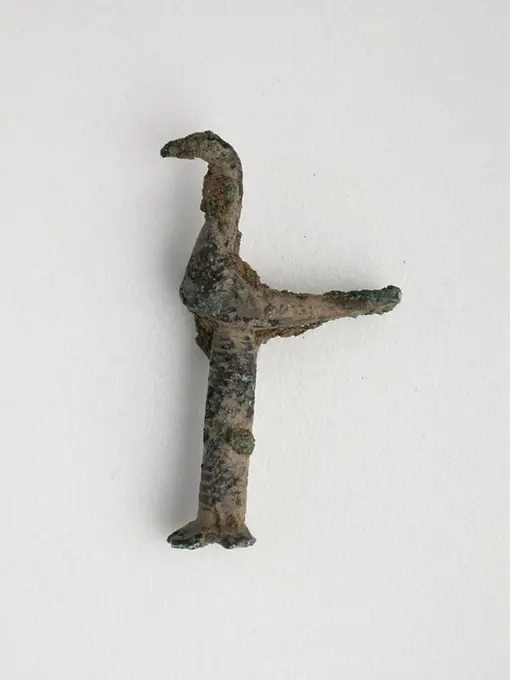
Bird, 4th-3rd century BCE, 3 1/2 × 5 3/16 × 4 in., 0.9 lb. (8.89 × 13.18 × 10.16 cm, 0.4 kg), Bronze, China, 4th-3rd century BCE
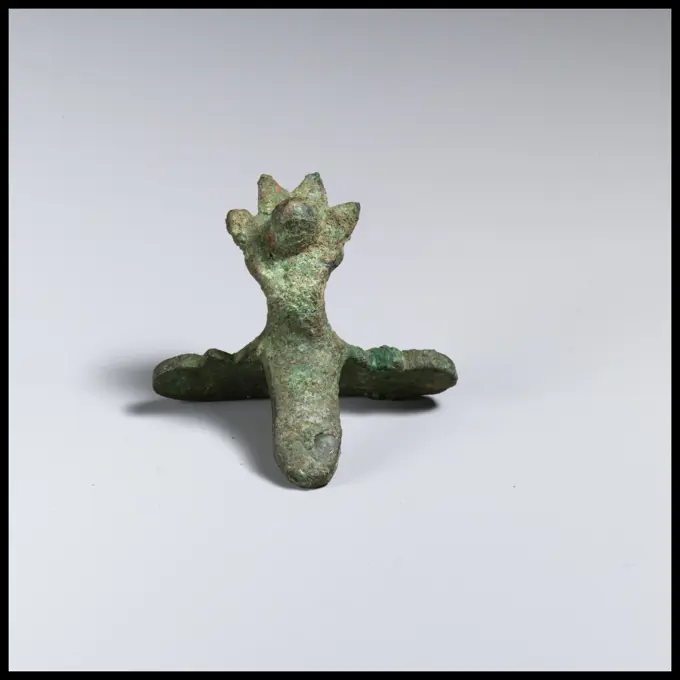
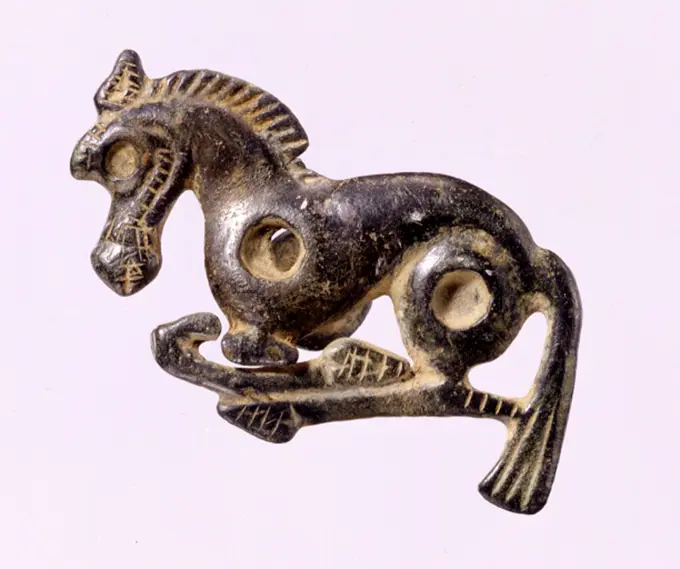
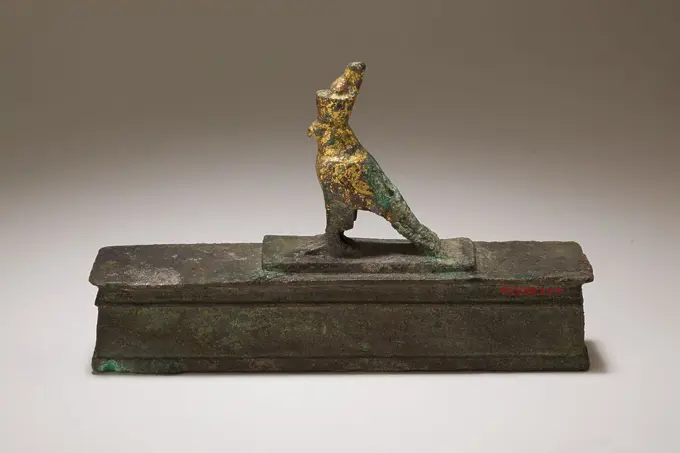
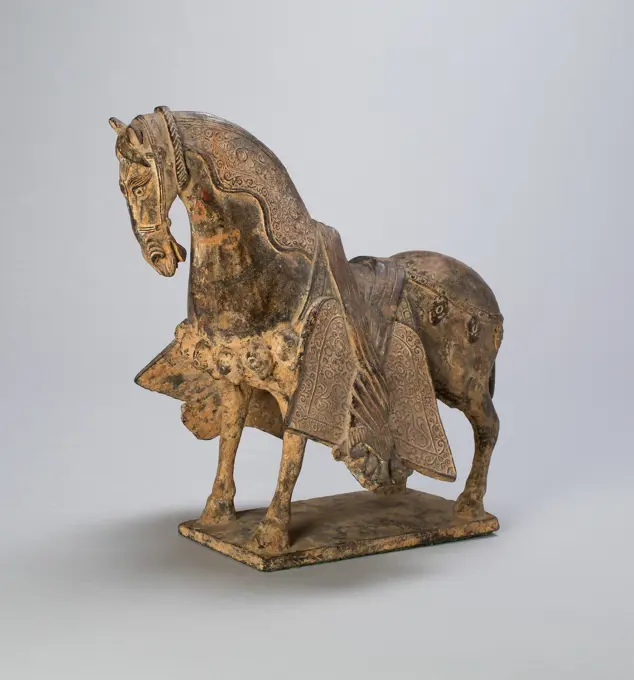
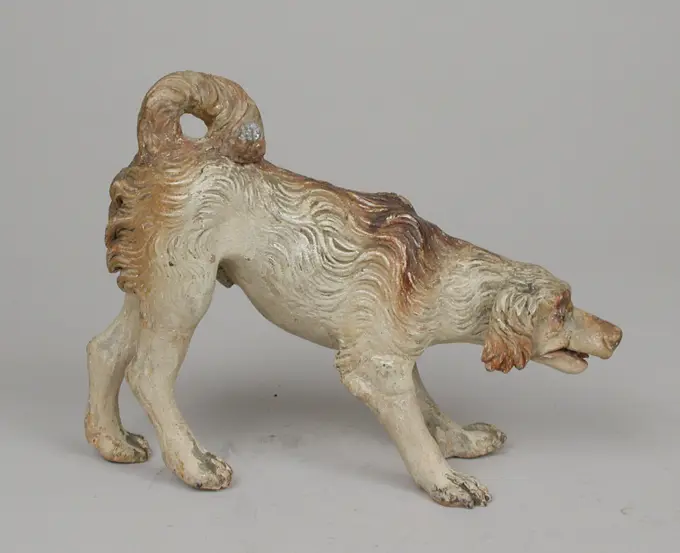
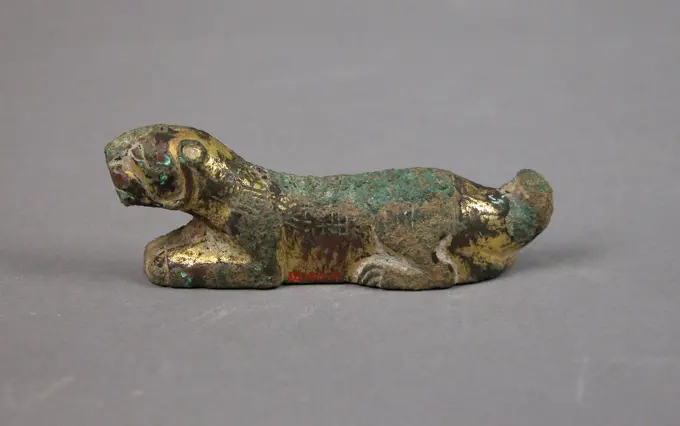
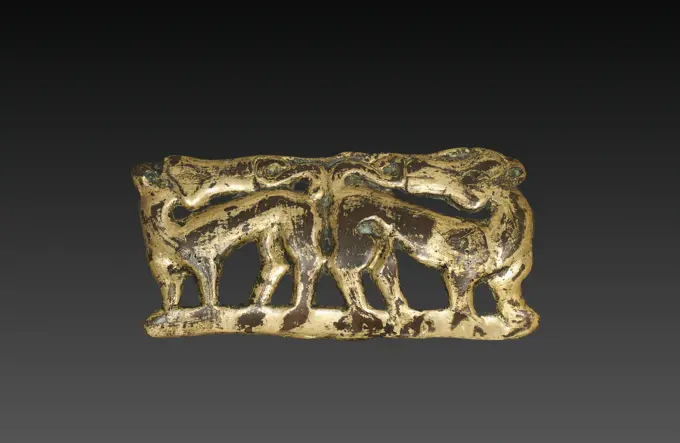
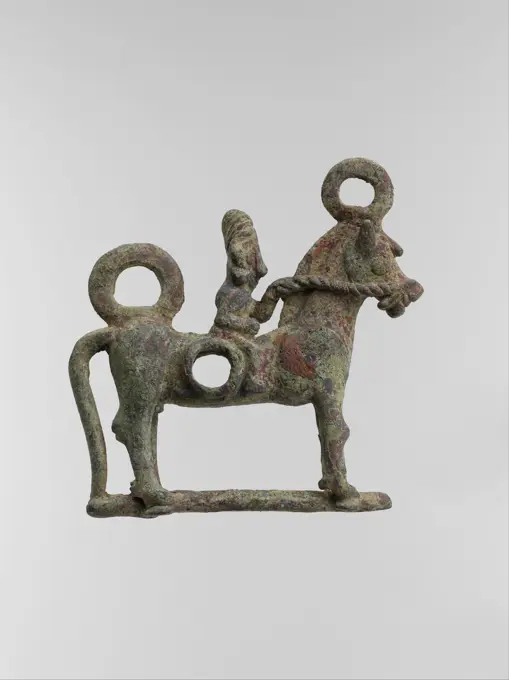
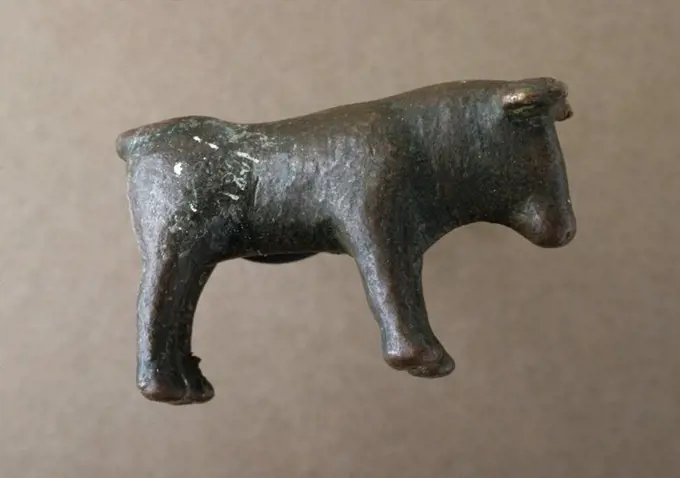
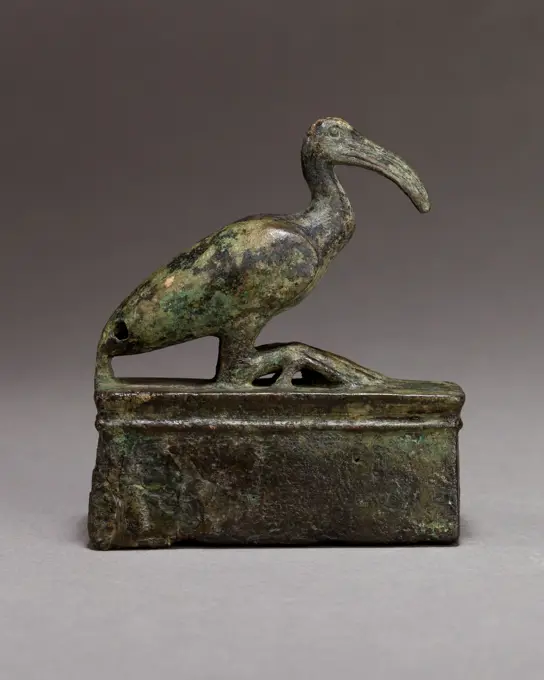
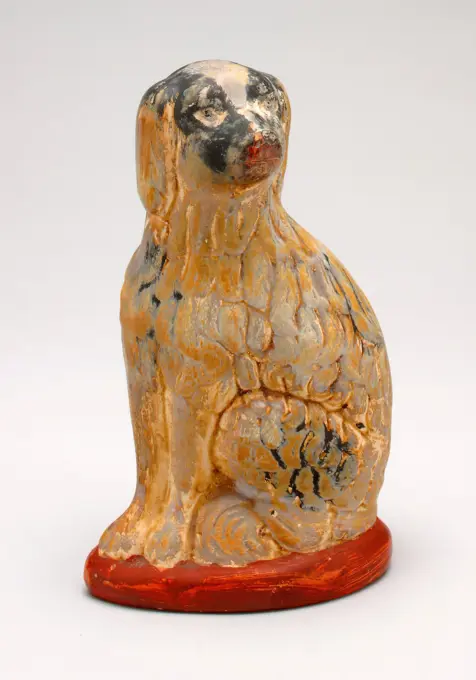
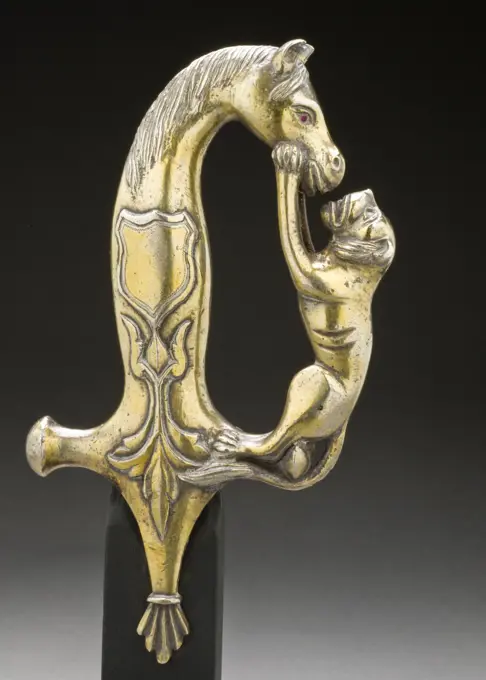
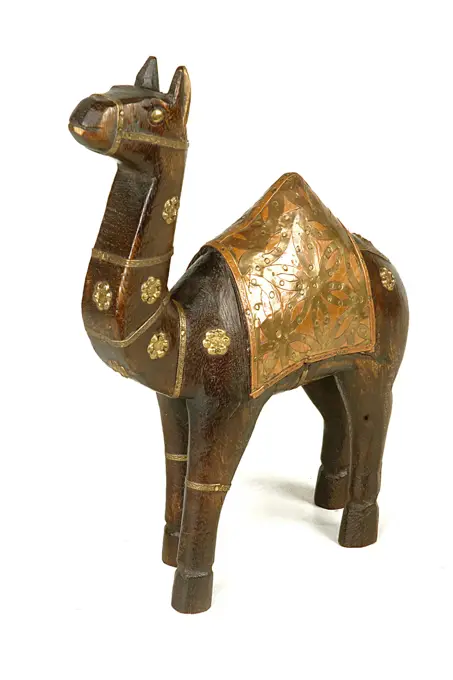
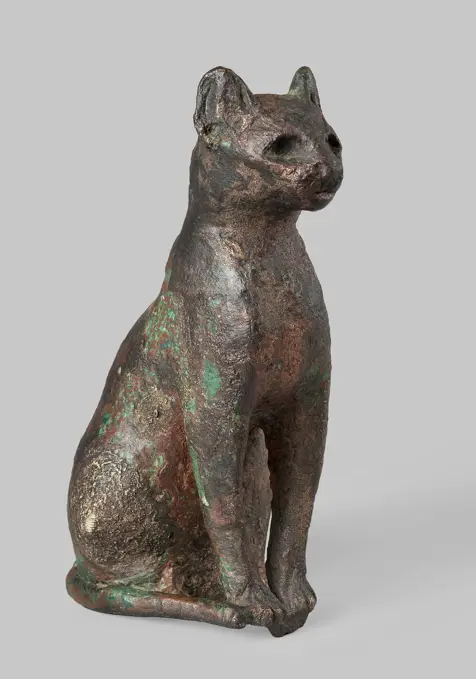
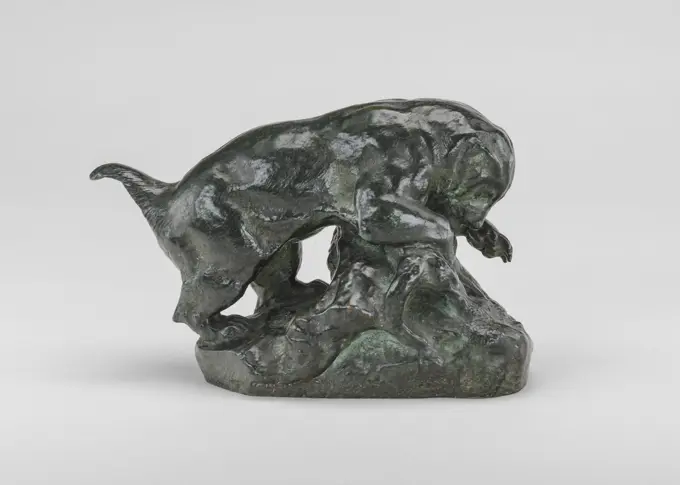
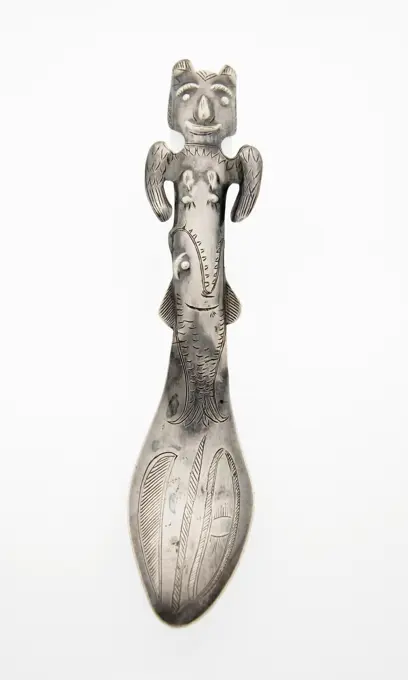
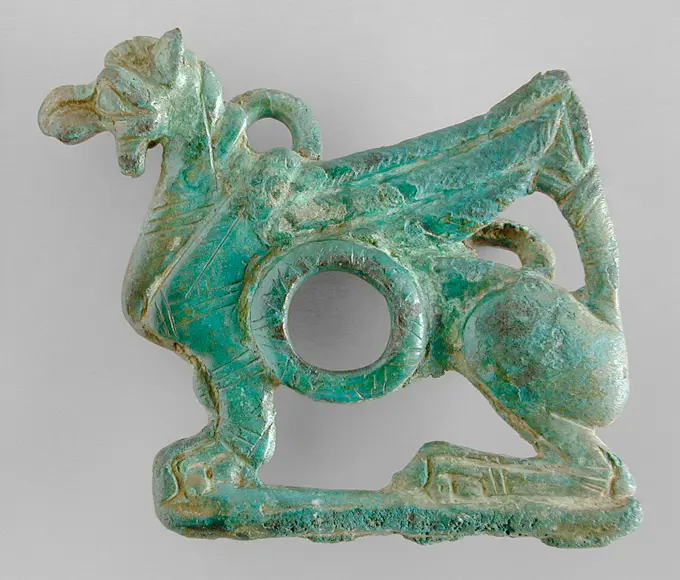
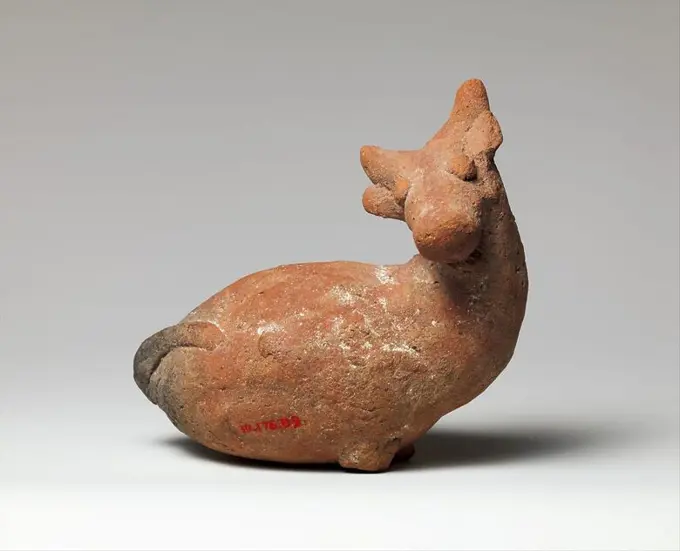
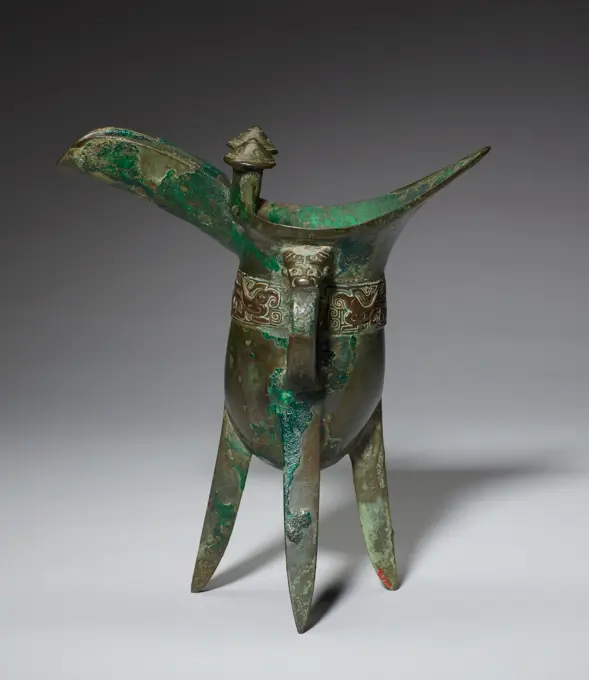
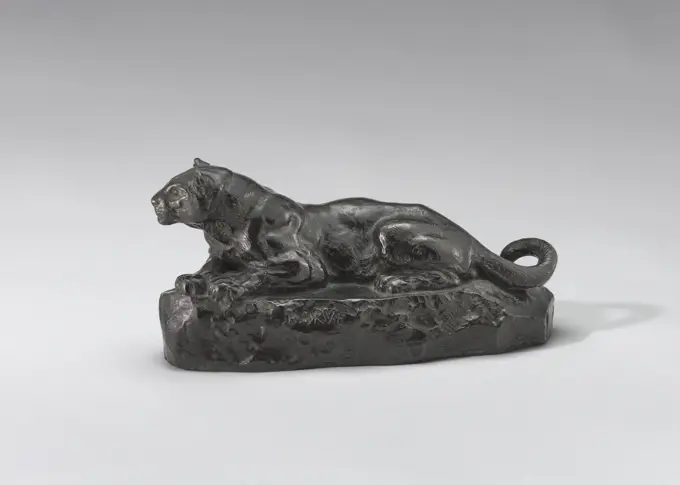
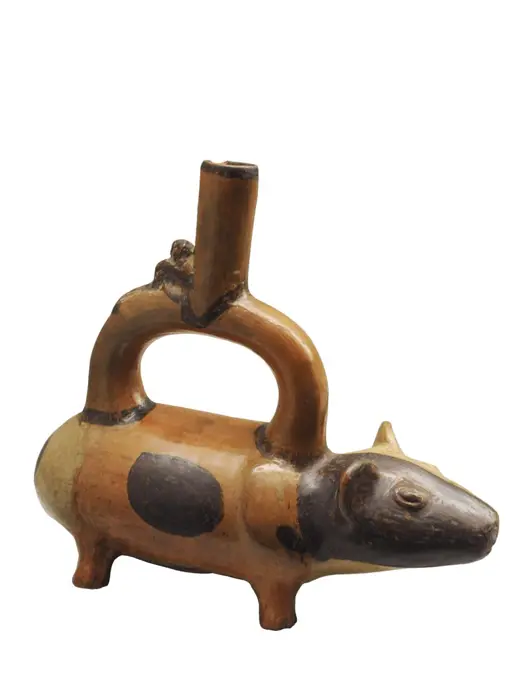
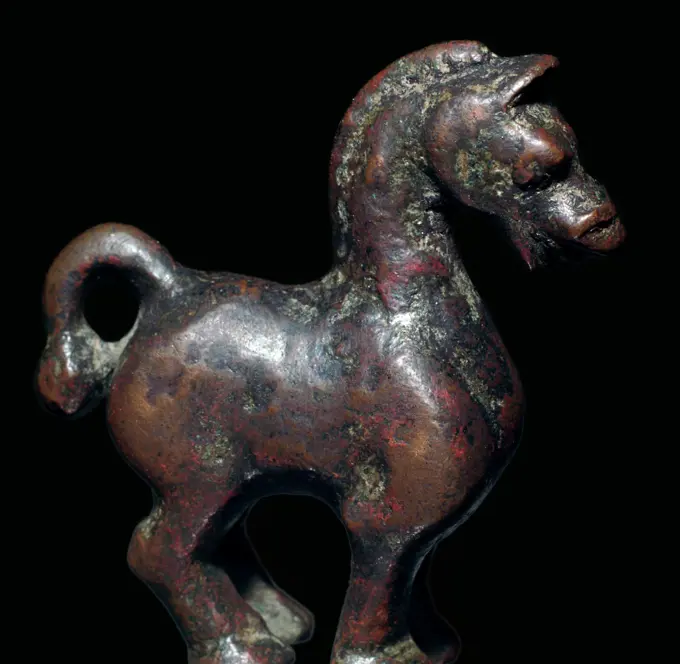
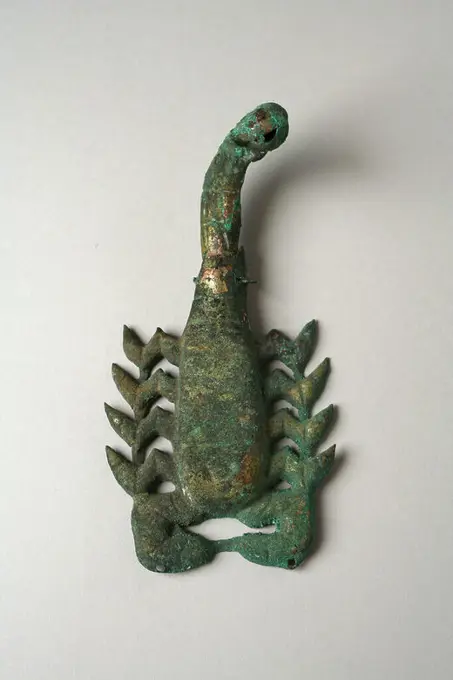
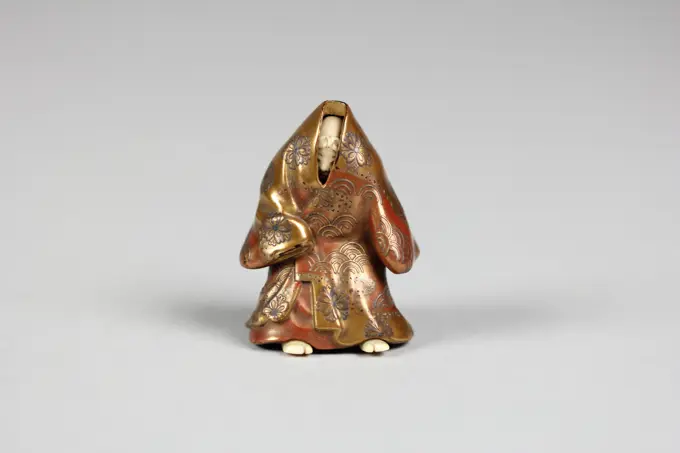
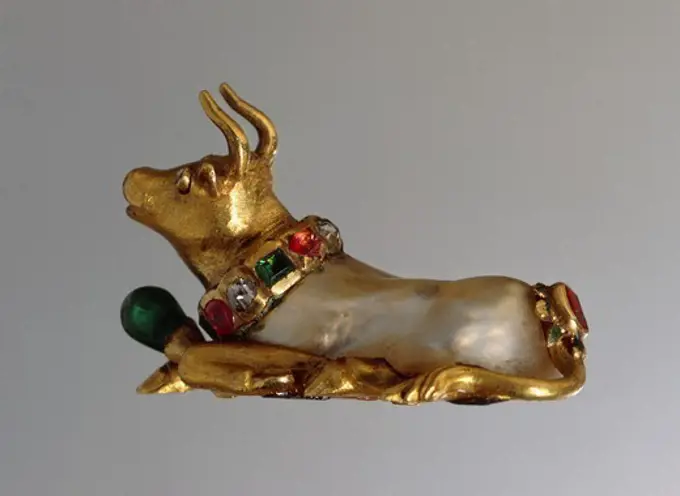
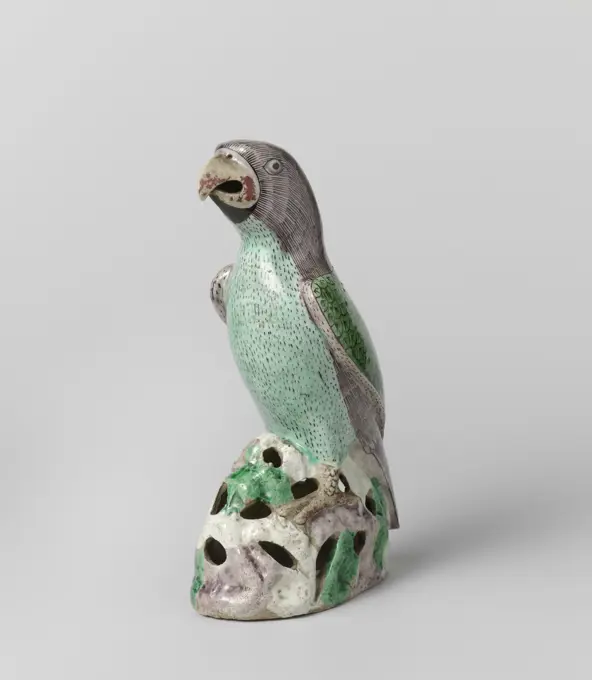
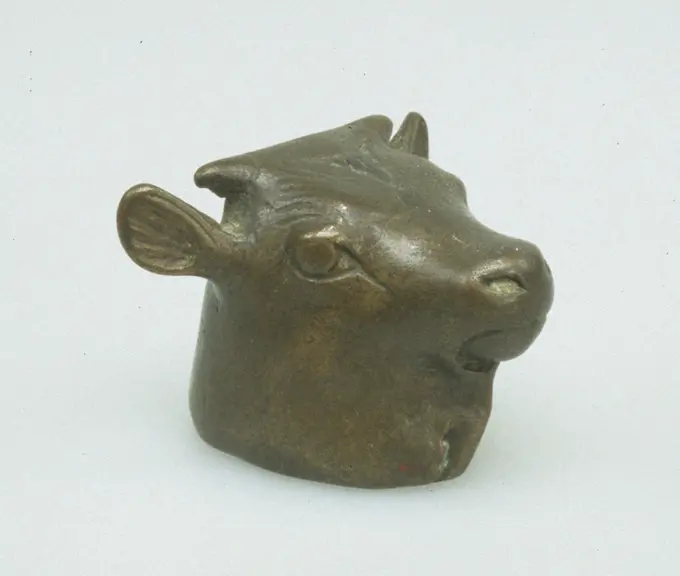
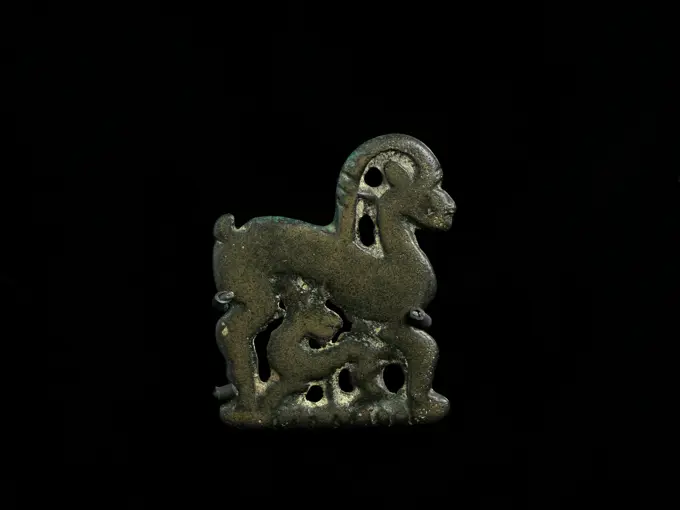
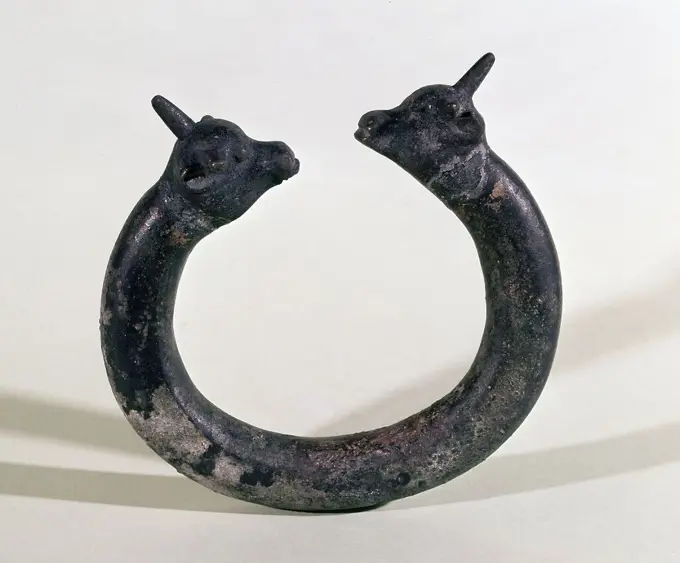
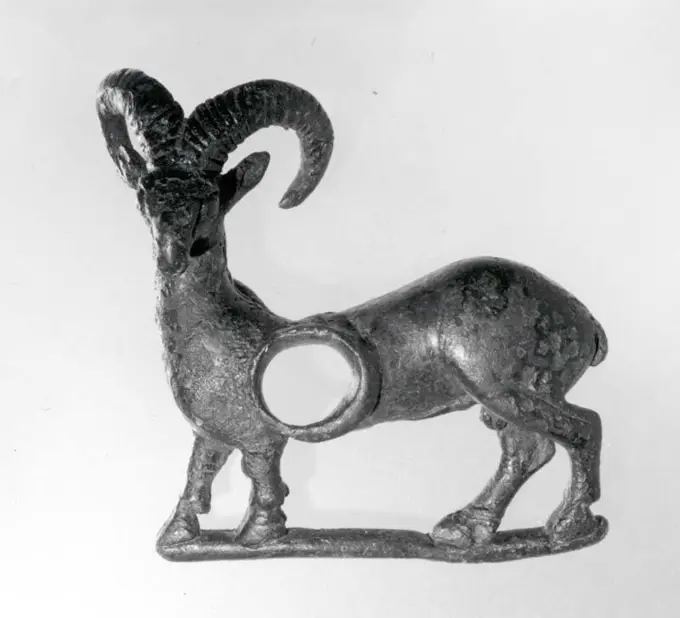
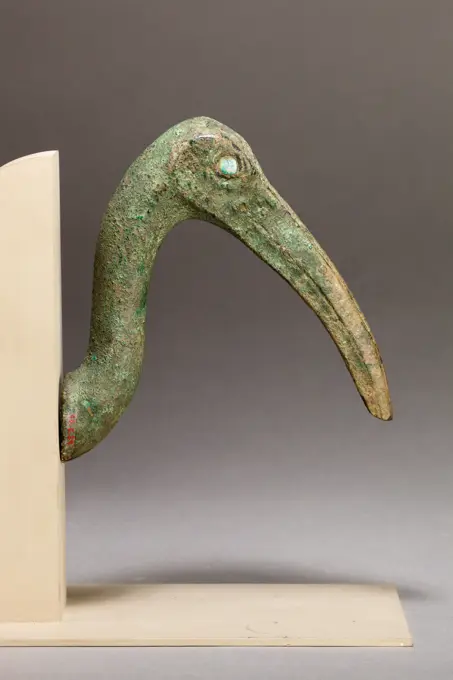
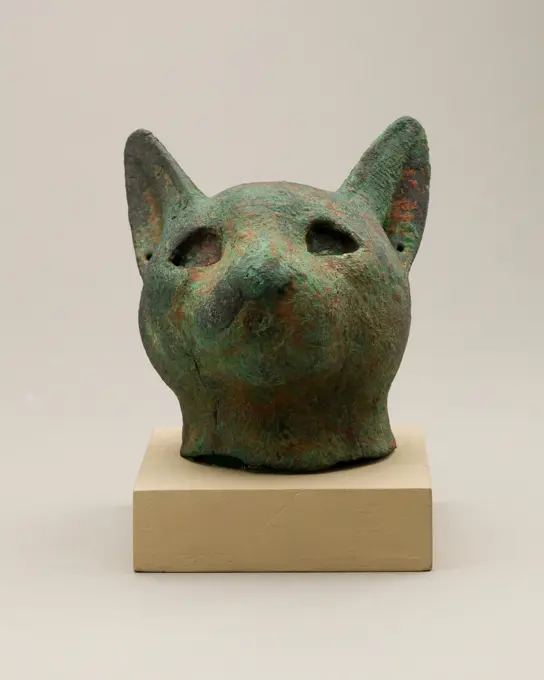
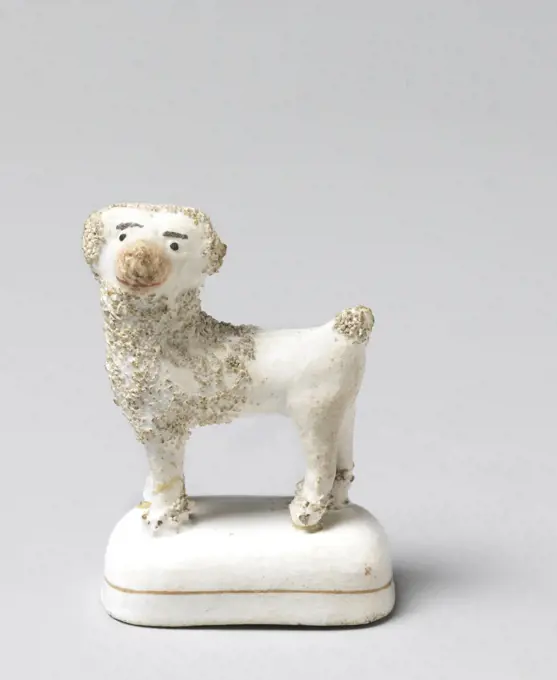
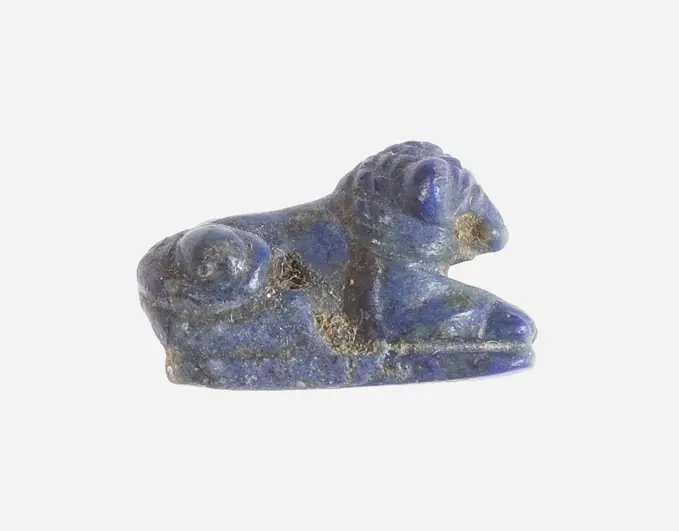
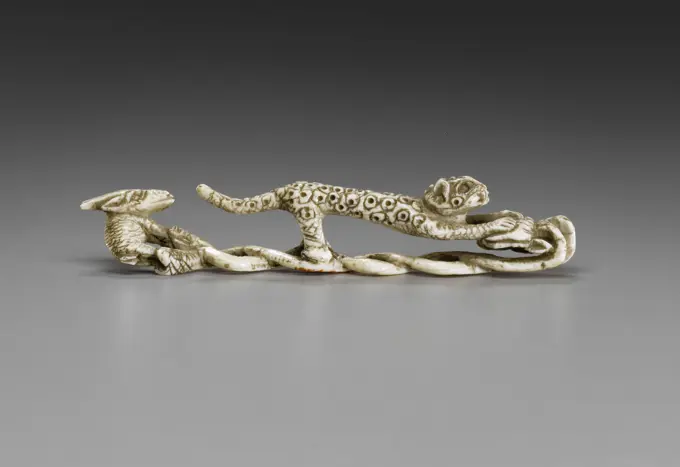
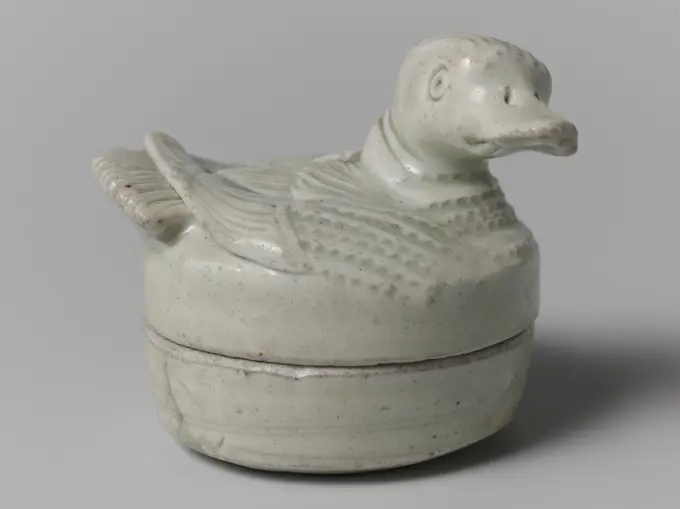
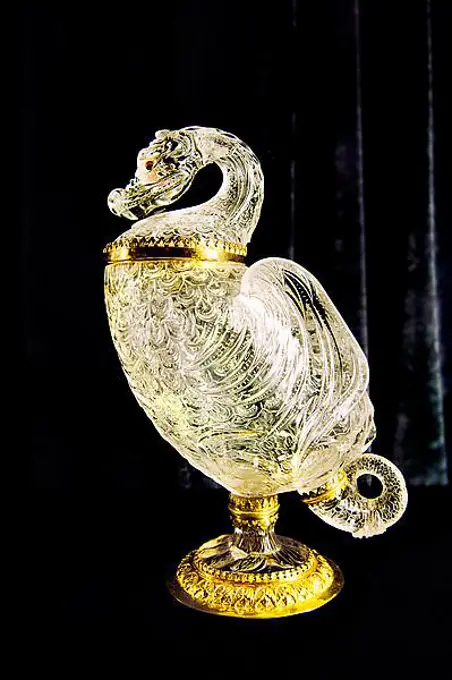
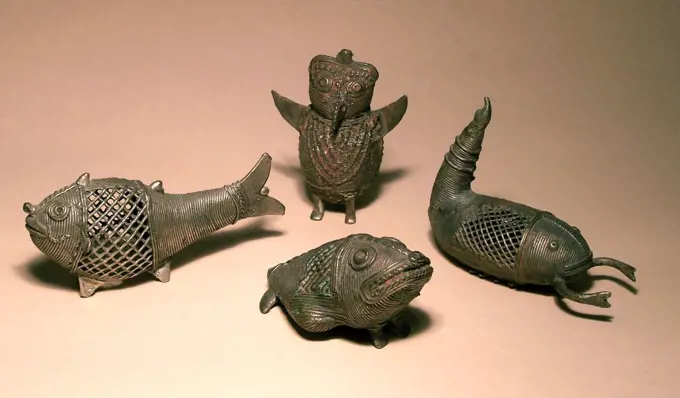
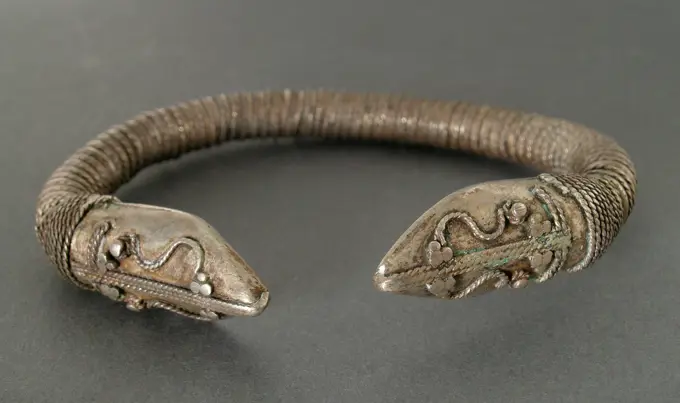
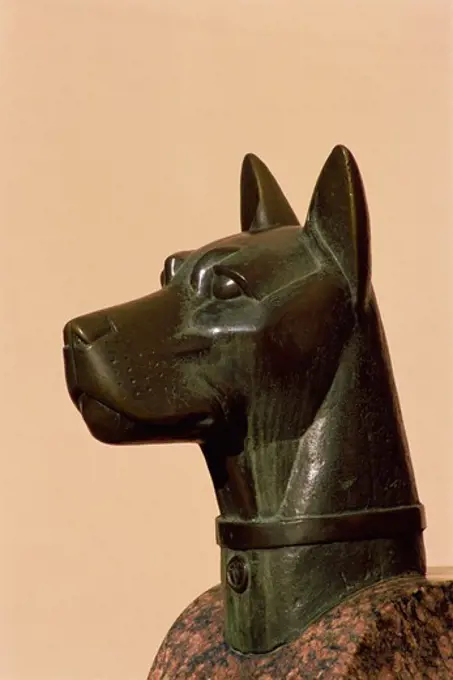
Animal Ornament 6th-7th century Moche (Loma Negra). Animal Ornament 315139Bird, 4th-3rd century BCE, 3 1/2 × 5 3/16 × 4 in., 0.9 lb. (8.89 × 13.18 × 10.16 cm, 0.4 kg), Bronze, China, 4th-3rd century BCEVessel Handle (Ram). Iran, no date. Furnishings; Serviceware. Bronze, castSeal with Bird 750 BCE-700 BCE Thessaly. This precious bronze object is a votive, or devotional gift, made as an offering to the gods. They come in many forms, such as animals, beads and brooches. Many seem once to have been attached to something else. Votives were hung from sacred trees or placed in sanctuaries around Greece. Once a shrine was full, the votives were ceremonially buried to make room for more offerings.. Bronze . Ancient GreekChariot finial with bird, 11th century BCE, 7 5/8 × 2 1/4 × 3 1/2 in. (19.37 × 5.72 × 8.89 cm), Bronze, China, 11th century BCECista, foot. Cista, foot 256688Finial. Western Inner Mongolia, 5th-4th century B.C.. Architecture; Architectural Elements. Bronze, castPendant. Inner Mongolia or northern China, 1st century A.D. or later. Jewelry and Adornments; pendants. Bronze, castGarment Plaque in the Shape of a Przewalski Horse 6th-4th century B.C. Kazakhstan. Garment Plaque in the Shape of a Przewalski Horse 59562Lamp Lid. Roman, late Roman-Byzantine, A.D. 4th-6th century. Furnishings; Lighting. Bronze, castBelt Clasp. Chinese Nomad, Han, 206 B.C.- 220 A.D.. Jewelry and Adornments. BronzeChariot Yoke Ornament in the Shape of a Doe 4th century B.C. North China. Chariot Yoke Ornament in the Shape of a Doe 49438HandleIbis Eating a Lizard, 100 BC-AD 100. Italy, Rome, Roman Empire. Bronze, hollow cast; overall: 37.5 cm (14 3/4 in.).Falcon in double crown surmounting a shrine shaped box for an animal mummy. Dimensions: H. 10.5 cm (4 1/8 in.); W. 4.2 cm (1 5/8 in.); L. 17 cm (6 11/16 in.). Date: 664-30 B.C..The falcon god Horus stands with his wings swept back. He wears the double crown of Egypt, a royal crown that symbolizes the union of Lower and Upper Egypt, and highlights Horus' role as the legitimate ruler of the entire land. The crown's elements are distinct and well made: the red crown of Lower Egypt, lacking only its curling spiral at the front, and the white crown of Upper Egypt. The falcon wears the double crown because Horus and the concept of kingship were closely tied, as early as the Predynastic Period. The falcon is gilded and the bright gold color communicates its shining, luminous divine nature. Cupreous metal statuettes of gods were frequently gilded, but the gilding easily wears over time. This rare survival is representative of a much larger category of material, and shows how donors invested inLamp Lid. Roman, Late Roman-Byzantine, 4th-6th century. Furnishings; Lighting. Bronze, castSphinx-shaped foot of vessel ca. 150 B.C.-150 A.D. Ptolemaic Period to Roman Period. Sphinx-shaped foot of vessel 546108Fitting in the Form of a Bird 11th-10th century B.C. China. Fitting in the Form of a Bird. China. 11th-10th century B.C.. Bronze. Western Zhou dynasty (1046-771 B.C.). MetalworkCaparisoned Horse 535 CE-557 CE China. Earthenware with traces of polychromy .Ryton;  330-320 BC (-330-00-00--320-00-00);Purchase (provenance)Bird-shaped Vessel, 1100s. Iran, Seljuq period (1037-1194). Bronze, cast, with chased and chiseled decoration; eyes inlaid with blue glass; overall: 17.5 x 9.5 cm (6 7/8 x 3 3/4 in.).Sow Amulet 664-380 B.C. Late Period. Sow Amulet 545262Cheekpiece from a Horse Bit. Iran, Luristan, Luristan bronzes, circa 1000-650 B.C.. Tools and Equipment; horse trappings. Bronze, castFinial 10th-11th century. Finial 449954Wolf with deer leg, mid 19th century, Tomotada, Japanese, died before 1781, 1 7/8 x 1 3/8 in. (4.76 x 3.49 cm), Ivory, Japan, 19th centuryBird sculpture ca. 1000 B.C. Iran. Bird sculpture 325064Bird Figurine 1301-1500 Java. Terracotta .. Sculpture of animal or man with arm board, sitting on a column. The image belongs to eleven images (BK-NM-144-1 to BK-NM-144-12).Dog second half 18th century Italian, Naples In 1964, Loretta Hines Howard generously presented to the Museum over 140 Neapolitan crèche figures, dating from the second half of the eighteenth century. The varied assortment includes figures from the three traditional scenes of a complete Neapolitan presepio: the Nativity, with angels, shepherds, and sheep; the procession of the three Magi, with their colorful retinue of attendants; and the varied and gay crowd of country and town people thronging the tavern, or inn, of Bethlehem  the diversorium mentioned by St. Luke, where on the Holy Night there was no place for Mary and Joseph. Averaging between twelve and fifteen inches in height, according to the position they were to take in perspective in the stage set, the figures are pliable and can be given poses at will, according to their facial expressions. Their bodies are made of tow and wire, their arms and legs are finely carved of wood, and their heads and shoulders are modeled of terTally (key-tiger) China. Tally (key-tiger). China. Gilt bronze. Han dynasty (206 B.C.-A.D. 220). SculptureBelt Buckle with Animals, 202 BC-9. China, Ordos region, Western Han dynasty (202 BC-AD 9). Gilt bronze; overall: 6.1 x 11.8 cm (2 3/8 x 4 5/8 in.).Horse bit cheekpiece in form of a horse and rider ca. 900-750 B.C. Iran Starting around 1930 large quantities of bronze artifacts came on the antiquities market. These artifacts are characterized by a unity of style and type, and have been attributed to Luristan, a mountainous region in western Iran. This is little evidence to support this attribution, but the term Luristan bronze’ is now well-known and widely used as a shorthand for this idiosyncratic corpus of objects.This cast bronze cheekpiece was originally part of a bridle for a horse, and it has loops affixed to it through which the reins would have passed. It depicts a rider mounted on a horse in the round. The horse’s shoulders and hindquarters are modeled, and its knees and ankles are indicated with raised lumps. All four legs are individually modeled, and a small penis is visible between the hind legs. The hooves are marked with incised lines. The horse’s tail is rendered as a cylindrical tube that connects to the groundlinFIGURA DE TORO DE BRONCE. IBERICO ESCULTURA. (DEPOSITO: MUSEO ARQUEOLOGICO NACIONAL).Ibis on a shrine shaped box, probably for an animal mummy 664-30 B.C. Late Period-Ptolemaic Period. Ibis on a shrine shaped box, probably for an animal mummy 552025Seated Spaniel' still bank, 19th century, 5 1/8 x 3 1/8 x 1 7/8 in. (13.02 x 7.94 x 4.76 cm), Ceramic, pigment, England, 19th centurySword Hilt. India, Rajasthan, circa 1875-1950. Arms and Armor; hilts. Gilt silver inlaid with red foil-backed paste eyesBrass copper design fitting on antique wooden camel, Jodhpur, Rajasthan, India Copyright: xSafatxAli/DinodiaxPhotoxCat figurine;  664-332 BC ; Half period (-664-00-00--332-00-00);University of Warsaw (1816-) - collection, catsAntoine Louis Barye, Ratel Stealing Eggs, model nd, cast c 1870 1874 Ratel Stealing EggsEating spoon -Cheekpiece from a Horse Bit. Iran, Luristan, Luristan bronzes, circa 1000-650 B.C.. Tools and Equipment; horse trappings. Bronze, castRattle, cow. Dimensions: L. 9.8 cm (3 7/8 in.); H. 9 cm (3 9/16 in.); W. 2.6 cm (1 in.). Dynasty: Dynasty 18. Date: ca. 1550-1295 B.C..This rattle has the form of a cow with stumps indicating the protruding knees of its legs folded beneath its body and the tail lying along its back. The animal raises and turns its head, seemingly agitated. The composition of the figure recalls very much Egyptian representations of agitated cattle bound and awaiting sacrifice. The confined form of the body is, of course, necessitated by the need to hold and shake the object, but the imitation of a sacrificial animal suggests the rattle accompanied a temple or funeral ceremony where such animals were offered.Rattles are known already in the Predynastic Period, those preserved having simple shapes. With the Early Dynastic and Old Kingdom some animal forms appear, generally rather compressed. The Middle Kingdom and New Kingdom see more elaborate forms. Several rattles were found at the late eighteenth dJue libation vessel, 11th century BCE, 7 3/8 × 6 7/16 × 3 1/2 in., 1.3 lb. (18.73 × 16.35 × 8.89 cm, 0.6 kg), Bronze, China, Western Zhou dynasty (c. 1046-977 BCE), Jue are one of the earliest ceremonial bronze forms created by artists in the Erlitou culture (c. 2000-1600 BCE), the first known culture in China to employ advanced bronze technology. The prototype of the bronze jue is a pottery vessel known as gui, found in the late Neolithic Longshan culture (c. 2500-2000 BCE). A type of wine vessel, Jue flourished during the Shang (c. 1600-1406 BCE) and early Western Zhou (c. 1406-977 BCE) dynasties but diminished in popularity after the mid-Western Zhou period in the late 800s BCE. This jue, with its goblet-like body supported by tall blade-shaped legs, is typical of the early Western Zhou dynasty. Its long U-shaped spout is flanked by two capped posts, which are visually and physically balanced by a flaring winglike tail. The decoration on the band consists of two pairs of birds facinDog Vessel. Mexico, Nayarit, 200 BCE-500 CE. Ceramics. Slip-painted ceramic with resist decorationHippopotamus ca. 1950-1750 B.C. Middle Kingdom. Hippopotamus. ca. 1950-1750 B.C.. Faience. Middle Kingdom. From Egypt, Memphite Region, Lisht North, cemetery east of the tomb of Senwosret (758), Pit 757, MMA excavations, 1906-07. Dynasty 12-13Antoine Louis Barye, Panther of Tunis, model nd, cast c 1860 1873 Panther of TunisDolphin. Copper alloy. 1st-nd centuries. Magne collection. Coming from: rue Saint-Jacques, 1857. Paris, Carnavalet museum. DAUPHIN Copper alloy, dolphin, animalSpindle Whorl before 16th century Peruvian. Spindle Whorl 313293Zoomorphic vessel depicting a guinea pig. Ceramic. Chimu culture. Late Intermediate Horizon (1000-1470 AD). Peru. Museum of the Americas. Madrid, Spain. Lynx-Shaped Drinking Horn; Eastern Seleucid Empire; 100 - 1 B.C; Gilt silver; 24.5 × 41.9 × 12.2 cm (9 5,8 × 16 1,2 × 4 13,16 in.)A buffalo figurine with a boy playing a flute unknownLlama Bottle 4th-7th century Moche. Llama Bottle 309482Han Dynasty Chinese bronze horse. Artist: UnknownStanding female (with a hole for attachment of the head, now missing) ca. mid-7th millennium B.C. Hacilar. Standing female (with a hole for attachment of the head, now missing) 327035Scorpion. Culture: Moche (Loma Negra). Dimensions: Length 4-13/16 in. (12.2 cm). Date: 390-450. Museum: Metropolitan Museum of Art, New York, USA.Belt Buckle with Animal-Combat Scene 3rd-2nd century B.C. North China. Belt Buckle with Animal-Combat Scene 65287Netsuke 19th century Japan. Netsuke 60118Goldsmith's art, Flanders, 16th century. Gold set with a baroque pearl, rubies, emeralds and diamonds jewel in shape of an ox, 1590, mm. 21x34Stag. Japan, 18th century. Costumes; Accessories. Wood. Table of walnut with octagonal leaf on three flat cheeks, which are placed raywise relative to the middle style and form a pair of an angle of 120 degrees. The cheeks wear profiled rules, are at the fronts of S-shaped and end in lion claws with volutes. The center style ends in a drip.Standing Lamp with Running Dogs. Culture: Byzantine. Dimensions: Overall: 8 7/16 x 5 5/16 x 10 1/16 in. (21.4 x 13.5 x 25.6 cm). Date: 5th-6th century.Lamps with flat bases were designed to be set on stands when lit. This lamp with its running hounds may refer to a favorite aristocratic pastime, the hunt. Museum: Metropolitan Museum of Art, New York, USA.Parrot on a rock, anonymous, c. 1700 - c. 1724 Porcelain parrot, painted on the biscuit in blue, red, green, eggplant and black. Hollow image, the parrot is on a pedestal in the form of an openwork rock; The red painting on the beak and legs is worn out. Email sur biscuit with family distance colors. China porcelain. glaze. painting / vitrification Porcelain parrot, painted on the biscuit in blue, red, green, eggplant and black. Hollow image, the parrot is on a pedestal in the form of an openwork rock; The red painting on the beak and legs is worn out. Email sur biscuit with family distance colors. China porcelain. glaze. painting / vitrificationRooster weathervane, c. 1850, 24 3/16 x 34 1/2 x 2 5/8 in. (61.44 x 87.63 x 6.67 cm), Copper, zinc, iron, United States, 19th centuryBull's-Head Weight of 2 Deben ca. 1550-1391 B.C. New Kingdom The notation on the back of this bull's head sets its weight at 2 deben, an ancient Egyptian measurement equivalent to approximately 182 grams (0.2 lbs). The bull's head actually weighs 181.41 grams.. Bull's-Head Weight of 2 Deben. ca. 1550-1391 B.C.. Bronze or copper alloy. New Kingdom. From Egypt. Dynasty 18CANDIL DE BRONCE CON LA FIGURA DE UN PAVO REAL. Location: PRIVATE COLLECTION. MADRID. SPAIN.Brochure. Ordos. North of Hebei (China), 5th -th centuries BC. Paris, Cernuschi museum. 35253-1 Bronze, hetao, north, ordos, brochure, prehistory, prehistoricARTE IRANI-AJORCA DE BRONCE CON REMATES DE PROTOMOS DE CEBU-PATINA VERDOSA. Location: MUSEO ARQUEOLOGICO NACIONAL-COLECCION. MADRID. SPAIN.Tunisia, Carthage, Amulet representing Horus, the Falcon God, wearing a crown, siliceous pasteHorse bit cheekpiece in form of a mouflon ca. 8th-7th century B.C. Iran. Horse bit cheekpiece in form of a mouflon 322875Turkey WhistleIbis head 664-30 B.C. Late Period-Ptolemaic Period Inlaid vitreous material in the eyes gives this ibis head a life-like and alluring appearance. This elegant bird was sacred to Thoth, the god of wisdom, scribal functions, and learning. Representations of the ibis in cupreous metal are some of the most numerous sacred animal statuettes, alongside the cat, falcon, and Apis bull. The prevalence of the ibis during the first millennium BC, and the appeal of animal cult in general, can also be seen in the thousands of surviving ibis mummies, which were offered in animal necropoleis (catacombs) throughout Egypt. This ibis head would have been part of a large and imposing composite statuette, with the head and legs made of cupreous metal, and the body made of wood, stone, or another material. The technique of combining materials is well known for Egyptian statuary, and among cult dedications, was commonly used for ibis representations in particular. Ibis statuettes such as this have been founPITO CON FORMA DE TORO-SIN VIDRIAR-ARTE POPULAR S XX. Location: ALFARERIA. GRANADA. SPAIN.Rocking Horse, 1850-1900Top of a flagpoleHorse Bit. Iran, Luristan, Villanovan, circa 1000-650 B.C.. Tools and Equipment; horse trappings. BronzeBelt Hook with Wolf and Dzo 3rd century B.C. Northwest China. Belt Hook with Wolf and Dzo 59556Table screen (username). Sandstone, molding, celadon, incised decor. Cernuschi Museum, Asia Museum of Asia in the city of Paris.Owl-shaped broze ZUN (wine vessel) of the late Shang period, China, c.1200BC.Nose Ornament. Culture: Moche (Loma Negra). Dimensions: Width (main ring) 2-3/8 in.. Date: 390-450. Museum: Metropolitan Museum of Art, New York, USA.Dagger Hilt with Ram's Head. India, Mughal empire, circa 1650-1700. Arms and Armor; hilts. Mottled white nephrite jadeHead of a cat 664-30 B.C. Late Period-Ptolemaic Period The cat was sacred to the goddess Bastet, and was offered in sanctuaries and deposited in animal necropoleis throughout Egypt. This cat has a soft muzzle and a round face. Both ears are pierced and would have had earrings, probably of precious metal. The function of these large cat heads is ambiguous. They have been found in offering contexts, and it is commonly assumed that they formed part of a composite statuette; the full statuette, when intact, probably would have had a hollow wooden body and held a cat mummy inside, much as similar large hollow copper alloy statuettes did. However, these figures are almost never found with the composite bodies, even at sites where wood is relatively well preserved. It is possible that in some cases these cat heads were dedicated on their own, or were purposefully disassembled from their bodies, which were then discarded or used in another way.. Head of a cat 546074Brass design fitting on antique wooden parrot hanger, Jodhpur, Rajasthan, India Copyright: xSafatxAli/DinodiaxPhotoxKey Handle 1st-7th century Roman. Key Handle 462933Figure of a Poodle, Glazed and hand-painted earthenware, Textured figure of standing poodle, head turned to side, on simple oblong base; dog's features picked out in brown, tan, black, red on white ground, the curls of the hair in unglazed ceramic., Staffordshire, England, 1820-40, ceramics, Decorative Arts, figure, figureAmulet, lion ca. 1550-1295 B.C. New Kingdom. Amulet, lion. ca. 1550-1295 B.C.. Lapis lazuli. New Kingdom. From Egypt. Dynasty 18Handle of a Spoon() with Leopard and Two GoatsLion-shaped Sword-Grip Ornament (Menuki), c. 1615-1868. Japan, possibly Edo period (1615-1868). Gilt bronze;Bird on Pole on Stand. Greek; Thessaly. Date: 800 BC-701 BC. Dimensions: 4.3 x 2.4 x 0.8 cm (1 11/16 x 1 x 5/16 in.). Bronze. Origin: Greece. Museum: The Chicago Art Institute, Chicago, USA. Author: ANCIENT GREEK.Man with goat. On an elongated plate engraved, a man with a whip is a man with in his left hand. In his right hand he holds the leads of a goat or a goat that is on the plate for him. The image is marked with a dolphin and a master sign.Box in the shape of a duck, anonymous, c. 960 - c. 1279 Round box of stoneware, covered with a transparent enamel with a light blue tint. Qingbai. China porcelain. glaze vitrification Round box of stoneware, covered with a transparent enamel with a light blue tint. Qingbai. China porcelain. glaze vitrificationRock crystal ceremonial goblet, Treasury of the Residenz, Munich, Bavaria, Germany, EuropeGold deer, anonymous, c. 1700 - c. 1799 Animal figure of gold, representing a plum blossom-hert. The image is on a rectangular base of Lapis Lazuli. China gold (metal). lapis lazuli (rock) Animal figure of gold, representing a plum blossom-hert. The image is on a rectangular base of Lapis Lazuli. China gold (metal). lapis lazuli (rock)Display in Issyk Museum, Kazakhstan.Recumbent Hare. Egypt, 11th century. Metal. Bronze, hollow castJordanian animal figurines from Aqaba, a fish, owl, frog and scorpion.Bracelet. Syria or Egypt, 9th-10th century. Jewelry and Adornments; bracelets. Silver, fabricated from sheet, and round and twisted wire.JARDIN-FUENTE DE LAS RANAS O DE LATONA DETALLE RANA. Location: PALACIO REAL-JARDINES. LA GRANJA DE SAN ILDEFONSO. SEGOVIA. SPAIN.Dove 15th century South Netherlandish. Dove. South Netherlandish. 15th century. Brass. Metalwork-BrassDog Statue, Town Hall Square, Kaunas, LithuaniaCrane Group. Kagetoshi (Japan, active early to mid-19th century). Japan, early to mid-19th century. Costumes; Accessories. Ivory with sumi