Ancient Animal Ornaments

A collection of bronze animal ornaments from different ancient cultures, showcasing intricate craftsmanship and various animal forms.

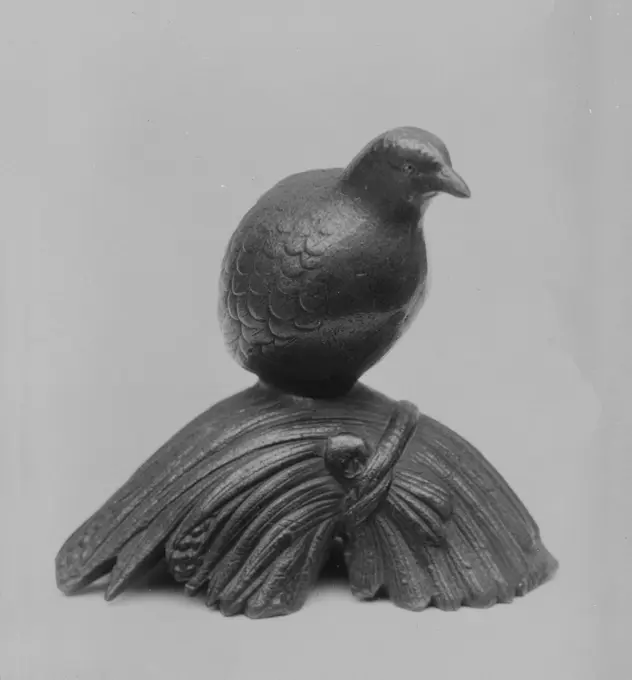
Bird, 4th-3rd century BCE, 3 1/2 × 5 3/16 × 4 in., 0.9 lb. (8.89 × 13.18 × 10.16 cm, 0.4 kg), Bronze, China, 4th-3rd century BCE
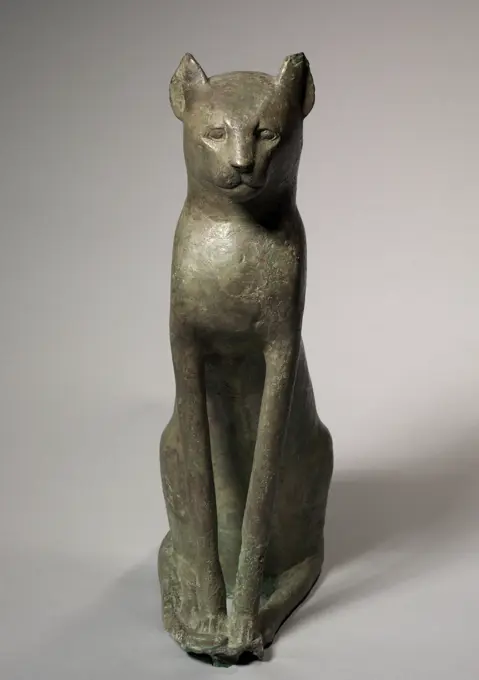
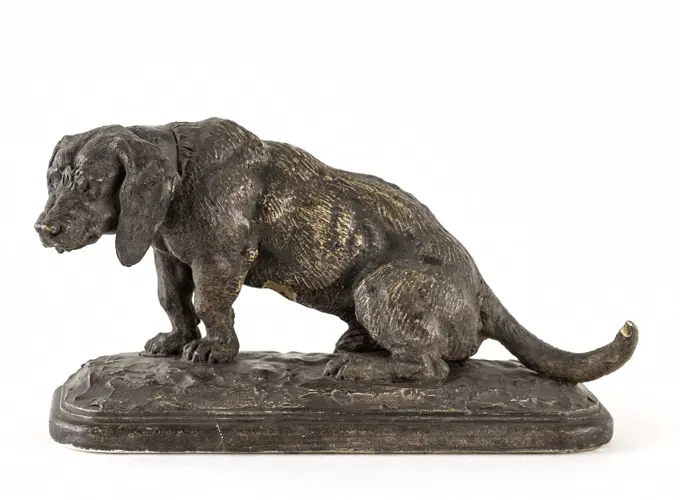
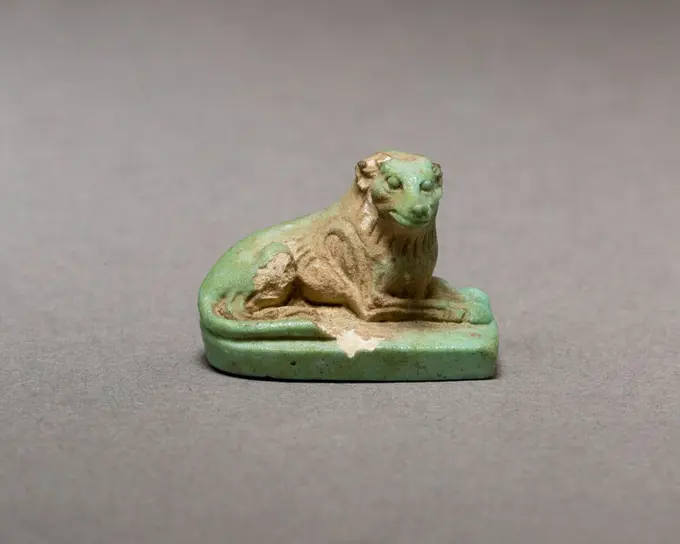
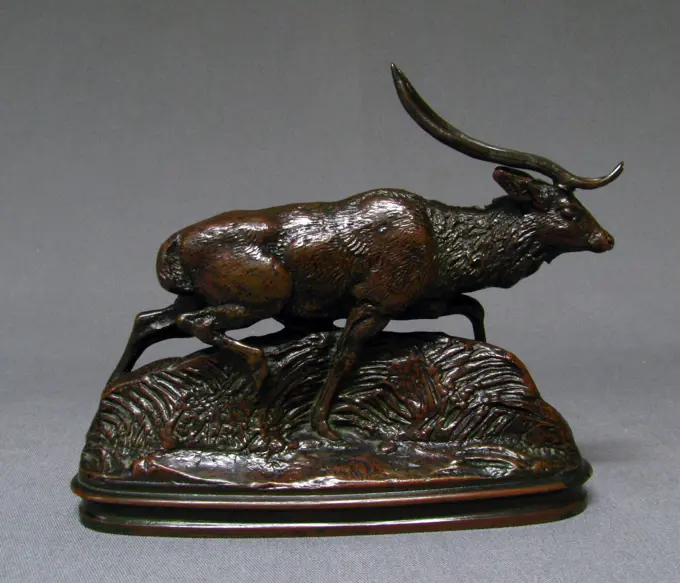
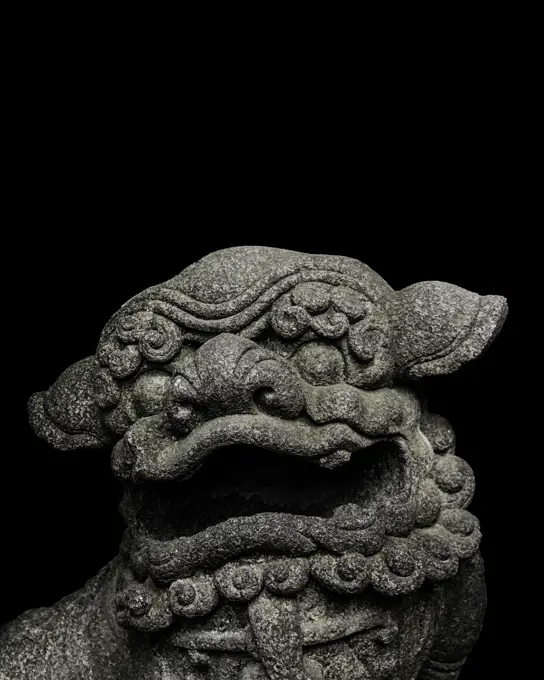
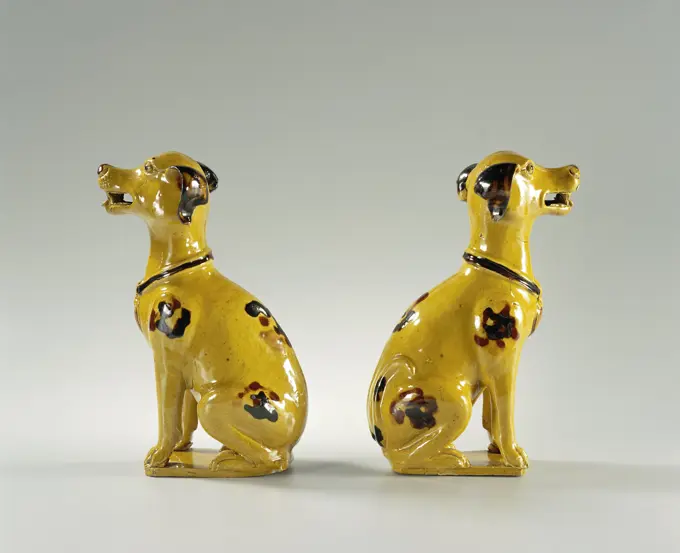
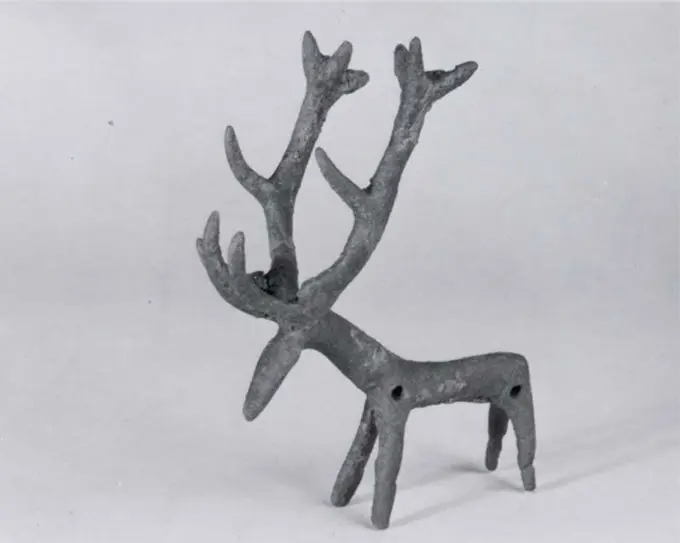
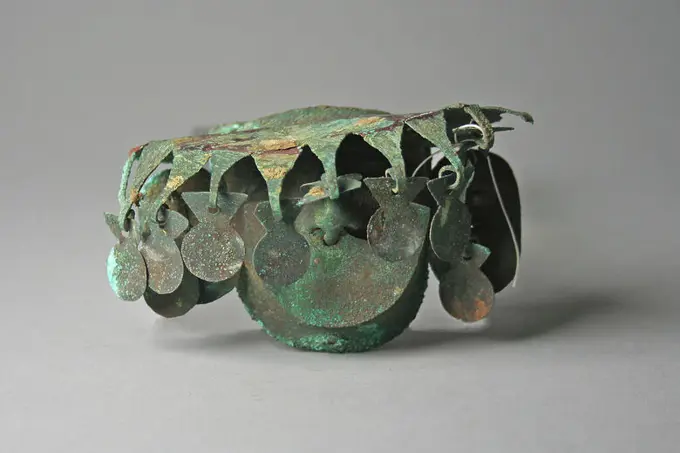
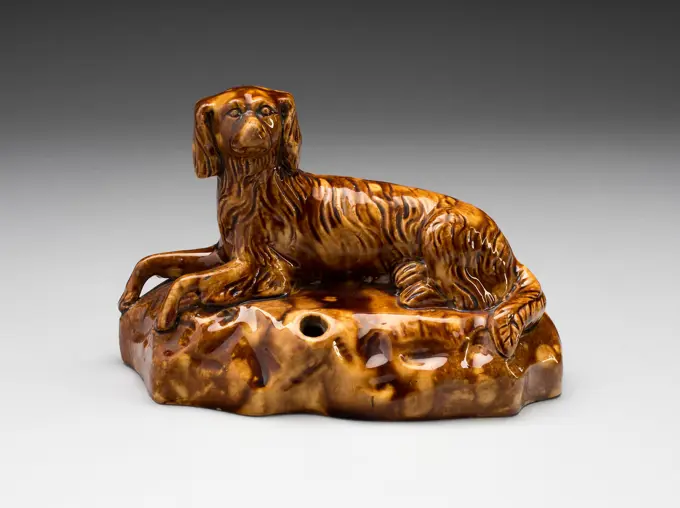
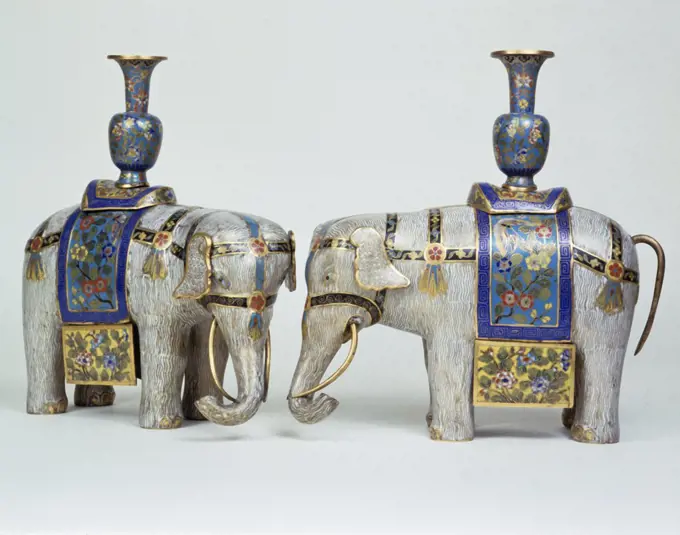
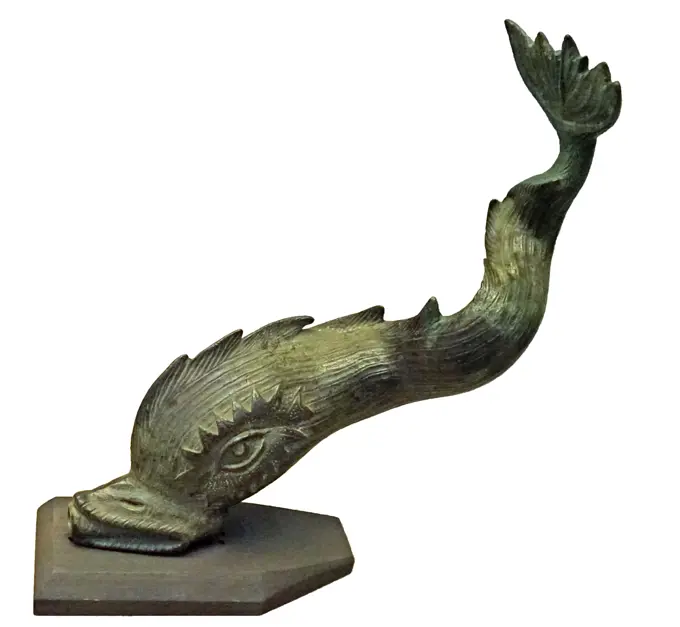
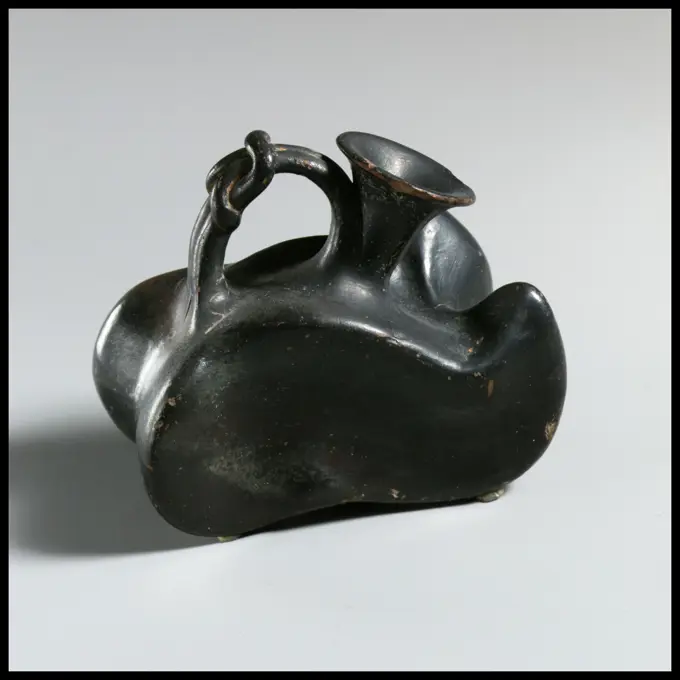
"Tell el-Yahudiya" Vase in the Shape of a Duck. Dimensions: h. 9 cm (3 9/16 in). Dynasty: Late Dynasty 13-early Dynasty 17. Date: ca. 1700 B.C.. Museum: Metropolitan Museum of Art, New York, USA.Cat Coffin, 305-30 BC. Egypt, Ptolemaic Dynasty (305-30 BC). Bronze, hollow cast; overall: 51 x 14.1 x 24 cm (20 1/16 x 5 9/16 x 9 7/16 in.).Achaemenian silver rhyton. Bougein. Persian.Antoine-Louis Bare (1795-1875). "Sitting Basset (long hairs, head turned to the left)". Bronze color patinated plaster. Before 1841. Museum of Fine Arts of the City of Paris, Petit Palais. Statuette, 19th XIXth 19th 19th 19th 19th century, animalReclining dog. Dimensions: L. 2.2 × W. 1.3 × H. 1.5 cm (7/8 × 1/2 × 9/16 in.). Date: 664-30 B.C..Dogs are rare in first millennium Egyptian depictions. By the Roman Period and perhaps already in the Ptolemaic Period a large spitz-like dog with a curled tail is associated with Isis. But a few terracottas that depict a more hound-like dog reclining or resting may date to the Ptolemaic Period. It seems to be this kind of dog that is represented by this figurine and also by 30.8.355. Whether they represent an interest in hunting or in a god(des) associated with hunting like Artemis, a personal pet, or something else is unclear. Museum: Metropolitan Museum of Art, New York, USA.Belt Plaque. Caucasus, Scythian, 1st-2nd century B.C.. Costumes; Accessories. BronzeCow Pitcher with Lid c 1855 Bennington. Earthenware . United States Pottery Company (Maker)Java Deer (second version) modeled ca. 1838, cast unknown Antoine-Louis Barye French In 1838 Barye obtained a commercial patent for casting small bronzes, and by 1845 he had formed a partnership with the entrepreneur Emile Martin for the purpose of producing small bronzes in quantity for middle-class collectors. Barye soon began to market his bronzes with the aid of a series of catalogues that permitted the purchaser to order from a variety of models. The earliest catalogue was published in 1844. The catalogue of 1847 stated that each bronze would be numbered and punch marked, but the marking system was quickly abandoned, perhaps because of its very success. After Barye's death, the models were bought by a number of founders, some of whom continued to use them for many years.. Java Deer (second version) 236595Italy, 1st century A.D. Iron and bronze keys. From Valle d'Aosta Region.A mythological fight. Chimu, Peru. Dated 13th CenturyBrass design fitting on antique wooden owl shape book holder, Jodhpur, Rajasthan, India Copyright: xSafatxAli/DinodiaxPhotoxTerracotta rhyton (vase for libations or drinking). Culture: Greek, South Italian, Apulian. Dimensions: H. 6 1/2 in. (16.5 cm). Date: ca. 350-300 B.C..The rhyton is in the form of a sheep's head. On the cuff is Eros flying with a casket. Museum: Metropolitan Museum of Art, New York, USA.Chinese Style Antique Lion Sculpture Dark Background Mythologic chinese stone lion sculpture head isolated on black background Copyright: xZoonar.com/DanielxFerreira-LeitesxCiccarinox 13564217Votive, bird figure ca. 1479-1458 B.C. New Kingdom. Votive, bird figure 549438Figure of a seated dog with spots and collar, anonymous, c. 1775 - c. 1799 Sitting dog of porcelain on a small base, painted on the glaze in yellow, brown and black with a yellow fur, dark dots and a collar. Email sur Biscuit. China porcelain. glaze. painting / vitrification Sitting dog of porcelain on a small base, painted on the glaze in yellow, brown and black with a yellow fur, dark dots and a collar. Email sur Biscuit. China porcelain. glaze. painting / vitrificationPlaque in the Shape of a Grazing Ibex 2nd-1st century B.C. Eastern Siberia and Mongolia. Plaque in the Shape of a Grazing Ibex. Eastern Siberia and Mongolia. 2nd-1st century B.C.. Gold. MetalworkStag figure ca. early 1st millennium B.C. Iran. Stag figure 324829Face Mask Ornament with Headdress. Culture: Moche (Loma Negra). Dimensions: H. 2 3/8 x W. 3 15/16 in. (6 x 10 cm). Date: 390-450. Museum: Metropolitan Museum of Art, New York, USA.Inkstand c 1850-1880 East Liverpool. Earthenware . East Liverpool PotteryPair of Cloisonne enamel and Gilt Bronze Elephant candleholders, Chinese ArtGondola Miniature; Italy; silver filigreeVotive, bird figure. Dimensions: L. 2.8 cm (1 1/8 in.); H. 2 cm (13/16 in.). Dynasty: Dynasty 18. Reign: Joint reign of Hatshepsut and Thutmose III. Date: ca. 1479-1458 B.C.. Museum: Metropolitan Museum of Art, New York, USA.Scorpion Moche 6th-7th centuryFigure 1700 Japan. Figure. Japan. 1700. Stoneware covered with a thin glaze (Bizen ware). Edo period (1615-1868). CeramicsFigure - buton. Lubartów (wytwórnia fajansu ; ca 1840-1850), factorySculpture of merry-go-round horse, Dingles Fairground Heritage Centre, Devon, EnglandVessel in the Form of a Fish. Egypt, 18th Dynasty, 1550 - 1307 BCE. Furnishings; Serviceware. FaienceA kitsch dog figurine with paw raisedBronze fountain-jet in the form of a dolphin, Roman, 2nd-3rd century AD possible from ConstantinopleTerracotta askos (flask with a spout and handle over the top) 4th century B.C. Greek, South Italian, Campanian The vase is in the shape of an astragal, the knucklebone usually of a sheep or goat. Such objects occur with some frequency in the fifth and fourth centuries B.C. Astragals mainly of bone and glass were used in a game comparable to jacks. As vases, they occur in several forms and may have had a connotation of chance or luck.. Terracotta askos (flask with a spout and handle over the top) 254214 Greek, South Italian, Campanian, Terracotta askos (flask with a spout and handle over the top), 4th century B.C., Terracotta, H. 7.19 cm. Length 8.61 cm.. The Metropolitan Museum of Art, New York. Rogers Fund, 1941 (41.162.47)John Benson How, Leaping Horse, 1894-1950, bronze.ARGOLLA PARA SUJETAR LOS CABALLOS. Location: EXTERIOR. NUEVA ORLEANS-LUISIANA.Rocking Horse, 1850-1900Dress ornament ca. 5th century B.C. Scythian. Dress ornament 322534