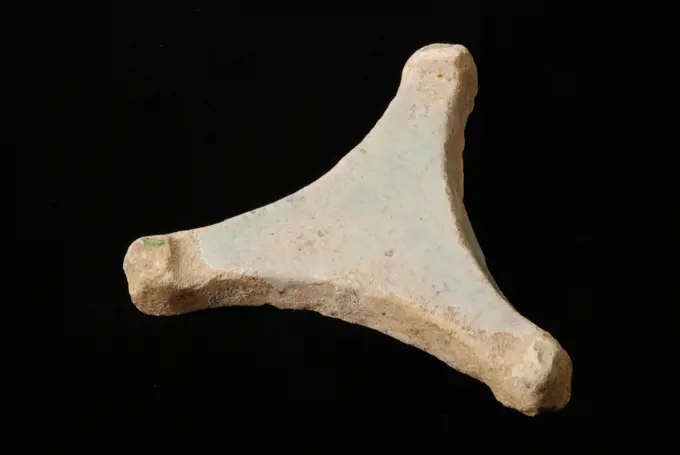
Ancient Armor Artifacts

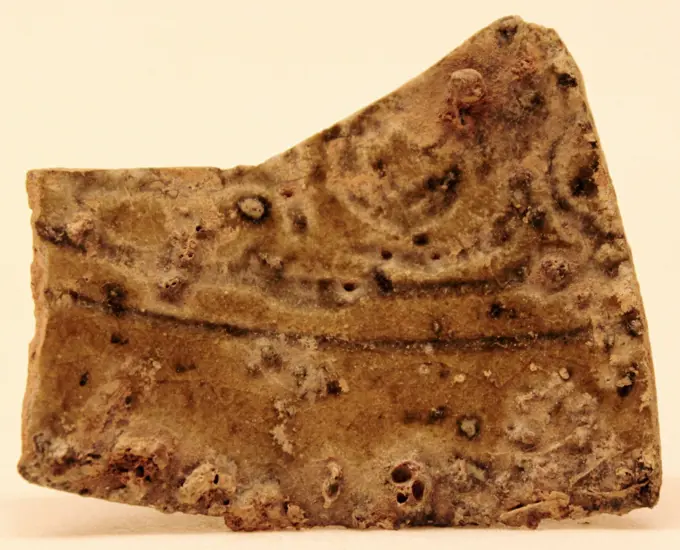
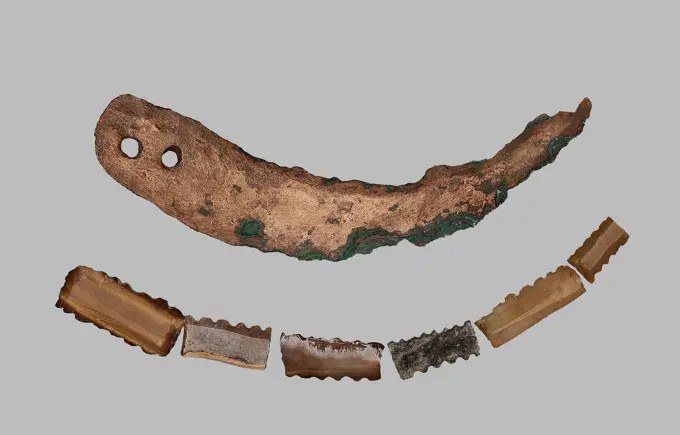
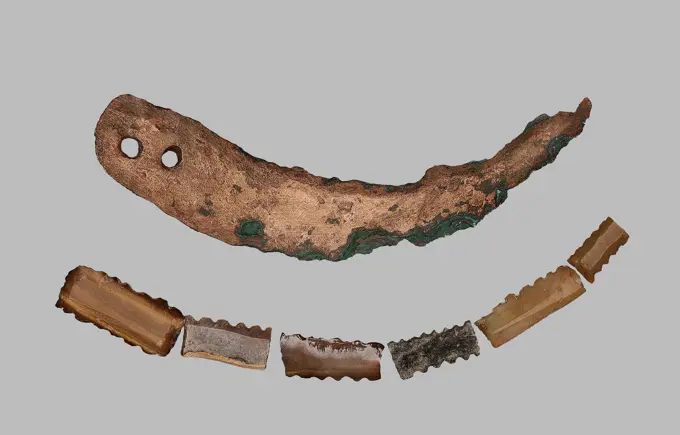
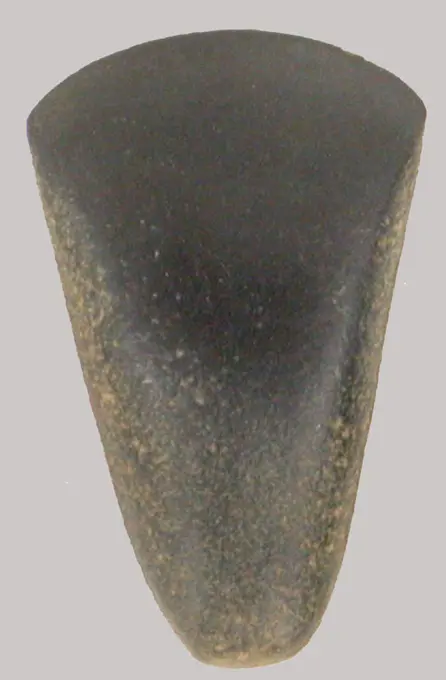
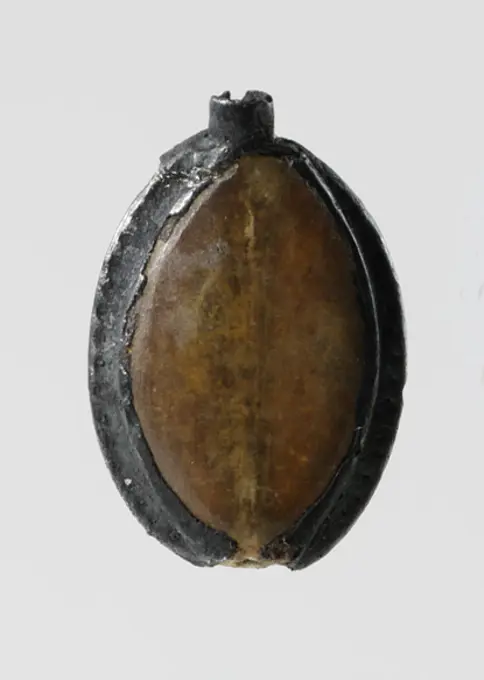
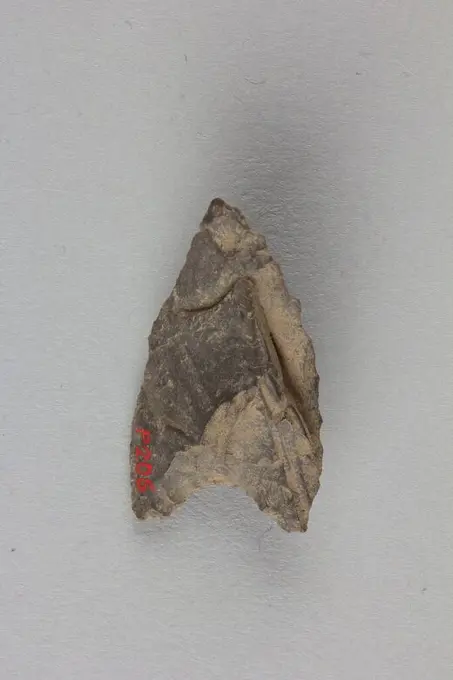
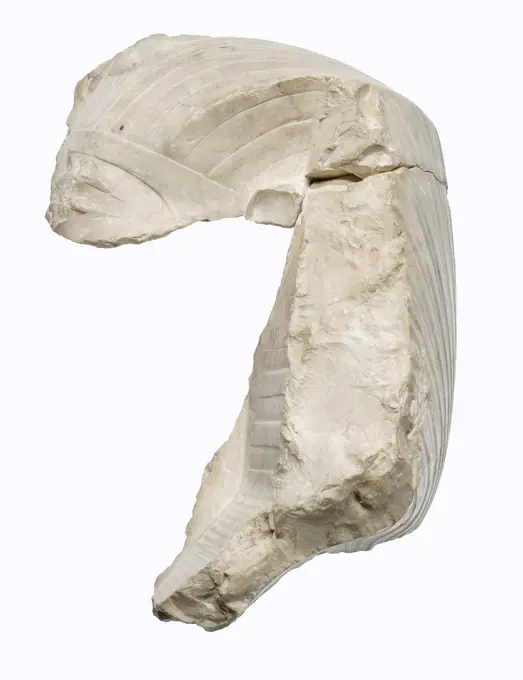
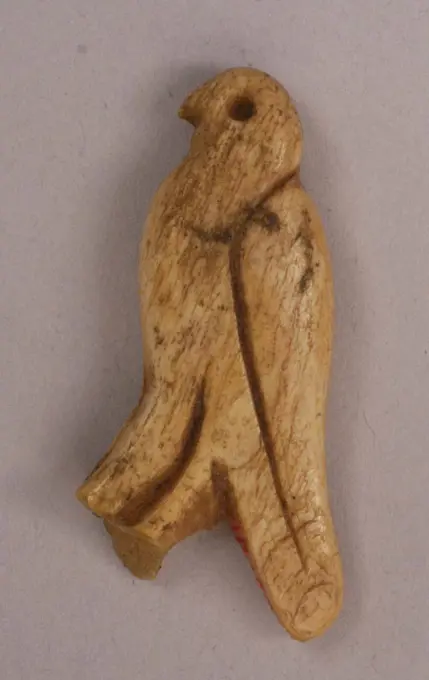
Historical artifacts including scales and relief fragments from ancient armor, highlighting craftsmanship from Egypt's past, with a focus on material textures.

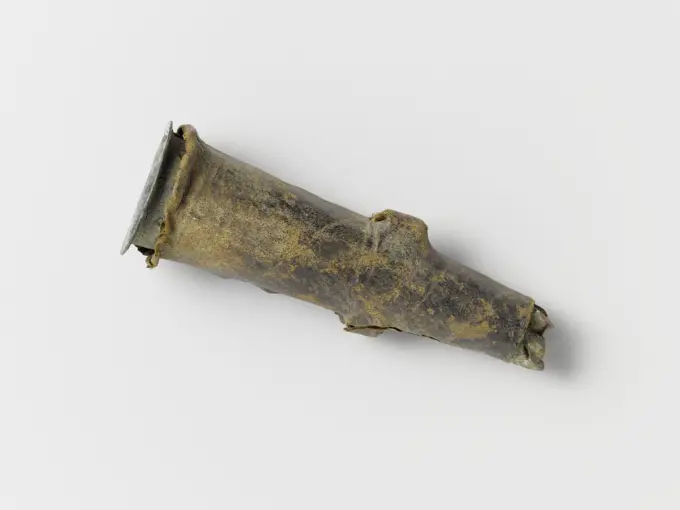
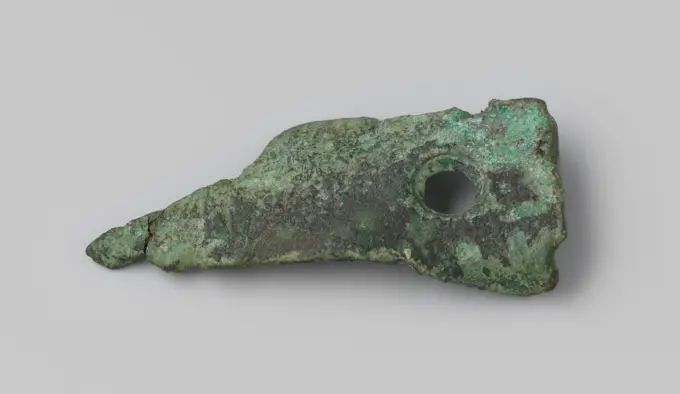
Spout of copper tap, small size, spout part ground find copper metal, cast filed Gray metal spout of tap in the shape of stylized animal head Curved spout with flat sides. Curvature only at the bottom. Small protruding lip at the front. Half of the vertical tube to which the stop belongs is still present archeology Rotterdam rail tunnel tap faucet holder component barrel beer wine Soil discovery: trajectory rail tunnel Rotterdam.
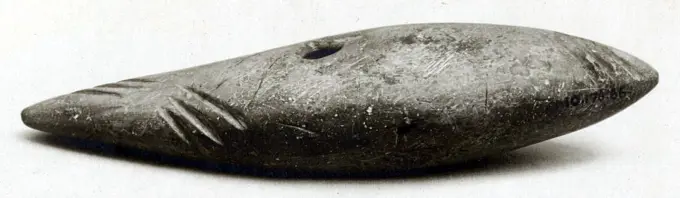
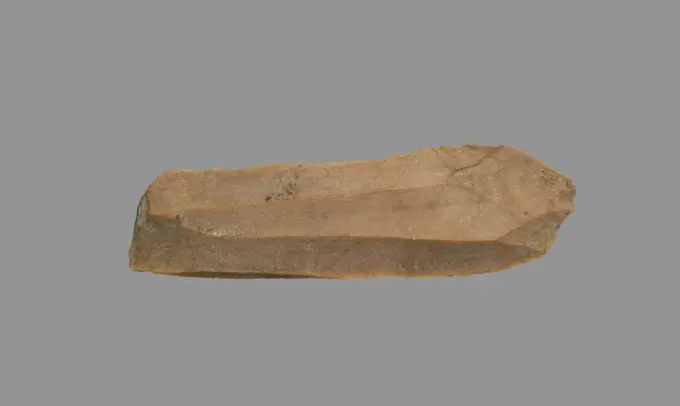
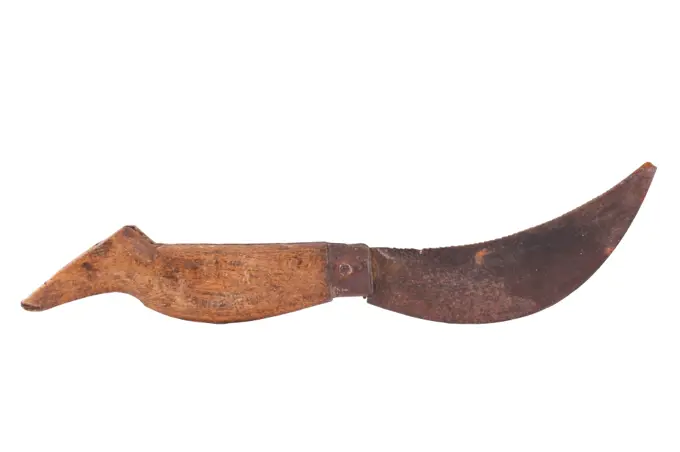
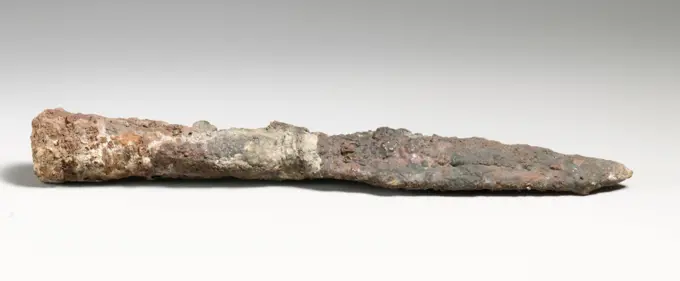
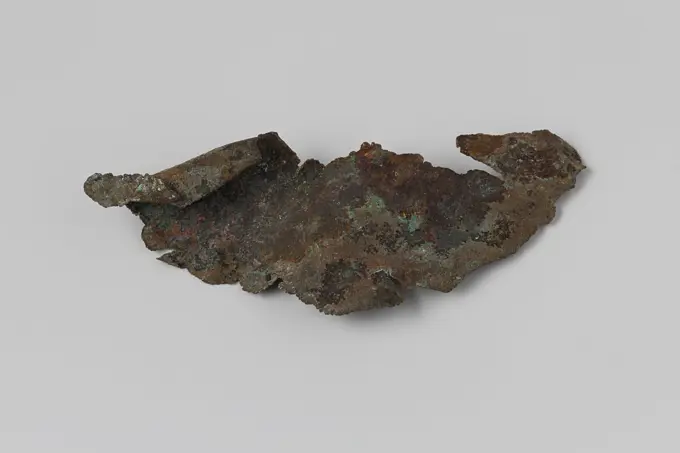
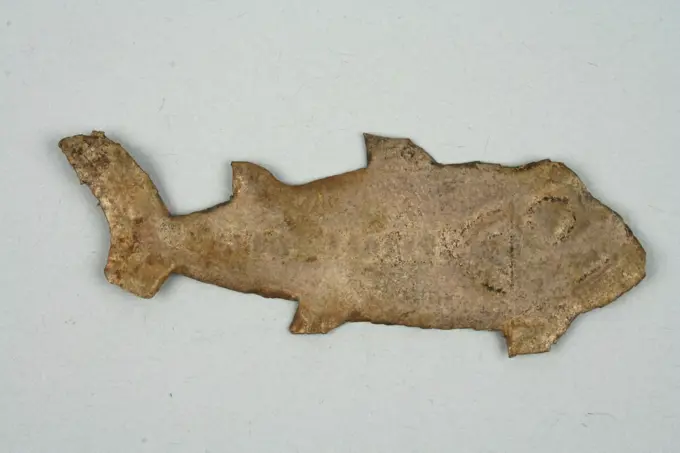
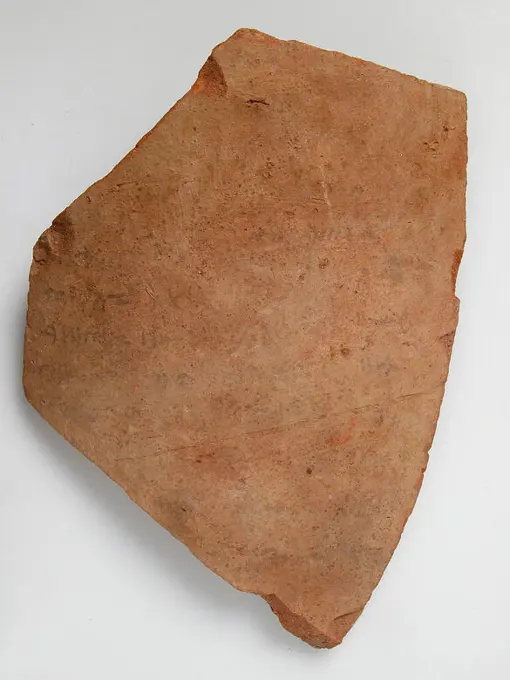
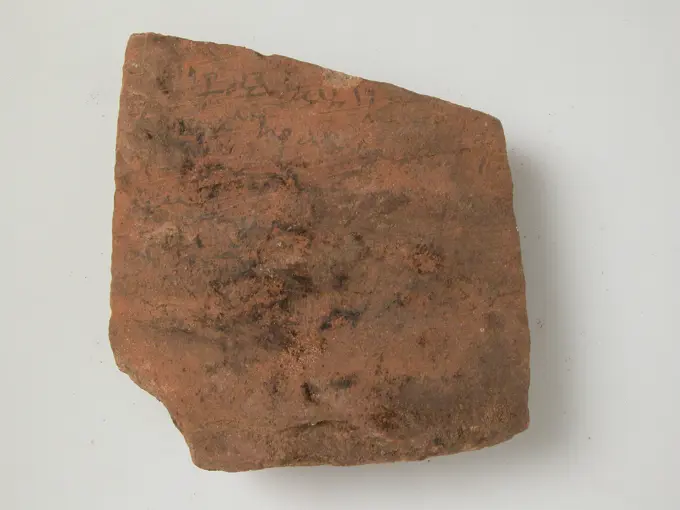
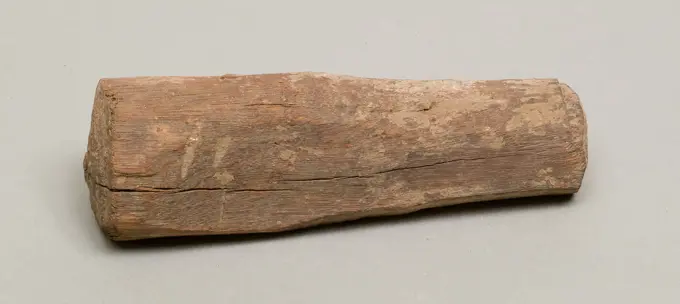
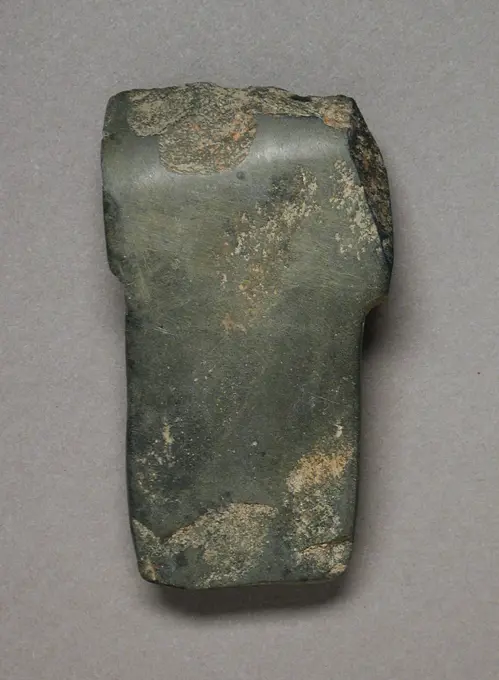
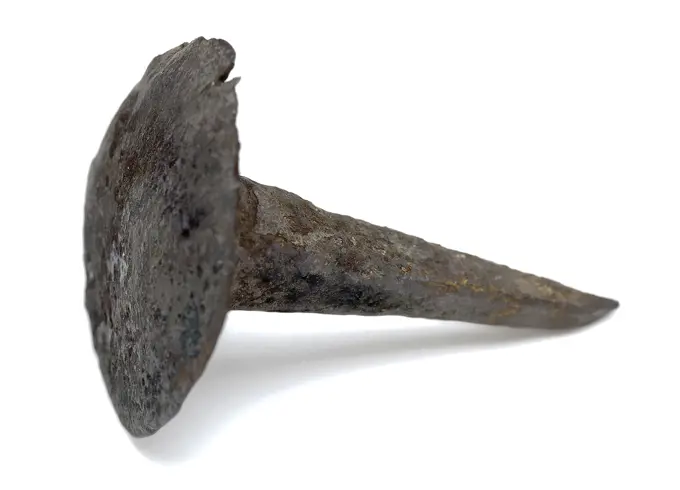
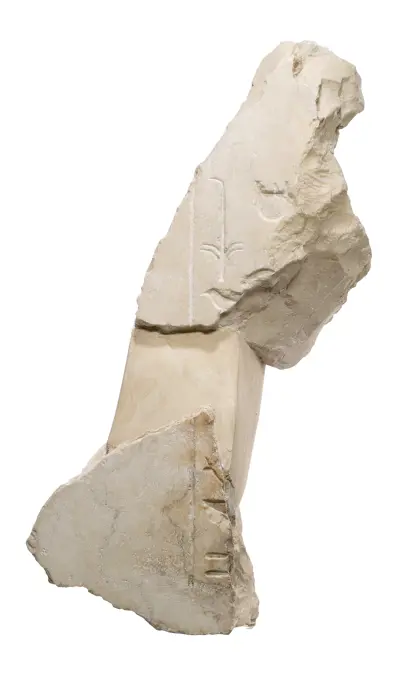
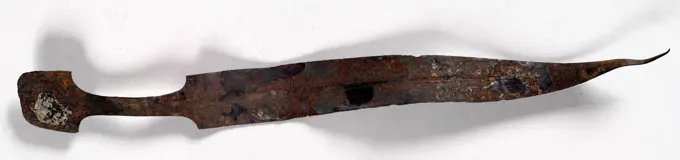
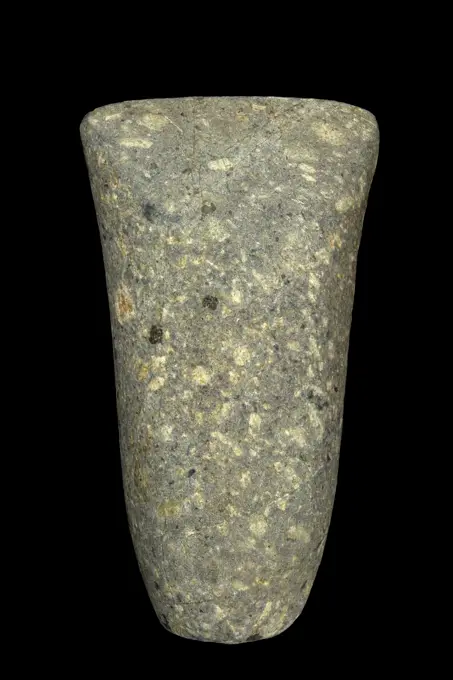
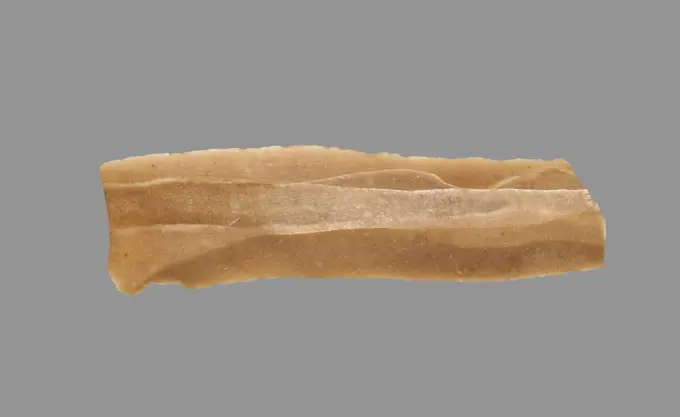
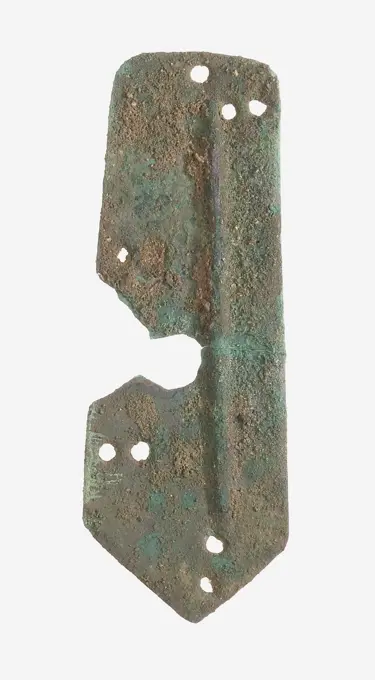
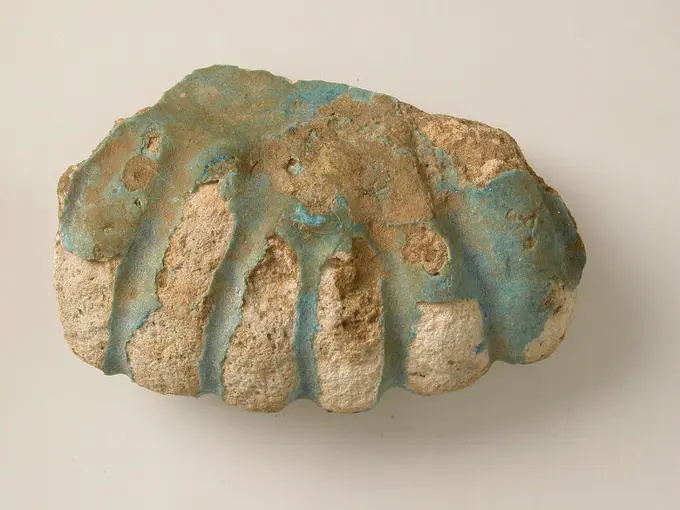
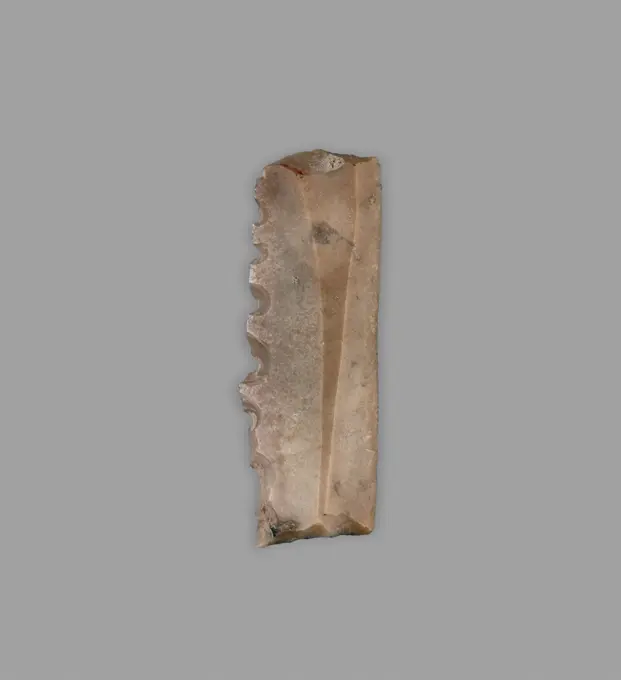
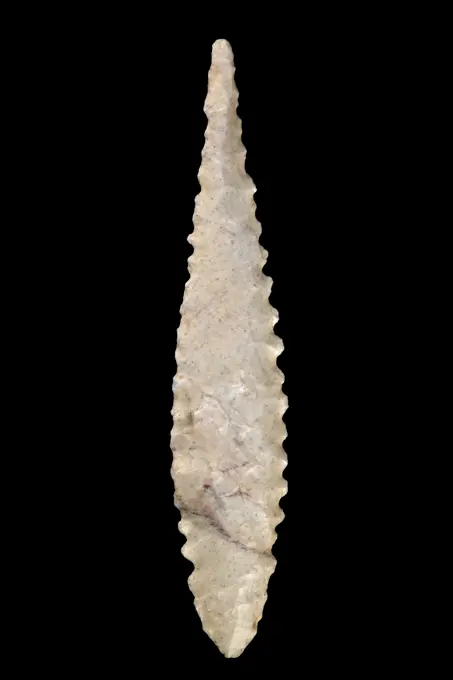
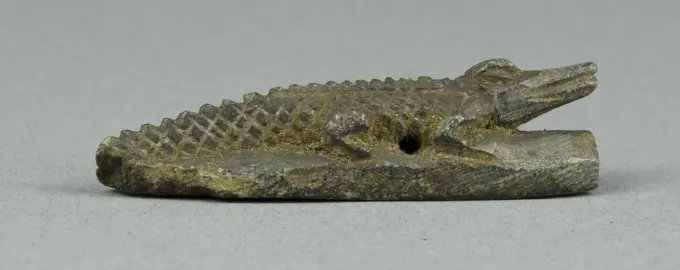
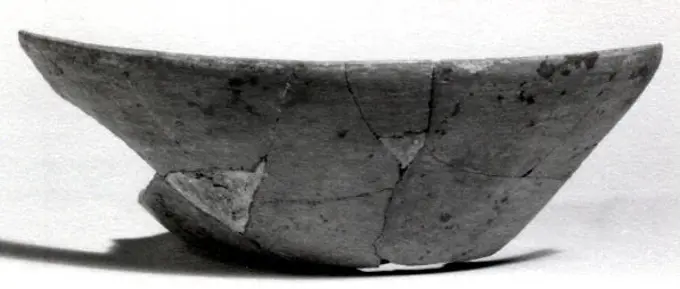
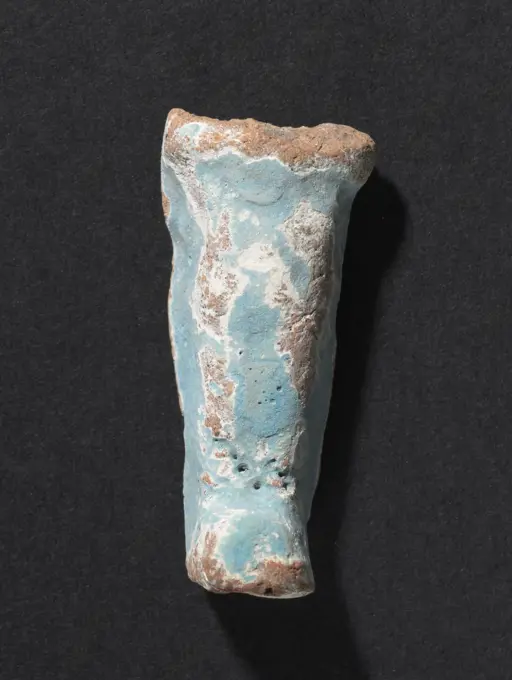
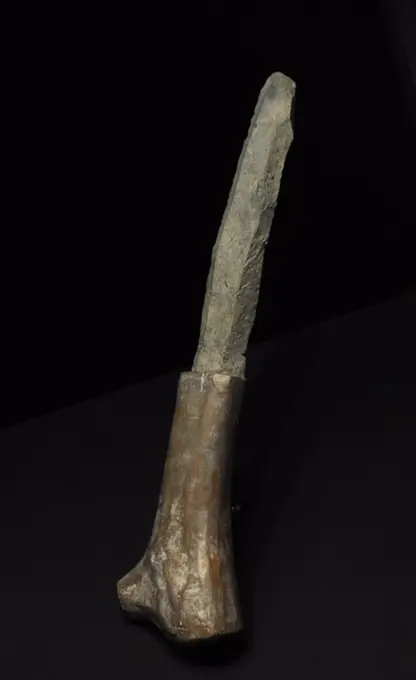
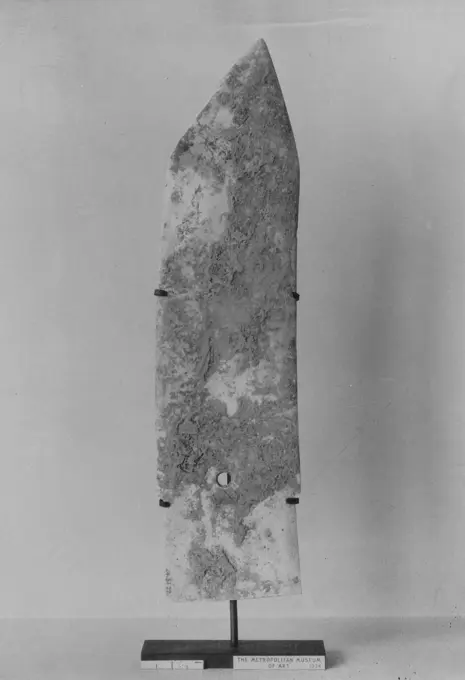
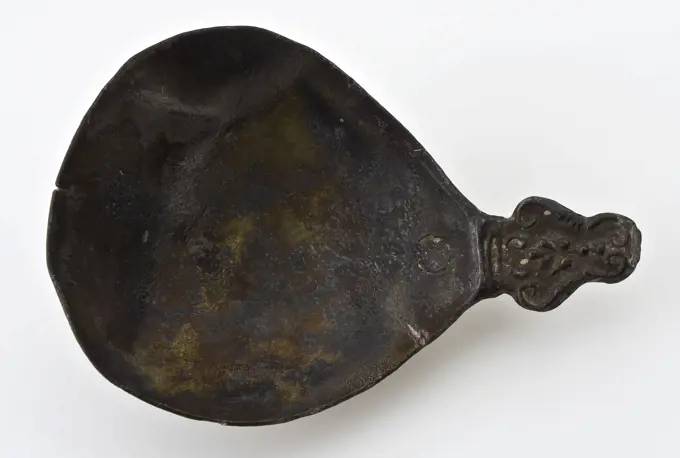
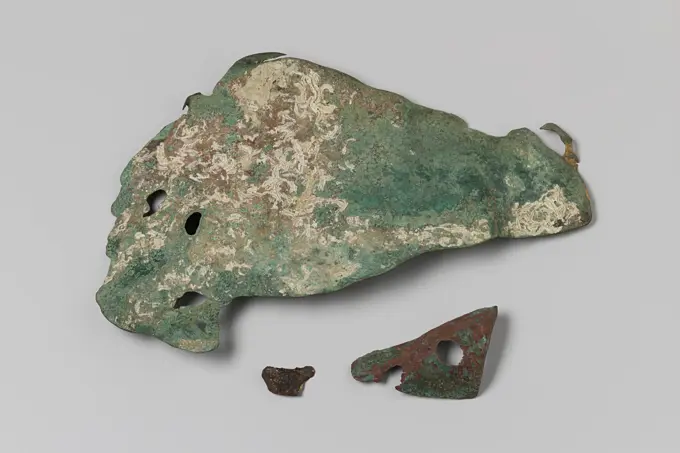
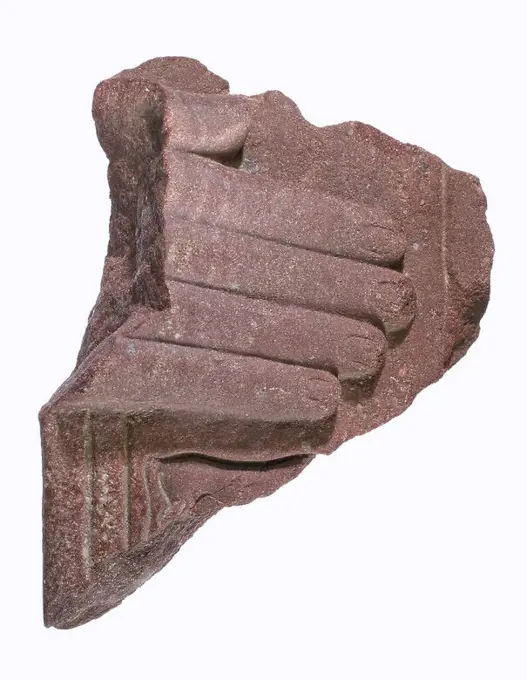
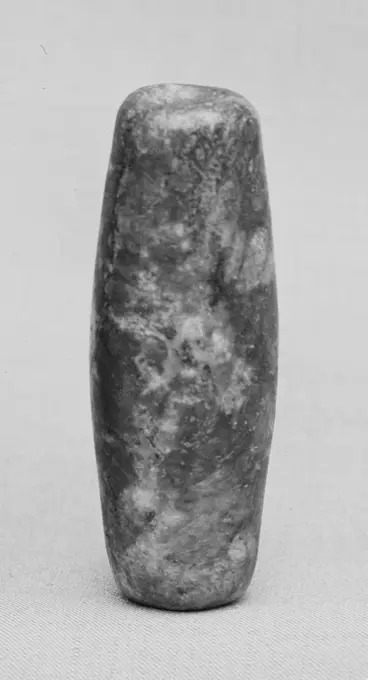
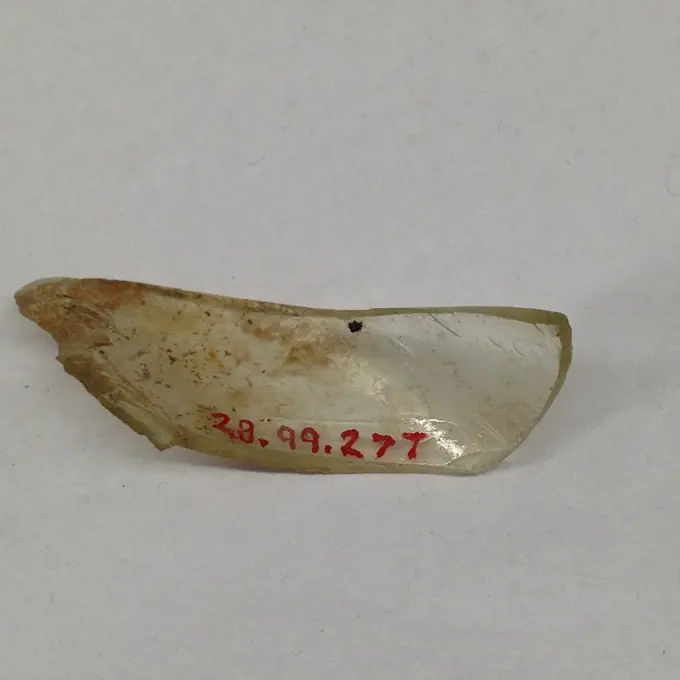
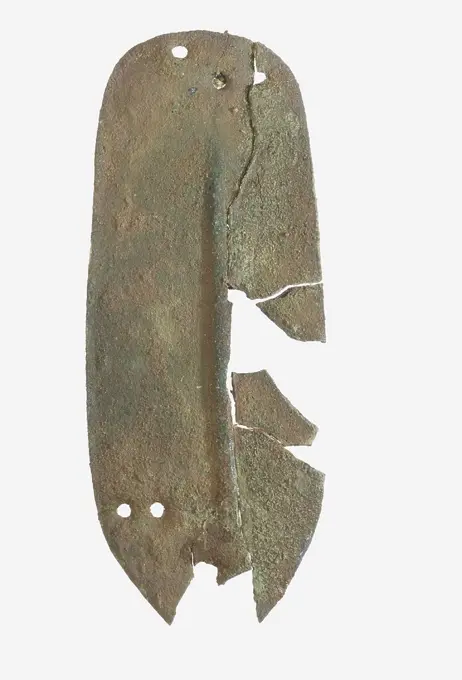
Scale from Armor. Dimensions: average l. ca. 11.5 cm (4 1/2 in). Dynasty: Dynasty 18. Reign: reign of Amenhotep III. Date: ca. 1390-1353 B.C..Although bronze and iron scales have been found in Egypt, body armor--aforeign import--was probably not commonly worn there. Two sets of armorappear in a presentation scene in the tomb of Kenamun at Thebes, and a cuirassof leather scales was found in the tomb of Tutankhamun. The ten scales (11.215.452a-j) were excavated from the palace of Amenhotep III, but their position, embedded in an enclosure wall, does not allow us to speculate as to who might have worn them. The scales would have been sewn to a linen or leather backing. Although they vary, they still might have constituted the same armor. Museum: Metropolitan Museum of Art, New York, USA.Raised relief fragment 664-610 B.C. Late Period, Saite see 23.3.468. Raised relief fragment 548059Lenticular macehead ca. 3850-2960 B.C. Predynastic Period. Lenticular macehead. ca. 3850-2960 B.C.. Limestone. Predynastic Period. From EgyptSickle Blade, 1980-1801 BC. Egypt, Middle Kingdom, Dynasty 12. Flint; overall: 5 cm (1 15/16 in.).Bread ca. 1479-1458 B.C. New Kingdom. Bread. ca. 1479-1458 B.C.. Bread. New Kingdom. From Egypt, Upper Egypt, Thebes, Deir el-Bahri, Tomb of Senenmut (TT 353), Foundation deposit, MMA excavations, 1926-27. Dynasty 18This is a penknife on the white background. This is from Anatolia and very old object.Spearhead ca. 1050-1000 B.C. Cypriot. Spearhead 244193Spout of copper tap, small size, spout part ground find copper metal, cast filed Gray metal spout of tap in the shape of stylized animal head Curved spout with flat sides. Curvature only at the bottom. Small protruding lip at the front. Half of the vertical tube to which the stop belongs is still present archeology Rotterdam rail tunnel tap faucet holder component barrel beer wine Soil discovery: trajectory rail tunnel Rotterdam.Musket size with ears, without the bottom and cap, anonymous, c. 1590 - c. 1596  Musket size with ears, without the bottom and cap.  brass (alloy). leather striking (metalworking)  Nova Zembla. Saving HuysFragment of buyer from the wreck of the East India Hollandia.parts or artifacts; eroded fragments: Materials; Copper.Costume Ornament 11th-12th century Peru; central coast (). Costume Ornament 308688Ostracon 400-30 B.C. Late Period-Ptolemaic Period. Ostracon 588356Baluster-shaped handle of knife, with wavy linear decoration, knife cutlery soil finds timber w 9.3, archeologyOstracon. Dimensions: 16 x 12 x 1 cm (6 5/16 x 4 3/4 x 3/8 in.). Date: 400-30 B.C.. Museum: Metropolitan Museum of Art, New York, USA.Ostrakon 4th-7th century Coptic. Ostrakon 478522Fragment of a screw plate from a musket from the wreck of the East Indies Flying Heart. Copper screw plate from a musket. Elongated fragment with inscription '.... Seeland'. Side Plate.Loom equipment () ca. 1850-1640 B.C. or 1295-1070 B.C. Late Middle Kingdom or New Kingdom, Ramesside. Loom equipment (). ca. 1850-1640 B.C. or 1295-1070 B.C.. Wood. Late Middle Kingdom or New Kingdom, Ramesside. From Egypt, Memphite Region, Lisht North, Settlement A or B, MMA excavations, 1920-22. Dynasty 12-13Shawabty of Ditamenpaankh, 715-656 BC. Egypt, Late Period, Dynasty 25. Terracotta; overall: 4.8 x 1.6 x 1.3 cm (1 7/8 x 5/8 x 1/2 in.).Costume Ornament 11th-12th century Central coast (). Costume Ornament 308666Axe. Thailand, Korat Plateau, 1900-400 B.C.. Arms and Armor; axes. StoneFragment of buyer from the wreck of the East India Hollandia.parts or artifacts; eroded fragments: Materials; Copper.Fragment of an iron sword Cypriot 6th century BCE The surviving fragment is the tang of an iron sword like 74.51.5670. The tang was edged with silver and revetted with ivory held in place with silvered bronze rivets. The two swords are exceptionally important because they correspond to weapons mentioned by the poet Homer. Typically Cypriot, they are best represented by a complete example found at Salamis, which may have been a center for their production.Spearhead (title awarded). Iron. Carnavalet museum, history of Paris.Fibula. UnknownRaised relief fragment 664-610 B.C. Late Period, Saite see 23.3.468. Raised relief fragment 547985Fragment of a Waster 11th-12th century This fragment of an open vessel has previously been described as a waster. While the overfired glaze suggests a kiln accident, what remains of the vessel does not appear so compromised as to make it completely unusable. However, its finding spot at a kiln site in Nishapur suggests that it never made it to the market.. Fragment of a Waster 450799Blade - in the sickle;  4-3 thousand BC (-4000-00-00--2001-00-00);Culture Uruk (approBlade - in the sickle;  4-3 thousand BC (-4000-00-00--2001-00-00);Culture Uruk (approCelt before 16th century Maya () Greenstone axe heads, commonly known as “celts,” were some of the most important works of art across ancient Mesoamerica and Central America. Created from jadeite mined from the Motagua River Valley of southern Guatemala, or using local green stones from highland Mexico, celts were first created by the Olmec peoples of the Gulf Coast after 1000 B.C. The Olmec conceived of green celts as sprouts of maize and thus “planted” celts in dedicatory offerings, activating ceremonial spaces and perpetuating agricultural fertility. For the later Maya peoples, celts also served as dedicatory materials, but more so as adornments for the royal bodies of kings and queens. Often the celts would be thinned into celt-shaped plaques, strung together in pairs and triads in order to create belt assemblages that would have clinked with the sound of jades striking one another. Tombs from the Classic Period (ca. AD 250-900) contain celts of jadeite and various greenstones froFragment of a musket size, anonymous, c. 1590 - c. 1596  Musketmaat, fragment consisting of brass and leather sleeve with ears, without the bottom and with distorted top. Standard description musket size: brass lined with leather. Equipped with two eyes on the side to put a cord through which held the lid and the buddy was hung on the bandelier. A musketti band had twelve powder buddies and a bag of bullets. The powder buddies contain a carefully adjusted amount of gunpowder for one shot.  leather. brass (alloy) striking (metalworking)  Nova Zembla. Saving HuysTwo bronze forged nails or ornamental nails, nail fitting fittings fastener soil find bronze metal no.1), head, cast forged Two nails with large round head one head is convex other flat. Tacks or ornamental nails archeology Rotterdam railway tunnel confirm nailing Soil discovery: trajectory rail tunnel Rotterdam.Inscribed and decorated fragments of a connective element, Nefertiti names ca. 1353-1336 B.C. New Kingdom, Amarna Period. Inscribed and decorated fragments of a connective element, Nefertiti names 549858CeremonialBlade.  Artist: UnknownFigurine, Fragment of the Garment, anonymous, anonymous, c. 1425 - c. 1550  Northern Netherlands pipe clay  Northern Netherlands pipe clayBlade salvaged from the Great Chelsea Fire of 1908 , Fires. Chelsea Public Library Archive CollectionPaint wood (sappan) from the wreck of the Dutch East Indiaman Boot, , 1735 - 1738  Stam red paint wood (sappan), wood that served as raw material for paint after it was grated. Taiwan street sappanwood (wood)Palette ca. 1981-1640 B.C. Middle Kingdom. Palette. ca. 1981-1640 B.C.. Grey stone. Middle Kingdom. From Egypt, Memphite Region, Lisht North, Cemetery, MMA excavations, 1920-22. Dynasty 12-13Shawabty of Ditamenpaankh, 715-656 BC. Egypt, Late Period, Dynasty 25. Terracotta; overall: 6.3 x 2.6 x 1.6 cm (2 1/2 x 1 x 5/8 in.).Polished stone axe. North Africa, Neolithic. 6,9cm.Fragment 8th-9th century. Fragment 448762Sickle Blade, 1980-1801 BC. Egypt, Middle Kingdom, Dynasty 12. Flint; overall: 5 cm (1 15/16 in.).Silhouette. Western Iran. Sculpture. Bronze, hammeredArm of Statue, Late Period.. .Standing FigurePlaqueFragment 9th-10th century. Fragment 451595Flat glass bottle, light green, bottle holder soil find glass, free blown Small (perfume) Bottle in light green glass. Flat oval body with pontilemark at the bottom Rejuvenated neck with turned over and overhanging mouth rim whose underside is broken off which is like ring loose around the neck. Light iridescence archeologySickle Blade, 1980-1801 BC. Egypt, Middle Kingdom, Dynasty 12. Flint; overall: 5 cm (1 15/16 in.).Blade with broken tip and narrowed sting, blade knife cutlery ground find iron metal, archeology Rotterdam rail tunnel cutting Soil discovery: rail tunnel Rotterdam.Scale from Armor ca. 1390-1353 B.C. New Kingdom Although bronze and iron scales have been found in Egypt, body armoraforeign importwas probably not commonly worn there. Two sets of armorappear in a presentation scene in the tomb of Kenamun at Thebes, and a cuirassof leather scales was found in the tomb of Tutankhamun. The ten scales (11.215.452a-j) were excavated from the palace of Amenhotep III, but their position, embedded in an enclosure wall, does not allow us to speculate as to who might have worn them. The scales would have been sewn to a linen or leather backing. Although they vary, they still might have constituted the same armor.. Scale from Armor. ca. 1390-1353 B.C.. Bronze. New Kingdom. From Egypt, Upper Egypt, Thebes, Malqata, Palace of Amenhotep III, MMA excavations, 1910-11. Dynasty 18Gaming Piece Possibly 9th-10th century. Gaming Piece Possibly 450877Pottery Fragment. Culture: Coptic. Dimensions: Overall: 4 3/8 x 2 13/16 x 1 7/16 in. (11.1 x 7.2 x 3.6 cm). Date: 4th-7th century. Museum: Metropolitan Museum of Art, New York, USA.Ostrze - wkładka do sierpa. unknown, authorGarment fragment with pleasts , probably male ca. 1353-1336 B.C. New Kingdom, Amarna Period. Garment fragment with pleasts , probably male 549772Toothed shape. Arrowhead in chipped stone. Neolithic period. Found between 1970 and 1980 in the southern Sahara at El Golea Timimoun, eastern erg. Algeria. 4 cm.Amulet of a Crocodile 1500 BCE-664 BCE Egypt. Steatite . Ancient EgyptianUndecorated painted bowl with flared sides 6th-3rd century B.C. () Paracas. Undecorated painted bowl with flared sides 308342Belt Buckle 6th-7th century Frankish or Burgundian. Belt Buckle 465301 Frankish or Burgundian, Belt Buckle, 6th7th century, Iron, silver inlay, bronze, Overall: 8 3/16 x 3 7/8 x 1 9/16 in. (20.8 x 9.8 x 3.9 cm). The Metropolitan Museum of Art, New York. Gift of J. Pierpont Morgan, 1917 (17.192.233)Stone Celt before 16th century Mexican. Stone Celt 317243dried porcini mushroom food dried boletus edulis aka penny bun or porcino or cep mushrooms Copyright: xZoonar.com/ClaudioxDiviziax 10539521Foundation Deposit Calf's Foreleg (khepesh) 1550 BCE-1069 BCE Egypt. Faience . Ancient EgyptianFragments copper from the wreck of the East Indians Hollandia, 1700 - in or before 1743 fragment Parts of artefacts; eroded fragments: materials; copper. Netherlands copper (metal)   SecondCrochet;  approx. 2600 2350 BC ; Early period D Azira III (-2600-00-00--2350-00-00);Shawabty of Ditamenpaankh, 715-656 BC. Egypt, Late Period, Dynasty 25. Terracotta; overall: 3.9 x 1.7 x 1.3 cm (1 9/16 x 11/16 x 1/2 in.).Karte der Türkei auf rostigem Metall - Map of Turkey on rusty metal Karte der Türkei auf rostigem Metall - Map of Turkey on rusty metal Copyright: xZoonar.com/lantapixx 10036050Part or fittings from the wreck of the East Indians Hollandia, Anonymous, 1700 - in Or Before 1743 part Strip-shaped fitting; fragm, eroded, sim 80H1670. Netherlands copper (metal)Cuff (Portugese), 20th century, 34 1/2 x 4in. (87.6 x 10.2cm), Lace, Portugal, 20th centuryCosmetic dish in the shape of a bound antelope New Kingdom, Ramesside ca. 1295-1070 B.C. View more. Cosmetic dish in the shape of a bound antelope. ca. 1295-1070 B.C.. Steatite. New Kingdom, Ramesside. From Egypt. Dynasty 19-20Neolithic. Reconstruction of the bone handle of a flint knife. Unknown origin. National Archaeological Museum. Madrid. Spain.Ceremonial dagger-ax (Ge) 13th-11th century B.C. China. Ceremonial dagger-ax (Ge). China. 13th-11th century B.C.. Jade (nephrite). Shang dynasty (ca. 1600-1046 B.C.). JadeFigs like bowl of spoon, spoon cutlery soil find tin metal, cast Figs-shaped bowl short rat tail at attachment spoon widened and decorated in relief: voluten and vase motif Front of unclearly stamped mark in round cartouche archeology Rotterdam eating rail tunnel Soil discovery: trajectory Rotterdam rail tunnel.Fragment pin out of the wreck of the East Indians Hollandia, Anonymous, 1700 - in Or Before 1743  Tools and instruments, sewing and sailmaking, pin; fragm of shaft with bow, id. NG 1980-27H3265, eroded. Netherlands copper (metal)   SecondSingle chamber leather pouchFragments of sheet metal from the wreck of the East India Hollandia.parts or artifacts; eroded fragments: Materials; Copper.Green jasper tool. Neolithic period. Mali. 13,2 cm.Spearhead (title awarded). Iron. Carnavalet museum, history of Paris.Oracular bone ". Os. China, Shang Dynasty. Paris, Cernuschi Museum. 72198-45 Shang dynasty, inscription, oracular boneHand from a stelophorous statue with part of the Horus name of Akhenaten (). Dimensions: H. 21 × W. 15 × D. 7 cm (8 1/4 × 5 7/8 × 2 3/4 in.); between inner column lines: W. 10.7 cm (4 3/16 in.). Dynasty: Dynasty 18. Reign: reign of Akhenaten. Date: ca. 1353-1336 B.C.. Museum: Metropolitan Museum of Art, New York, USA.Key Handle 1st-7th century Roman. Key Handle 462937Fragment of a Bowl probably 8th-12th century. Fragment of a Bowl. probably 8th-12th century. Earthenware; glazed. Excavated in Iran, Nishapur. CeramicsBead China. Bead 43154Karte der Slowakei auf rostigem Metall - Map of Slovakia on rusty metal Karte der Slowakei auf rostigem Metall - Map of Slovakia on rusty metal Copyright: xZoonar.com/lantapixx 10407573Fish Ornament. Culture: Peru; central coast (). Dimensions: L. 1 1/2 in. (3.8 cm). Date: 11th-12th century. Museum: Metropolitan Museum of Art, New York, USA.Fragment 14th-15th century. Fragment 453593Sealing ca. 2030-1640 B.C. Middle Kingdom. Sealing 565425Fragment ca. 1150-ca. 1250 European or Middle Eastern. Fragment 695171Djed pillar Amulet 664-332 B.C. Late Period. Djed pillar Amulet. 664-332 B.C.. Faience(). Late Period. From Egypt. Dynasty 26-30Spearhead. Bronze, China, IV-IIe s. av. Paris, Cernuschi museum. Asian art, Chinese art, weapon, bronze, Asian civilization, Chinese civilization, spearhead, lanceCowroid bead ca. 1550-1425 B.C. New Kingdom. Cowroid bead 547610Arrowhead. Culture: Japan. Dimensions: W. 3/4 in. (1.9 cm); L. 1 1/8 in. (2.9 cm). Museum: Metropolitan Museum of Art, New York, USA.Wooden bottom of chip box, elongated with semicircular ends, box holder soil find wood, w 5.4 sawn Wood bottom of chip box. Oblong in shape with semi-rounded ends In the side there are holes where the wooden wedges have been used for fixing the side walls. One small wedge is still present. Clear wood grain structure archeology Rotterdam IJsselmonde build indigenous woodwork store storage Soil discovery: IJsselmonde cesspool Rotterdam 1972.Clay pipe, marked, with smooth handle, clay pipe smoking equipment smoke floor foundry pottery, pressed finished baked Clay pipe marked with smooth handle. Heel mark. heel mark: R under crown other letters not legible archeology smoking tobaccoHead of Akhenaten ca. 1353-1336 B.C. New Kingdom, Amarna Period Among the fragments of statuary discovered in an ancient dump to the south of the Great Aten Temple were two fragments of a head of the king wearing the nemes. A quadrant of the dome of the head is preserved with a narrow slit-like eye and the upper edge of the king's ear, along with a fragment preserving the long lappet of the king's striped nemes headdress hanging down to one side.. Head of Akhenaten 549210Fragment of Bowl probably 8th-12th century View more. Fragment of Bowl. probably 8th-12th century. Earthenware; glazed. Excavated in Iran, Nishapur. CeramicsFigure 30 B.C.-A.D. 364. Figure 446080Pros with light blue glaze, prun soil found ceramic earthenware glaze lead glaze, hand shaped baked archeology Rotterdam City center Stadsdriehoek Schielandshuis Soil discovery: Schielandshuis under Pappegay and garden. Canal filling secondary oven waste.Sickle Blade, 1980-1801 BC. Egypt, Middle Kingdom, Dynasty 12. Flint; overall: 5 cm (1 15/16 in.).Point in the shape of a laurel leaf in cut stone. Neolithic period. North Africa. 6 cm.Ceremonial Ge Dagger, 1600-1100 BCE, 10 5/8 x 2 3/8 x 5/16 in. (26.99 x 6.03 x 0.79 cm), Calcified white jade, China, 16th-11th century BCEInlay. Culture: Iran. Dimensions: 0.88 x 0.57 in. (2.24 x 1.45 cm). Date: ca. 8th-7th century B.C.. Museum: Metropolitan Museum of Art, New York, USA.