Ancient Art Fragments

A variety of historical art fragments, including relief sculptures, vase fragments, and architectural remnants, showcasing ancient craftsmanship and styles.
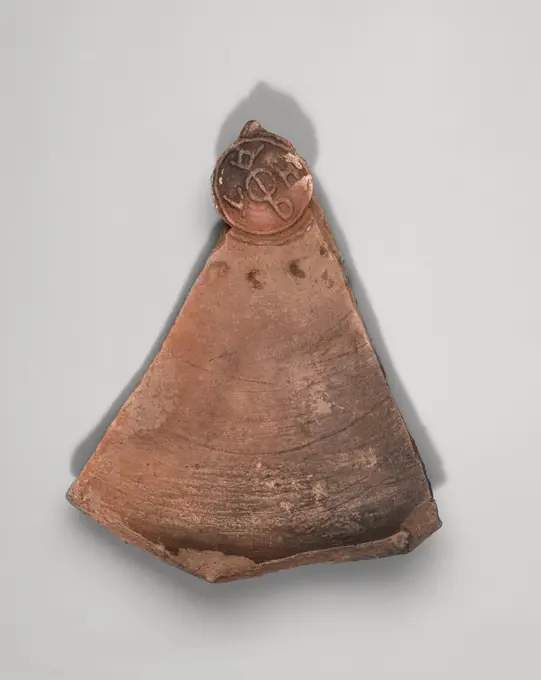
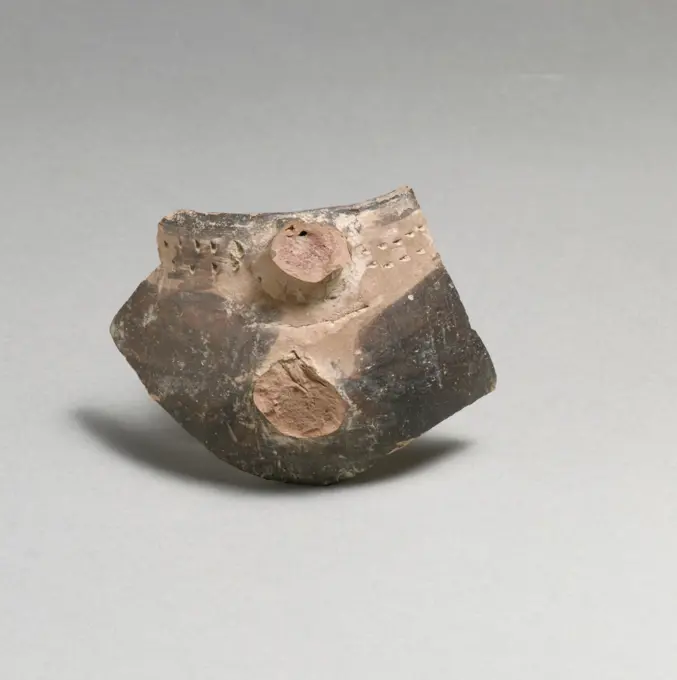
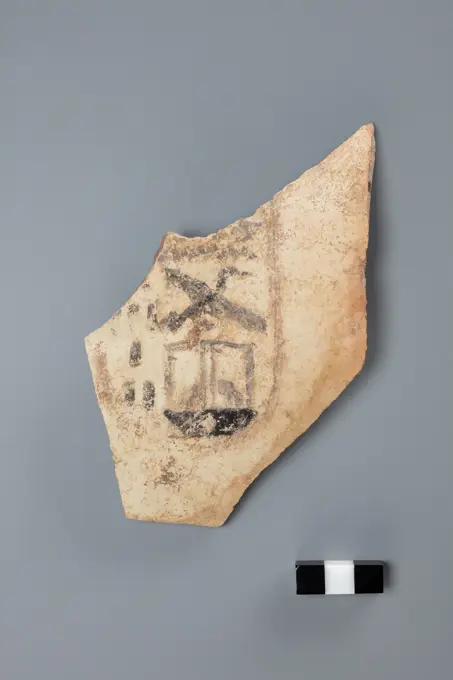
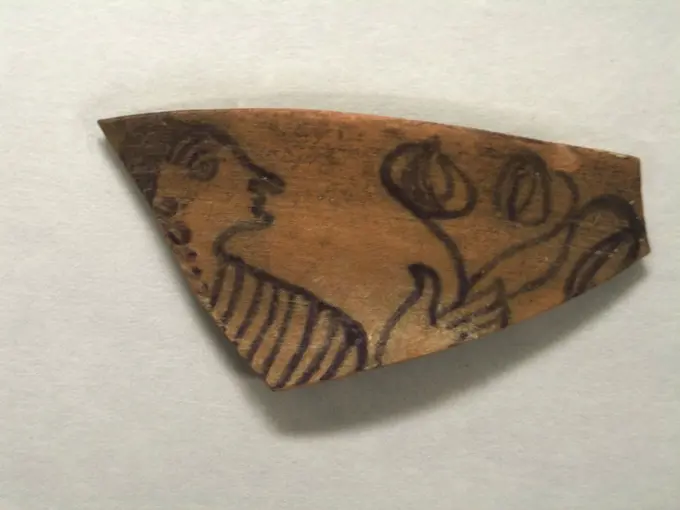
Fragment of a bowl with an archanged monogram of the reef; Unknown Nubian workshop; 2. PO. IX-XI century (851-00-00-1100-00-00);Rafał, Archangel (Saint), Old Dongola (Sudan), Anagramy, Nubian ceramics, stamp decorations, bowls, Nubian vessels, Polish excavations in Old Dongo
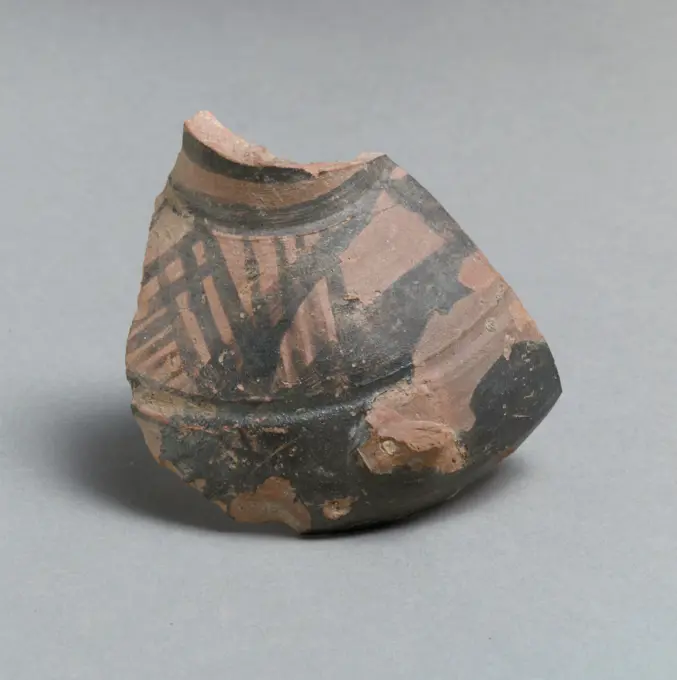
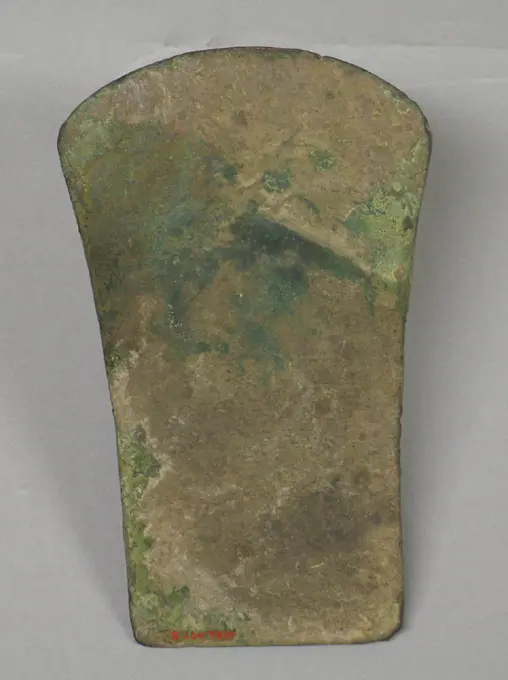
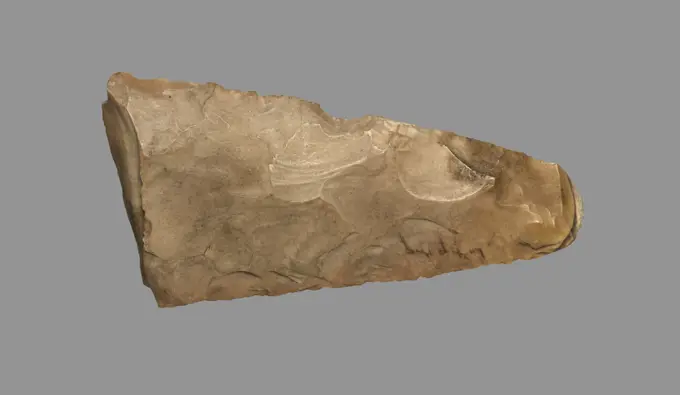
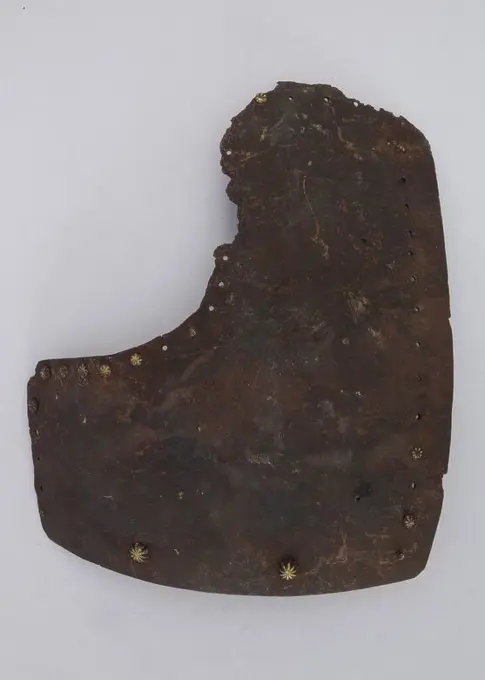
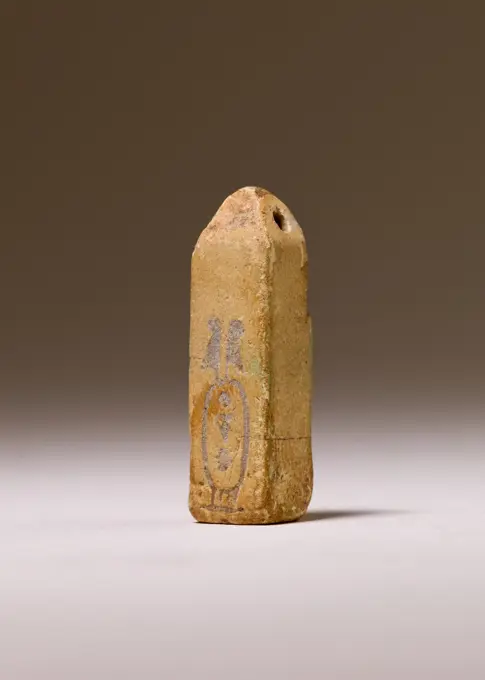
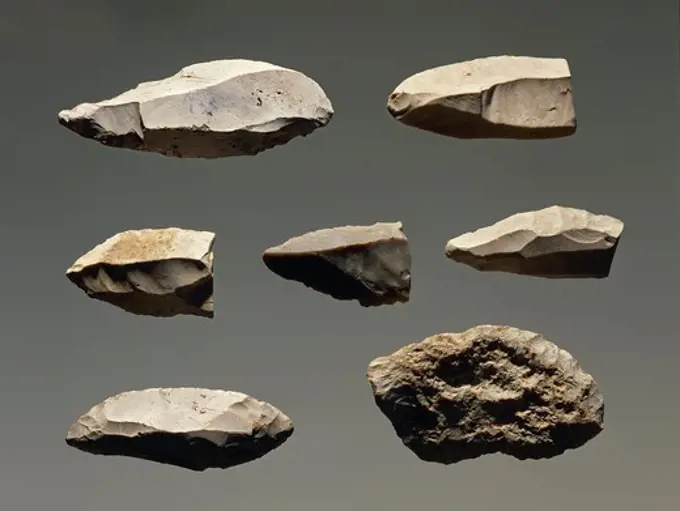
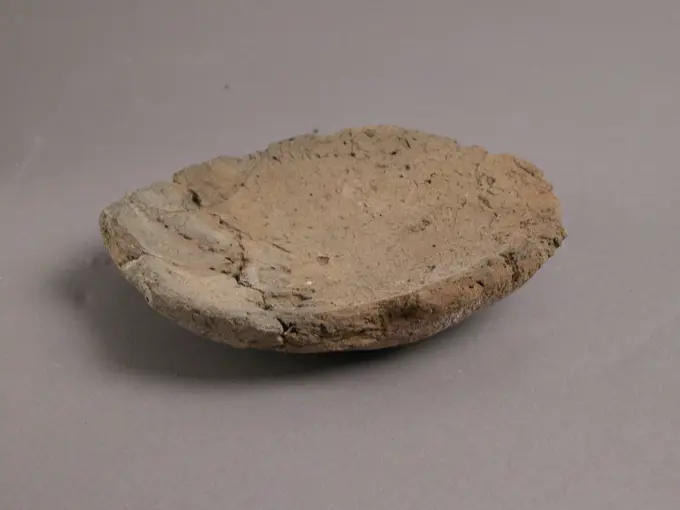
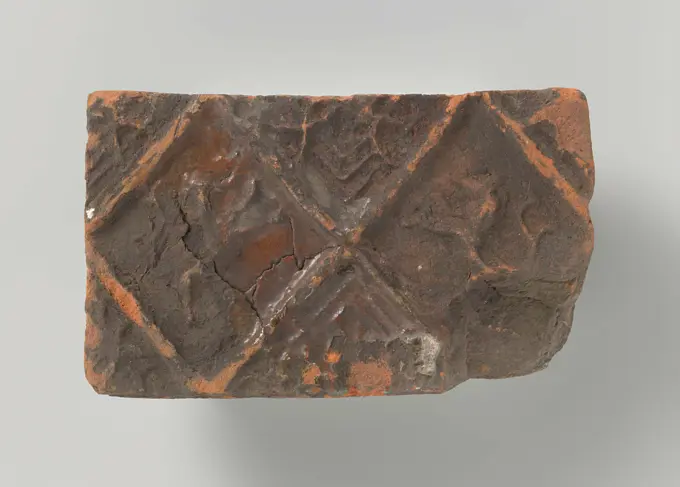
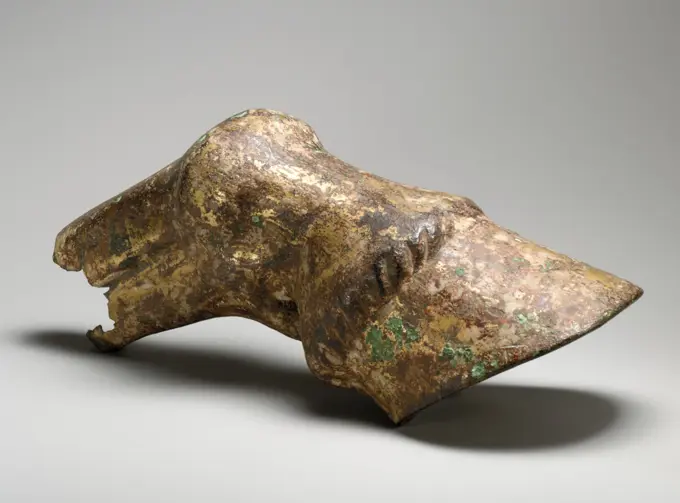
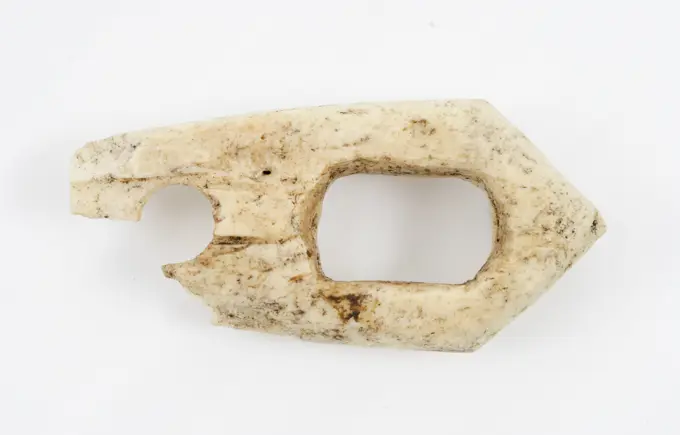
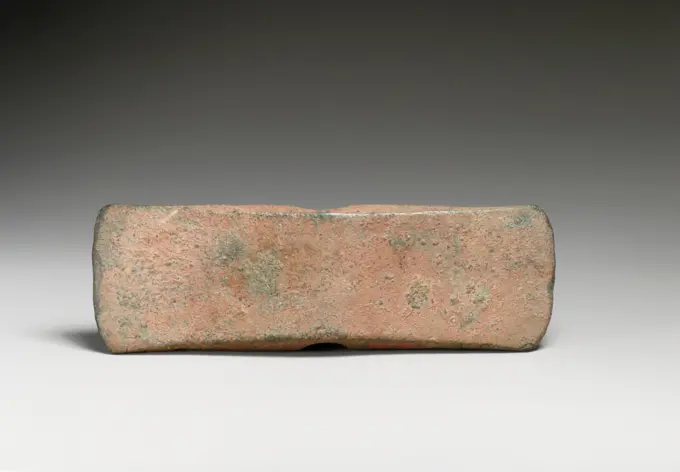
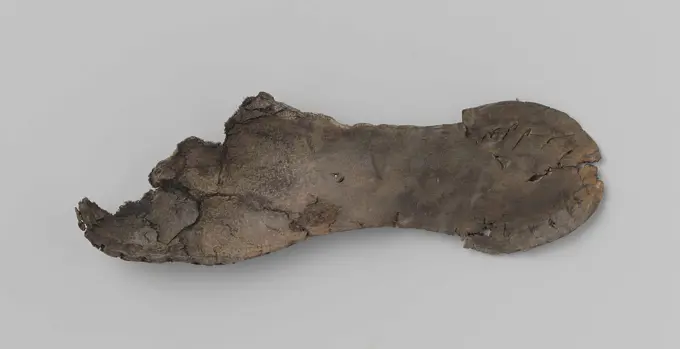
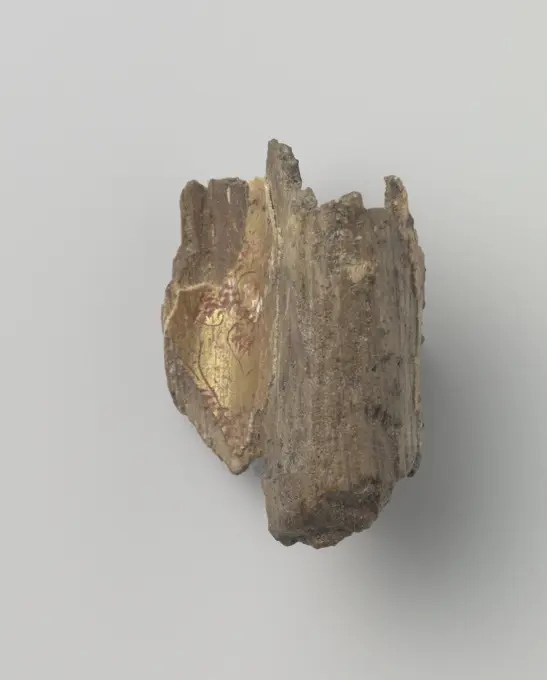
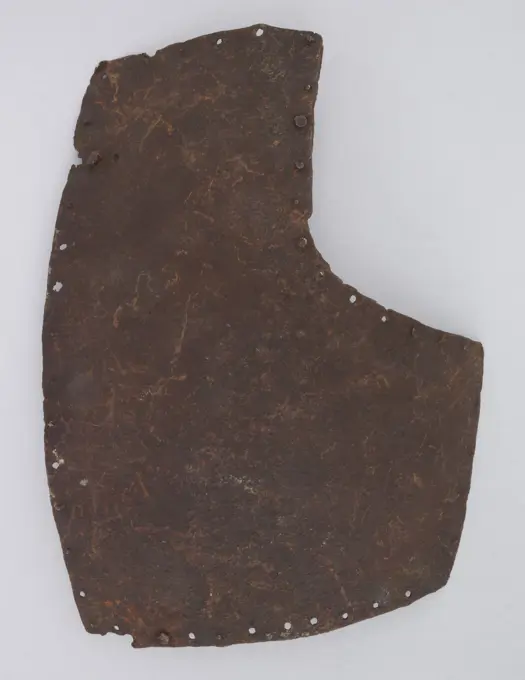
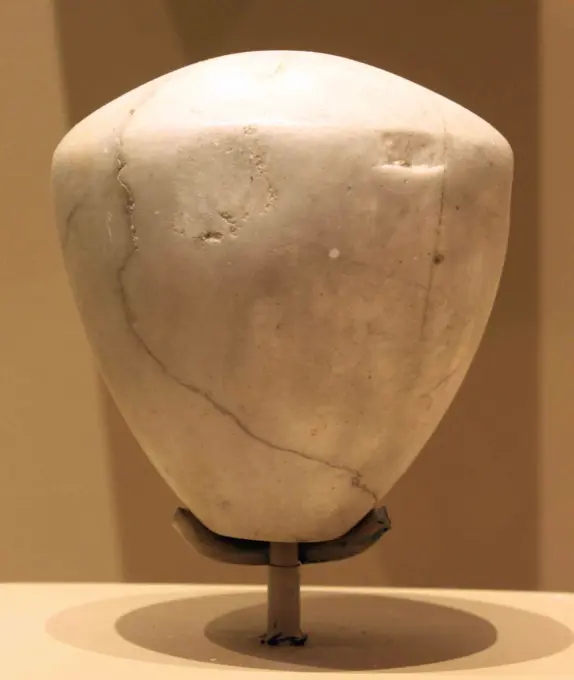
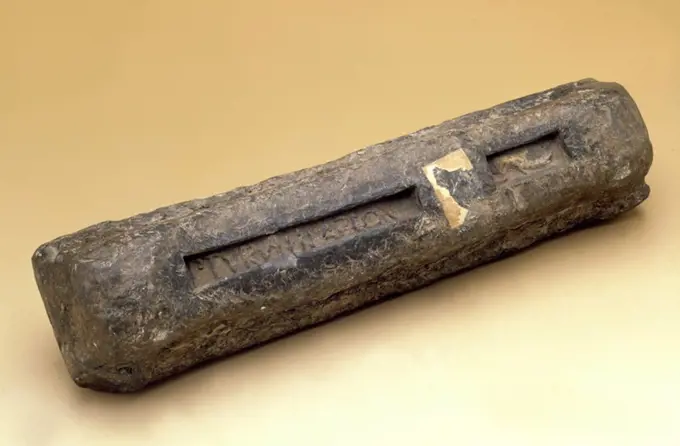
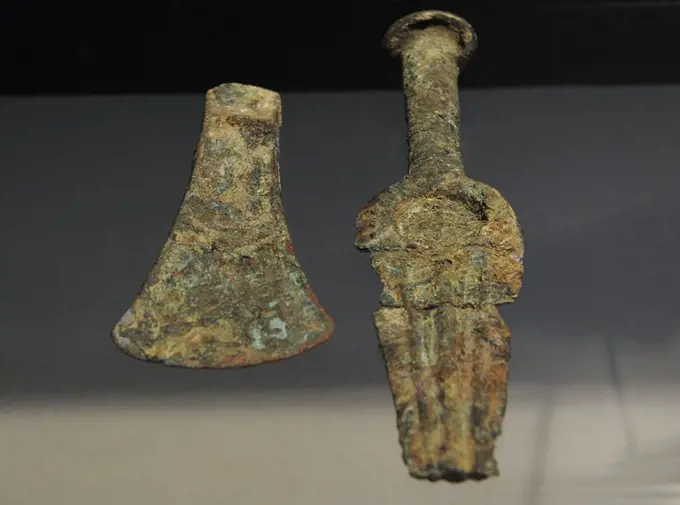
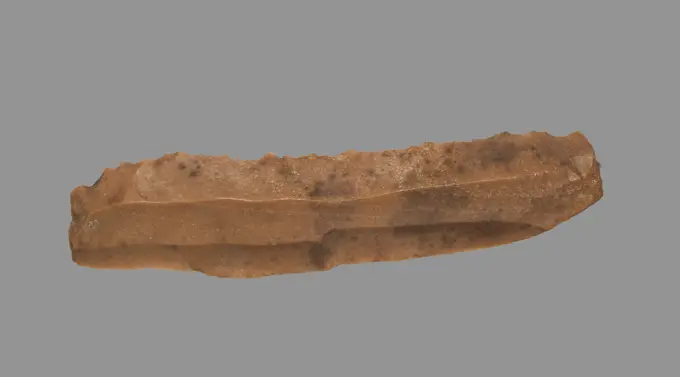
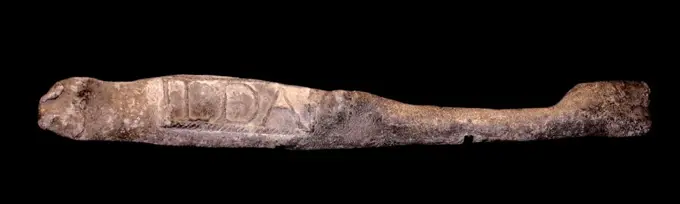
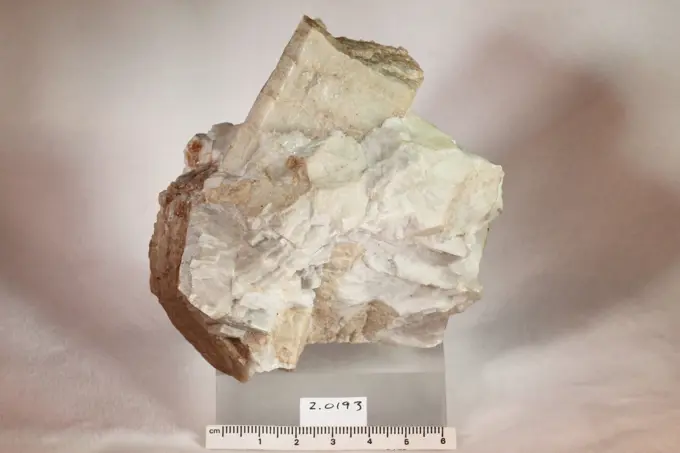
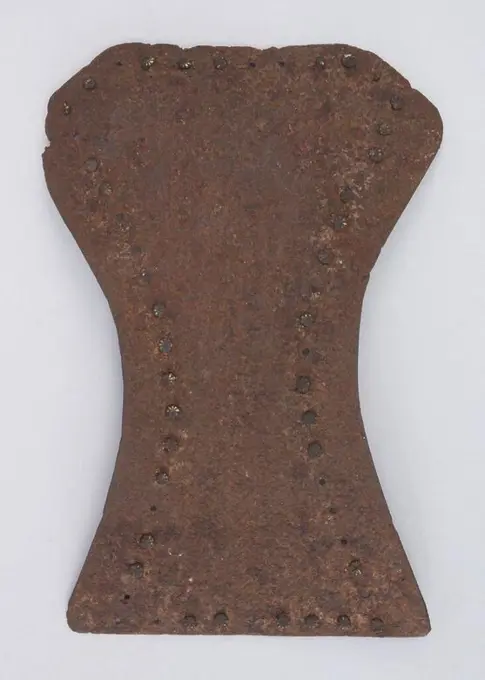
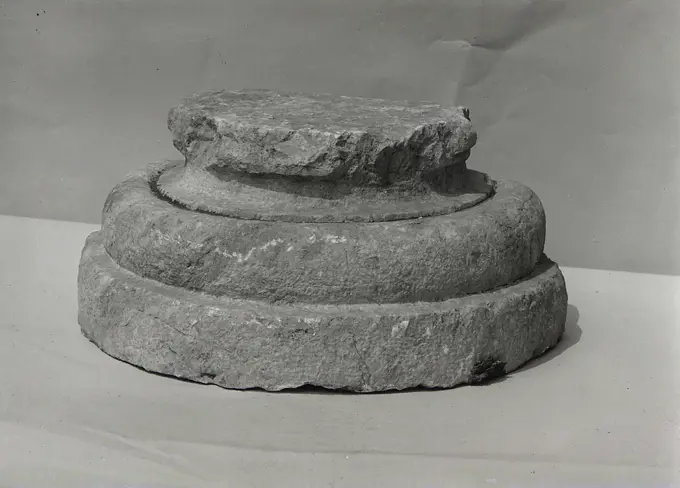
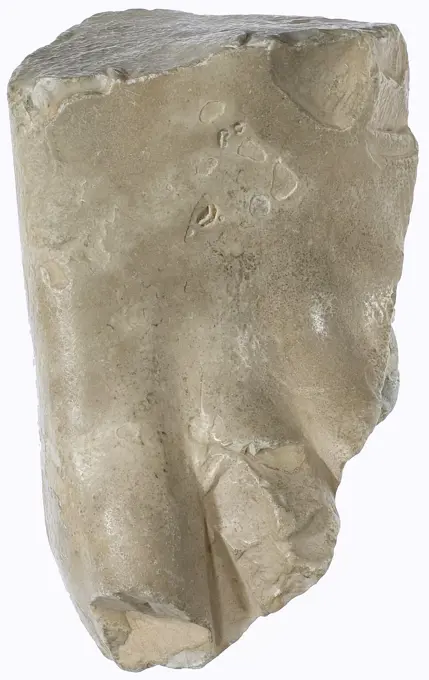
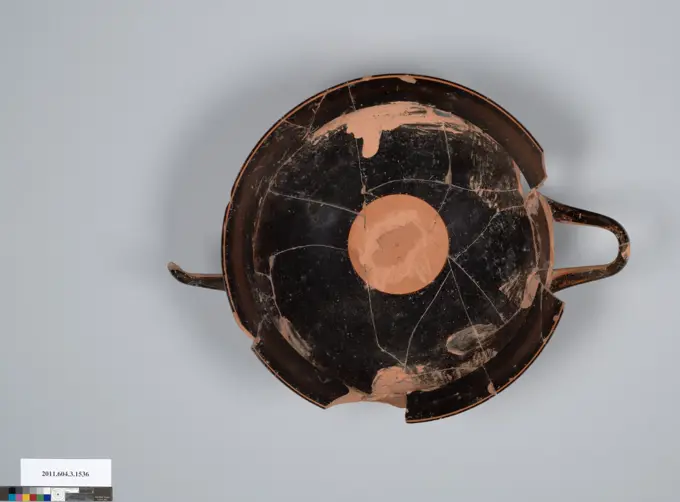
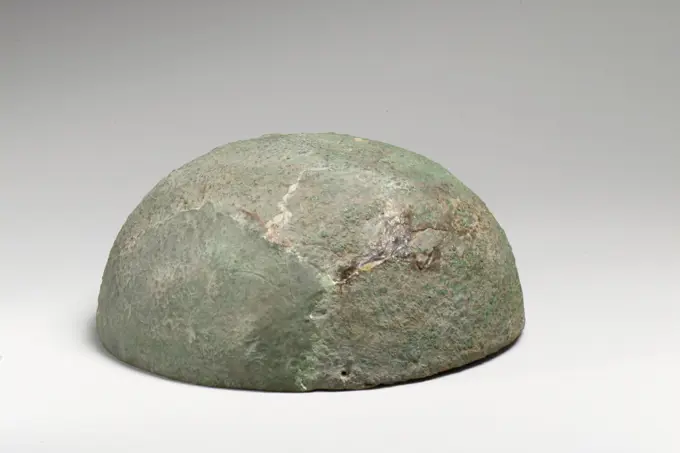
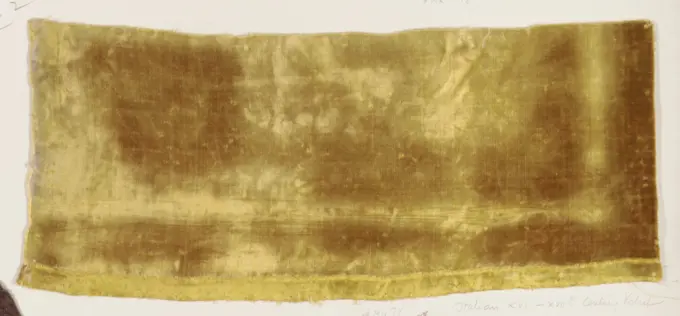
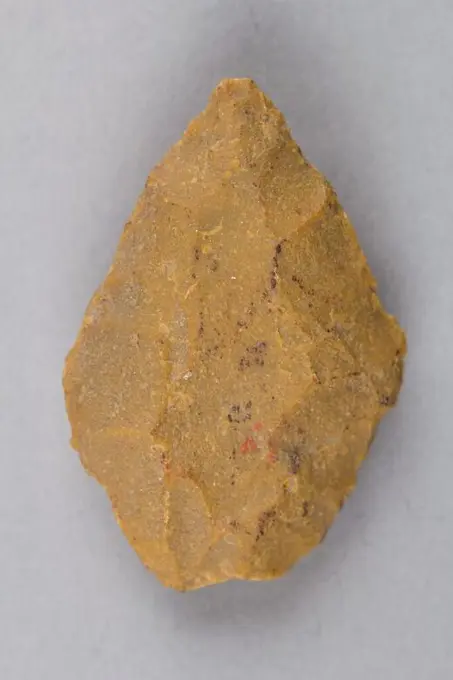
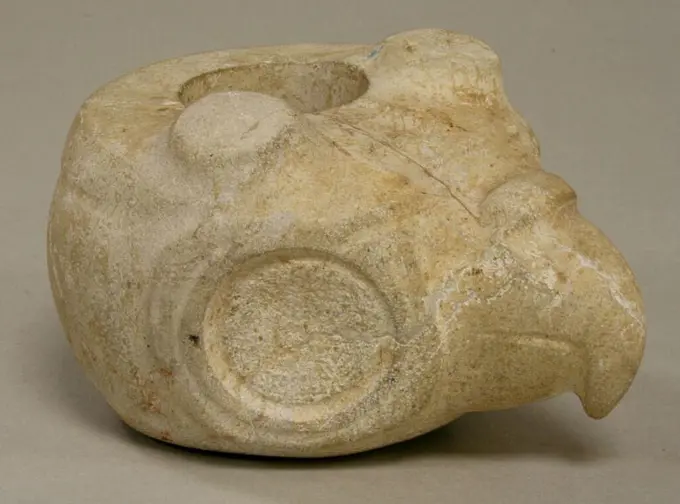
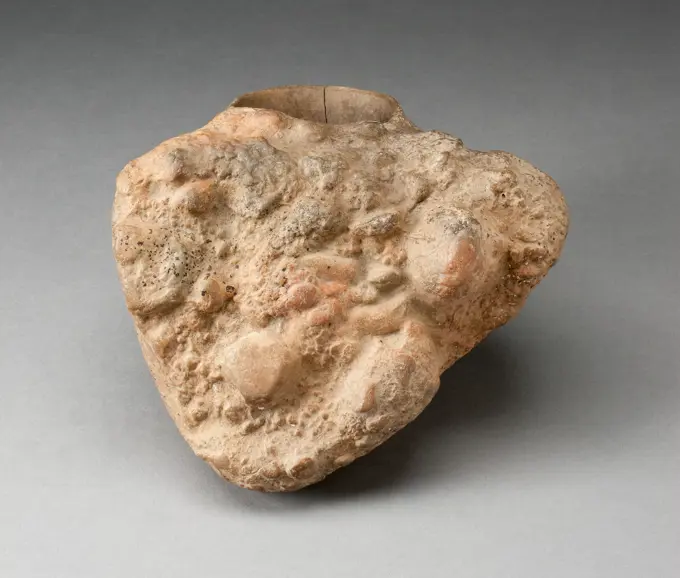
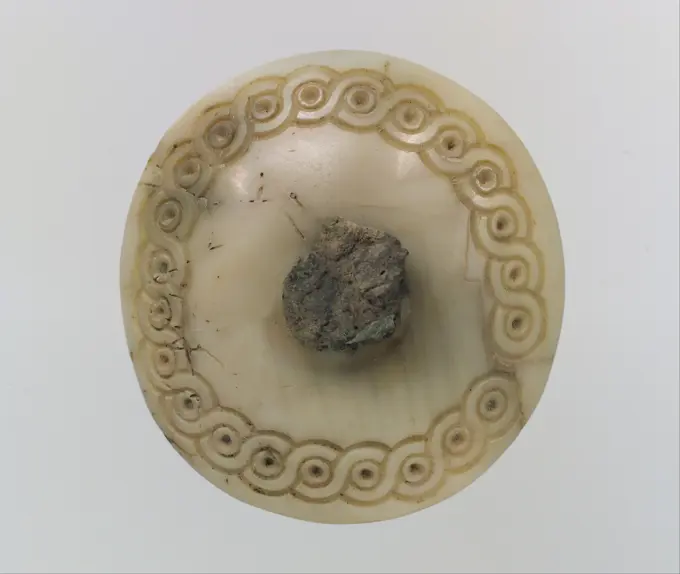
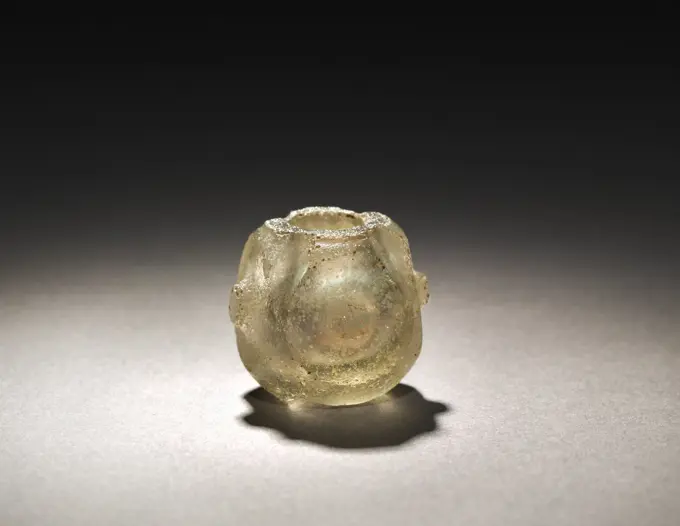
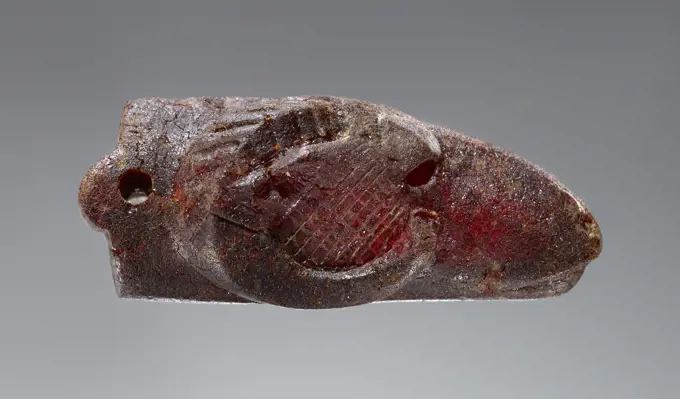
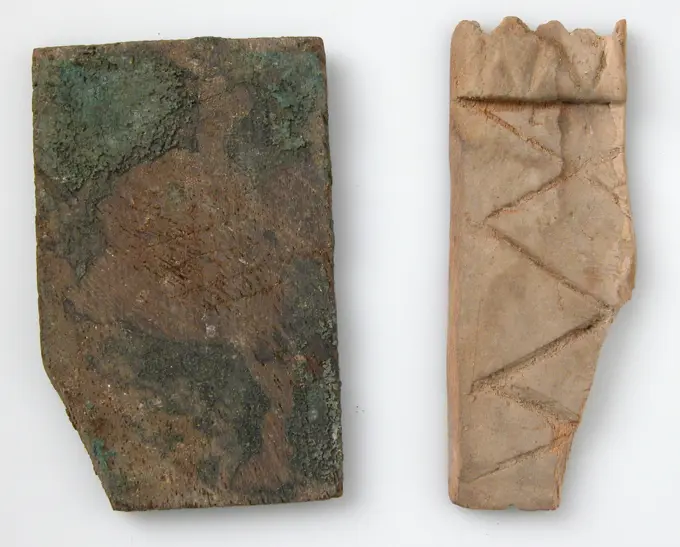
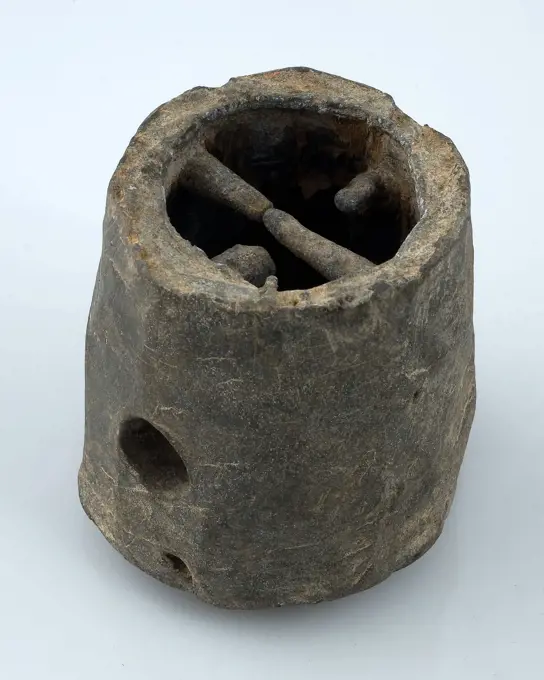
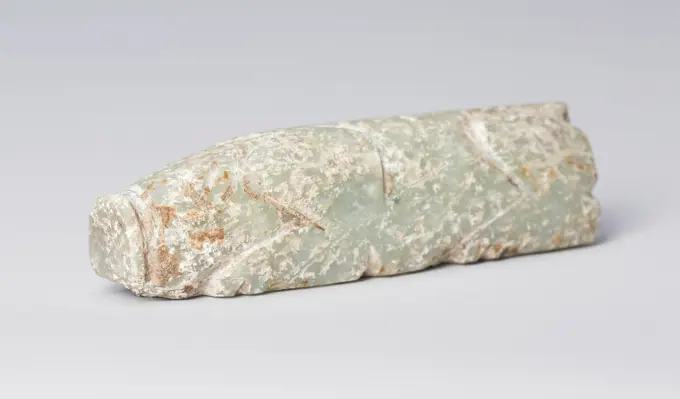
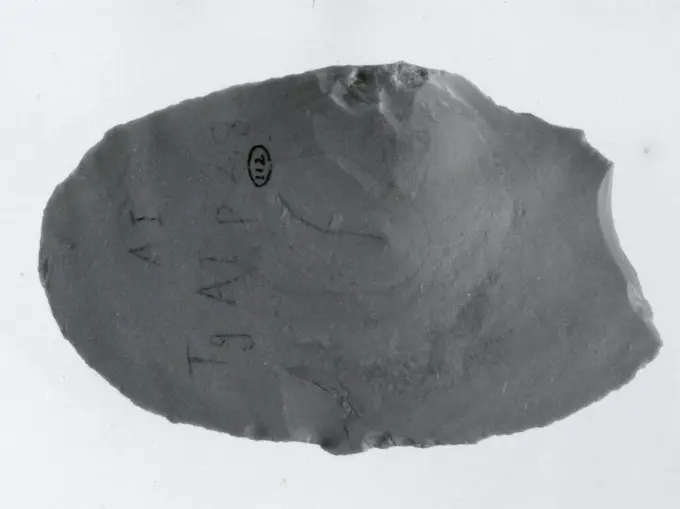
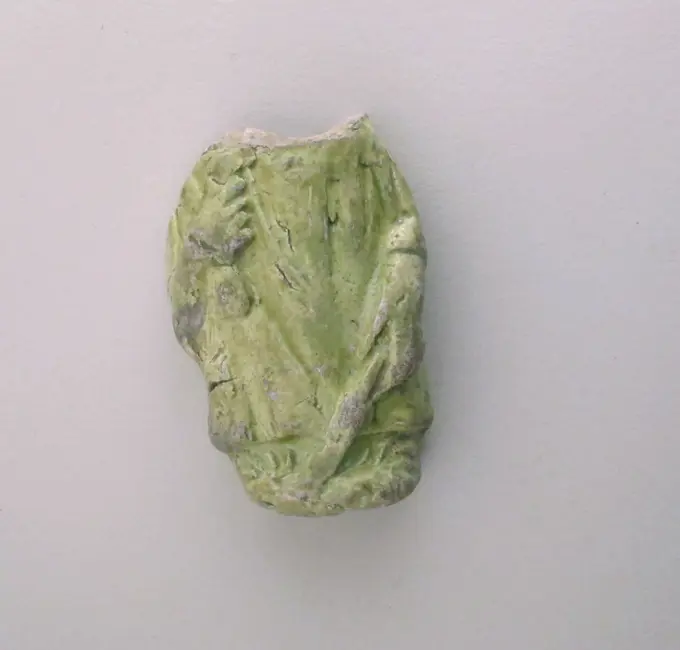
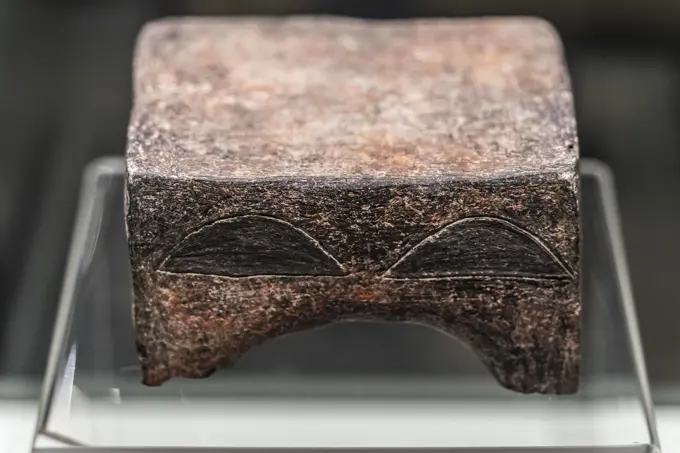
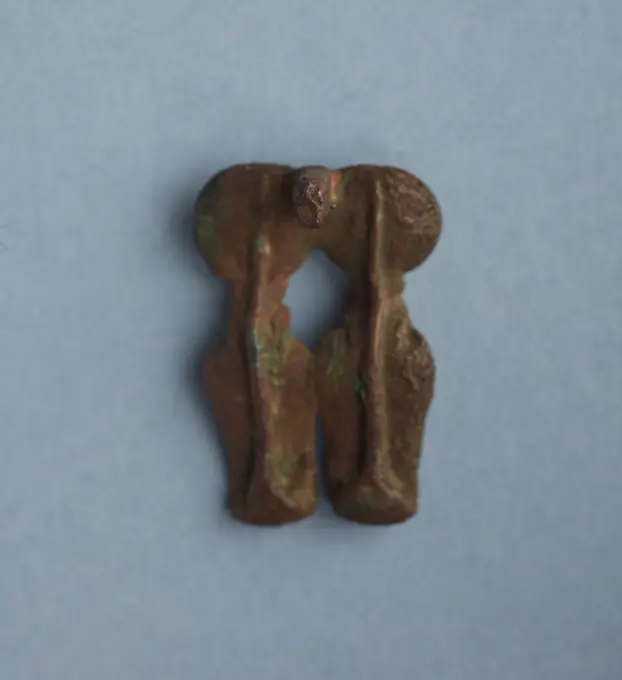
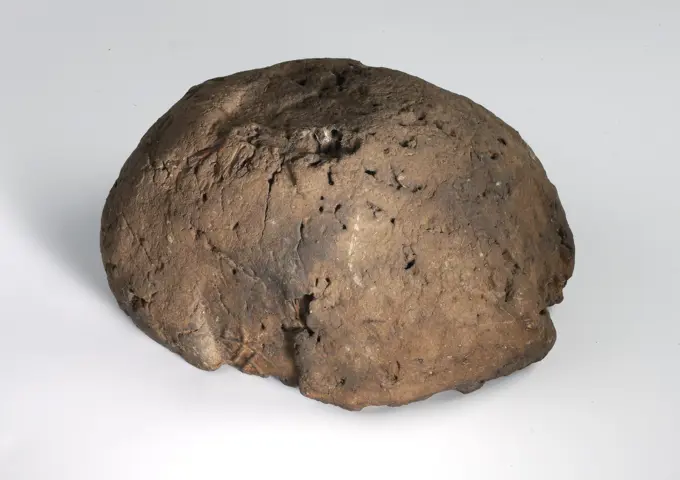
Raised relief fragment 664-610 B.C. Late Period, Saite see 23.3.468. Raised relief fragment 548035Sculpture Fragment 4th-7th century Coptic. Sculpture Fragment 478555Vase fragment Greek, Laconian. Vase fragment 251289 Greek, Laconian, Vase fragment, Terracotta, 2 3/16 x 2 5/8in. (5.5 x 6.6cm). The Metropolitan Museum of Art, New York. Gift of A. J. B. Wace, 1923 (23.119.13)Epitaaf or Memorie Table, dug up in Utrecht at the old minor brothers monastery (fragment), Anonymous, c. 1400 - c. 1950 Two fragments in white sandstone with Latin inscription in Renaissance letters, both with egg list. Fragment A is greatest. Dug up in Utrecht at the old Minderbroederklooster. Utrecht sandstone   Minderbroedersklooster Two fragments in white sandstone with Latin inscription in Renaissance letters, both with egg list. Fragment A is greatest. Dug up in Utrecht at the old Minderbroederklooster. Utrecht sandstone   MinderbroederskloosterVase fragment Minoan. Vase fragment 247807Ax Blade (Celt) 1500-500 B.C. India. Ax Blade (Celt) 39375Hals with cork of a wine bottle and glass fragments from the wreck of the East Indians Hollandia, Anonymous, 1700 - in Or Before 1743  Typologically not identifiable, base, fragm. Netherlands cork (bark)   SecondFragment of a bowl with an archanged monogram of the reef; Unknown Nubian workshop; 2. PO. IX-XI century (851-00-00-1100-00-00);Rafał, Archangel (Saint), Old Dongola (Sudan), Anagramy, Nubian ceramics, stamp decorations, bowls, Nubian vessels, Polish excavations in Old DongoChess Piece, Pawn 9th-11th century. Chess Piece, Pawn 452340Hand Axe, 5000-3000 BC. Egypt, EL-Haraga, excavated in 1914, Predynastic, ca. 5000-3000 BC. Tan-colored flint; overall: 3 cm (1 3/16 in.).Brigandine Plate. Culture: Italian. Dimensions: H. 9 5/8 in. (24.4 cm); W. 8 in. (20.3 cm); Wt. 1 lb. 10.6 oz. (754.1 g). Date: 1400-1450. Museum: Metropolitan Museum of Art, New York, USA.Seal or amulet inscribed with the name of Amasis 570-526 B.C. Late Period, Saite. Seal or amulet inscribed with the name of Amasis 553492Czech Republic, Brno, Etnograficke Muzeum Moravskeho Muzea v Brne, Lithic manufacts from LienBowl 4th-7th century Coptic. Bowl. Coptic. 4th-7th century. Earthenware. Made in Kharga Oasis, Byzantine Egypt. CeramicsVase fragment Minoan. Vase fragment 247653Vase fragment ca. 3000-2000 B.C. Aegean. Vase fragment 253296 Aegean, Vase fragment, ca. 30002000 B.C., Terracotta, Other: 2 3/8in. (6.1cm). The Metropolitan Museum of Art, New York. Anonymous Gift, 1930 (30.119.91)Napkin with the history of the prophet Elia, Anonymous, c. 1600 - c. 1649 Napkin van Linnamast the history of the prophet Elia. Midfield: The symmetrically doubled pattern shows four scenes: 1. Elia's Ascension (cut); 2 Elia hides at De Beek Krith. The tree trunk is wearing a large crown, next to which more ravens fly with bread in the mouth. 3 Elia heals the boy from the widow of Sareepta. Two figures bold; The woman with vast arms, in the middle, the man on the outside, with the child on the arm. Above him a house with stepped gable. Caption: VIDVA/ SARE/ PTE/ RE III/ XVII. 4 Elia and the prophets of Baal. Elias's altar in the middle; Caption Elias. The altar of the prophets outside; Caption Baal. Caption: Mons Car/ Melvs. Standing edges: single rising wavy slender with birds and flowers. Haarlem linen (material) damask Napkin van Linnamast the history of the prophet Elia. Midfield: The symmetrically doubled pattern shows four scenes: 1. Elia's Ascension (cut); 2 Elia hides at De BeeFireplace with representation of two climbing lions. Fireplace with representation of two two climbing lions, placed in profiled window. The half windows at the top and bottom are filled with leaf motif.Fragment 9th-10th century. Fragment 451576Gilt bronze horse's hoof and fetlock 1st or 2nd century A.D. Roman Horse leg and hoof; gilded.. Gilt bronze horse's hoof and fetlock. Roman. 1st or 2nd century A.D.. Bronze, Gold. Imperial. BronzesPottery oil lamps from Jordan. Dated 8th CenturyDog harness fastener -Bronze double axe ca. 1600-1050 B.C. Minoan Axehead.. Bronze double axe. Minoan. ca. 1600-1050 B.C.. Bronze. Late Bronze Age. BronzesRailing Fragment 5th century Byzantine. Railing Fragment 468703Fragment shoe sole from the wreck of the East India hollandia.shoe; Fragm or Sole, SIM. NG 1980-27H2085, Dried.Human Head. Egypt, Ptolemaic Period - Byzantine Period (332 BCE - 641 CE). Sculpture. TerracottaFragment; (possibly) belonging to the retable of Soest, c. 1475 - c. 1499   wood (plant material)   wood (plant material)Jar Label ca. 1390-1352 B.C. New Kingdom. Jar Label. ca. 1390-1352 B.C.. Pottery and ink, paint. New Kingdom. From Egypt, Upper Egypt, Thebes, Malqata, Palace of Amenhotep III, MMA excavations. Dynasty 18Furniture element ca. 18th century B.C. Old Assyrian Trading Colony. Furniture element 329702Fragment 2rd-7nd century. Fragment 448825Globigerina Limestone. Stone trough. Unknown provenance. Gozo Museum of Archaeology. Cittadela of Victoria in Gozo. Malta.Vase fragment East Greek/Sardis, Lydian. Vase fragment. East Greek/Sardis, Lydian. Terracotta. VasesBrigandine Plate 1400-1450 Italian This is part of a large find of medieval armor discovered in 1840 in the ruins of the fortress of Chalcis, on the Greek island of Euboea (then a Venetian colony called Negroponte). The fortress had been captured and destroyed by the Turks in 1470. Now divided largely between the Ethnological Museum, Athens, and The Metropolitan Museum of Art, the Chalcis hoard contains many rare and unusual elements of fourteenth- and fifteenth-century armor. Of particular importance are the variety of headpieces and the many fragments of brigandines (armor for the torso constructed of small plates riveted to layers of fabric), some of which retain portions of their original velvet covering. The Chalcis armor provides a unique picture of the armament used in the Aegean, one of the easternmost military outposts of the Venetian empire.. Brigandine Plate 34355Mace head ca. 3500-3100 B.C. Predynastic Period. Mace head. ca. 3500-3100 B.C.. Marble. Predynastic Period. From EgyptAttic Red-Figure Neck Amphora Fragment. Attributed to Berlin Painter (Greek (Attic), active about 500 - about 460 B.C.)LINGOTE DE PLOMO CON LA INSCRIPCION P. TURULLI LABEON. (DEPOSITO: MUSEO ARQUEOLOGICO NACIONAL). DONACION DE ANTONIO CANOVAS DEL CASTILLO. ROMANO INDUSTRIA.Bronze dagger from central Europe and locally made axe blade of bronze. Vigerslev, near Copenhagen. 2000-1700 BC. National Museum of Denmark. Copenhagen. Denmark.Thirteen shards of stoneware of different objects from V.O.C.-ship De 'Witte Leeuw', Anonymous, Before 1613  Thirteen shards of stoneware of various objects from V.O.C. ship De 'Witte Leeuw'.  stoneware. porcelain. earthenware   Sint-HelenaSickle Blade, 1980-1801 BC. Egypt, Middle Kingdom, Dynasty 12. Flint; overall: 5 cm (1 15/16 in.).Lead ingot (also known as a "pig" of lead), found half a mile from the Roman Baths, Somerset, England. Engraved with the letters "IMP", meaning it was property of Emperor Hadrian. Wouldve originally been mined in the Mendip hills by slaves. Circa 1st-2nd century AD.Pyroxene. minerals. North America; USA; New York; Saint Lawrence County; GouverneurBrigandine Plate. Culture: Italian. Dimensions: H. 8 15/16 in. (22.7 cm); W. 6 in. (15.2 cm); Wt. 13.5 oz. (382.7 g). Date: 1400-1450. Museum: Metropolitan Museum of Art, New York, USA.Prehistory, Czech Republic, Paleolithic. Decorated bone pendant. From Predmosti.Vase fragments Roman Fragments of a yellowish glazed flask.. Vase fragments. Roman. Terracotta. VasesPanel 8th century. Panel 448931Drum Melanesian (Aneityum Island, Vanuatuan) late 19th centuryJufferblok from V.O.C. ship De 'Witte Leeuw', Before 1613  Jufferblok from V.O.C. ship De 'Witte Leeuw'.  wood (plant material)   Sint-HelenaFragment 14th-15th century. Fragment 445525Hand with Mirror 7th-8th century Wari. Hand with Mirror 315078Double Column Base 13th-14th century French. Double Column Base. French. 13th-14th century. Limestone or sandstone. Made in Bonnefont, France. Sculpture-ArchitecturalColumn Base ca. 1130-40 Catalan. Column Base. Catalan. ca. 1130-40. Marble. Made in present-day France. Sculpture-ArchitecturalRelief fragment, tomb of Meketre ca. 1981-1975 B.C. Middle Kingdom. Relief fragment, tomb of Meketre. ca. 1981-1975 B.C.. Limestone, paint. Middle Kingdom. From Egypt, Upper Egypt, Thebes, Southern Asasif, Tomb of Meketre (TT 280, MMA 1101), MMA excavations, 1920. Dynasty 12Fragment. Turkey, 13th century. Stucco. Stucco, molded and paintedLamp 9th century. Lamp 451135Neck of Beard Man grower from the wreck of the East Indians Hollandia, Anonymous, 1700 - in Or Before 1743  Stoneware, Rhenish, Frechen-ware, jug; fragment, neck of bellarmine: relieved bands on exterior, with vertical handle, grooved and fragment of mask-appliqué. Cologne stoneware   SecondRight foot of Akhenaten or Nefertiti prostrate ca. 1352-1336 B.C. New Kingdom, Amarna Period. Right foot of Akhenaten or Nefertiti prostrate 549648Terracotta fragment of a kylix: lip cup (drinking cup) third quarter of the 6th century B.C. Greek, Attic Interior, reserved tondo; Exterior, part of a reserve band. Terracotta fragment of a kylix: lip cup (drinking cup). Greek, Attic. third quarter of the 6th century B.C.. Terracotta; black-figure. Archaic. VasesBronze hemispherical bowl 11th-10th century B.C. Cretan Undecorated and much incrusted.. Bronze hemispherical bowl 247630Writing board ca. 2030-1981 B.C. Middle Kingdom Discovered crushed and warped under a pile of stones at the entrance to a tomb at Deir el-Bahri, this writing board retains only a few traces of the fine, polished gesso that once covered its rough surface. It was set in ancient times into a frame of ebony, one end of which was missing and has been restored by The Museum. Ink found in the cracks of the plaster indicates that the board had been written on, but it had been cleaned thoroughly before being placed in the tomb.. Writing board. ca. 2030-1981 B.C.. Sycomore wood, ebony, gesso, paint. Middle Kingdom. From Egypt, Upper Egypt, Thebes, Deir el-Bahri, Tomb MMA 512, Entrance to tomb, MMA excavations, 1922-23. Dynasty 11Fragment 16th-17th century Italian. Fragment 230433Five penny, emergency coin from Amsterdam, beaten during the siege from the urban silver, Roelant Goverts Pigge, 1578 coin. siege coin Unilateral, diamond -shaped emergency coin with beveled corners. Front: two stamps above each other; From bottom to top: mint masters: letters P and G; city coat of arms: crowned coat of arms between the year; To the left of Kroon Letter V, Right Letter S inside Round Pearl Edge. Reverse: Blanco Amsterdam silver (metal) striking (metalworking)  AmsterdamArrowhead. Culture: Japan. Dimensions: W. 7/8 in. (2.2 cm); L. 1 3/8 in. (3.5 cm). Museum: Metropolitan Museum of Art, New York, USA.Shard ca. 4th-5th century Pakistan. Shard 50874Ointment Vessel with Inscription. Egypt, probably early 18th Dynasty (1600 - 1482 BCE). Furnishings; Serviceware. CalciteHandle, 1766-1122 BCE, 5 x 2 3/8 x 3/4 in. (12.7 x 6.03 x 1.98 cm), Dark green jade, China, 18th-12th century BCERed-brown brick from V.O.C. ship De 'Witte Leeuw', Anonymous, 1613 brick (clay product) Brick. With yellow and white attack.  brick (clay product)Vase fragment ca. 4000-3000 B.C. Neolithic, Thessaly. Vase fragment. Neolithic, Thessaly. ca. 4000-3000 B.C.. Terracotta. Neolithic, second period. VasesNotch pot, oval body and two handles and decorated with lines painted in black on three separate groups for three columns made with points. High retained 240 mm Width 95 mm Thickness 6 mm ( 9 th- 11th ) - Hispanic-Muslim period from castle "Alcalá la Vieja" in Alcalá de Henares - " Burgo de Santiuste Museum" . (Madrid). SPAIN.Tobacco pouch -Bead. Mexico, Guerrero, Mezcala, 500 BCE-1000 CE. Stone. StoneOwl Mace Head. Culture: Atlantic Watershed. Dimensions: H. 2 5/16 x W. 3 x D. 3 3/4 in. (5.8 x 7.6 x 9.5 cm). Date: 1st-5th century. Museum: Metropolitan Museum of Art, New York, USA.Plaque, c. 10th Century BC. China, Western Zhou dynasty (c. 1046-771 BC). Calcite; overall: 3 cm (1 3/16 in.).Heart-Shaped Sculpture 100 CE-1000 Veracruz state. Ceramic and pigment . Veracruz, ClassicFragment; carved, painted and gilded oakDecorative boss ca. 8th century B.C. Assyrian This curved object, carved from a thick piece of shell and decorated with a guilloche border, was part of a group of 18 similar pieces found in a well in the Northwest Palace of Ashurnasirpal II at Nimrud. They were probably thrown into the well when the palace was sacked, in 614 B.C. and then again two years later. Their function is mysterious. All were pierced in the center and in some examples, including this piece, a nail remained in the central hole. The nail must have fastened the shell to a backing in some other material, perhaps wood. Other objects found in the same well can be identified as horse trappings, such as the small shell ornaments and studs also in the Metropolitan Museums collection (54.117.16-.19). These were probably part of a leather harness, which disintegrated in the well sludge. Horses in the reliefs of the palace of Sargon II at Dur Sharrukin (modern Khorsabad) are represented with similar double-fan shaped ornamMiniature Reliquary, c. 1-200. Afghanistan, probably Begram, c. 1st-2nd Century. Glass; overall: 1.6 cm (5/8 in.).Serpentine. minerals. North America; USA; New York; Putnam County; BrewsterPendant: Ram's Head; Italy; 500 - 400 B.C; Amber; 16 × 13 × 32 mm (5,8 × 1,2 × 1 1,4 in.)Wood Fragments 4th-7th century Coptic. Wood Fragments 478772Cylindrical lead pole reinforcement, weighting fittings ground find lead metal, side 6,5 casts Tubular-shaped lead reinforcement inside few small wood residues four rods for fixing in the wall are two holes through and through two holes in the cup base (aggravation bolstok) archeology Valckensteyn Poortugaal Albrandswaard Soil discovery: castle Valckensteyn in Poortugaal now Albrandswaard.useful idol with central slit, Chalcolithic, III BC, San Bartolome de la Torre, Huelva Museum, Huelva, Andalusia, Spain.Pig 206 BCE-220 CE China. Jade .Shard: Offerer with Flower ca. 4th-5th century Pakistan. Shard: Offerer with Flower 51257Bronze arrow head from Mohenjo Daro. Indus Valley civilisation. c. 2500 BC PAKISTAN.Oil Lamp 4th-7th century Coptic. Oil Lamp 478705Fan scraper ca. 4600-3600 B.C. Ghassulian. Fan scraper 326515Hoja de laurel solutrense, Museu Arqueològic Comarcal de Banyoles (MACB).Lamp. UnknownPottery Fragment 4th-7th century Coptic. Pottery Fragment 478930Vase fragment Roman Headless green enamelled statuette wearing heavy clothing.. Vase fragment. Roman. Terracotta. VasesEMBUDO DE CERAMICA DE TIGUERORTE (MAZO). Location: ARCHAEOLOGICAL MUSEUM. SANTA CRUZ DE LA PALMA. LA PALMA. SPAIN.Shards of earthenware and stoneware from V.O.C. ship De 'Witte Leeuw', Anonymous, Before 1613  Unguarded and glazed shards of earthenware and stoneware from V.O.C. ship the 'Witte Leeuw'.  earthenware. stoneware. glaze   Sint-HelenaFragment 15th century. Fragment 445412decorated betyl idol, limestone, Folha das Barradas, Sintra, , 3000-2500 BC, Huelva Museum, Huelva, Andalusia, Spain.Relic of St. Bartholomew, c. 1045. Germany, Lower Saxony, Romanesque period, 11th century. Mummified flesh/tissue; This relic is housed in the portable altar commissioned by Countess Gertrude of Brunswick, which is one of the Guelph Treasure’s earliest and most sumptuous objects.Jar fragment New Kingdom ca. 1525-1504 B.C. View more. Jar fragment. ca. 1525-1504 B.C.. Travertine (Egyptian alabaster). New Kingdom. From Egypt, Upper Egypt, Thebes, Dra Abu el-Naga, Tomb AN-B, Carnarvon/Carter excavations. Dynasty 18Tonalar with outlined eyes tonalar with outlined eyes copyright: xzoonar.com/toloxbalaguerx 22682497Sacrifice tray;  around 1985-1795 BC ; Pahu, 12 dynasty (-1985-00-00--1795-00-00);Deposit of the University of Warsaw from 1937-1939, Polish-French excavations in Edfu (Egypt)Pair of UraeiA man with a baking impression; Unknown Nubian workshop; VI-VIII century (501-00-00-800-00-00);Nubian ceramics, mud plugs, monograms