Ancient Art Fragments

A variety of historical art fragments, including relief sculptures, vase fragments, and architectural remnants, showcasing ancient craftsmanship and styles.
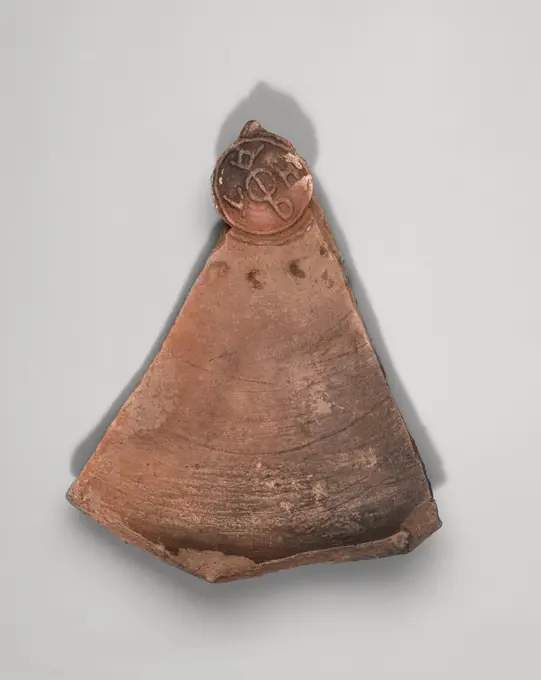
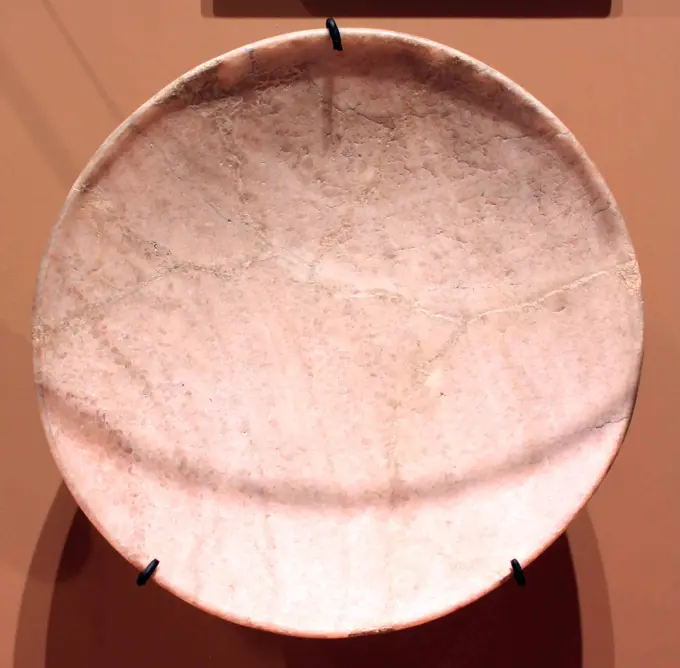
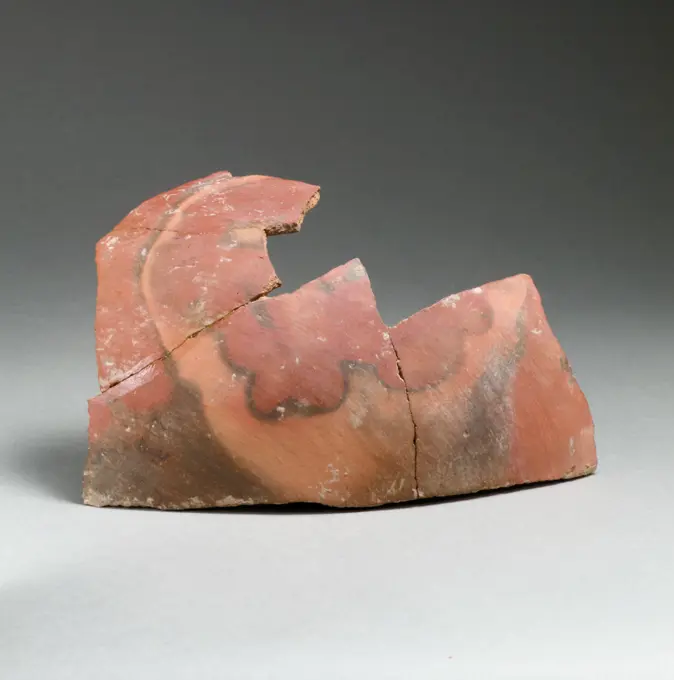
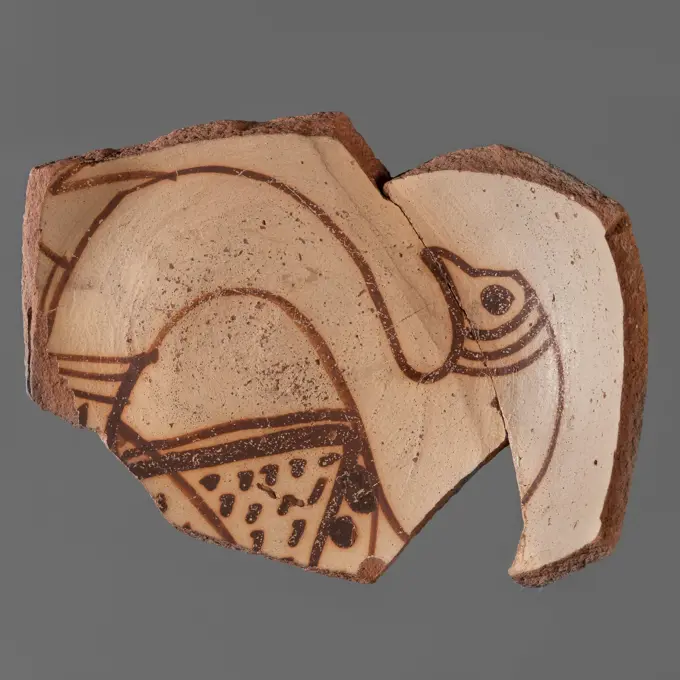
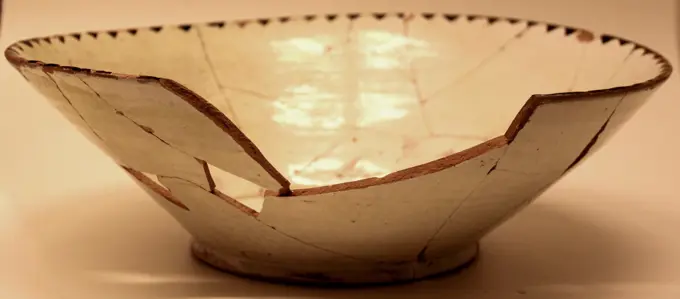
Fragment of a bowl with an archanged monogram of the reef; Unknown Nubian workshop; 2. PO. IX-XI century (851-00-00-1100-00-00);Rafał, Archangel (Saint), Old Dongola (Sudan), Anagramy, Nubian ceramics, stamp decorations, bowls, Nubian vessels, Polish excavations in Old Dongo
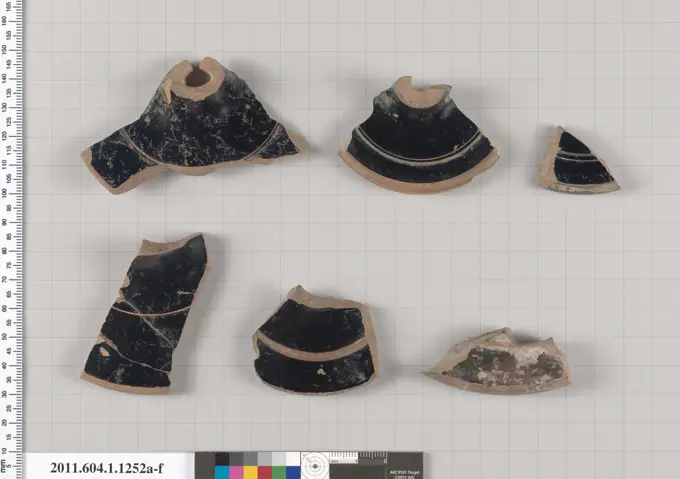
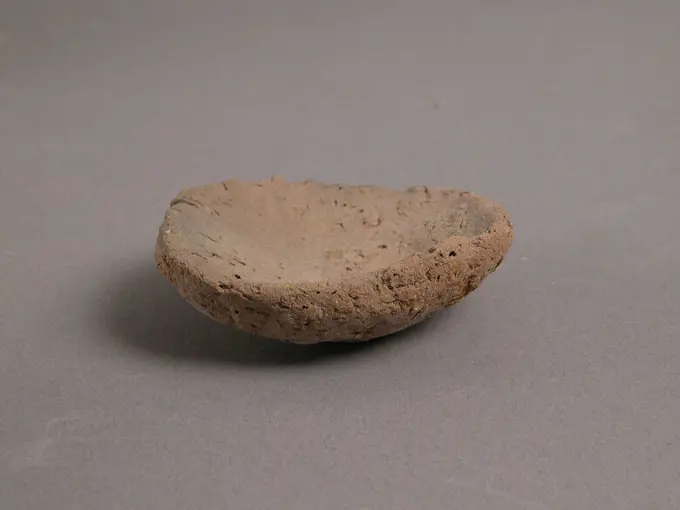
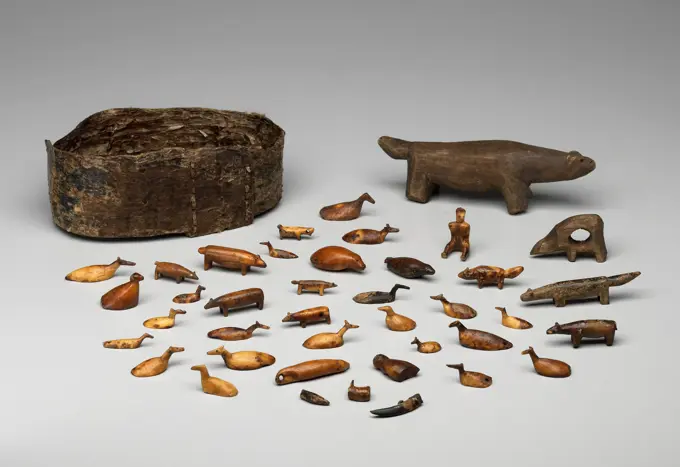
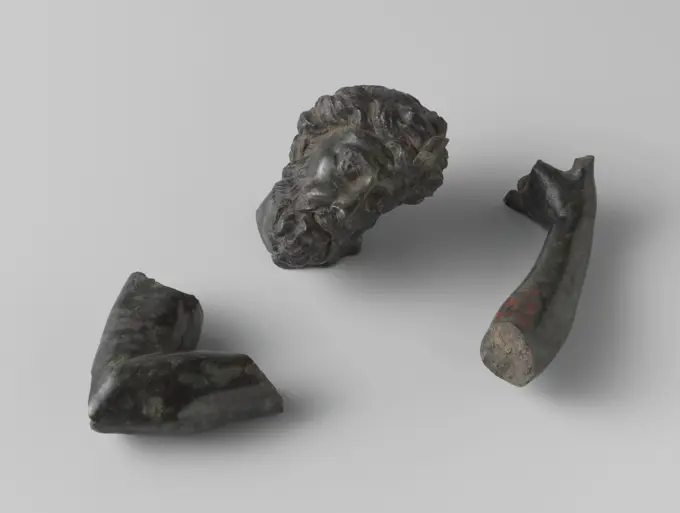
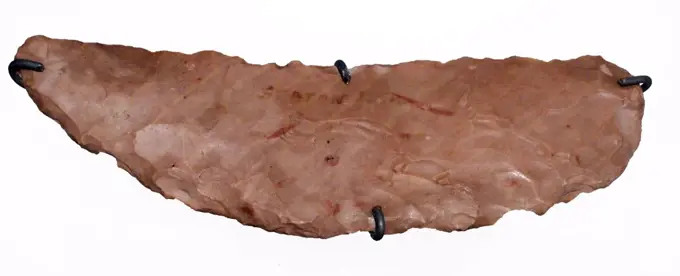
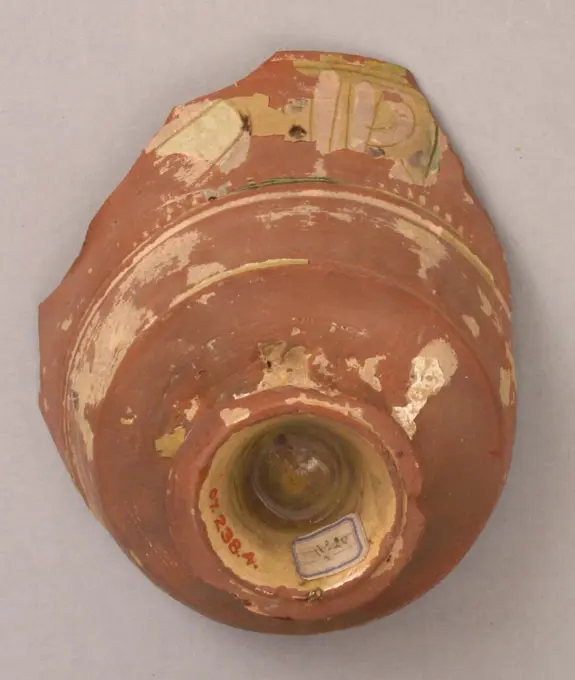
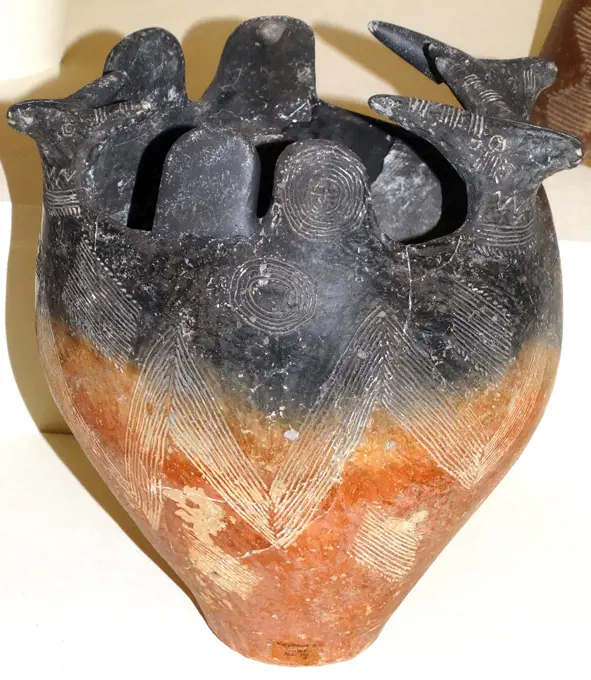
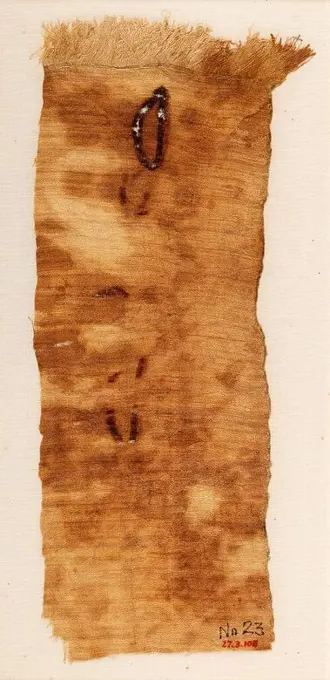
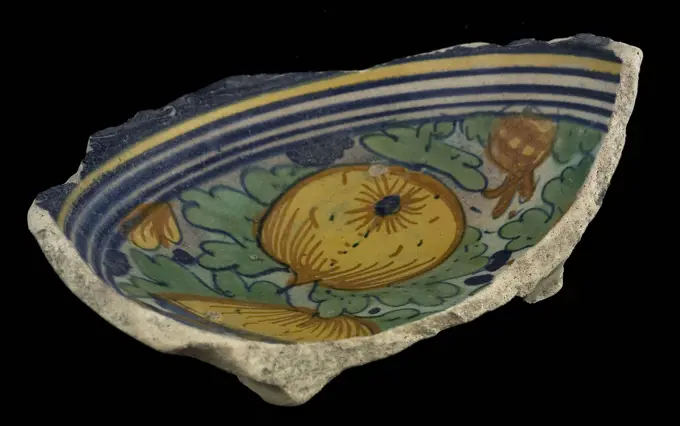
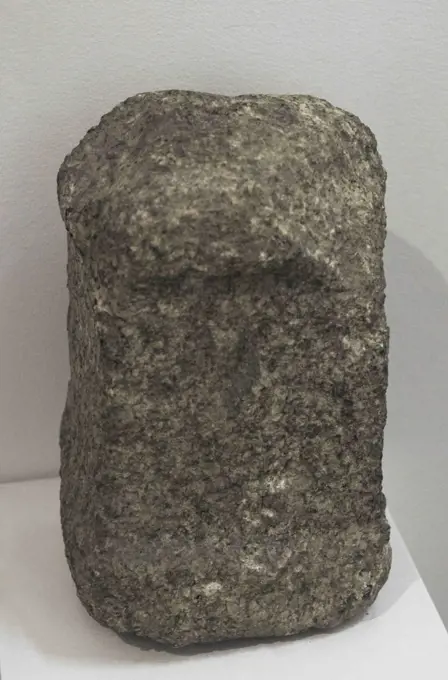
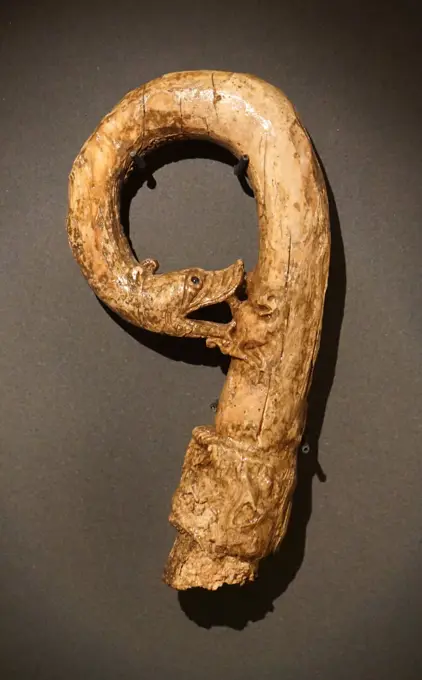
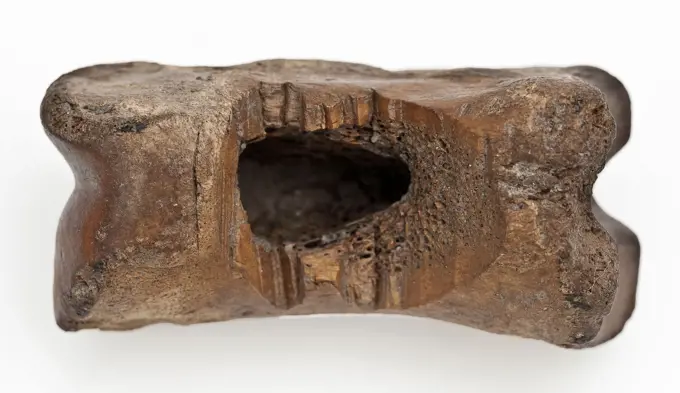
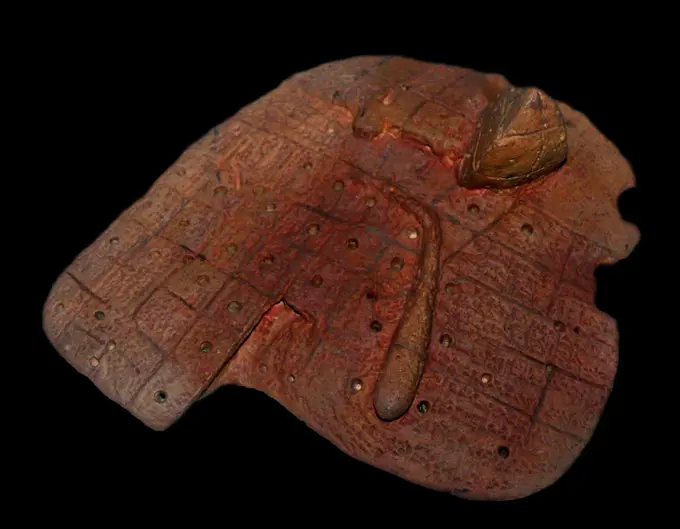
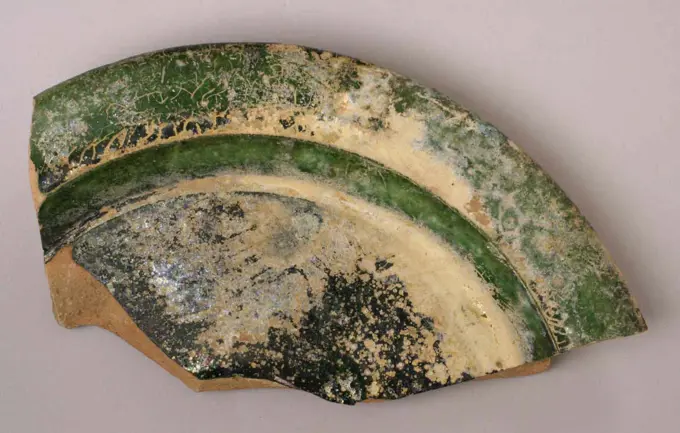
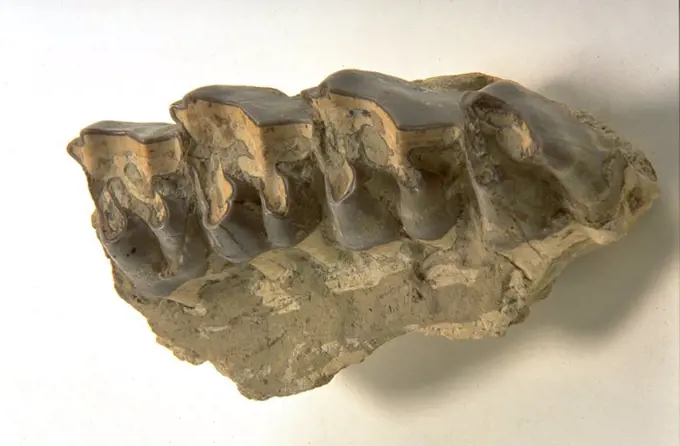
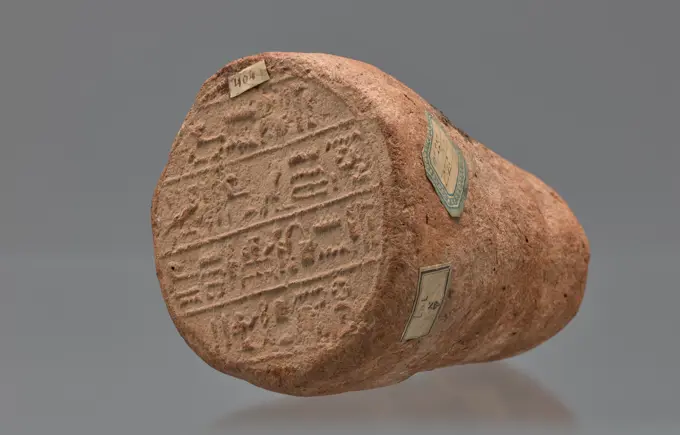
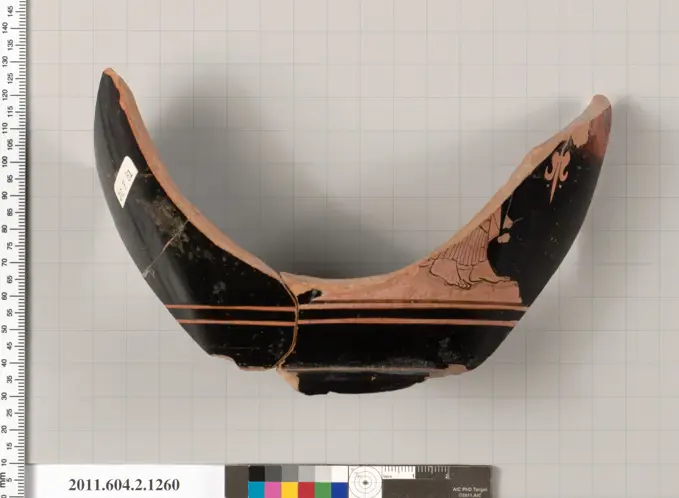
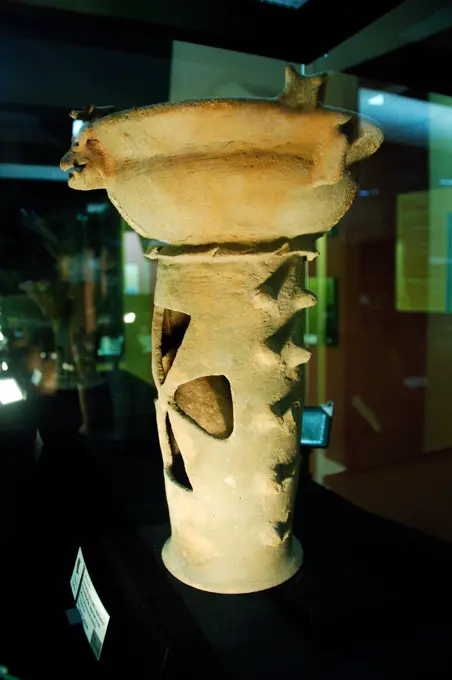
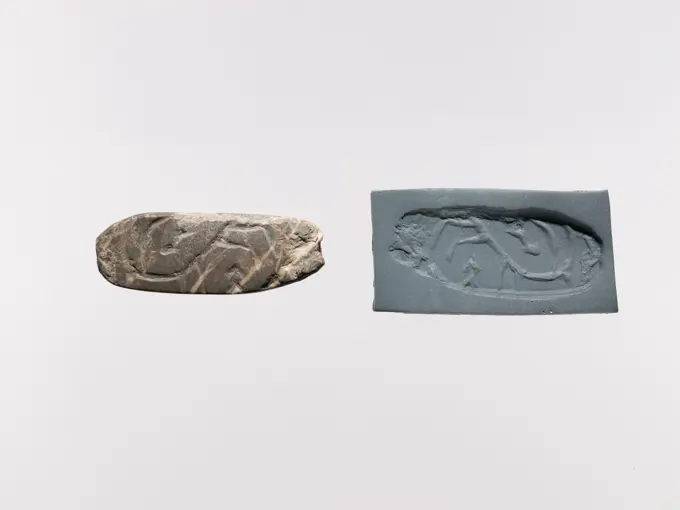
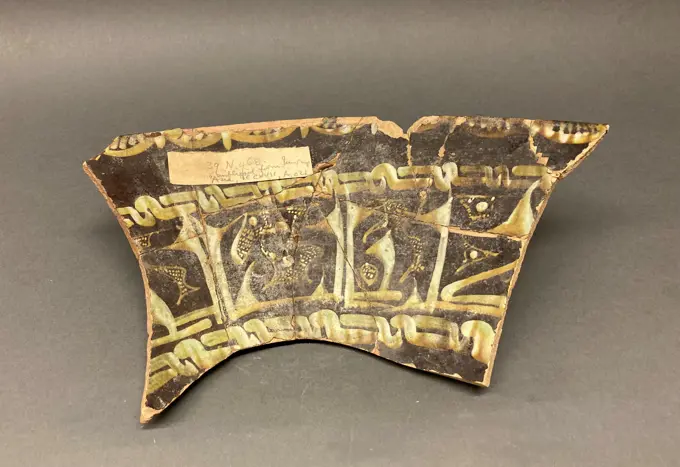
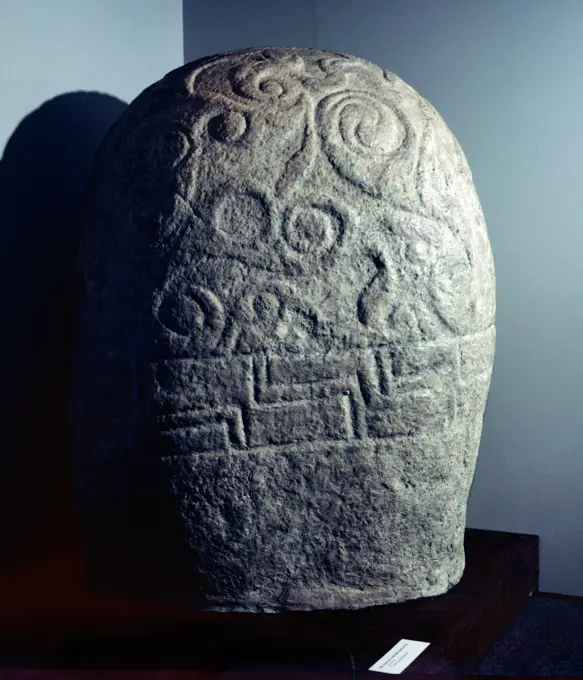
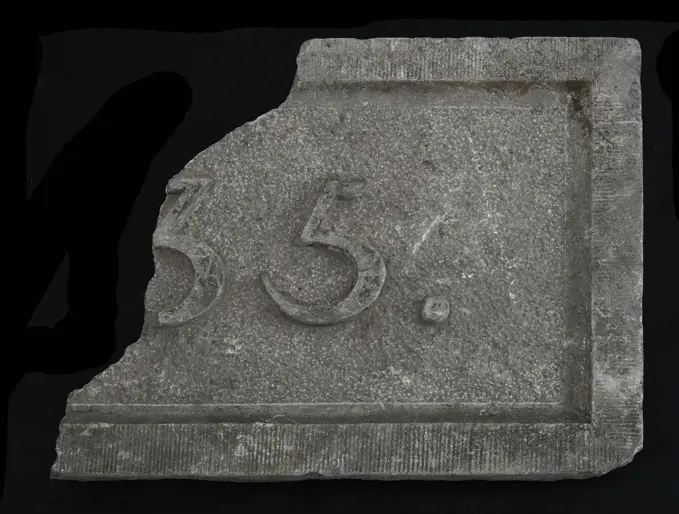
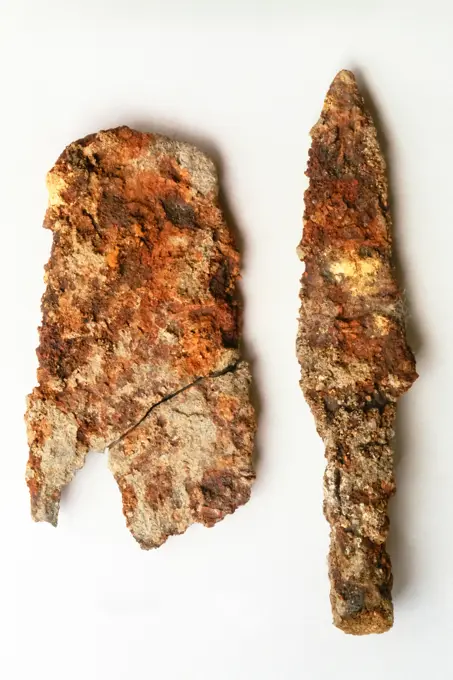
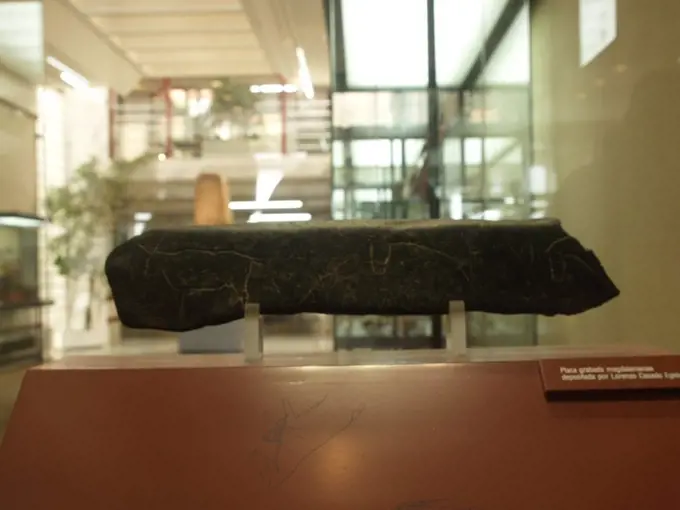
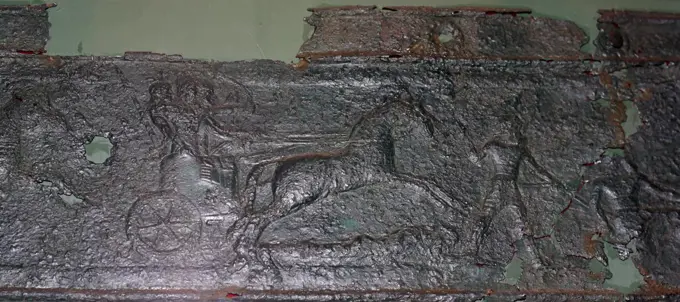
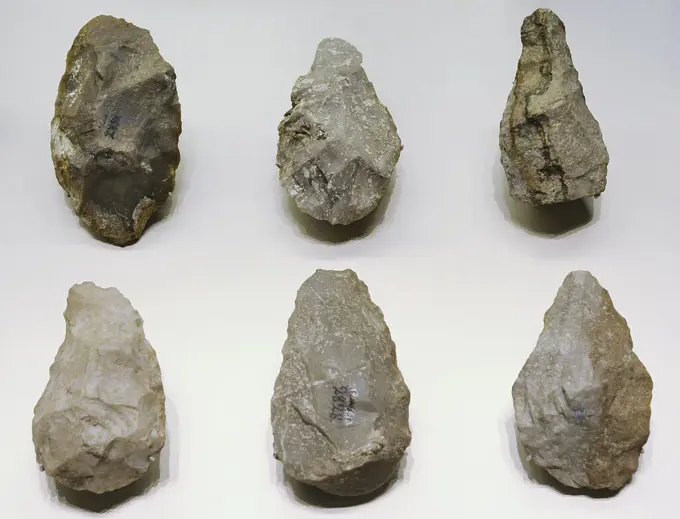
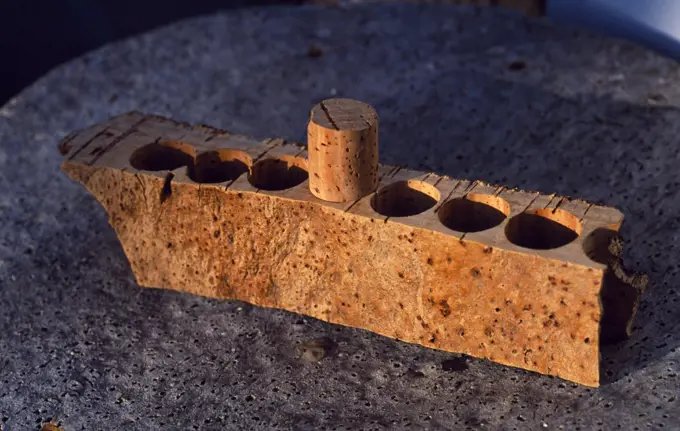
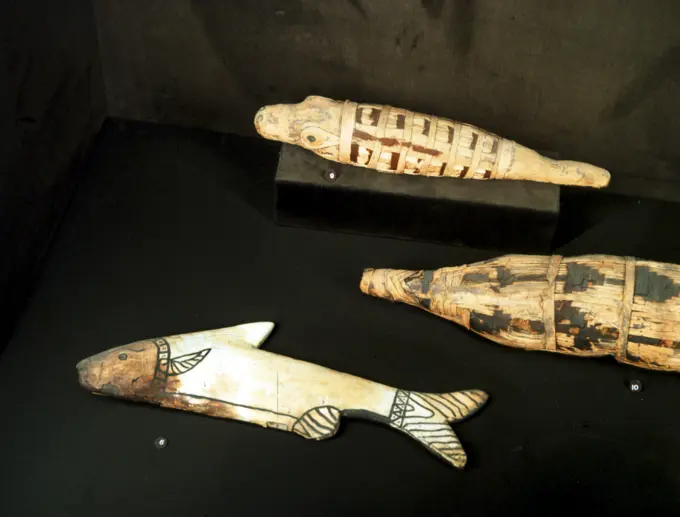
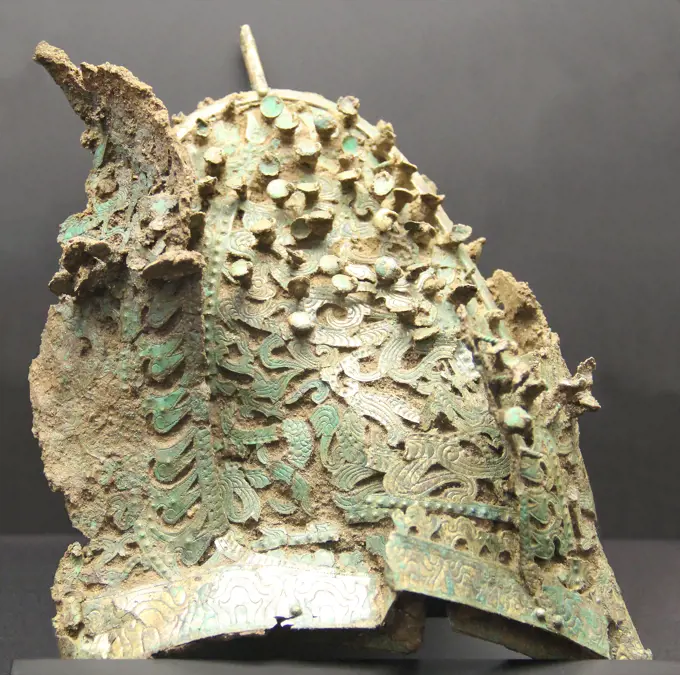
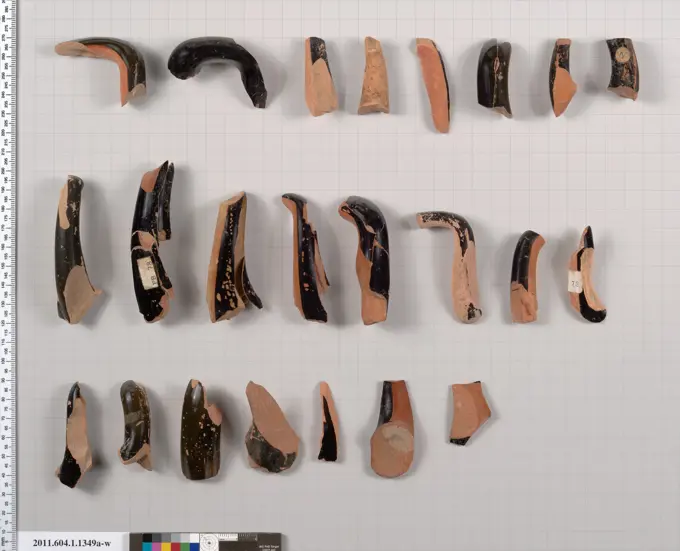
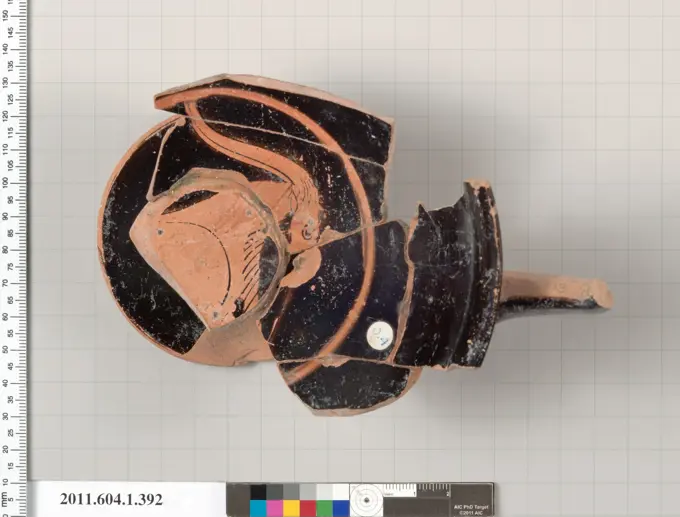
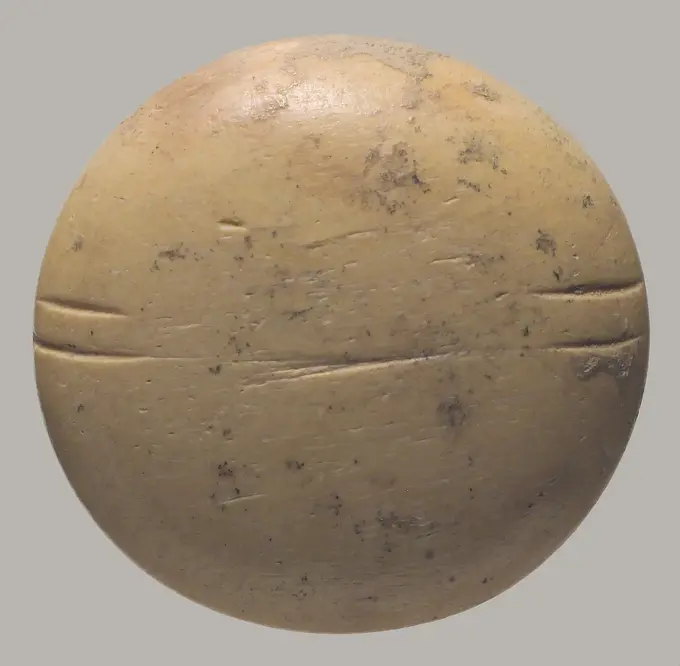
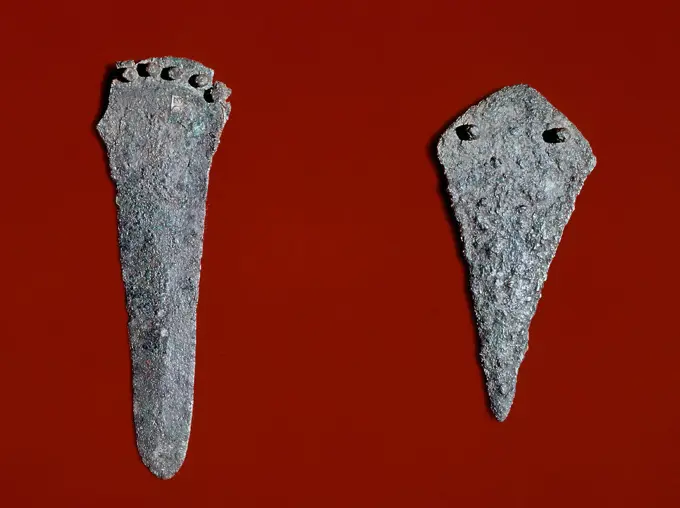
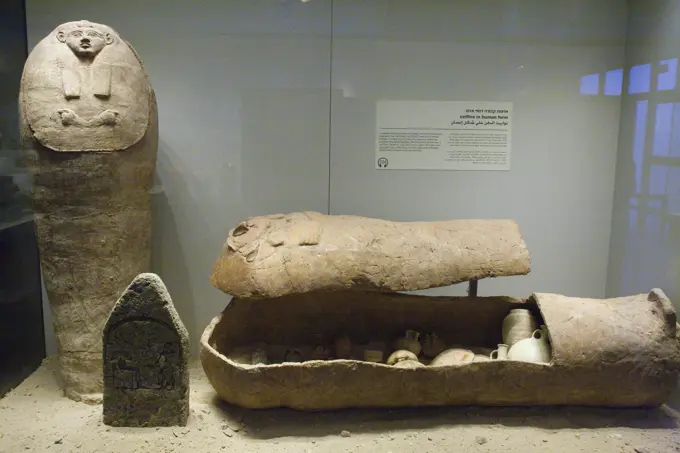
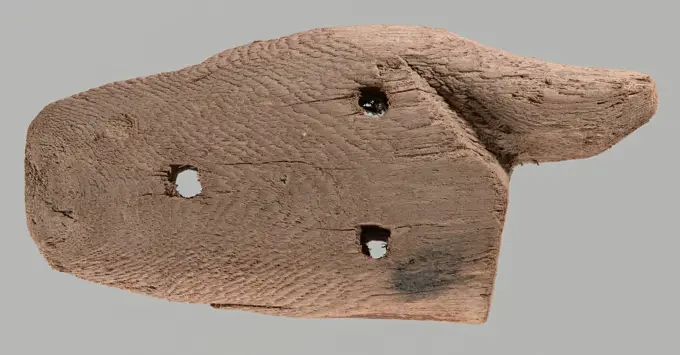
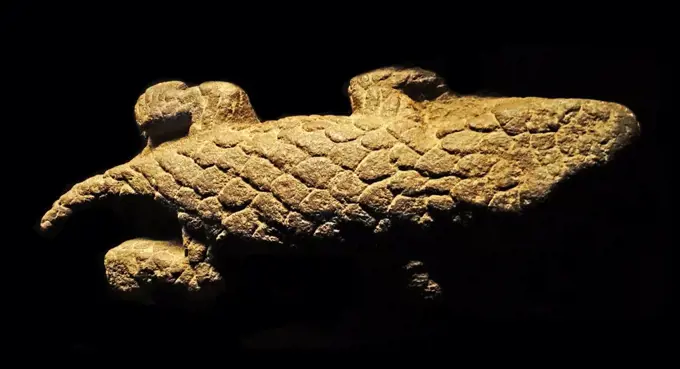
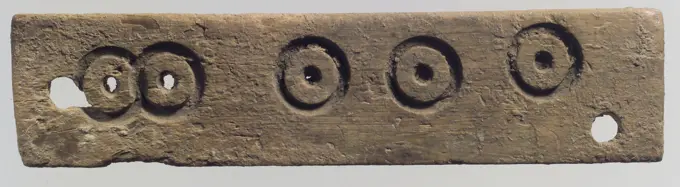
Tablet (Lamella) with an Incantation against Pain; 3rd century; Silver; 4.5 × 3.4 cm (1 3,4 × 1 5,16 in.)Spodumene. minerals. North America; USA; Massachusetts; Hampshire County; HuntingtonTerracotta fragments of kylikes (drinking cups) 5th century B.C. Greek, Attic Six fragments of feet, Type B. Terracotta fragments of kylikes (drinking cups). Greek, Attic. 5th century B.C.. Terracotta; red-figure. Archaic/Classical. VasesLamp 5th-6th century Small earthenware lamps, made from double molds, were the most commonly used source of light in daily Coptic life. A wick produced from plant fiber or linen fabric was placed in a reservoir filled with oil, generally castor or sesame oil, and illuminated. The disc of this red earthenware lamp depicts a standing female figure holding a bowl. The image is surrounded by a broad rim decorated with rosettes alternating with squares which enclose circles.. Lamp 44798214th-15th century copper alloy spear head.Bowl. Culture: Coptic. Dimensions: H: 13/16 in. (2 cm); Diameter: 2 1/16 in. (5.3 cm). Date: 4th-7th century. Museum: Metropolitan Museum of Art, New York, USA.Quadruped, before 1500, 5/8 x 2 x 7/16 in. (1.59 x 5.08 x 1.11 cm), Ivory, United States, 15th centuryBird, before 1500, 9/16 x 1 9/16 x 11/16 in. (1.43 x 3.97 x 1.75 cm), Ivory, United States, 15th centuryBird, before 1500, 7/16 x 1 13/16 x 9/16 in. (1.11 x 4.6 x 1.43 cm), Ivory, United States, 15th centuryTalon, before 1500, 1 5/8 x 3/8 x 5/16 in. (4.13 x 0.95 x 0.79 cm), Animal tallon, bone, United States, 15th centuryHearing stone with representation of a men's and women's head from the side, separated by a flowering plant, c. 1525 - c. 1575 Hearing stone with the representation of a men's and women's head from the side, separated by a flowering plant. Southern Netherlands earthenware Hearing stone with the representation of a men's and women's head from the side, separated by a flowering plant. Southern Netherlands earthenwareTab from Mummy Band, 945-715 BC. Egypt, Third Intermediate Period, Dynasty 22, reign of Osorkon I. Stained leather; overall: 3.3 cm (1 5/16 in.).Fragment of a Lacquer Tray, 9-24. China, excavated at Lolang, Xin dynasty (9-23). Lacquer; overall: 1.6 x 5.1 cm (5/8 x 2 in.).Column Base ca. 1130-40 Catalan. Column Base. Catalan. ca. 1130-40. Marble. Made in present-day France. Sculpture-ArchitecturalLate Neolithic axe heads 3000-2000 BC, Found at Great Baddow, England; stone and flintMQABRIYA. Nº INV. PENDIENTE DE ADQUISICION. ALTURA 17 CM. ANCHO 19 CM. LONGITUD 78 CM. MUSULMAN. (EXPOSICION :ARTE ISLAMICO ESPAÑOL)(DEPOSITO: MUSEO DE XATIVA ).arpones planos de una hilera de dientes, cueva de Arenaza, Galdames, Arkeologi Museoa, museo aqueologico, Bilbao, Bizkaia, Pais Vasco, Spain.Rohre pipes, 18th century, Arkeologi Museoa, aqueologico museum, Bilbao, Bizkaia, Pais Vasco, Spain Copyright: xZoonar.com/Tolox 22845743Two fragments arm and a men's head, 1700 - 1800   .   .Naczynie kultowe z przedstawieniem boga Nilu. unknown, authorAncient Egyptian, Flint knife. Predynastic Period (4000-3000 BC).Fragment of a Bowl 14th-15th century. Fragment of a Bowl 445166Cult vessel with animal heads around the rim from the Vounous Cemeteries, Cyprus. From the Early Bronze Age. 1900 BC.Linen mark (Type XII). Dimensions: H. 29.8 × W. 15.2 cm (11 3/4 × 6 in.); Outside Dimension: H. 30.5 × W. 15.9 cm (12 × 6 1/4 in.). Dynasty: Dynasty 12. Reign: Possibly Senwosret I. Date: ca. 1961-1917 B.C.. Museum: Metropolitan Museum of Art, New York, USA.Terracotta model of boatFragment majolica bowl, polychrome, decor of pomegranates, rim with sgraffito, bowl crockery holder soil find ceramic earthenware glaze, sgraffito baked underside covered with lead glaze. Polychrome Yellow shard scraped earthenware archeology Rotterdam City triangle Sand street decorate food Probable ground find Rotterdam Zandstraat and surroundings.Altar to the Lares Viales. Inscription: To the Lares of the roads. He fulfilled his vow. From the Church of San Roman, As Encrobas, Cerceda (La Coruna province, Galicia, Spain). Archaeological and History Museum (San Anton Castle). A Coruna, Galicia, Spain.Bishops' crosier (staff) of walrus tusk, found with the bones of Bishop Pli Jónsson of Sklholt (d. 1211 ad) in his sarcophagus during excavations in 1954. The crosier is in Romanesque style, with zoomorphic ornament, ending with an animal head. of Icelandic origin,Pestle 6th-4th millennium B.C.. Pestle 325525Animal figurine ca. 3rd-7th century A.D. Sasanian. Animal figurine 322833Digit from cow's leg, part of throwing game: flocks, koot game piece relaxant soil find leg, Bone: from inside hollow Large hole with slanted sides carved into the bone reason for this is unknown archeology Rotterdam rail tunnel play koten kootspel fikkelen Soil discovery: route rail tunnel Rotterdam.Pottery Model of a Group of Cattle 3500 B.C. These type of models may have been connected with the provision of a food-supply to the deceased. Egypt Stamp with Geometric Design. Colombia, Middle Cauca, Middle Cauca, 700-1600 CE. Ceramics. CeramicFragment of a gravestone with sculpture. Fragment of the right side of the gravestone of the Arent van Malsen. The fragment has a writing: XCVII is gunken and leaf refinters in midfield. The fragment belongs to seven fragments of an incomplete gravestone (BK-NM-8657-B-1 T / M BK-NM-8657-B-8).Clay model of a sheeps liver. Babylonian, about 1900-1600 BC from Sippar, southern Iraq. Babylonians believed that the world was controlled by gods and that they could give indications of coming events. One of the most widespread means of prediction waFragment of a Bowl 15th century. Fragment of a Bowl 445383Chunks of concretion with fragments of bowls from the wreck of the East India Hollandia. Parts or artifacts; eroded fragments: Materials; Lumps, containing fragm or porcelain.Fragment 8th-9th century. Fragment. 8th-9th century. Earthenware; glazed. Found/excavated Iraq, Ctesiphon. CeramicsFragment, 1127-1279, H.1-1/2 x W.1-7/16 in., glazed pottery, China, 12th-13th centuryplaca con decoracion repujada, siglo IV, villa Romana de Carranque, Museo de los Concilios y la Cultura Visigoda, Iglesia de San Román,Toledo, Castilla-La Mancha, Spain.RHINOCEROS MOLAR. PALEONTOLOGY. PALEOLITIC. (LOCATION: NATIONAL ARCHEOLOGICAL MUSEUM).Shallow Dish ca. 2960-2649 B.C. Early Dynastic Period. Shallow Dish. ca. 2960-2649 B.C.. Travertine (Egyptian alabaster). Early Dynastic Period. From EgyptShard of crockery and fragments of Gouda pipes from the wreck of the East India. The flying heart. Brown shard of a piece of crockery. Seven fragments of stems and heads of Gouda pipes, one of which cup with heel brand crowned ws. Earthenware.bone needle head with figure of Venus, Museo-Centro de Interpretación del parque arqueológico de Segóbriga, Saelices, Cuenca, Castilla-La Mancha, Spain.Vase fragment Roman Fragment of bluish-green enamelled vase; cow () in high relief.. Vase fragment. Roman. Terracotta. VasesDouble bronze penis, Conimbriga Monographic Museum, city of the Conventus Scallabitanus, Coimbra district, Portugal.Fragment of a Bowl 14th century. Fragment of a Bowl 445450A hundred funeral Mentemhat;  664-332 BC; Half-ny (0-00-00-0-00-00);Goldschmiedeform Goldschmiedeform Copyright: xZoonar.com/BartomeuxBalaguerxRotgerx 22556673Terracotta fragment of a skyphos (deep drinking cup) 490-480 B.C. Greek, Attic Lower drapery and feet of a draped woman, wearing a chiton and himation, standing or sitting on rocky terrain; lotus bud from ornament; below the figure, a double ground line; part of the outer edge of the glazed foot. Terracotta fragment of a skyphos (deep drinking cup). Greek, Attic. 490-480 B.C.. Terracotta; red-figure. Late Archaic. VasesCentral America, Guatemala, Western Highlands, Lake Atitlan, Panajachel. Lake Atitlan Museum. Pottery bowl and vase. (Editorial Usage Only)Flattened pebble seal ca. 3500-2900 B.C.. Flattened pebble seal. ca. 3500-2900 B.C.. Stone, gray with white veins. Late Uruk-Jemdet Nasr. Mesopotamia, NippurEarly medieval brooch of Santa María de Hito, X century, Valderredible. Museum of prehistory and archeology (MUPAC), Santander, Cantabria, Spain.Detail of rough uncut diamond, NamibiaEgyptian offering table with canal, limestone, Aswan, Ptolemaic period , Spain.Fragment of a Bowl 9th-10th century This ceramic fragment was excavated at the site of Tepe Madrasa in Nishapur.Nishapur was a vital city in the early and middle Islamic periods, located along one of the main trajectories that connected Iran and West Asia Islamic lands with Central Asia and China. These itineraries are often referred by the term Silk routes but were in fact crucial to the movement of constellations of materials and objects, as well as people and ideas. The diverse population of Nishapur and its surroundings, from the better-researched elite groups of merchants, land-owning aristocracy, and literates, to the less-known artisans, farmers, miners, and servants, were instrumental in adapting global cultural trends to create their own distinctive visual languages. This is seen in the material remains of everyday life in medieval Nishapur - from pots and pans to lighting devices, inkwells, textiles and trimmings, jewelry, games and toys, talismanic devices, weapons, coins, aCollection of various empty wooden sign isolated white background. Set of wood plank isolated. Empty wooden sign set isolatedArrowhead. Culture: Iran. Dimensions: 3.64 in. (9.25 cm). Date: ca. 8th-7th century B.C.. Museum: Metropolitan Museum of Art, New York, USA.Shabti of Siptah ca. 1194-1188 B.C. New Kingdom, Ramesside. Shabti of Siptah 549568helecho fósil triásico, Centro de Interpretación Paleontológica de La Rioja, Igea, La Rioja , Spain, Europe.Knife Case 15th-16th century Austrian. Knife Case 468358The Turoe Stone, La tene Style, Iron Age, Ireland.Fragment of facing brick with text ..35, facing brick building part stone, minced meat Rectangular frame and year in high relief Hard stone ..35. war World War II bombardment Jufferstraat City Triangle City Center Rotterdam Bombardment May 1940. Jufferstraat district 1 no 204 Rotterdam.Terracotta iron knife  Tamil Nadu  India Copyright: xMxAmirtham/DinodiaxPhotoxRed Polished Ware Plank Figure. UnknownPLAQUETA DE VILLALBA (PALEOLITICO). (DEPOSITO: MUSEO NUMANTINO).Vase fragment Minoan. Vase fragment 247673Bronze gate ornaments. Assyrian (circa 883-859 BC). From Balawat, near Nimrud. Embossed with scenes of warfare, prisoners and tribute bearers to represent the achievements of Ashurnasirpal II.Blowers from the wreck of the East Indians Hollandia, Anonymous, 1700 - in Or Before 1743  Pipe, bowl, heelmark: coat of arms of the city of Amsterdam; fragm, 1hsm1, 1hsm2, 2hsm1,2. Netherlands pipe clay   SecondCup Rim 6th-7th century Coptic. Cup Rim 464723Hand axes. Flint. Acheulean. Paleolithic. Torralba (province of Soria, Castile and Leon). National Archaeological Museum. Madrid. Spain.Calcite statuette showing two humans in an embrace, 30th century BC. Artist: UnknownFragment of a small bowl without a foot; Unknown Nubian workshop; IX-X century; Classic Christian period (851-00-00-950-00-00);Nubian ceramics, figural decorations, fans without foot, nubian vessels, nuub dishes painted, images of birdsBlock of cork showing how corks for bottles are drilled straight from the processed barkDoor handle, anonymous, c. 1700 - c. 1800 Pokhout door handle. Netherlands hackia Pokhout door handle. Netherlands hackiaRed-Figure Volute Krater Fragment (part of 77.AE.11). Kleophrades Painter (Greek (Attic), active 505 - 475 B.C.)kitchen utensils, Son Fornes Archaeological Museum, talayotic period room (1300-123 a. C.), Montuiri, Es Pla region, Mallorca, Spain.Mummified animals- crocodile and fish, EGYPT.South Korea: Gilt bronze cap, Baekje Kingdom, Three Kingdoms Period (18 BCE - 668 CE), National Museum of Korea, Seoul. Baekje/Paekche was one of the Three Kingdoms of Korea, alongside Goguryeo and Silla. Located in southwestern Korea, the kingdom was foudned by Onjo, third son of Goguryeo's legendary founder Jumong, at Wiryeseong (modern-day southern Seoul). Baekje often fought and allied with the other kingdoms, and was at its peak power in the 4th century, when it controlled most of the western peninsula and perhaps even territories in China such as in Liaoxi. It was a significant sea power, and had relations with China and Japan; some have called Baekje the Phoenicia of East Asia. Baekje fell in 660 CE after being defeated by Silla and the Tang Dynasty, and was subsumed into Unified Silla.Decorative ceiling, 11th century, from Castillo Formós (Balaguer). Museum: Museu Comarcal La Noguera, Balaguer, Lérida, Cataluña, España.Terracotta fragments of kylikes (drinking cups) 5th century B.C. Greek, Attic Twenty-three sheared parts of kylix handles. Terracotta fragments of kylikes (drinking cups). Greek, Attic. 5th century B.C.. Terracotta; red-figure. Archaic /Classical. VasesLate Neolithic axe heads 3000-2000 BC, Found at Great Baddow, England; flintFRAGMENTOS DEL SARCOFAGO DE BEGASTRI. DEPOSITO: MUSEO ARQUEOLOGICO DE CEHEGIN . MURCIA, ESPAÑA.Ancient Assyrian scale armour made from segments of copper alloy. Dated 8th Century BCTerracotta fragments of a kylix (drinking cup) first quarter 5th century B.C. Greek, Attic Interior, head and upper torso of Pan; offset lip inside and outside. Terracotta fragments of a kylix (drinking cup). Greek, Attic. first quarter 5th century B.C.. Terracotta; red-figure. Classical. VasesDisc: die or gaming piece () 3rd-2nd millennium B.C. Objects such as this one can present problems of interpretation when they are not preserved as part of a set. Gaming accessories are rarely retrieved together with game boards. A game of 58 holes was discovered in association with three clay plano-convex discs in the area of the Enlil temple at Nippur. The discs, with the rounded side marked and the flat side plain, were presumably cast to determine the movement of the pieces along the board. They would have indicated a different value depending on the side, marked or unmarked, they landed. This bone disk from Nippur with two double incised lines on the edge may also have been used as a die. A great variety of dice—with two, like here, four, or six sides—have been used with race games in the ancient Near East.If not a die, this disc could have been part of a set of playing pieces for the game of 20 squares, also attested at Nippur. The number of pieces for each player seems to vary Silver jewellery and pendants from the Kiev Hoard, found opposite St Michael's Monastery, Kiev. Dated 13th CenturyFunerary Cone of the Herald Ibety ca. 1550-1295 B.C. New Kingdom. Funerary Cone of the Herald Ibety 559210Stucco Fragment probably 8th-12th century. Stucco Fragment 741455Blowers and fragment Pijpensteel from the wreck of the East Indians Hollandia, Anonymous, 1700 - in Or Before 1743  Pipe, bowl, heelmark: crowned 82; fragm, no hsm. Netherlands pipe clay   SecondPUÑALES DE LA CULTURA DE EL ARGAR- EDAD DEL BRONCE - II MILENIO AC. Location: MUSEO ARQUEOLOGICO DE CATALUÑA. Barcelona. SPAIN.Ancient Egyptian clay coffins, Israel National Museum, in Jerusalem, IsraelPart of tile floor from the Dutch Reformed Church in Heukelum ,, 1325 - 1375 tile Quadrangular part, with slanted side, of floor consisting of glazed tiles in the colors black, green, red and yellow. The tiles are stuck on a thick plate. Utrecht . vitrification  HeukelumBowl 9th-10th century. Bowl 449807Dłoń sarkofagu antropoidalnego. unknown, authorLizard statue associated with conception or the force of procreation. Mayan 900 ADInlay ca. 1780-1580 B.C.. Inlay 323115Papua new guinea hollowed out tree forming a canoeHungary, Budapest, Magyar Nemzeti Muzeum, Peceler culture, Stone tools from, Vertes SzoellesHead of a Woman