Ancient Art Fragments

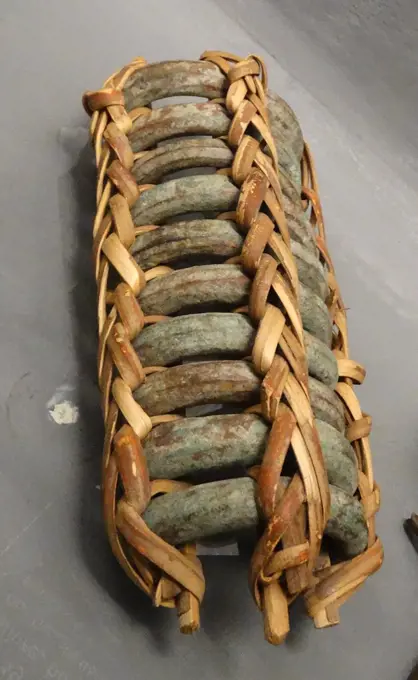
A variety of historical art fragments, including relief sculptures, vase fragments, and architectural remnants, showcasing ancient craftsmanship and styles.
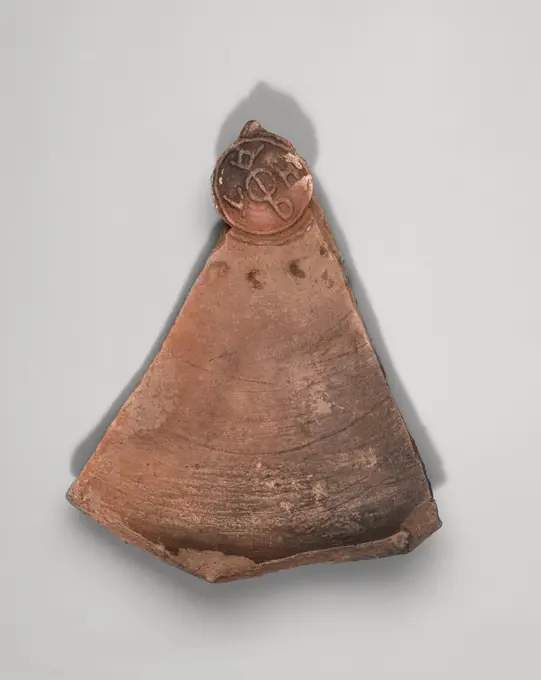
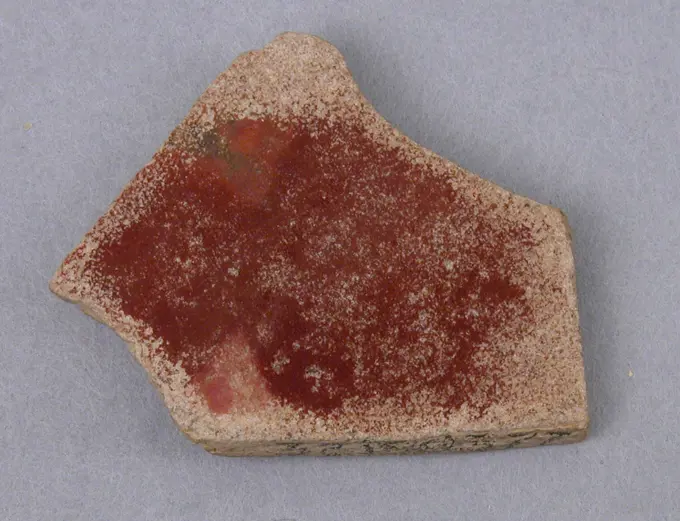
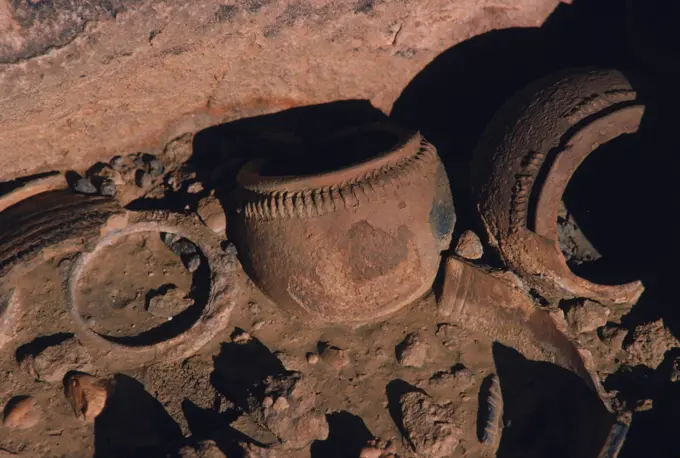
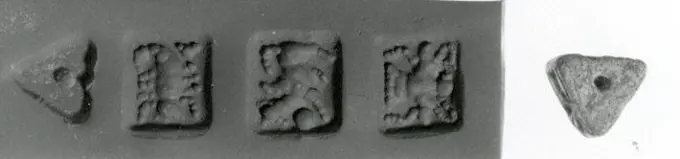
Fragment of a bowl with an archanged monogram of the reef; Unknown Nubian workshop; 2. PO. IX-XI century (851-00-00-1100-00-00);Rafał, Archangel (Saint), Old Dongola (Sudan), Anagramy, Nubian ceramics, stamp decorations, bowls, Nubian vessels, Polish excavations in Old Dongo
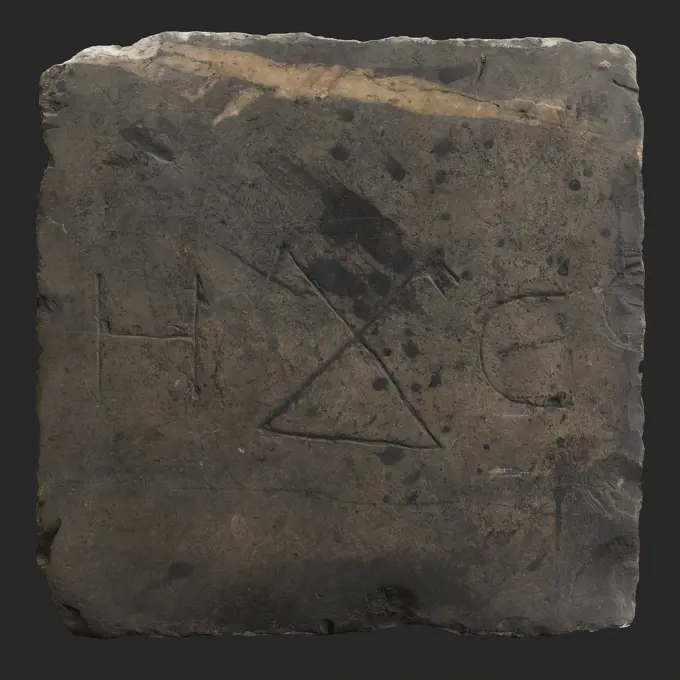
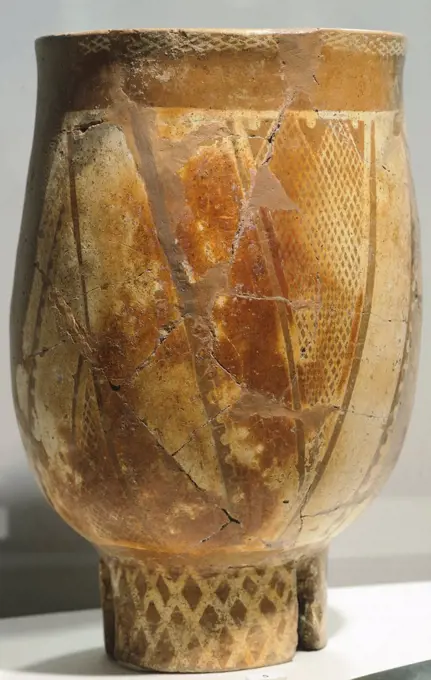
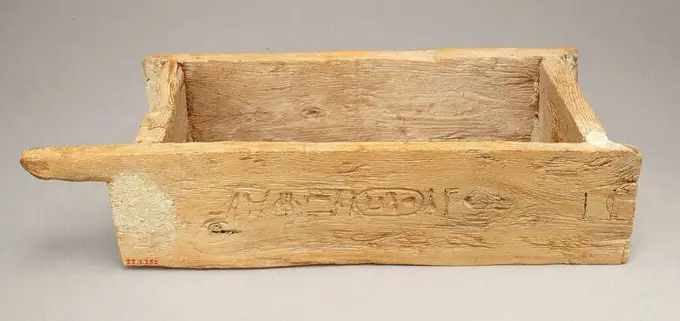
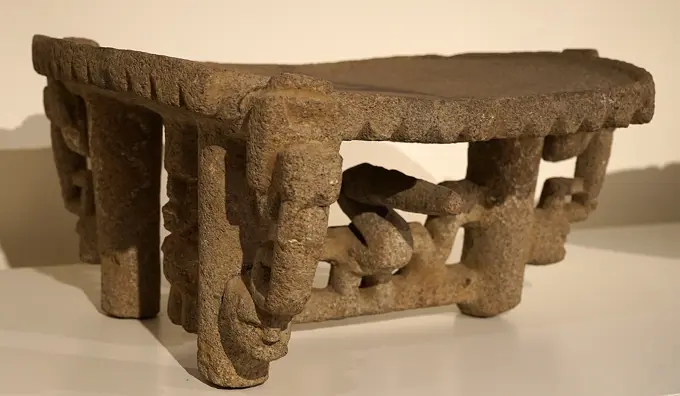
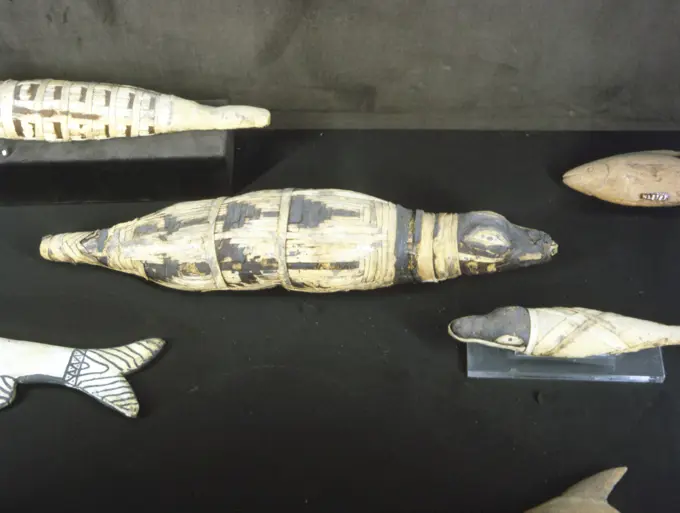
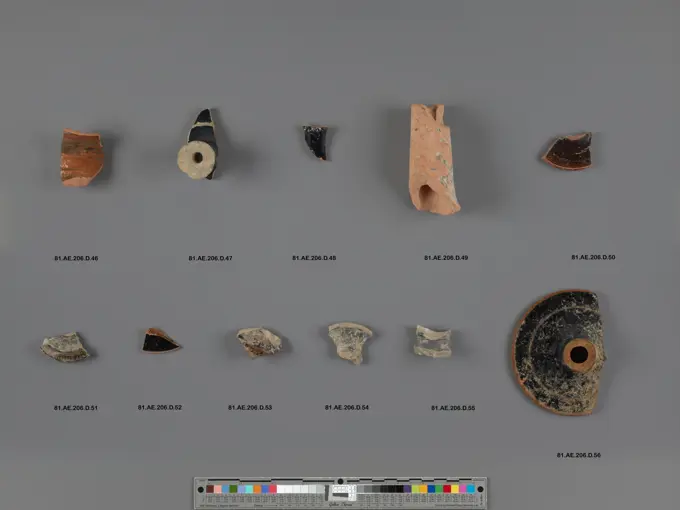
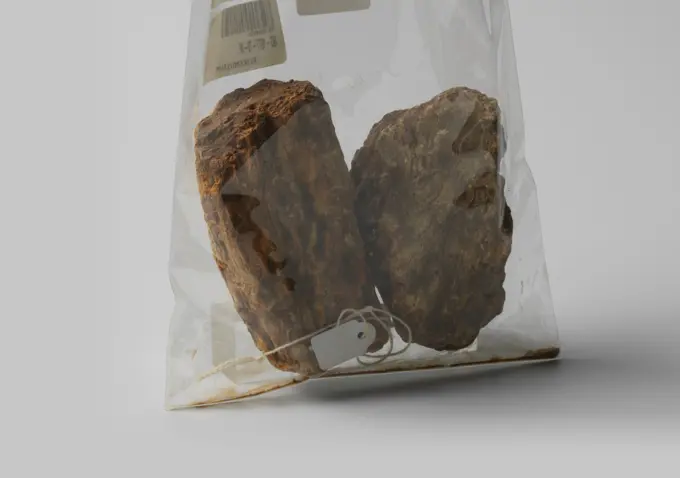
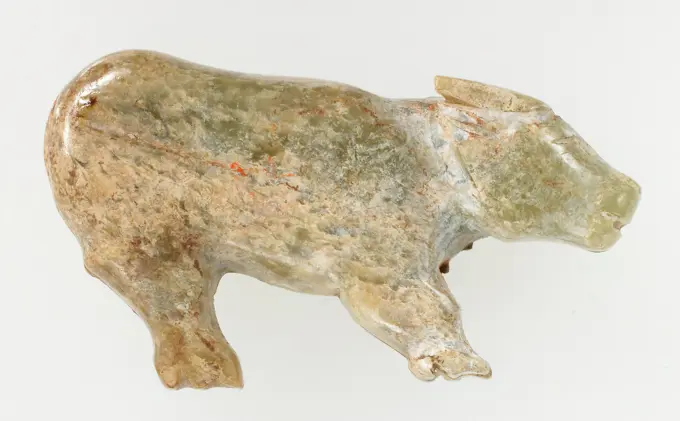
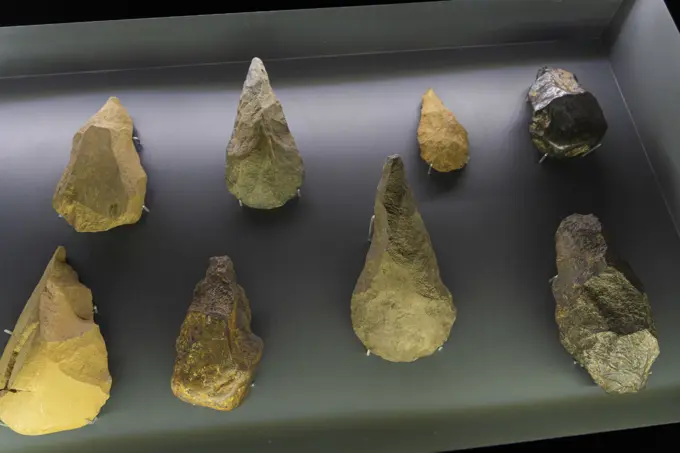
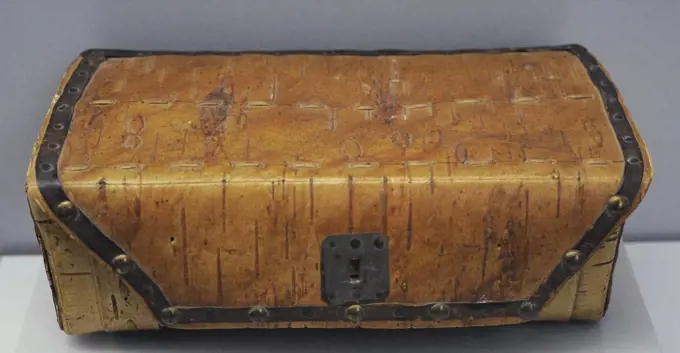
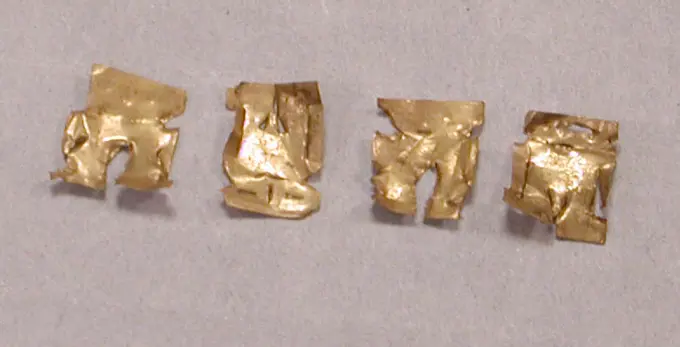
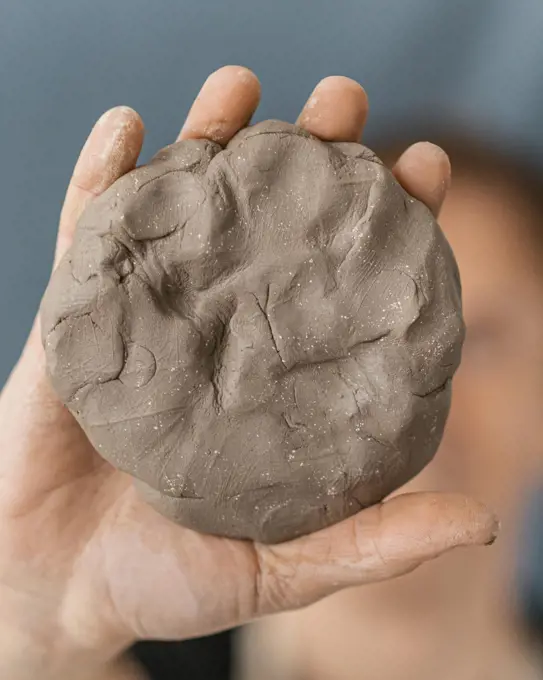
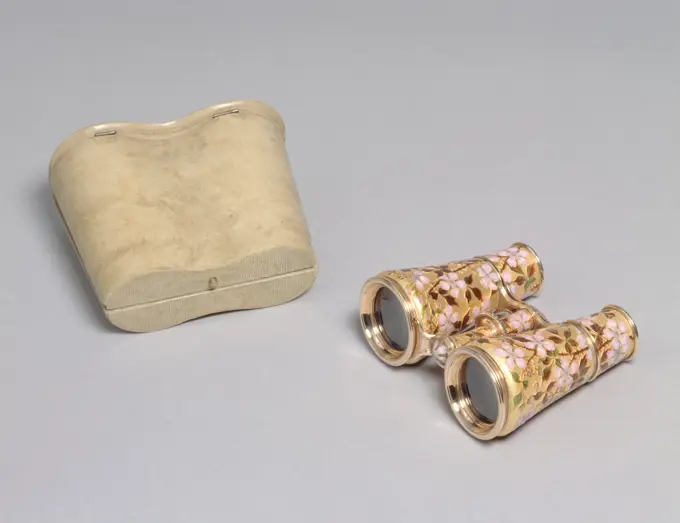
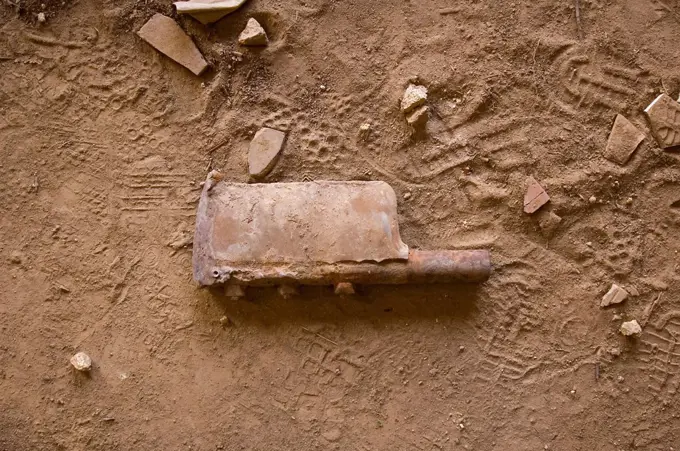
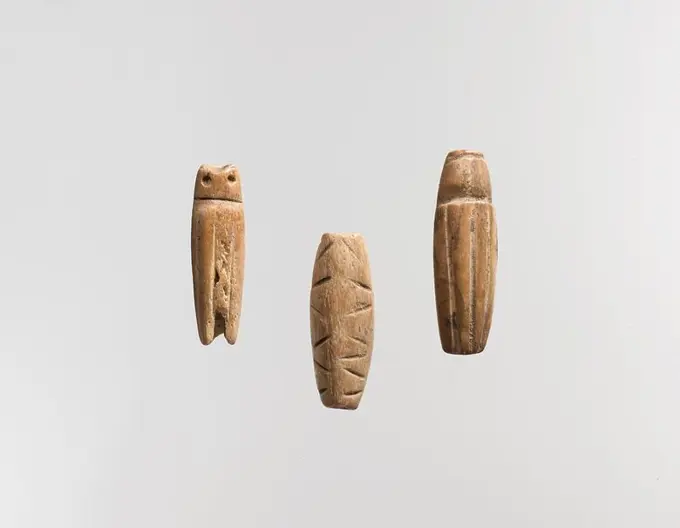
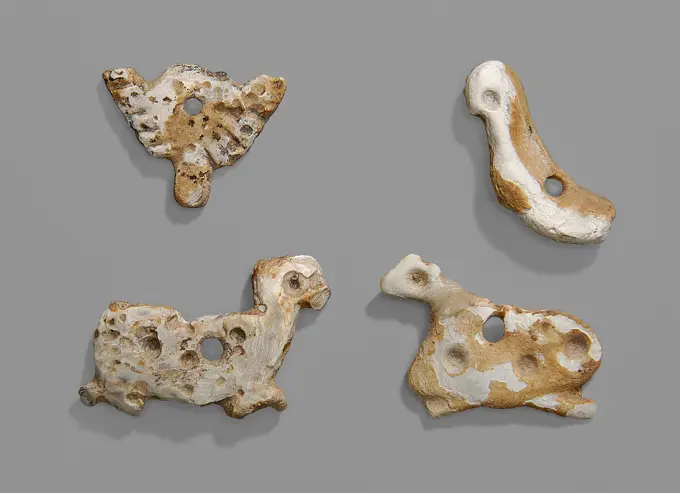
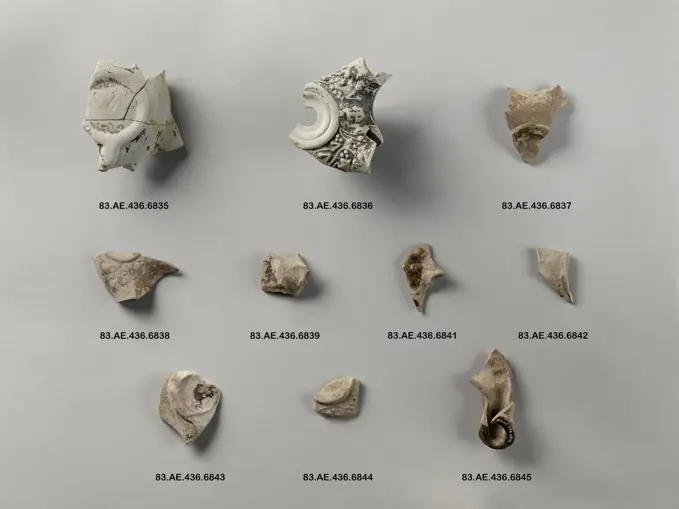
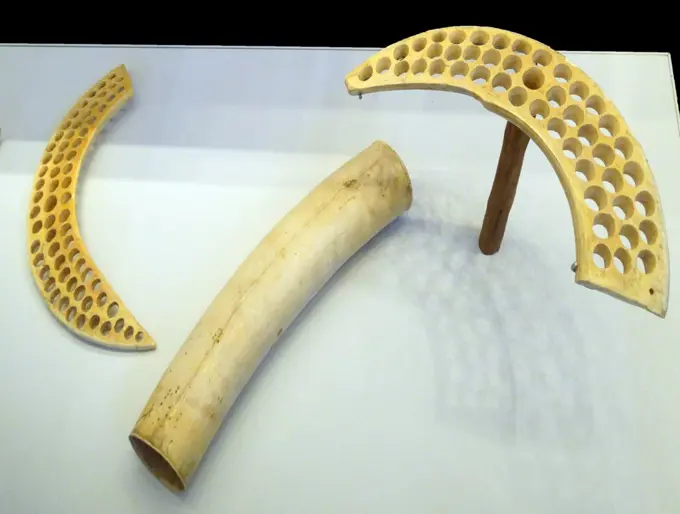
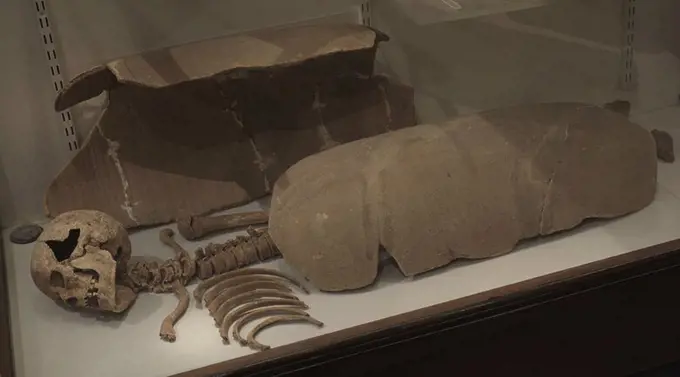
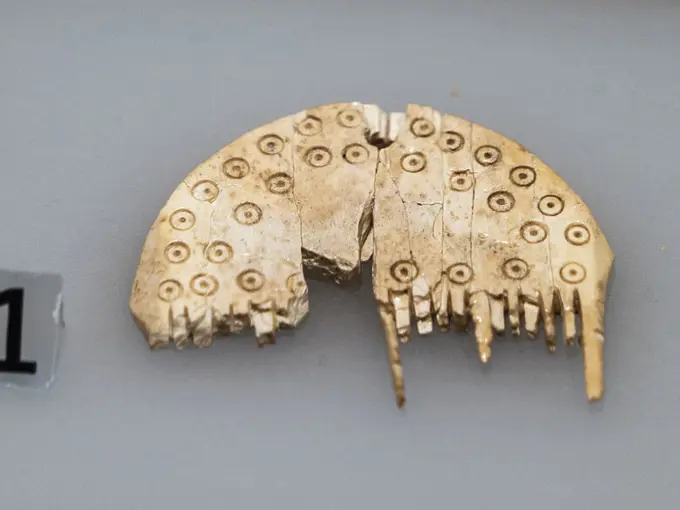
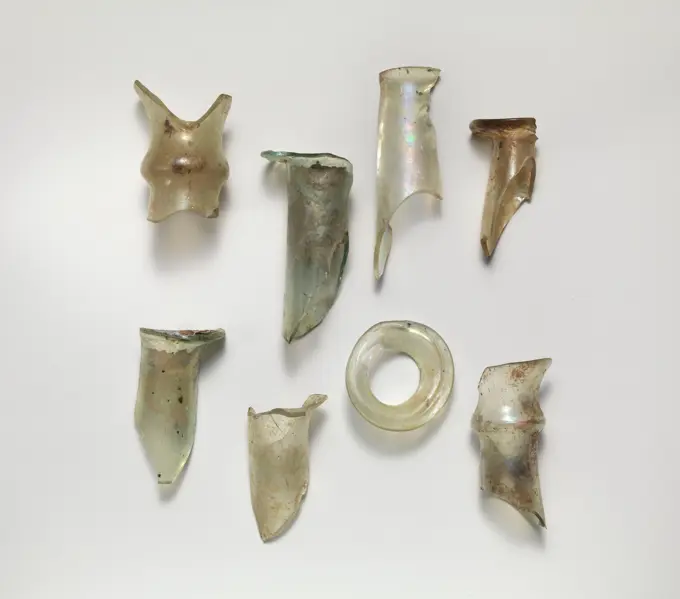
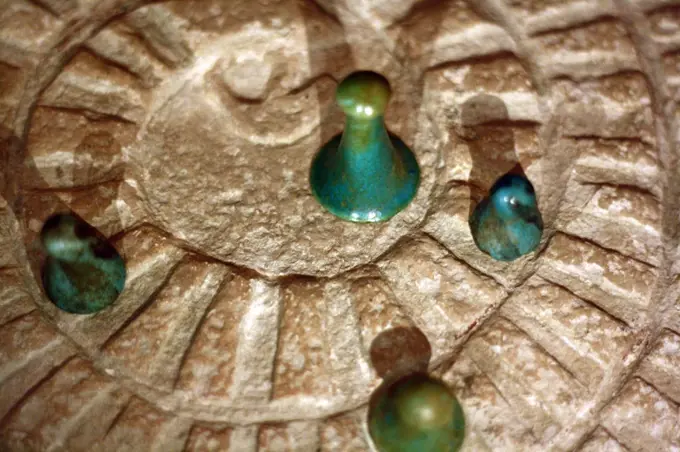
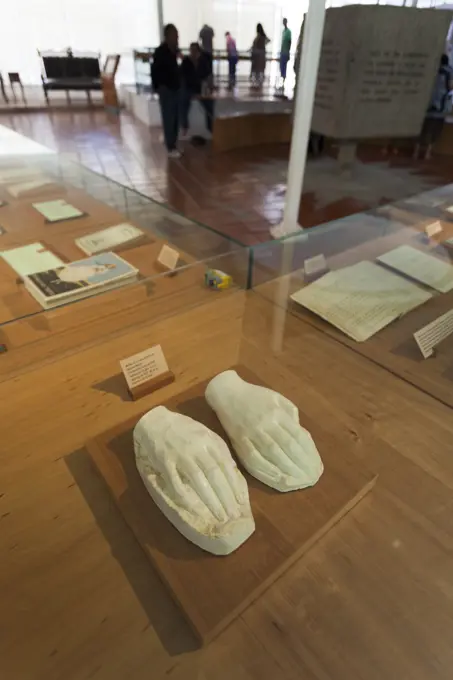
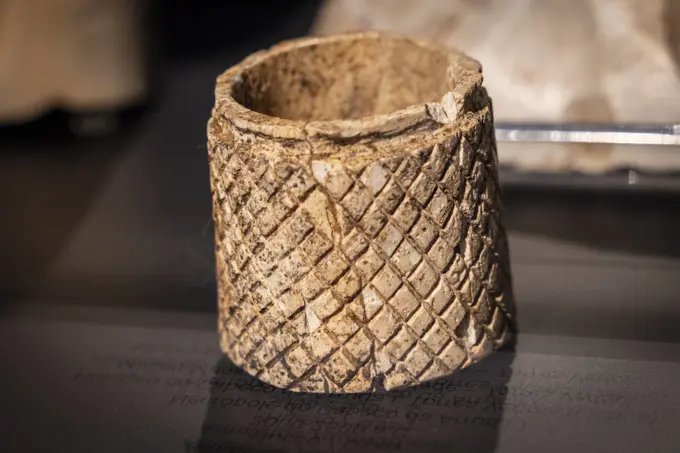
Dragon Pendant. China. Date: 400 BC-200 BC. Dimensions: 22.2 × 6.5 × 0.8 cm (8 3/4 × 2 9/16 × 5/16 in.). Jade. Origin: China. Museum: The Chicago Art Institute, USA.Tombstone with initials HC and two crossed flags, tombstone slate stone h 28.0, or E death mourning informing remembrance Delfshaven Rotterdam Gravestone from courtyard of house (just like invnr 10125 10126 10191) at the Achterhaven. Possibly originally from the church at the Kolk in Delfshaven.Fragment 8th-9th century. Fragment 448843Clay goblet-shaped container, from the Azmaska burial mound, Bulgaria. Thracian Civilization, 7th millenium BC.raw Volkonskoite stone on white marble macro shooting of natural mineral rock specimen - raw Volkonskoite stone on white marble background from Ural Mountains, Perm Krai of Russia Copyright: xZoonar.com/ValeryxVoennyyx 11951043Facing brick with year 1712. ,, 1712  Ribbon with 1712. The ribbon belongs to a ribbon with Anno (Kog-Es-178-1). Netherlands (possibly) .fragmento de columna con satiro, Museo-Centro de Interpretación del parque arqueológico de Segóbriga, Saelices, Cuenca, Castilla-La Mancha, Spain.NAIPE DECORADO EN NEGRO CON CINCO LINEAS DE TRAZO GRUESO - CUERO Y PIGMENTO - SIGLO XVIII - PROCEDENTE DE CHILE - ESTILO MAPUCHE - 10,6x7,6 CM. Location: MUSEO DE AMERICA-COLECCION. MADRID. SPANIEN.Cangilón procedente de Solibernat, Torres de Segre. Siglo XI. Museu d'Història de Catalunya.Brick Mold from a Foundation Deposit for Hatshepsut's Temple. Dimensions: H. 12 cm (4 3/4 in); w. 28 cm (11 in)Inner dimensions: L. 19.1 cm (7 1/2 in.); w. 9.7 cm (3 13/16 in.). Dynasty: Dynasty 18. Reign: Joint reign of Hatshepsut and Thutmose III. Date: ca. 1479-1458 B.C..For other objects found in Hatshepsut's temple foundation deposits, see 22.3.245, 25.3.40, 25.3.46a, b, 27.3.198. Museum: Metropolitan Museum of Art, New York, USA.Brick with guilloche design. Culture: Assyrian. Dimensions: 4.02 x 7.4 in. (10.21 x 18.8 cm). Date: ca. 9th century B.C..The Assyrian palaces were originally decorated with bright colors and elaborate patterns. Sadly, little of this polychromy survives. Small amounts of pigment remain visible on some reliefs but rarely on ivories, while images in art can also give some impression of textiles that have not survived. Perhaps the best sources for polychromy in the palaces are fragments of painted and glazed ceramic architectural elements. This six-sided brick consisting of two joined fragments provides an example in color of a guilloche pattern found in much Assyrian art.Painted and glazed brickwork is a major category in ancient Near Eastern art. Some of the most spectacular examples can be seen in Nebuchadnezzar's Babylon, and at the palace of the Achaemenid Persian king Darius I at Susa. Museum: Metropolitan Museum of Art, New York, USA.Ritual grinding stone (metate) made from Pedra stone, Costa Rica. Dated 6th CenturyMummified crocodile. EGYPT.Fresco Fragment. UnknownVase fragment Roman, Gaul Figure holding torch.. Vase fragment 250414Chess Set. Dimensions: Largest piece (King) H. 2 in. 5.5 cmDiam. 2 1/8 in. (4.4 cm)Small piece (pawn) H. 3.3 cm. Diam. 2.9 cm. Date: 12th century.This nearly complete chess set is one of the earliest extant examples in the world. The pieces are abstract forms: the shah (king) is represented as a throne; the vizier (the equivalent of the queen) is a smaller throne; the elephant (bishop) has two tusklike protrusions; the horse (knight) has a triangular knob representing its head; the chariot (rook) is rectangular with a wedge at the top; and the pawns are faceted hemispheres with knobs. Museum: Metropolitan Museum of Art, New York, USA.Attic Red-Figure Cup Fragment. UnknownBrok from V.O.C. ship De 'Witte Leeuw', Before 1613  Brok from V.O.C. ship the 'Witte Leeuw', Lead White, Raw material for paint.  lead white   Sint-HelenaFragments, Medium: silk Technique: plain weave with floats, Striped fabric with a small geometric figure produced by floats., 13th century, woven textiles, FragmentsCUEVA DE ALTXERRI: GRABADOS Y PINTURAS, RENO, ZORRO, BISONTES... AYA, GIPUZCOA, PAIS VASCO, ESPAÑA.Iron horseshoe, found at Weoley Castle, 14th century. The area takes its name from ruins of a moted and fortified manor house.Prehistory. Bronze Age. Human Skull. Cave of Graja. Museum of Prehistory and Archaeological of Cantabria. Santander, Spain.Cylinder seal: seated figure approached by a goddess leading a worshiper ca. 2028-2004 B.C. Neo-Sumerian Although engraved stones had been used as early as the seventh millennium B.C. to stamp impressions in clay, the invention in the fourth millennium B.C. of carved cylinders that could be rolled over clay allowed the development of more complex seal designs. These cylinder seals, first used in Mesopotamia, served as a mark of ownership or identification. Seals were either impressed on lumps of clay that were used to close jars, doors, and baskets, or they were rolled onto clay tablets that recorded information about commercial or legal transactions. The seals were often made of precious stones. Protective properties may have been ascribed to both the material itself and the carved designs. Seals are important to the study of ancient Near Eastern art because many examples survive from every period and can, therefore, help to define chronological phases. Often preserving imagery no lonKarte von Kanada auf rostigem Metall - Map of Canada on rusty metal Karte von Kanada auf rostigem Metall - Map of Canada on rusty metal Copyright: xZoonar.com/lantapixx 11484281Polished flint axes. 3700-3500 BC. From Maglehojs Vange, between Malov and Smorun, west Copenhagen. National Museum of Denmark. Copenhagen. Denmark.Shards of basement bottles from the wreck of the East Indians' t Vliegend Hart ,, 1700 - 1735  Six large fragments of square basement bottles: two soils and four (short) necks with parts of the abdomen. And a number of smaller shards. The glass is originally green but in many cases discolored or covered with attack. There are still cork and residues in three flessions. Case Bottle. Middelburg cork (bark)Reduced housing model: four pilliers supporting a roof. Terracotta. Cernuschi Museum, Asia Museum of Asia in the city of Paris.Buffalo Pendant, 1100-771 BCE, 2 x 1 x 7/16 in. (5.08 x 2.54 x 1.11 cm), Mottled ivory-grey jade with traces of red pigmnet, China, 11th-8th century BCEstone tools pickaxes and axes, bifaces and trihedrons, Museum of prehistory and archeology (MUPAC), Santander, Cantabria, SpainBox used by the Swedish expedition members. Sweden. Last third of the 19th century. Birch-bark, metal and leather. Museum of the Americas. Madrid, Spain. An abstract flat lay photo of a dried autumn leaf set against a black background.Terracotta fragment of a kylix (drinking cup) 520-510 B.C. Greek, Attic Exterior, left half of handle; handle patch; end of tail of an animal. Terracotta fragment of a kylix (drinking cup) 704026stripped paint in the blue  wood door    and rusty      nailGold Sheet Fragment A.D. 900-1470 Peruvian. Gold Sheet Fragment 309075close up hand holding clayFunerary Cone of First Prophet of Amun Djehuty ca. 1550-1525 B.C. New Kingdom. Funerary Cone of First Prophet of Amun Djehuty 559226Etienne Tourette. Pair of twins and its case. Museum of Fine Arts of the City of Paris, Petit Palais. 25797-8 Accessory, decoration, etui, flower, twins, theater, viewMitten. Dated: 1935. Dimensions: overall: 14.3 x 22.1 cm (5 5/8 x 8 11/16 in.). Medium: graphite and colored pencil on paper. Museum: National Gallery of Art, Washington DC. Author: Margaret Knapp.Rusted Implement on GroundGypsum. minerals. Europe; Italy; Emilia-Romagna Region; Bologna; Mt. DonatoAdze New Zealand. Adze. New Zealand. Nephrite. JadeBowl of Jujube Berries ca. 1479-1458 B.C. New Kingdom. Bowl of Jujube Berries. ca. 1479-1458 B.C.. Pottery, jujubes. New Kingdom. From Egypt, Upper Egypt, Thebes, Deir el-Bahri, Temple of Hatshepsut, Foundation Deposit 5 (E), MMA excavations, 1923-24. Dynasty 18Bead shaped like a Coleoptera beetle. Dimensions: L. 4.1 x Diam. 1.6 cm (1 5/8 x 5/8 in.). Date: ca. 3300-2650 B.C..A bead in the form of a click beetle (Coleoptera). Museum: Metropolitan Museum of Art, New York, USA.Pendant, fragment of the pendants; Unknown Night -Tamanian workshop; 1. PO. 3 thousand BC ; Early period D Azira III (-3000-00-00--2501-00-00), 1. PO. 3 thousand BC ; Early period D Azira III (-3000-00-00--2501-00-00);Al-Jazezira (geographical land in northern Mesopotamia), amulets, children's graves, early period Dżazira III (approx. 2600-ok. 2350 BC), Early Envamentian period III (approx. 2600-Oko 2350 BC) , transmission (provenance), excavations of the Mediterranean Archeology Center of the University of Warsaw, TrumpsItalic Lamp Fragment. UnknownFresco Fragment. UnknownFragment of vessel withinscriptionDated wine bottle corks on the wooden background. Close uproman lamps, Iberian culture, Archeological Museum. Úbeda, Jaén province, Andalusia, Spain.METEORITE, Menow. Fall on the Earth's surface on October 7, 1862. Museum fur Naturkunde. Berlin. Germany. Europe.France, Saint Germain-En-Laye, Chariot burial from tomb at La Gorge MeilletSelection of objects from the En Gedi hoard. Found wrapped in a woven mat in a cave above Nahal Mishmar in the Judean Desert, over 6,500-5,500 years ago. It is thought that the objects belong to the En Gedi sanctuary about 12km away. Made from copper, ivory and stone.Remains of a man buried beneath the two halves of a vertically-split amphora. The burial would have taken place in the Late Roman period (3rd to 5th centuries AD). Found at Santa Marija Bay in Comino island, Malta. Gozo Museum of Archaeology. Cittadella of Victoria. Gozo, Malta.ovoid baetyl, 3rd century BC, palace sanctuary, Tablas Bridge, Iberian Museum of Jaén, Andalusia, Spain.Offering table from the mortuary temple of Amenemhat I Middle Kingdom ca. 1981-1952 B.C. This imposing offering table was found at the west end of a passage just outside the northern wall of the pyramid temple of King Amenemhat I at Lisht North. It must have been placed there by the quarrymen who - most probably in Ramesside times - dismantled the temple. Originally, the offering table presumably stood in the open court of the temple, its roughly shaped lower part (now removed) sunken into the ground. A rectangular libation basin is carved into the top of the object, as well as representations in flat relief of an offering mat with two libation (hes) vases and three loaves of bread; the middle loaf is incised with the king's throne and Horus names and the added wish: "may he be given life forever!" At the center of the offering table's front side the incised birth name of the king (Amenemhat) forms the focus for rows of approaching fertility figures (fat men and women carrying offeringPowder Horn 18th century American This powder horn is engraved with maps of the Atlantic coast and the Hudson, Mohawk, and St. Lawrence rivers. It is decorated with the royal coat of arms of Great Britain, a peacock and a compass.. Powder Horn 29559The stop at Dongola, Sudan is a good time for camel foot repair. Later the camel groups leave together for the border.Artifacts in Tellem burial caves, MaliEPITAFIO DE FAQIH. Nº INV. 20579. ALTURA 132 CM. DIAMETRO 36 CM. MUSULMAN. (EXPOSICION :ARTE ISLAMICO ESPAÑOL)(DEPOSITO: MUSEO DE SANTA CRUZ.).Hispanic West Gothic marble script Hispanic West Gothic marble scriptStamp seal ca. late 3rd-early 2nd millennium B.C. Bactria-Margiana Archaeological Complex. Stamp seal. Bactria-Margiana Archaeological Complex. ca. late 3rd-early 2nd millennium B.C.. Lapis lazuli. Bronze Age. Bactria-MargianaOld wine bottles in Jean-Louis Trapet's wine cellar, BurgundyFragments of Jan van Speijks gunboat, anonymous, c. 1800 - c. 1830 fragment Five very thin flakes of white wood of various shapes, folded in a piece of gray, thick paper (NM-10785-2). The smallest piece is broken off from the piece where a semicircle is cut. Netherlands wood (plant material). paper. copper (metal). iron (metal) sawing  Scheldt. Lighthouse J.C.J. Van SpeijkRaw mushrooms on rough woodLEONA DEL CERRO DEL MINGUILLAR. (S.VI.A.C.). IBERICO. (DEPOSITO: MUSEO ARQUEOLOGICO NACIONAL).Bronze objects. Bracelets from graves of the Piikkio cemetery. National Museum of Finland. Helsinki.Wood has tiger stripe or curly stripe grain, Afzelia wood exotic beautiful pattern for crafts or abstract art BackgroundIvory comb with exotic decoration of Phoenician influence, 8th century BC, Iberian culture, Iberian Museum of Jaén, Andalusia, Spain.remains of woolly rhinoceros (Coelodonta antiquitatis) Museum of prehistory and archeology (MUPAC), Santander, Cantabria, Spain.Fragment European or Middle Eastern ca. 1150-ca. 1250 View more. Fragment. European or Middle Eastern. ca. 1150-ca. 1250. Glass, ceramic. Glass-VesselsFragment European or Middle Eastern ca. 1150-ca. 1250 View more. Fragment. European or Middle Eastern. ca. 1150-ca. 1250. Glass, ceramic. Glass-VesselsFragment European or Middle Eastern ca. 1150-ca. 1250 View more. Fragment. European or Middle Eastern. ca. 1150-ca. 1250. Glass, ceramic. Glass-VesselsFragment 8th century Japan. Fragment. Japan. 8th century. Silk or linen or cotton / Plain cloth weave. Nara period (710-794), Tempy (729-749). Textiles-WovenABRIGO DE LA ENFERMERIA I (109/3-1R): SECTOR B.Game of the snake with game pieces and dice, around 3000 BC Abydos, limestoneFOSSILES SHELLS.Chile, Elqui Valley, Vicuna, Museo Gabriela Mistral, dedicated to Noble prize winning poet Gabriela Mistral, casting of hands.small cylindrical container small cylindrical container, bone, 3000-2500 BC, Tholos da Borracheira, Torres Vedras, Portugal, Huelva Museum, Huelva, Andalusia, Spain Copyright: xZoonar.com/TOLOxBALAGUERx 21720829Ne Thailand, Near Udon Thani, Ban Chiang, Archaeological Site, 3600-250 B.C., Pottery & SkeletonPunic period. Amulets and glass objects. The amulets represent Egyptian divinities and sacred symbols. Found at Tal-Horob (Xewkija, Gozo island, Malta). Gozo Museum of Archaeology. Cittadella de Victoria. Gozo, Malta.MORCILLAS. Location: MATANZA. URDA. Toledo. SPAIN.Museum of schifanoia palace: coins from the burso d'este period, ferrara, italymoldes y estampillas de alfarero, 425-100 a.C, Museo arqueológico de Ibiza y Formentera, Patrimonio de la Humanidad «Ibiza, biodiversidad y cultura», Ibiza, balearic islands, Spain.Recessed vessels used for honey and sea salt, in a wine making facility, in the Roman city, Barcelona, Spain.4th Century ADTurtle carrying a baby, late 18th-19th century, Unknown Japanese, 15/16 × 1 3/4 × 1 1/8 in. (2.38 × 4.45 × 2.86 cm), Wood, Japan, 18th-19th centuryTurtle amidst mice, late 18th-19th century, Unknown Japanese, 1 1/16 × 1 5/8 × 1 5/8 in. (2.7 × 4.13 × 4.13 cm), Ivory, Japan, 18th-19th centuryModel of cocoa beans from the Theobroma cacao. The Theobroma cacao is the taxonomic classification for the plant also called the cacao tree and the cocoa tree. Dated 21st CenturyVAGINA - ESCULTURA EN MADERA. Author: DAVID JOHN NASH (1945-). Location: FUNDACION SANTANDER CENTRAL HISPANO. MADRID. SPAIN.A pair of hunting gloves unknownMuseo de Luxor.Daguerreotype portrait of a clergyman seated on a bedbench, captured around 1850, showing attire and seated posture.EXCAVACION EN EL YACIMIENTO IBERICO DE LOS CANONIGOS. TUMBAS IBERICAS. ESCANEO DE LA ZONA. YACIMIENTO AFECTADO POR LA TRAZA DEL AVE MADRID-ALICANTE.Workshop of Ricard Jordà, 2012, Mataró, Barcelona, Catalonia, Spain.Scattered bones of animal laying on ground of dirt and rocksFrank Budash, Weather Vane, c 1939 Weather Vanepesas de telar,museo monografico de Conimbriga, ciudad del Conventus Scallabitanus, provincia romana de Lusitania, cerca de Condeixa-a-Nova, distrito de Coimbra, Portugal, europa.Sliced mushrooms on wooden tableheart shaped small stone on stone background. heart shaped stoneLigations shackles used to restrain. From the Congo.The Mary Rose Museum, Portsmouth, United Kingdom. Architect: Wilkinson Eyre Architects, 2013. Authentic artefacts in display cases.