Ancient Art Fragments

A variety of historical art fragments, including relief sculptures, vase fragments, and architectural remnants, showcasing ancient craftsmanship and styles.
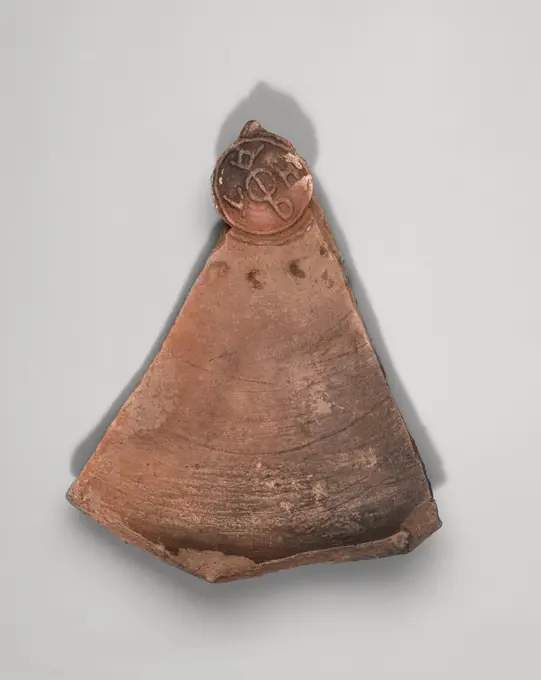
Fragment of a bowl with an archanged monogram of the reef; Unknown Nubian workshop; 2. PO. IX-XI century (851-00-00-1100-00-00);Rafał, Archangel (Saint), Old Dongola (Sudan), Anagramy, Nubian ceramics, stamp decorations, bowls, Nubian vessels, Polish excavations in Old Dongo
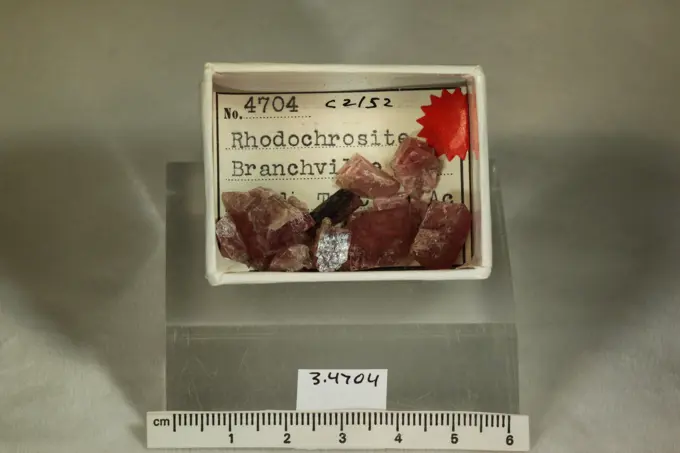
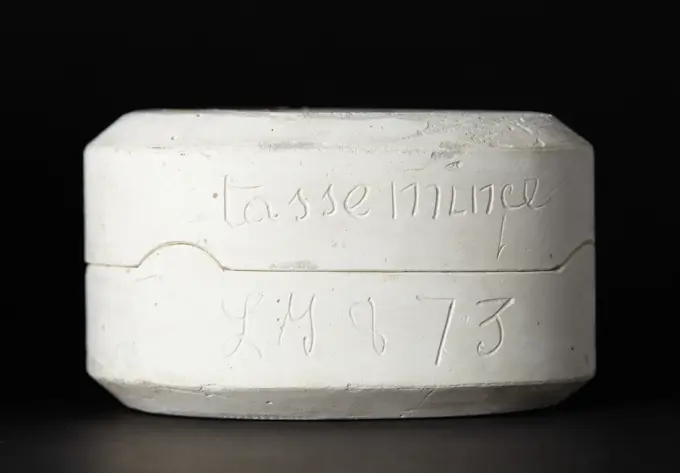
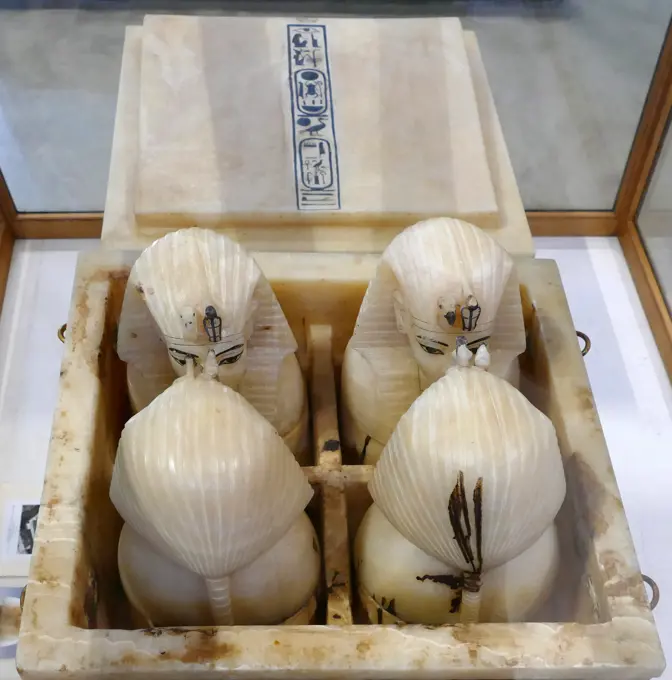
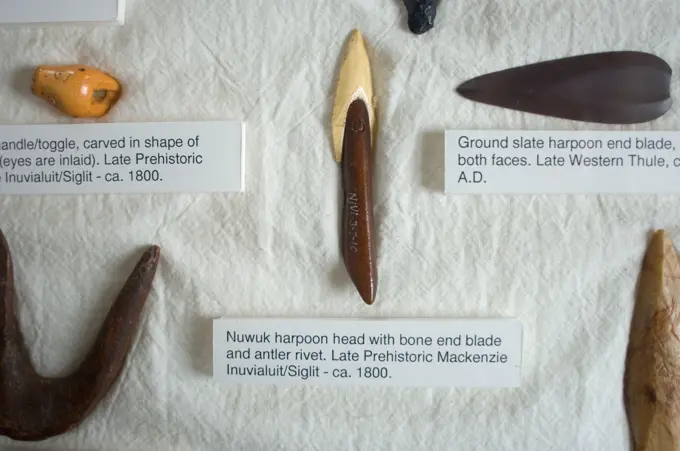
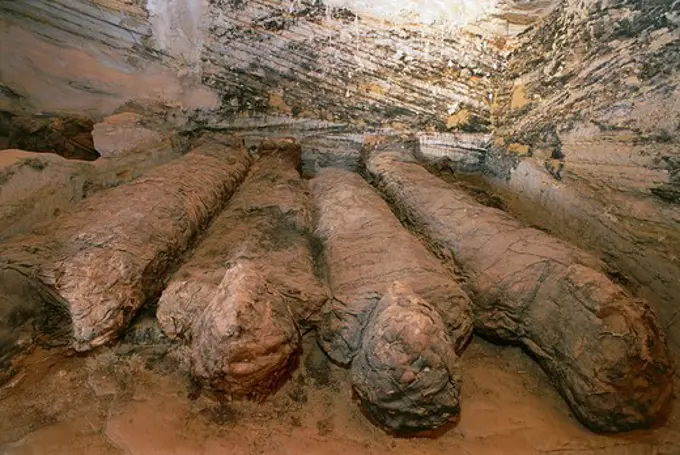
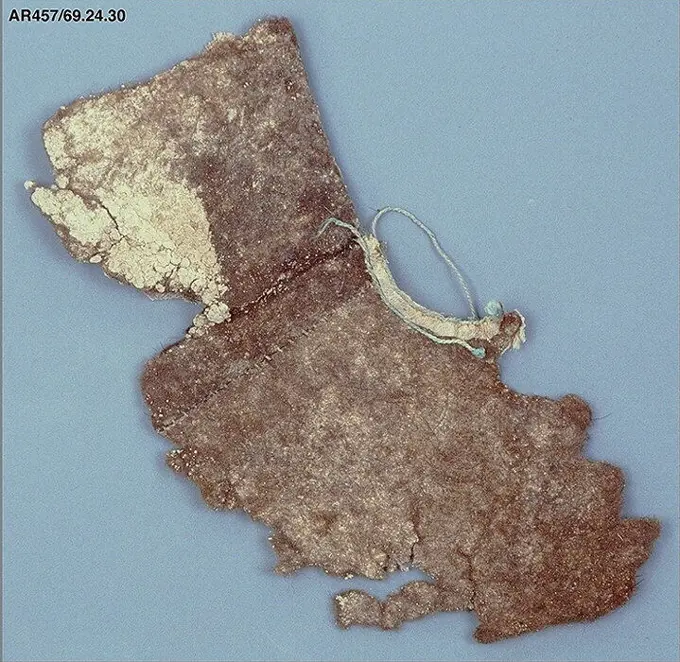
ARTE MINOICO. GRECIA. DOBLES HACHAS Y ANZUELOS. Procedentes del Palacio de Zakros, fechado hacia el 1600-1450 a. C. (Epoca de los Nuevos Palacios). Museo de Heraklio. CRETA.Rhodochrosite. minerals. North America; USA; Connecticut; Fairfield County; BranchvilleForma na ucho SèvresAlabaster Canopic chest with canopic jars, found in Tutankhamen's Tomb. They were used to contain the internal organs removed during the process of mummification. Tutankhamen was an Egyptian pharaoh of the 18th dynasty (ruled c. 13321323 BC)artifacts in the Herschel Island museum off the Mackenzie River delta Yukon Territory CanadaEgypt, Bahariya Oasis, Valley of the Golden Mummies. Detail of mummy of tomb nr. 54, 1st-3rd century a.d.BOTE DE FARMACIA DE CARRACEDO-N.I.1537-ESCUDO MON CARRACEDO-26X0,8X9,4CM. Location: FACULTAD DE FARMACIA. MADRID. SPAIN.Textile fragment ca. first half 1st century B.C. Parthian This textile fragment is part of the shoulder and neckline of a garment. It is made of cotton-lined felt, and has a blue silk cord to secure the opening at the neck. Given its small size, it was likely made for a child. It was excavated at Shahr-i Qumis in northern Iran, which has been identified as the ancient city of Hecatompylos, established by the Parthians as their capital by about 200 B.C. In Greek Hecatompylos means a hundred gates,’ suggesting that the city was quite large. Indeed, the modern archaeological site includes several mounds, only a few of which have been excavated, and a vast area covered with potsherds. It comes from Site IV, a large building which was completely filled with dirt sometime in the late 1st century B.C. or early 1st century A.D.The silk cord on this fragment is the earliest known piece of silk yet discovered in Iran, and in all likelihood it was imported from China via the overland caravan rou