Ancient Artifact Fragments

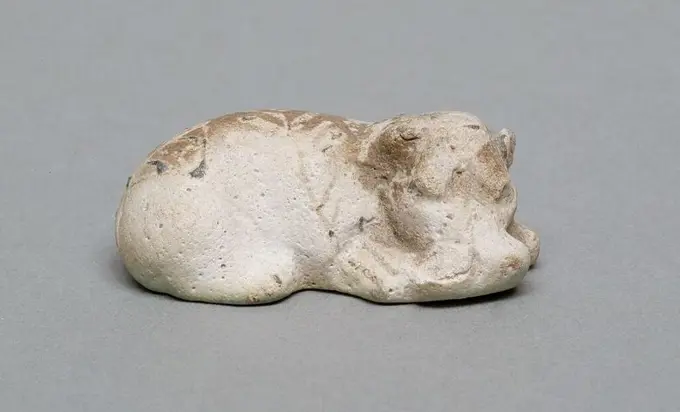
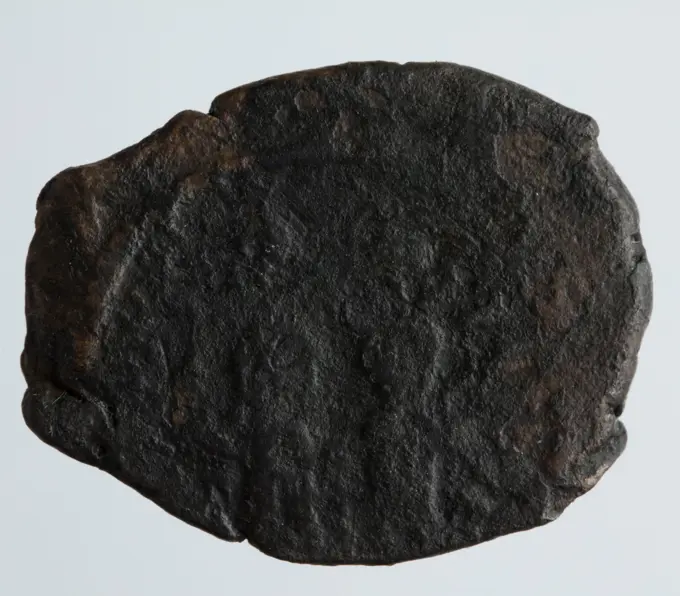
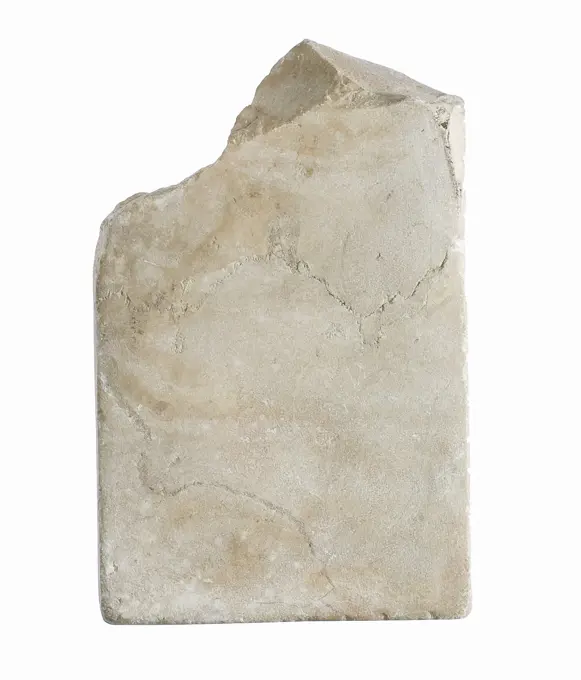
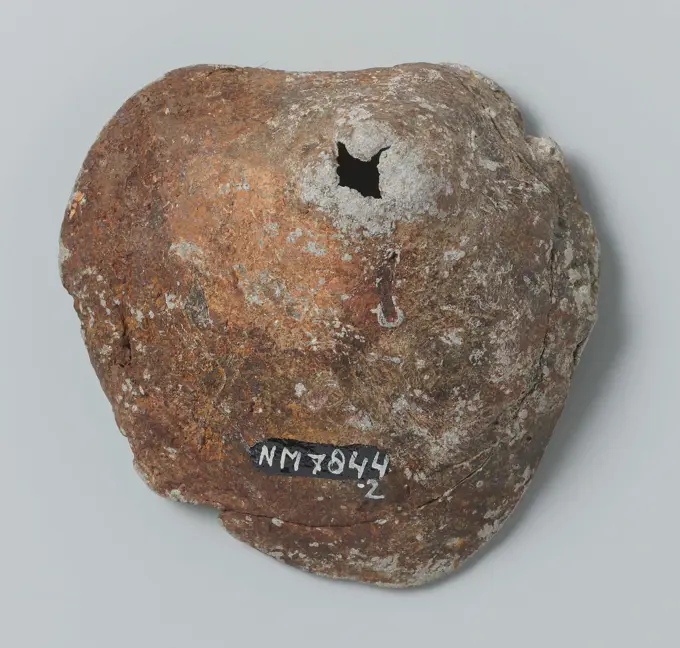
Collection of ancient fragments including sculptures and plaques, showcasing historical craftsmanship in various materials from different eras.
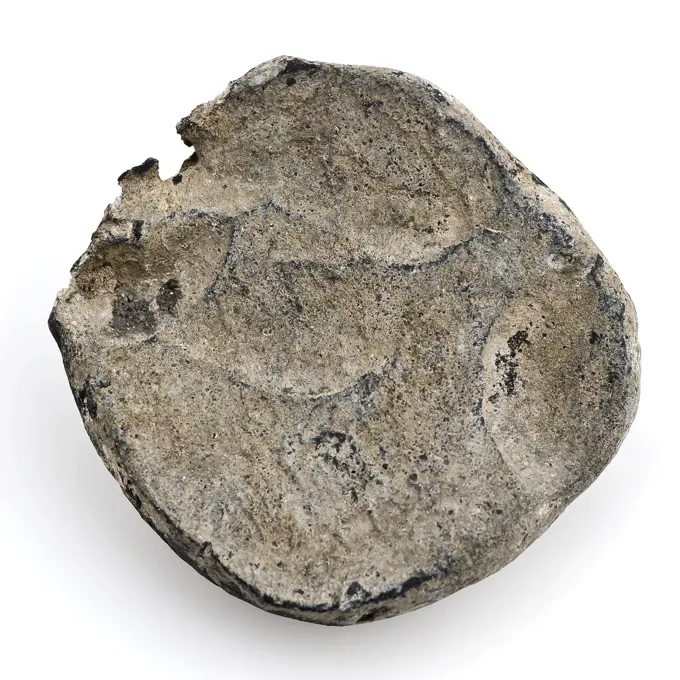
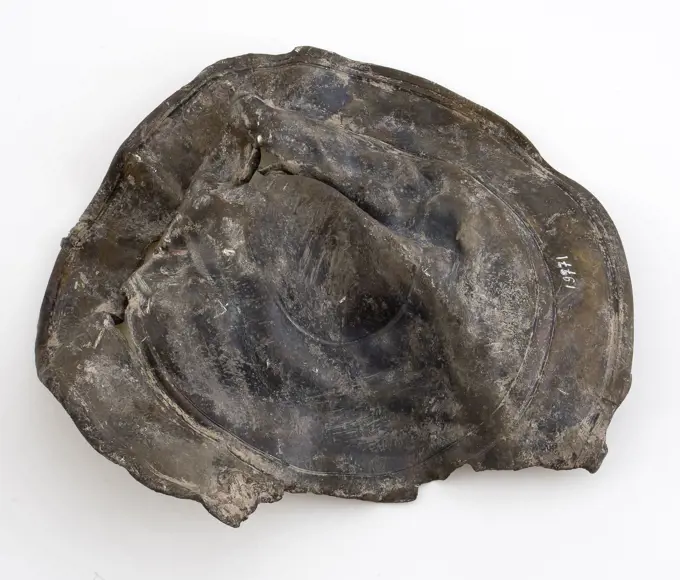
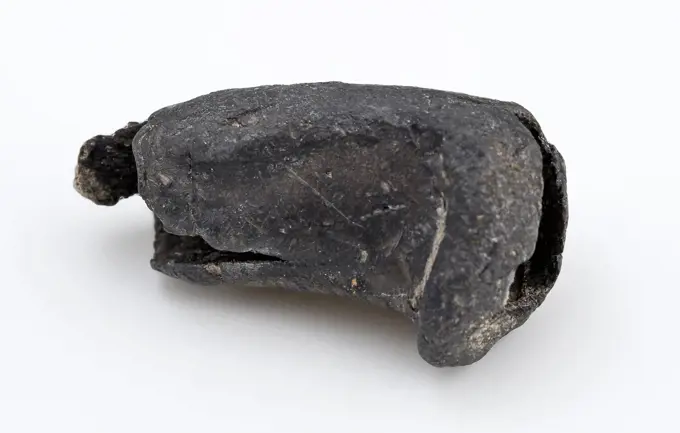
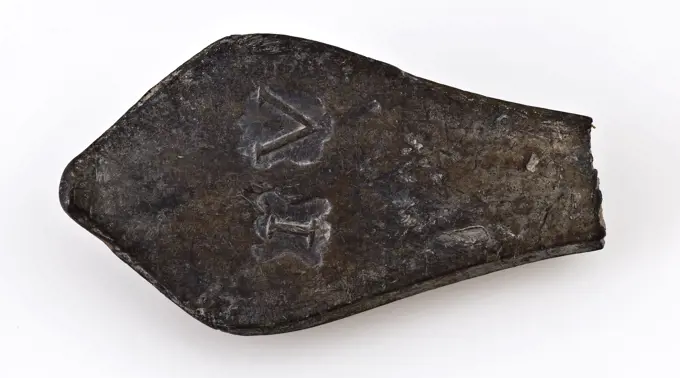
Lead disk, disc soil find lead metal, gram cast Flat and rounded rectangular Function unknown was probably original around archeology Rotterdam railway tunnel Soil discovery: railway tunnel Rotterdam.
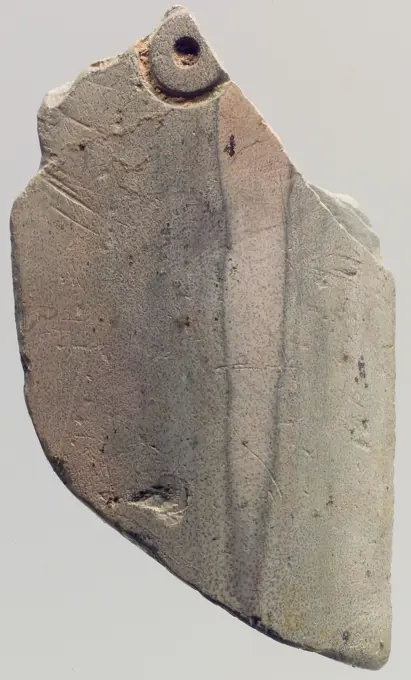
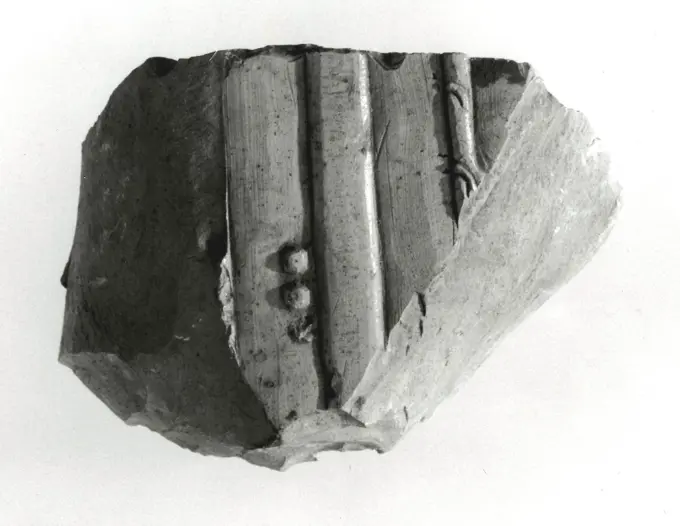
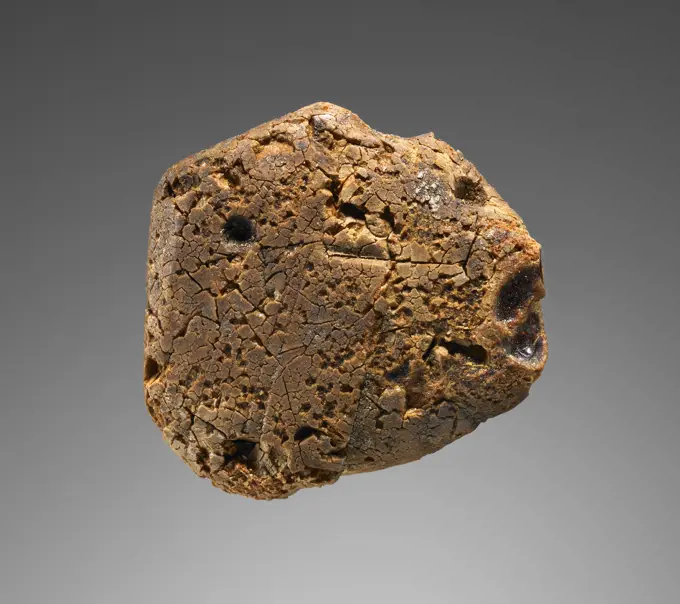
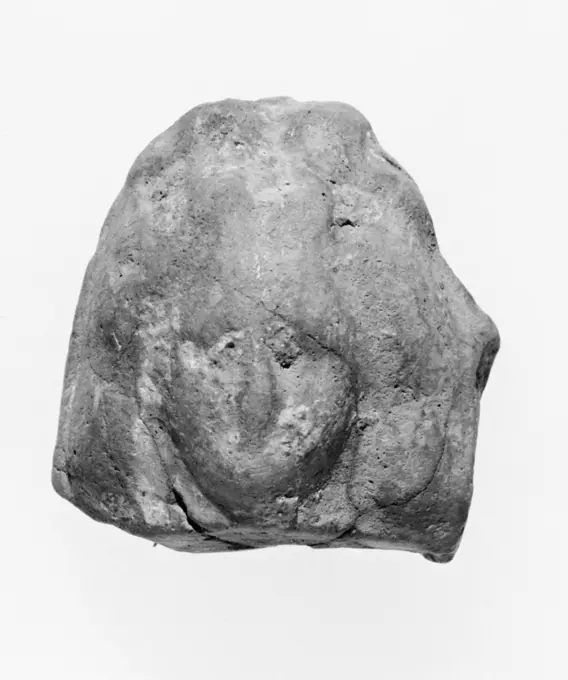
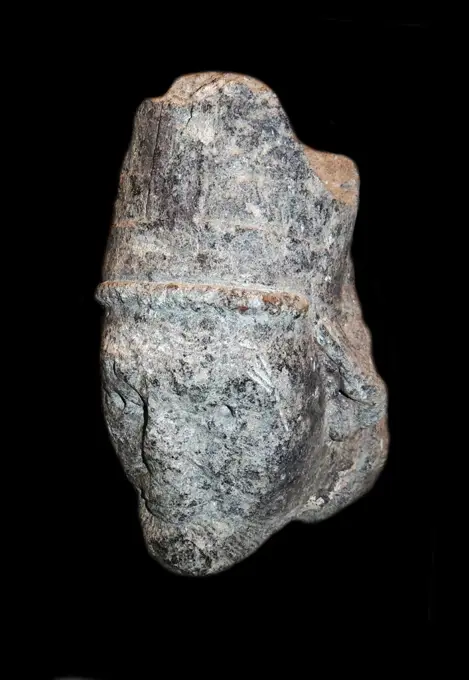
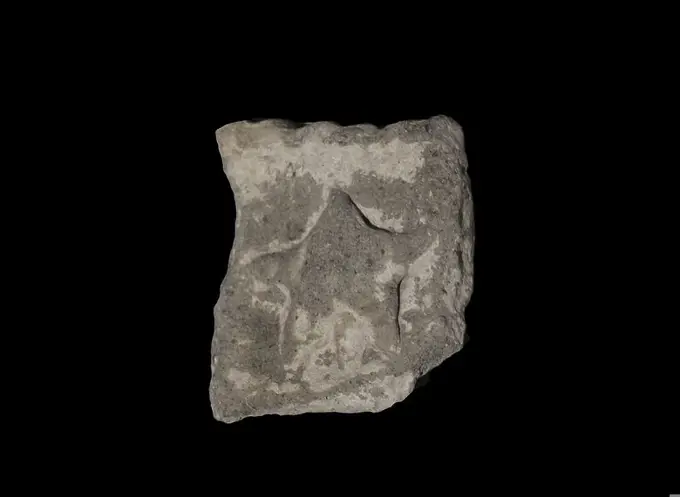
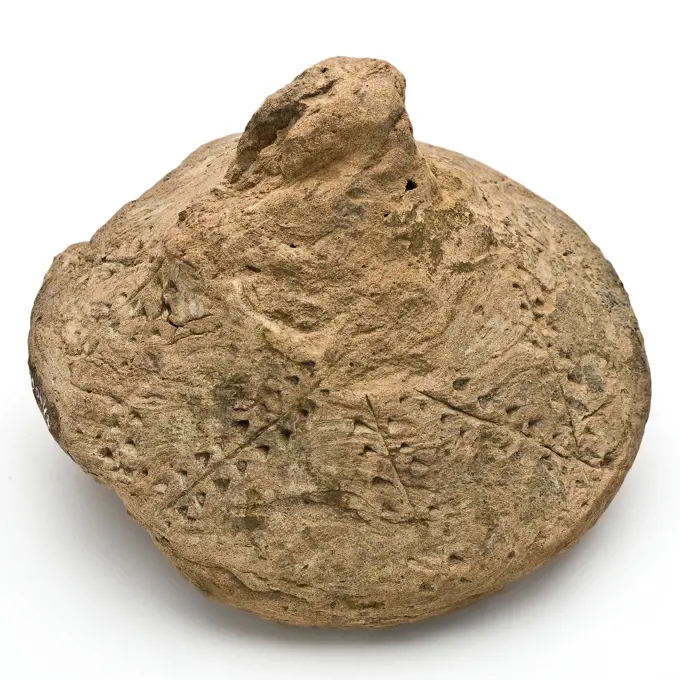
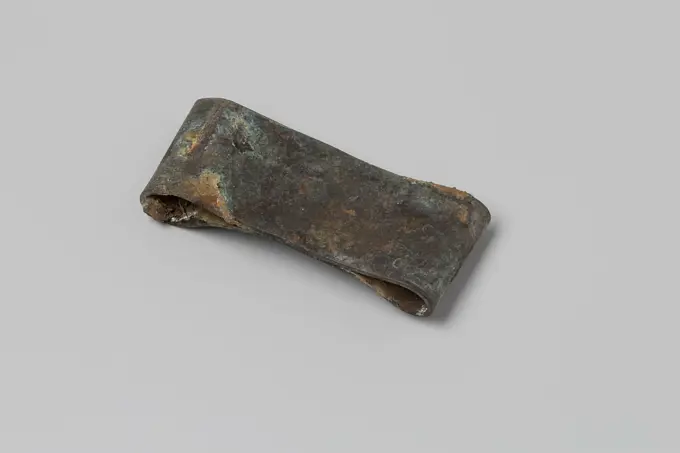
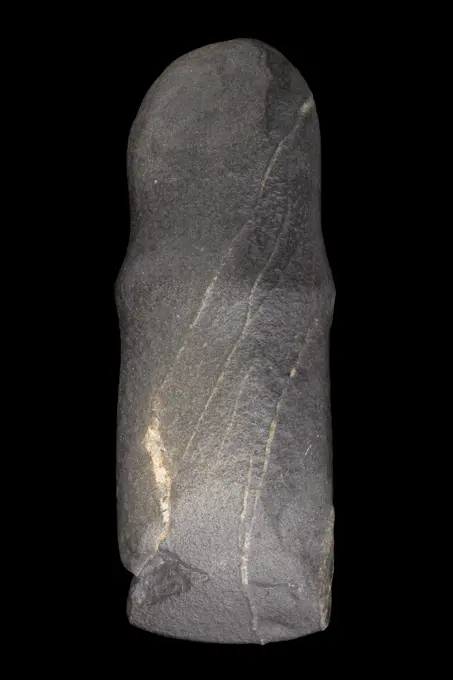
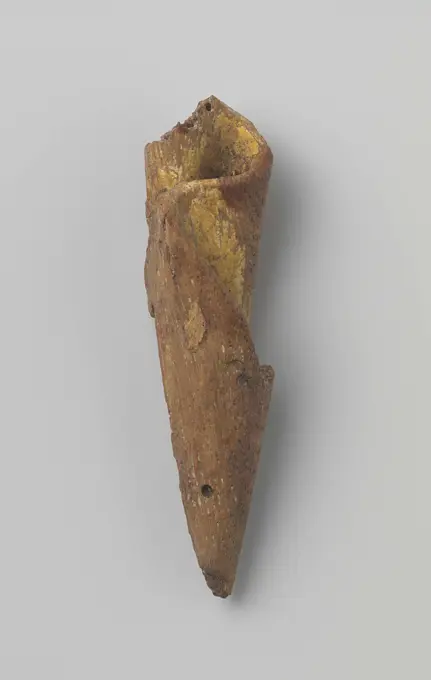
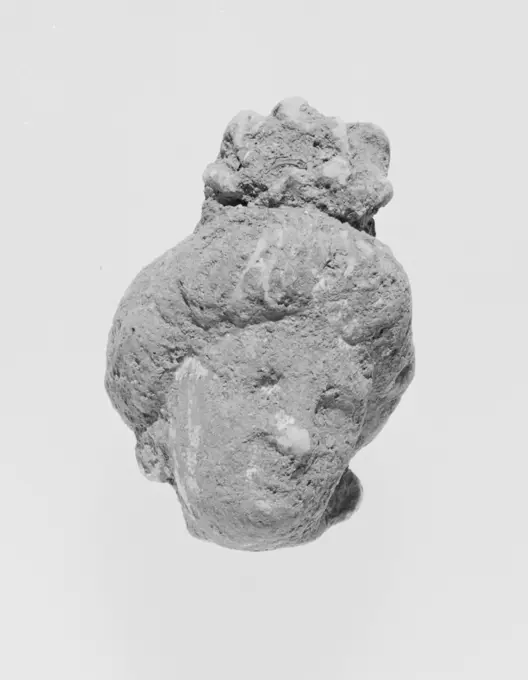
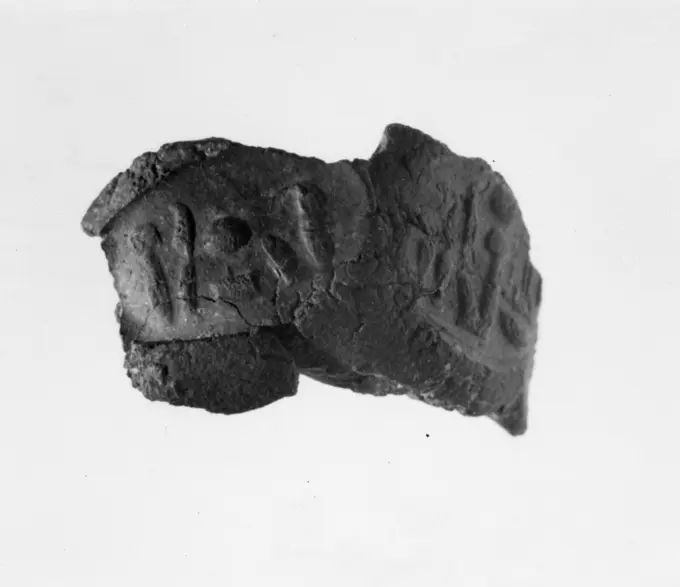
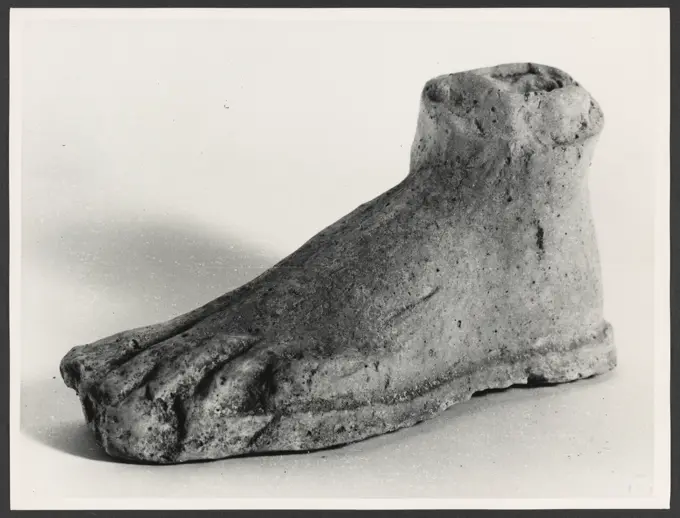
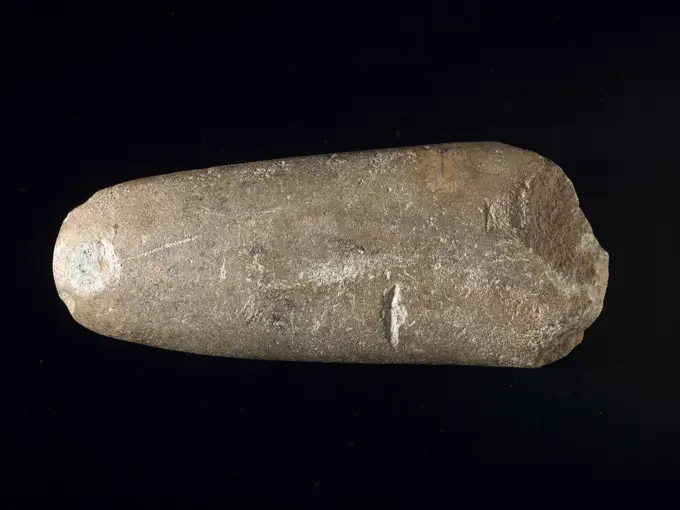
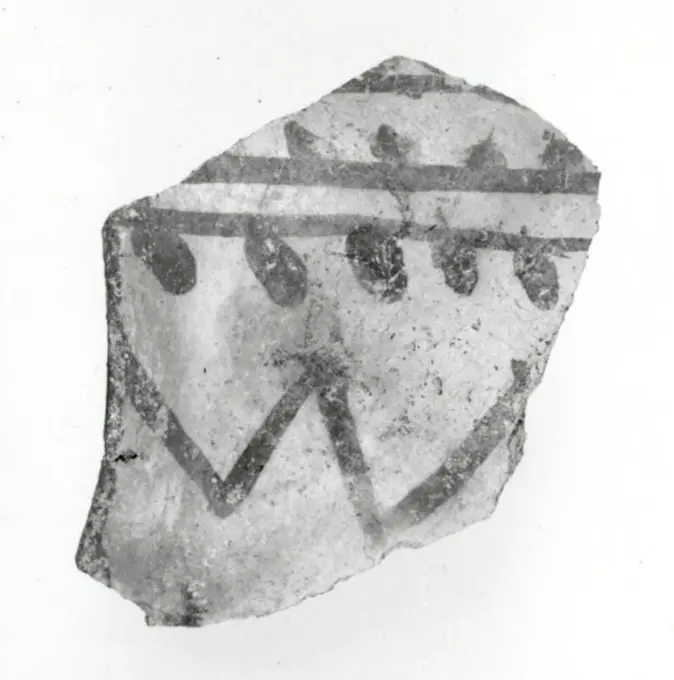
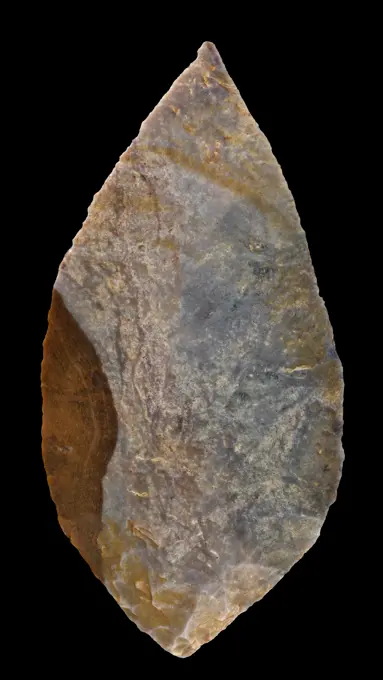
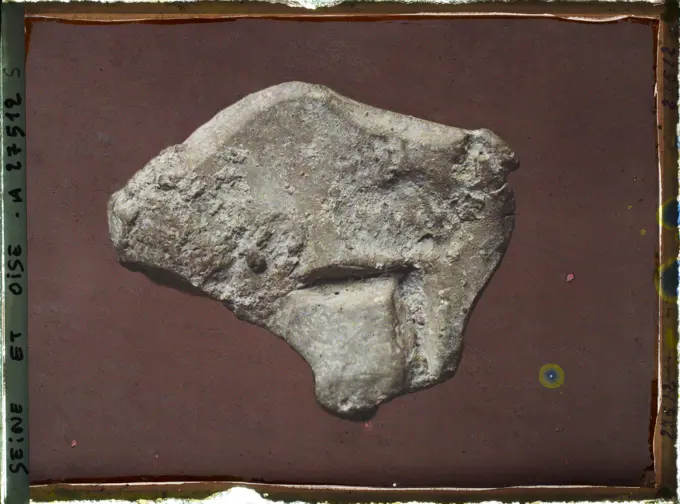
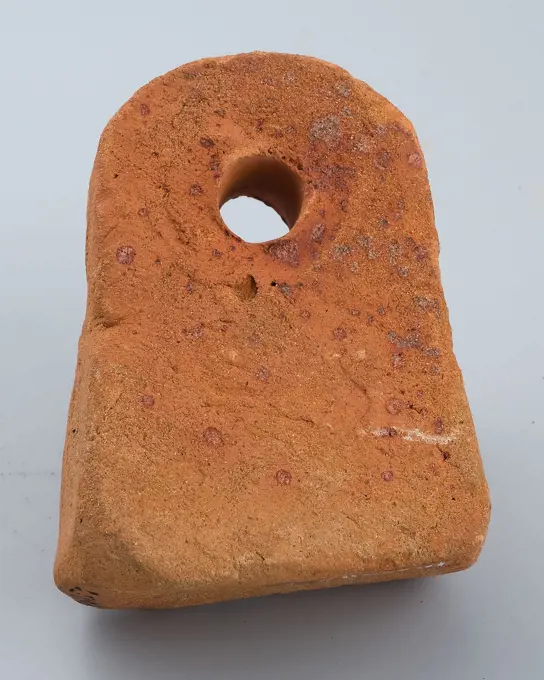
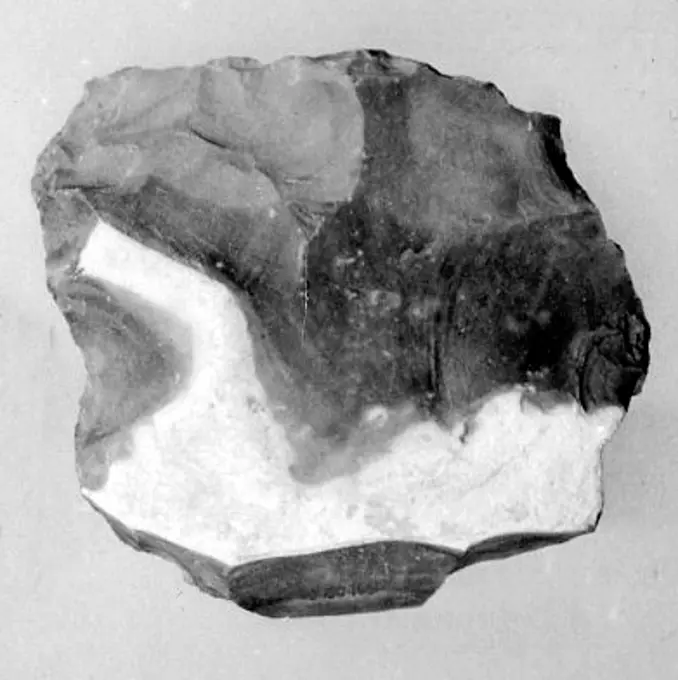
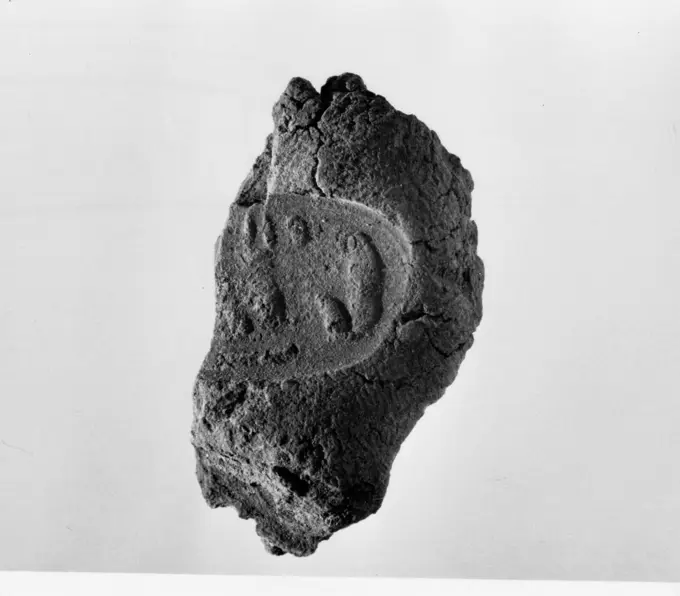
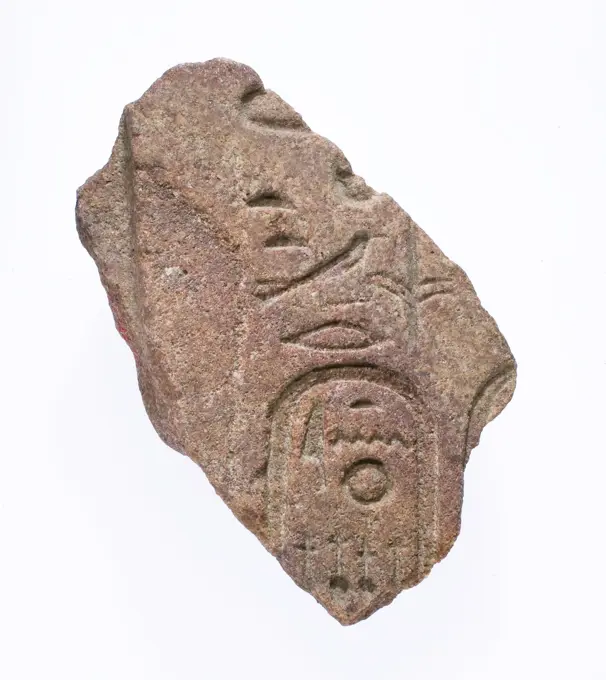
Hand of a Seated Deity ca. 1550-1070 B.C. New Kingdom This larger-than-life left hand is sculpted granite or granodiorite and is probably a fragment from a divine statue. The position of the fingers are traditional for divine statuary and suggests that they once held an ankh sign (for comparisons, see the Museums statues of the lion goddess Sakhmet). The ankh sign symbolized life as one of the benefits dispensed by the gods and goddesses.. Hand of a Seated Deity. ca. 1550-1070 B.C.. Granite. New Kingdom. From EgyptFragment; (possibly) belonging to the retable of Soest, c. 1475 - c. 1499   wood (plant material)   wood (plant material)Lead disk, disc soil find lead metal, gram cast Flat and rounded rectangular Function unknown was probably original around archeology Rotterdam railway tunnel Soil discovery: railway tunnel Rotterdam.Plaque fragment ca. 18th century B.C. Old Assyrian Trading Colony. Plaque fragment 323590Human torso in sandstone; Jordanian from Mshatta 8th century ADFemale Head. UnknownBelt Buckle Tongue 4th-7th century Frankish or Burgundian. Belt Buckle Tongue 469811Fragment of a Male Torso. Culture: Coptic. Dimensions: Overall: 8 3/4 x 5 3/8 x 3 13/16 in. (22.2 x 13.7 x 9.7 cm). Date: 4th-7th century. Museum: Metropolitan Museum of Art, New York, USA.Pendant. Culture: Mexico, Yucatan. Dimensions: H. 13/16 in. (2.1 cm); W. 9/16 in. (1.4 cm); L. 3/16 in. (0.4 cm). Museum: Metropolitan Museum of Art, New York, USA.Ostracon 400-30 B.C. Late Period-Ptolemaic Period. Ostracon 588378Raised relief fragment 664-610 B.C. Late Period, Saite see 23.3.468. Raised relief fragment. 664-610 B.C.. Limestone, varnish. Late Period, Saite. From Egypt, Upper Egypt, Thebes, Deir el-Bahri, Tomb of Nespekashuty (TT 312, MMA 509), Lunette, north door, MMA excavations, 1922-23. Dynasty 26Sharf of a sign from the wreck of the East Indians' t Vliegend Hart ,, 1700 - 1735 plate (dishes) Thick shard yellow -baking earthenware that has been part of a plate, yellow -white with blue drawing. Netherlands tin glazePendant: Female Head in Profile; Italy; 425 - 400 B.C; Amber; 51 × 51 × 15.5 mm (2 × 2 × 5,8 in.)Upper Body Fragment. Egypt, Ptolemaic Period - Byzantine Period (332 BCE - 641 CE). Sculpture. TerracottaFemale Head. UnknownRelief fragment, tomb of Meketre ca. 1981-1975 B.C. Middle Kingdom. Relief fragment, tomb of Meketre. ca. 1981-1975 B.C.. Limestone, paint. Middle Kingdom. From Egypt, Upper Egypt, Thebes, Southern Asasif, Tomb of Meketre (TT 280, MMA 1101), MMA excavations, 1920. Dynasty 12Bishop's head - probably from St. Hallvard's Church Oslo, c 1300.Relief fragment from tomb of Meketre ca. 1981-1975 B.C. Middle Kingdom. Relief fragment from tomb of Meketre 668999Prehistory. Temple Period (4000 to 2500 BC). Malta. Rim sherd of a bowl with a five pointed star decoration. From Tarxien. National Museum of Archaeology. Valletta. Malta.Pottery damper or quencher with carving and carved cross at the bottom, domper fireplaces earthenware ceramic pottery, hand-formed decorated carved baked earthenware damper. Solid light-red earthenware unglazed kerbschnitt line decoration with pressed triangles. Cherry floss. Notched cross on the underside possibly in square Badly mixed and layered ceramics archeology Capelle aan den IJssel House in Capelle castle indigenous pottery extinguish fireplace heating Soil discovery: moat south side House in Capelle ± 1395-1500 Capelle aan den IJssel 1963.Thighs of Nefertiti ca. 1353-1336 B.C. New Kingdom, Amarna Period. Thighs of Nefertiti 549779Ostracon 400-30 B.C. Late Period-Ptolemaic Period. Ostracon 588360Tin plate, plate crockery holder soil find tin metal, cast Small tin plate. Marked on the edge Master brand on the edge: crowned Tudorroos archeology serving food tableFemale Figure. UnknownBelt Buckle Loop. Culture: Frankish. Dimensions: Overall (attached together x.209.27, .33, .45): 5 3/8 x 3 1/16 x 13/16 in. (13.7 x 7.7 x 2 cm)Overall (.33 loop only): 3 1/16 x 1 3/4 x 1/2 in. (7.7 x 4.5 x 1.3 cm). Date: 4th-7th century. Museum: Metropolitan Museum of Art, New York, USA.Hat van Tulle with strip of tulle tulle folded along the forehead, anonymous, c. 1800 - c. 1900 Tulle hat with strip of tulle tulle. The ball of tulle -embroidered tulle is trimmed all around with a strip of tulle strip. The strip is folded along the forehead. Friesland whole: Linen (Material). embroidering Tulle hat with strip of tulle tulle. The ball of tulle -embroidered tulle is trimmed all around with a strip of tulle strip. The strip is folded along the forehead. Friesland whole: Linen (Material). embroideringPendant: Cowrie Shell , Hare; Italy; 600 - 500 B.C; Amber; 37 × 26 × 14 mm (1 7,16 × 1 × 9,16 in.)Terracotta rim of a cup with spirals and band. Culture: Minoan. Dimensions: Overall: 1 1/8 x 1 1/4in. (2.9 x 3.2cm). Date: ca. 1800-1700 B.C..From Knossos, CretePolychrome fragment, white spiral ornament, and bands of orange and white on dark ground. Museum: Metropolitan Museum of Art, New York, USA.India, Sultanate Kashmir, Fatḥ Šāh (888 898 AH = AD 1483 1492), Kashmir, Kaserh, 8 94 Ah (AD 1488/1489)Female Head. UnknownDocument Sealing With Multiple Seal Impressions ca. 1390-1353 B.C. New Kingdom. Document Sealing With Multiple Seal Impressions. ca. 1390-1353 B.C.. Mud. New Kingdom. From Egypt, Upper Egypt, Thebes, Malqata, MMA excavations, 1910-12; Presumably from Southern rubbish mounds. Dynasty 18Raised relief fragment 664-610 B.C. Late Period, Saite see 23.3.468. Raised relief fragment. 664-610 B.C.. Limestone, varnish. Late Period, Saite. From Egypt, Upper Egypt, Thebes, Deir el-Bahri, Tomb of Nespekashuty (TT 312, MMA 509), 1st chamber E. wall; bottom register, MMA excavations, 1922-23. Dynasty 26Sealing ca. 7th century A.D. Sasanian. Sealing 323439Sealing fragment ca. 2030-1640 B.C. Middle Kingdom. Sealing fragment 565750Fragment; (possibly) belonging to the retable of Soest, c. 1475 - c. 1499   wood (plant material)   wood (plant material)Raised relief fragment 664-610 B.C. Late Period, Saite see 23.3.468. Raised relief fragment 547984Sealing ca. 2030-1640 B.C. Middle Kingdom. Sealing 565430Fragment of fire hose rings from the wreck of the East Indiesman Hollandia. Fire Engine, Firehose; Fragments, ID. NG-1975-20-H-1271-A, Squashed.Tesson (common name), 1400. Sandstone with brown under cover. Cernuschi Museum, Asia Museum of Asia in the city of Paris.Document Sealing with the Throne Name of Amenhotep III ca. 1390-1353 B.C. New Kingdom. Document Sealing with the Throne Name of Amenhotep III. ca. 1390-1353 B.C.. Mud. New Kingdom. From Egypt, Upper Egypt, Thebes, Malqata, Southern rubbish mounds, MMA excavations, 1910-12. Dynasty 18Foot fragment, striding ca. 1353-1336 B.C. New Kingdom, Amarna Period. Foot fragment, striding 549208Fragment of lead from the wreck of the East Indians Hollandia, 1700 - in Or Before 1743 fragment Varied parts or fragments, unidentified and miscellaneous parts or fragments; fragm. Netherlands lead (metal)   SecondBasalt Throat Axe. Neolithic period. North Africa. 12.8cm.Vase fragment Roman, Gaul Part of a human figure.. Vase fragment 250331Sealing ca. 7th century A.D. Sasanian. Sealing 323302Female Head. UnknownSoil fragment cellar bottle from the wreck of the East Indians Hollandia, Anonymous, 1700 - in or before 1743  Case bottle, fragm of base, corner, right-angled, 1 straight side complete, domed kick-up, hollow pontil mark. Netherlands .   SecondFragment (fold of a robe); (possibly) belonging to the retable of Soest ..Head with Bow Knot. UnknownOracle bone fragment. Culture: China. Dimensions: 1 x 3/8 in. (2.5 x 1 cm). Museum: Metropolitan Museum of Art, New York, USA.Document Sealing With Multiple Seal Impressions ca. 1390-1353 B.C. New Kingdom. Document Sealing With Multiple Seal Impressions. ca. 1390-1353 B.C.. Mud. New Kingdom. From Egypt, Upper Egypt, Thebes, Malqata, MMA excavations, 1911-12; Presumably from King's Palace, East Slope. Dynasty 18fish skin isolated fish skin isolated on white background Copyright: xZoonar.com/RuslanxNassyrovx 10552529Sealing ca. 2030-1640 B.C. Middle Kingdom. Sealing 546576Lazio Latina Sezze Antiquarium Comunale53. Hutzel, Max 1960-1990 German-born photographer and scholar Max Hutzel (1911-1988) photographed in Italy from the early 1960s until his death. The result of this project, referred to by Hutzel as Foto Arte Minore, is thorough documentation of art historical development in Italy up to the 18th century, including objects of the Etruscans and the Romans, as well as early Medieval, Romanesque, Gothic, Renaissance and Baroque monuments. Images are organized by geographic region in Italy, then by province, city, site complex and monument.Vase fragment Minoan. Vase fragment 247773Fragment of a Forearm and Hand in Abhayamudra Indonesia (Kalimantan) ca. 8th century View more. Fragment of a Forearm and Hand in Abhayamudra. Indonesia (Kalimantan). ca. 8th century. Bronze. SculptureSealing ca. 7th century A.D. Sasanian. Sealing 323338Roman Republic, uncia with grain, Rome; ca 275 270 BC Rome mintAxe, Neolithic Period. Found in Worcestershire, EnglandSherd ca. 1500-1000 B.C. Iran This sherd is made of a red clay, with brown painted decoration. It is typical of Yaz I ceramics from Turkmenistan, dating to ca. 1500-1000 B.C. It was excavated in 1937 at a prehistoric site in the vicinity of Nishapur in northeastern Iran. While Nishapur itself was founded by the Sasanian king Shapur I (reigned ca. A.D. 241-272), this sherd shows that human habitation there goes back to the prehistoric period. Furthermore, the prehistoric pottery from Nishapur has close affinities with ceramic materials from Central Asia rather than with contemporary sites in Iran, meaning that in this period its inhabitants were likely culturally linked to their neighbors to the east. At the same time, Nishapurs location on what later became known as the Great Khorasan Road suggests that it was part of the trade network that facilitated the import of precious stones such as lapis lazuli, carnelian and turquoise from Central Asia to Mesopotamia.. Sherd 323661Lot of 2 hipposandal fragments (attributed title). Carnavalet museum, history of Paris.Fibula, boat-shaped type 9th-7th century B.C. Italic The bow is hollow and open on the underside. The outer surface is decorated with hatched bands, incised.. Fibula, boat-shaped type 246353Kolf shoe with remnant of stick, ball game game soil find tin wood metal, cast pewter cobbler archeology play flasks flog gameVase fragment East Greek/Sardis, Lydian. Vase fragment 252806 East Greek/Sardis, Lydian, Vase fragment, Terracotta, Overall: 3 1/2 x 2 7/8in. (8.9 x 7.3cm). The Metropolitan Museum of Art, New York. Gift of The American Society for the Excavation of Sardis, 1926 (26.199.239)Point in chipped stone. Neolithic period. North Africa. 5,6 cm.Saint-Germain-en-Laye, France , 1921 - Seine -et -Oise - Auguste Léon - (June) (French - Saint-Germain-en-Laye , France). Museum, represented animal , fantastic animal, archaeological vestige, sculpture, prehistory, Animal , Habitat , Architecture , Art, France, St Germain-en-Laye, bison of the Tuc d 'Audoubert 58030 cave, given by Count BégouenSealing ca. 2030-1640 B.C. Middle Kingdom. Sealing 546572Sealing ca. 1981-1640 B.C. Middle Kingdom. Sealing 560393Bliżej Kultury Mint of Kraków, Władysław Warneńczyk (King of Poland, 1434 1444)Red earthenware reinforcement, triangular with round head and hole, net reinforcement weighting soil find ceramic earthenware, hole, hand-formed baked Hand-shaped tapered earthenware with round hole. Glaze specks Two pieces with shrinkage cracks occur during the drying of the earthenware archeology underground pit Rotterdam City Triangle Groenendaal indigenous pottery catch fish fisherman blessing stone Soil discovery: around big cesspool underground pit Groenendaal at ca. 60 meters approx. 2.5 meters - N..P. (September 15, 1975).Jan Boogaart sr., Pointed stem end of tin spoon with tin mark and initials, spoon cutlery soil find tin metal, cast Pointed end of spoon. Provided with tin mark and initials of the owner. Front of I and V archeology. Rotterdam railroad tunnel food. Soil discovery: rail tunnel Rotterdam.Oil Lamp. Culture: Coptic. Dimensions: Overall: 1 7/16 x 2 7/8 in. (3.7 x 7.3 cm). Date: 4th-7th century. Museum: Metropolitan Museum of Art, New York, USA.Fragment imadła amfory ze stemplem. Mikythos II (ok. 234-220 p.n.e.), potter's workshopSherd ca. 13th-12th century B.C.. Sherd. ca. 13th-12th century B.C.. Ceramic, glaze. Late Bronze Age. SyriaPuimsteen from the wreck of the East Indians' t Vliegend Hart ,, 1730 - 1735  Pumice: black-grained mushroom-shaped stone. Pumice. Netherlands holystoneButton from the wreck of the East Indians Hollandia, Anonymous, 1700 - in or before 1743 button Knoop. (1) bent, conical, concentric moulding (2.5d, 0.6h), loop-shank Netherlands tin (metal)   SecondTool ca. 1981-1640 B.C. Middle Kingdom. Tool. ca. 1981-1640 B.C.. Flint. Middle Kingdom. From Egypt, Memphite Region, Lisht North. Dynasty 12-13Document Sealing With the Throne Name of Amenhotep III ca. 1390-1353 B.C. New Kingdom. Document Sealing With the Throne Name of Amenhotep III. ca. 1390-1353 B.C.. Mud. New Kingdom. From Egypt, Upper Egypt, Thebes, Malqata, West Villas, West Villa B, MMA excavations, 1910-12. Dynasty 18Arrowhead Japan. Arrowhead 62435Relief fragments from tomb of Meketre. Dynasty: Dynasty 12. Reign: reign of Amenemhat I, early. Date: ca. 1981-1975 B.C.. Museum: Metropolitan Museum of Art, New York, USA.Excerpt copper from the wreck of the East Indies Hollandia, 1700 - in or before 1743 fragment Parts of artefacts; eroded fragments: materials; copper. Netherlands copper (metal)   SecondFragments tin from the wreck of the East Indieschief Hollandia. Parts or artifacts; eroded fragments: Materials; tin.Fragmentary Stamnoid Krater. UnknownBody with garment, shawl pleating, fringe ca. 1353-1336 B.C. New Kingdom, Amarna Period. Body with garment, shawl pleating, fringe 549808Fragment with the cartouche of Nefertiti ca. 1353-1336 B.C. New Kingdom, Amarna Period. Fragment with the cartouche of Nefertiti 561642Shawabty of Ditamenpaankh, 715-656 BC. Egypt, Late Period, Dynasty 25. Terracotta; overall: 6.4 x 2.5 x 1.7 cm (2 1/2 x 1 x 11/16 in.).Belt Plate 4th-7th century Frankish or Burgundian. Belt Plate. Frankish or Burgundian. 4th-7th century. Iron, silver inlay. Made in Burgundy. Metalwork-IronShawabty of Ditamenpaankh, 715-656 BC. Egypt, Late Period, Dynasty 25. Terracotta; overall: 2.9 x 1.4 x 1.6 cm (1 1/8 x 9/16 x 5/8 in.).Figurine ca. 2200-1750 B.C.. Figurine 324483Fragment of a Dish 11th-12th century. Fragment of a Dish 446506Lid. White proto-Grès with ivory covered. Green enamel drops. Cernuschi Museum, Asia Museum of Asia in the city of Paris.Hippopotamus. Dimensions: l. 4.6 cm (1 13/16 in). Dynasty: Dynasty 12, late-early 13. Date: ca. 1850-1640 B.C.. Museum: Metropolitan Museum of Art, New York, USA.Greece, Kimerian Bospor, Pantikapajon, around 2 3 quarter of the 3rd century BC, bronze (AE) PanticapaeumTile from marsh scene ca. 1353-1336 B.C. New Kingdom, Amarna Period. Tile from marsh scene 571926Fragments of copper from the wreck of the East Indians Hollandia, 1700 - in Or Before 1743  Parts of artefacts; eroded fragments: materials; copper. Netherlands copper (metal)   SecondBliżej Kultury Justyn II (565 578), Mint of TessalonikiOffering table () fragment ca. 1353-1336 B.C. New Kingdom, Amarna Period. Offering table () fragment 549827Fragment consisting of a lump of lead with a hole in the middle. Fragment consisting of a lump of lead with a hole in the middle.Fragment of a Dish 16th-17th century. Fragment of a Dish 450303Fragment of a Figure: Leg. Unknown