Ancient Artifact Fragments

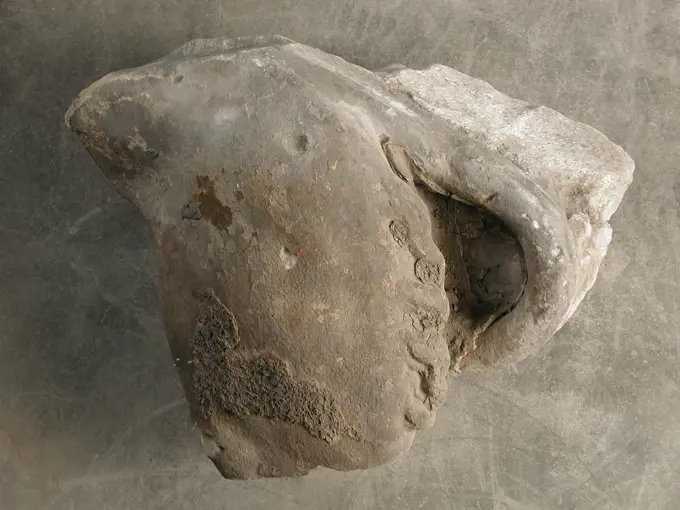
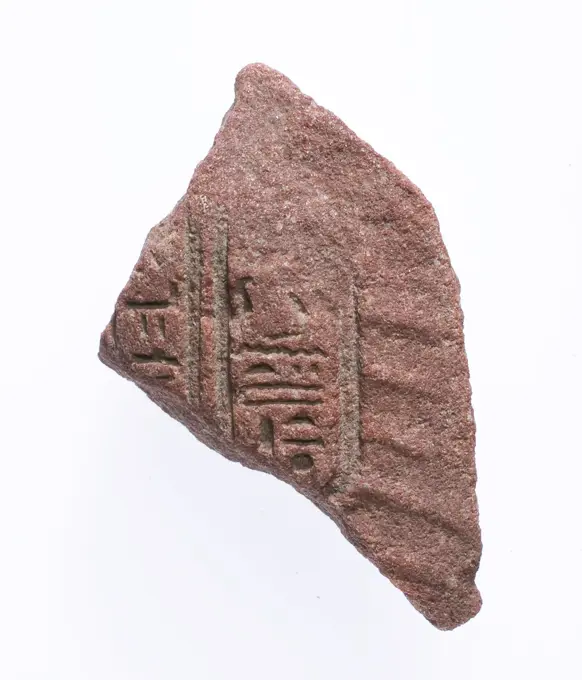
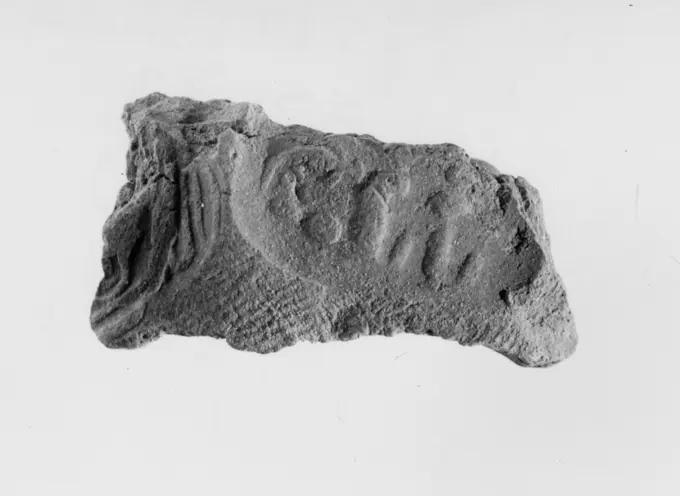
Collection of ancient fragments including sculptures and plaques, showcasing historical craftsmanship in various materials from different eras.
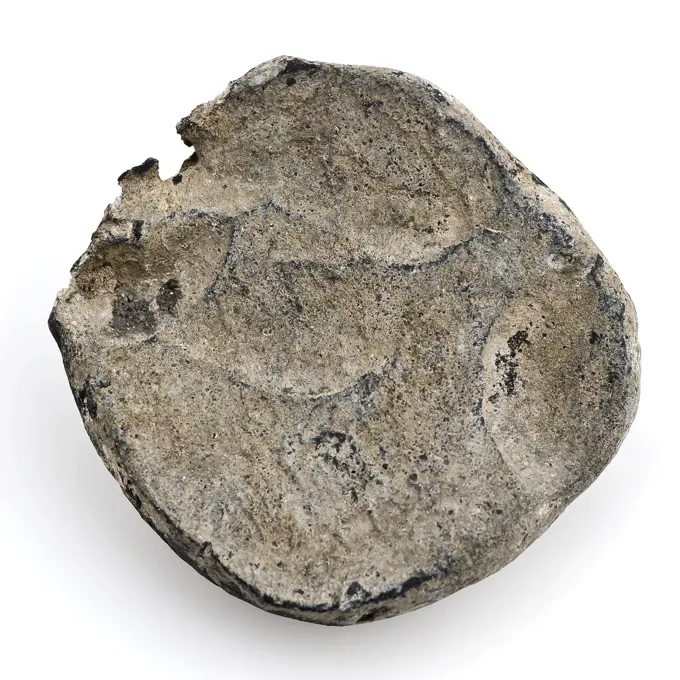
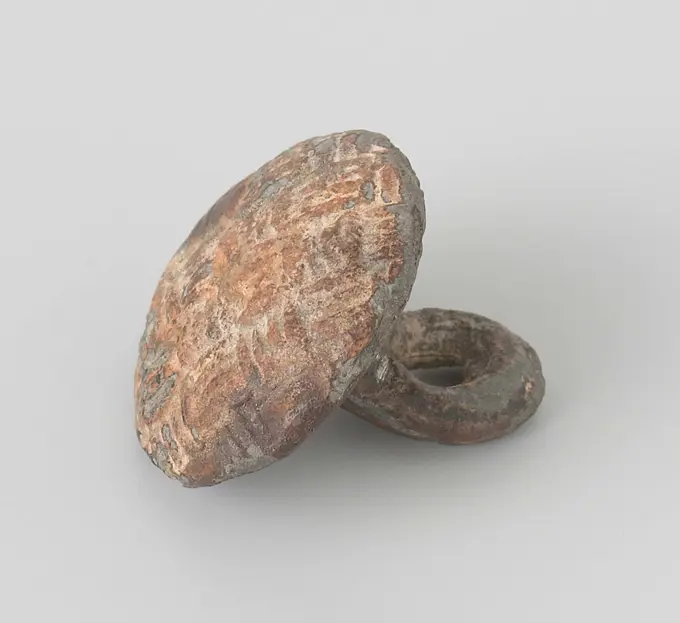
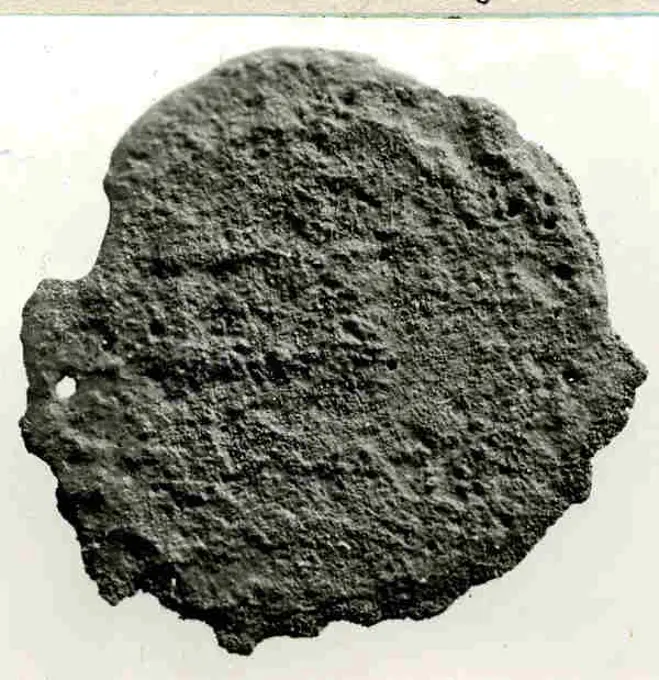
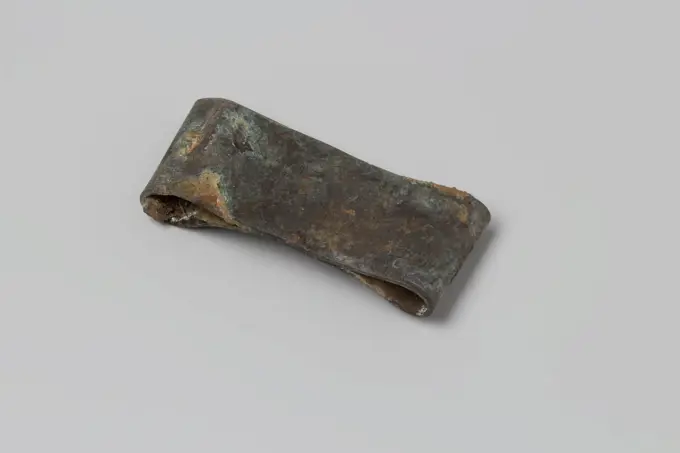
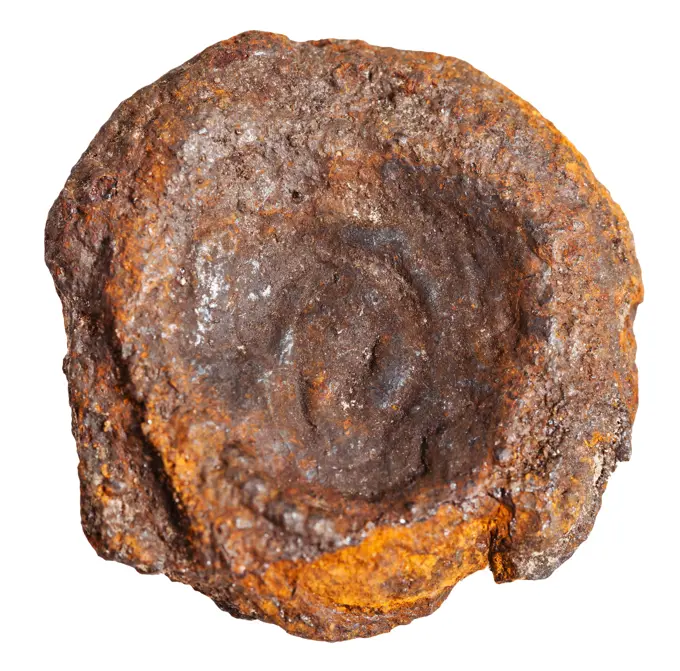
Lead disk, disc soil find lead metal, gram cast Flat and rounded rectangular Function unknown was probably original around archeology Rotterdam railway tunnel Soil discovery: railway tunnel Rotterdam.
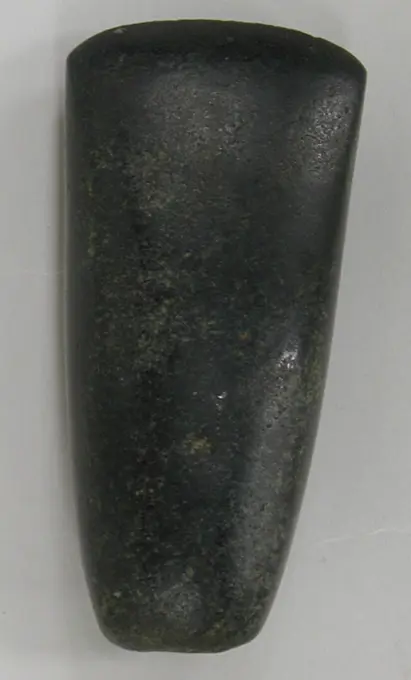
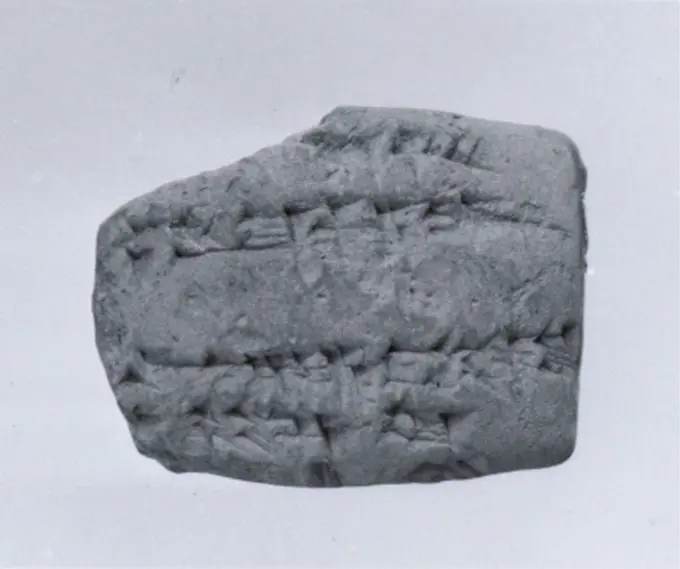
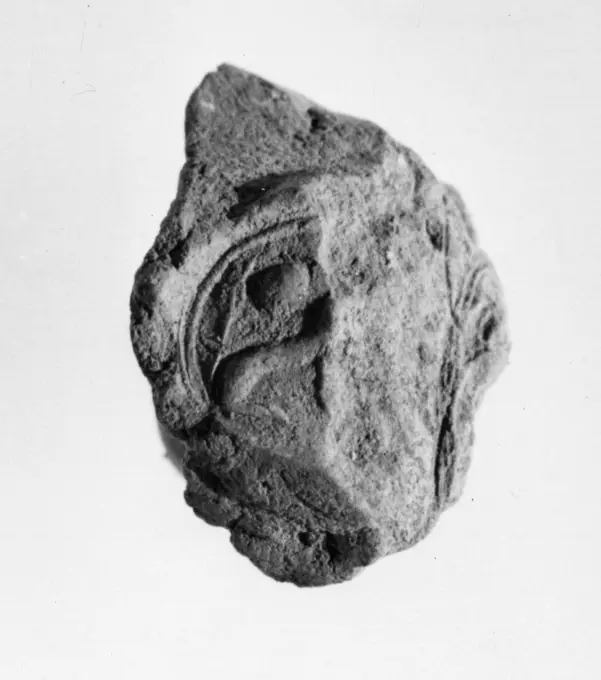
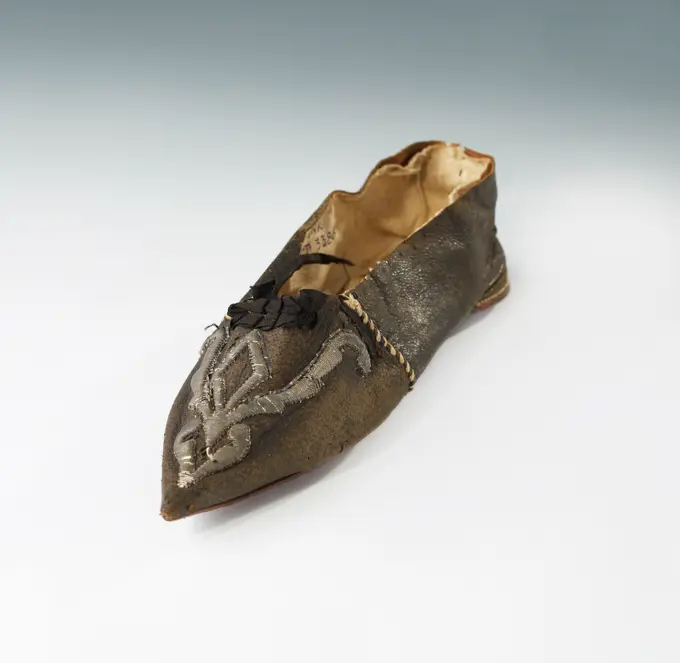
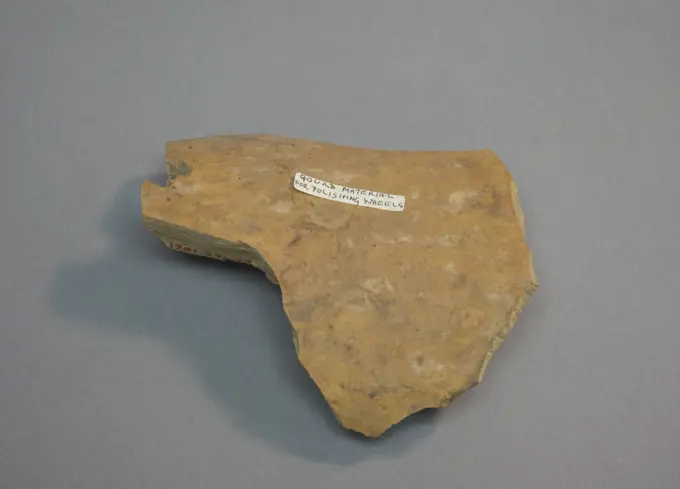
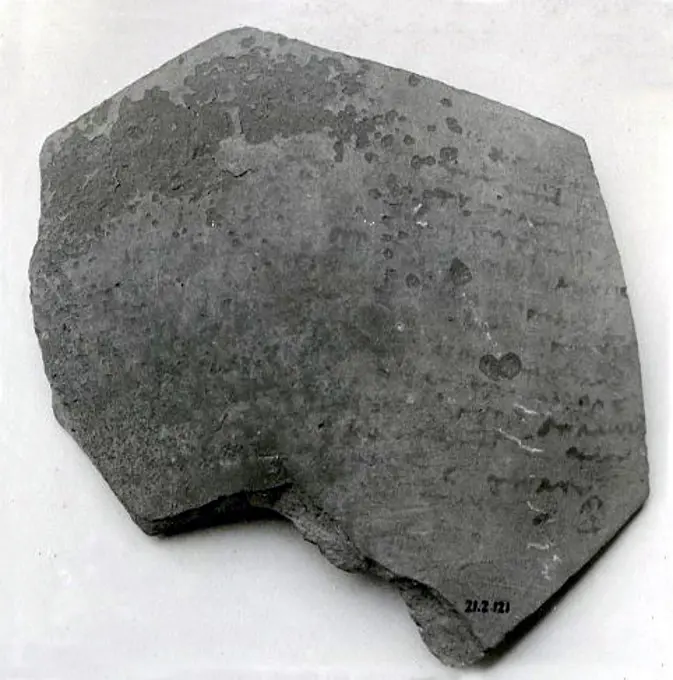
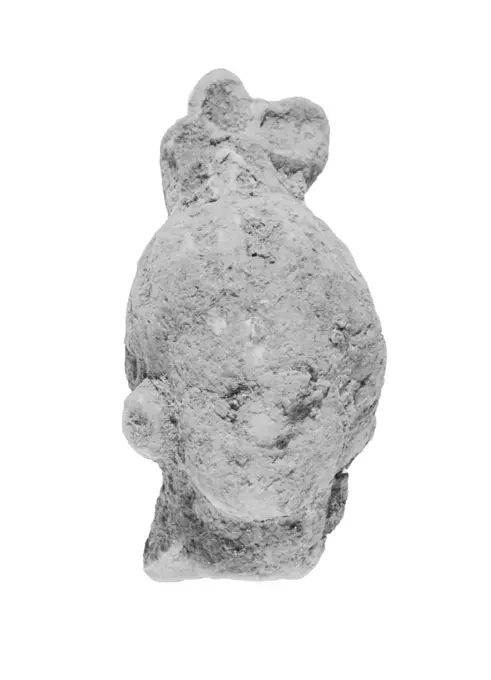
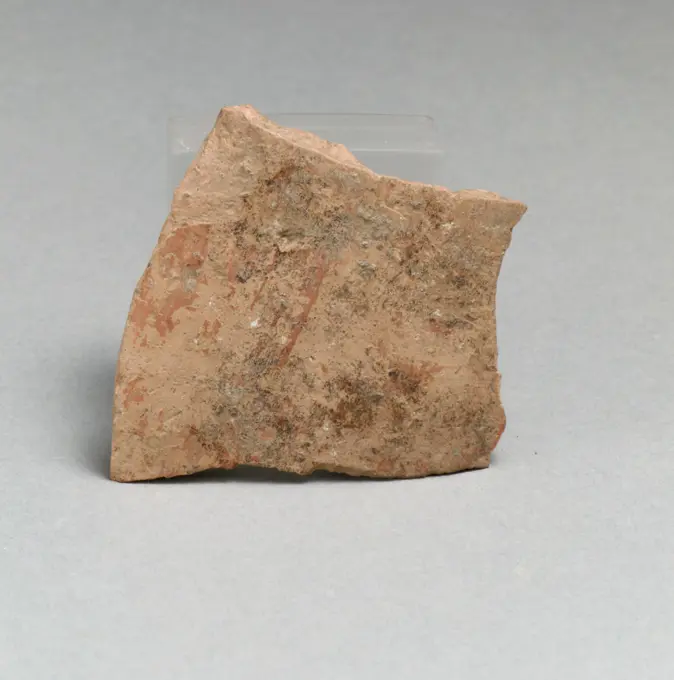
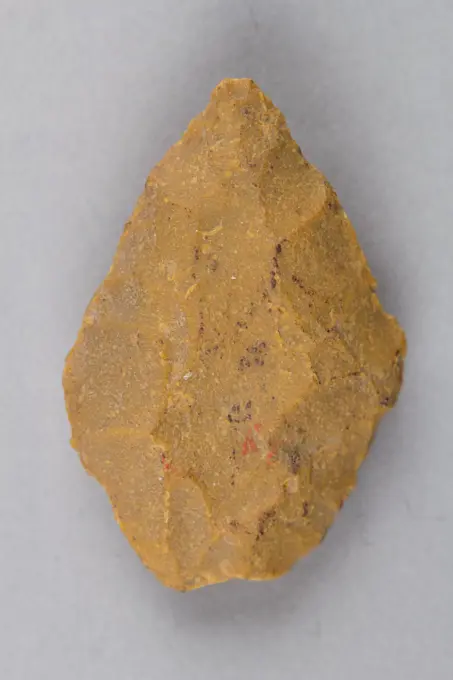
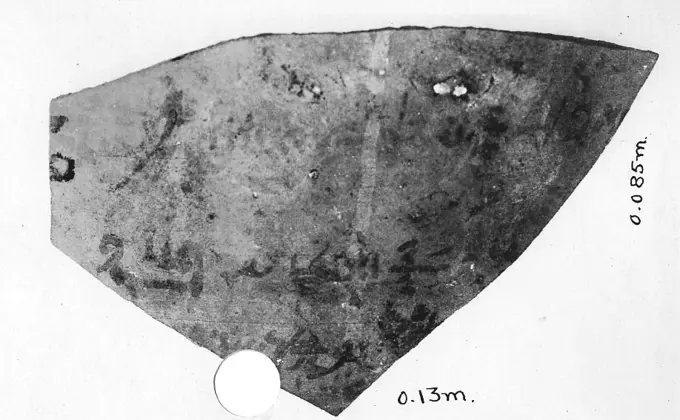
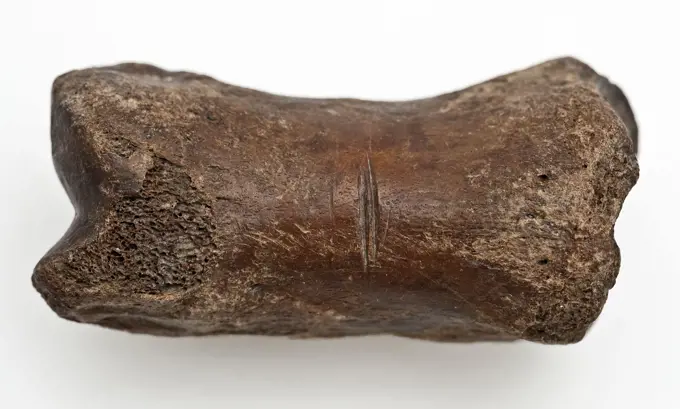
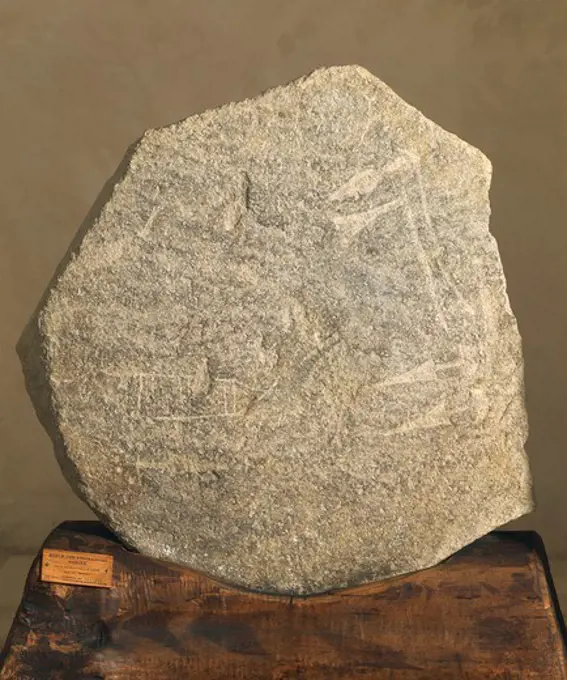
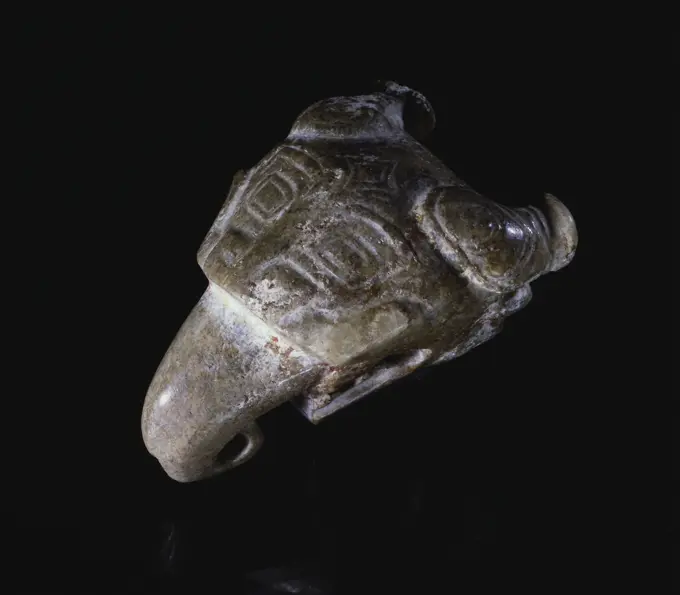
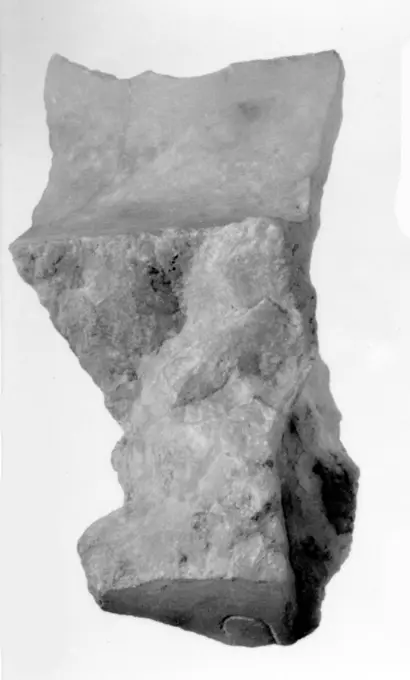
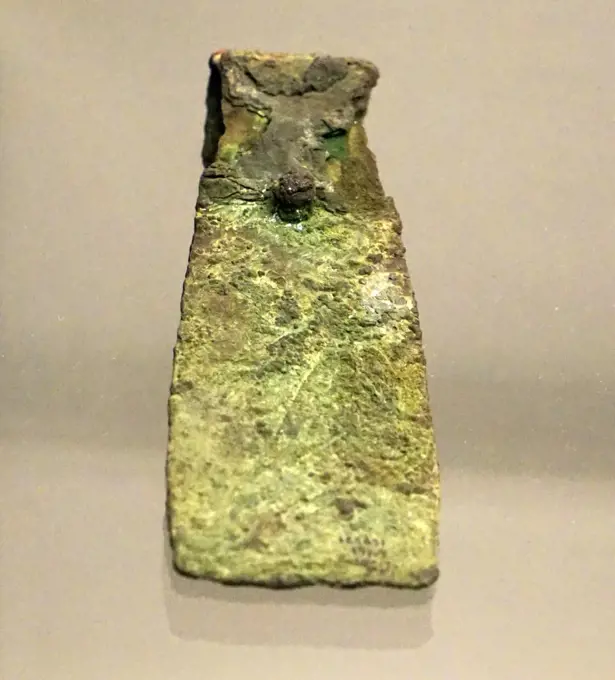
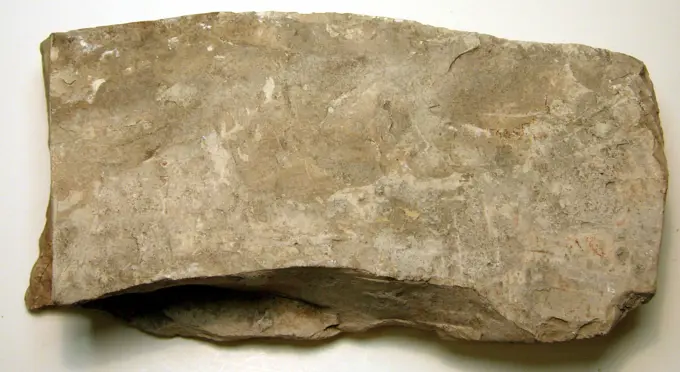
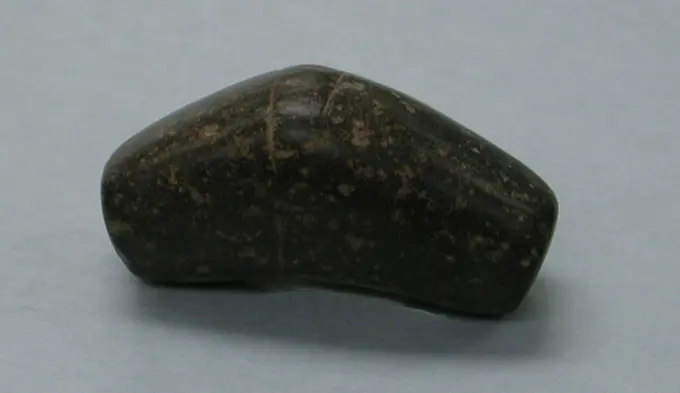
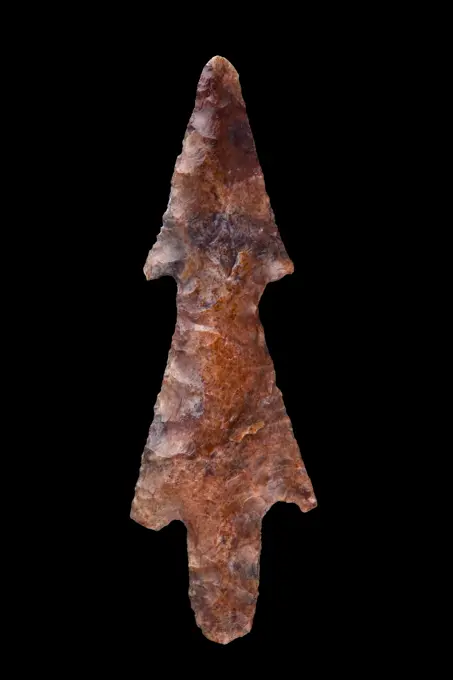
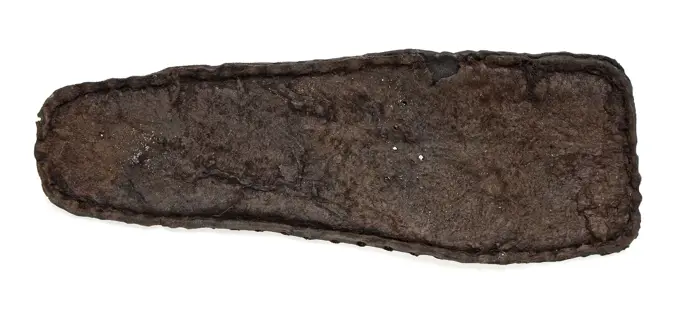
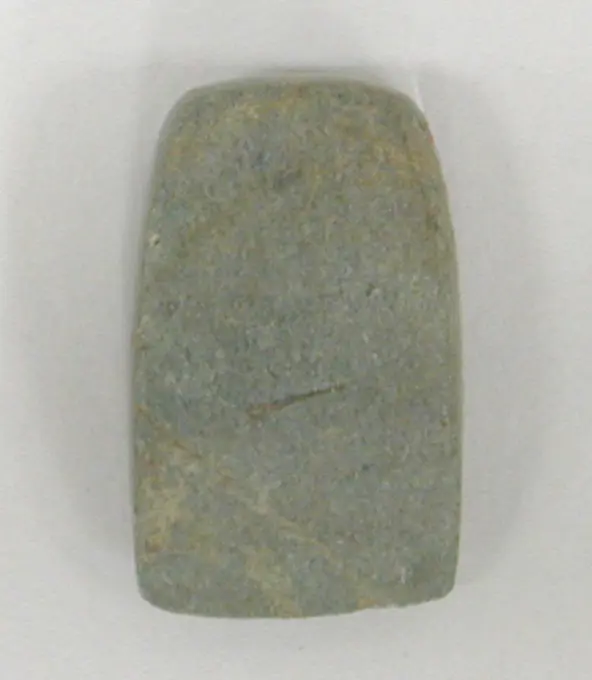
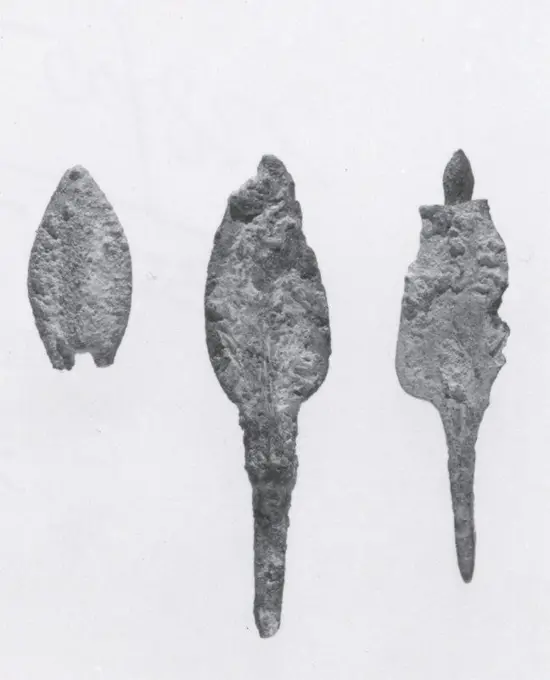
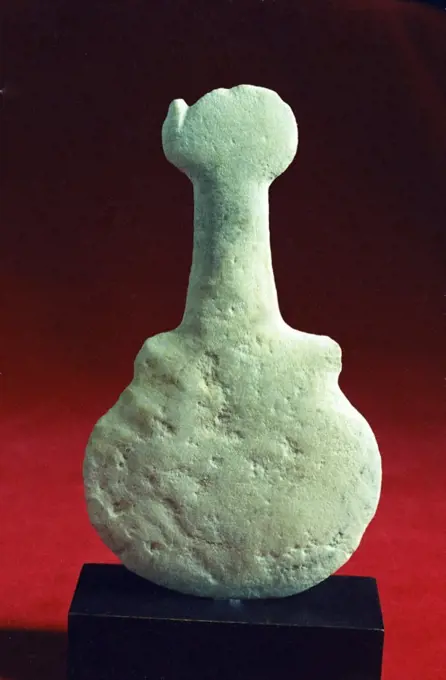
Sealing ca. 7th century A.D. Sasanian. Sealing 323425Sealing ca. 7th century A.D. Sasanian. Sealing 323440Celt before 16th century Maya () Greenstone axe heads, commonly known as “celts,” were some of the most important works of art across ancient Mesoamerica and Central America. Created from jadeite mined from the Motagua River Valley of southern Guatemala, or using local green stones from highland Mexico, celts were first created by the Olmec peoples of the Gulf Coast after 1000 B.C. The Olmec conceived of green celts as sprouts of maize and thus “planted” celts in dedicatory offerings, activating ceremonial spaces and perpetuating agricultural fertility. For the later Maya peoples, celts also served as dedicatory materials, but more so as adornments for the royal bodies of kings and queens. Often the celts would be thinned into celt-shaped plaques, strung together in pairs and triads in order to create belt assemblages that would have clinked with the sound of jades striking one another. Tombs from the Classic Period (ca. AD 250-900) contain celts of jadeite and various greenstones froIndia, Mewar, ½ Paisa, Umard, B.R. (XIX  1st half of the 20th century)Female Head. UnknownFemale Head. UnknownHuman torso in sandstone; Jordanian from Mshatta 8th century ADExcerpt of copper from the wreck of the East Indians Hollandia, 1700 - in or before 1743  Parts of artefacts; eroded fragments: materials; copper. Netherlands copper (metal)   SecondButton, flatted with decorative pattern. Button, flattened from shape with decorative pattern. The decoration imitates a yarn braided knot.Hooded Female Head. UnknownExcerpt (foot) with red shard, with a decoration of stripes and stars in sgraffito technology in white and black at the top, anonymous, 1200 - 1899  Italy earthenware  Italy earthenwareVase fragment Minoan. Vase fragment 247836Etruscan Black-Figure Oinochoe Fragment. UnknownShawabty of Ditamenpaankh, 715-656 BC. Egypt, Late Period, Dynasty 25. Terracotta; overall: 5.7 x 1.6 x 1 cm (2 1/4 x 5/8 x 3/8 in.).Finial. Finial. IvoryCuneiform tablet impressed with stamp seal: receipt, Esagilaya archive ca. 626-539 B.C. Babylonian. Cuneiform tablet impressed with stamp seal: receipt, Esagilaya archive 322000Fragment of Facade stone in back of lion, facing stone sculpture sculpture building component sandstone stone, sculpted Fragment facing brick from the back of the lion with part of the tail Top square connection hole.Fragment North America (Alaska, vicinity of Jade Mountain). Fragment 43561Chest in garment with Aten cartouches ca. 1353-1336 B.C. New Kingdom, Amarna Period. Chest in garment with Aten cartouches 567647Iberian head, Limestone. 5th-4th centuries BC Iberian oppidum from Úbeda la Vieja, Iberian culture, Archeological Museum. Úbeda, Jaén province, Andalusia, Spain.Figure Fragment. UnknownAmulet of a Standing Bearded God. Egypt, Roman Period (30 BCE - 395 CE) or later. Jewelry and Adornments; amulets. BronzeTea jar with cover 19th century Japan. Tea jar with cover. Japan. 19th century. Shigaraki ware; includes box, bag and extra bag. CeramicsPrinting block, Medium: wood, metal, Design of two large flowers and some leaves formed by metal strips and pins., 19th century, appliances & tools, Printing blockDocument Sealing With Multiple Seal Impressions ca. 1390-1353 B.C. New Kingdom. Document Sealing With Multiple Seal Impressions. ca. 1390-1353 B.C.. Mud. New Kingdom. From Egypt, Upper Egypt, Thebes, Malqata, MMA excavations, 1910-12; Presumably from West Villas, West Villa B. Dynasty 18Vase fragment Greek, Laconian. Vase fragment 251765 Greek, Laconian, Vase fragment, Terracotta, 2  2 3/8  3/8 in. (5.1  6  0.9 cm). The Metropolitan Museum of Art, New York. Gift of A. J. B. Wace, 1924 (24.195.199)Coin 758-68. Coin 457645Document Sealing ca. 1390-1353 B.C. New Kingdom. Document Sealing. ca. 1390-1353 B.C.. Mud. New Kingdom. From Egypt, Upper Egypt, Thebes, Malqata, West Villas, West Villa B, MMA excavations, 1910-12. Dynasty 18Inlay ca. 8th-7th century B.C. Iran. Inlay 324219Womans shoe unknownFragment 1700-1800 American. Fragment. American. 1700-1800. Free-blown non-lead glass. Made in Wistarburg, New Jersey, United StatesPiece of Gourd Material for Polishing Wheel 20th century China. Piece of Gourd Material for Polishing Wheel 62124Ostracon A.D. 2nd-7th century Coptic Period. Ostracon. A.D. 2nd-7th century. Pottery, ink. Coptic Period. From EgyptLazio Latina Sezze Antiquarium Comunale02. Hutzel, Max 1960-1990 German-born photographer and scholar Max Hutzel (1911-1988) photographed in Italy from the early 1960s until his death. The result of this project, referred to by Hutzel as Foto Arte Minore, is thorough documentation of art historical development in Italy up to the 18th century, including objects of the Etruscans and the Romans, as well as early Medieval, Romanesque, Gothic, Renaissance and Baroque monuments. Images are organized by geographic region in Italy, then by province, city, site complex and monument.Plaque fragment. Culture: Iran. Dimensions: 0.55 x 1.06 x 0.2 in. (1.4 x 2.69 x 0.51 cm). Date: ca. 9th century B.C.. Museum: Metropolitan Museum of Art, New York, USA.Terracotta rim fragment with polychrome decoration ca. 1800-1700 B.C. Minoan From Knossos, CretePolychrome fragment with roughened surface.. Terracotta rim fragment with polychrome decoration 248535Fragment of fire hose rings from the wreck of the East Indians Hollandia, Anonymous, 1700 - in Or Before 1743  Fire engine, firehose; fragments, id. NG-1975-20-H-1271-a, squashed. Netherlands copper (metal)   SecondBead. UnknownSealing ca. 7th century A.D. Sasanian. Sealing 323410Pottery Whistle 19th century () Mexican. Pottery Whistle 501304Head with Melon Coiffure and Bow Knot. UnknownVase fragment Neolithic. Vase fragment 251329 Neolithic, Vase fragment, Terracotta, 1 15/16  1 15/16  5/16 in. (4.9  4.9  0.8 cm). The Metropolitan Museum of Art, New York. Gift of Gisela M. A. Richter, 1923 (23.121.29)right hand fragment with cartouche of the Aten ca. 1353-1336 B.C. New Kingdom, Amarna Period. right hand fragment with cartouche of the Aten 549687Relief fragment. 18th dynasty (New Kingdom)Fragment of the vessel;  New PAThe collection of ancient EgyptDrohiczyn seal. unknown, managerVASIJA ASIMETRICA MODELADA A MANO. Location: ARCHAEOLOGICAL MUSEUM. SANTA CRUZ DE TENERIFE. TENERIFFA. SPAIN.Arrowhead Japan. Arrowhead 62424Female Head. UnknownOstracon ca. 600-30 B.C. Late Period-Ptolemaic. Ostracon. ca. 600-30 B.C.. Pottery, ink. Late Period-Ptolemaic. From Egypt, Upper Egypt, Thebes, Medinet HabuSealing ca. 1981-1640 B.C. Middle Kingdom. Sealing 560380Belt Plate. Culture: Frankish. Dimensions: Overall: 3 11/16 x 1 5/8 x 1/4 in. (9.4 x 4.2 x 0.7 cm). Date: 7th century. Museum: Metropolitan Museum of Art, New York, USA.Fragment of a Mosaic Glass Vessel (in 2 pieces). Unknown 1st century A.D.Fragment 13th century Crusader. Fragment 475332Digit from cow's leg, part of throwing game: flocks, koot game piece relaxant soil find leg, Bone on the long sides marked, two lying grooves archeology Rotterdam rail tunnel play kootkoot fikkelen Soil discovery: trajectory rail tunnel Rotterdam.Eskimo stone axehead from Wrangel, Alaska.Sealing Middle Kingdom ca. 1981-1640 B.C. View more. Sealing. ca. 1981-1640 B.C.. Mud. Middle Kingdom. From Egypt, Memphite Region, Lisht North, Cemetery, MMA excavations, 1920-22. Dynasty 12-13Pewter disc with waffle decor and circles and dots, pseudomunt , disc artifact soil found tin metal, cast pewter disc. Pseudo coin or playing disc archeology Rotterdam rail tunnel Soil discovery: trajectory Rotterdam tunnel.Prehistory, Italy, Iron Age. Camunian civilization. Stele Caven 2 with graffiti.Feline Head with Bovine Horns and Elephant Trunk, 13th-11th Century BC. China, Shang dynasty (c.1600-c.1046 BC). Jade; overall: 4.2 cm (1 5/8 in.).Fragment of the Top and Side Surfaces of Siptah's Canopic Chest ca. 1194-1188 B.C. New Kingdom, Ramesside. Fragment of the Top and Side Surfaces of Siptah's Canopic Chest. ca. 1194-1188 B.C.. Travertine (Egyptian alabaster). New Kingdom, Ramesside. From Egypt, Upper Egypt, Thebes, Valley of the Kings, Tomb of Siptah (KV 47), Davis excavations, 1912. Dynasty 19nugget of Limonite stone isolated on white macro shooting of mineral resources - nugget of Limonite stone bog iron ore, brown hematite, pea iron, bean ore isolated on white background Copyright: xZoonar.com/ValeryxVoennyyx 9619999Bliżej Kultury Władysław Jagiełło (CA 1351 1434), Mint of KrakówIron hatchet with part of handle, from PompeiForearm against support with Aten cartouche ca. 1353-1336 B.C. New Kingdom, Amarna Period. Forearm against support with Aten cartouche 549956Bliżej Kultury Władysław Jagiełło (CA 1351 1434), Mint of Krakówpugilate mitt, bronze, Ibero-Roman era, 1st-3rd century AD. Riotinto, Huelva Museum, Huelva, Andalusia, Spain.Head with Melon Coiffure. UnknownFemale Head. UnknownFragment of a Bowl 12th century. Fragment of a Bowl 445457Spear Point. Western Iran, circa 1000-825 B.C.. Arms and Armor; spears. BronzePolishing stone ca. 2381-2323 B.C. Old Kingdom Found in the debris of the shaft and burial chamber of Perneb's tomb, this fragment of limestone is most likely a polisher, used to smooth the surface of worked stone objects or walls.. Polishing stone 547095Pijpenkop, Dirk Barunet, 1750 - 1785 Blowjob with a crown and the letters d b n. Of the excavations on the Hofstede Arentsburg 1827-1831 under the supervision of Professor Reuvens. Gorinchem pipe clay Blowjob with a crown and the letters d b n. Of the excavations on the Hofstede Arentsburg 1827-1831 under the supervision of Professor Reuvens. Gorinchem pipe clayPot Fragment 4th-7th century Coptic. Pot Fragment 478725Map of Slovakia on rusty metalFragment kapitelu hatoryckiego. unknown, authorCopper flute with button, flute musical instrument soundstuff foundations copper metal, cast soldered sawn Copper flute with tonalat and broad flat button at the end archeology Rotterdam communication sound whistle play music Soil discovery Rotterdam.Copper alloy axe-head from the Great Death Pit at the Royal Cemetery of Ur. Dated 2500 BCCostume Ornament 11th-12th century Peru; central coast (). Costume Ornament 308676Excerpt of copper from the wreck of the East Indians Hollandia, 1700 - in or before 1743  Parts of artefacts; eroded fragments: materials; copper. Netherlands copper (metal)   SecondDocument Sealing With the Throne Name of Amenhotep III ca. 1390-1353 B.C. New Kingdom. Document Sealing With the Throne Name of Amenhotep III. ca. 1390-1353 B.C.. Mud. New Kingdom. From Egypt, Upper Egypt, Thebes, Malqata, King's Palace, West magazine, MMA excavations, 1910-12. Dynasty 18Animal Pendant with Fish Tail. Culture: China. Dimensions: Approx. W. 3 1/4 in. (8.3 cm). Date: 11th-10th century B.C.. Museum: Metropolitan Museum of Art, New York, USA.Cap ca. 1850 American. Cap 168448Wall casing 664-610 B.C. Late Period, Saite see 23.3.468. Wall casing. 664-610 B.C.. Limestone, mortar traces. Late Period, Saite. From Egypt, Upper Egypt, Thebes, Deir el-Bahri, Tomb of Nespekashuty (TT 312, MMA 509), Undetermined, MMA excavations, 1922-23. Dynasty 26Ostrakon. Culture: Coptic. Dimensions: Overall: 3 15/16 x 4 7/8 in. (10 x 12.4 cm). Date: 7th century. Museum: Metropolitan Museum of Art, New York, USA.Female Head. UnknownStone Pulidor before 16th century Mexican. Stone Pulidor 317028Relief fragment from tomb of Meketre ca. 1981-1975 B.C. Middle Kingdom. Relief fragment from tomb of Meketre 669007Sealing ca. 1981-1640 B.C. Middle Kingdom. Sealing. ca. 1981-1640 B.C.. Mud. Middle Kingdom. From Egypt, Memphite Region, Lisht North, Cemetery, MMA excavations, 1920-22. Dynasty 12-13Axe Head with Triangular Design 1st millennium B.C. China. Axe Head with Triangular Design. China. 1st millennium B.C.. Bronze. MetalworkPictorial relief, Aten rays over offering ca. 1353-1336 B.C. New Kingdom, Amarna Period. Pictorial relief, Aten rays over offering 549864Arrowhead in cut stone with peduncle and wings. Neolithic period. North Africa. 3,4 cm.Tanged Tool ca. 1184-664 B.C. Probably New Kingdom, Ramesside-Third Intermediate Period. Tanged Tool. ca. 1184-664 B.C.. Flint. Probably New Kingdom, Ramesside-Third Intermediate Period. From Egypt, Memphite Region, Lisht North, debris, MMA excavationsOstrakon;Egyptian ceramicsHungarian Target with the Arms of the Von Teuffenbach Family. Styria, Austria. Date: 1450-1500. Dimensions: H. 101 cm (39 in.)Wt. 11 lb. Wood, leather, paint, and gesso. Origin: Hungary. Museum: The Chicago Art Institute, Chicago, USA.Leather sole of shoe, round heel, flat nose, around sewing thread, shoe footwear clothing soil find leather, archeology underground pit Rotterdam City Triangle Groenendaal Soil discovery: underground pit Groenendaal 11 September 1975 15th century cesspool.Celt before 16th century Maya () Greenstone axe heads, commonly known as “celts,” were some of the most important works of art across ancient Mesoamerica and Central America. Created from jadeite mined from the Motagua River Valley of southern Guatemala, or using local green stones from highland Mexico, celts were first created by the Olmec peoples of the Gulf Coast after 1000 B.C. The Olmec conceived of green celts as sprouts of maize and thus “planted” celts in dedicatory offerings, activating ceremonial spaces and perpetuating agricultural fertility. For the later Maya peoples, celts also served as dedicatory materials, but more so as adornments for the royal bodies of kings and queens. Often the celts would be thinned into celt-shaped plaques, strung together in pairs and triads in order to create belt assemblages that would have clinked with the sound of jades striking one another. Tombs from the Classic Period (ca. AD 250-900) contain celts of jadeite and various greenstones froPendant: recumbent bull mid-5th century B.C. Italic or Etruscan Pendant of a crouching bull.. Pendant: recumbent bull 256074Arrowhead ca. 1st century B.C.-1st century A.D. Parthian This bronze arrowhead is shaped like a leaf and it has a long tang. It was discovered on the surface at Shahr-i Qumis in northern Iran, which has been identified as the ancient city of Hecatompylos, established by the Parthians as their capital by about 200 B.C. In Greek Hecatompylos means a hundred gates,’ suggesting that the city was quite large. Indeed, the modern archaeological site includes several mounds, only a few of which have been excavated, and a vast area covered with potsherds. The Parthians were famed in antiquity as archers, and gave their name to the Parthian shot,’ a tactic in which a mounted archer rides away from his enemy while firing arrows at him.The excavations at Shahr-i Qumis by the British Institute of Persian Studies in 1967 were co-sponsored by the Metropolitan Museum of Art. However, this arrowhead was not discovered until 1971, and it was acquired from the British Institute as a result of the Met’sAnatolian female idol, third millennium BC, showing highly stylized, simplified form.