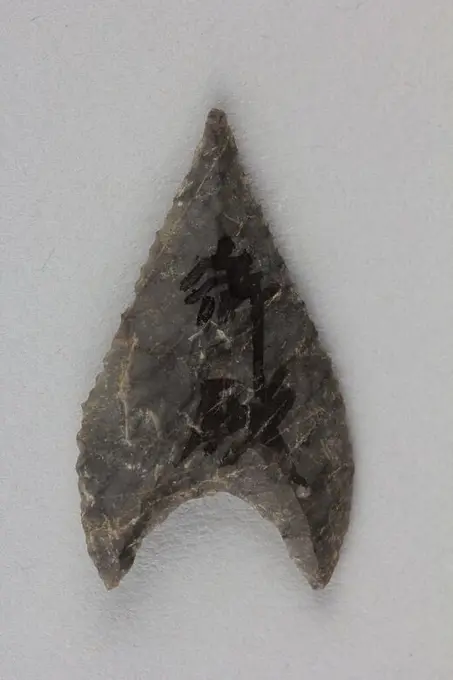
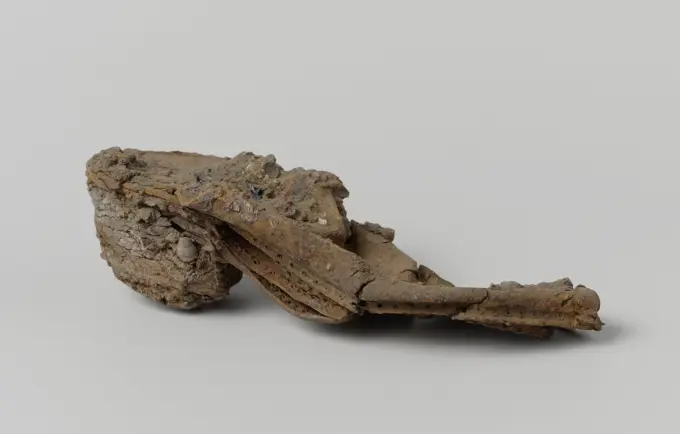
Ancient Artifact Fragments

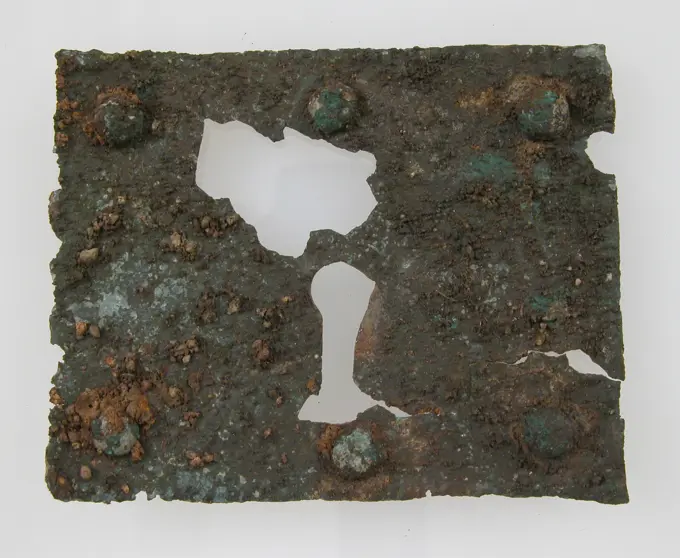
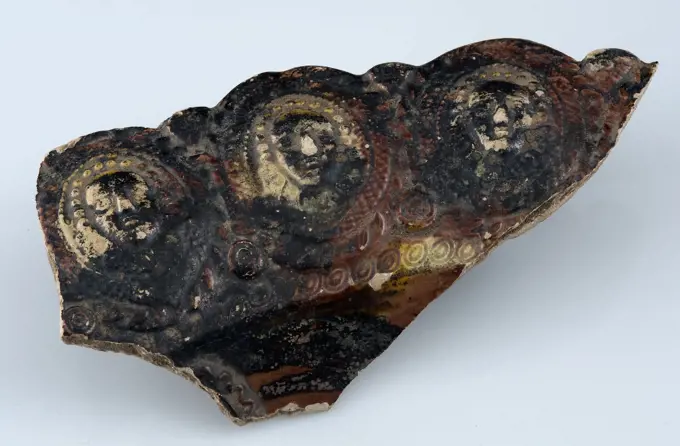
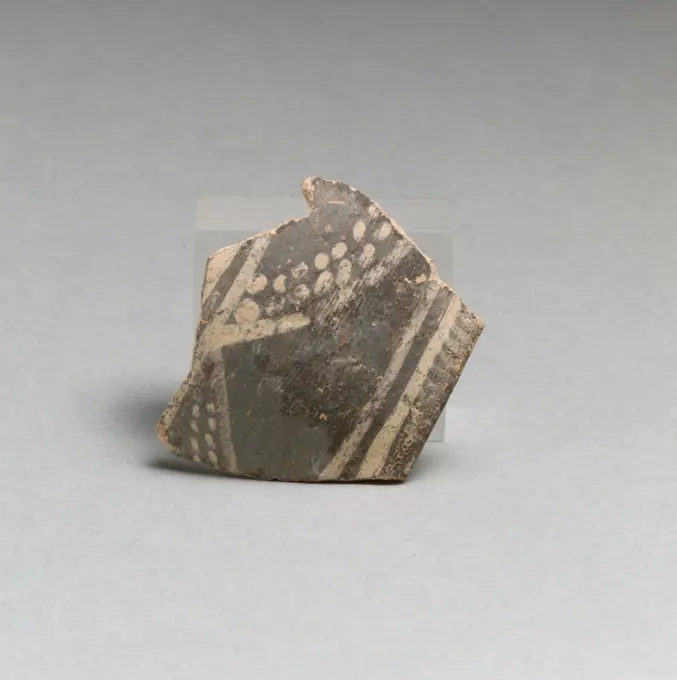
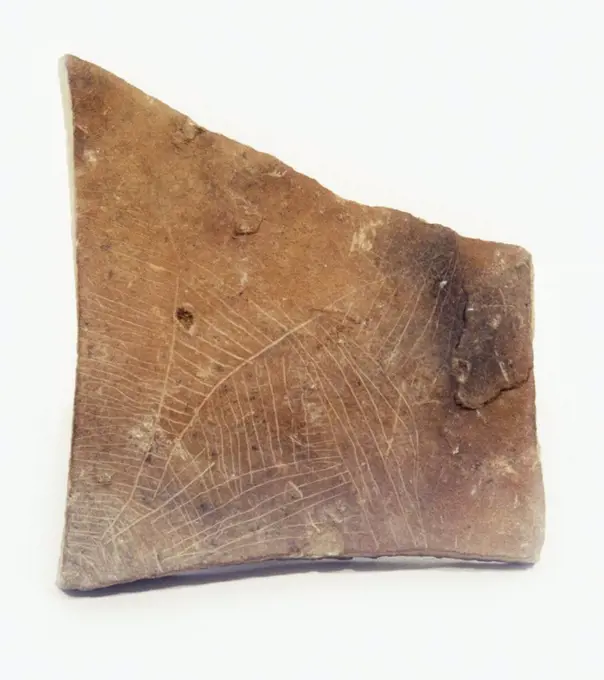
Fragments of ancient artifacts including vase pieces and stone plates with engravings, showcasing historical designs from different cultures.
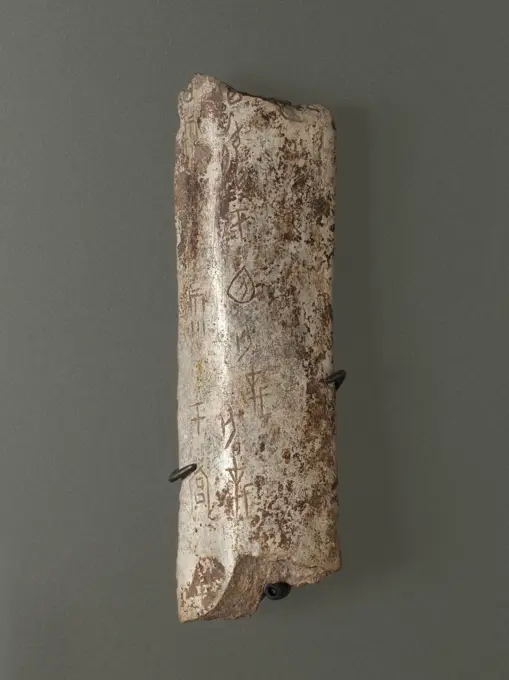
Fragment of bone ". Os. China, Shang dynasty. Paris, Cernuschi museum. 72198-43 Shang dynasty, bone fragment, inscription
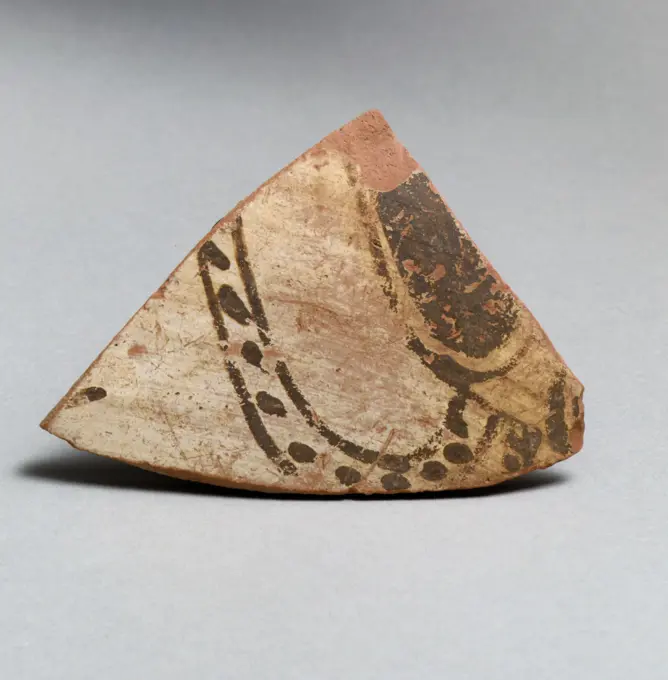
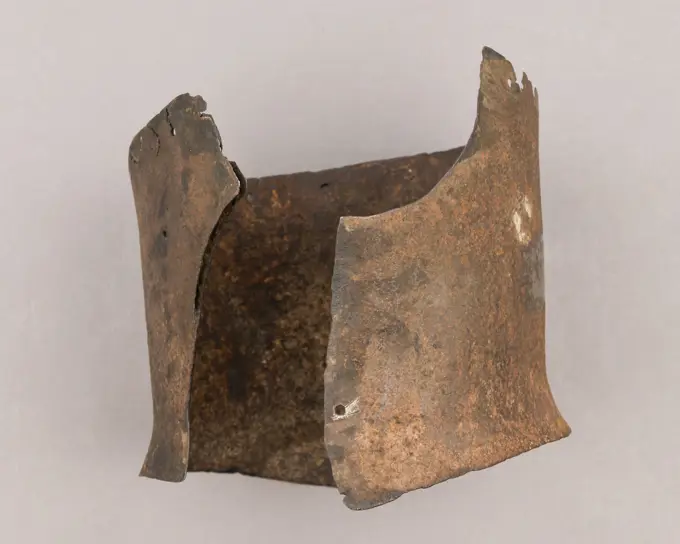
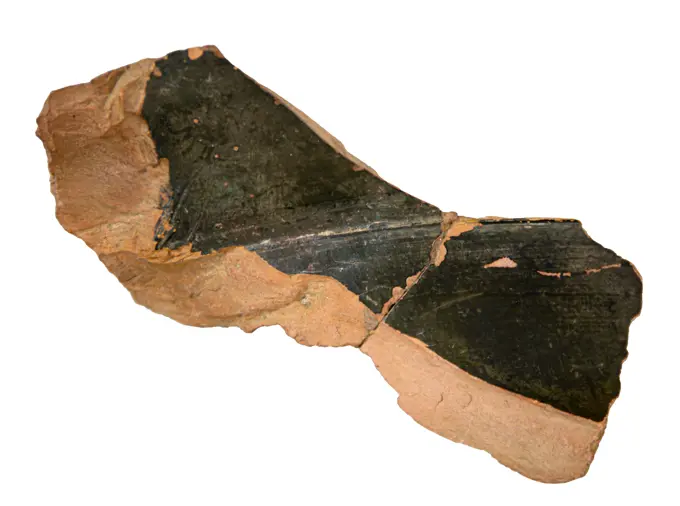
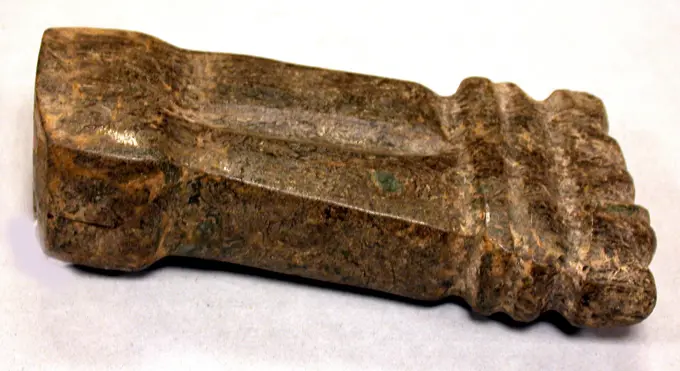
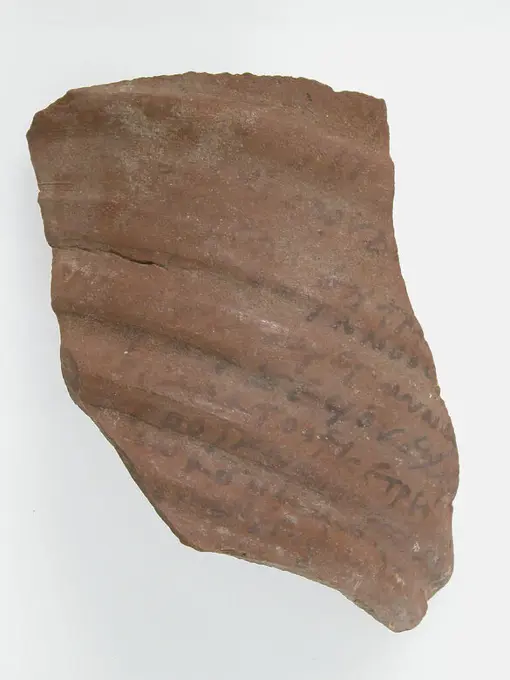
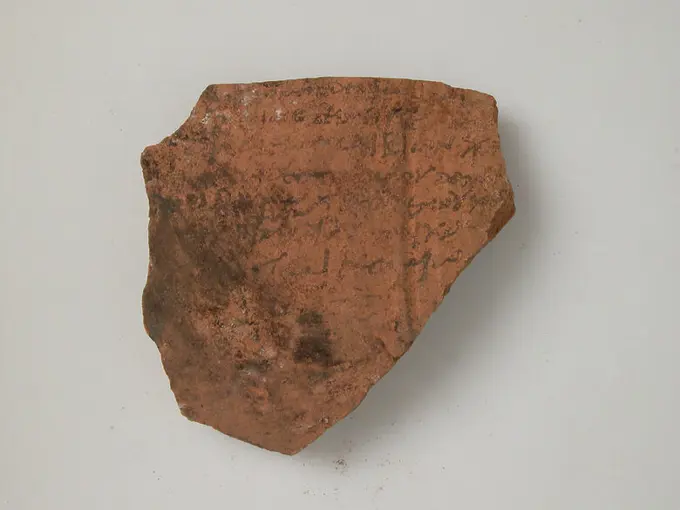
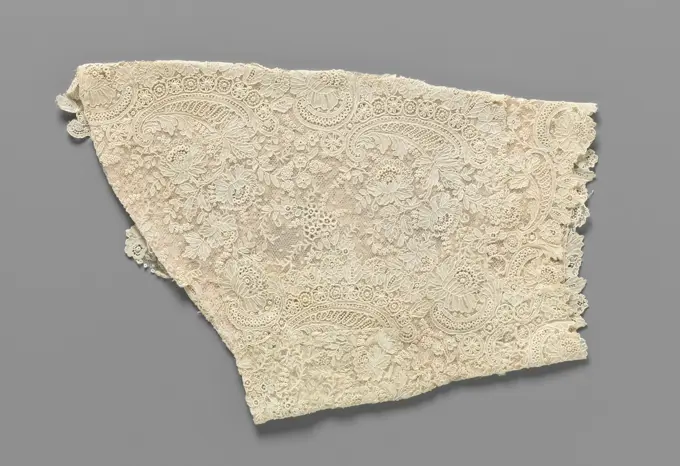
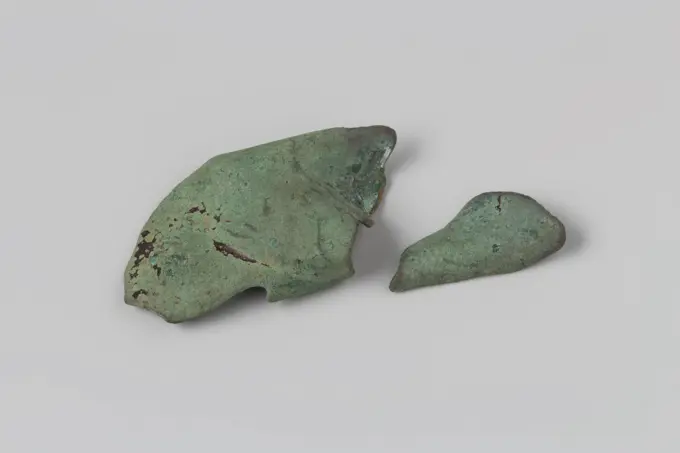
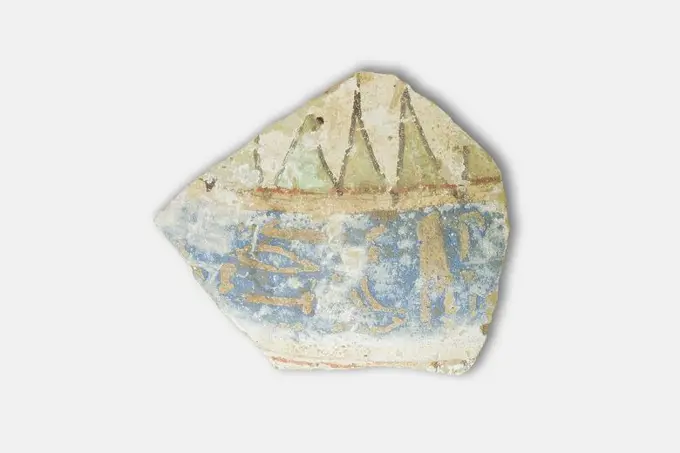
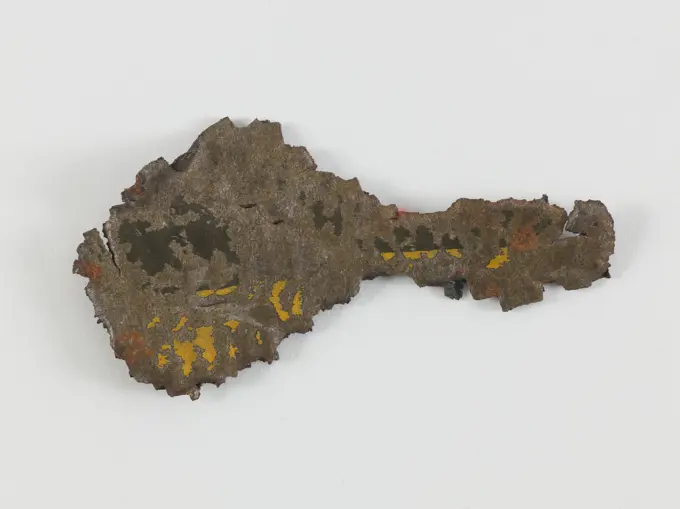
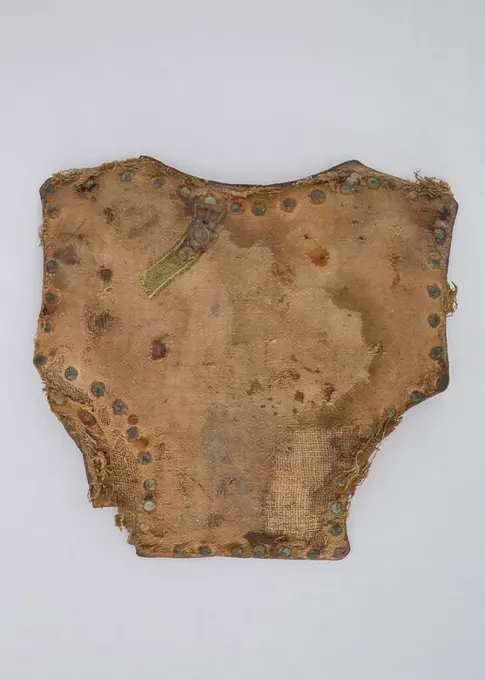
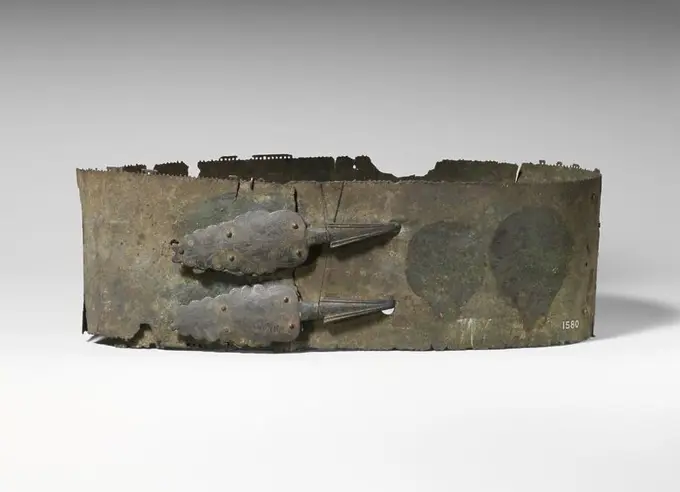
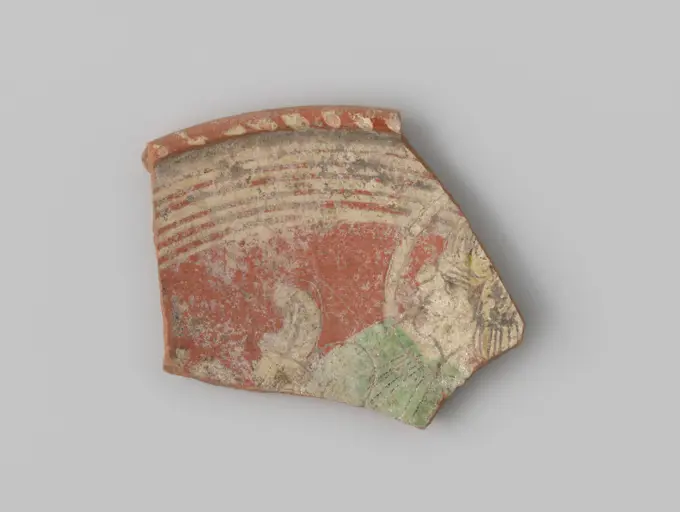
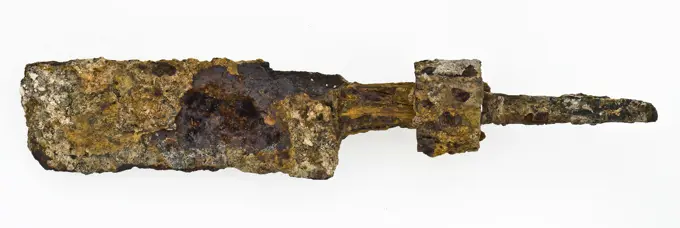
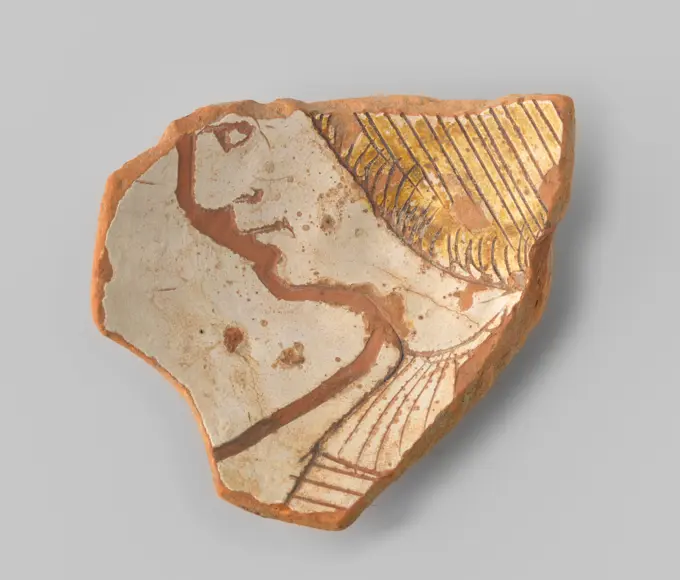
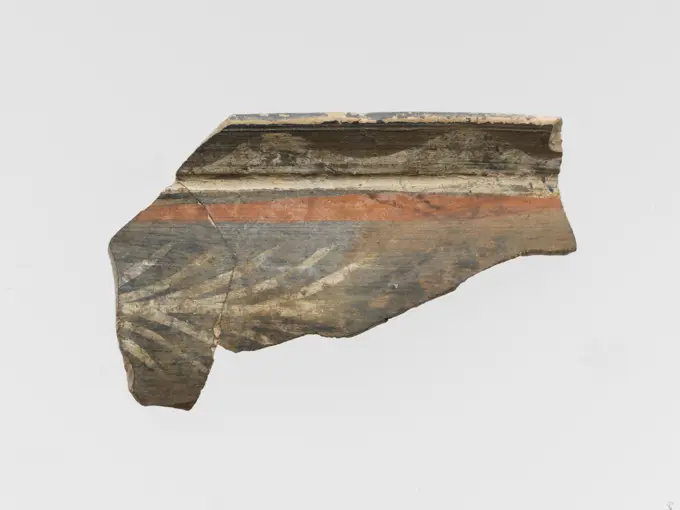
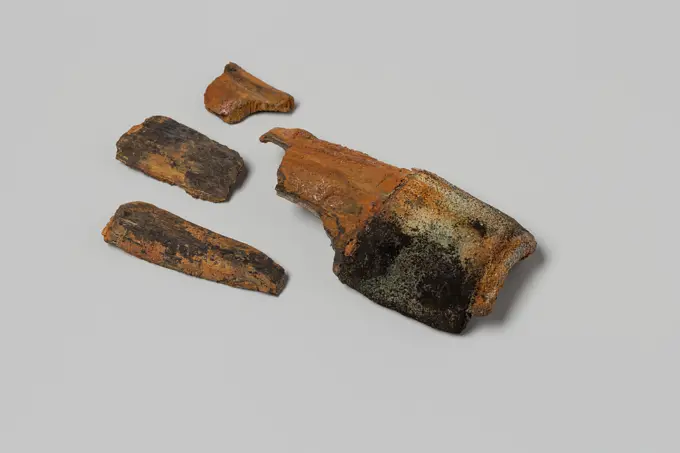
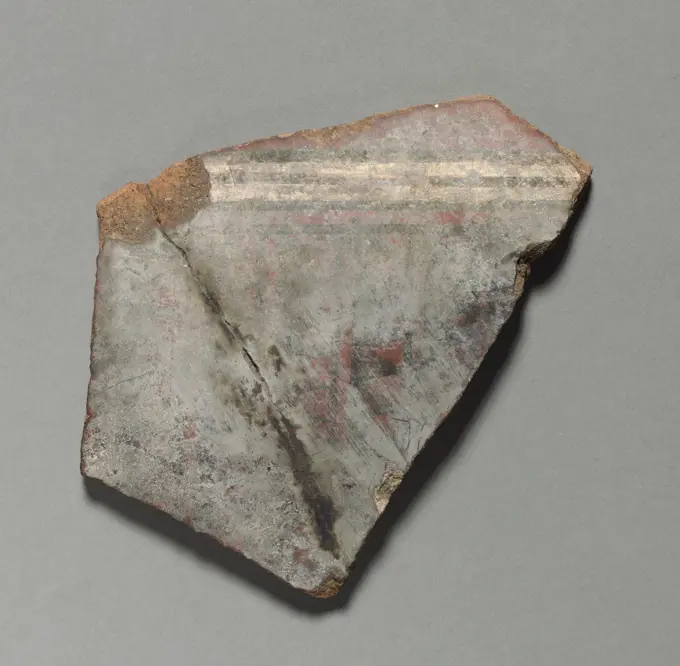
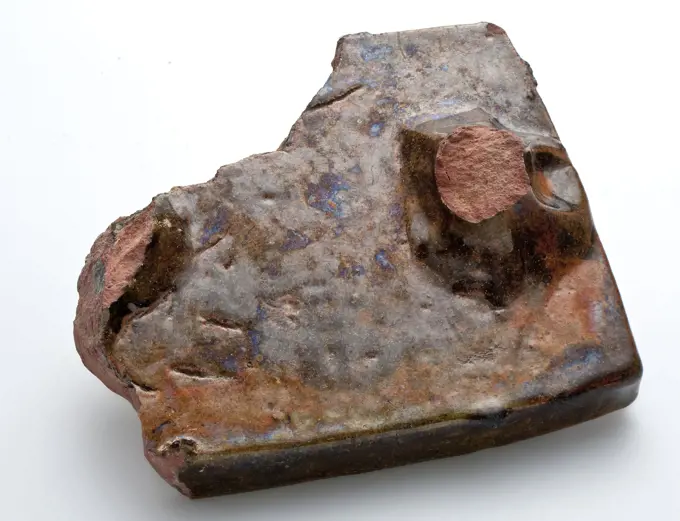
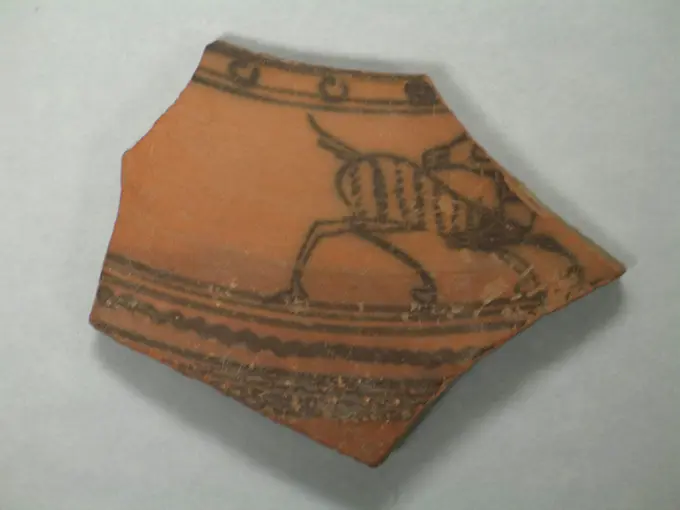
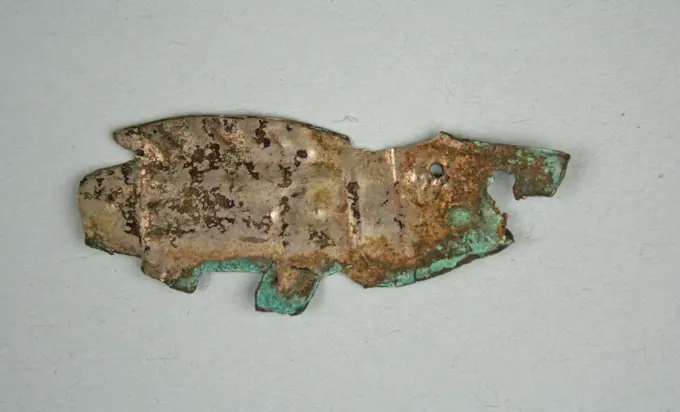
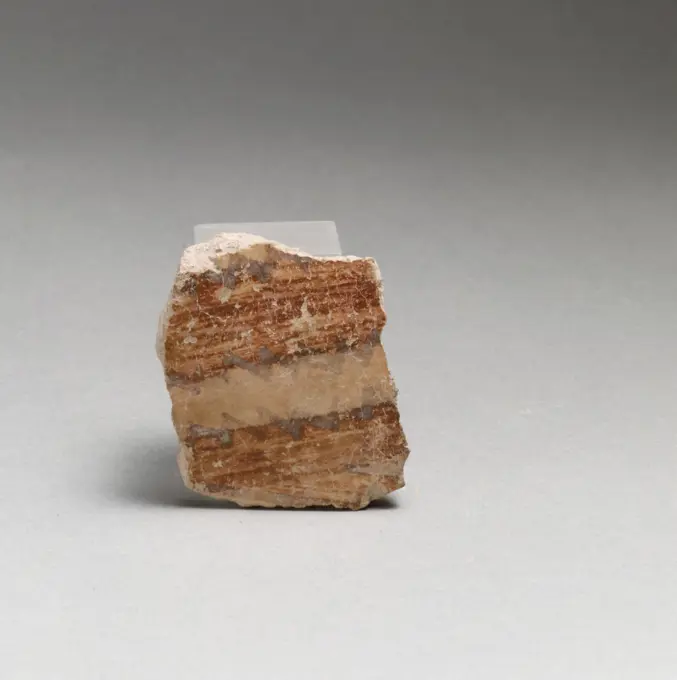
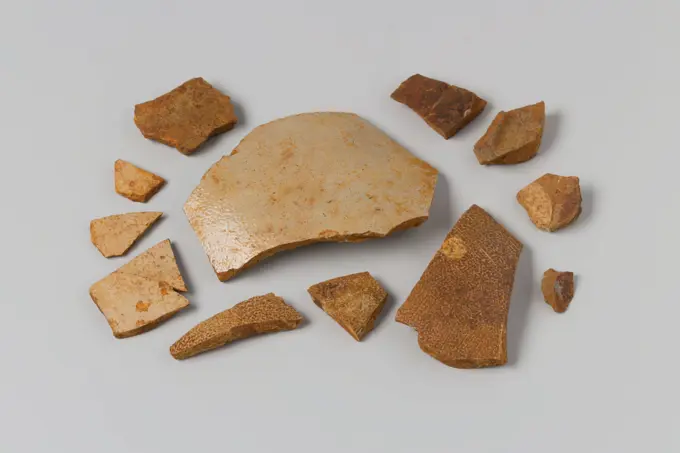
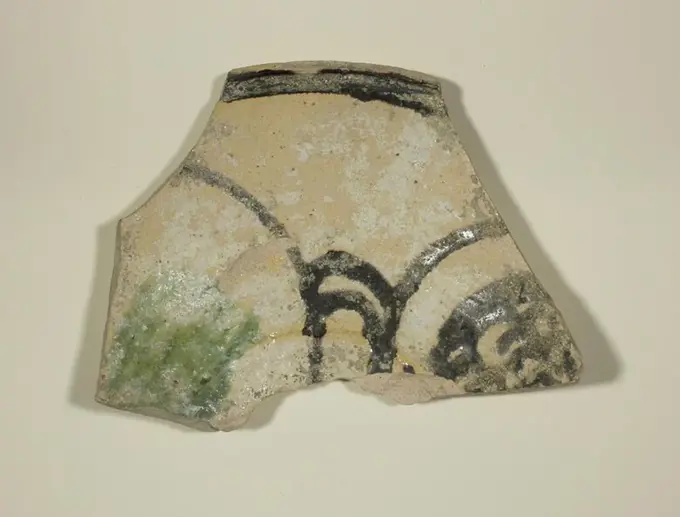
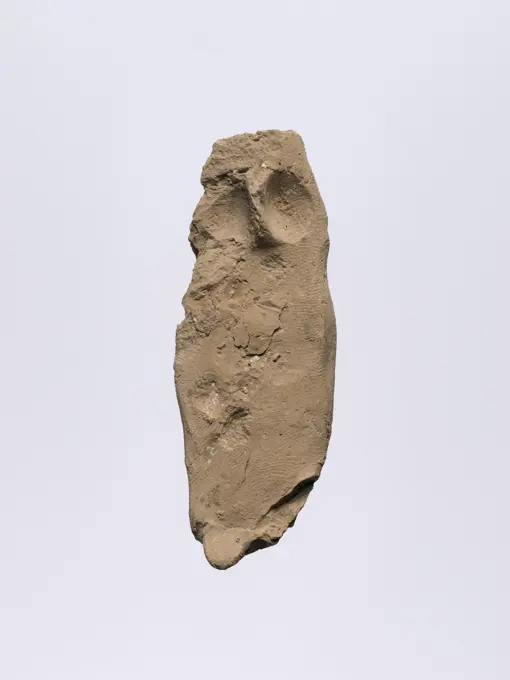
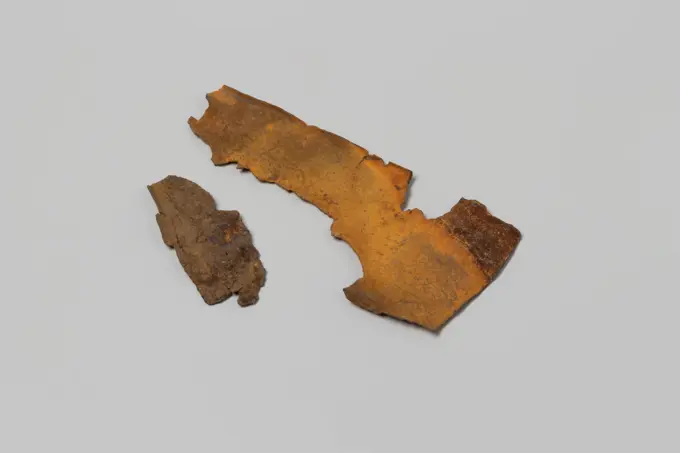
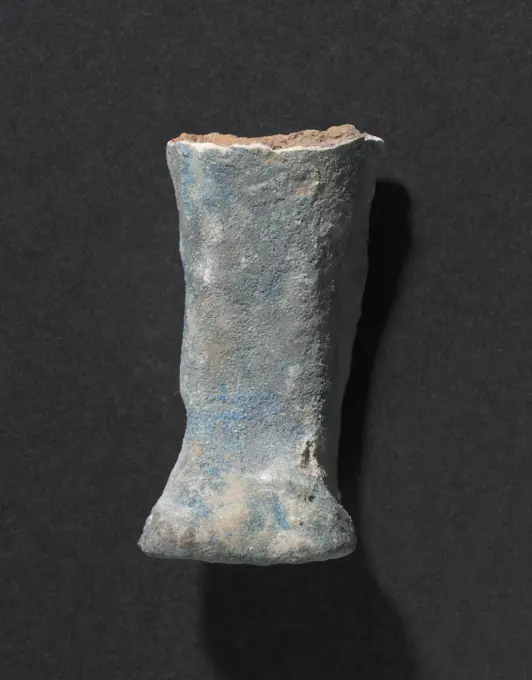
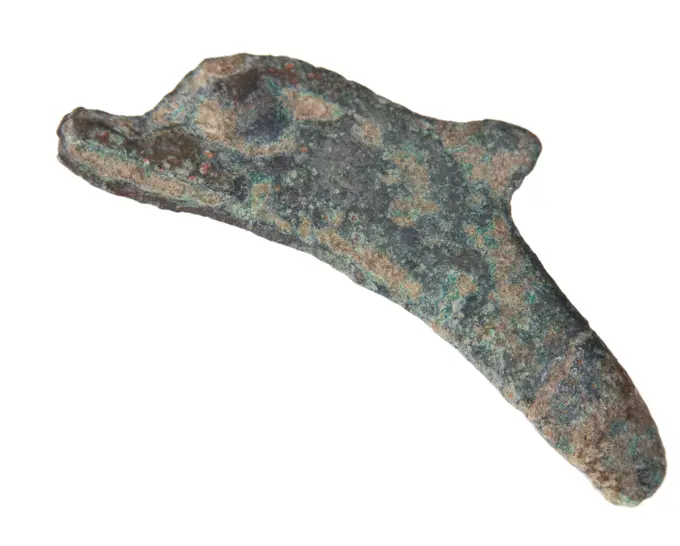
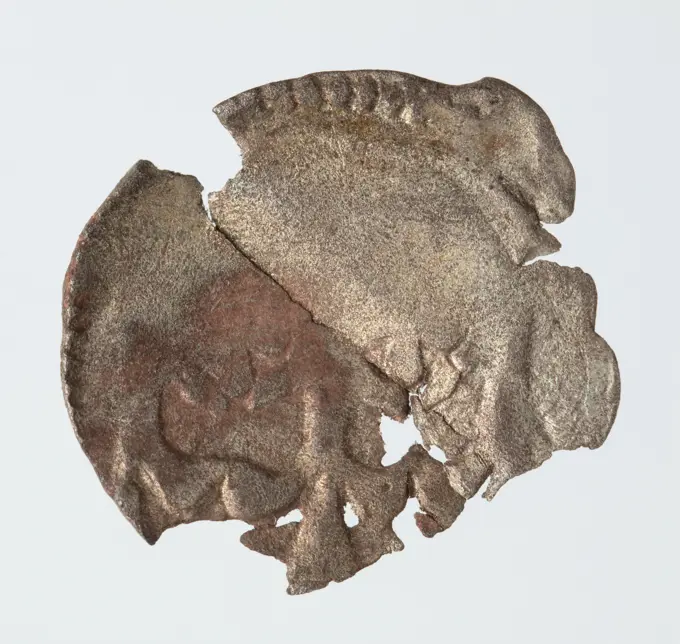
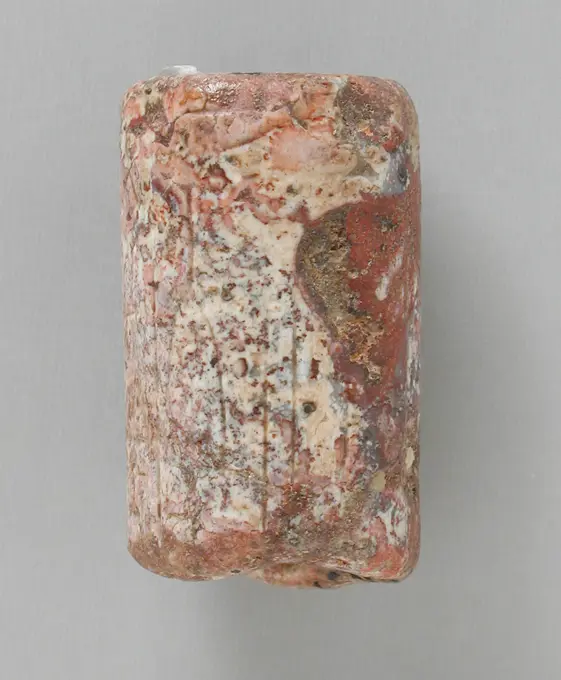
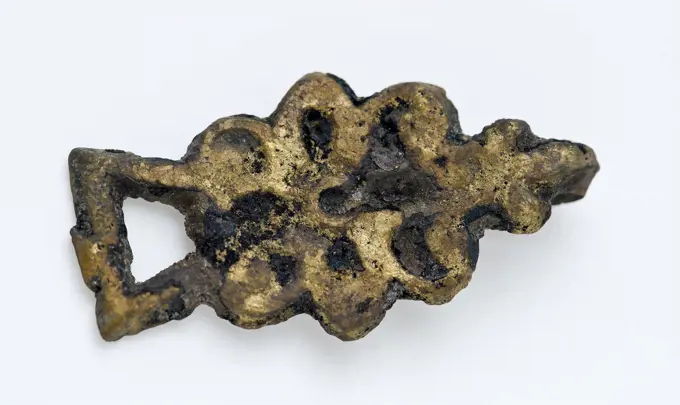
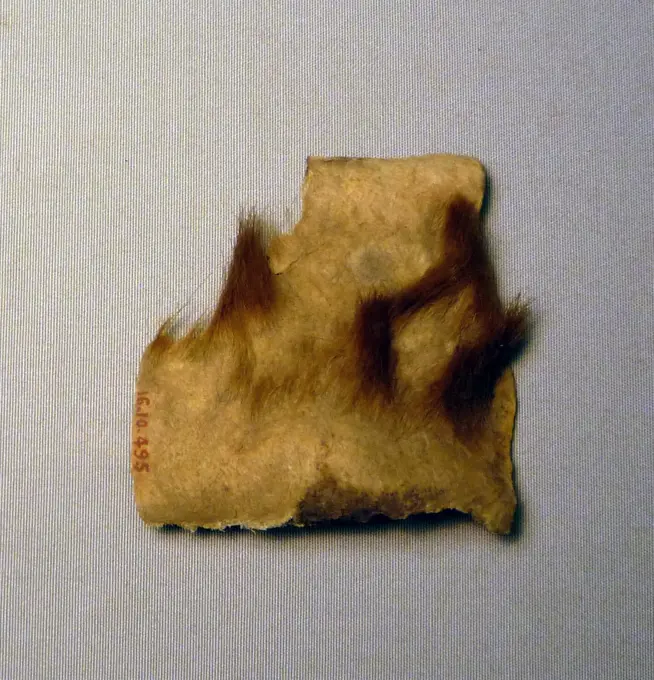
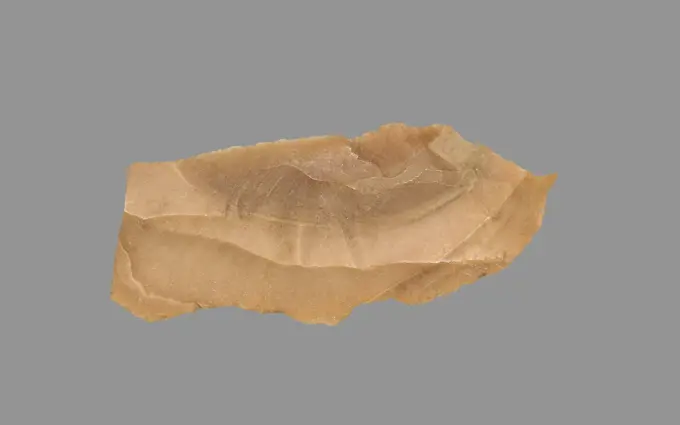
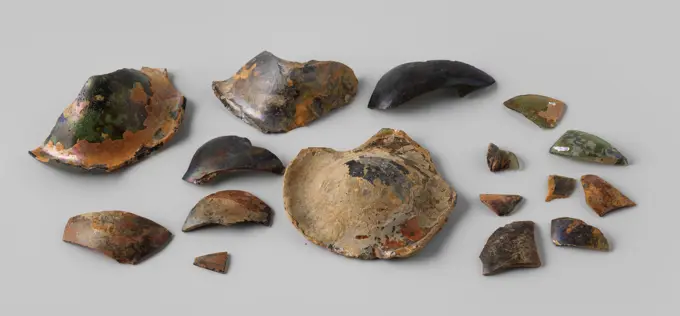
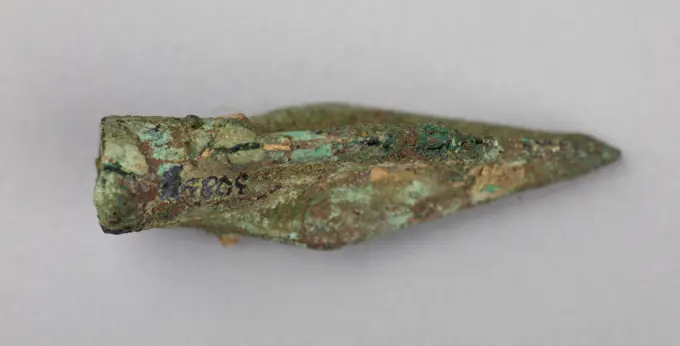
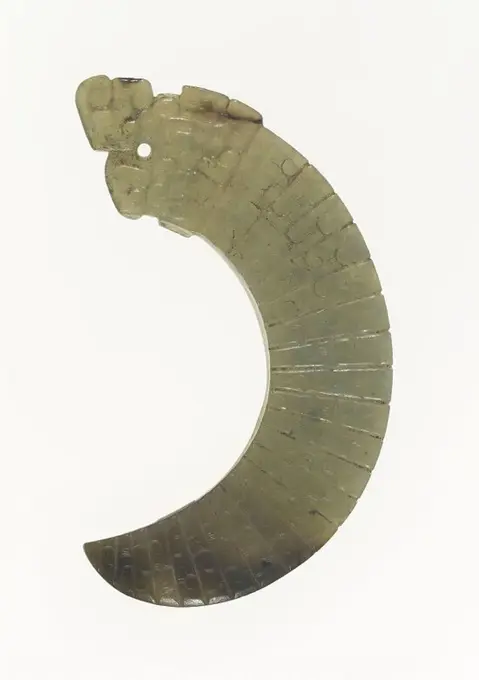
ARTE MUEBLE DEL PALEOLITICO SUPERIOR: PLACA O PLAQUETA DE PIEDRA CALIZA CON CIERVA GRABADA,DE LA CUEVA DE PARPALLO (DEPOSITO: MUSEO DE PREHISTORIA DE VALENCIA).Vase fragment Greek, Laconian. Vase fragment 251294 Greek, Laconian, Vase fragment, Terracotta, 3 3/8 x 1 5/8in. (8.6 x 4.2cm). The Metropolitan Museum of Art, New York. Gift of A. J. B. Wace, 1923 (23.119.18)Wall painting fragment with a swan. Culture: Roman. Dimensions: Overall: 6 1/4 x 5 1/16 in. (15.8 x 12.8 cm). Date: ca. A.D. 14-68.Swan. Museum: Metropolitan Museum of Art, New York, USA.Vase fragment East Greek/Sardis, Lydian Decorated with dots.. Vase fragment 252691 East Greek/Sardis, Lydian, Vase fragment, Terracotta, Overall: 3 15/16 x 2 3/4in. (10 x 7cm). The Metropolitan Museum of Art, New York. Gift of The American Society for the Excavation of Sardis, 1926 (26.199.123)Oracle bone fragment. Culture: China. Dimensions: 3 1/2 × 8 in. (8.9 × 20.3 cm). Museum: Metropolitan Museum of Art, New York, USA.Fragment of bone ". Os. China, Shang dynasty. Paris, Cernuschi museum. 72198-43 Shang dynasty, bone fragment, inscriptionFragment 13th century Crusader. Fragment. Crusader. 13th century. Stained Glass. Glass-StainedHead of Lion 4th-7th century Coptic. Head of Lion 478755Lower Plate of a Bascinet early 15th century Italian This is part of a large find of medieval armor discovered in 1840 in the ruins of the fortress of Chalcis, on the Greek island of Euboea (then a Venetian colony called Negroponte). The fortress had been captured and destroyed by the Turks in 1470. Now divided largely between the Ethnological Museum, Athens, and The Metropolitan Museum of Art, the Chalcis hoard contains many rare and unusual elements of fourteenth- and fifteenth-century armor. Of particular importance are the variety of headpieces and the many fragments of brigandines (armor for the torso constructed of small plates riveted to layers of fabric), some of which retain portions of their original velvet covering. The Chalcis armor provides a unique picture of the armament used in the Aegean, one of the easternmost military outposts of the Venetian empire.. Lower Plate of a Bascinet. Italian. early 15th century. Iron. Helmets PartsVolute-krater fragment ca. 330-310 B.C. Greek, South Italian, Apulian. Volute-krater fragment. Greek, South Italian, Apulian. ca. 330-310 B.C.. Terracotta; red-figure. Classical. VasesTemple 1st-8th century Mezcala. Temple 317477Fragment 9th-10th century. Fragment 451588Bliżej Kultury Władysław Jagiełło (CA 1351 1434), Mint of KrakówOstrakon. Culture: Coptic. Dimensions: 4 1/2 x 3 9/16 in. (11.5 x 9 cm). Date: 7th century. Museum: Metropolitan Museum of Art, New York, USA.Vessel fragment ca. 1390-1353 B.C. New Kingdom. Vessel fragment. ca. 1390-1353 B.C.. Pottery, paint. New Kingdom. From Egypt, Upper Egypt, Thebes, Malqata, Palace of Amenhotep III. Dynasty 18Mummy Label with Bilingual Inscription. Egypt, Roman Period (30 BCE - 300 CE). Tablets. WoodBody with garment, pleating ca. 1353-1336 B.C. New Kingdom, Amarna Period. Body with garment, pleating. ca. 1353-1336 B.C.. Indurated limestone. New Kingdom, Amarna Period. From Egypt, Middle Egypt, Amarna (Akhetaten), Great Temple of the Aten, Pit outside southern wall, Petrie/Carter excavations, 1891-92. Dynasty 18Ostrakon. Culture: Coptic. Dimensions: Overall: 2 13/16 x 2 3/4 x 3/8 in. (7.2 x 7 x 0.9 cm). Date: 4th-7th century. Museum: Metropolitan Museum of Art, New York, USA.Fragment of a Bowl 8th-9th century. Fragment of a Bowl 448730Sleeve made from a strip of needle side with volutes and peonies, anonymous, c. 1850 - c. 1899 Sleeve of natural needle side: Brussels mesh side. Something tapered rectangular model with an oblique side, composed of different parts that are put together with a light pink lining of unprocessed machine tulle. The needle side pattern of flower branches and asymmetrical C-volutes on a fine soil with single twisted meshes: a mesh cincloth that is littered with mosques. Made full work with feston stitches with nuances where the denser filling is made with dust mark (a Festonsteek variant). Relief contours of widded wire bundles (cordonnets) wide apart. Many coordonated rings and connected circles with different flowers in decorative stitches decorate the side. The scums along the lower edge are formed by connected C-Voluten with smaller or larger flowers underneath. Belgium Linen (Material). lining: Brussels Gaze Point Sleeve of natural needle side: Brussels mesh side. Something tapered rectExcerpt of copper from the wreck of the East Indians Hollandia, 1700 - in or before 1743  Parts of artefacts; eroded fragments: materials; copper. Netherlands copper (metal)   SecondDecorated jar fragment with inscription. Dimensions: H. 9.4 (3 11/16 in.); W. 11 cm (4 5/16 in.). Dynasty: Dynasty 18. Reign: reign of Amenhotep III. Date: ca. 1390-1352 B.C.. Museum: Metropolitan Museum of Art, New York, USA.Anonymous. "DCA shell bundle/plane bomb". Metal. 1940-1941. General Leclerc Museum of Hauteclocque and the Liberation of Paris, Jean Moulin Museum. 158830-20Fragment miseczki. nieznany warsztat północno mezopotamski, workshopBackplate from a Brigandine. Culture: Italian. Dimensions: H. 10 in. (25.4 cm); W. 10 1/4 in. (26.04 cm); Wt. 1 lb. 9.9 oz. (734.3 g). Date: ca. 1400-1425.This plate is extremely rare for retaining much of its original fabric covering, a red wool velvet. As part of a complete brigandine, it would have protected the area at the base of the neck and between the shoulderblades. Museum: Metropolitan Museum of Art, New York, USA.Bronze belt and clasps. Culture: Italic, Samnite. Dimensions: H.: 4 in. (10.2 cm). Date: late 5th-early 4th century B.C..Wide bronze belts with several clasps, often in the shape of palmettes, are well known from finds, especially in the regions of Apulia, Lucania, and Daunia, and from representations in Campanian and Lucanian painting. The term Samnite applies to one of the indigenous peoples of Southern Italy whose language was Oscan--thus, for instance, the Oscan warriors on Apulian vases. The belts are connected with warriors and often occur in graves with other military equipment. Museum: Metropolitan Museum of Art, New York, USA.Sharf of red -baking earthenware with a drawing of a figure and profil, with yellow hair and green clothing ,, c. 1500 - c. 1899 fragment   earthenware. glazeWall casing 664-610 B.C. Late Period, Saite see 23.3.468. Wall casing 548152Blade of cleaver, with loose ring around sting, cleaver knife cutting tool soil find iron wood metal, Blade with narrowed angel To the sting ring (lifting guard) In which wood remains archeology Rotterdam railway tunnel chopping food prepare kitchen slaughtering meatloys Soil discovery: rail tunnel Rotterdam.Excerpt (foot) with red shard, in sgraffito technique a man's head () Wined to left () With ocher, long hair; The outdoor drawing has a broad, breached circumference, lesser quality, anonymous, 1200 - 1899  Italy earthenware  Italy earthenwareTerracotta rim of a cup with fern pattern and bands ca. 1800-1700 B.C. Minoan From Knossos, CretePart of rim, polychrome, fern pattern in white, and orange band.. Terracotta rim of a cup with fern pattern and bands. Minoan. ca. 1800-1700 B.C.. Terracotta; Kamares ware. Middle Minoan II. VasesFragment of a musket from the wreck of the East Indied Flying Heart. The semicircular piece (needle) wood presumably part of a musket (stick tape).Fragment, 1400-1532 AD. Peru, Inka, 1400-1532 AD. Pottery; overall: 11.8 x 9.3 x 1.3 cm (4 5/8 x 3 11/16 x 1/2 in.).Fragment of earthenware iron, iron, red shard, glazed, ironing stone iron fragment soil found ceramic earthenware glaze lead glaze, hand shaped glazed baked Red earthenware brown glaze two attachment points of handle elongated model. Thick earthenware broken on old crack where glaze has entered during baking archeology Valckensteyn Poortugaal Albrandswaard indigenous earthenware clothing ironing shine clothing care Soil discovery: canal at kitchen castle Valckensteyn at Poortugaal now Albrandswaard 1961.Fragments of Molded Glazed Ceramics 9th century. Fragments of Molded Glazed Ceramics 447655Furniture element ca. 18th century B.C. Old Assyrian Trading Colony. Furniture element 329705Spandrel Fragments. Turkey, 13th century. Stucco. MoldedRelief Fragment from the Tomb of Neferu or Khety ca. 2030-1640 B.C. Middle Kingdom. Relief Fragment from the Tomb of Neferu or Khety 577166Fragment of a Dish 14th-15th century. Fragment of a Dish. 14th-15th century. Earthenware; incised decoration through white slip and coloring under transparent glaze. Attributed to Egypt. CeramicsVase fragment Minoan. Vase fragment 247767Stone polished axe. North Africa, Neolithic. 6,5cm.Sickle Blade, 1980-1801 BC. Egypt, Middle Kingdom, Dynasty 12. Flint; overall: 5 cm (1 15/16 in.).Shard with Figural Decoration ca. 4th-5th century Pakistan. Shard with Figural Decoration 44691Fish Ornament 11th-12th century Peru; central coast (). Fish Ornament 308831Fragment 8th-9th century. Fragment 451571Terracotta vessel fragment ca. 4000-3000 B.C. Greek Neolithic From Gonia in the Peloponnese. Terracotta vessel fragment 253267 Greek Neolithic, Terracotta vessel fragment, ca. 40003000 B.C., Terracotta, length 1 15/16in. (4.9cm). The Metropolitan Museum of Art, New York. Anonymous Gift, 1930 (30.119.62)Fragments of copper from the wreck of the East Indians Hollandia, 1700 - in Or Before 1743  Parts of artefacts; eroded fragments: materials; copper. Netherlands copper (metal)   SecondFragments of a ship bell, anonymous, 1700 - in or before 1743 musical instrument. percussion instrument. bell (idiophone). ship bell. fragment Acoustic, bell (ship's); fragment of rim, concentric band mouldings, fit to NG 1980-27H1134/2990. Netherlands copper (metal)   SecondGlass Fragment 17th century Dutch. Glass Fragment. Dutch. 17th century. Colorless glass. Glass-StainedShards of jugs from the wreck of the East Indians Hollandia, Anonymous, 1700 - in Or Before 1743  Stoneware, Rhenish, Frechen-ware, jug; fragm of bodies. Cologne stoneware   SecondCuffs. White linen canvas. Dresde point. 1730-1770. Galliera, fashion museum of the city of Paris. 101510-9 Costume, 18th 18th 18th 18th 18th 18th centuryFragment of a Plate. Byzantine; Greece, Corinth or Sparta, or Cyprus. Date: 1101-1400. Dimensions: 2.5 × 13.3 × 10.8 cm (1 × 5 1/4 × 4 1/4 in.). Ceramic. Origin: Byzantine Empire. Museum: The Chicago Art Institute, Chicago, USA.Terracotta rim of a cup with polychrome motifs. Culture: Minoan. Dimensions: Overall: 1 1/2 x 1 9/16in. (3.8 x 4cm). Date: ca. 1800-1700 B.C..From Knossos, CretePolychrome fragment, decorated in white and orange on dark ground. Museum: Metropolitan Museum of Art, New York, USA.Vase fragments, 3 East Greek/Sardis, Lydian. Vase fragments, 3 252616 East Greek/Sardis, Lydian, Vase fragments, 3, Terracotta, 1 3/8in. (3.4cm) Other (a-length): 3 7/16in. (8.8cm) Other (b-length): 4 1/4in. (10.7cm) Other (c-length): 2 3/8in. (6cm). The Metropolitan Museum of Art, New York. Gift of The American Society for the Excavation of Sardis, 1926 (26.199.19ac)Attic Red-Figure Column Krater Fragment. Attibuted to the Triptolemos Painter (Greek (Attic), active about 490 - 470 B.C.)Ferret 6th-7th century Frankish. Ferret 465636 Frankish, Ferret, 6th7th century, Copper alloy, silvered, Overall: 1 3/4 x 9/16 x 3/16 in. (4.4 x 1.5 x 0.4 cm). The Metropolitan Museum of Art, New York. Gift of J. Pierpont Morgan, 1917 (17.193.303)Figurine ca. 150 B.C. Parthian. Figurine. Parthian. ca. 150 B.C.. Ceramic. Parthian. Mesopotamia, NippurVase fragment East Greek/Sardis, Lydian. Vase fragment 252785 East Greek/Sardis, Lydian, Vase fragment, Terracotta, Overall: 2 3/8 x 1 1/2in. (6 x 3.8cm). The Metropolitan Museum of Art, New York. Gift of The American Society for the Excavation of Sardis, 1926 (26.199.218)Excerpt copper from the wreck of the East Indies Hollandia, 1700 - in or before 1743 fragment Parts of artefacts; eroded fragments: materials; copper. Netherlands copper (metal)   SecondShawabty of Ditamenpaankh, 715-656 BC. Egypt, Late Period, Dynasty 25. Terracotta; overall: 3.6 x 1.8 x 1.4 cm (1 7/16 x 11/16 x 9/16 in.).Shards of basement bottles from the wreck of the East Indians' t Vliegend Hart ,, 1700 - 1735  Sharf of the belly of a square basement bottle by the neck, of green glass but black. Sharf of the bottom of a basement bottle, also black. Sharf of the edge of the bottom of a basement bottle, also black. Case Bottle. Middelburg .Rectangular Plaque 6th-7th century Frankish. Rectangular Plaque. Frankish. 6th-7th century. Copper alloy with traces of wood on back. Made in Niederbreisig, Germany. Metalwork-Copper alloyFragment 13th century Crusader. Fragment 475321Cuneiform tablet: fragment ca. 7th-4th century B.C. Babylonian or Achaemenid. Cuneiform tablet: fragment. Babylonian or Achaemenid. ca. 7th-4th century B.C.. Clay. Neo-Babylonian or Achaemenid. Mesopotamia, Sippar ()Vase fragments Incised decoration.. Vase fragments. Terracotta. VasesBorder fragment earthenware bowl with masons, dishware holder earthenware ceramic earthenware glaze lead glaze, molded in mold Edge fragment of molded earthenware dish polychrome covered with lead glaze archeology indigenous pottery import food serve serving table roomFragments of wine bottles from the wreck of the East Indiescher 't flying heart. Strongly corroded glass fragments of wine bottles. There are two corks, four bottlenecks and three soil fragments between the shards.Flat Ji Axe, 1600-1100 BCE, 6 15/16 x 4 7/8 x 3/8 in. (17.62 x 12.38 x 0.95 cm), Mottled grey-green jade with traces of red pigment, China, 16th-11th century BCEFragment of pottery ". Terracotta. Vietnam-Xe-Xive s. Paris, Cernuschi museum. 72361-31 Fragment, Vietnamese object, pottery, terracottaTerracotta rim fragment with bands and dots ca. 2300-2100 B.C. Minoan From Gournia, CreteRim fragment with bands and dots.. Terracotta rim fragment with bands and dots 247702Arrowhead Japan. Arrowhead 62426Vase fragment 7th century B.C. East Greek/Sardis, Lydian Applied handle.. Vase fragment 252693 East Greek/Sardis, Lydian, Vase fragment, 7th century B.C., Terracotta, Overall: 4 3/4 x 3 7/16in. (12 x 8.8cm). The Metropolitan Museum of Art, New York. Gift of The American Society for the Excavation of Sardis, 1926 (26.199.125)Greece, Sarmacja, Olmia, V The beginning of the 4th century BC, Dolphin money, AE MintBliżej Kultury Władysław Jagiełło (CA 1351 1434), Mint of KrakówFragment 13th-14th century. Fragment 445340Cylinder Seal. Mesopotamia, 1590-1150 B.C.. Tools and Equipment; seals. StoneBronze fals. Unknown, Bahri Mamluk, late 14th century. Tools and Equipment; coins. CoinKarte von Estland auf rostigem Metall - Map of Estonia on rusty metal Karte von Estland auf rostigem Metall - Map of Estonia on rusty metal Copyright: xZoonar.com/lantapixx 9894104Fragment 8th-9th century. Fragment 448764Reaal van Vieren, beaten in Mexico, mint from the wreck of the East Indians' t Vliegend Hart ,, 1703 - 1733  Silver coin, beaten on irregular coin plate. Front: crowned coat of arms; on the right: figure 4; Van Dischanging is visible at the top right. Reverse: Cross in multi -pass; Between cross arms: arms figures. Mexico silver (metal) striking (metalworking)  MexicoBrass coat hook with hook and eye, hook clothing accessory clothing bottomfound brass metal, cast Tapered opening including very stylized flower shape back crooked hook. Part of cloakroom archeology Rotterdam railroad tunnel fastening cloak dressing Soil discovery: Willemspoor behind St. Laurenskerk.Hide Fragment From Foundation Deposit 2 of Hatshepsut's Valley Temple ca. 1479-1458 B.C. New Kingdom. Hide Fragment From Foundation Deposit 2 of Hatshepsut's Valley Temple. ca. 1479-1458 B.C.. Leather. New Kingdom. From Egypt, Upper Egypt, Thebes, Asasif, Hatshepsut Valley Temple, Foundation Deposit 5AFD2, MMA excavations, 1915-16. Dynasty 18Fragment 14th-15th century. Fragment 445212Shabti ca. 1640-1504 B.C. Second Intermediate Period-Early New Kingdom. Shabti 546974Sickle Blade, 1980-1801 BC. Egypt, Middle Kingdom, Dynasty 12. Flint; overall: 5 cm (1 15/16 in.).Sickle Blade, 1980-1801 BC. Egypt, Middle Kingdom, Dynasty 12. Flint; overall: 5 cm (1 15/16 in.).Shards of wine bottles from the wreck of the East Indians' t Vliegend Hart ,, 1700 - 1735  Shards of onion -shaped wine bottles of green glass that has been in red (port) wine. Netherlands .Miseczka. nieznany warsztat północno mezopotamski (ca 2600-ca 2350 a.C.), workshopArrowheadFragment, Medium: silk Technique: cut and uncut supplementary warp pile (velvet), Fragment of green silk velvet. Cut pile design on uncut ground. Tiny allover pattern of highly formalized flower sprigs in outline., Italy, late 16th-early 17th century, woven textiles, FragmentTerracotta oil lamp, Roman.raw gray Dolomite stone on white macro shooting of natural mineral rock specimen - raw gray Dolomite stone on white marble background Copyright: xZoonar.com/ValeryxVoennyyx 11951528Pointed Pendant. China. Date: 610 BC-490 BC. Dimensions: Diam. 3 9/16 in; 2 × 3/32 in. Jade. Origin: China. Museum: The Chicago Art Institute, Chicago, USA.Disk-shaped Jar Lid ca. 1194-1188 B.C. New Kingdom, Ramesside. Disk-shaped Jar Lid 549563Naczynie kuliste. nieznany warsztat północno mezopotamski (ca 2600-ca 2350 a.C.), workshopAnonymous. "Fragment of German shell rocket (anti -aircraft)". Metal. 1942-1942. General Leclerc Museum of Hauteclocque and the Liberation of Paris, Jean Moulin Museum. 158828-25Arrowhead. Culture: Japan. Dimensions: L. 1 1/8 in. (2.9 cm); W. 3/4 in. (1.9 cm). Museum: Metropolitan Museum of Art, New York, USA.Shoe from the wreck of the East Indians Meresteijn, Anonymous, 1700 - 1702  Leather shoe. Sole made up of two layers of leather and the heel from eight or more layers. The nails are still visible in the heel, the holes in front of the stitching but not the stitching itself. The leather is covered with a layer of rust or rusty sake -ups. Shoe. Netherlands leather. wood (plant material). metal   Cape of Good HopeLeather fittings of book, decorative fitting fittings closing ground finding copper metal, Single fitting plate with part of hinge In the picture two nails archeology Rotterdam rail tunnel fastening close transport book Soil discovery: trajectory rail tunnel Rotterdam.Subgeometric Pedestaled Bowl. Unknown